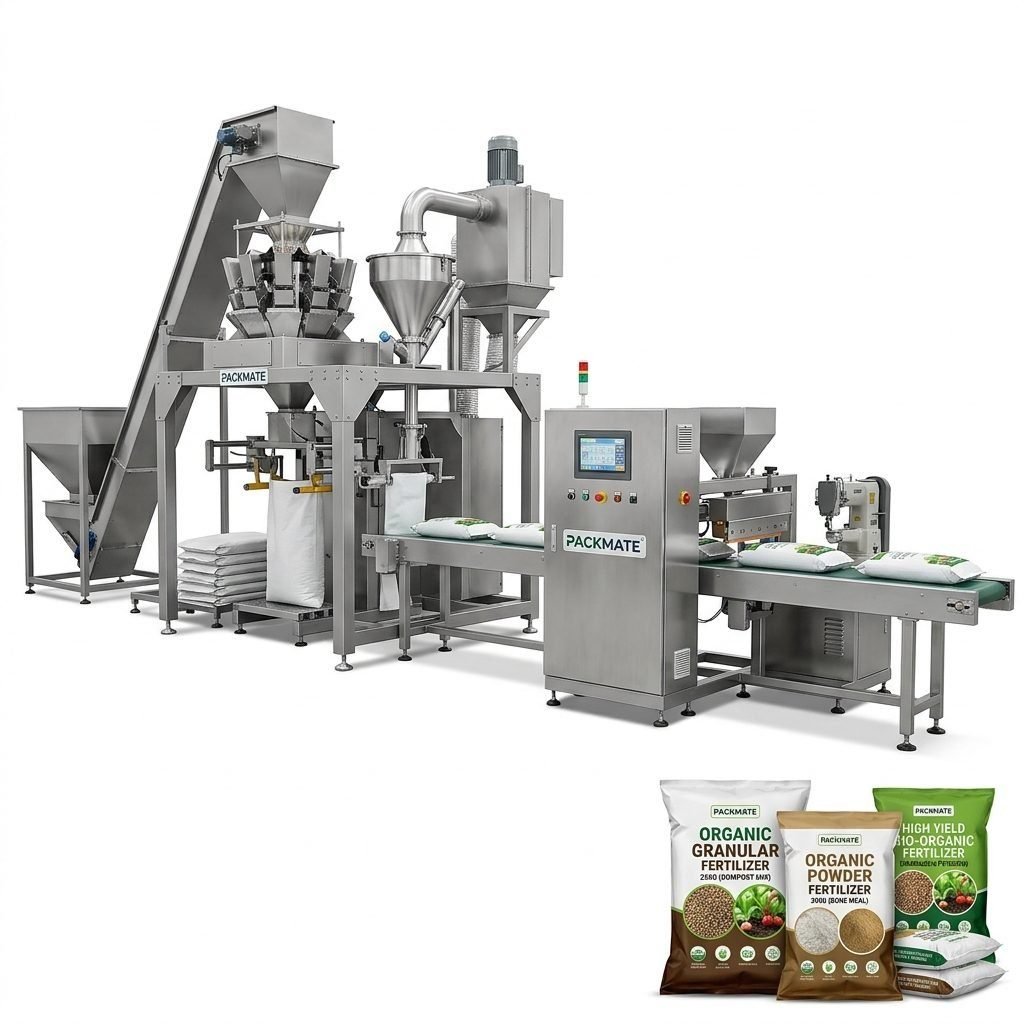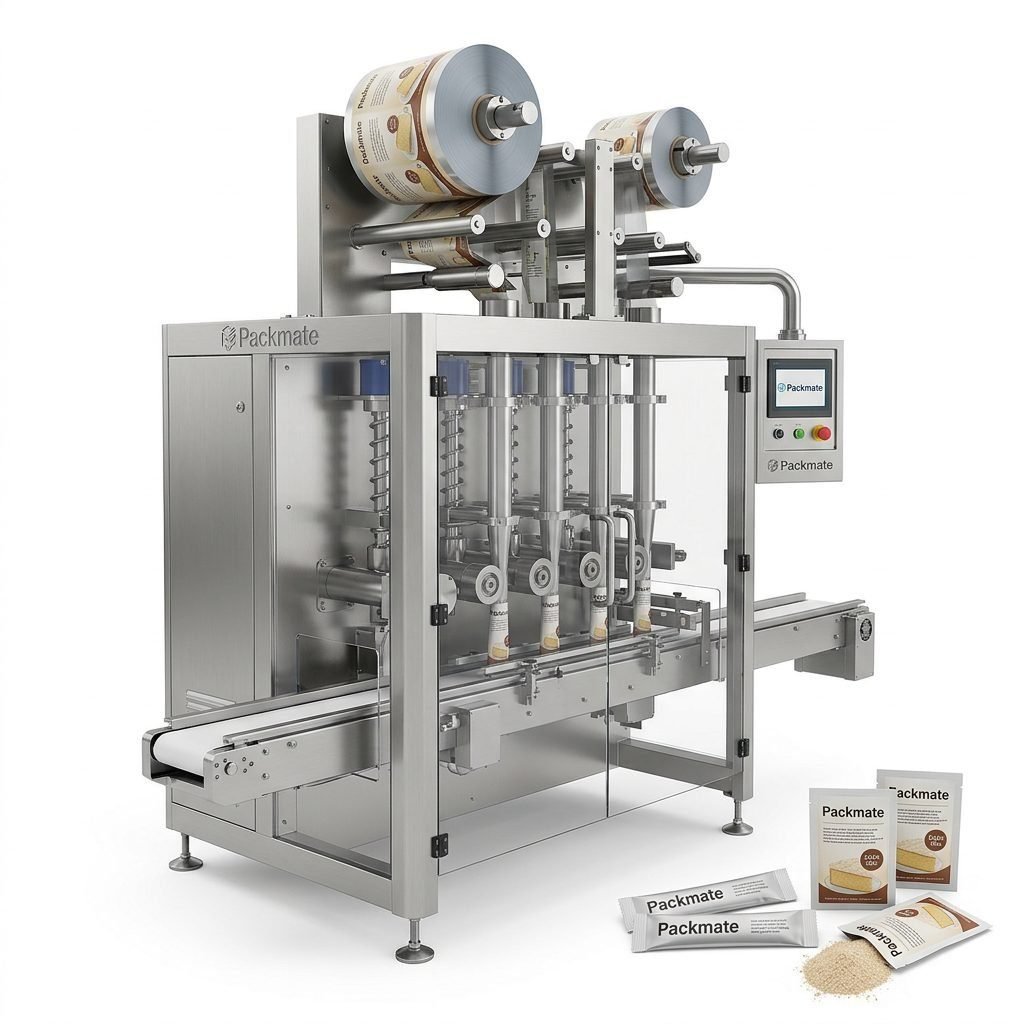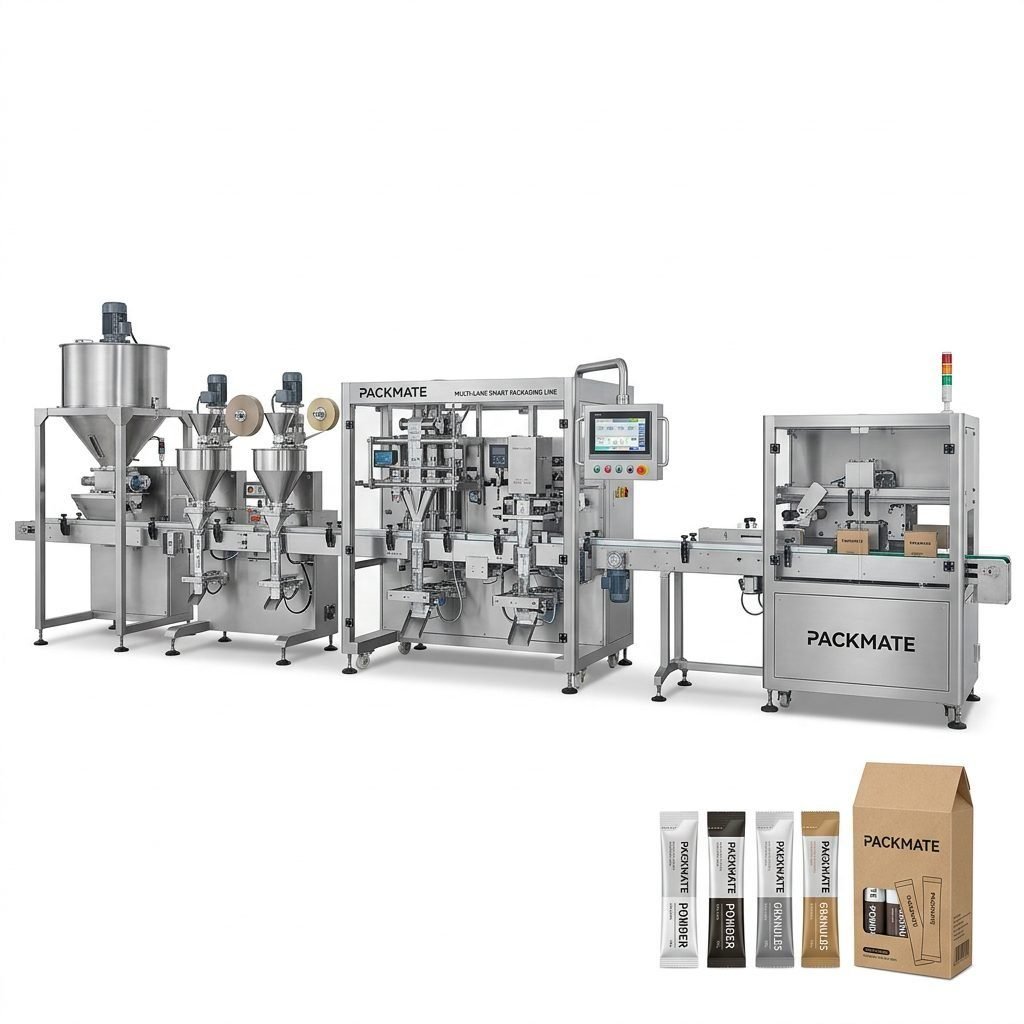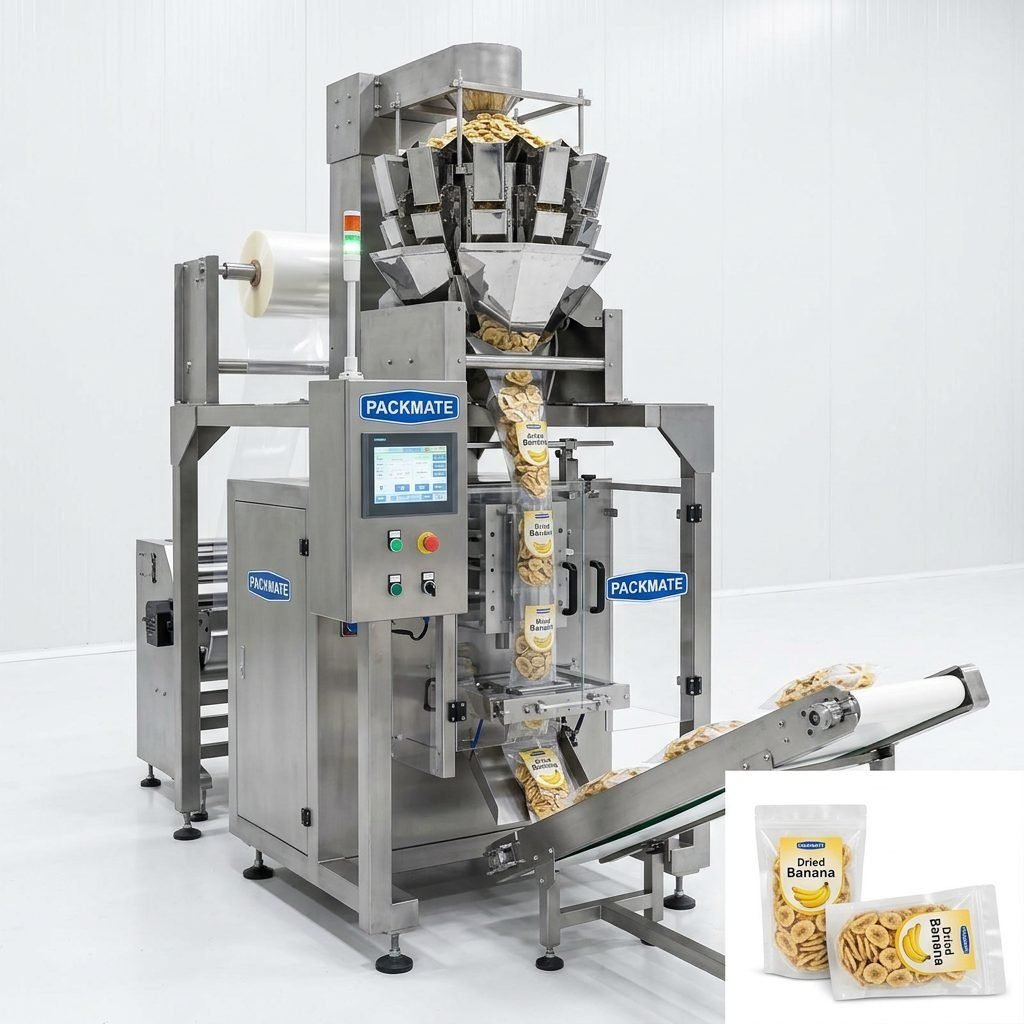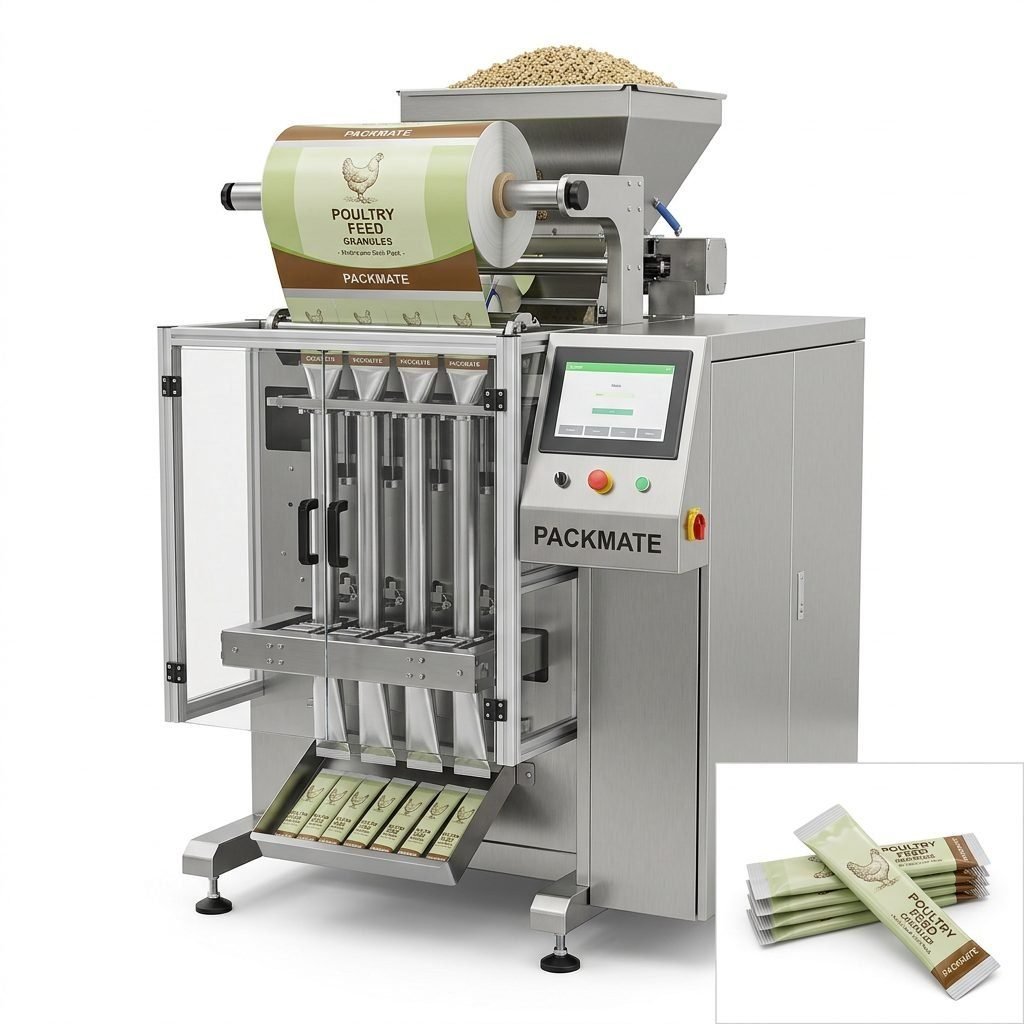
For Peruvian food, pharmaceutical, and supplement manufacturers, selecting the right packaging machine manufacturer is a critical business decision. The choice impacts production efficiency, product quality, operational costs, and ultimately, competitiveness in both local and export markets. Peru’s industrial landscape, with its significant agricultural processing, growing pharmaceutical sector, and expanding health supplement production, demands reliable and adaptable packaging automation.
Understanding the Peruvian Packaging Market Context
Peru’s manufacturing sector has unique characteristics that influence packaging equipment needs. Local producers often deal with a diverse range of products—from Andean grains and powders to fruit-derived supplements and pharmaceutical formulations. This diversity requires packaging solutions that are not only versatile but also capable of handling specific material properties common in the region. Furthermore, many Peruvian companies are increasingly export-oriented, targeting markets in North America, Europe, and neighboring South American countries. This means packaging equipment must meet international quality and hygiene standards to ensure product integrity during transit and compliance with destination market regulations.
Manufacturers must also consider local operational factors, such as the availability of technical support, spare parts logistics, and the need for machines that can operate reliably despite potential fluctuations in power quality or environmental conditions in some production facilities. A supplier with experience in the region or similar markets will understand these practical challenges.
Key Factor 1: Technical Capability & Product Range
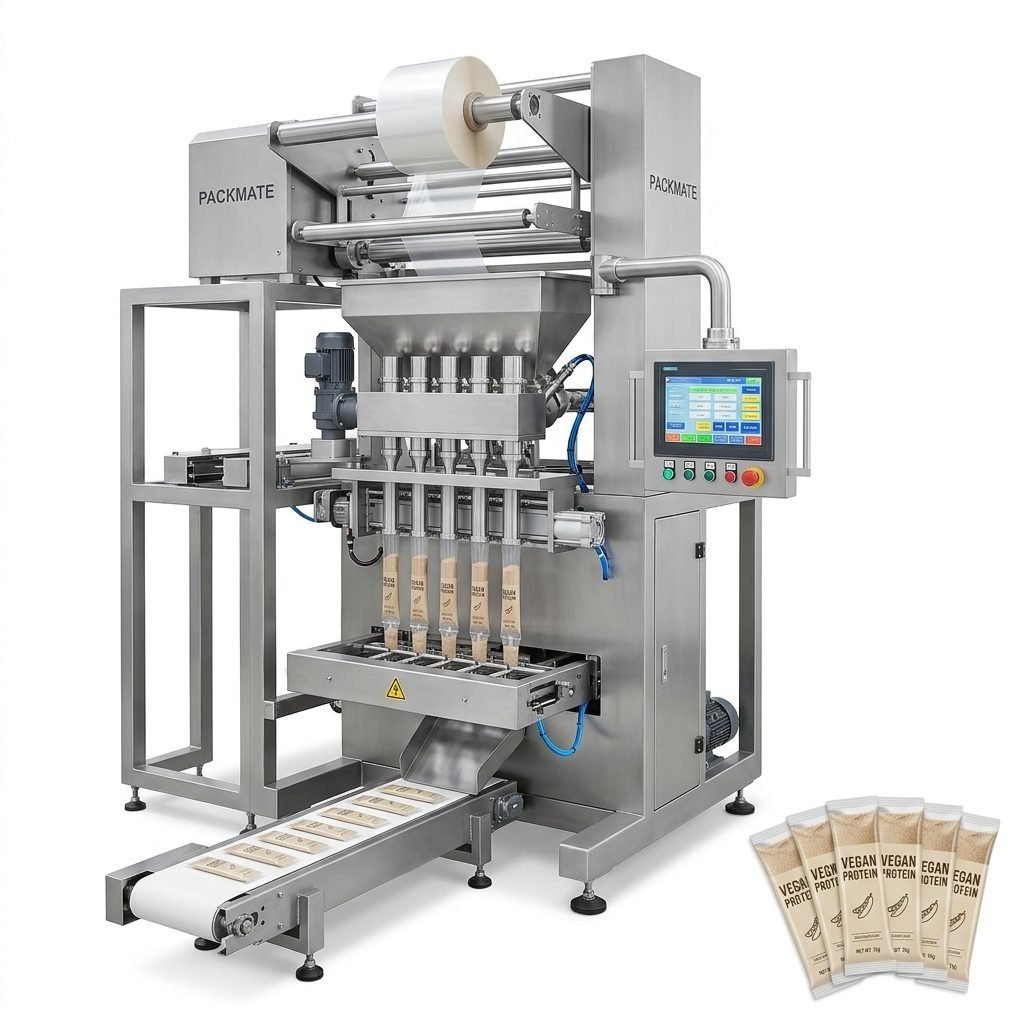
The first and foremost consideration is the technical capability of the manufacturer and the breadth of their product portfolio. You need to match your specific product format—whether it’s granules, powders, liquids, pastes, or pouches—with a manufacturer’s core expertise.
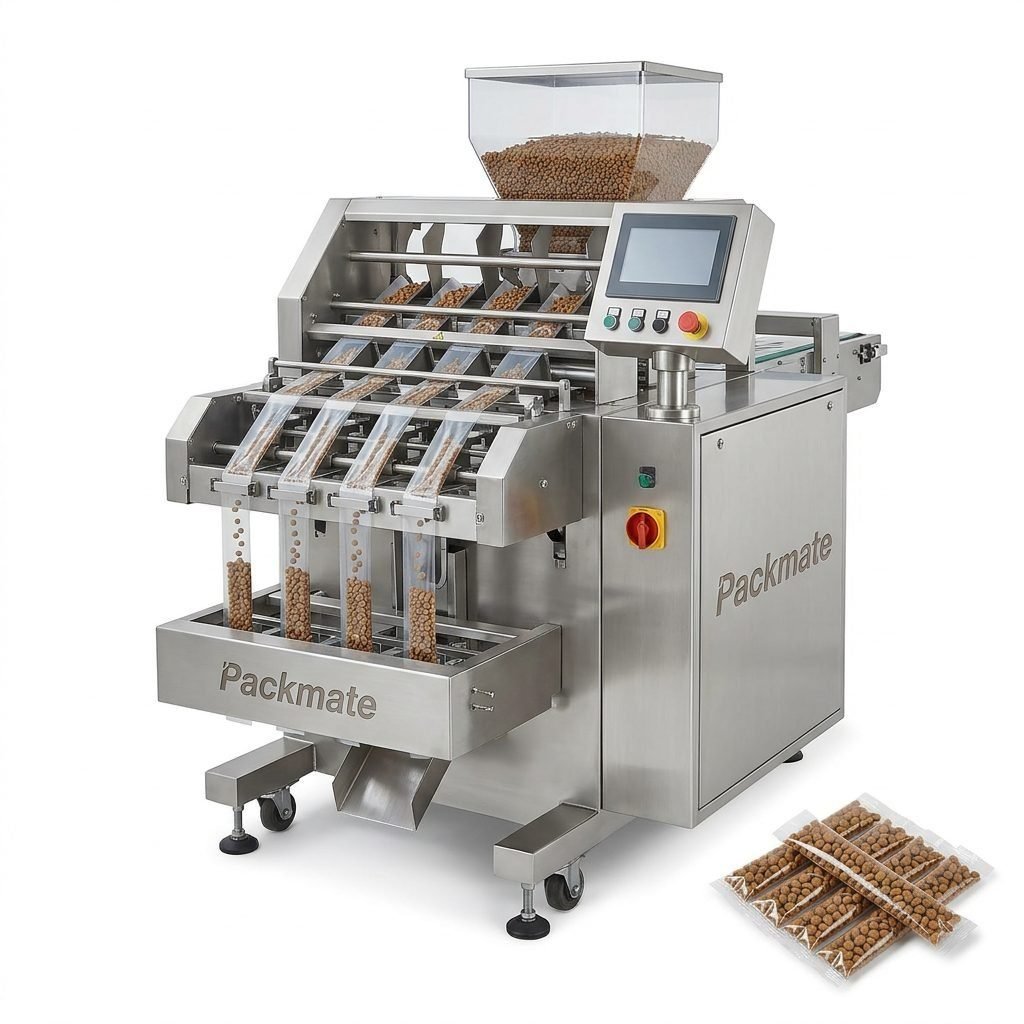
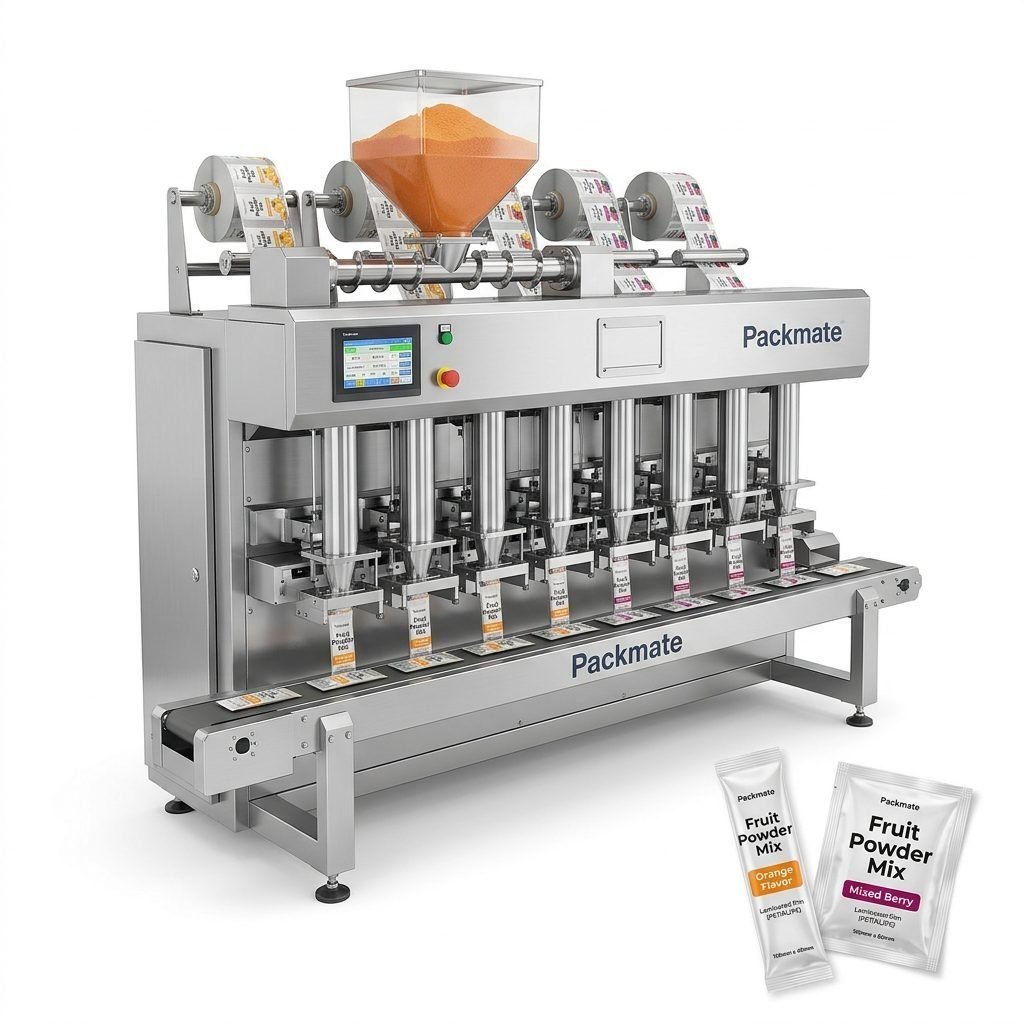
For instance, a company specializing in granule packaging for quinoa or rice needs robust weighing and filling systems, while a pharmaceutical company requiring sterile sachet packaging for powders needs high-precision dosing and sealing in a controlled environment. Assess if the manufacturer offers machines for your primary format and if they have a proven track record with similar products. A broad range, from standalone vertical form-fill-seal machines to complete turnkey lines, indicates deeper engineering resources.
Companies like Ludyway, with over 30 years of experience and a portfolio covering more than 100 machine configurations, exemplify a manufacturer built for diverse applications. Their extensive experience in food, pharma, and health supplements directly aligns with Peru’s key industrial sectors.
Key Factor 2: Manufacturing Quality & Company Stability
Investing in packaging machinery is a long-term commitment. The build quality, durability, and reliability of the equipment are paramount to avoid costly downtime. Investigate the manufacturer’s factory infrastructure, quality control processes, and company history.
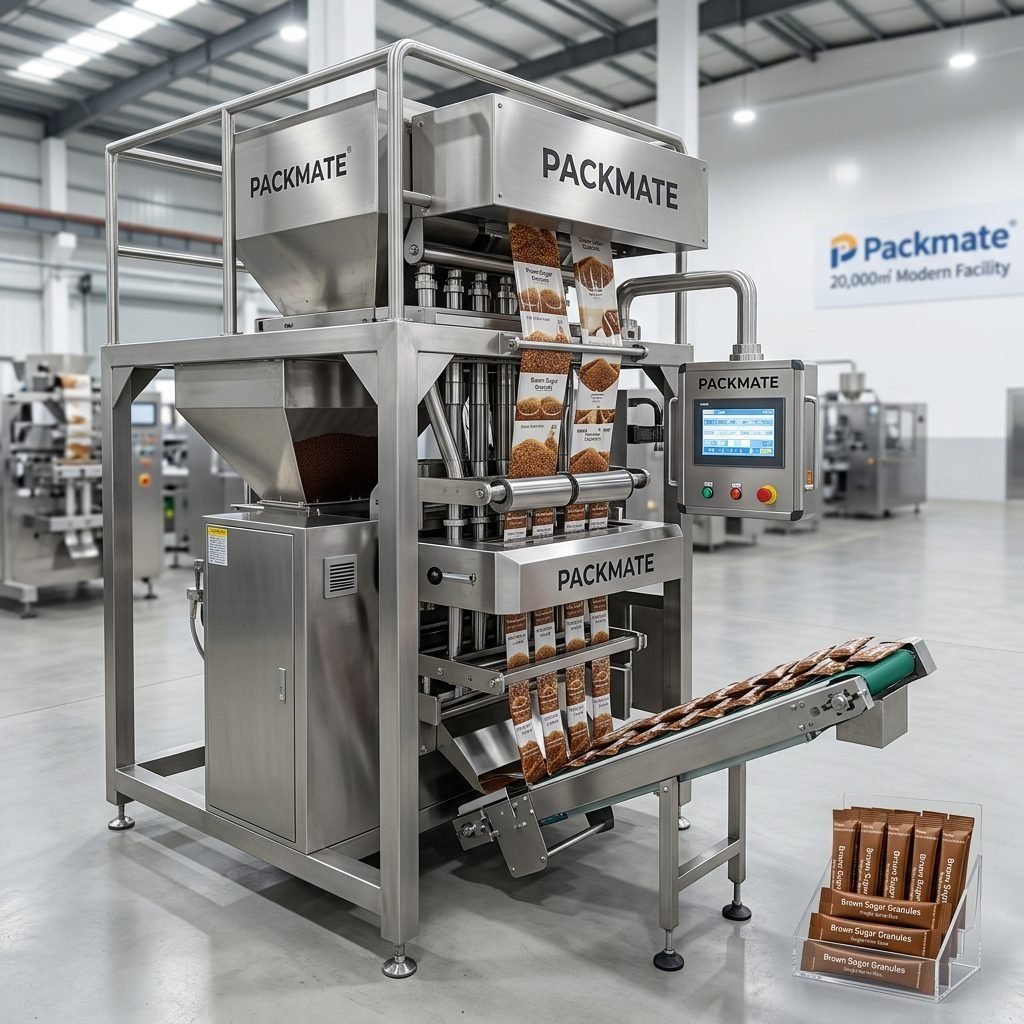
Key indicators include the size of the manufacturing facility, the use of precision machining (like CNC), and a structured assembly and inspection process. A company with a long operational history, such as those founded around 1993, has likely refined its manufacturing processes and survived market cycles, suggesting stability. For example, a 20,000+ square meter factory signifies substantial production capacity and investment in infrastructure.
Key Factor 3: Customization & Engineering Support
Off-the-shelf machines rarely fit every production need perfectly. The ability to customize—whether it’s adapting to a unique bag size, integrating with existing line equipment, or handling a non-standard product characteristic—is crucial. This is especially true for Peruvian companies developing value-added or niche products.
Evaluate the manufacturer’s engineering team and their willingness to provide tailored solutions. Do they offer OEM services or develop non-standard machines? Manufacturers like PackingMachineOEM explicitly position themselves around customization and non-standard projects, which can be a significant advantage for specialized requirements in the food or supplement space.
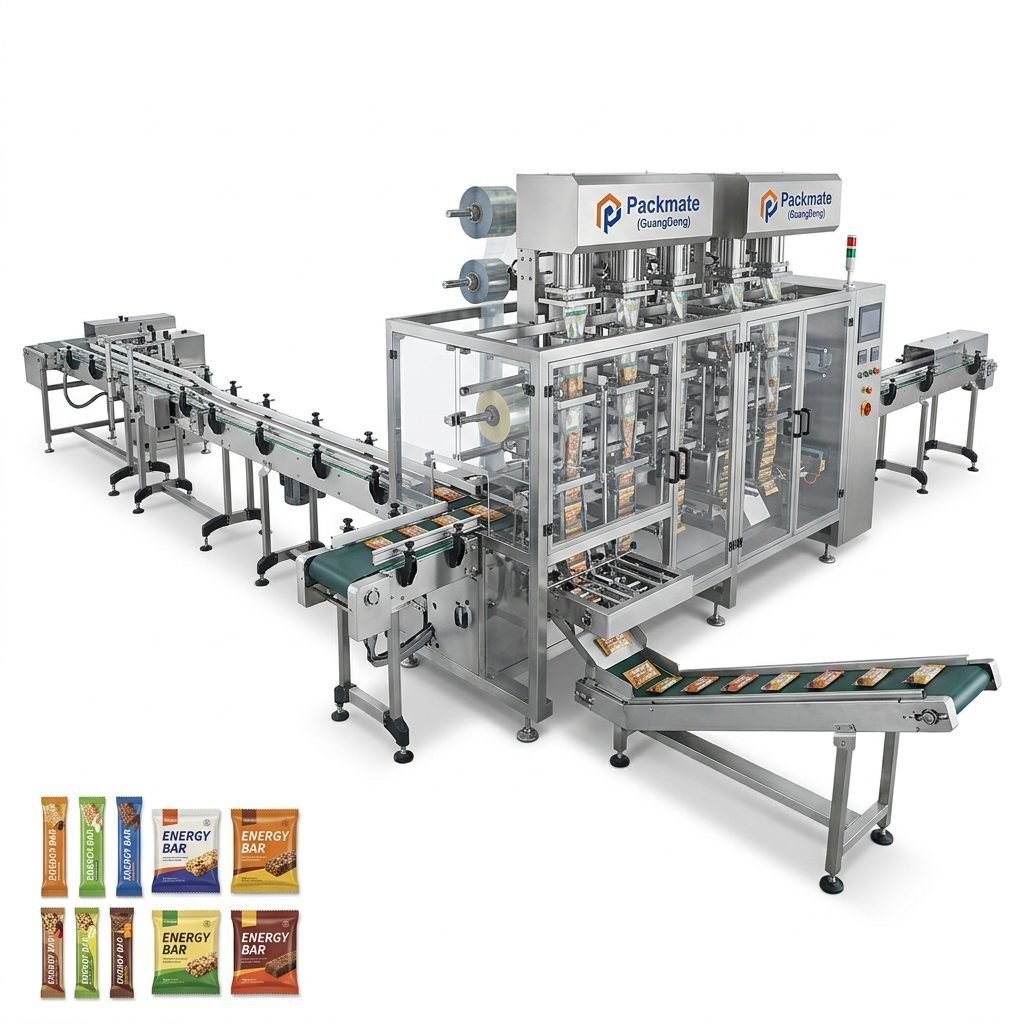
For a complete production overhaul, consider manufacturers focused on turnkey line integration. Companies such as PacklineOEM specialize in integrating feeding, weighing, filling, sealing, conveying, and inspection into a seamless automated line, which can dramatically improve overall efficiency for larger-scale operations.
Key Factor 4: After-Sales Service & Local Support
This is often the most critical factor for success in Peru. Reliable technical support, availability of spare parts, and accessible training are non-negotiable. Before purchasing, clarify the supplier’s after-sales service structure.
Questions to ask include: Is there a local agent or distributor in Peru or South America? What are the lead times for spare parts? Do they provide remote diagnostic support? What is included in the warranty, and are installation and commissioning services offered? A manufacturer with a strong export footprint across South America is more likely to have established support channels and understand the logistics of servicing equipment in the region.
Key Factor 5: Cost Efficiency & Return on Investment (ROI)
While initial price is important, the total cost of ownership (TCO) and the projected ROI are more meaningful metrics. A cheaper machine that frequently breaks down or has low efficiency will cost more in the long run through lost production, waste, and repair expenses.
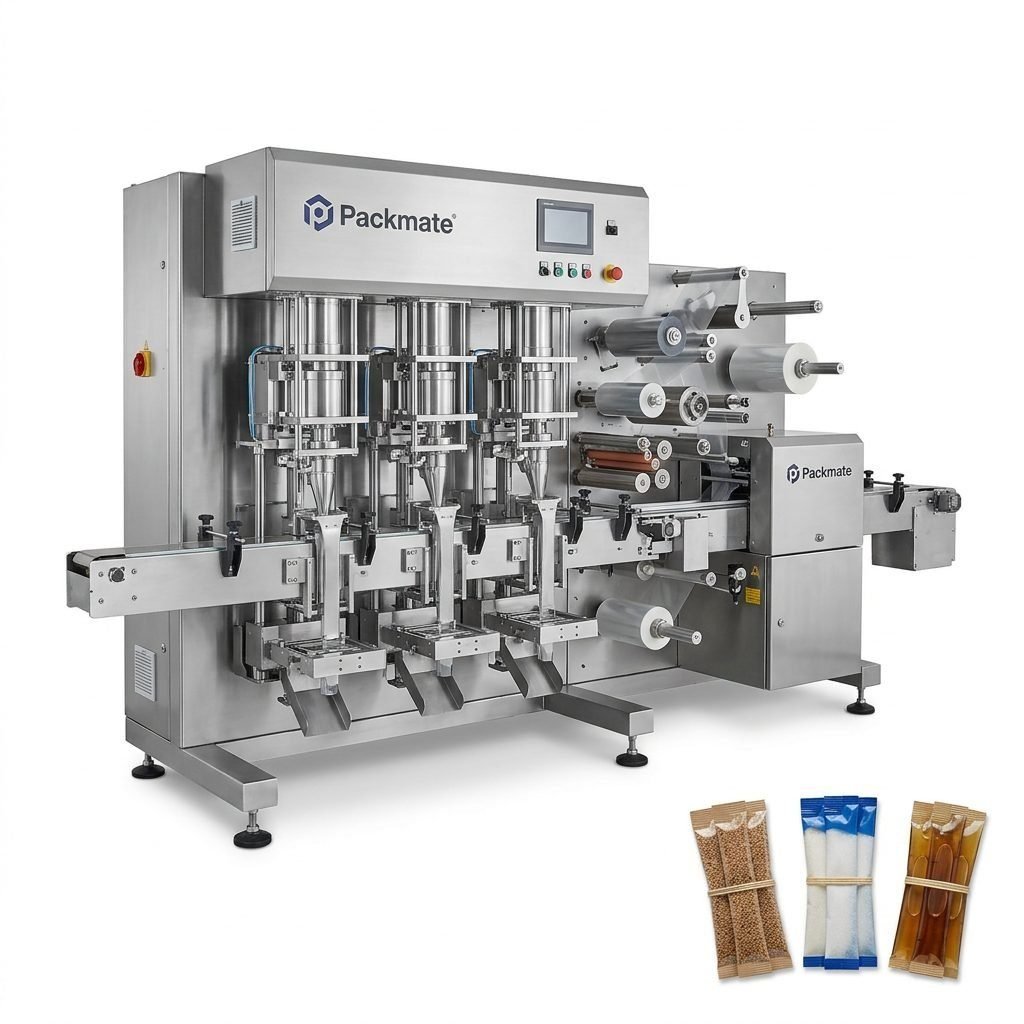
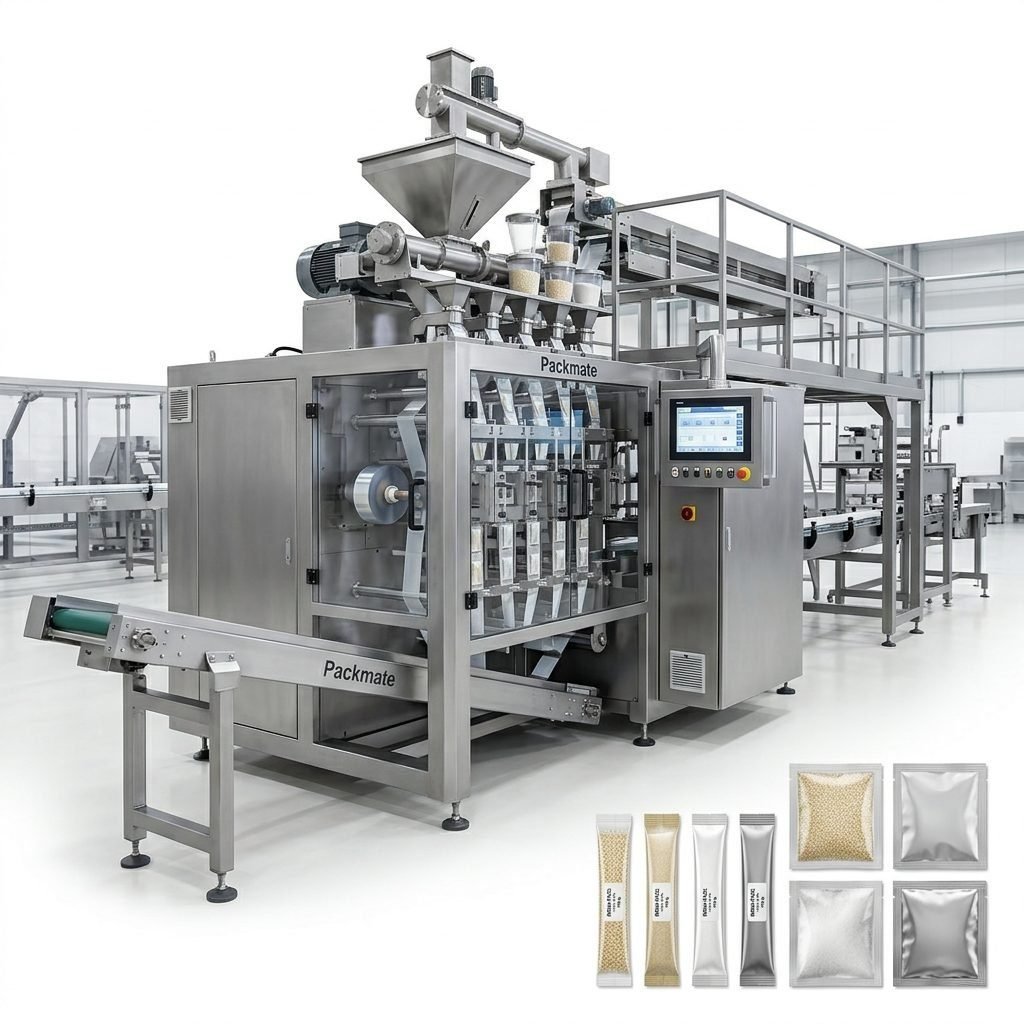
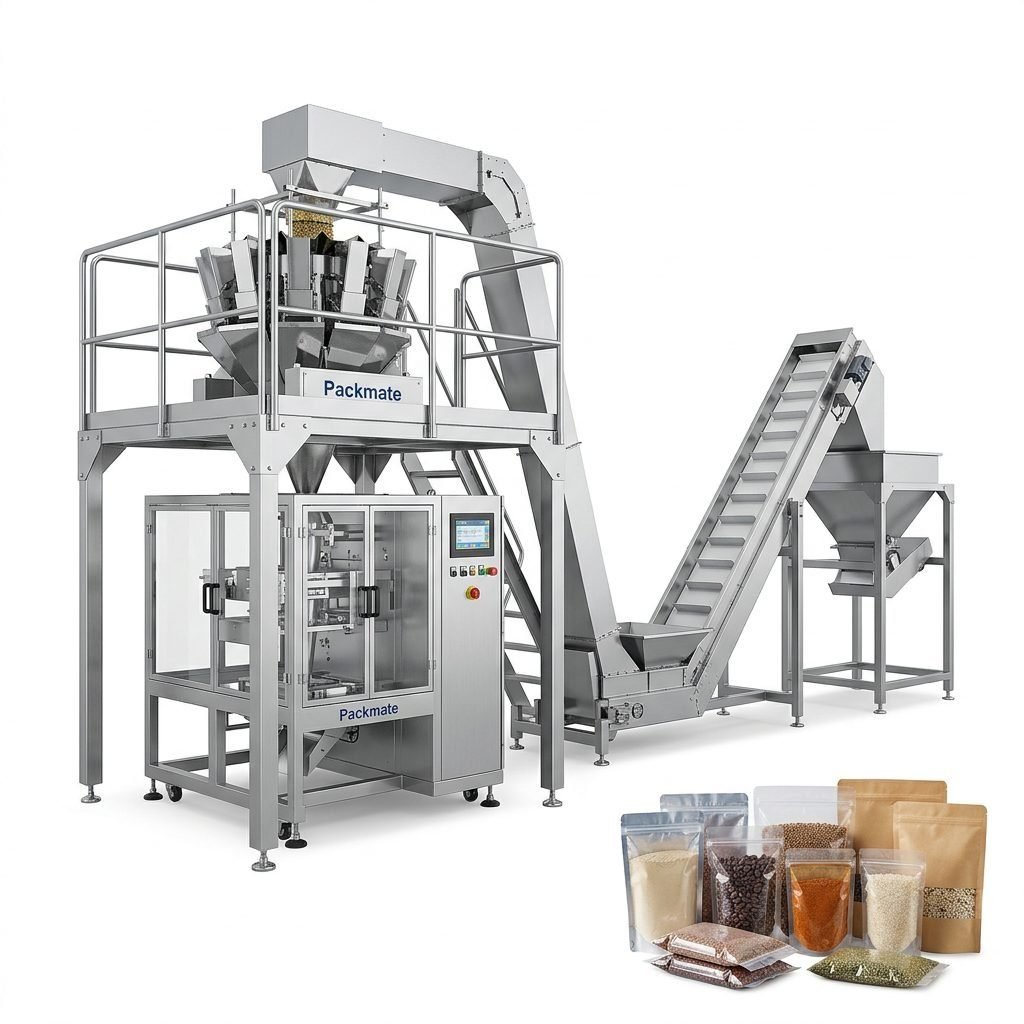
Analyze the machine’s speed (bags per minute), changeover time, material waste rate, and energy consumption. Calculate how the investment will reduce labor costs, increase output, and improve product consistency. Manufacturers that offer a good balance between technical capability and cost, like Packmate Machinery, can provide a compelling value proposition for medium to large-scale Peruvian operations.
Key Factor 6: Specialized Industry Knowledge
For certain niches, specialized knowledge is invaluable. If your business is in a specific segment like nicotine pouches, snus, or high-value pharmaceutical powders, a manufacturer with focused expertise can prevent many application-specific problems.
A company like SnusMachinery, which specializes in pouch packaging for nicotine and smokeless tobacco products, brings dedicated R&D and engineering experience to address precise dosing, consistent sealing, and the particular demands of that market—expertise a generalist manufacturer may lack.
Practical Buyer Tips for Peruvian Companies
1. Define Your Requirements Clearly: Document your product specifications, desired output speed, bag types, and future growth plans before contacting suppliers.
2. Request Client References: Ask for references from companies in similar industries, preferably in South America, and contact them to inquire about machine performance and service.
3. Ask for a Product Test: If possible, send your product sample to the manufacturer for a live test run on their equipment. This is the best way to verify performance.
4. Review Documentation: Ensure comprehensive manuals, electrical diagrams, and parts lists are provided in a language your technical team understands.
5. Plan for Training: Factor in on-site or factory training for your operators and maintenance staff as part of the purchase agreement.
Frequently Asked Questions (FAQs)
Q: How important is it to choose a manufacturer with direct experience in Peru?
A: While direct local experience is beneficial, a strong track record of exporting to South America and providing reliable remote/on-site support is often more critical. Look for manufacturers with established export channels to the region.
Q: Should I prioritize a single machine or a complete turnkey line?
A: This depends on your scale and automation goals. A single machine suits specific, isolated packaging needs. A turnkey line is for complete process automation, offering higher efficiency, consistency, and labor savings but requires a larger investment and more complex planning.
Q: What are the main hidden costs in packaging machinery procurement?
A: Common hidden costs include: import duties and customs clearance in Peru, shipping and insurance, installation and commissioning fees, spare parts kits, necessary utilities (compressed air, specific power requirements), and ongoing costs for consumables like sealing jaws or specific film types.
Q: How can I verify the quality of a manufacturer I haven’t visited?
A> Request a virtual factory tour via video call, ask for detailed photos and videos of the production and assembly process, check for international certifications (CE, etc.), and scrutinize their company history and client portfolio. Third-party verification or trade references are key.
Q: Is customization always more expensive?
A> Not necessarily. While non-standard engineering incurs costs, a well-executed customization that perfectly fits your process can yield a faster ROI by optimizing speed, reducing waste, and minimizing downtime compared to forcing a standard machine to work in a suboptimal way.