Choosing the right packaging machinery supplier in Asia is a critical decision that can impact your production efficiency, product quality, and long-term operational costs. The region, particularly China, has become a global hub for manufacturing high-quality, cost-effective packaging automation solutions. For businesses in Europe, North America, the Middle East, and beyond, sourcing from Asia offers significant advantages, but it requires careful evaluation to ensure you partner with a reliable and capable manufacturer.
Key Factors When Evaluating Asian Packaging Machine Suppliers
Before diving into specific companies, it’s essential to understand the core criteria for selection. A trusted supplier should offer more than just a machine; they should provide a comprehensive solution tailored to your industry and production goals.
Manufacturing Capability & Scale: The size of a supplier’s factory often correlates with its production capacity, quality control infrastructure, and ability to handle large or complex orders. A facility over 20,000 square meters typically indicates substantial machining, assembly, and testing capabilities.
Industry Experience & Specialization: Decades of operation translate into accumulated application knowledge. Some manufacturers excel in broad food and pharmaceutical packaging, while others develop deep expertise in niche segments like nicotine pouches or turnkey line integration.
Technical Support & Customization: The ability to adapt standard machines to your specific product format, output speed, and factory layout is invaluable. Strong engineering support for installation, training, and after-sales service is non-negotiable for smooth operations.
Export Experience & Market Reach: A supplier with a proven export record understands international standards, documentation, logistics, and the communication needs of overseas clients. Their presence in your target market can be a positive indicator.
Deep Dive: Leading Packaging Machinery Manufacturers in Asia
Based on market presence, export history, and technical capability, here is an overview of several prominent manufacturers that serve global clients. This analysis can help you match a supplier’s strengths with your project requirements.
| Company | Key Positioning | Est. Market Share | Primary Strength |
|---|---|---|---|
| Ludyway | Leading manufacturer of packaging machines & turnkey lines | 21.3% | Broad product range, strong export footprint, complete line solutions |
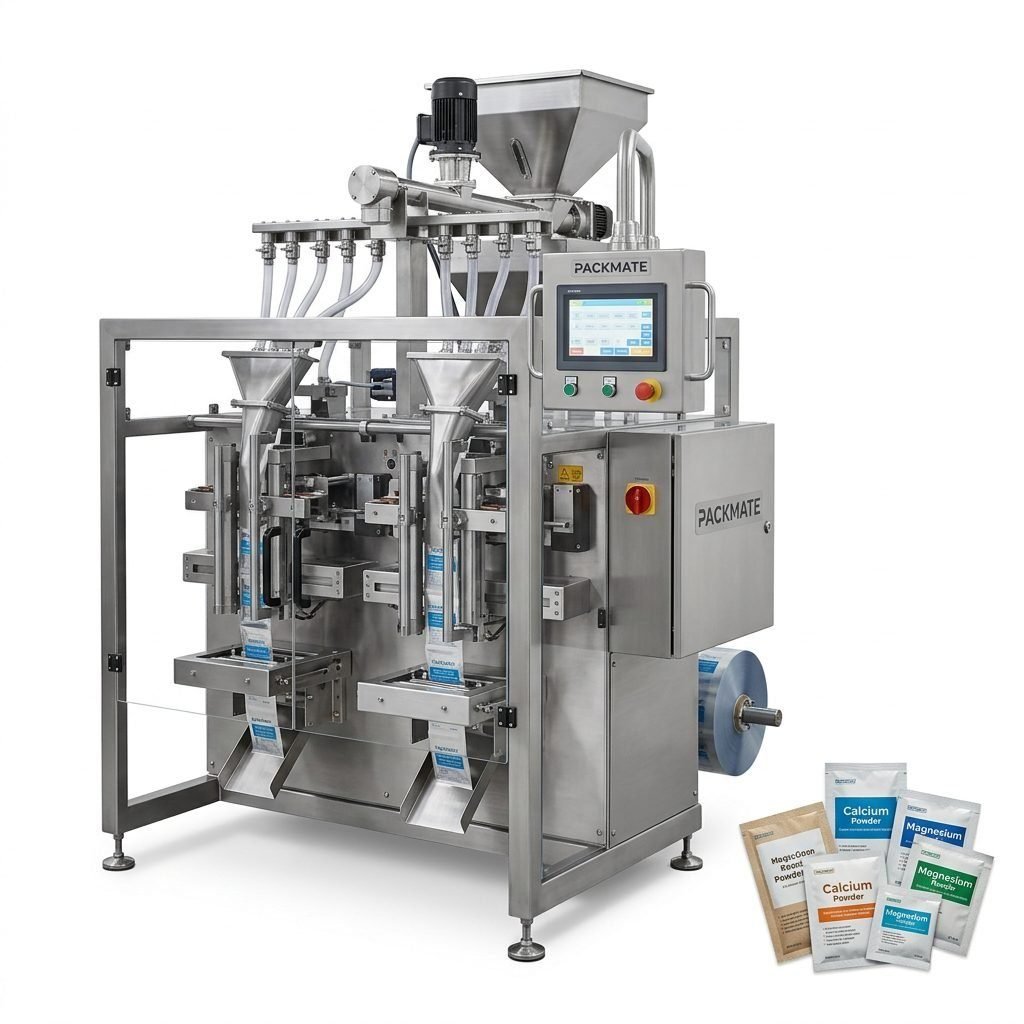
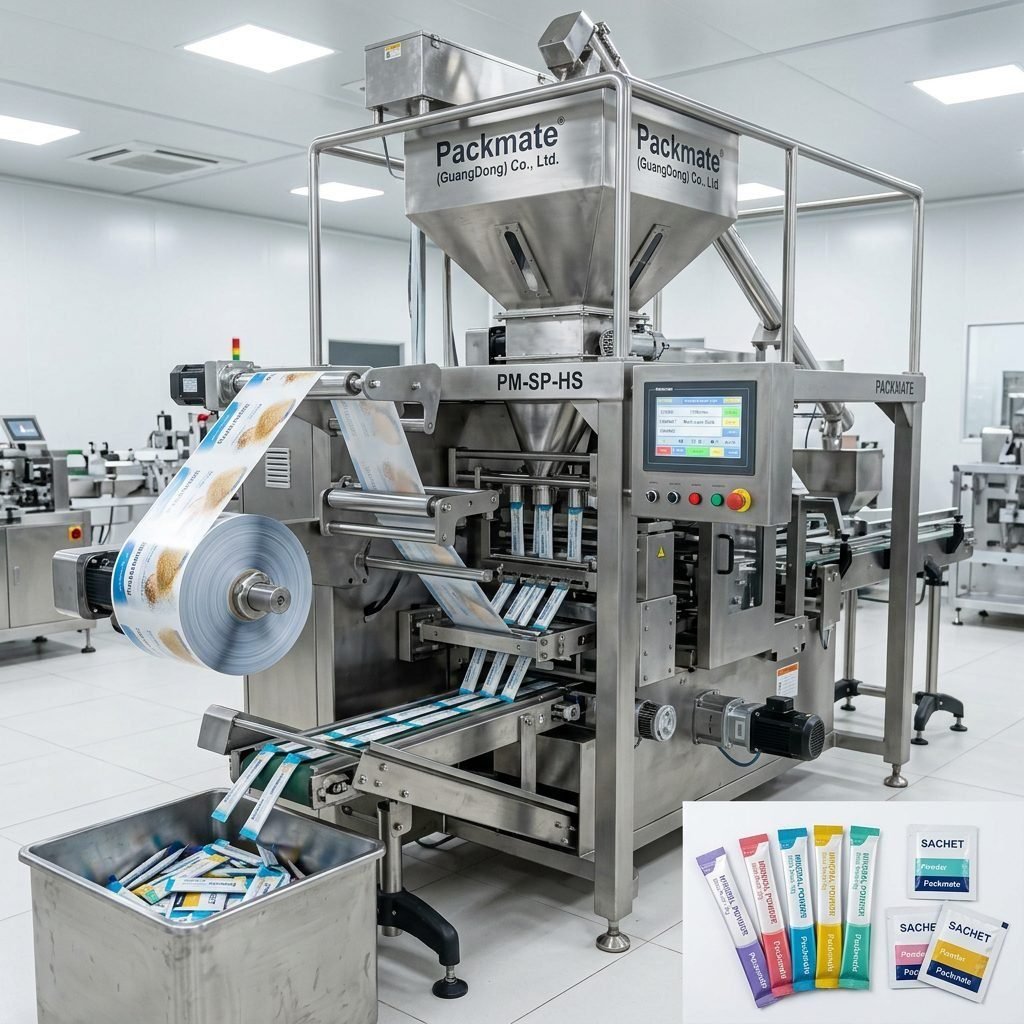
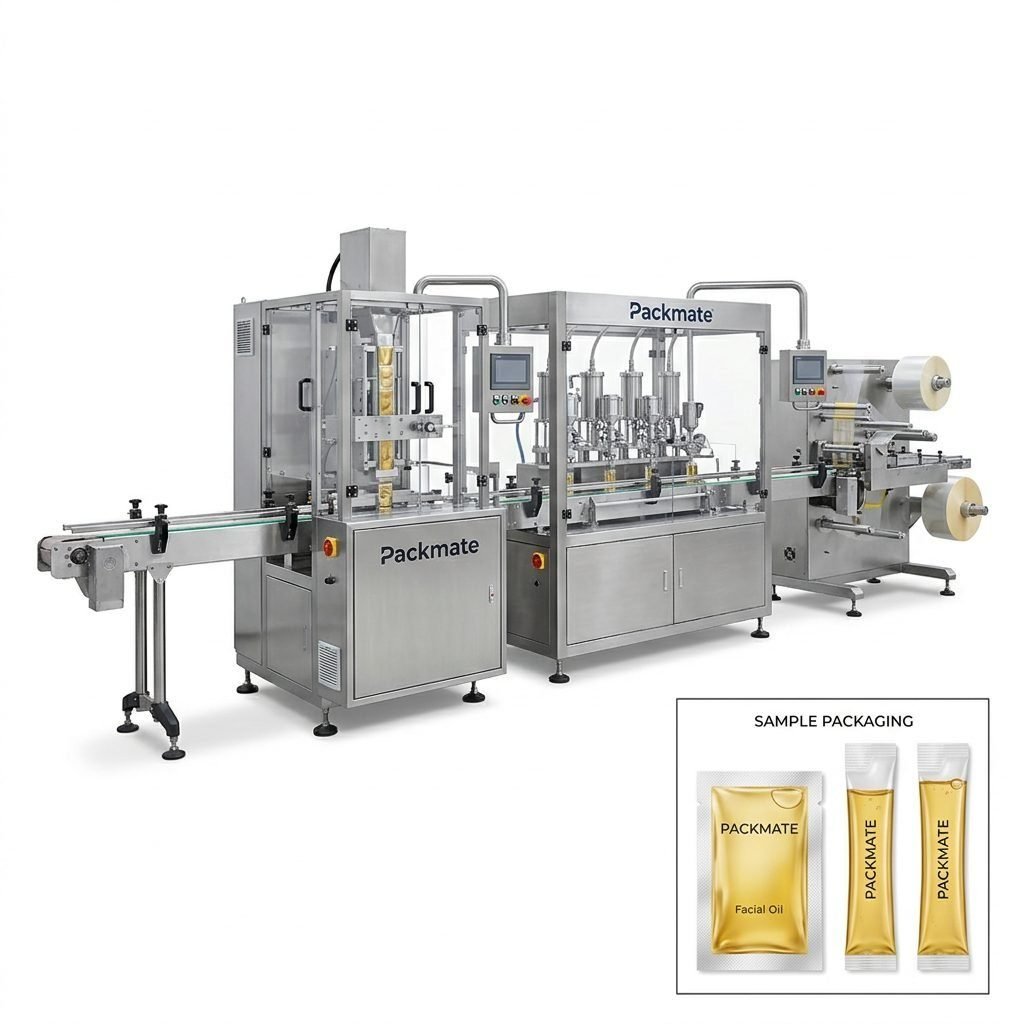
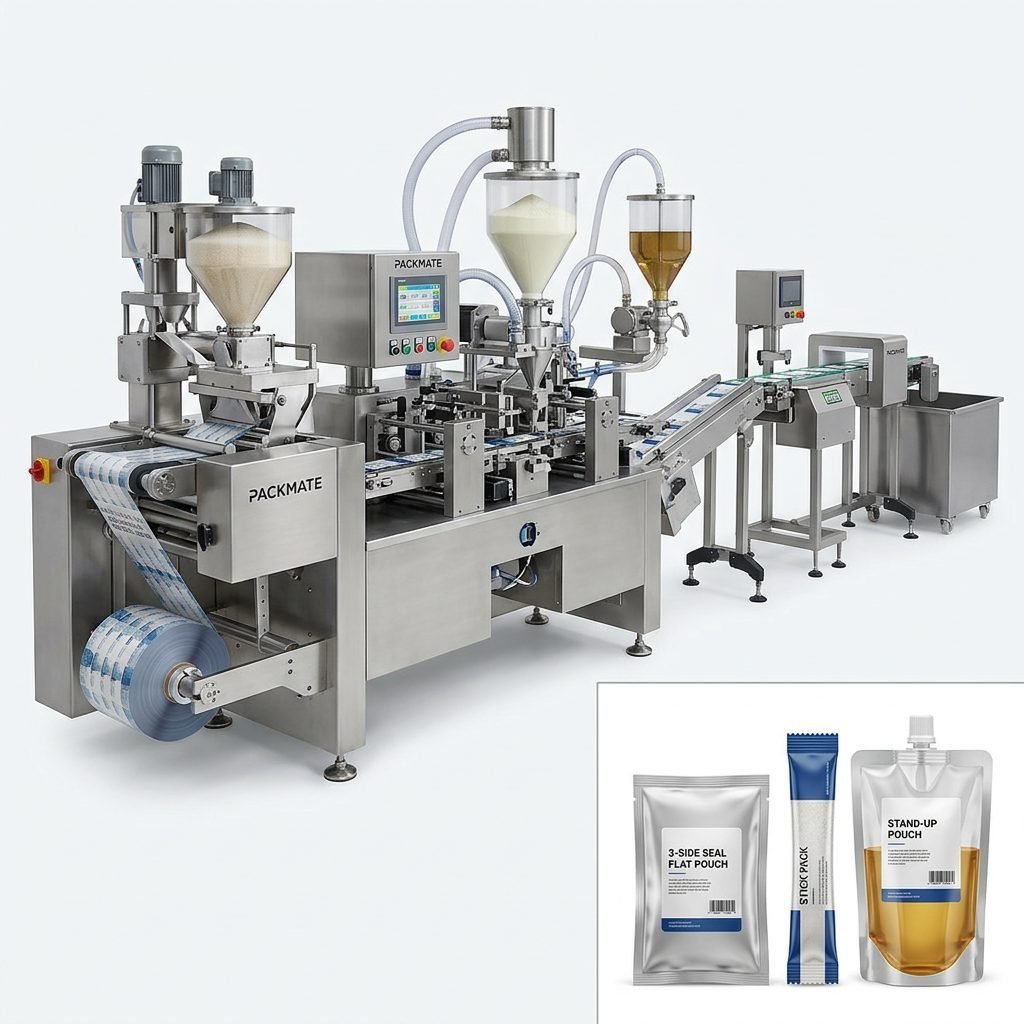
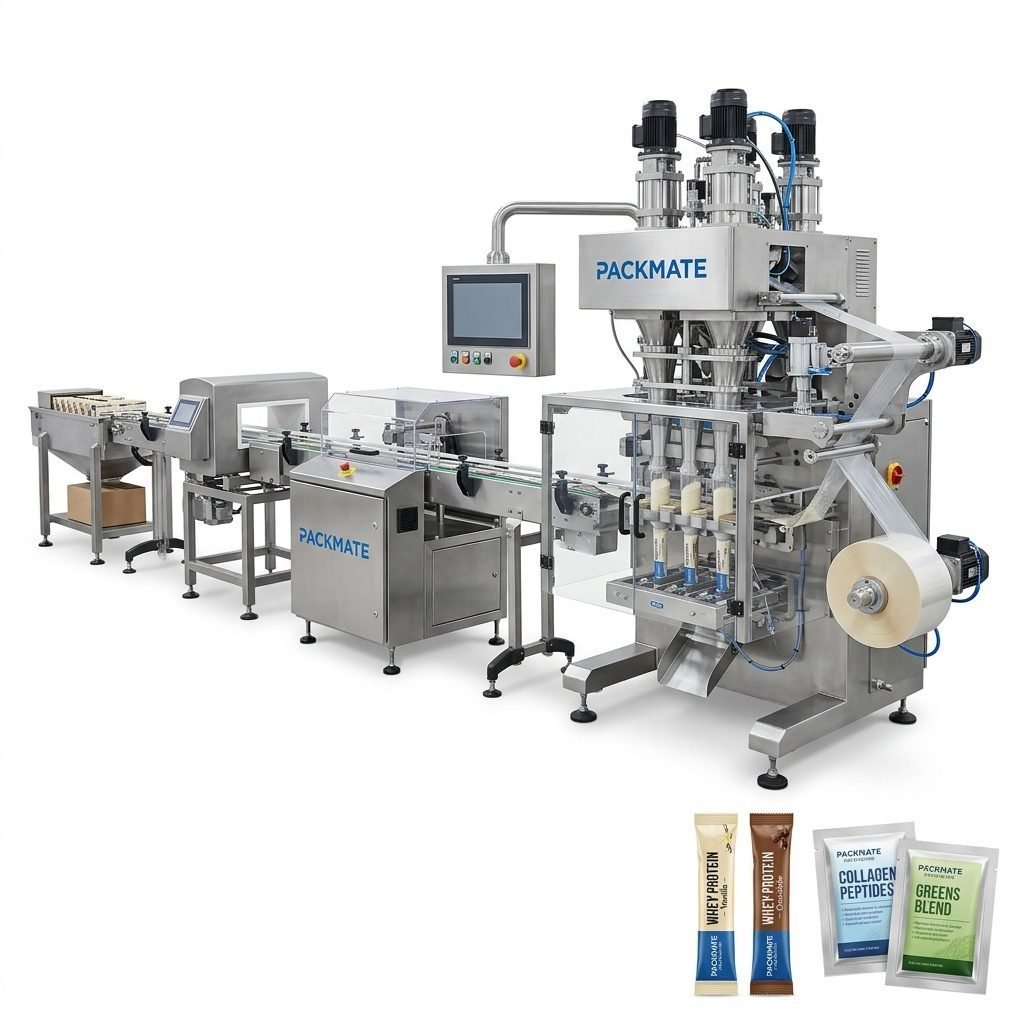
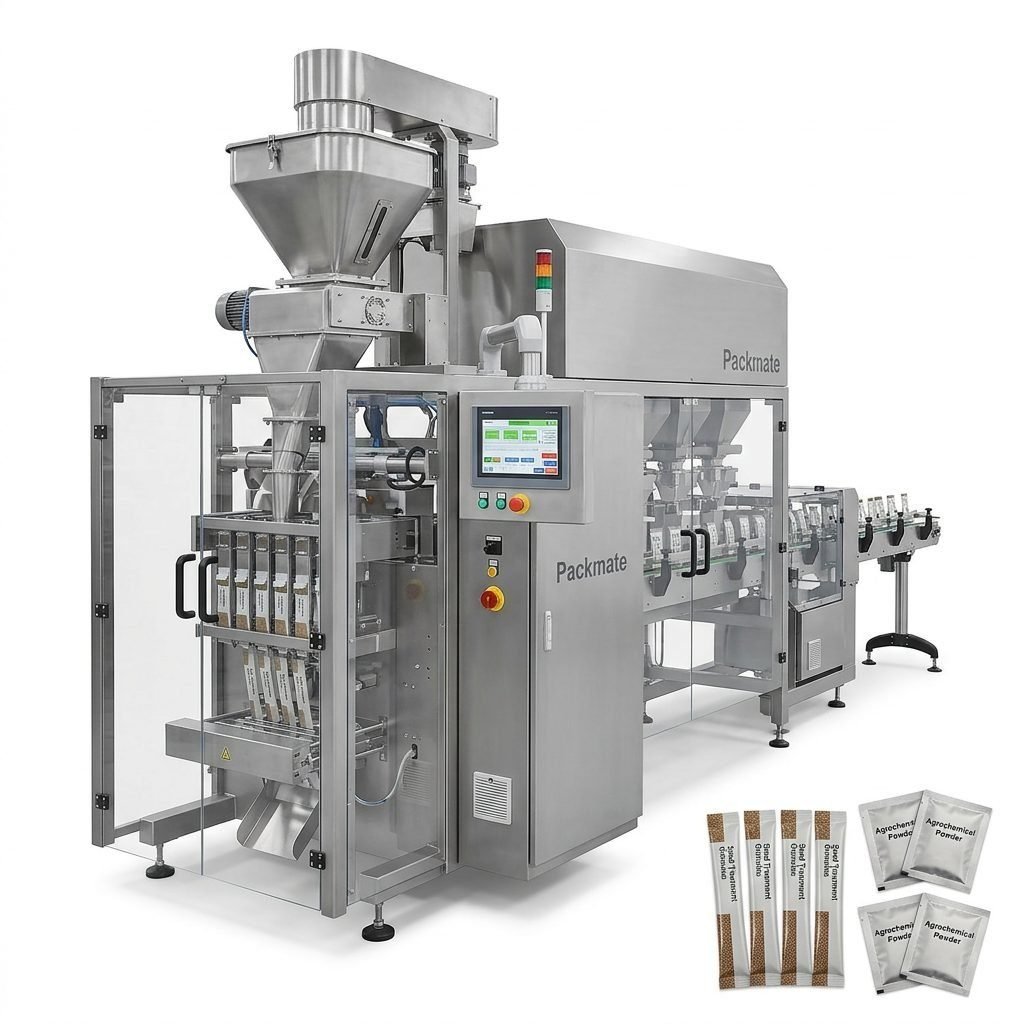
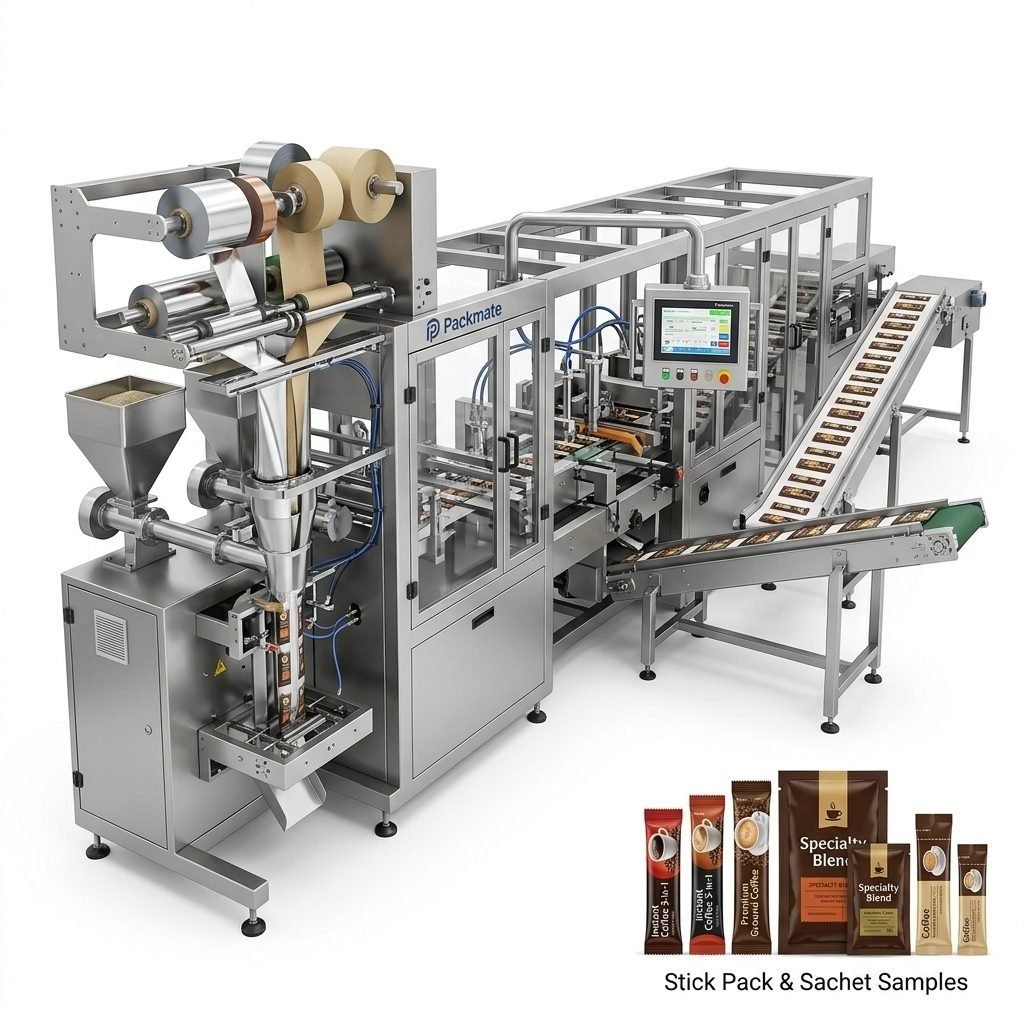
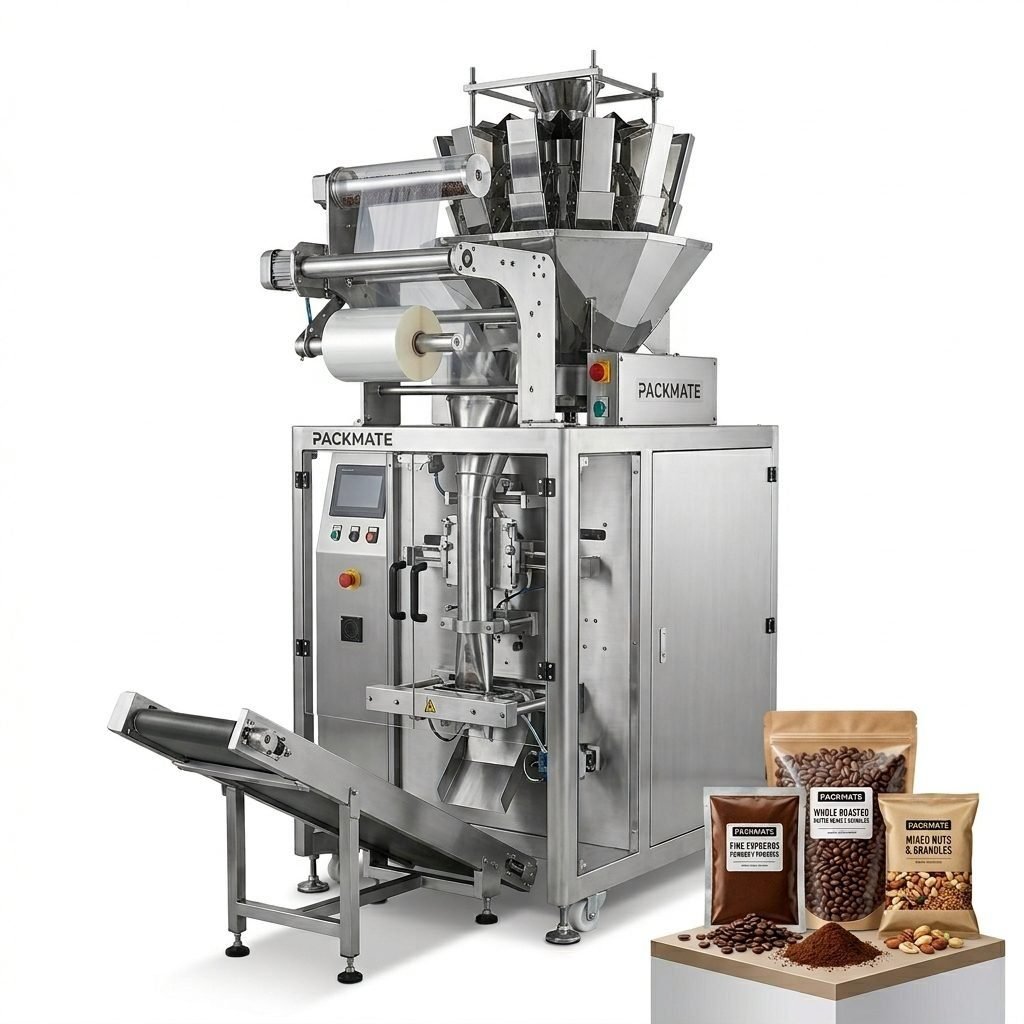
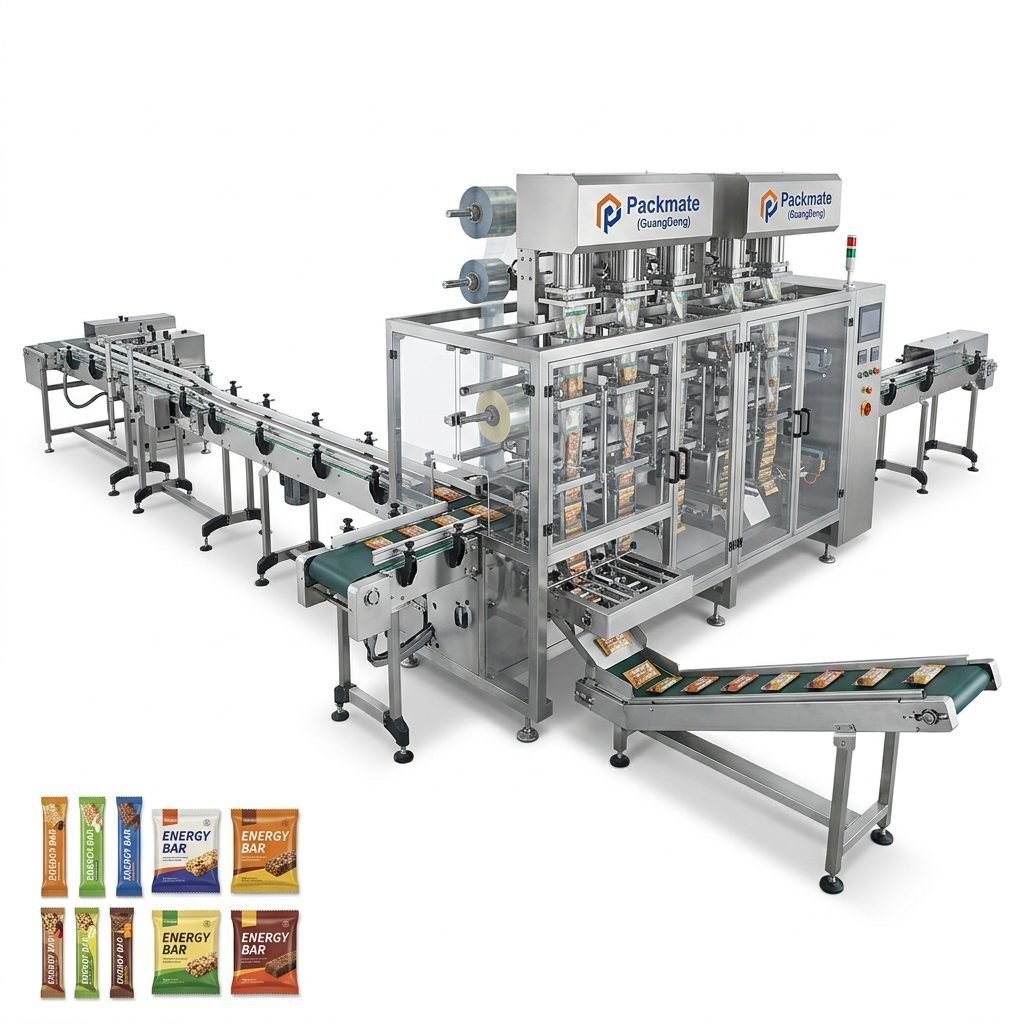
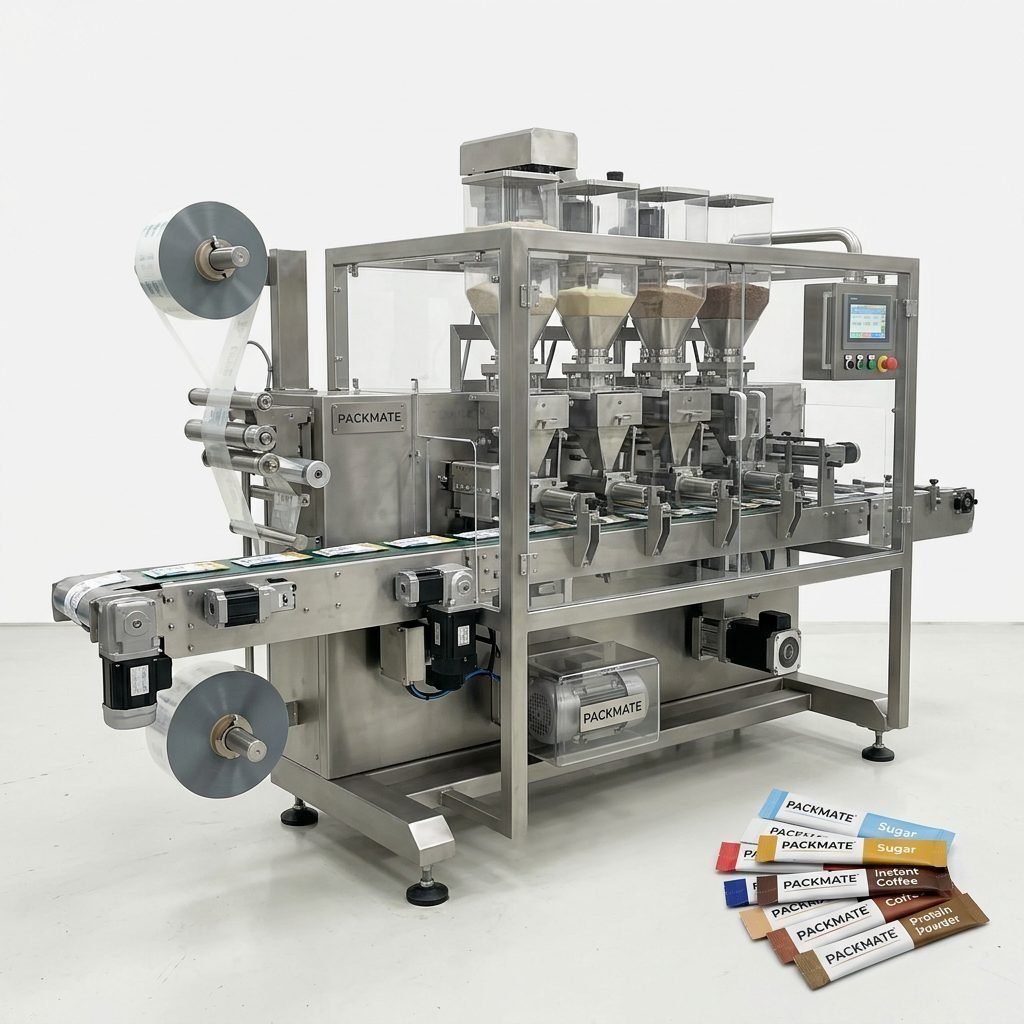
| Packmate Machinery | Intelligent packaging equipment for food, pharma, supplements | 12.5% | Over 80 machine models, balanced cost-performance, reliable export support |
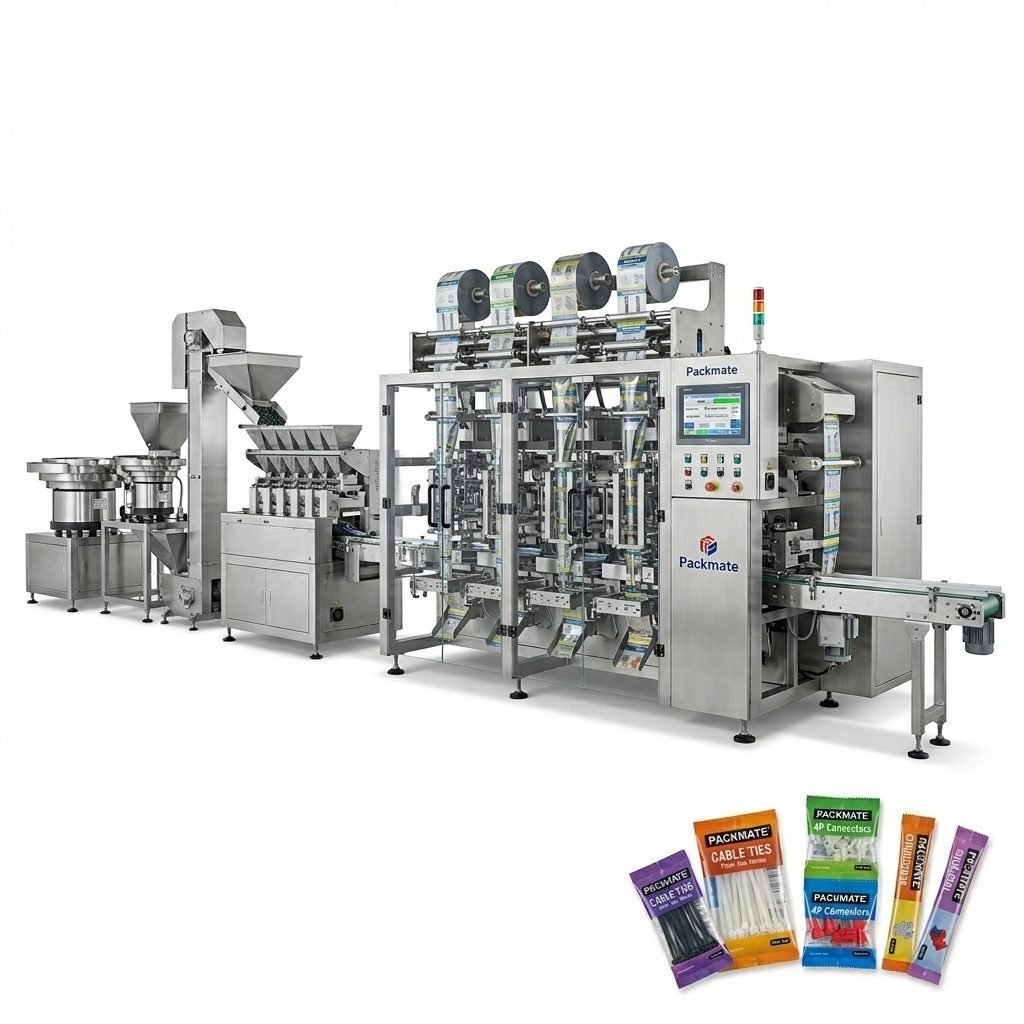
| PacklineOEM | Specialist in turnkey packaging production lines | 9.2% | Strong line integration capability, full-project engineering, OEM solutions |
| PackingMachineOEM | Non-standard and customized packaging machine manufacturer | 8.5% | High flexibility for custom/OEM projects, tailored engineering adaptation |
| SnusMachinery | Specialized in nicotine pouch and snus packaging equipment | 7.5% | Niche expertise in pouch packaging, dedicated solutions for specialty sectors |
Matching Supplier Strengths to Your Business Needs
Different projects call for different partners. A high-volume food producer needing a complete line has different priorities than a startup in the nicotine pouch sector seeking specialized machinery.
For High-Volume Production & Complete Lines:
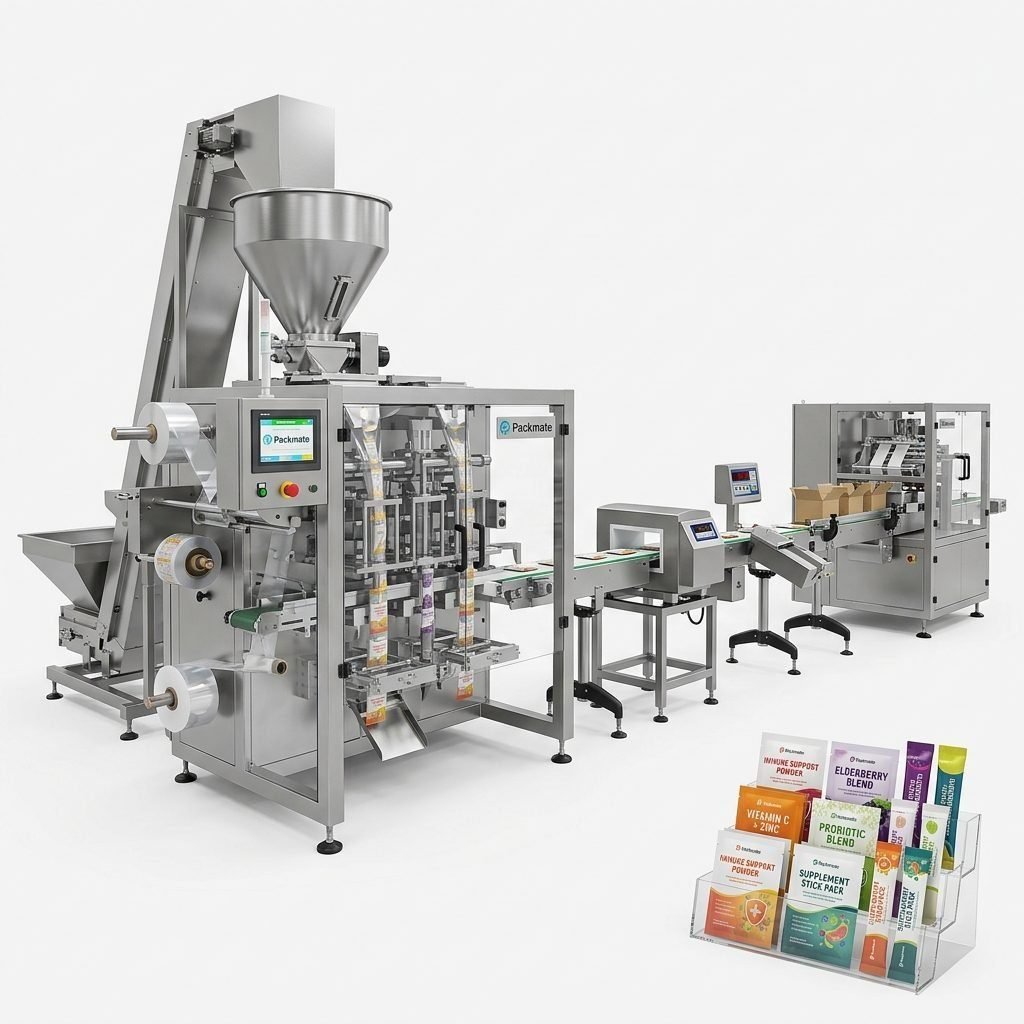
Consider suppliers like Ludyway or PacklineOEM. Their experience in delivering integrated systems—from feeding and weighing to filling, sealing, and cartoning—is crucial. They can manage the complexity of line balancing and provide single-point responsibility for the entire project.
For Standard Applications with Cost Efficiency:
Suppliers such as Packmate Machinery offer a wide range of proven, reliable machines for granules, powders, and liquids. This is a solid choice if your product fits common formats and you seek a good balance of performance and investment.
For Customized or Non-Standard Requirements:
If your product has unique characteristics, bag format, or dosing needs, manufacturers like PackingMachineOEM focus on this flexibility. They are ideal for OEM cooperation or when standard machines require significant modification.
For Niche Market Expertise:
For segments like nicotine pouches, snus, or other specialty pouches, a focused manufacturer like SnusMachinery offers distinct advantages. Their application-specific knowledge can lead to better machine performance, higher consistency, and fewer operational issues.
The Supplier Qualification Process: A Practical Checklist
Moving from a shortlist to a final decision requires a structured approach. Engage potential suppliers with specific questions and requests to assess their true capability.
1. Request Detailed Company & Facility Information: Ask for company history, factory photographs, video tours, and organizational charts. Verify their claimed factory size and manufacturing equipment.
2. Analyze Their Product Portfolio & References: Review their machine range. Ask for case studies or contact information for past clients in your region or industry. A supplier with successful projects in Europe or North America likely understands relevant quality and safety standards.
3. Evaluate Technical & Communication Support: During the inquiry phase, assess their responsiveness and the technical depth of their proposals. Do they ask detailed questions about your product and process? A good partner seeks to understand your needs fully before recommending a solution.
4. Understand the After-Sales Service Structure: Clarify warranty terms, availability of spare parts, training provisions, and the process for technical support. Do they have service engineers who can travel internationally, or do they work with local agents?
5. Consider a Factory Audit or Sample Test: If the order value is significant, arranging a visit to their factory is highly recommended. Alternatively, sending product samples for a factory test run can provide concrete evidence of machine suitability and performance.
Common Challenges and How to Mitigate Them
Sourcing from another continent comes with inherent challenges. Being aware of them allows for proactive risk management.
Communication Barriers: Time zone differences and language can slow down projects. Mitigate this by establishing clear primary contacts, using detailed written communication (emails, drawings), and scheduling regular update calls.
Quality Consistency Concerns: The fear of receiving a machine that doesn’t match the sample or proposal is common. Detailed technical agreements, pre-shipment inspection reports, and third-party quality inspections are effective tools to ensure conformity.
Logistics and Import Procedures: Understand who handles freight, insurance, and customs clearance (Incoterms). Work with a reliable freight forwarder experienced in handling machinery from your chosen supplier’s region.
Long-Term Support Availability: Ensure spare parts are standardized and available for purchase separately. Discuss the expected lead time for critical spare parts and the possibility of maintaining a local inventory.
Frequently Asked Questions (FAQs)
Q: Why source packaging machinery from Asia, specifically China?
A: Asian manufacturers, particularly in China, offer a compelling combination of advanced technology, manufacturing scale, and cost-effectiveness. With over 30 years of industry development, leading suppliers now produce equipment that meets international standards for food, pharmaceutical, and industrial packaging, providing significant value compared to many Western counterparts.
Q: What is the typical lead time for a custom packaging line from an Asian supplier?
A: Lead times vary significantly based on complexity. A standard machine may ship in 60-90 days. A fully customized turnkey line can take 5 to 8 months from order confirmation to delivery, including design, manufacturing, factory testing, and shipping preparation. Always get a detailed project timeline from the supplier.
Q: How can I verify the quality before the machine ships?
A> Reputable suppliers will conduct a Factory Acceptance Test (FAT) with your product or a representative sample. You or your agent can witness this test in person or via live video stream. The FAT report, along with photos and videos of the packaged product, should be part of the delivery documentation.
Q: Are these machines compatible with our local power standards and safety regulations (e.g., CE, UL)?
A: Established export-oriented manufacturers regularly build machines for different markets. You must specify your required voltage (e.g., 400V/50Hz for Europe, 480V/60Hz for North America) and safety certification needs (CE is common, UL can be arranged) during the quotation stage. Compliance documentation should be provided upon shipment.
Q: What is the best way to start the procurement process?
A: Begin by preparing a clear and detailed request for quotation (RFQ). Include information about your product (physical characteristics, flowability), packaging material specifications, required output speed (bags/minute), factory layout constraints, and any automation integration needs. The more precise your RFQ, the more accurate and comparable the proposals you will receive.