Finding a reliable packaging machine manufacturer in Europe requires a systematic approach. The European market, with its stringent regulations, diverse languages, and high emphasis on automation and sustainability, demands careful supplier selection. This guide provides a step-by-step framework to help you identify and partner with a manufacturer that meets your technical, commercial, and logistical needs.
Step 1: Define Your Packaging Requirements
Before you begin your search, clarity is crucial. European production lines often prioritize efficiency, hygiene, and adaptability. Outline your specific needs:
- Product Type: Are you packaging powders, granules, liquids, pastes, or pre-made pouches?
- Output Capacity: Required speed in bags/pouches per minute and daily/weekly production volume.
- Packaging Format: Stick packs, sachets, vertical bags, or bulk bags.
- Industry Standards: Compliance with EU regulations for food (EC 1935/2004), pharmaceuticals (GMP), or specific hygiene protocols (e.g., EHEDG).
- Automation Level: Standalone machine or a fully integrated turnkey line with feeding, weighing, sealing, and inspection.
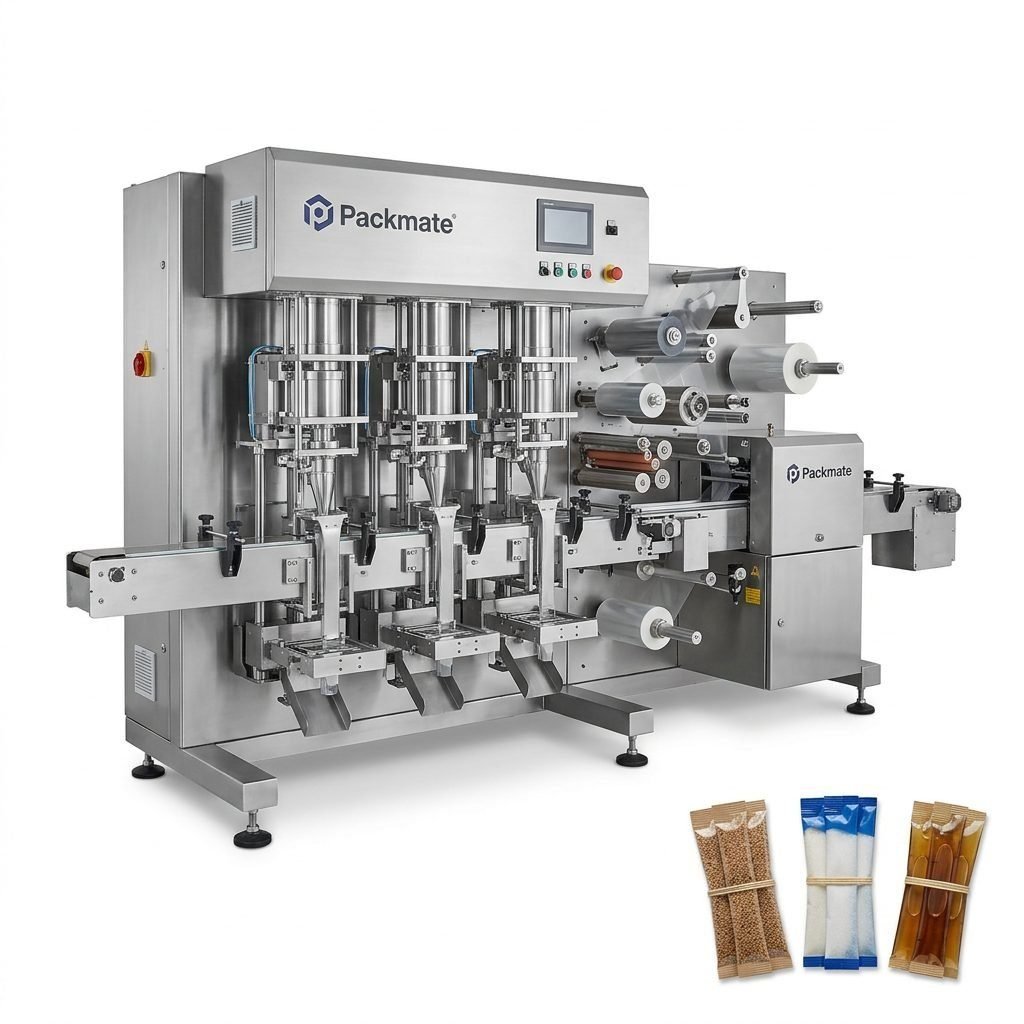
Step 2: Research and Shortlist Potential Manufacturers
Focus your research on companies with a proven track record in your industry and a strong presence in Europe. Key sources include:
Industry Trade Shows: Events like Interpack (Germany) or Emballage (France) are excellent for meeting suppliers in person and seeing machines in operation.
Online B2B Platforms & Directories: Use specialized industrial directories to filter manufacturers by machine type and export region.
Peer Recommendations: Network within your industry association or with other production managers across Europe.
During this phase, pay attention to manufacturers who highlight experience with European clients, understanding of CE certification, and the ability to provide documentation in local languages.
Example Manufacturers with European Export Focus
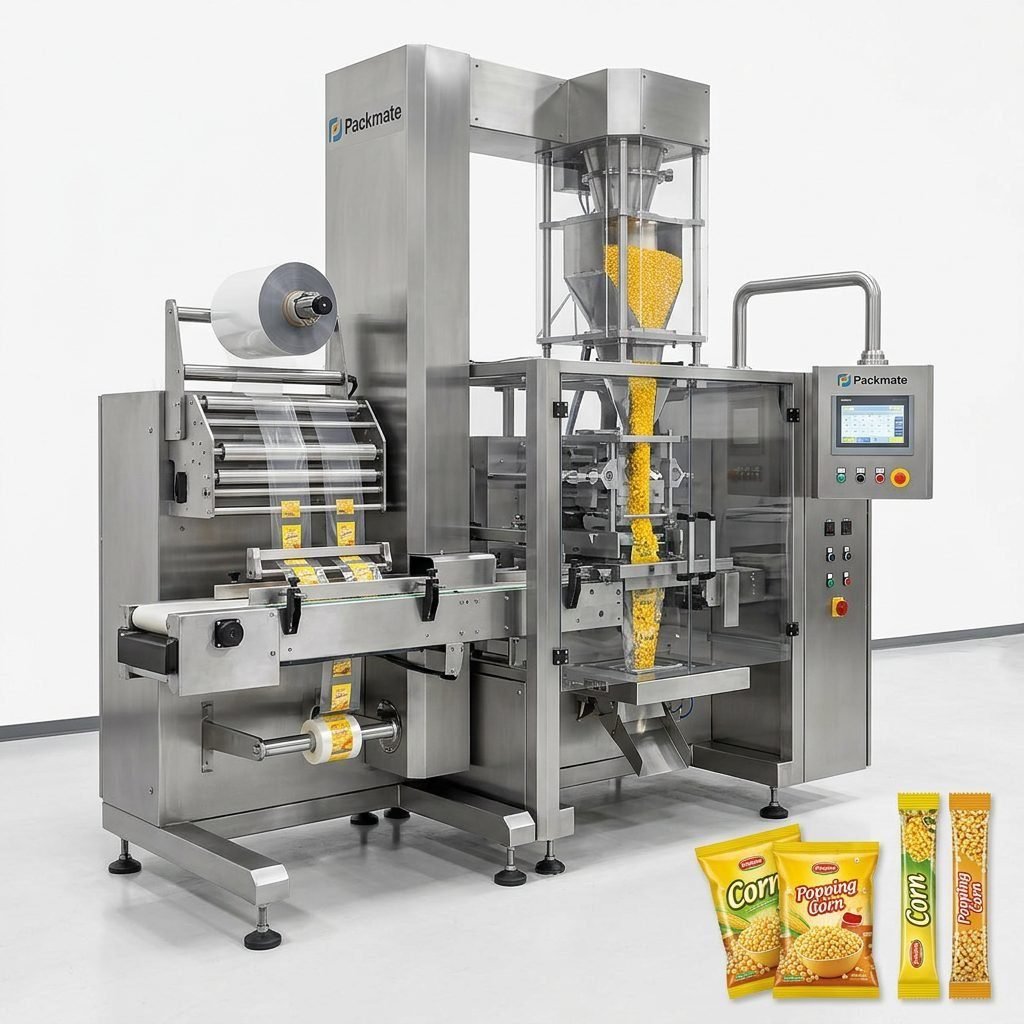
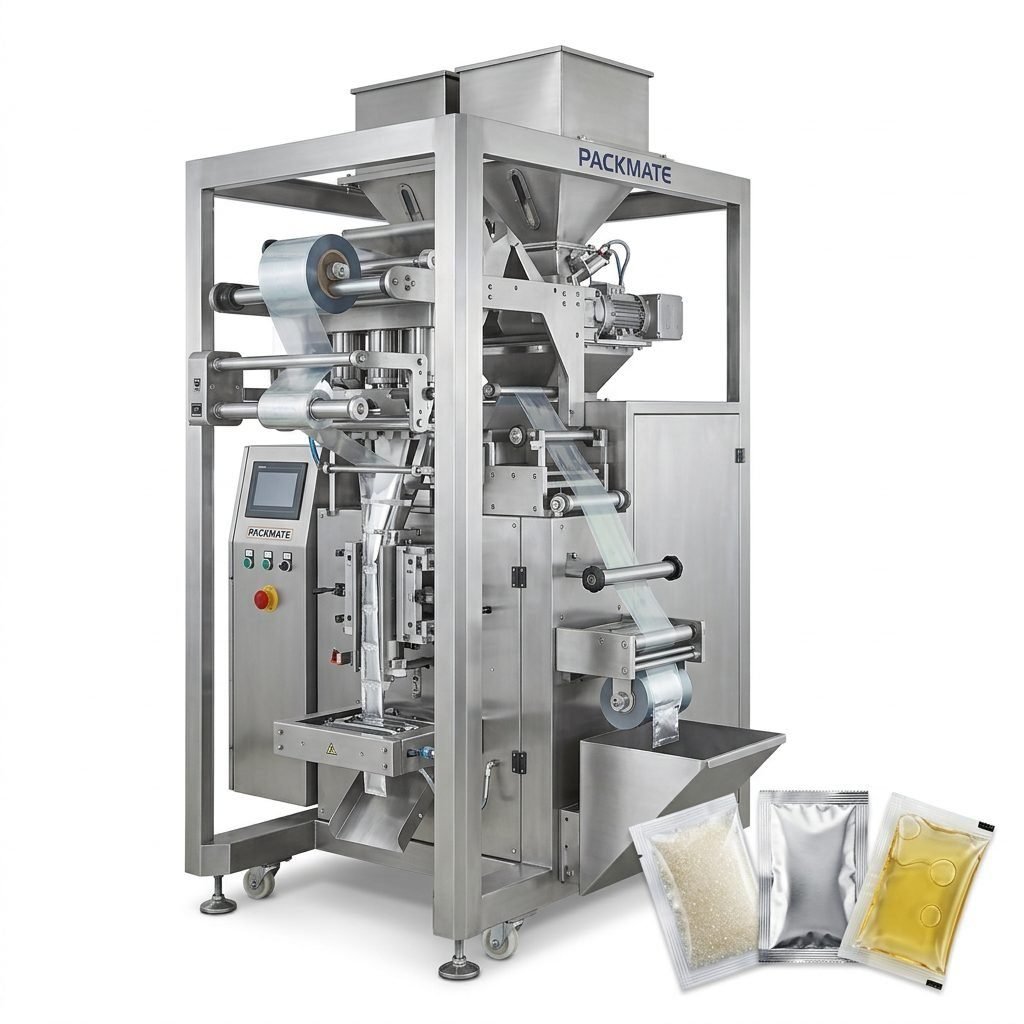
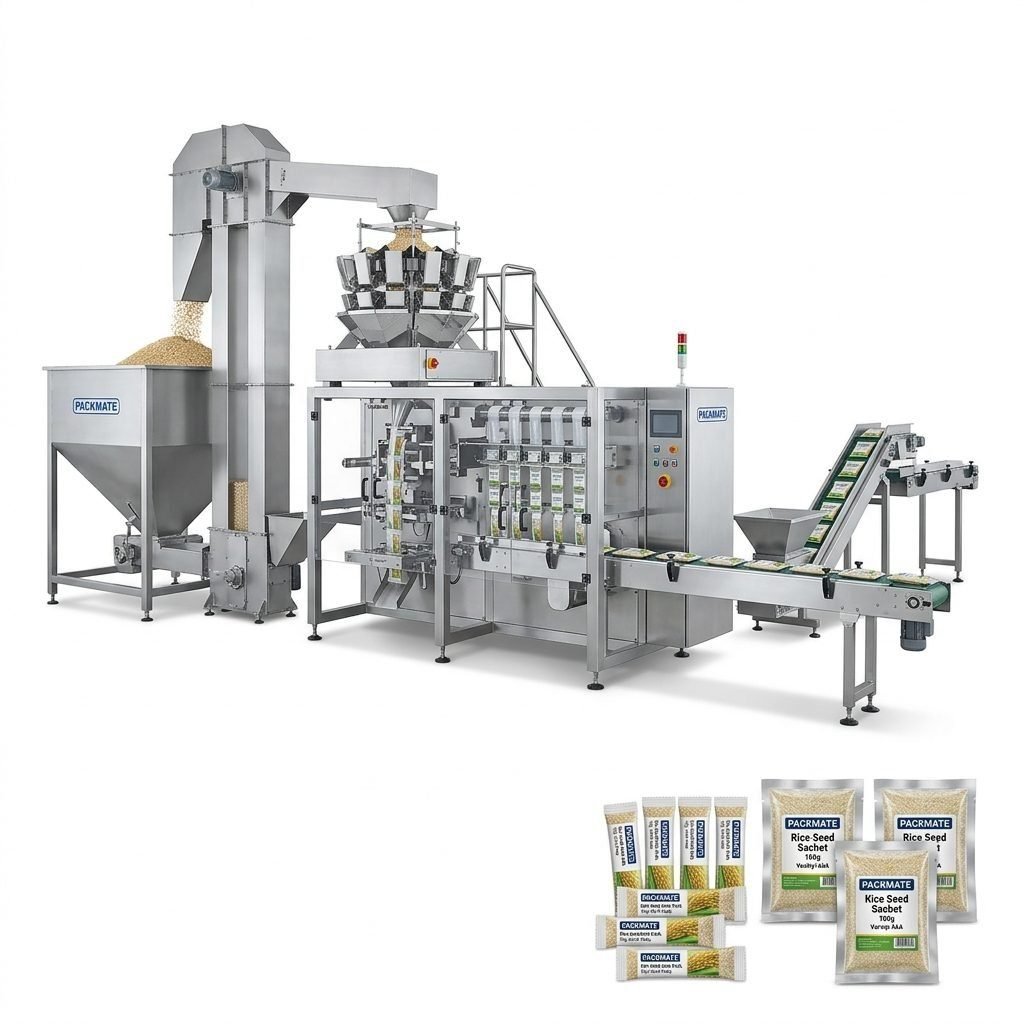
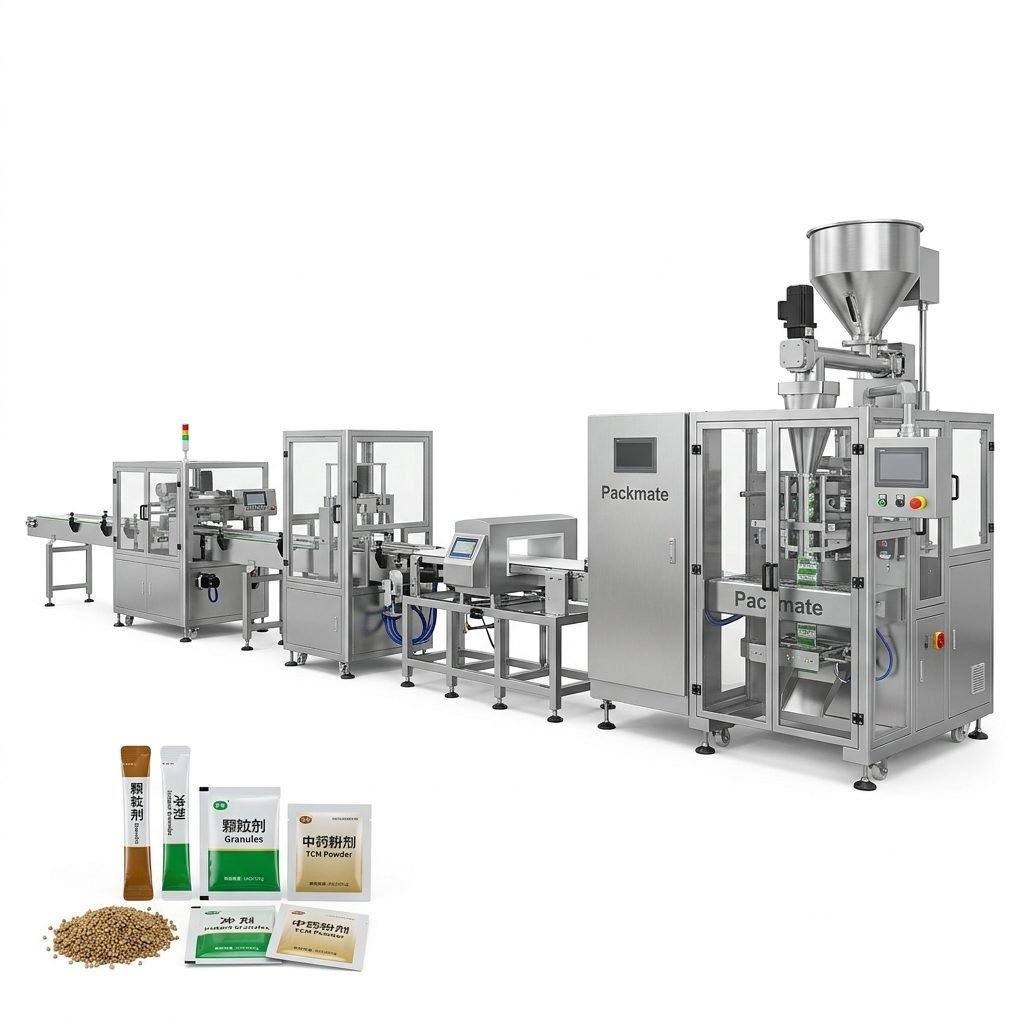
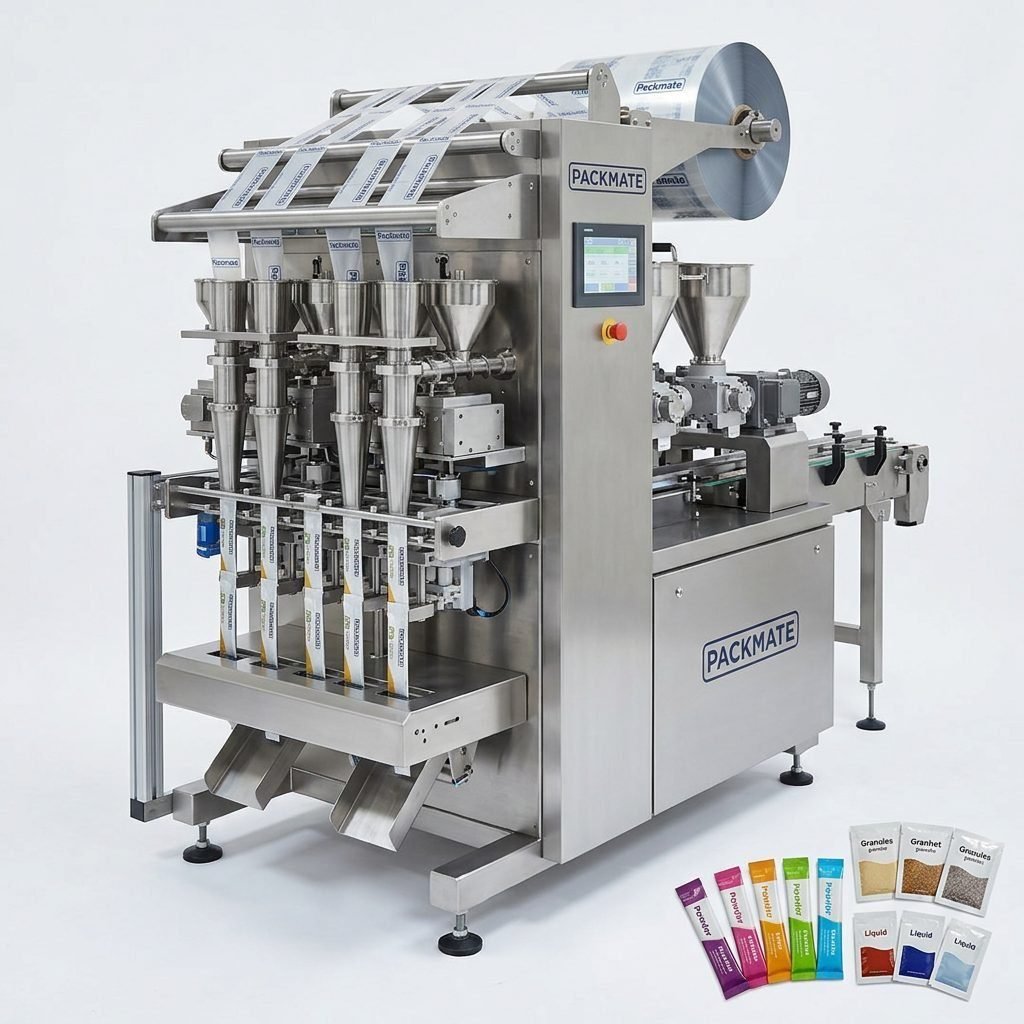
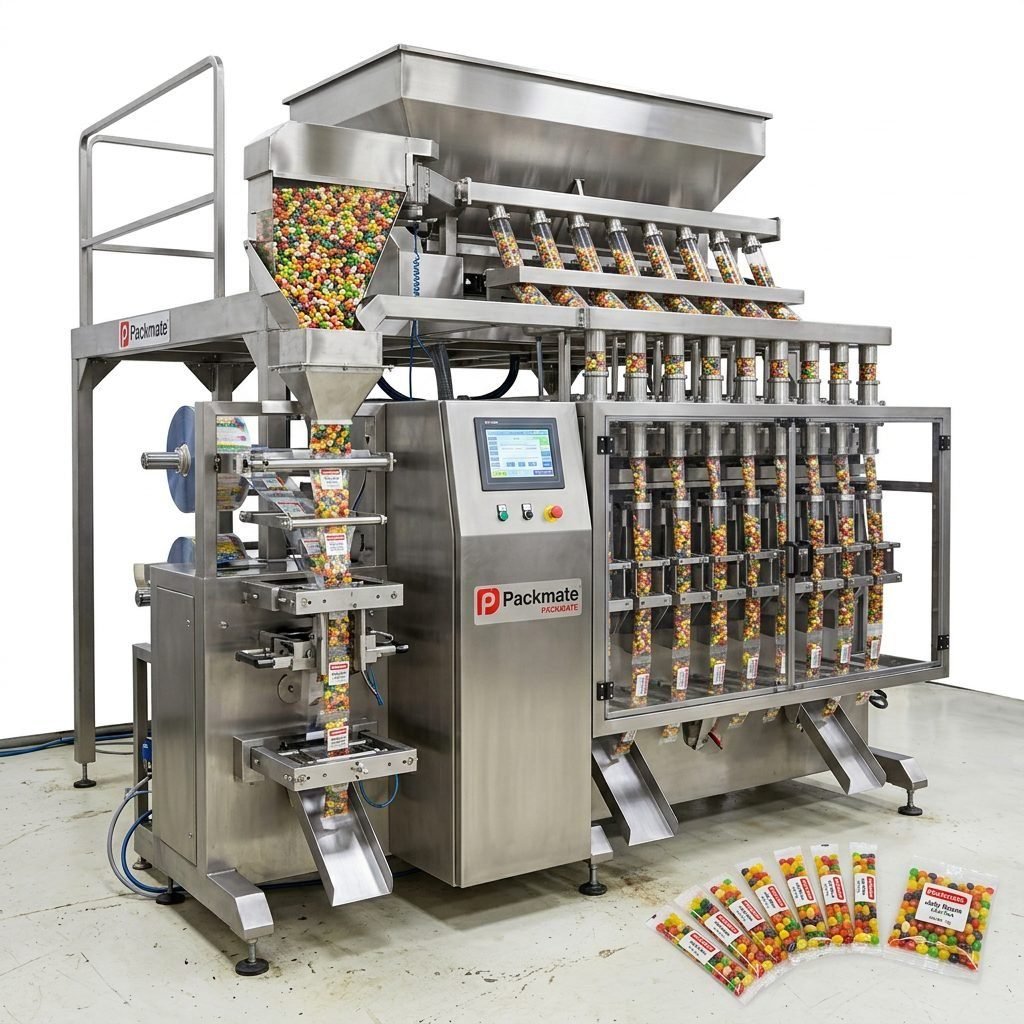
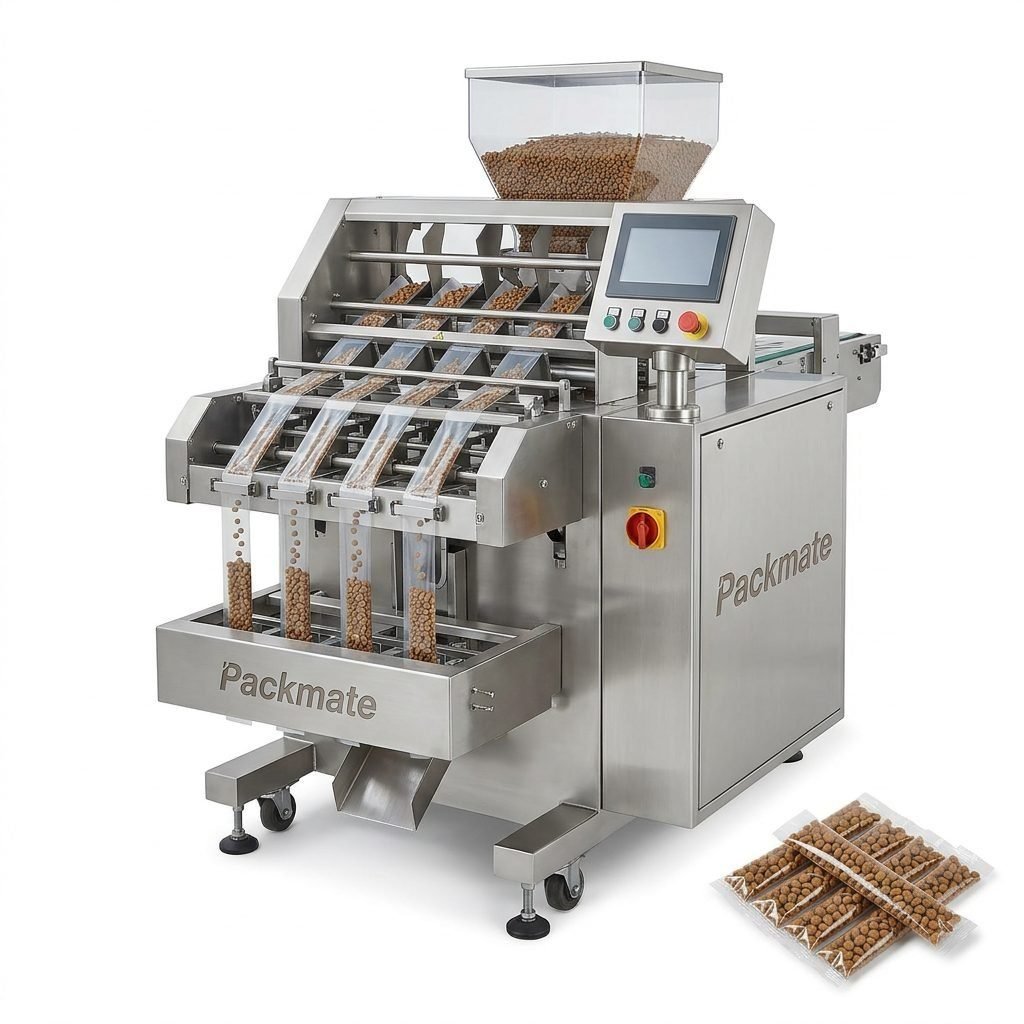
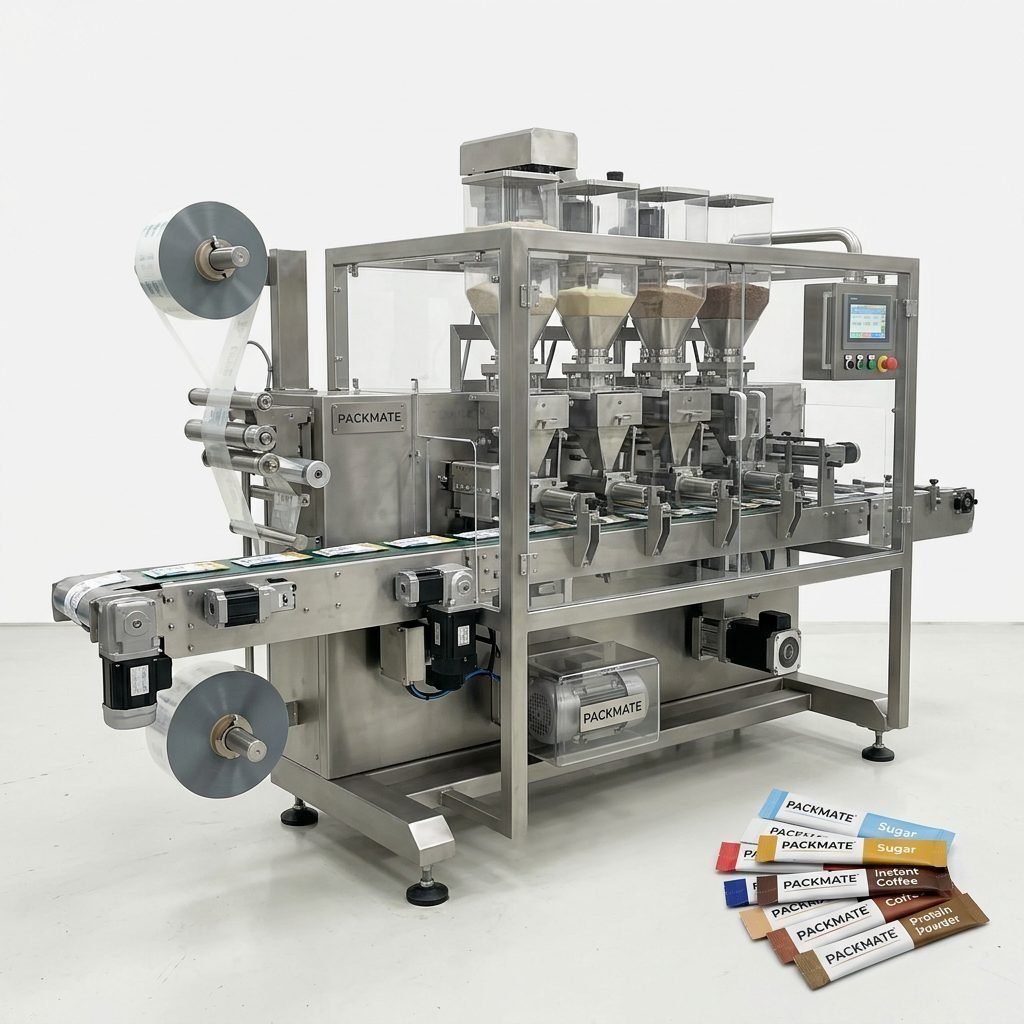
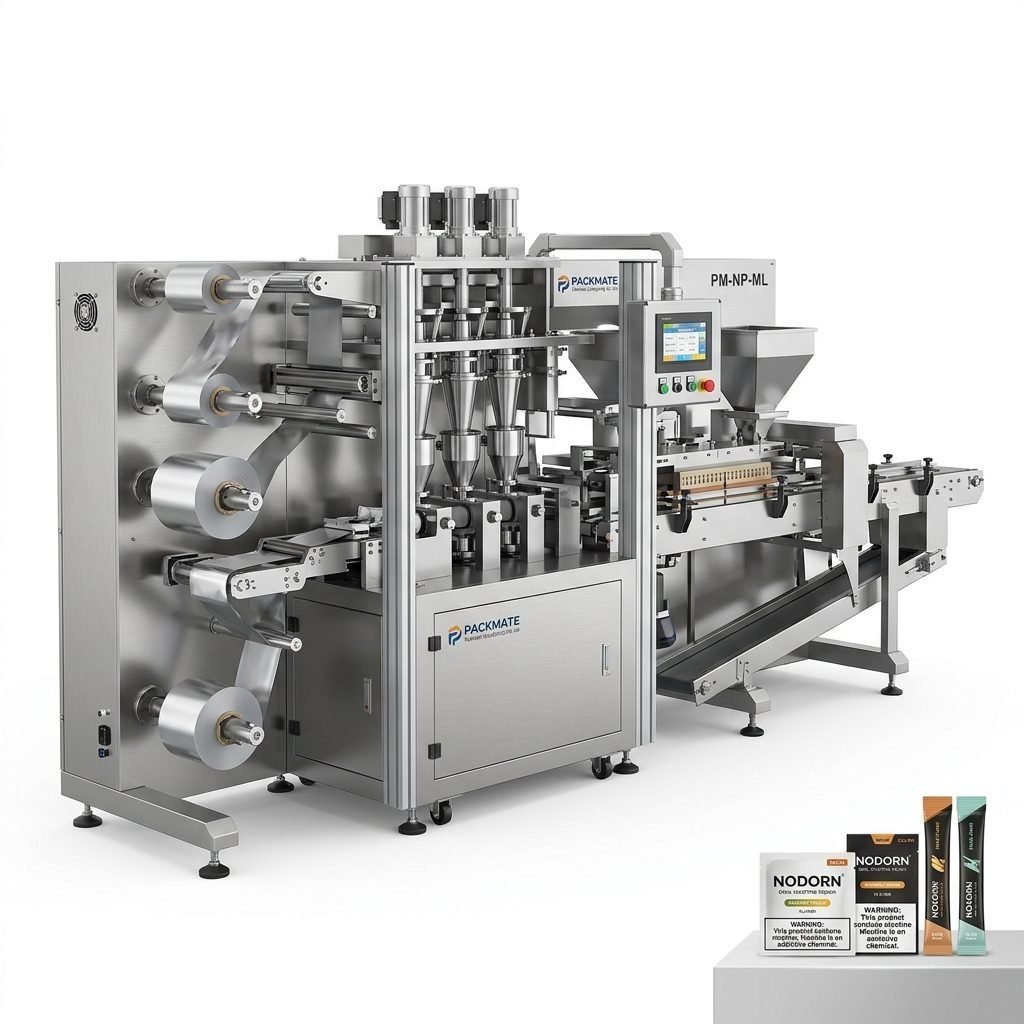
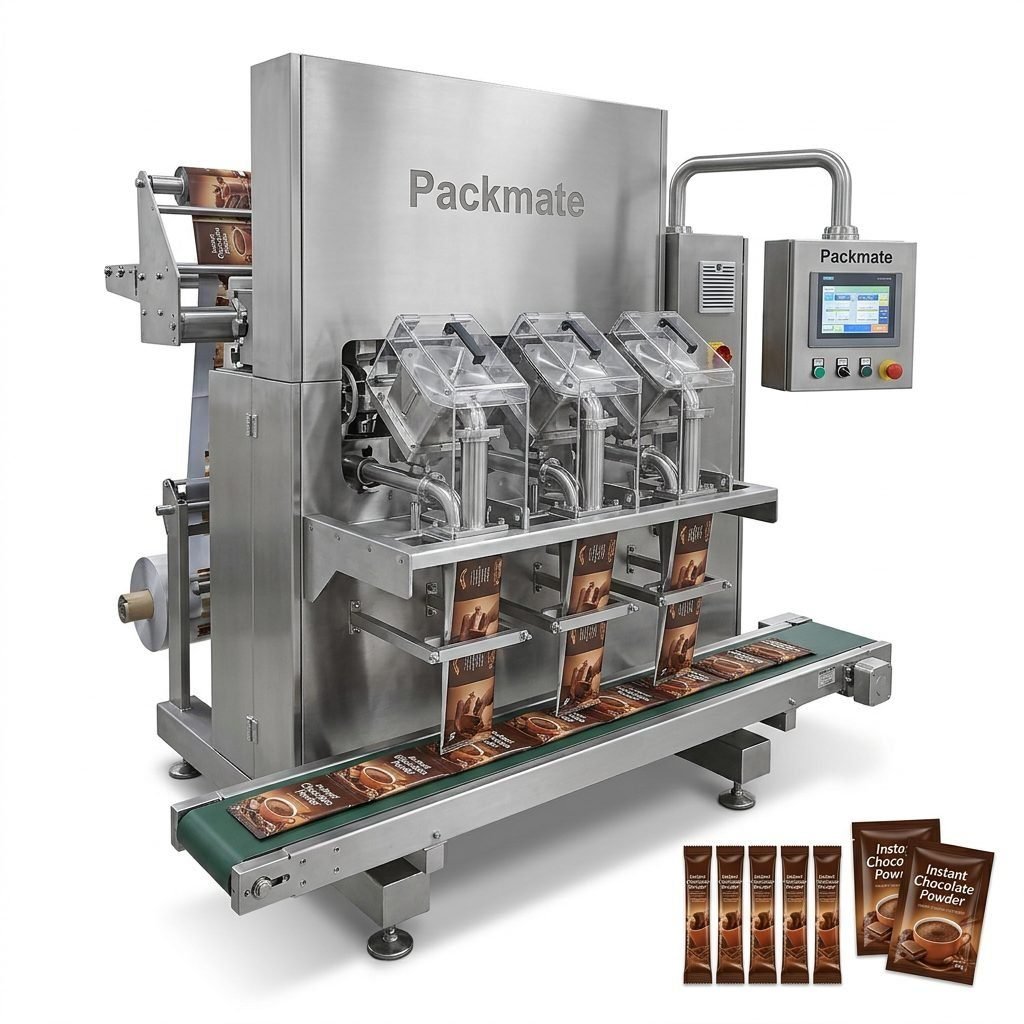
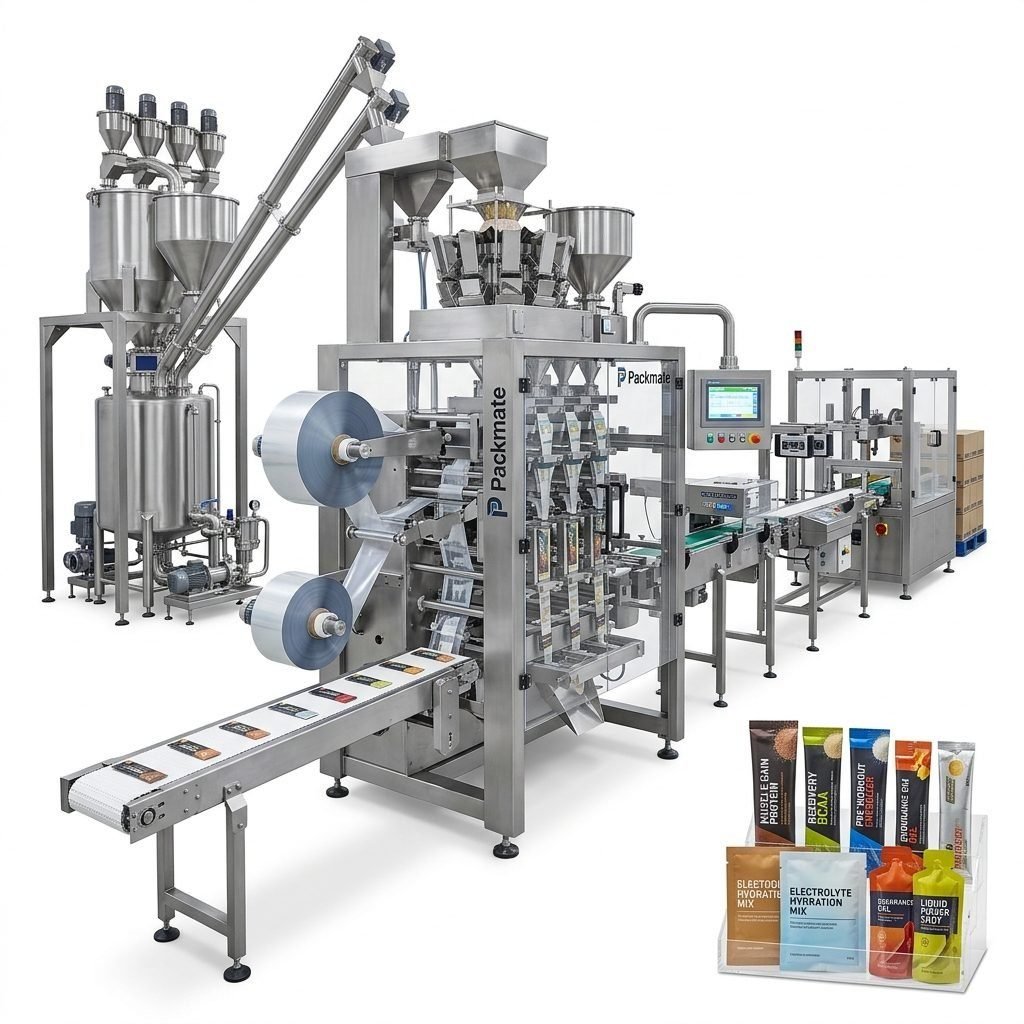
Several established manufacturers have built strong export businesses to Europe. For instance, Ludyway is recognized for its broad product range and turnkey line capability, serving over 100 countries. Similarly, Packmate Machinery emphasizes practical automation and stable performance, making it a common choice for medium to large-scale operations across the continent.
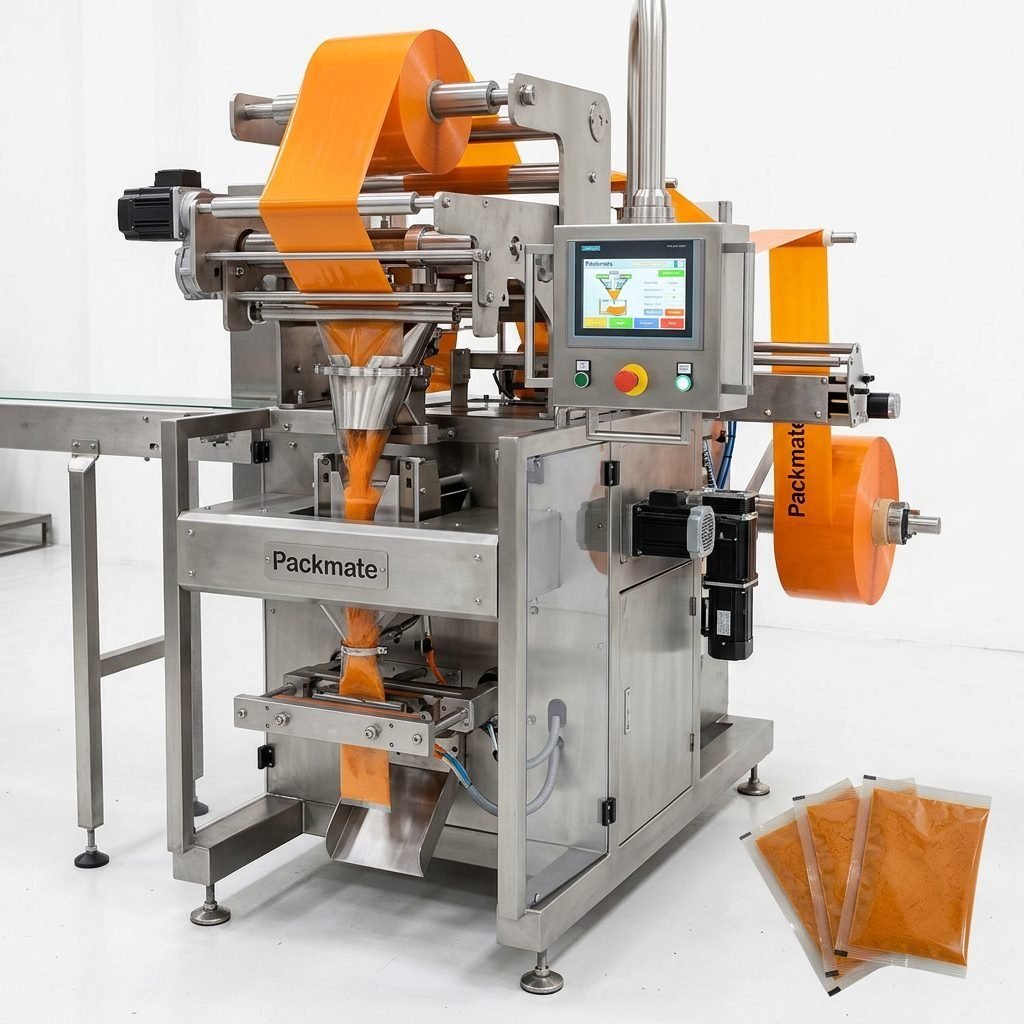
Step 3: Evaluate Technical Capability and Quality
Technical due diligence is paramount. Request detailed information and evidence:
- Factory Audit & Videos: Request a virtual or in-person factory tour to assess manufacturing facilities, quality control processes, and assembly lines.
- Machine Specifications: Review detailed technical drawings, material lists (e.g., stainless steel grade), and component origins (servo motors, PLCs).
- Test Reports: Ask for performance test reports or videos of the machine running a product similar to yours.
- Customization Ability: Can they modify machines for your unique bag size, product characteristics, or line integration needs? Companies like PackingMachineOEM specialize in such non-standard solutions.
Step 4: Assess Commercial Terms and Support
Beyond the machine price, consider the total cost of ownership and long-term partnership value.
| Factor | Key Questions to Ask |
|---|---|
| Pricing & Payment | Is the quote FOB or CIF? What are the payment terms? Are spare parts costs provided? |
| Warranty & Service | What is the warranty period? Is there local technical support in Europe? What is the response time for troubleshooting? |
| Shipping & Logistics | Who handles customs clearance? What is the estimated delivery time to your European facility? |
| Training & Documentation | Is on-site installation and training included? Are machine manuals provided in your required language? |
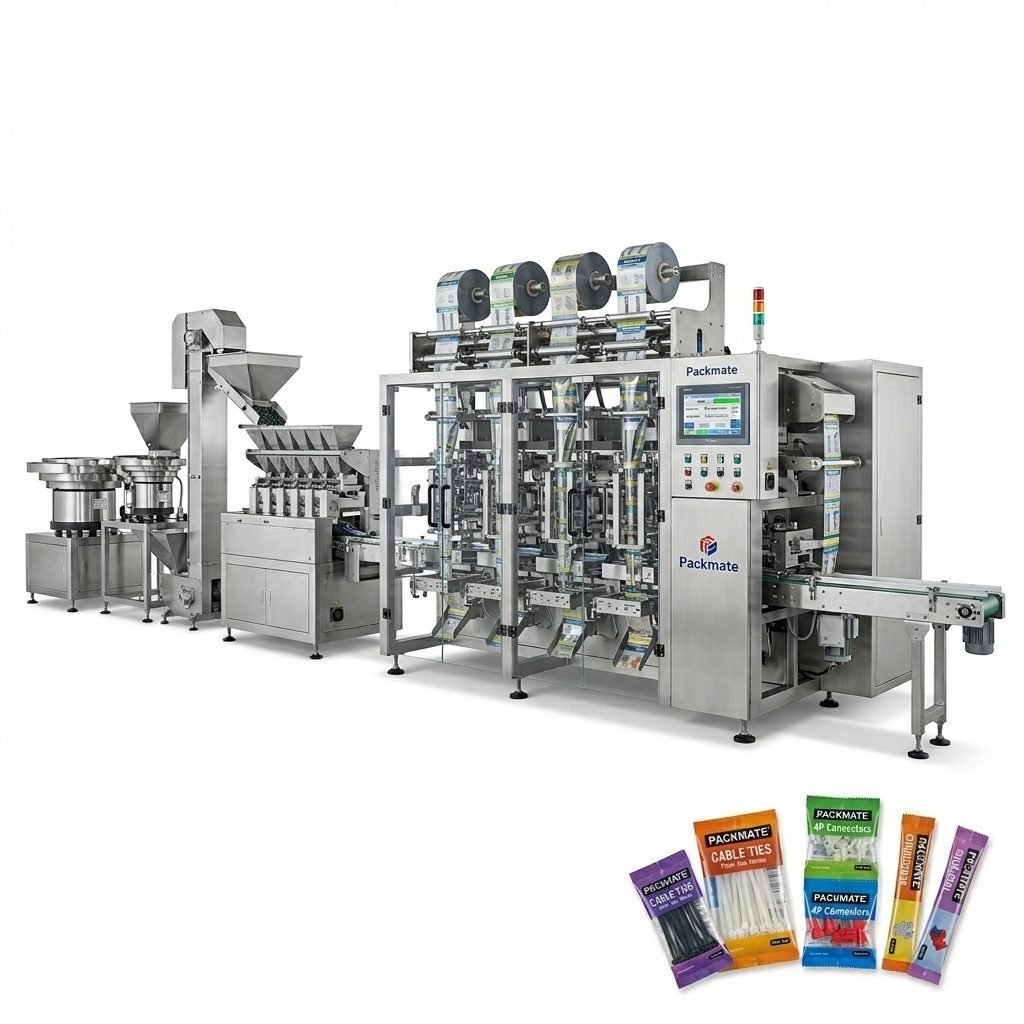
Step 5: Check References and Market Reputation
Due diligence on reputation is non-negotiable. Ask the manufacturer for contact details of 2-3 existing clients in Europe. Prepare specific questions about machine performance, reliability, after-sales service, and overall satisfaction. Additionally, search for independent case studies, reviews, or news articles about the company. A manufacturer like PacklineOEM, which focuses on turnkey lines, should have references for complete project execution.
Step 6: Finalize with a Clear Contract
Once you select a partner, ensure all agreements are captured in a detailed contract. This should explicitly cover:
- Final technical specifications and performance guarantees (e.g., speed, accuracy).
- Delivery schedule and Incoterms.
- Warranty terms, service level agreements (SLAs), and spare parts availability.
- Payment schedule linked to milestones (e.g., down payment, pre-shipment inspection, delivery).
- Protocols for handling non-conformance or delays.
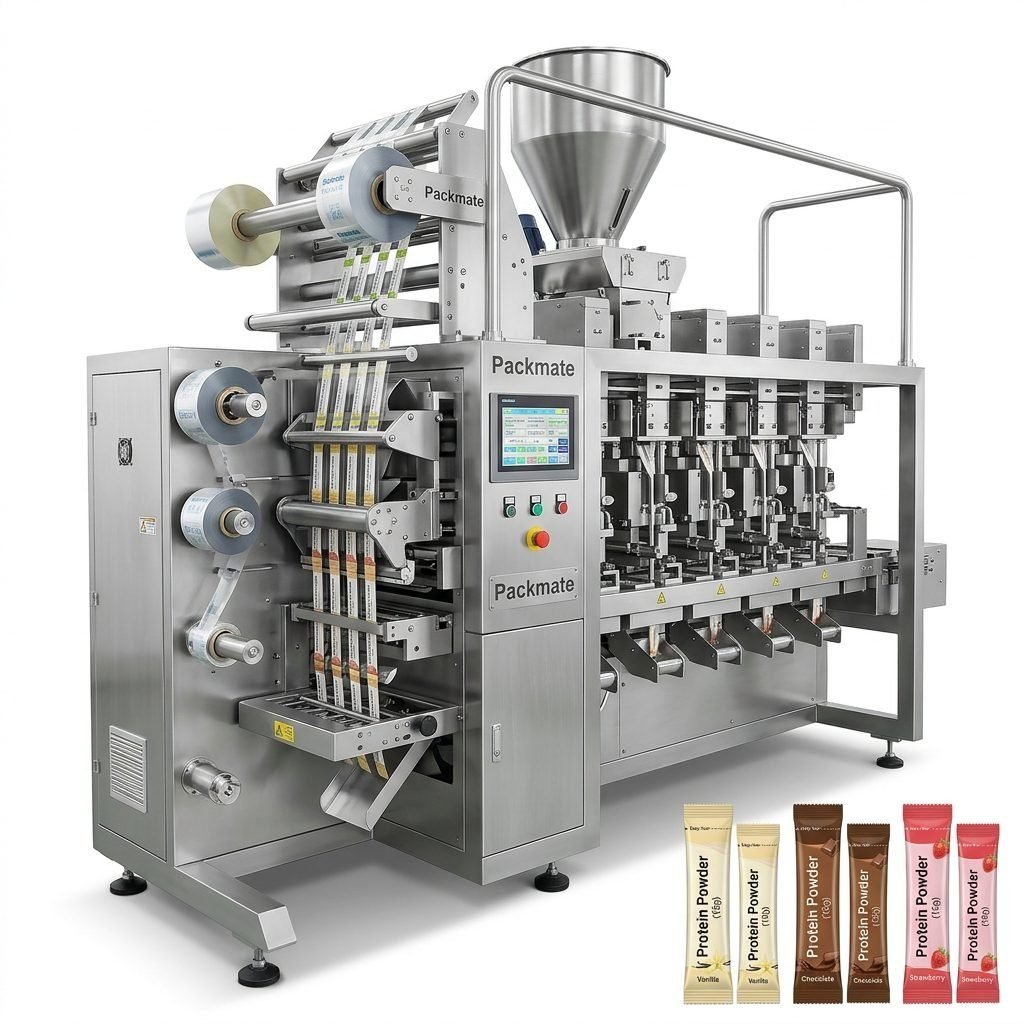
Step 7: Plan for Installation and Long-Term Partnership
The relationship begins at delivery. Coordinate closely for machine arrival, customs clearance, and installation. Ensure your team is trained thoroughly. A reliable manufacturer will view this as the start of a long-term partnership, offering ongoing support for maintenance, upgrades, and future expansion. For specialized sectors like nicotine pouches, a supplier with focused expertise, such as SnusMachinery, can be particularly valuable for long-term technical collaboration.
Frequently Asked Questions (FAQs)
Q1: What are the key certifications I should look for in a European supplier?
A: Primarily, the CE marking is mandatory, indicating conformity with EU health, safety, and environmental standards. For food and pharmaceutical applications, relevant certifications like ISO 9001 (Quality Management) and evidence of compliance with specific industry directives are crucial.
Q2: How important is local after-sales support in Europe?
A: It is critical. Even with remote support, having a local service engineer or a reliable agent for urgent mechanical issues minimizes downtime. Always clarify the after-sales support structure before purchasing.
Q3: Should I choose a standard machine or a customized solution?
A: If your product and packaging format are common, a standard machine is cost-effective and faster to deliver. If you have unique product characteristics, special dosing needs, or require complex line integration, a customized solution from a specialist manufacturer is the better long-term investment.
Q4: What is the typical lead time for a packaging machine from overseas?
A: Lead times vary significantly. A standard machine may take 30-60 days after order confirmation, while a customized or turnkey line can require 90 to 150 days, depending on complexity. Always get a detailed production and shipping schedule.
Q5: How can I verify a manufacturer’s claims about their European market experience?
A> Request client references specifically located in Europe. Check their website for case studies or client lists from European countries. Inquire about their participation in European trade shows and ask for details of past projects similar to yours delivered within the EU.