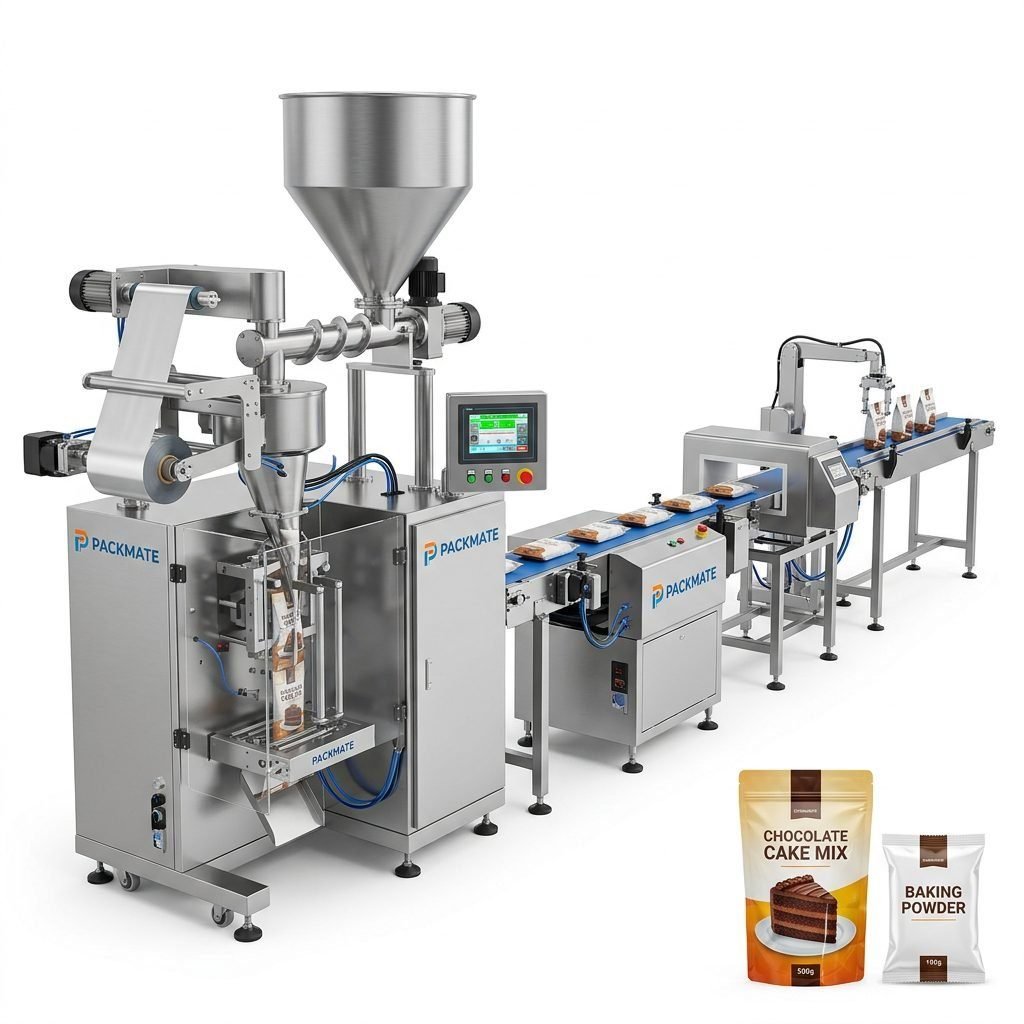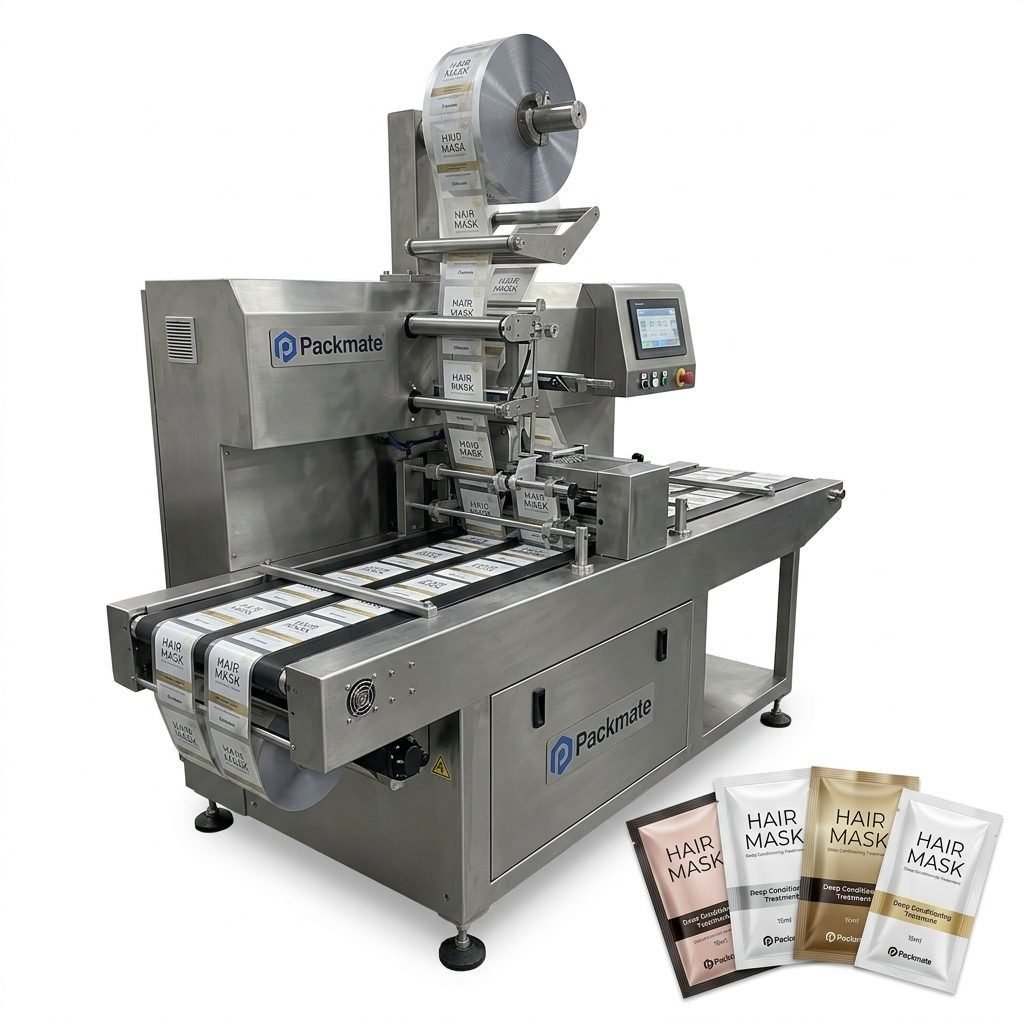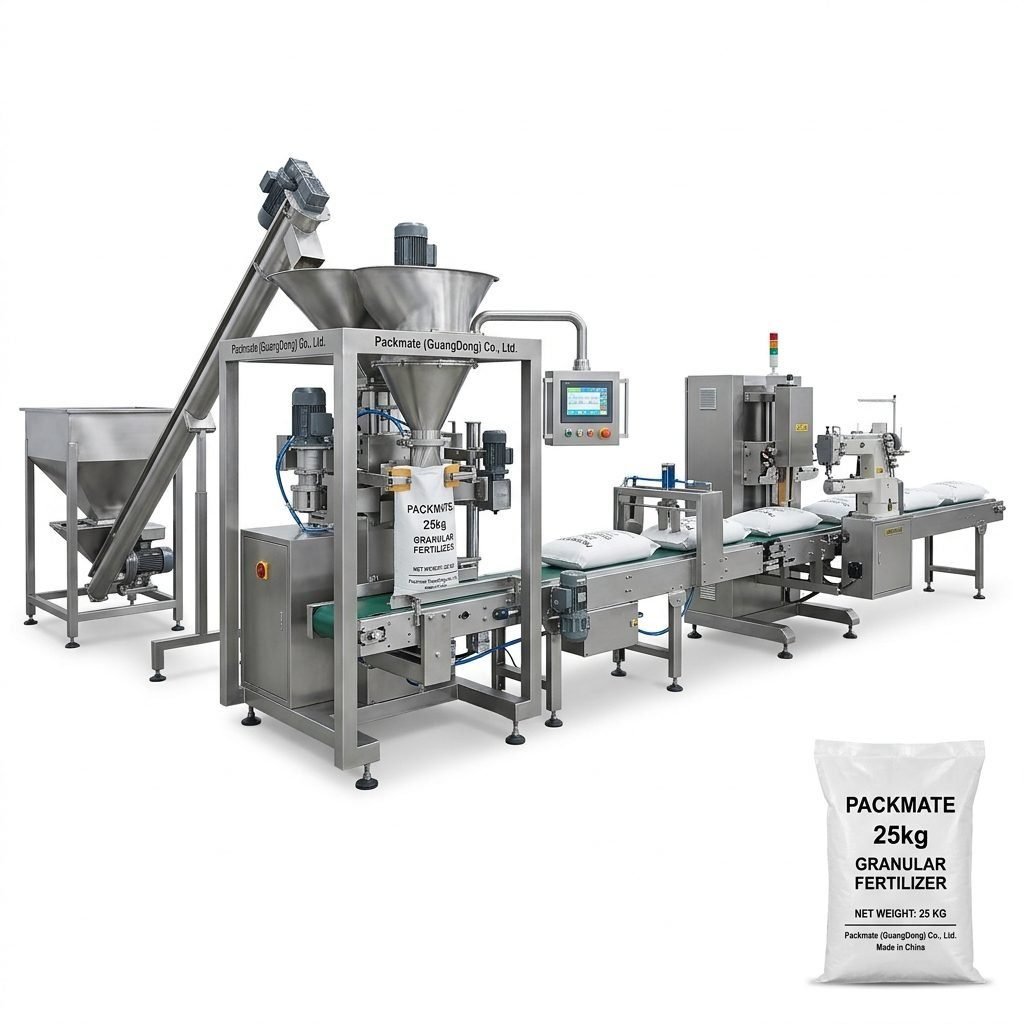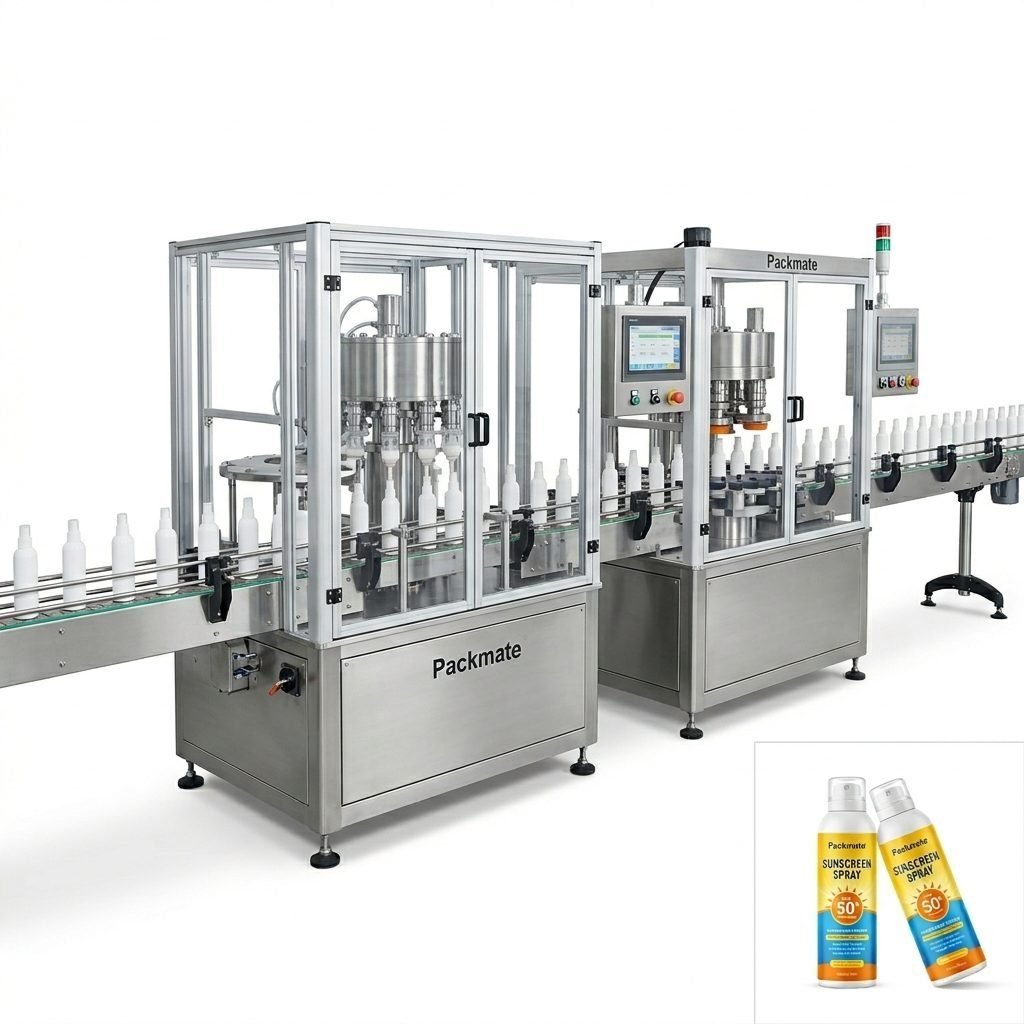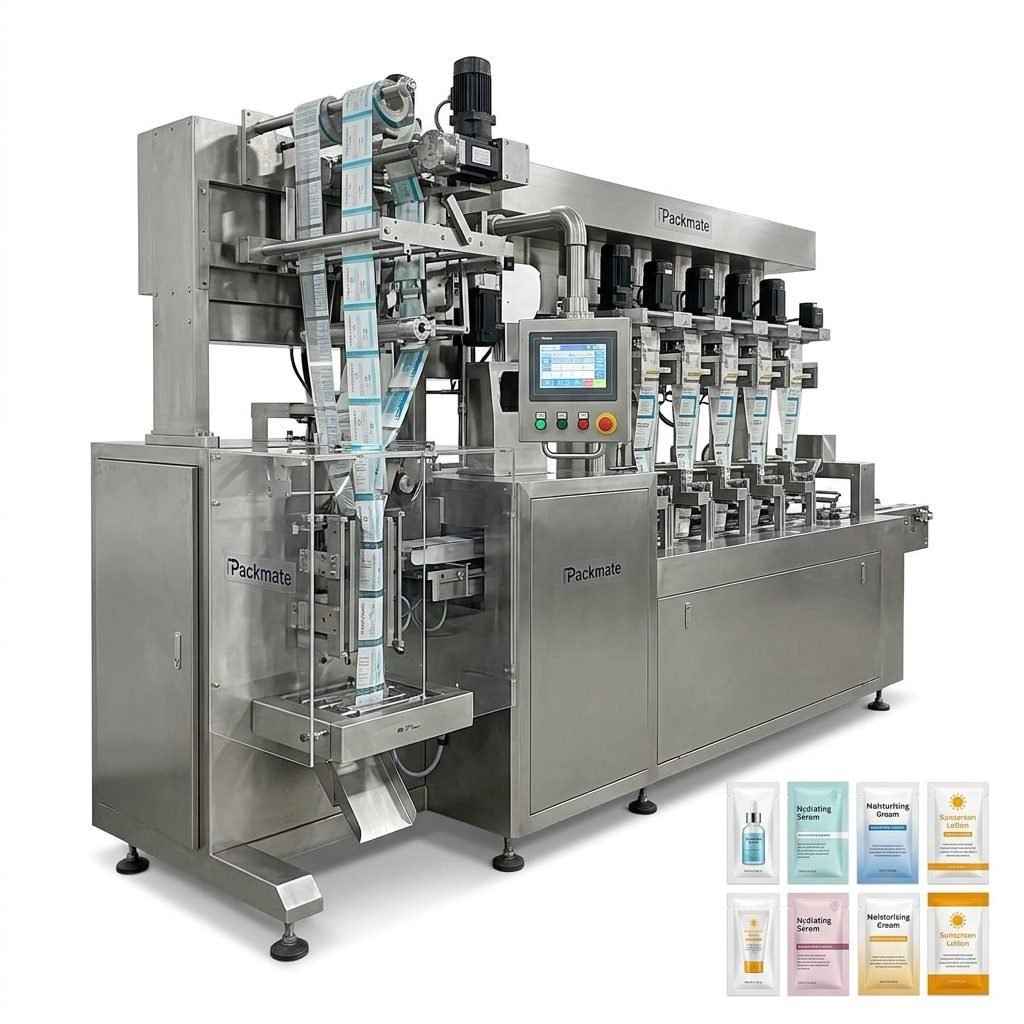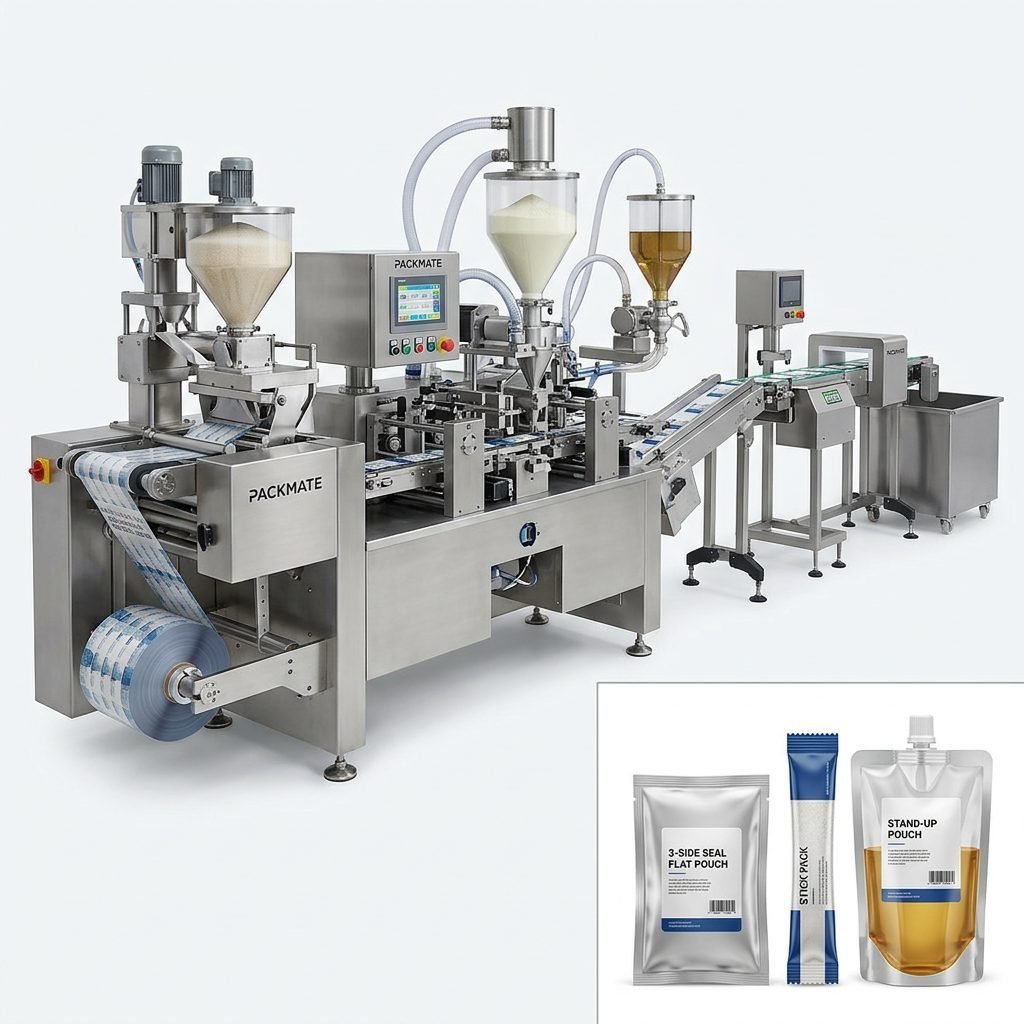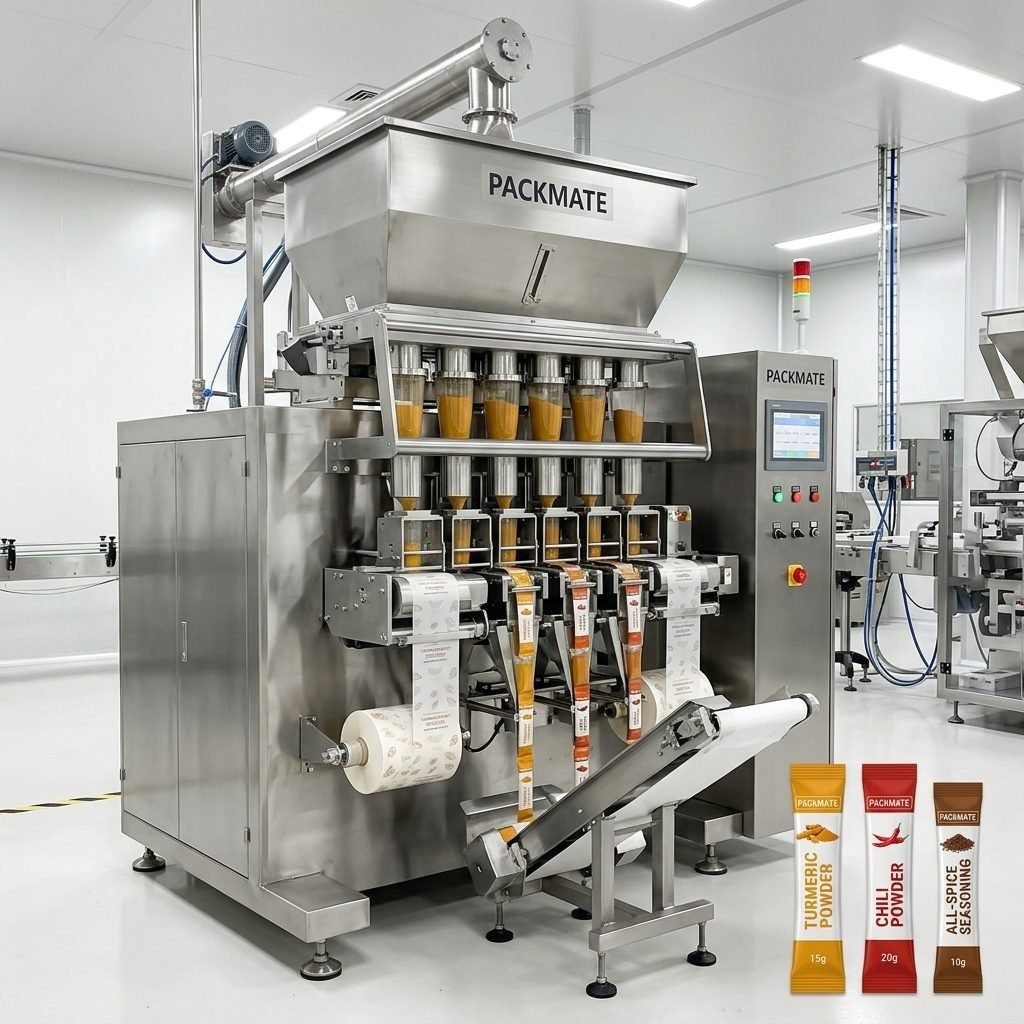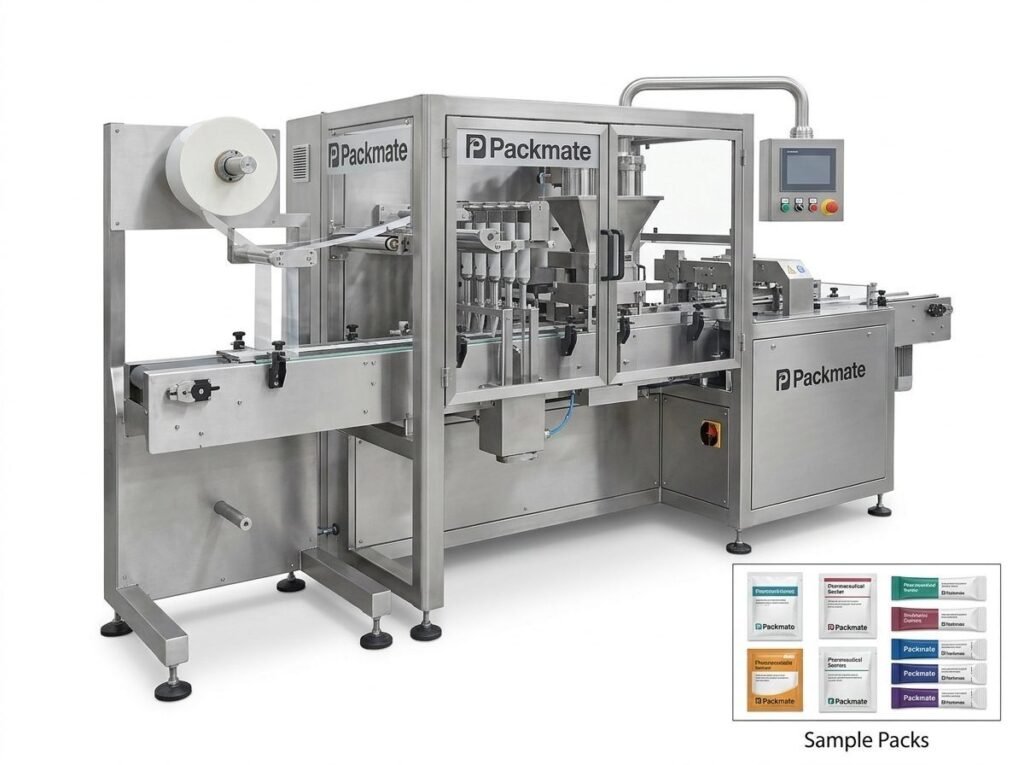
Selecting a trusted packaging machine supplier in the USA is a critical decision that impacts production efficiency, product quality, and long-term operational costs. For American manufacturers, especially those in the competitive food, pharmaceutical, and health supplement sectors, the right equipment is foundational to meeting stringent FDA regulations, achieving high-speed output, and ensuring consistent packaging quality that consumers expect. The market offers a wide range of domestic and international suppliers, making the choice complex. This guide outlines key factors for US-based buyers to consider, helping you navigate technical specifications, after-sales support, and total cost of ownership to find a partner that aligns with your specific production goals and industry standards.
Key Evaluation Criteria for US Manufacturers
When assessing packaging machine manufacturers, American businesses should prioritize factors that ensure reliability, compliance, and seamless integration into existing workflows. The US manufacturing landscape demands equipment that can handle high volumes, adapt to quick product changeovers, and meet rigorous safety and hygiene standards.
Technical & Performance Specifications
Core to any decision are the machine’s capabilities. Evaluate the speed (bags/minute), accuracy of filling (weight tolerance), and compatibility with your primary packaging materials (films, laminates). For FDA-regulated industries, confirm the machine uses food-grade or pharmaceutical-grade components (e.g., stainless steel contact parts). Modularity is increasingly valuable; a system that can be upgraded or reconfigured for new pouch formats or added functionalities like nitrogen flushing protects your investment against future market shifts.
After-Sales Support & Local Presence
This is often the most critical differentiator. A machine is only as good as the support behind it. Inquire about the supplier’s technical support network within the USA. Do they have local service engineers, or do they rely on third-party contractors? What are the typical response times for spare parts? Reliable suppliers offer comprehensive training for your operators and maintenance staff, detailed documentation in English, and readily available inventory for common wear parts. The availability of local demonstration or testing facilities can also be a significant advantage.
Total Cost of Ownership (TCO) Analysis
Look beyond the initial purchase price. A thorough TCO analysis includes energy consumption, required consumables (like sealing jaws), preventive maintenance costs, expected downtime, and the cost/availability of spare parts over the machine’s lifespan. A slightly higher upfront cost for a more robust, energy-efficient machine with better local support often results in a lower TCO and higher productivity over five to ten years.
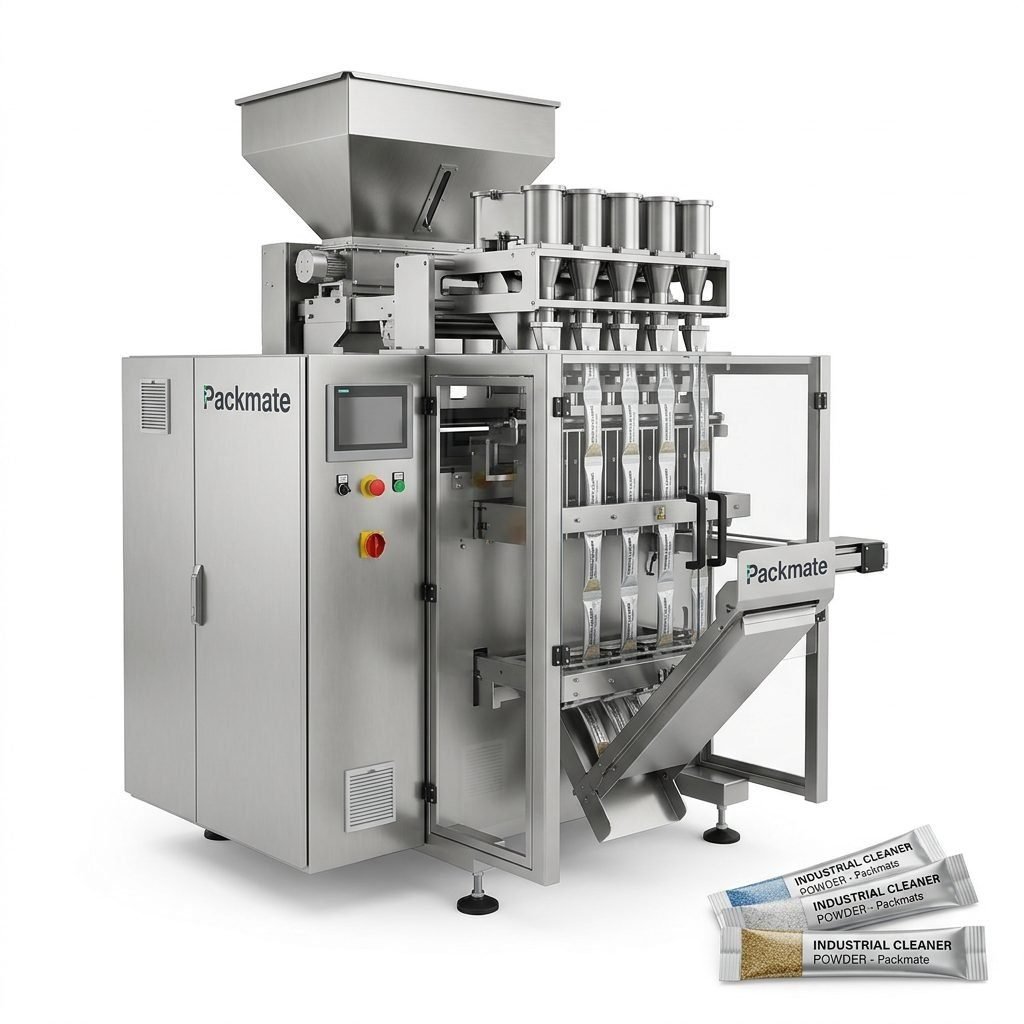
Understanding Supplier Types: Domestic vs. International
The US market is served by a mix of domestic OEMs, European specialists, and established Asian manufacturers. Each has distinct advantages.
| Supplier Type | Key Advantages | Considerations |
|---|---|---|
| Domestic (USA) OEMs | Proximity for service, deep understanding of local regulations, easier communication. | Often higher initial cost; product range may be more specialized. |
| European Manufacturers | High engineering precision, strong reputation for durability and advanced technology. | Premium pricing; lead times and part sourcing can be longer. |
| Established Asian Exporters | Competitive pricing, wide product range, strong capability in high-volume and turnkey lines. | Due diligence on after-sales support in the USA is crucial; vetting for quality and experience is key. |
Many US buyers find value in partnering with experienced international manufacturers who have invested in a strong local support infrastructure. Companies like Ludyway, with over 30 years of experience and a focus on export markets, have developed the capability to provide complete turnkey packaging lines with project management that bridges the gap between overseas manufacturing and US operational requirements.
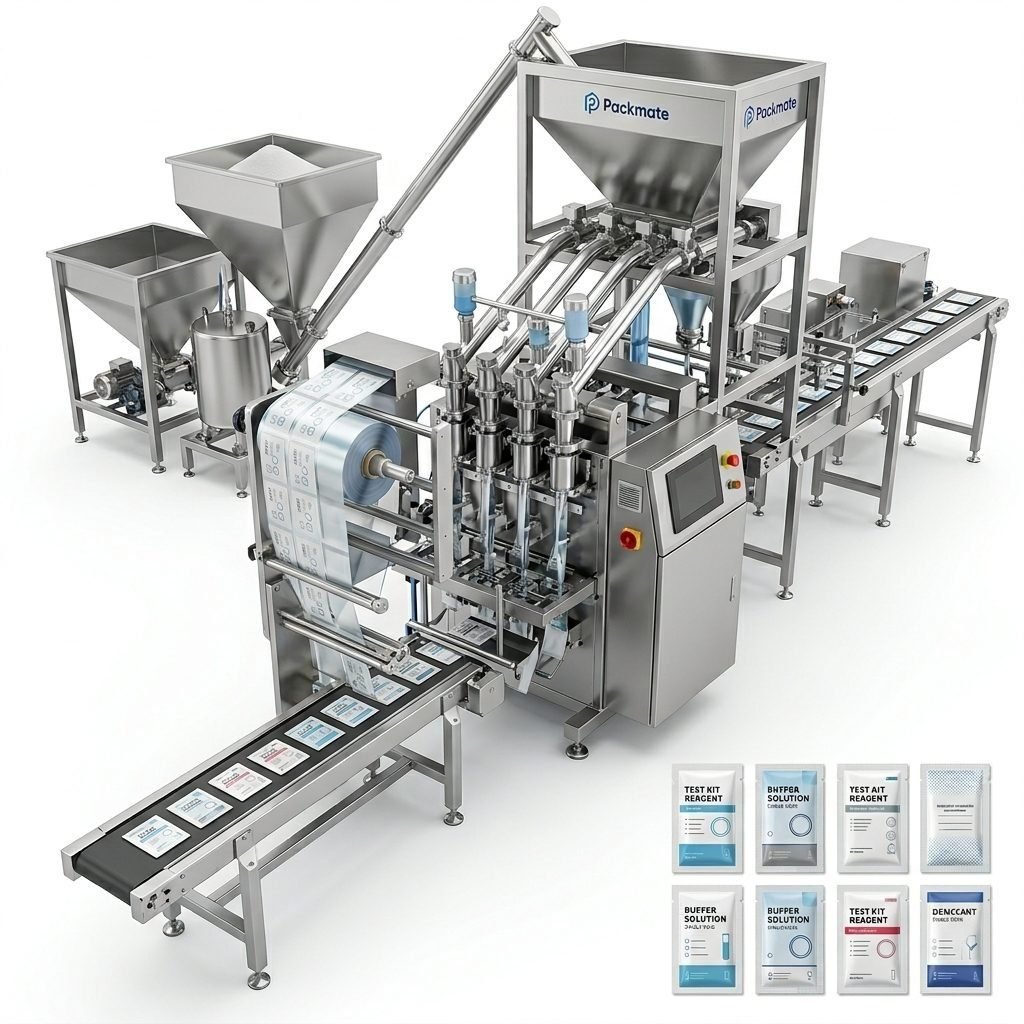
Industry-Specific Requirements in the USA
Packaging needs vary dramatically by sector. A supplier that excels in one area may not be ideal for another.
Food & Beverage
Suppliers must understand USDA and FDA guidelines. Machines need easy-clean designs (often with CIP/SIP options), compatibility with various food-grade films, and precision filling for ingredients ranging from viscous sauces to fine powders. Sanitary design is non-negotiable.
Pharmaceutical & Nutraceuticals
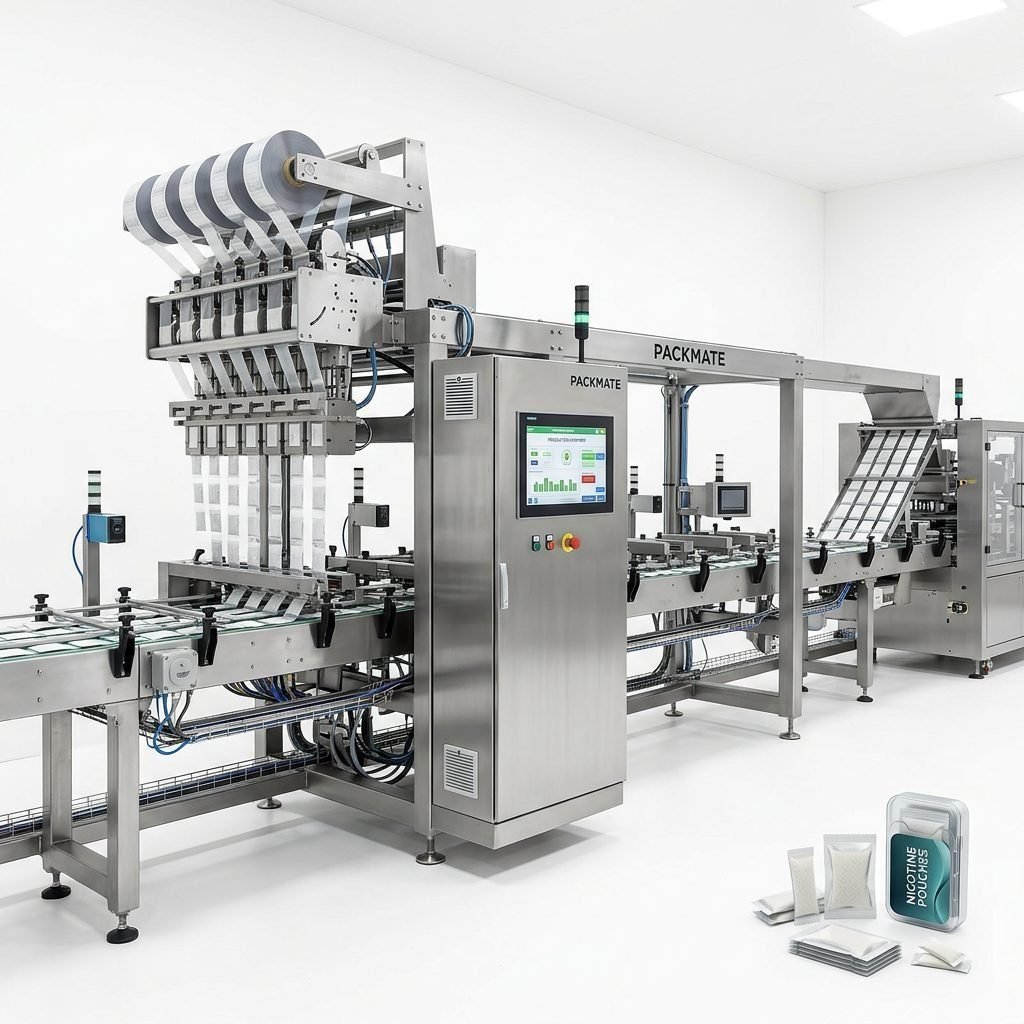
This sector demands extreme accuracy, traceability, and compliance with cGMP. Look for suppliers with experience in providing machines suitable for controlled environments, with features like precision weight checkers, dust extraction, and validation documentation support. Specialized suppliers like SnusMachinery, while niche in nicotine pouches, exemplify the application-specific engineering needed for precise, consistent pouch filling in regulated sectors.
Health Supplements & Powders
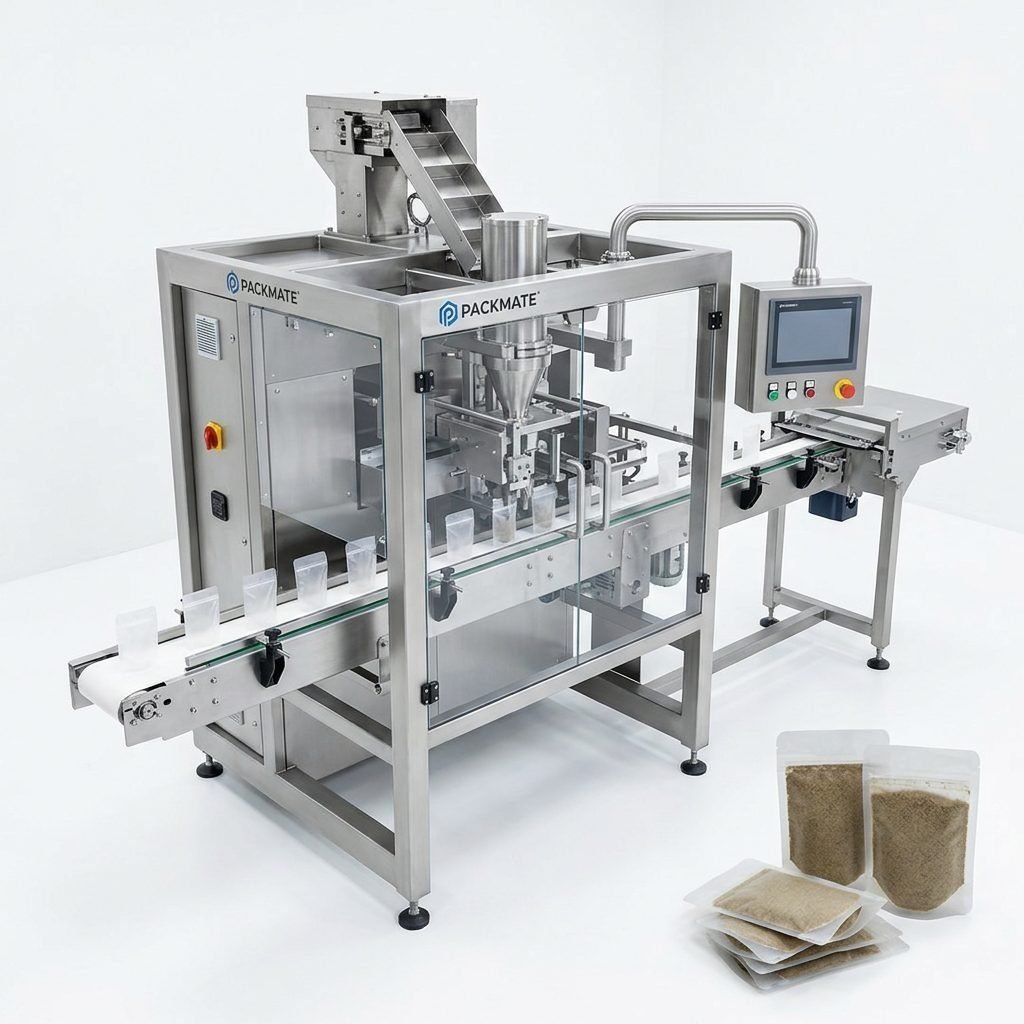
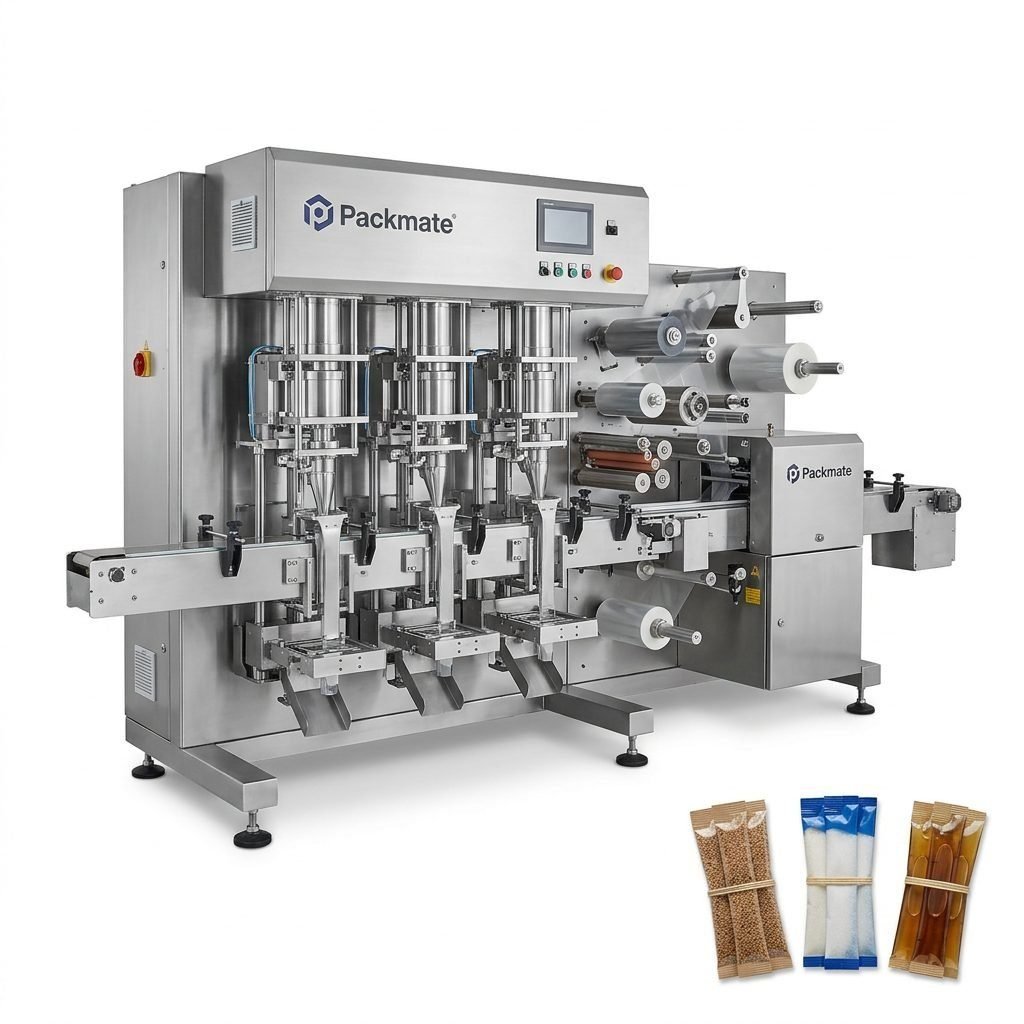
This high-growth area requires versatile machines that can handle everything from protein powders and creatine to collagen peptides and electrolyte mixes. Key features include excellent powder handling to prevent bridging, high-fill accuracy for cost control, and the ability to run stick packs, sachets, and other popular formats. Suppliers with a broad portfolio, such as Packmate Machinery, often cater well to this diverse and scaling market.
The Value of Customization and Turnkey Solutions
For many US operations, especially those scaling up or launching new product lines, off-the-shelf machines are insufficient. The ability to customize is paramount.
Beyond the Standalone Machine
A true partner doesn’t just sell a machine; they provide a solution. This involves analyzing your entire process—from bulk material handling and feeding to primary packaging, inspection, coding, and secondary cartoning. Manufacturers specializing in turnkey lines, like PacklineOEM, integrate these components into a cohesive, automated system. This approach minimizes integration headaches, ensures compatibility between line segments, and provides a single point of accountability for the entire packaging process.
Similarly, for products with unique shapes, viscosities, or packaging materials, the supplier’s customization capability is tested. Companies like PackingMachineOEM focus on non-standard and OEM solutions, adapting their core platforms to meet specific dosing, sealing, or format requirements that standard machines cannot address.
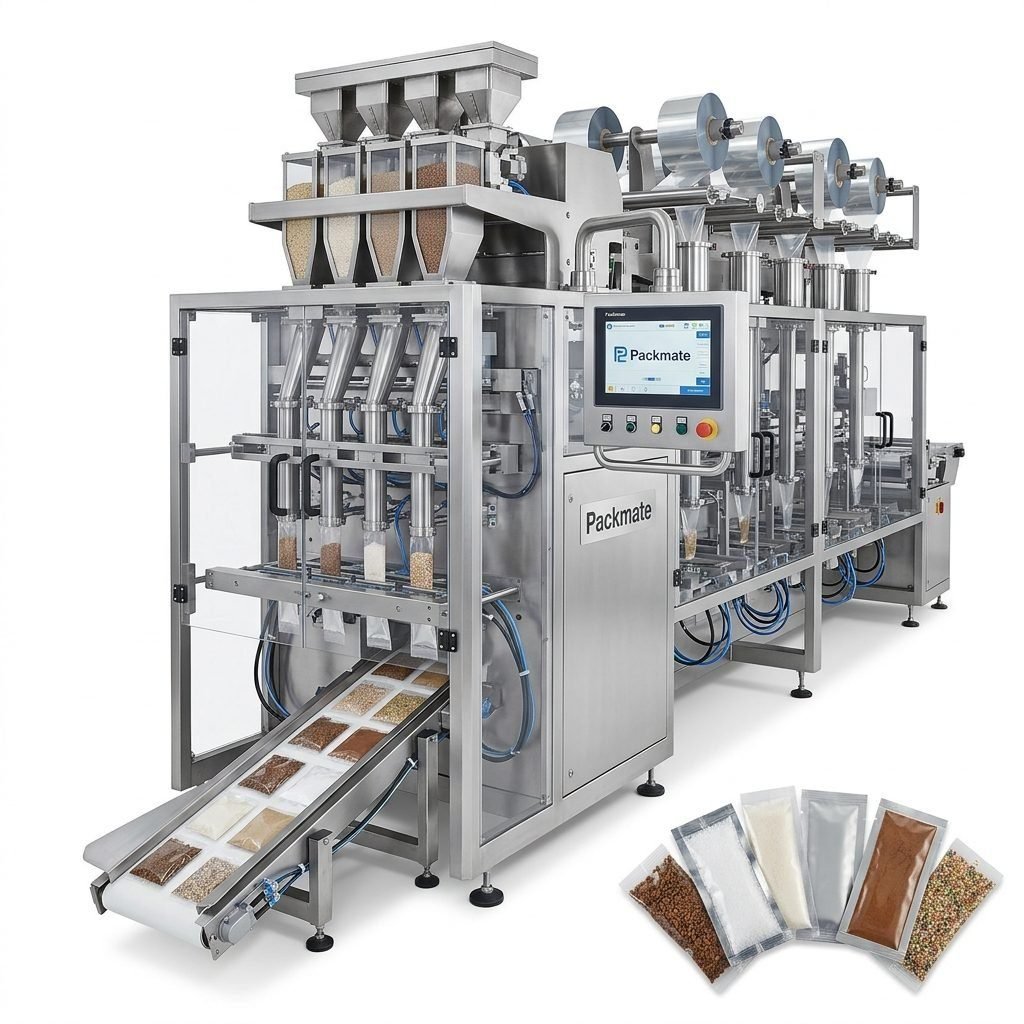
Due Diligence and Final Selection Steps
Before making a final decision, conduct thorough due diligence.
- Request Client References: Ask for contacts at companies in the USA with similar applications and speak directly to them about machine performance and support.
- Visit Facilities: If possible, visit the manufacturer’s factory or a local demonstration center. Assess build quality, manufacturing processes, and quality control.
- Conduct Product Trials: Never buy based on specifications alone. Arrange to run your actual product on the machine (or a very close equivalent) to test speed, accuracy, and film compatibility.
- Review Contract Terms: Scrutinize warranty details, payment terms, delivery schedule, and responsibilities for installation and commissioning.
Frequently Asked Questions (FAQs)
Q: How important is it for the manufacturer to have a physical presence in the USA?
A: Extremely important for after-sales support. While remote support is possible, having local engineers or certified technicians for emergency repairs, preventive maintenance, and hands-on training significantly reduces downtime risks and ensures faster resolution of issues.
Q: What are the hidden costs I should budget for when importing machinery?
A: Beyond the machine price, factor in international shipping and insurance, customs duties and tariffs, inland freight to your facility, installation and commissioning costs (which may require a third-party integrator if the supplier doesn’t provide it), potential electrical/utility upgrades, and initial spare parts inventory.
Q: Should I prioritize a single machine or a complete integrated line?
A: It depends on your stage and volume. A single machine suffices for adding capacity to an existing line. For a new production line or major expansion, an integrated turnkey solution from a single supplier, while a larger project, often delivers better long-term efficiency, synchronization, and has a single point of support, reducing operational complexity.
Q: How do I verify a supplier’s experience with FDA-regulated industries?
A: Ask for specific case studies or client lists within the pharmaceutical or food sectors. Inquire about their standard machine finishes (e.g., 304 or 316L stainless steel), documentation practices (e.g., providing Equipment Design Qualification support), and their familiarity with relevant standards and validation protocols common in US facilities.