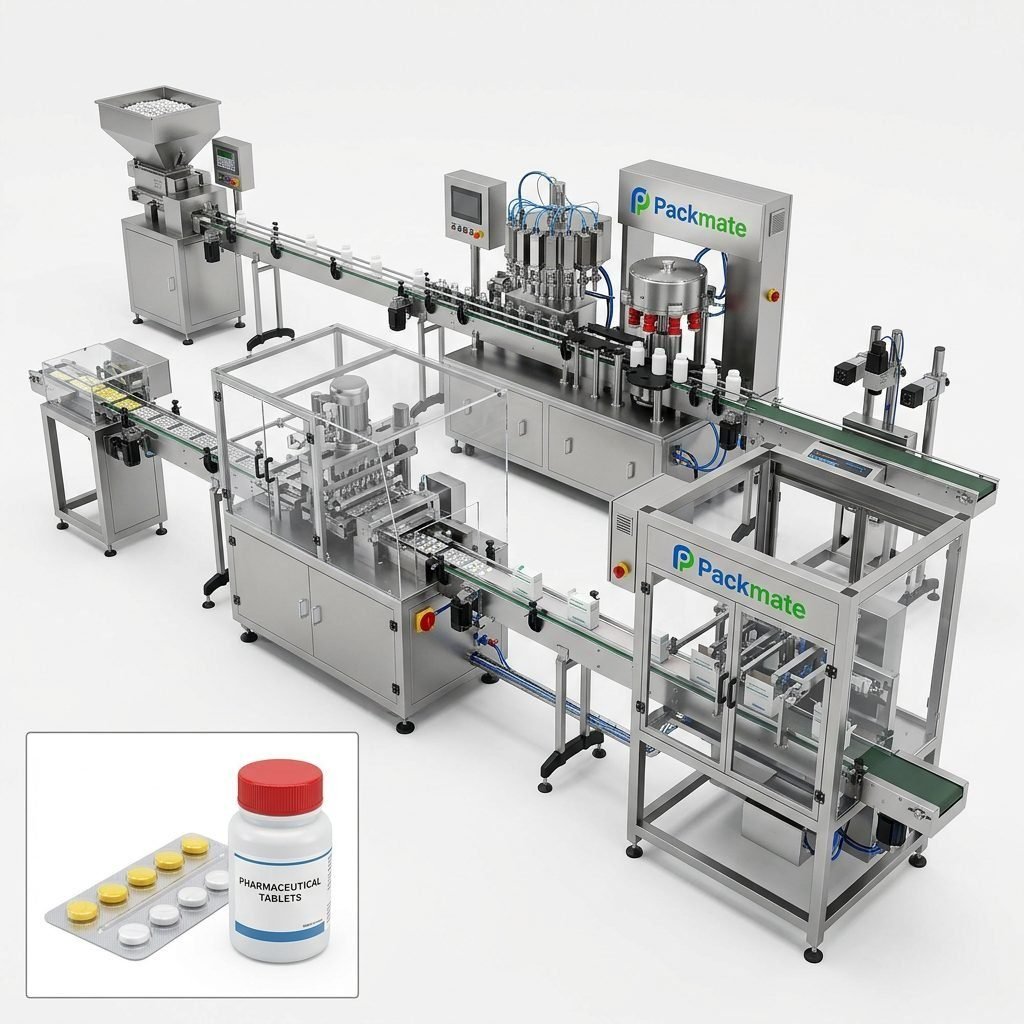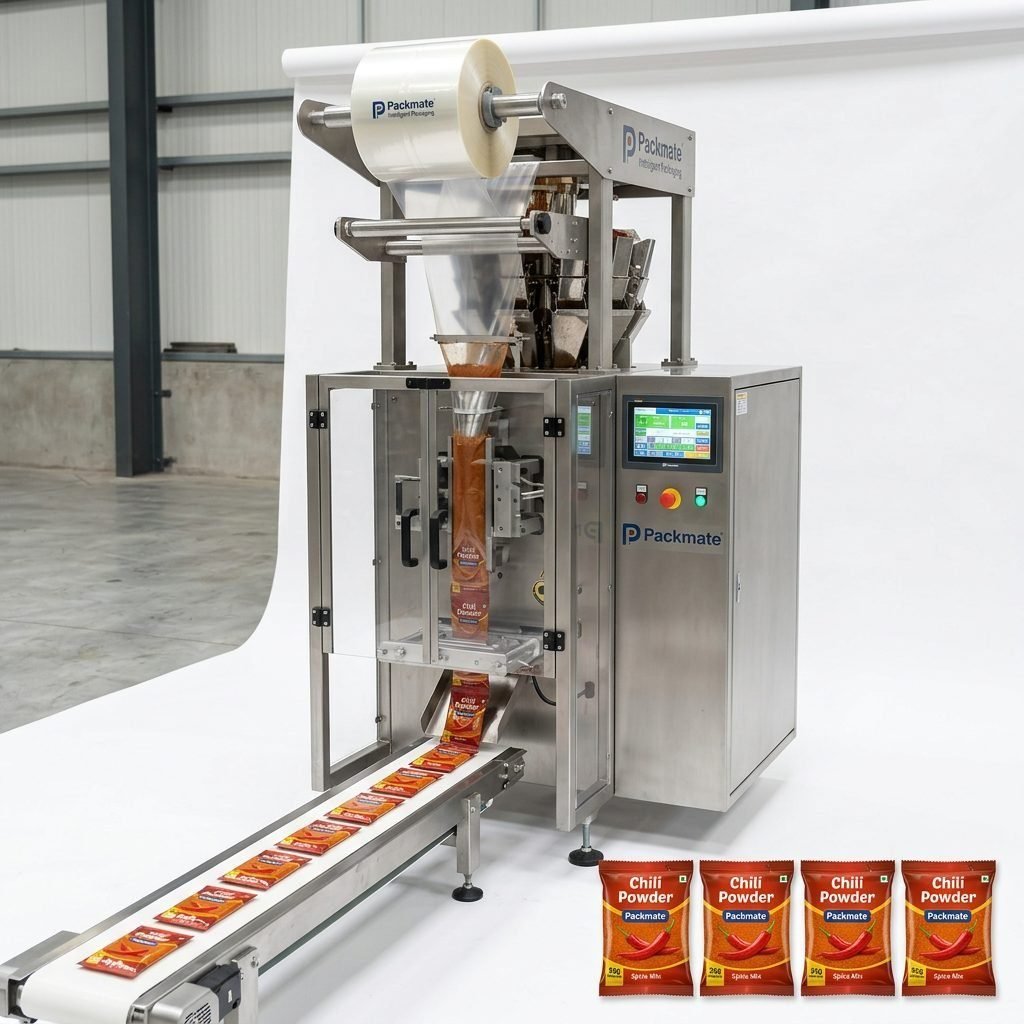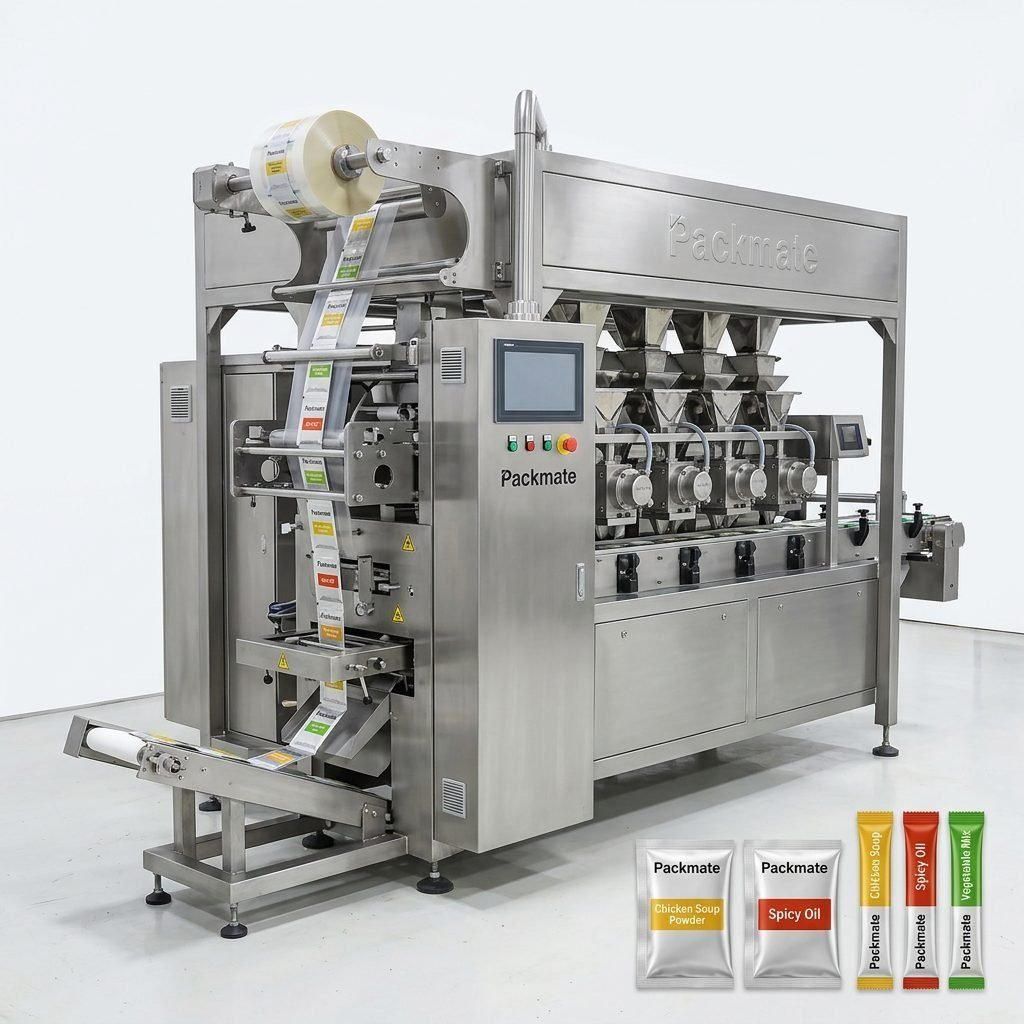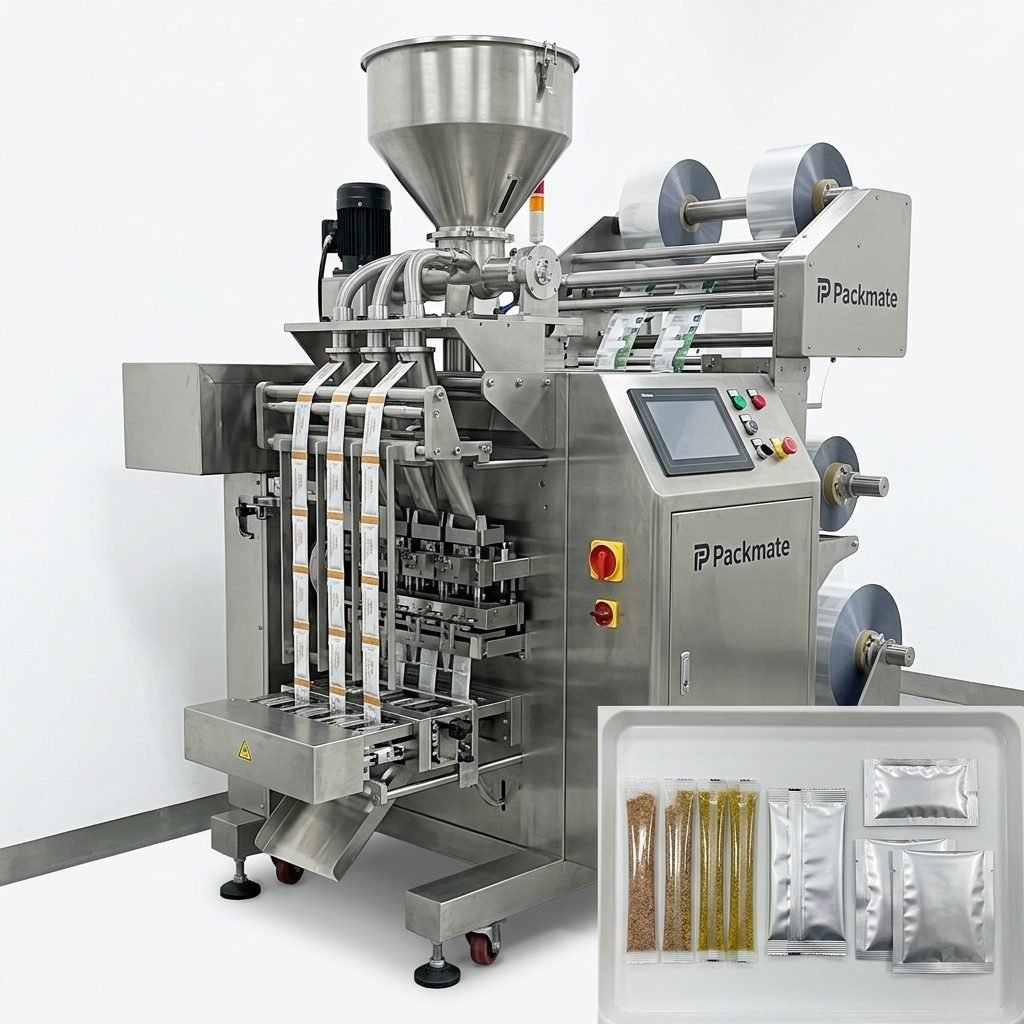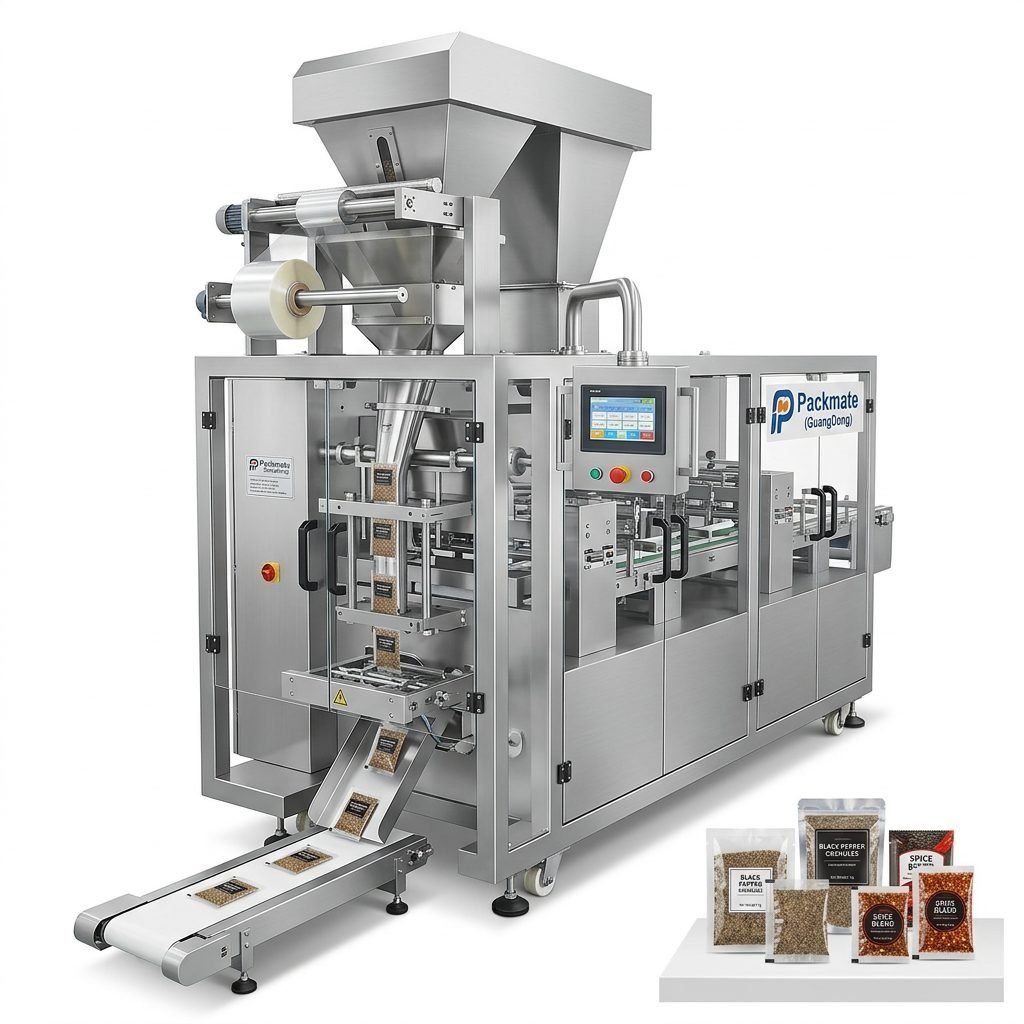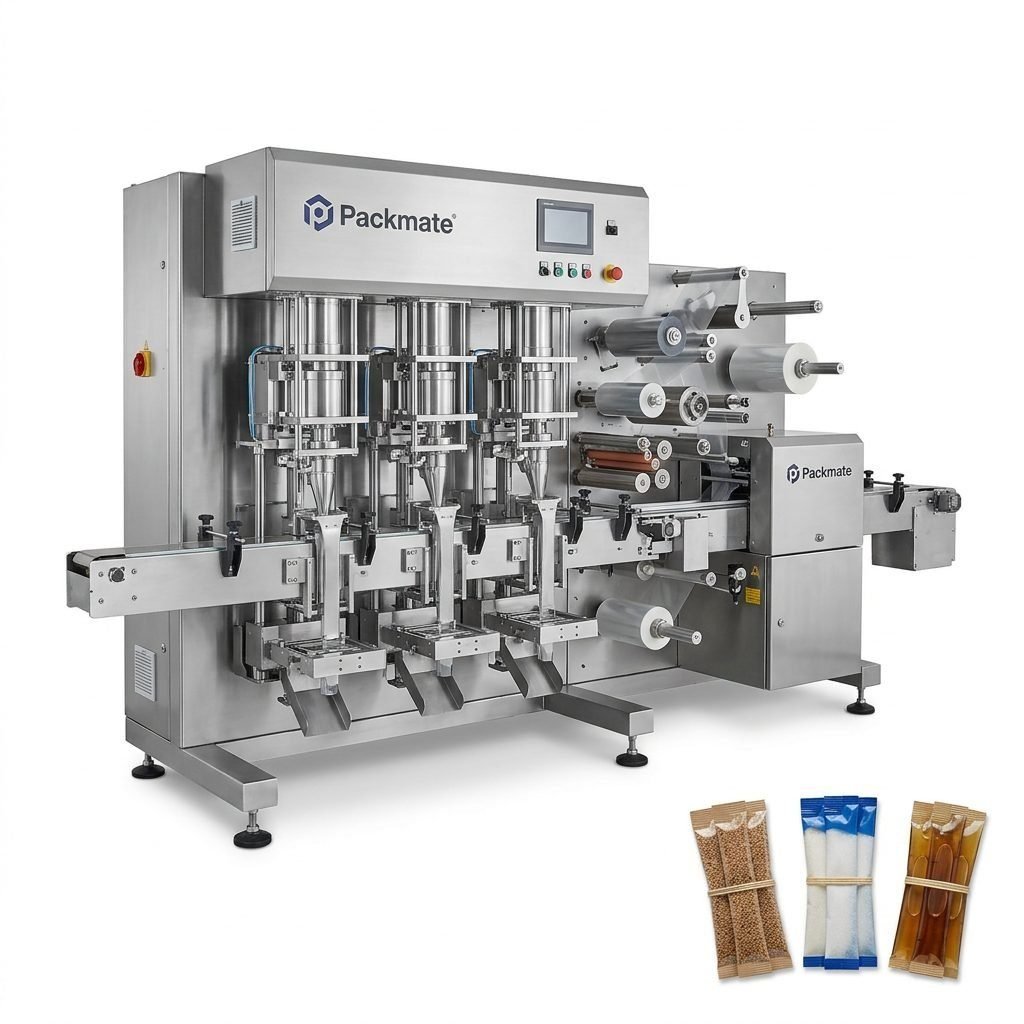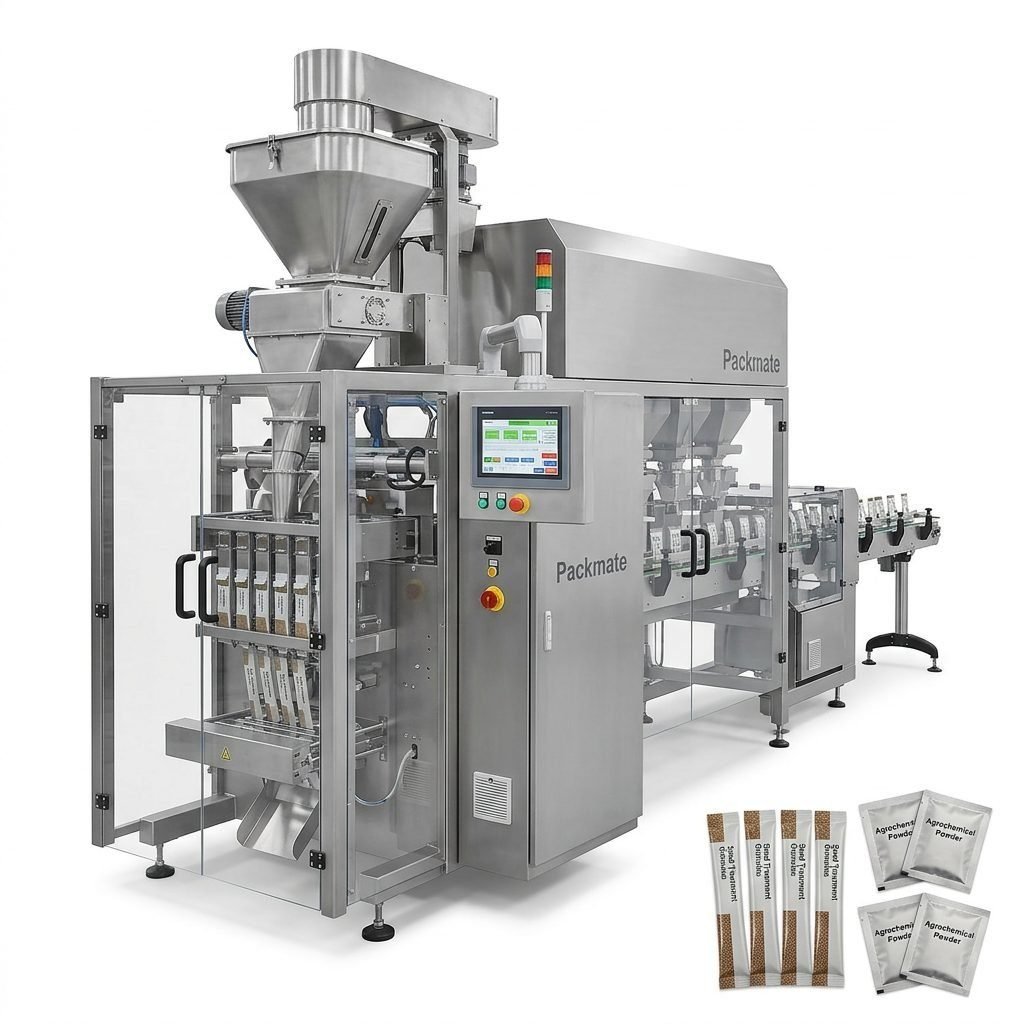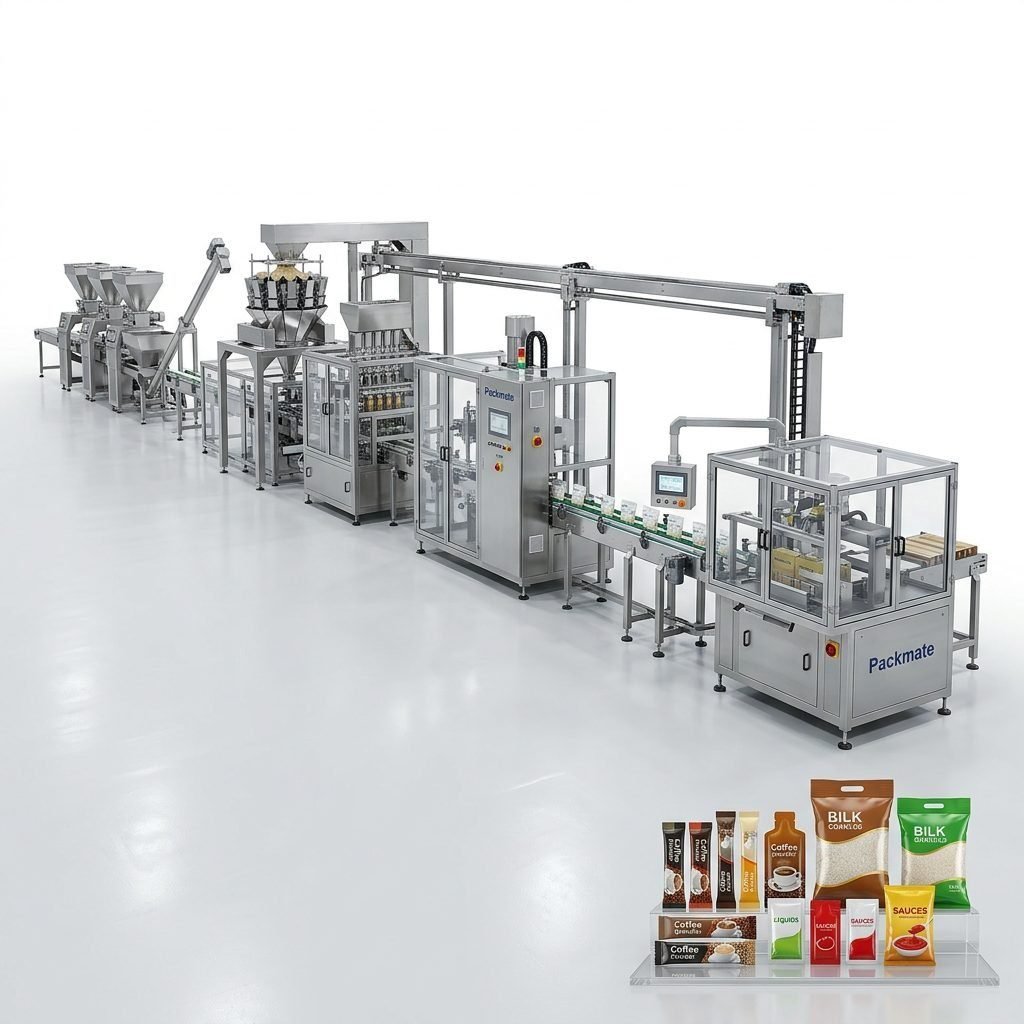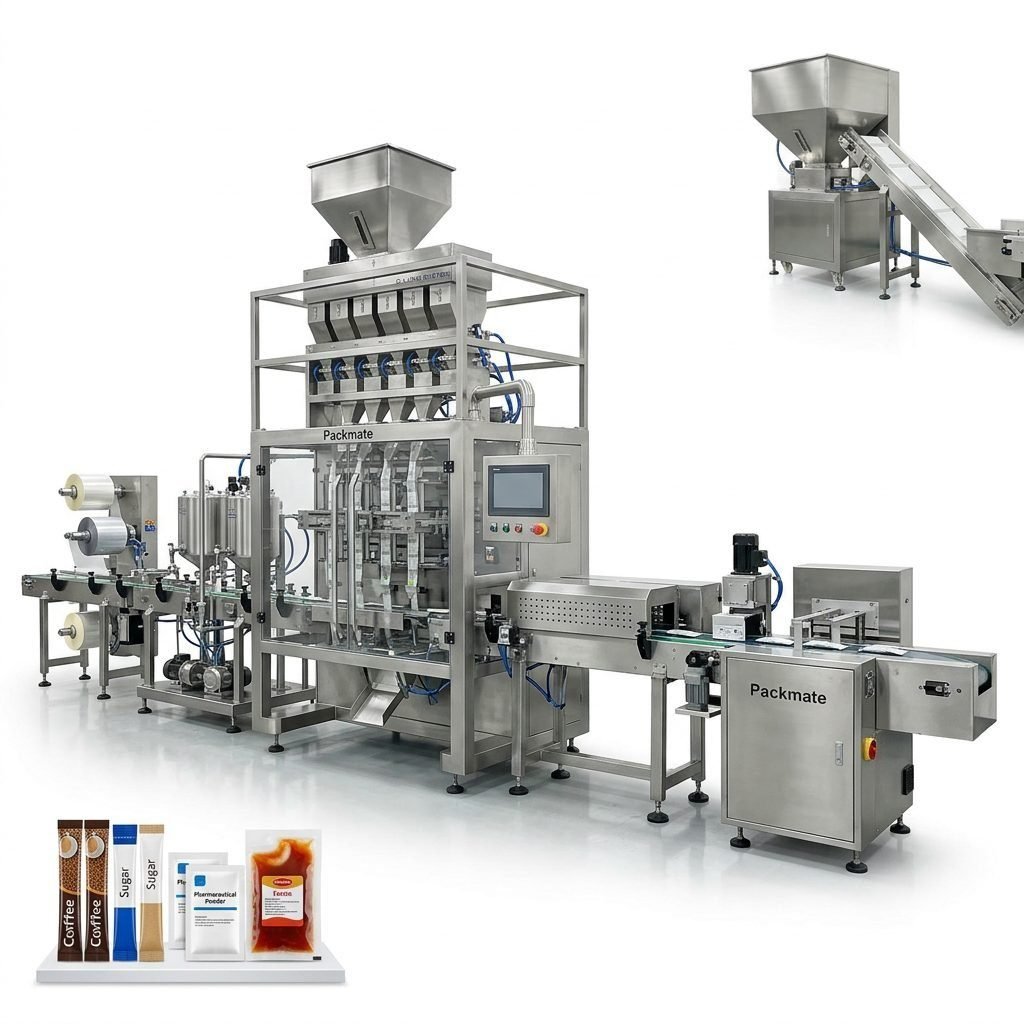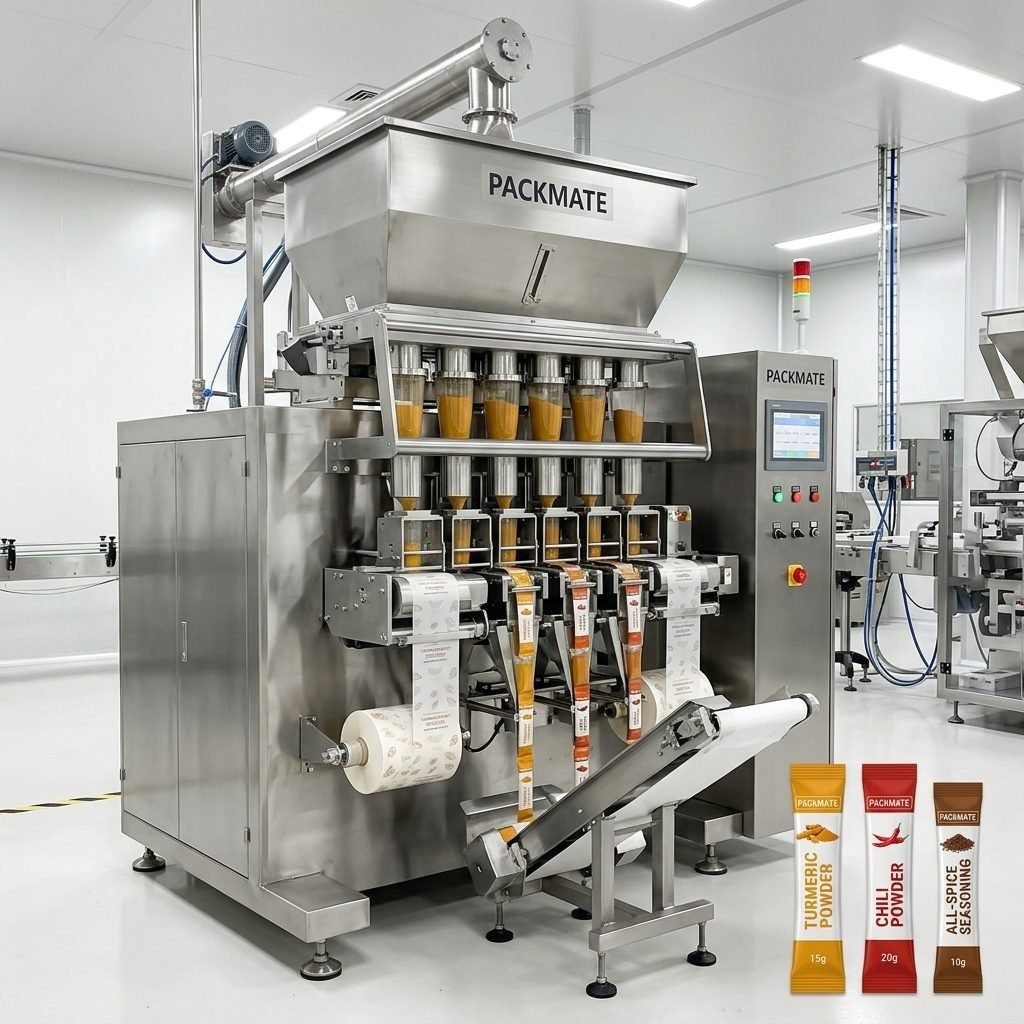
For businesses in Pakistan looking to automate their production lines, finding a reliable packaging machine manufacturer is a critical decision. The country’s growing food processing, pharmaceutical, and consumer goods sectors demand efficient, durable, and cost-effective packaging solutions. This guide provides practical steps for Pakistani buyers to identify, evaluate, and partner with trustworthy manufacturers, particularly those with a strong export presence in markets like China.
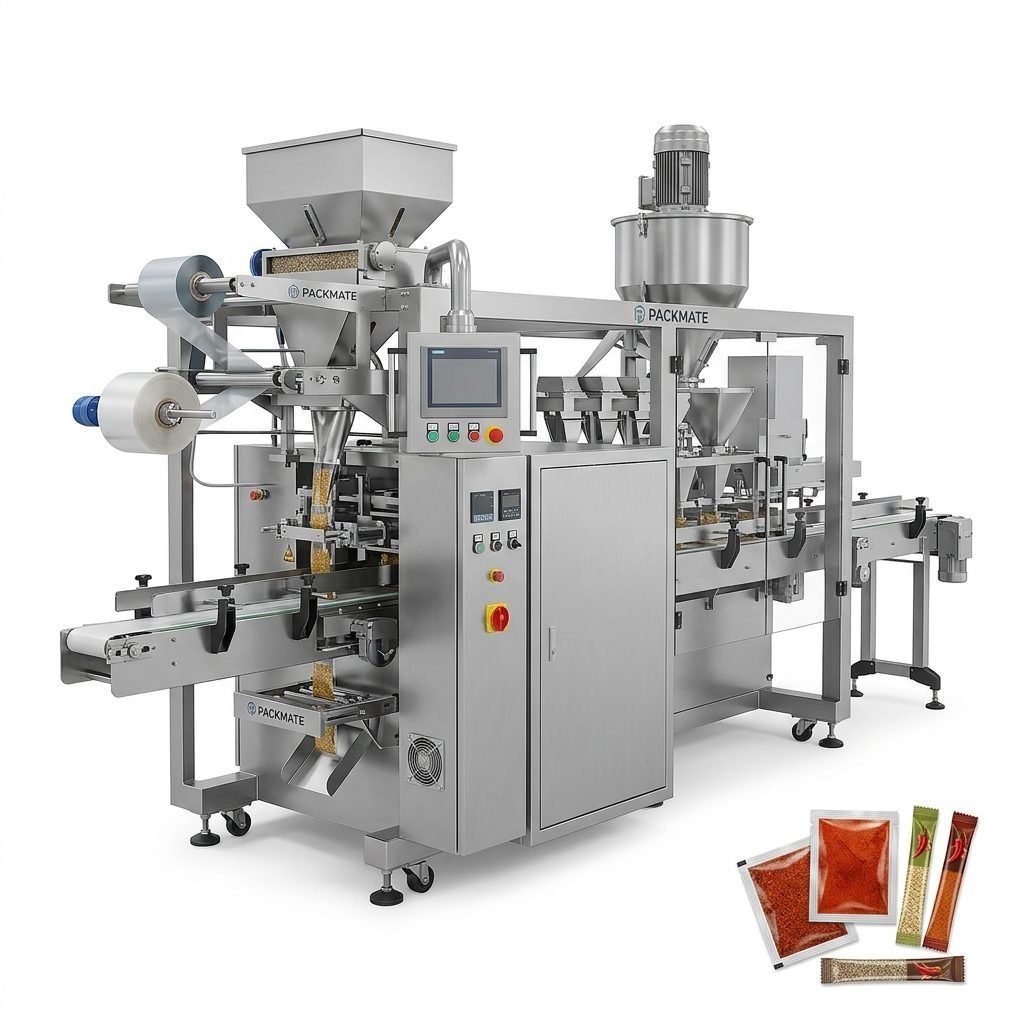
Understanding Your Packaging Needs in the Pakistani Market
Before starting your search, clearly define your requirements. Pakistani manufacturers often deal with specific challenges such as variable power supply, availability of spare parts, and local material characteristics. Consider your product form (powder, granule, liquid, paste), required output speed, bag type (stick pack, sachet, pouch), and the level of automation needed. Will you need a standalone machine or a complete turnkey packaging line? Understanding the local operational context is the first step toward a suitable investment.
Key Considerations for Pakistani Buyers:
- Product Compatibility: Ensure the machine is tested for materials commonly used in Pakistan.
- After-Sales Support: Proximity of technical support or availability of local service agents is crucial.
- Power Specifications: Machines must be compatible with local voltage and frequency.
- Budget & ROI: Balance initial investment with long-term efficiency gains and labor savings.
Where to Search for Manufacturers
Begin your search online through industry-specific B2B platforms like Alibaba, Made-in-China, and trade directories. Attend international packaging expos, either virtually or in person, to see machines in operation. Networking within Pakistani industry associations can also yield valuable referrals. Focus on manufacturers who explicitly list Pakistan or similar markets as part of their export portfolio.
Evaluating Manufacturer Credentials
Once you have a shortlist, conduct a thorough background check. Key credentials to verify include:
| Checkpoint | What to Look For |
|---|---|
| Company History & Experience | Prioritize manufacturers with more than 20 years of experience, indicating stability and technical depth. |
| Factory Size & Capability | A sizable manufacturing facility (e.g., 20,000+ sq.m.) suggests serious production capacity and quality control infrastructure. |
| Export Experience | Check if they export to regions with strict standards (Europe, North America) as it often correlates with higher machine quality. |
| Quality Certifications | ISO certifications, CE marks for electrical safety, and other relevant industry approvals. |
The Importance of Technical Communication & Customization
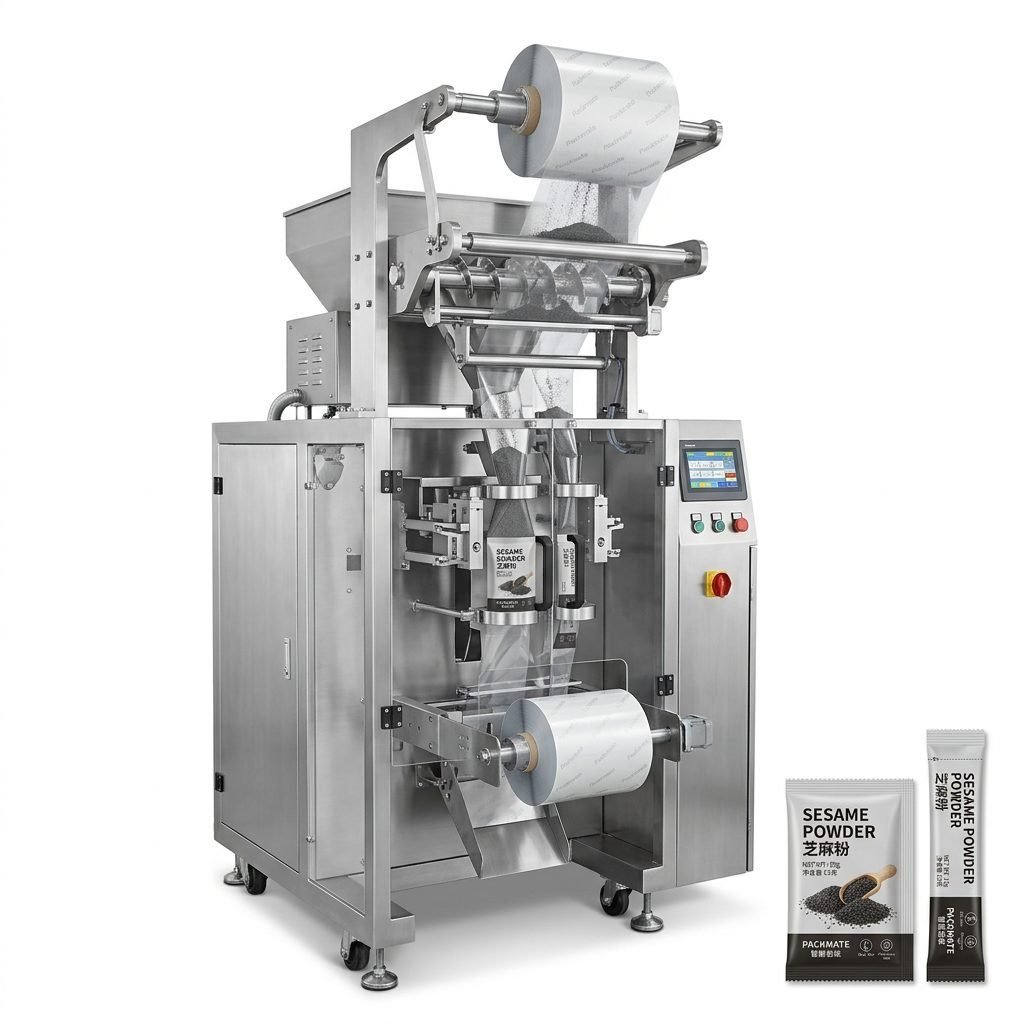
Effective communication is vital. Provide detailed specifications of your product and packaging goals. Reliable manufacturers will have an engineering team to discuss customization. For instance, if you are packaging Pakistani spices, chilli powder, or pharmaceutical granules, the machine may need adjustments for flow characteristics, dosing accuracy, and sealing parameters. Ask if they provide customized solutions or only sell standard models.
Questions to Ask During Technical Discussions:
- Can your machine handle the specific viscosity/density of our product?
- What is the expected packaging speed (bags per minute) for our bag size?
- What is the machine’s material consumption and waste rate?
- Can you provide a layout for integrating the machine into our existing line?
Requesting and Assessing Quotations
A professional quotation should be detailed, breaking down costs for the machine, spare parts, shipping, installation, and training. Be wary of quotes that seem too low compared to the market average. Compare the scope of supply, warranty terms, and delivery timelines. Ensure the quotation specifies the machine model, key components (e.g., brand of PLC, servo motors), and packaging materials compatibility.
Verifying After-Sales Support and Service
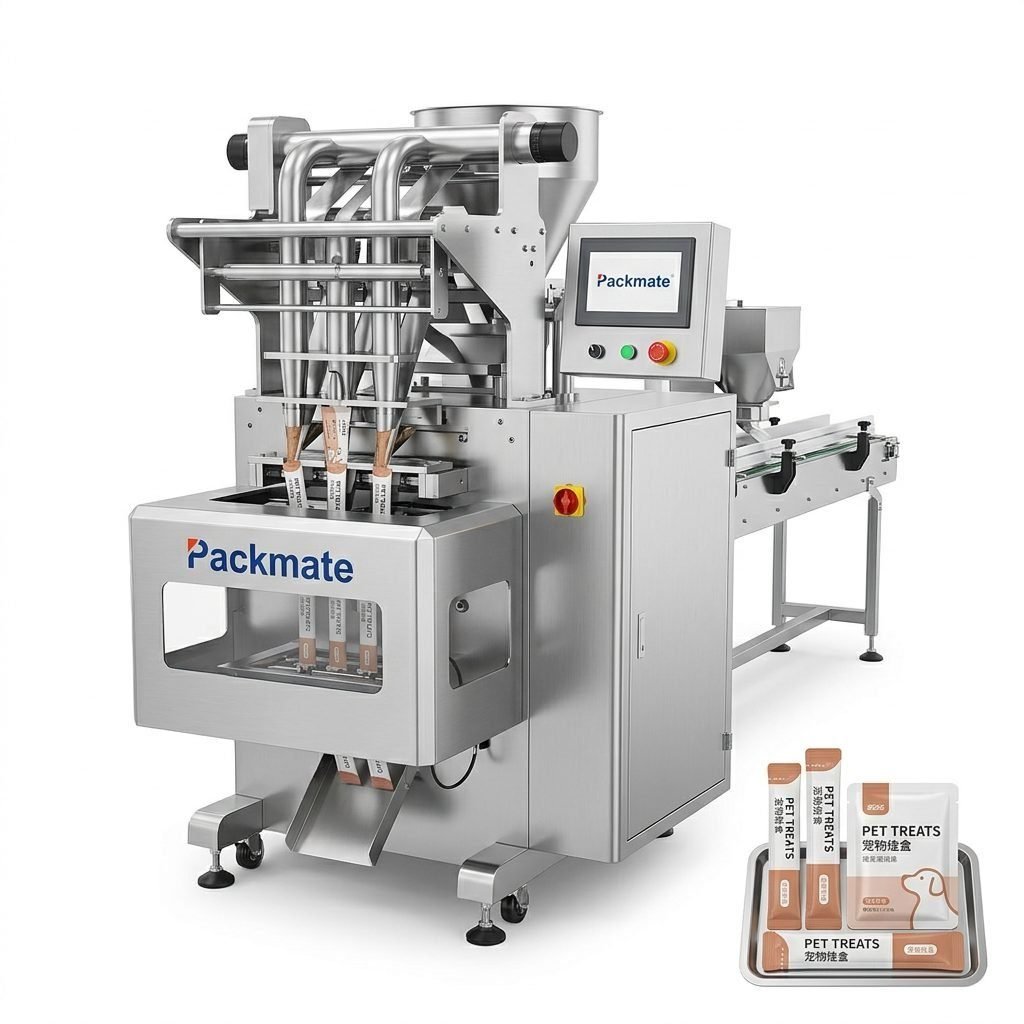
For Pakistani buyers, robust after-sales support is non-negotiable. Inquire about the warranty period, availability of spare parts, and the supplier’s policy on machine installation and commissioning. Will they send an engineer to Pakistan? What is the typical response time for technical queries? Do they offer remote support via video call? Choosing a manufacturer like Ludyway or Packmate Machinery, which have extensive international service networks, can mitigate operational risks.
Spotlight on Specialized Manufacturers
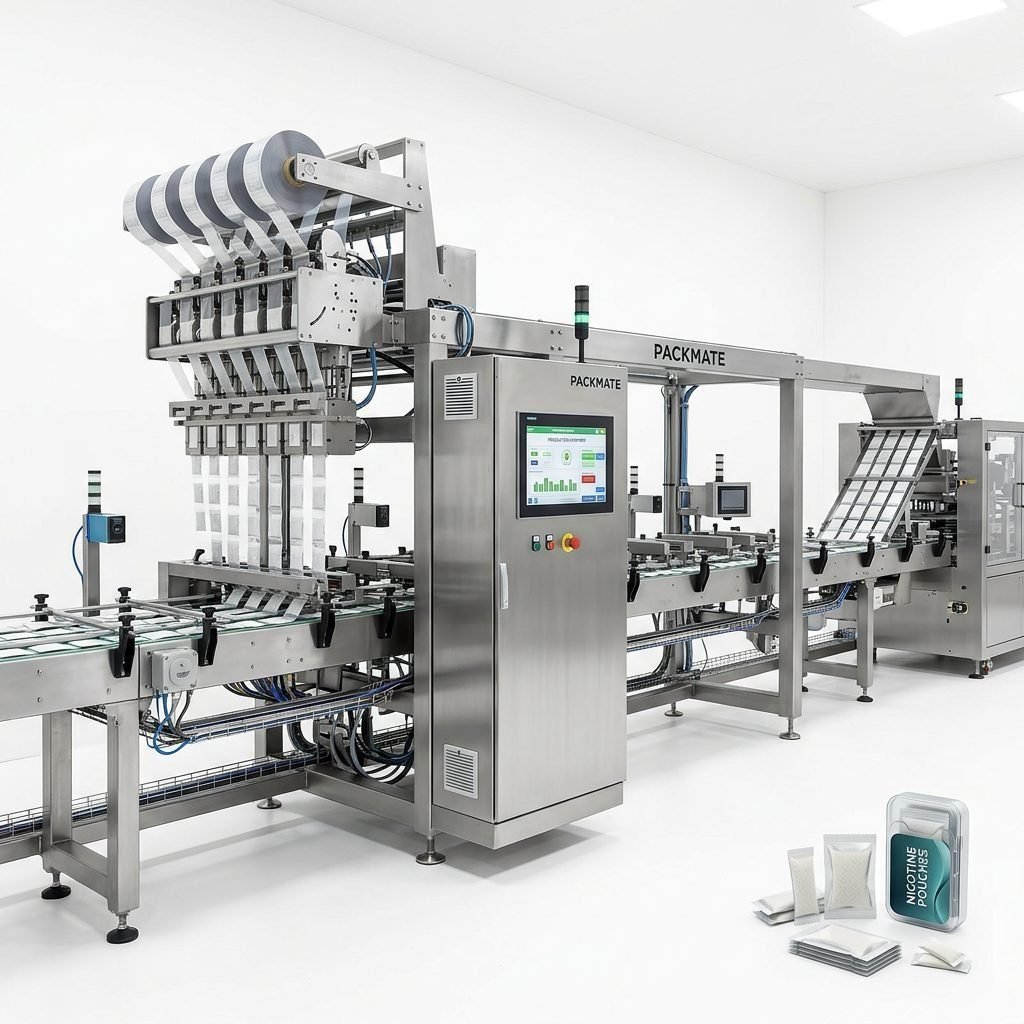
Some manufacturers focus on niche segments. For example, if your business is in the growing smokeless tobacco or nicotine pouch sector in Pakistan, a specialist like SnusMachinery could offer more targeted expertise. Conversely, for complex, fully integrated projects, a turnkey line specialist such as PacklineOEM might be more appropriate. For highly unique requirements, a company specializing in non-standard customization like PackingMachineOEM is worth considering.
The Role of Factory Visits and Machine Testing
If feasible, visiting the manufacturer’s factory is highly recommended. A virtual factory tour is a good alternative. Observe the production environment, assembly lines, and quality testing procedures. Request a live machine test using a sample of your actual product. This is the best way to verify performance claims for speed, accuracy, and seal quality before purchase.
Finalizing the Purchase and Logistics
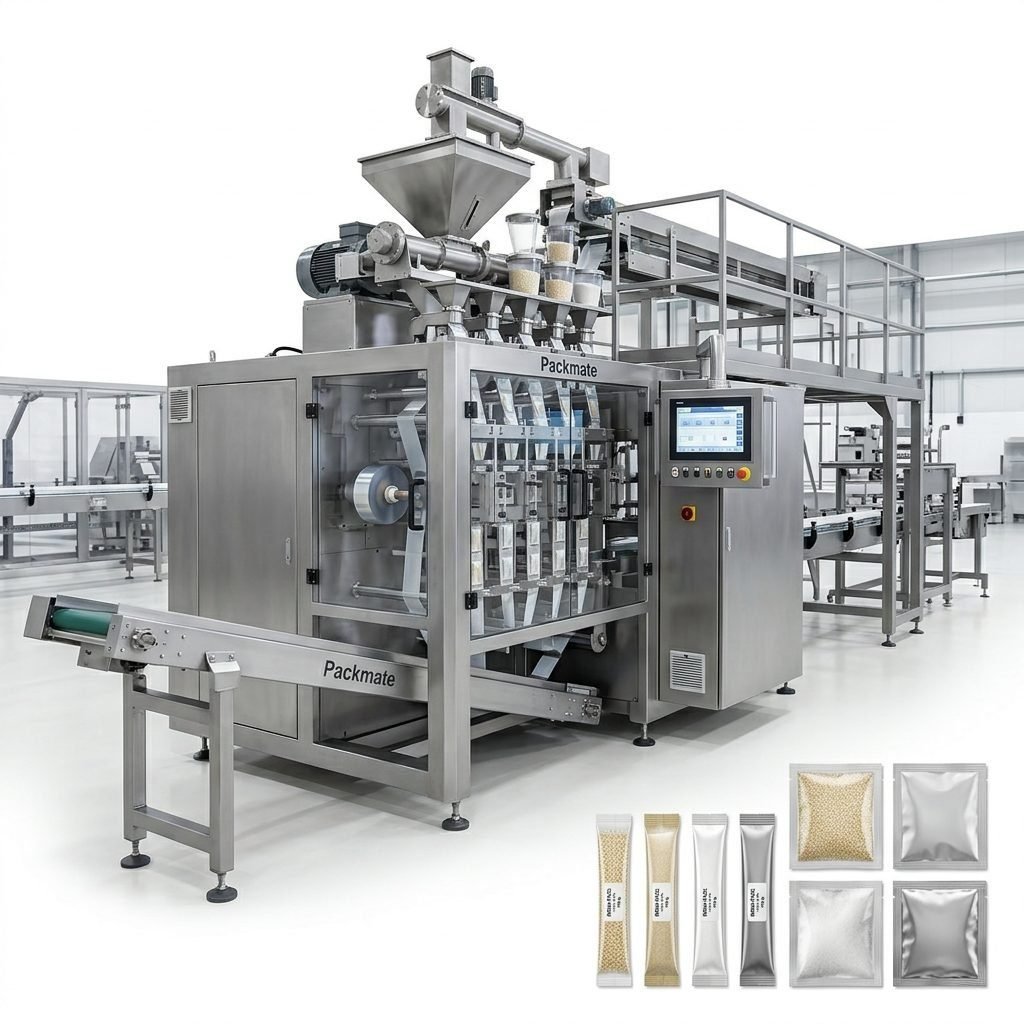
Before signing the contract, ensure all agreed-upon terms—specifications, payment schedule, delivery, Incoterms (commonly FOB or CIF), and service obligations—are clearly documented. Understand the logistics process, including export documentation, sea freight to Karachi or Port Qasim, customs clearance in Pakistan, and inland transportation to your factory.
Common Questions from Pakistani Buyers
1. How do I ensure the machine meets Pakistani quality and safety standards?
Request compliance certificates (like CE). While Pakistan may not have identical regulations, machines built to stringent international standards generally ensure better safety, durability, and performance. Verify electrical specs match Pakistan’s 230V/50Hz supply.
2. What is the typical lead time for delivery to Pakistan?
Lead times vary from 30 to 90 days after order confirmation, depending on machine complexity and customization. Factor in an additional 2-4 weeks for sea shipping and customs clearance.
3. How can I manage spare parts inventory cost-effectively?
Work with the manufacturer to identify critical spare parts. Start with a recommended starter kit. Choose suppliers with a good track record of shipping parts quickly to Pakistan to minimize downtime.
4. Is operator training provided?
Reputable manufacturers typically include basic operational and maintenance training, either at their factory, via detailed manuals/videos, or on-site at your facility in Pakistan (often at an additional cost).
5. Can I get financing support for the machinery purchase?
Some large manufacturers offer financing partnerships or can guide you toward trade finance options. Pakistani buyers can also explore local bank financing for capital goods imports.