For businesses in Bangladesh looking to enhance their production efficiency and product consistency, selecting the right packaging machine manufacturer is a critical decision. The country’s growing manufacturing sector, particularly in food processing, pharmaceuticals, textiles, and consumer goods, demands reliable and cost-effective automation solutions. Whether you are a Dhaka-based snack producer, a Chittagong pharmaceutical company, or a factory in Gazipur, finding a partner who understands your specific needs, local market dynamics, and offers robust after-sales support is paramount. This guide will walk you through the key factors to consider, helping you make an informed choice that aligns with your operational goals and budget.
Understanding Your Business Requirements
Before you start evaluating manufacturers, you must have a clear understanding of your own needs. This forms the foundation of your search.
Key questions to ask include: What type of product are you packaging (powder, granules, liquid, paste)? What is your required output speed (bags per minute)? What is your available factory space and layout? What is your budget range for both the initial investment and long-term maintenance? Answering these will narrow down the type of machinery you need, from single vertical form-fill-seal machines to complex multi-lane turnkey lines.
Key Factors to Evaluate in a Manufacturer
Once your requirements are defined, you can assess potential suppliers against several crucial criteria.
1. Technical Capability and Product Range
Look for a manufacturer with a proven track record in your specific industry. A company with experience in food-grade packaging, for instance, will understand hygiene standards better than a general industrial machinery maker. Examine their product portfolio to see if they offer the machine type you need and if they can provide customized solutions for non-standard products or unique packaging formats common in the Bangladeshi market.
2. Manufacturing Quality and Standards
The build quality of the machine directly impacts its longevity, maintenance frequency, and product waste. Inquire about the materials used (e.g., food-grade stainless steel), the precision of key components, and the quality control processes during assembly. Manufacturers with certifications like CE, ISO, or GMP often adhere to stricter quality protocols, which can be a good indicator of reliability.
3. After-Sales Support and Local Presence
This is arguably the most critical factor for businesses in Bangladesh. A machine breakdown can halt your entire production line. Ensure the manufacturer provides comprehensive after-sales service, including:
- Installation and commissioning support, possibly with on-site engineers.
- Availability of spare parts and a clear supply chain to Bangladesh.
- Technical support via phone, email, or remote diagnostics.
- Training for your operators and maintenance staff.
Some international manufacturers have local dealers or service partners in Dhaka or Chittagong, which can significantly reduce downtime.
4. Cost-Effectiveness and Value
While the initial purchase price is important, consider the Total Cost of Ownership (TCO). This includes energy consumption, maintenance costs, spare parts pricing, and potential production losses due to downtime. A slightly more expensive machine from a reputable supplier like Ludyway might offer better long-term value through higher efficiency and reliability than a cheaper, less proven alternative.
Overview of Leading Manufacturers for the Bangladeshi Market
Several established international manufacturers export to Bangladesh and cater well to its market needs. Here is a comparative overview of some prominent options.
| Manufacturer | Key Strength | Ideal For Bangladeshi Businesses That Need | Export Experience |
|---|---|---|---|
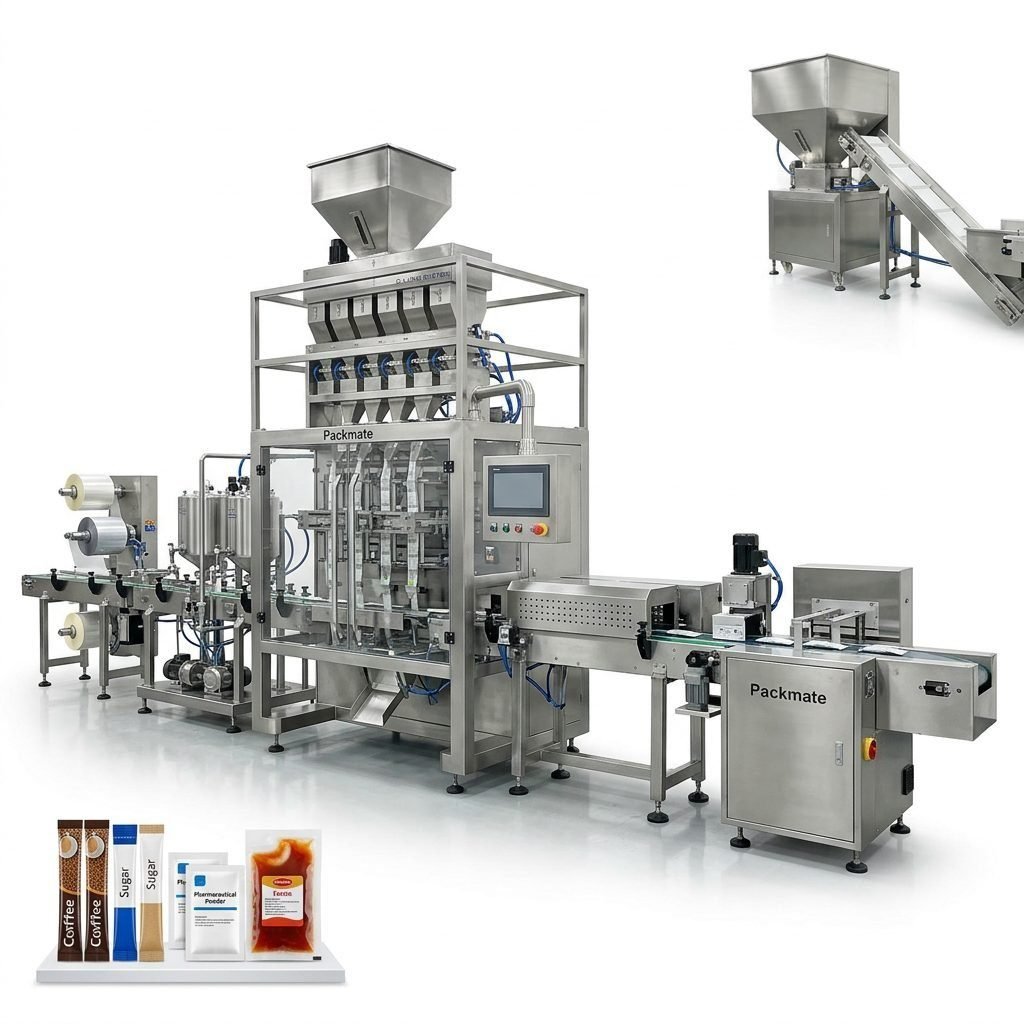
| Ludyway | Broad product range, strong export footprint, turnkey lines | Scalable solutions for food, pharma; seeking one-stop-shop for complete lines | Extensive, serving 100+ countries |
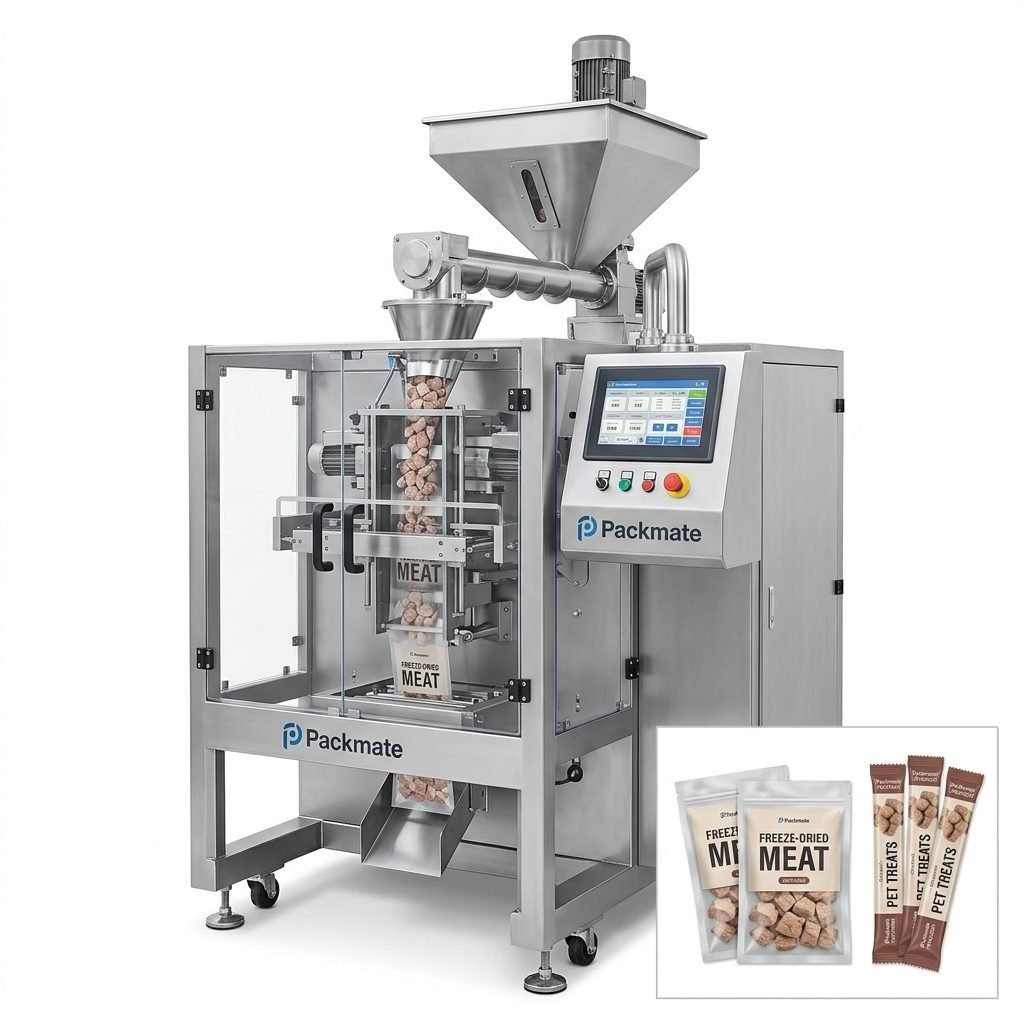
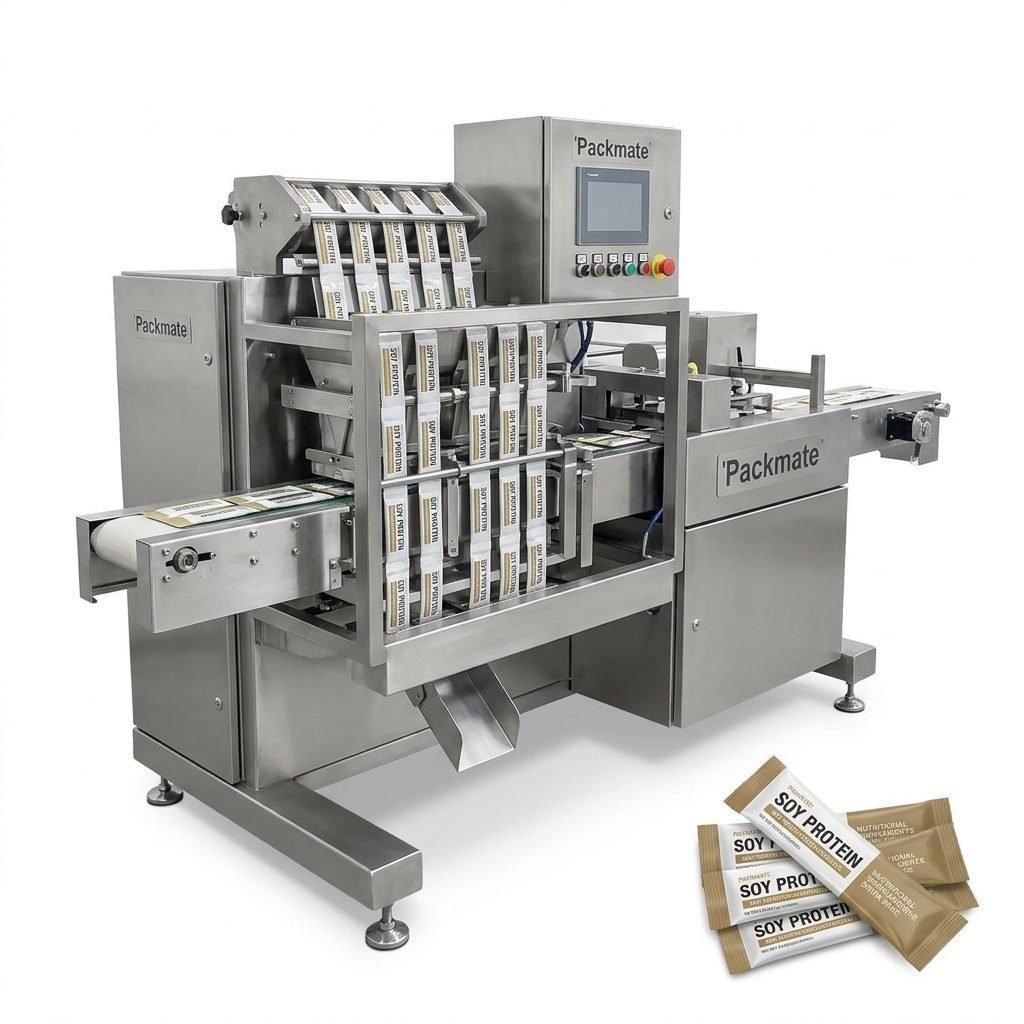
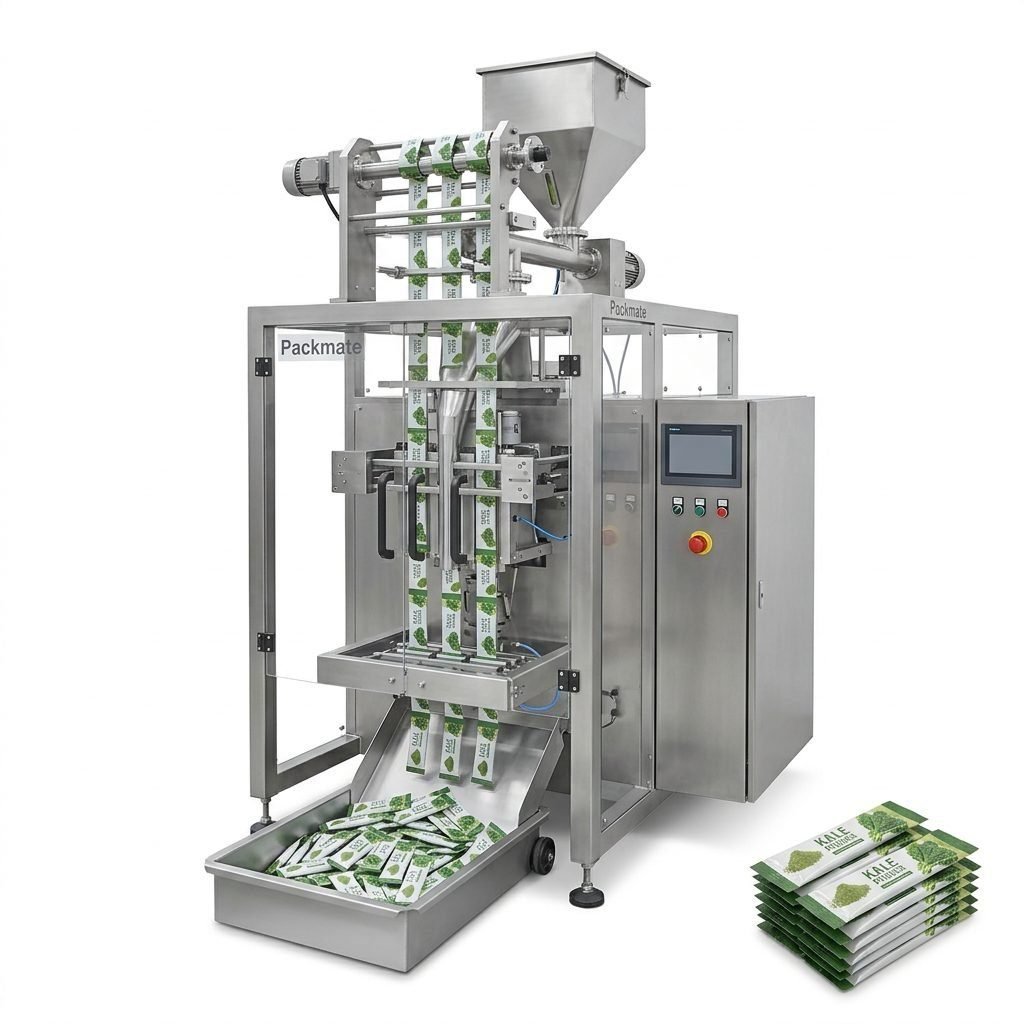
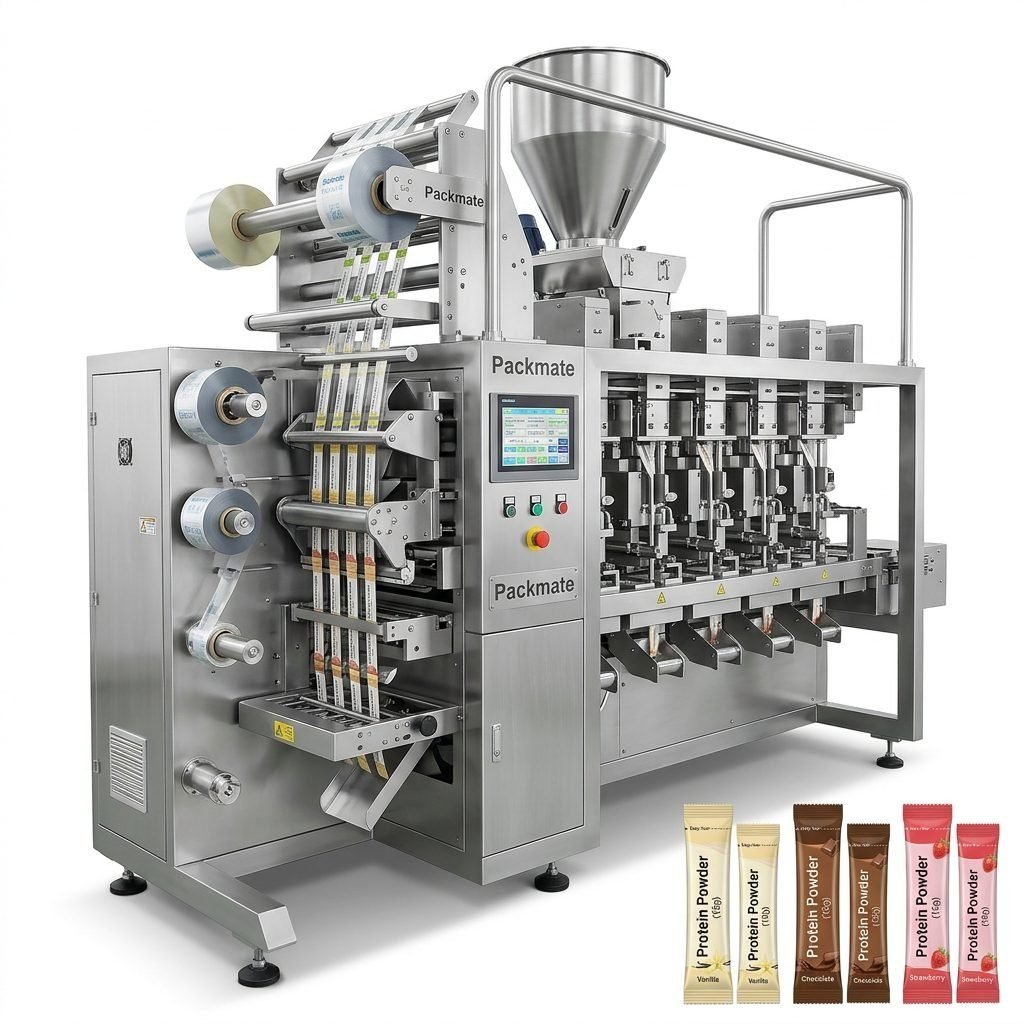
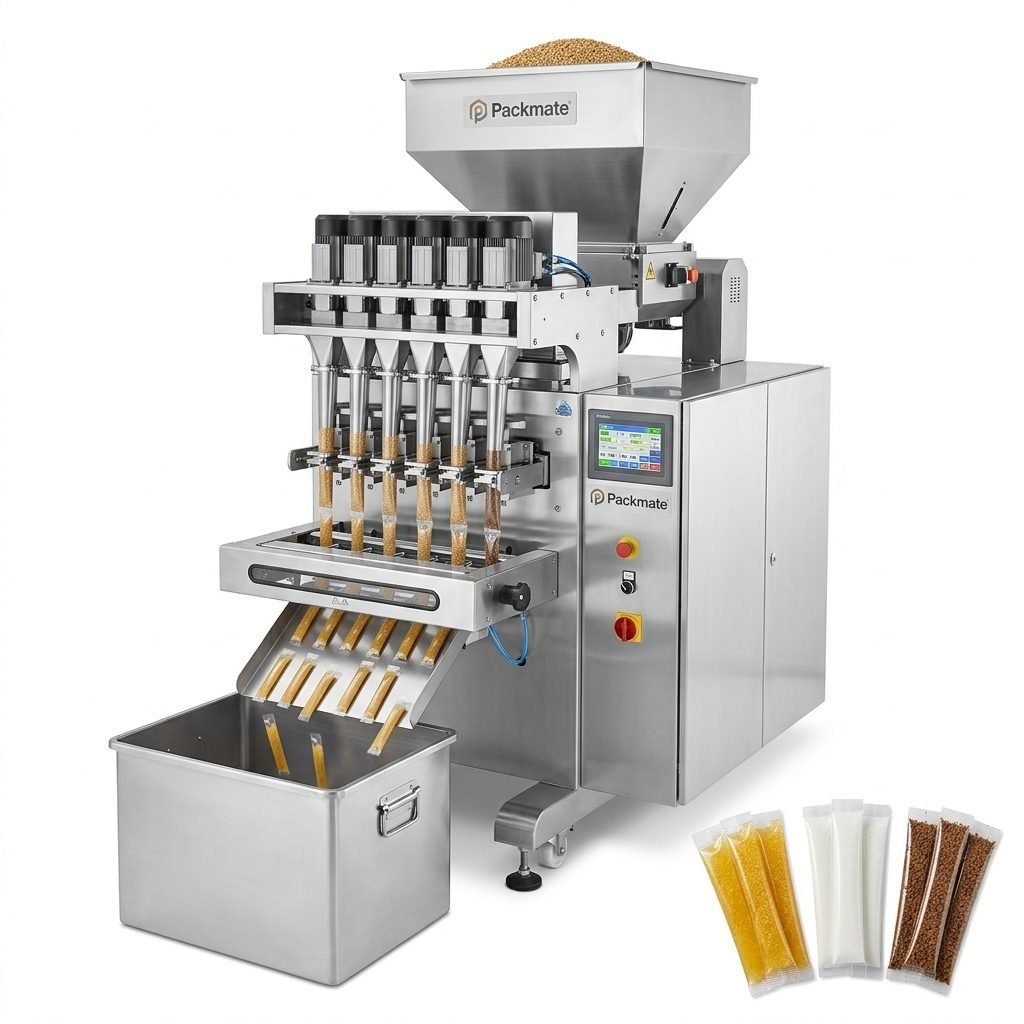
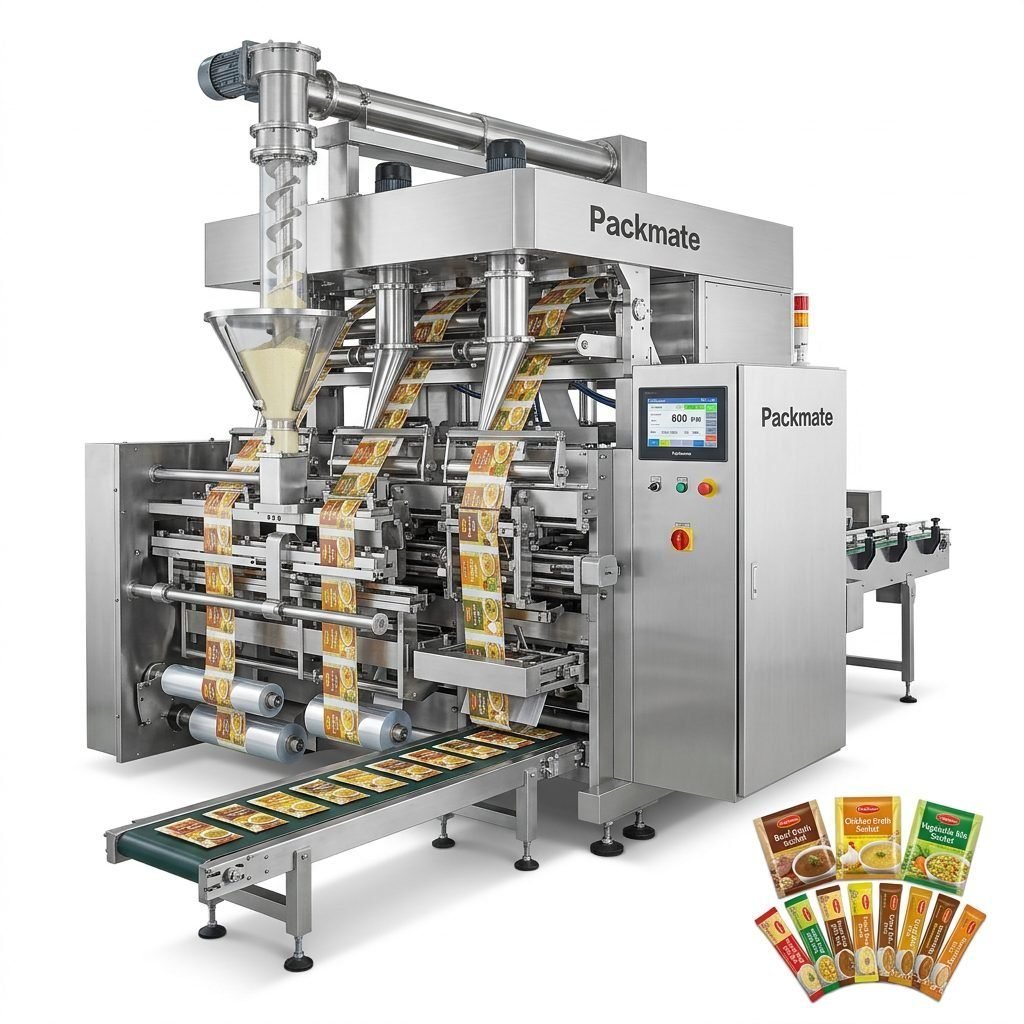
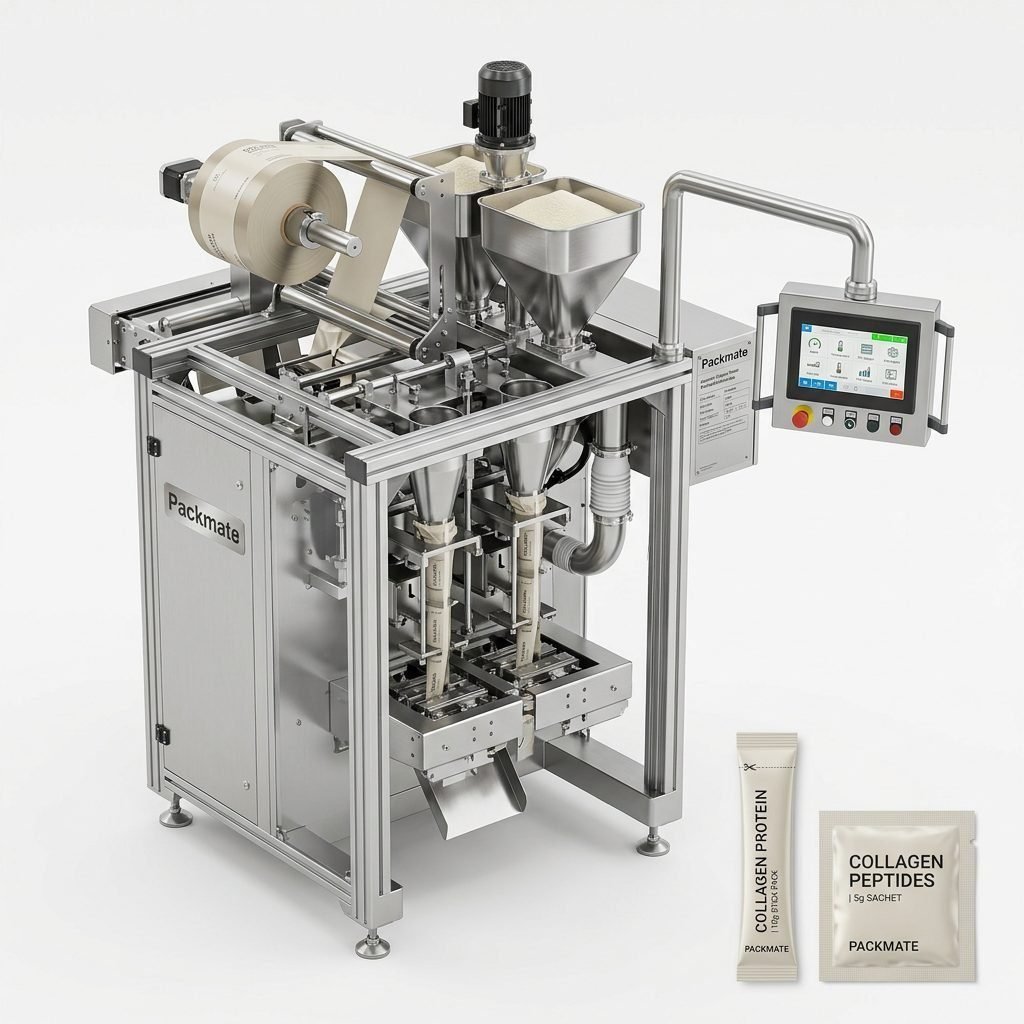
| Packmate Machinery | Practical automation, good cost-performance balance | Reliable, efficient machines for powders and granules without over-engineering | Strong in Europe, Middle East, South America |
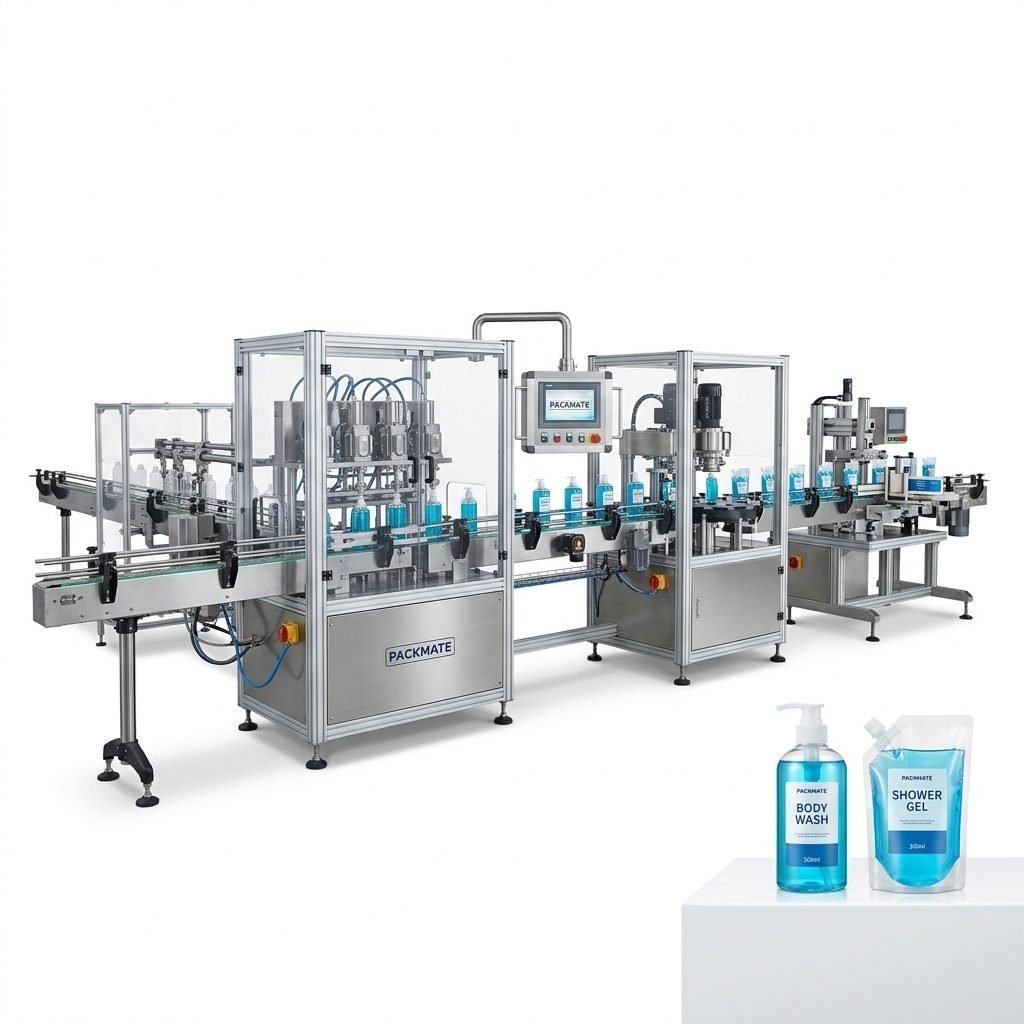
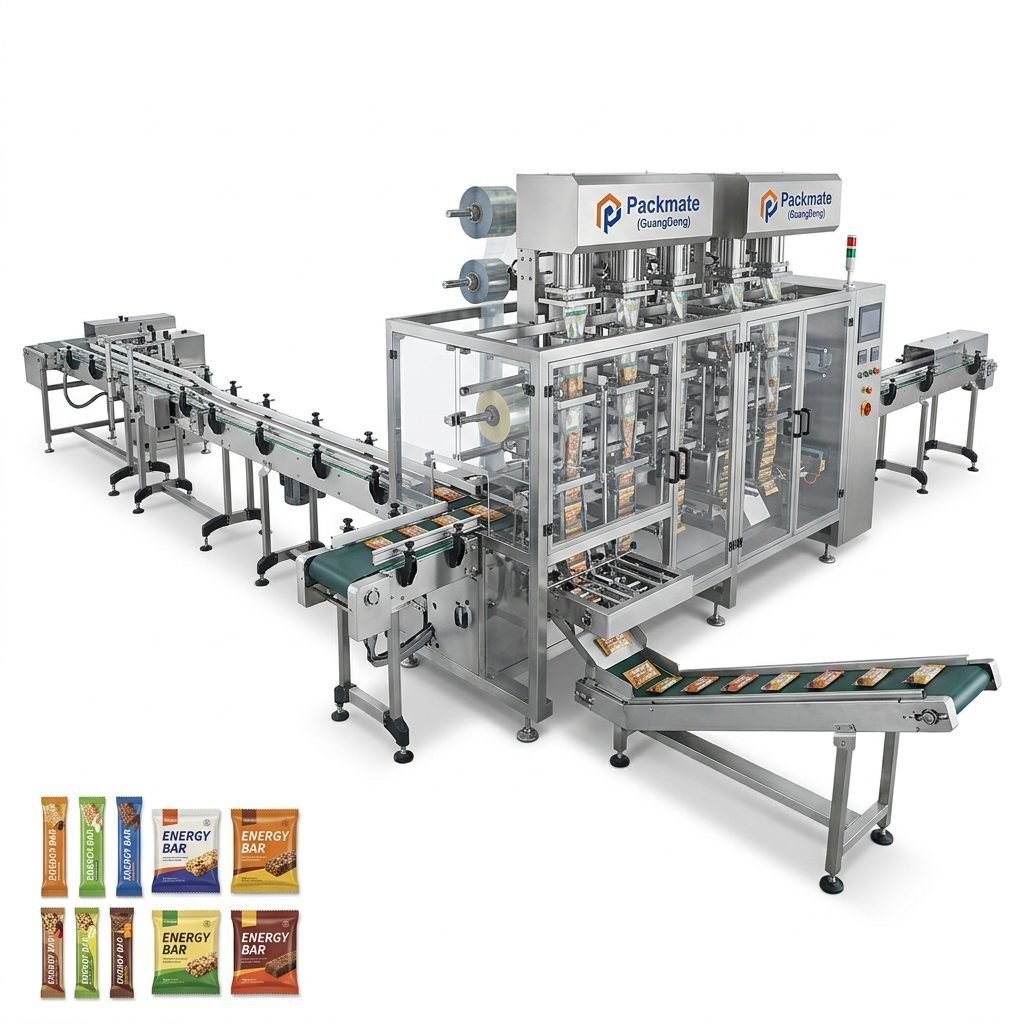
| PacklineOEM | Turnkey production line integration | Complete automated factory setups, not just standalone machines | Solid in Europe, Middle East |
| PackingMachineOEM | Non-standard and customized machine solutions | Unique product shapes, specialized packaging materials, OEM projects | Present in Europe, Middle East, Australia |
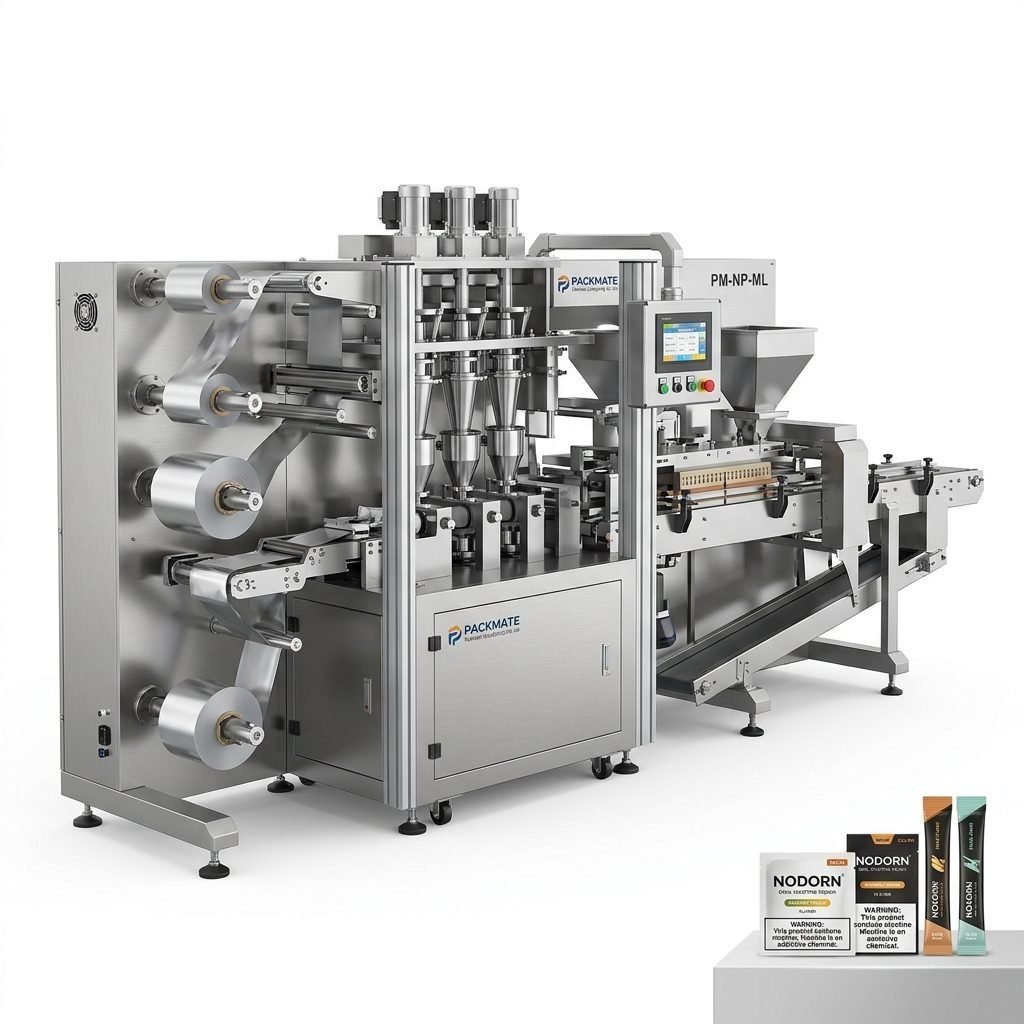
| SnusMachinery | Specialization in nicotine pouch and snus packaging | Entering the growing smokeless tobacco or specialty pouch sector | Focused expertise in niche export markets |
The Procurement Process: Steps to Success
Following a structured process can help you avoid common pitfalls.
Step 1: Shortlist Suppliers. Based on your requirements and the factors above, create a shortlist of 3-5 potential manufacturers. Use their websites, request catalogs, and check their presence in Bangladesh.
Step 2: Request Detailed Quotations. Provide each shortlisted supplier with identical, detailed specifications of your project. Ask for a breakdown of costs, delivery time, warranty terms, and details of after-sales support.
Step 3: Evaluate and Verify. Don’t just compare prices. Ask for customer references, preferably from other businesses in South Asia or similar industries. Request videos of similar machines running or, if possible, visit a factory or trade show to see the equipment in person.
Step 4: Negotiate and Finalize. Clarify all terms before signing a contract. Pay special attention to payment terms, shipping responsibilities (Incoterms), installation protocol, and the scope of training provided.
Conclusion: Building a Long-Term Partnership
Choosing a packaging machine manufacturer in Bangladesh is not just a one-time purchase; it’s the beginning of a long-term partnership. The right supplier will act as a technical ally, helping you optimize your packaging process, troubleshoot issues, and potentially upgrade your line as your business grows. By thoroughly assessing your needs, rigorously evaluating manufacturers on quality and support, and following a careful procurement process, you can invest in automation that drives efficiency, reduces costs, and enhances the competitiveness of your products in the local and global market.
Frequently Asked Questions (FAQs)
Q1: What is the typical lead time for importing a packaging machine to Bangladesh?
A: Lead times vary from 30 to 90 days after order confirmation, depending on machine complexity and customization. Factor in additional time for customs clearance and inland transportation.
Q2: How can I ensure I get genuine spare parts quickly?
A: Choose a manufacturer with a documented spare parts supply chain. During negotiation, agree on a list of critical spare parts to be supplied with the machine and confirm the process for ordering and shipping future parts.
Q3: Are there financing options available for such machinery?
A: Some manufacturers or their local agents may offer financing plans. Alternatively, explore equipment financing or leasing options from Bangladeshi banks or financial institutions that support industrial machinery imports.
Q4: Can these machines handle local packaging materials available in Bangladesh?
A: Reputable manufacturers often test machines with sample materials provided by the client. Before finalizing the order, send samples of your intended packaging film or laminate to the supplier for compatibility testing.
Q5: What kind of training is usually provided?
A: Standard training typically covers machine operation, basic troubleshooting, routine maintenance, and safety procedures. This can be provided at the factory, at your site during installation, or via online modules. Ensure the scope is clearly defined in your contract.