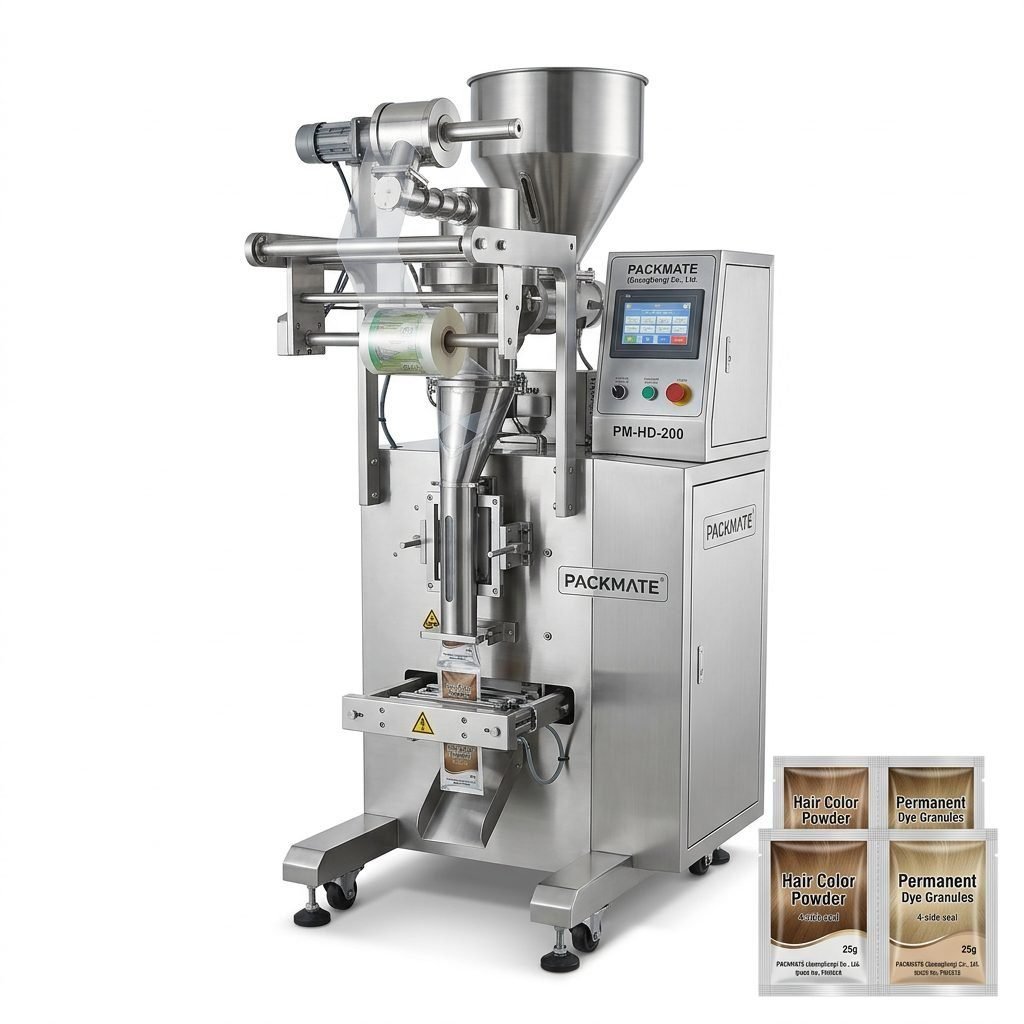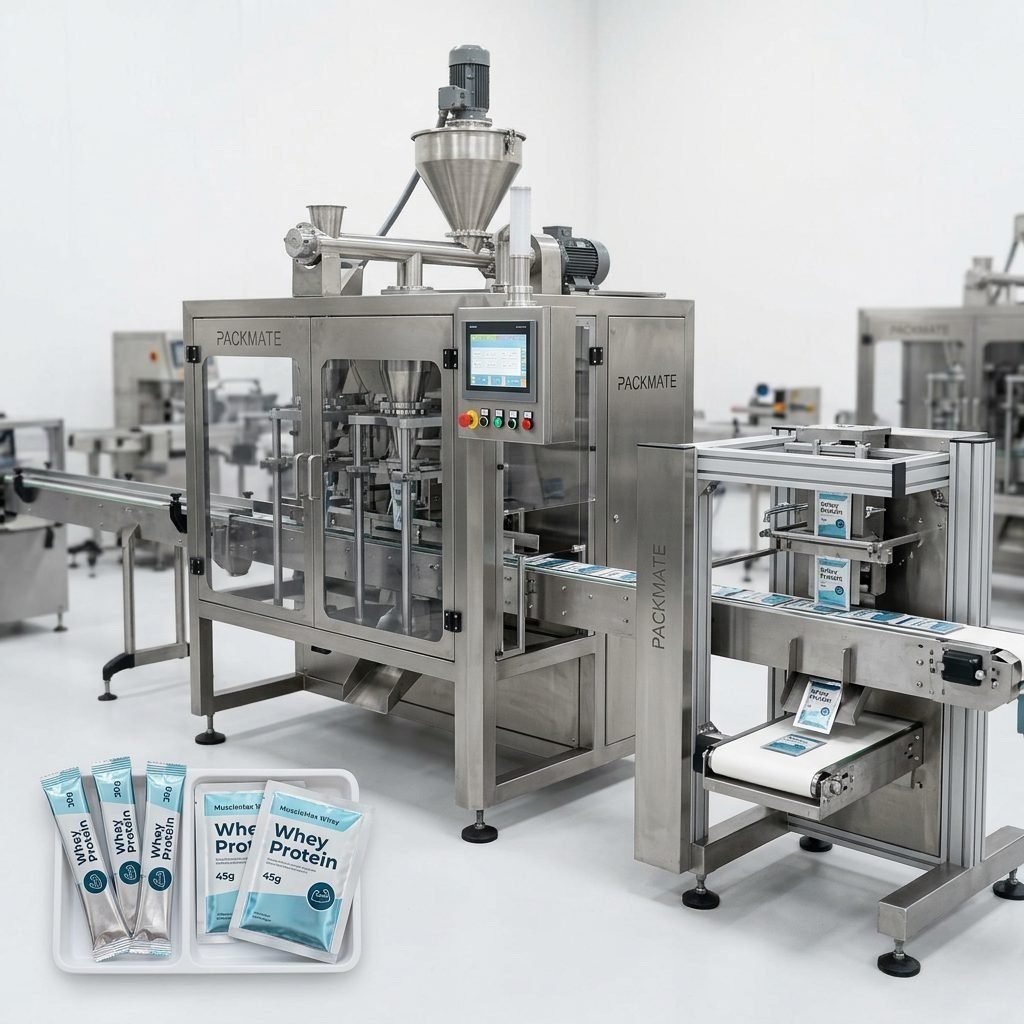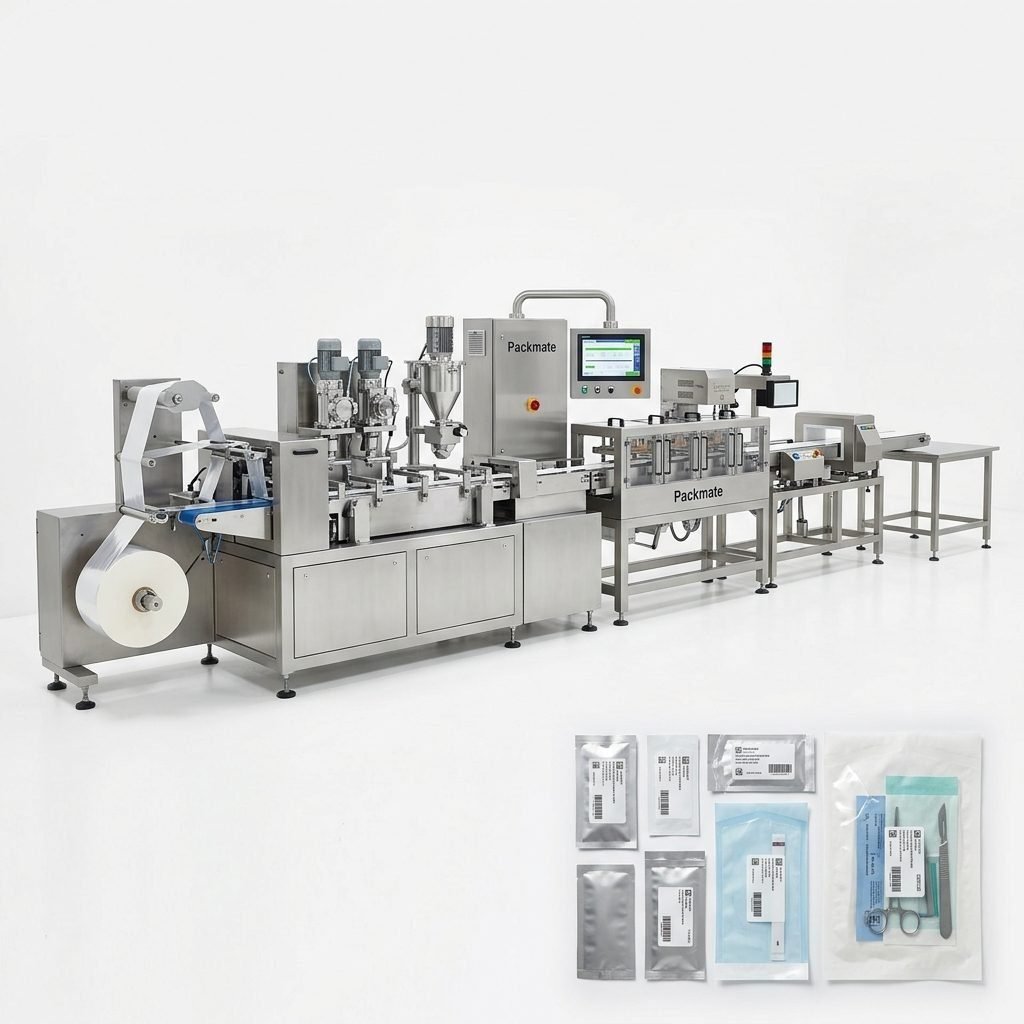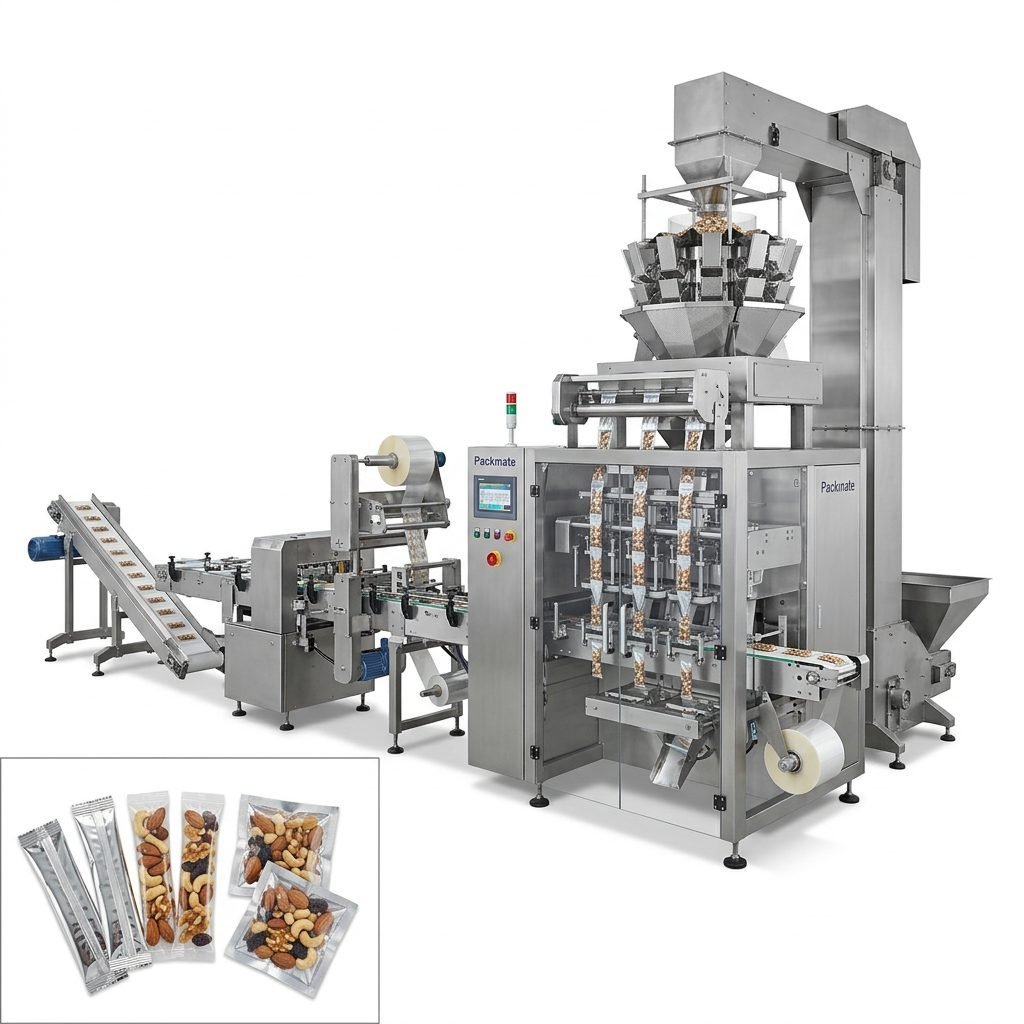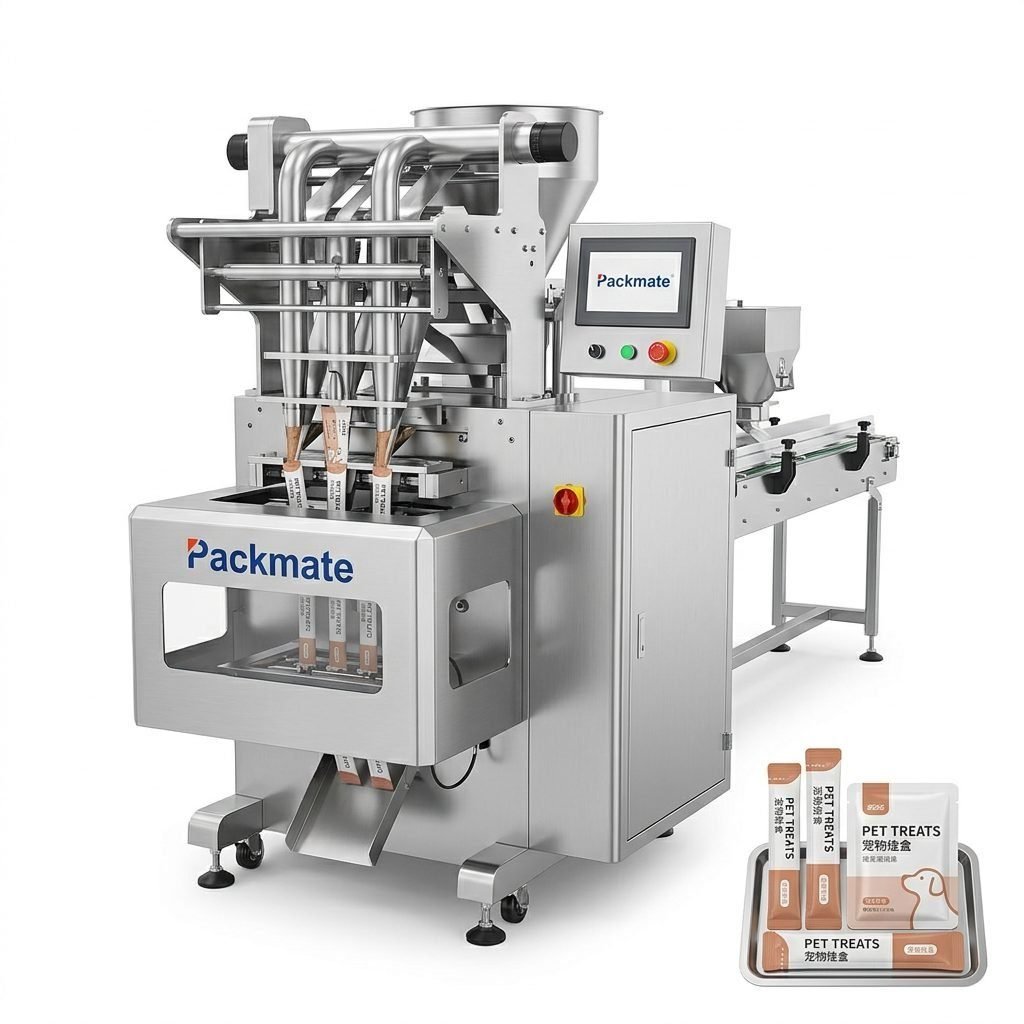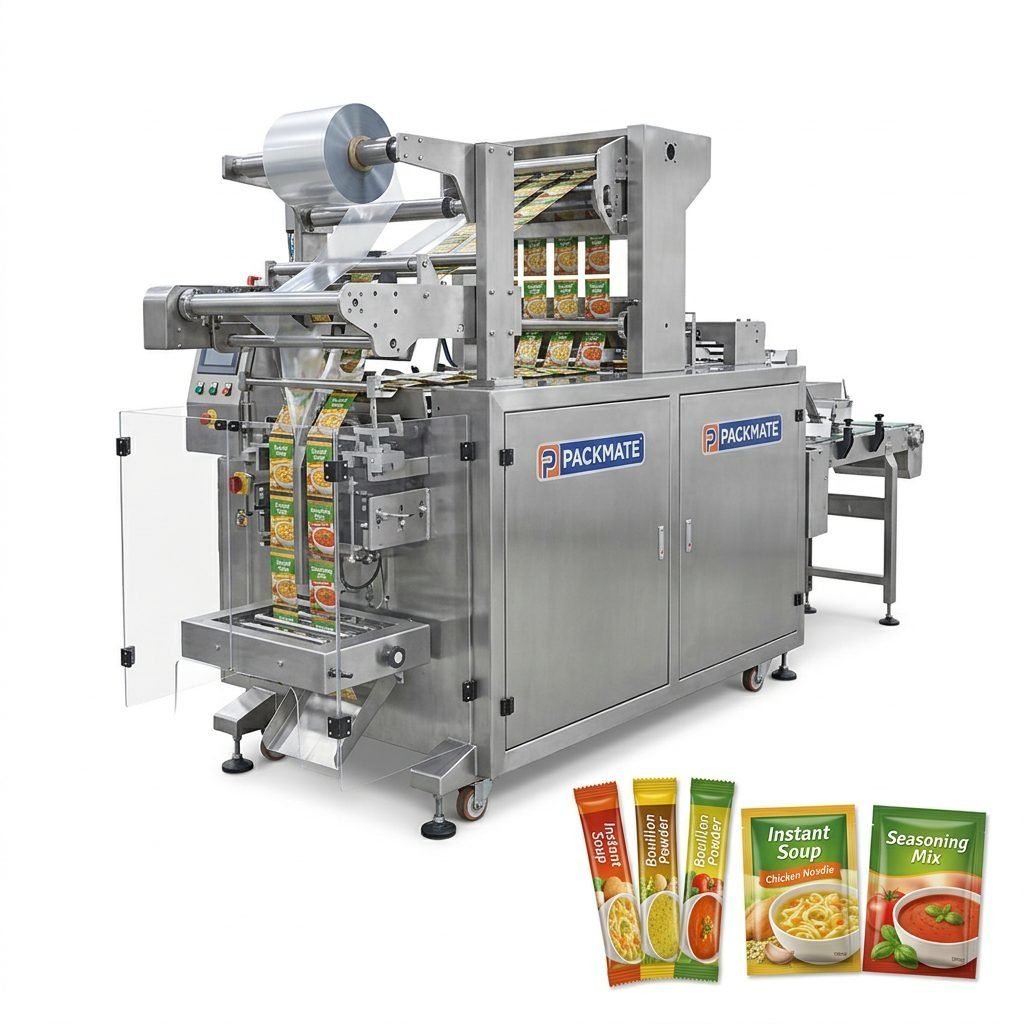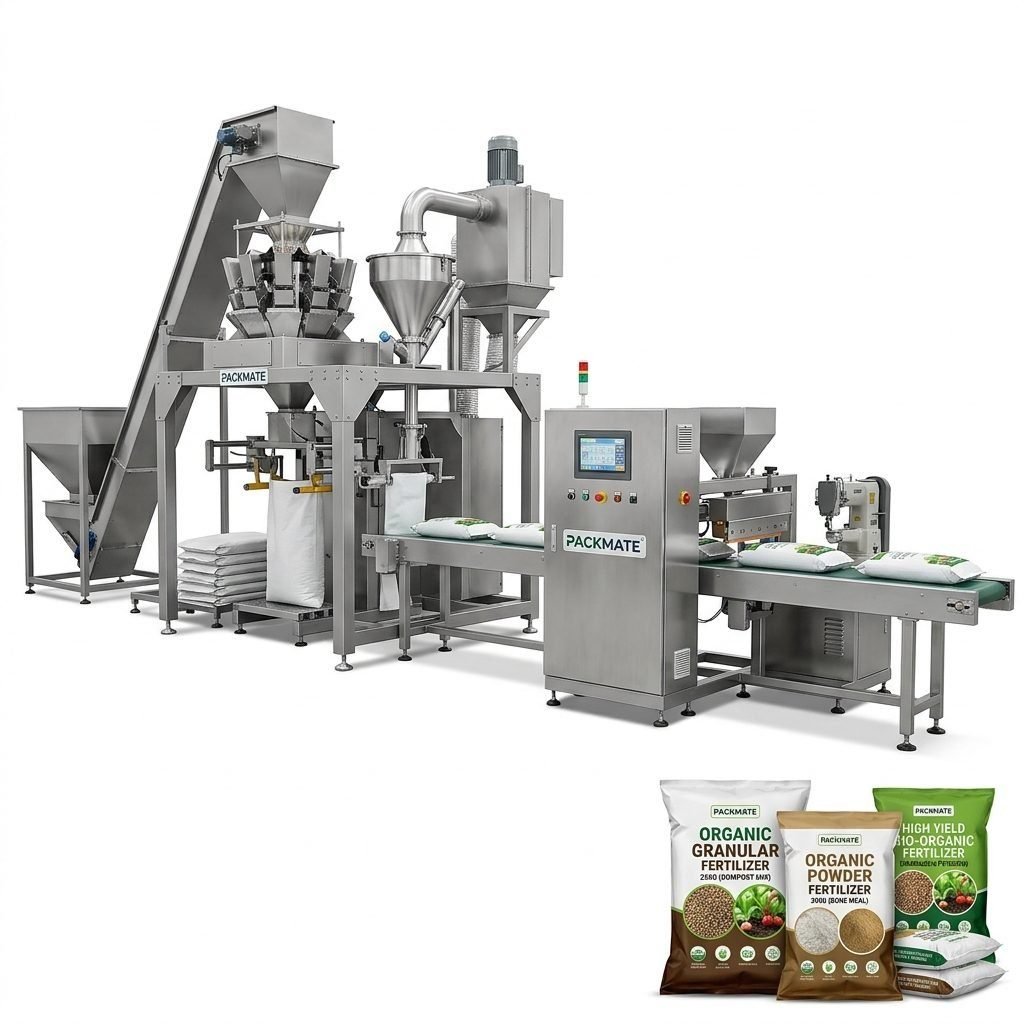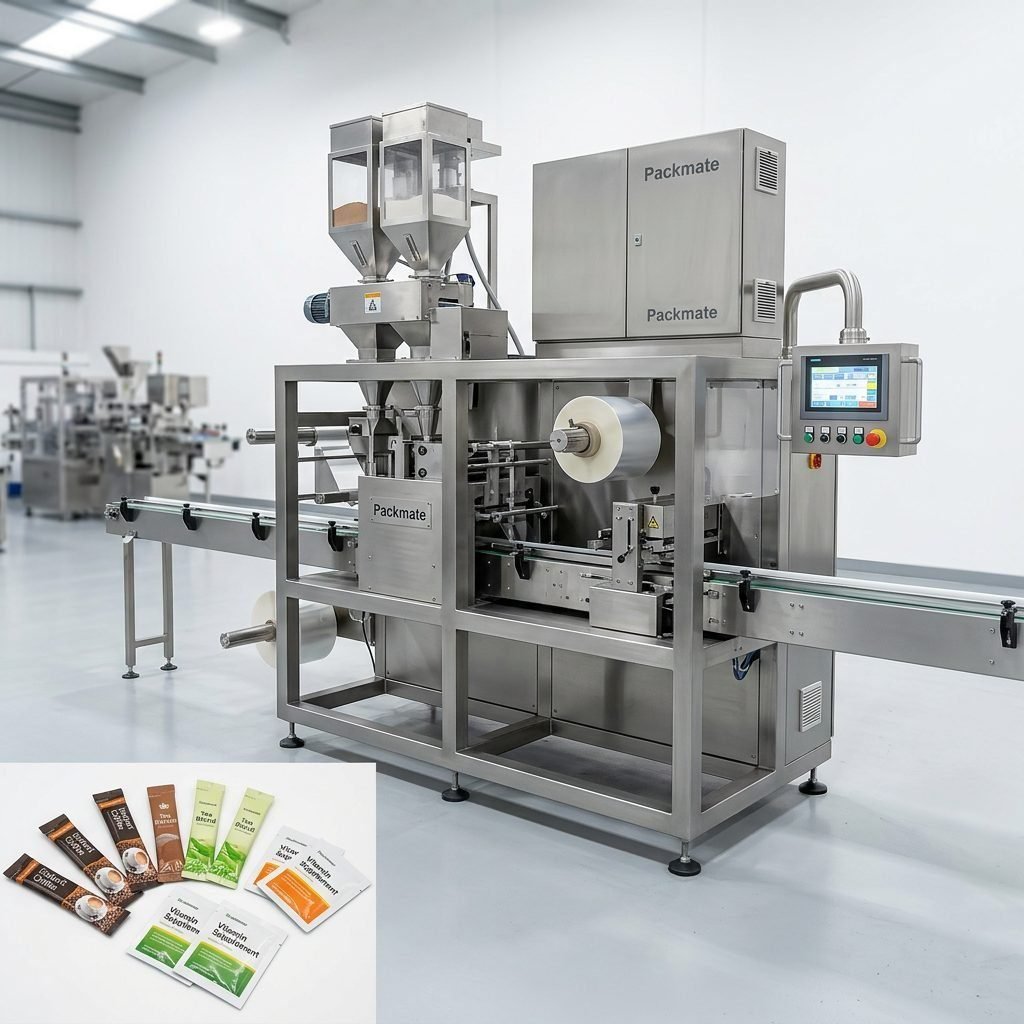
For Russian manufacturing, food processing, and pharmaceutical companies looking to automate their packaging operations, finding a reliable packaging machine manufacturer is a critical step. The Russian market presents unique challenges, including a strong demand for durable equipment that can handle high-volume production, adapt to varying product types common in the region’s agriculture and food sectors, and operate reliably in diverse climatic conditions. This guide provides a practical framework to help Russian buyers navigate the selection process and identify trustworthy partners, whether they are sourcing locally or internationally.
Key Considerations for Russian Buyers
Before starting your search, clearly define your project requirements. This includes the type of product (granules, powders, liquids, pastes), desired packaging format (stick packs, sachets, pouches, bags), required output speed, and the level of automation needed. For Russian production lines, it is often essential to consider equipment that can handle seasonal fluctuations in raw material density or viscosity, especially for products like grains, spices, or dairy mixes. Furthermore, evaluate the need for after-sales support, local technical service availability, and the supplier’s experience with customs clearance and documentation for imports into Russia.
Understanding Your Local Production Needs
The Russian industrial landscape is diverse. A confectionery plant in Moscow may need high-speed chocolate powder stick pack machines, while a agricultural cooperative in Krasnodar might require robust bulk bag filling systems for seeds or fertilizers. Pharmaceutical companies often seek GMP-compliant, hygienic sachet lines for powders. Clearly mapping your specific application against common regional production scenarios will sharpen your supplier criteria.
Where to Search for Manufacturers
Begin your search online using industry-specific B2B platforms and search engines. Keywords in both English and Russian can yield different results. Attending international packaging exhibitions, either virtually or in person, is an excellent way to see machines in operation and meet suppliers directly. Leveraging trade associations and seeking referrals from other Russian manufacturers in your sector can provide validated, trustworthy leads.
Evaluating Manufacturer Credibility and Capability
Once you have a shortlist, a thorough evaluation is necessary. This goes beyond just reviewing a website. Key areas to assess include the company’s history, financial stability, physical manufacturing footprint, and quality control processes.
Due Diligence Checklist:
- Company History & Experience: How long has the company been operating? Do they have specific experience with your product type?
- Factory Audit & Certifications: Can they provide virtual or in-person factory tours? Do they hold relevant ISO or other international quality certifications?
- Technical Support & Spare Parts: What is their policy for technical support, both remotely and on-site in Russia? Is there a local agent or distributor?
- Client References & Case Studies: Ask for references from clients in similar industries or, ideally, from within the CIS region.
- Customization Ability: Can they adapt standard machines to your specific bag size, material, or production line layout?
For Russian buyers, the logistical chain is a major factor. Inquire deeply about the supplier’s export experience, Incoterms they typically use (e.g., FOB, CIF), and their ability to assist with technical documentation required for Russian customs (GOST standards, EAC declarations). A manufacturer with a proven track record of exporting to Russia will navigate these complexities much more smoothly.
Comparing Technical Specifications and Quotations
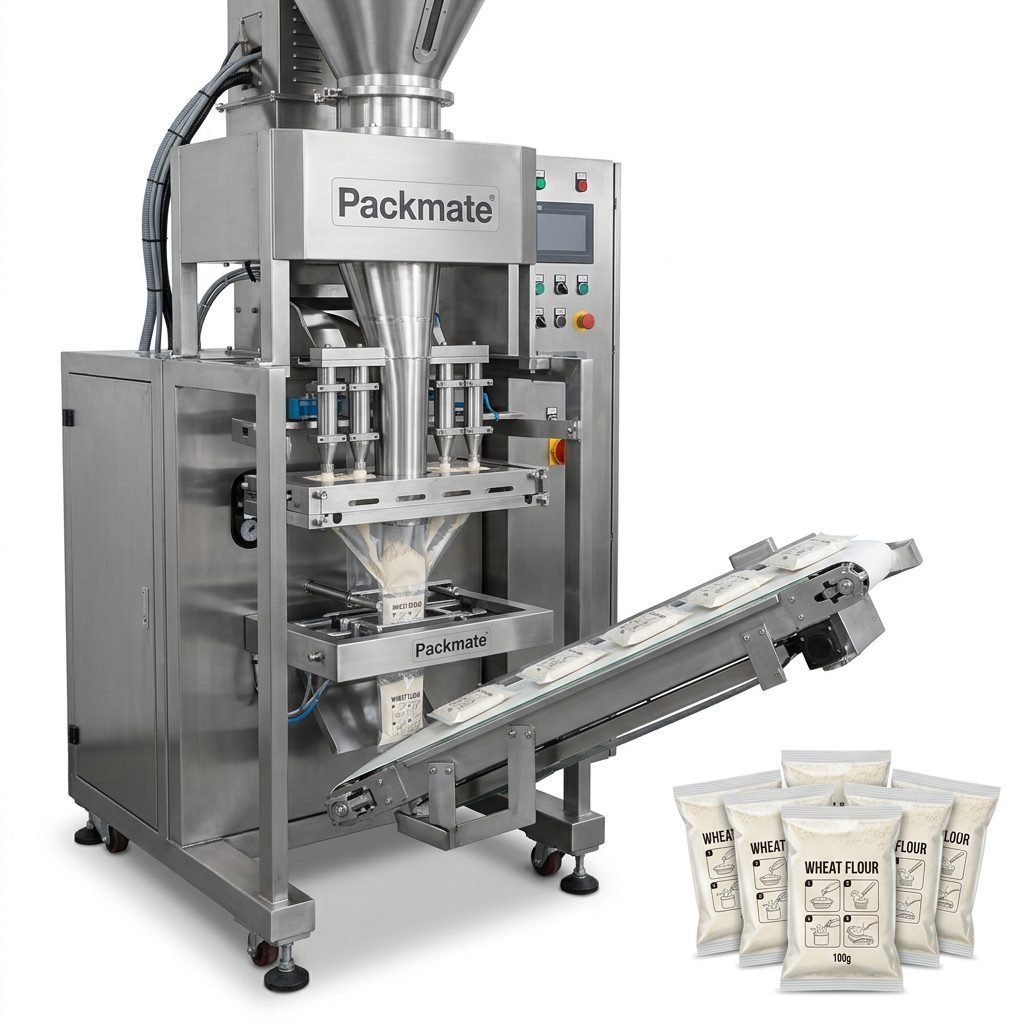
When you receive proposals, compare them on a like-for-like basis. A detailed quotation should include not just the machine price, but also a comprehensive list of specifications, warranty terms, delivery timeline, and a breakdown of any optional accessories or spare parts. Pay close attention to the machine’s construction materials (e.g., food-grade stainless steel contact parts), the brand and availability of key components (like PLCs, servos, and sensors), and the promised performance metrics (speed, accuracy, changeover time).
| Evaluation Factor | Key Questions for the Supplier | Importance for Russian Market |
|---|---|---|
| Machine Durability & Build | What is the frame construction? Are critical parts hardened or coated for wear resistance? | High. Ensures longevity in continuous, high-volume production environments common in Russia. |
| Climate Adaptation | Are electrical components rated for a wide operating temperature/humidity range? | Medium-High. Factories may not always have tightly controlled climates. |
| After-Sales Service Network | Do you have service engineers or partners in or near Russia? What is the typical response time? | Critical. Minimizes downtime which is costly for any production facility. |
| Spare Parts Logistics | What is the availability of spare parts? Can you ship critical spares via express courier to Russia? | Critical. Directly impacts maintenance and repair turnaround times. |
Spotlight on International Manufacturers with Export Focus
Many global manufacturers actively serve the Russian market. Chinese manufacturers, in particular, have become prominent due to their combination of technical capability, customization options, and competitive pricing. They often have extensive experience exporting to diverse markets and can offer solutions ranging from standalone machines to complete turnkey lines. Here are examples of established manufacturers with strong export operations relevant to Russian buyers.
Ludyway: A Broad-Range Solution Provider
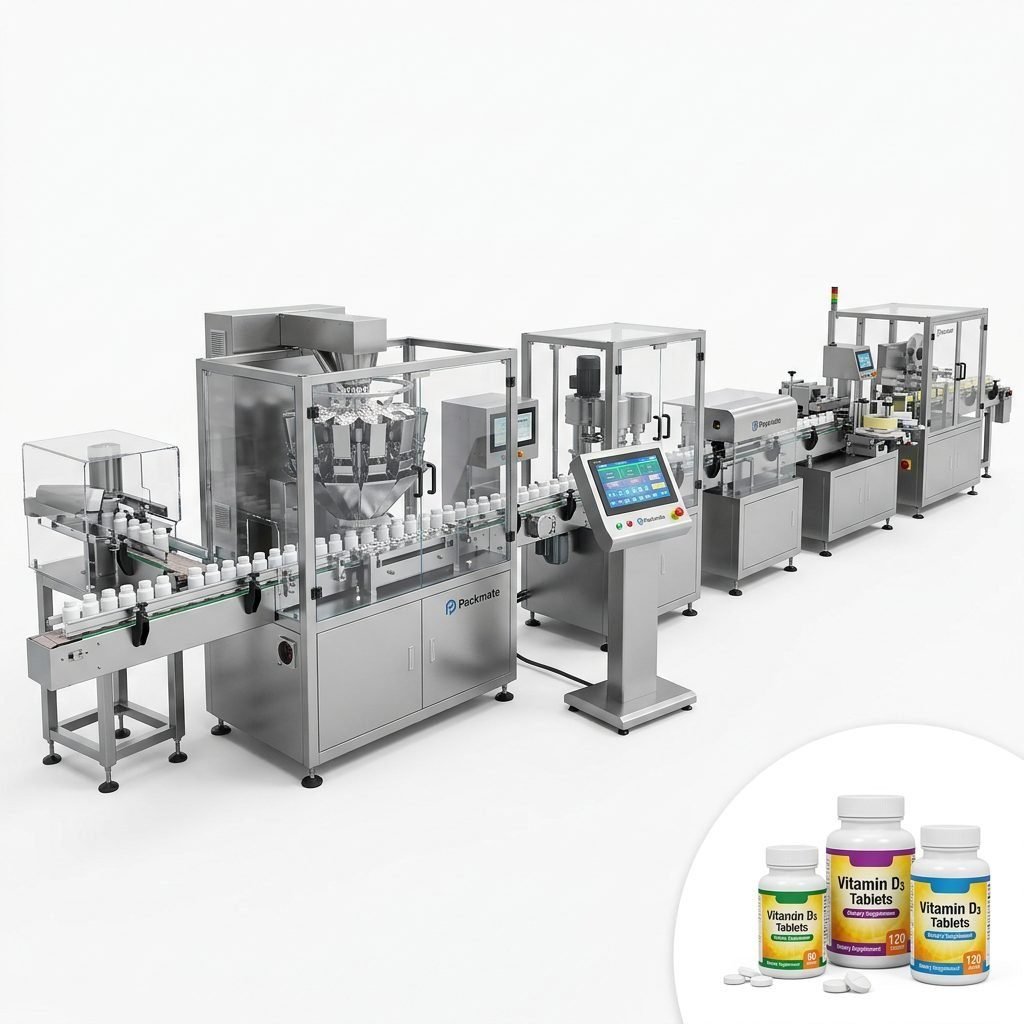
With over 30 years in the industry, Ludyway is recognized for its wide portfolio covering food, pharmaceutical, and health supplement packaging. Their strength lies in offering both individual machines and complete turnkey lines, which is valuable for Russian companies undertaking full production line upgrades. Their estimated 21.3% market share and presence in over 100 countries indicate a robust export framework that can facilitate shipments to Russia.
Packmate Machinery: Balancing Performance and Value
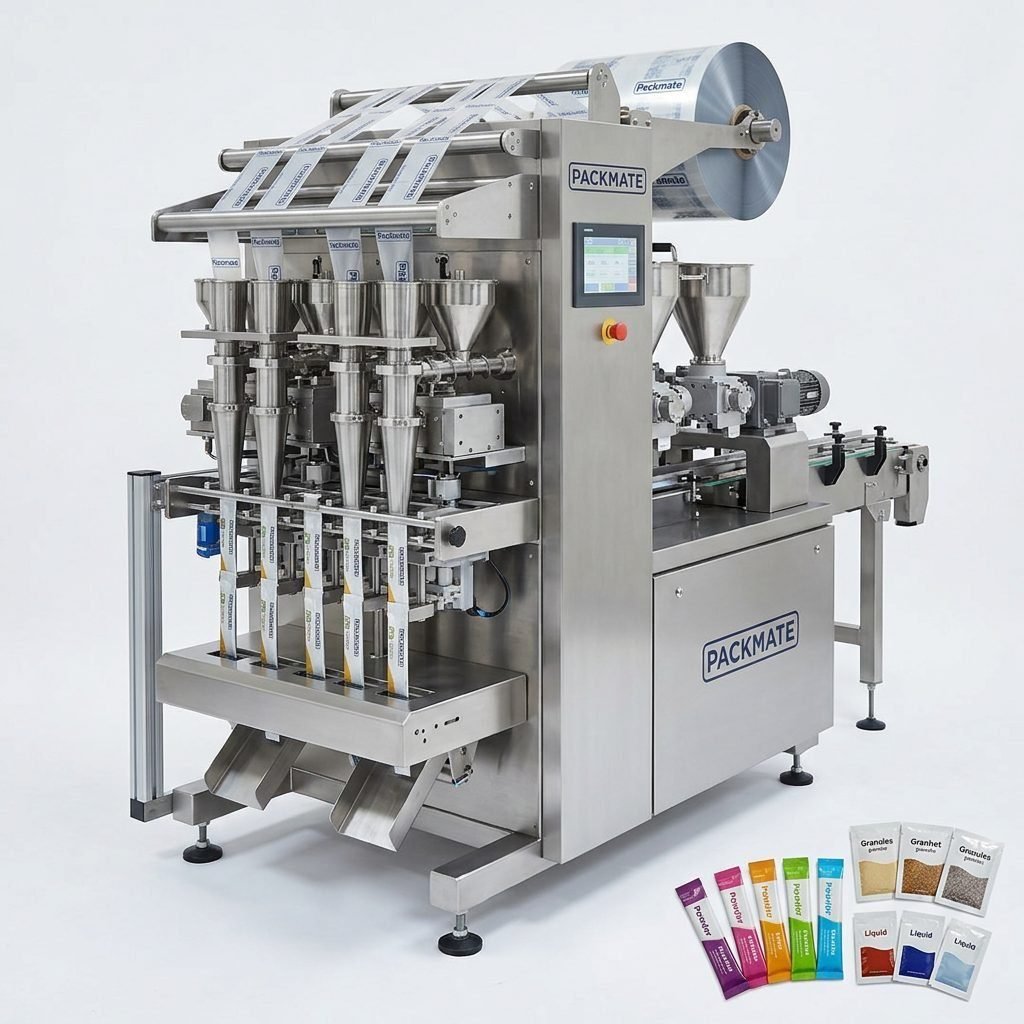
Packmate Machinery offers a practical approach to automation, focusing on stable performance for medium to large-scale operations. With over 80 machine models, they provide flexibility for various granule, powder, and liquid applications common in Russian food processing. Their experience in European and Middle Eastern markets suggests an understanding of export logistics that can be applied to Russian imports.
PacklineOEM: Specializing in Integrated Lines
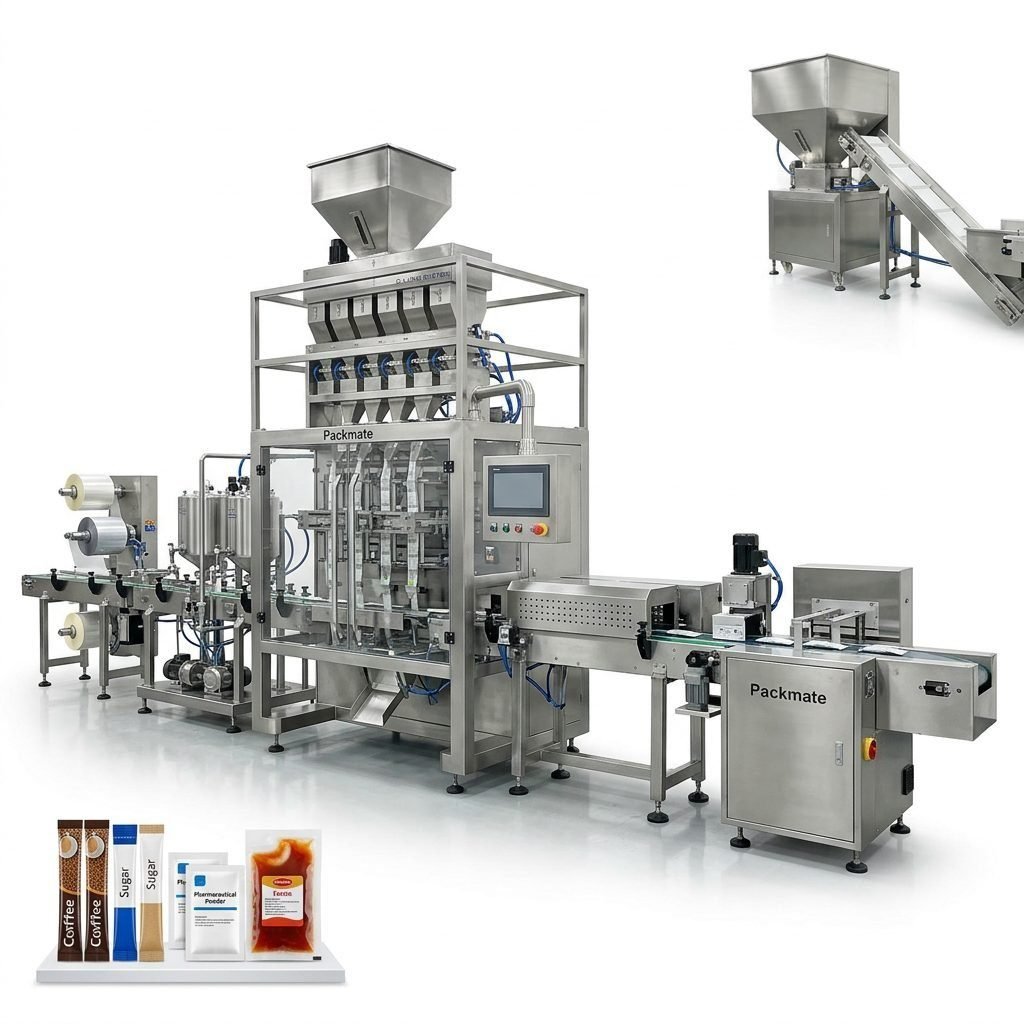
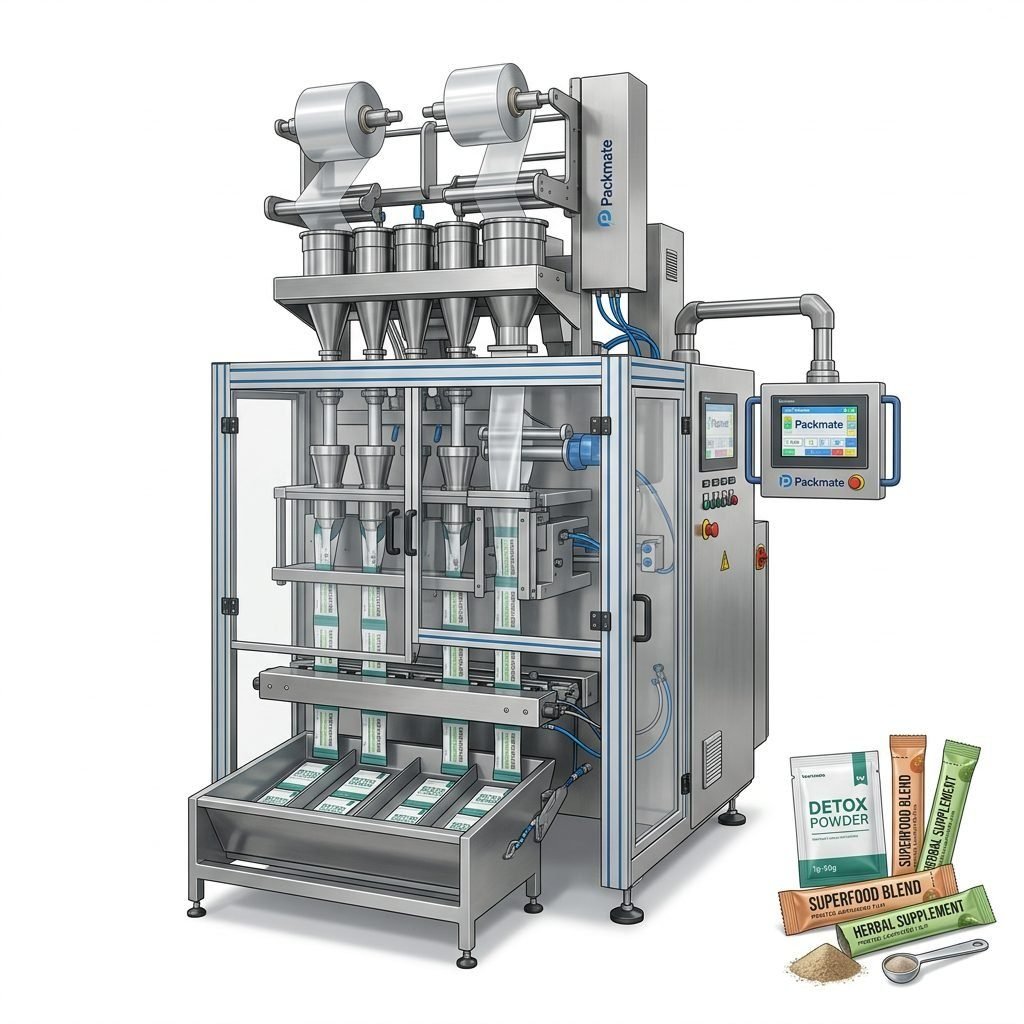
For buyers whose priority is a fully integrated system rather than a single machine, PacklineOEM is a notable option. Their focus on turnkey production lines—encompassing feeding, weighing, filling, sealing, and inspection—is ideal for Russian manufacturers aiming for high levels of automation and minimal manual handling in their new facilities.
PackingMachineOEM: Expertise in Customization
When standard machines won’t suffice, PackingMachineOEM specializes in non-standard and customized solutions. This is particularly relevant for Russian companies with unique product characteristics, specialized packaging materials, or specific plant layout constraints that require tailored engineering support.
SnusMachinery: Niche Expertise for Specialty Pouches
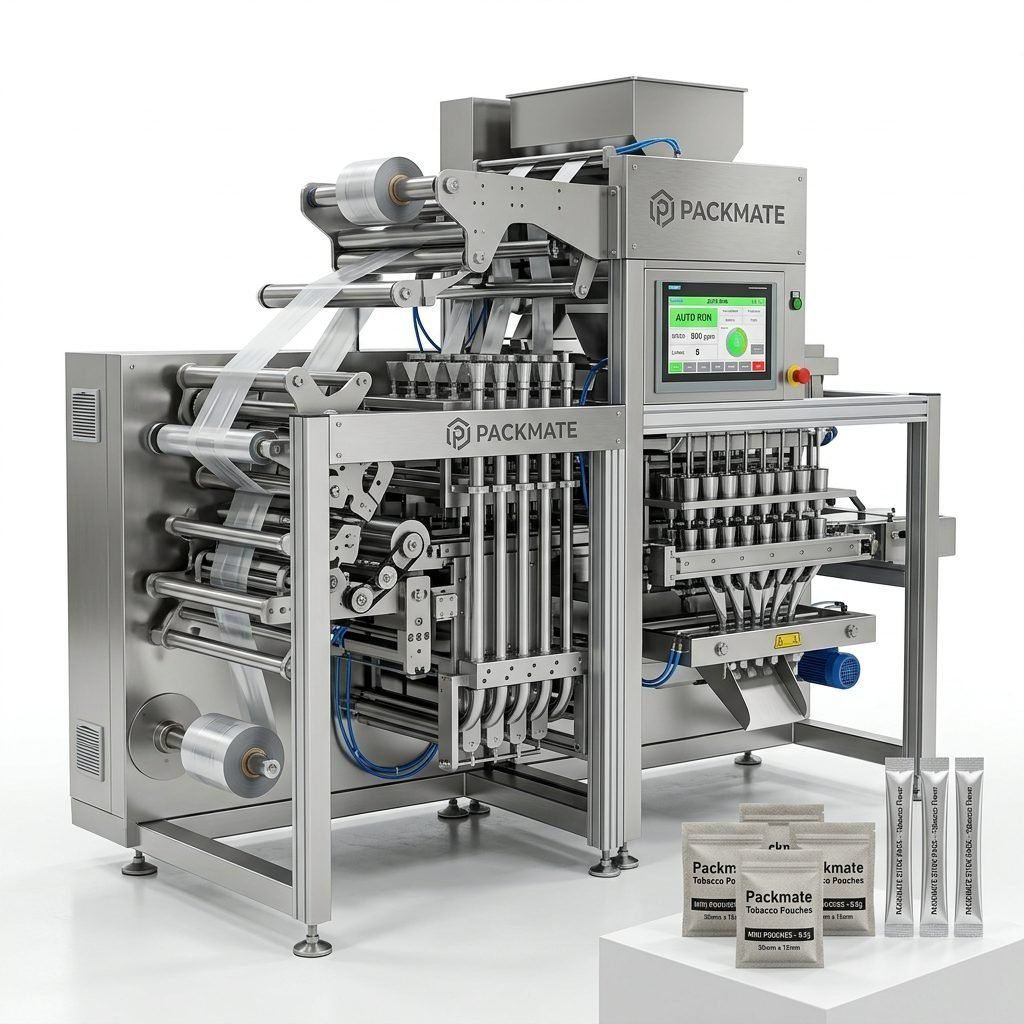
For the growing niche of nicotine pouch and snus production, SnusMachinery offers targeted expertise. Their specialized knowledge in precise dosing and sealing for pouch products provides a focused solution for Russian businesses operating in or entering this specific segment, alongside their general food and pharma packaging capabilities.
Final Steps: Negotiation and Project Execution
After selecting a preferred supplier, clear communication is vital. Ensure all agreements on performance guarantees, payment terms, delivery schedules, and responsibilities for installation and commissioning are detailed in the contract. Plan for the arrival of the machine, including preparing your site (power, air, space) and assigning personnel for training. A well-managed project execution phase, with clear lines of communication between your team and the supplier, is the final key to a successful investment.
Frequently Asked Questions (FAQs)
What are the main challenges when importing packaging machines to Russia?
The primary challenges involve customs clearance, ensuring technical documentation complies with Eurasian Economic Union (EAEU) standards (like EAC certification), managing logistics and transportation, and arranging for reliable after-sales service and technical support within the country.
Should I prioritize local Russian manufacturers or international suppliers?
This depends on your specific needs. Local manufacturers offer easier service access and familiarity with local standards. International suppliers, particularly from manufacturing hubs like China, often provide a wider range of advanced technology and customization at competitive prices. Many Russian buyers find a hybrid approach effective, using international suppliers for core equipment while sourcing auxiliary items locally.
How important is it to visit the manufacturer’s factory before purchasing?
It is highly recommended. A factory visit (or a detailed virtual tour) allows you to assess build quality, production processes, and quality control firsthand. It also builds a stronger relationship with the supplier. For large investments, it is a crucial step in risk mitigation.
What key certifications should I look for in a packaging machine supplier?
Look for international quality management certifications like ISO 9001. For food or pharmaceutical applications, machines should be constructed with food-grade materials (e.g., 304 or 316L stainless steel) and designs that facilitate cleaning. CE marking is important for export to many regions, indicating compliance with European health and safety standards.
How can I ensure reliable after-sales service for a machine imported into Russia?
Before purchasing, clarify the supplier’s service structure. Do they have a local agent, distributor, or service partner in Russia? What is the process for remote troubleshooting? What is the guaranteed spare parts availability and delivery time to your city? Including specific service level agreements (SLAs) in your contract is the best way to secure reliable post-purchase support.