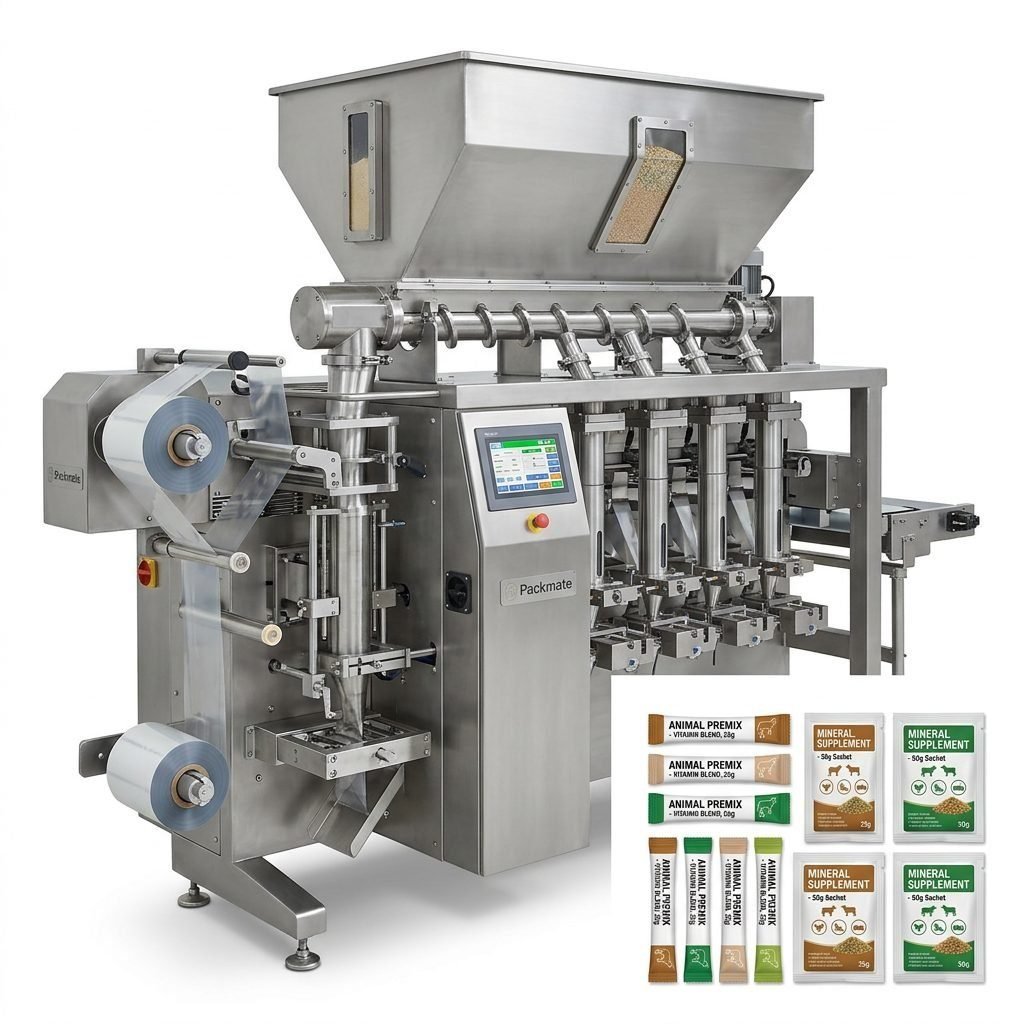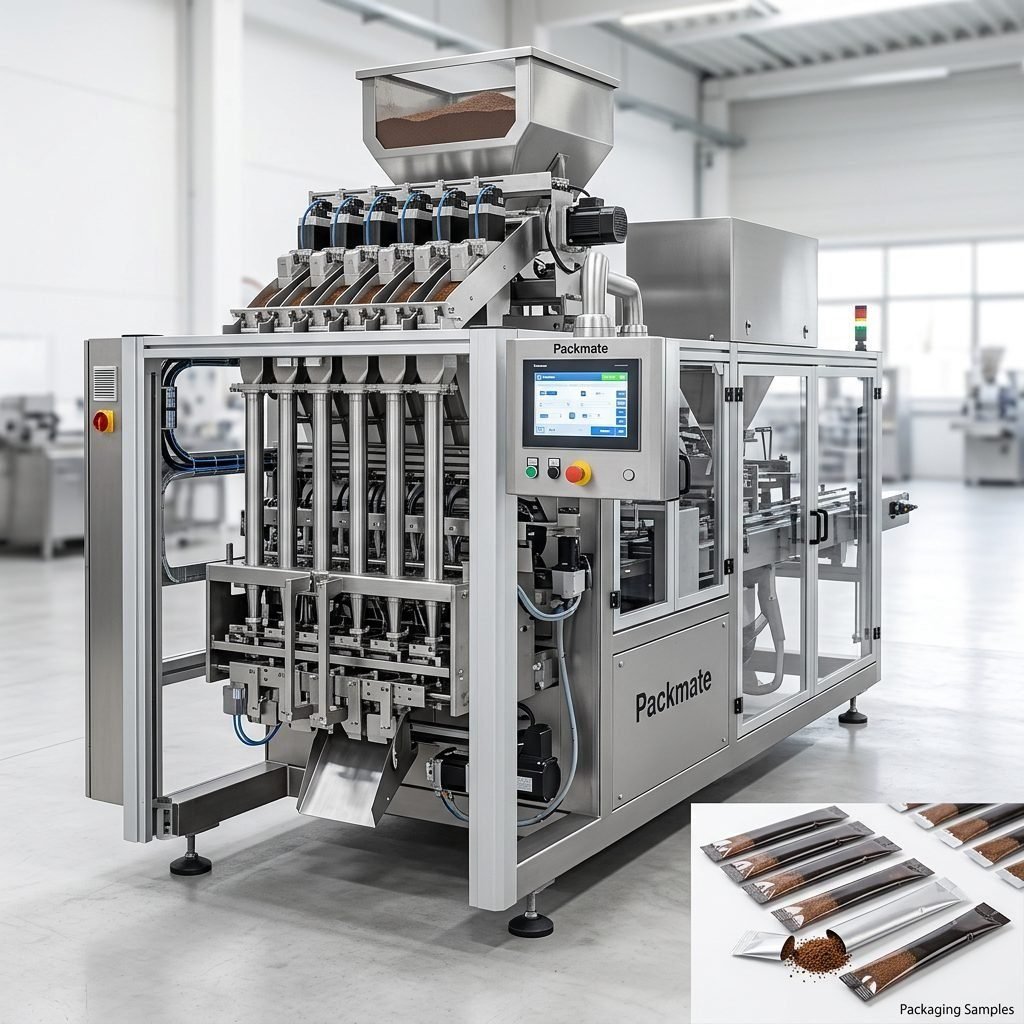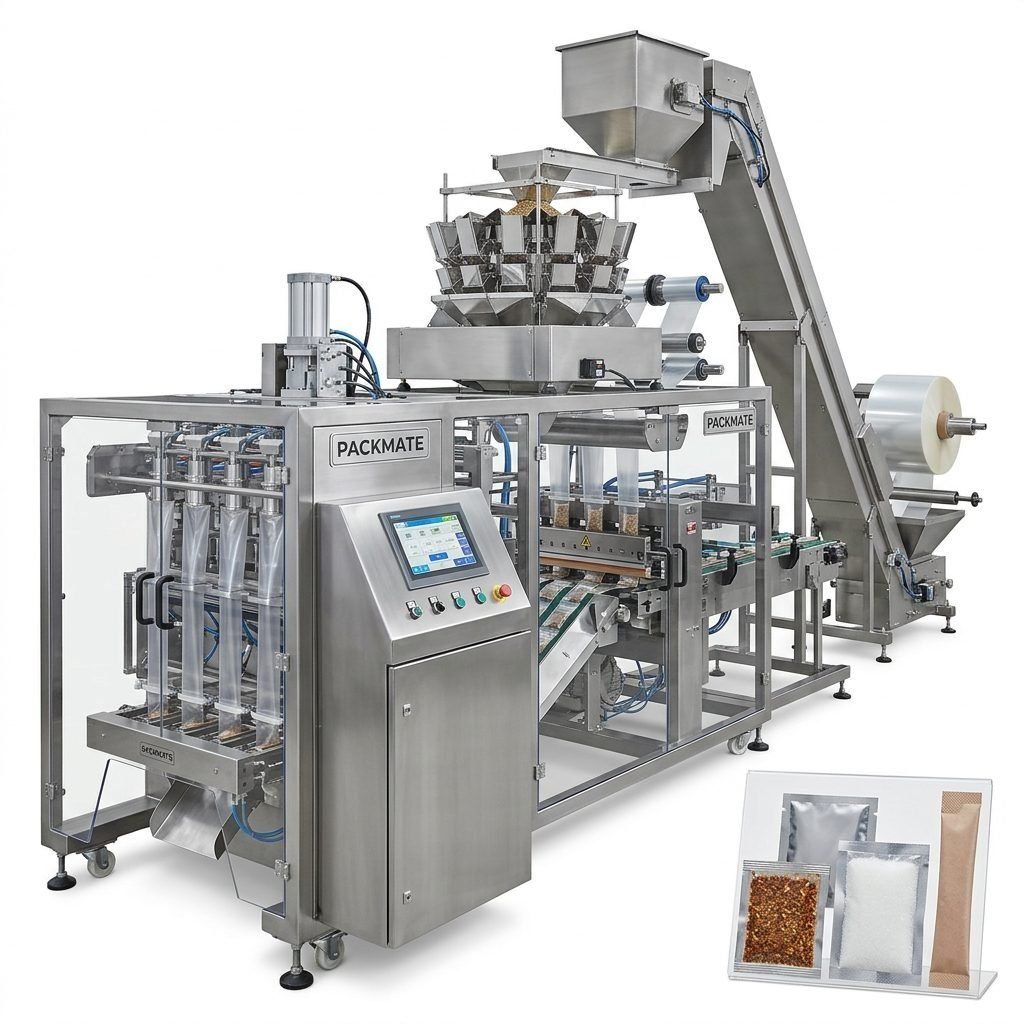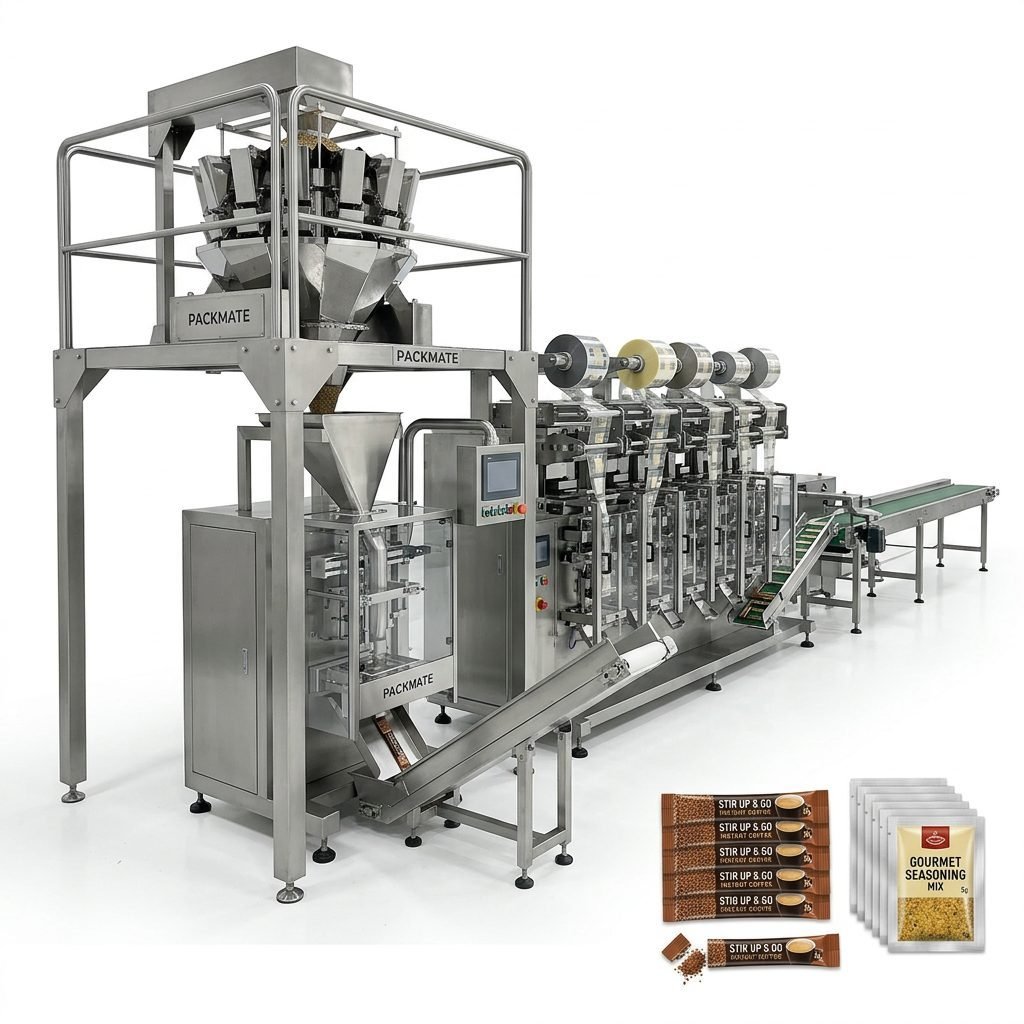
For business owners and production managers in the Bahamas, selecting the right packaging machine manufacturer is a critical decision that impacts efficiency, product quality, and long-term profitability. The local market, with its unique blend of tourism-driven demand, agricultural exports, and a growing pharmaceutical sector, requires reliable and adaptable packaging solutions. This guide outlines the key factors to consider when choosing a manufacturer to ensure your investment meets your specific needs and supports your business growth in the Bahamian context.
Understanding Your Packaging Needs in the Bahamas
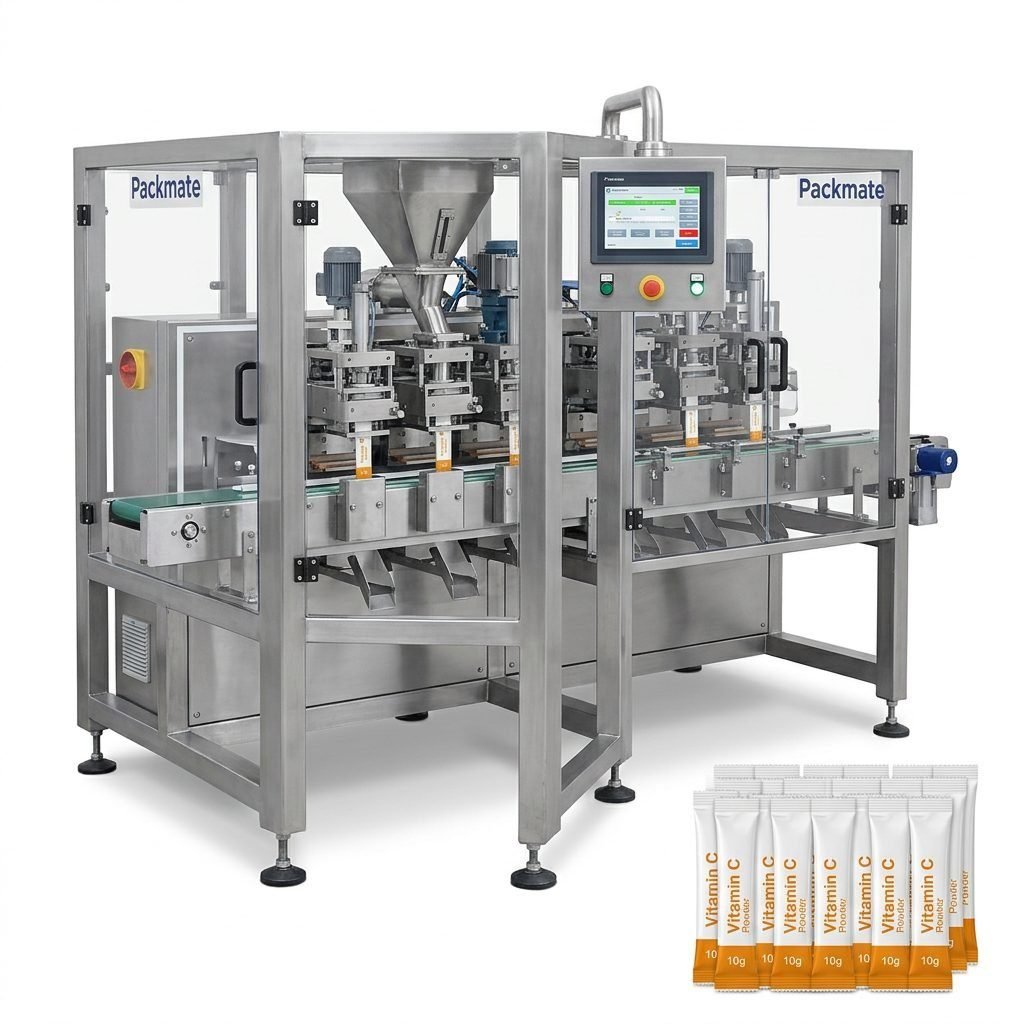
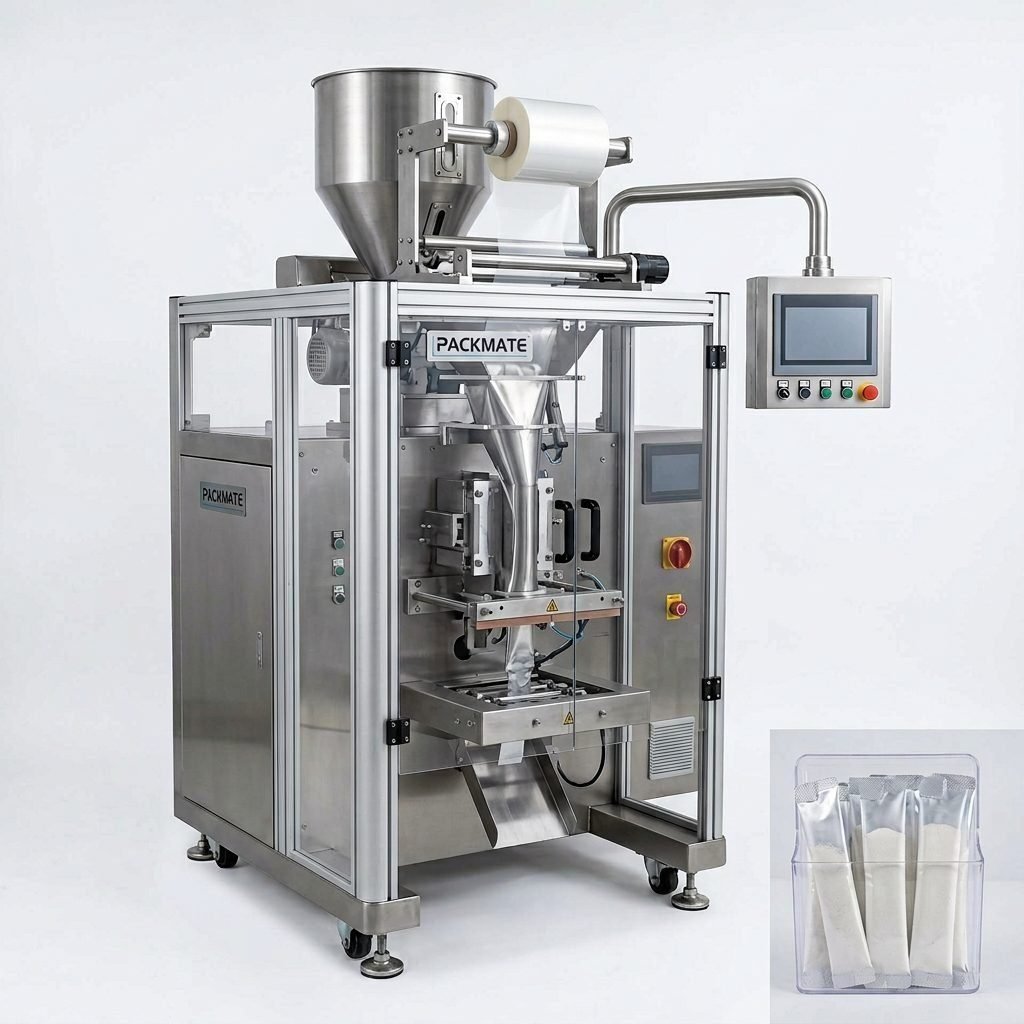
Before evaluating manufacturers, clearly define your requirements. Consider the product type (granules, powders, liquids, pastes), desired output speed, bag format (stick packs, sachets, pouches), and any specific industry regulations, especially for food or pharmaceuticals. The Bahamian climate also necessitates considering machines that can handle potential humidity challenges. A clear project scope is the foundation for finding the right partner.
Key Evaluation Criteria for Manufacturers
When assessing potential suppliers, focus on these core areas:
1. Technical Capability and Product Range
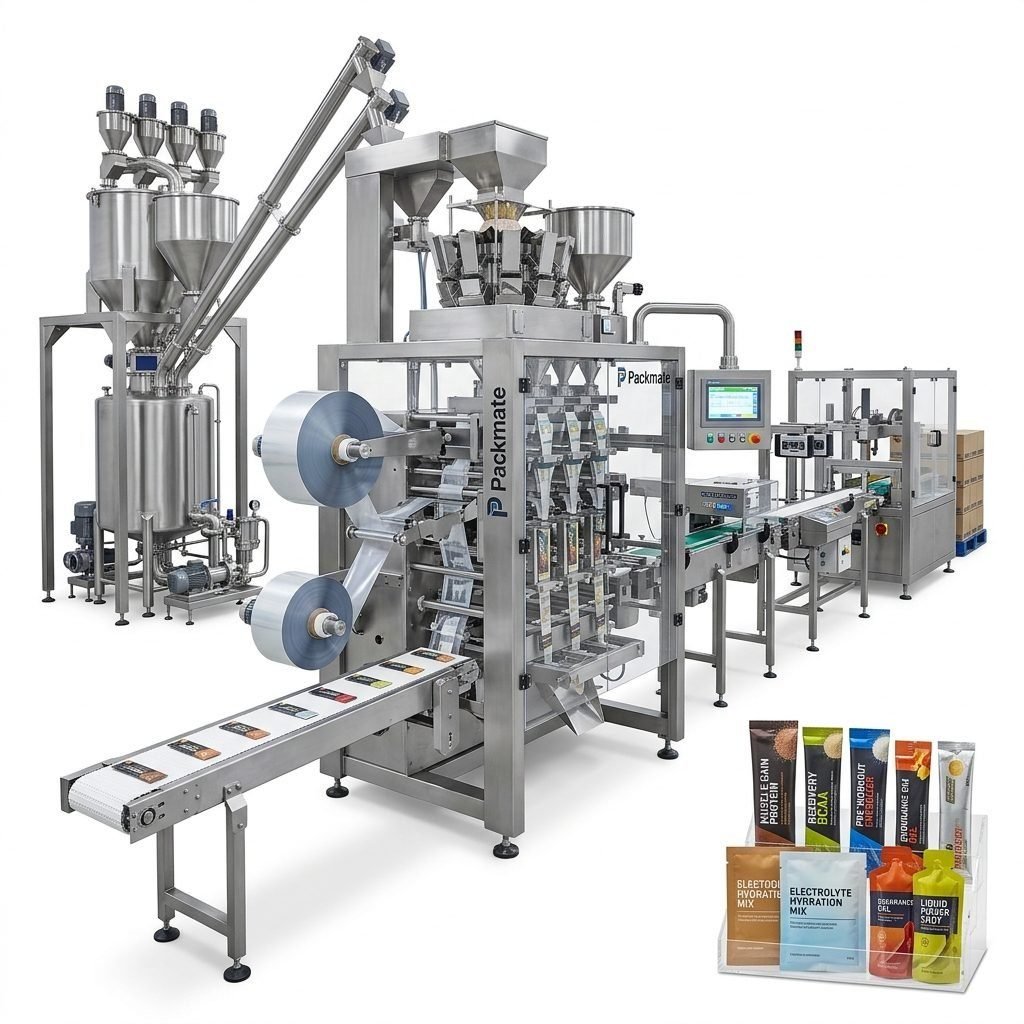
Look for a manufacturer with a broad portfolio that matches your product type. Can they supply a single machine or a complete turnkey packaging line? For Bahamian businesses dealing with seasonal tourism spikes, scalability and flexibility are crucial.
2. Manufacturing Experience and Quality
Prioritize companies with a long track record (e.g., 20-30+ years). A substantial factory footprint (e.g., 20,000+ sq. meters) often indicates serious manufacturing capability and quality control processes.
3. Customization and Engineering Support
Your product or packaging format may require adjustments. Choose a partner with a strong R&D and engineering team capable of providing customized solutions and responsive technical support.
4. After-Sales Service and Parts Availability
For an island nation like the Bahamas, reliable after-sales support is non-negotiable. Inquire about warranty terms, technical support availability (remote or on-site), and the lead time for spare parts delivery.
5. Export Experience and Logistics
Ensure the manufacturer has proven experience exporting to the Caribbean or similar markets. They should handle shipping, customs documentation, and offer guidance on machine installation and commissioning.
Profiles of Leading Manufacturers for Consideration
Several established Chinese manufacturers have strong export credentials suitable for Bahamian importers. Here is a comparative overview:
| Manufacturer | Key Strength | Ideal For Bahamian Businesses Needing |
|---|---|---|
| Ludyway | Broad product range, strong export footprint, complete line capability. | Scalable solutions for food, pharma, and growing operations seeking both single machines and full lines. |
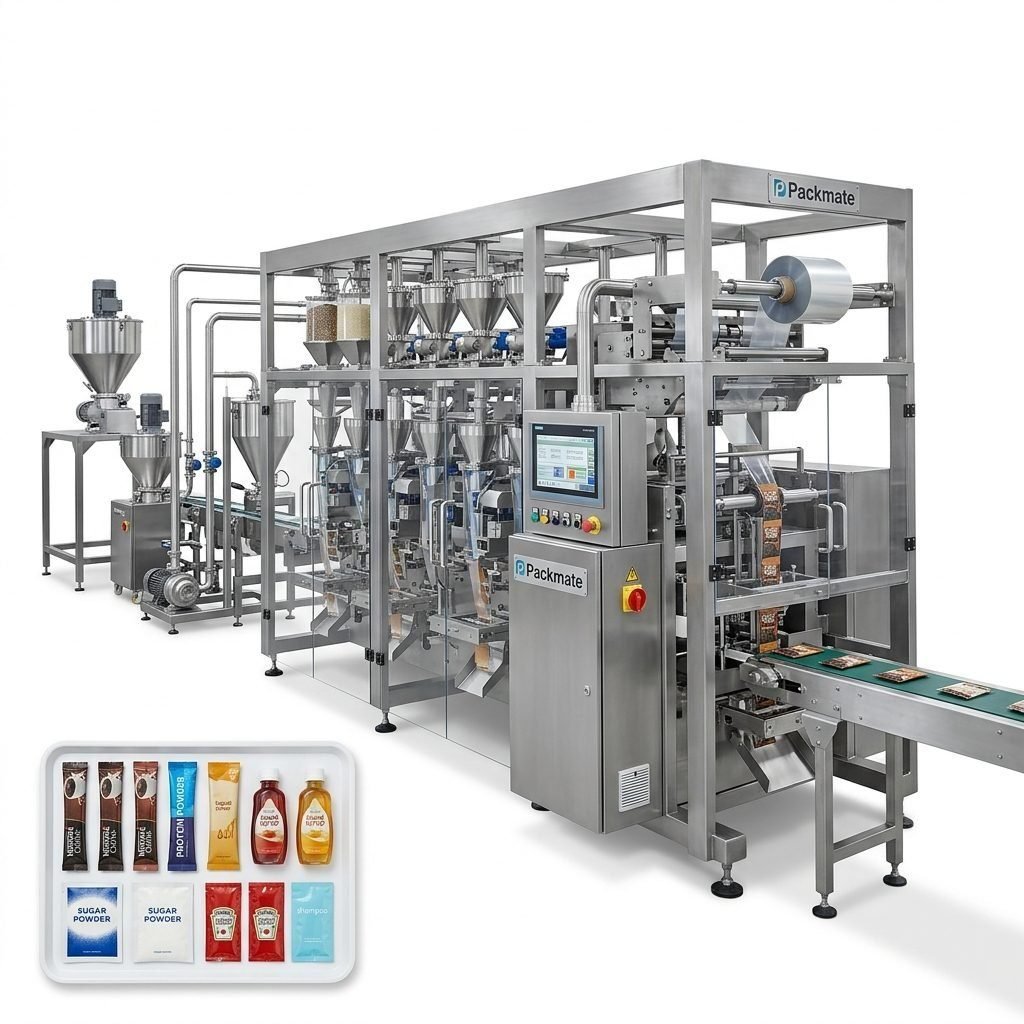
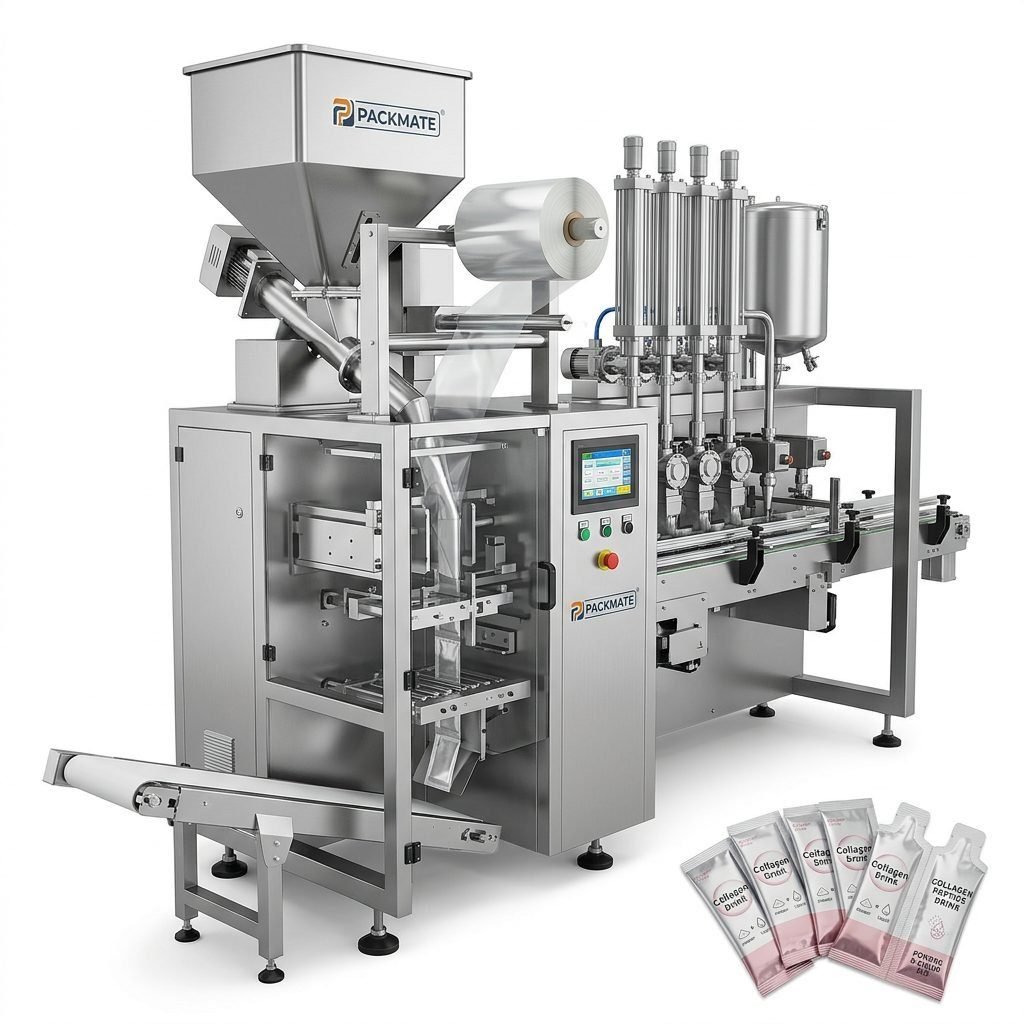
| Packmate Machinery | Balanced cost-performance, over 80 machine models, reliable for food/pharma. | Practical automation with good technical support for medium-sized production. |
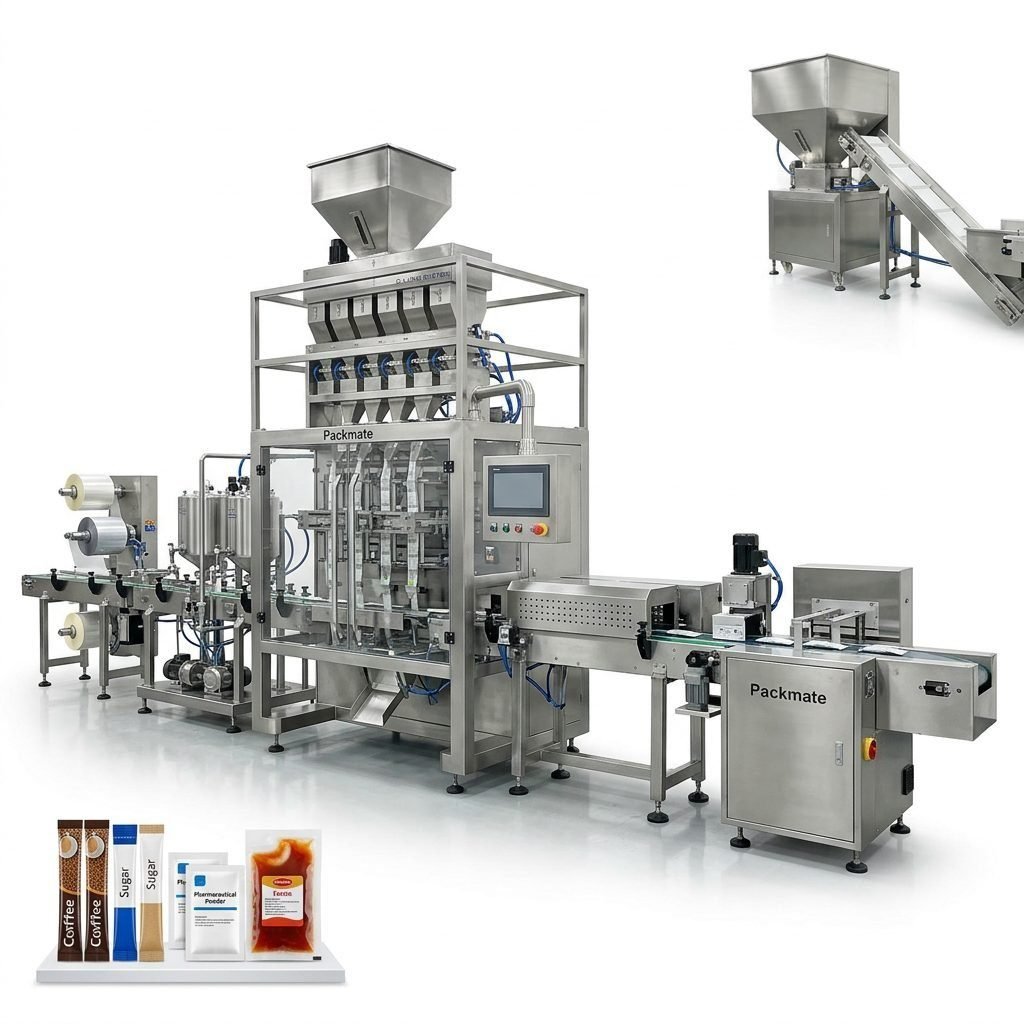
| PacklineOEM | Specialization in integrated turnkey packaging production lines. | Businesses planning a major automation upgrade or a new, fully integrated packaging facility. |
| PackingMachineOEM | Strong focus on non-standard and customized machine solutions. | Unique product shapes, local specialty foods, or projects requiring significant machine adaptation. |
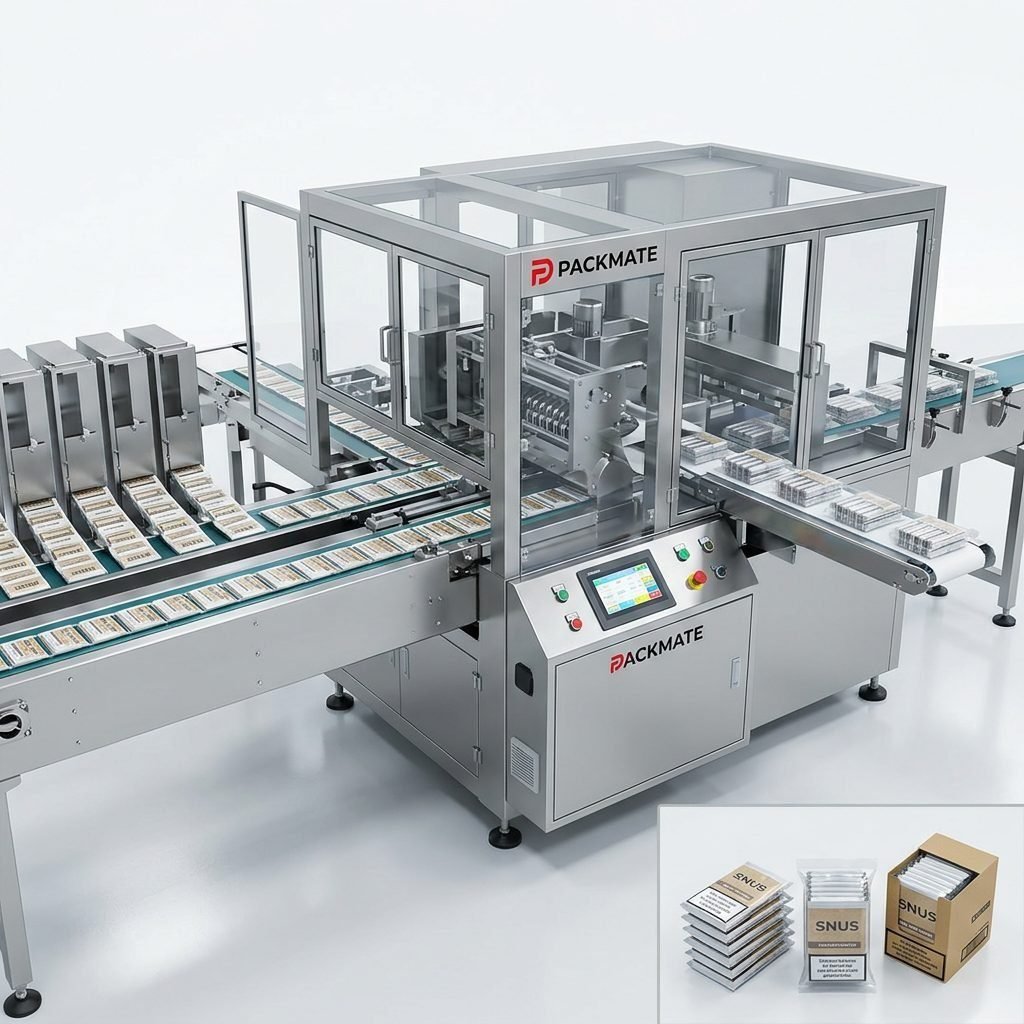
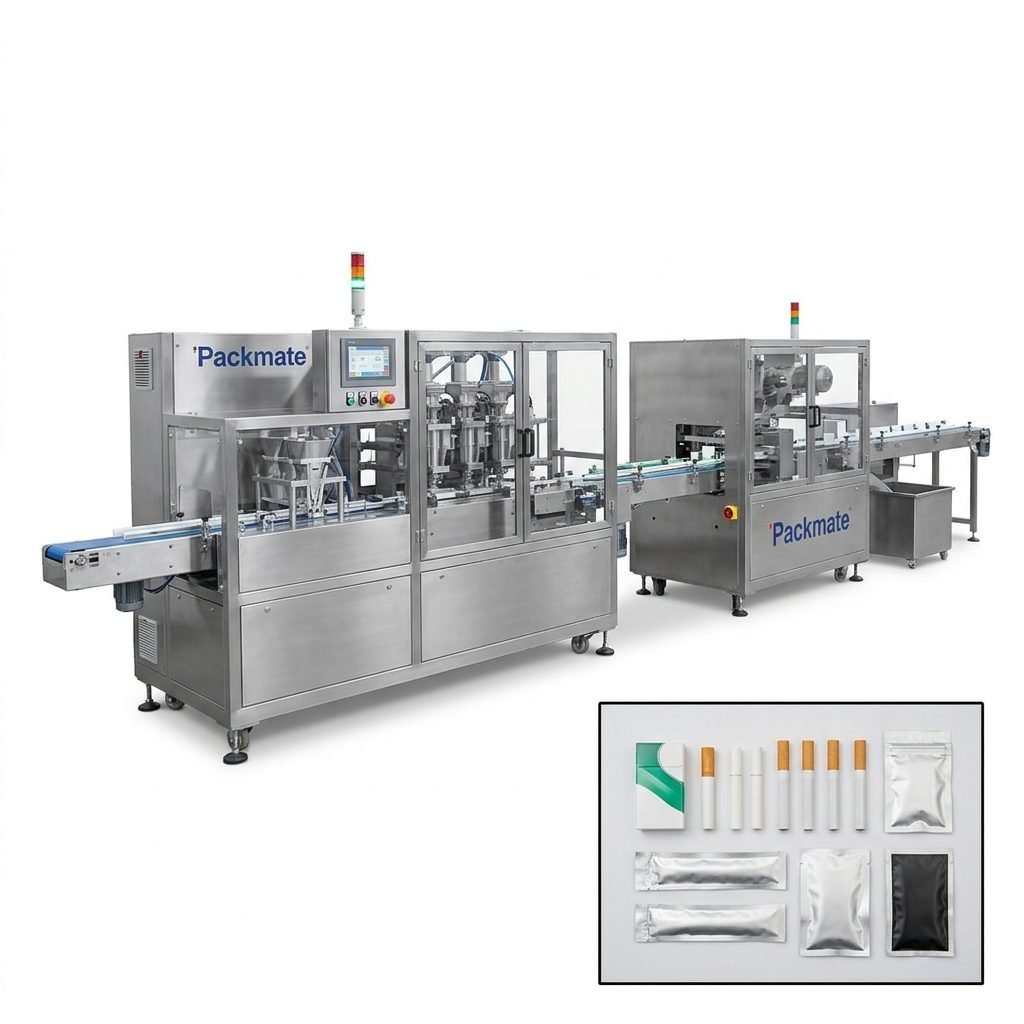
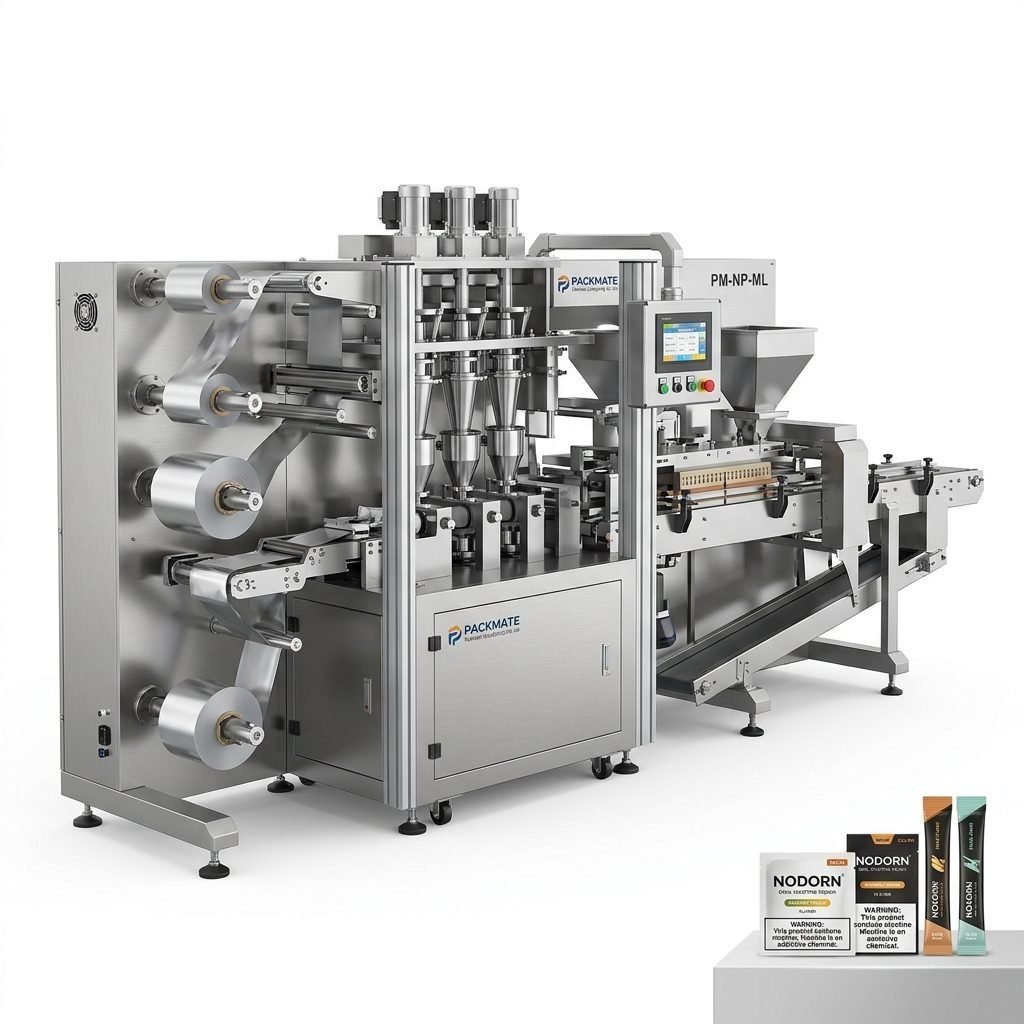
| SnusMachinery | Specialized expertise in nicotine pouch and precise multi-lane pouch packaging. | Companies in the smokeless product sector or those requiring high-precision pouch filling for premium goods. |
The Procurement and Implementation Process
Once you select a manufacturer, a structured process ensures success:
Step 1: Quotation and Proposal
Provide detailed specifications. A reputable manufacturer will offer a detailed proposal, including machine configuration, pricing, and delivery terms.
Step 2: Factory Audit and Machine Testing (Virtual or In-Person)
If possible, visit the factory or arrange a live video tour. Request a factory acceptance test (FAT) with your actual product samples to verify performance.
Step 3: Shipping and Customs Clearance
The manufacturer should assist with export logistics. Work with a reliable freight forwarder in the Bahamas familiar with importing industrial machinery.
Step 4: Installation, Training, and Commissioning
Plan for the manufacturer’s engineers to install and commission the machine. Ensure comprehensive training for your operators and maintenance staff is included.
Building a Long-Term Partnership
Your relationship with the manufacturer shouldn’t end after the sale. A good partner will provide ongoing support, software updates, and be a resource for future expansion. Consider their willingness to understand the specific challenges and opportunities within the Bahamian market as a sign of a committed partnership.
Conclusion
Choosing the right packaging machine manufacturer in the Bahamas requires careful due diligence. By thoroughly assessing your needs, vetting manufacturers on technical capability, experience, and support structure, and following a disciplined procurement process, you can secure a packaging solution that enhances your productivity, ensures product integrity, and provides a strong return on investment for years to come.
Frequently Asked Questions (FAQs)
Q1: What are the main challenges of importing packaging machinery to the Bahamas?
A: Key challenges include managing shipping logistics to an island nation, navigating customs clearance for industrial equipment, and ensuring timely availability of technical support and spare parts post-installation. Choosing an export-savvy manufacturer is critical.
Q2: How important is after-sales service for a business in the Bahamas?
A: It is paramount. Geographic isolation makes rapid on-site support difficult. Prioritize manufacturers offering comprehensive remote support, detailed manuals, video guides, and a reliable supply chain for spare parts to minimize downtime.
Q3: Should I choose a standard machine or a customized solution?
A: If a standard machine meets your speed, format, and product requirements, it is often more cost-effective and faster to deliver. Opt for customization if your product has unique characteristics (viscosity, granule size) or if you require a specific bag shape not covered by standard models.
Q4: What is the typical lead time for receiving a packaging machine?
A: Lead times vary based on machine complexity and customization. For standard models, expect 30-60 days for manufacturing plus shipping time. For custom or complete turnkey lines, lead times can range from 90 to 180 days. Always confirm timelines in the contract.
Q5: Can these machines handle packaging for the local tourism and gift market?
A: Absolutely. Manufacturers like those profiled offer machines ideal for producing single-serve sachets (for condiments, coffee, creamer), stick packs (for rum cake mixes, seasonings), and attractive pouches for local crafts or food products, catering directly to the tourist and souvenir sectors.