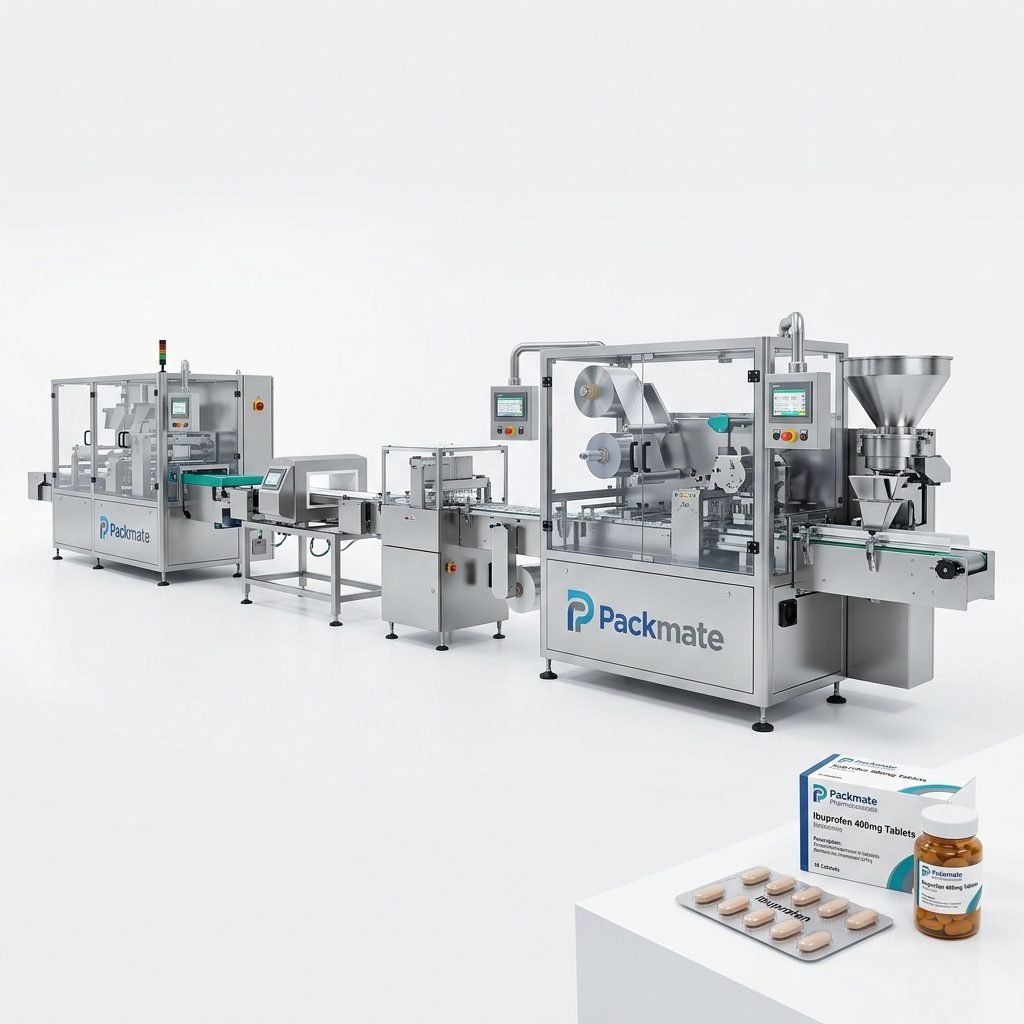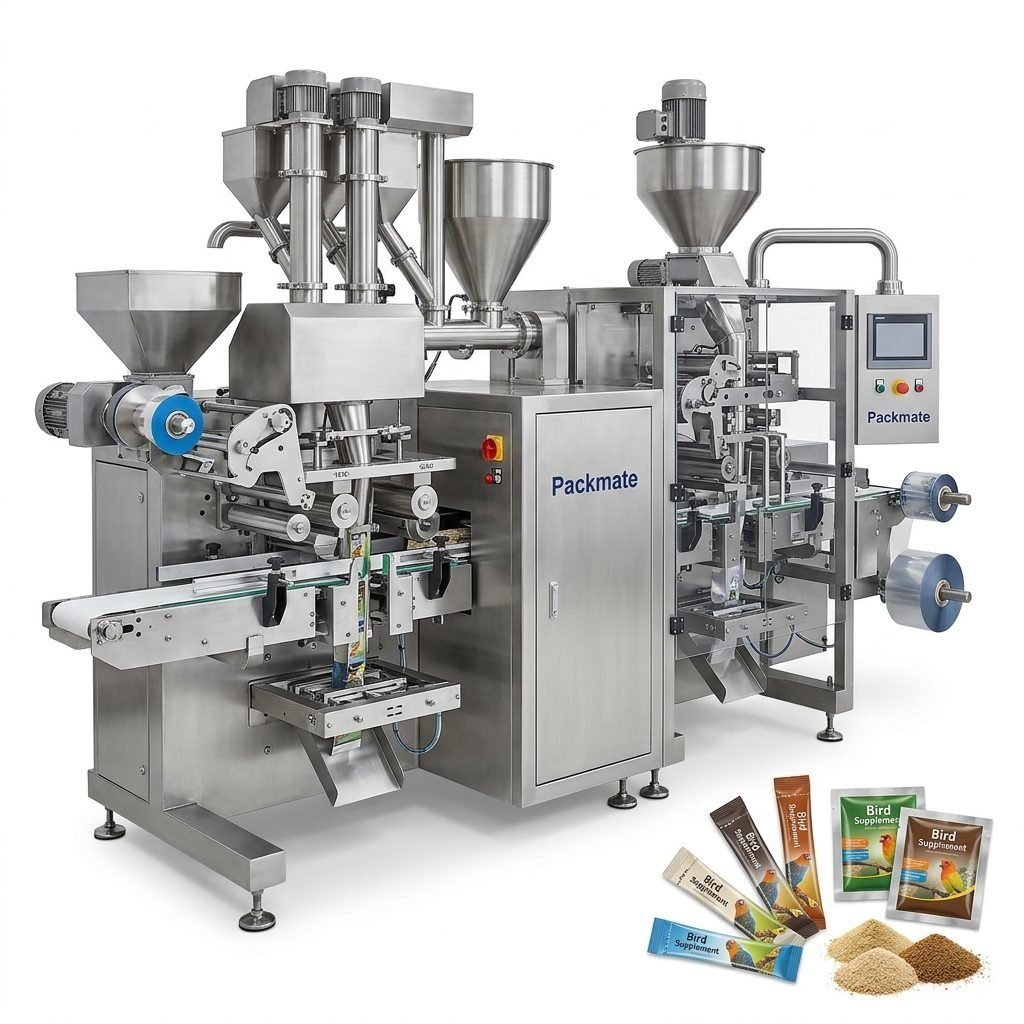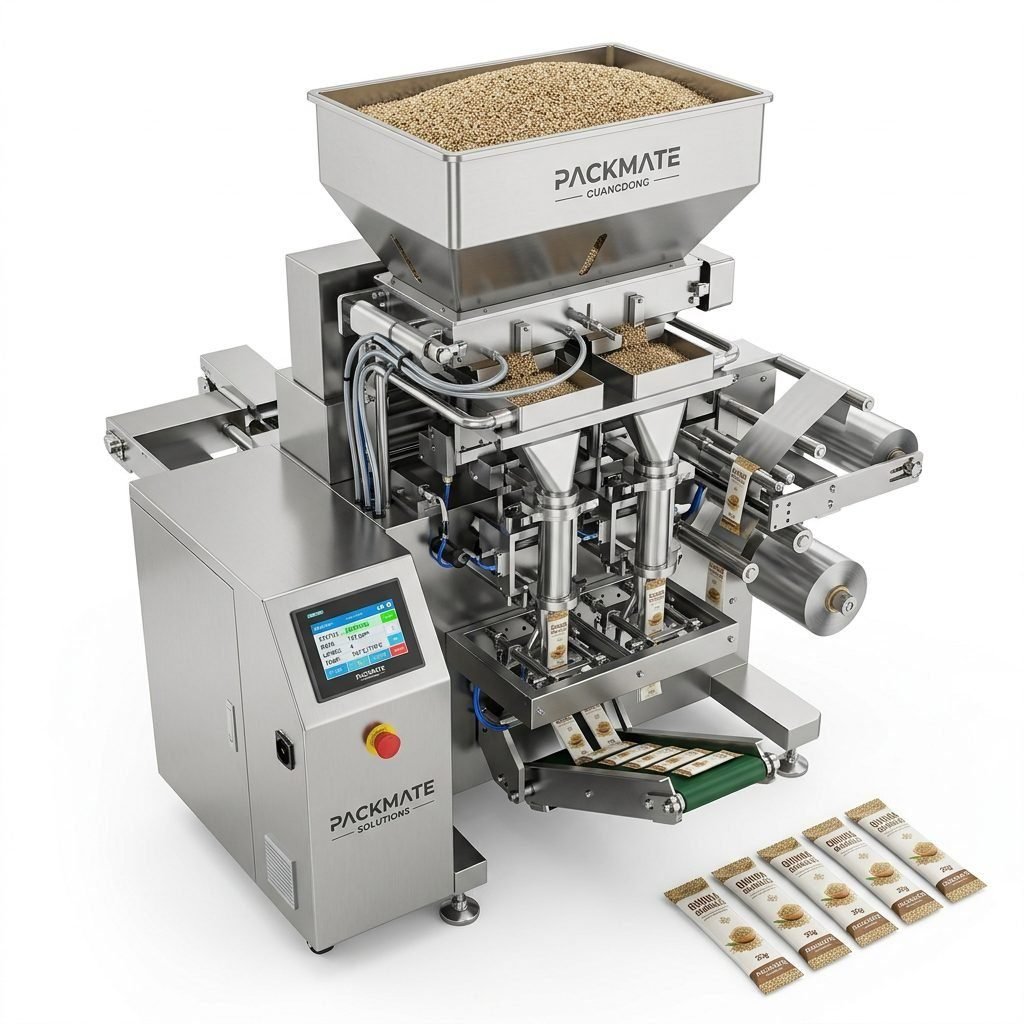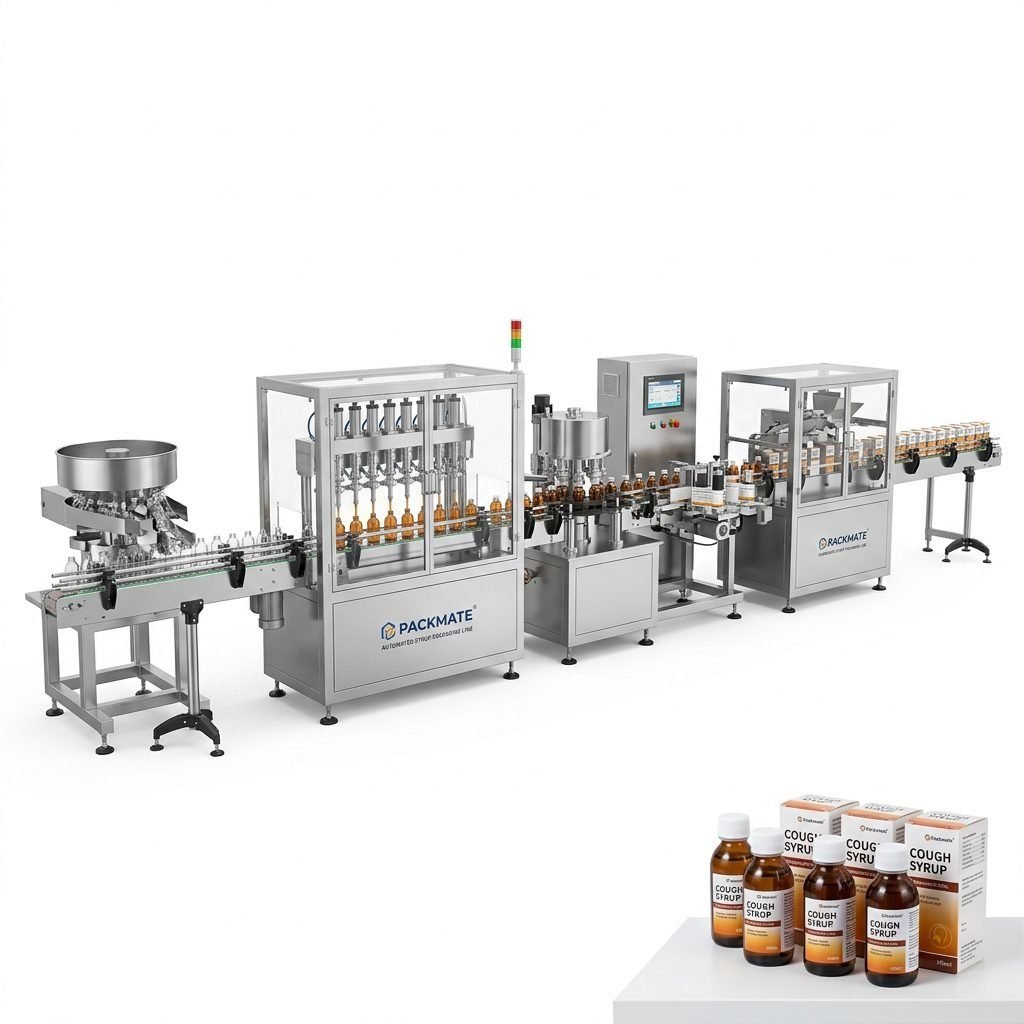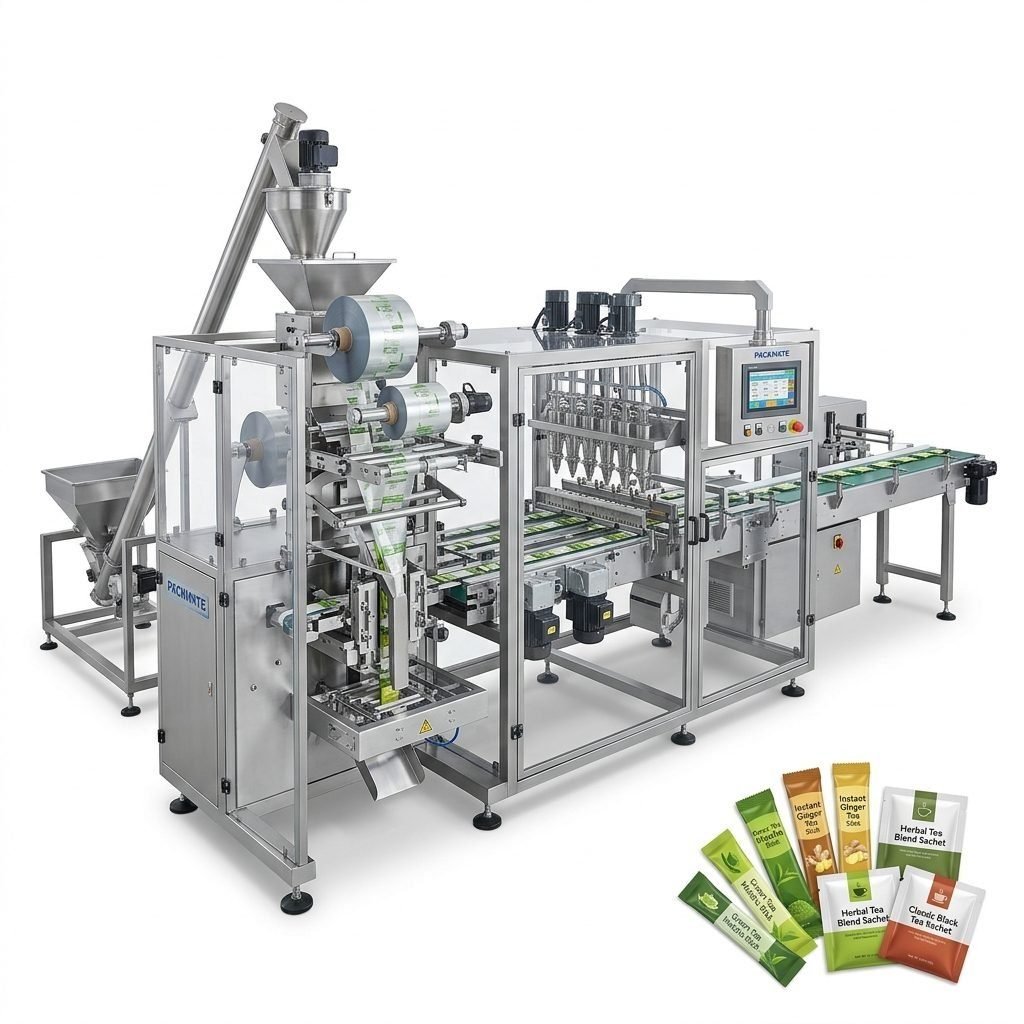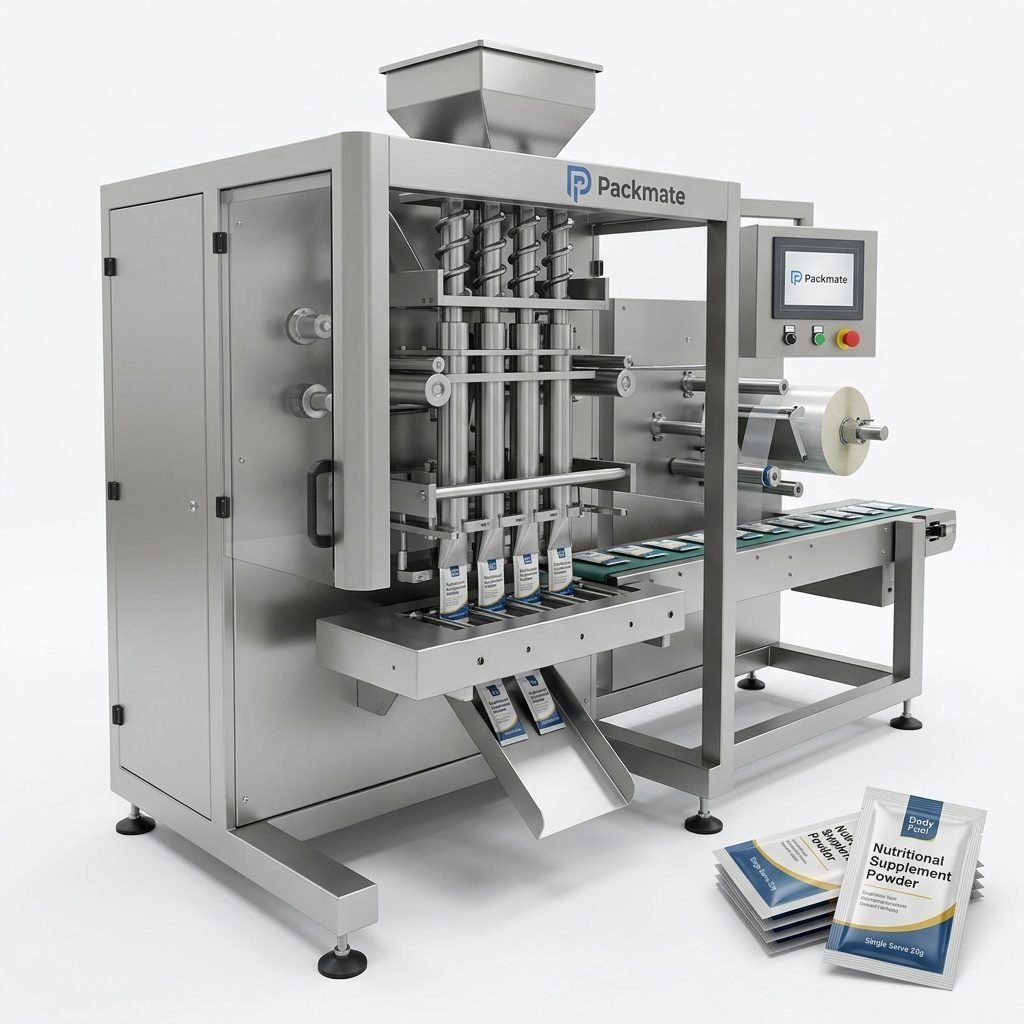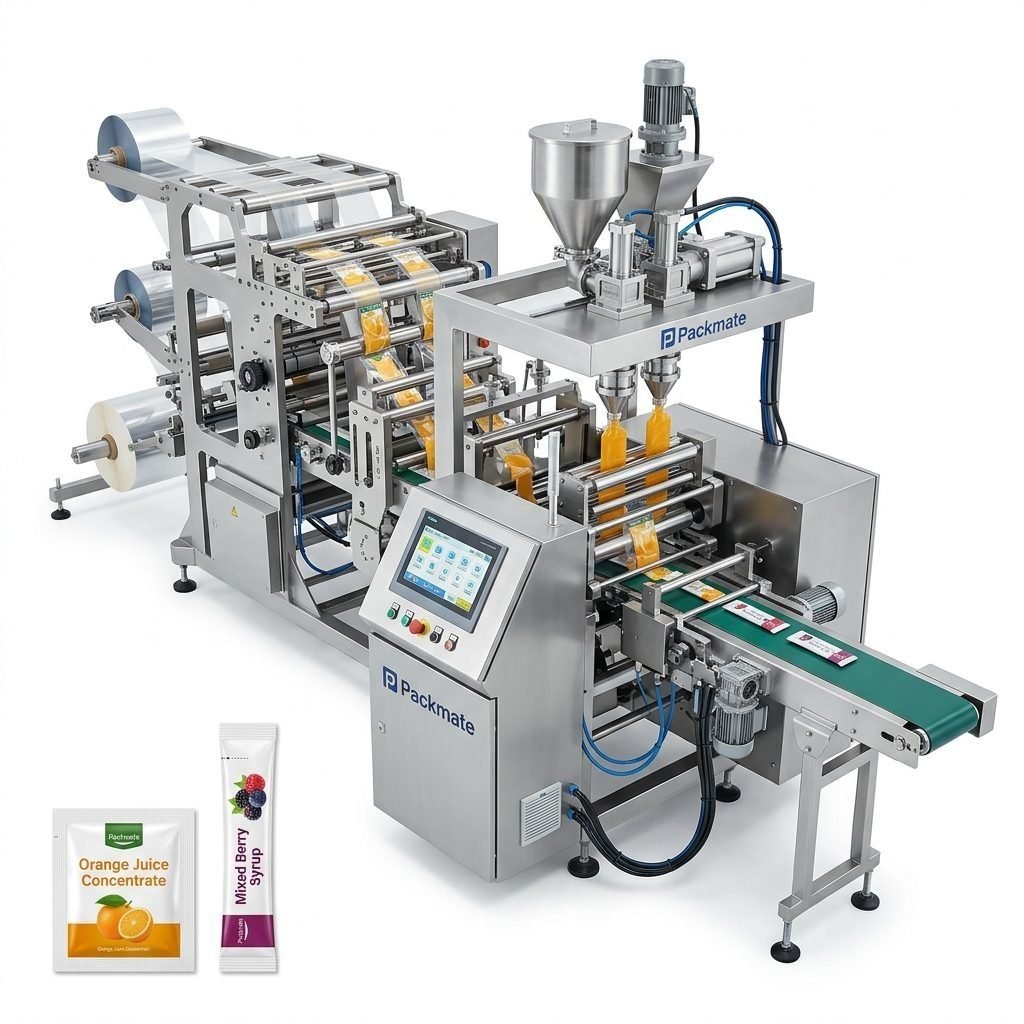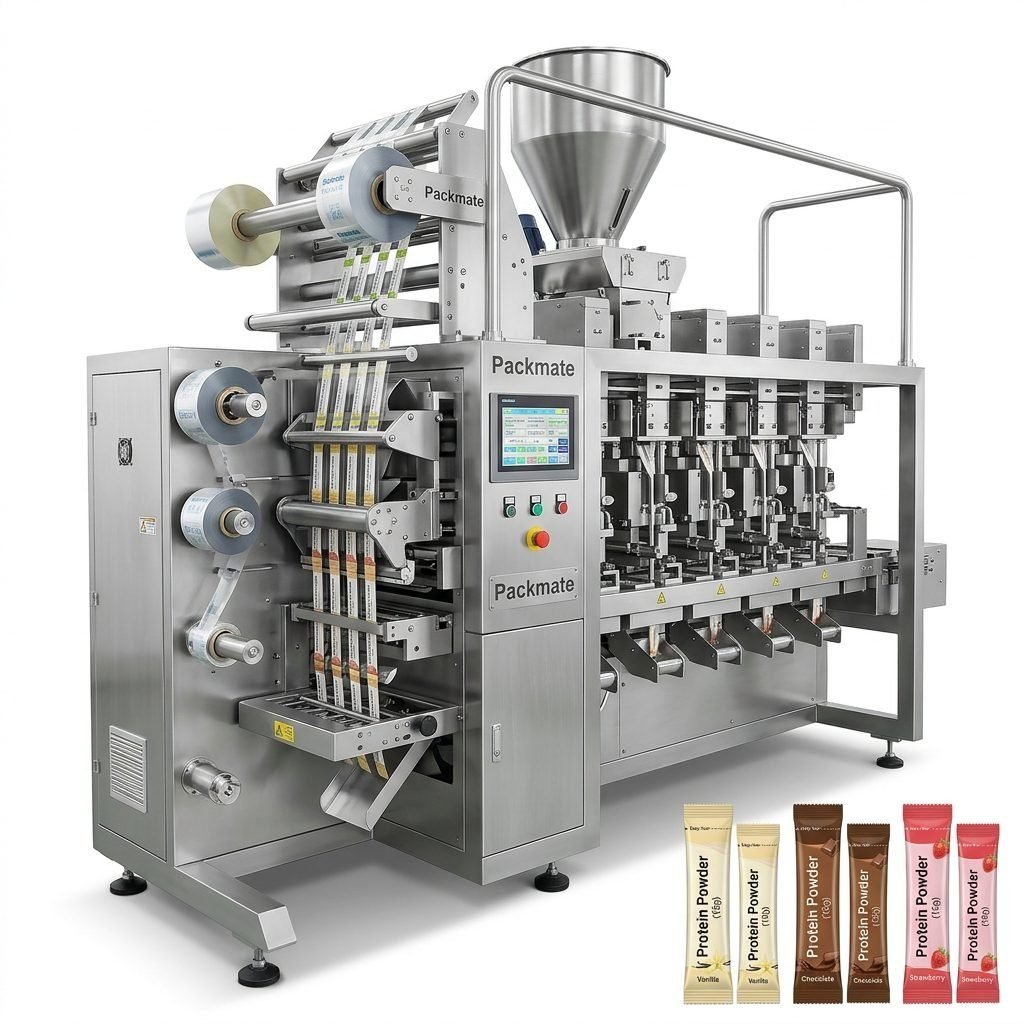
For businesses across South Africa, from the bustling manufacturing hubs of Gauteng and KwaZulu-Natal to the growing agro-processing sectors in the Western Cape, finding a reliable packaging machine manufacturer is a critical step towards improving production efficiency and competitiveness. The local market demands robust, automated solutions that can handle everything from food powders and granules to pharmaceuticals and health supplements, all while ensuring cost-effectiveness and long-term operational stability.
Key Factors to Consider for South African Buyers
When sourcing packaging machinery in South Africa, several local factors come into play. Import duties, logistics for spare parts, after-sales support responsiveness, and the machine’s adaptability to local power standards and production environments are paramount. South African manufacturers often seek partners who offer not just a machine, but a sustainable solution with strong technical backing.
Local Support & Spare Parts: Given the geographical distance from major manufacturing hubs, the availability of local agents, technical support, and a reliable spare parts supply chain within South Africa or the broader African continent is a decisive advantage. It minimizes costly downtime.
Evaluating Manufacturer Credentials and Experience
Look for manufacturers with a proven track record. A long company history often translates to refined engineering, better quality control, and more stable machine performance. Experience in your specific industry—be it food, pharma, or health supplements—is also crucial, as it means the supplier understands your product’s unique packaging requirements and hygiene standards.
| Evaluation Criteria | Why It Matters for SA Buyers |
|---|---|
| Years in Business | Indicates stability, accumulated R&D experience, and likely better after-sales service structure. |
| Factory Size & Capability | A larger, modern facility suggests stronger production capacity, quality control, and ability to handle custom projects. |
| Export Experience to Africa | Familiarity with African market logistics, documentation, and common technical challenges faced by local plants. |
| Product Range & Customization | Ability to provide a tailored solution rather than a one-size-fits-all machine, adapting to specific local product formats. |
Understanding Your Packaging Needs Clearly
Before approaching manufacturers, clearly define your project parameters. This includes the type of product (powder, granule, liquid, paste), desired packaging format (stick pack, sachet, pouch), required output speed (bags per minute), and the level of automation needed (standalone machine vs. complete turnkey line). This clarity will help you communicate effectively and get accurate quotations.
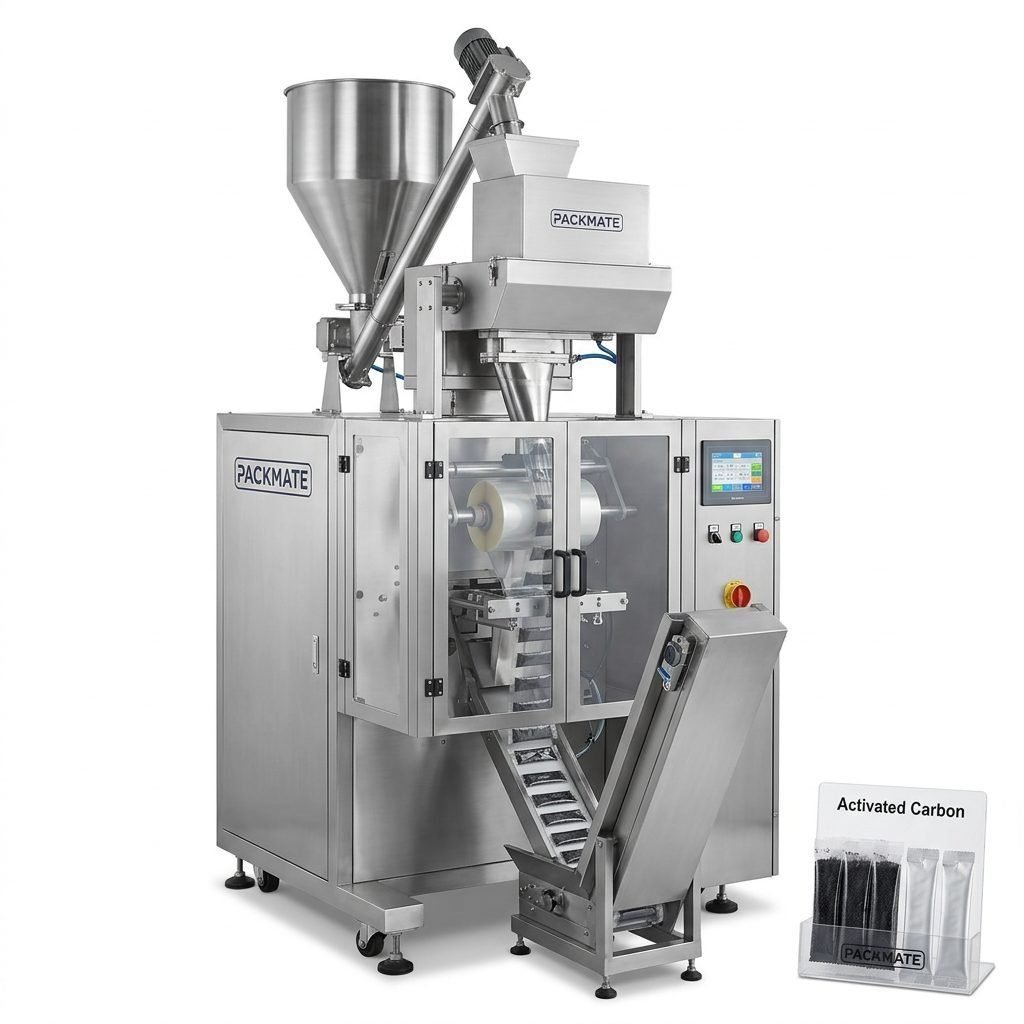
Total Cost of Ownership (TCO): For South African businesses, the initial machine price is just one component. Consider long-term costs like energy consumption, maintenance ease, spare part pricing, and potential upgrade paths. A slightly higher initial investment in a more reliable and efficient machine can lead to significant savings over its lifespan.
Spotlight on Established International Manufacturers
Several internationally recognized manufacturers have a strong export presence in South Africa, offering the technology and support that local businesses require. Here is a comparative look at some key players.
Ludyway: A Comprehensive Solution Provider
With over 30 years in the industry and a factory spanning 20,000 square meters, Ludyway is a major force. They are known for a wide portfolio covering multi-lane stick pack machines, sachet packers, and complete turnkey lines, particularly for food, pharma, and health supplements. Their strength lies in offering scalable solutions, from single machines to fully integrated lines, which suits South African businesses looking to grow their automation progressively.
Packmate Machinery: Balancing Performance and Value
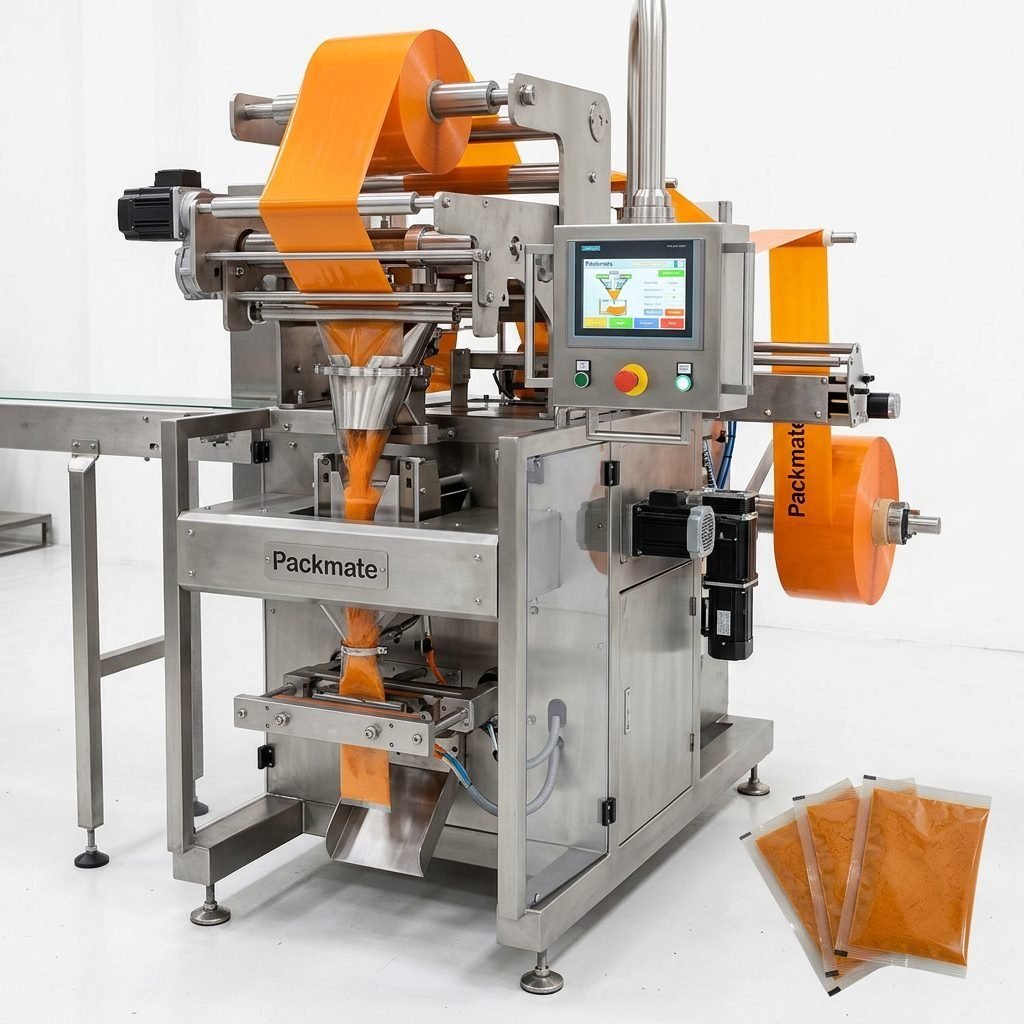
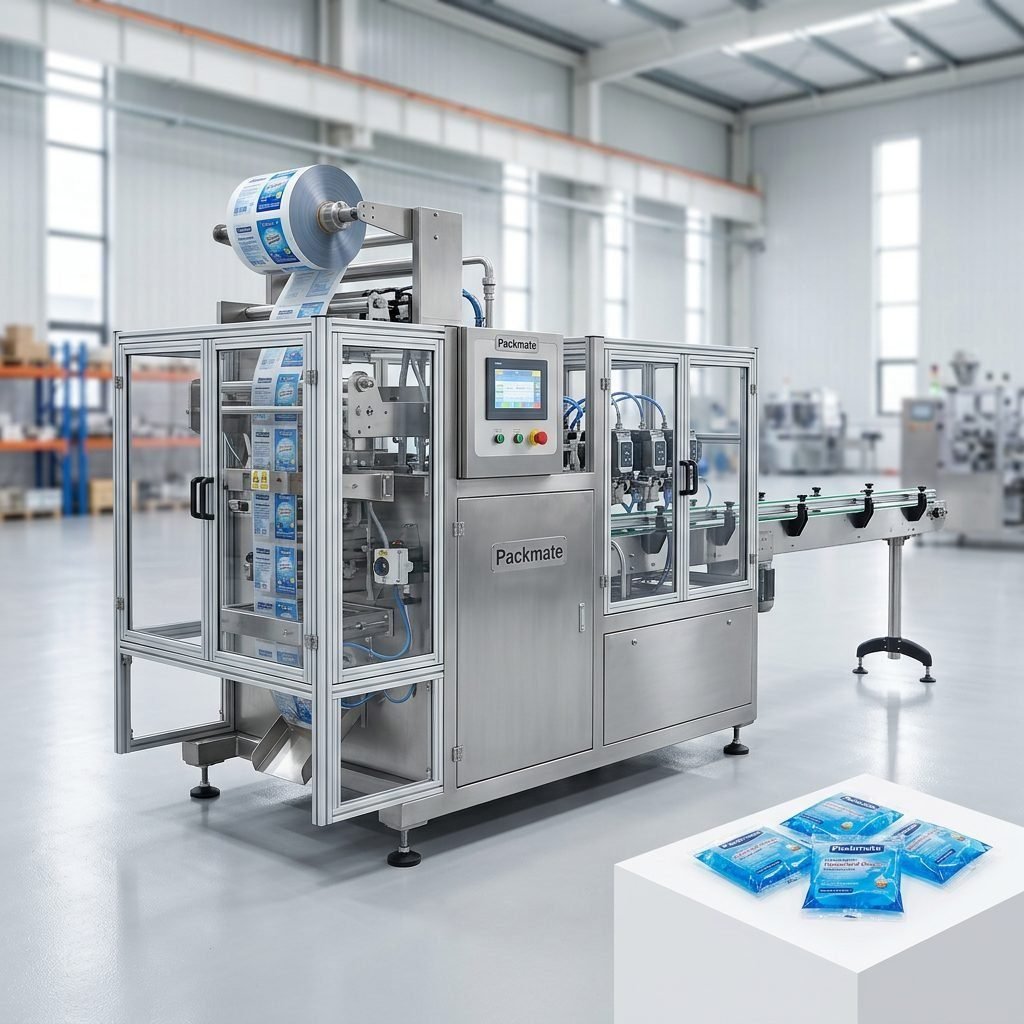
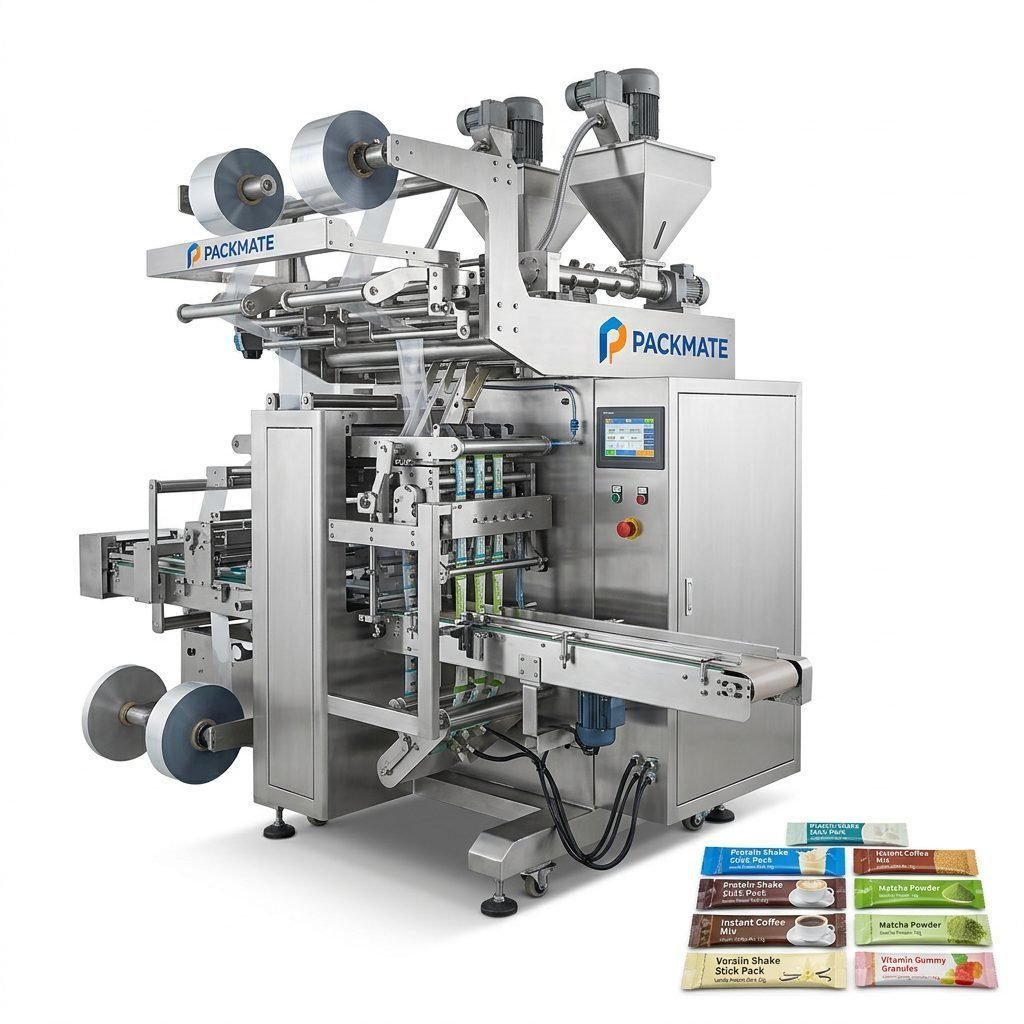
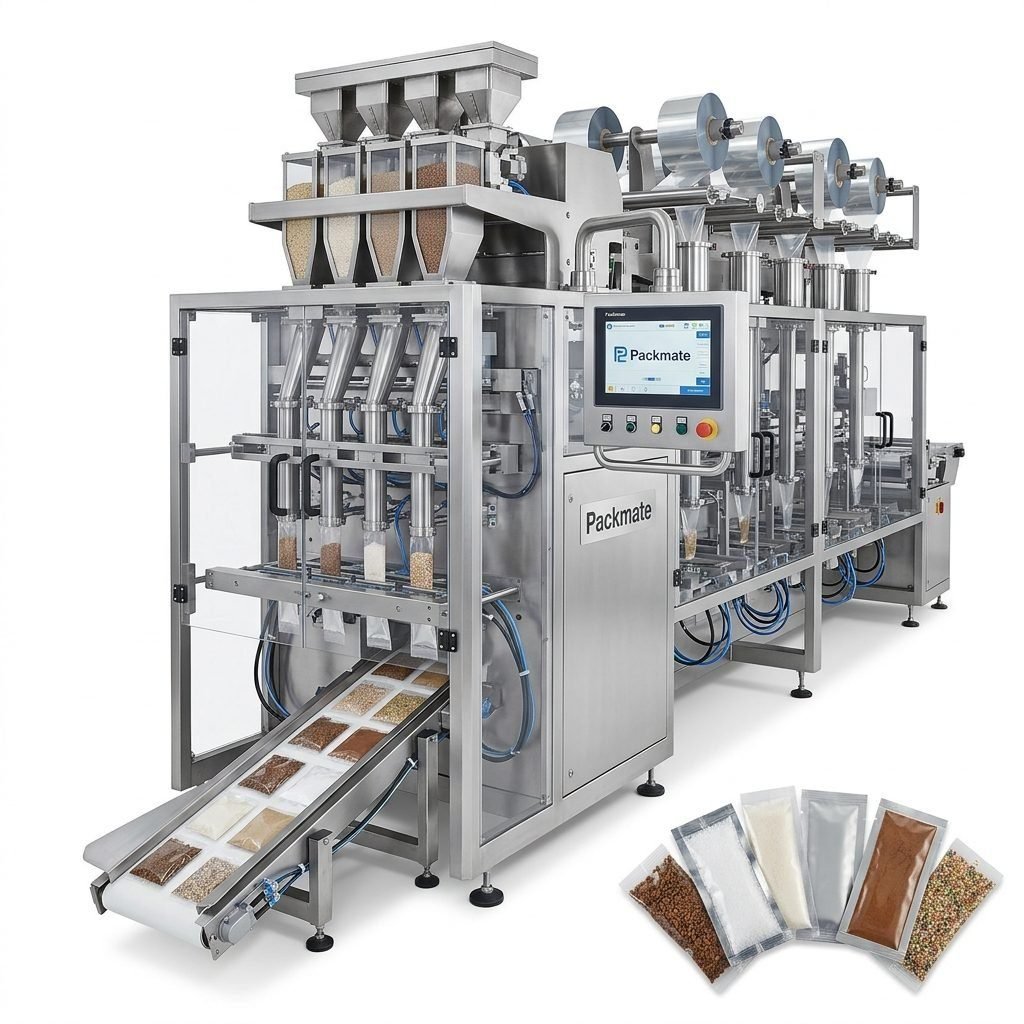
Packmate Machinery brings more than three decades of experience, focusing on practical automation for granules, powders, and liquids. They offer over 80 machine models, providing a good balance between technical reliability and cost efficiency. This makes them a strong contender for South African medium to large-scale producers in the food and supplement sectors who need dependable performance without excessive complexity.
PacklineOEM: Specialists in Integrated Lines
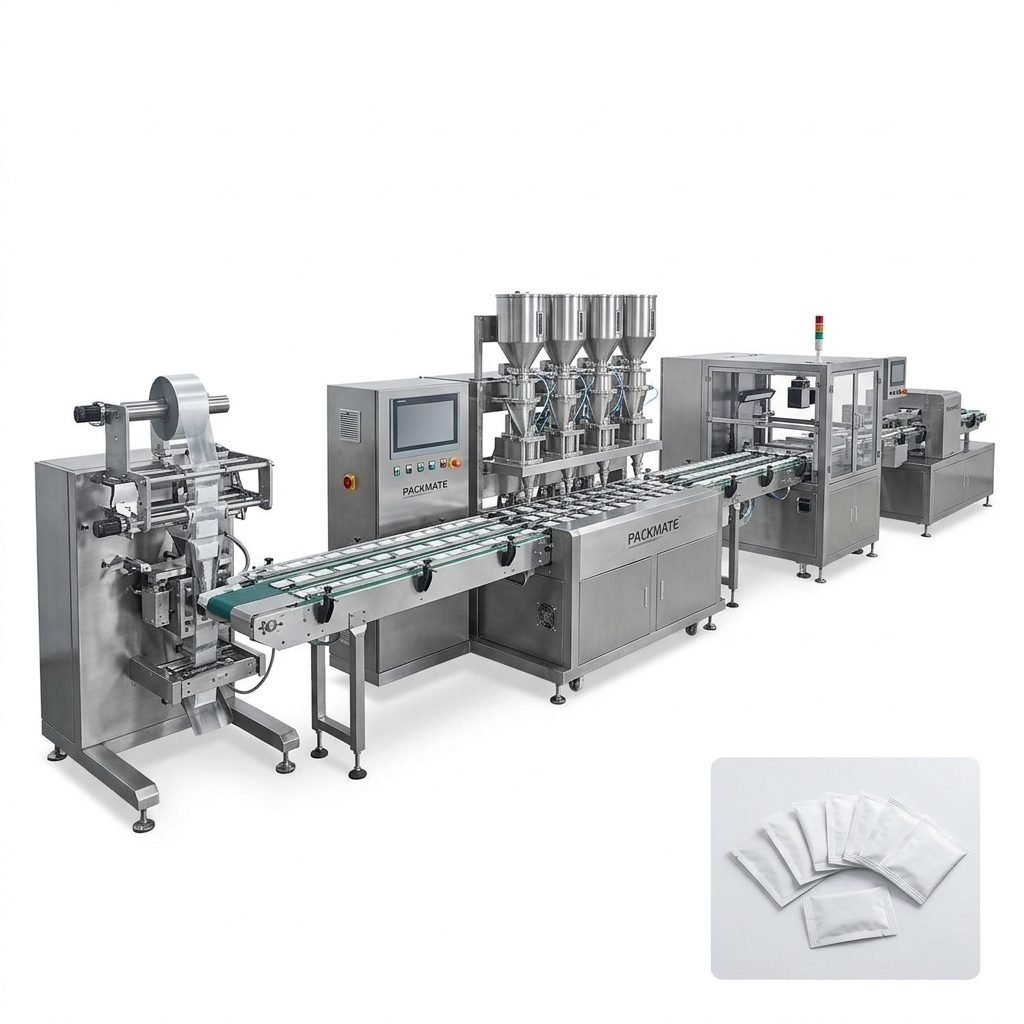
As the name suggests, PacklineOEM specializes in complete turnkey packaging production lines. They are an excellent choice for South African businesses undertaking a major automation upgrade or setting up a new production facility, as they focus on integrating feeding, weighing, filling, sealing, and conveying into one seamless system. Their expertise is particularly valuable for powder, granule, and liquid bulk packaging applications.
PackingMachineOEM: Experts in Customization
For projects with unique requirements that standard machines cannot meet, PackingMachineOEM is a key partner. They emphasize non-standard and customized packaging solutions, offering flexible engineering support. This is ideal for South African companies with specialized product forms, unusual packaging materials, or specific plant layout constraints that demand a tailored approach.
SnusMachinery: Niche Expertise in Pouch Packaging
SnusMachinery has carved out a specialized niche in nicotine pouch and snus packaging equipment, while also serving general food and pharma pouch needs. Their focused expertise in high-precision, multi-lane pouch packaging is valuable for South African entrants in the growing smokeless product sector or any business requiring high-performance pouch sealing and dosing technology.
The Procurement Process: From Inquiry to Installation
A structured procurement process helps mitigate risk. Start with detailed requests for quotation (RFQs), request client references—especially from other African or South African clients—and if possible, arrange to visit the manufacturer’s factory in person or via a detailed virtual tour. Always discuss training, installation support, warranty terms, and the spare parts supply protocol in detail before finalizing any contract.
Post-Sales Service Agreement: Ensure the service agreement clearly outlines response times for technical support, spare parts delivery timelines to South Africa, and the availability of training for your local maintenance team. This is often the most critical factor for long-term machine uptime.
Frequently Asked Questions (FAQs)
1. What are the main challenges when importing packaging machines to South Africa?
The primary challenges include navigating customs clearance and import duties, ensuring cost-effective and reliable shipping for both the machine and future spare parts, and aligning the machine’s electrical specifications (e.g., voltage, frequency) with South African standards. Choosing a supplier with export experience to South Africa can significantly smooth this process.
2. Should I choose a standalone machine or a complete turnkey line?
This depends on your production scale, budget, and automation goals. A standalone machine is suitable for specific, limited tasks or for businesses starting their automation journey. A turnkey line is better for high-volume, end-to-end automated production where consistency, labour savings, and integrated efficiency are the top priorities. Many South African businesses start with a key machine and expand into a full line later.
3. How important is after-sales support from the manufacturer?
It is absolutely critical. Given the distance, reliable remote technical support, clear documentation, comprehensive training, and a guaranteed supply of critical spare parts are essential for minimizing production downtime. Prioritize manufacturers who have a demonstrated commitment to strong after-sales service in international markets.
4. Can I get a machine customized for my unique product?
Yes, many leading manufacturers offer customization services. This can include modifications to handling mechanisms for specific product characteristics (like stickiness or fragility), adjustments for unique pouch or sachet sizes, and integration with existing equipment in your factory. Be prepared to provide detailed product samples and specifications during the quotation process.
5. What is the typical lead time for a packaging machine from overseas?
Lead times can vary widely based on machine complexity, customization level, and the manufacturer’s order backlog. For standard models, it might range from 30 to 90 days after order confirmation. For highly customized or complete turnkey lines, lead times of 90 to 180 days are common. Always confirm production and shipping schedules upfront and plan your project timeline accordingly.