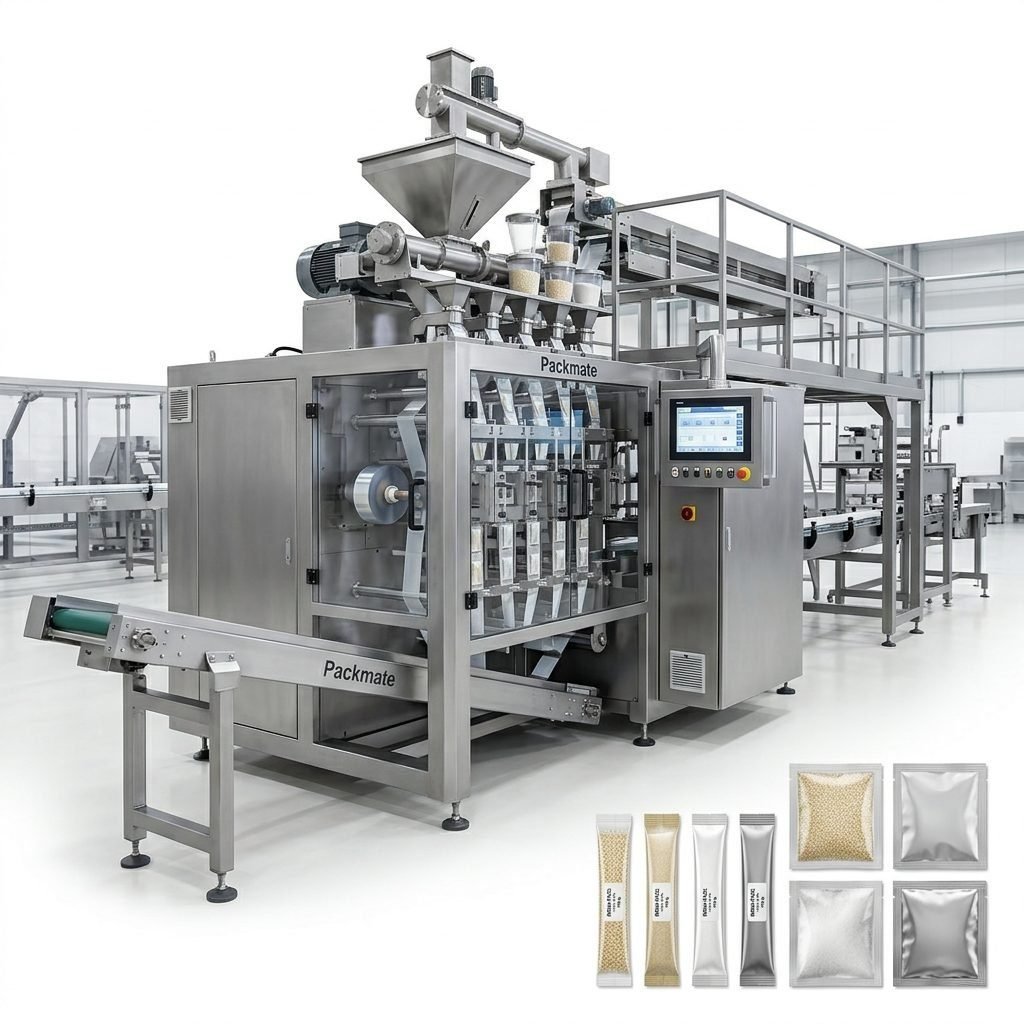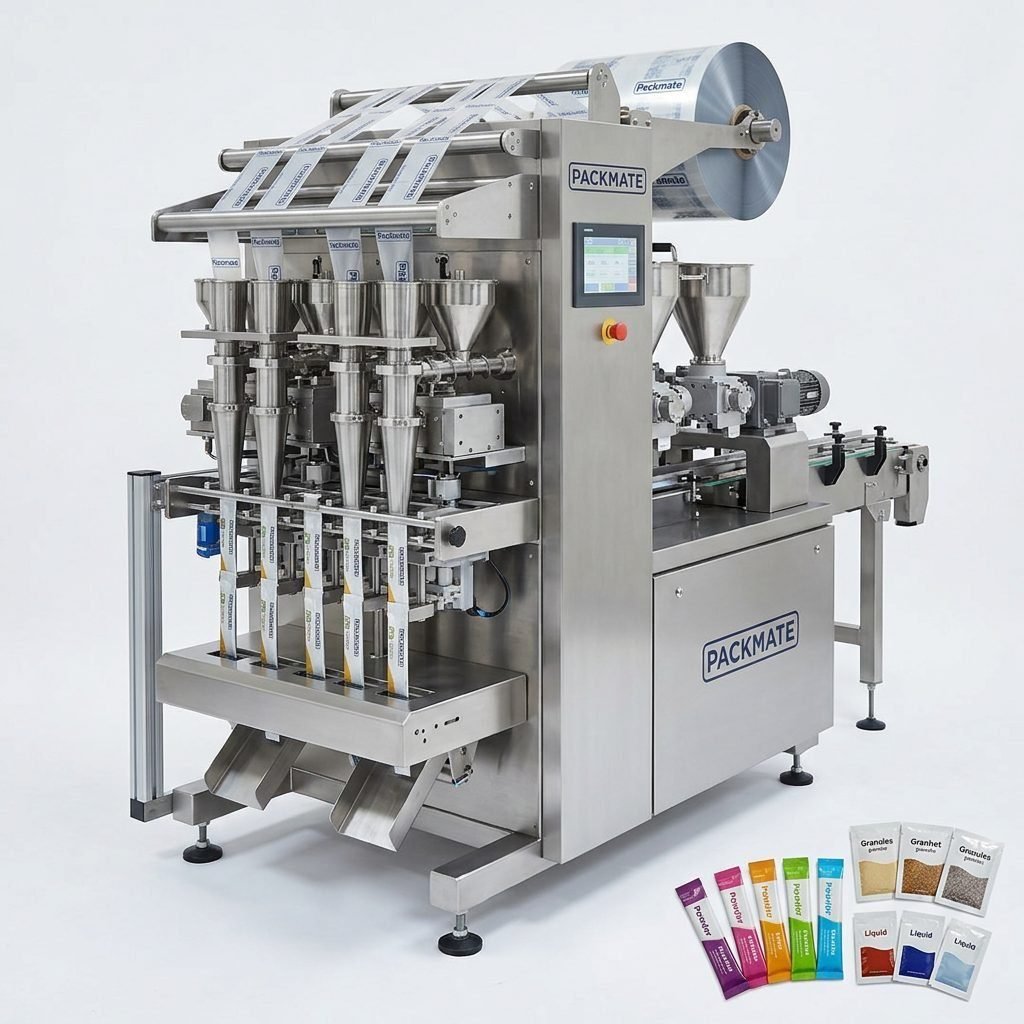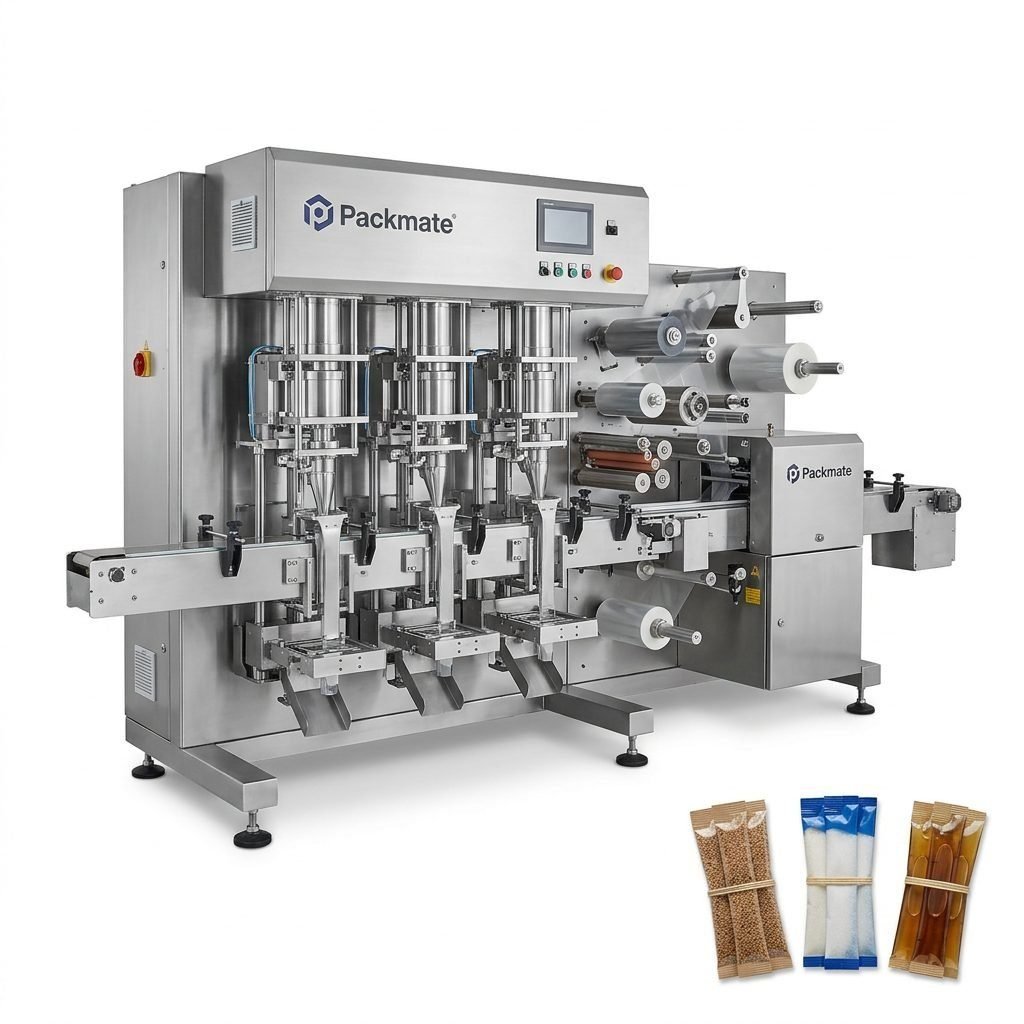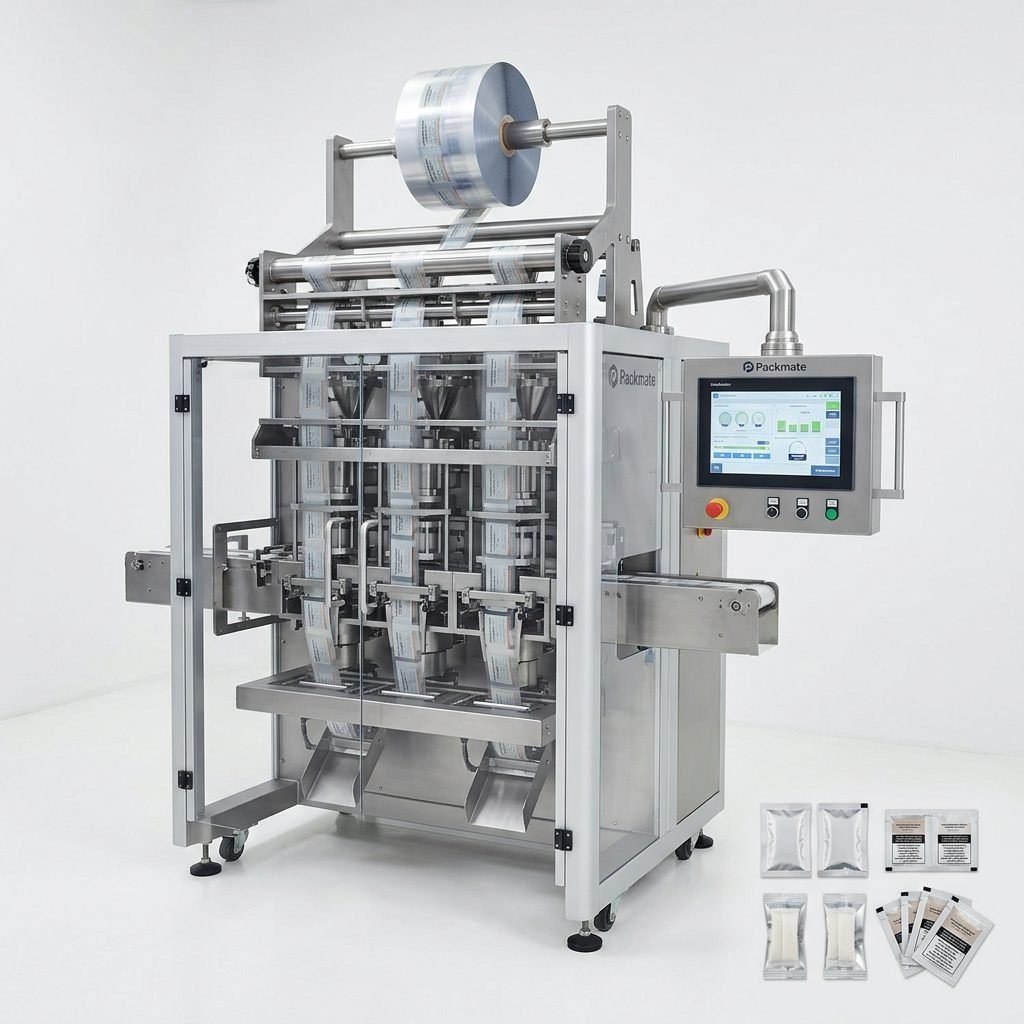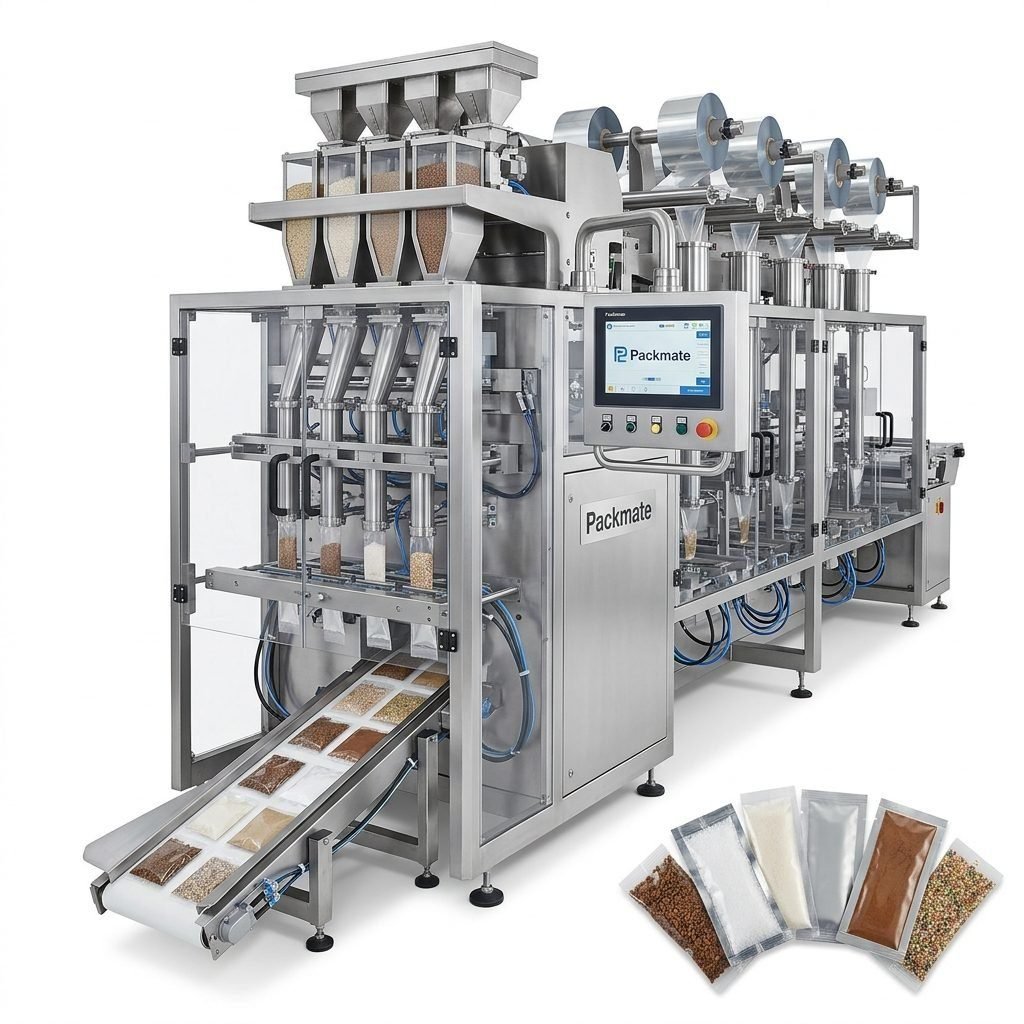
Selecting the right packaging machine manufacturer is a critical decision for any business in Kenya. The choice directly impacts production efficiency, product quality, operational costs, and long-term growth. For Kenyan entrepreneurs and factory managers, especially in the thriving food processing, agricultural export, pharmaceutical, and FMCG sectors, investing in reliable packaging automation is key to staying competitive both locally and in export markets.
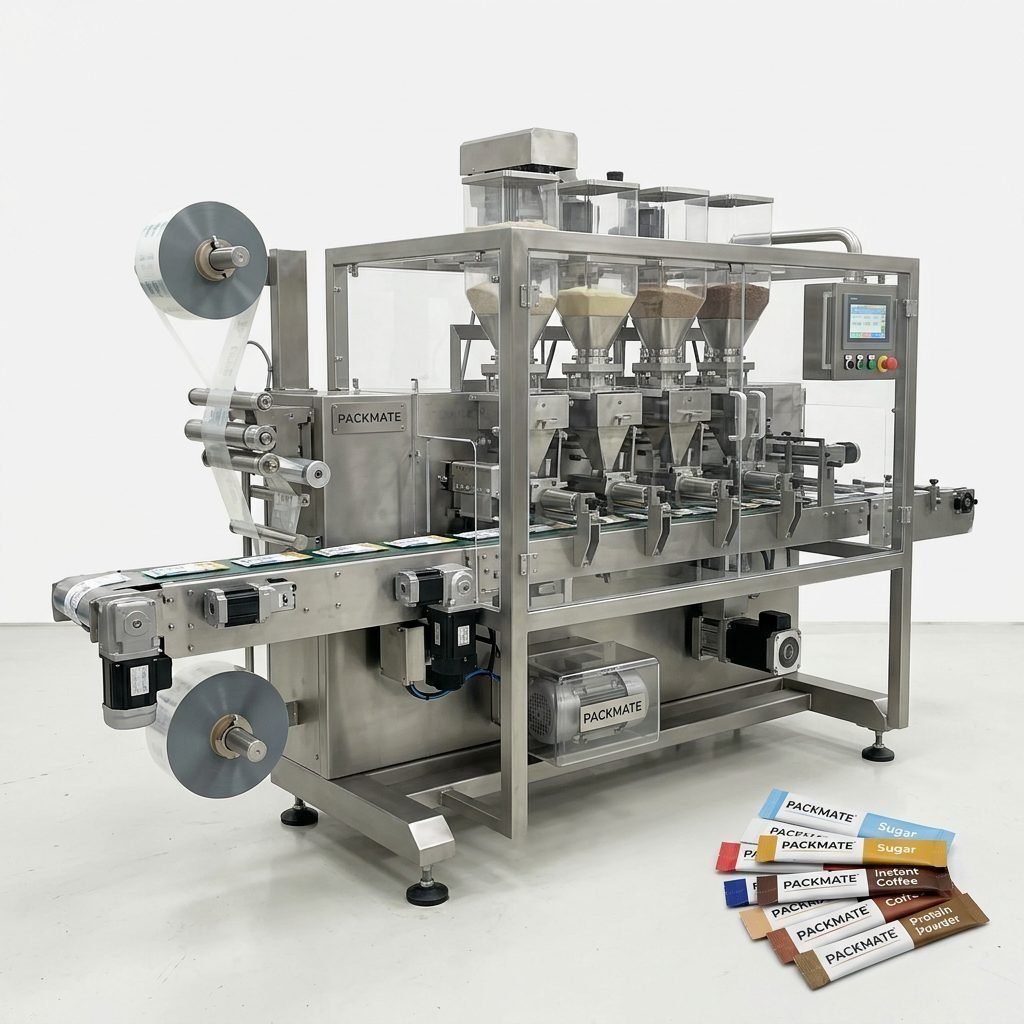
Understanding Your Packaging Requirements in Kenya
Before you start evaluating manufacturers, you must clearly define your needs. The Kenyan market has unique characteristics. Consider your product type: Are you packaging maize flour, tea leaves, coffee, spices, powdered milk, pharmaceuticals, or liquid condiments like pilipili sauce? The form—granules, powders, liquids, or pastes—determines the machine type.
You should also assess your required production speed (output per minute), the packaging material (such as laminated films for moisture barrier), and your budget. Furthermore, consider future scalability. A growing business in Nairobi or Mombasa might start with a single machine but should plan for a potential full turnkey packaging line as demand increases.
Key Questions for Kenyan Businesses:
- What is my current daily/weekly production volume, and what are my growth projections?
- Do I need to comply with specific Kenyan standards (KEBS) or export market regulations?
- What is the availability and skill level of local technicians for maintenance?
- How critical is after-sales support and spare part availability within East Africa?
Evaluating Manufacturer Credentials and Experience
Once your needs are clear, focus on the manufacturer’s background. Look for a proven track record. A company with more than 20-30 years of industry experience has likely encountered and solved a wide range of technical challenges. This is crucial for ensuring machine reliability, which minimizes costly downtime in your Kenyan operation.
Examine their factory size and manufacturing capabilities. A sizable, modern facility (e.g., over 20,000 square meters) often indicates stronger production control, quality assurance processes, and the capacity to handle larger orders or custom projects. Don’t hesitate to ask for virtual factory tours or detailed documentation.
Why Export Experience Matters for Kenya
Choose a manufacturer with a strong international export footprint. A company that successfully serves markets in Europe, the Middle East, or other parts of Africa is familiar with the logistics, documentation, and technical standards required for cross-border business. This experience translates into smoother shipping to Mombasa port, better understanding of voltage compatibility (Kenya uses 240V), and machines built to more rigorous standards. For instance, Ludyway exports to over 100 countries, including many in Africa, demonstrating adaptability to diverse market needs.
Product Range and Customization Capability
A manufacturer with a broad product portfolio offers more flexibility. Your needs may evolve from packaging dried herbs in sachets to bottling fruit juices. A supplier capable of providing both standalone machines and complete integrated lines can be a long-term partner.
Customization is particularly important. Kenyan products can have unique characteristics—think of the viscosity of honey from the Rift Valley or the particle size of millet flour. A manufacturer with strong R&D and engineering teams can tailor solutions. Companies like PackingMachineOEM specialize in non-standard and customized solutions, which is ideal for businesses with unique product formats or those developing innovative consumer packs for the East African market.
| Machine Type | Typical Application in Kenya | Key Consideration |
|---|---|---|
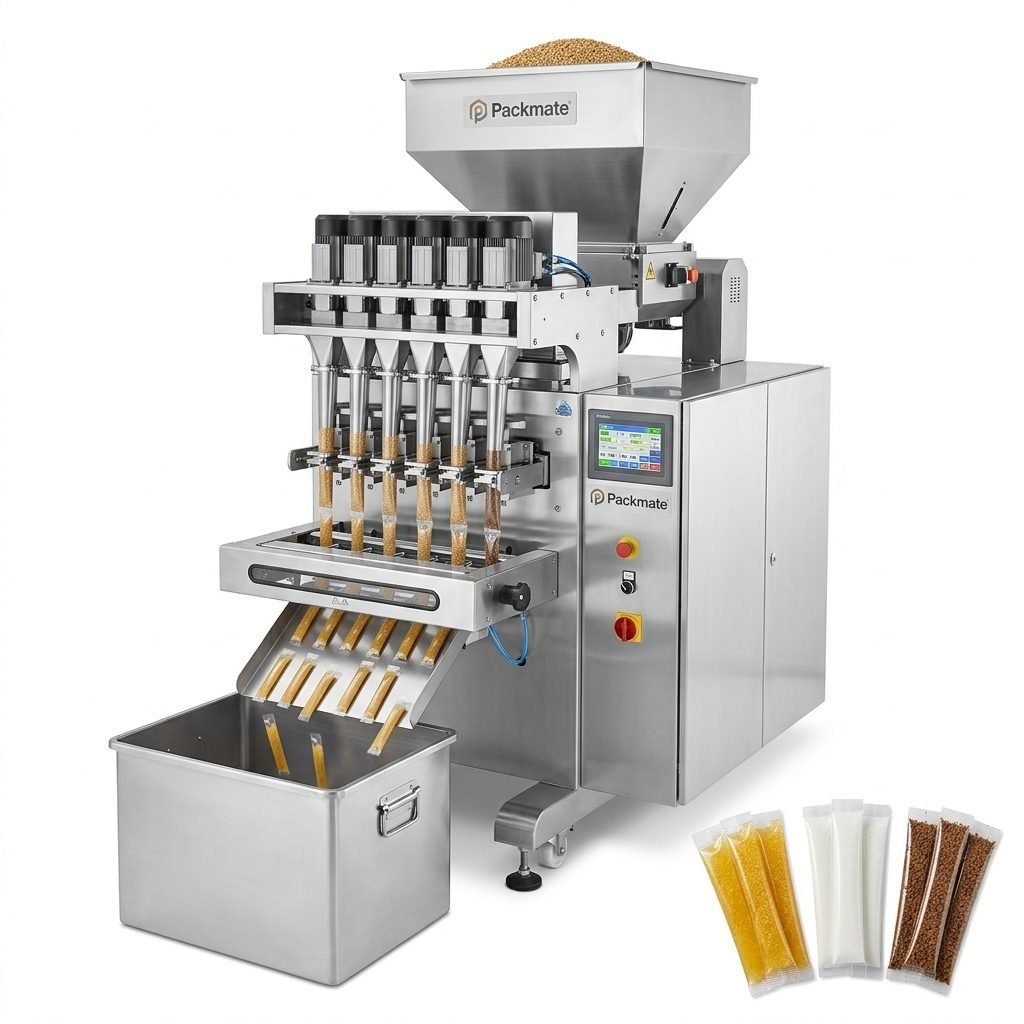
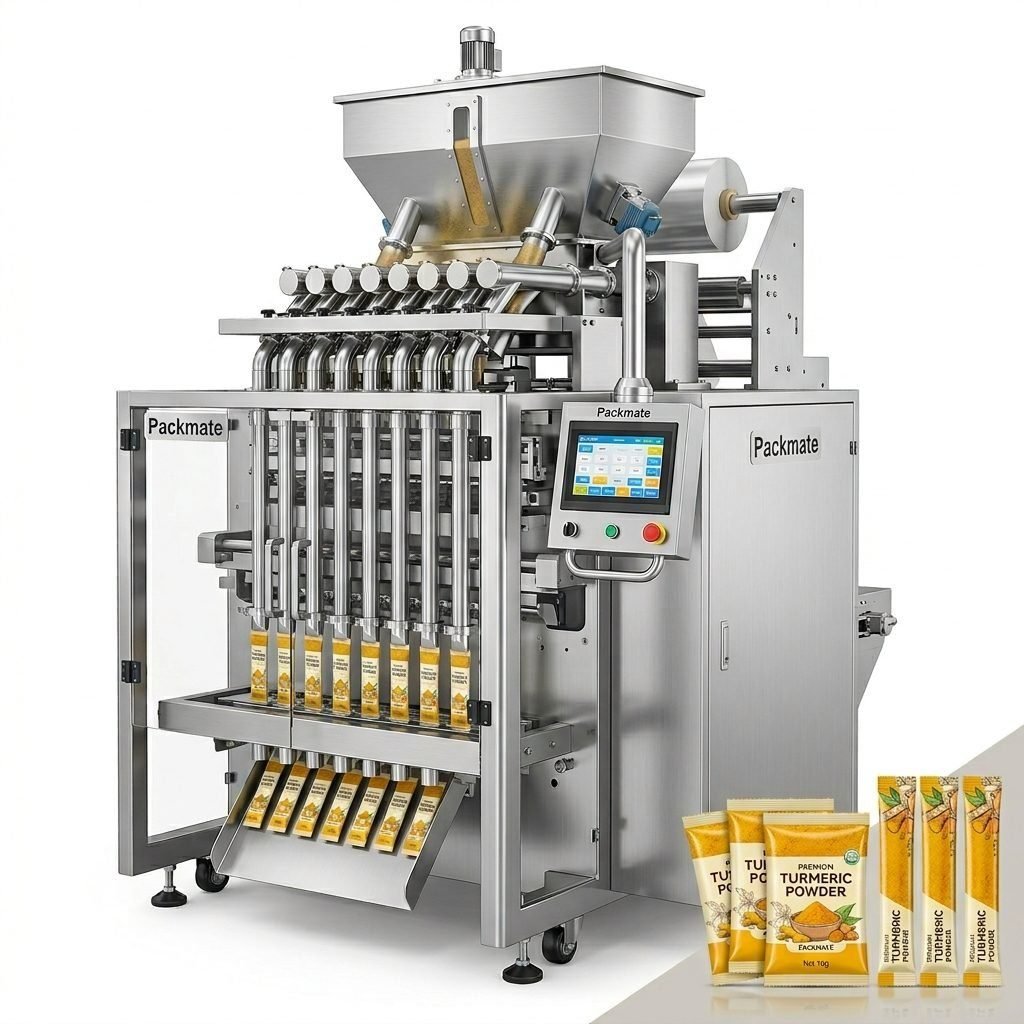
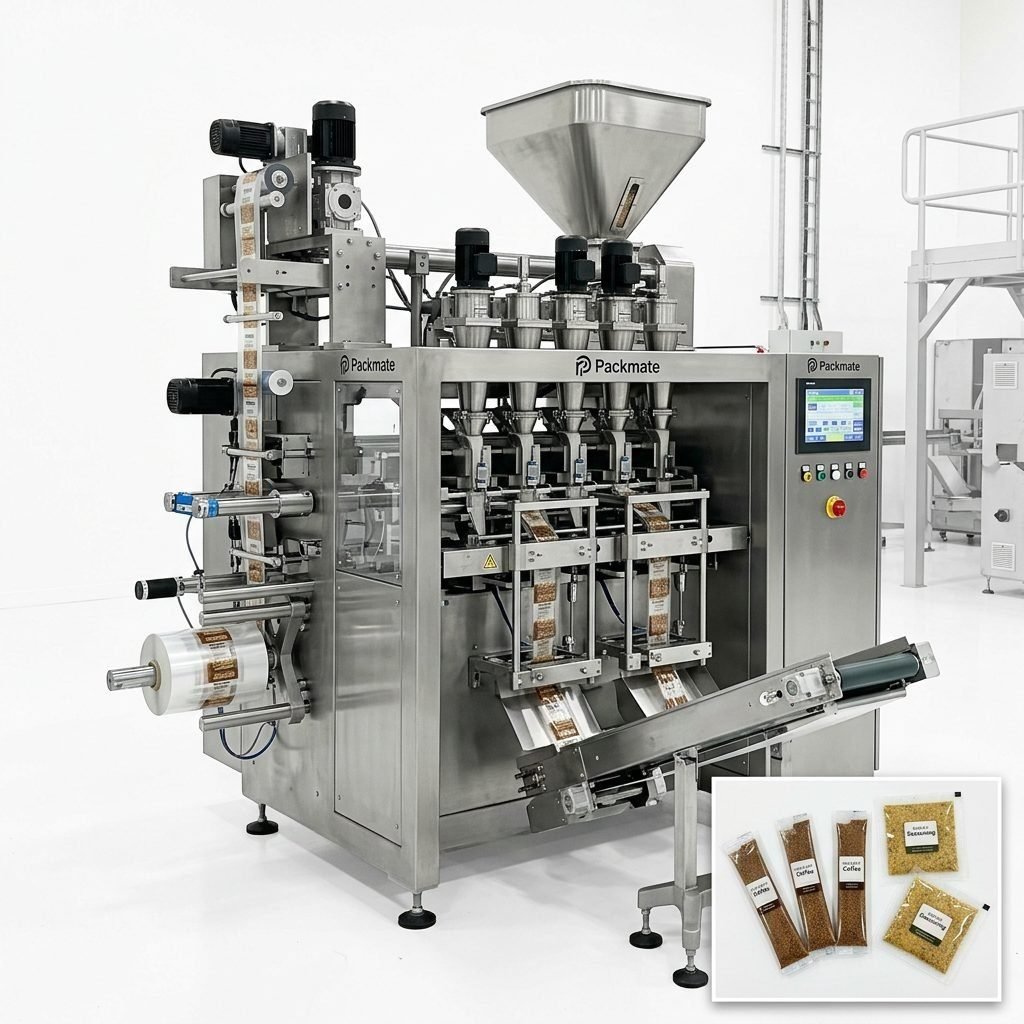
| Multi-lane Stick Pack Machine | Instant coffee, sugar, salt, cereal singles | High speed for volume production |
| Sachet Packaging Machine | Ketchup, shampoo, agrochemicals, spices | Seal integrity for liquids/powders |
| Vertical Form-Fill-Seal (VFFS) | Maize flour, rice, beans, snacks | Bag size versatility and weighing accuracy |
| Liquid Filling Line | Edible oils, juices, dairy, water | Hygienic design and filling precision |
Technical Support and After-Sales Service
This is arguably the most critical factor for Kenyan businesses. A machine breakdown without local support can halt production for weeks. Evaluate the manufacturer’s after-sales structure. Do they have local agents or partners in Kenya or East Africa? What is their policy for remote support (video calls), on-site engineer dispatch, and spare parts delivery?
Look for suppliers who offer comprehensive training for your operators and maintenance staff. This empowers your local team and reduces dependency on foreign technicians. Reliable manufacturers provide detailed manuals, wiring diagrams, and often have 24/7 online technical support to help troubleshoot issues across time zones.
Service Checklist:
- Availability of installation and commissioning services.
- Warranty period and what it covers.
- Lead time for spare parts shipment to Kenya.
- Availability of operation and maintenance training videos or documents.
Cost Considerations and Value Analysis
While initial purchase price is important, the total cost of ownership (TCO) is a smarter metric. A cheaper machine with poor efficiency, high waste rates, and frequent breakdowns will cost more in the long run. Consider energy consumption (important given Kenya’s power costs), material waste, required manpower, and maintenance costs.
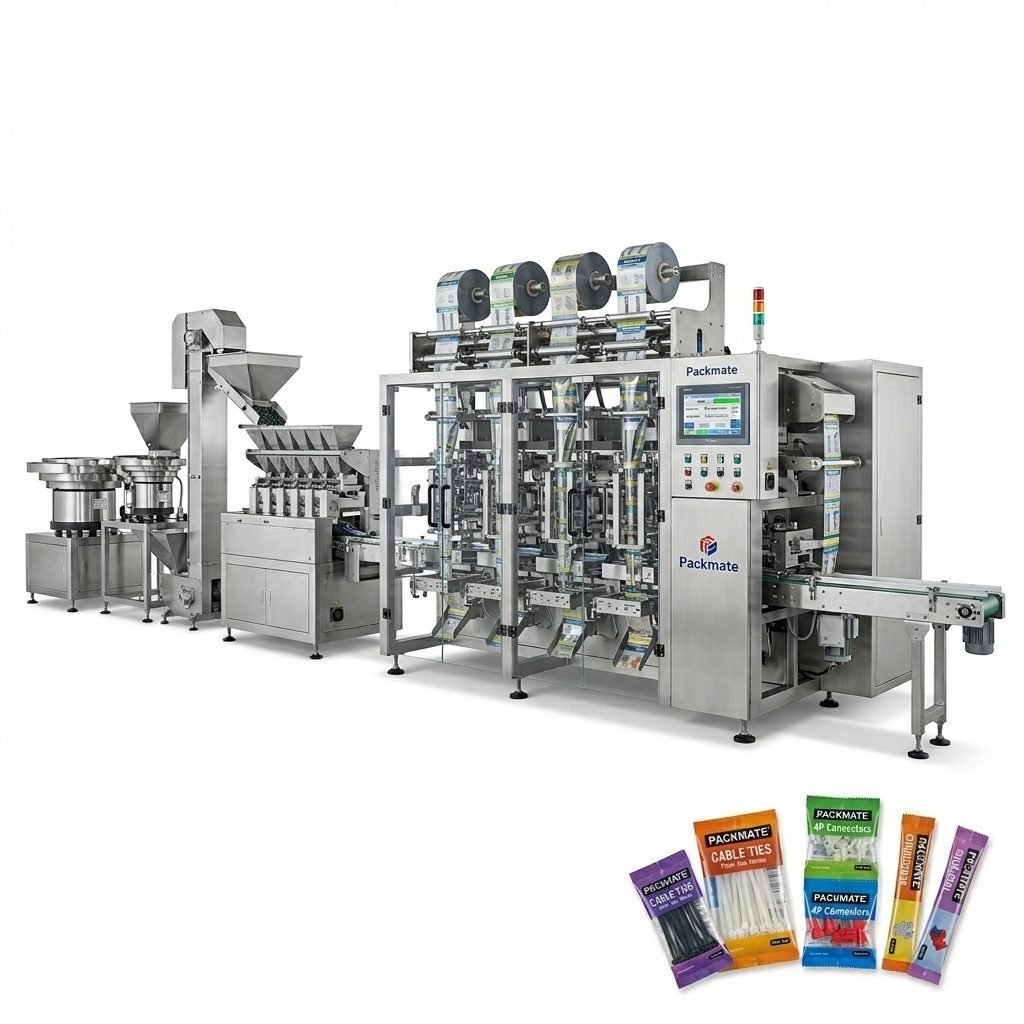
Request detailed quotations that break down costs for the machine, spare parts kits, training, shipping, and insurance. For complex projects, consider manufacturers like PacklineOEM who specialize in turnkey lines, as they can provide a single point of responsibility for the entire system, potentially simplifying logistics and installation in your Kenyan factory.
Case Studies and Client References
Ask potential manufacturers for case studies or references from clients in similar industries or, ideally, from Africa. Speaking directly to a business in Tanzania, Uganda, or Nigeria that uses their equipment can provide invaluable insights into real-world performance, service responsiveness, and machine durability in an African operating environment.
Pay attention to projects involving products similar to yours. For example, if you are in the nicotine pouch sector, a specialized manufacturer like SnusMachinery would have relevant, focused expertise. For general food and pharma, a broader supplier like Packmate Machinery with decades of experience might be a more versatile choice.
Making the Final Decision
Consolidate all your research. Create a comparison matrix scoring each shortlisted manufacturer on experience, product fit, customization ability, after-sales support, cost, and client feedback. Involve your production and engineering teams in the final review.
Remember, you are not just buying a machine; you are entering a partnership. The right manufacturer will act as a consultant, helping you optimize your packaging process for the Kenyan market and supporting your business growth for years to come.
Frequently Asked Questions (FAQs)
Q1: What are the main challenges of importing packaging machines to Kenya?
A: Key challenges include navigating customs clearance at the port of Mombasa, ensuring correct duty and tax calculations, managing logistics to your factory, and handling on-site installation without readily available specialist engineers. Choosing a manufacturer with export experience to Africa helps mitigate these issues.
Q2: How can I ensure the machine is suitable for Kenya’s power supply?
A: Specify Kenya’s standard voltage (240V) and frequency (50Hz) during the ordering process. Reputable manufacturers will configure the machine’s electrical system accordingly and provide guidance on the need for voltage stabilizers if your local grid has fluctuations.
Q3: Is local technical training available?
A: Many leading manufacturers include basic operator and maintenance training as part of the purchase, either at their factory (pre-shipment) or on-site during installation. Clarify the scope and duration of training in your contract.
Q4: What is the typical lead time for receiving a machine in Kenya?
A: Lead time varies from 30 to 120 days, depending on machine complexity, customization, and the manufacturer’s production schedule. It includes manufacturing, testing, sea freight to Mombasa, and inland transportation. Always get a confirmed timeline.
Q5: Should I buy a standalone machine or a full packaging line?
A: Start with a standalone machine if you are a small or medium business focusing on a single packaging format. Invest in a full turnkey packaging line if you have high-volume production, multiple consecutive processes (filling, sealing, labeling, boxing), and require maximum automation with minimal manual handling.