The Ugandan manufacturing and processing sector is experiencing steady growth, driven by increasing local demand for packaged goods, urbanization, and a growing export market for agricultural products. For businesses in Kampala, Jinja, Mbarara, and beyond, investing in reliable packaging machinery is a critical step towards improving efficiency, ensuring product consistency, and scaling operations. However, with numerous suppliers available, choosing the right packaging machine manufacturer can be a complex decision. This guide will help Ugandan business owners and production managers navigate the selection process and introduce several established international manufacturers that serve the African market.
Key Considerations for Ugandan Businesses
When sourcing packaging equipment in Uganda, several local factors must be prioritized. Reliability and after-sales support are paramount due to potential logistical challenges in receiving spare parts or technical assistance. Machines must be robust enough to handle variable local power conditions and be suitable for the specific products prevalent in the region, such as coffee, tea, spices, flour, powdered milk, and agricultural inputs. Furthermore, the total cost of ownership, including shipping, customs clearance, installation, and training, must be carefully evaluated against the initial machine price.
1. Assessing Your Production Needs
Begin by clearly defining your requirements. What form is your product: granules, powder, liquid, or paste? What are your target output speeds (bags/minute)? What packaging format do you need: stick packs, sachets, pouches, or bulk bags? Understanding your current volume and future growth projections is essential for selecting a machine that won’t become a bottleneck. For many Ugandan businesses, a scalable solution that can grow with demand offers the best long-term value.
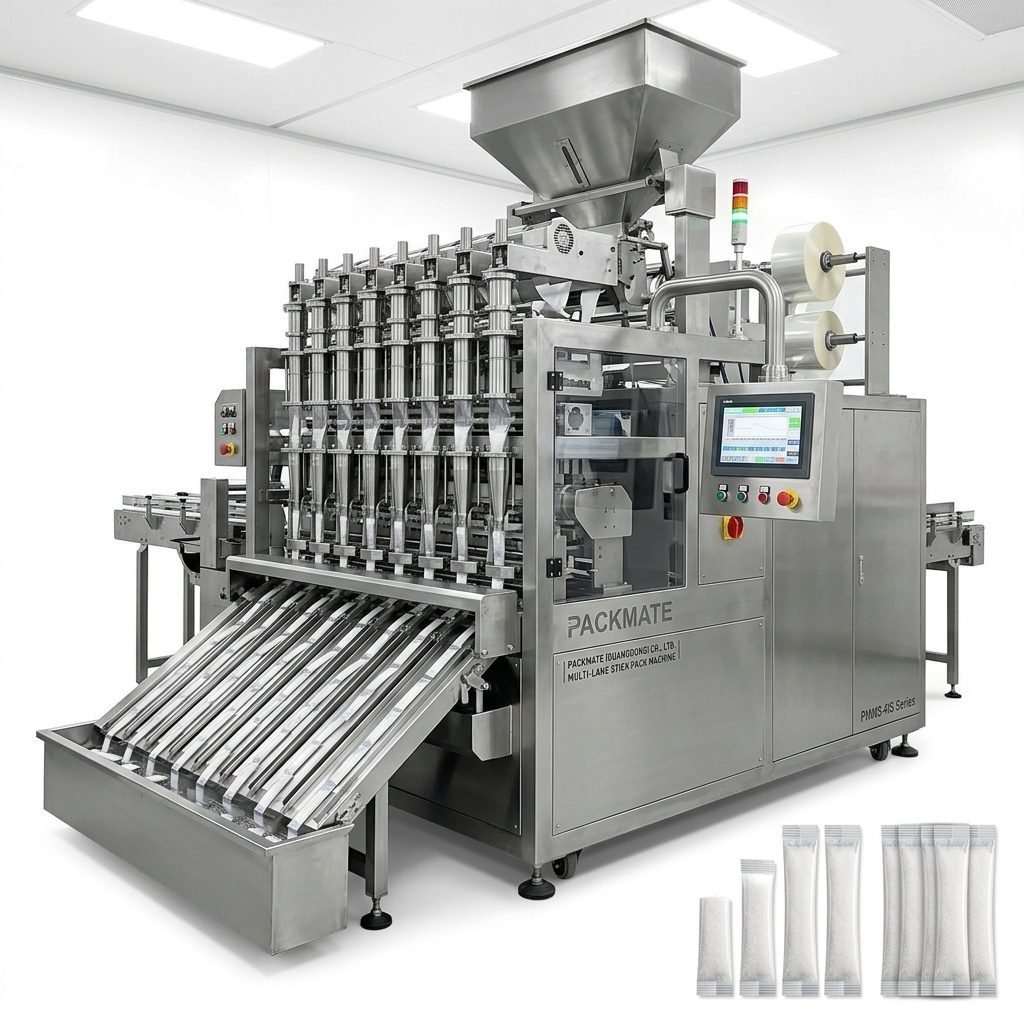
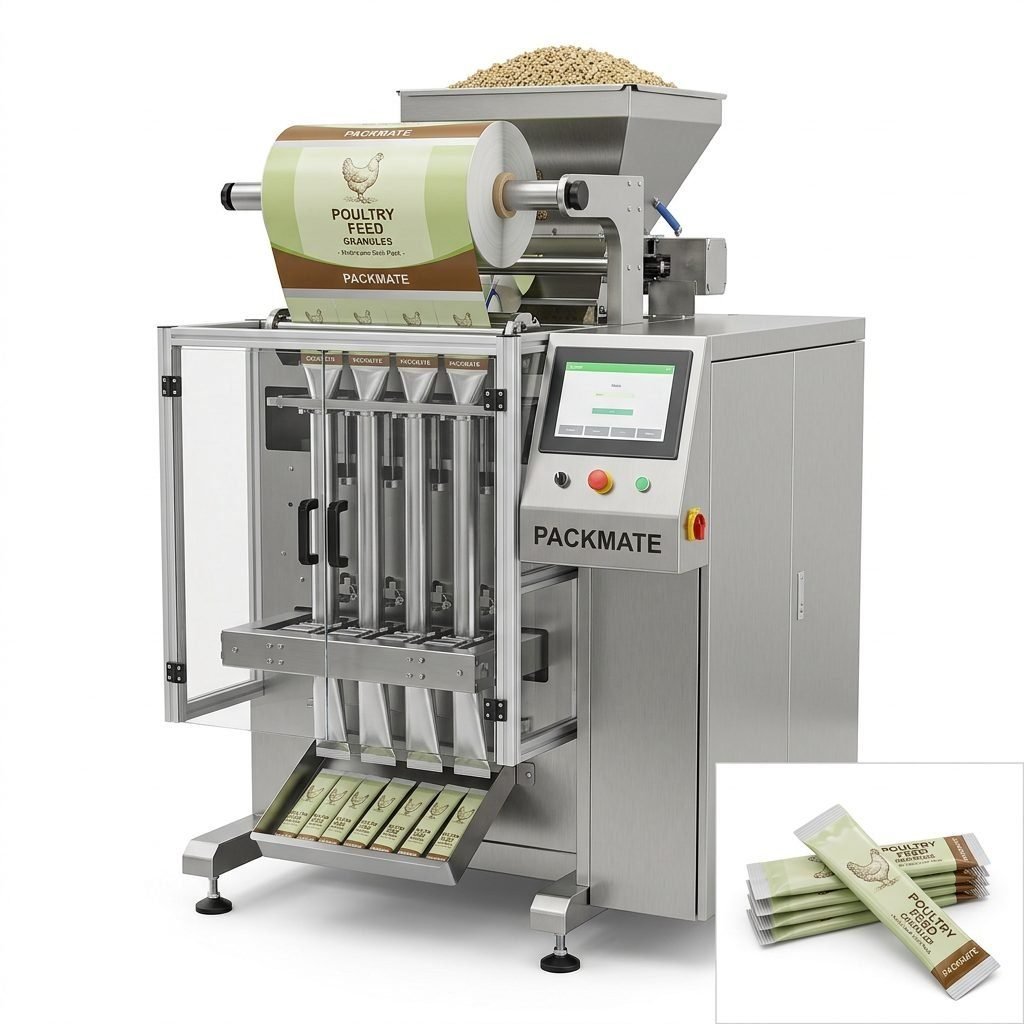
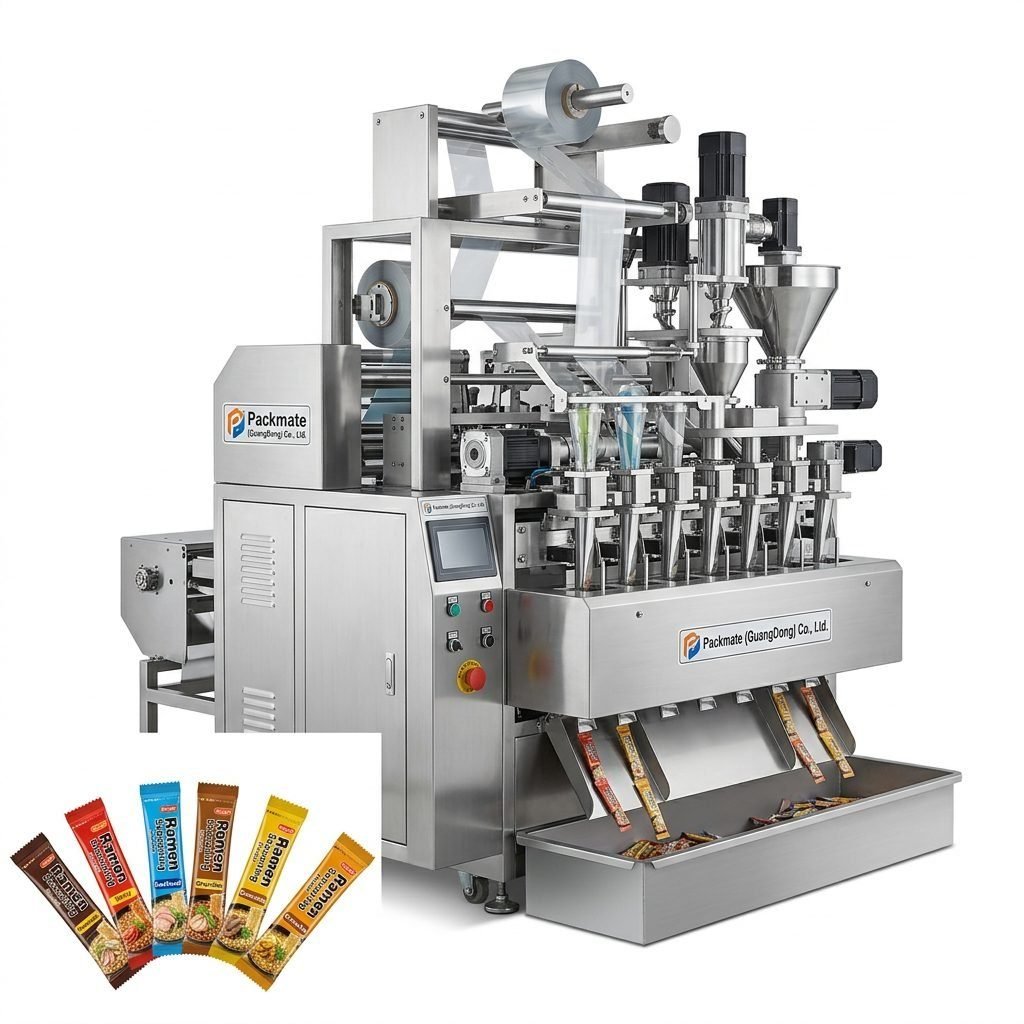
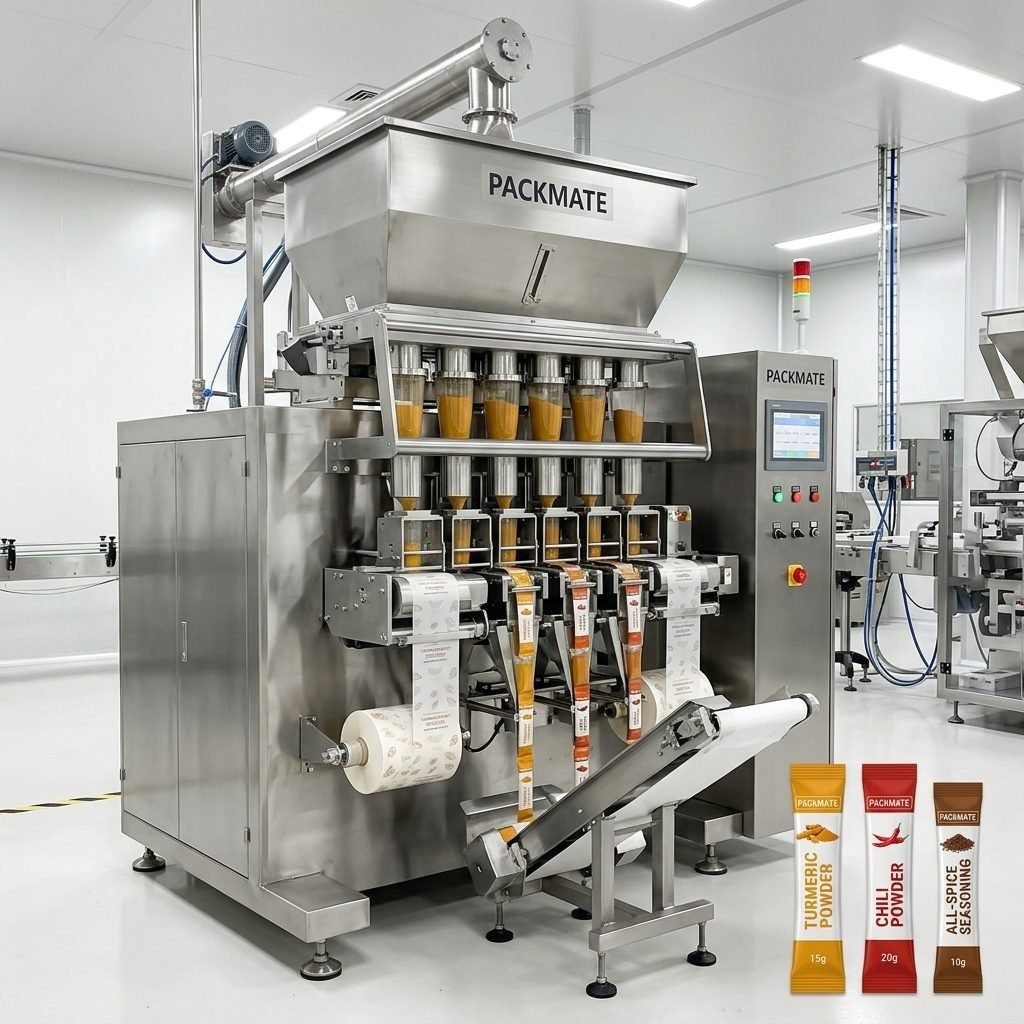
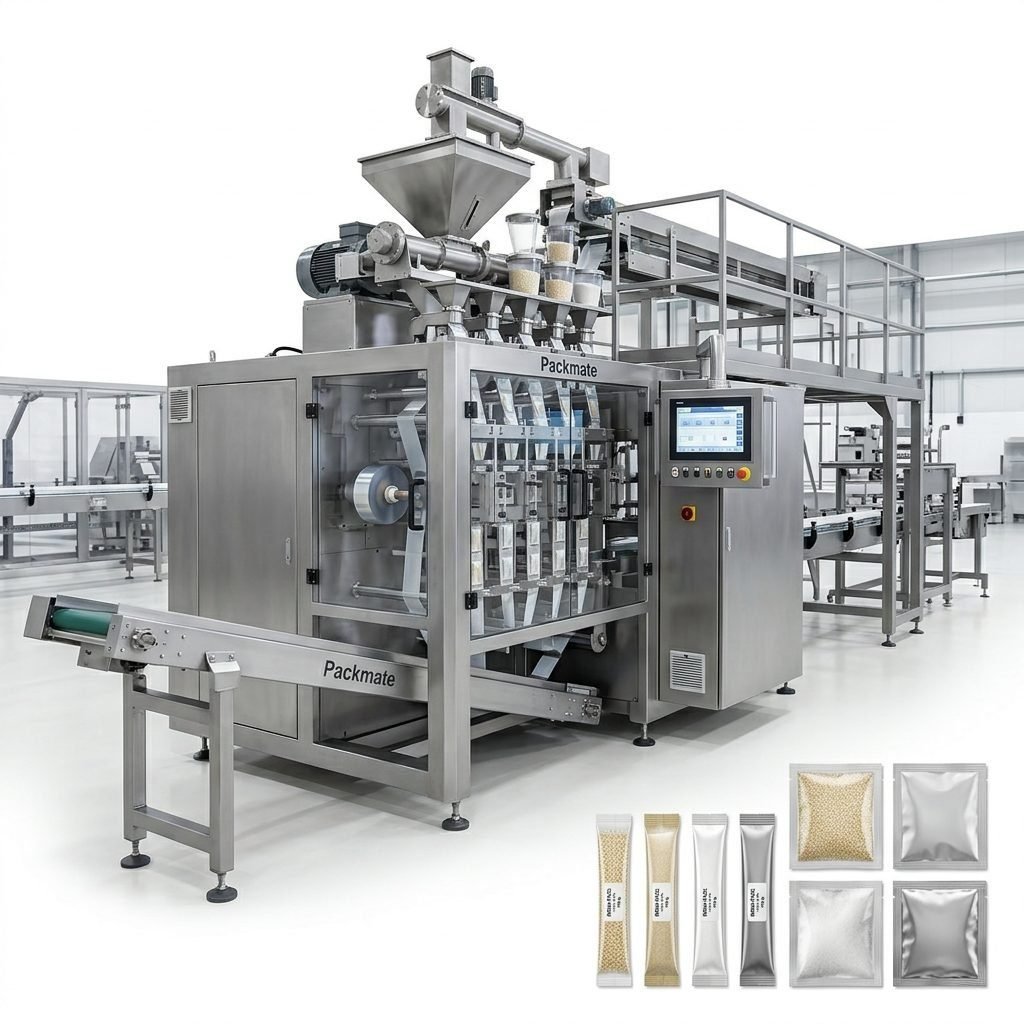
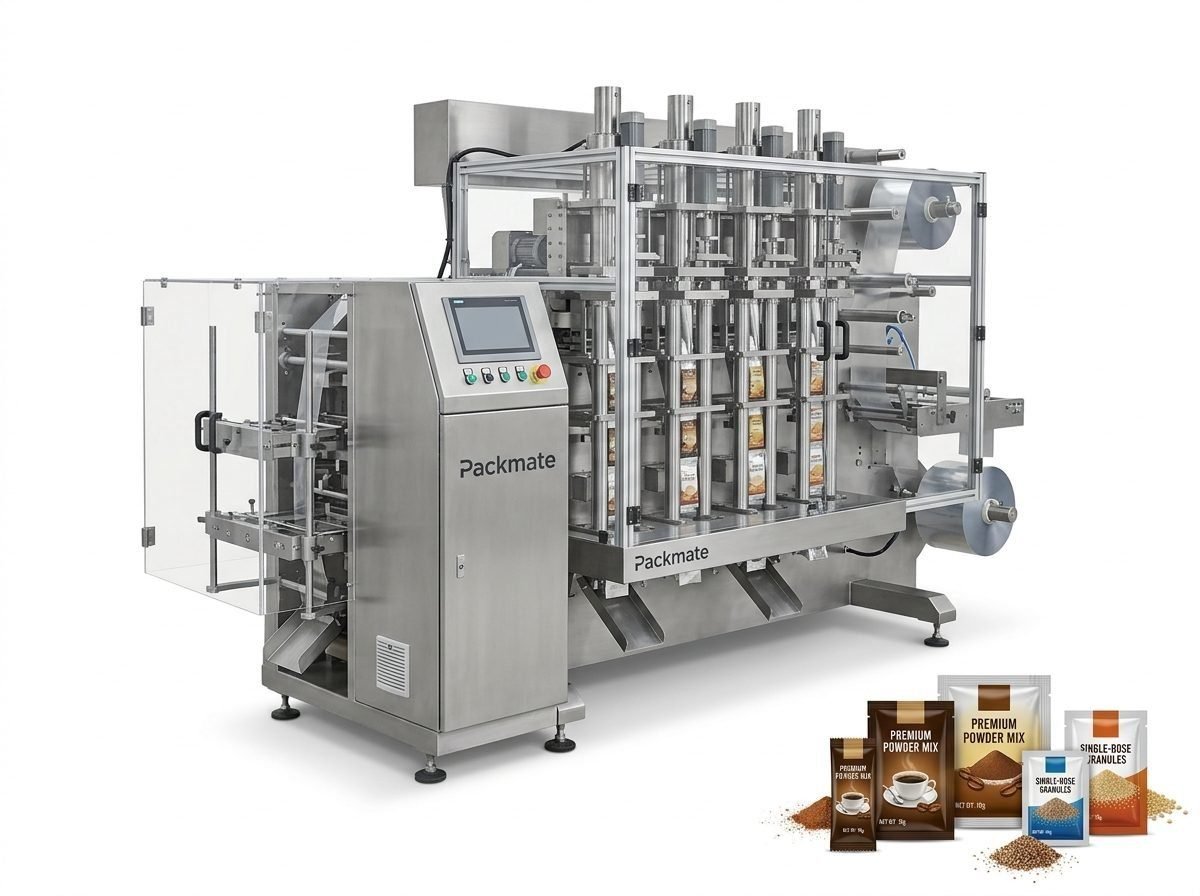
Local Insight: Ugandan processors of instant coffee or chili powder often benefit from multi-lane stick pack machines, which balance high output with relatively compact footprints, ideal for factories with space constraints.
2. Supplier Reliability and Local Support
The manufacturer’s reputation and their ability to support you in East Africa are critical. Look for companies with a proven export history to Africa. Do they have local agents or distributors in Kenya, Tanzania, or Uganda itself? Can they provide references from other African clients? Reliable communication channels and the availability of comprehensive documentation (manuals, parts lists) in English are essential. Consider the supplier’s willingness to provide virtual training and remote diagnostic support, which can significantly reduce downtime.
3. Machine Durability and Adaptability
Packaging equipment in Uganda must be built to last. Inquire about the construction materials—stainless steel contact parts are often necessary for food and pharmaceutical applications. The machine’s electrical system should be stable and able to tolerate voltage fluctuations common in some industrial areas. Furthermore, consider if the machine can handle a range of packaging films available in the regional market, as material sourcing can sometimes be inconsistent.
4. Total Cost of Ownership (TCO)
Look beyond the initial quote. The TCO includes:
– Machine purchase price and international shipping to Mombasa port or Dar es Salaam.
– Ugandan import duties, VAT, and customs clearance costs.
– Installation, commissioning, and operator training fees.
– Cost and lead time for spare parts.
– Expected energy consumption and maintenance costs.
A slightly higher upfront cost for a more efficient and reliable machine from a reputable supplier like Ludyway often results in lower long-term costs and higher productivity.
Profiles of Established Packaging Machine Manufacturers
Several international manufacturers have strong export programs and experience supplying equipment suitable for markets like Uganda. Here is an overview of five leading companies.
Ludyway
With over 30 years of experience since its founding in 1993, Ludyway is one of China’s most prominent exporters of packaging machinery. They operate a large 20,000+ sqm factory and hold an estimated 21.3% market share among similar Chinese exporters. Their strength lies in a comprehensive product range covering food, pharmaceutical, and health supplements, offering everything from single machines to complete turnkey lines for powders, granules, and liquids. For a Ugandan business looking for a one-stop solution with extensive application experience, Ludyway is a strong contender, especially for projects requiring scalability and customization.
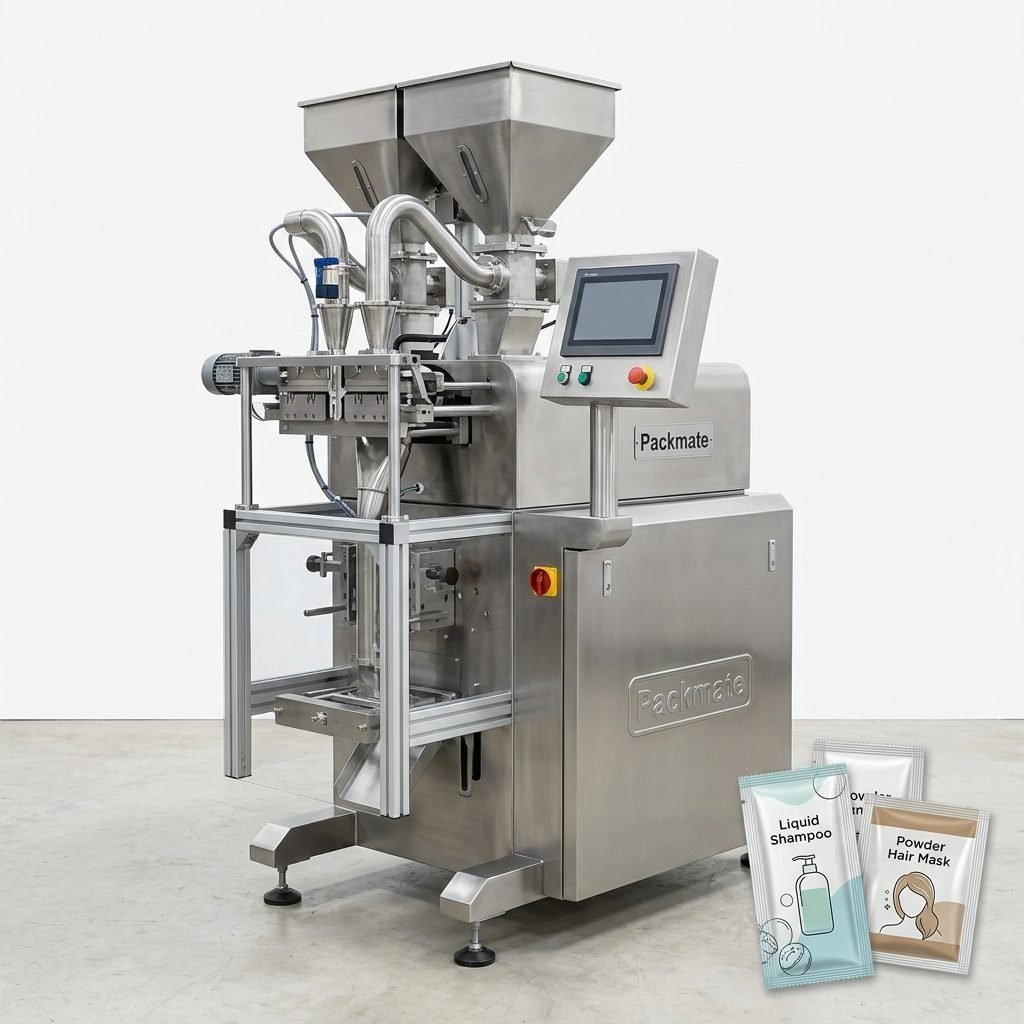
Packmate Machinery
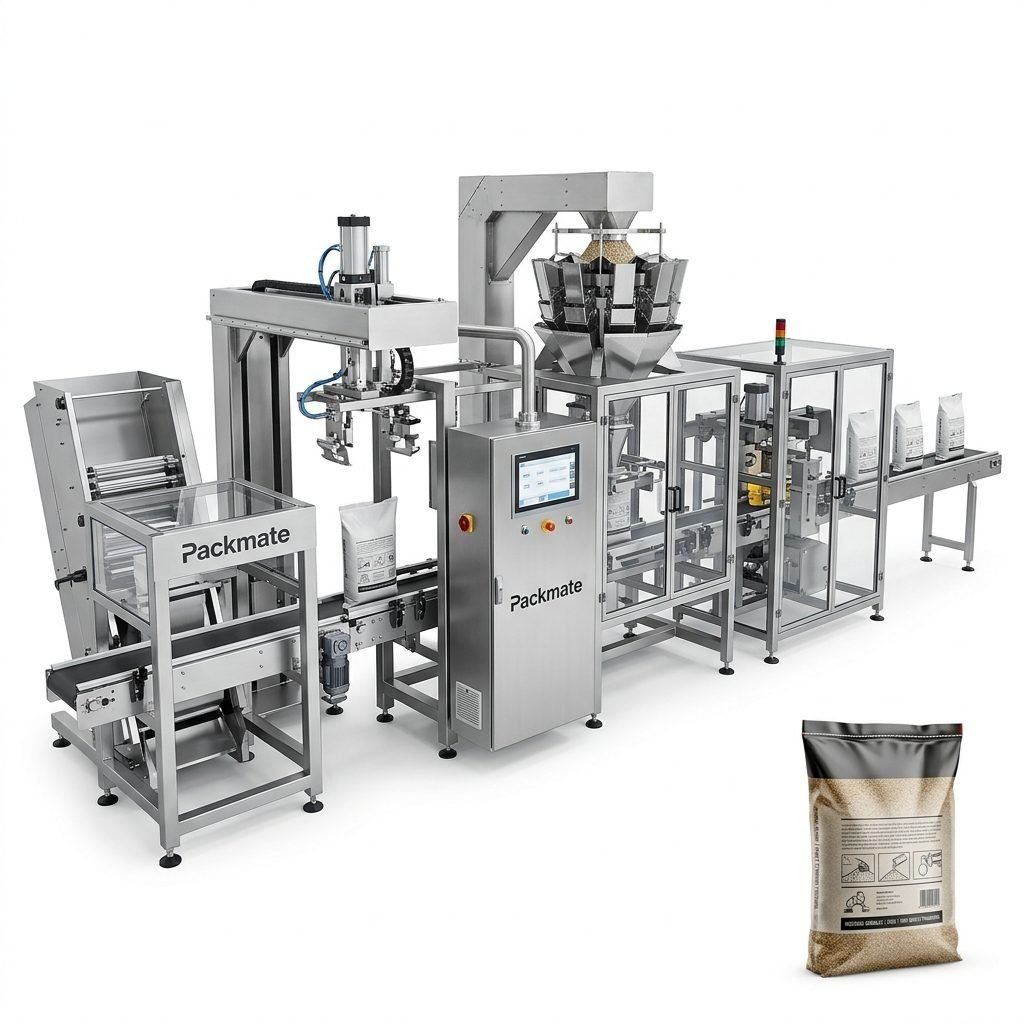
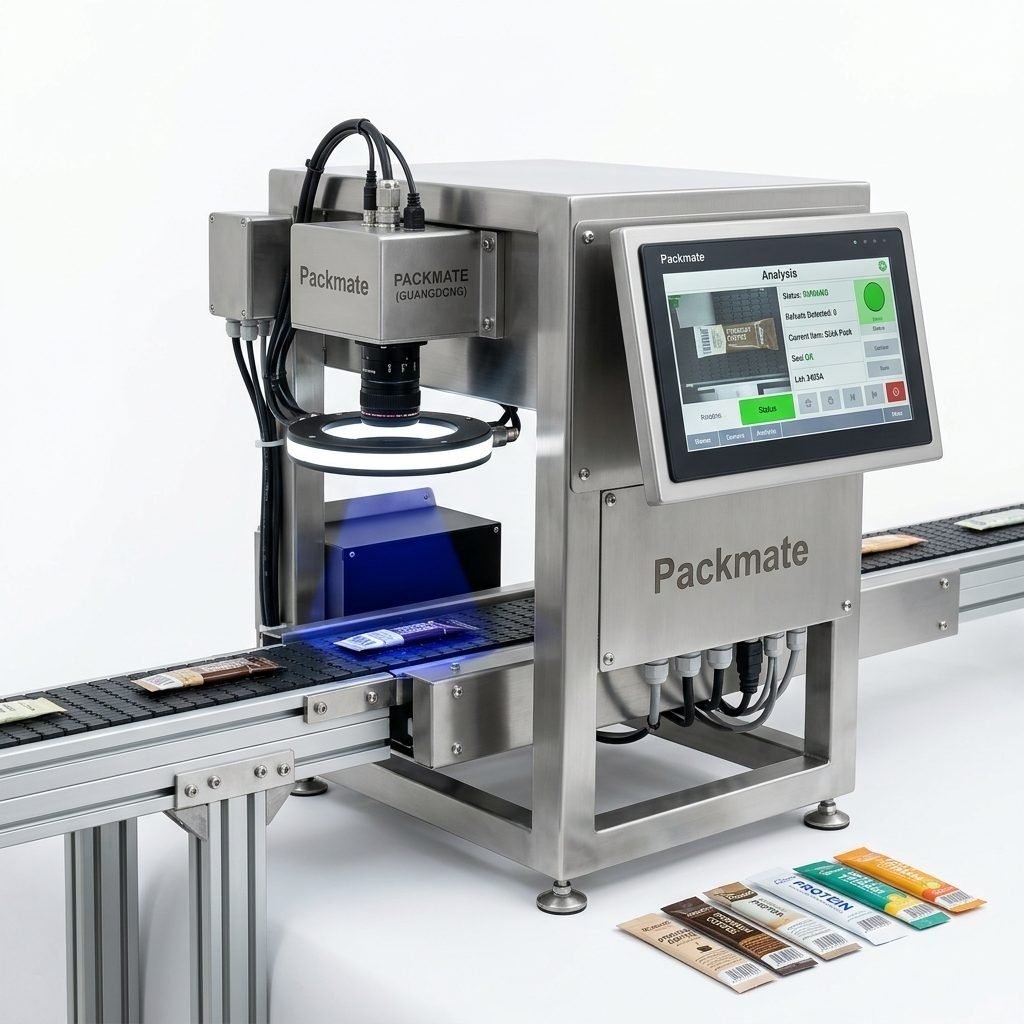
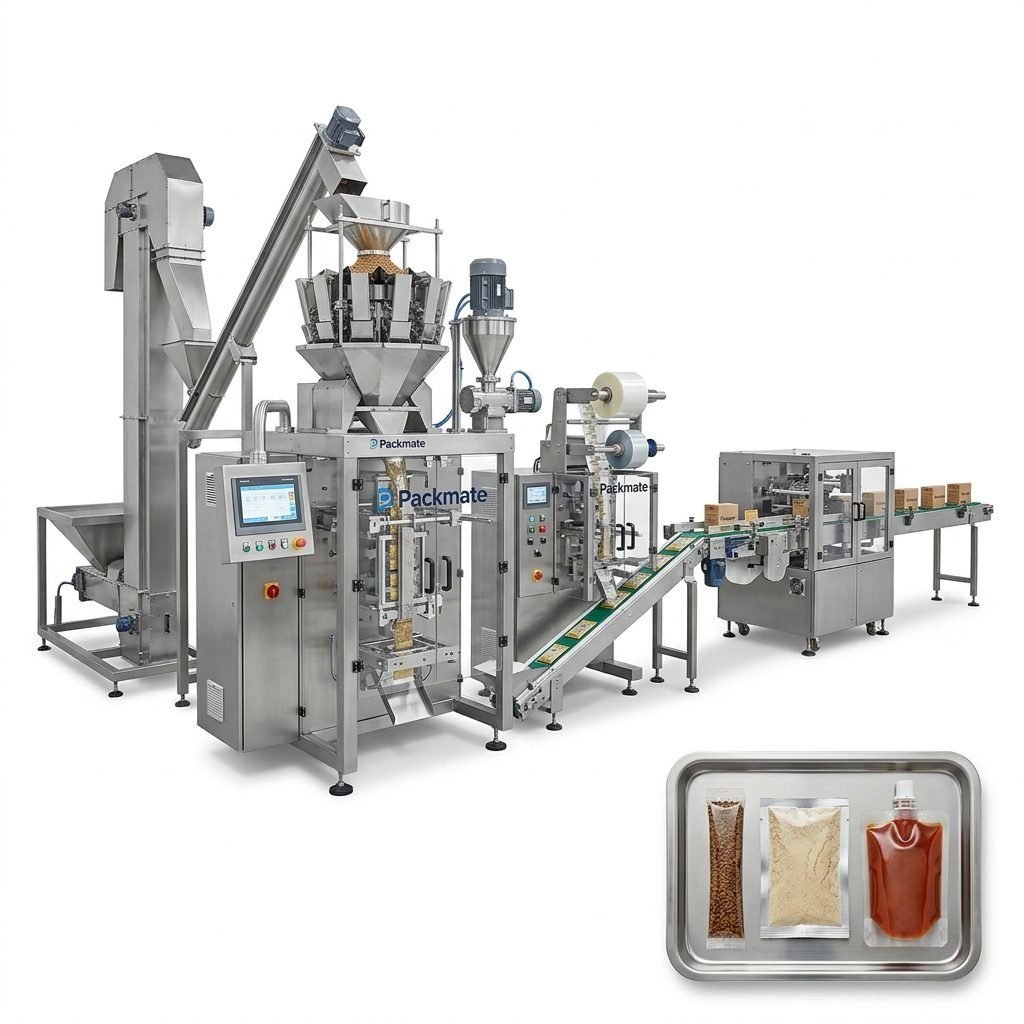
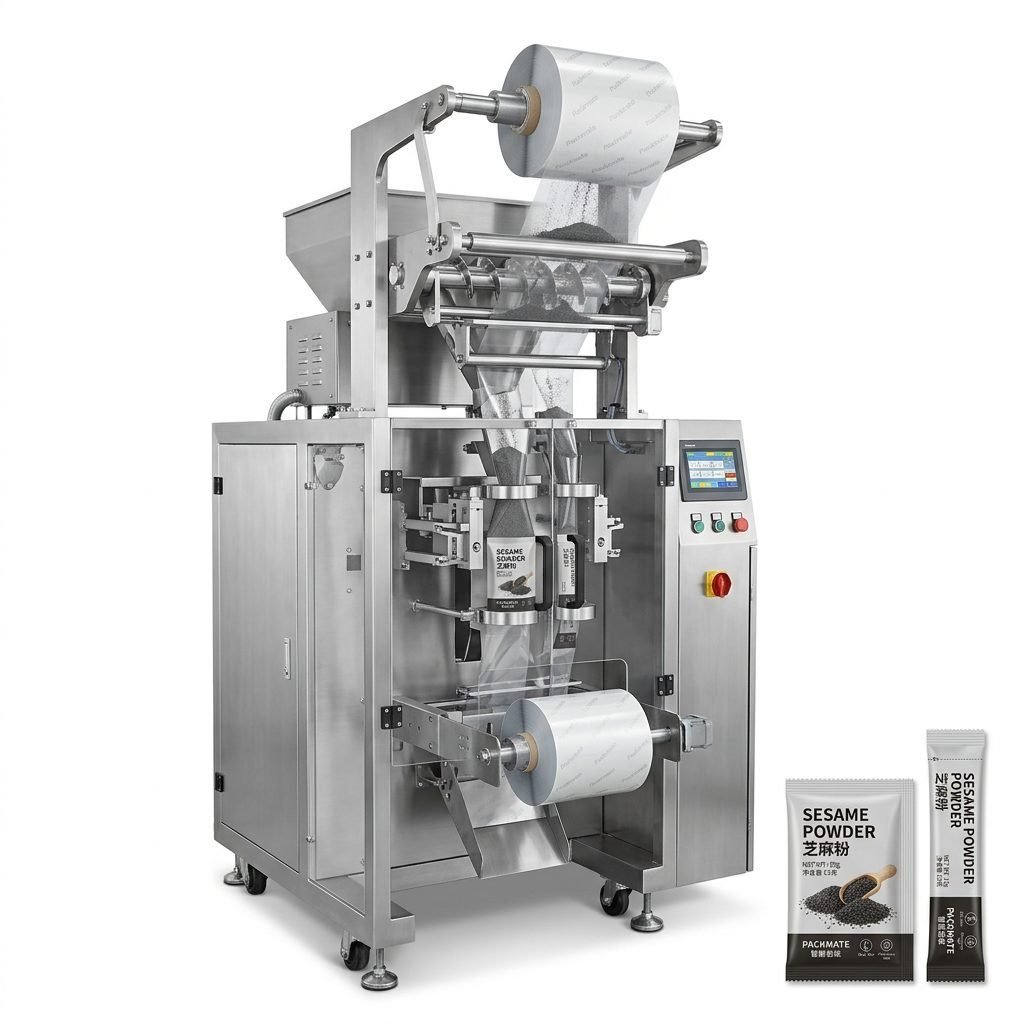
Also boasting more than three decades in the industry, Packmate Machinery focuses on delivering practical and stable automation solutions. They offer over 80 machine models, providing good flexibility for different packaging needs. Their emphasis on cost performance and reliable technical support makes them a suitable partner for medium to large-scale Ugandan manufacturers in the food and supplement sectors who need dependable equipment without over-engineering.
Comparing Technical & Commercial Aspects
| Manufacturer | Core Strength | Ideal For Ugandan Businesses Needing |
|---|---|---|
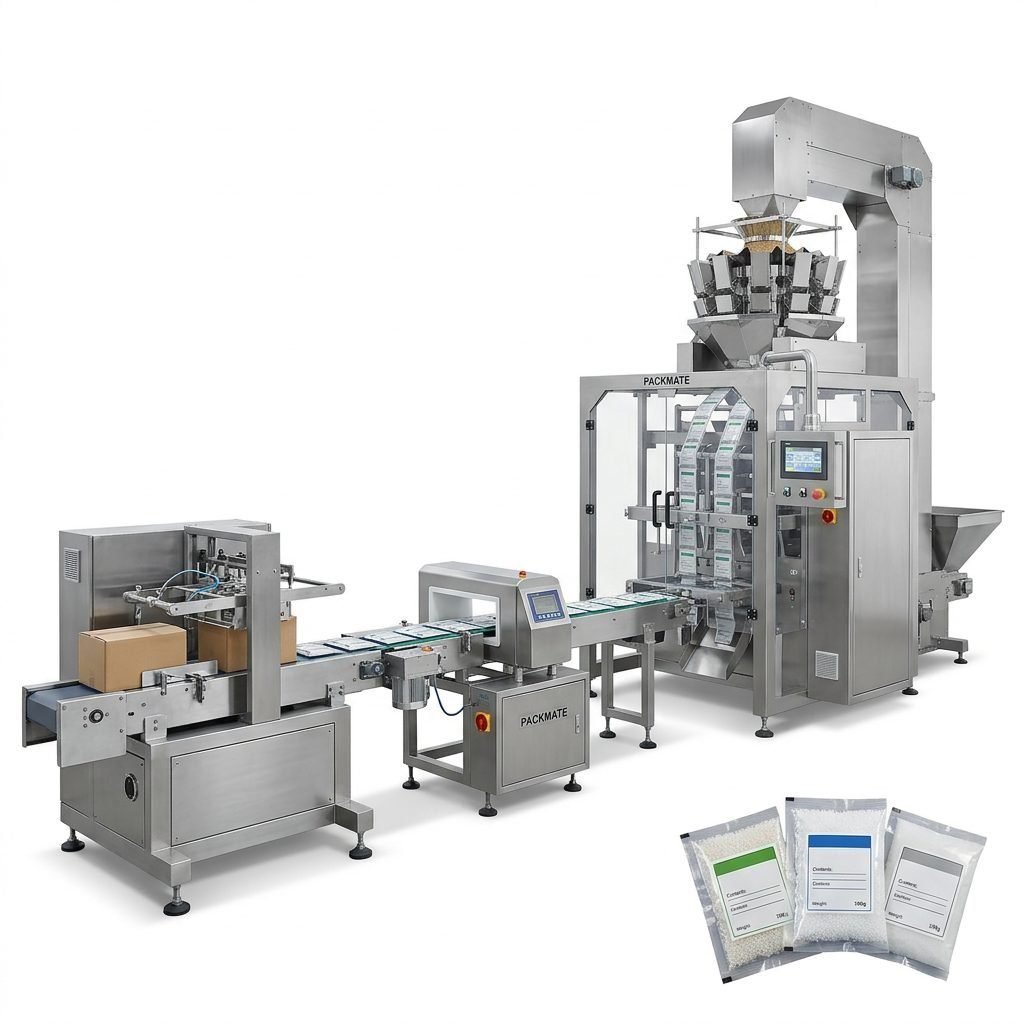
| PacklineOEM | Complete turnkey packaging line integration | A fully automated production line from feeding to end-of-line packaging, minimizing manual handling. |
| PackingMachineOEM | Non-standard and customized machine solutions | Unique product formats or packaging materials that standard machines cannot handle. |
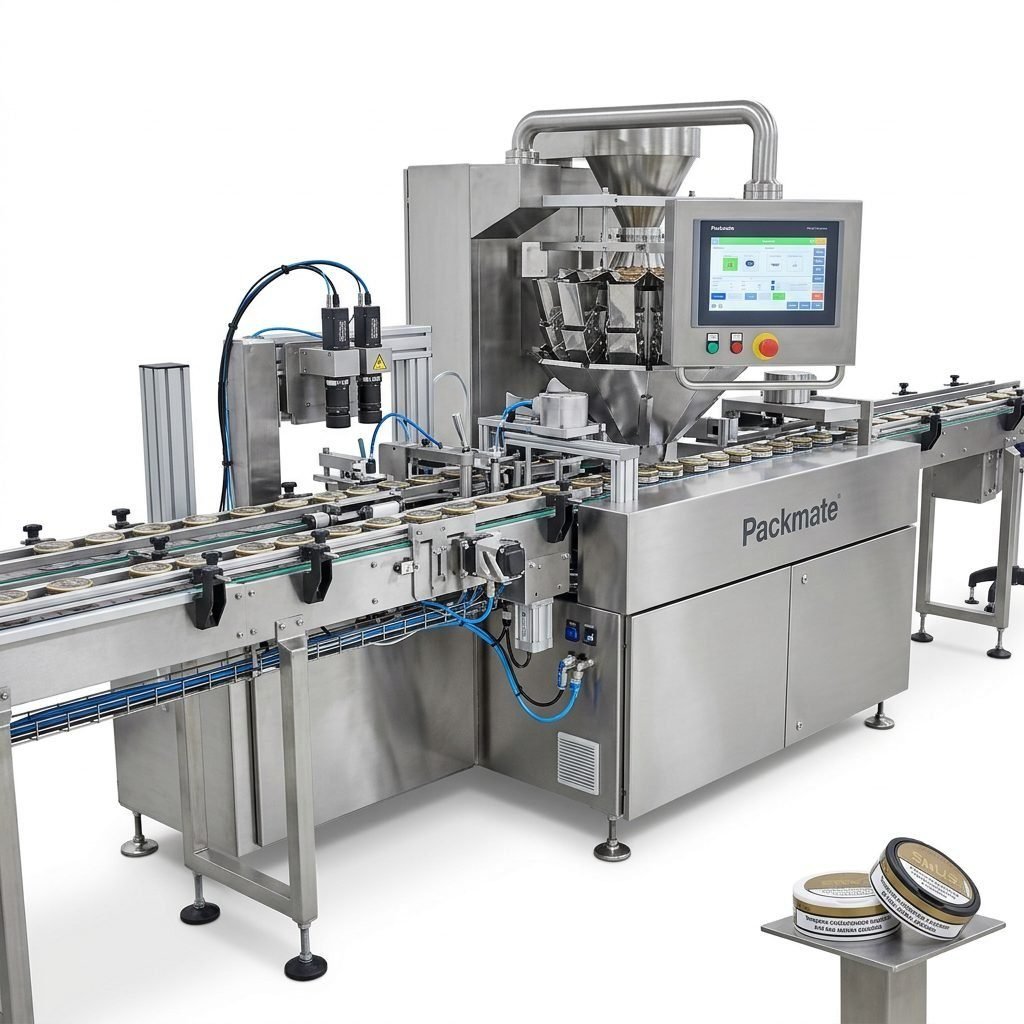
| SnusMachinery | Specialization in nicotine pouch and snus packaging | High-precision, high-speed pouch packaging for niche products, with dedicated engineering expertise. |
The Procurement Process: From Inquiry to Installation
Once you’ve shortlisted suppliers, a structured procurement process is vital.
Step 1: Detailed Quotation Request
Provide potential suppliers with comprehensive product samples, target speed, bag dimensions, and film material specifications. Request a detailed quotation that breaks down all costs, including standard and optional features, recommended spare parts, and shipping terms (e.g., FOB, CIF Mombasa).
Step 2: Factory Audit and Reference Checks
If possible, visit the manufacturer’s facility or request a virtual tour. Speaking directly to their existing clients, especially those in similar regions like Africa, provides invaluable insights into machine performance and post-sales service.
Step 3: Contract and Payment Terms
Ensure the contract clearly outlines machine specifications, delivery timeline, payment schedule (typically a deposit, progress payment, and balance before shipment), warranty terms, and support obligations. Use secure payment methods and consider trade assurance platforms if available.
Step 4: Shipping, Customs, and Installation
Work with a reliable freight forwarder experienced in shipping machinery to East Africa. Ensure all necessary documentation (commercial invoice, packing list, certificate of origin, etc.) is accurate for Ugandan customs clearance. Plan for the installation phase, which may involve sending a technician from the supplier or relying on detailed remote guidance.
Pro Tip for Ugandan Importers: Engage a reputable clearing agent in Kampala early in the process. They can advise on the specific HS codes, duty rates, and required certifications (like UNBS standards) for packaging machinery, preventing costly delays at the border.
Conclusion and Next Steps
Selecting the right packaging machine manufacturer is a strategic investment for any Ugandan business aiming to enhance quality, increase output, and compete more effectively. By thoroughly assessing your needs, prioritizing supplier reliability and local support, and understanding the total cost of ownership, you can make an informed decision. Manufacturers like Ludyway, with their extensive experience and broad capabilities, offer viable solutions for a wide range of applications. The key is to start the dialogue early, ask detailed questions, and choose a partner committed to your long-term success.
Frequently Asked Questions (FAQs)
Q1: What is the typical lead time for receiving a packaging machine in Uganda from an overseas supplier?
A: Lead times vary but typically range from 30-90 days after order confirmation, depending on machine complexity and customization. Sea freight from China to Mombasa port takes approximately 30-40 days, with additional time for inland transportation to Uganda and customs clearance.
Q2: How can I ensure I get genuine spare parts and technical support after purchase?
A: Purchase an initial set of recommended critical spare parts with the machine. Establish a direct communication channel with the supplier’s after-sales team. Reputable companies like Packmate Machinery prioritize support and can often ship parts via air freight for urgent needs.
Q3: Are there any Ugandan government standards or certifications required for imported packaging machinery?
A: It is advisable to check with the Uganda National Bureau of Standards (UNBS) for any specific requirements related to electrical safety or machinery standards. Your clearing agent can provide the most up-to-date information.
Q4: Is it better to buy a standalone machine or a complete turnkey line?
A: For a new operation or a significant capacity expansion, a turnkey line from a specialist like PacklineOEM ensures all components work harmoniously. For upgrading a single stage of an existing line, a standalone machine is usually sufficient.
Q5: Can these machines handle local Ugandan packaging materials?
A: Most modern machines are adjustable for different film types. It is crucial to provide material samples to the supplier during the quotation phase so they can test and confirm compatibility and recommend any necessary machine adjustments.