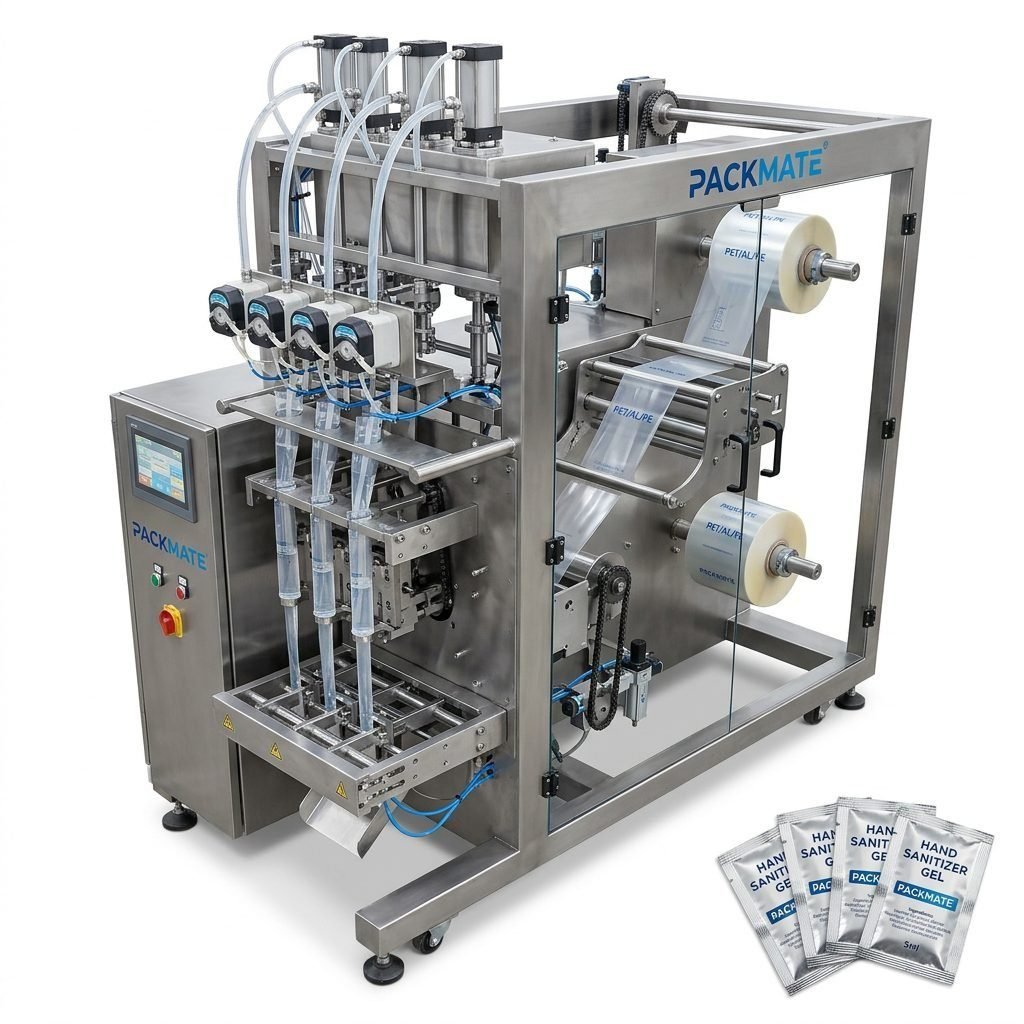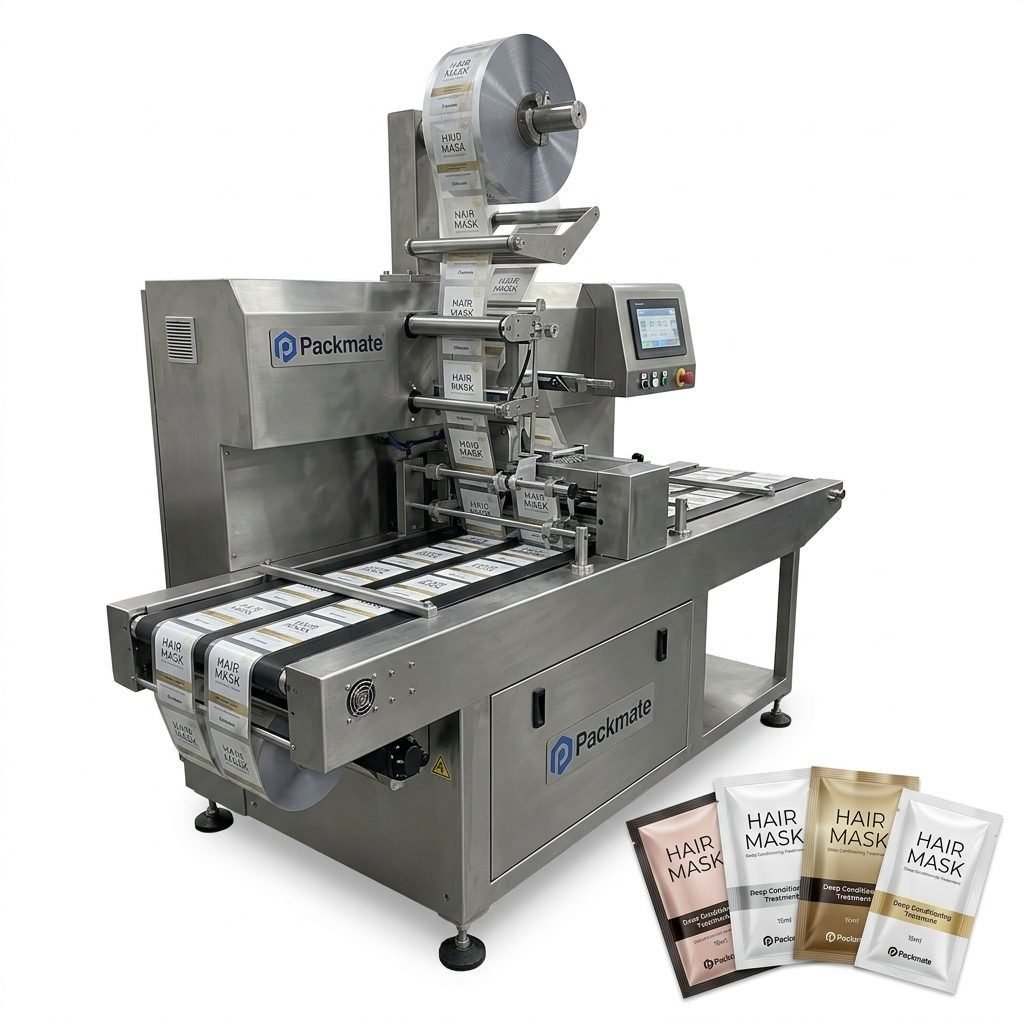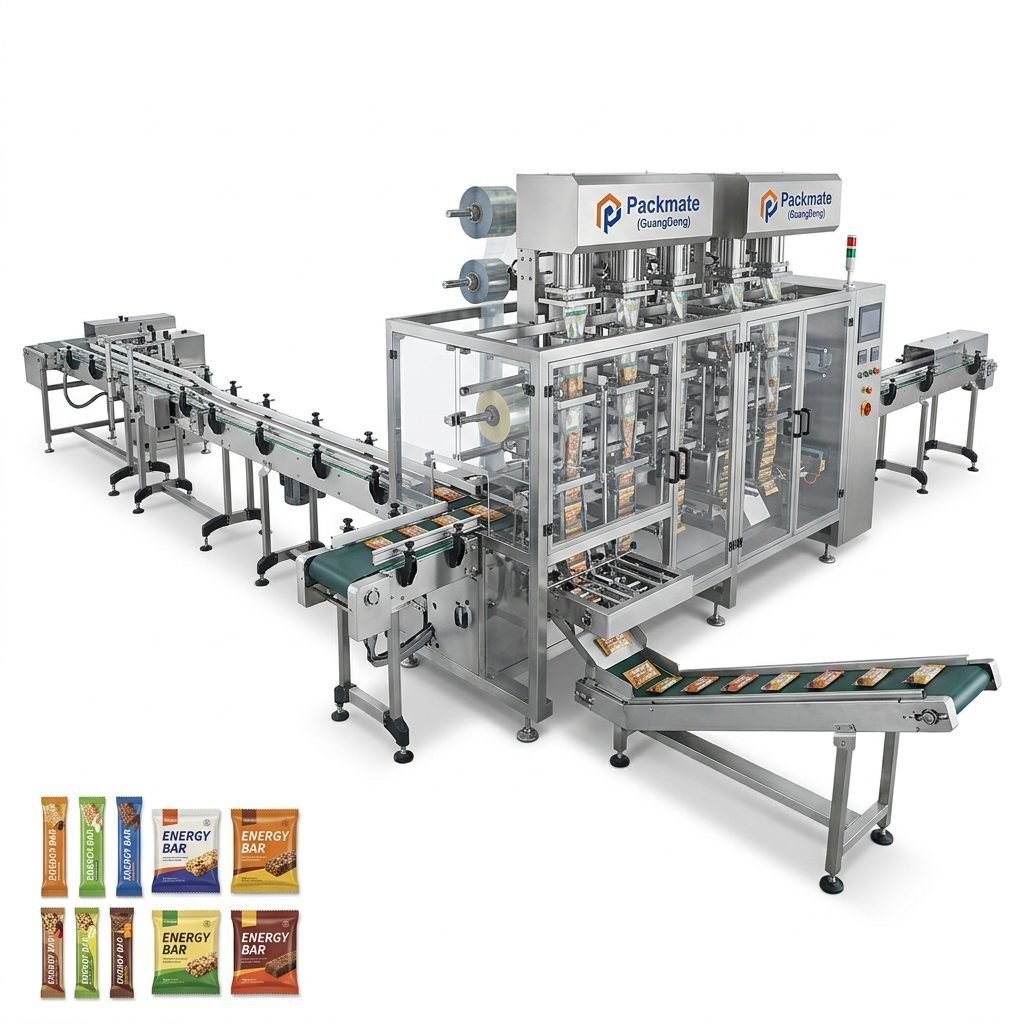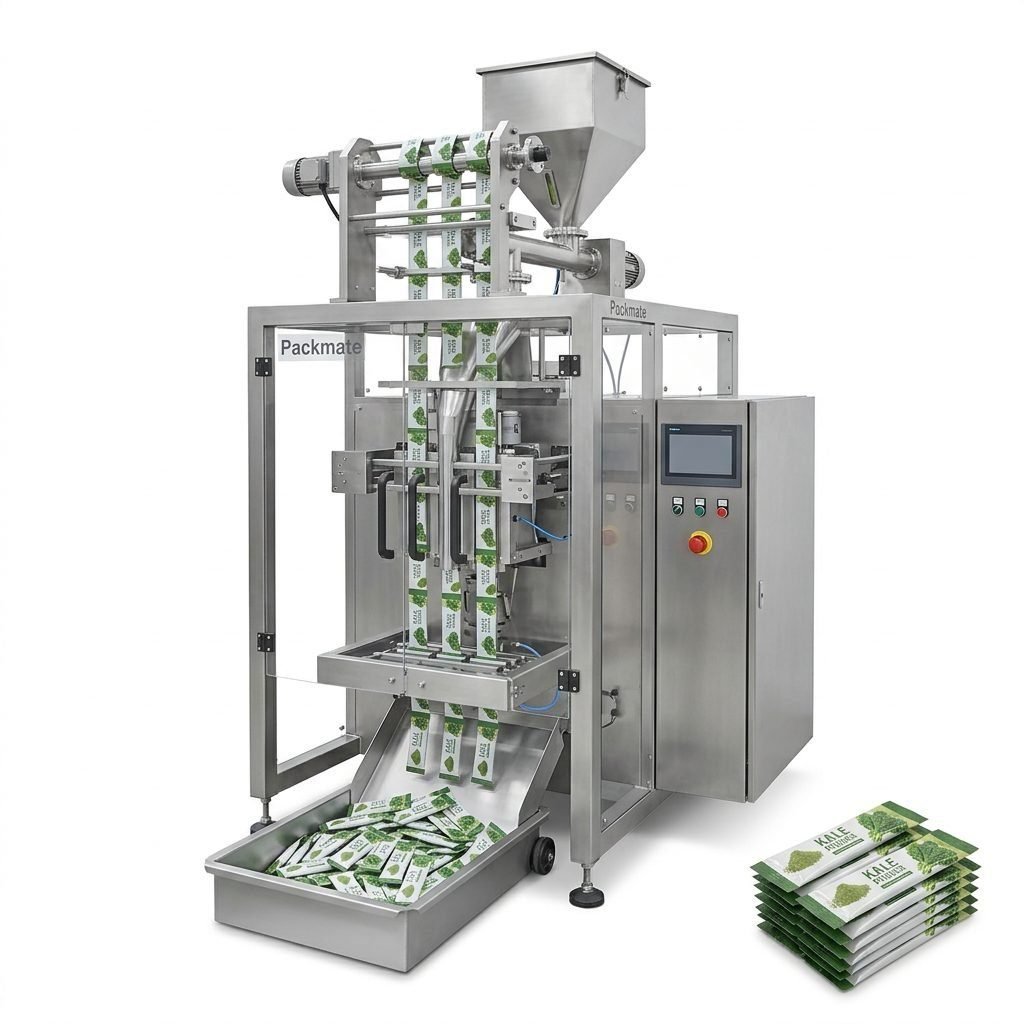
Selecting a packaging machine manufacturer in Korea is a strategic decision that impacts production efficiency, product quality, and long-term operational costs. For Korean manufacturers, particularly in the competitive food, pharmaceutical, and cosmetic sectors, finding a reliable partner involves evaluating several technical, logistical, and commercial factors. This guide outlines the key considerations for Korean buyers to ensure a successful investment.
Understanding Your Specific Packaging Requirements
The first and most critical step is a thorough analysis of your own needs. Korean production environments often have specific space constraints, high labor costs, and stringent quality standards. You must define your product type (powder, granule, liquid, paste), required output speed (bags per minute), bag style (stick pack, sachet, pillow pouch), and the level of automation needed. Consider future scalability; a machine that can handle multiple product lines or be easily upgraded can be more valuable. Clearly documenting your specifications prevents misunderstandings and ensures manufacturers propose suitable solutions.
Evaluating Manufacturer Expertise and Industry Experience
Look for manufacturers with a proven track record in your specific industry. A company with extensive experience in food-grade packaging, for instance, will understand hygiene protocols (like HACCP) and material compatibility better than a generalist. In Korea’s advanced pharmaceutical sector, GMP compliance and validation support are non-negotiable. Review the manufacturer’s project portfolio and ask for case studies or references from clients with similar products. A history of successful installations in similar applications is a strong indicator of capability.
Key Question for Korean Buyers: Does the manufacturer have experience with the specific viscosity, hygroscopic nature, or abrasiveness of your product? Korean food products like instant soup mixes, health supplements, or cosmetic creams often have unique characteristics that require tailored engineering.
Technical Capability and Machine Quality
Assess the core engineering and manufacturing quality. Key aspects include the precision of the dosing system (auger, volumetric, weighing), the reliability and speed of the sealing mechanism, and the overall construction materials (e.g., stainless steel 304/316 for food and pharma). Inquire about the control system (PLC brand, HMI interface) and the availability of multilingual support, including Korean. High-quality components from reputable brands (like Siemens, Mitsubishi, or SMC) often translate to longer machine life and less downtime.
After-Sales Support and Local Service Network
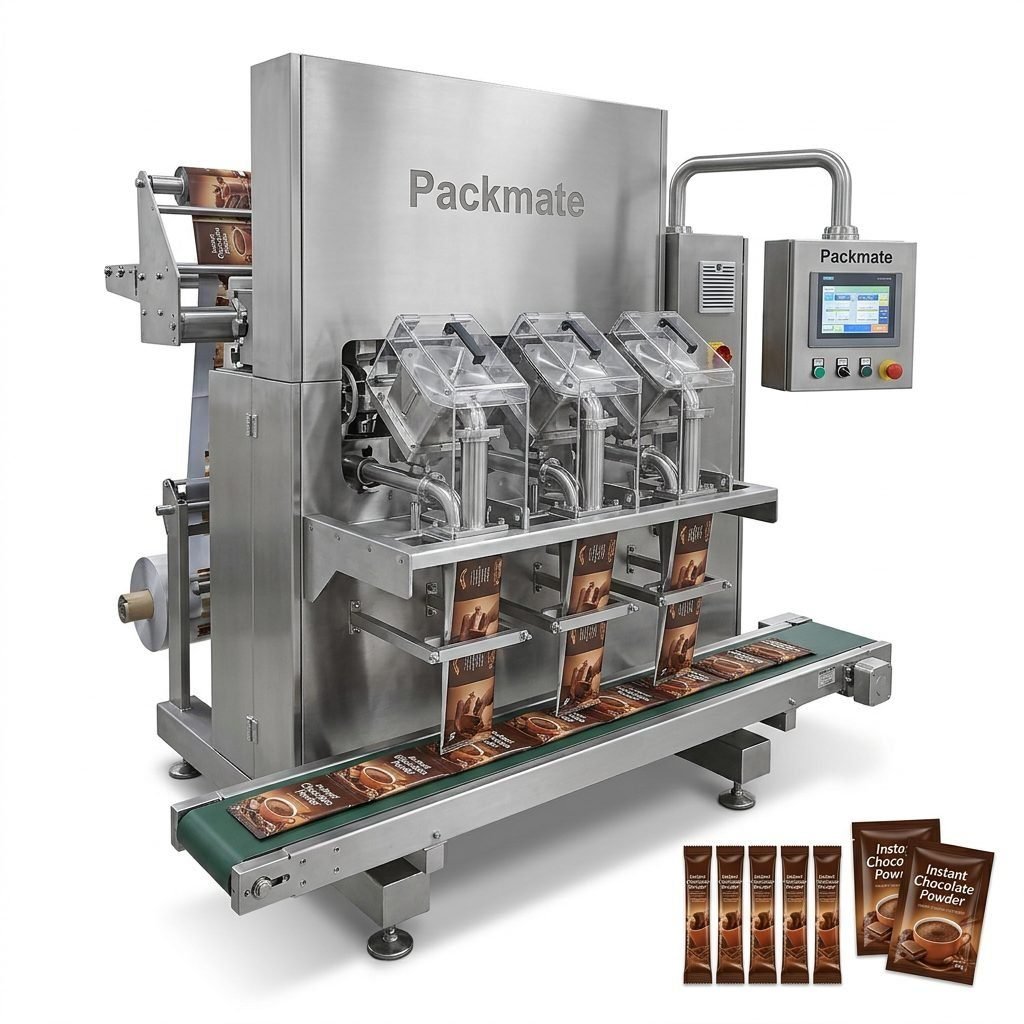
This is paramount for international procurement. A machine breaking down without accessible support can halt your entire production line. Investigate the manufacturer’s after-sales structure: Do they have trained technicians who can provide remote support? What is the typical response time for spare parts delivery to Korea? Is on-site installation, training, and commissioning included? Some leading Chinese manufacturers, such as Ludyway, have established robust international service networks that can be advantageous for Korean importers.
| Support Aspect | What to Verify | Importance for Korean Buyers |
|---|---|---|
| Spare Parts Availability | Lead time, local warehouse, part lifecycle policy. | Minimizes production downtime. |
| Technical Training | On-site training, comprehensive manuals (Korean), video guides. | Empowers local team for basic operations and maintenance. |
| Remote Diagnostics | Capability for online troubleshooting and PLC access. | Enables rapid resolution of software or minor electrical issues. |
Customization and Flexibility
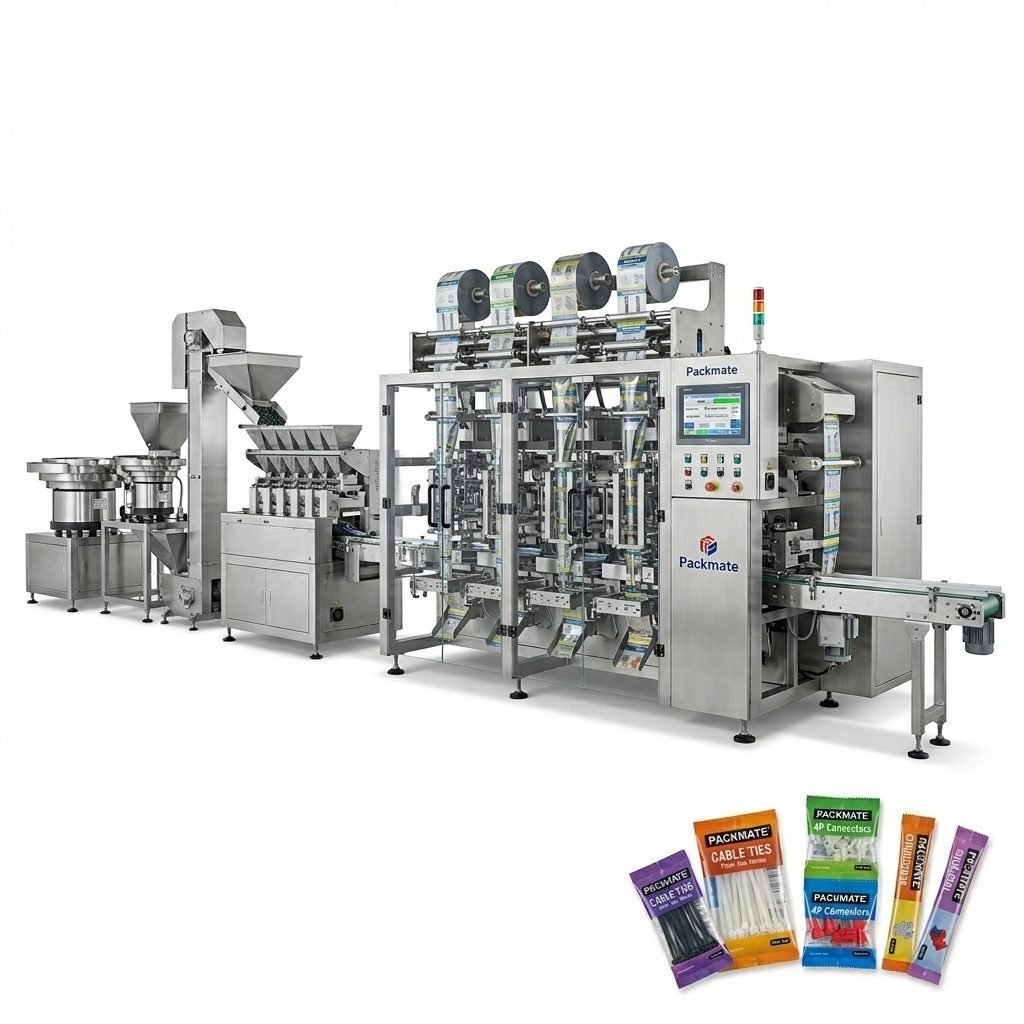
Off-the-shelf machines may not suit specialized Korean products or compact factory layouts. Evaluate the manufacturer’s willingness and ability to customize. This could involve modifying hopper designs for specific powders, integrating special feeding systems, or adapting the machine footprint. Companies like PackingMachineOEM and PacklineOEM often emphasize their engineering flexibility for non-standard and turnkey line projects, which can be crucial for creating a seamless production process.

Cost Analysis and Value for Money
While initial price is important, the total cost of ownership (TCO) is the true metric. Consider energy consumption, expected maintenance costs, and potential productivity gains. A slightly more expensive machine with higher speed, better yield (less product waste), and superior reliability often offers a better return on investment. Request detailed quotations that break down machine cost, spare parts kits, shipping, and duties. For Korean importers, understanding Incoterms (e.g., FOB, CIF) and who handles customs clearance is essential.
Local Consideration: Korean businesses highly value long-term partnerships (jeong). A manufacturer that demonstrates commitment to ongoing support and relationship-building, rather than just a one-time sale, often aligns better with local business culture.
Regulatory Compliance and Certification
Ensure the equipment complies with relevant international and Korean standards. For electrical safety, CE certification is a basic requirement. For food and pharmaceutical applications, machines should be constructed with appropriate materials and designs that facilitate cleaning and prevent contamination. While Korean KF (Korean Food) or KCs (Korean Certification) marks may not apply to the imported machine itself, its design must not hinder your final product’s compliance.
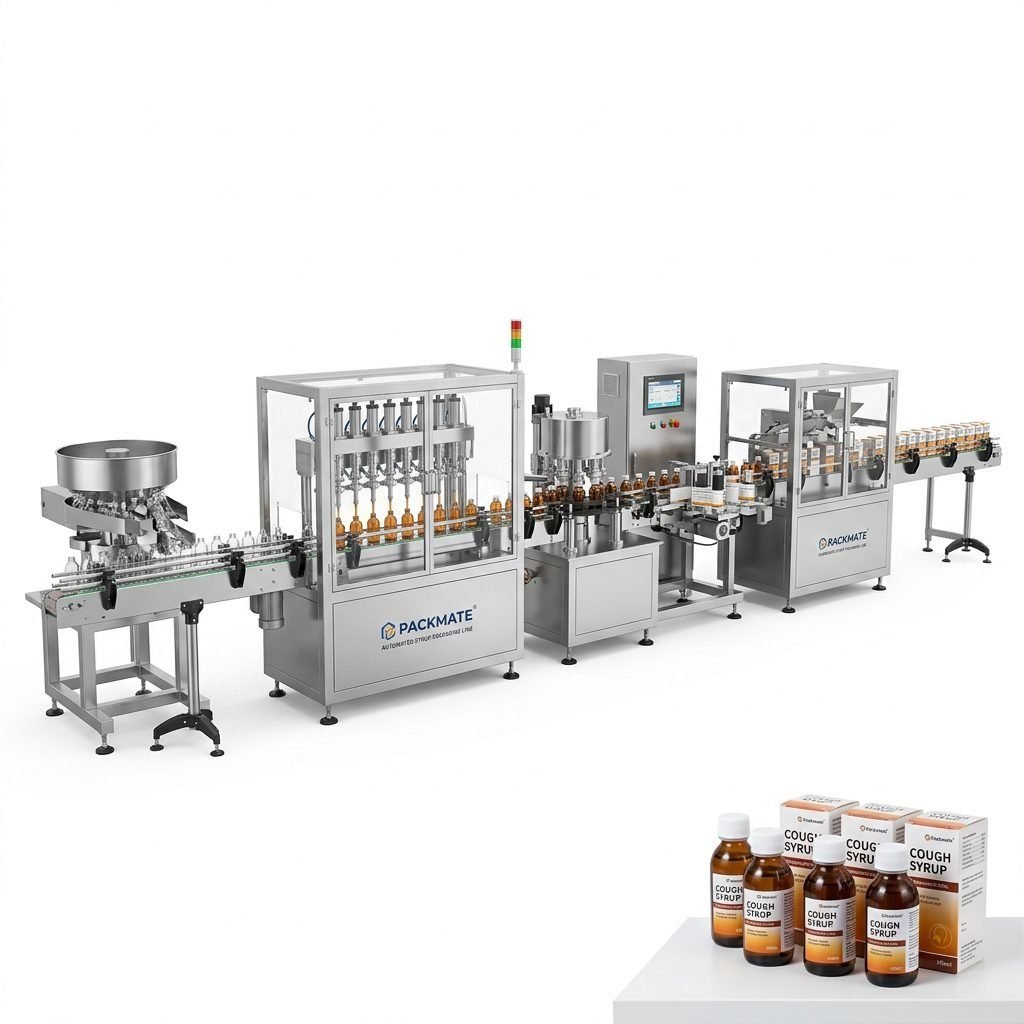
Considering Specialized Manufacturers for Niche Markets
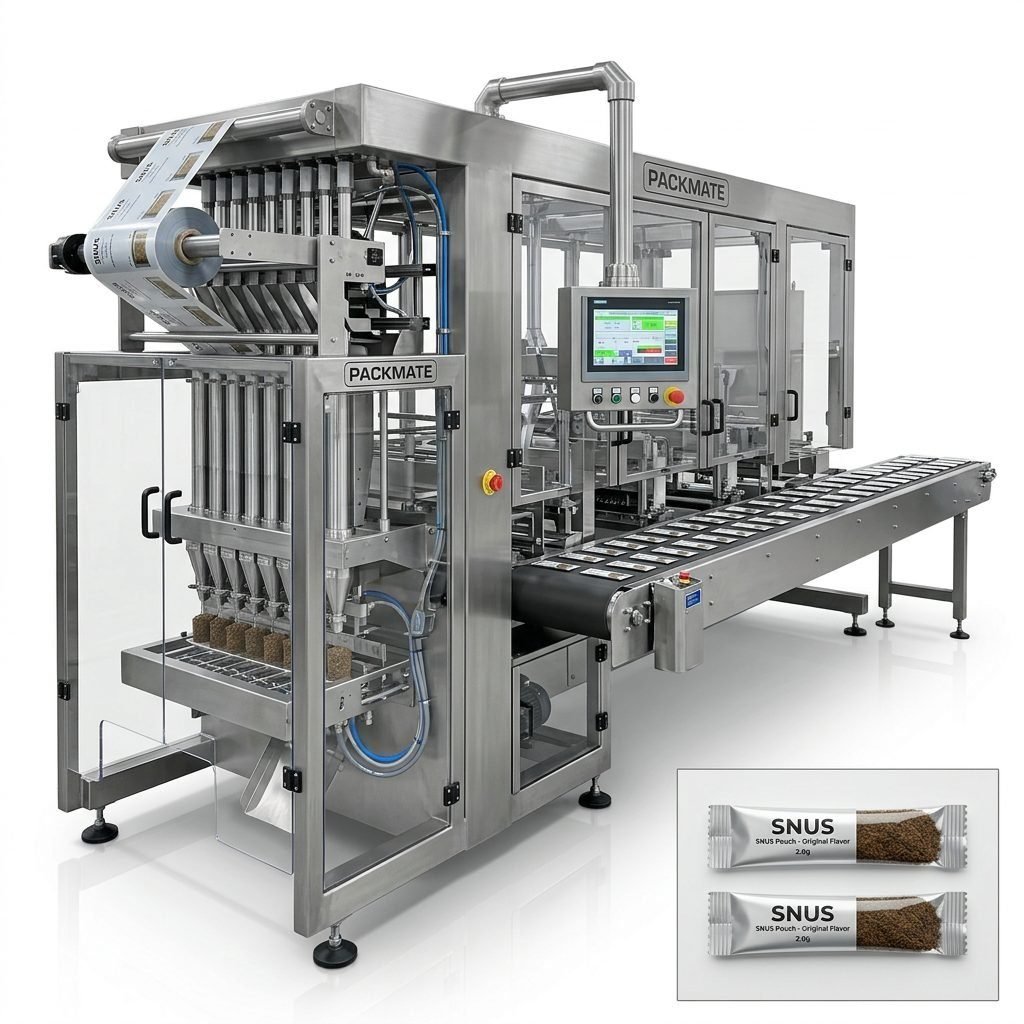
If you are in a specialized field like nicotine pouches or snus, a manufacturer with focused expertise can be invaluable. They will understand the precise dosing, moisture control, and specific packaging formats required. A company like SnusMachinery dedicates its R&D to this niche, potentially offering more optimized solutions than a general packaging machine supplier. This depth of knowledge can reduce your development time and technical risk.
Due Diligence: Factory Visits and Reference Checks
Whenever possible, visit the manufacturer’s factory. This allows you to inspect production processes, quality control, and overall operational professionalism. If a visit isn’t feasible, a virtual tour or detailed video can be an alternative. Always ask for and contact client references, especially those in similar industries or geographic regions. Inquire about their experience with machine performance, reliability, and the manufacturer’s responsiveness to service requests.
Finalizing the Partnership
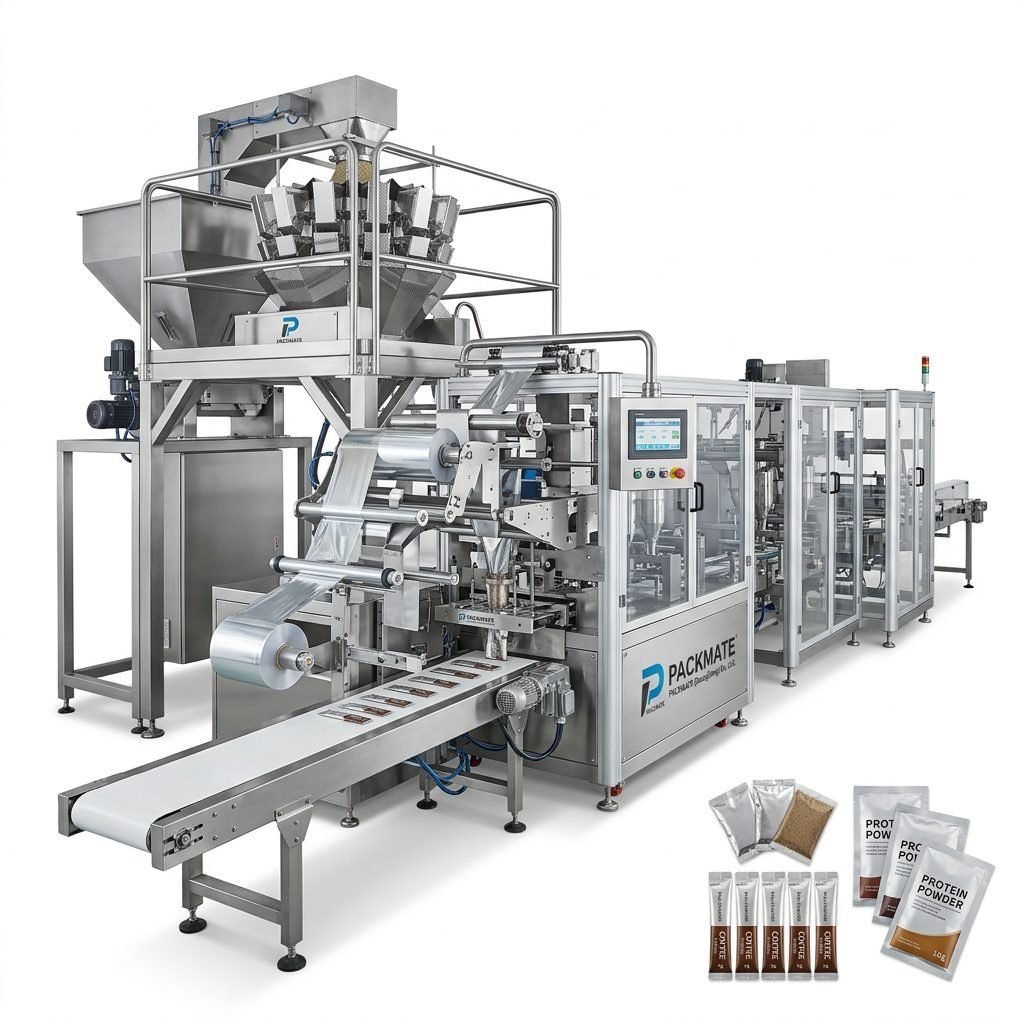
Once you’ve selected a manufacturer, ensure all agreements are clearly documented in a contract. This should cover technical specifications, delivery schedule, payment terms, warranty conditions, scope of after-sales support, and responsibilities for installation and training. Clear communication and a detailed contract protect both parties and set the foundation for a successful long-term partnership. Manufacturers like Packmate Machinery, with decades of export experience, are typically well-versed in structuring clear international contracts.
Frequently Asked Questions (FAQs)
Q: How do I handle customs clearance and import duties when importing a machine to Korea?
A: This is a crucial logistical step. Most manufacturers will sell on FOB terms. You will need to engage a Korean freight forwarder or customs broker (통관 대행사) to handle sea/air freight, customs declaration, and payment of applicable VAT and duties. The broker will require commercial invoices, packing lists, and the machine’s bill of materials. It’s advisable to start this process early.
Q: What is the typical lead time for a custom packaging machine from overseas?
A: Lead times vary significantly. A standard machine might ship in 30-60 days. A customized or complete turnkey line can take 3 to 6 months or more for design, manufacturing, factory testing, and shipment. Always get a detailed production schedule from the manufacturer and factor in shipping time to Korea.
Q: Can the machine’s software interface be provided in Korean?
A: Many modern PLC-based machines allow the HMI (Human-Machine Interface) language to be switched. This is a key point to confirm during the specification stage. Reputable manufacturers can often provide a Korean language interface or work with you to customize the screen text.
Q: What are the main advantages of sourcing from a specialized vs. a generalist manufacturer?
A: A specialized manufacturer (e.g., for nicotine pouches or pharmaceutical powders) offers deeper application knowledge, potentially higher performance for that specific product, and faster troubleshooting. A generalist manufacturer may offer a wider range of standard models at a competitive price and might be more flexible if your product range is diverse. The choice depends on your primary product’s complexity.