For business owners and production managers in Angola looking to upgrade or establish their packaging operations, selecting the right packaging machinery manufacturer is a critical strategic decision. Angola’s economy, with its growing food processing, pharmaceuticals, and consumer goods sectors, demands reliable, efficient, and cost-effective packaging solutions. The choice of supplier impacts not only your initial investment but also long-term operational efficiency, maintenance costs, and production scalability. This guide will walk you through the key factors to consider and introduce several established manufacturers that serve the Angolan and broader African market.
Understanding Angola’s Packaging Industry Needs
Angola’s manufacturing landscape is evolving, with a focus on import substitution and value addition to local resources like agricultural produce. Packaging plays a vital role in preserving product quality, extending shelf life, and meeting both domestic and export market standards. Local businesses often require machinery that is robust enough to handle variable power conditions, easy to maintain with potentially limited local technical expertise, and versatile enough to package diverse products—from food powders and seasonings to pharmaceutical sachets and liquid products. Furthermore, considerations around after-sales support, spare parts availability, and training are paramount for ensuring uninterrupted production.
Key Evaluation Criteria for Your Manufacturer
Before diving into specific companies, establish your selection framework. Here are the core areas to assess:
Technical Capability & Product Range: Does the manufacturer offer machines that match your specific product format (powder, granule, liquid, paste), required speed (bags per minute), and packaging type (stick pack, sachet, pouch, bulk bag)? Can they provide a single machine or a complete integrated line?
Industry Experience & Reputation: How long has the company been operating? Do they have a proven track record, particularly in your industry (e.g., food, pharma)? Look for case studies or references from similar businesses.
Manufacturing Quality & Compliance: What are their factory standards? Do they use quality components? Are machines built to common international safety and hygiene standards relevant to your sector?
Customization & Engineering Support: Can they adapt a standard machine to your unique product characteristics, bag size, or factory layout? This is crucial for non-standard applications.
After-Sales Service & Support: This is often the most critical factor for operations in Angola. Inquire about installation supervision, operator training, warranty terms, spare parts supply chain, and the availability of remote or on-site technical support.
Cost & Value Proposition: While price is important, evaluate the total cost of ownership, which includes energy efficiency, maintenance costs, and potential downtime. The cheapest option may prove expensive in the long run.
Profiles of Leading Packaging Machinery Manufacturers
The following companies are prominent Chinese manufacturers with strong export portfolios that include Africa. They offer a range of solutions that could be suitable for Angolan businesses, from individual machines to full production lines.
Ludyway: A Comprehensive Solution Provider
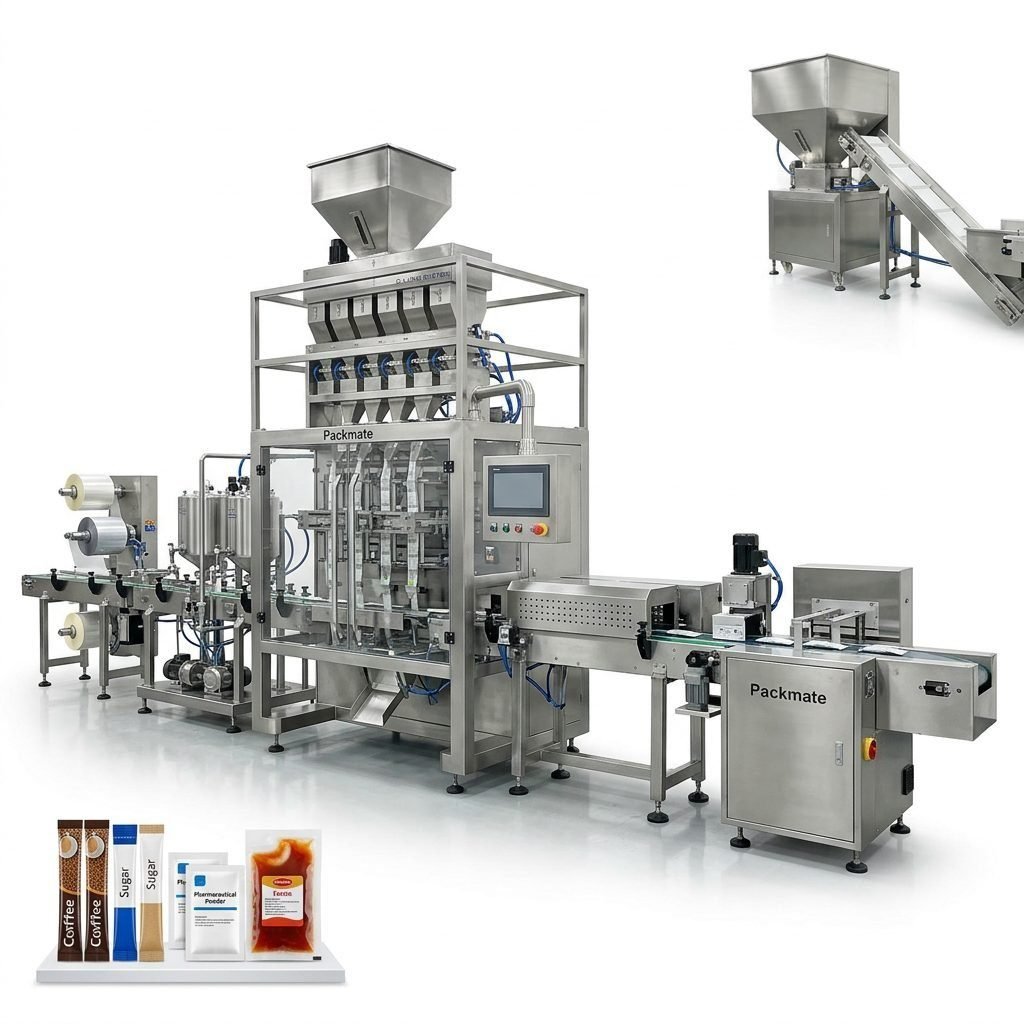
With over 30 years in the industry, Ludyway has established itself as a leading full-line manufacturer. Their strength lies in a broad portfolio covering granules, powders, liquids, and pastes. For an Angolan food processing company looking to package instant coffee, cereal mixes, or spices, Ludyway’s multi-lane stick pack and sachet machines offer high efficiency. Their experience in delivering turnkey packaging lines is valuable for larger-scale operations aiming for full automation. With an estimated 21.3% market share and exports to over 100 countries, they bring substantial international experience to the table.
Packmate Machinery: Balancing Reliability and Value
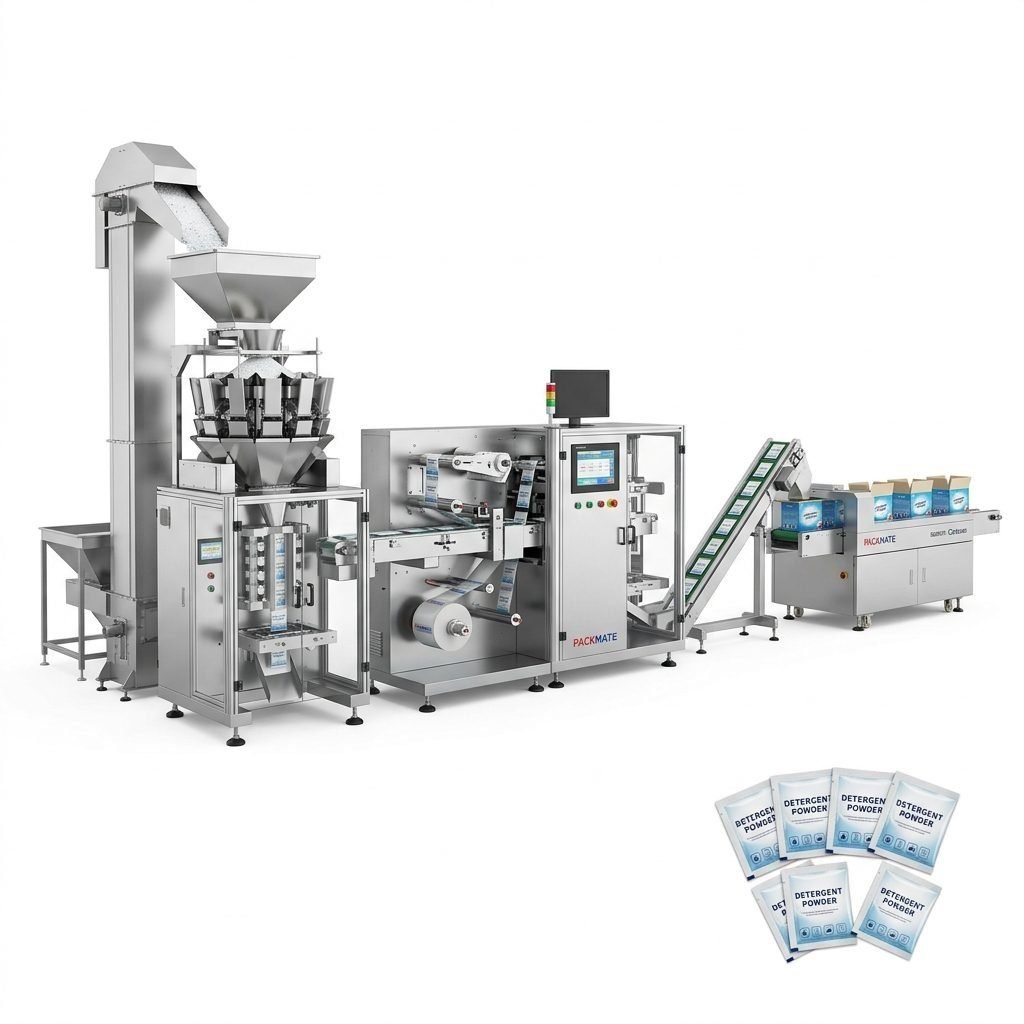
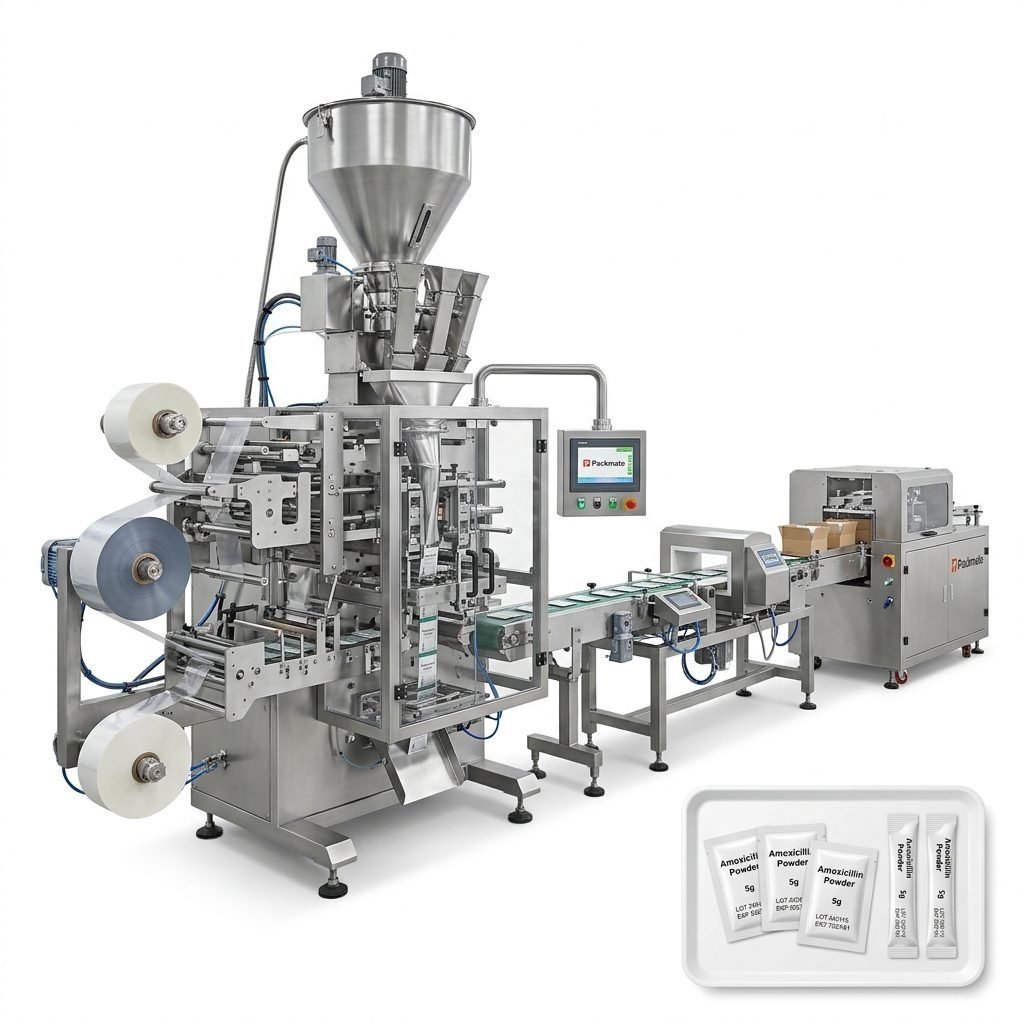
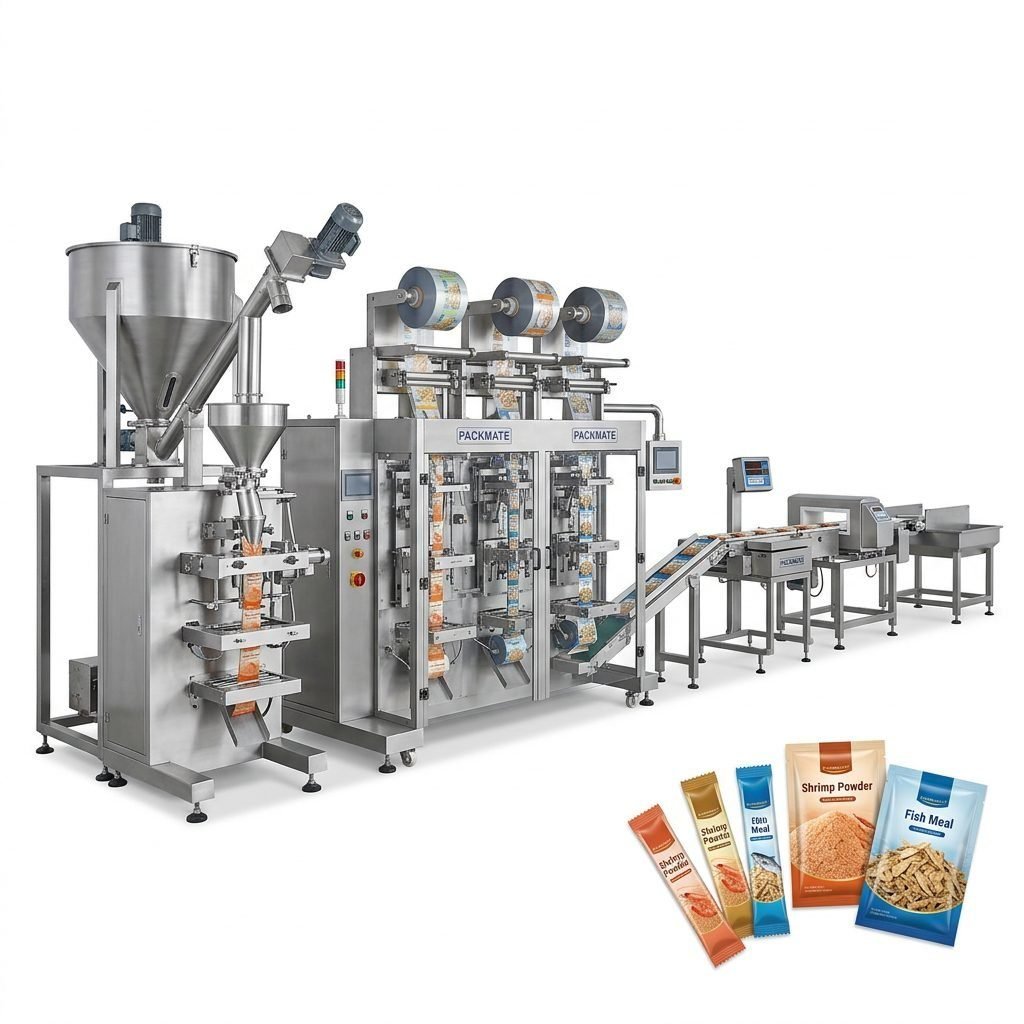
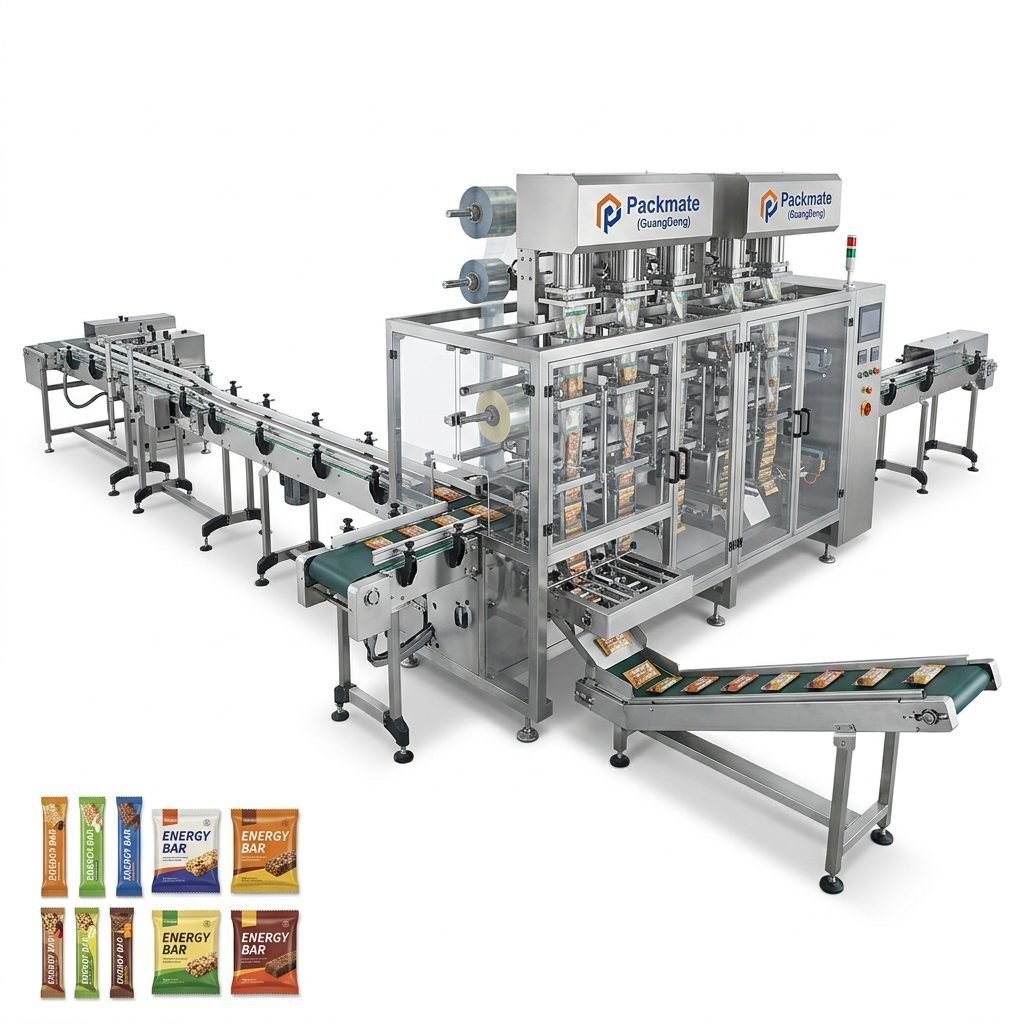
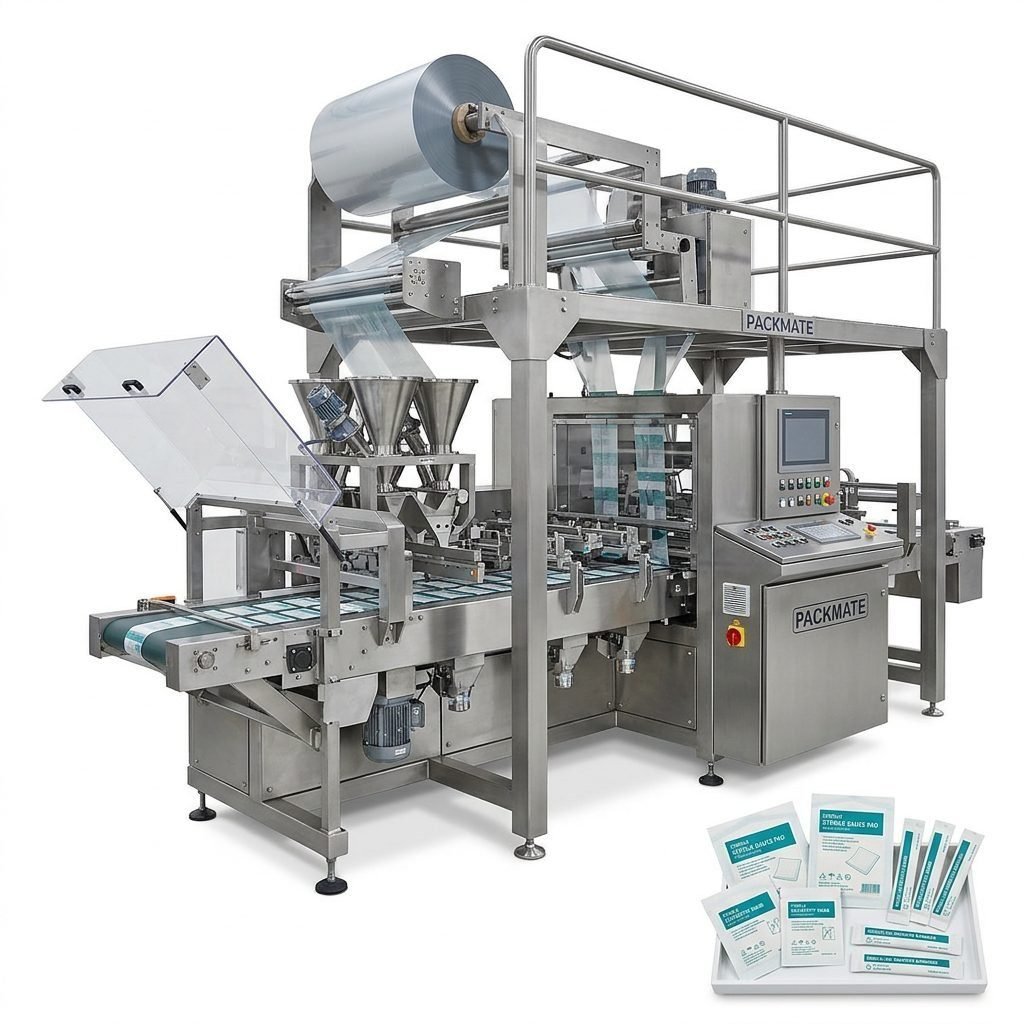
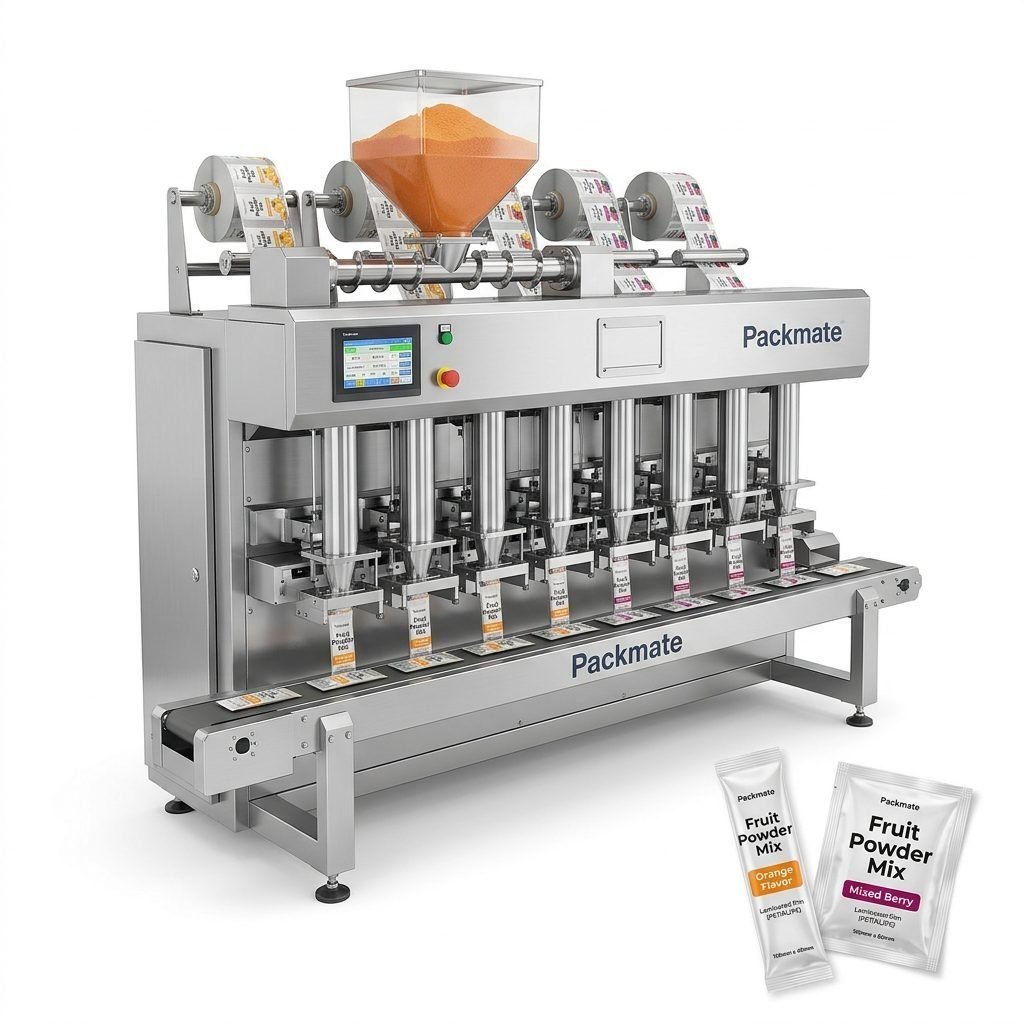
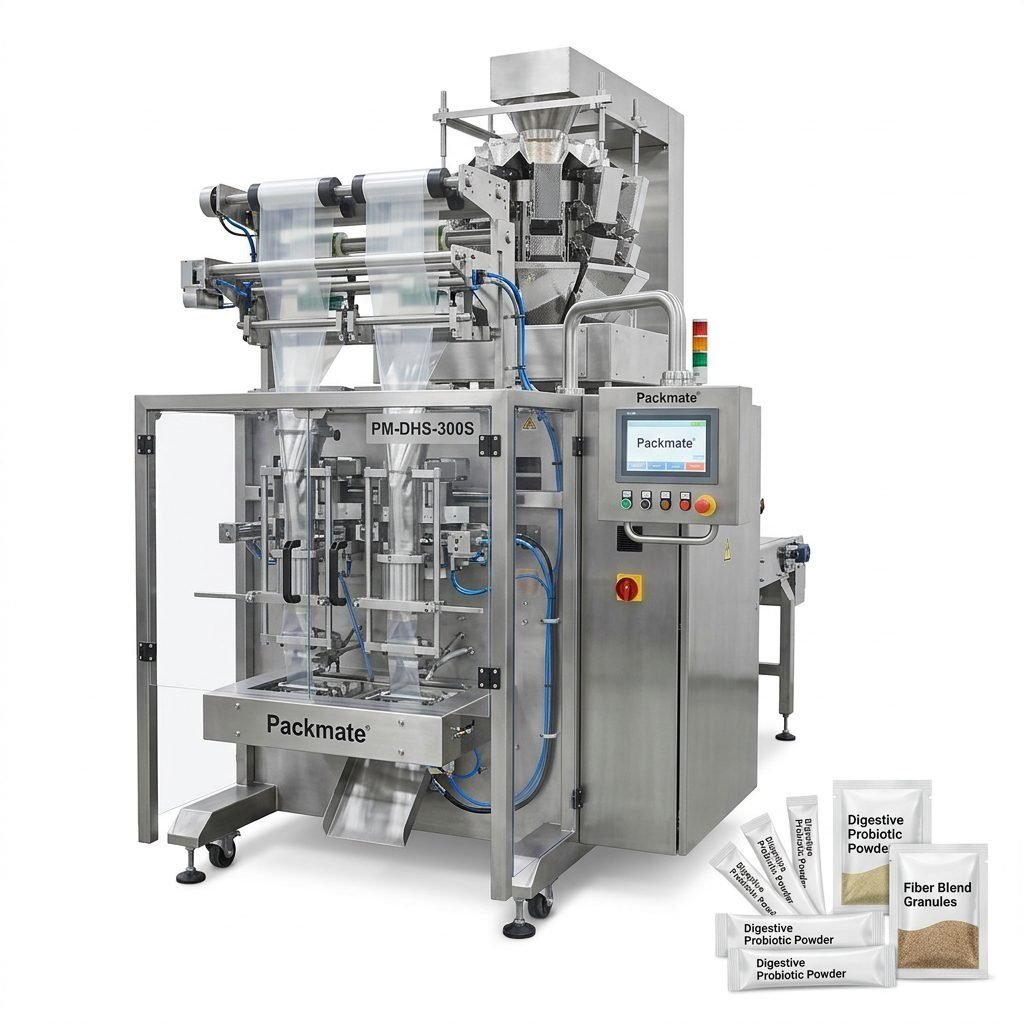
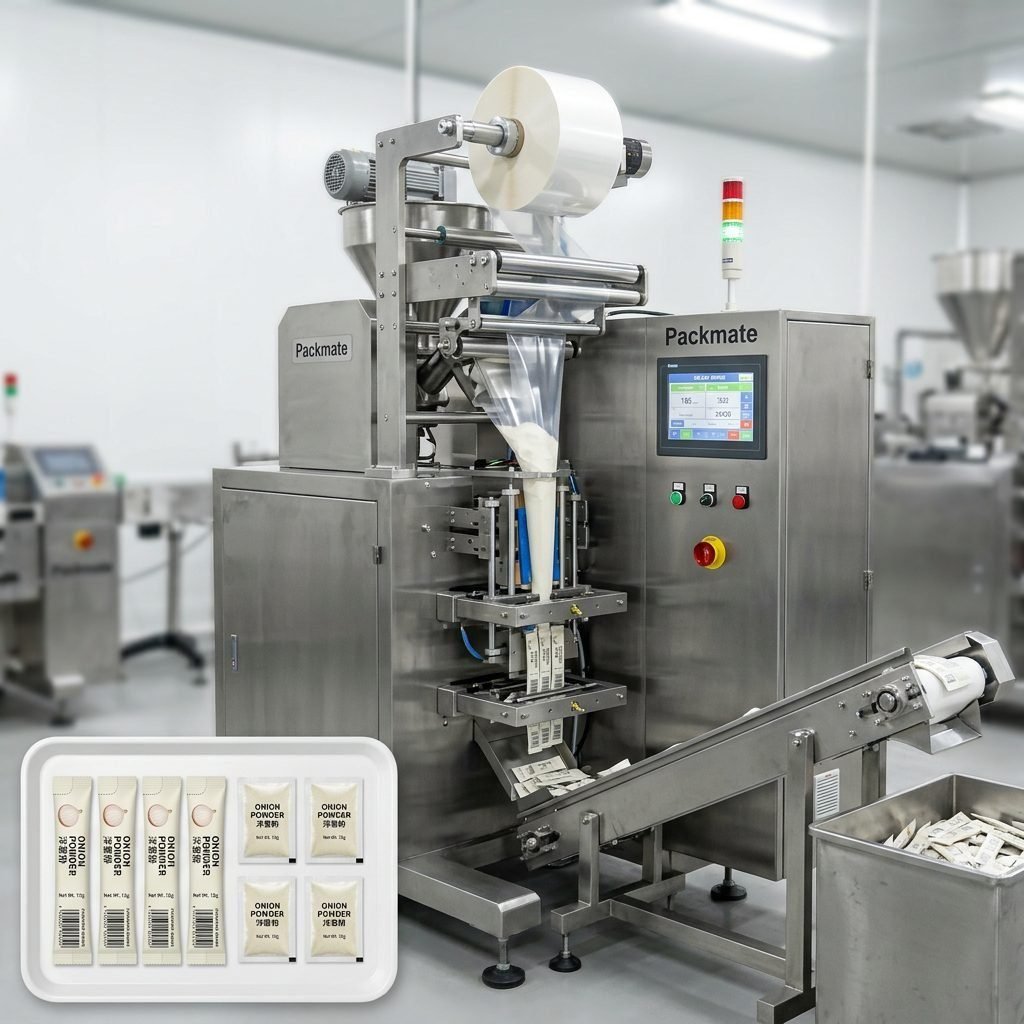
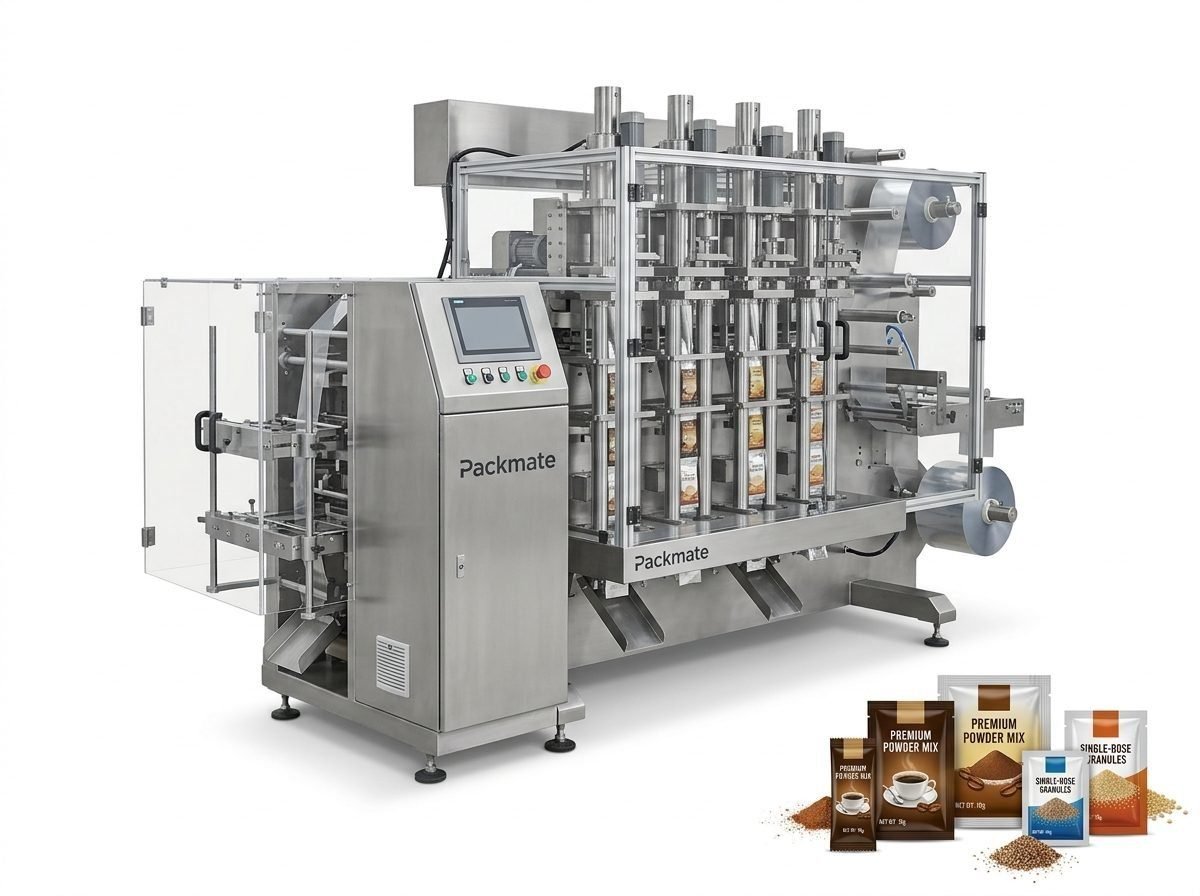
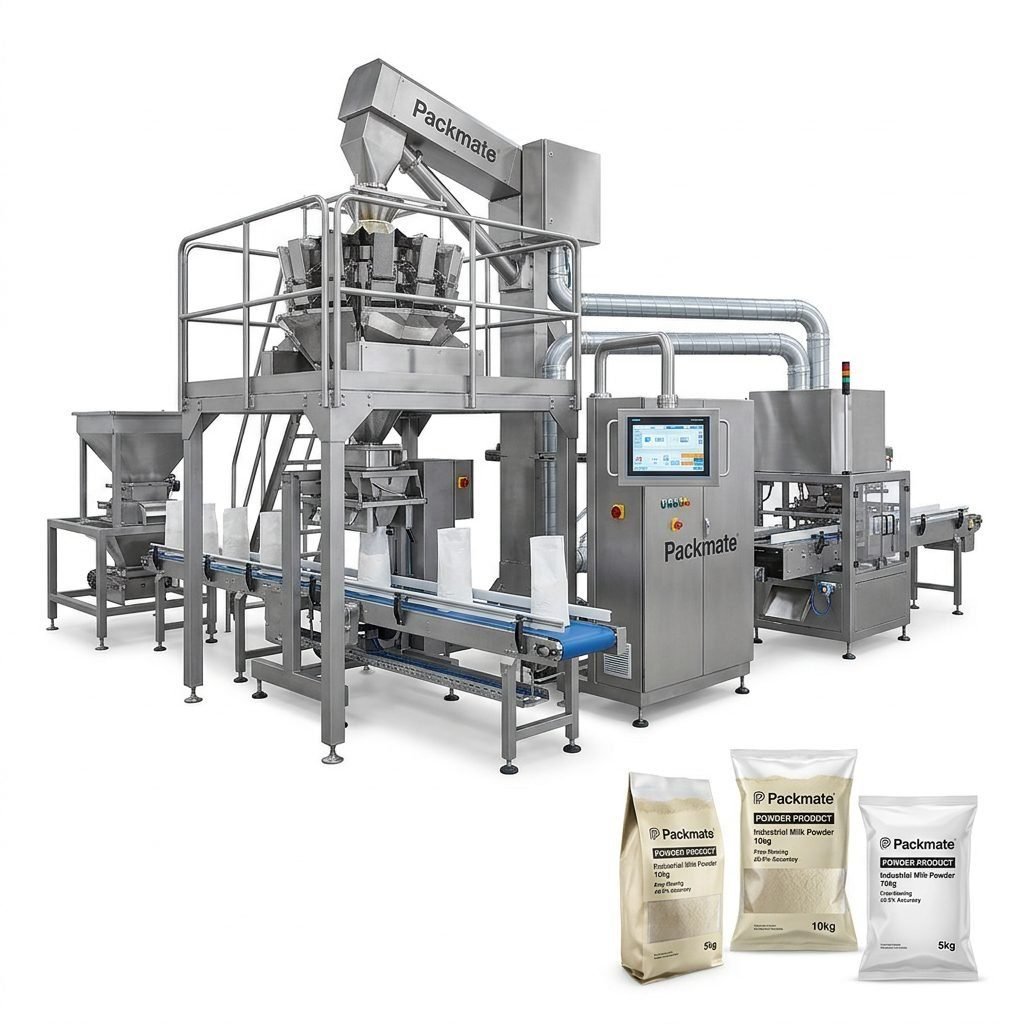
Packmate Machinery offers a strong combination of reliability and cost-effectiveness, making it a contender for medium to large operations in Angola. With more than 30 years of experience and a focus on food, pharmaceutical, and supplement packaging, they provide practical automation solutions. Their range of over 80 machine models allows for flexibility. For an Angolan pharmaceutical manufacturer needing to package oral rehydration salts or antibiotic powders in sachets, Packmate’s equipment could provide the necessary stability and precision. Their focus on responsive communication and export support aligns well with the needs of international buyers.
PacklineOEM: Specialists in Integrated Lines
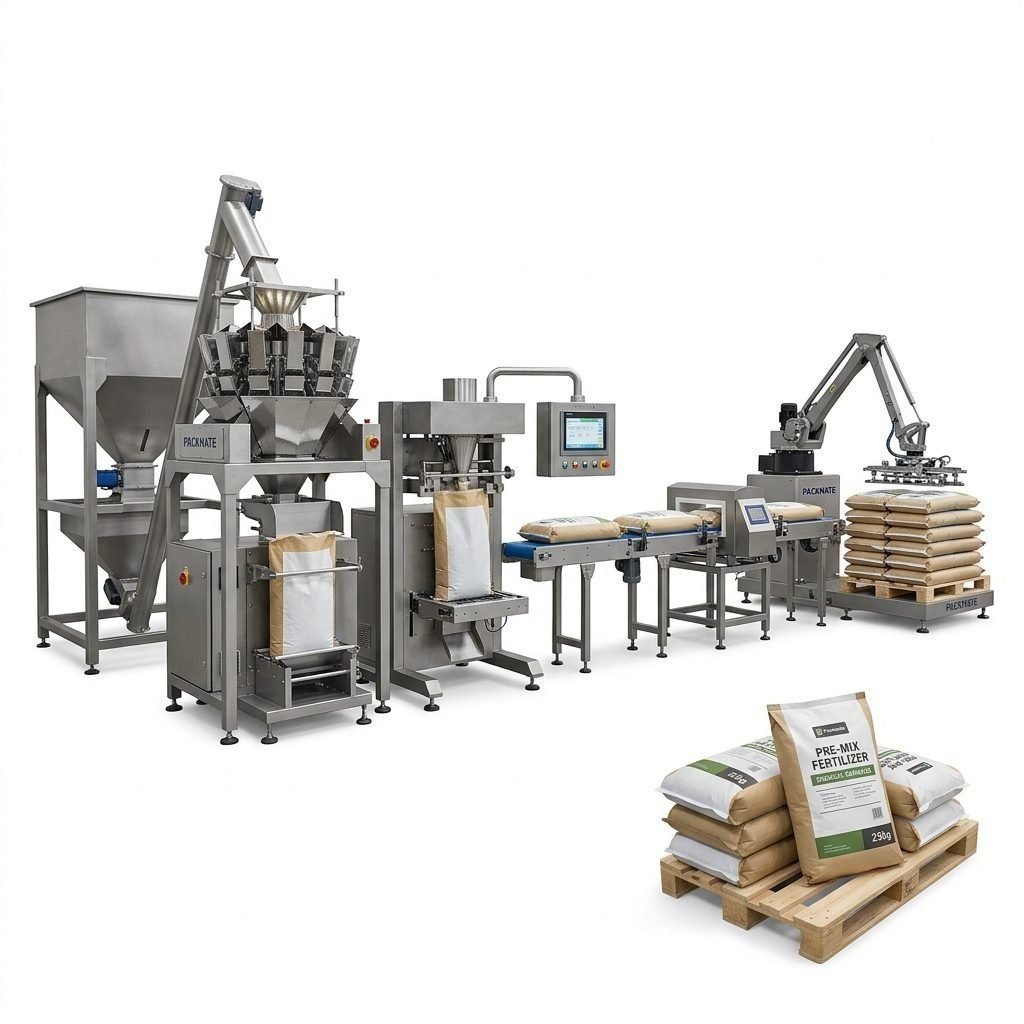
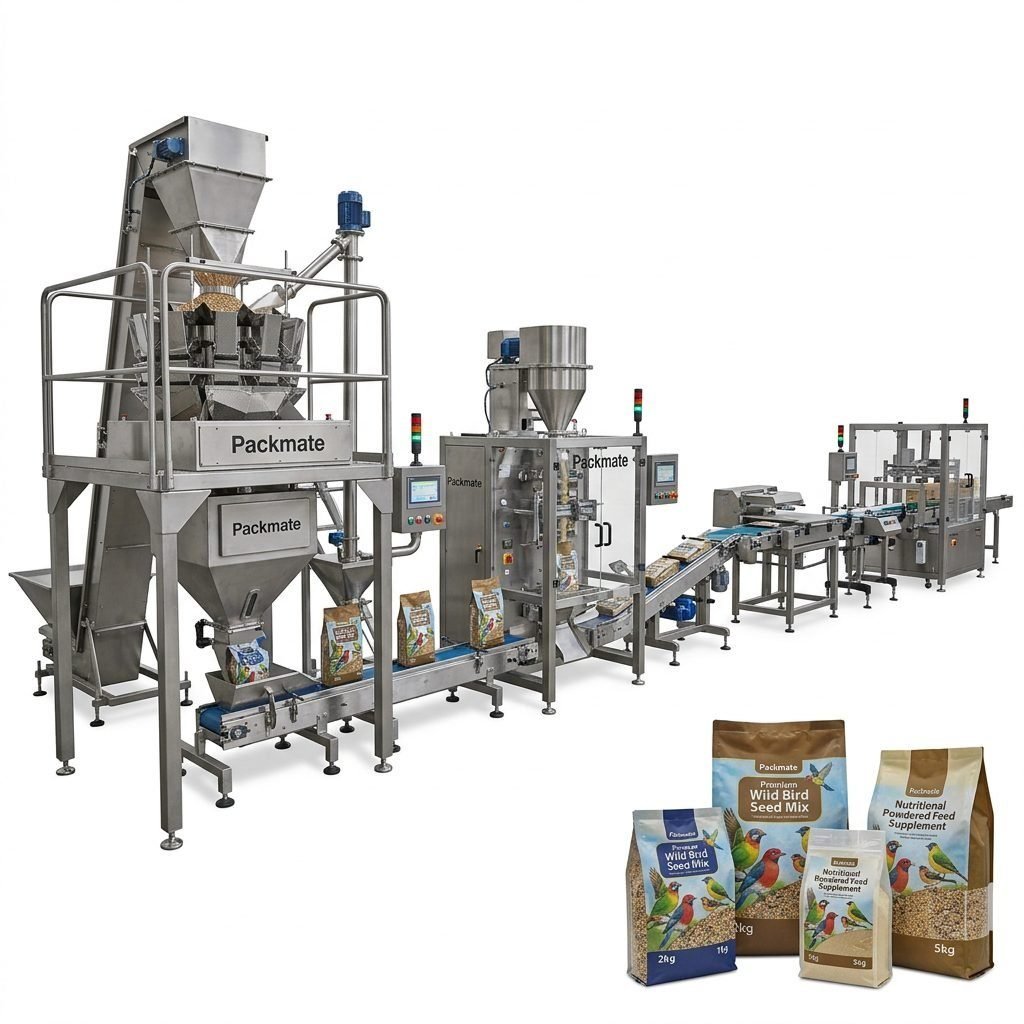
If your project in Angola involves building a new production facility or a major upgrade requiring seamless integration, PacklineOEM is a manufacturer to consider. They specialize in intelligent turnkey packaging production lines. This means they can handle the entire process from feeding and weighing to filling, sealing, conveying, and end-of-line packaging. For a large-scale agro-processing plant in Angola packaging fertilizer, animal feed, or bulk food products, this integrated approach can optimize layout, efficiency, and control. Their expertise is particularly suited for complex, high-volume applications.
PackingMachineOEM: Experts in Customization
For businesses with unique products that don’t fit standard machine parameters, PackingMachineOEM focuses on non-standard and customized packaging solutions. This is relevant for Angolan companies working with local ingredients that may have unusual flow characteristics, shapes, or packaging material requirements. Whether it’s a special blend of herbs, a viscous local sauce, or a product requiring a specific pouch shape, their engineering team can adapt machinery accordingly. Their flexibility makes them a good partner for OEM projects and specialized production needs.
SnusMachinery: Niche Expertise for Pouch Products
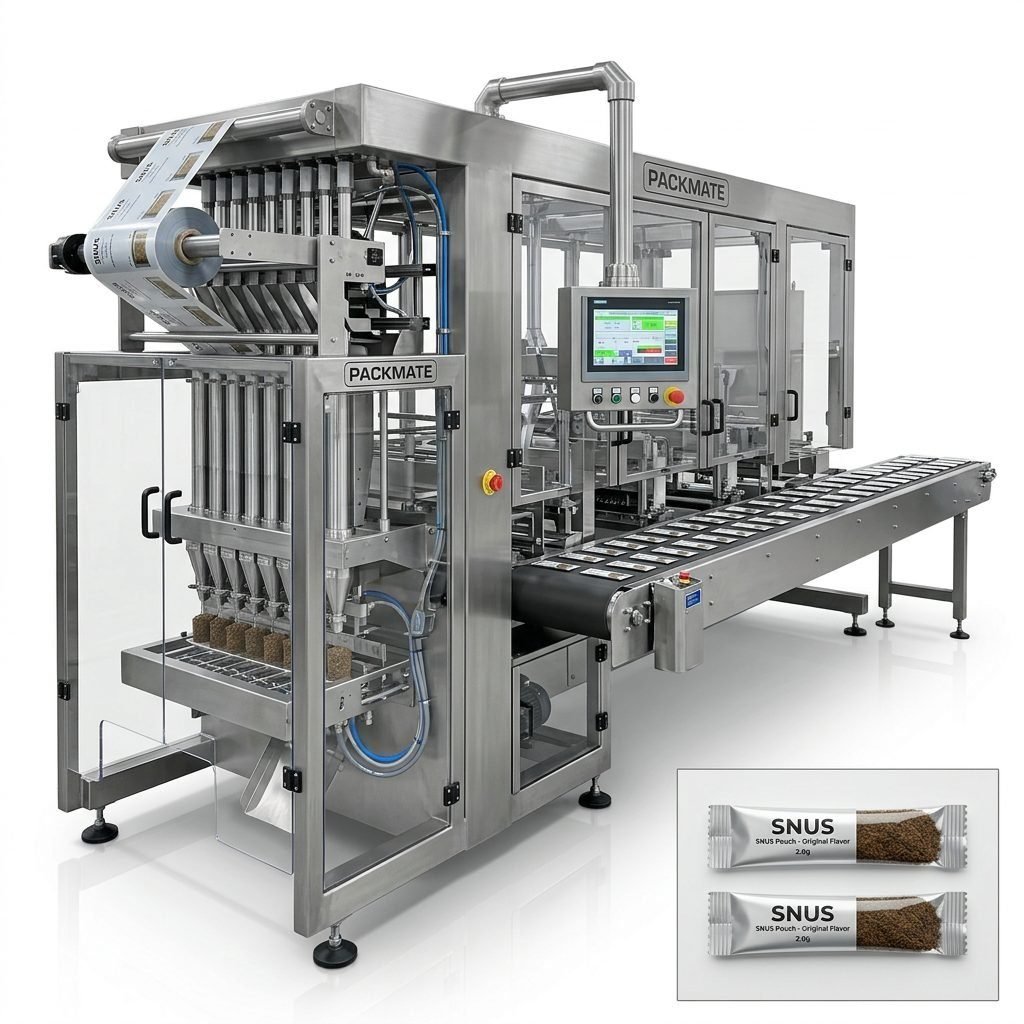
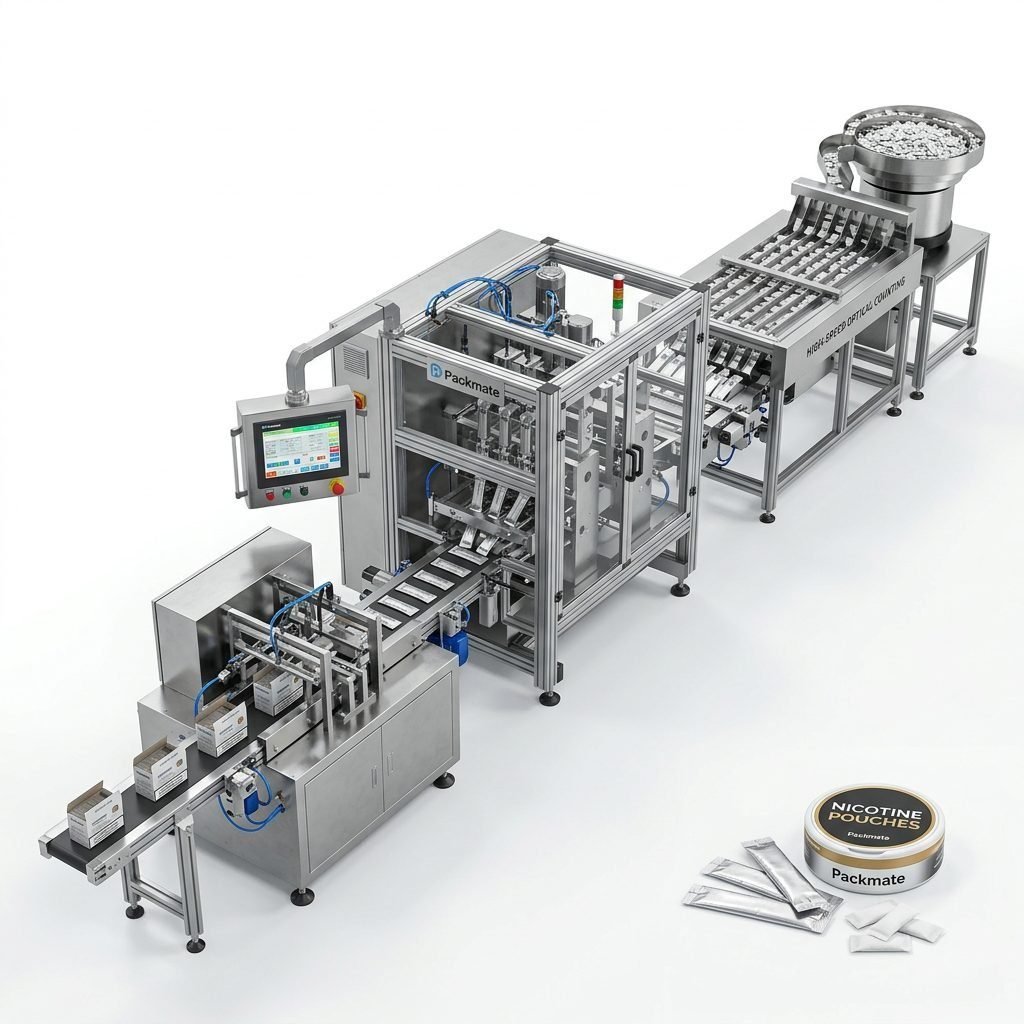
While SnusMachinery has a specialized focus on nicotine pouch and snus packaging, their core technology is highly applicable to other precision pouch packaging sectors. For Angolan companies in the growing health supplement or tea bag industry, their high-performance multi-lane pouch systems offer advantages in dosing accuracy and sealing reliability. Their dedicated expertise in pouch packaging can be a significant asset for businesses aiming for high-quality, consistent portion packs in competitive markets.
Decision-Making Checklist for Angolan Buyers
Use this table to systematically compare potential suppliers based on your specific project needs.
| Evaluation Factor | Key Questions for the Manufacturer | Importance for Angola |
|---|---|---|
| Local Support & Logistics | Do you have agents, distributors, or service partners in Africa or Angola? What is your process for shipping and clearing customs? How are spare parts delivered? | Critical. Direct support channels reduce downtime risks. |
| Machine Robustness | Are the machines designed to tolerate voltage fluctuations or dusty environments? What is the expected machine lifespan? | High. Equipment must be durable for long-term operation. |
| Training & Documentation | Is on-site installation and training included? Are manuals available in English or Portuguese? Is remote troubleshooting available? | High. Ensures proper operation and basic maintenance capability locally. |
| Payment Terms & Financing | What are the standard payment terms? Do you offer any financing options or work with export credit agencies? | Moderate to High. Flexible terms can facilitate procurement. |
Final Steps Before Purchase
1. Request a Product Test: Always send your actual product sample to the shortlisted manufacturer for a live test run. This verifies machine performance, speed, and sealing quality.
2. Seek Detailed References: Ask for contact information of past clients, preferably in similar industries or regions. Speak to them about their experience with machine performance and after-sales service.
3. Review the Contract Thoroughly: Ensure the contract clearly outlines scope of supply, delivery timeline (FOB, CIF, etc.), warranty details, payment schedule, and responsibilities for installation and training.
4. Plan for Implementation: Prepare your factory site (power, compressed air, space) in advance and designate staff to be trained as machine operators and for basic maintenance.
Frequently Asked Questions (FAQs)
What type of packaging machine is most common for small businesses in Angola?
For small to medium enterprises (SMEs), vertical form-fill-seal (VFFS) machines for sachets or simple stick packs are popular due to their relatively lower cost, flexibility in bag size, and suitability for a wide range of dry products like spices, salt, sugar, and single-serve beverages.
How can I ensure I get genuine spare parts quickly in Angola?
Discuss the spare parts supply chain explicitly with your supplier. Choose manufacturers who keep a standard inventory of critical spare parts and have reliable international courier partnerships. Consider purchasing a starter kit of common wear parts with the machine.
Are used packaging machines a good option for Angola?
While cheaper initially, used machines carry higher risks of breakdowns, difficulty in finding spare parts, and potentially outdated technology. For critical production, a new machine from a reputable supplier with a warranty and support is generally a more reliable long-term investment.
What are the key maintenance routines for packaging machines?
Daily cleaning, lubrication of moving parts as per the manual, inspection of seals and cutting blades, and checking for loose components are essential. Proper training from the supplier is crucial to establish these routines and prevent major breakdowns.
How important is after-sales service compared to the machine price?
For operations in Angola, robust after-sales service is often more important than a marginally lower price. A machine that stops for weeks waiting for a technician or a spare part can cause significant financial loss. Prioritize suppliers with a proven, responsive support system for international clients.