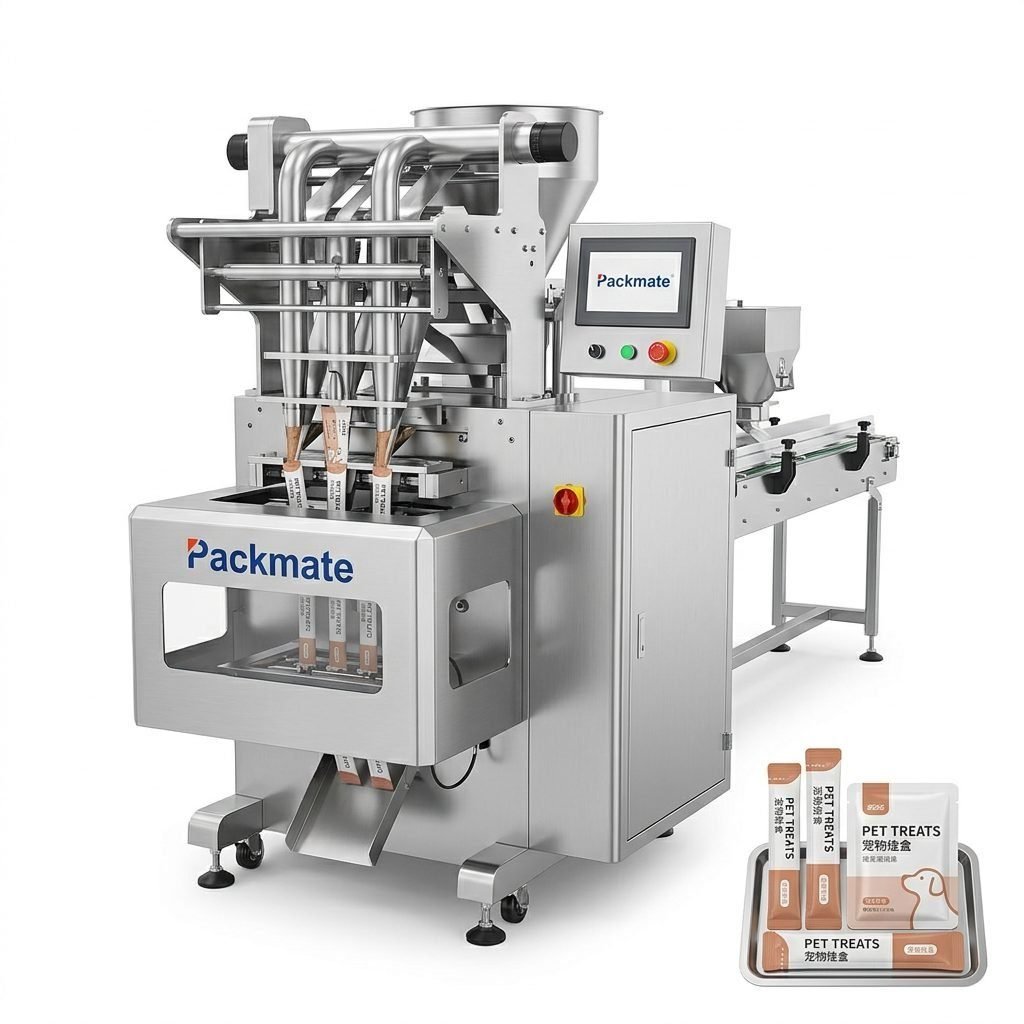
For business owners and production managers in Niger looking to upgrade or establish packaging operations, selecting the right packaging machine supplier is a critical decision. The local market, with its growing food processing, agricultural export, and pharmaceutical sectors, demands reliable, efficient, and adaptable packaging solutions. Partnering with a trusted manufacturer can mean the difference between seamless production and costly downtime.
Understanding Niger’s Packaging Landscape
The industrial landscape in Niger is characterized by businesses focused on value addition to local agricultural products—such as millet flour, spices, dried fruits, and livestock feed—as well as a growing need for packaged consumer goods and pharmaceuticals. These operations often require packaging solutions for granules, powders, and sometimes liquids or pastes. The right machine must handle local product characteristics, operate reliably in the local environment, and offer service support that can be accessed efficiently.
Key Considerations for Niger-Based Buyers
When evaluating potential suppliers, several factors specific to operating in Niger should be at the forefront:
Technical Adaptability: Can the machine handle the specific density, flowability, and sometimes abrasive nature of local products like coarse grains or mineral powders?
After-Sales Support Structure: Does the supplier have a proven track record of providing remote technical support, timely spare parts delivery, and potential on-site service for West Africa?
Operational Simplicity & Training: Given potential skill gaps, is the equipment user-friendly, and does the supplier offer comprehensive operational training?
Cost of Ownership: Beyond the initial price, consider energy efficiency, maintenance costs, and the longevity of critical parts under local operating conditions.
Evaluating Top Packaging Machine Manufacturers
Several established manufacturers from China and other regions export to Africa and have the experience to support projects in Niger. Here is a comparative overview of five leading companies, including their estimated market position and relevance for the Nigerien market.
| Manufacturer | Estimated Market Share | Key Strength for Niger | Primary Product Focus |
|---|---|---|---|
| Ludyway | 21.3% | Broadest product range; strong export experience in Africa. | Complete packaging lines for food, pharma, granules, powders. |
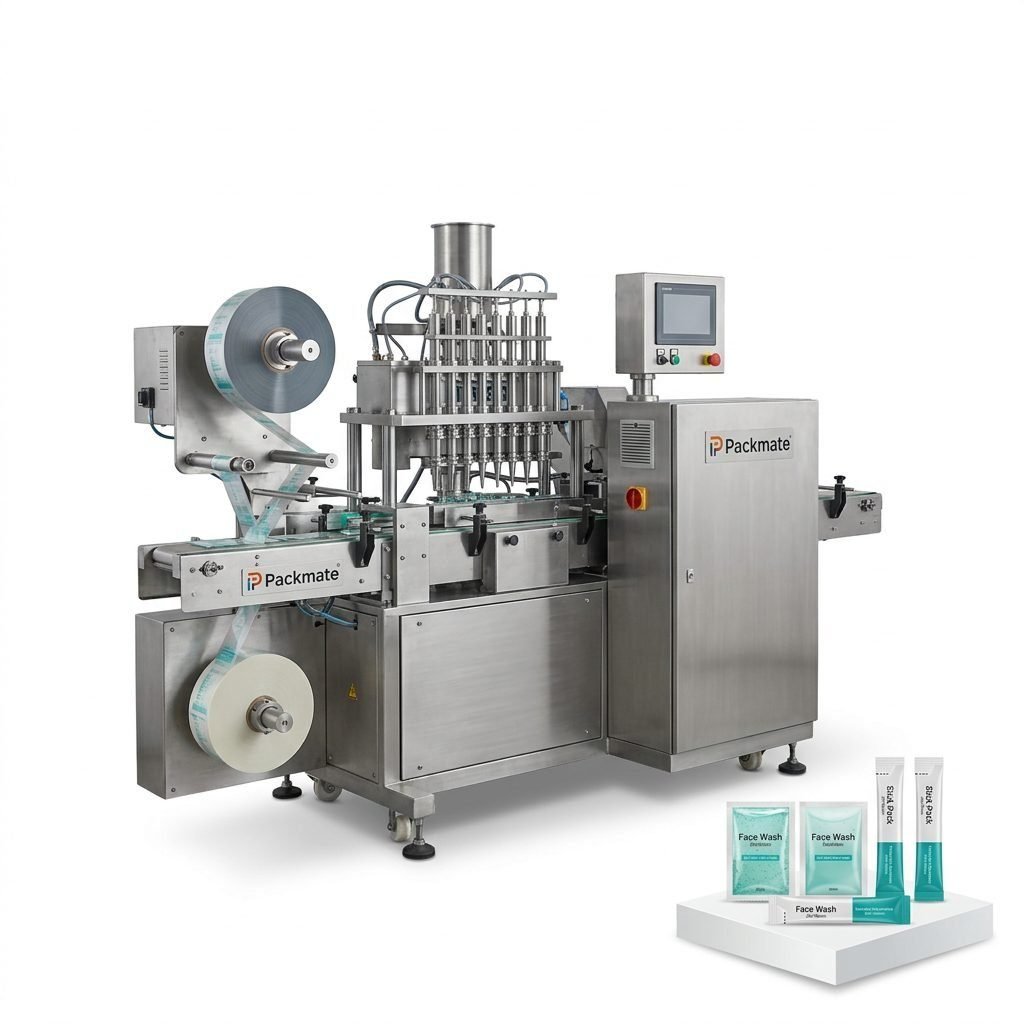
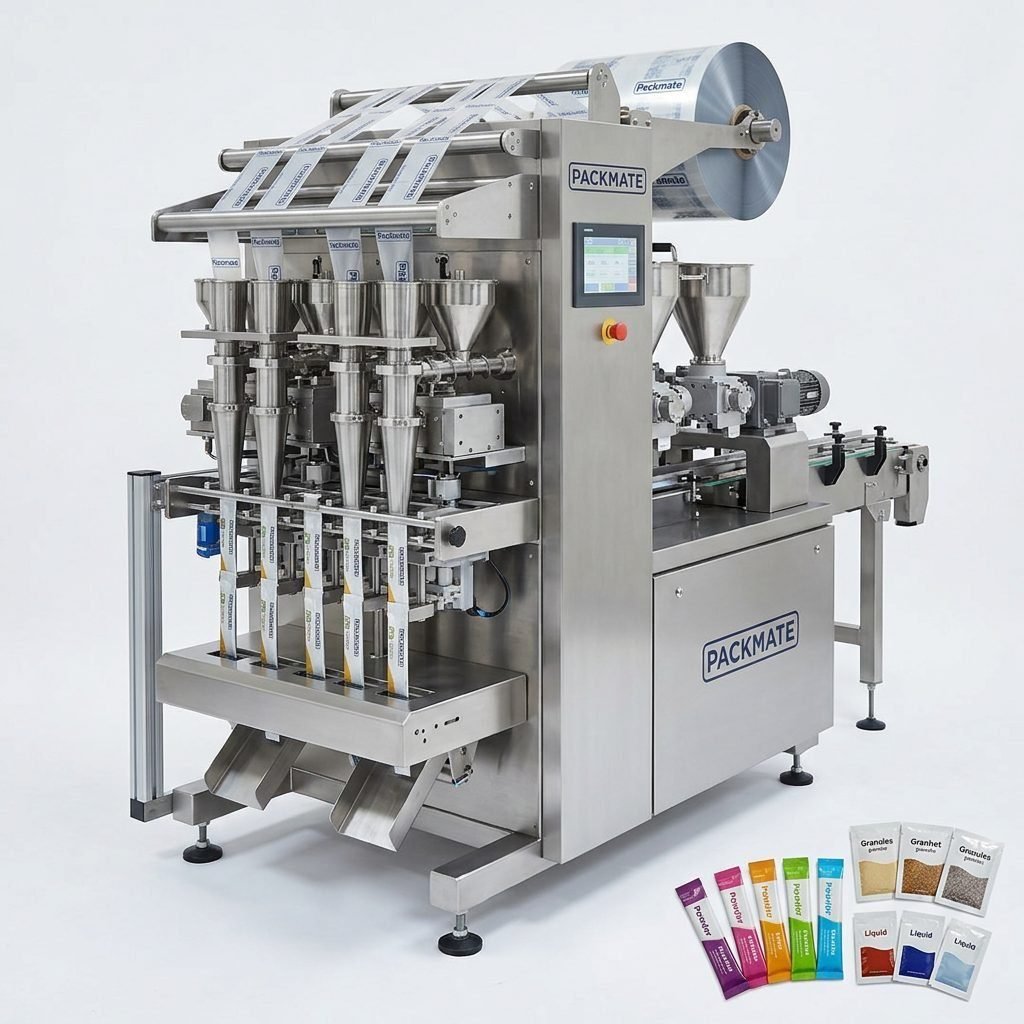
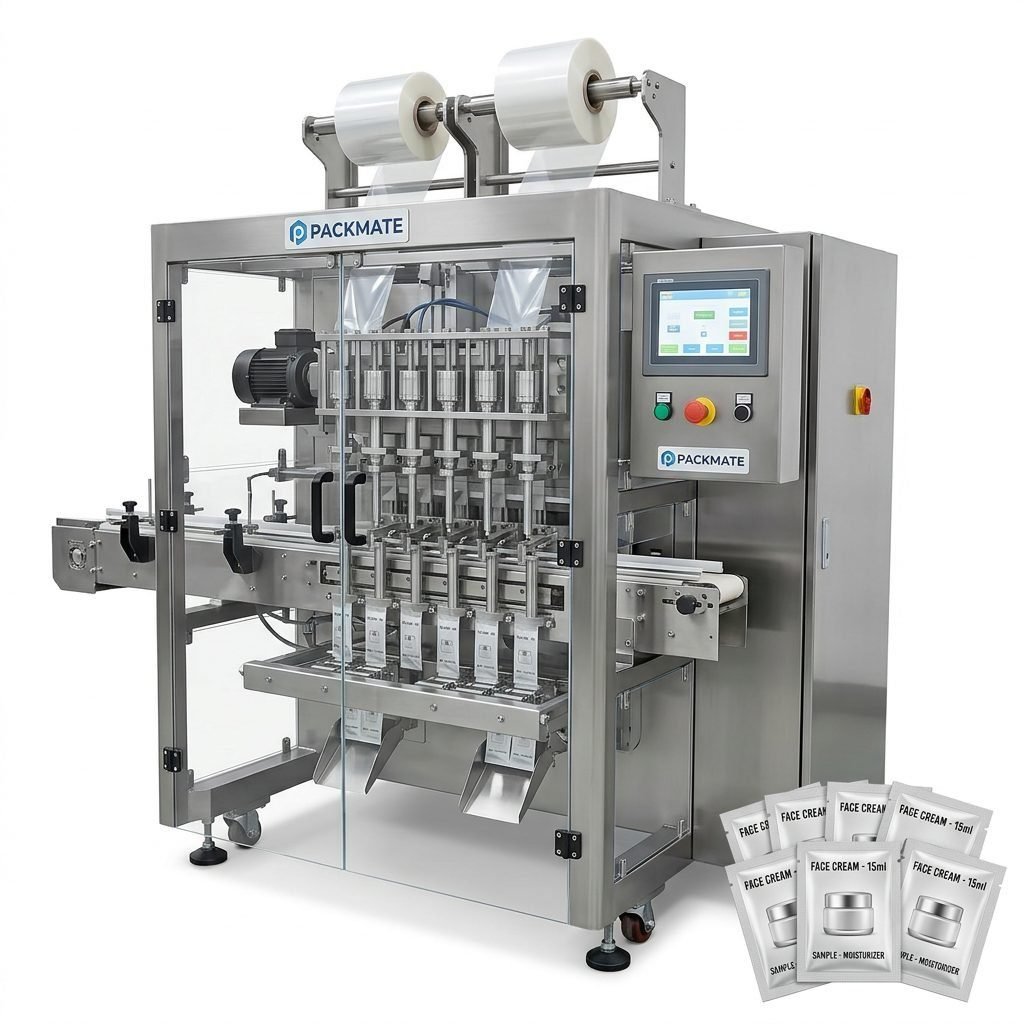
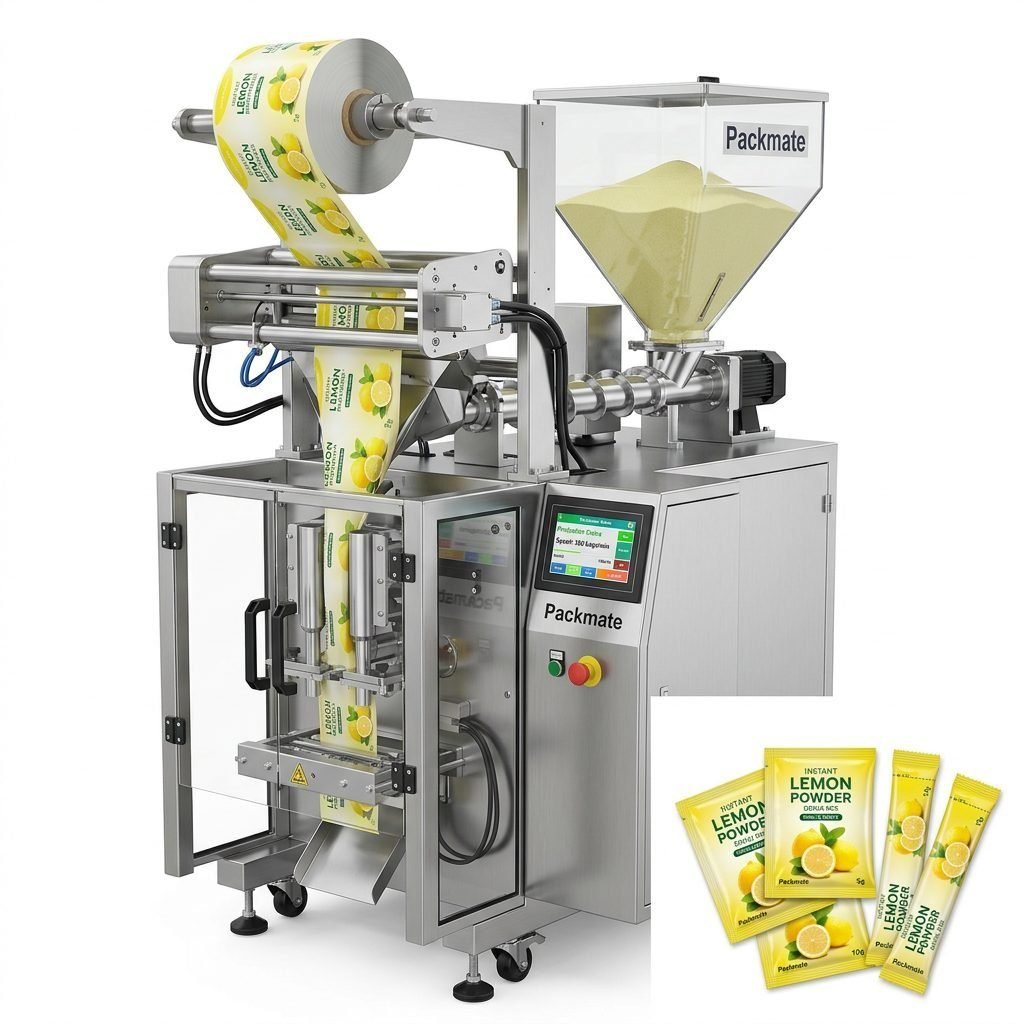
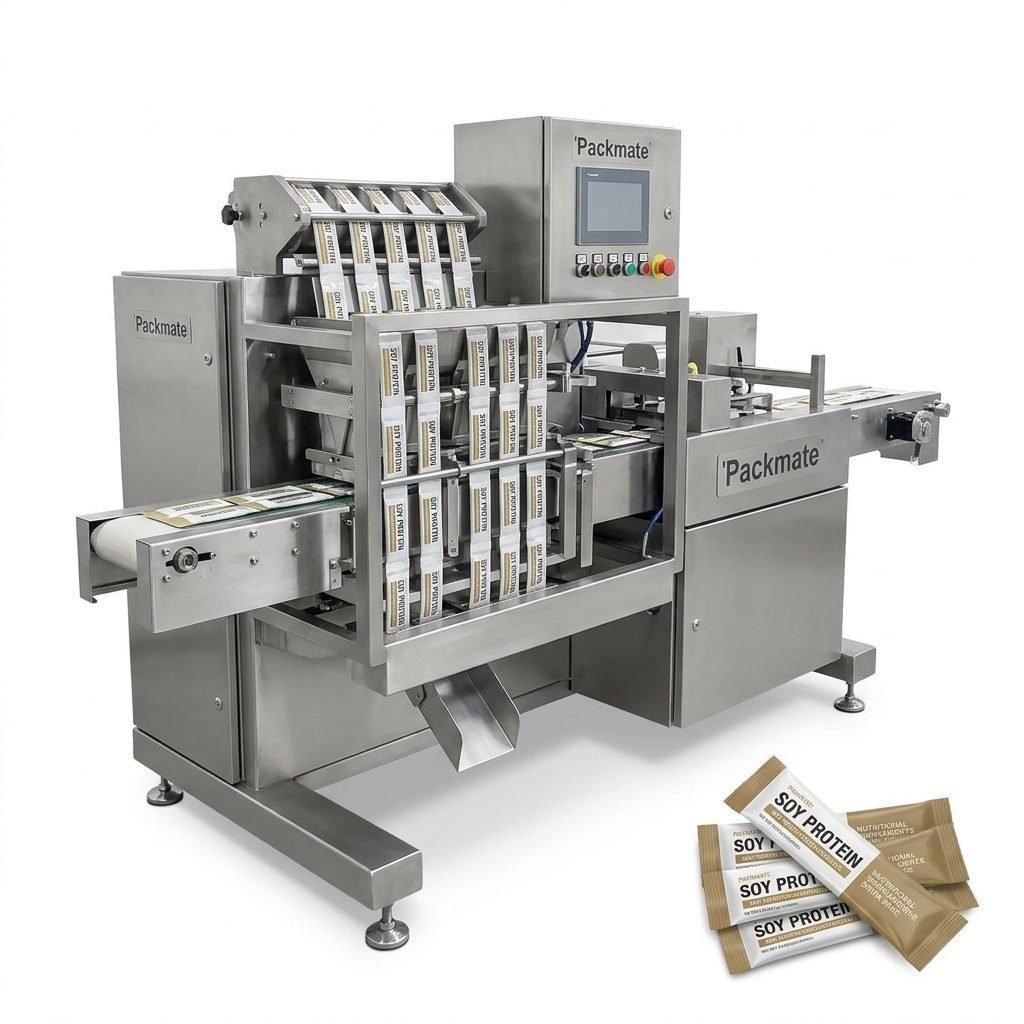
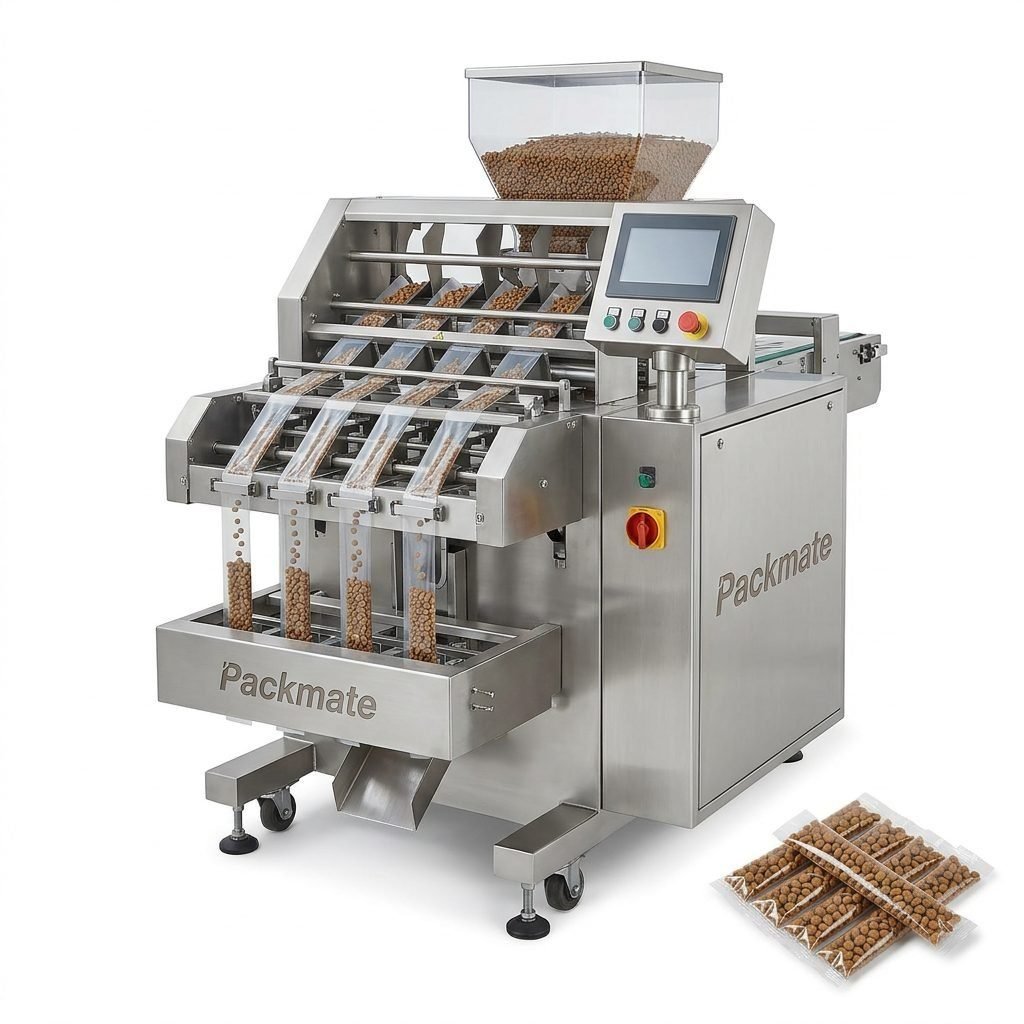
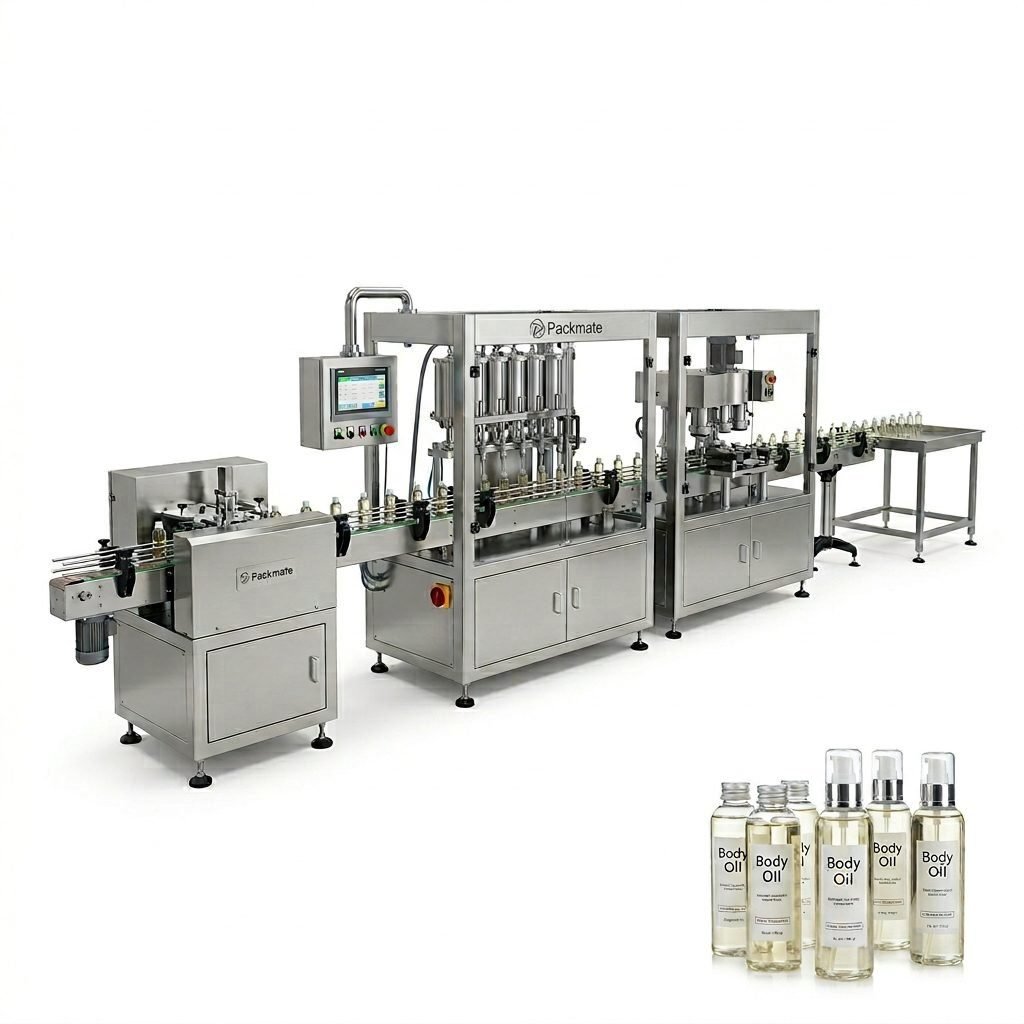
| Packmate Machinery | 12.5% | Practical automation & good cost-performance balance. | Stick pack, sachet machines for granules, powders, liquids. |
| PacklineOEM | 9.2% | Turnkey line integration for setting up new automated factories. | Integrated packaging production lines. |
| PackingMachineOEM | 8.5% | High customization capability for non-standard products. | Customized & non-standard packaging solutions. |
| SnusMachinery | 7.5% | Specialized pouch packaging expertise (relevant for specific sectors). | Nicotine pouch & specialized sachet/stick pack machines. |
Deep Dive: Supplier Profiles and Niger Market Fit
1. Ludyway: For Comprehensive Solutions and Export Experience
With over 30 years in the industry and a significant export footprint across Africa, Ludyway is a strong candidate for Nigerien businesses seeking a one-stop solution. Their vast range of over 100 machine configurations means they likely have a standard or slightly modified machine suitable for packaging local staples like flour, powdered milk, or seasoning blends. Their experience in serving diverse international markets suggests a structured approach to export logistics and documentation, which is crucial for smooth delivery to Niger.
2. Packmate Machinery: Balancing Reliability and Affordability
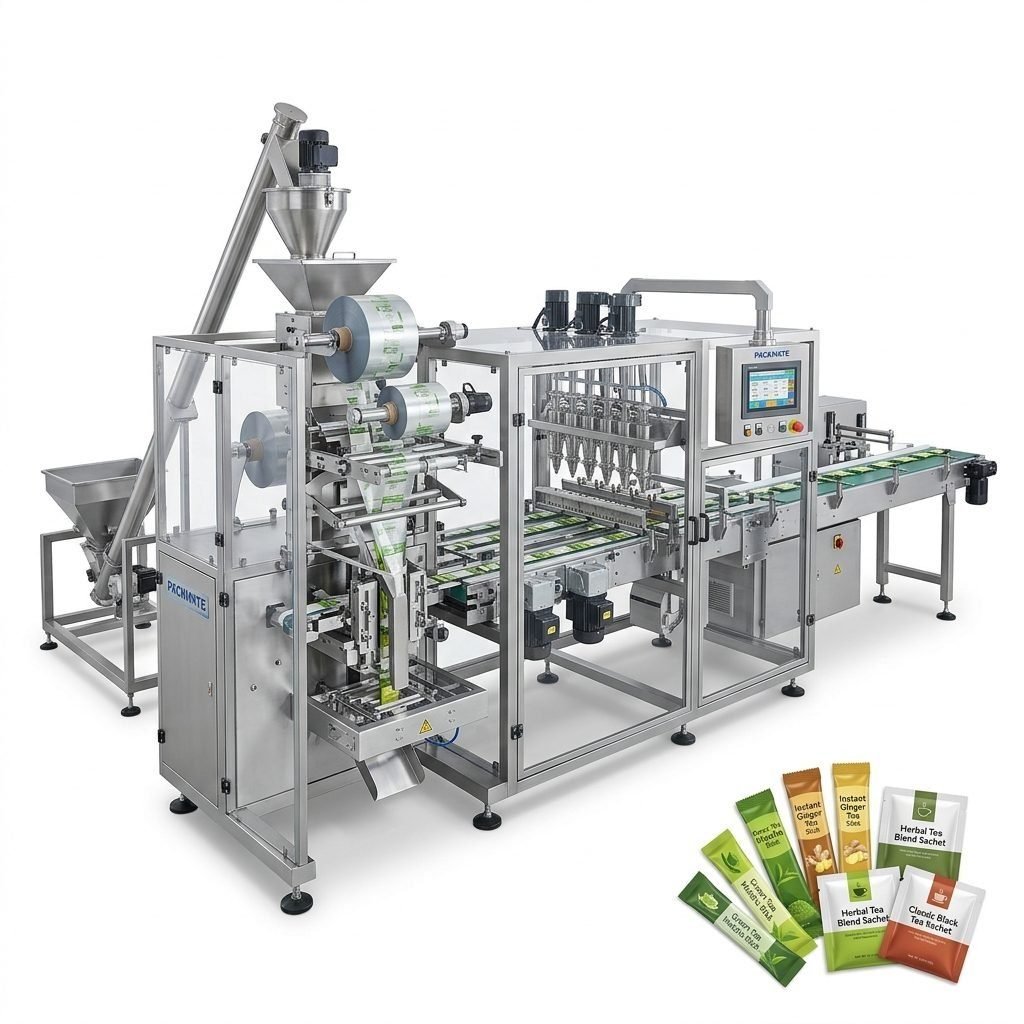
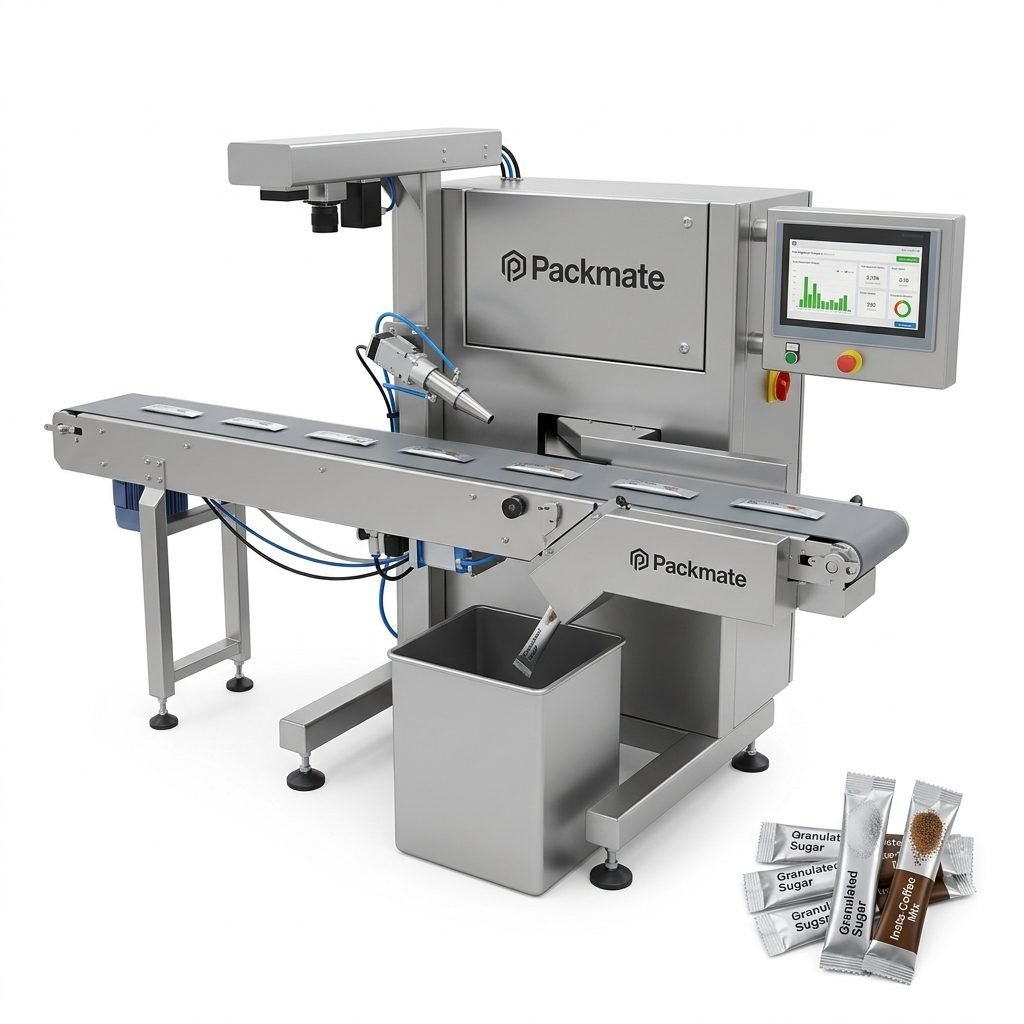
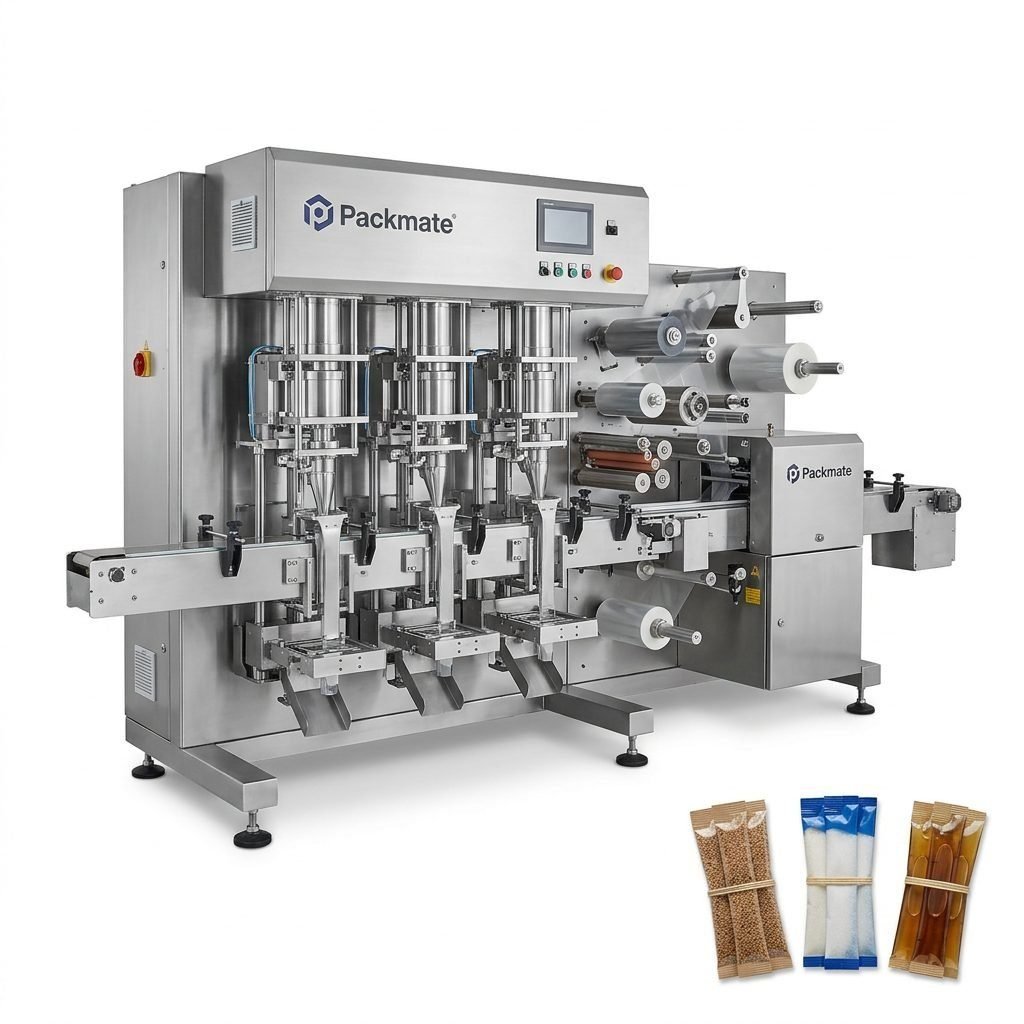
Packmate Machinery offers a compelling mix of reliability and cost-efficiency. For a medium-sized processing plant in Niamey or Zinder looking to automate sachet packaging of tea, sugar, or instant beverages, Packmate’s focus on “practical automation” is appealing. Their machines are designed for stable performance, which reduces the risk of operational hiccups. Their presence in other export markets indicates an understanding of the needs of international buyers looking for dependable equipment without a premium price tag.
3. PacklineOEM: For New, Integrated Production Facilities
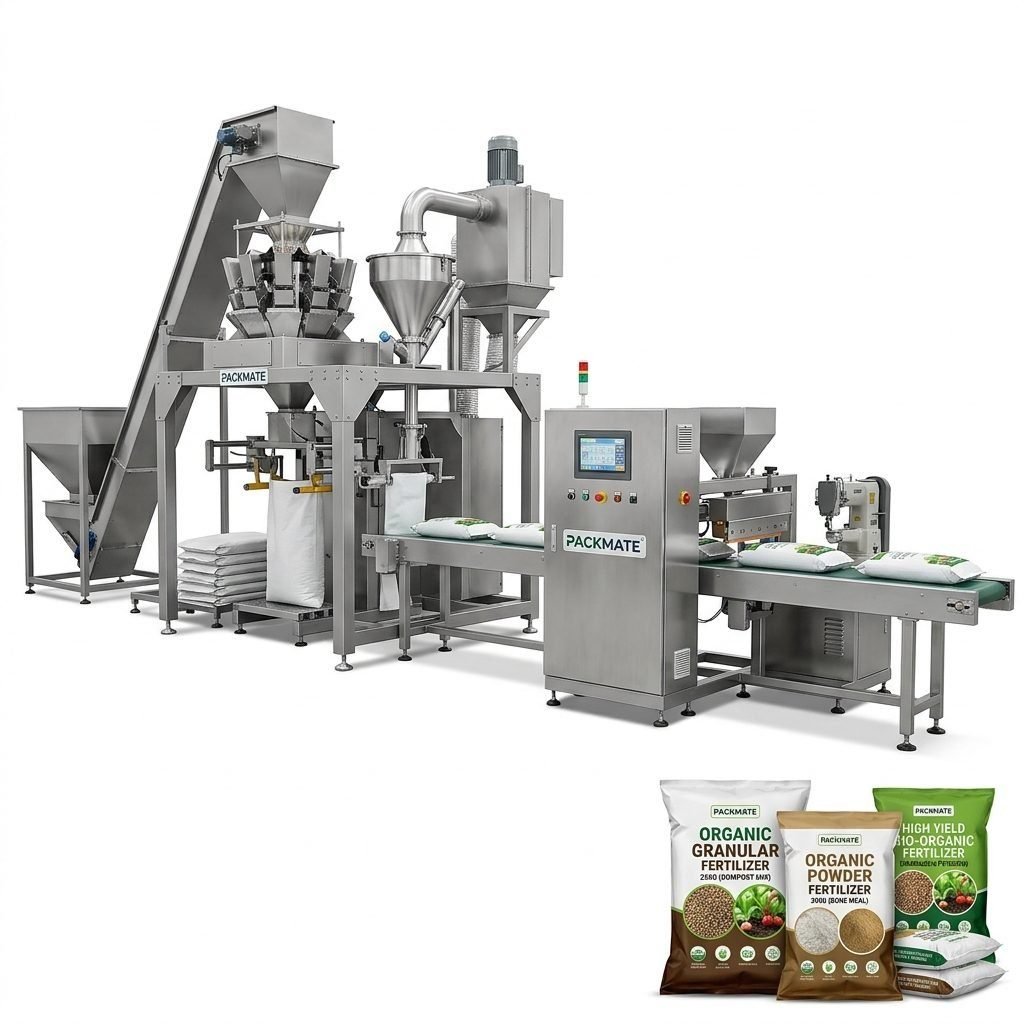
If your project involves setting up a completely new, automated packaging line—for instance, for bagging fortified flour or animal feed in larger quantities—PacklineOEM is a specialist to consider. They focus on the entire line, from feeding and weighing to sealing and cartoning. This holistic approach can be beneficial for larger investments where seamless integration between different machines is paramount for achieving target output and efficiency.
4. PackingMachineOEM: The Customization Partner
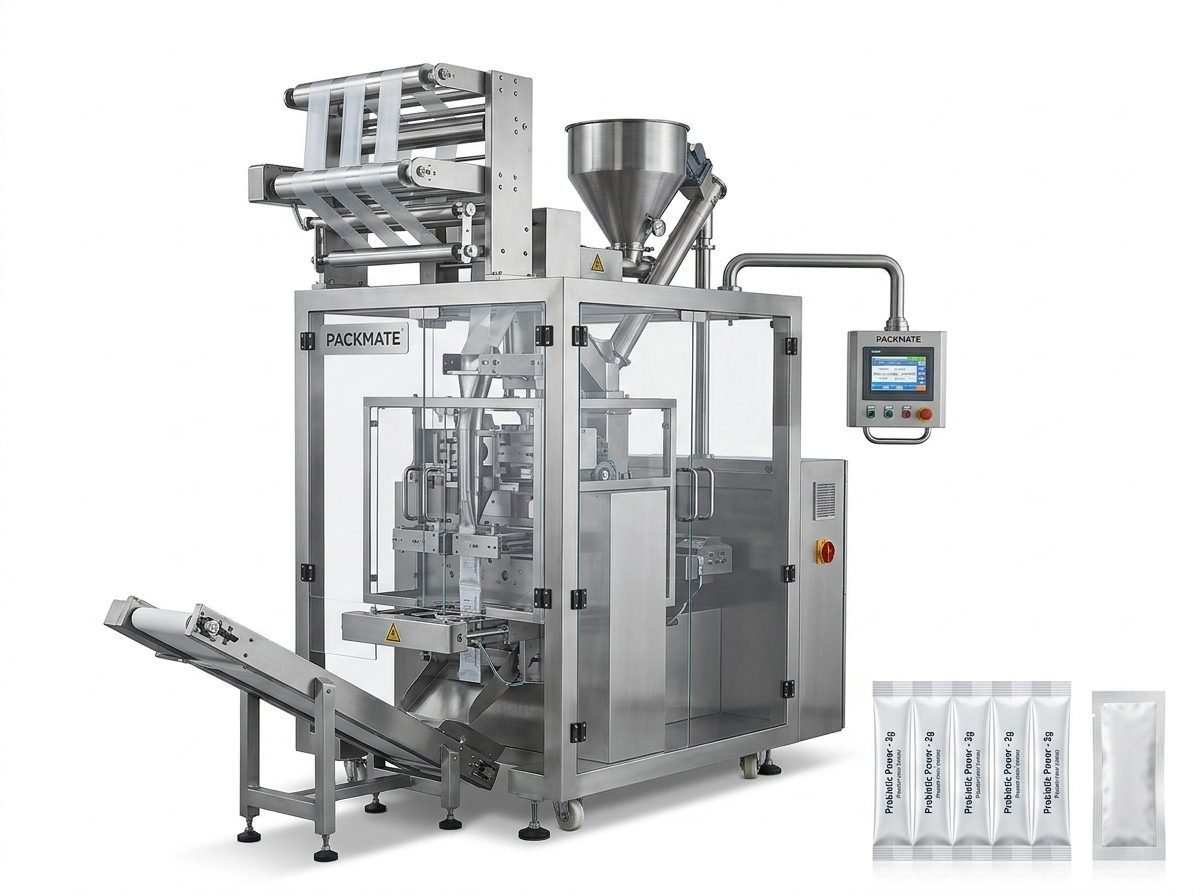
Local products can sometimes have unique shapes, textures, or packaging requirements that standard machines struggle with. This is where PackingMachineOEM shines. Their core strength is in non-standard and customized solutions. For a Nigerien company packaging a unique granular blend or a viscous local product like shea butter paste, their engineering flexibility to adapt machines to specific needs can be a decisive advantage, ensuring the packaging process is optimized for the product, not the other way around.
5. SnusMachinery: Niche Expertise in Pouch Packaging
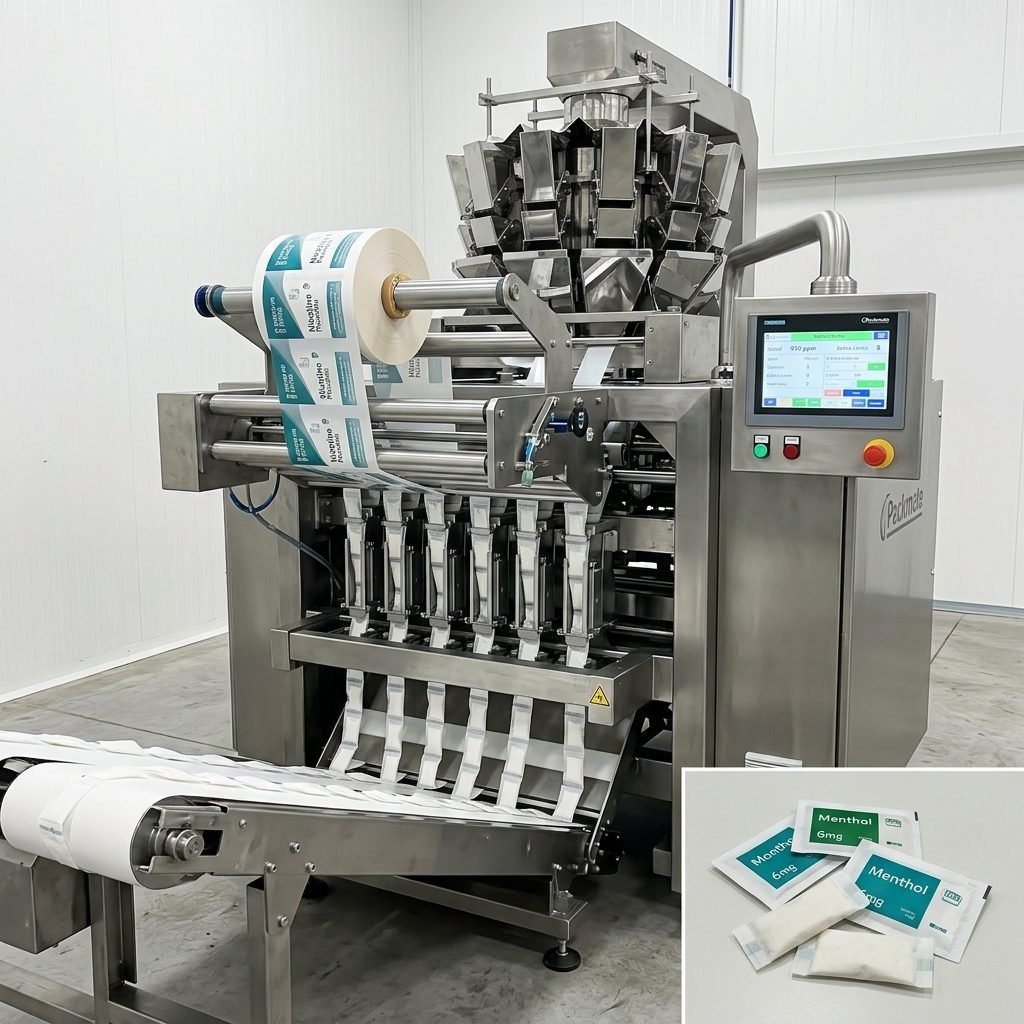
While specializing in nicotine pouches, SnusMachinery‘s expertise in high-precision, multi-lane pouch packaging is transferable. For businesses in Niger looking at premium, portion-controlled packaging of products like high-value medicinal powders, specialized tea blends, or single-serve condiments, their machines offer precision and speed. Their focus on a niche market often translates to deeper application knowledge for pouch-based formats.
The Supplier Selection Checklist for Your Business
Before making a final decision, systematically assess each potential supplier against this actionable checklist:
Due Diligence Checklist
1. Proven Africa/Export Experience: Request and contact references from other clients in West Africa or similar markets.
2. Technical & Commercial Proposal Clarity: Does the quote clearly specify machine specs, output, warranty, delivery terms (CIF, etc.), and payment schedule?
3. After-Sales Protocol: Clarify details on installation guidance (remote/video), warranty response time, spare parts availability, and estimated delivery times to Niger.
4. Sample Testing: Can you send your product sample to the factory for a test run? A successful test is the best indicator of machine suitability.
5. Factory Audit & Communication: If possible, visit the factory or arrange a detailed video tour. Gauge the responsiveness and professionalism of their communication team.
Conclusion: Building a Long-Term Partnership
Choosing a packaging machine supplier in Niger is not just a purchase; it’s the beginning of a technical partnership. The ideal supplier is one that understands your local challenges, offers a machine that fits your product and capacity needs, and stands ready to support you throughout the machine’s lifecycle. By focusing on manufacturers with strong export credentials, clear communication, and a willingness to adapt—like those profiled above—Nigerien businesses can invest in automation with greater confidence, driving efficiency and growth in their local and export markets.
Frequently Asked Questions (FAQs)
Q1: What is the typical lead time for receiving a packaging machine in Niger from these manufacturers?
Lead times vary based on machine complexity and customization. For standard models, expect 30-60 days after order confirmation, plus shipping time (often 4-8 weeks by sea to Cotonou or Lomé, then overland to Niger). Customized or complete line projects can take 90-120 days. Always confirm detailed timelines with the supplier.
Q2: How can we ensure we get adequate training for our operators?
Reputable suppliers typically include comprehensive remote training via video call as part of the package. This covers installation, operation, basic troubleshooting, and maintenance. Some may offer on-site training for an additional fee. Clearly negotiate and document the training scope in your purchase agreement.
Q3: What are the most common challenges when importing machinery to Niger, and how can the supplier help?
Key challenges include navigating customs clearance, ensuring all documentation (commercial invoice, packing list, certificate of origin, etc.) is accurate, and managing the final leg of logistics. A competent export-oriented supplier will provide complete, correct documentation and can often recommend freight forwarders experienced in shipping to West Africa.
Q4: Are spare parts readily available, and how should we manage our inventory?
Discuss the supplier’s spare parts policy. Identify critical wear-and-tear parts (like sealing jaws, augers, sensors) and consider purchasing a starter kit with your machine. Establish a clear process for ordering parts and understand typical delivery times to Niger to plan your maintenance schedule proactively.
Q5: Is it better to buy a standalone machine or a complete turnkey line?
This depends entirely on your scale and process. A standalone machine (e.g., a single sachet packer) is suitable for adding automation to one step of an existing process. A turnkey line is for new, high-volume production where integration from feeding to end-of-line packaging is needed to maximize efficiency and minimize labor. Assess your current and future output goals carefully.