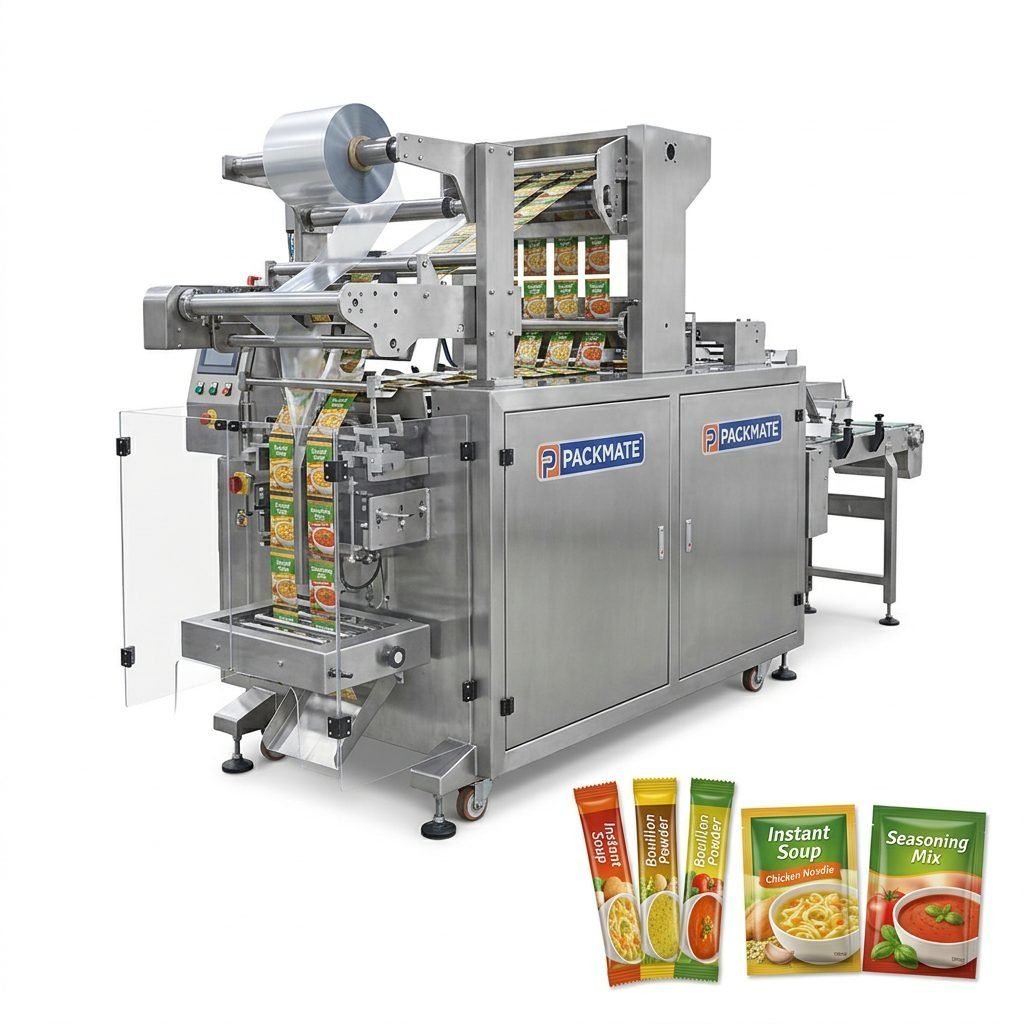
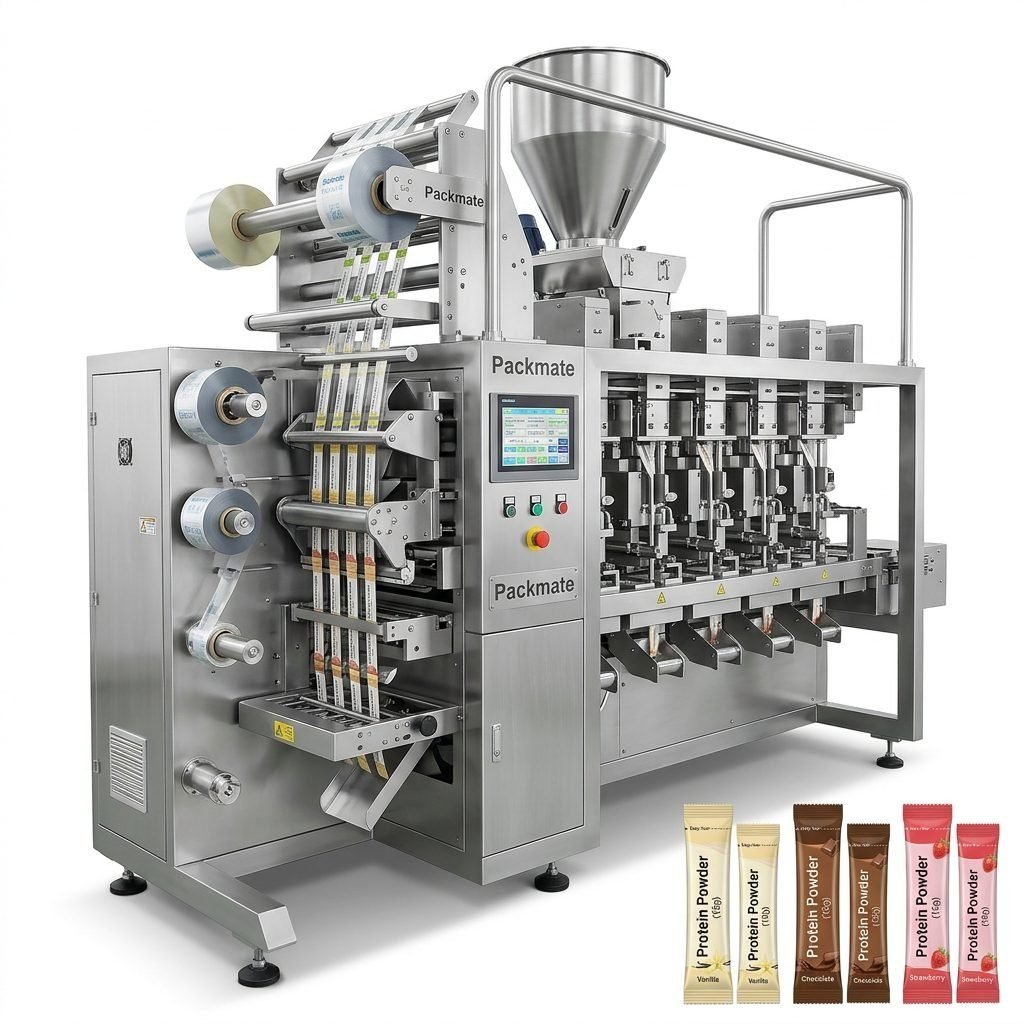
Finding reliable packaging machine manufacturers is a critical step for businesses in Kiribati looking to modernize their production, improve efficiency, or start a new venture. The unique geographical and economic context of Kiribati—a small island nation in the Pacific with specific import logistics and market needs—makes this process particularly important. This guide provides a practical, step-by-step approach tailored for I-Kiribati entrepreneurs, factory managers, and procurement officers to identify and partner with trustworthy manufacturers.
Understanding Kiribati’s Packaging Needs
The business landscape in Kiribati, from local food processing (like coconut products and fish) to small-scale consumer goods, requires robust and adaptable packaging solutions. Key challenges include managing high humidity, ensuring long shelf life for exported goods, and operating with limited technical support locally. Therefore, the ideal machinery should be durable, simple to maintain, and suitable for small to medium batch production.
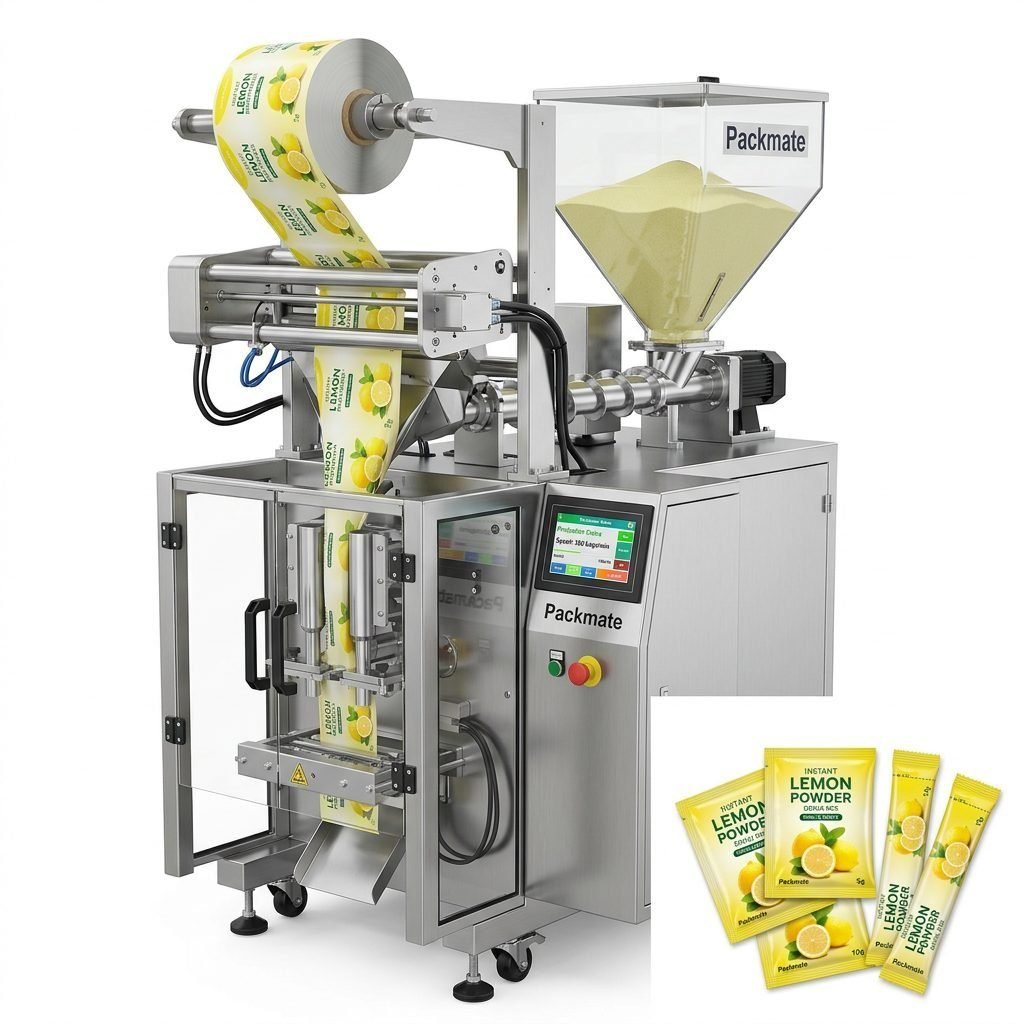
Step 1: Define Your Specific Requirements
Before you begin your search, clearly outline your needs. Consider the following:
Product Type: Are you packaging powders (flour, spices), granules (rice, sugar), liquids (coconut oil, sauces), or pastes?
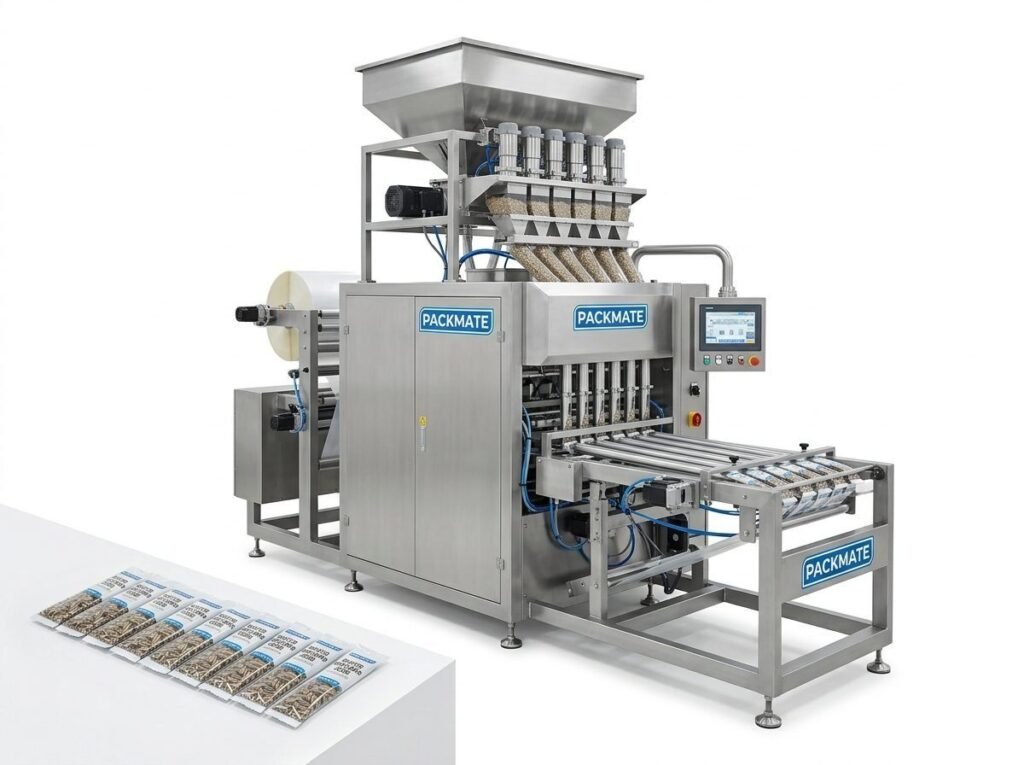
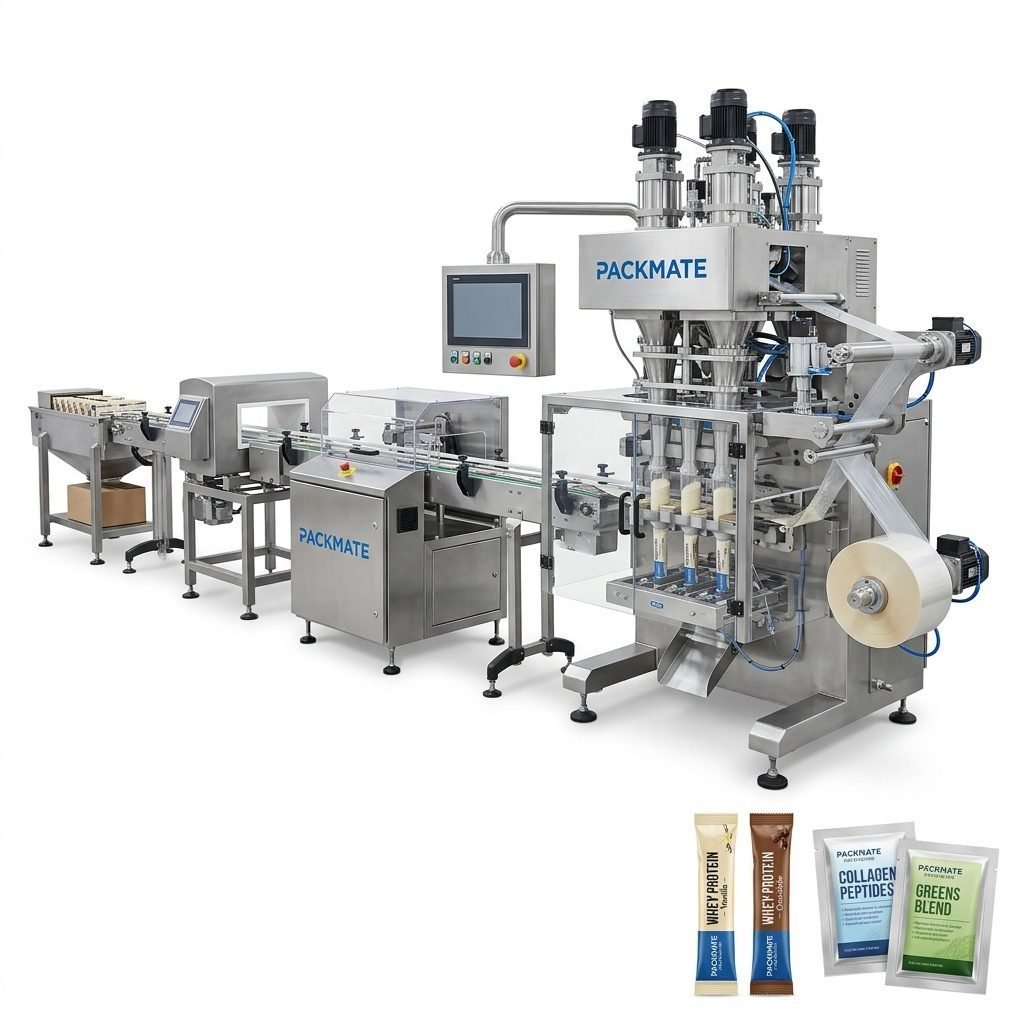
Packaging Format: Do you need stick packs, sachets, pouches, or bottles?
Production Capacity: Estimate your required output (bags/packs per minute).
Budget and Space: Determine your financial constraints and factory floor space.
Having these details ready will help you communicate effectively with potential suppliers and filter out unsuitable options early on.
Step 2: Research and Shortlist Manufacturers
Focus your search on manufacturers with proven export experience, especially to regions with similar logistical challenges as the Pacific. China is a major global hub for packaging machinery, offering a balance of technology, cost, and variety. Look for companies with a strong online presence, detailed product catalogs, and client testimonials. A manufacturer like Ludyway, with over 30 years of experience and exports to over 100 countries, demonstrates the stability and global reach that can benefit an I-Kiribati business.
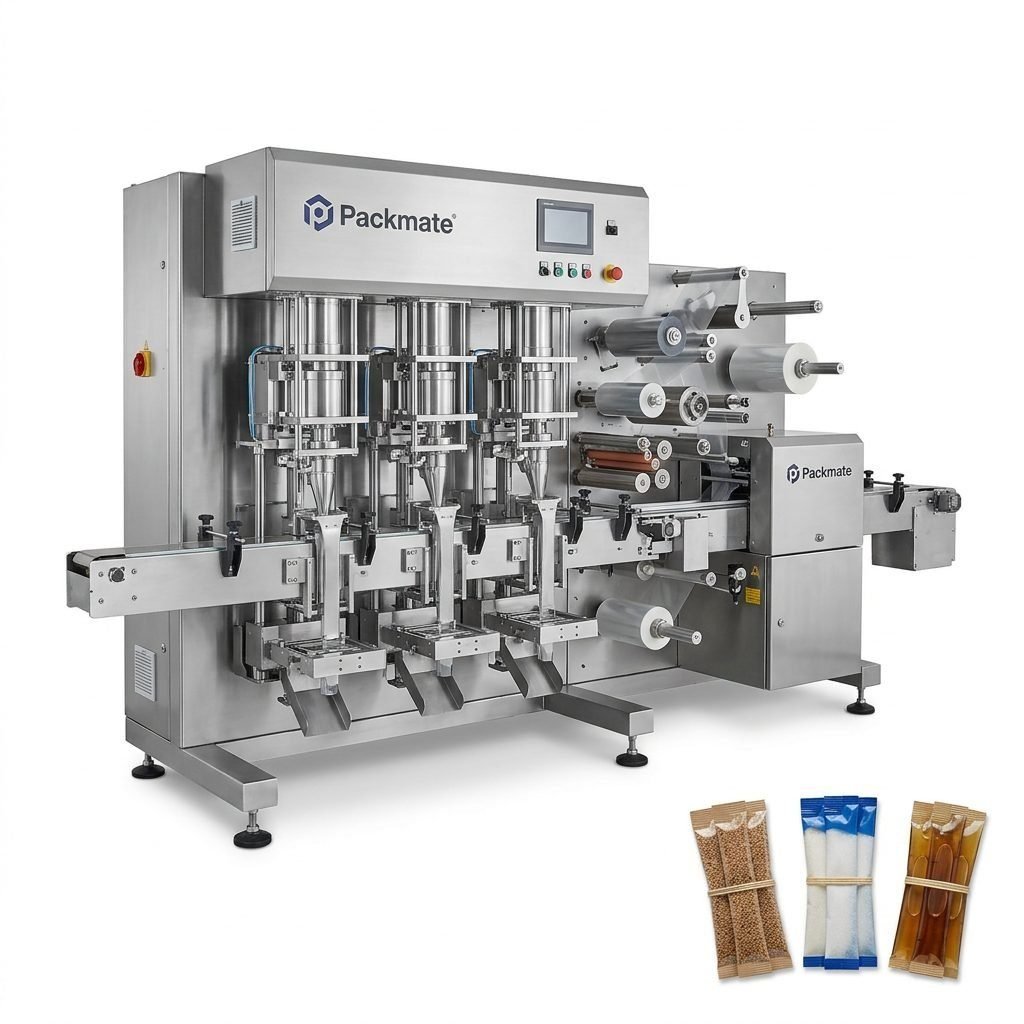
Step 3: Evaluate Technical Capability and Support
Technical support is paramount when importing machinery to Kiribati. Assess the following:
- Machine Customization: Can they adapt a machine to your specific product and packaging material? Companies specializing in non-standard solutions, such as PackingMachineOEM, can be invaluable for unique requirements.
- After-Sales Service: Inquire about warranty, availability of spare parts, and remote troubleshooting support. Reliable manufacturers should offer comprehensive manuals and online/video support.
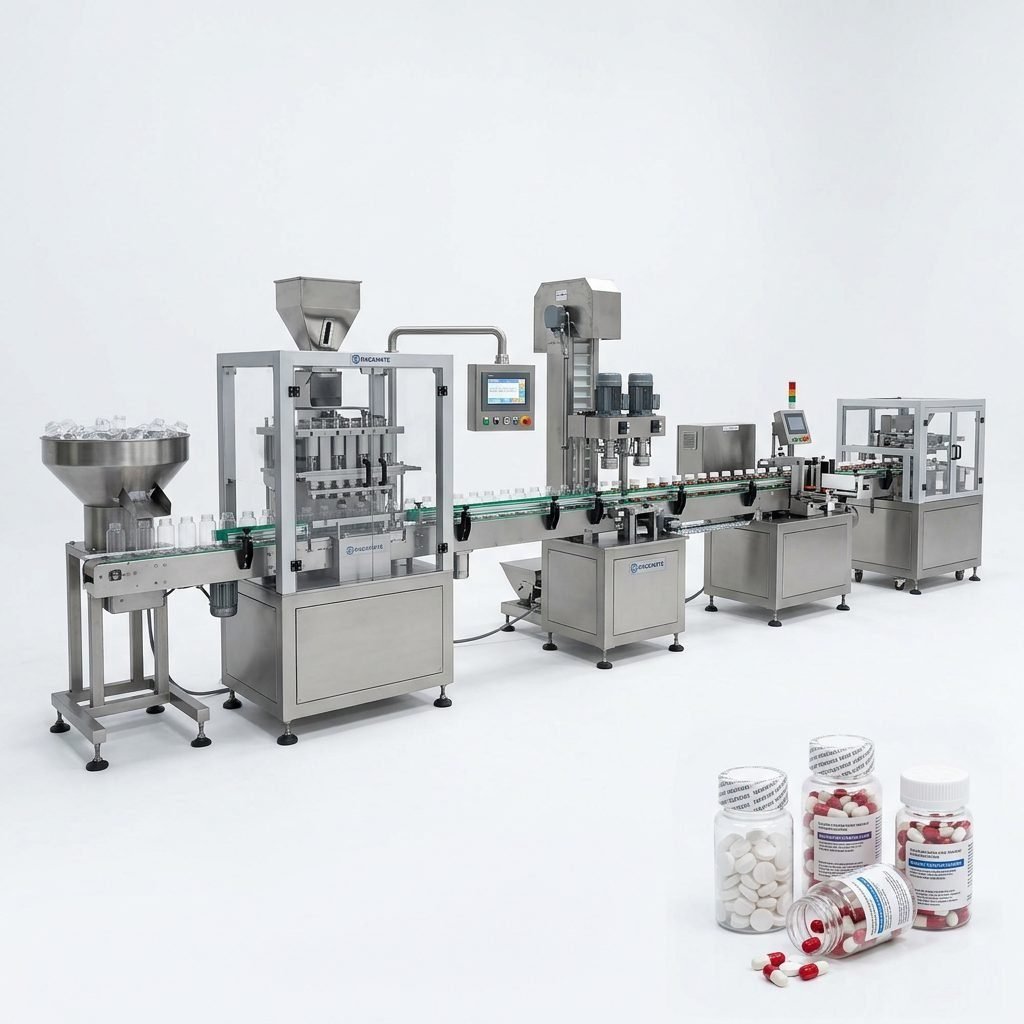
- Turnkey Solutions: For a complete production line setup, consider manufacturers like PacklineOEM that specialize in integrated systems, which can simplify the entire project from feeding to end-of-line packaging.
Step 4: Verify Credibility and Track Record
Due diligence is non-negotiable. Request and verify the following:
| Checkpoint | Why It Matters for Kiribati |
|---|---|
| Company History & Factory Tour | A long-established company (e.g., founded 1993) with a large factory (20,000+ sqm) indicates stability and production capacity. Virtual factory tours are a good alternative. |
| Client References | Ask for references from clients in similar industries or regions. Feedback on machine durability and supplier responsiveness is key. |
| Certifications | Look for international quality certifications (CE, ISO). These standards ensure the machinery meets safety and performance benchmarks. |
| Export Experience | Manufacturers with exports to Africa, Southeast Asia, or other island nations may have more relevant experience with shipping and commissioning in remote locations. |
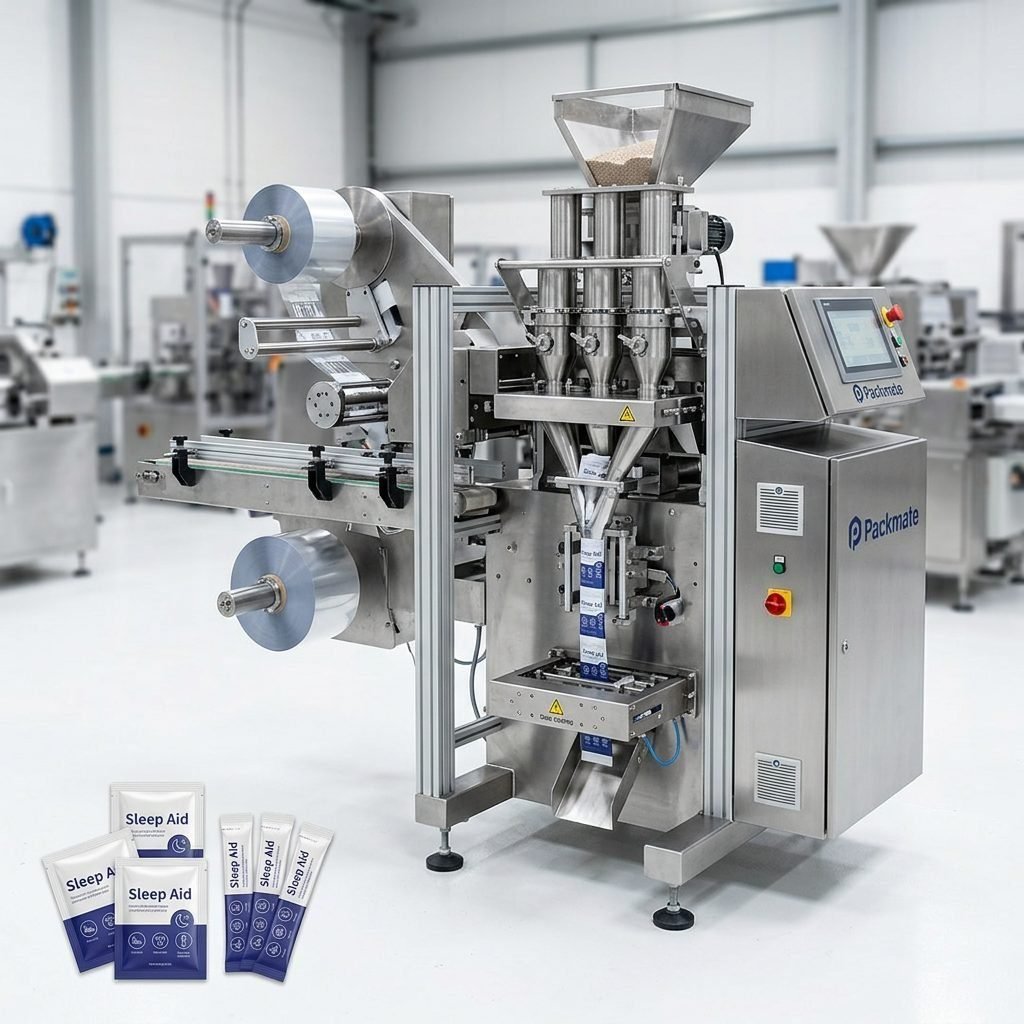
Step 5: Logistics, Shipping, and Commissioning
Importing to Kiribati requires careful planning. Discuss these points with the manufacturer:
Shipping & Incoterms: Clarify who handles sea freight, insurance, and port clearance. FOB (Free On Board) is common, but you may prefer CIF (Cost, Insurance, and Freight) for simplicity.
Packaging for Export: Ensure the machine is crated and waterproofed for a long sea voyage in humid, salty air.
Installation & Training: Determine if the manufacturer will send an engineer for installation and operator training, or if they provide detailed remote guidance. Factor these costs into your budget.
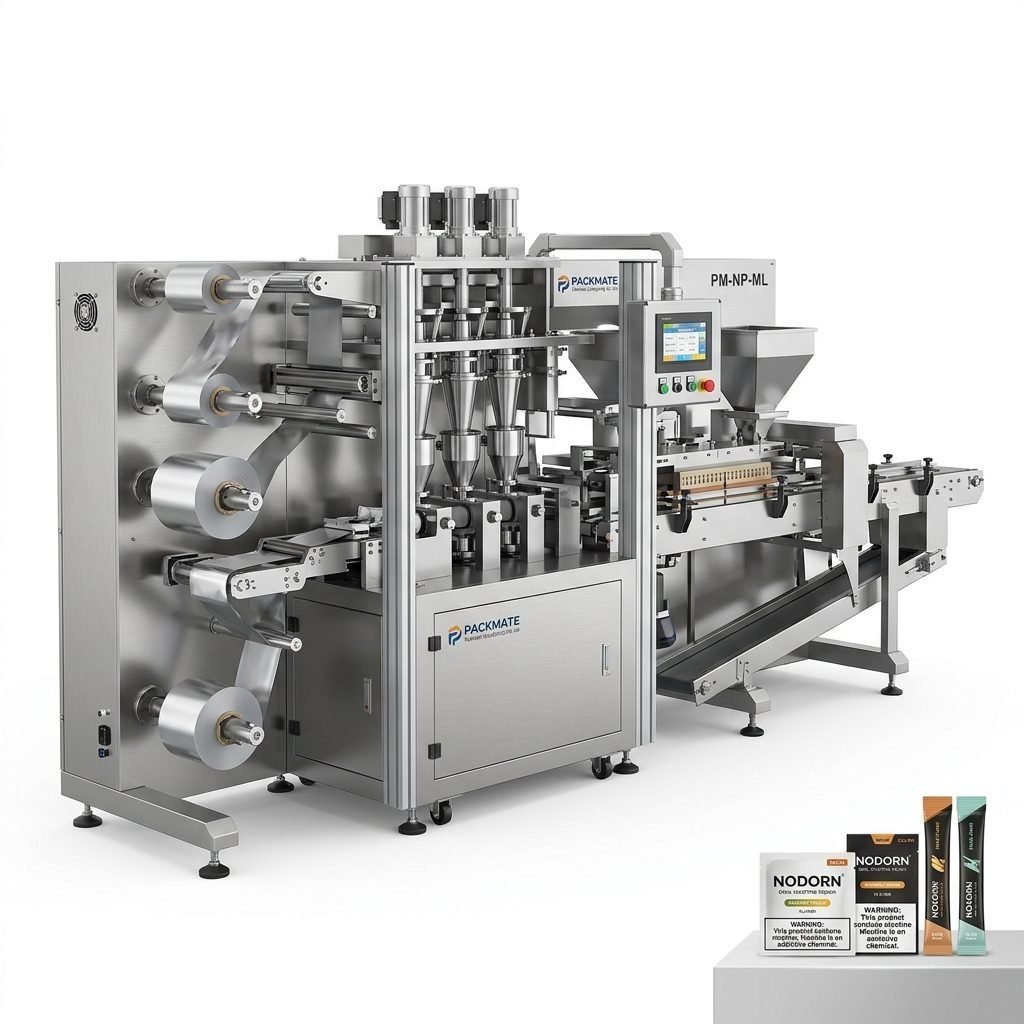
For specialized industries like nicotine pouch production, a manufacturer with focused expertise, such as SnusMachinery, can provide targeted solutions that reduce setup complexity.
Key Considerations for I-Kiribati Businesses
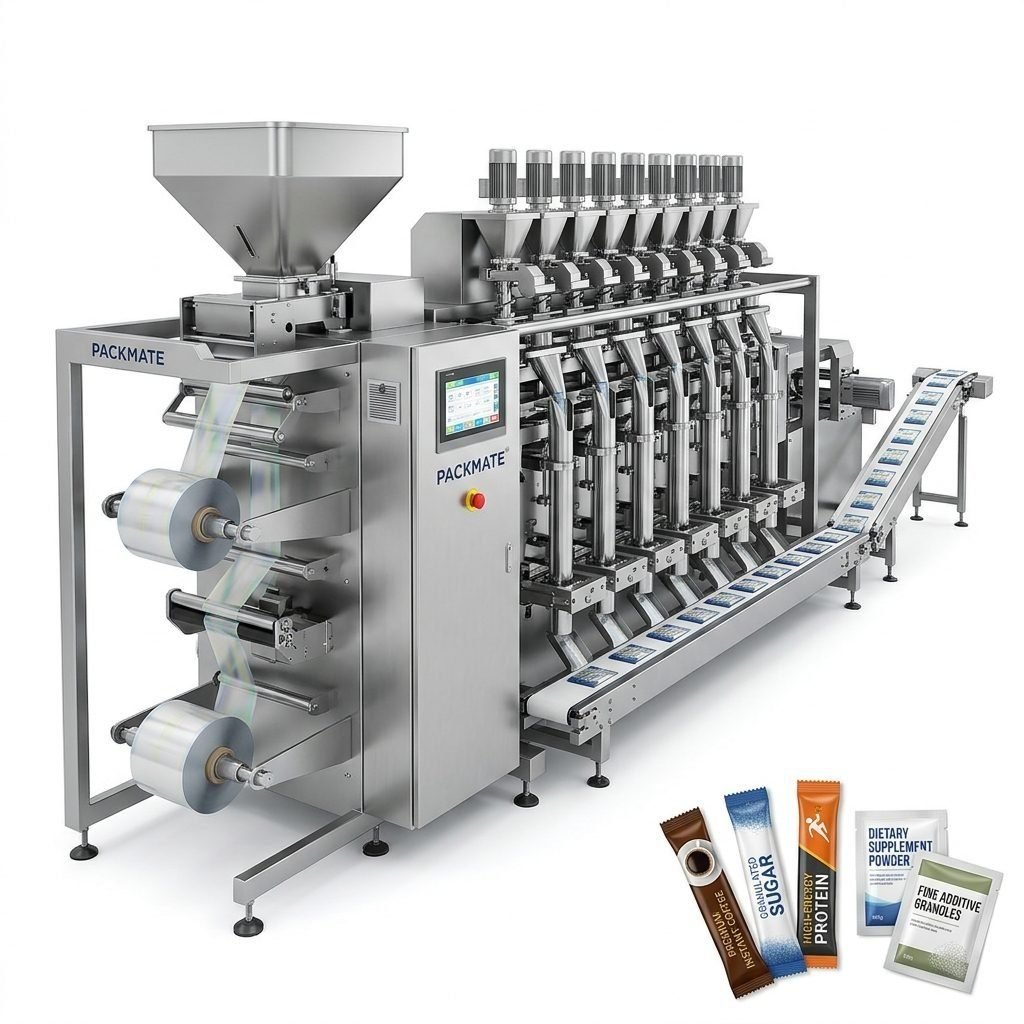
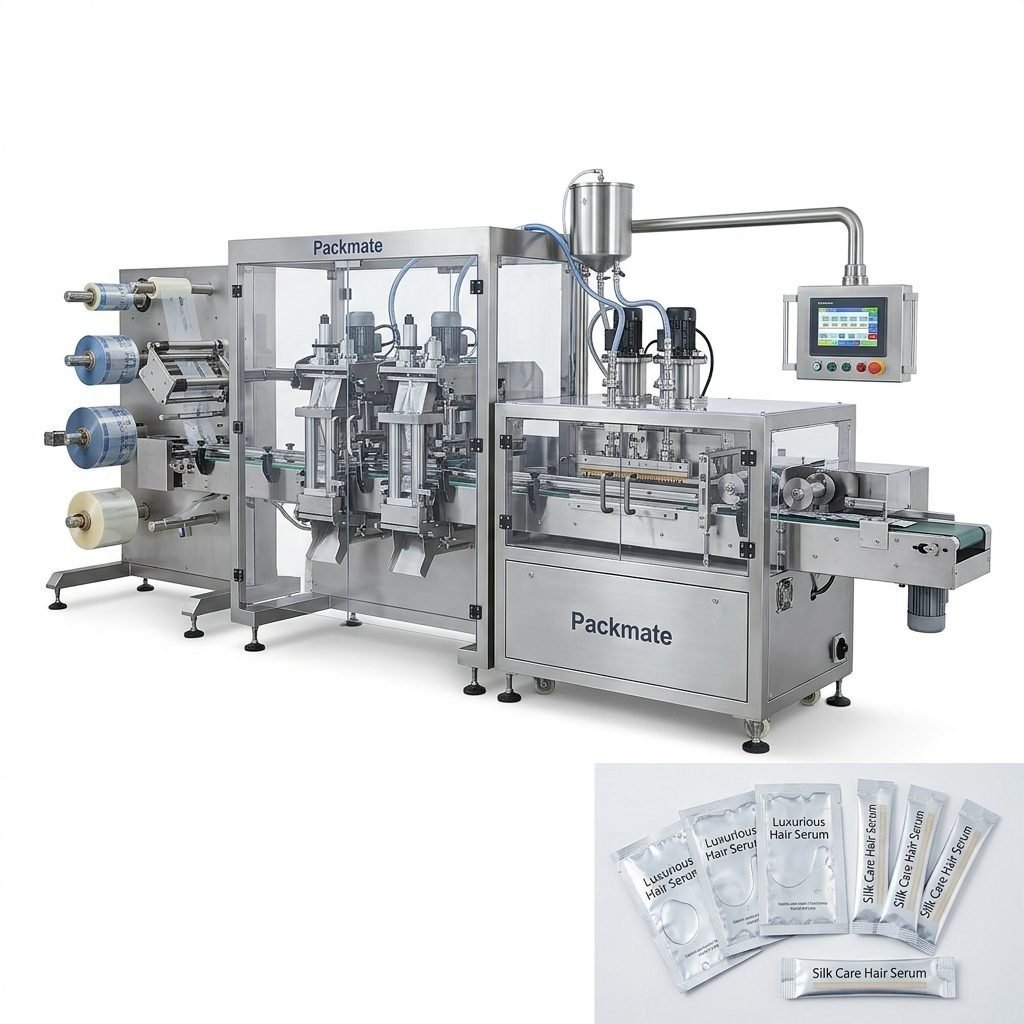
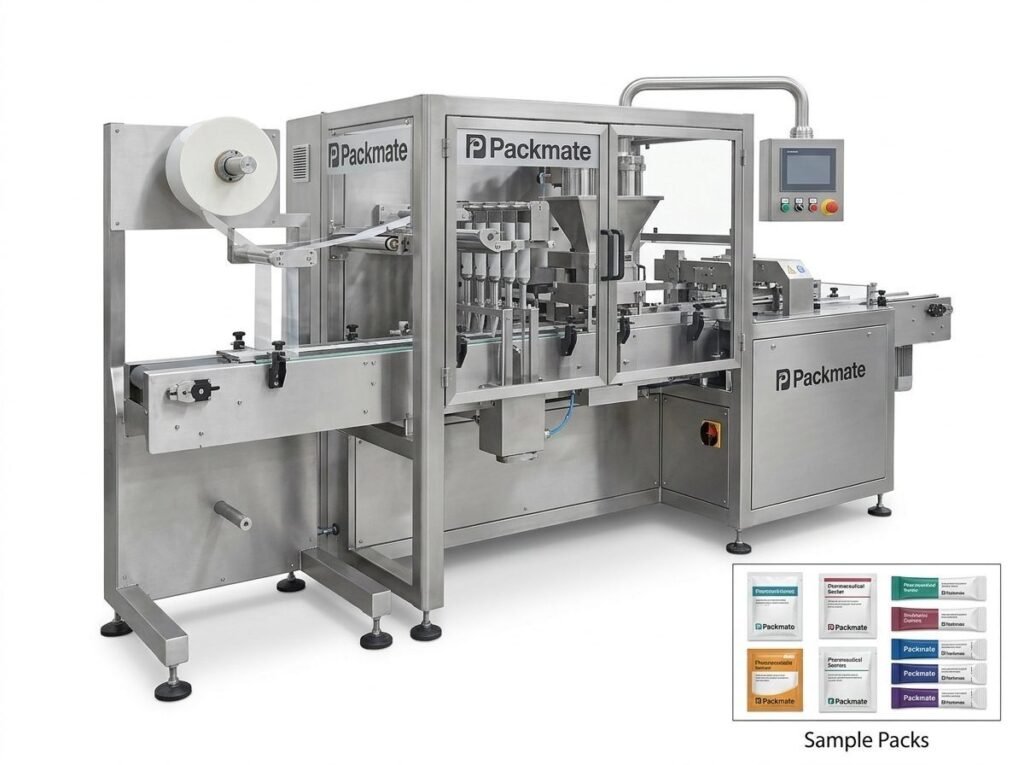
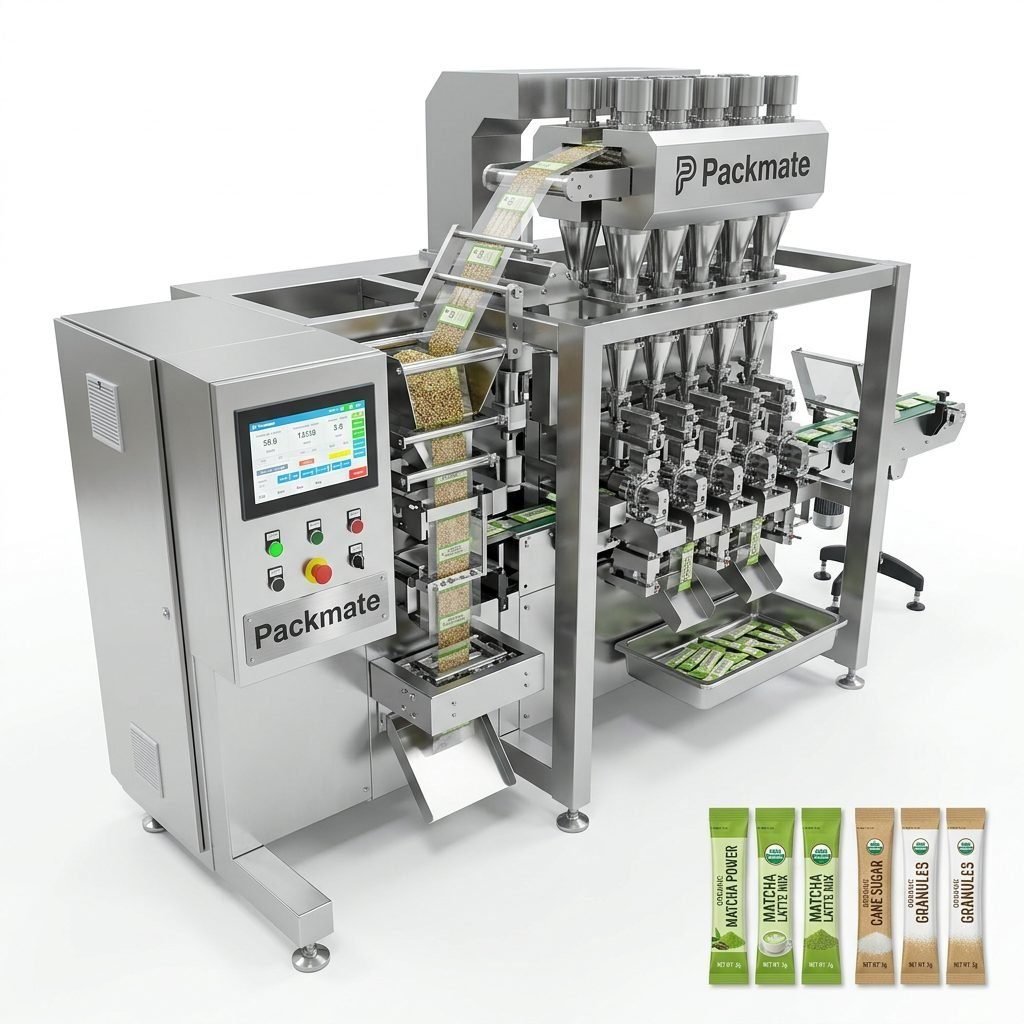
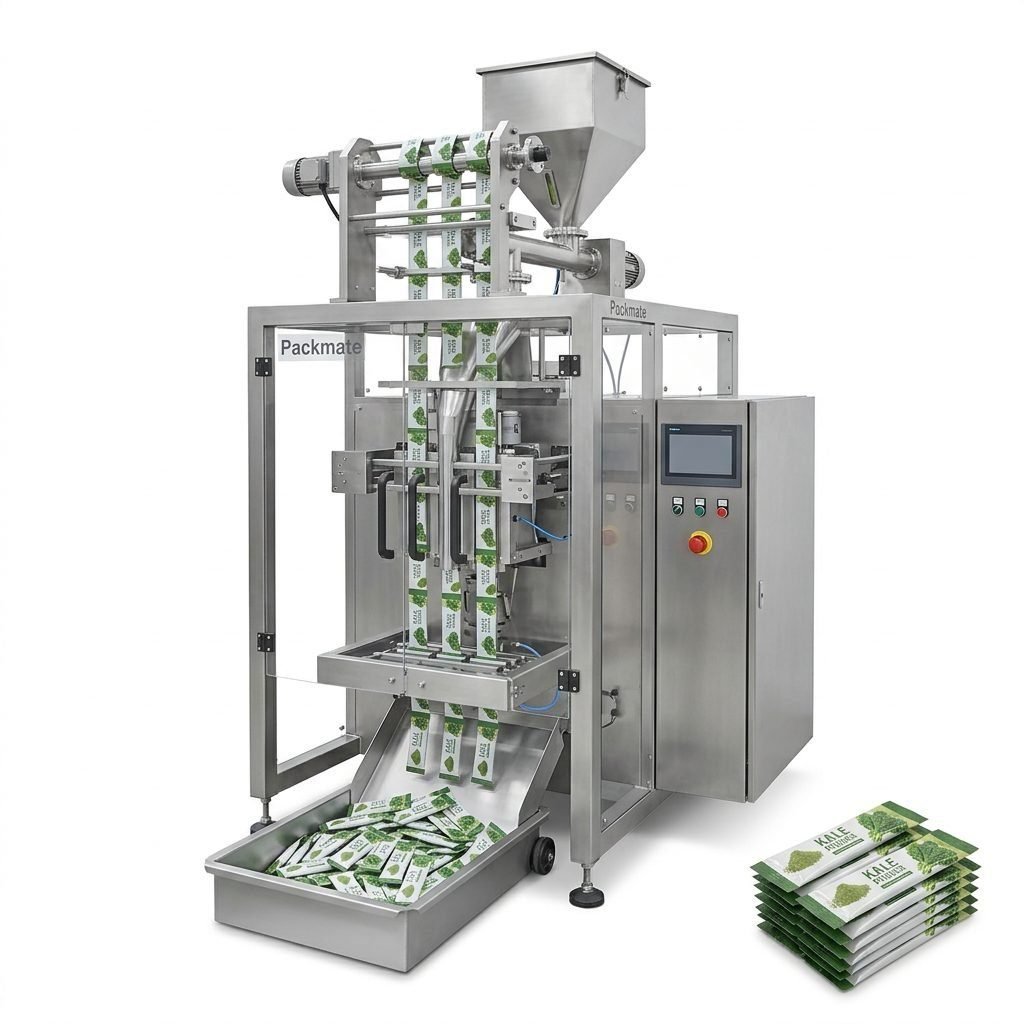
When selecting a machine, prioritize robustness and ease of maintenance over overly complex features. Machines that can handle voltage fluctuations and are built with corrosion-resistant materials are advantageous. Also, consider the future availability of consumables like packaging film. Partnering with a manufacturer like Packmate Machinery, known for practical automation and reliable performance, can offer a good balance of technology and practicality for the local market.
Building a Long-Term Partnership
View your supplier not just as a vendor, but as a long-term partner. A reliable manufacturer will provide ongoing support, software updates, and access to spare parts. Clear communication about your operational challenges in Kiribati will help them serve you better.
Frequently Asked Questions (FAQs)
1. What type of packaging machine is most suitable for small businesses in Kiribati?
Vertical form-fill-seal (VFFS) machines or single-lane stick pack/sachet machines are often ideal. They are relatively affordable, space-efficient, and versatile for packaging a wide range of dry goods like spices, powdered milk, and coffee.
2. How can I ensure the machine will work with our local power supply?
Kiribati uses 240V/50Hz electricity. Always specify your voltage and phase requirements to the manufacturer. Reputable suppliers can configure the machine’s electrical system accordingly before shipping.
3. What is the typical lead time for receiving a machine in Kiribati?
Lead time includes manufacturing (8-12 weeks for standard models, longer for custom lines) and sea freight (4-8 weeks to Tarawa). Always factor in potential port delays and customs clearance.
4. How do I handle maintenance and repairs locally?
Choose manufacturers that offer comprehensive remote support via video call. Request detailed operation and maintenance manuals, and consider purchasing a starter kit of critical spare parts with your initial order.
5. Are there any special import duties or regulations for machinery in Kiribati?
It is crucial to consult with a local customs broker or the Kiribati Customs Division for the latest import duties, required documentation, and any regulations regarding machinery imports to ensure a smooth clearance process.