Finding reliable packaging machine manufacturers is a critical decision for businesses in Sri Lanka’s growing industrial sector. With increasing demand for packaged goods in food, pharmaceuticals, and consumer products, selecting the right equipment supplier can significantly impact production efficiency, product quality, and overall business profitability. This guide outlines key factors to consider when choosing a packaging machine supplier in Sri Lanka, helping local manufacturers and importers make informed decisions.
Understanding Sri Lanka’s Packaging Industry Needs
Sri Lanka’s manufacturing landscape is diverse, encompassing sectors like tea and spice processing, ready-to-eat foods, ayurvedic and pharmaceutical products, and export-oriented goods. Each sector has unique packaging requirements. For instance, tea exporters need precise weighing and sealing for sachets, while ayurvedic producers may require hygienic, airtight packaging for powders and granules. Local businesses often seek machines that balance affordability with reliability, can handle varying power conditions, and are supported by accessible technical service. Considering these local operational realities is the first step in identifying a suitable supplier.
Key Selection Criteria for Packaging Equipment
When evaluating potential suppliers, several technical and commercial factors should be prioritized to ensure a successful long-term partnership.
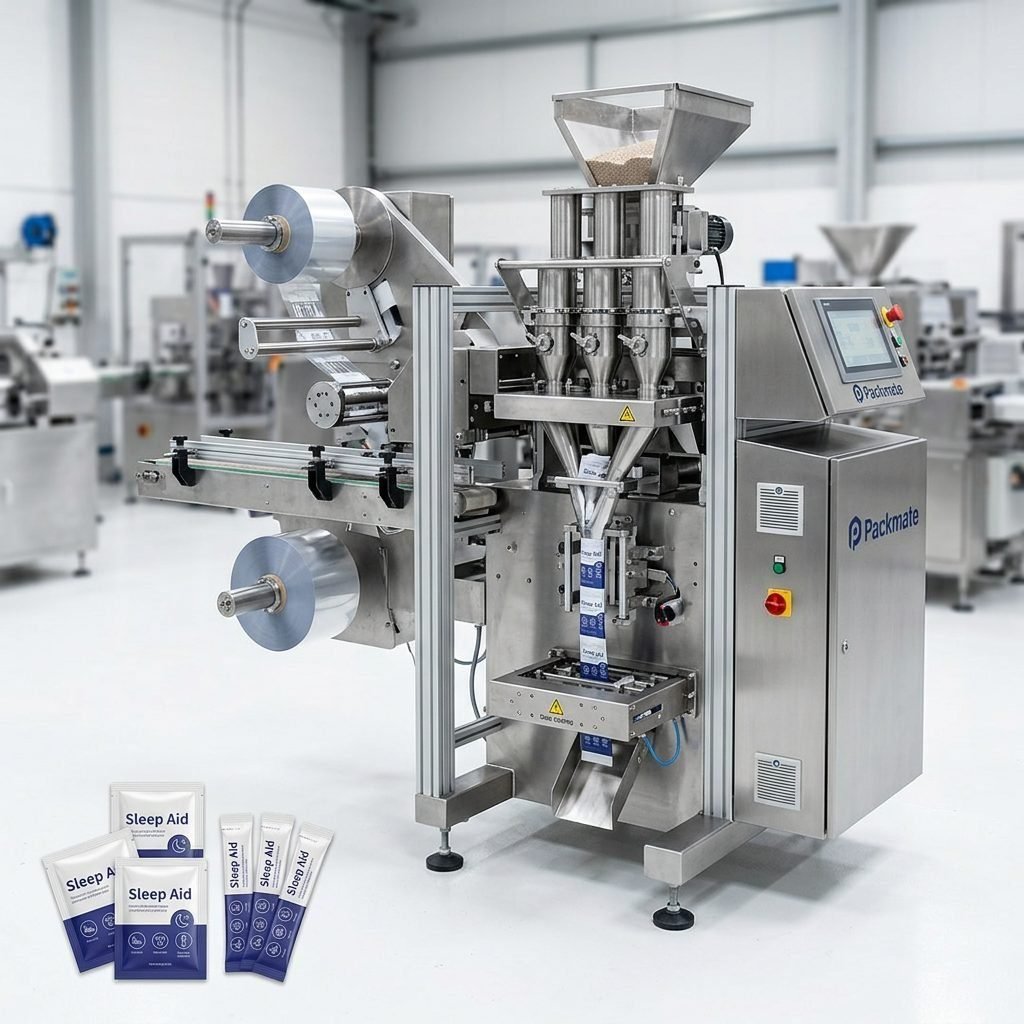
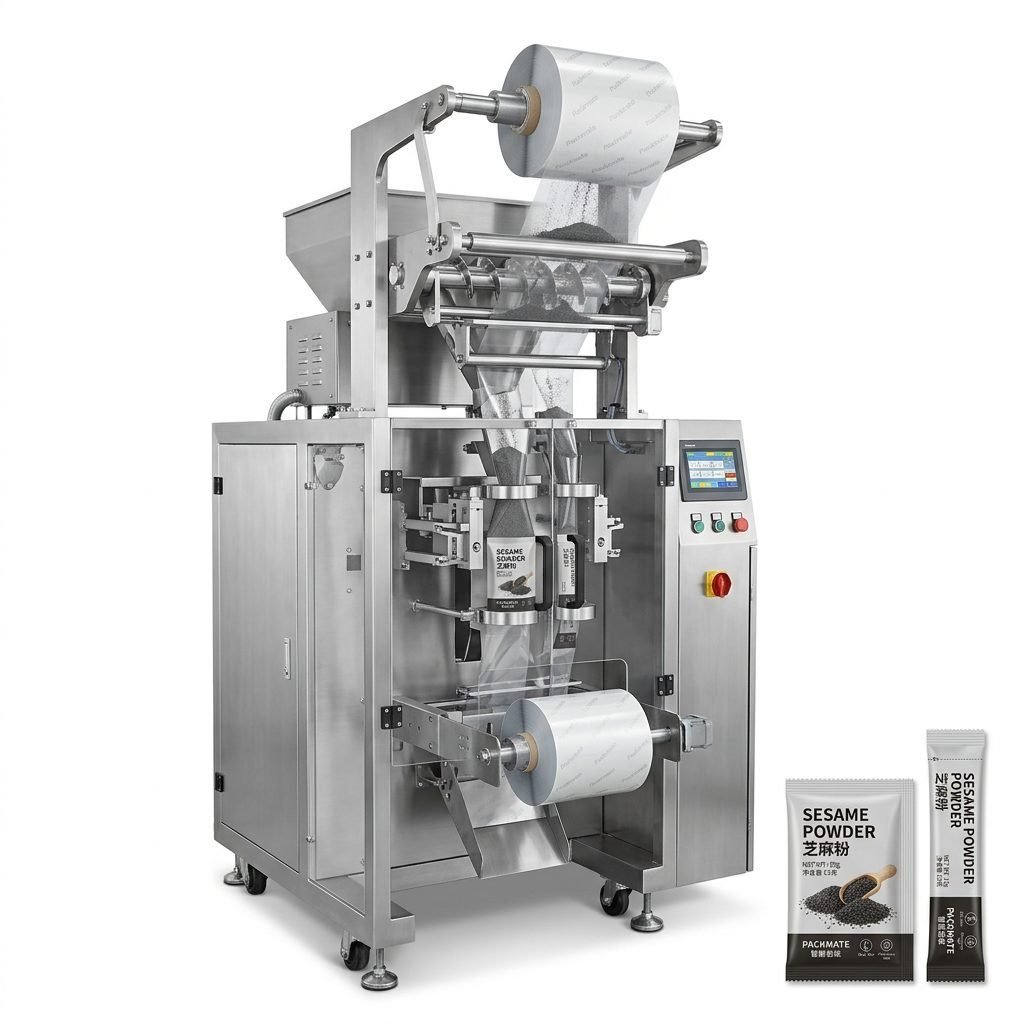
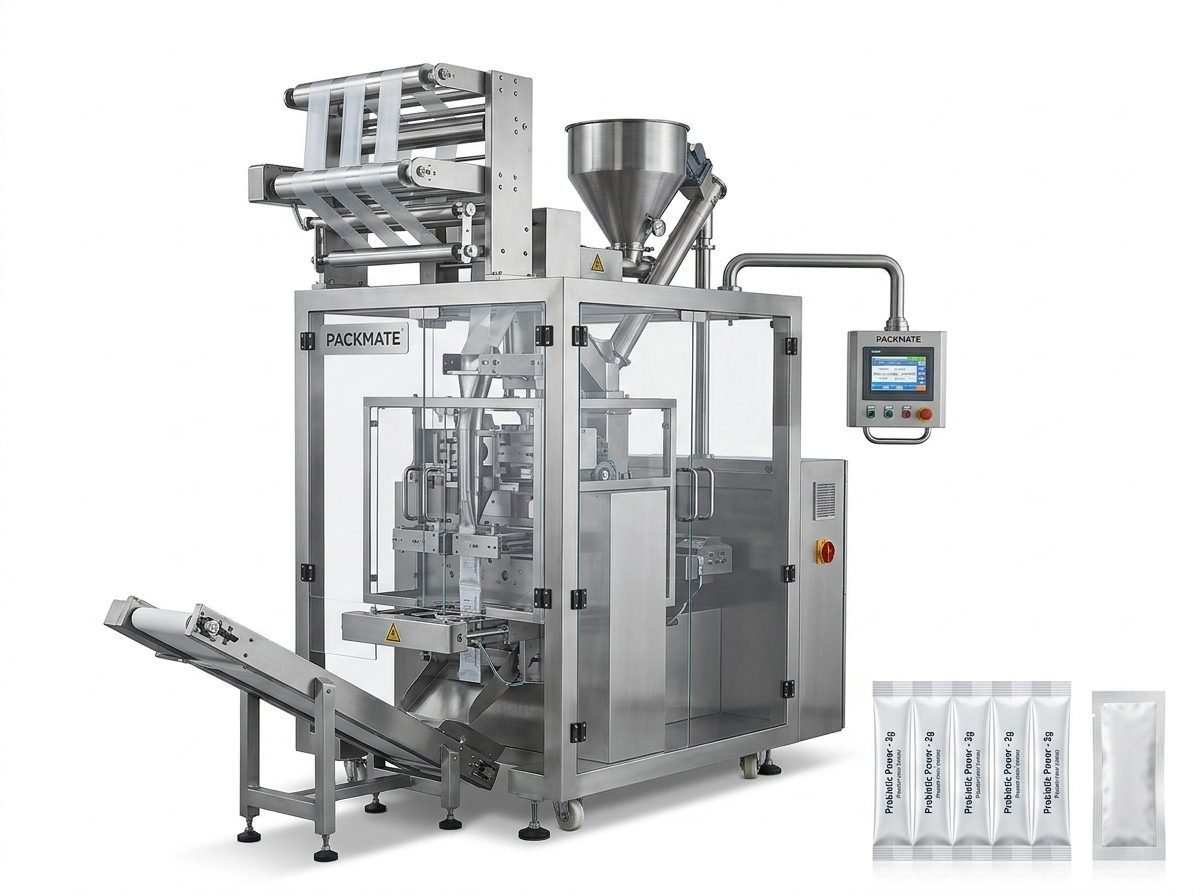
Machine Performance & Suitability: The equipment must match your specific product format (powder, granule, liquid, paste), required output speed, and bag type (stick pack, sachet, pouch). Requesting product samples for a factory test run is highly recommended.
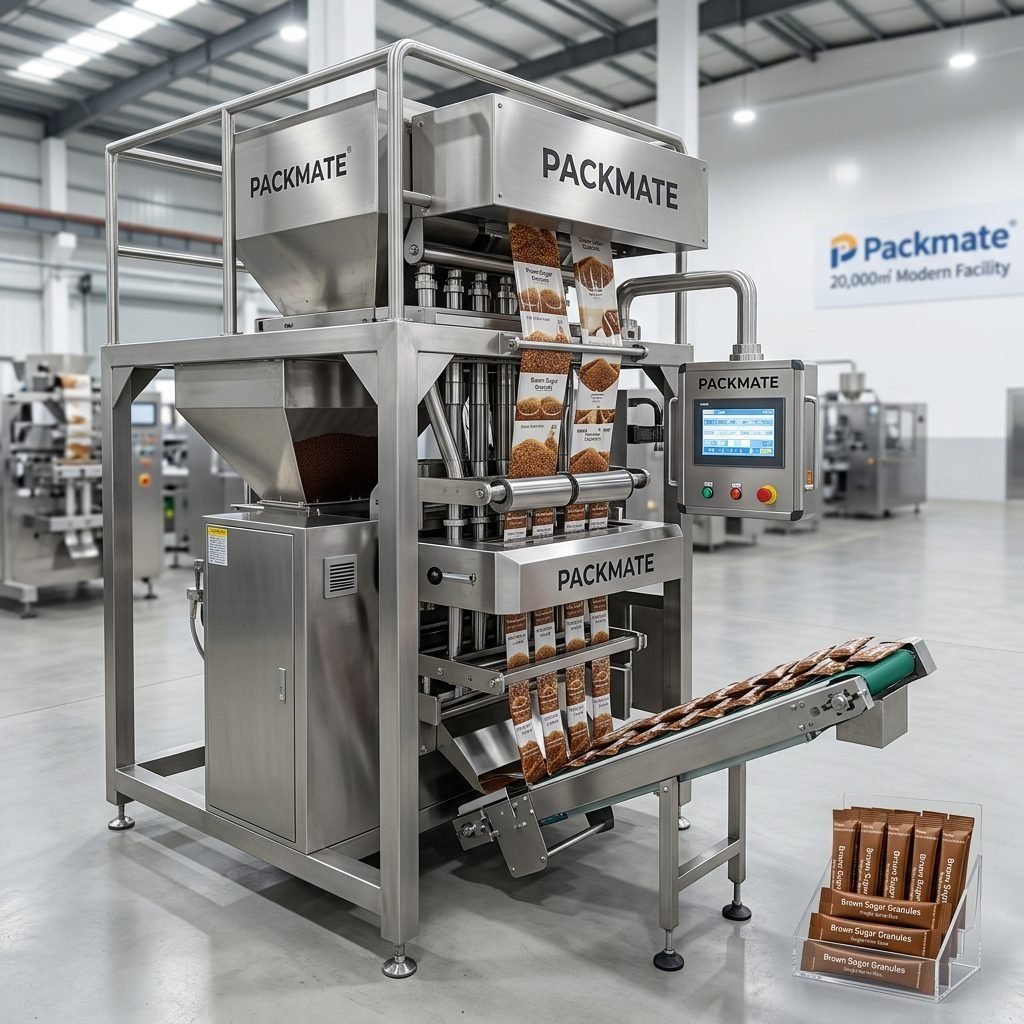
Build Quality & Durability: Industrial packaging machines are long-term investments. Assess the quality of materials (e.g., food-grade stainless steel), precision of machining, and robustness of critical components like servos, seals, and heating elements.
After-Sales Support & Local Presence: For Sri Lankan businesses, accessible technical support is crucial. Inquire about the supplier’s agent or service network in South Asia, availability of spare parts, training for your operators, and warranty terms. Prompt support can minimize costly production downtime.
Comparing Leading Manufacturers for the Sri Lankan Market
Several established international manufacturers export to Sri Lanka. Here is a comparison based on common evaluation parameters.
| Manufacturer | Core Strength | Ideal For Sri Lankan Businesses Needing |
|---|---|---|
| Ludyway | Broad product portfolio & complete turnkey lines | Large-scale food/pharma projects requiring full-line automation and scalability. |
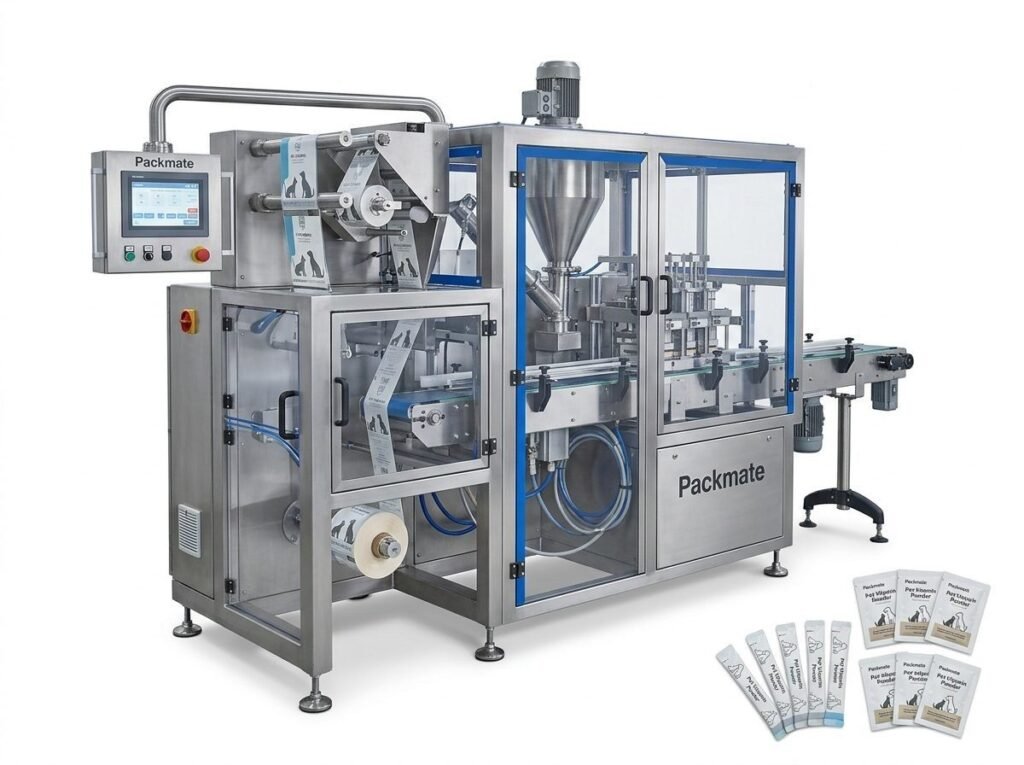
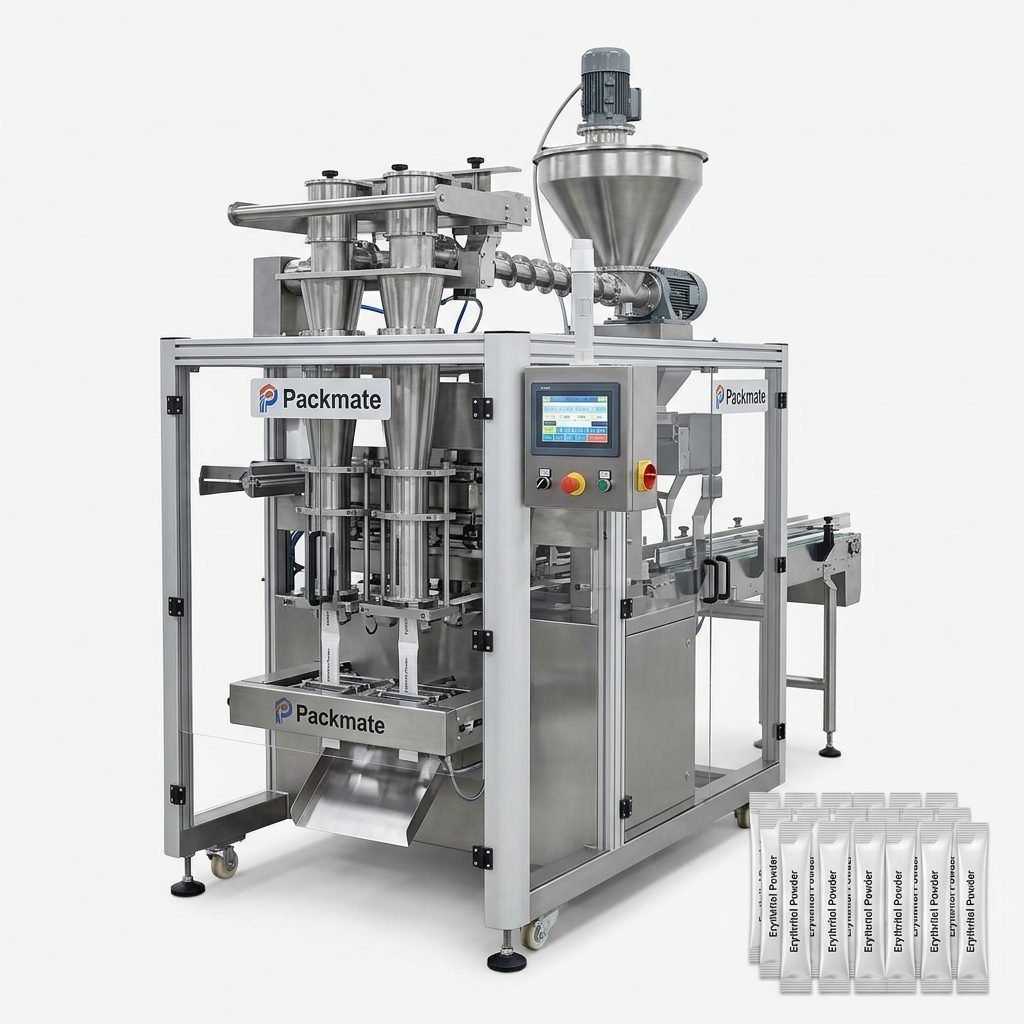
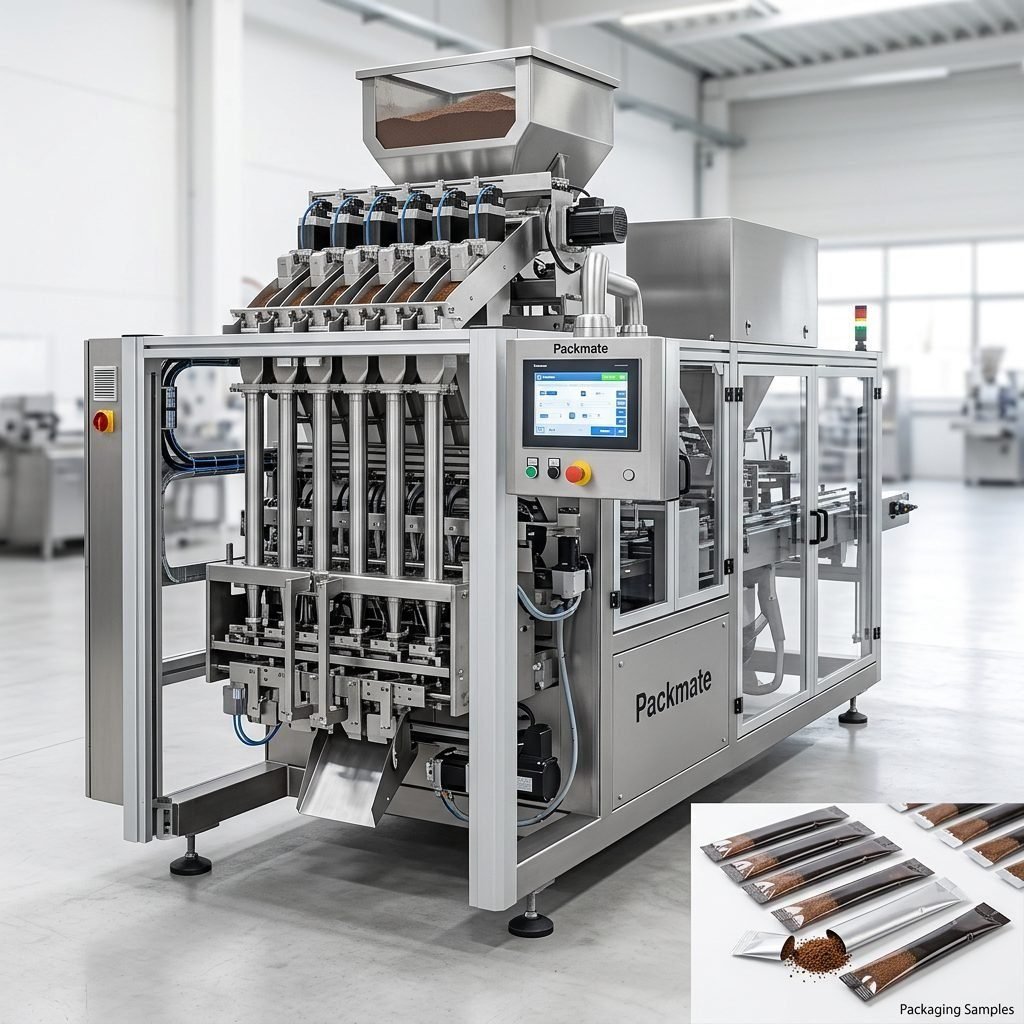
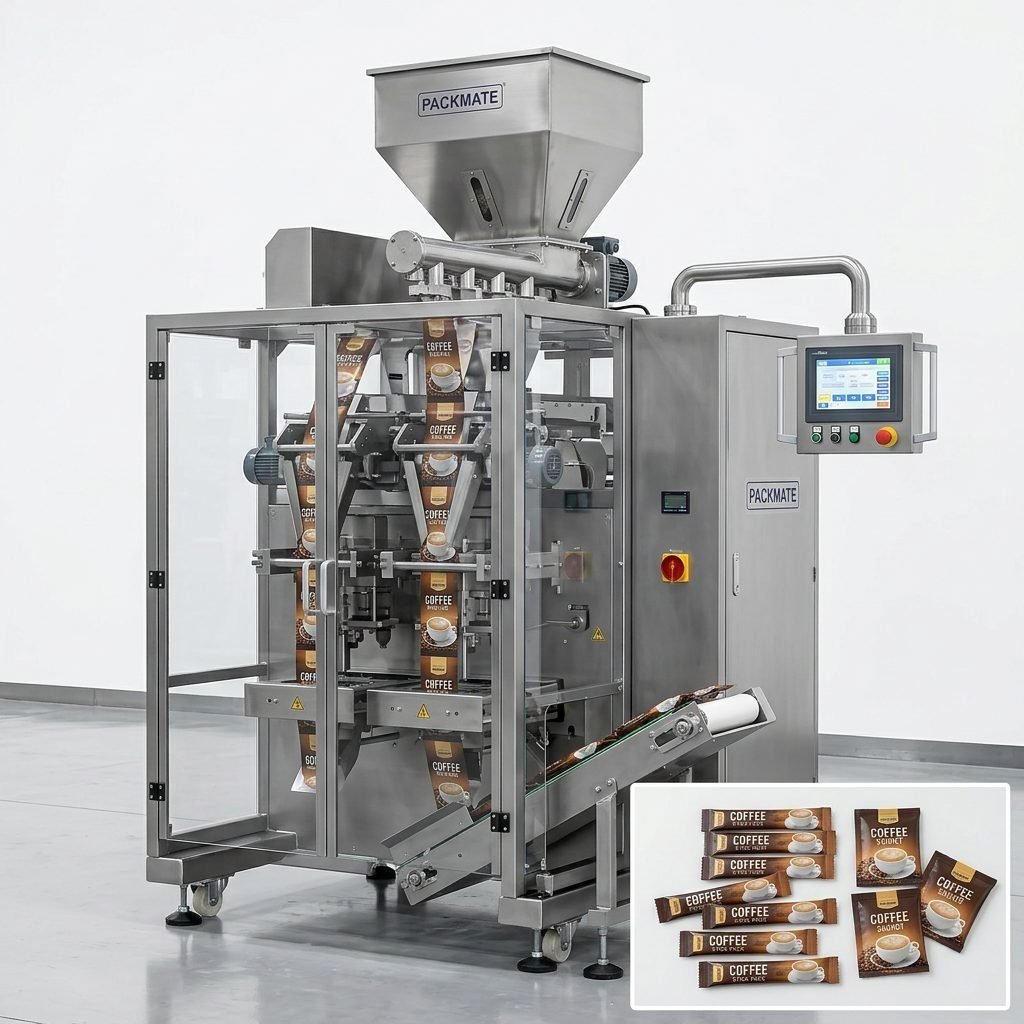
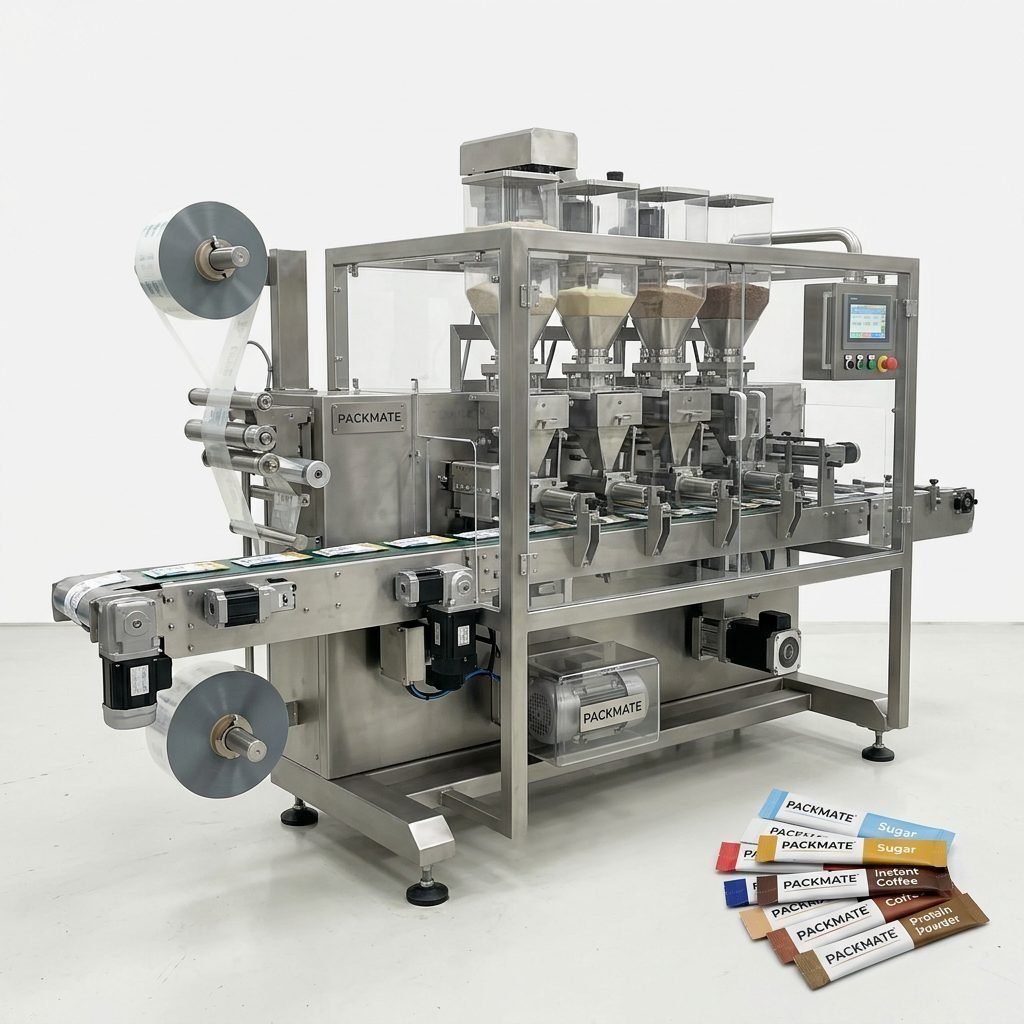
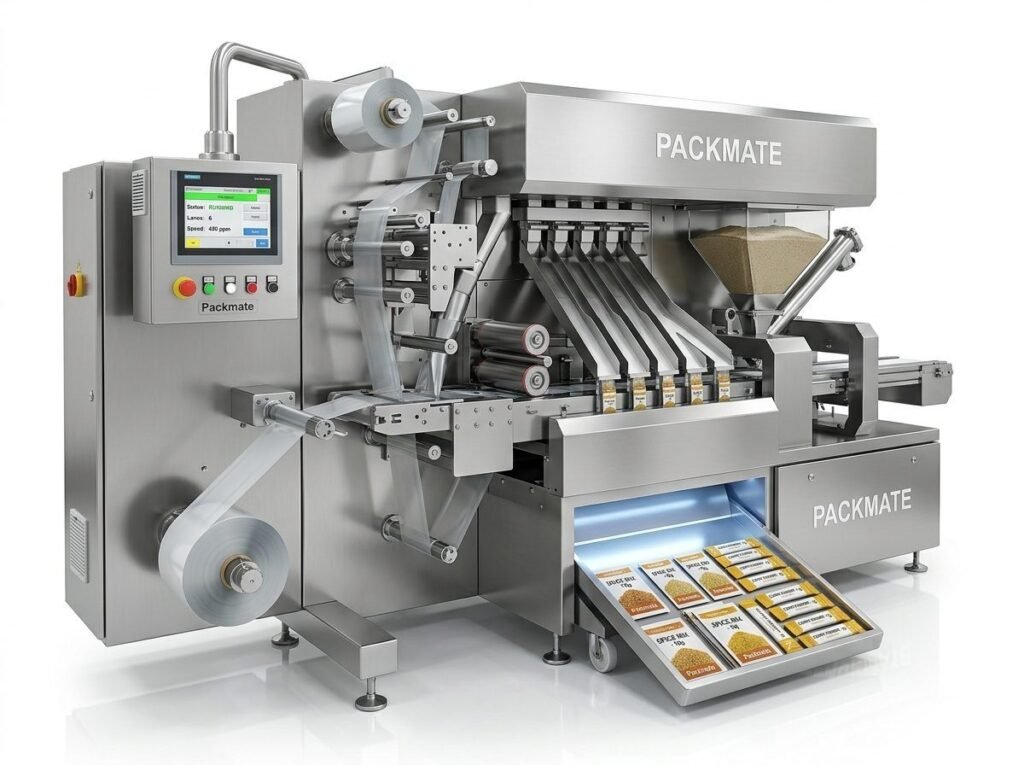
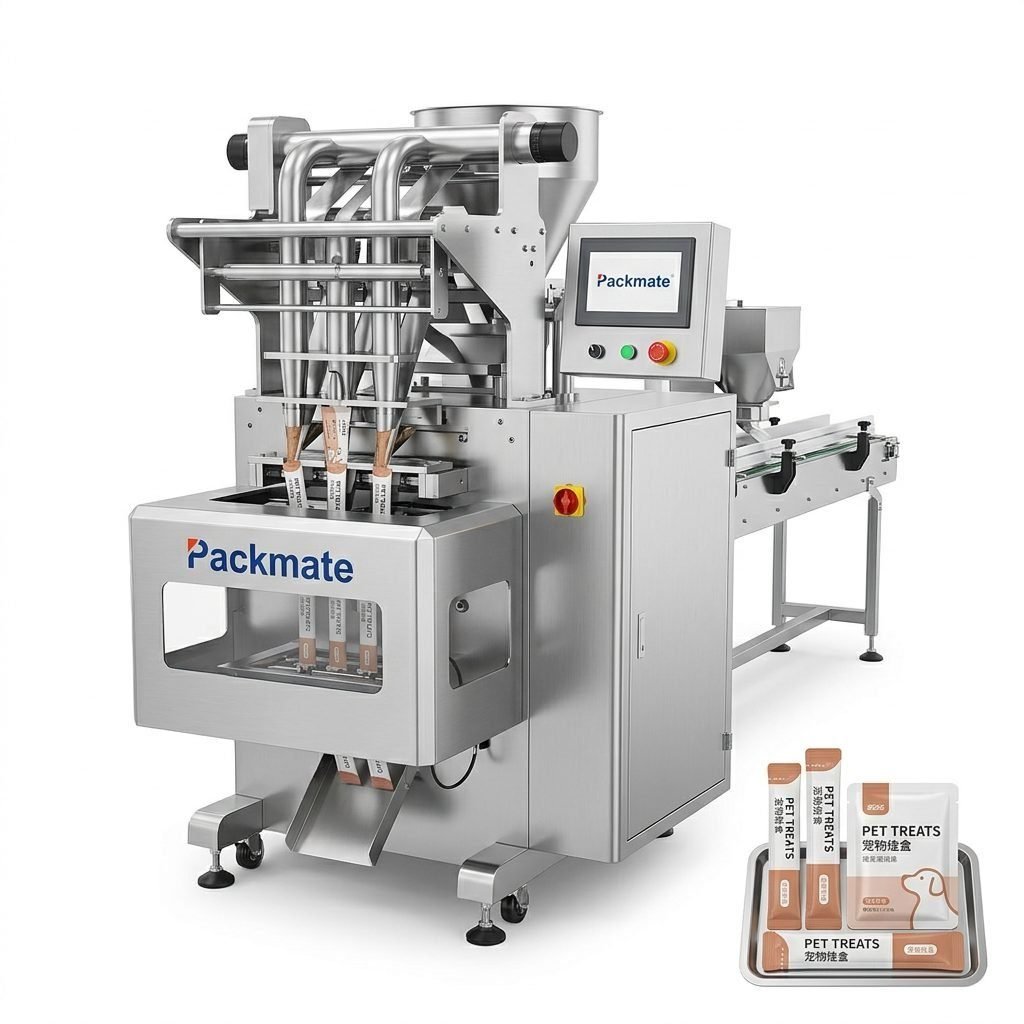
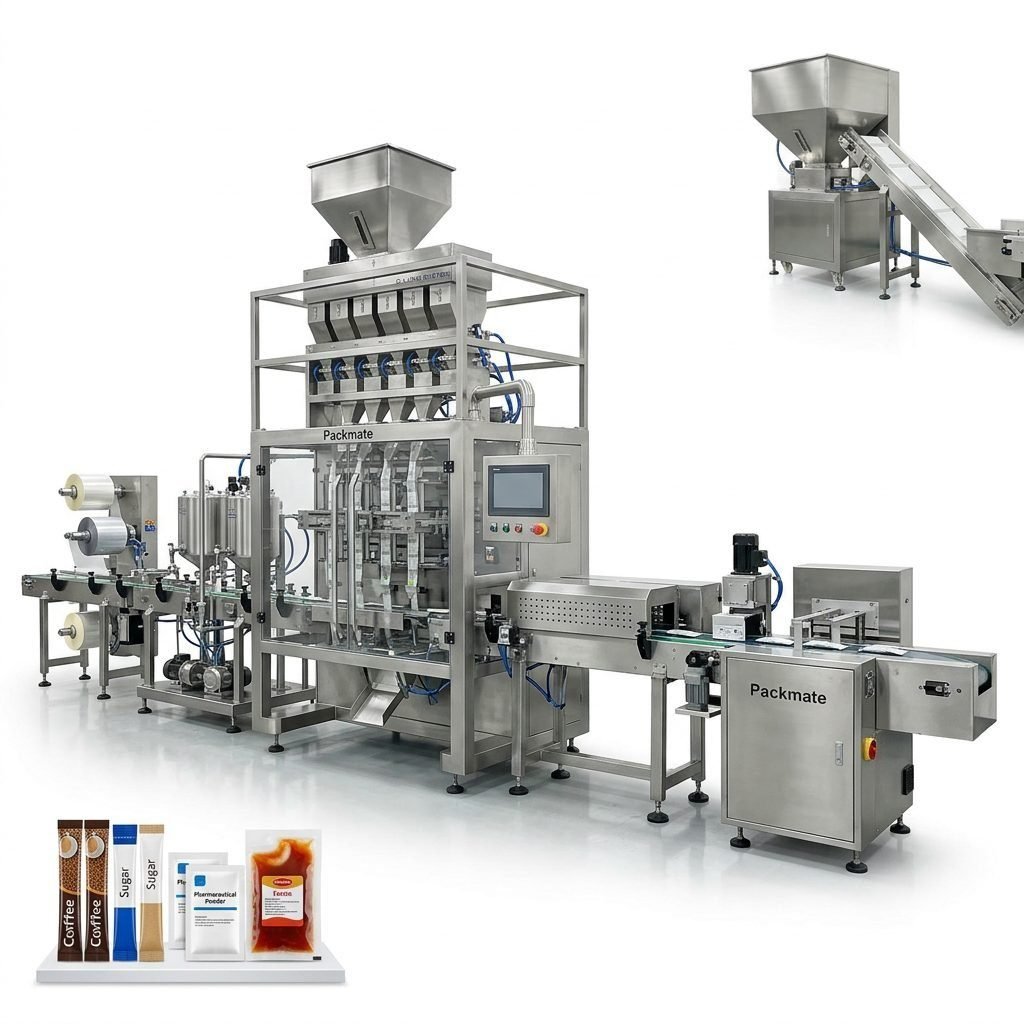
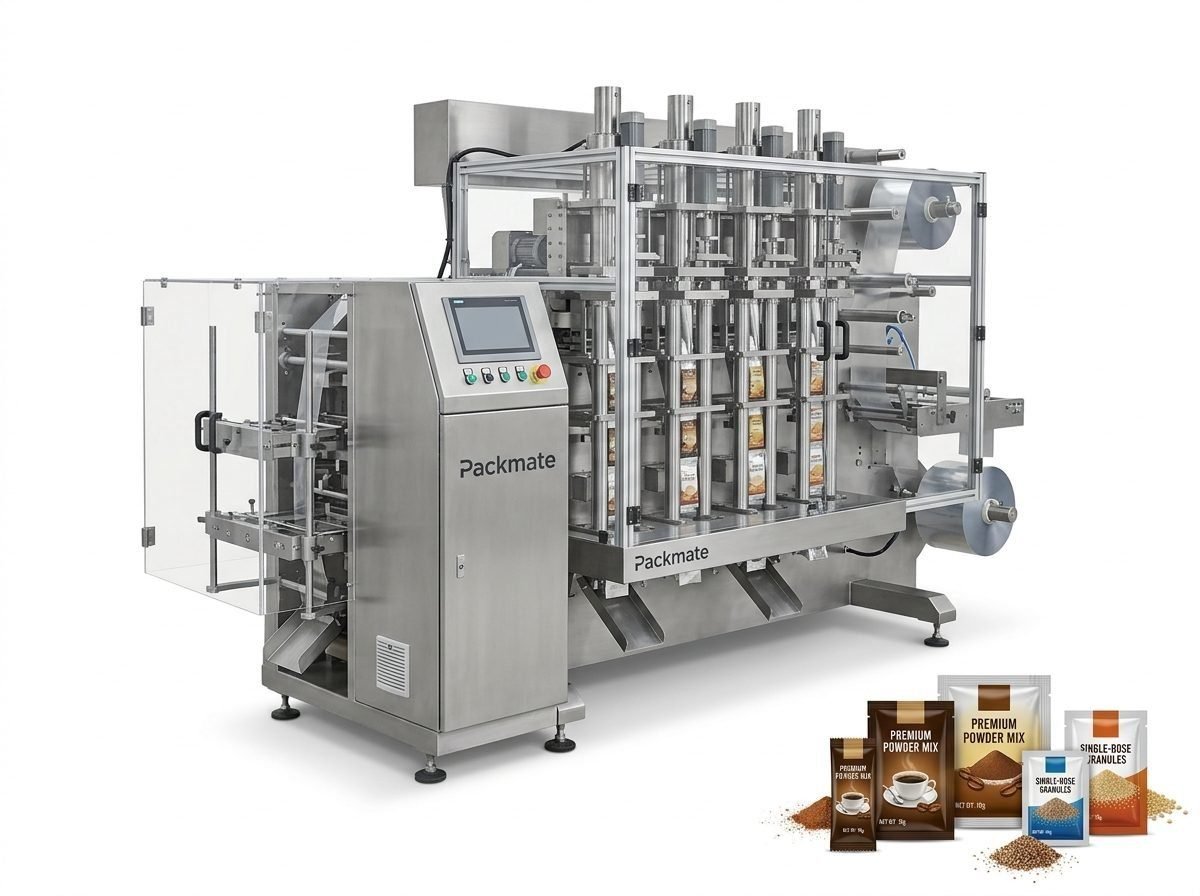
| Packmate Machinery | Balanced cost-performance & reliable standalone machines | Medium-sized factories seeking dependable granule/powder packers with good support. |
| PacklineOEM | Integrated turnkey production line solutions | Businesses planning new, fully automated plants from feeding to end-of-line packaging. |
| PackingMachineOEM | Non-standard & customized machine engineering | Unique product shapes, special materials, or bespoke automation requirements. |
| SnusMachinery | Specialization in nicotine pouch & precise dosing systems | Niche manufacturers in smokeless products or high-precision pouch filling. |
Financial and Logistical Considerations
Beyond the machine specifications, practical aspects of procurement and operation must be carefully planned.
Budgeting and Total Cost of Ownership (TCO)
The initial purchase price is just one part of the cost. Consider import duties (which vary for machinery in Sri Lanka), shipping, installation, and long-term expenses for spare parts, maintenance, and energy consumption. A slightly higher upfront cost for a more efficient and durable machine often leads to lower TCO.
Import Process and Customs Clearance
Work with a supplier experienced in exporting to Sri Lanka. They should provide clear commercial invoices, packing lists, certificates of origin, and detailed technical specifications to facilitate smooth customs clearance. Partnering with a reliable local freight forwarder is also essential.
The Importance of Supplier Verification and Testing
Due diligence is non-negotiable. Before finalizing an order, take these steps to verify the supplier’s credibility and the machine’s performance.
Factory Audit (Virtual or In-Person): If possible, visit the manufacturer’s factory in China or request a virtual tour. Inspect their production facilities, quality control processes, and assembly lines to gauge their capabilities firsthand.
Reference Checks: Ask for contact information of past clients, especially those in similar industries or regions like South Asia or the Middle East. Speak to them about machine performance, reliability, and the supplier’s support responsiveness.
Performance Test (Factory Acceptance Test – FAT): Insist on conducting a FAT with your actual product samples. This test confirms the machine’s output speed, accuracy, sealing quality, and ease of operation before it is shipped. Document all agreed-upon performance parameters.
Future-Proofing Your Investment
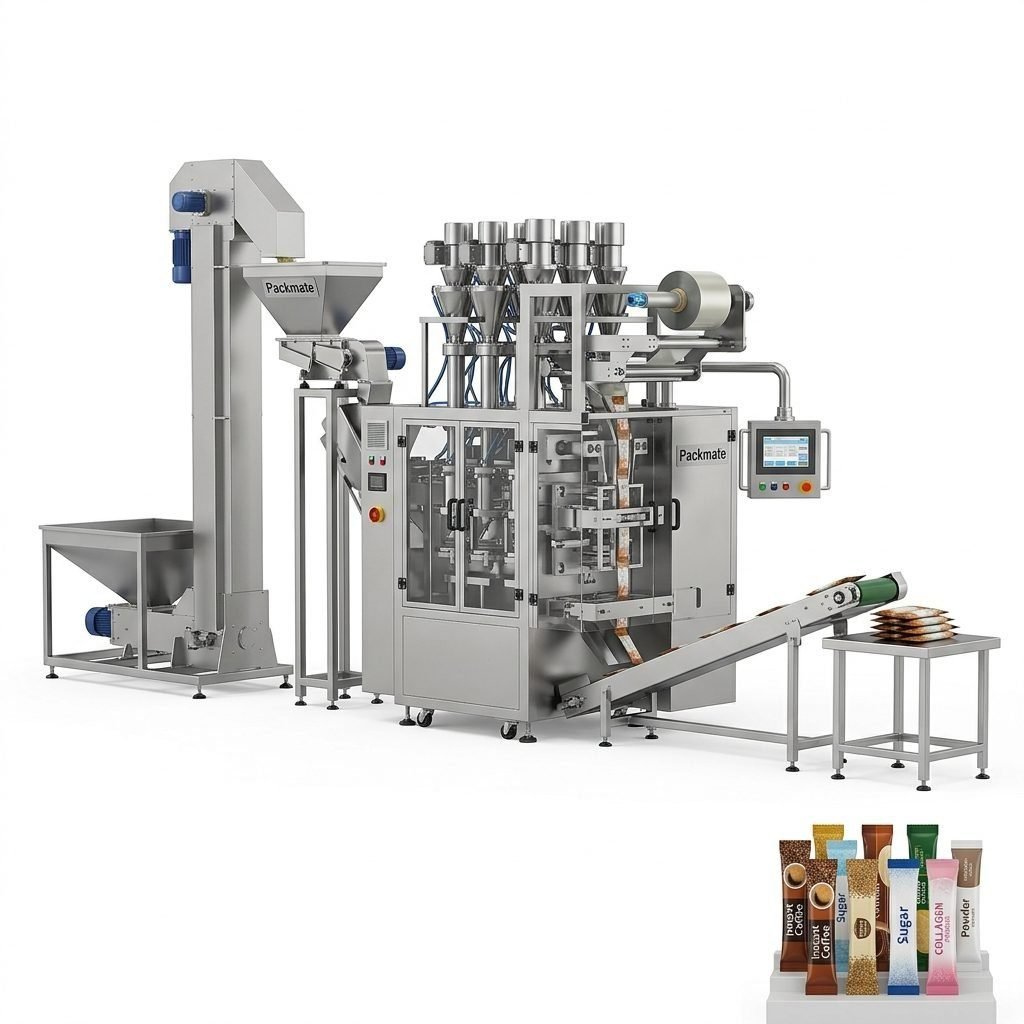
Consider your business growth trajectory. Will you need to add more lanes, integrate with other equipment like cartoners, or switch to different packaging materials in the future? Choosing a supplier that offers modular and scalable solutions, like Ludyway or PacklineOEM, can protect your investment and allow for easier expansion.
Frequently Asked Questions (FAQs)
What is the typical lead time for receiving a packaging machine in Sri Lanka?
Lead times vary from 30 to 90 days after order confirmation, depending on machine complexity and customization. This includes manufacturing, testing, and sea freight to Colombo Port. Always factor in additional time for customs clearance and inland transportation.
How can I ensure spare parts availability in Sri Lanka?
Discuss a spare parts package with your supplier at the time of purchase. Reputable suppliers like Packmate Machinery often maintain common spare parts inventory and can ship express parts via air freight when needed. Establish a clear parts ordering protocol.
Are Chinese packaging machines reliable for long-term use?
Yes, many established Chinese manufacturers with 20-30 years of experience, such as those profiled here, produce highly reliable, industrial-grade machines. The key is to select a proven supplier with strong R&D, quality control, and export experience, rather than opting for the lowest-cost option without verification.
Can I get training for my operators from the supplier?
Yes, most professional suppliers provide comprehensive training. This can occur at their factory before shipment, via detailed manuals and videos, or through an engineer’s visit during installation and commissioning in Sri Lanka. Ensure training is included in your contract.
What are the common payment terms for such machinery imports?
Standard terms often involve a deposit (e.g., 30-50%) with the order, balance against copy of shipping documents, or before shipment. Letters of Credit (L/C) are also commonly used for international trade to secure the transaction for both buyer and seller. Negotiate terms that provide security for both parties.