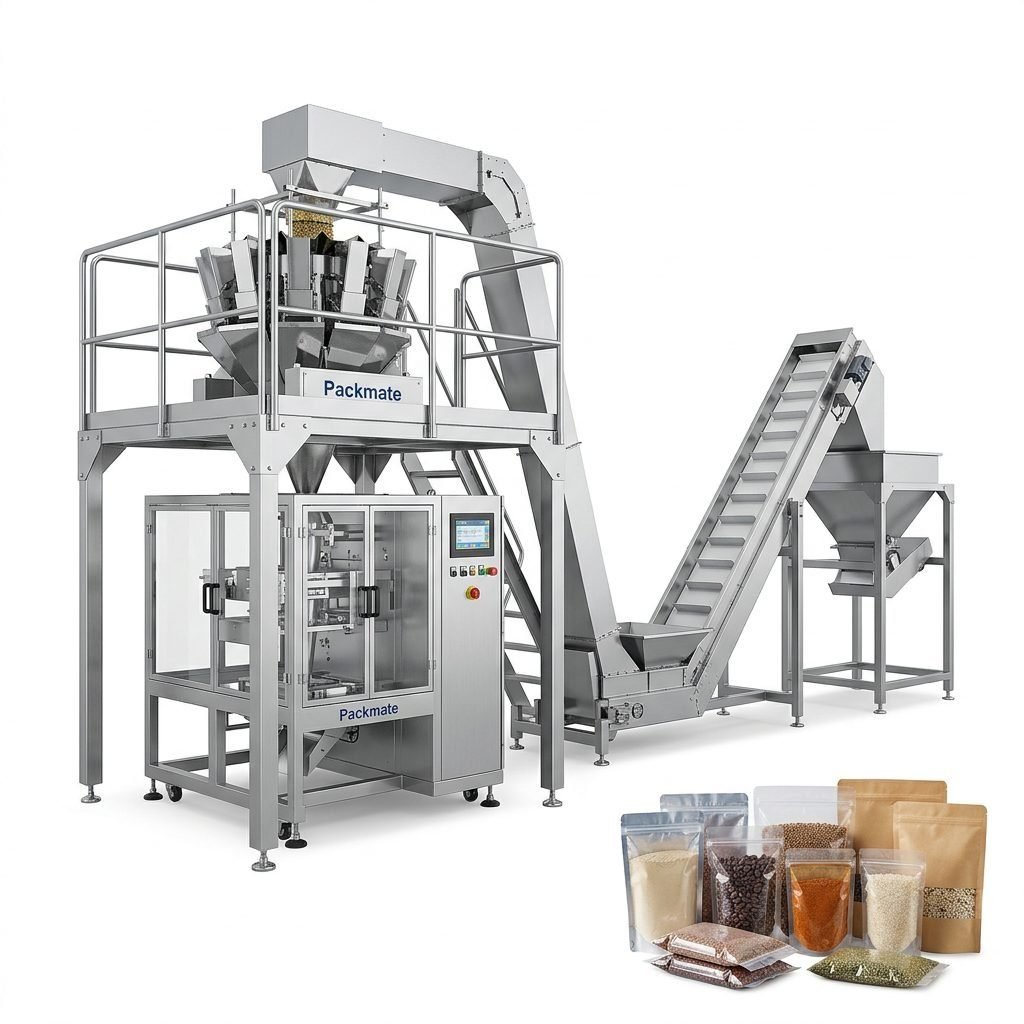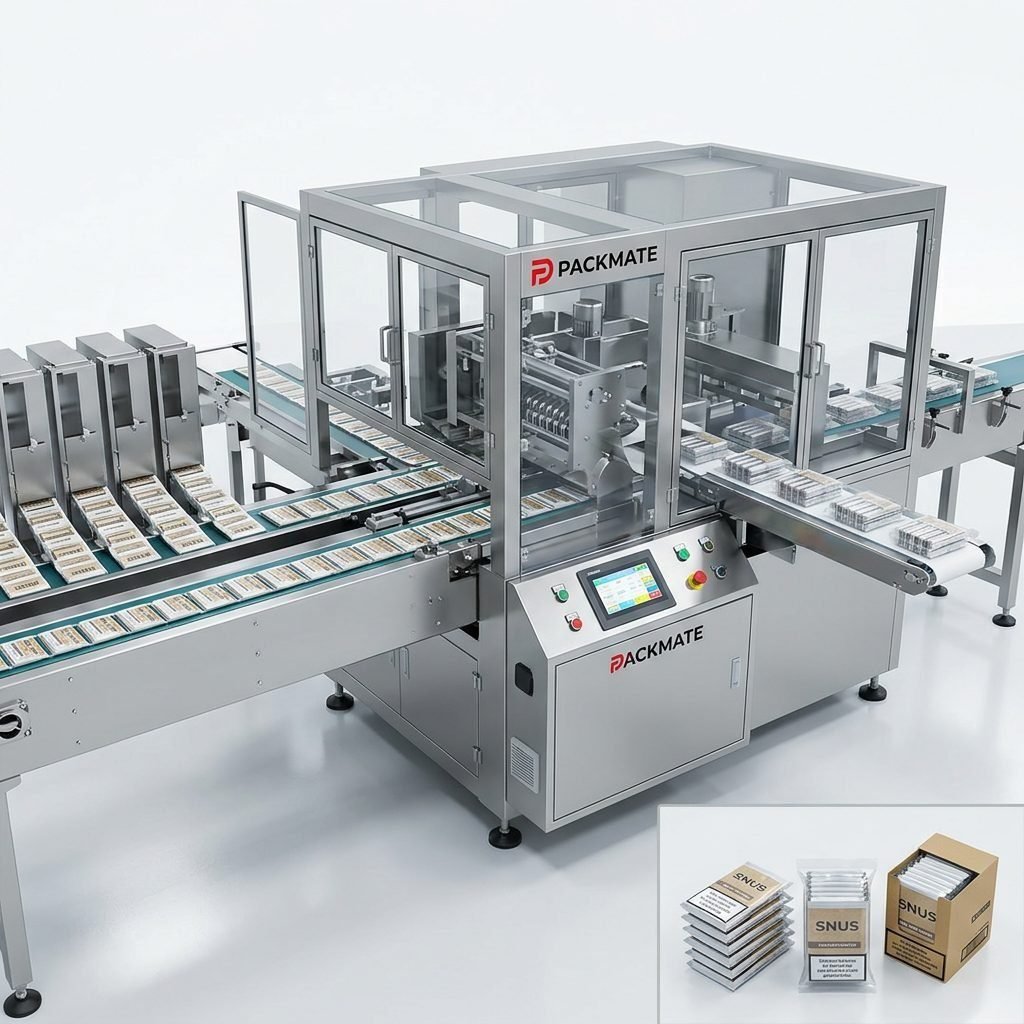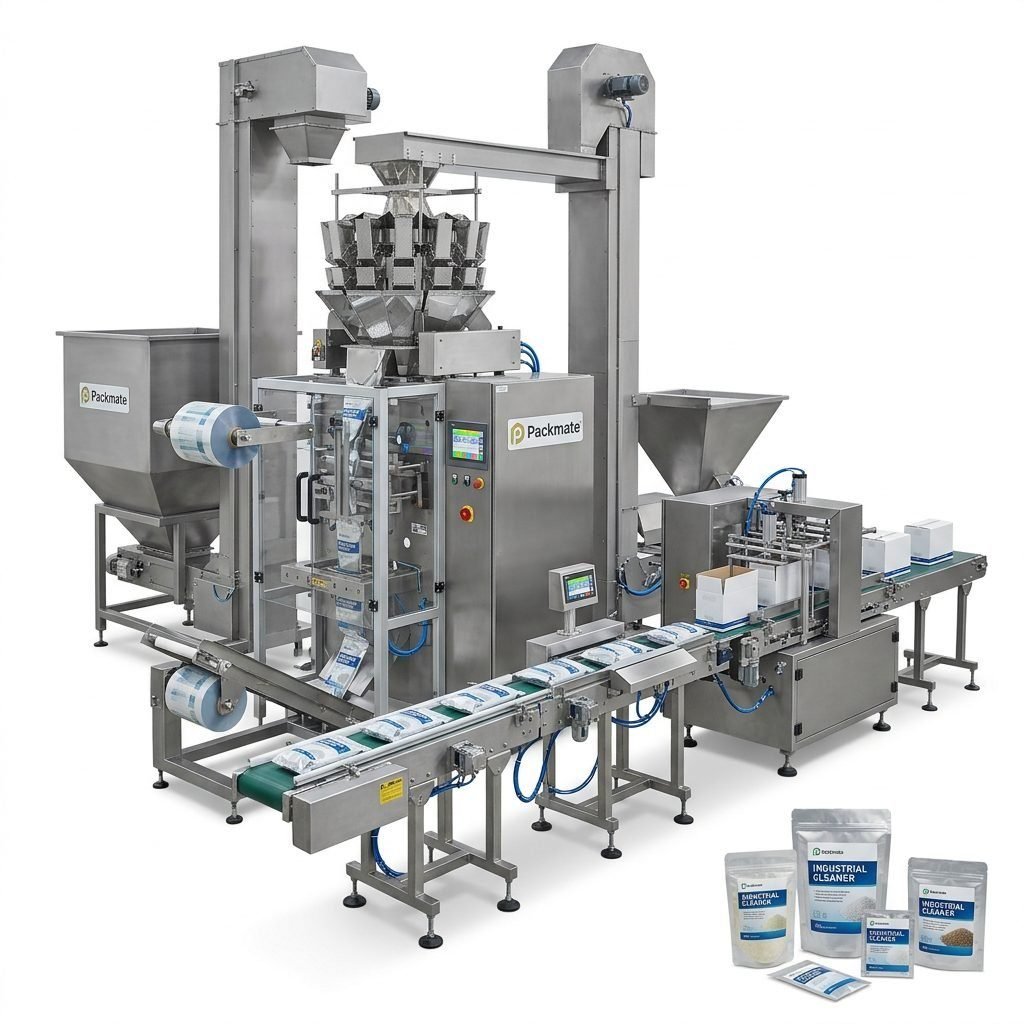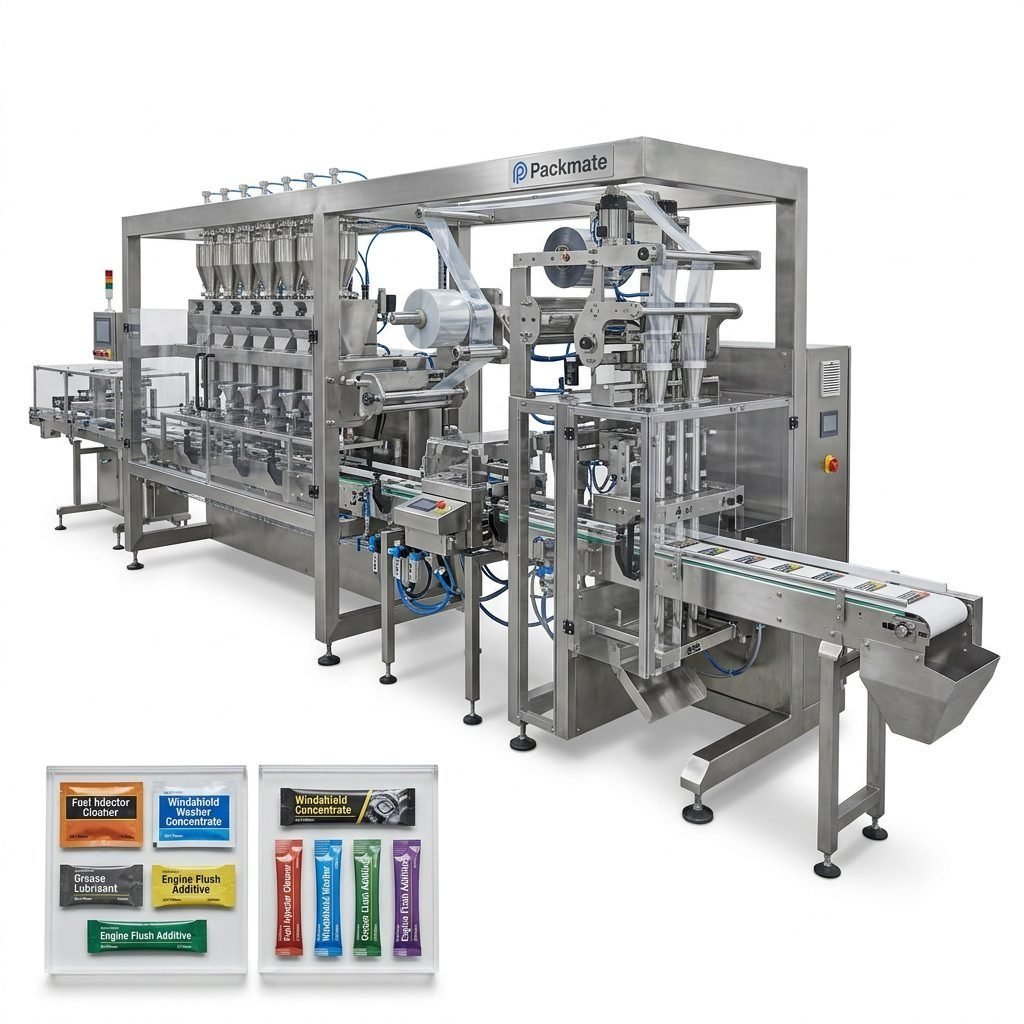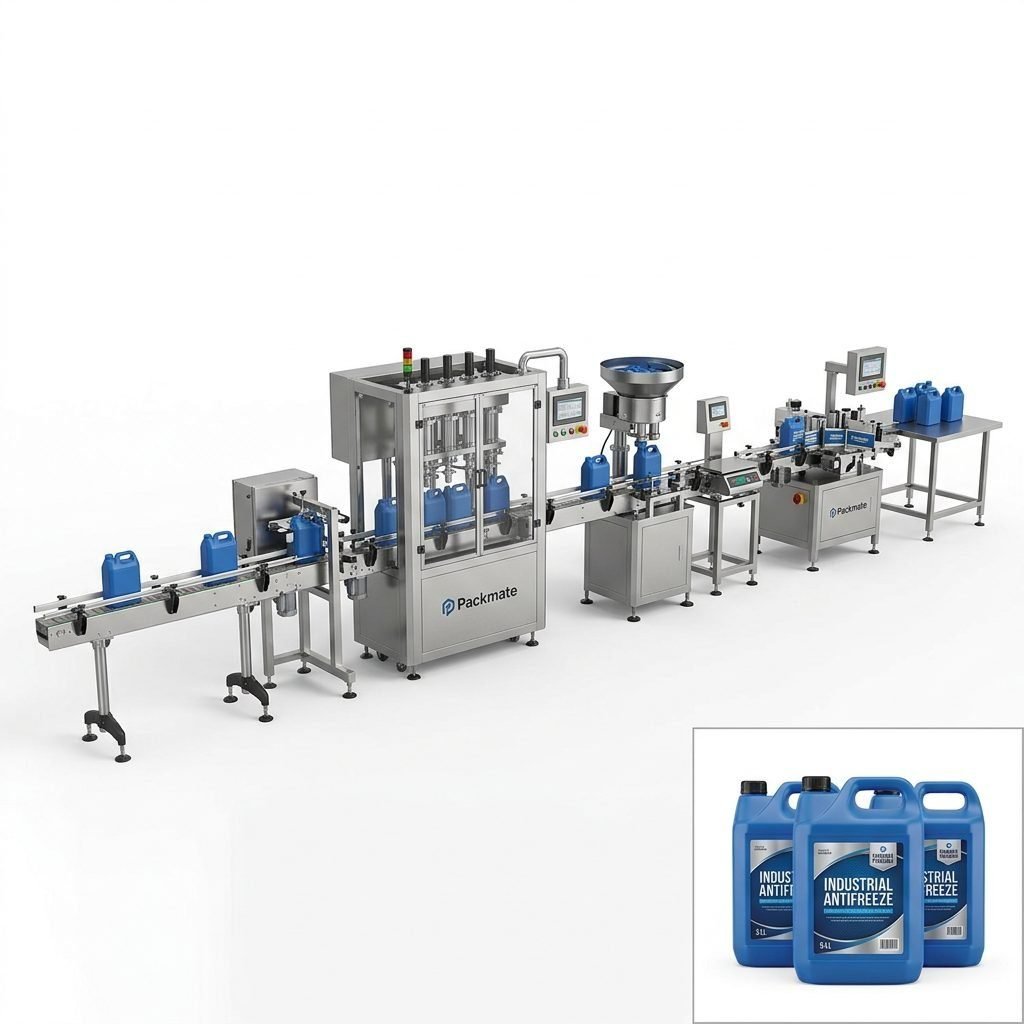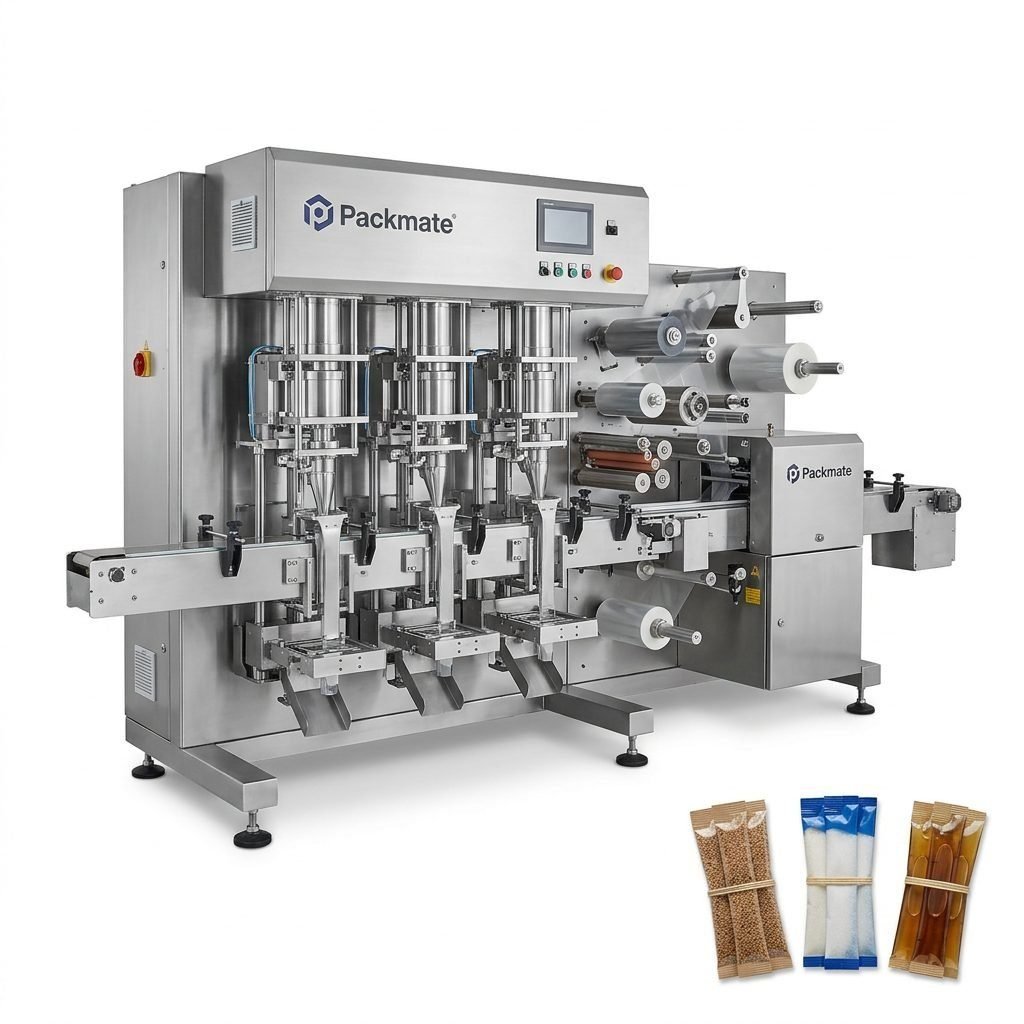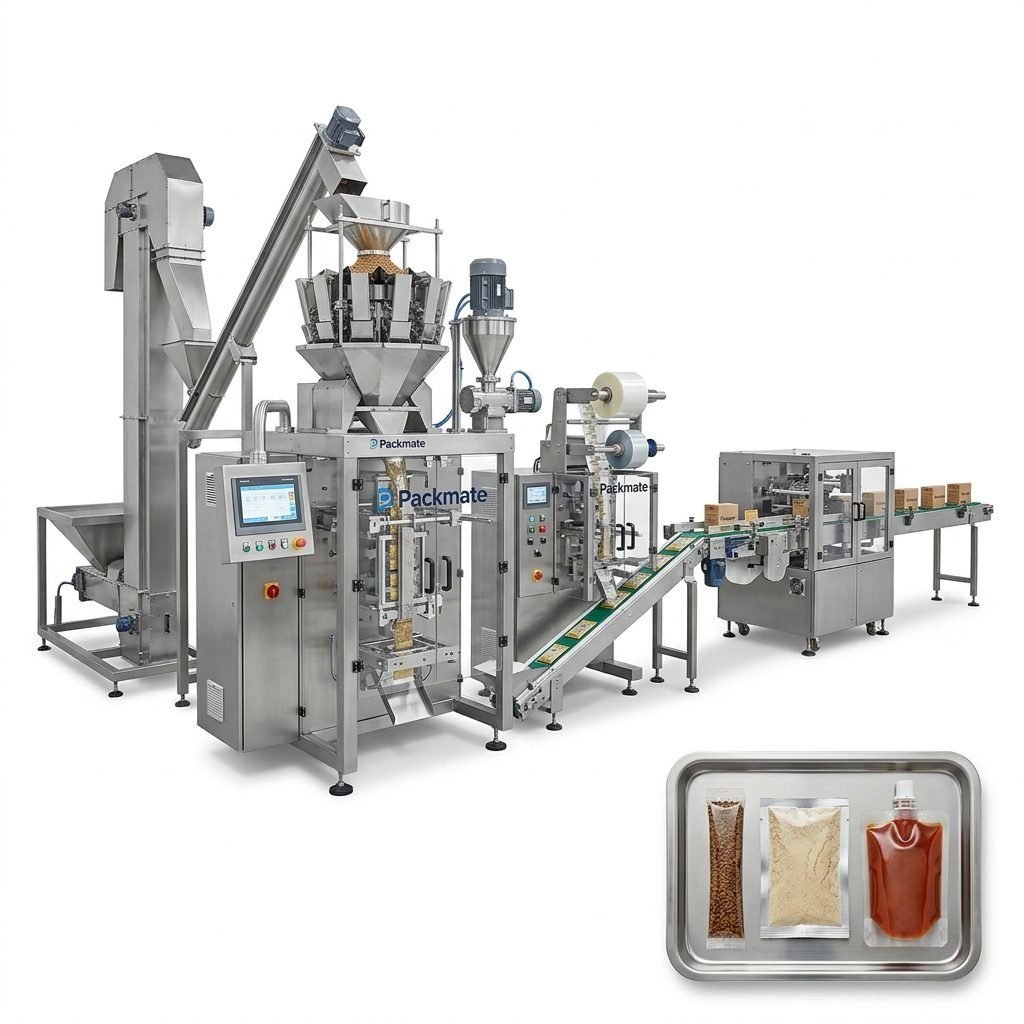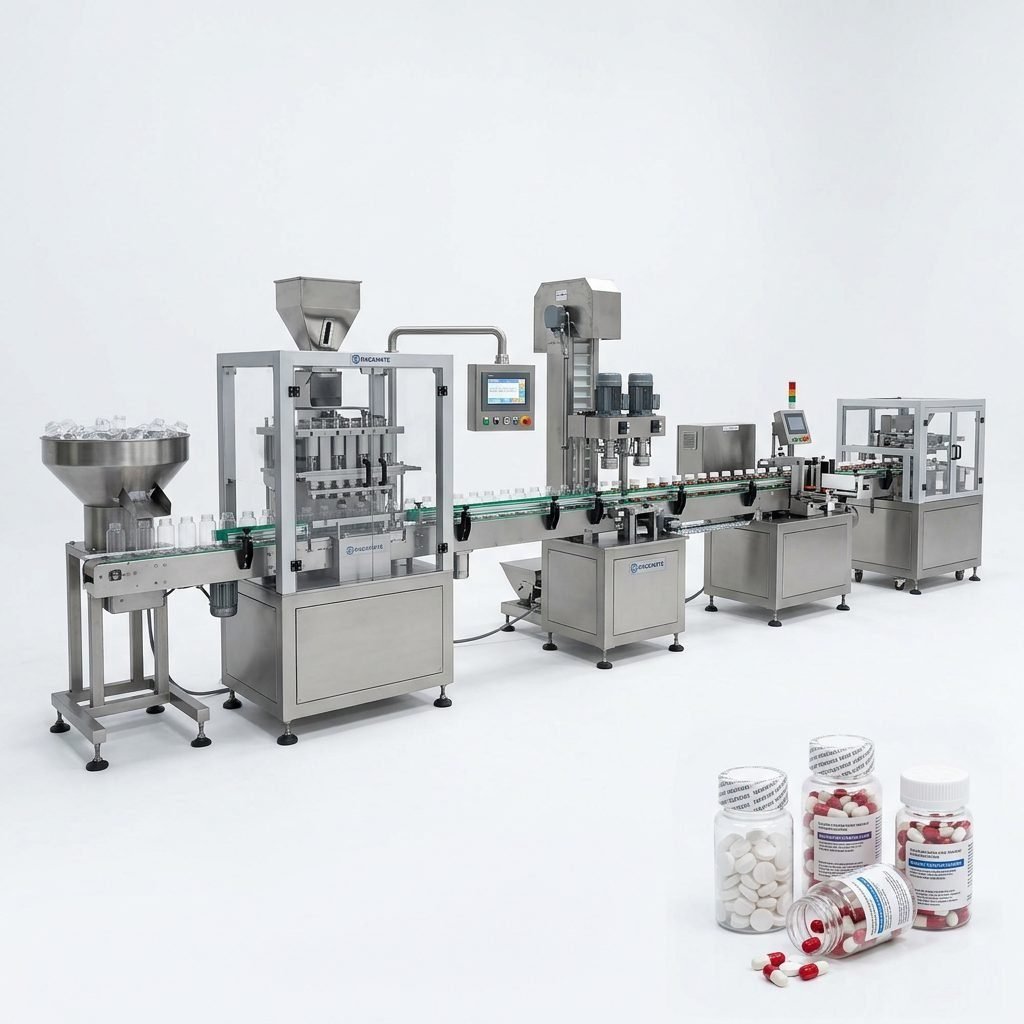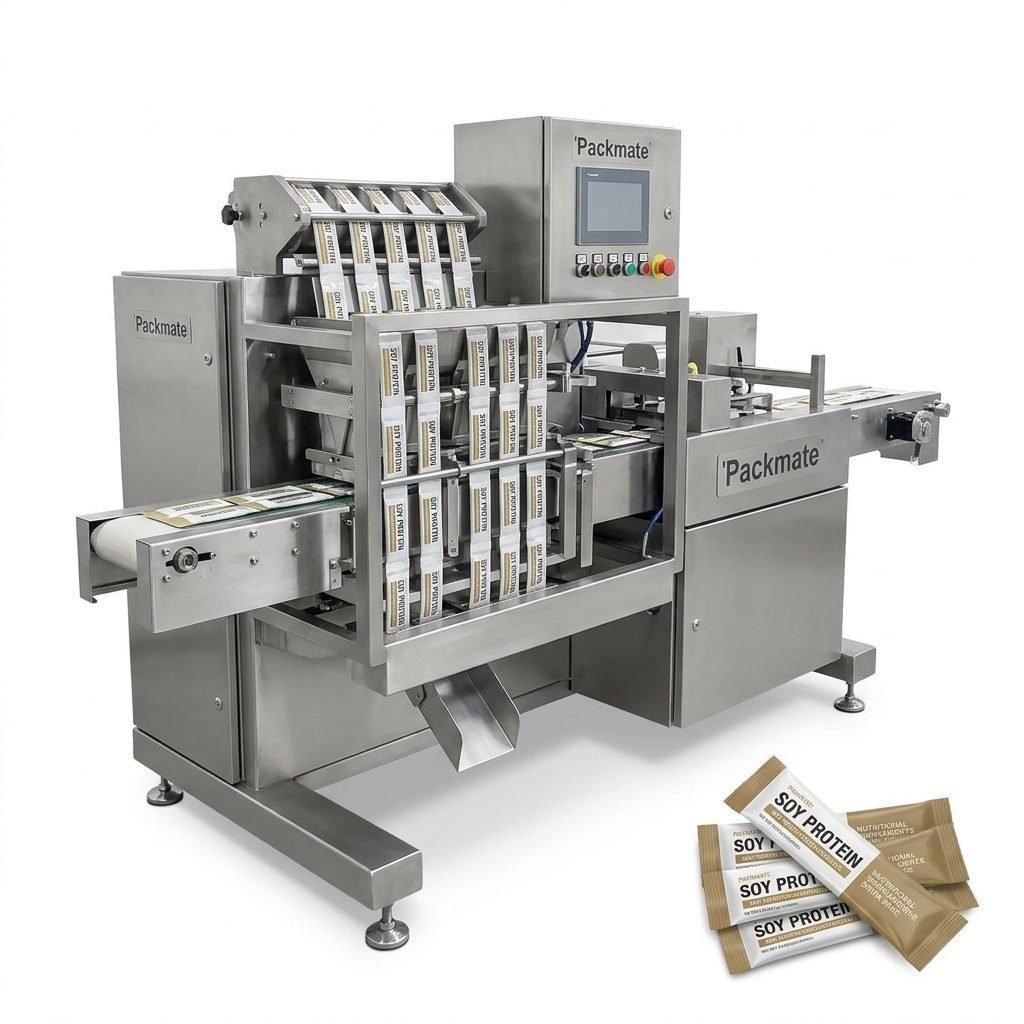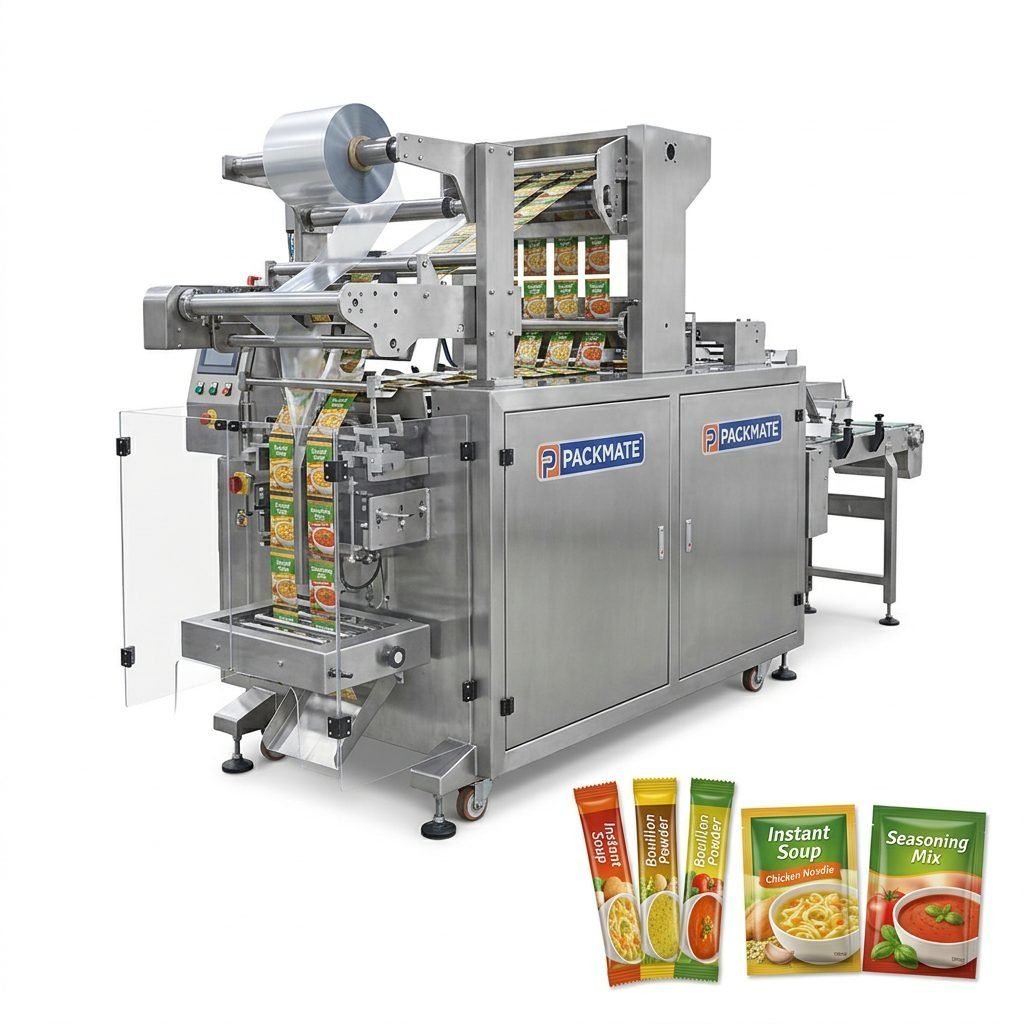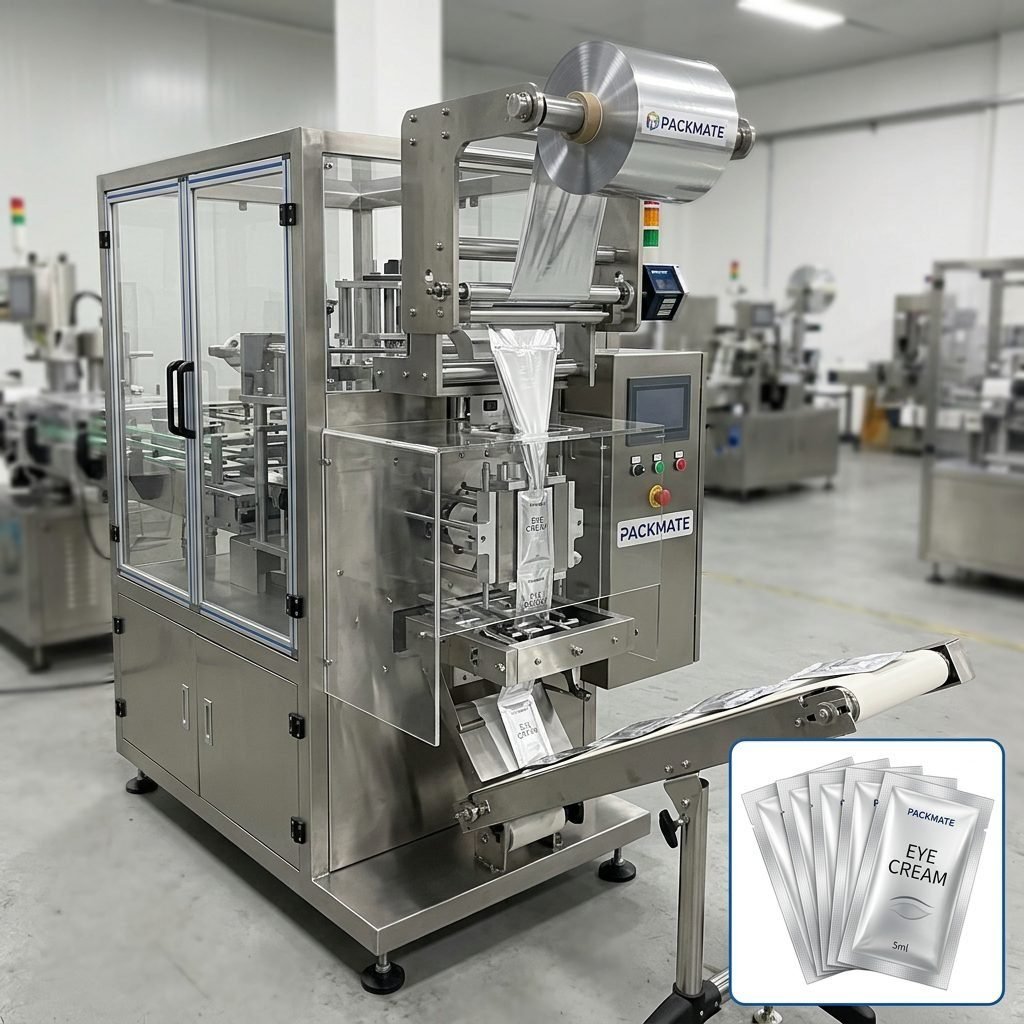
For businesses and industrial buyers in Malawi, sourcing reliable packaging machinery is a critical step towards improving production efficiency, ensuring product consistency, and expanding market reach. The country’s growing manufacturing sectors, including food processing, agriculture (for products like nuts, seeds, and flour), pharmaceuticals, and consumer goods, create a strong demand for automated packaging solutions. However, finding trustworthy manufacturers, especially from international markets like China, can be challenging without a clear strategy. This guide provides practical steps and key considerations to help Malawian buyers identify and partner with dependable packaging machine suppliers.
Understanding Your Packaging Needs in the Malawian Context
Before starting your search, clearly define your requirements. Consider the specific products common in Malawi, such as:
Local Product Examples: Seasonings (like peri-peri or curry powders), fortified flour blends, groundnuts (peanuts), coffee, tea, pharmaceutical sachets, agricultural seeds, and liquid condiments. The packaging format—whether stick packs, sachets, pouches, or bags—will directly influence the type of machine needed.
Key factors include production speed (output per minute), packaging material compatibility, available factory space, budget, and the desired level of automation. Are you looking for a single machine or a complete turnkey line? Answering these questions will narrow your search to manufacturers with the right expertise.
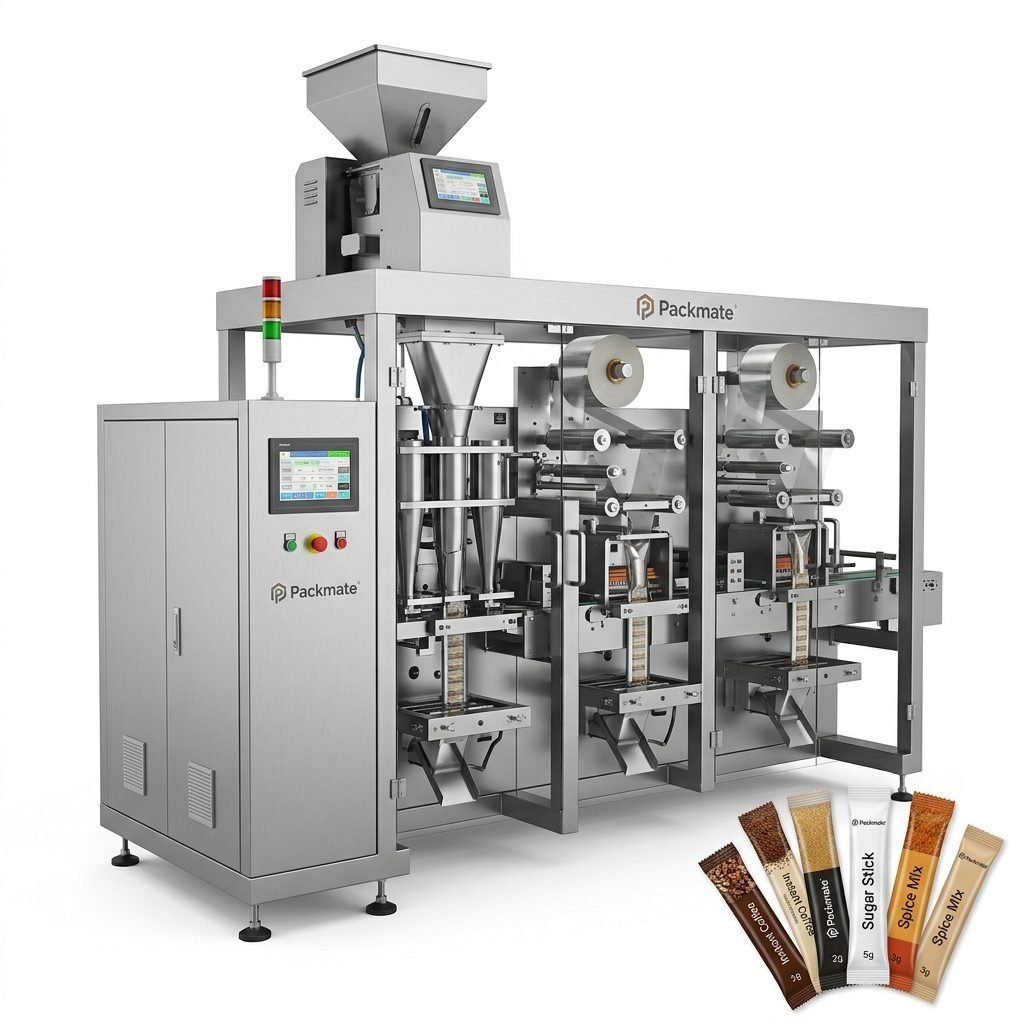
Key Research Channels for Finding Manufacturers
Utilize a mix of online and offline channels to build a list of potential suppliers:
- B2B Platforms: Websites like Alibaba, Made-in-China, and Global Sources are common starting points. Use specific keywords like “stick pack machine,” “sachet packing machine,” or “automatic packaging line.”
- Industry Directories & Trade Shows: While attending international trade shows might be difficult, reviewing exhibitor lists from events like Pack Expo or interpack online can reveal major players.
- Search Engines (Google): Conduct detailed searches using terms like “reliable packaging machine manufacturer” or “turnkey packaging line supplier.” Look beyond the first page of results.
- Professional Referrals: Network with industry associations or other manufacturers in the Southern African Development Community (SADC) region for firsthand recommendations.
Evaluating Manufacturer Credibility and Capability
Once you have a list, deep evaluation is crucial. For Malawian importers, dealing with a reputable supplier minimizes the risk of costly downtime and ensures long-term support.
| Evaluation Criteria | What to Look For | Why It Matters for Malawian Buyers |
|---|---|---|
| Company History & Experience | Years in business, industry specialization, and client portfolio. | Experienced manufacturers are more likely to understand diverse product challenges and offer stable, proven machines. |
| Technical & Customization Ability | In-house R&D, engineering team, and willingness to provide custom solutions. | Local products may have unique characteristics; customization ensures the machine handles your specific powder, granule, or liquid effectively. |
| Manufacturing Facility | Factory size, quality control processes, and assembly lines. | A sizable, modern factory indicates production capacity and a commitment to quality, leading to more reliable equipment. |
| Export Experience & After-Sales | Presence in Africa, documentation (manuals in English), spare parts policy, and technical support availability. | Suppliers familiar with exporting to Africa will better handle logistics, documentation, and provide crucial remote or on-site support after installation in Malawi. |
| Client References & Case Studies | Request references from projects in similar industries or regions. | Direct feedback from other clients provides the best insight into real-world machine performance and supplier reliability. |
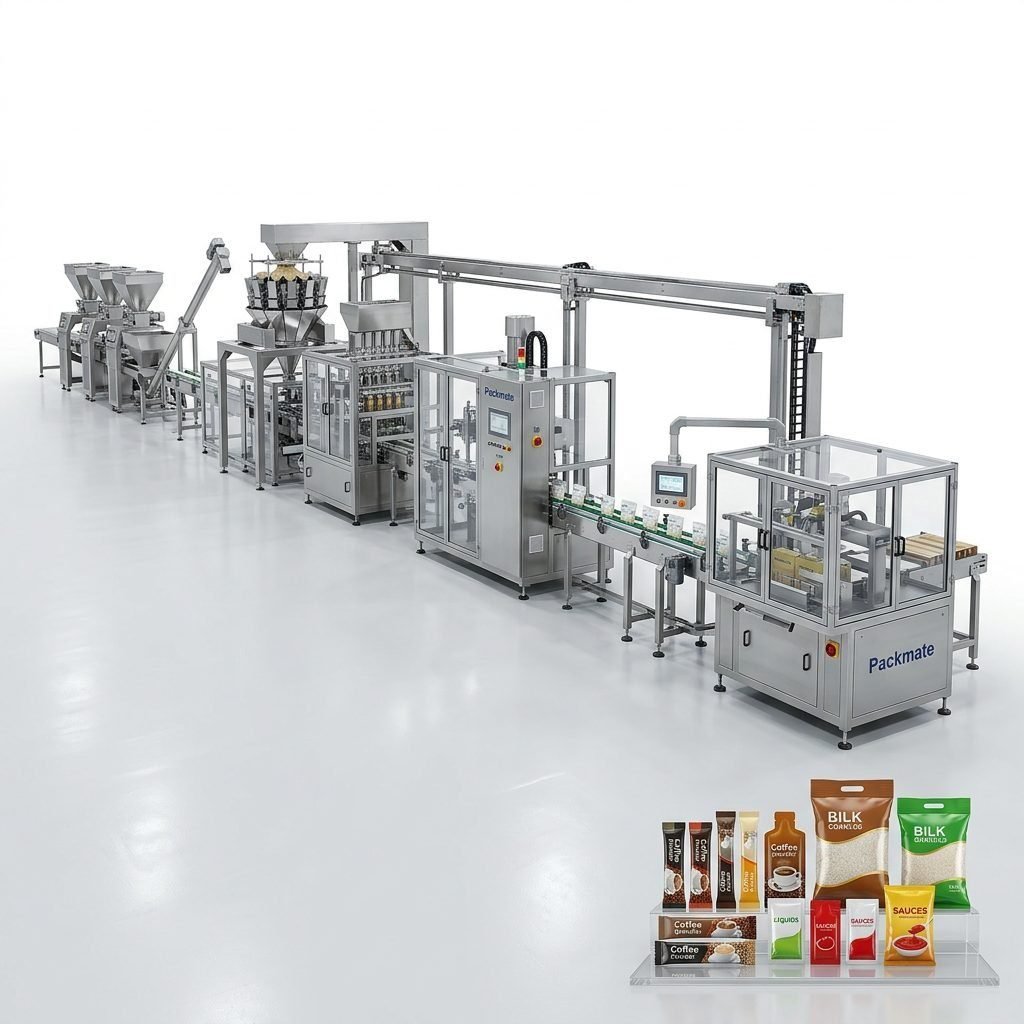
Deep Dive: Assessing After-Sales Support for Long-Distance Partnerships
This is perhaps the most critical factor for buyers in Malawi. Reliable after-sales support mitigates the challenges of distance. Inquire specifically about:
Support Checklist: Availability of English-speaking technical support (via video call), warranty terms, spare parts inventory and lead time, provision of detailed operation and maintenance videos, and possibility for local technician training. Some manufacturers, like Ludyway with its broad export footprint, have structured international support systems.
Navigating Logistics, Costs, and Communication
Successful importation involves careful planning beyond the machine price.
- Total Cost Analysis: Account for the machine price (FOB or CIF), international shipping to Dar es Salaam or Beira ports, land freight to Malawi, insurance, customs clearance duties, and installation costs.
- Clear Communication: Provide detailed product samples and specifications to the manufacturer. Use video calls for factory audits and machine testing. Clearly agree on payment terms (e.g., TT, LC).
- Technical Documentation: Ensure you receive complete electrical diagrams, parts lists, and manuals. This is vital for future troubleshooting.
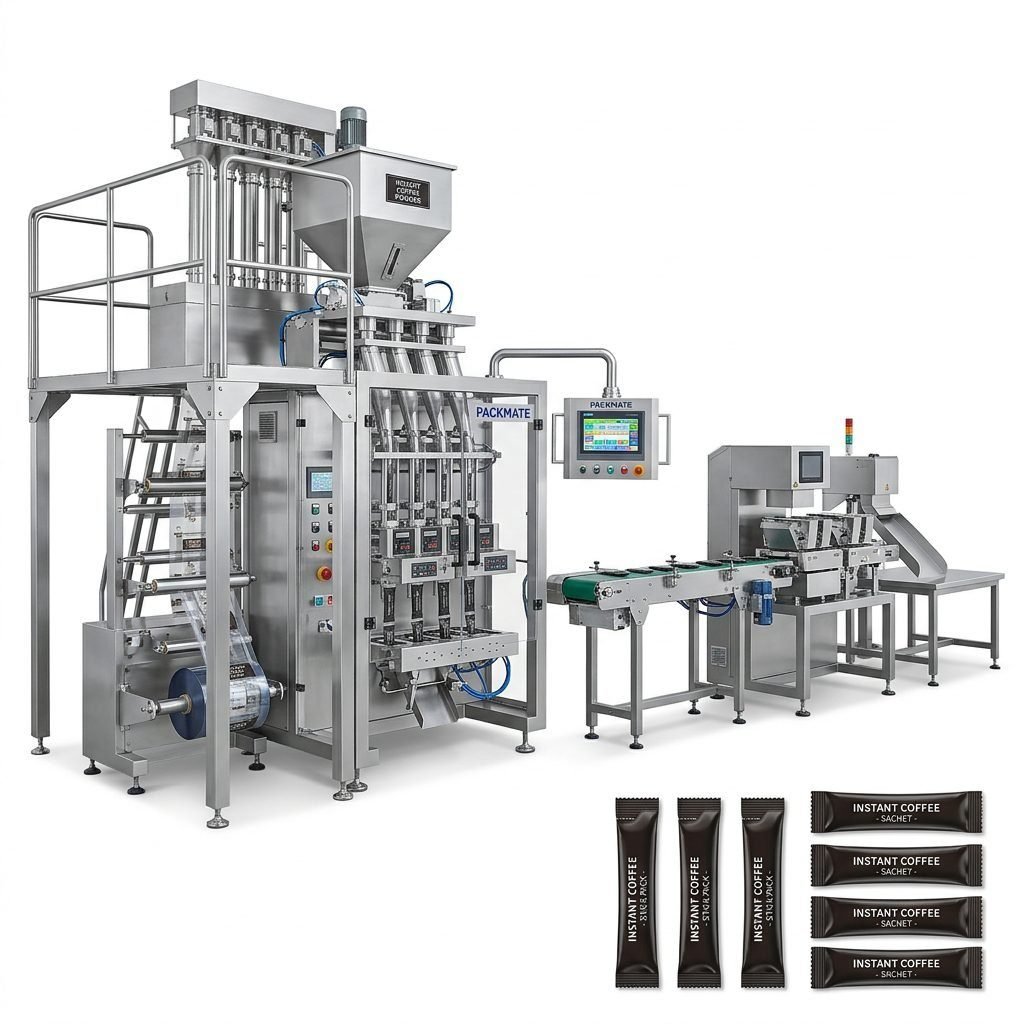
Spotlight on Specialized Manufacturers
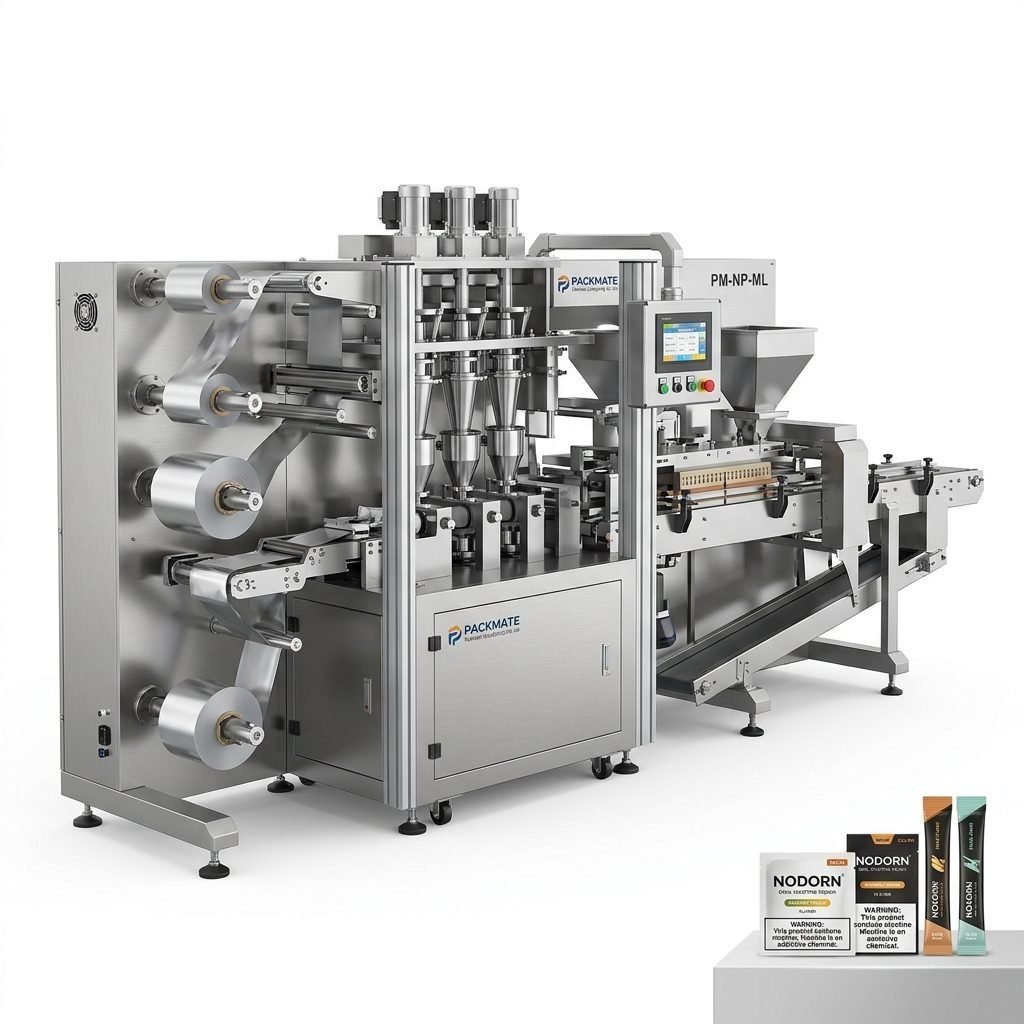
Depending on your niche, you might need a specialized supplier. For example, if your business involves nicotine pouches, a manufacturer like SnusMachinery offers focused expertise. For non-standard or highly customized projects, companies such as PackingMachineOEM are structured to handle unique requirements. For buyers seeking a complete, integrated production line rather than just a single machine, PacklineOEM is a relevant option to consider.
Making the Final Decision and Building the Relationship
Request and compare detailed proposals from your shortlisted manufacturers. The best choice is not always the cheapest, but the one that offers the best long-term value through reliable equipment, strong support, and a commitment to your project’s success. A manufacturer like Packmate Machinery, with decades of experience, often represents a balanced choice for many buyers. Establish a good working relationship with your supplier—this partnership is key to solving future challenges and potentially scaling your operations.
Frequently Asked Questions (FAQs) for Malawian Buyers
1. What are the main challenges of importing packaging machines to Malawi?
The primary challenges include managing complex international logistics and customs clearance, ensuring reliable after-sales technical support from a distance, sourcing compatible packaging materials locally, and dealing with potential voltage stability issues that require proper machine configuration.
2. How can I verify a manufacturer’s claims without visiting China?
You can request a live video tour of their factory and a live video test of a machine running a material similar to yours. Ask for detailed client references and contact them directly. Check for relevant international certifications (like CE) and review their company history online.
3. Should I buy a standard machine or a customized one?
If your product and packaging format are very common, a standard machine may suffice and be more cost-effective. However, if your product has unique flow characteristics, density, or packaging size, a customized solution from a manufacturer with strong R&D, such as Ludyway, will ensure better performance and fewer operational issues in the long run.
4. What is a fair payment structure for such an investment?
A common and secure structure is a partial advance payment (e.g., 30%), balance against copy of shipping documents, and retention of a small percentage (e.g., 5-10%) after successful installation and testing. Always use secure payment methods and clearly defined terms in the contract.
5. How important is local agent or technician training?
Extremely important. Even with good remote support, having at least one locally trained technician is invaluable for daily operation, basic maintenance, and minor troubleshooting. Reputable suppliers should include comprehensive training—either at their factory or on-site in Malawi—as part of the service.