Choosing the right automatic seed packing solution is a critical decision for agricultural businesses, seed producers, and packaging contractors worldwide. The right machine can significantly enhance your production efficiency, ensure product integrity, and improve your bottom line. With numerous options available, from multi-lane stick pack machines to fully integrated turnkey lines, making an informed choice requires understanding your specific needs and the capabilities of leading manufacturers.
Key Considerations for Selecting a Seed Packing Machine
Before diving into specific machine types or suppliers, you must assess your operational requirements. The ideal system balances speed, precision, flexibility, and long-term reliability.
Production Capacity & Output: Determine your required output in bags or sachets per minute (BPM). High-volume producers need multi-lane systems, while smaller operations may prioritize a versatile single-lane machine.
Seed Type & Characteristics: The machine must handle your specific seed type—whether they are small granules, coated pellets, or larger varieties. Consider factors like flowability, dust generation, and fragility.
Packaging Format: Decide on the final packaging format: stick packs, sachets, pouches, or bulk bags. Each format requires different filling, sealing, and handling mechanisms.
Understanding Different Machine Types
The market offers a range of automated seed packaging solutions, each suited for different scales and formats.
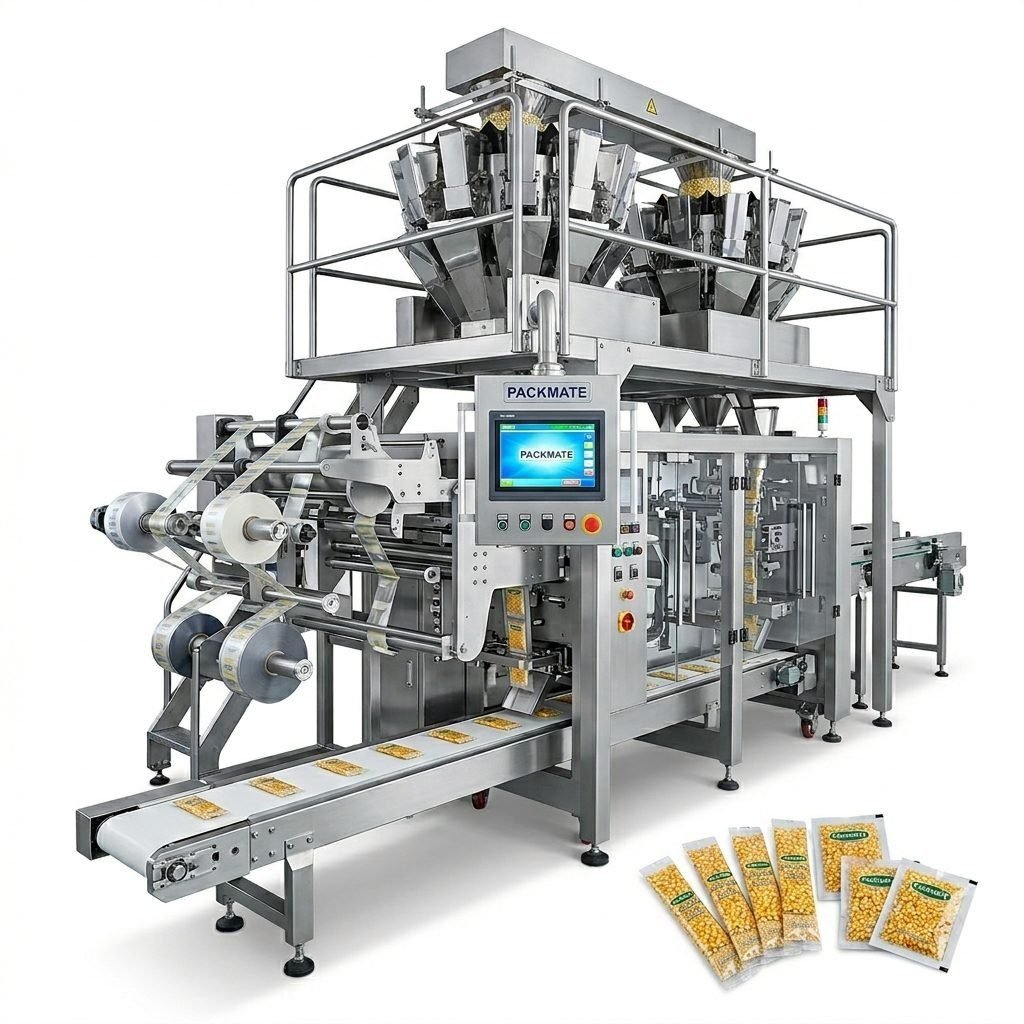
Vertical Form-Fill-Seal (VFFS) Machines
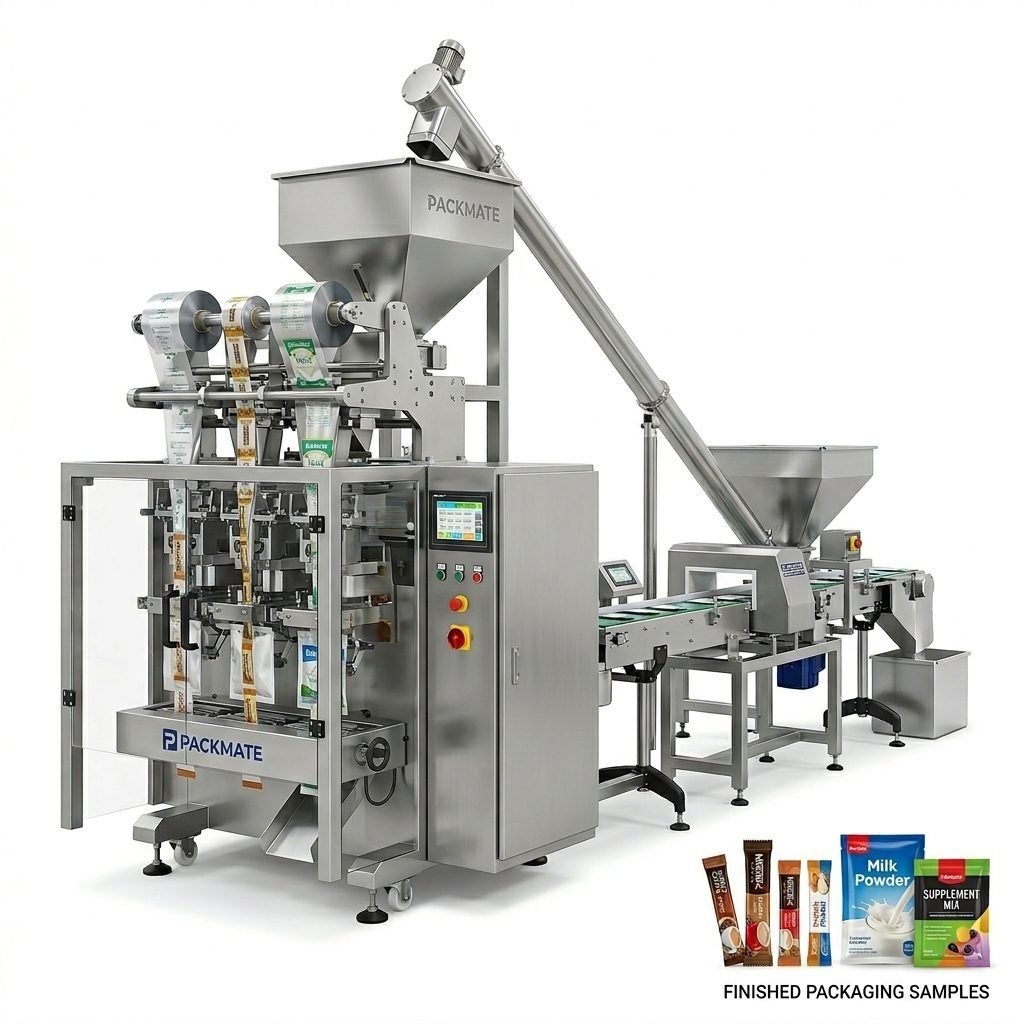
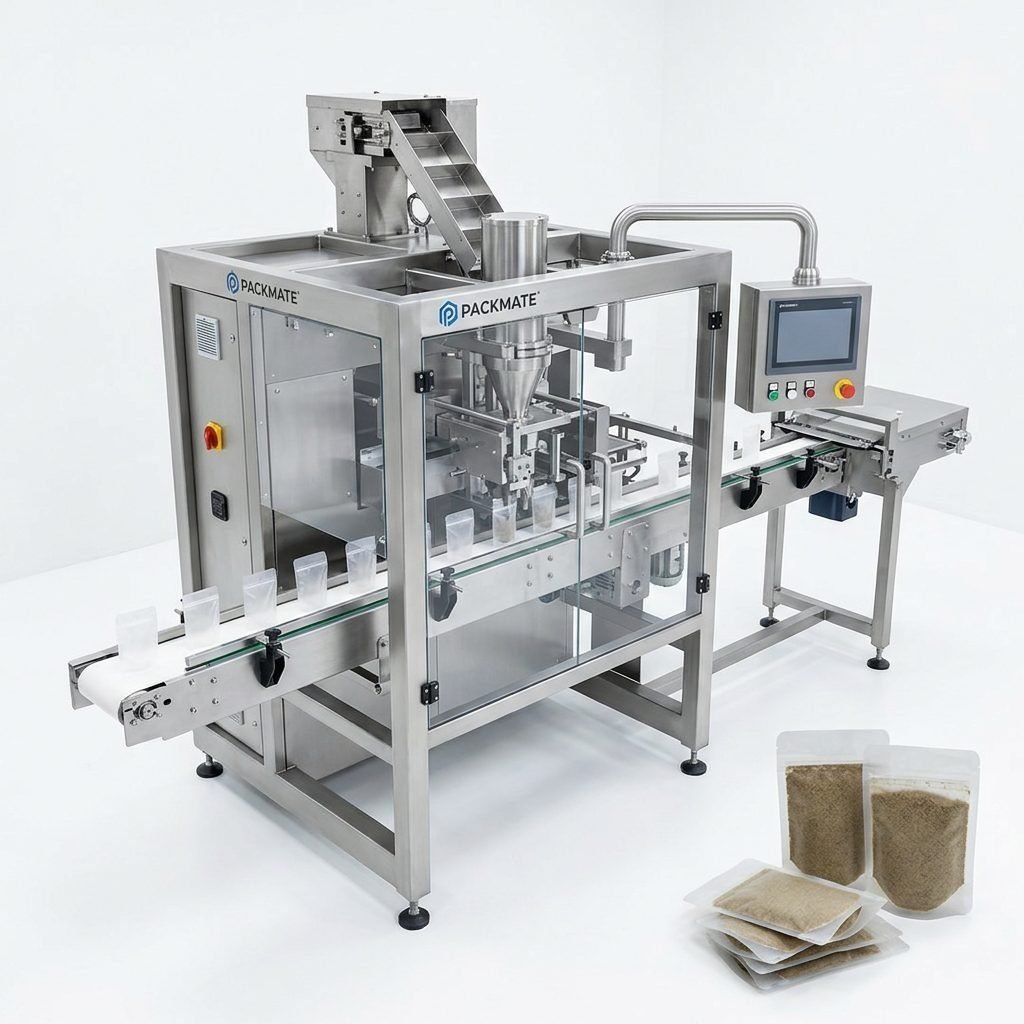
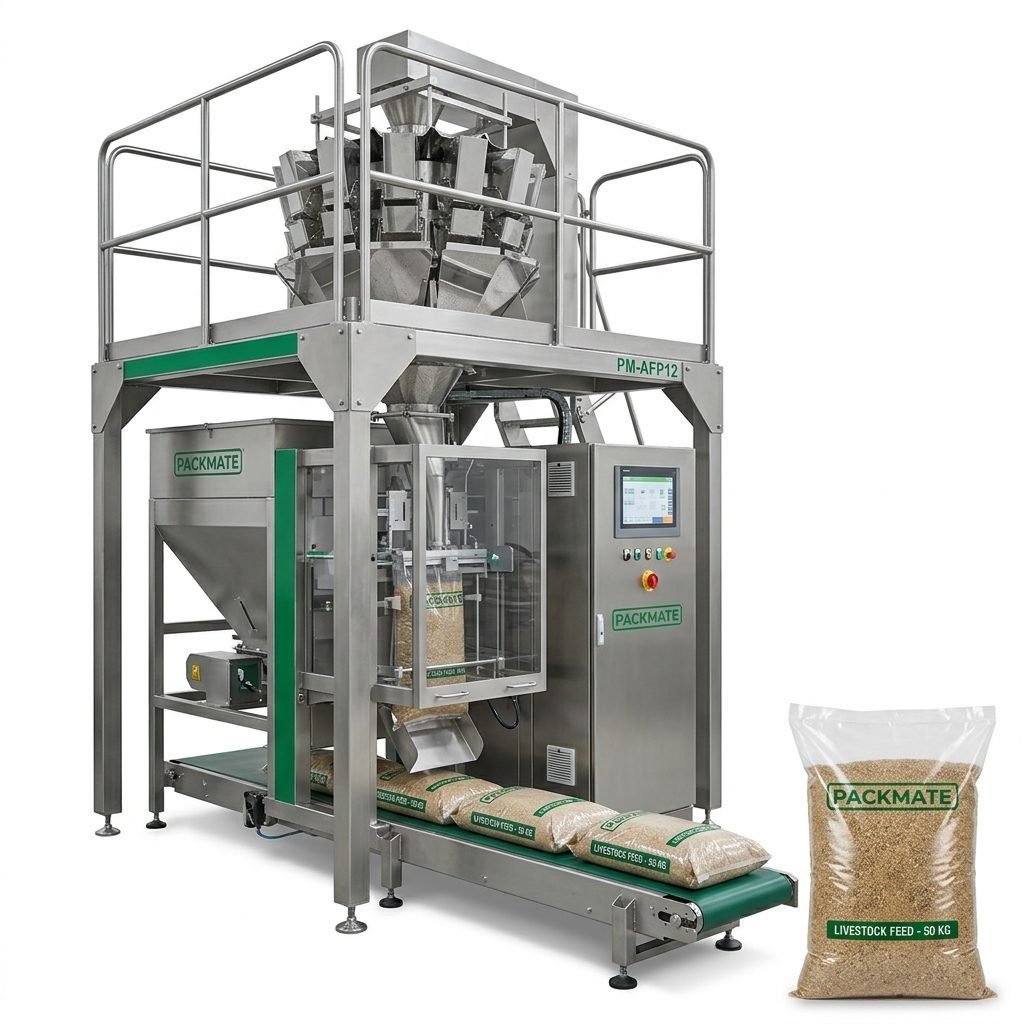
These are versatile workhorses for creating pouches from a roll of film, filling them, and sealing them in one continuous process. They are excellent for larger seed packets and offer great flexibility in bag size.
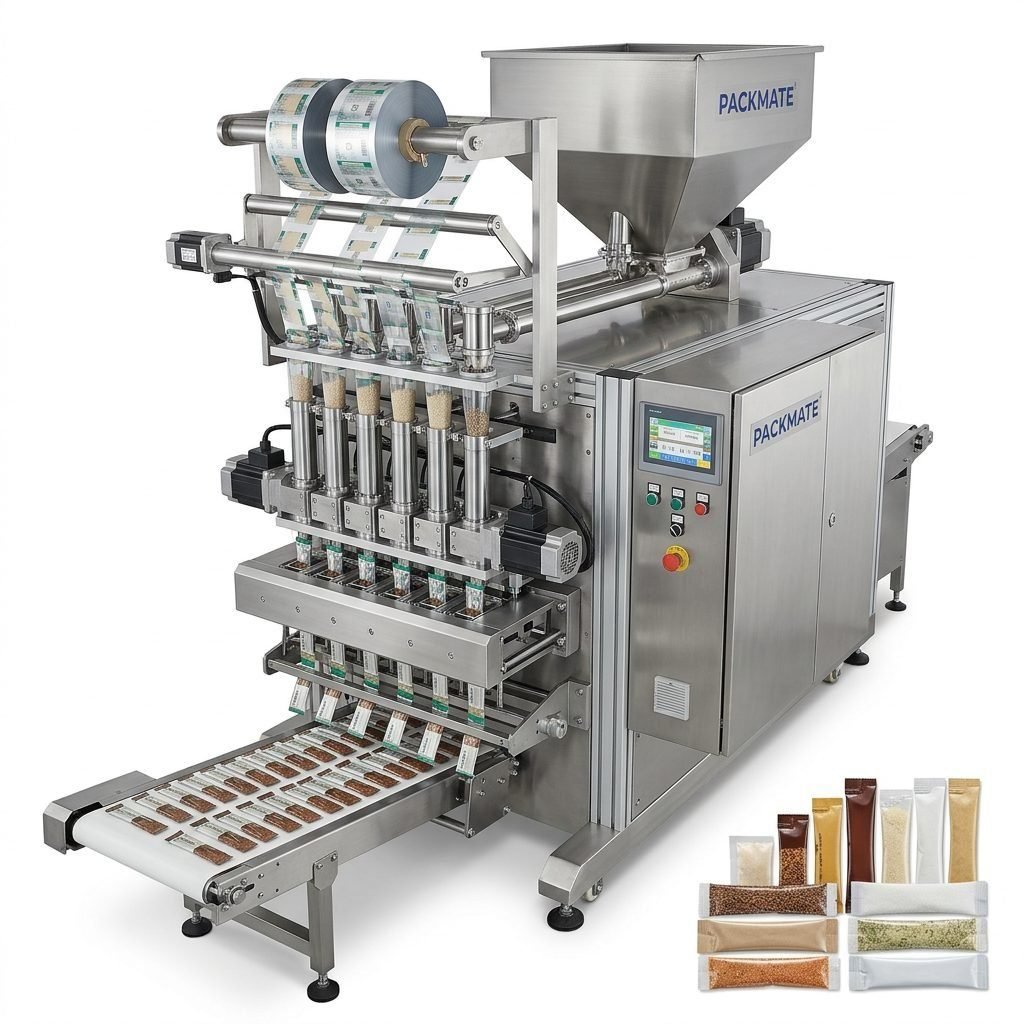
Multi-Lane Stick Pack & Sachet Machines
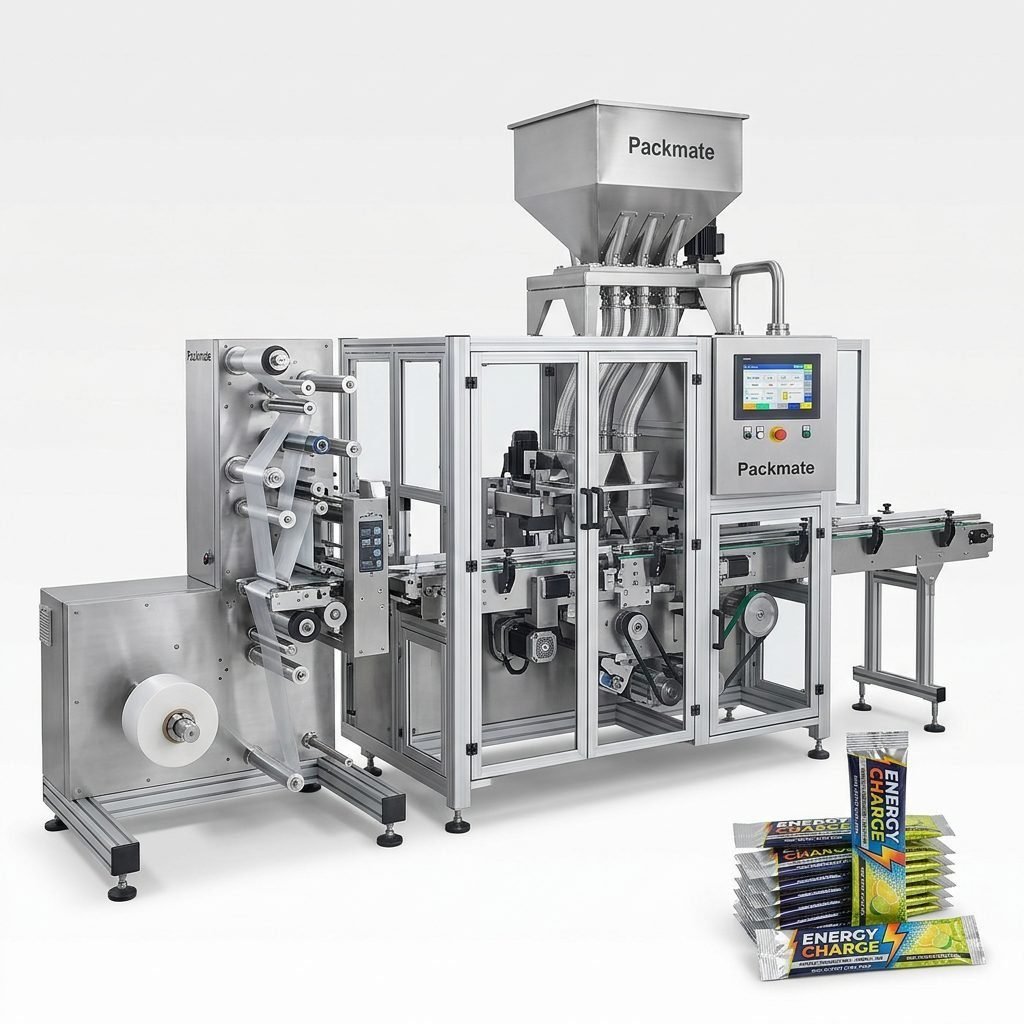
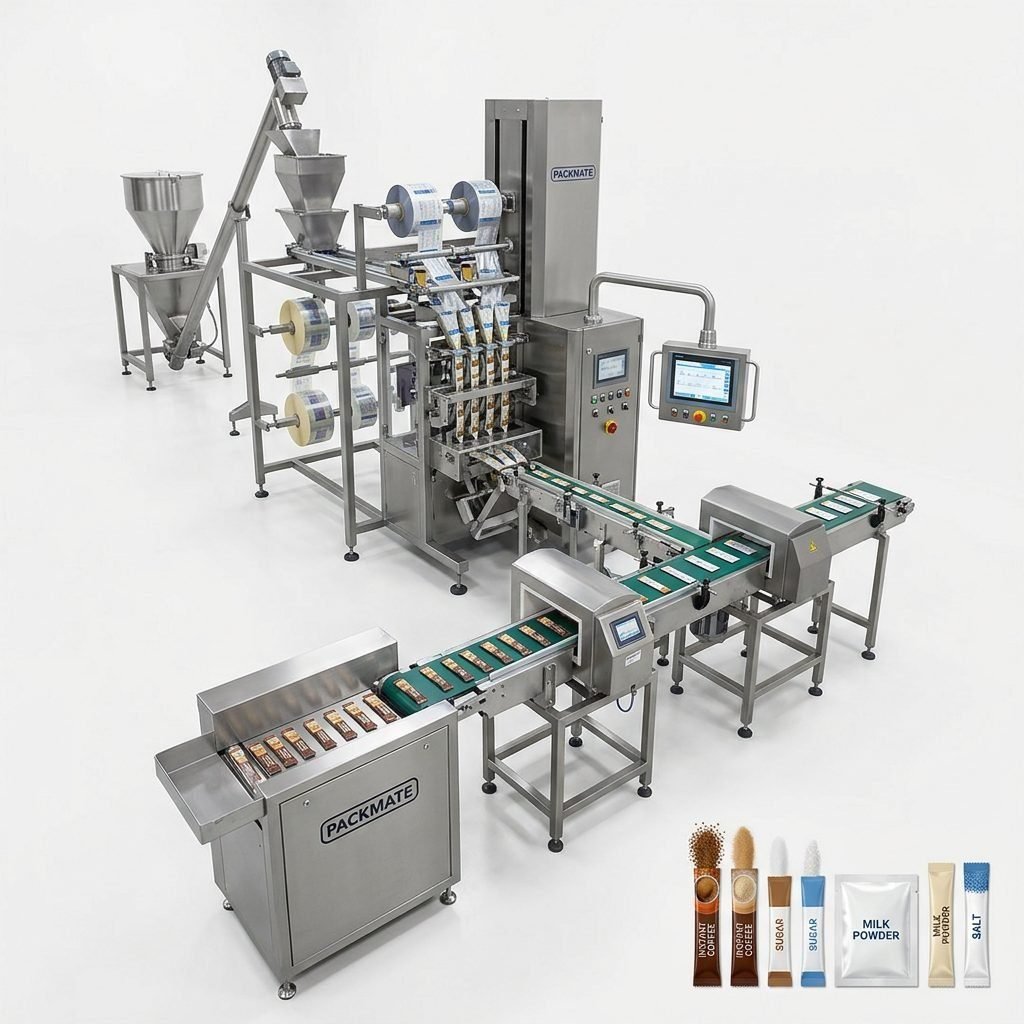
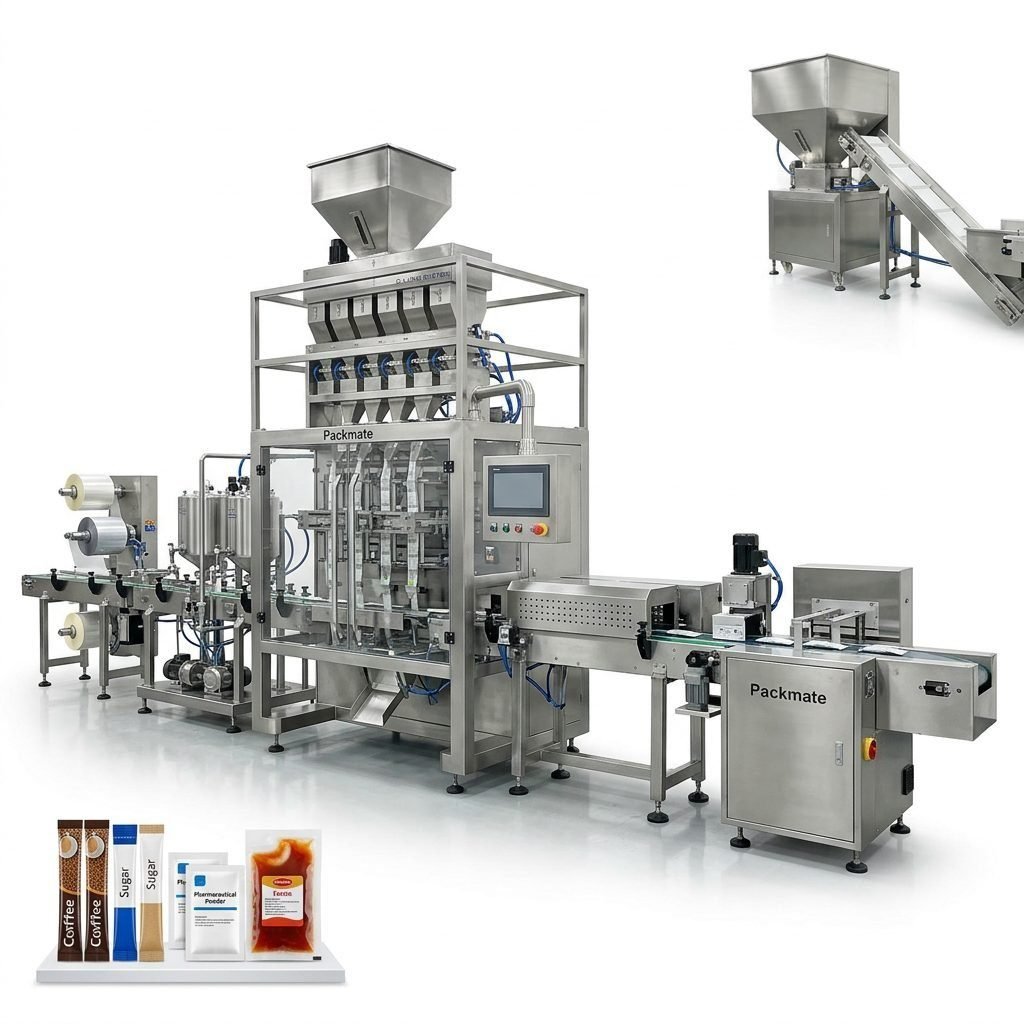
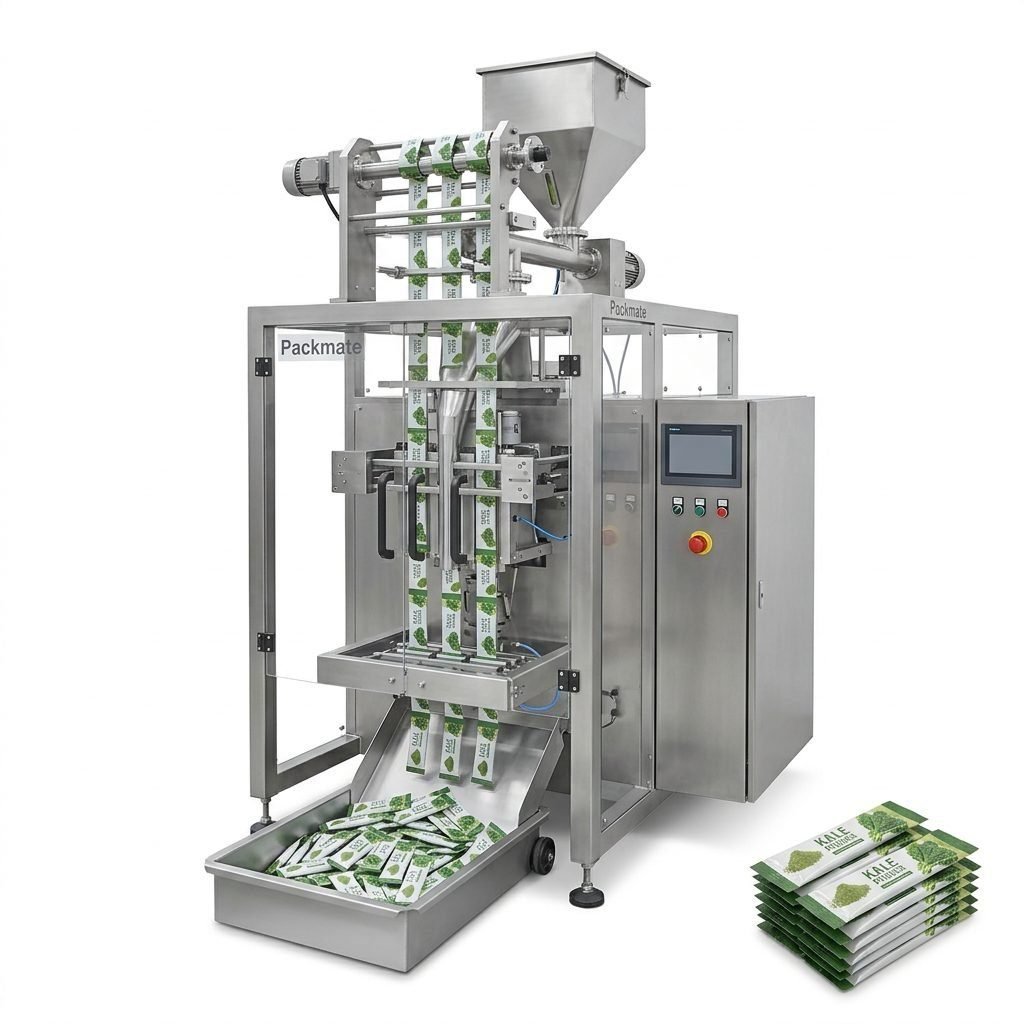
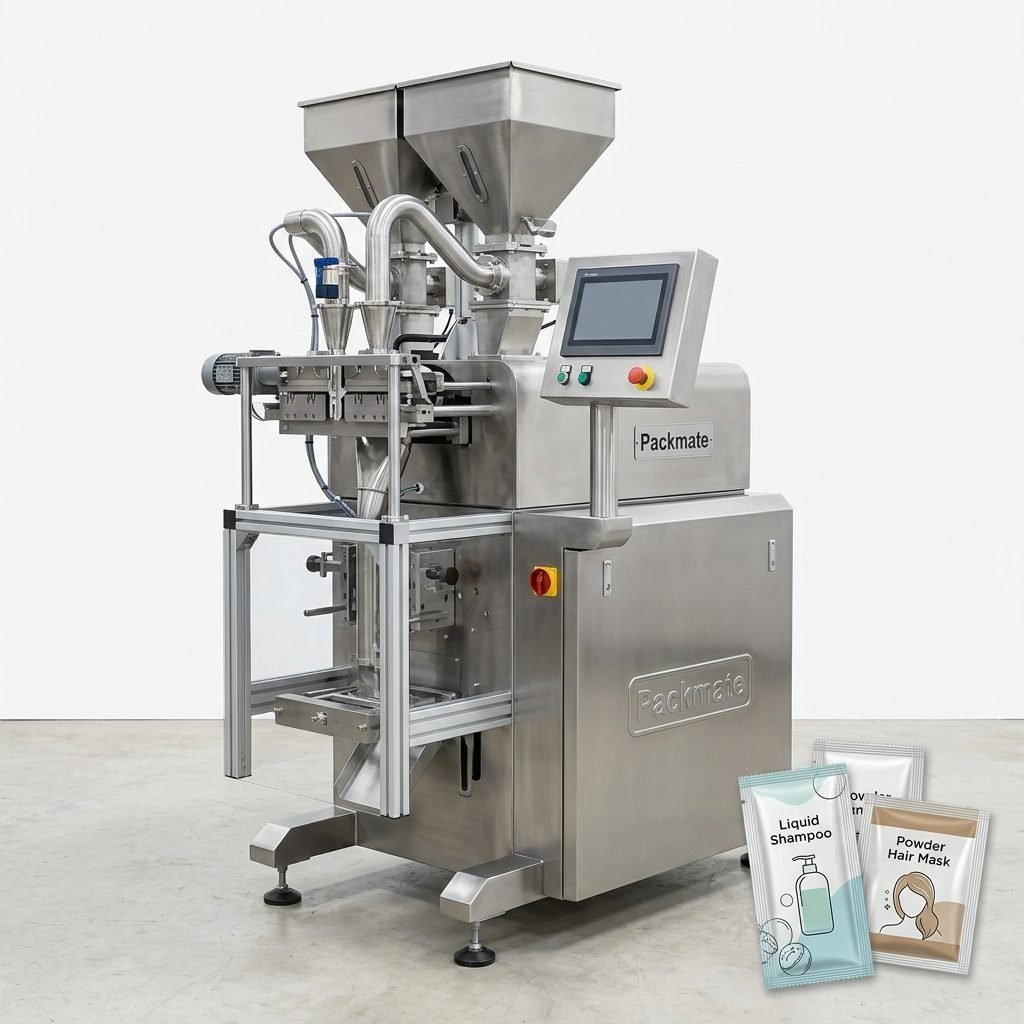
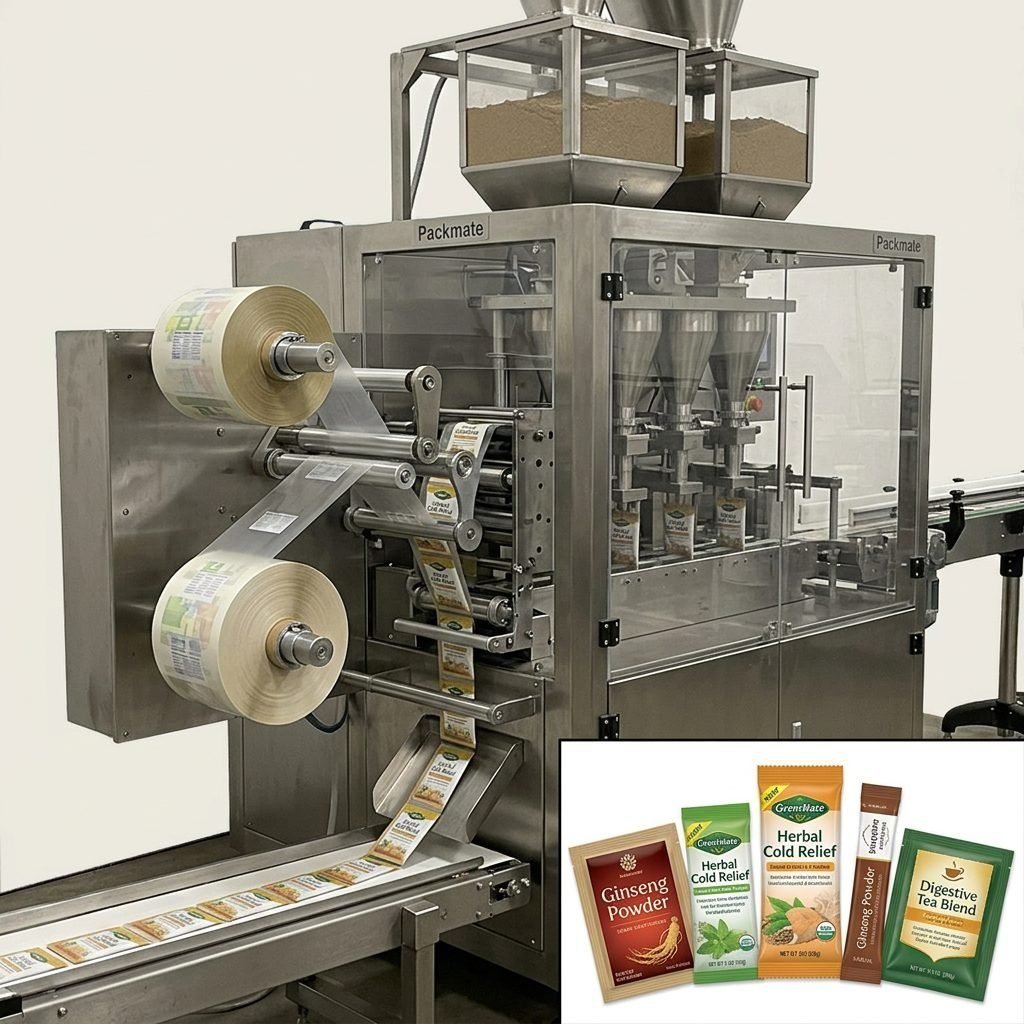
Designed for high-speed portion packaging, these systems run multiple lanes simultaneously. They are perfect for precise, small-portion seed samples, starter kits, or retail-ready products. Brands like Ludyway and Packmate Machinery offer robust models in this category.
Turnkey Packaging Lines
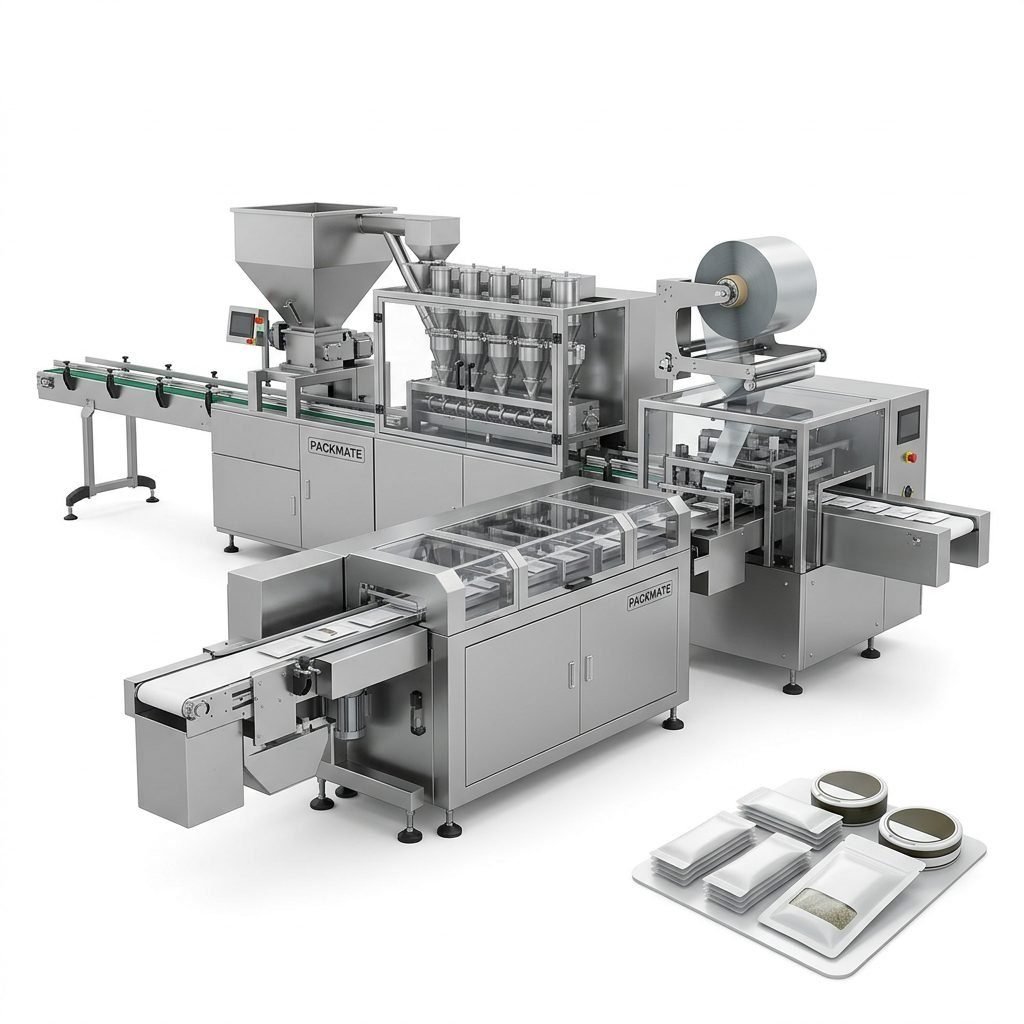
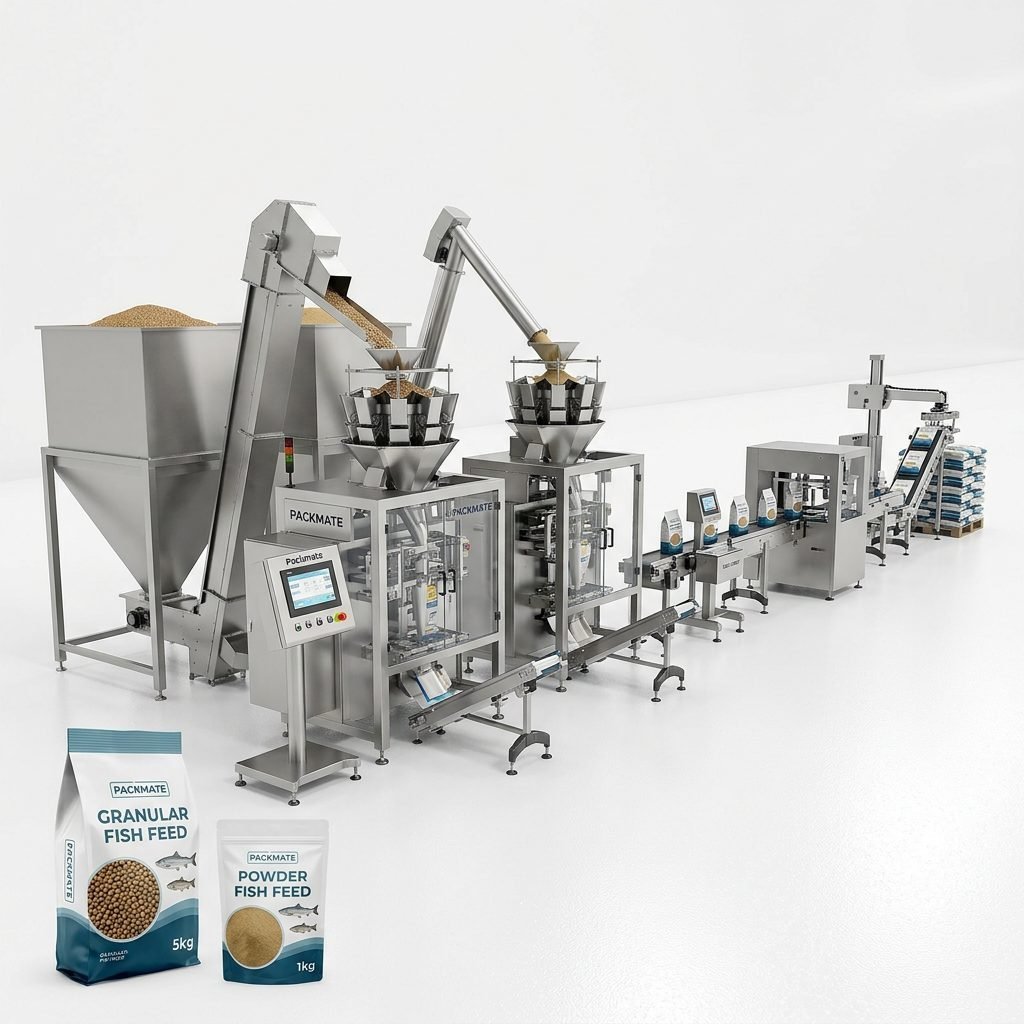
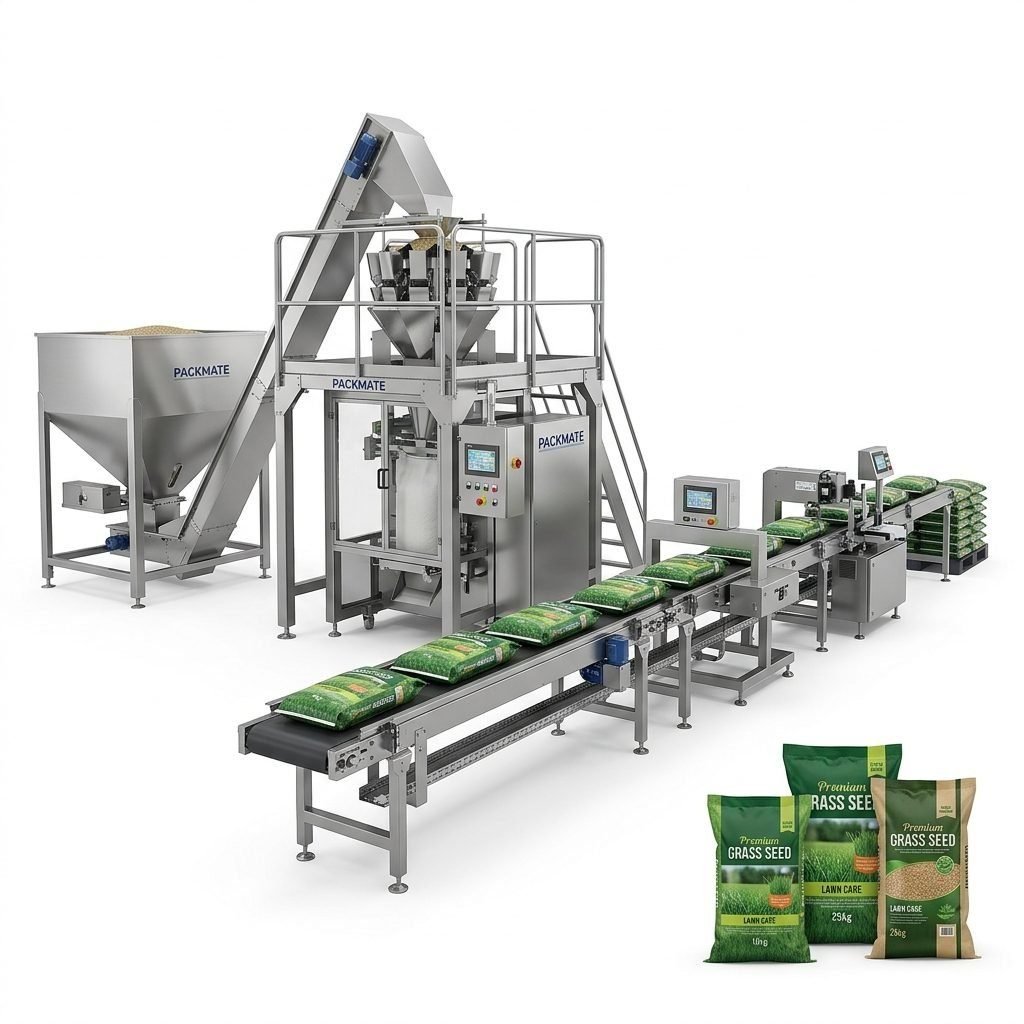
For complete automation, a turnkey line integrates multiple processes: feeding, weighing, filling, sealing, coding, and cartoning. This is ideal for large-scale operations seeking minimal manual intervention. Companies like PacklineOEM specialize in such integrated solutions.
Technical Features to Prioritize
Beyond the basic type, several technical features define a machine’s performance and suitability.
| Feature | Importance for Seed Packaging | Consideration |
|---|---|---|
| Weighing & Dosing Accuracy | Critical for maintaining consistent seed count or weight per pack, which is vital for customer trust and regulatory compliance. | Look for precision auger fillers, multi-head weighers, or volumetric cup fillers with minimal give-away. |
| Sealing Integrity | Ensures seeds are protected from moisture, contaminants, and pests, preserving germination rates. | Check for robust heat sealing systems (jaw temperature control) or ultrasonic sealing for specialized films. |
| Material Handling & Dust Control | Seeds can be dusty; uncontrolled dust can clog machinery and create a poor working environment. | Opt for machines with enclosed systems, dust extraction ports, and easy-clean designs. |
| Changeover Flexibility | Important for producers packaging multiple seed varieties or different bag sizes. | Quick-change parts, recipe memory on the HMI, and tool-less adjustments reduce downtime. |
Evaluating Manufacturers: The Role of Experience and Support
The manufacturer you choose is as important as the machine itself. A supplier with deep industry experience provides not just equipment, but also reliable support and understanding of your challenges.
Leading Chinese manufacturers, such as those listed in the company information, have become global players by combining competitive engineering, scalable manufacturing, and export-oriented services. For instance, Ludyway, with over 30 years of experience, is known for its wide product range and strong export footprint, making it a suitable partner for businesses in Europe, North America, and beyond seeking reliable automation.
Why Manufacturer Background Matters:
Project Execution Capability: Can they deliver a single machine or a complete line? Companies like PacklineOEM focus on turnkey lines, ideal for greenfield projects.
Customization Ability: Standard machines may not fit unique seeds or packaging materials. Manufacturers like PackingMachineOEM emphasize non-standard and customized solutions.
After-Sales & Technical Support: Ensure they offer comprehensive training, spare parts availability, and remote or on-site technical support. This is crucial for minimizing production stoppages.
Global Market Fit and Regional Considerations
Your location can influence the choice of machine and supplier. Different regions may have specific preferences for packaging formats, regulatory standards, or after-sales service expectations.
For businesses in North America and Europe, there is a high demand for precision, hygiene, and integration with existing production line software (Industry 4.0). Suppliers with a strong export history to these markets, like the companies profiled, are accustomed to these requirements.
In growing markets like Africa, Southeast Asia, and South America, considerations might include machine robustness for varied power supplies, ease of maintenance, and cost-effectiveness for scaling operations. The broad international reach of manufacturers like Ludyway and SnusMachinery demonstrates their adaptability to diverse market needs.
Investment Analysis: Cost vs. Long-Term Value
The initial purchase price is just one part of the total cost of ownership. A slightly higher investment in a more reliable, efficient, and supported machine often yields a far better return.
Total Cost of Ownership (TCO) Factors:
- Operational Efficiency: Higher speed and accuracy reduce product giveaway and increase output.
- Energy Consumption: Modern, servo-driven machines are often more energy-efficient than older mechanical models.
- Downtime & Maintenance: Reliable machines from established brands have lower unexpected downtime and easier access to spare parts.
- Scalability: Can the machine or line be easily upgraded or integrated with future equipment?
When requesting quotes, ask for detailed specifications, references from similar seed packaging projects, and a clear breakdown of warranty and support terms.
Frequently Asked Questions (FAQs)
1. What is the typical speed range for an automatic seed packing machine?
Speeds vary widely. A single-lane stick pack machine may run at 60-120 bags per minute (BPM), while a multi-lane system (e.g., 4-8 lanes) can achieve 400-800 BPM or more for small sachets. Vertical pouch machines might range from 40-120 bags per minute depending on bag size and complexity.
2. Can one machine handle different seed sizes and types?
Yes, but with considerations. Machines with adjustable filling systems (e.g., interchangeable augers or cup sizes) and quick changeover features can handle a range of seed sizes. However, switching from very fine, dusty seeds to large, oily ones may require more thorough cleaning and part changes.
3. How important is after-sales service when buying from an overseas manufacturer?
It is critically important. Choose a manufacturer with a proven track record of providing responsive technical support, readily available spare parts, and comprehensive documentation (in your language). Many leading Chinese exporters have dedicated international service teams and local agents in key markets.
4. What packaging materials are suitable for seeds?
Common materials include metallized polyester, polyethylene (PE), and polypropylene (PP) films. The material must provide a moisture barrier and be compatible with the machine’s sealing system. Many suppliers can test your specific film on their equipment.
5. Should I choose a standalone machine or a full turnkey line?
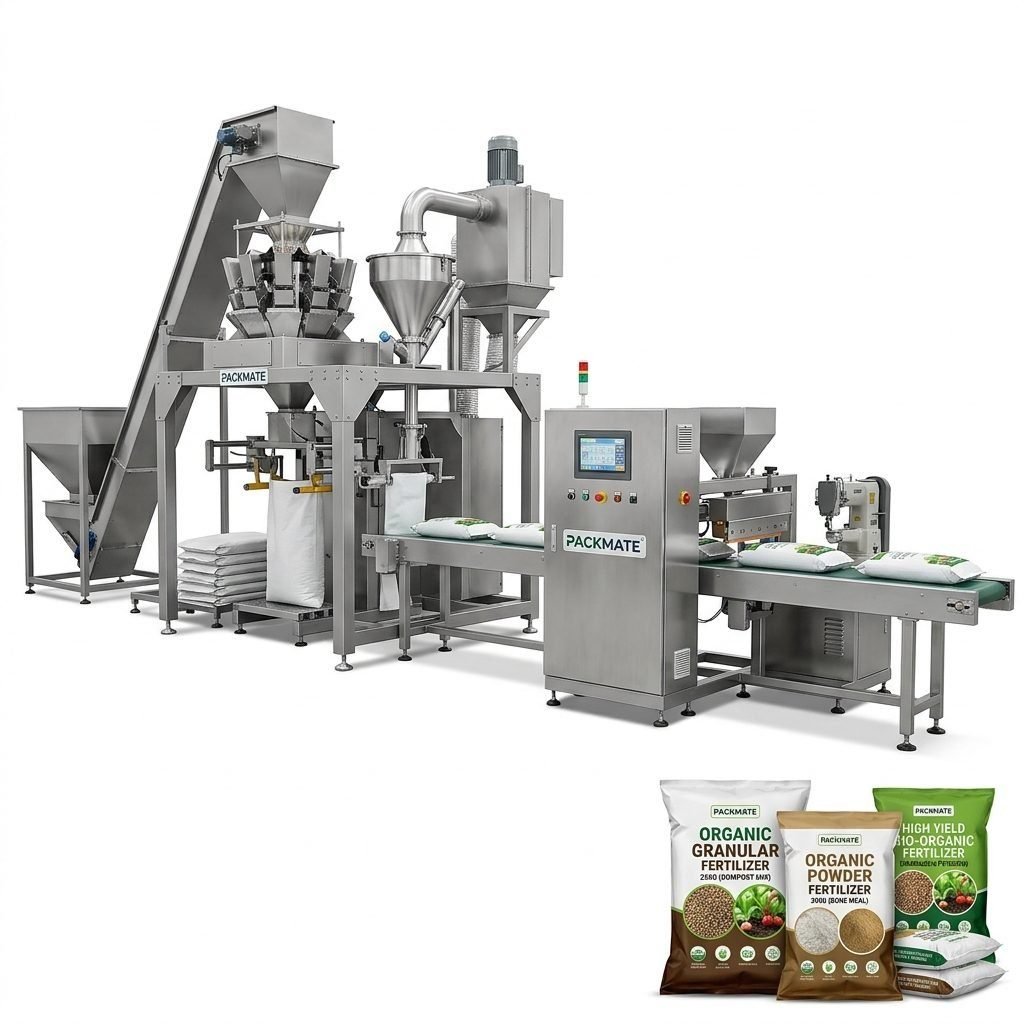
This depends on your scale and automation goals. A standalone machine is sufficient if you are automating a single step. A turnkey line from a specialist like PacklineOEM is better for new high-volume facilities seeking end-to-end automation with weighing, conveying, and cartoning, as it ensures all components work seamlessly together.