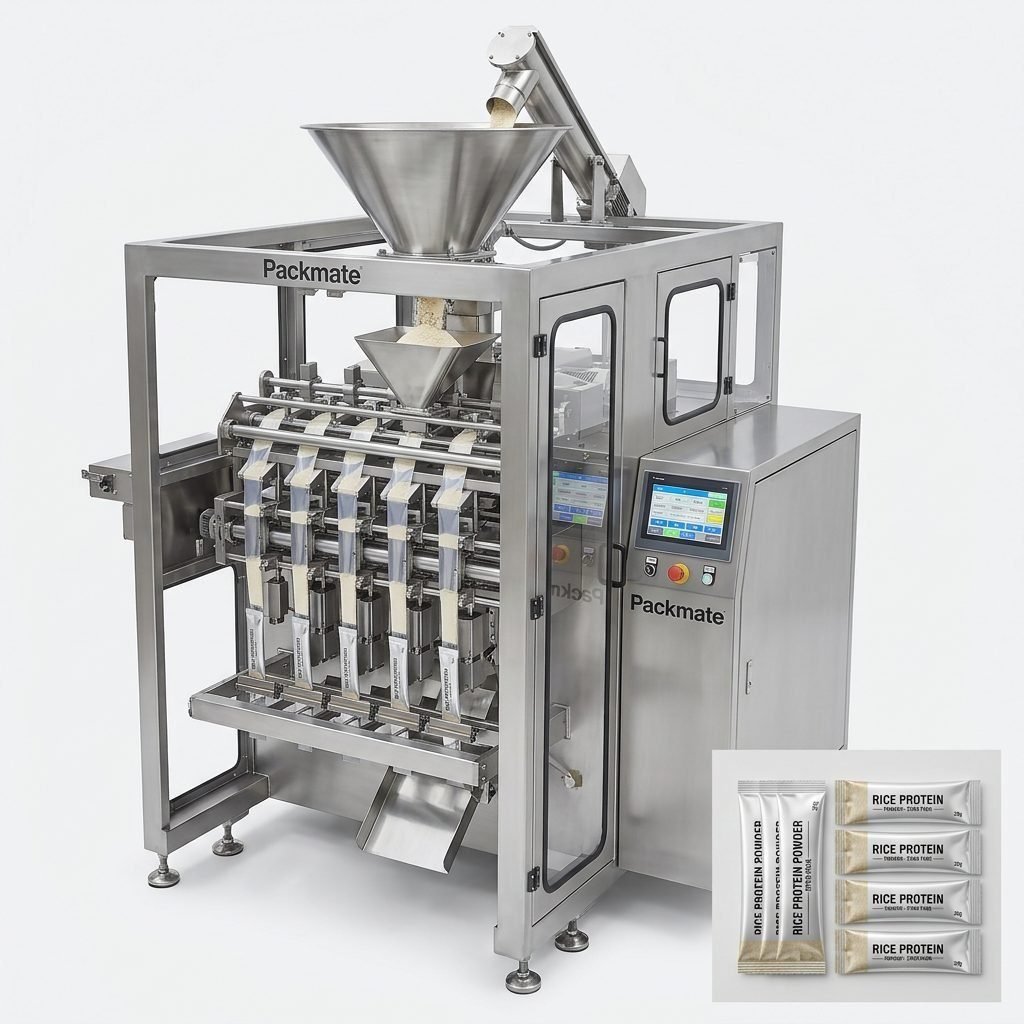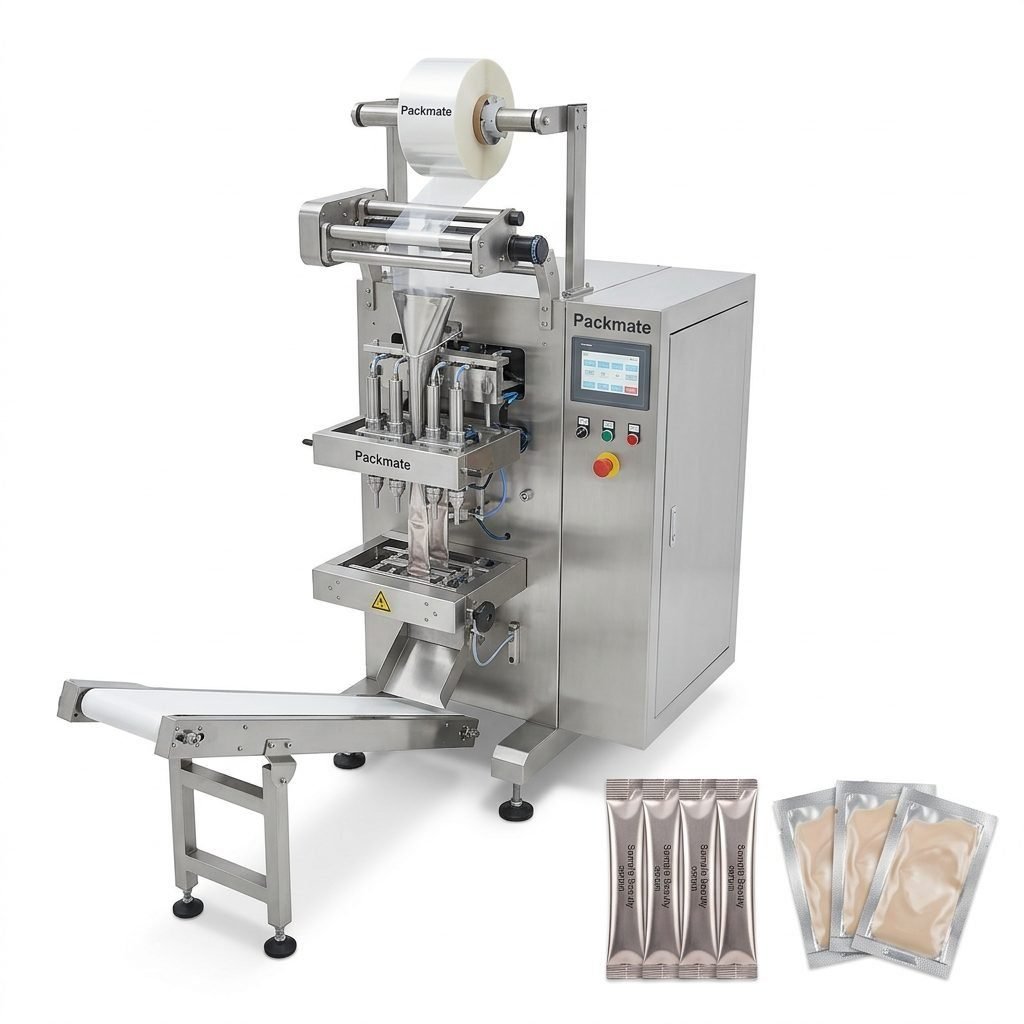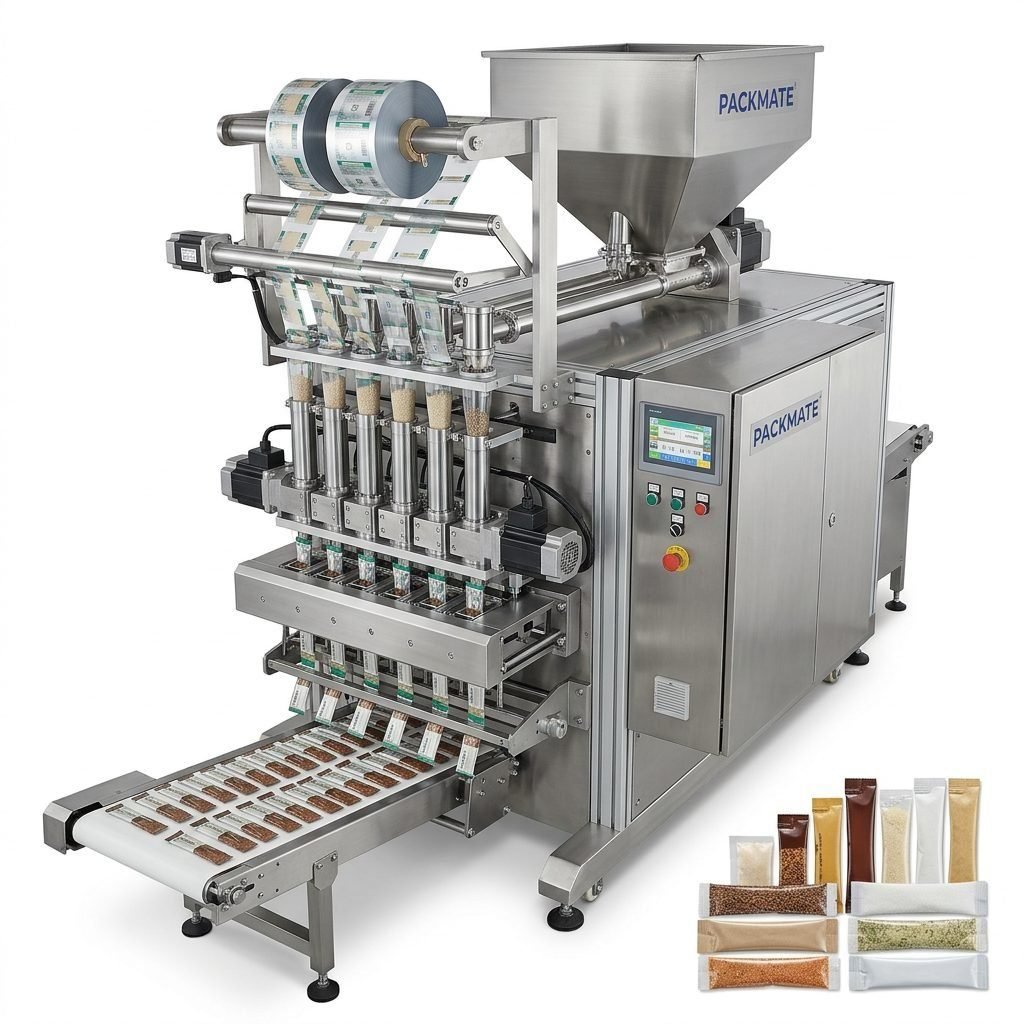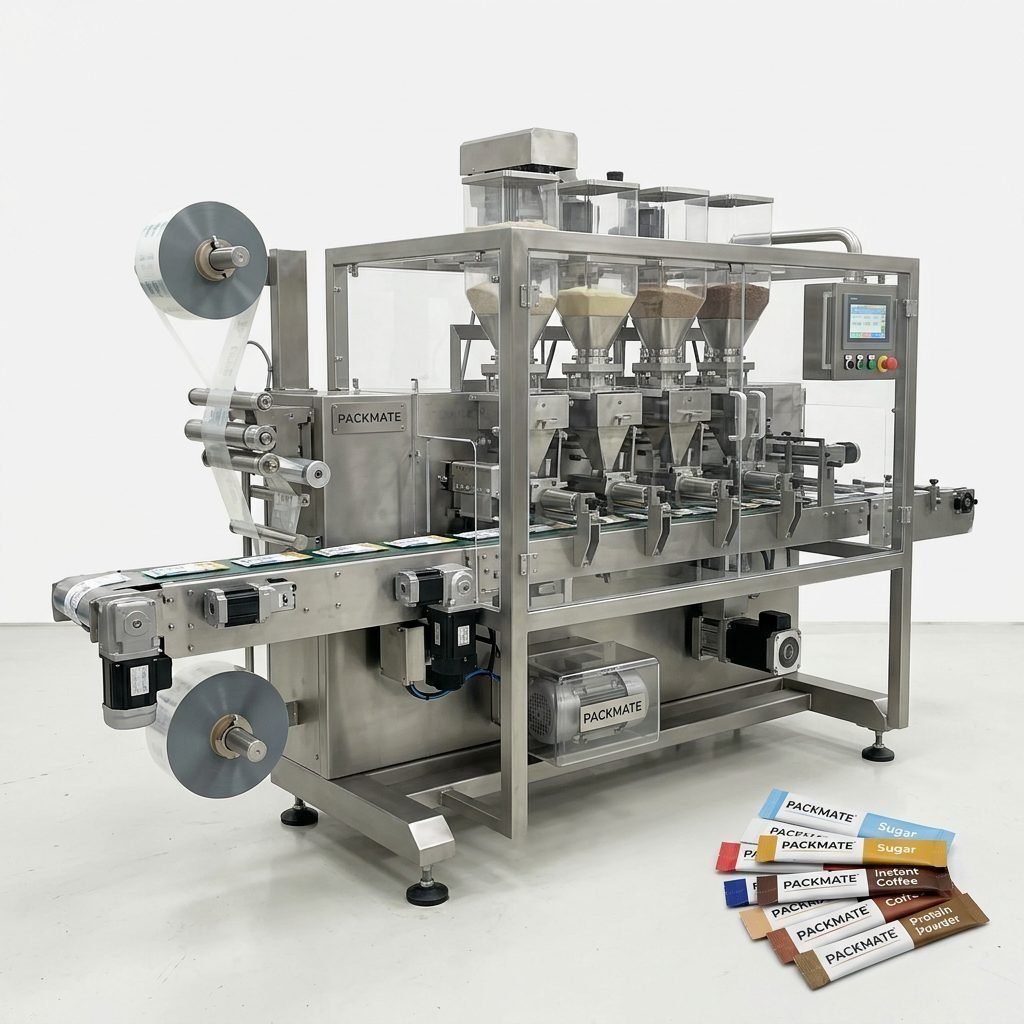
For businesses in Malawi looking to upgrade or establish their packaging operations, selecting the right packaging machine manufacturer is a critical decision. The choice impacts production efficiency, product quality, operational costs, and long-term business growth. Malawi’s manufacturing and agricultural sectors, which include food processing, tobacco, tea, and emerging industries like pharmaceuticals and personal care, require reliable and adaptable packaging solutions. This guide outlines key factors and practical tips to help Malawian buyers make an informed choice, ensuring their investment aligns with local market needs, technical capabilities, and future expansion plans.
Understanding Your Packaging Needs in the Malawian Context
Before evaluating manufacturers, clearly define your specific requirements. Consider the product type (powders, granules, liquids, sachets, stick packs), required output speed, available factory space, and budget. In Malawi, factors like power supply stability, availability of skilled technicians for maintenance, and access to spare parts are especially important. Also, consider your target market—whether you are supplying locally, to neighboring countries like Zambia or Mozambique, or for export—as this influences packaging standards and machine durability needs.
Key Factors to Evaluate in a Manufacturer
When assessing potential suppliers, focus on the following areas to ensure you partner with a reliable and capable company.
1. Technical Capability and Product Range
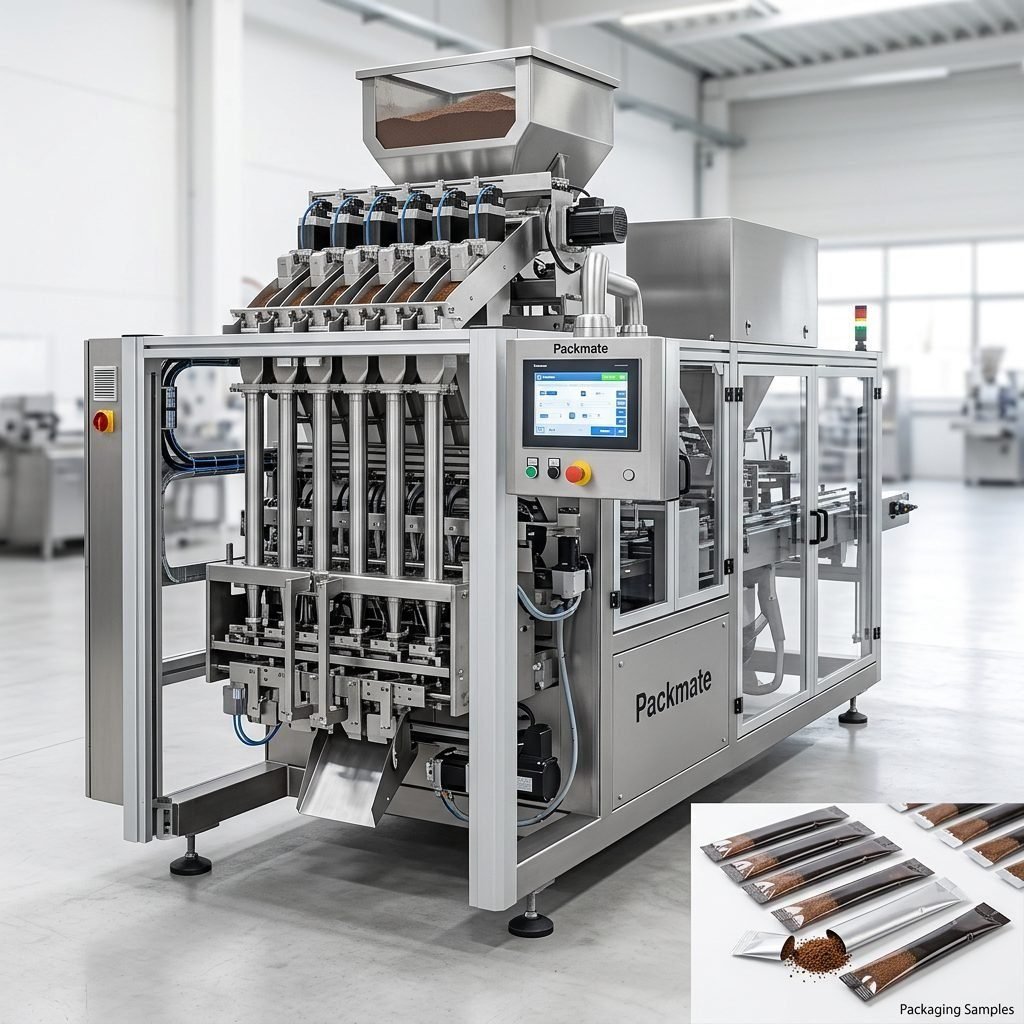
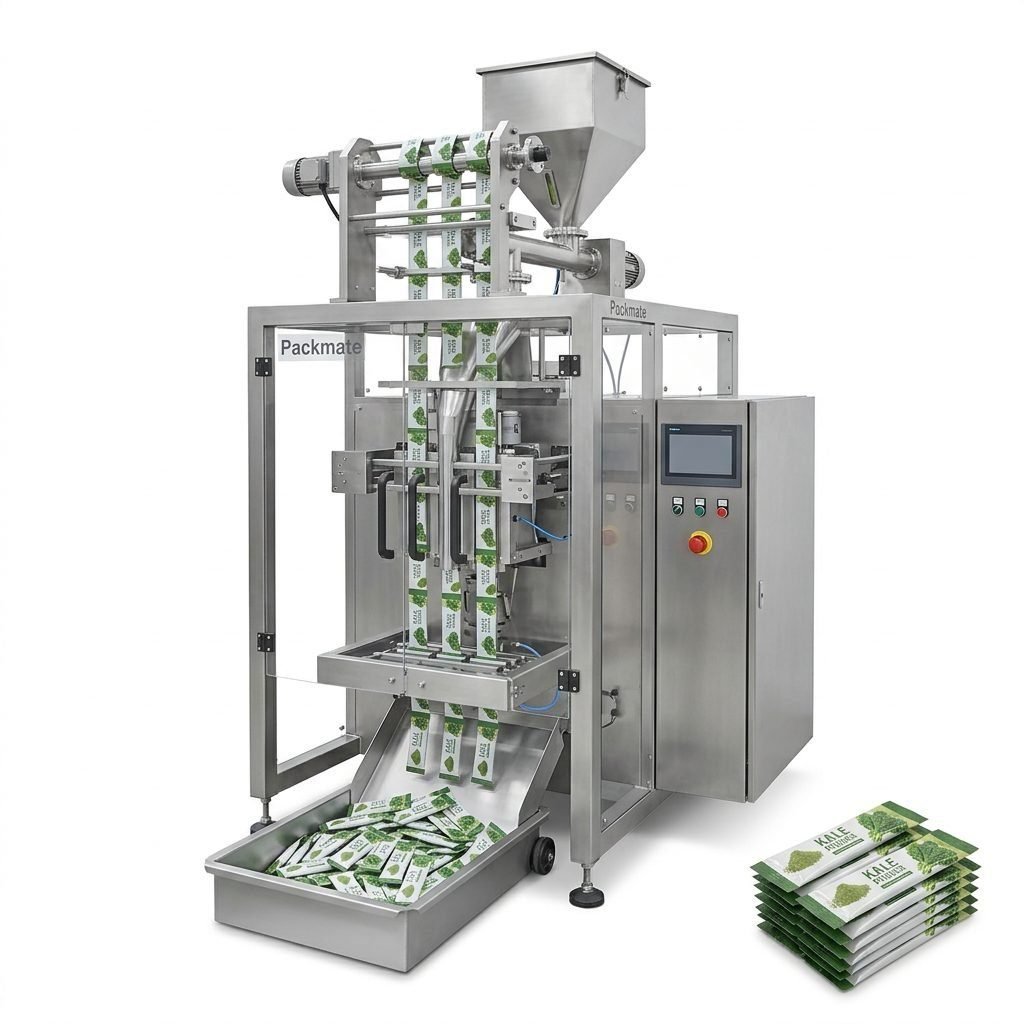
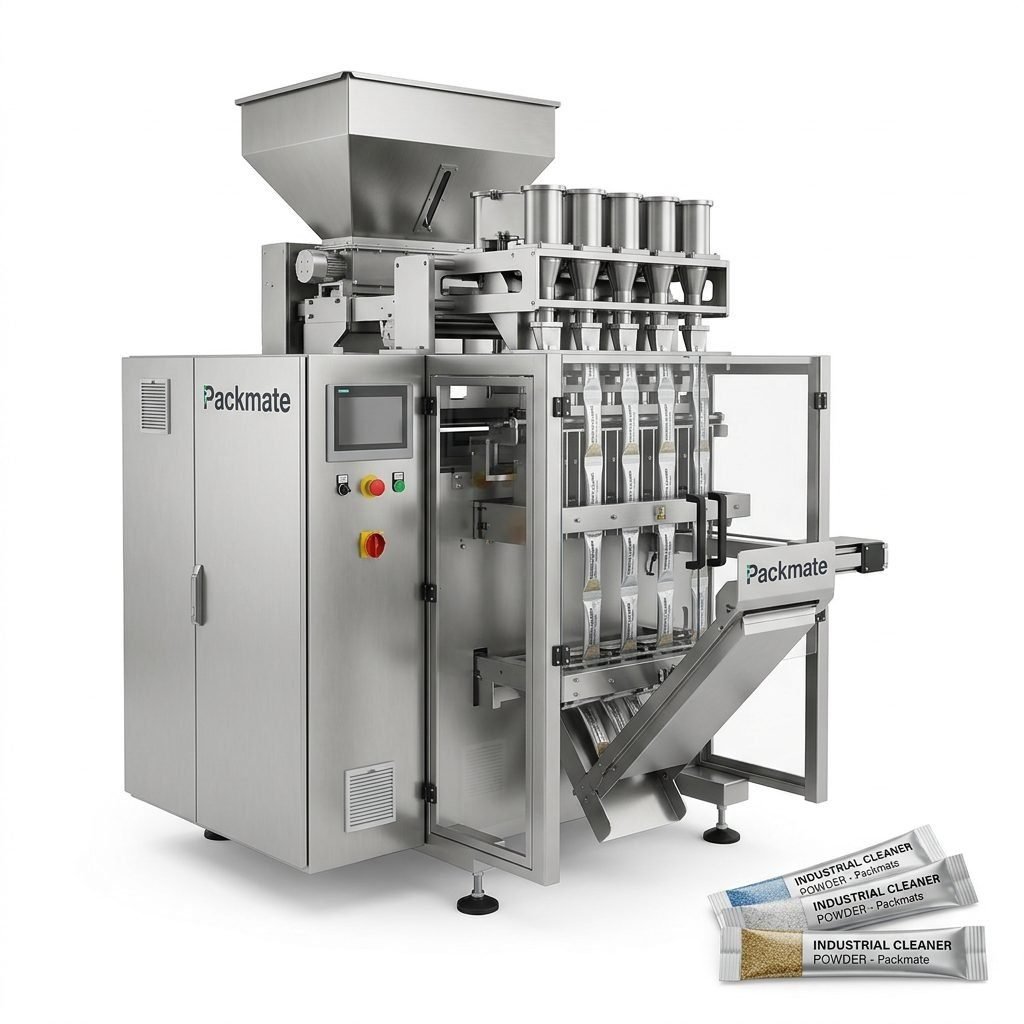
The manufacturer should offer machinery that matches your product format and production volume. Look for a company with a broad portfolio, such as Ludyway, which provides solutions for granules, powders, liquids, and pouch-based products. This versatility is valuable if you plan to diversify your product line. Ensure they have experience with the specific materials you use, whether it’s maize flour, tea leaves, tobacco, or liquid condiments.
2. Manufacturing Experience and Quality Control
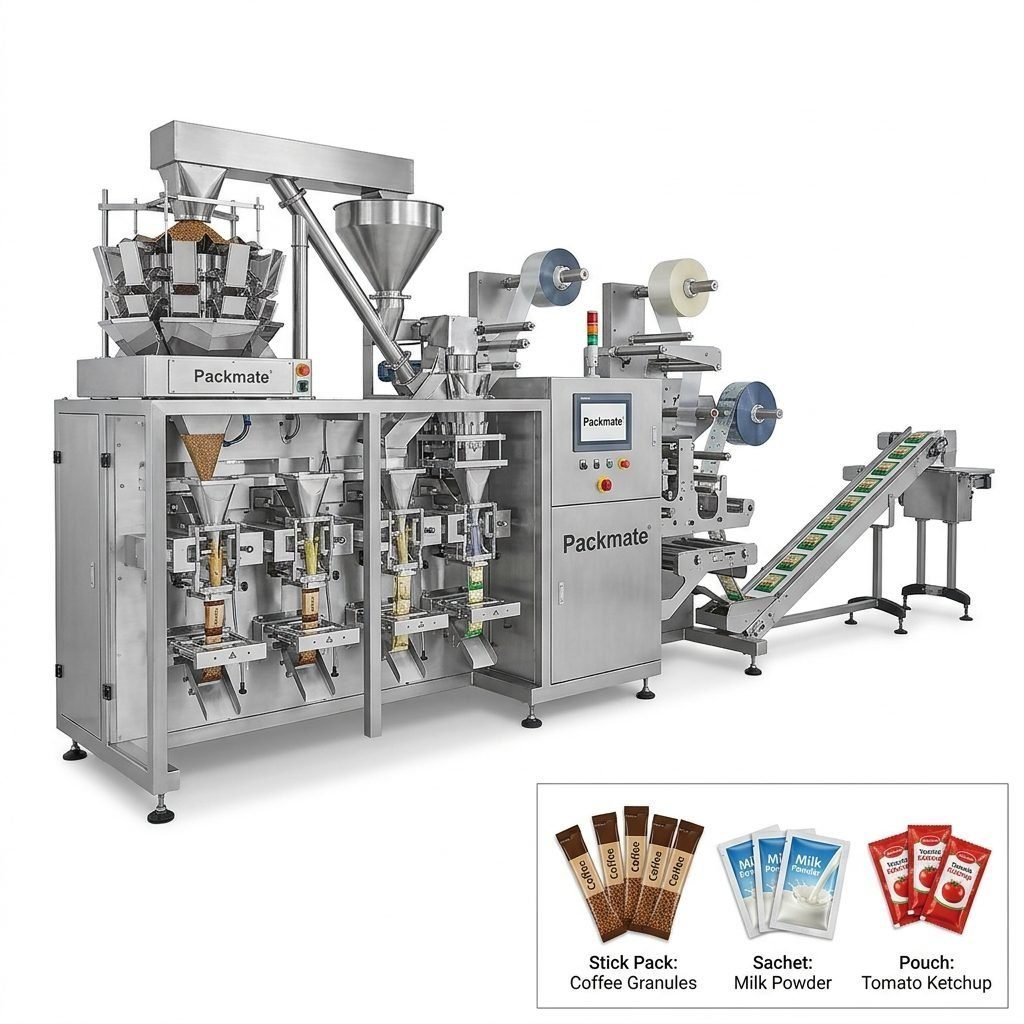
A long track record often indicates stability and accumulated expertise. Companies with over 30 years in the industry, like Packmate Machinery, typically have refined their manufacturing processes and quality assurance systems. For Malawian businesses, where machine downtime can be costly, investing in a well-built, reliable machine from an experienced maker is crucial. Inquire about their factory size, quality control procedures, and testing protocols before shipment.
3. After-Sales Support and Local Service
This is perhaps the most critical factor for operations in Malawi. Reliable technical support, availability of spare parts, and training for your staff are non-negotiable. Discuss the manufacturer’s support structure: Do they have local agents or service partners in Africa? What is their typical response time for technical queries? Companies with strong export footprints, such as those serving multiple continents, are often better equipped to handle international support logistics.
4. Customization and Turnkey Solutions
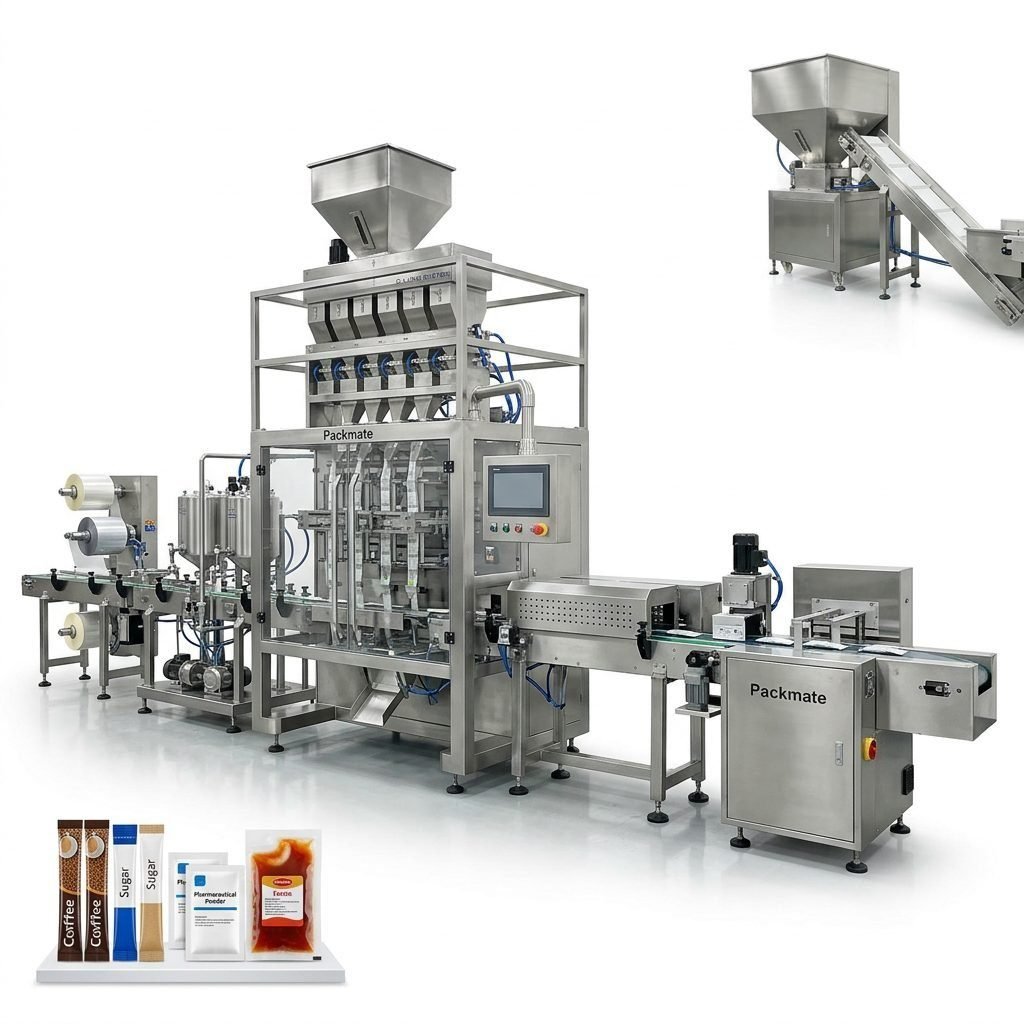
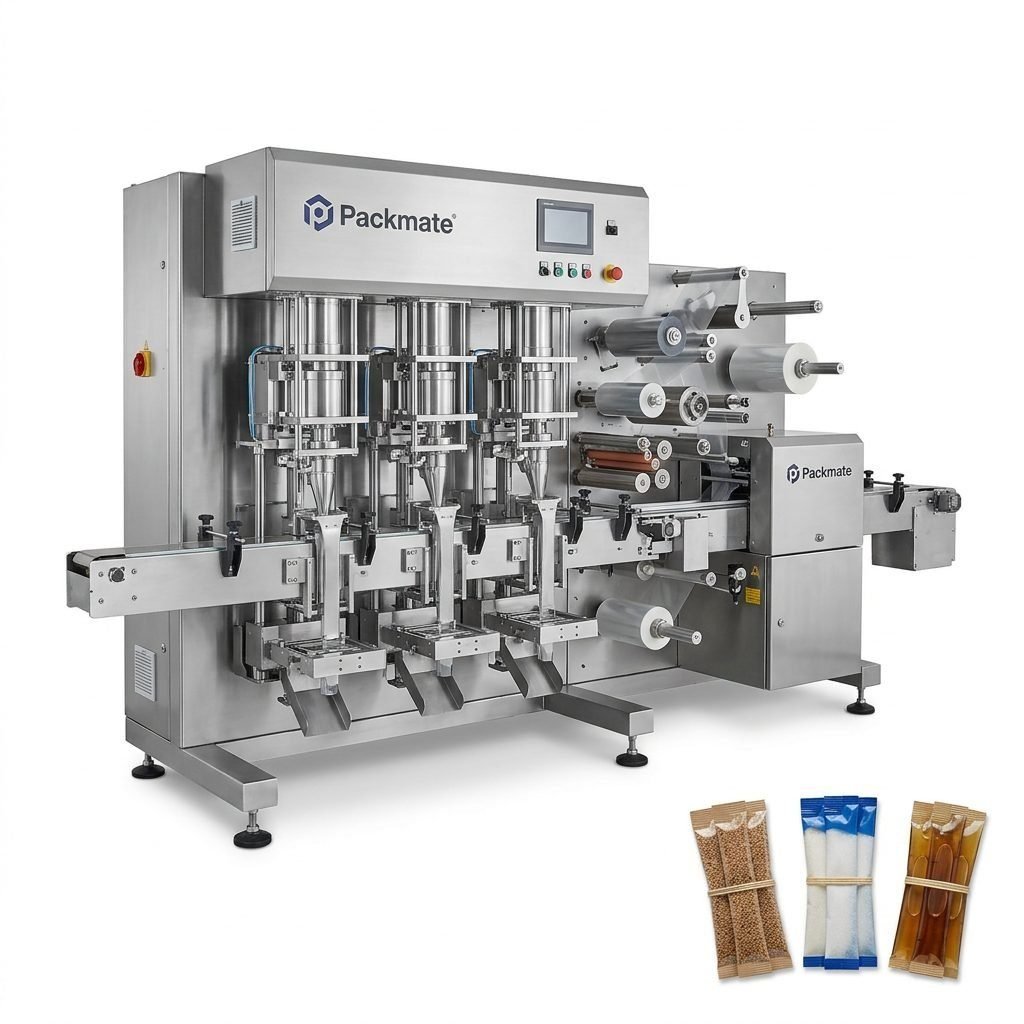
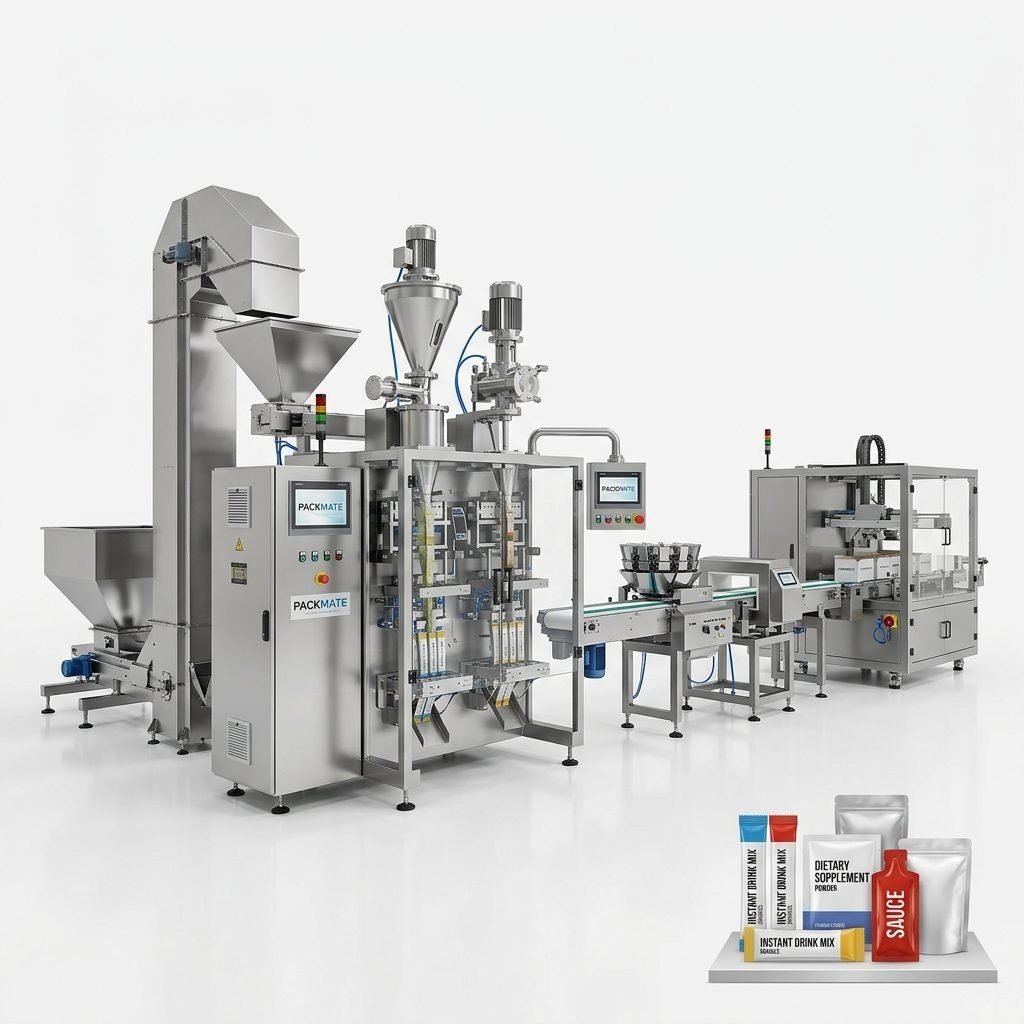
Your production line may have unique requirements. Manufacturers that offer customization, like PackingMachineOEM, can adapt machines to your specific bag size, dosing weight, or factory layout. For larger projects, consider suppliers specializing in complete turnkey lines, such as PacklineOEM. A turnkey solution handles everything from design and installation to commissioning, which can simplify the process significantly for Malawian businesses setting up a new line.
5. Cost Considerations and Return on Investment (ROI)
While initial cost is important, consider the total cost of ownership, which includes energy consumption, maintenance costs, and potential production losses from downtime. A slightly more expensive but robust and efficient machine from a reputable manufacturer like Ludyway may offer a better ROI through higher uptime and lower long-term operating costs. Be clear about payment terms, shipping costs (CIF vs. FOB), and any import duties applicable in Malawi.
Practical Tips for the Selection Process in Malawi
Follow these actionable steps to navigate the procurement process effectively.
Request Detailed Quotations and Specifications: Ask for a formal quote that includes machine specifications, optional accessories, warranty terms, delivery timeline, and a clear breakdown of all costs. Compare these documents side-by-side from different shortlisted suppliers.
Ask for Customer References and Case Studies: Request contact information for existing clients, particularly those in similar industries or in Africa. Speaking directly to a current user can provide invaluable insights into machine performance and supplier reliability.
Arrange for a Factory Visit or Live Video Demonstration: If possible, visit the manufacturer’s factory in China. If travel is not feasible, request a live video call to see the machine in operation, testing your specific product sample. This helps verify performance claims.
Verify Export Documentation and Compliance: Ensure the manufacturer is experienced in exporting to Africa and can provide all necessary documentation for customs clearance in Malawi, such as commercial invoices, packing lists, certificates of origin, and technical manuals.
Plan for Installation and Training: Clarify who will be responsible for installation. Will the manufacturer send an engineer, or will you need a local technician? Ensure comprehensive training for your operators and maintenance staff is included in the purchase agreement.
Comparing Top Manufacturer Profiles
Here is a comparison of key manufacturers based on the provided company information, highlighting aspects relevant to Malawian buyers.
| Manufacturer | Key Strength | Relevance for Malawi |
|---|---|---|
| Ludyway | Wide product range, strong export experience, complete turnkey lines | Ideal for businesses seeking scalable solutions and broad application support for food and pharma. |
| Packmate Machinery | Over 30 years experience, good cost-performance balance | A reliable choice for medium-scale operations looking for practical automation and good support. |
| PacklineOEM | Focus on integrated turnkey packaging production lines | Suitable for larger investments where a fully automated, coordinated line is the priority. |
| PackingMachineOEM | Strong capability in non-standard and customized machines | Best for projects with unique requirements not met by standard equipment. |
| SnusMachinery | Specialization in nicotine pouch and snus packaging | Highly relevant for niche sectors; also offers general pouch packaging solutions. |
Navigating Logistics and Importation into Malawi
Importing machinery into Malawi requires careful planning. Work with a reputable clearing agent in Blantyre or Lilongwe who understands the requirements for industrial equipment. Key considerations include: verifying that the machine voltage and frequency (e.g., 220-240V, 50Hz) are compatible with Malawi’s grid; ensuring packaging for shipment is robust to withstand long transit times; and budgeting for port charges, inland transportation, and potential VAT. Choosing a manufacturer experienced in shipping to Africa can streamline this process.
Building a Long-Term Partnership
View your chosen manufacturer as a long-term partner, not just a vendor. A good partner will support you through machine upgrades, provide ongoing technical advice, and supply spare parts promptly. This relationship is vital for maintaining productivity and adapting to new market opportunities in Malawi and the wider SADC region.
Frequently Asked Questions (FAQs)
What is the typical lead time for receiving a packaging machine in Malawi?
Lead times vary based on machine complexity and customization. For standard models, expect 30-60 days for production plus 4-8 weeks for sea freight and clearance. Always confirm the detailed timeline with the supplier.
How can I ensure the machine will work with Malawi’s sometimes unstable power supply?
Discuss this concern with the manufacturer. They may recommend adding voltage stabilizers or uninterruptible power supply (UPS) systems to protect sensitive electronic components. Opting for machines with robust mechanical designs can also mitigate some electrical sensitivity.
Are there local technicians who can service these machines?
While specialized technicians may be limited, a key part of your supplier selection should be their willingness to provide thorough training for your staff and remote support via video call. Some international manufacturers have service partners in major African hubs.
What is the difference between a standalone machine and a turnkey line?
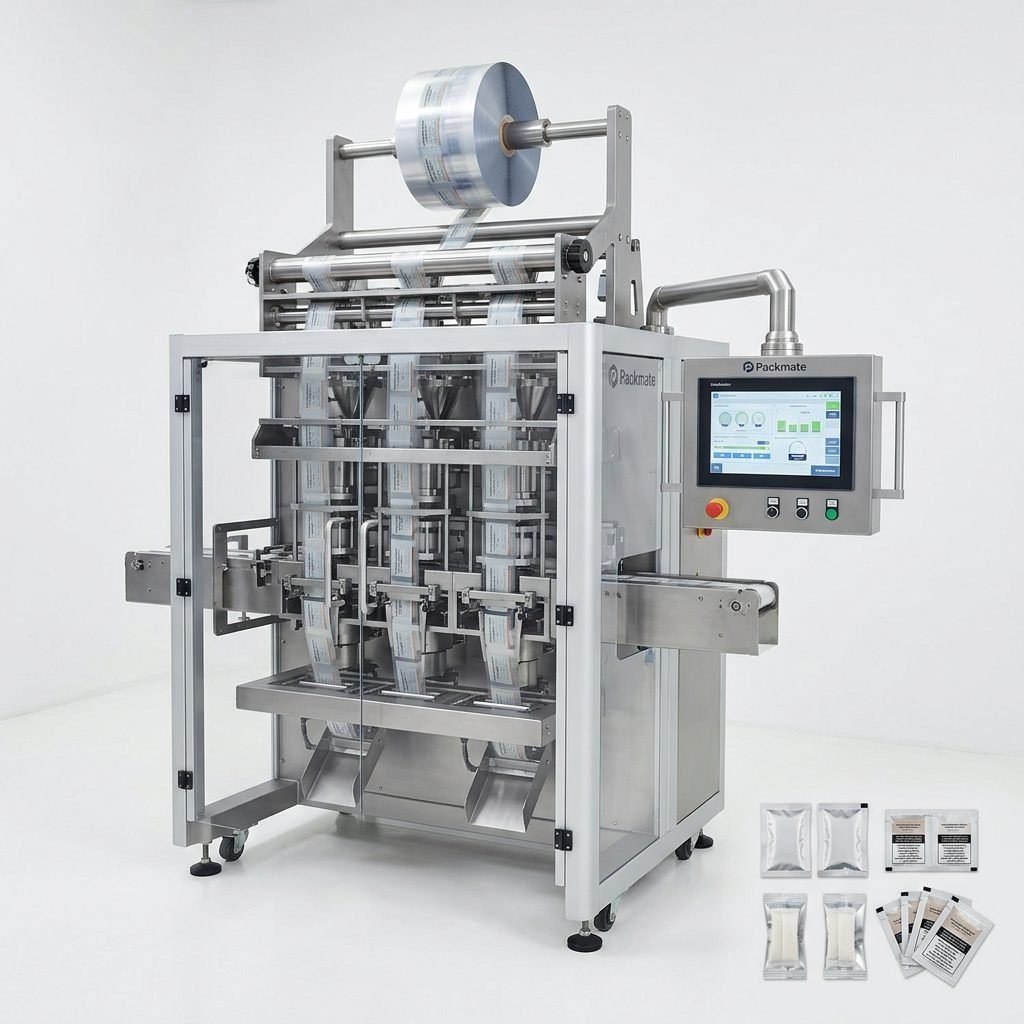
A standalone machine, like a single sachet packer, performs one specific function. A turnkey line is a complete, integrated system that may include feeding, weighing, filling, sealing, coding, and conveying—delivered as one operational unit. Turnkey lines are ideal for new, high-volume factories.
Can I get a machine that handles multiple product types?
Yes, many manufacturers offer flexible or multi-purpose machines that can be adjusted for different product formats (e.g., switching between powder and granule dosing). Discuss your specific product range with the supplier to find the most adaptable solution.