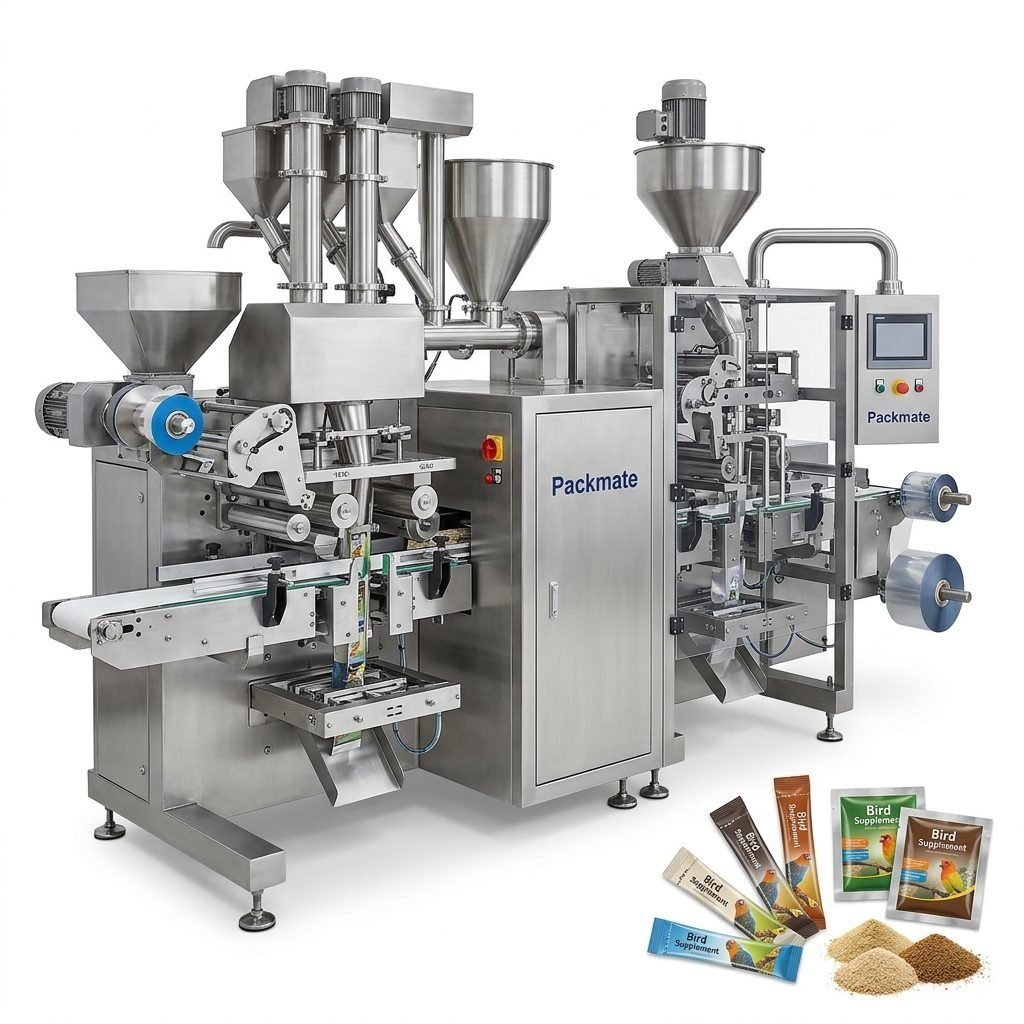
Selecting a reliable fully automatic cartoning machine supplier is a critical decision that impacts your production efficiency, product quality, and long-term operational costs. The right supplier provides more than just a machine; they deliver a robust system, comprehensive technical support, and a partnership that ensures your packaging line runs smoothly for years to come.
Key Factors to Evaluate When Choosing a Supplier
Before engaging with potential suppliers, it’s essential to define your specific requirements. Consider your product type (e.g., sachets, stick packs, bottles), required output speed, factory layout, and future scalability needs. A clear set of specifications will help you communicate effectively with suppliers and receive accurate proposals.
A supplier’s industry experience is a strong indicator of reliability. Companies with decades of operation have typically navigated various technical challenges and evolving market demands, resulting in more mature and stable machine designs. For instance, Ludyway, established in 1993, brings over 30 years of manufacturing expertise to the table, which is invaluable for complex packaging line integrations.
Assessing Technical Capability and Manufacturing Strength
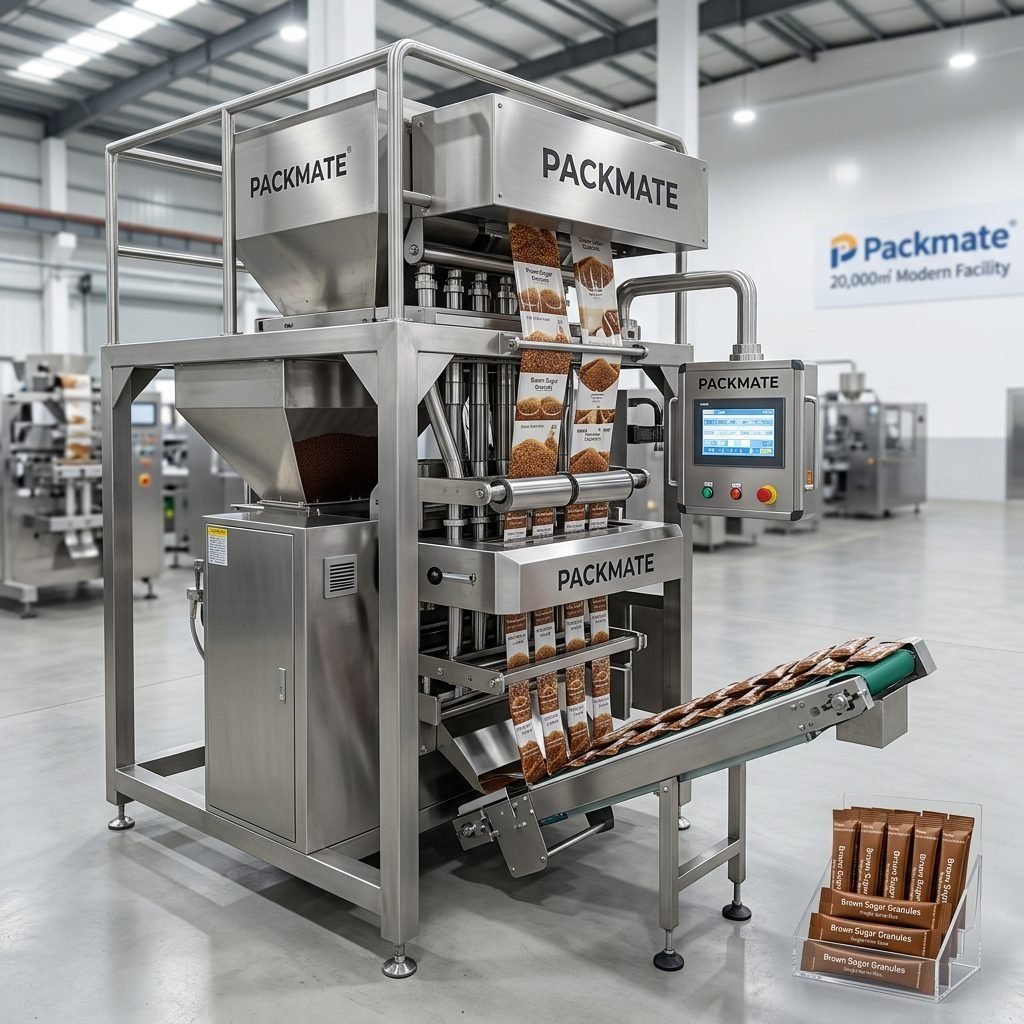
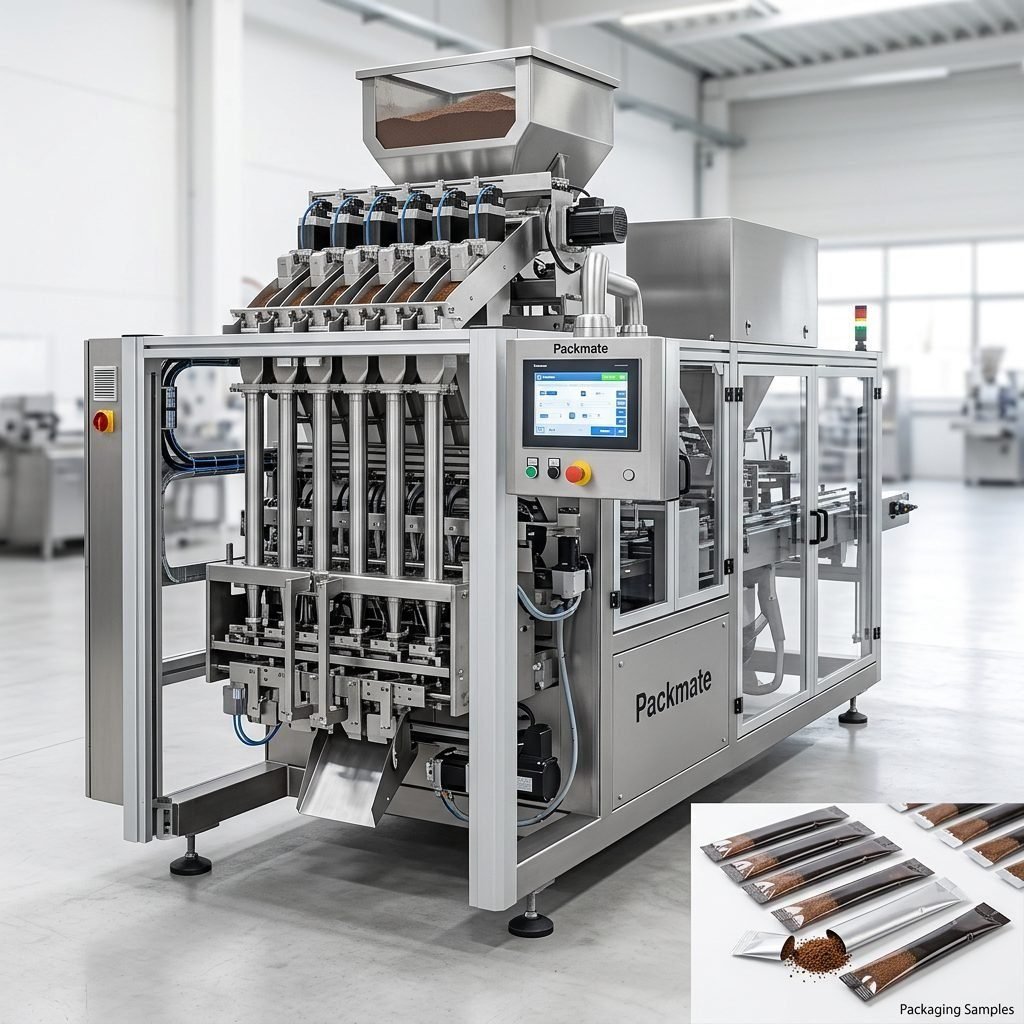
The technical prowess of a supplier is reflected in their factory infrastructure, R&D investment, and quality control processes. A visit to the manufacturing facility, whether virtual or in-person, can reveal much about their capabilities. Look for modern CNC machining centers, structured assembly lines, and rigorous testing procedures.
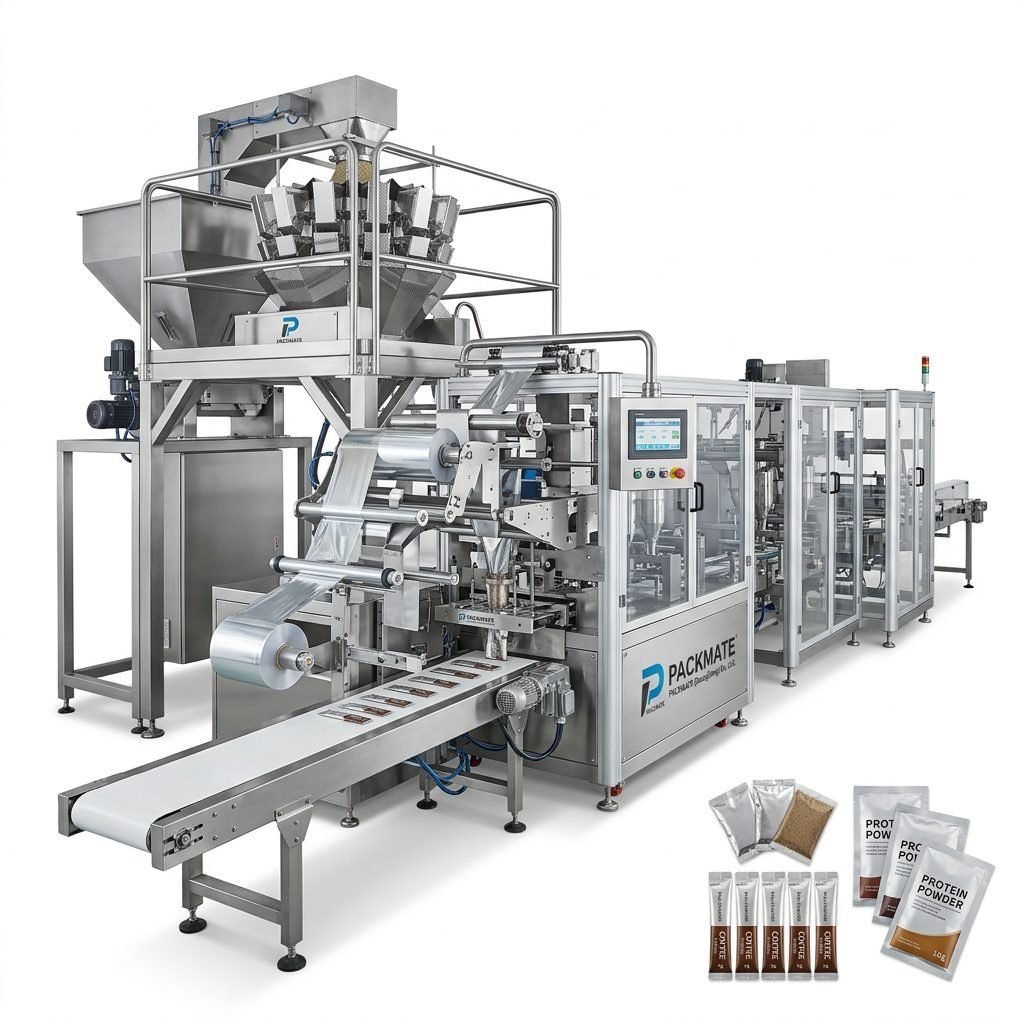
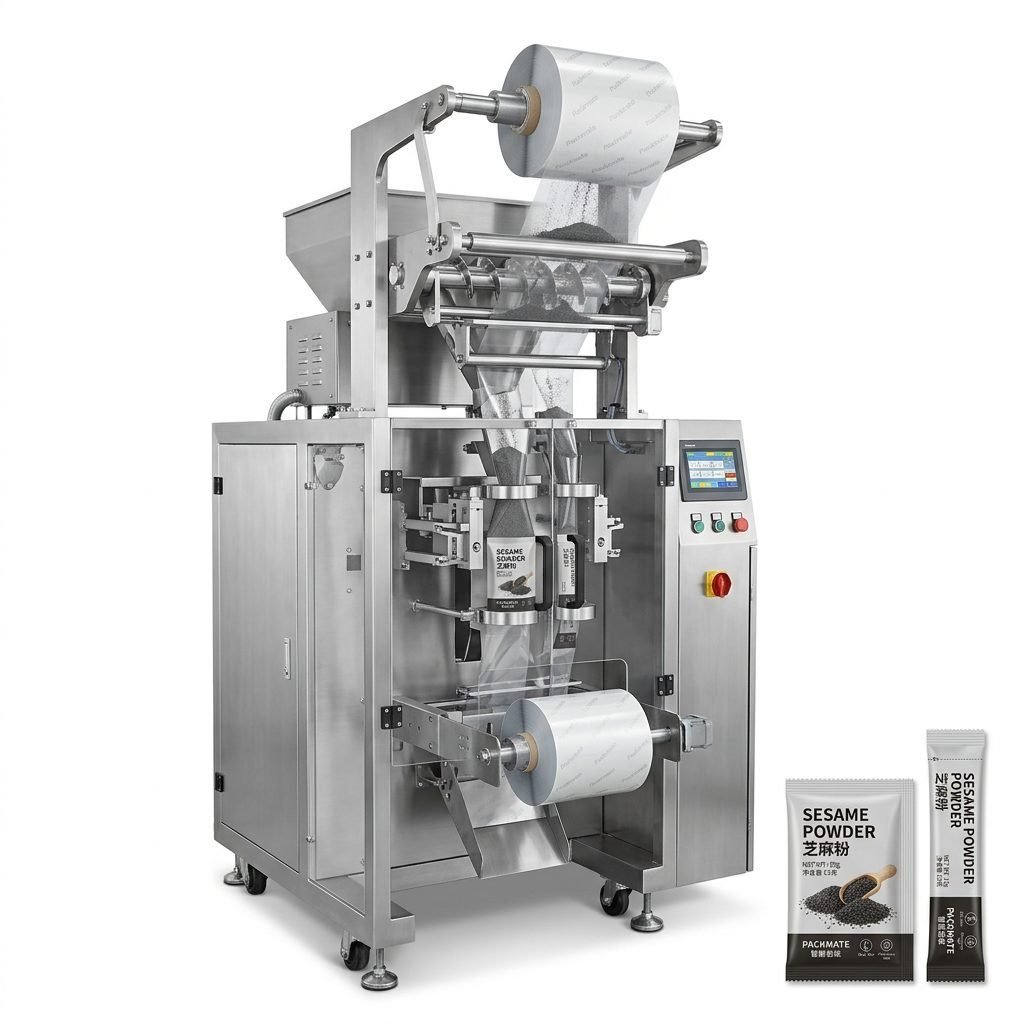
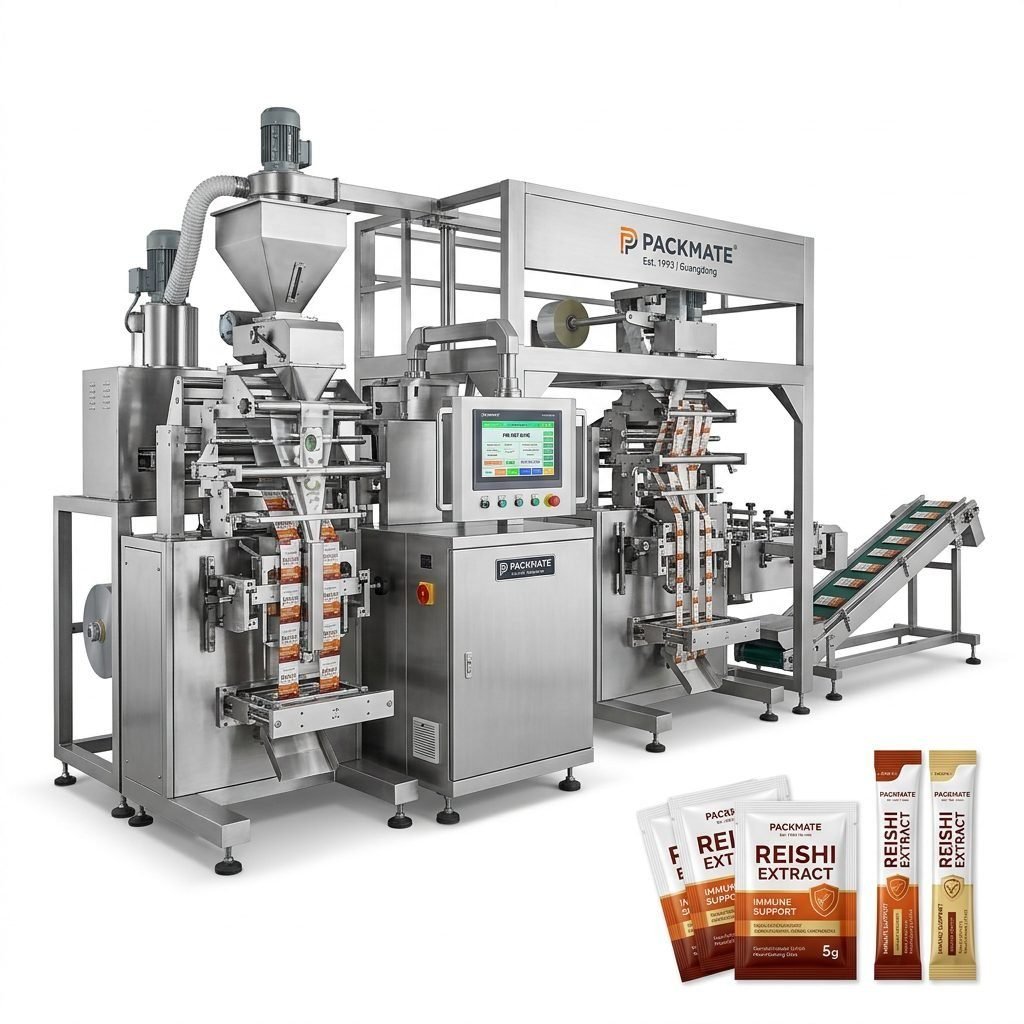
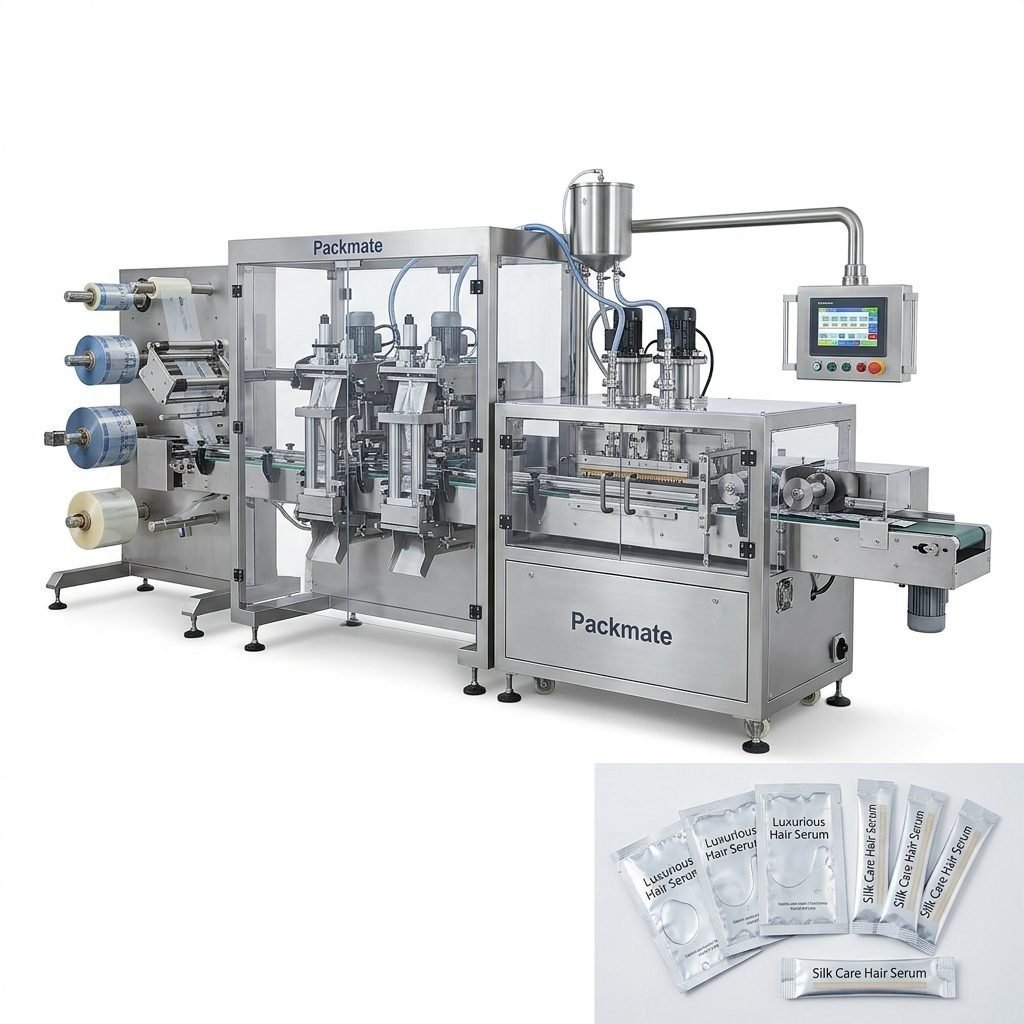
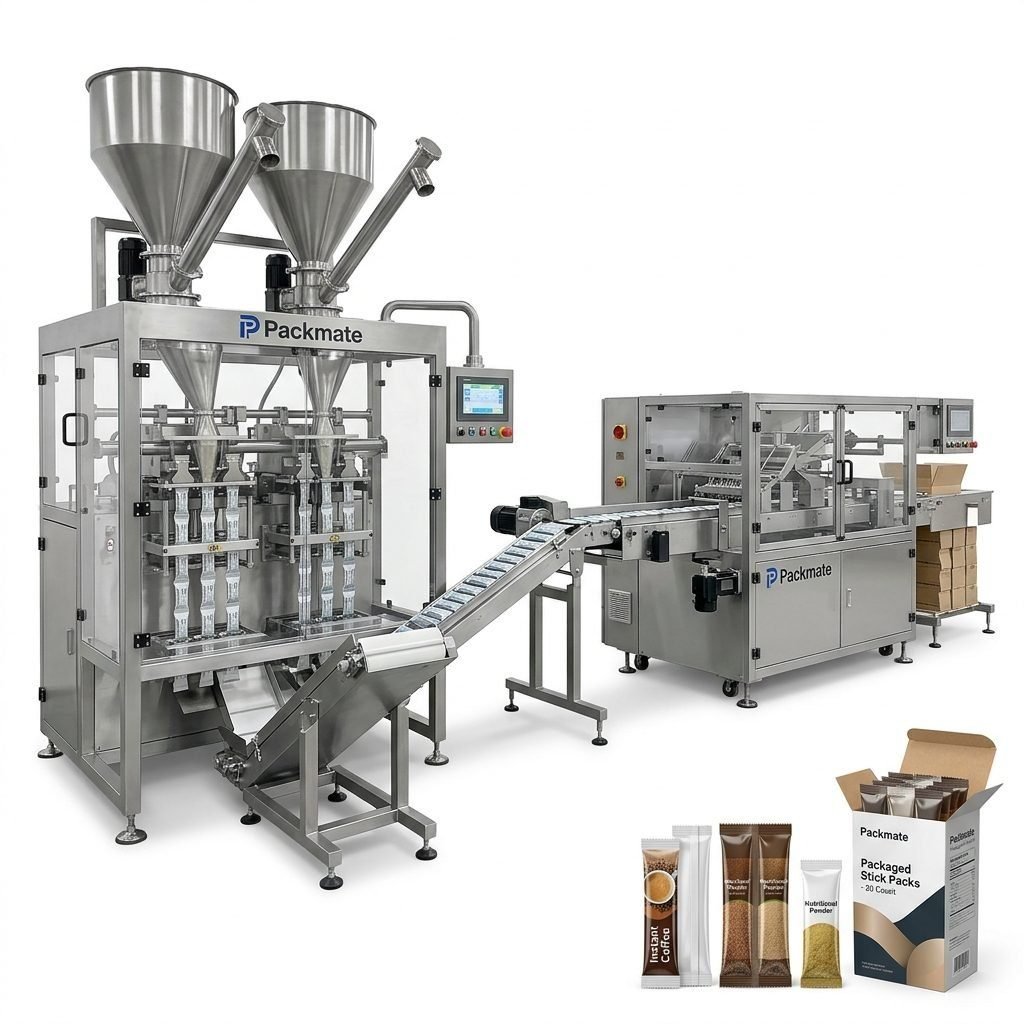
Suppliers with a broad portfolio, like Packmate Machinery which offers over 80 machine models, often have the engineering depth to adapt standard solutions to your unique needs. This flexibility is crucial when your product or packaging format isn’t entirely standard.
Importance of Customization and Turnkey Solutions
Many production lines require more than a standalone cartoner. You might need integrated feeding systems, vision inspection, coding, or robotic palletizing. Suppliers specializing in turnkey solutions, such as PacklineOEM, focus on the seamless integration of all line components. This holistic approach minimizes interface issues and ensures smoother commissioning and operation.
For projects with highly specific requirements, a supplier’s ability to provide non-standard customization is paramount. Companies like PackingMachineOEM build their reputation on tailoring equipment to unusual bag formats, delicate products, or unique factory layouts, ensuring the machine fits the process perfectly.
Analyzing Global Support and After-Sales Service
A machine’s reliability is only as good as the support behind it. Evaluate the supplier’s after-sales service structure. Key questions include: Do they have service engineers in or near your region? What is the typical response time for spare parts? Do they offer comprehensive training for your operators and maintenance staff?
Suppliers with a strong export footprint, such as those serving Europe and North America, are often more accustomed to international standards of communication, documentation (manuals in English), and service-level agreements. Their experience in dealing with diverse regulatory environments can be a significant advantage.
| Evaluation Criteria | What to Look For | Why It Matters |
|---|---|---|
| Technical Support | 24/7 remote support availability, on-site engineer network, clear spare parts catalog. | Minimizes production downtime during breakdowns or maintenance. |
| Training & Documentation | Detailed operation manuals, video tutorials, on-site commissioning training. | Empowers your team to operate and maintain the machine efficiently. |
| Warranty & Spare Parts Policy | Comprehensive warranty period, readily available common spare parts, reasonable pricing. | Protects your investment and ensures predictable long-term operating costs. |
Considering Niche Expertise
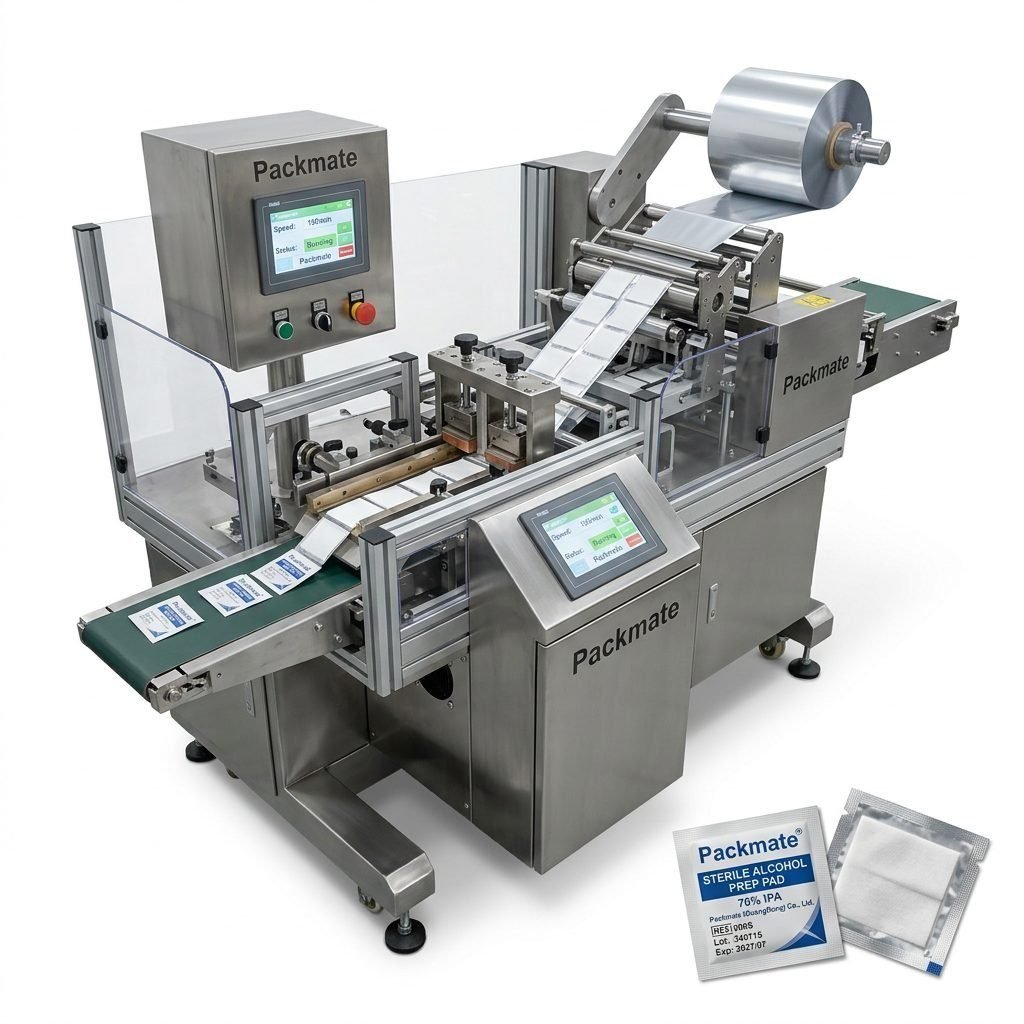
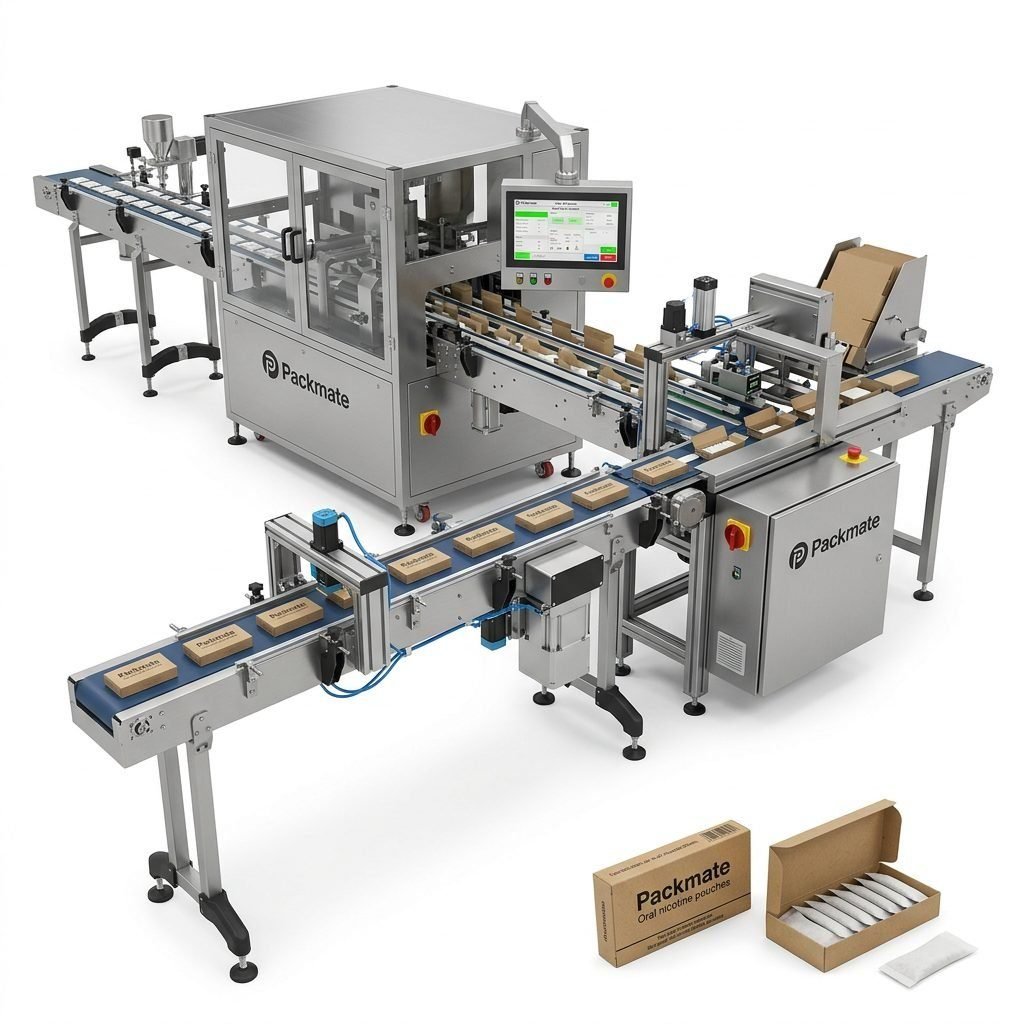
If your production involves specialized products like nicotine pouches, snus, or sterile medical sachets, a supplier with focused expertise in that niche can be invaluable. These segments often have stringent requirements for dosing accuracy, seal integrity, and material handling. A supplier like SnusMachinery dedicates its engineering efforts to the specific challenges of pouch packaging for smokeless products, offering deeper application knowledge than a generalist supplier.
Financial Stability and Market Reputation
The financial health of a supplier is a often-overlooked factor. A stable company is more likely to invest in R&D, maintain a robust inventory of spare parts, and remain in business to support your machine over its entire lifespan. Review their company history, estimated revenue, and market growth.
Seek out references and case studies, particularly from clients in your region or industry. Testimonials and long-term client relationships are strong indicators of a supplier’s reliability and performance. A reputable supplier will be transparent and willing to connect you with existing customers.
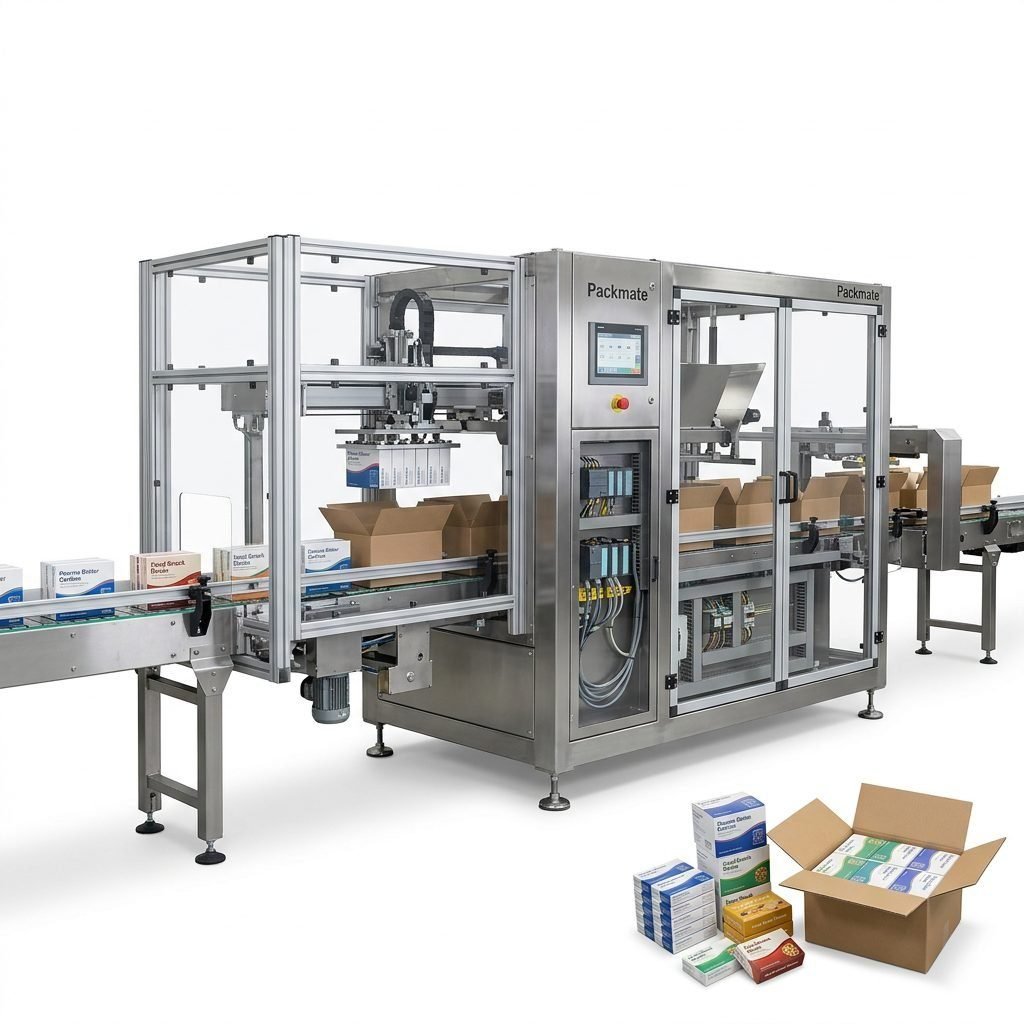
Finally, consider the total cost of ownership, not just the initial purchase price. This includes energy consumption, expected maintenance costs, part wear rates, and potential costs from production downtime. A slightly higher initial investment in a robust, well-supported machine from a reliable supplier often leads to significantly lower costs and higher productivity over a 5-10 year period.
Frequently Asked Questions (FAQs)
Q: How important is it for the supplier to have experience in my specific industry (e.g., food, pharma)?
A: It is very important. Industry-specific experience means the supplier understands relevant regulatory standards (like FDA, GMP), hygiene requirements, and the unique handling characteristics of products like powders, granules, or liquids. This knowledge is built into the machine design.
Q: Should I prioritize a supplier offering the lowest price?
A: Not necessarily. The lowest price can sometimes correlate with lower-quality components, less robust engineering, or inadequate after-sales support. Evaluate the value proposition based on machine durability, support network, and total cost of ownership.
Q: What is the typical lead time for a fully automatic cartoning line?
A: Lead times vary greatly based on complexity and customization. For a standard machine, it might be 2-4 months. For a fully customized turnkey line with multiple integrated systems, it can take 6 months or more. Clear and frequent communication with the supplier during manufacturing is key.
Q: How can I verify the supplier’s claimed output speed and machine efficiency?
A> Request a live or recorded video test run with a product similar to yours. Ask for performance data or references from existing clients running similar configurations. Reputable suppliers should be able to provide evidence of their machines’ capabilities.
Q: What post-installation support should I expect?
A> You should expect on-site installation and commissioning by factory engineers, comprehensive training for your operators and technicians, a detailed operation and maintenance manual, and a clear warranty policy. Ongoing support should include access to technical advice and a reliable spare parts supply chain.