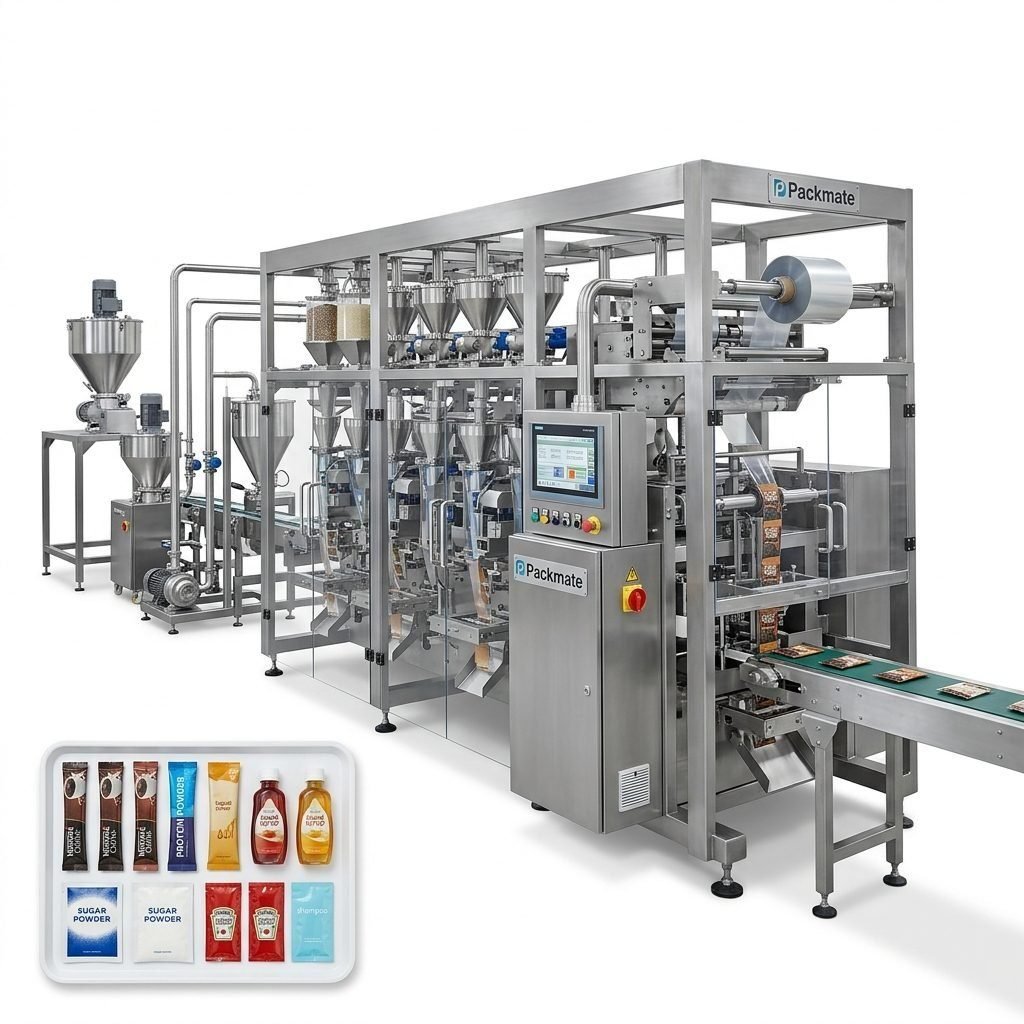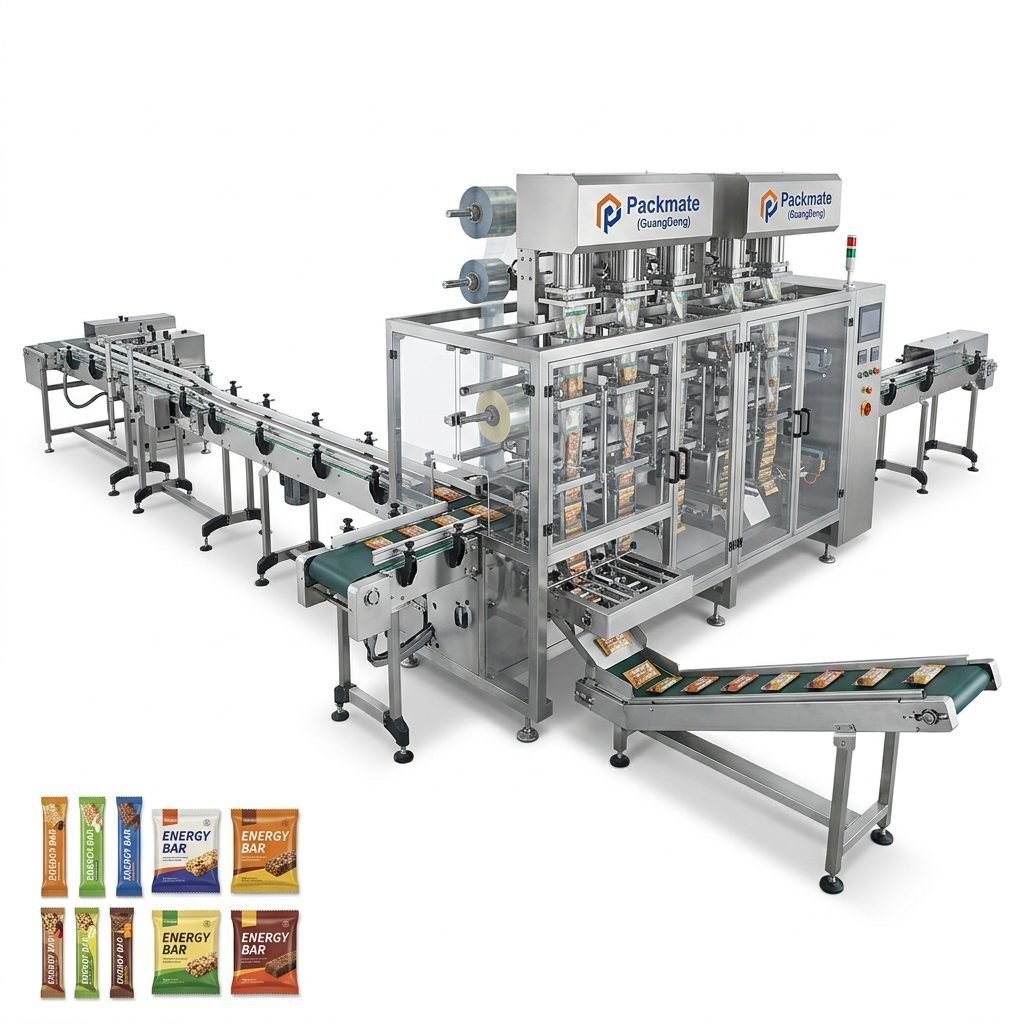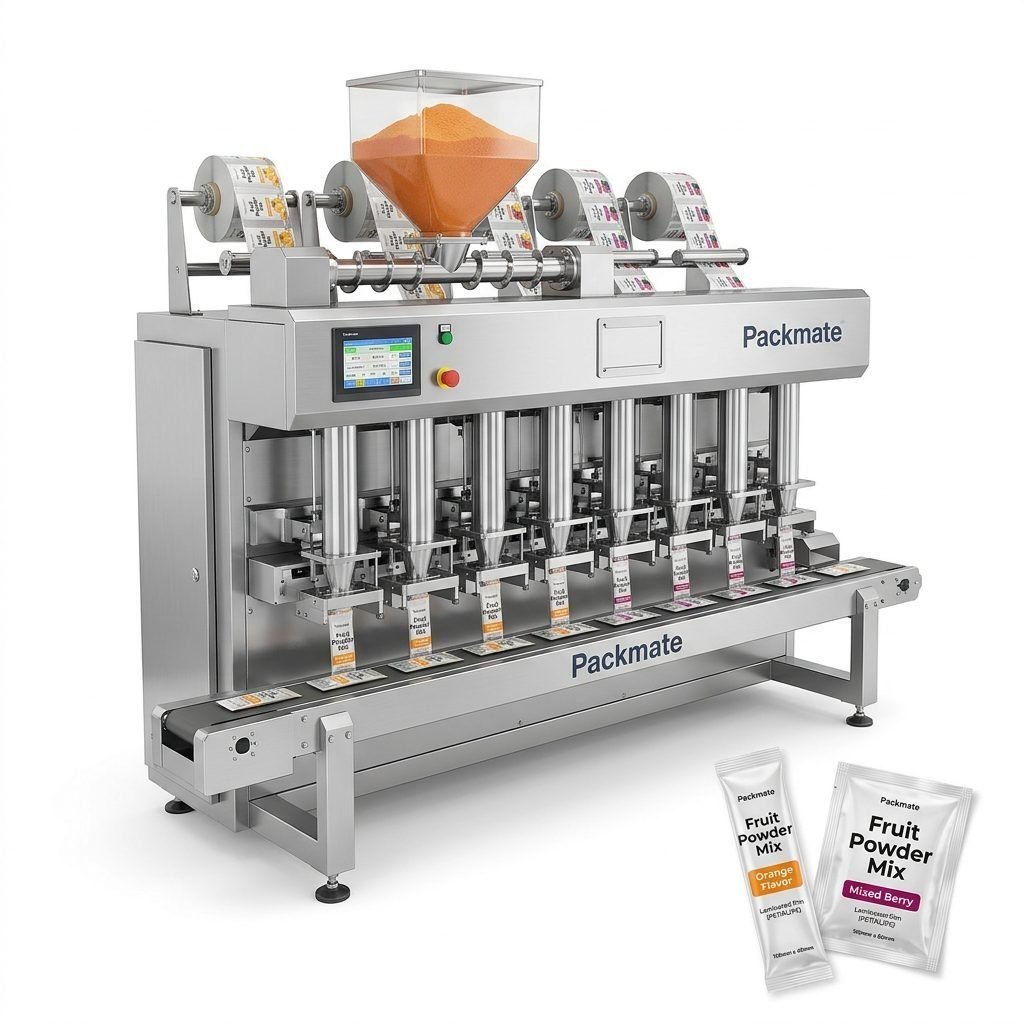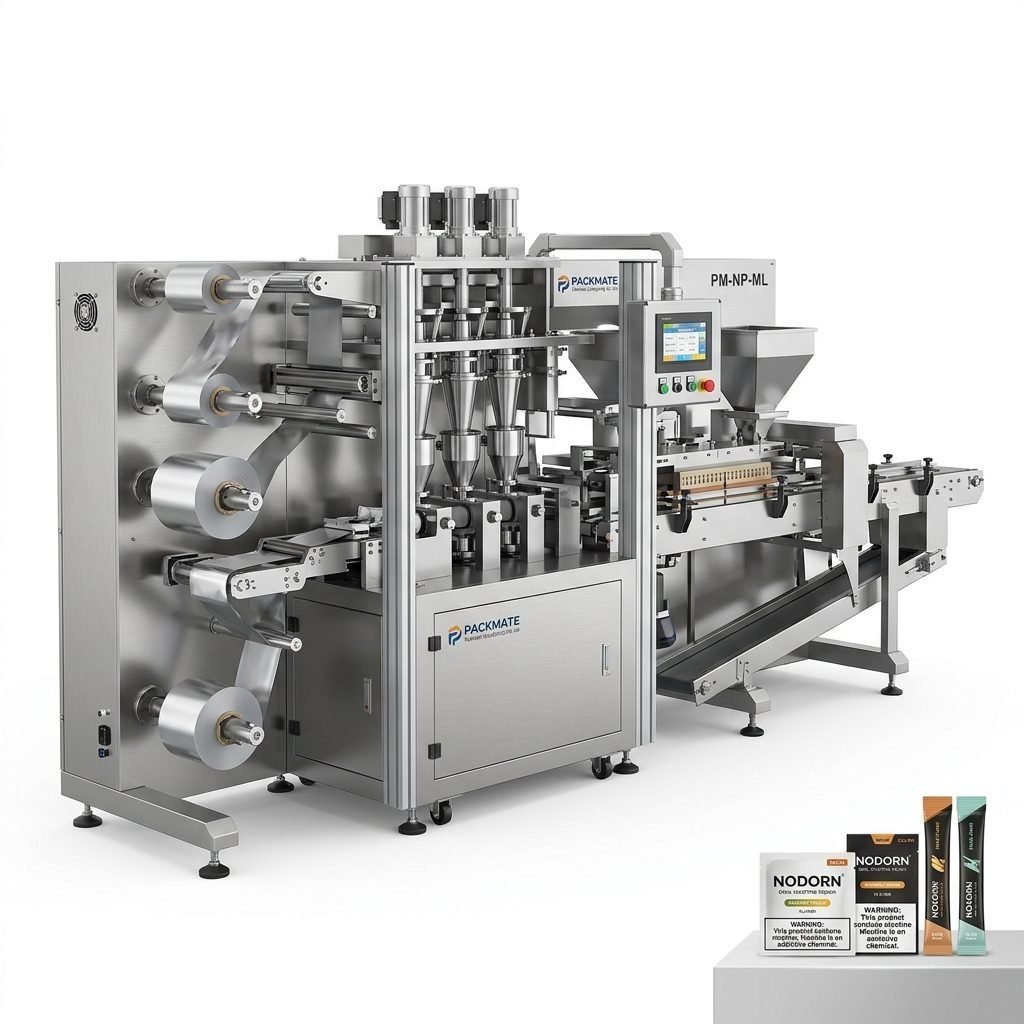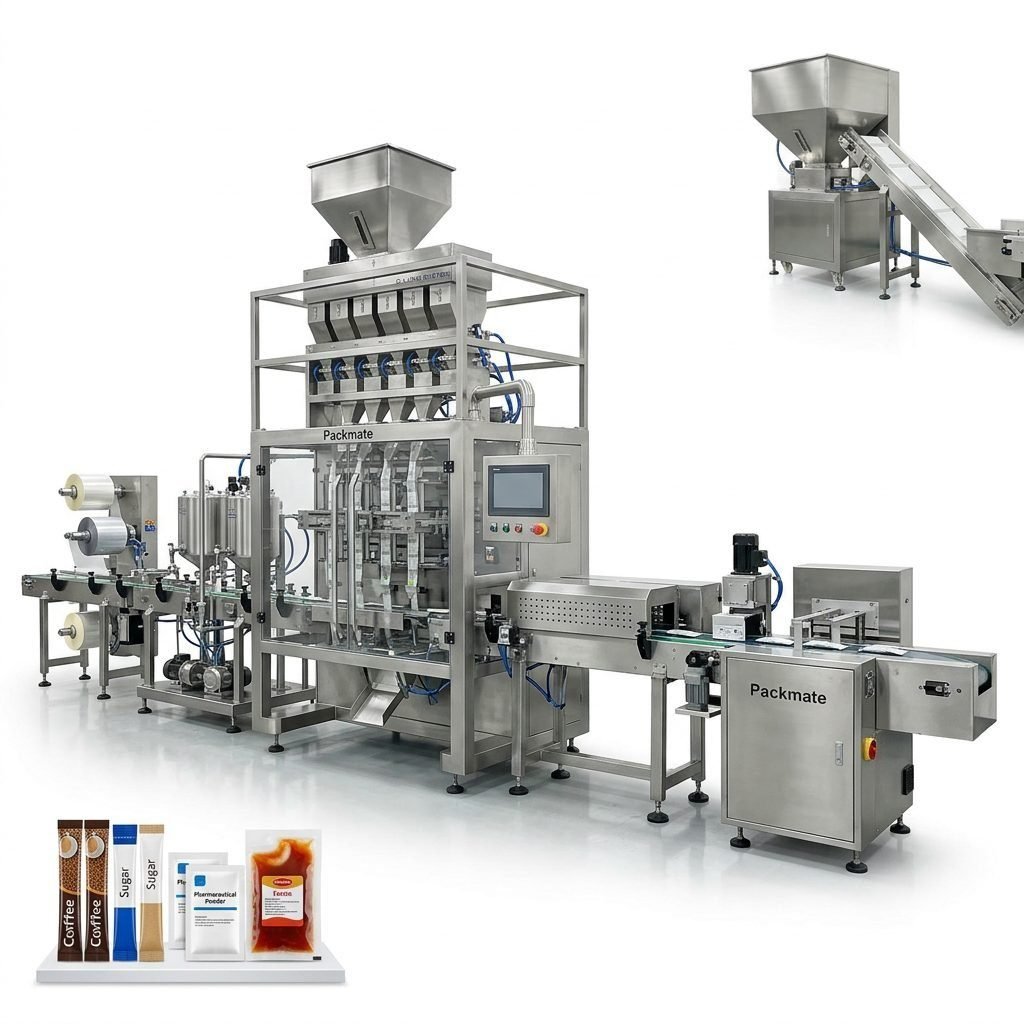
For businesses in Côte d’Ivoire, sourcing reliable packaging machinery is a critical step towards enhancing production efficiency, ensuring product quality, and scaling operations. The local market, with its growing food processing, pharmaceutical, and agricultural export sectors, demands robust and adaptable automation solutions. This guide provides practical steps and key considerations for Ivorian manufacturers, processors, and entrepreneurs to identify trustworthy packaging machine suppliers.
Understanding Your Packaging Needs in the Ivorian Context
Before beginning your search, clearly define your requirements. Consider the product form: are you packaging granules like instant coffee or spices, powders like milk or seasoning blends, liquids like sauces or oils, or pastes? The local climate and power stability should also influence your choice, favoring machines with good heat tolerance and stable performance under variable conditions.
Key Questions to Ask:
• What is my daily/weekly production volume?
• What packaging material (film type, laminate) will I use?
• Do I need a standalone machine or a complete turnkey line?
• How important is after-sales support and local technical service?
Step 1: Research and Shortlist Potential Manufacturers
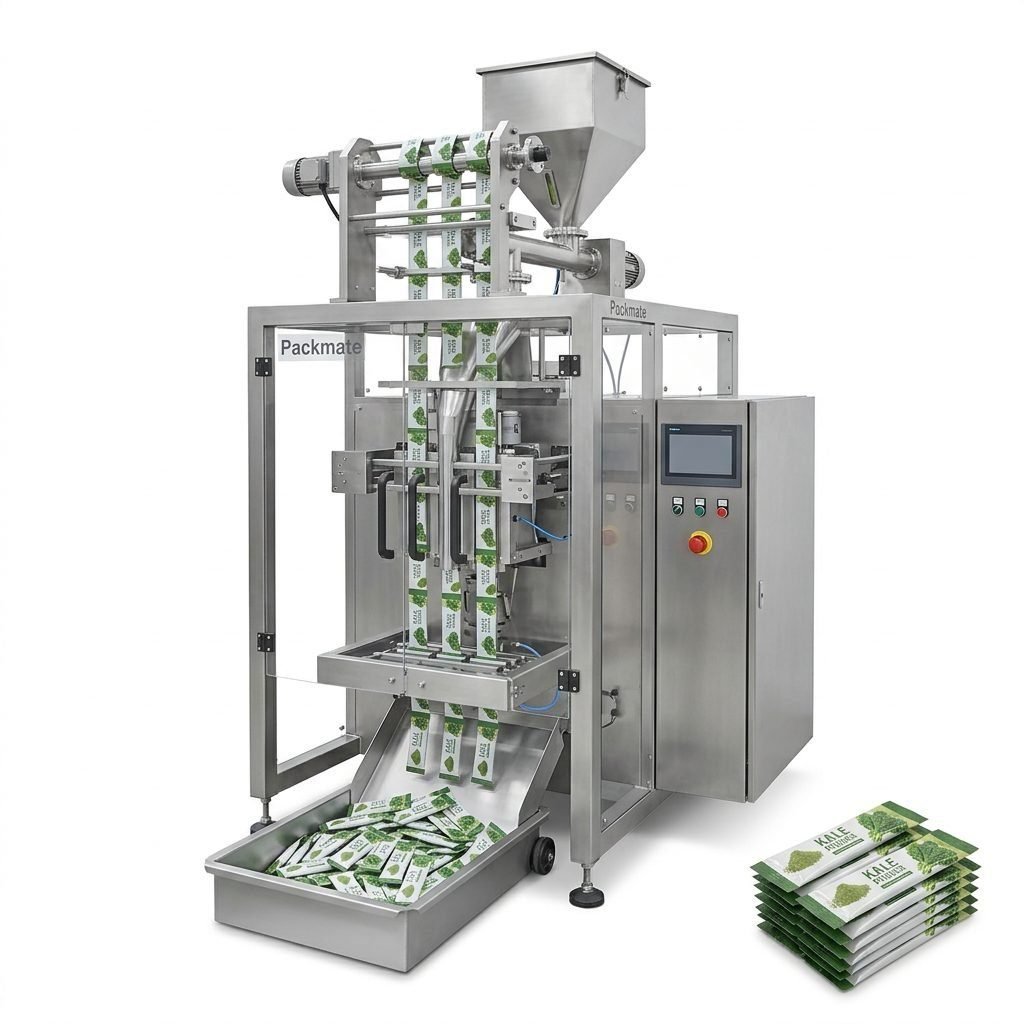
Start with comprehensive online research. Look for manufacturers with a strong export history to Africa, particularly West Africa. A company’s website, client portfolio, and technical documentation are good indicators of their professionalism. Industry-specific B2B platforms and trade shows (virtual or physical) are also valuable resources. Shortlist companies that explicitly mention experience with products similar to yours.
Step 2: Evaluate Manufacturer Credibility and Experience
Longevity and specialization matter. A manufacturer with decades of experience, like Ludyway (founded 1993), likely has refined its technology and problem-solving capabilities. Check for certifications (CE, ISO), which indicate adherence to international safety and quality standards. Review their case studies or project references, especially any related to food or pharma packaging, which are relevant to Ivorian export industries.
Step 3: Assess Technical Capability and Customization
Your product may have unique characteristics. Discuss your specific needs with potential suppliers. Can they provide a customized solution? Companies like PackingMachineOEM focus on non-standard and tailored configurations. For a complete production overhaul, a turnkey line specialist such as PacklineOEM might be more suitable. Ensure they can handle your desired bag style, whether it’s stick packs, sachets, or pouches.
Technical Checklist:
• Machine speed (bags/minute) and efficiency.
• Precision of filling (weight/volume accuracy).
• Compatibility with packaging materials available in your region.
• Level of automation (manual feeding vs. fully automatic).
• Ease of cleaning and maintenance.
Step 4: Analyze After-Sales Support and Logistics
This is crucial for Côte d’Ivoire. Reliable after-sales service can prevent prolonged downtime. Inquire about:
- Warranty Period: What is covered and for how long?
- Technical Support: Is remote assistance (video call) available? How quickly can they respond?
- Spare Parts: What is the lead time for critical spare parts? Do they have a local distributor or agent?
- Installation & Training: Do they provide on-site installation and operator training? Who bears the cost?
Clear communication channels are essential to resolve issues swiftly.
Step 5: Compare Quotations and Value Proposition
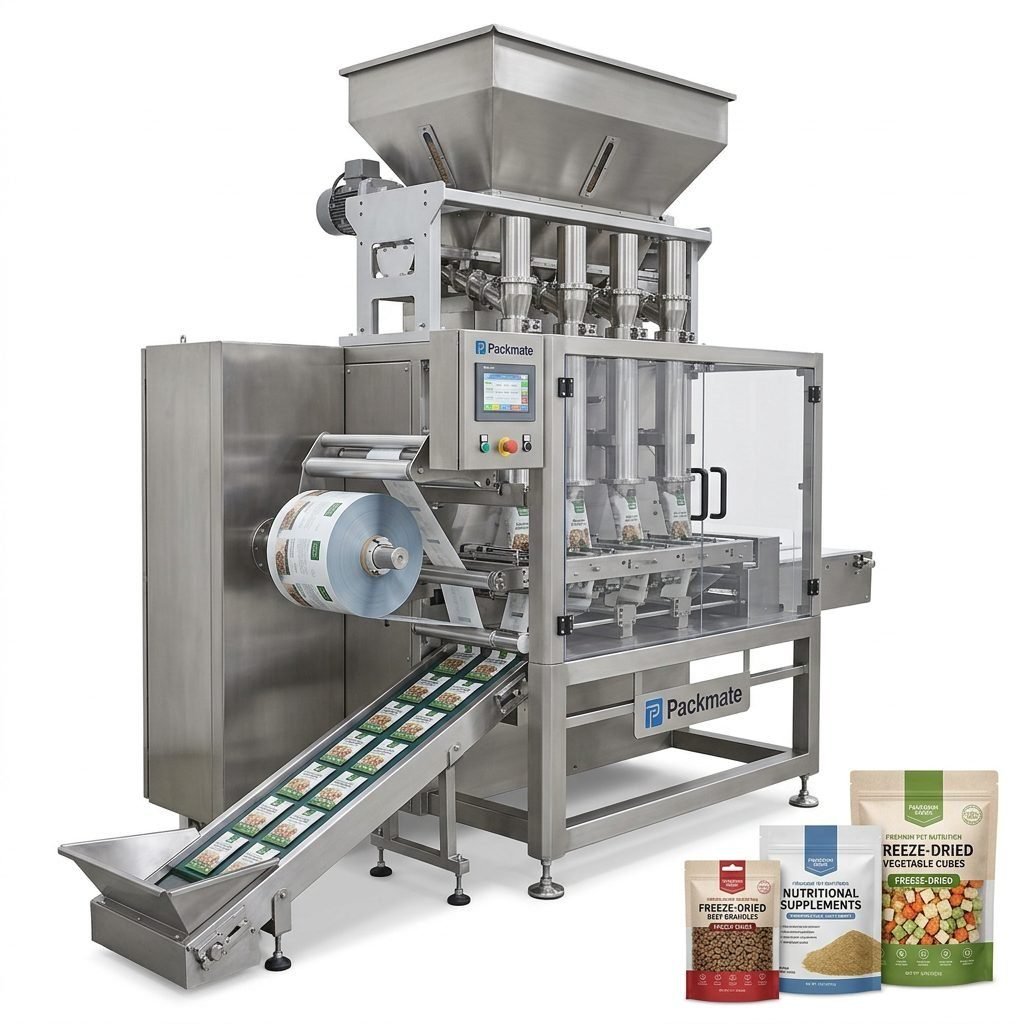
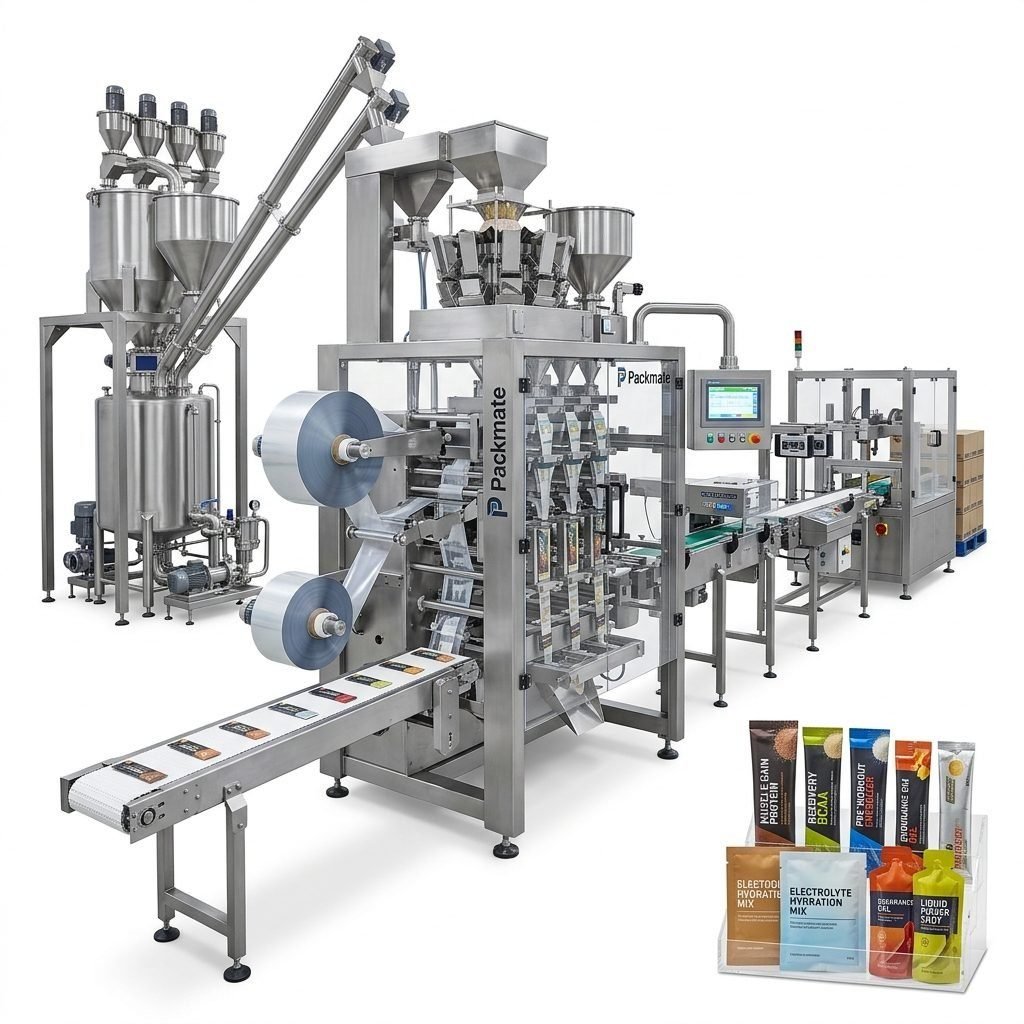
Request detailed quotations from your shortlisted suppliers. The cheapest option is not always the best. Compare the total cost of ownership, which includes the machine price, shipping, import duties, installation, and potential future maintenance costs. Evaluate the value offered: a slightly higher investment in a robust machine from an experienced supplier like Packmate Machinery can lead to greater long-term reliability and productivity.
| Evaluation Factor | Why It Matters for Ivorian Buyers |
|---|---|
| Export Experience to Africa | Understanding of regional logistics, climate challenges, and support networks. |
| Product Range Flexibility | Ability to adapt machines for diverse local products (coffee, cocoa, spices, etc.). |
| After-Sales Service Structure | Minimizes operational risk and ensures long-term machine uptime. |
| Factory Scale & Financial Stability | Indicates capacity to deliver, support, and remain a long-term partner. |
Step 6: Final Verification and Order Placement
Before finalizing your decision, ask for customer references you can contact directly, preferably from similar markets. If possible, request a live video demonstration of the machine packaging a sample of your product. Finally, ensure all agreements regarding payment terms, delivery schedule (Incoterms), training, and warranty are clearly stated in the contract.
Specialized Considerations for Niche Markets
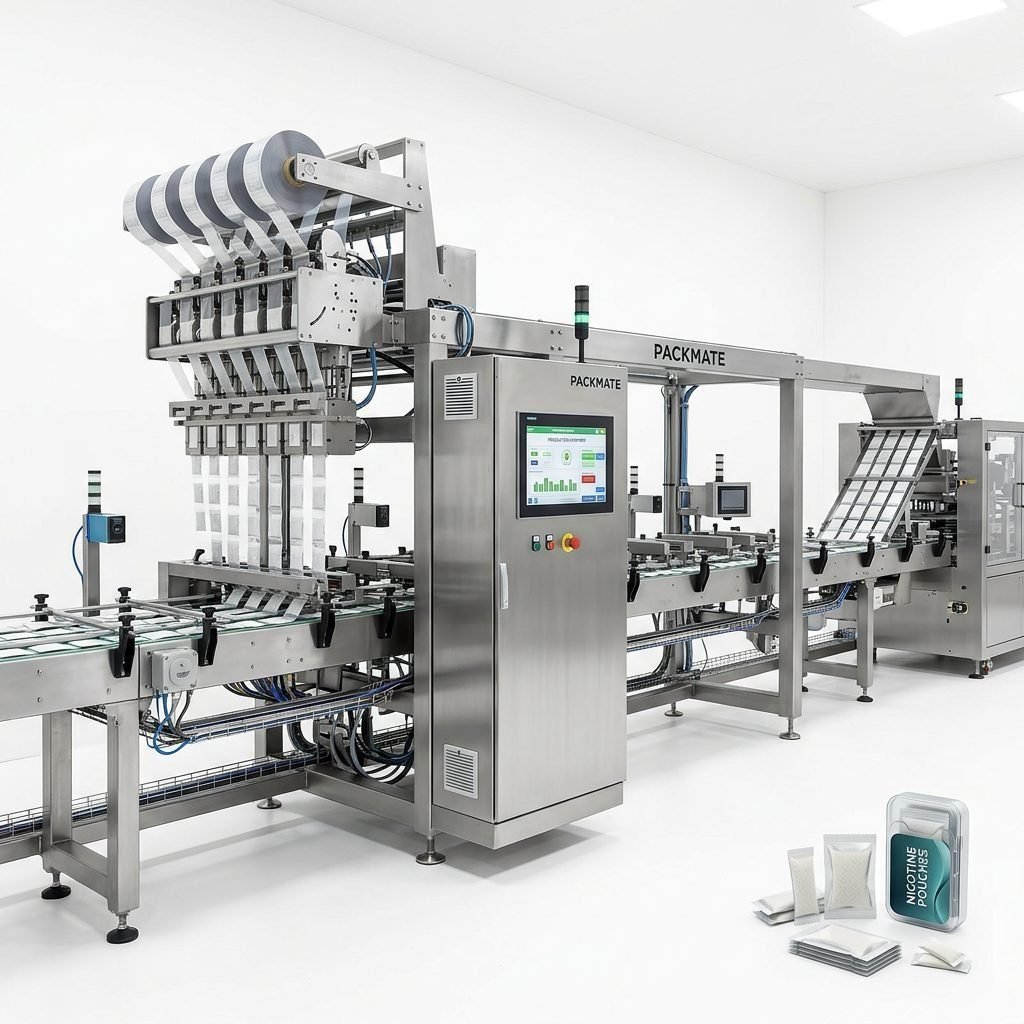
If your business is in a specialized sector, look for manufacturers with specific expertise. For example, companies involved in the growing smokeless product market might consider a specialist like SnusMachinery, which focuses on nicotine pouch packaging equipment. This targeted expertise can ensure better machine compatibility and understanding of regulatory nuances.
Frequently Asked Questions (FAQs)
What are the main challenges when importing packaging machines to Côte d’Ivoire?
The primary challenges include navigating customs clearance, managing shipping logistics to ensure the machine arrives safely, and arranging for competent technical installation. Choosing a supplier with export experience to West Africa can significantly mitigate these issues.
How important is it for the manufacturer to have a local agent or distributor?
Having a local agent is highly beneficial but not always mandatory. It can expedite spare parts delivery and provide quicker on-ground support. If no local agent exists, ensure the manufacturer has a proven track record of providing effective remote support and express shipping for parts.
Should I opt for a standard machine or a customized solution?
If your product and packaging format are common, a standard machine may be cost-effective. However, if you have unique product characteristics, bag sizes, or high-speed requirements, a customized solution, though potentially more expensive initially, will offer better long-term efficiency and yield.
What is a typical lead time for receiving a packaging machine from overseas?
Lead times vary based on machine complexity and customization. For standard models, it can range from 30 to 60 days after order confirmation. For custom or turnkey lines, it may take 90 to 120 days or more. Always confirm the detailed production and shipping schedule with your supplier.
How can I ensure the machine will work with locally sourced packaging films?
Provide samples of your intended packaging material to the manufacturer for testing before purchase. A reliable supplier will conduct film trials to confirm seal integrity, machine compatibility, and optimal temperature settings for your specific material.