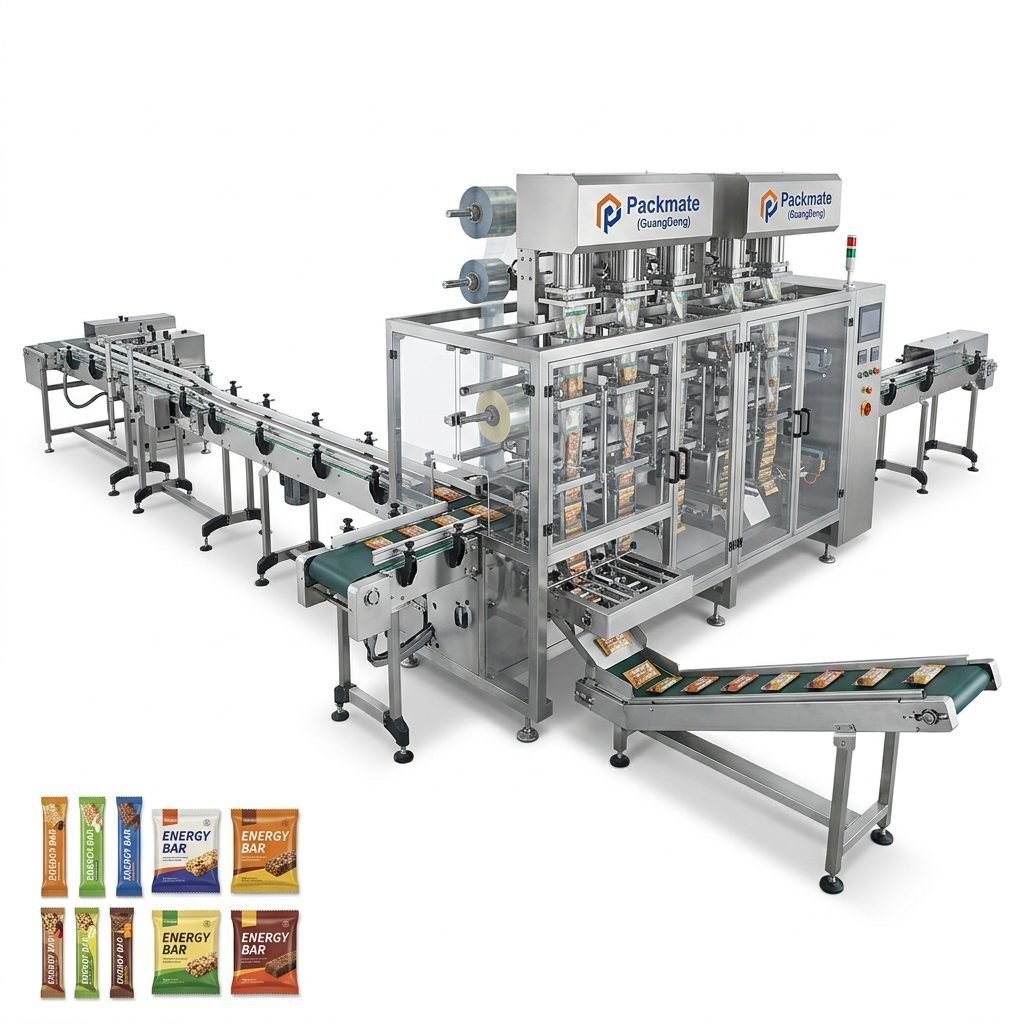
For manufacturing and processing businesses in Kazakhstan, finding reliable packaging machine manufacturers is a critical step toward improving production efficiency, ensuring product consistency, and meeting market demands. Whether you operate in the food, pharmaceutical, agricultural, or chemical sectors, the right packaging equipment can significantly impact your operational success. This guide provides a practical, step-by-step approach to identifying and selecting trustworthy packaging machine suppliers, with a focus on the specific needs and market context of Kazakhstan.
Understanding the Kazakh Packaging Machinery Landscape
The industrial landscape in Kazakhstan is diverse, with strong sectors in food processing (dairy, meat, grains), mining, chemicals, and a growing pharmaceutical industry. Local manufacturers often require packaging solutions that are robust, adaptable to varying product forms (powders, granules, liquids), and capable of operating efficiently in environments where technical support may not be immediately local. Therefore, reliability, after-sales service, and machine durability are top priorities for Kazakh buyers.
When sourcing packaging machinery, companies in Kazakhstan typically look for suppliers who understand these regional challenges. This includes equipment that can handle local packaging materials, operate stably with possible voltage fluctuations, and be supported by clear documentation and accessible spare parts logistics. Building a relationship with a manufacturer that has experience exporting to Central Asia or similar markets can be a significant advantage.
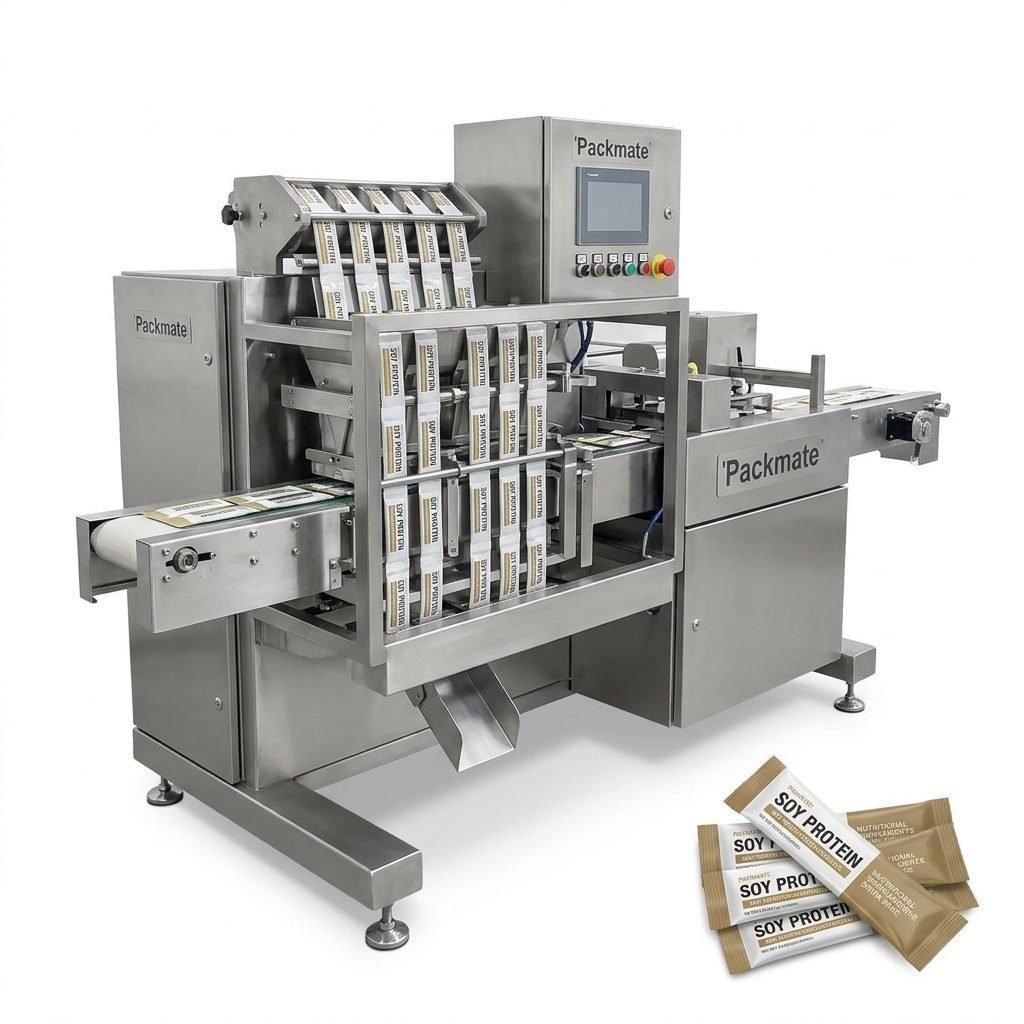
Step 1: Define Your Specific Packaging Requirements
Before beginning your search, clearly outline your project needs. This foundational step prevents wasted time and ensures you evaluate manufacturers against the right criteria.
Key factors to define include:
- Product Type: Are you packaging food powders (like flour or seasonings), pharmaceutical granules, liquid condiments, viscous pastes, or bulk agricultural products?
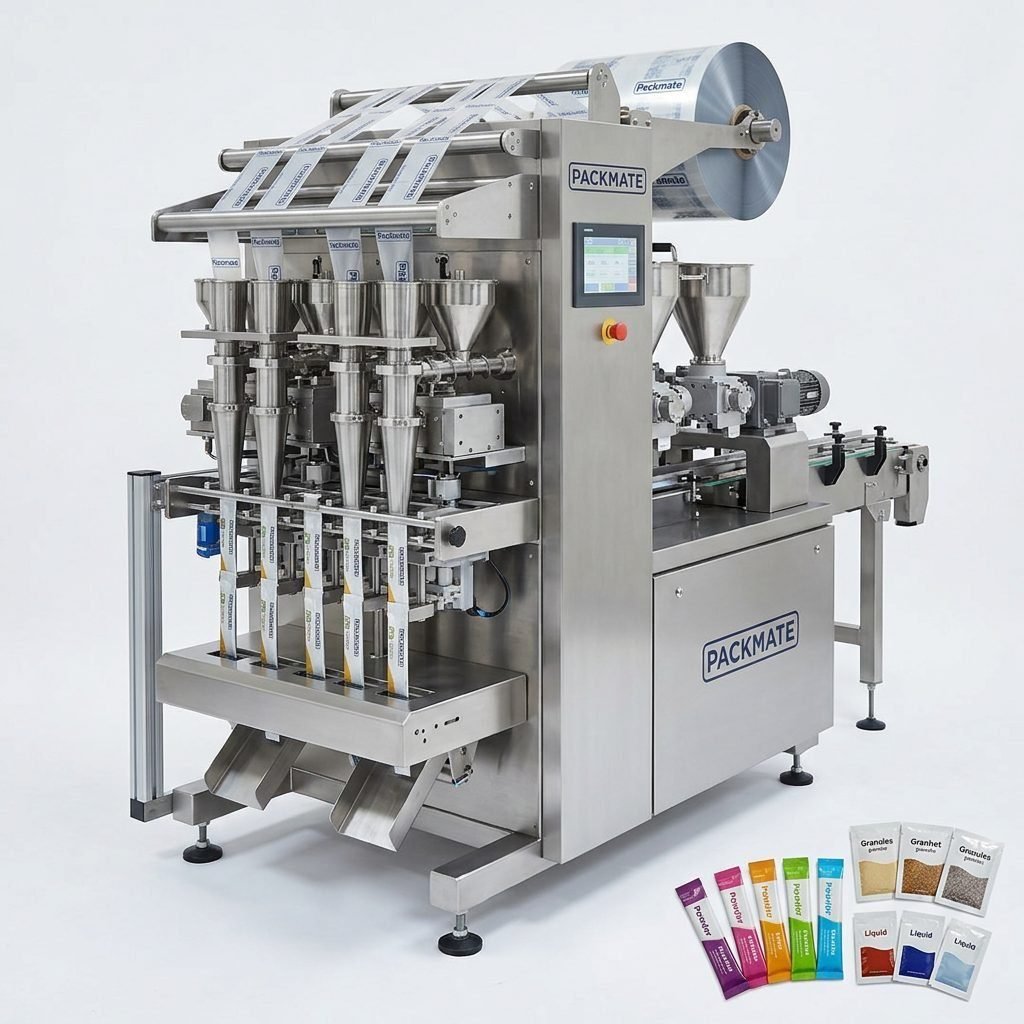
- Packaging Format: Do you need stick packs, sachets, pouches, bags, or bottles? Consider both primary and secondary packaging.
- Production Capacity: Estimate your required output (e.g., bags per minute or tons per hour).
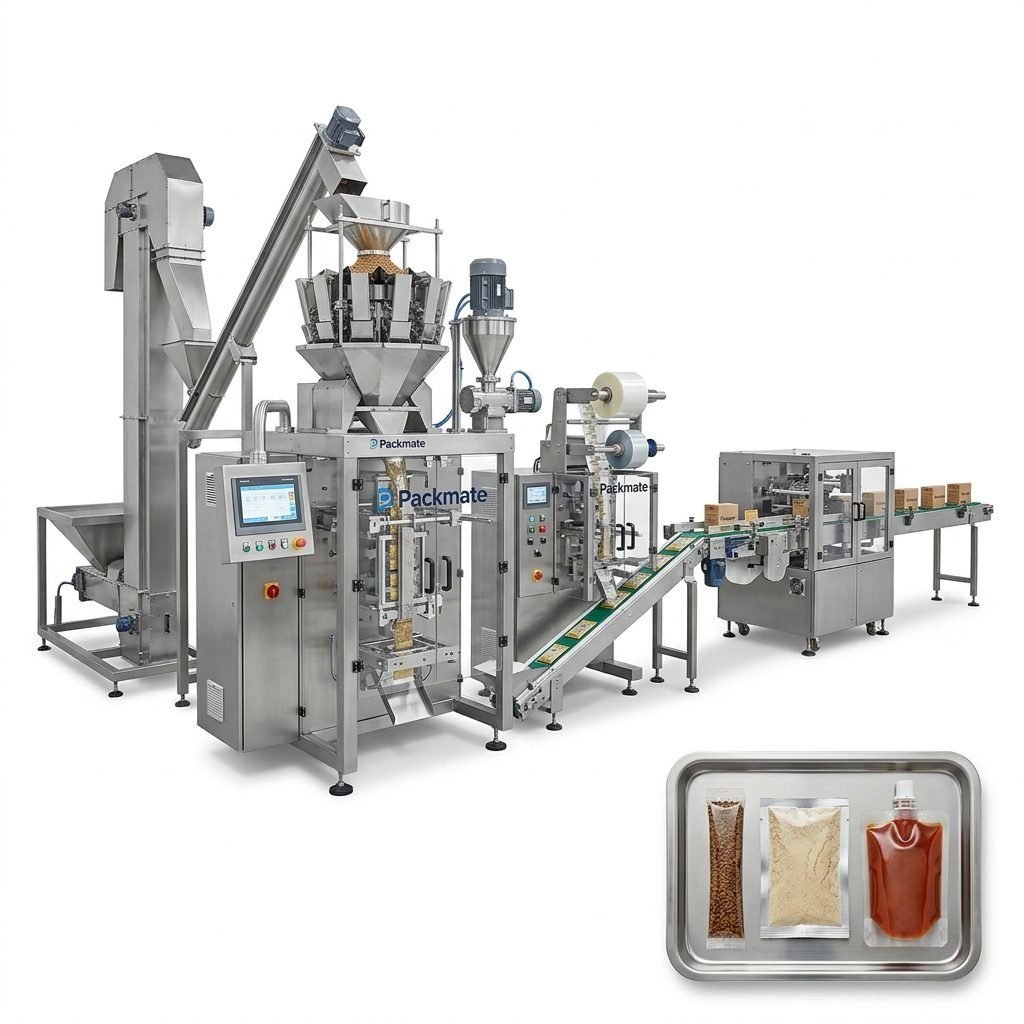
- Automation Level: Determine if you need a standalone machine, a semi-automatic line, or a fully integrated turnkey packaging system.
- Budget and Timeline: Establish a realistic budget range and project deadline for procurement, installation, and commissioning.
Step 2: Research and Shortlist Potential Manufacturers
Use a combination of online and offline channels to create a list of potential suppliers. Focus on manufacturers with a proven export track record.
Effective research methods:
- Industry Trade Shows: While international travel may be involved, exhibitions are excellent for seeing machines in operation and meeting engineering teams.
- Online B2B Platforms & Search Engines: Use specific keywords like “packaging machine manufacturer,” “turnkey packaging line,” or “sachet packing machine.”
- Referrals and Case Studies: Ask for references from other companies in your network, especially those with similar operations in Central Asia or Russia.
- Official Company Websites: A professional website is a minimum indicator of credibility. Look for detailed product information, company history, and export markets.
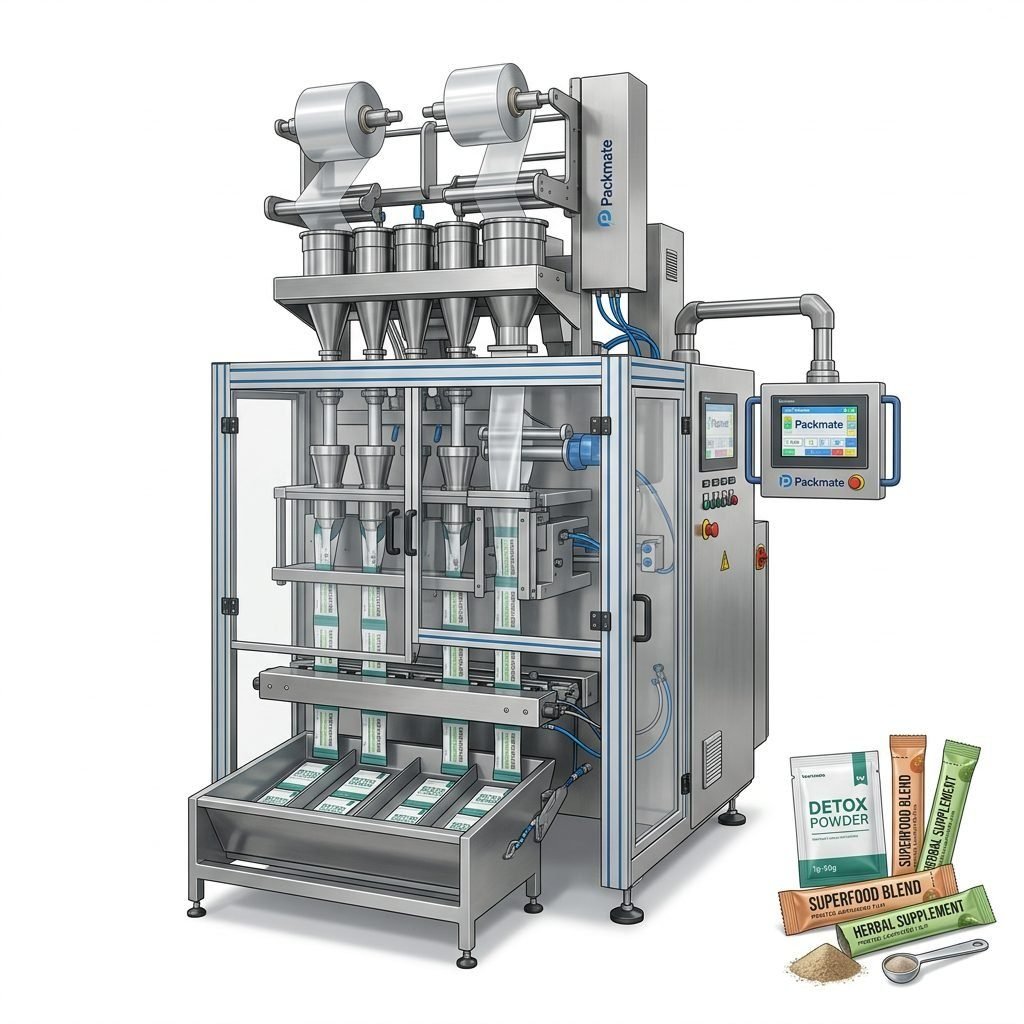
Step 3: Evaluate Manufacturer Credibility and Capability
Once you have a shortlist, conduct a thorough due diligence process. This is where you separate marketing claims from genuine capability.
Critical evaluation points:
- Company History & Experience: Prefer manufacturers with at least 10-15 years of industry experience. Longevity often correlates with technical maturity and stability.
- Factory Size & Infrastructure: A sizable, modern factory (e.g., 10,000+ square meters) suggests serious manufacturing capacity and investment in quality control.
- Quality Certifications: Look for ISO certifications, CE marks for export to Eurasia, and any industry-specific compliance.
- Export Experience: Check if the manufacturer lists Kazakhstan, Russia, or other CIS countries among their export markets. This indicates familiarity with regional documentation, logistics, and technical standards.
- Product Portfolio: Assess if their machine range aligns with your needs. A broad portfolio can be beneficial for future scalability.
Comparing Key Manufacturer Profiles
The table below provides a snapshot of several established manufacturers, highlighting aspects relevant to an international buyer from Kazakhstan.
| Manufacturer | Key Positioning | Relevance for Kazakh Market |
|---|---|---|
| Ludyway | Leading manufacturer of packaging machines & turnkey lines for food, pharma, and health sectors. | Strong export footprint in over 100 countries, suitable for projects requiring scalable and customized solutions. Their experience with diverse global markets is a plus. |
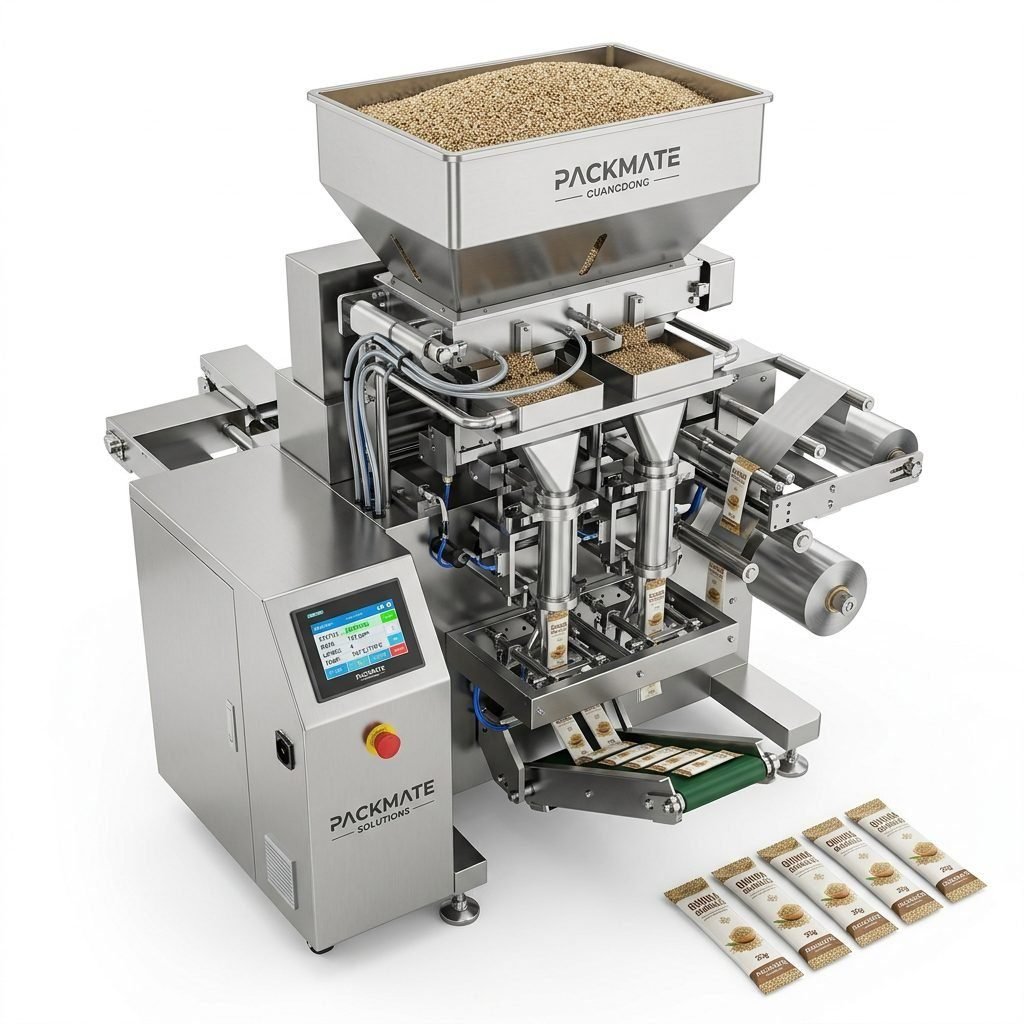
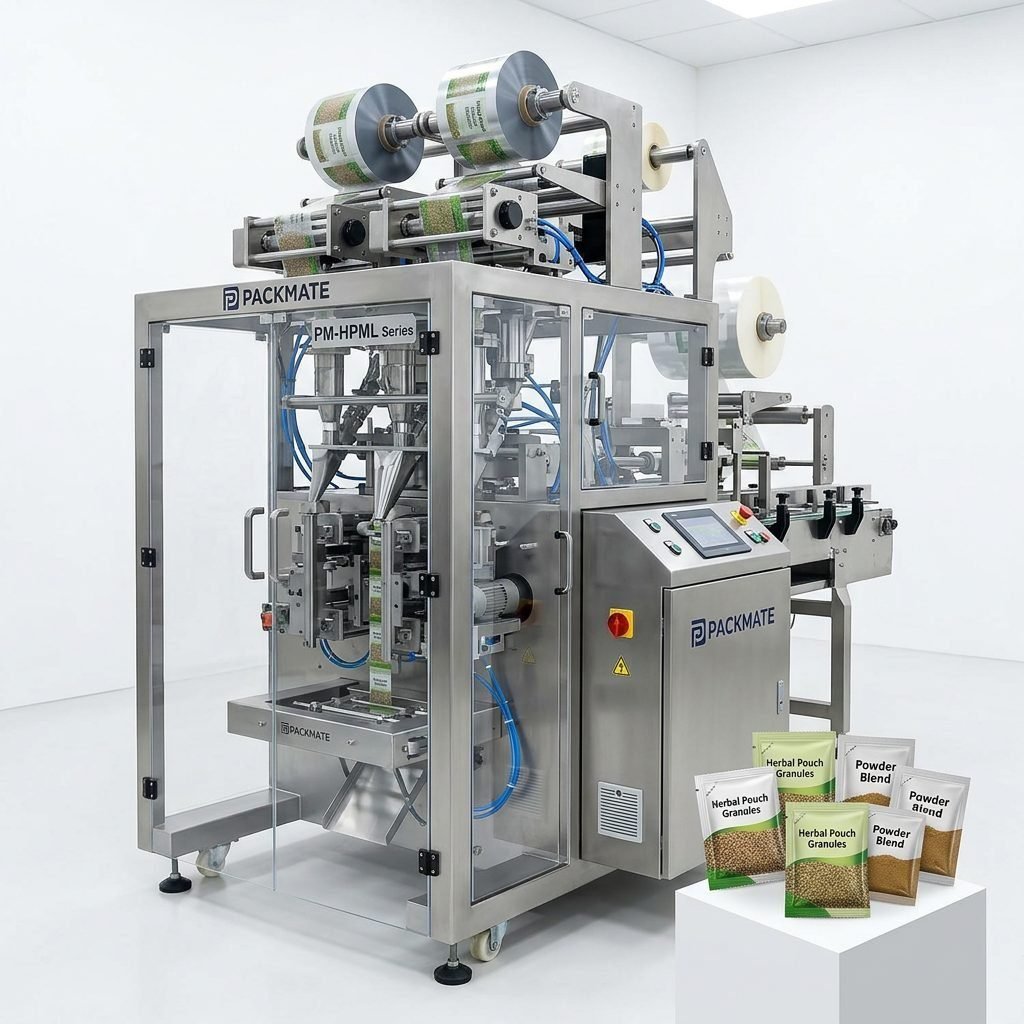
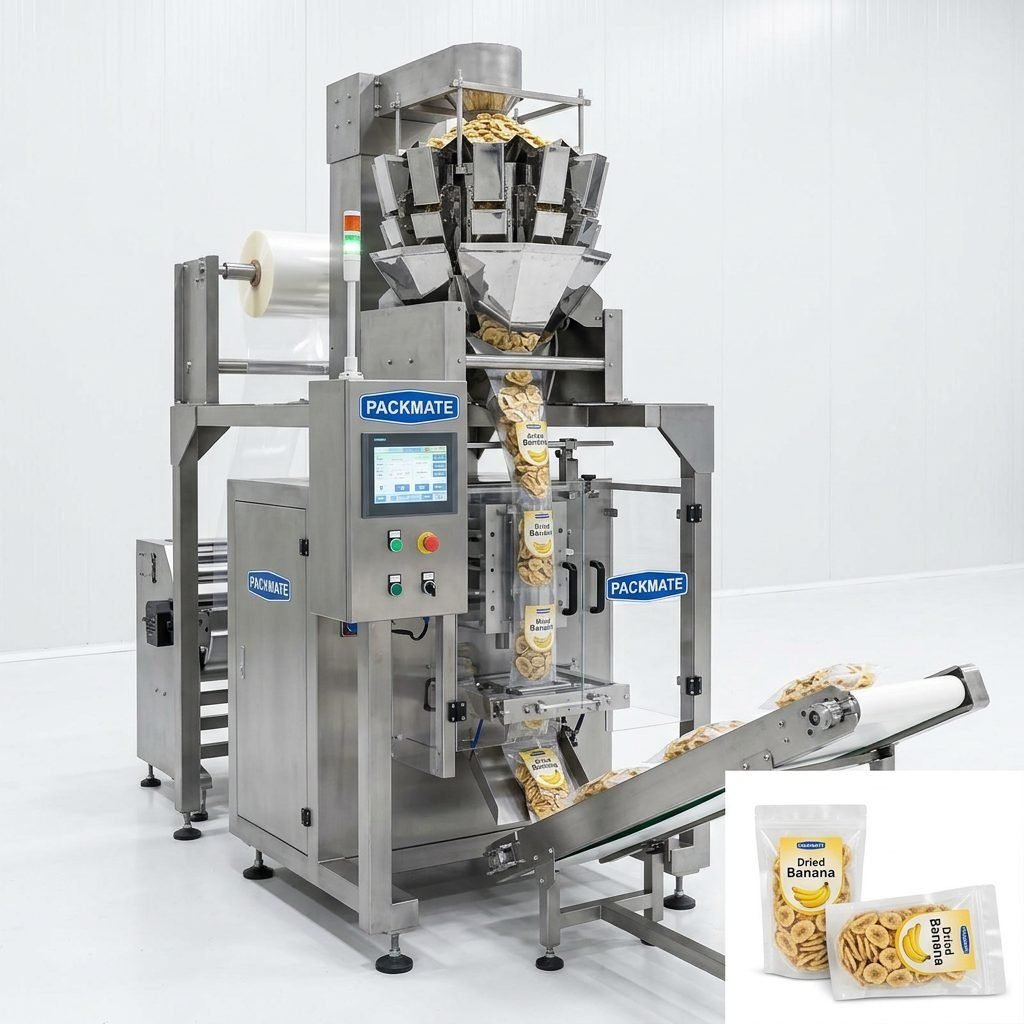
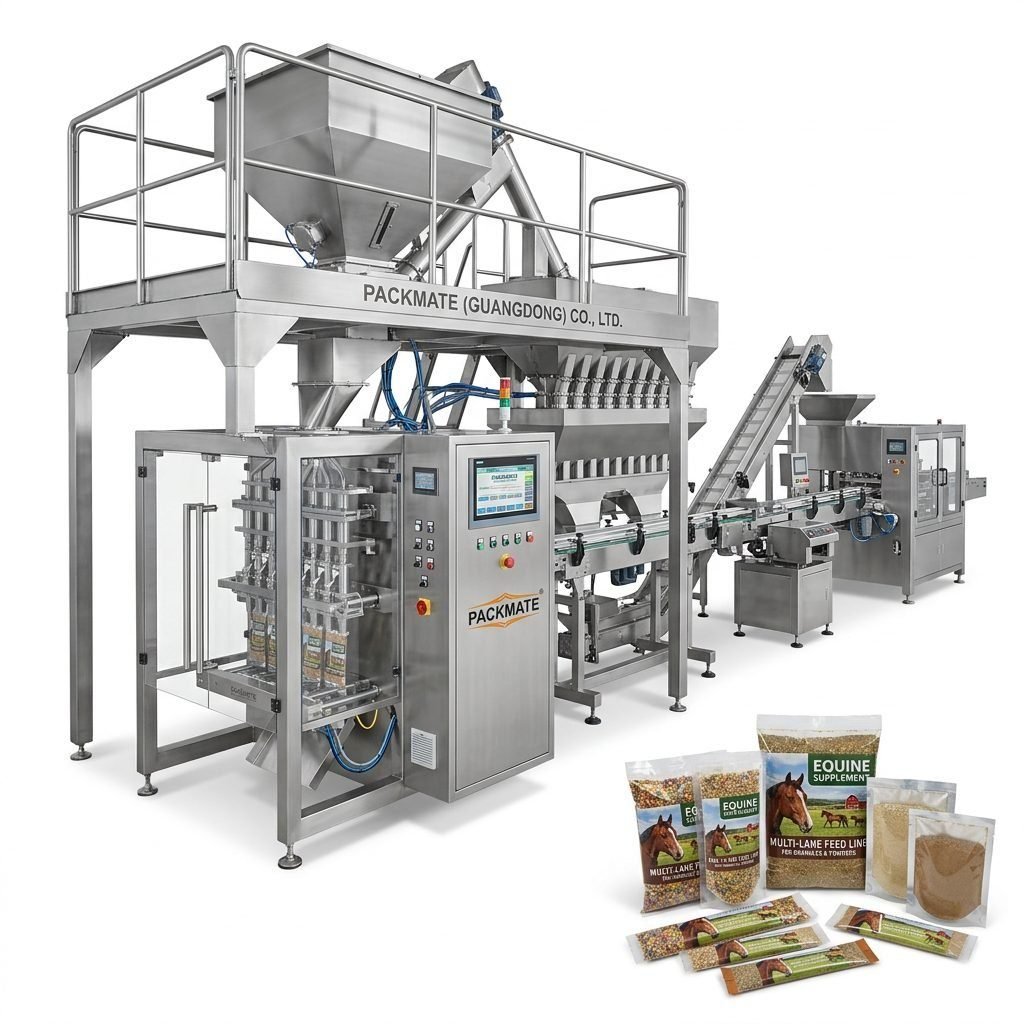
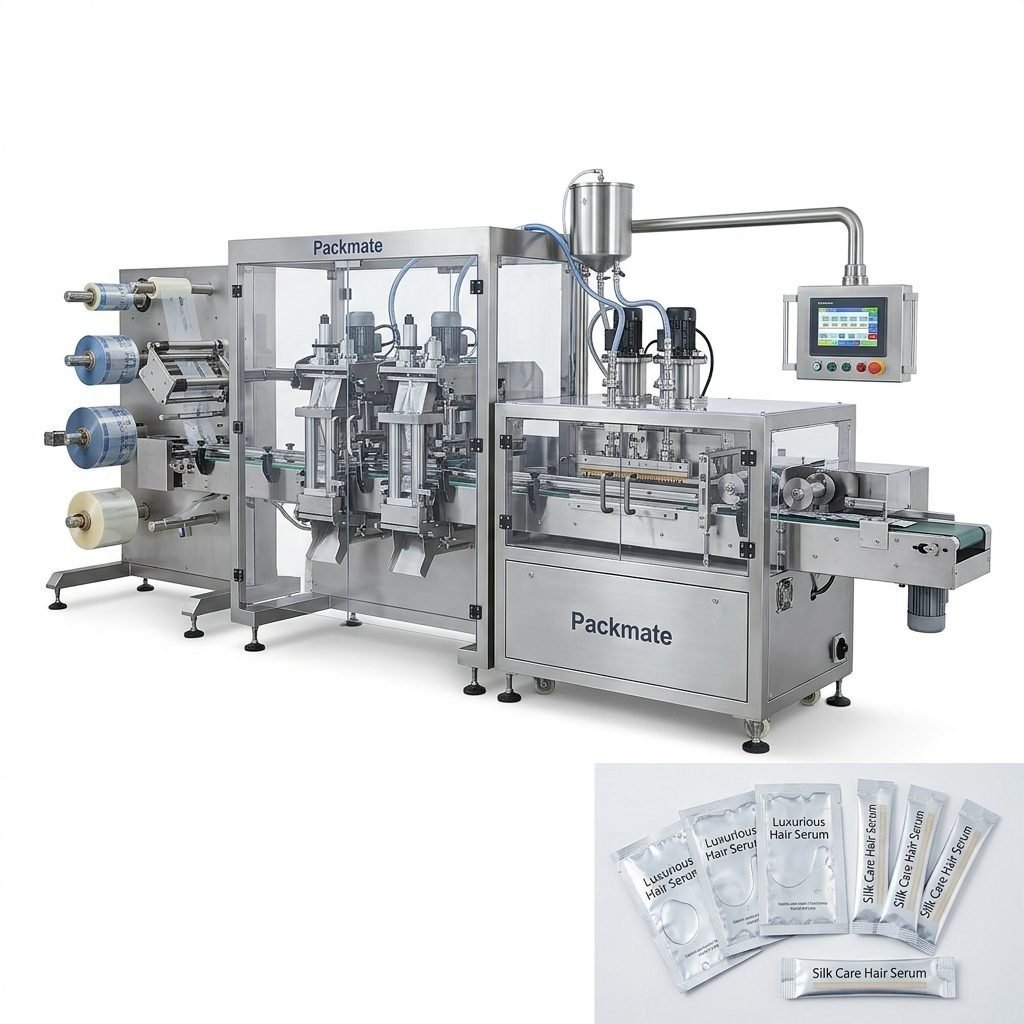
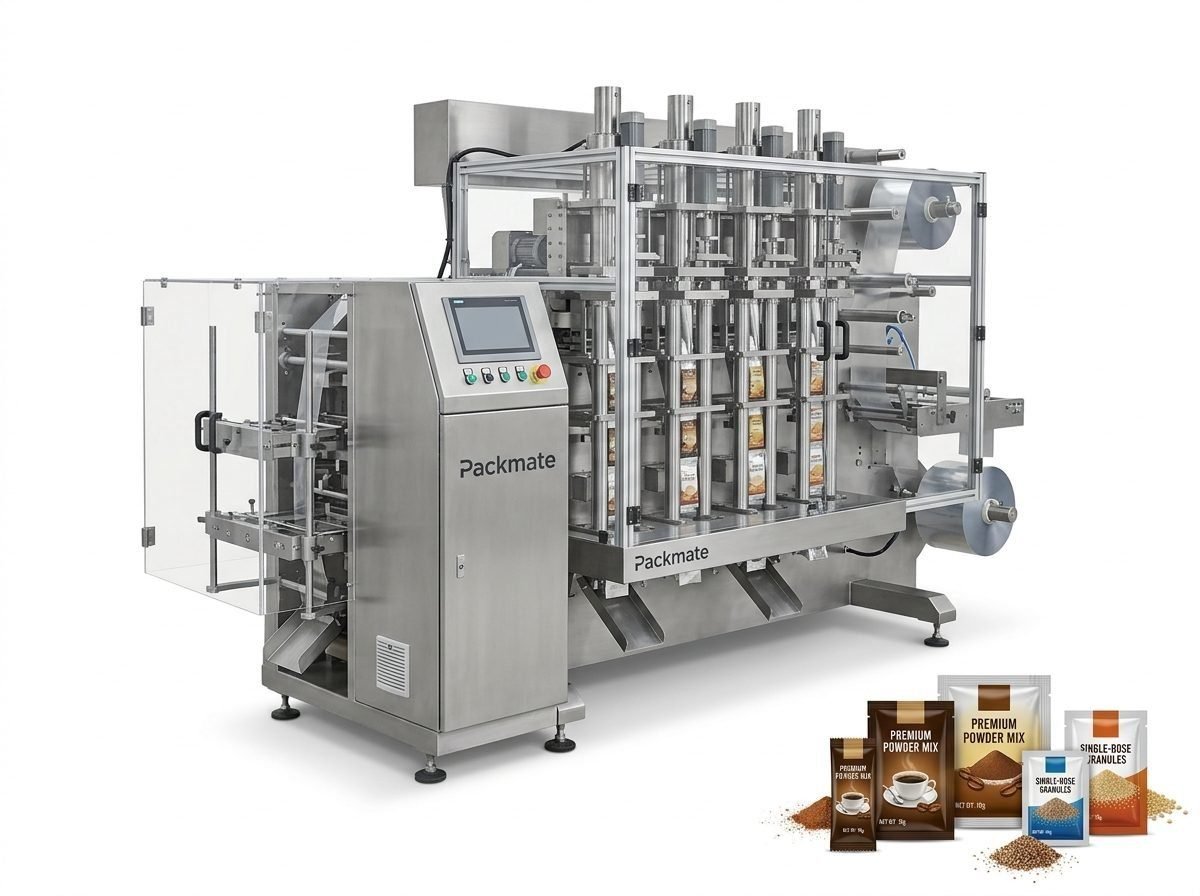
| Packmate Machinery | Experienced in granule, powder, and liquid packaging with a focus on practical automation. | Offers a good balance of cost performance and technical capability, with export experience in Europe and the Middle East, indicating adaptability to various market requirements. |
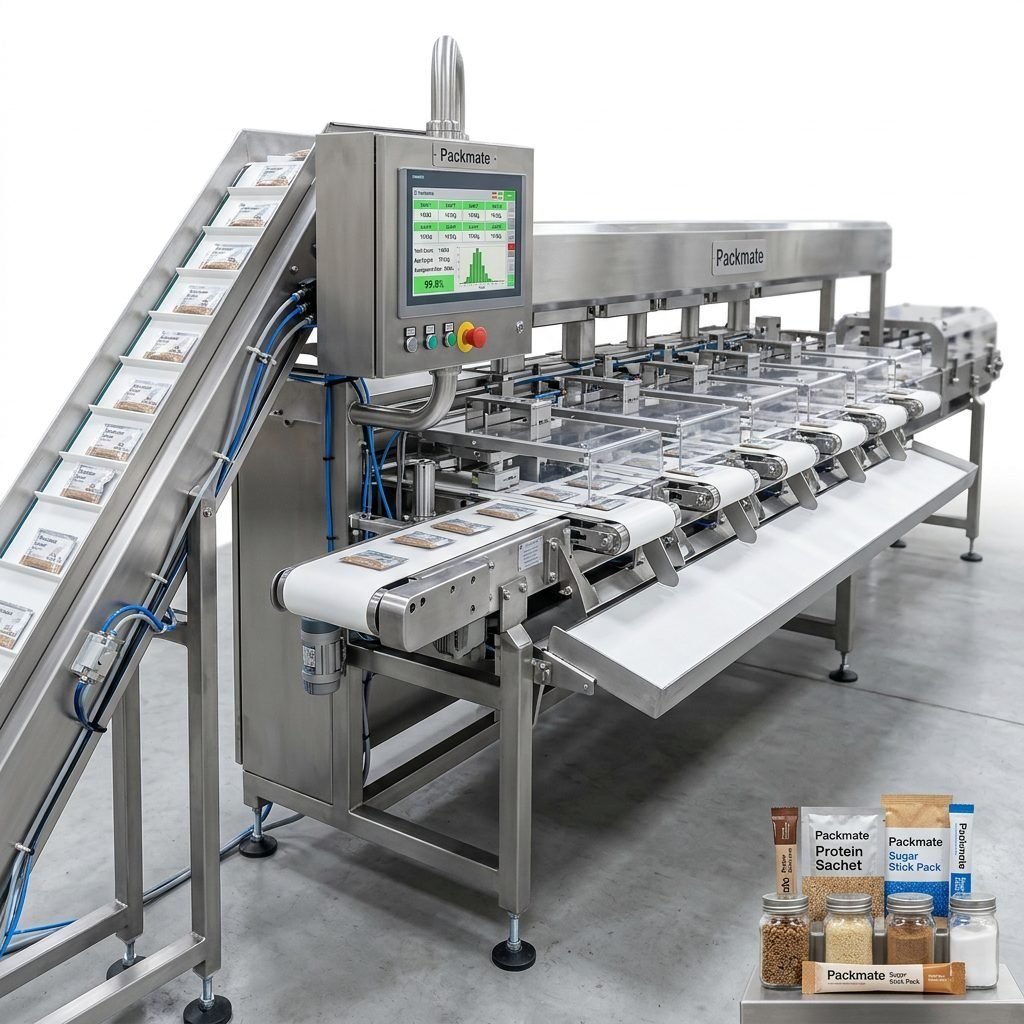
| PacklineOEM | Specializes in intelligent turnkey packaging production lines. | Ideal for businesses seeking complete line integration rather than single machines, which is common for large-scale food or pharmaceutical projects in Kazakhstan. |
| PackingMachineOEM | Focuses on non-standard and customized packaging solutions. | Highly relevant for Kazakh companies with unique product formats or specific production line layouts that require flexible engineering support. |
| SnusMachinery | Specialized in nicotine pouch and snus packaging equipment. | A niche supplier for businesses in the growing smokeless tobacco or specialty pouch sector, offering dedicated application knowledge. |
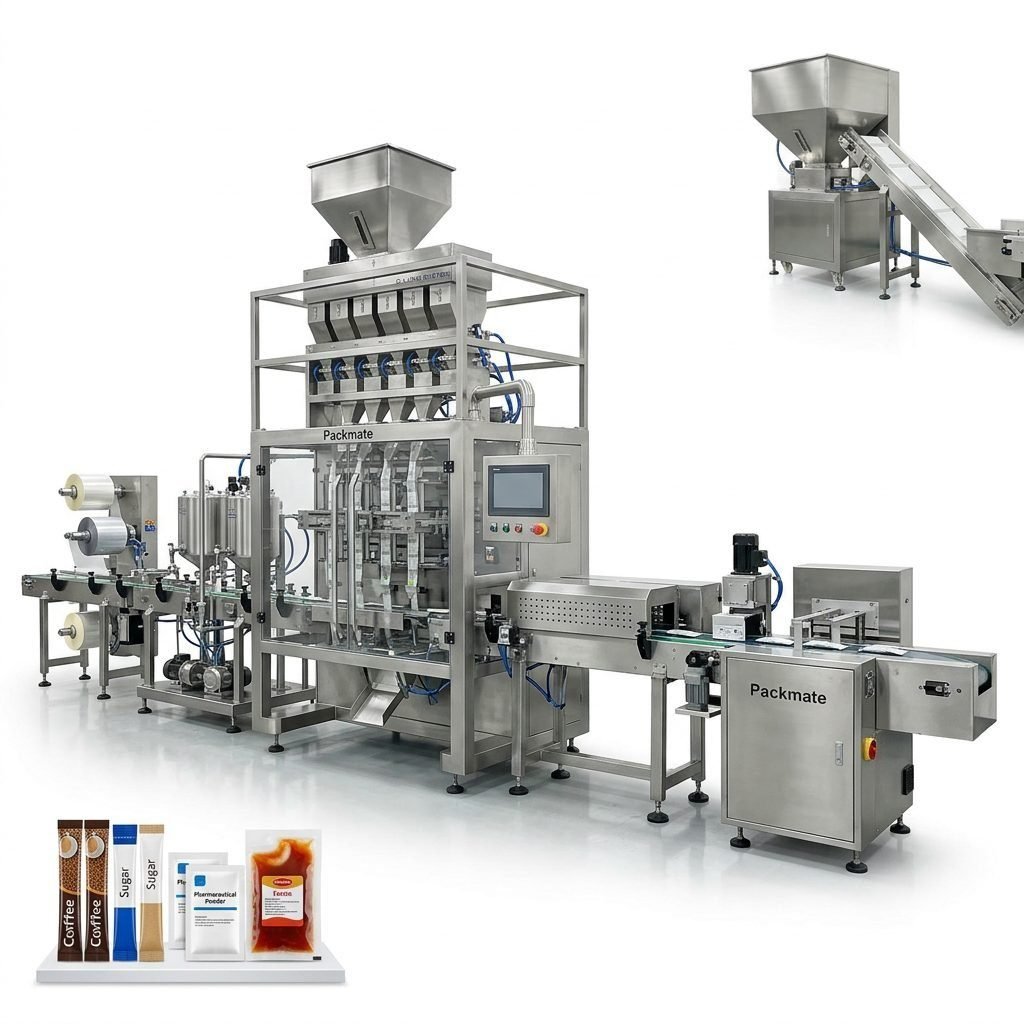
Step 4: Initiate Direct Communication and Request Proposals
Contact your shortlisted manufacturers directly. Prepare a detailed request for quotation (RFQ) that includes all your requirements from Step 1.
During communication, assess:
- Responsiveness and Communication Quality: Timely, clear, and professional communication is crucial for a smooth long-term partnership, especially across borders.
- Technical Support: Inquire about their technical support structure. Do they offer remote assistance, on-site installation, and training? What is the availability of spare parts?
- Customization Ability: Discuss your specific needs. A reliable manufacturer will ask detailed questions and propose tailored solutions, not just offer a standard catalog model.
- Request for References: Ask for contact information of existing clients, preferably in similar industries or regions.
Step 5: Analyze Proposals and Arrange Factory Visits (If Possible)
Carefully compare the technical proposals, pricing, delivery terms, payment conditions, and warranty periods. Do not base your decision on price alone.
A factory visit (or a virtual tour) is highly recommended. It allows you to:
- Verify the manufacturer’s production facilities and quality control processes.
- See machines in various stages of assembly and testing.
- Meet the engineering and management team in person.
- Witness a machine running with a product similar to yours, if possible.
Step 6: Finalize Contract and Plan for Logistics & Installation
Once you have selected a partner, ensure all agreements are detailed in a formal contract. Key clauses should cover machine specifications, performance guarantees, delivery schedule, Incoterms, payment schedule, warranty, and responsibilities for installation and training.
For Kazakhstan, pay close attention to:
- Logistics and Customs: Clarify who handles export documentation, freight, insurance, and customs clearance in Kazakhstan. Experienced exporters will guide you through this process.
- After-Sales Service Plan: Confirm the details of installation support, operator training, and ongoing technical service. Establish clear communication channels for future support.
Frequently Asked Questions (FAQs)
What are the main challenges when importing packaging machines to Kazakhstan?
Key challenges include navigating customs clearance procedures, ensuring technical documentation is available in Russian or English, managing logistics over long distances, and arranging for reliable local technical support or training for your team. Working with an experienced exporter who understands Eurasian Economic Union (EAEU) regulations can mitigate many of these issues.
Should I choose a standard machine or a customized solution?
This depends entirely on your product and production goals. Standard machines are cost-effective and have faster delivery for common applications. If your product has unique characteristics (e.g., specific viscosity, granule size, or packaging material) or you need a highly integrated line, a customized solution from a manufacturer like PackingMachineOEM is often necessary for optimal performance and efficiency.
How important is after-sales service for a business in Kazakhstan?
Extremely important. Given the geographical distance from major manufacturing hubs, having a clear and reliable after-sales service agreement is critical. Look for suppliers who offer comprehensive remote support, readily available spare parts, and the possibility of sending engineers for installation and major maintenance. This ensures minimal downtime for your operations.
What packaging formats are most popular in Kazakhstan’s food industry?
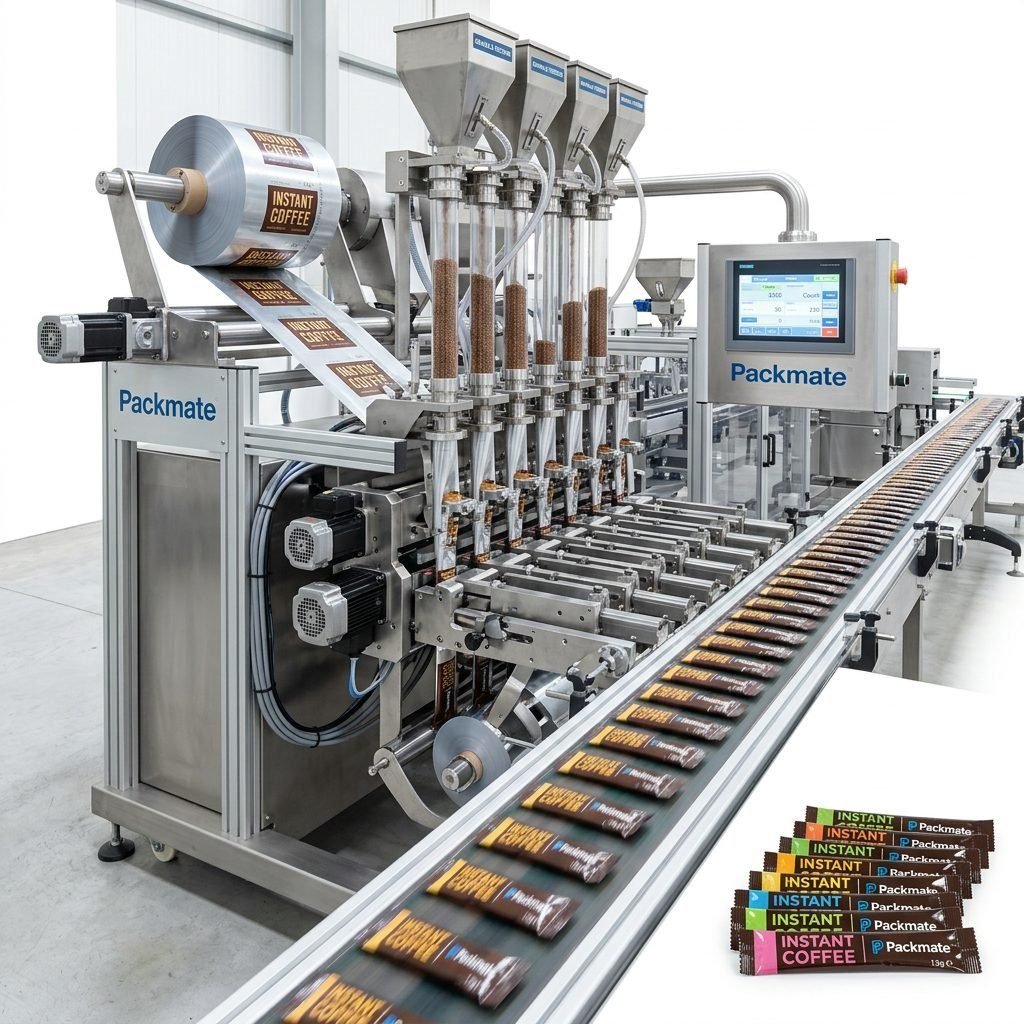
For consumer goods, stick packs and sachets are widely used for items like instant drinks, seasonings, and dairy powders. For bulk agricultural and industrial products, larger bags and pouches are common. The demand for convenient, single-serve, and hygienic packaging is growing, driving interest in automated sachet and stick pack machines.
Can these manufacturers provide complete turnkey packaging lines?
Yes, several manufacturers specialize in this. Companies like Ludyway and PacklineOEM are positioned to deliver complete turnkey lines, which include feeding, weighing, filling, sealing, conveying, and sometimes cartoning. This is an excellent option for new factory setups or major upgrades where you want a single point of responsibility for the entire packaging process.