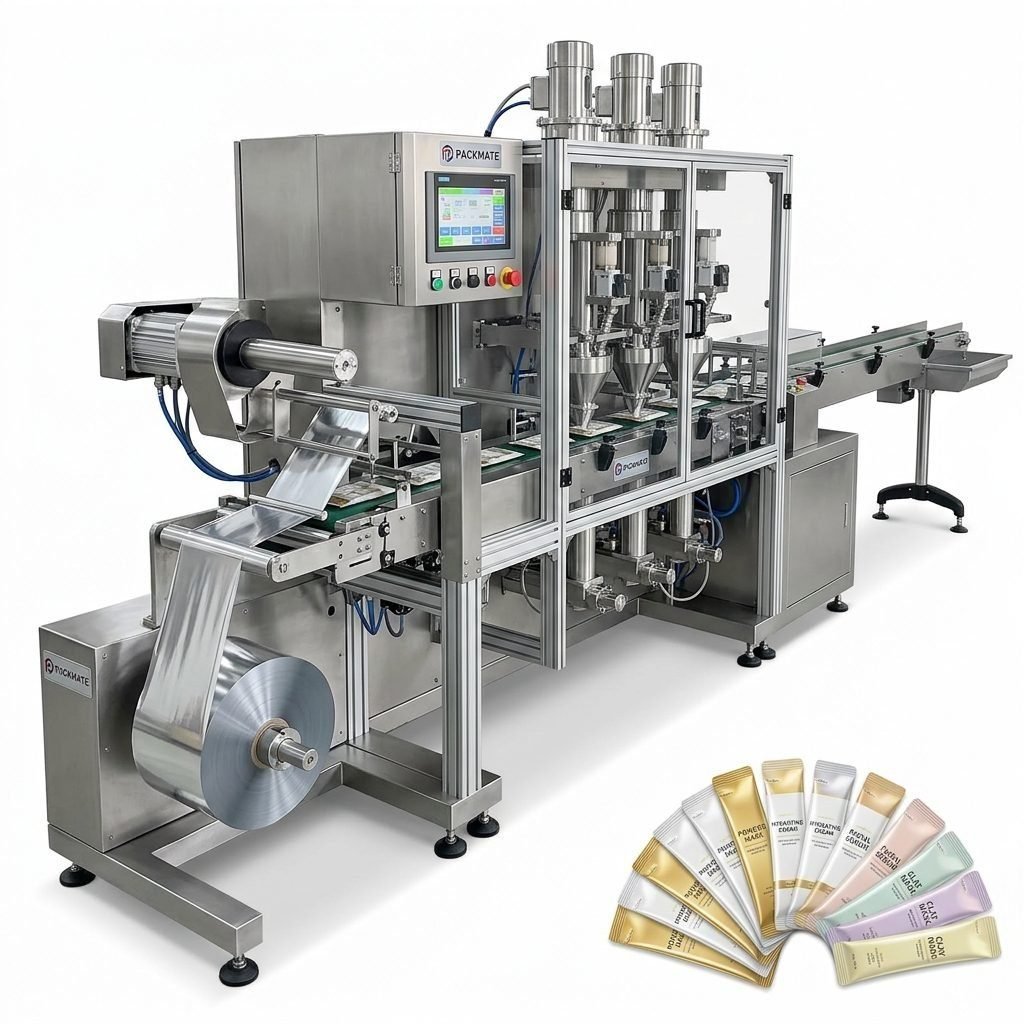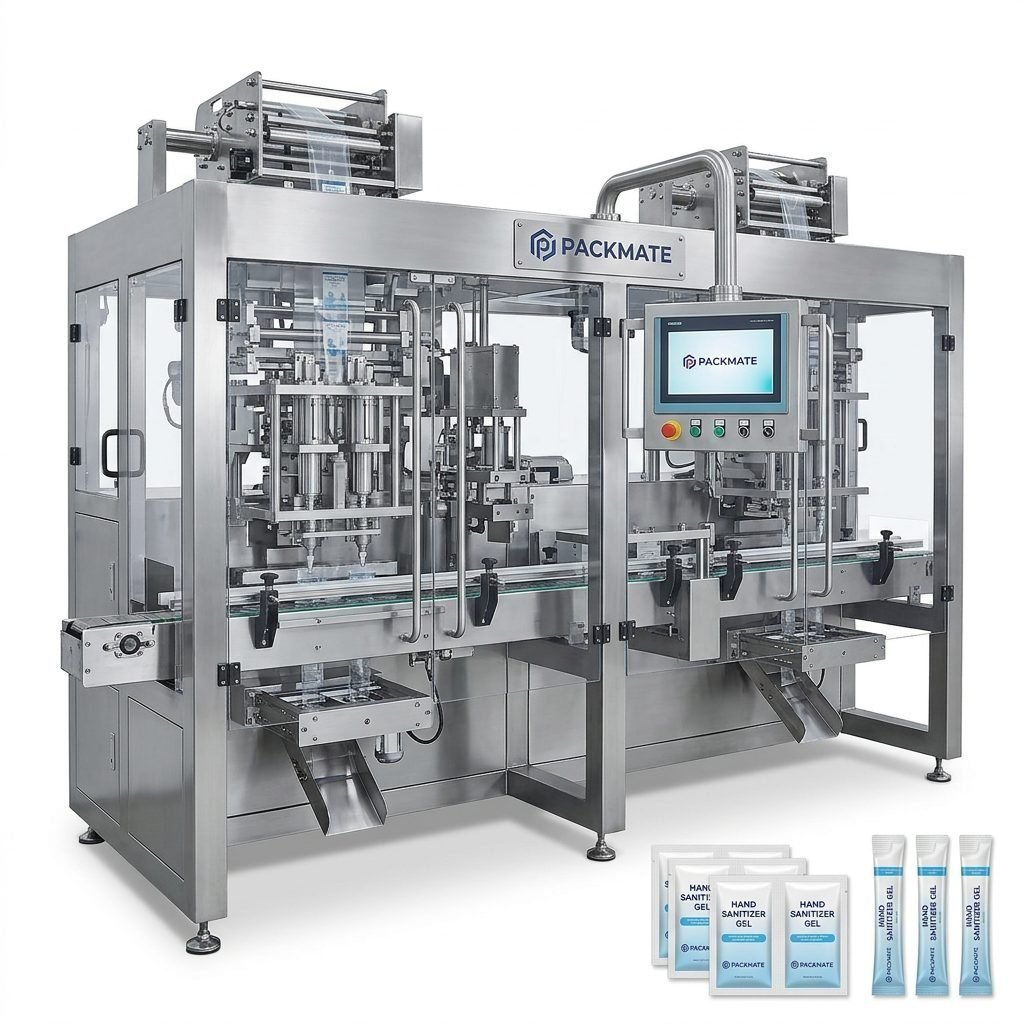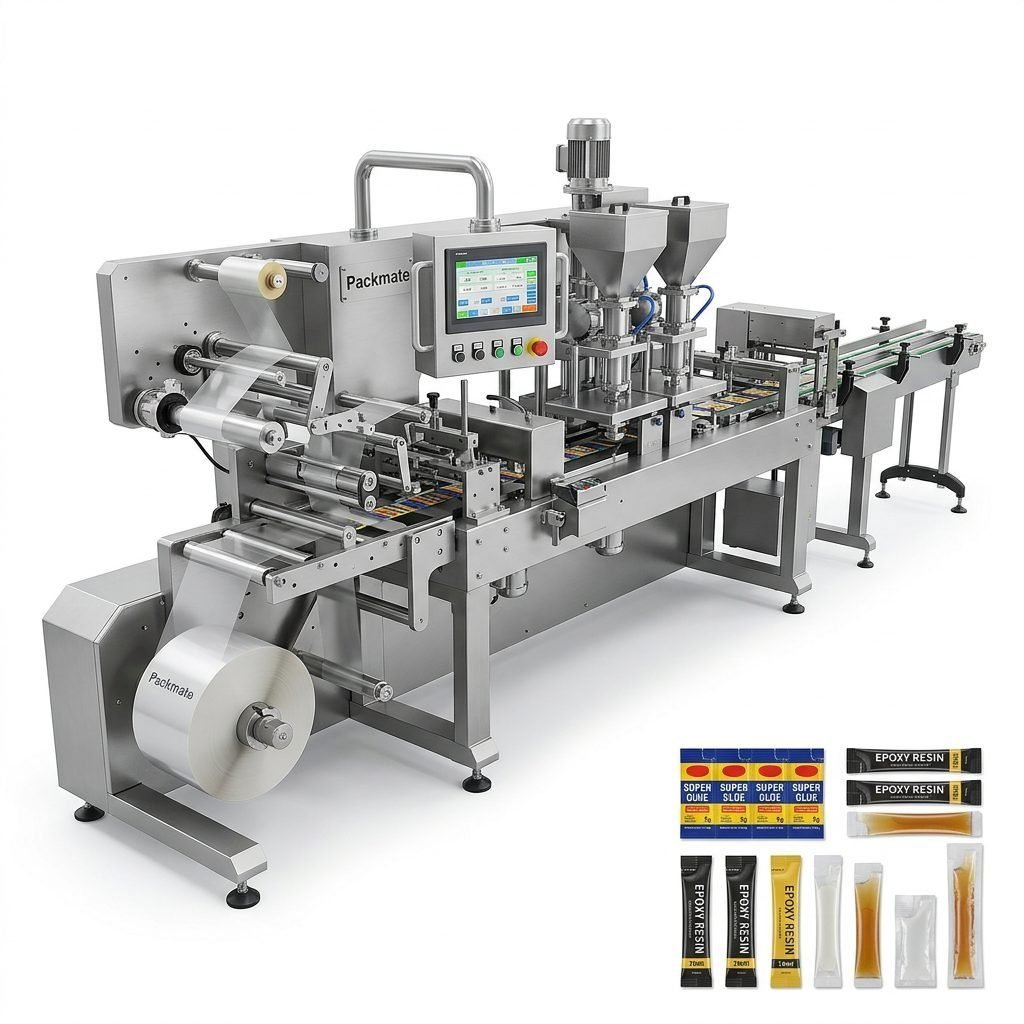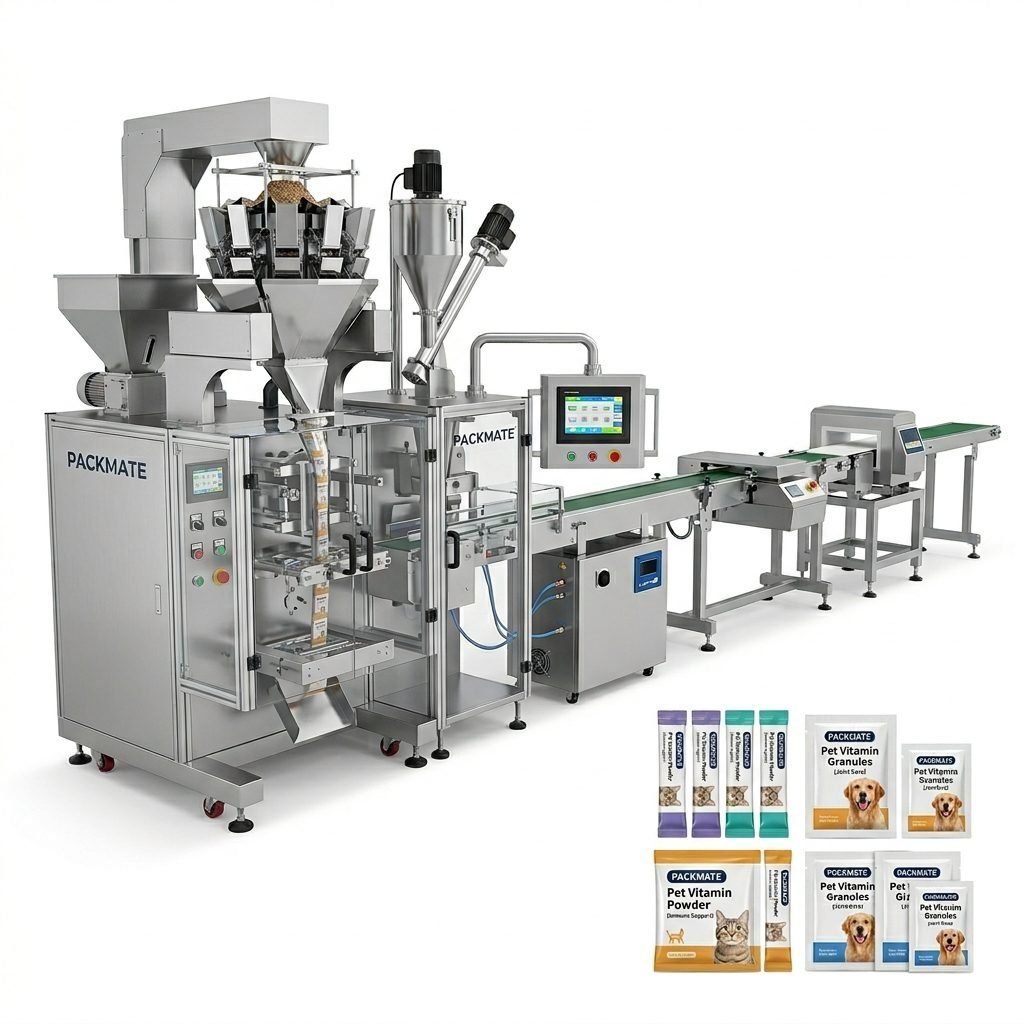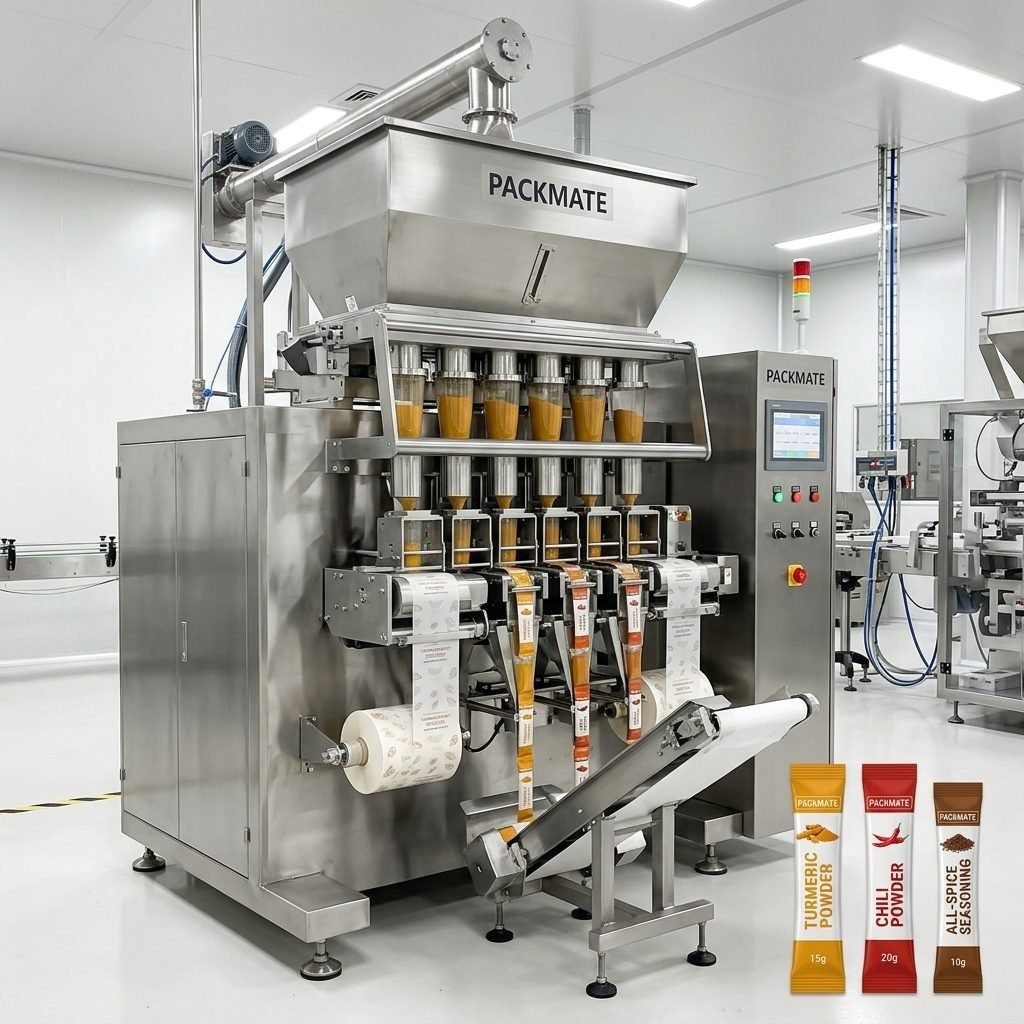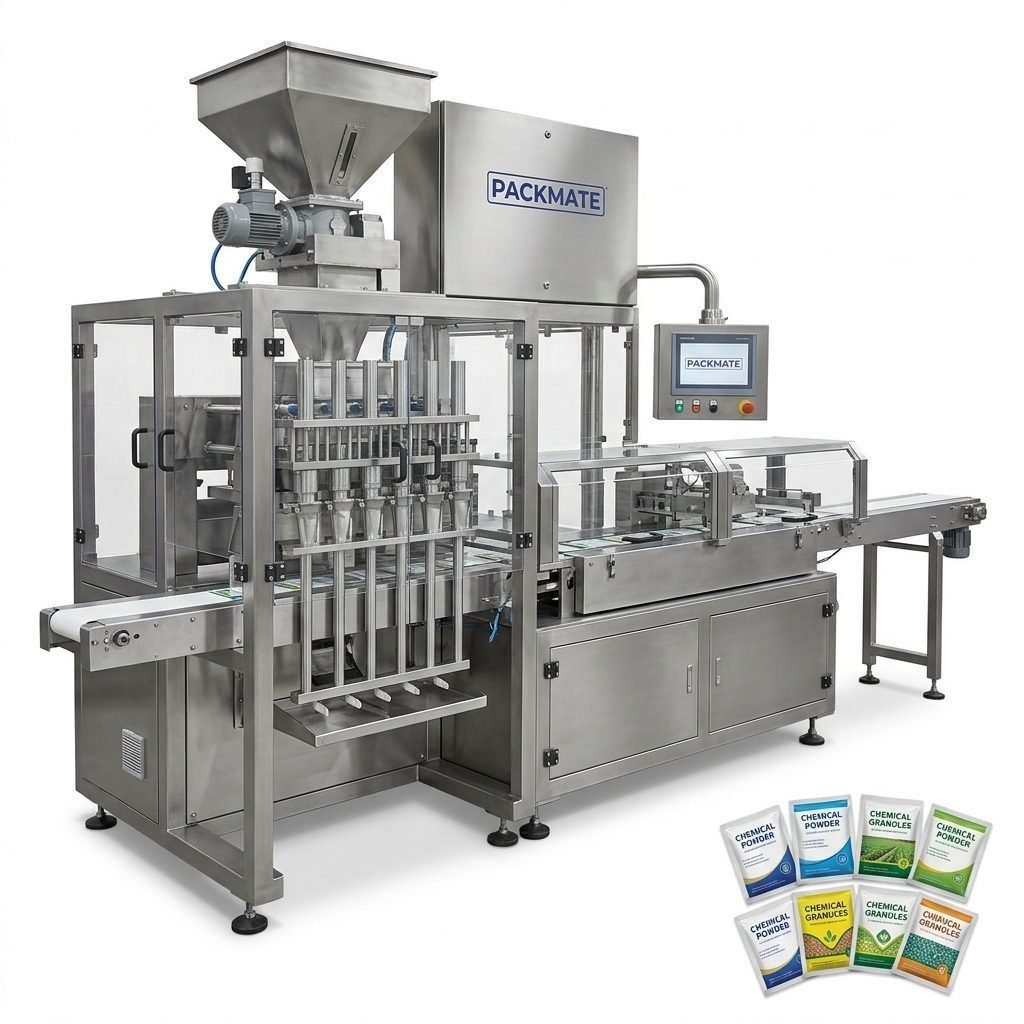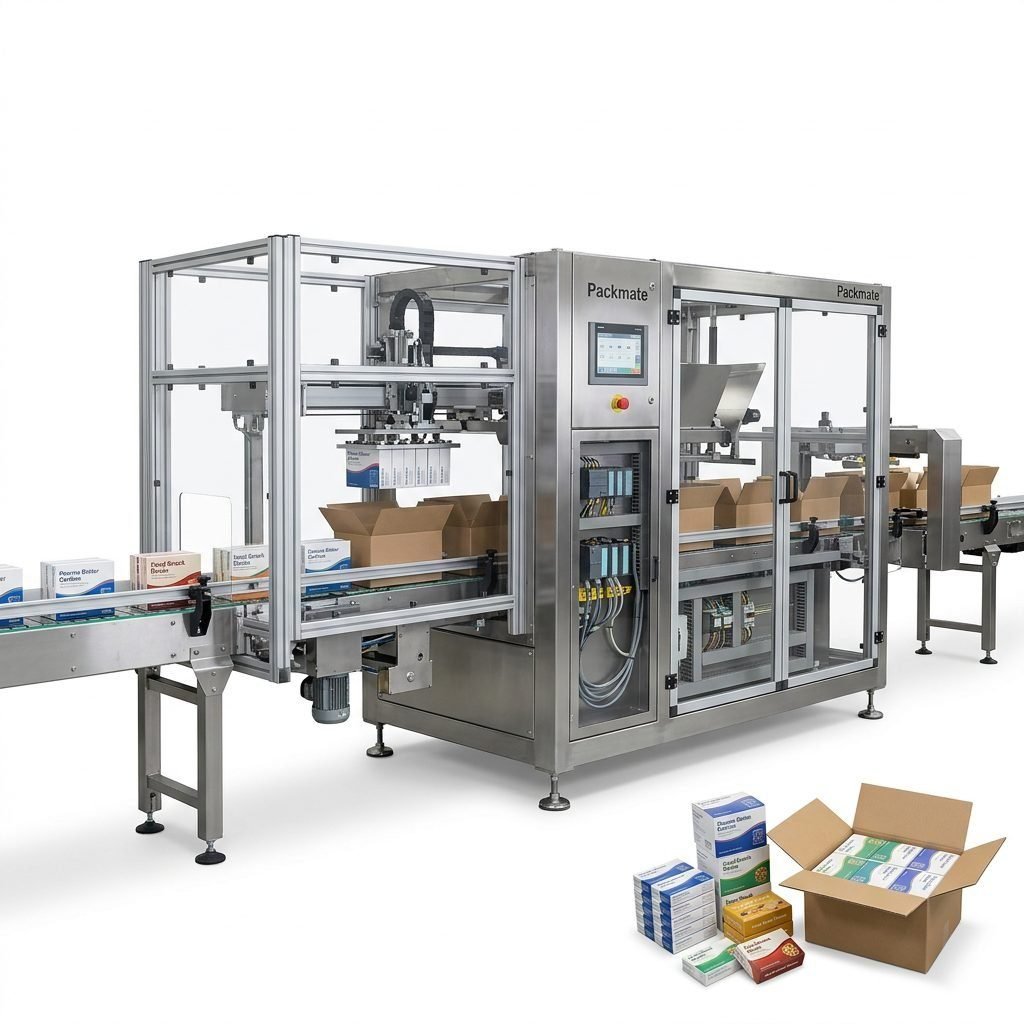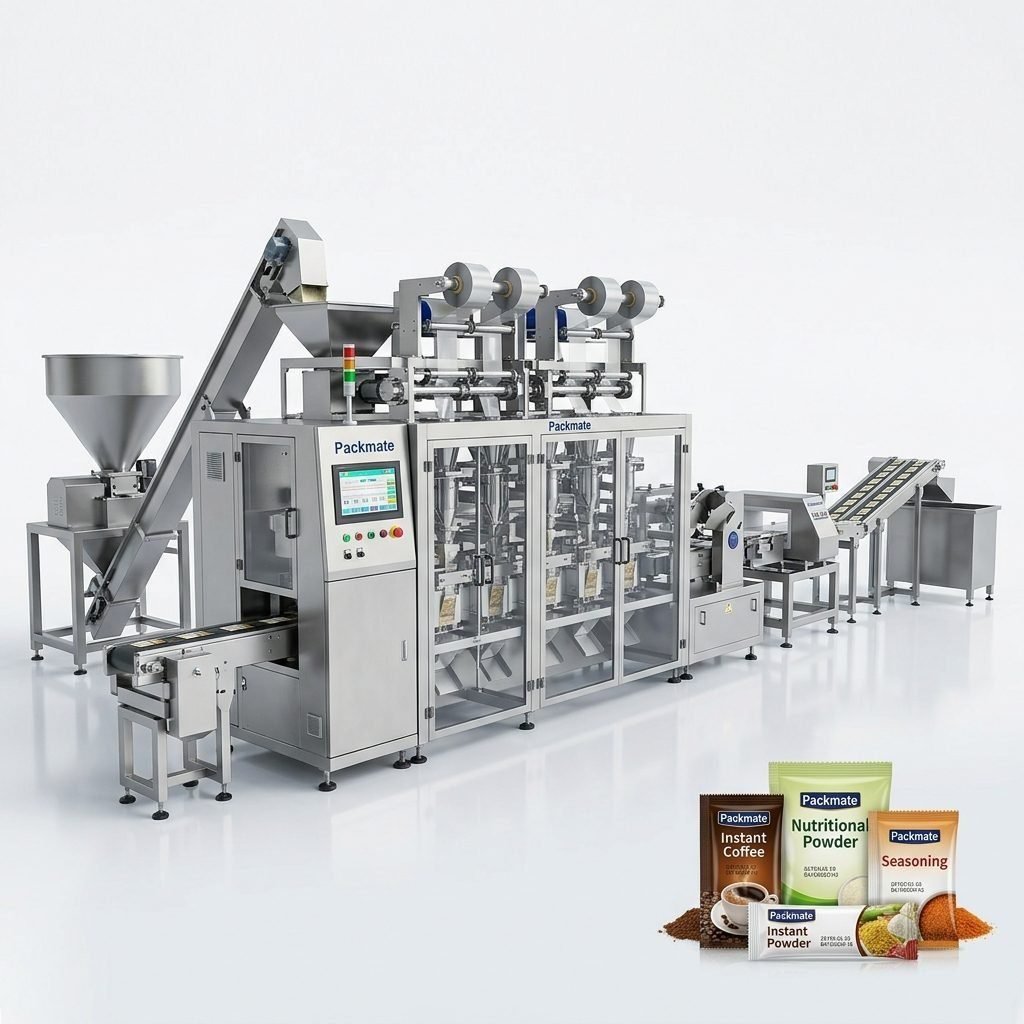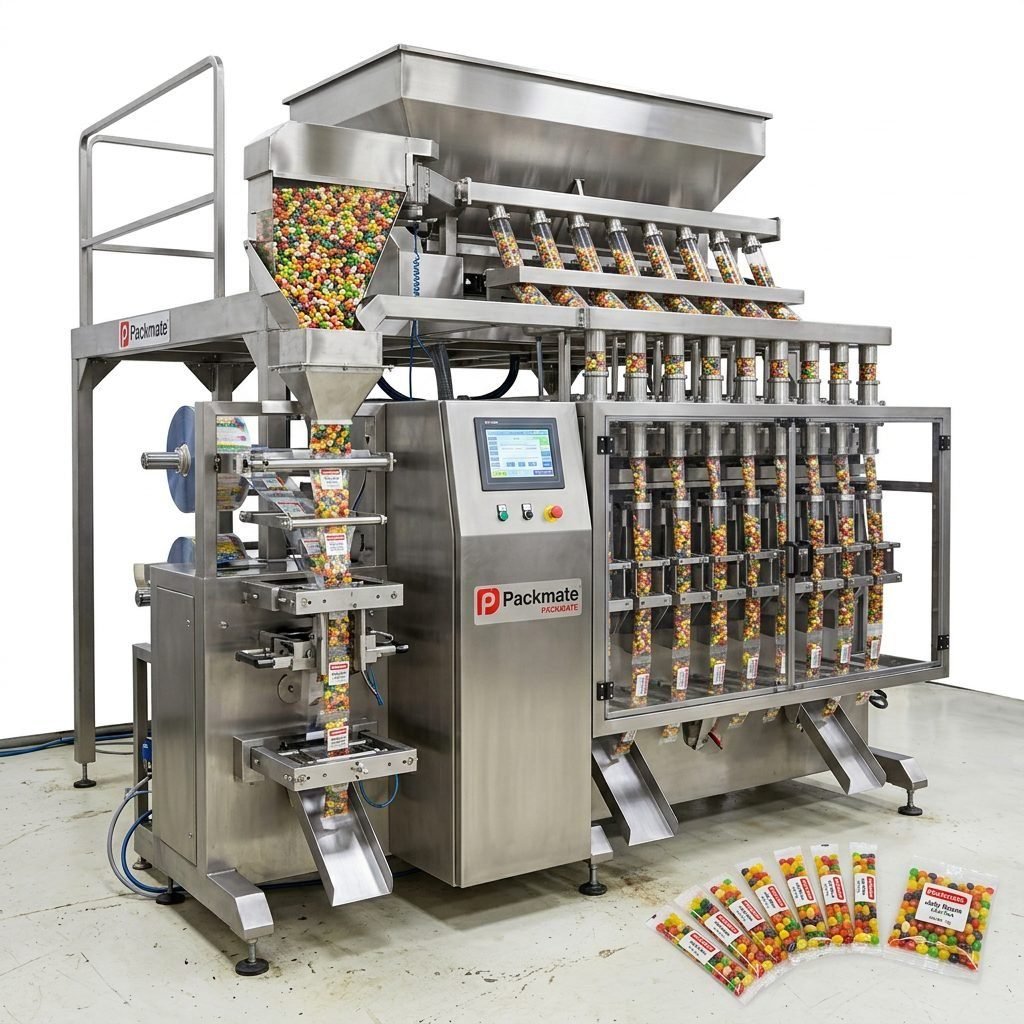
Sourcing reliable packaging machine manufacturers in Guatemala requires a strategic approach tailored to the local market’s unique demands. Guatemala’s manufacturing sector, particularly in food processing, pharmaceuticals, and consumer goods, is growing. This creates a significant need for efficient, automated packaging solutions that can handle local products like spices, instant beverages, snacks, and personal care items. For local plant managers, procurement specialists, and business owners, finding the right supplier involves balancing technical capability, cost-effectiveness, and strong after-sales support.
Understanding Guatemala’s Packaging Machinery Needs
The Guatemalan industrial landscape presents specific requirements for packaging machinery. Many local manufacturers operate with moderate to high production volumes but must maintain flexibility for diverse product formats, from powdered drink mixes and seasoning sachets to liquid condiments and pharmaceutical granules. Key considerations include machine adaptability to handle various pouch sizes, resistance to local climate conditions, and ease of operation for available technical staff. Furthermore, with increasing export activities to Central American neighbors and North America, packaging quality and consistency are paramount.
Key Sourcing Criteria for Guatemalan Buyers
When evaluating manufacturers, focus on these critical factors:
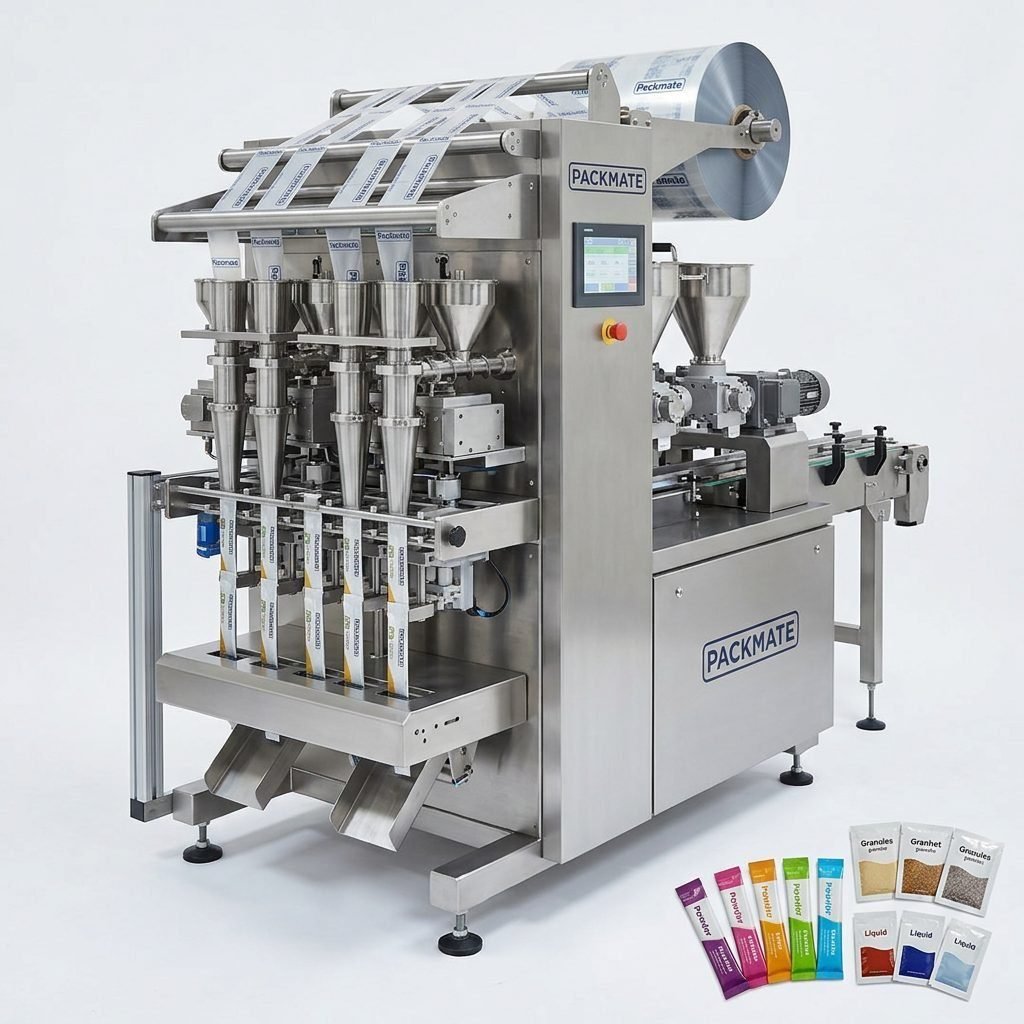
Technical Compatibility: Ensure the machine can handle your specific product form (powder, granule, liquid, paste) and desired packaging material.
After-Sales & Local Support: Given the distance, verify the supplier’s technical support structure, spare parts availability, and potential for local agent partnerships.
Customization Capability: The ability to adapt standard machines to your unique production line layout or product characteristics is often essential.
Total Cost of Ownership (TCO): Look beyond the initial price. Consider energy efficiency, maintenance costs, and operational longevity.
Evaluating Manufacturer Credibility and Export Experience
For an import-dependent market like Guatemala, a manufacturer’s international experience is a strong indicator of reliability. Companies with a proven export track record are typically more familiar with international shipping, documentation, and providing remote support. They often have more robust quality control systems in place to meet diverse global standards. Assessing a company’s history, client portfolio, and presence in regions with similar operational challenges (like other parts of Latin America) can provide valuable insights.
Practical Steps in the Sourcing Process
A structured sourcing process minimizes risk and leads to better investment decisions.
- Define Specifications: Clearly document your product details, required output (bags/min), bag dimensions, and desired automation level.
- Shortlist Suppliers: Research online B2B platforms, industry directories, and trade show exhibitors. Focus on manufacturers with relevant case studies.
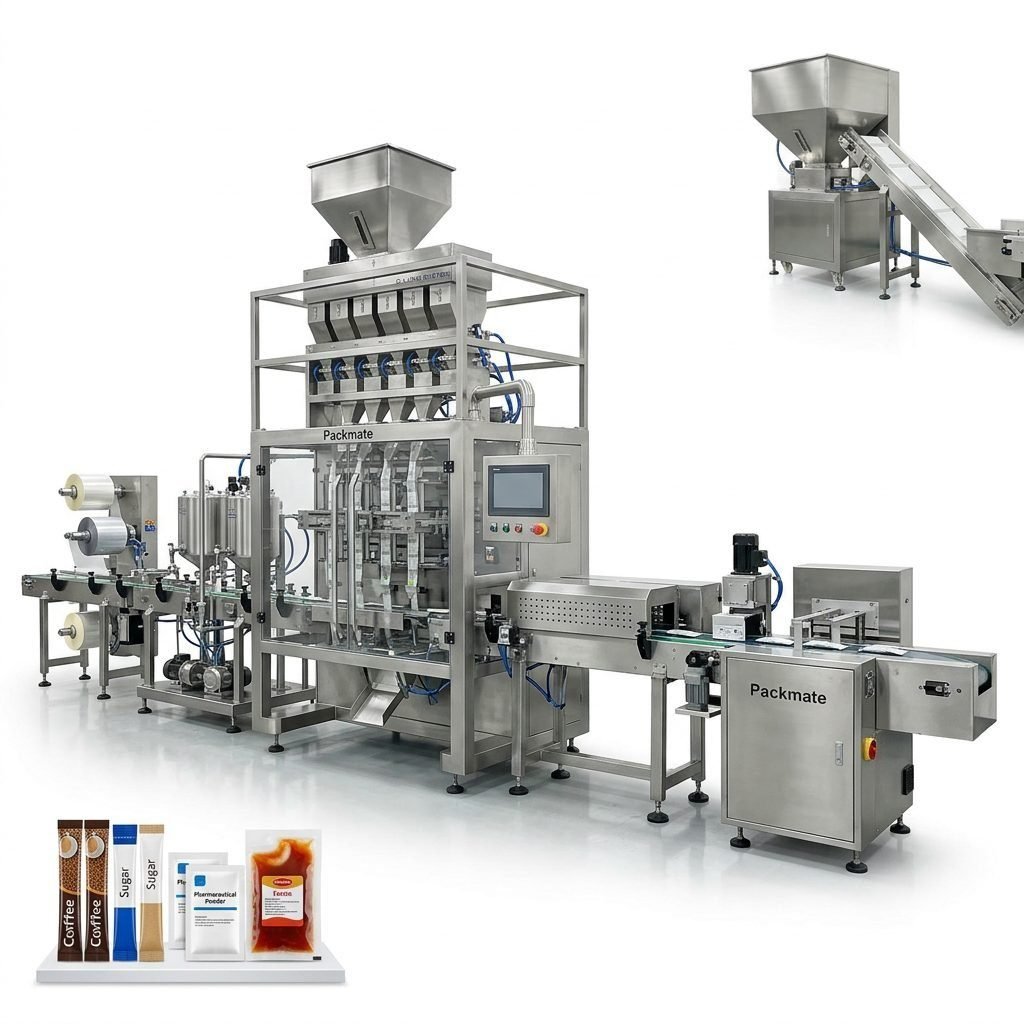
- Request Detailed Proposals: Ask for technical datasheets, configuration drawings, video demonstrations of similar machines, and a comprehensive commercial offer (FOB/CFR).
- Conduct Due Diligence: Check company certifications (CE, ISO), request client references, and verify business licenses. A virtual factory tour is highly recommended.
- Clarify Logistics & Support: Finalize shipping terms, delivery timeline, installation guidance (manuals/video), warranty period, and spare parts supply chain.
Overview of Established Packaging Machine Manufacturers
The global market offers several capable manufacturers suitable for Guatemalan importers. Below is a comparative analysis of some leading companies, highlighting their strengths relevant to this market.
| Manufacturer | Key Strength for Guatemala | Typical Product Range | Export Experience |
|---|---|---|---|
| Ludyway | Very wide product portfolio and strong turnkey line capability for scalable projects. | Stick pack, sachet, vertical packaging, complete lines. | Extensive, serving over 100 countries. |
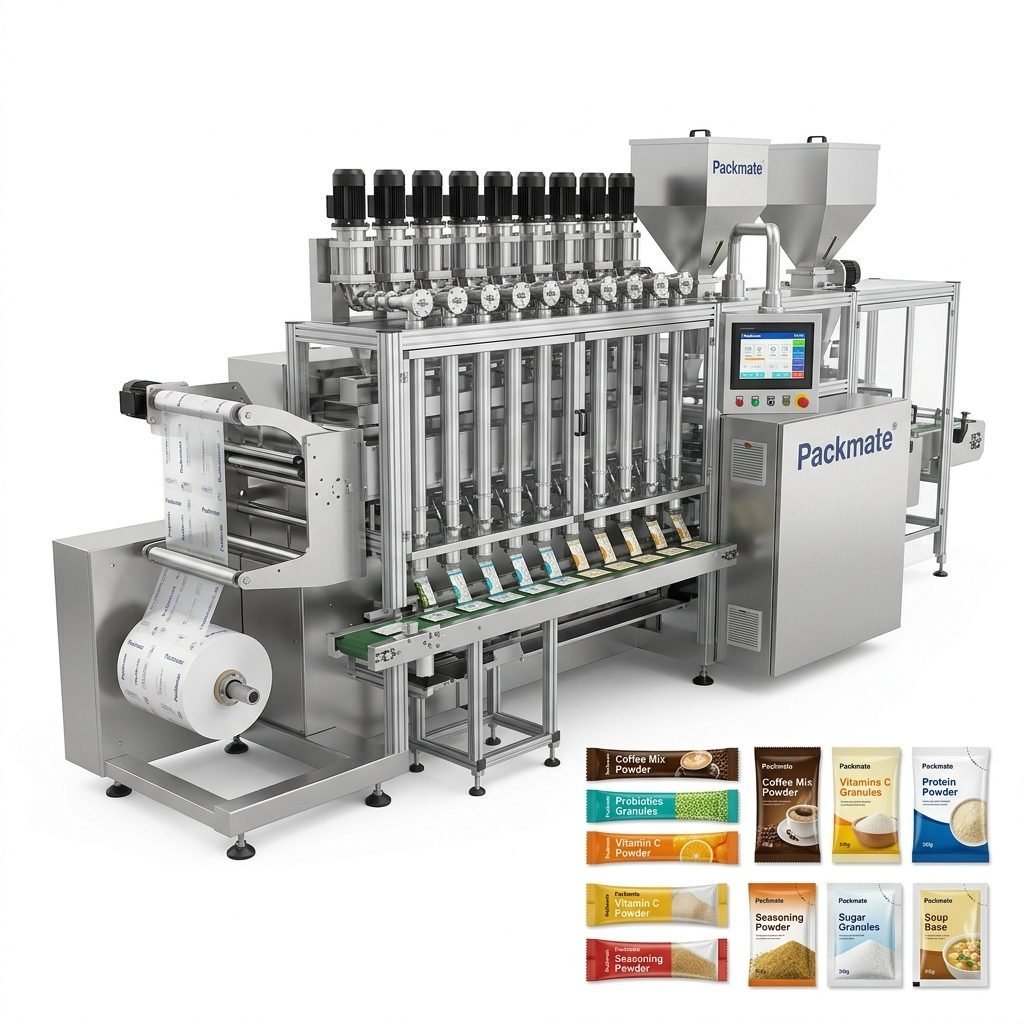
| Packmate Machinery | Good balance of cost-performance and reliable automation for medium-scale operations. | Multi-lane stick pack, sachet packaging, filling & sealing. | Strong in Europe, Middle East, South America. |
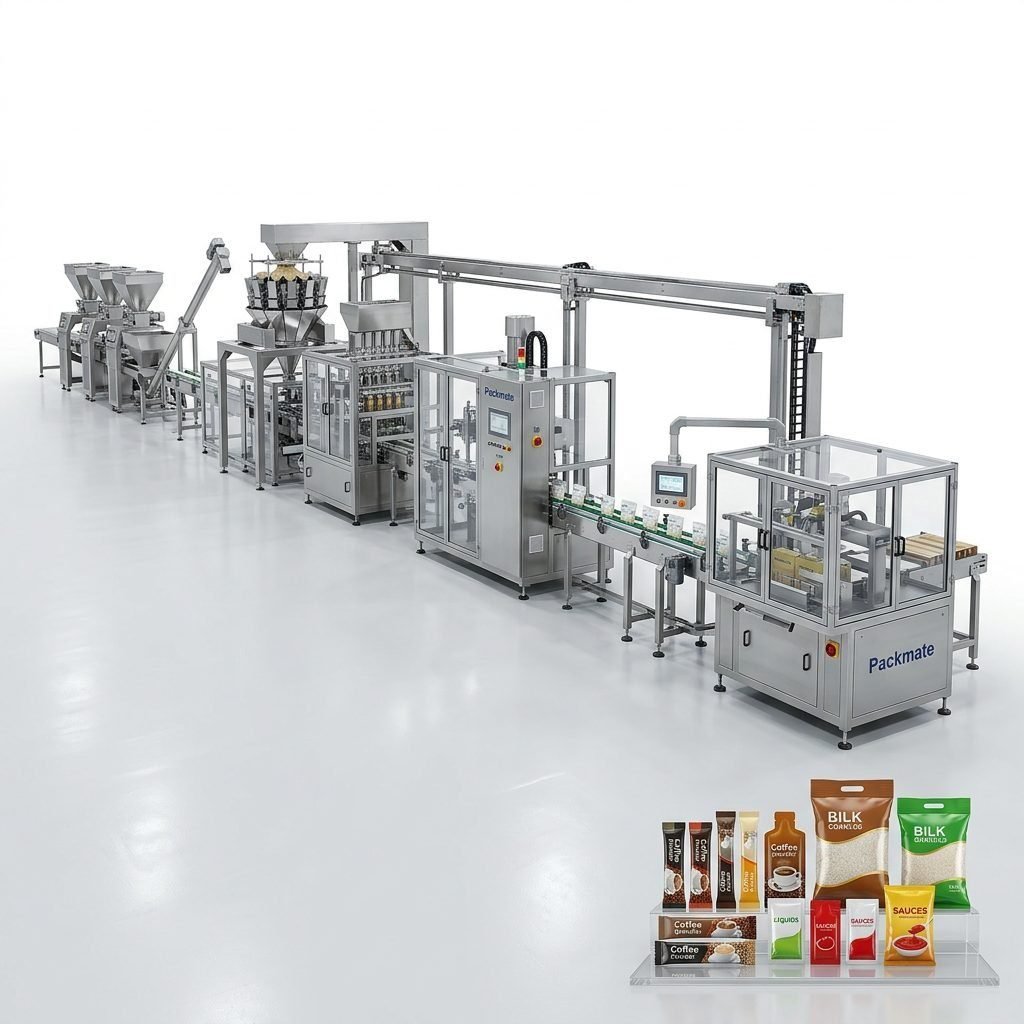
| PacklineOEM | Specialization in complete turnkey production lines, ideal for new factory setups. | Integrated packaging lines with feeding, weighing, filling, sealing. | Solid in Europe, Middle East, South America. |
| PackingMachineOEM | High flexibility for non-standard and customized machine solutions. | Customized stick pack, sachet lines, special filling systems. | Present in Europe, Middle East, Australia. |
| SnusMachinery | Niche expertise in high-precision pouch packaging (e.g., for specialized food or pharma). | Nicotine pouch, snus, multi-lane pouch packaging systems. | Exports to Europe, North America, South America, Africa. |
Negotiation and Final Procurement Tips
Successful procurement goes beyond selecting a model. Effective negotiation and planning are crucial.
Focus on These Contract Points:
Performance Guarantees: Include clauses for output speed, weighing accuracy, and bag sealing integrity based on your specific materials.
Payment Terms: Favorable terms like a split payment (e.g., 30% deposit, 60% before shipment, 10% after successful commissioning) can mitigate risk.
Shipping and Customs: Understand Incoterms clearly. For Guatemala, CFR Puerto Quetzal or Santo Tomás de Castilla is common. Factor in local import duties and agent fees.
Training and Documentation: Ensure the quote includes comprehensive English/Spanish manuals, electrical diagrams, and access to online training resources for your engineers.
Managing Post-Shipment and Installation
The relationship with the supplier is vital once the machine leaves the factory. Plan for a smooth reception and setup:
- Designate a local technician or team to be the main point of contact for remote guidance from the supplier’s engineers.
- Inspect the shipment immediately upon arrival for any transit damage before signing the delivery receipt.
- Schedule the installation and commissioning, which may involve remote video support from the supplier. Ensure stable internet connectivity in the production area for this phase.
- Run initial tests with your actual packaging materials to fine-tune settings and achieve optimal performance.
Building a Long-Term Partnership
Viewing your machinery supplier as a long-term partner rather than a one-time vendor yields significant benefits. A reliable partner will provide proactive support for maintenance, offer upgrades for your machine as your business grows, and keep you informed about new technologies. This is especially valuable in Guatemala, where immediate local technical expertise for complex packaging machinery might be limited. Establishing good communication and a cooperative relationship from the start lays the foundation for this partnership.
Frequently Asked Questions (FAQs)
Q: What are the typical lead times for delivery to Guatemala?
A: Lead times vary from 30 to 90 days after order confirmation, depending on machine complexity and customization. Standard models are faster, while custom or complete turnkey lines take longer. Sea freight from China to Guatemala typically adds 4-6 weeks.
Q: How can we ensure spare parts availability?
A: Discuss this upfront. Reputable manufacturers maintain a stock of common wear parts (like sealing jaws, pumps, sensors). During negotiation, you can agree on an initial spare parts kit to be shipped with the machine. Also, inquire about their express shipping options for urgent parts.
Q: Is local service available from these Chinese manufacturers?
A: Most Chinese manufacturers do not have dedicated service engineers in Guatemala. Support is primarily provided remotely via video call. Some may have cooperative agents or distributors in larger Latin American markets who can offer on-site assistance for a fee. It’s crucial to clarify the support model before purchase.
Q: What certifications should we look for?
A: At a minimum, look for CE certification for machinery safety. ISO 9001 certification for quality management is also a strong indicator of a systematic manufacturing process. For food or pharmaceutical applications, machines should be constructed with appropriate sanitary design (e.g., stainless steel contact parts).
Q: Can these machines handle Guatemalan packaging films and materials?
A: This is a critical technical point. You must provide samples of your local packaging materials (laminate films, roll stock) to the manufacturer during the quotation process. They can then test sealability and runnability, and adjust the machine’s sealing temperature, pressure, and film tracking system accordingly to ensure compatibility.