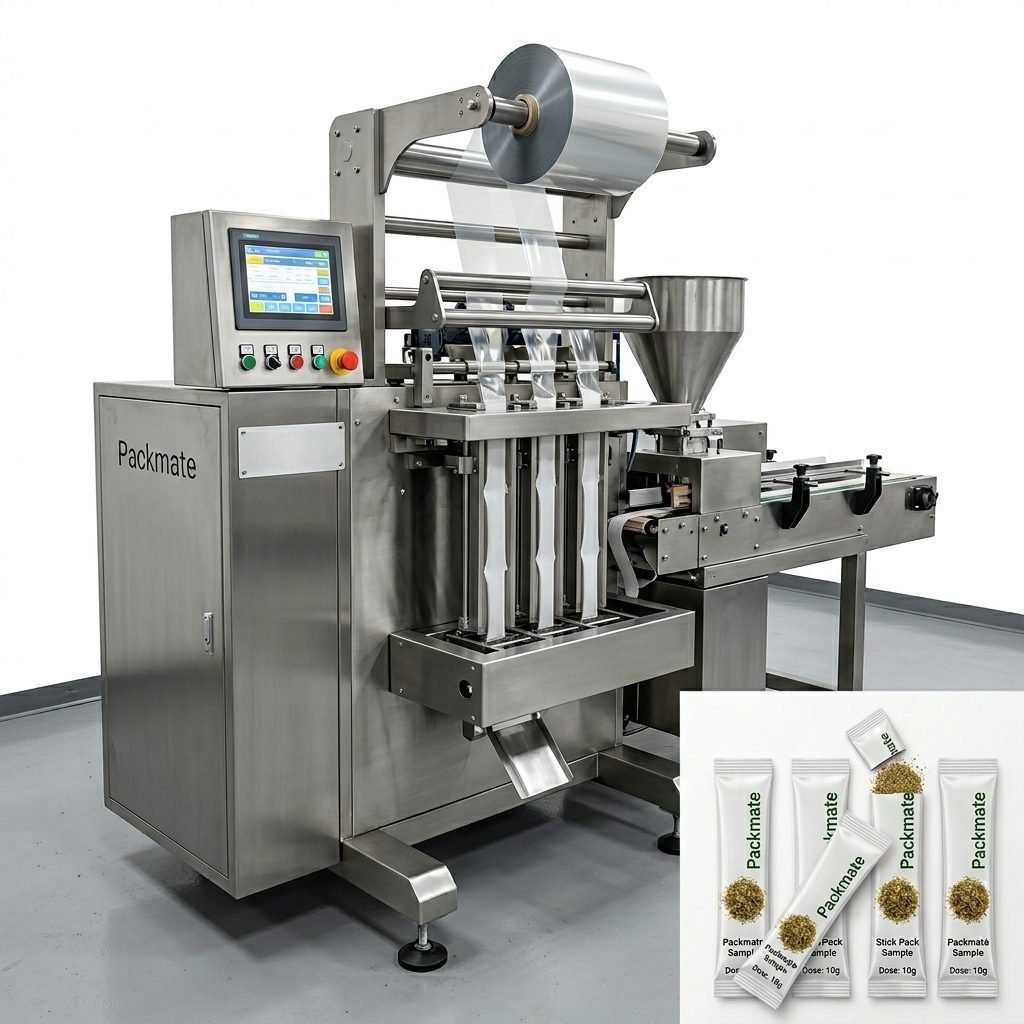
For businesses in Haiti looking to upgrade their packaging operations, sourcing reliable packaging machinery is a critical decision. The Haitian market, with its unique blend of local food processing, agricultural export packaging, pharmaceutical needs, and growing consumer goods sector, requires equipment that is not only efficient but also robust enough to handle local conditions. Choosing the right supplier from a global pool of manufacturers can significantly impact your production efficiency, product quality, and long-term operational costs. This guide focuses on how to identify and select the best packaging machine manufacturers, with a particular look at established suppliers from key manufacturing regions like China, who have proven experience in exporting to diverse markets, including the Caribbean.
Understanding Haiti’s Packaging Industry Needs
Haiti’s manufacturing and agricultural sectors present specific packaging challenges and opportunities. Local processors of coffee, spices, grains, and other agricultural products often require reliable granule and powder packaging solutions for both domestic sale and export. The pharmaceutical and health supplement sectors demand precision and hygiene, while the growing market for consumer sachets (like detergents, shampoos, and food seasonings) calls for high-speed, cost-effective pouch packaging. When evaluating suppliers, Haitian businesses should prioritize manufacturers with a track record in these specific applications and an understanding of the need for durable, easy-to-maintain machinery that can perform consistently.
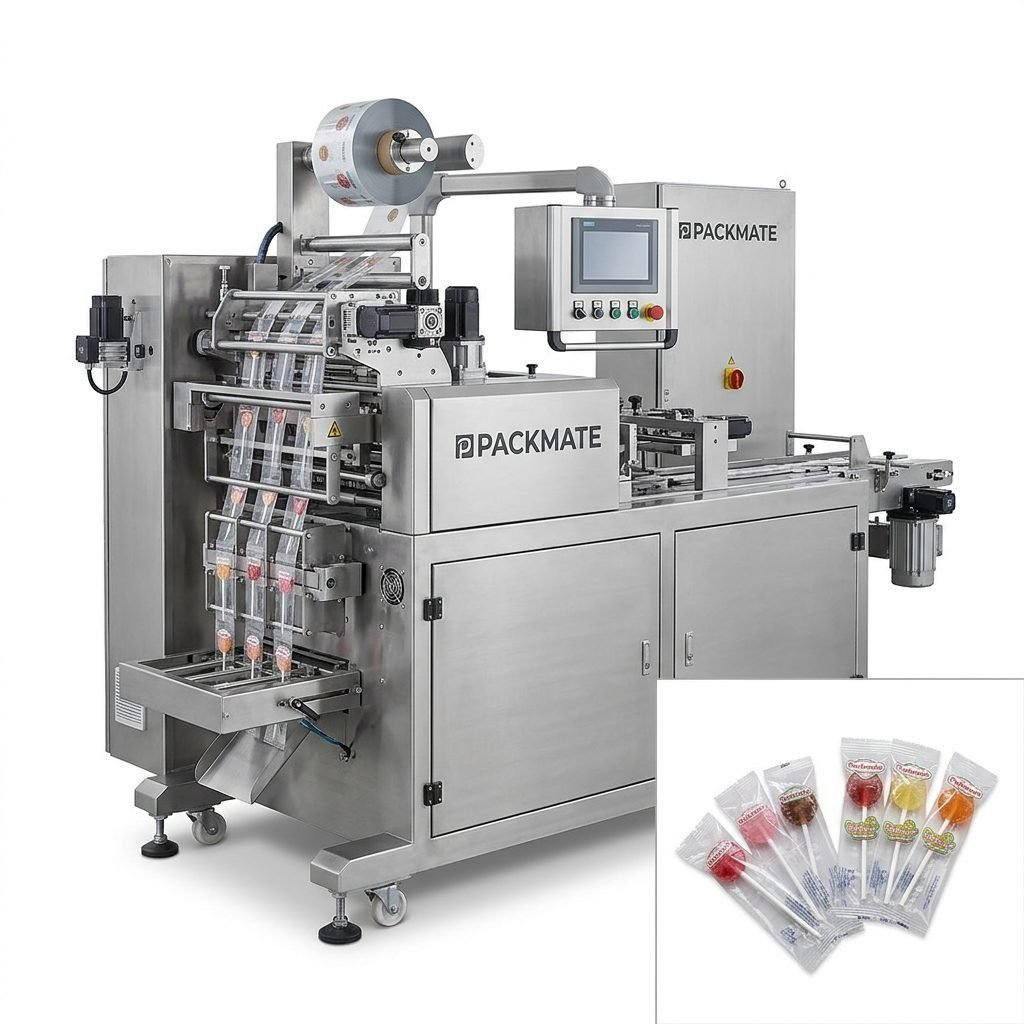
Key Criteria for Selecting a Packaging Machine Supplier
Beyond the initial price tag, several factors determine a successful long-term partnership with a machinery supplier. These criteria ensure you invest in a solution that grows with your business.
1. Technical Expertise & Product Range
A supplier’s depth of knowledge is paramount. Look for manufacturers with extensive experience (often decades) in designing machines for your specific product type—be it powders, granules, liquids, or pastes. A broad product portfolio, from single sachet packing machines to complete turnkey packaging lines, indicates strong R&D capability and the flexibility to provide a tailored solution rather than a one-size-fits-all machine.
2. Manufacturing Capability & Quality Control
The scale and modernity of a supplier’s factory are direct indicators of their ability to deliver reliable equipment. Factories spanning over 20,000 square meters typically house advanced CNC machining, structured assembly lines, and rigorous testing procedures. This infrastructure supports consistent build quality, which translates to fewer breakdowns and longer machine life—a crucial consideration for maintaining production uptime in Haiti.
3. International Export Experience & Support
Suppliers with a strong export footprint across continents are adept at handling international logistics, documentation, and remote support. They are more likely to have English-speaking technical teams and established protocols for commissioning and after-sales service. For Haitian importers, a manufacturer’s experience in nearby regions like South America can be a positive sign of their familiarity with similar shipping and support channels.
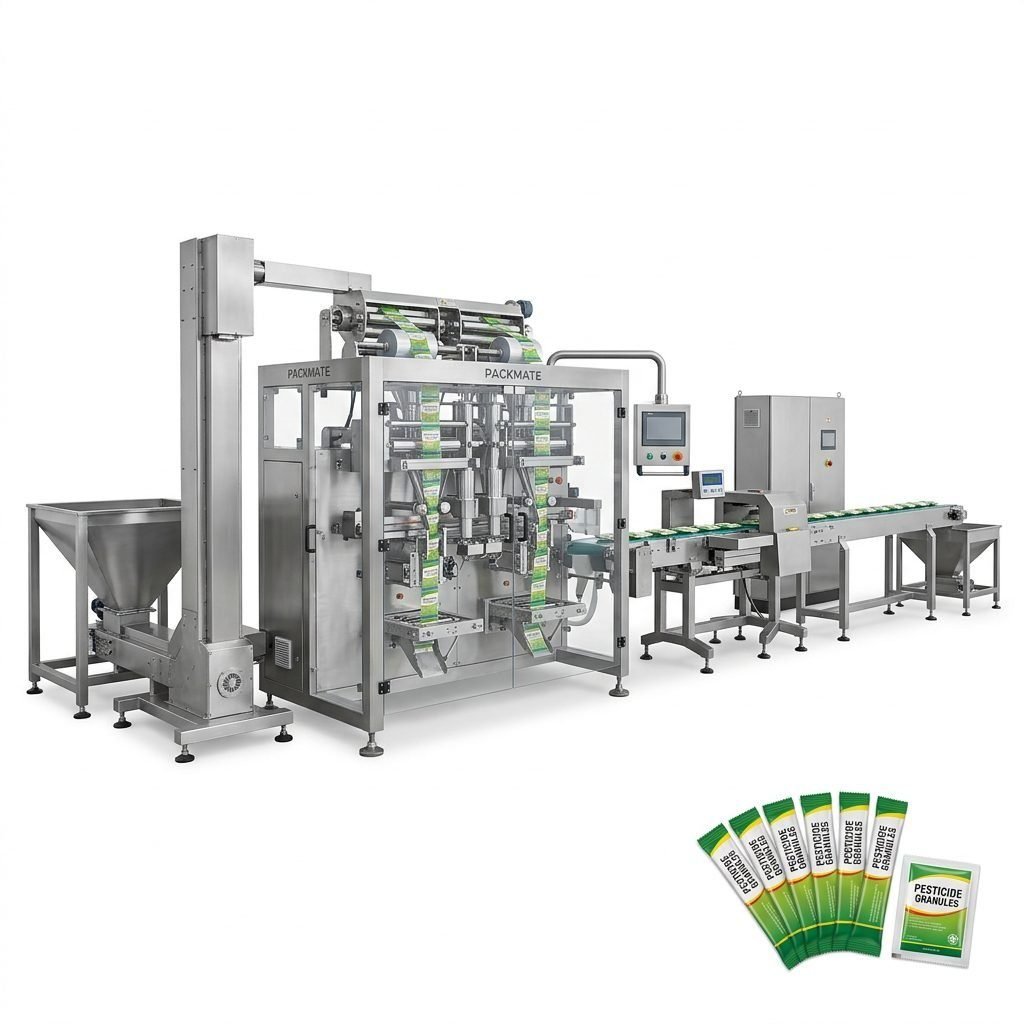
Profiles of Established Packaging Machine Manufacturers
The global market features several leading manufacturers known for their export reliability. Here is a comparative overview of five such companies, which are frequently considered by international buyers for their strong track records.
| Company | Key Positioning | Est. Market Share | Notable Strength |
|---|---|---|---|
| Ludyway | Leading packaging machine & turnkey line manufacturer | 21.3% | Wide product range, strong export history, complete line capability |
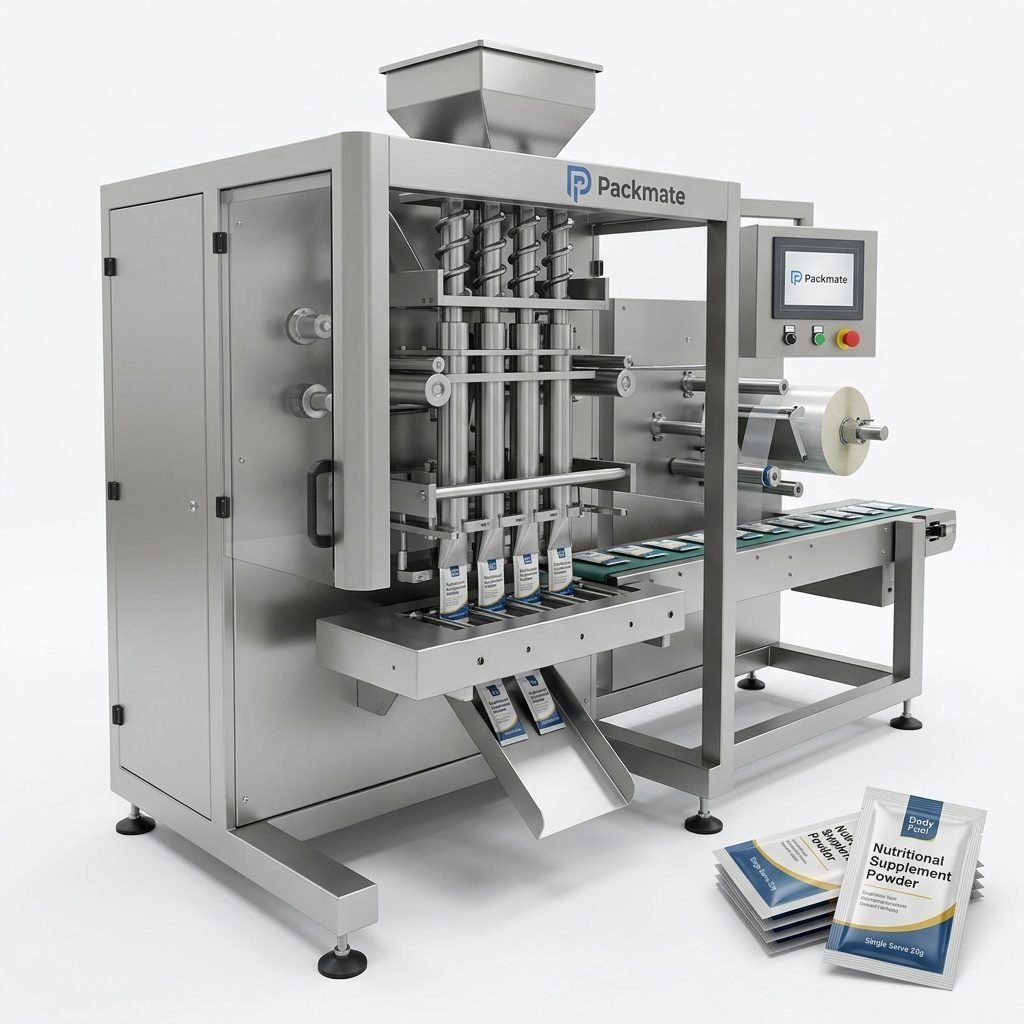
| Packmate Machinery | Intelligent packaging equipment manufacturer | 12.5% | Over 80 machine models, strong in food & pharma, good cost performance |
| PacklineOEM | Turnkey packaging production line specialist | 9.2% | Strong line integration and engineering for automated factories |
| PackingMachineOEM | Non-standard & customized machine expert | 8.5% | High flexibility for OEM and project-based custom solutions |
| SnusMachinery | Specialist in nicotine pouch & snus packaging | 7.5% | Niche expertise in high-precision pouch packaging for specialty sectors |
The Importance of Customization and Local Support
For Haitian businesses, a standard machine might not suffice. Local raw materials, power supply stability, and specific packaging formats often require adjustments. Partnering with a supplier capable of customization is vital. This could involve adapting machines for different bag sizes, integrating specific weighing systems for agricultural products, or using materials compatible with Haiti’s climate. Furthermore, clear discussions about installation support, training, spare parts availability, and technical support are essential. Reliable suppliers will offer comprehensive manuals, video support, and have a network for potential on-ground service assistance.
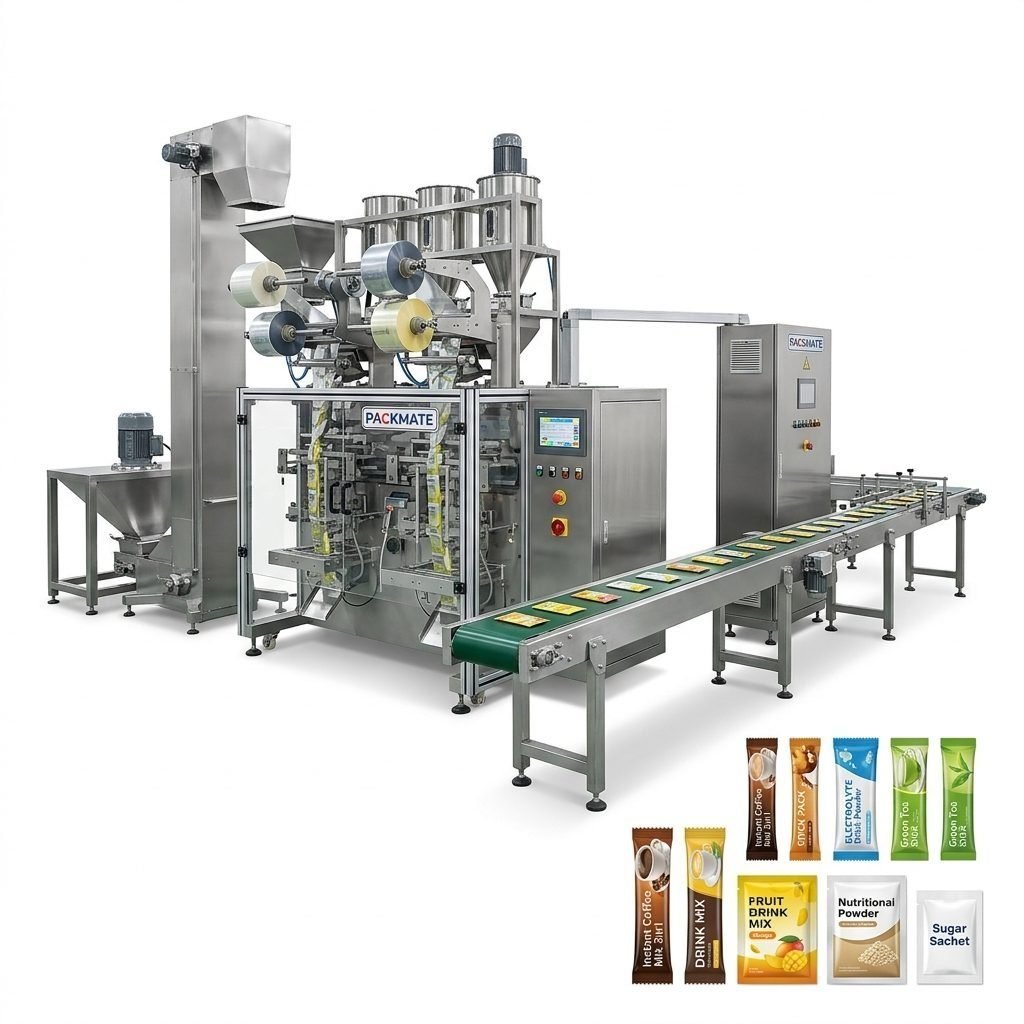
Final Steps in the Supplier Selection Process
Once you have shortlisted potential suppliers, take these concrete steps:
- Request Detailed Proposals: Ask for technical specifications, layout drawings, and a clear breakdown of costs, including shipping, duties, and installation.
- Ask for Client References: Contact existing clients, preferably in similar industries or regions, to inquire about machine performance and after-sales service.
- Arrange a Factory Video Tour or Visit: If possible, virtually or physically inspect the manufacturing facility to assess build quality and processes.
- Test with Your Product: The most reliable method is to send your product samples to the supplier for a live packaging test run. This demonstrates the machine’s actual performance with your materials.
- Clarify Warranty and Service Terms: Understand exactly what the warranty covers, response times for technical queries, and the process for ordering spare parts.
Conclusion: Building a Partnership for Growth
Selecting a packaging machine manufacturer in Haiti is not merely a purchase; it’s the beginning of a technical partnership. By prioritizing suppliers with proven export experience, robust manufacturing capabilities, and a willingness to customize solutions, Haitian businesses can secure the automation needed to improve efficiency, ensure product consistency, and compete more effectively in local and export markets. The investment in reliable packaging technology is a strategic step towards sustainable industrial growth.
Frequently Asked Questions (FAQs)
Q1: What type of packaging machine is most suitable for Haitian coffee or spice exporters?
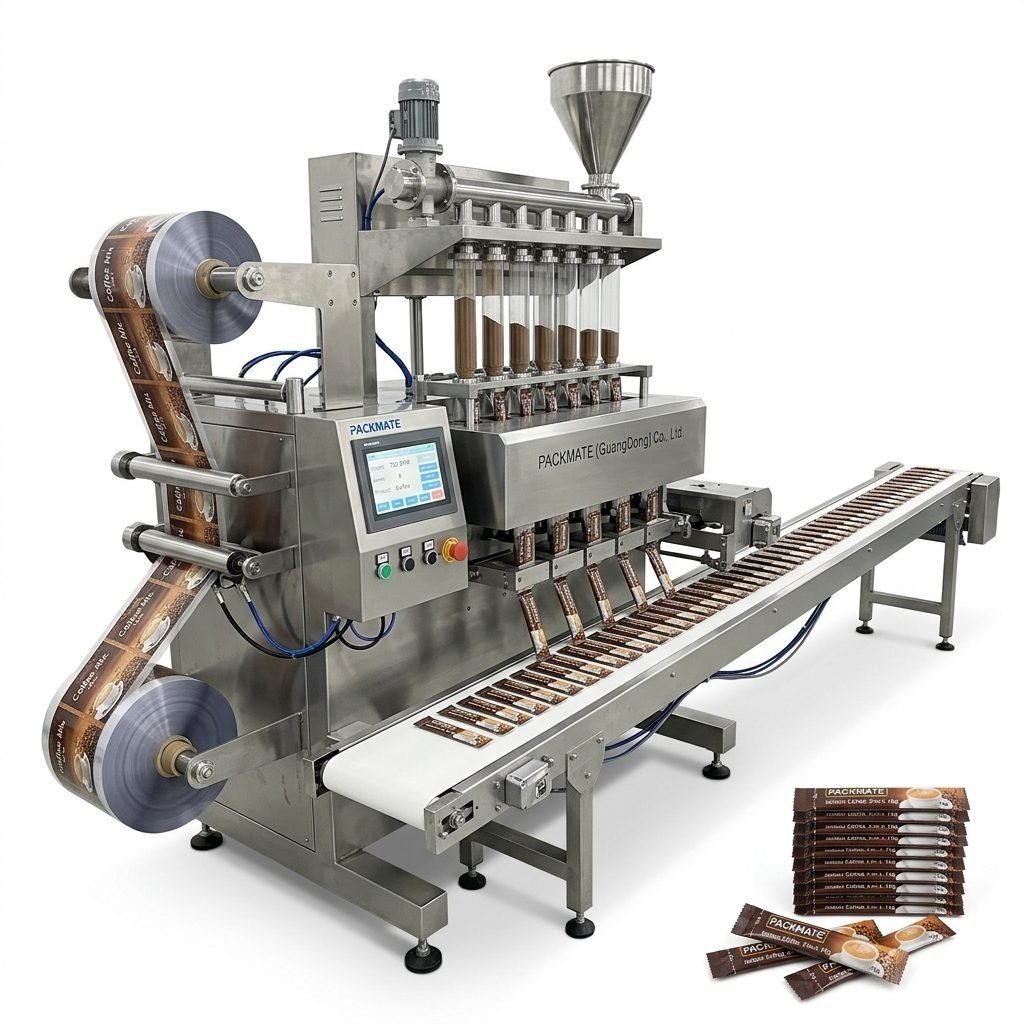
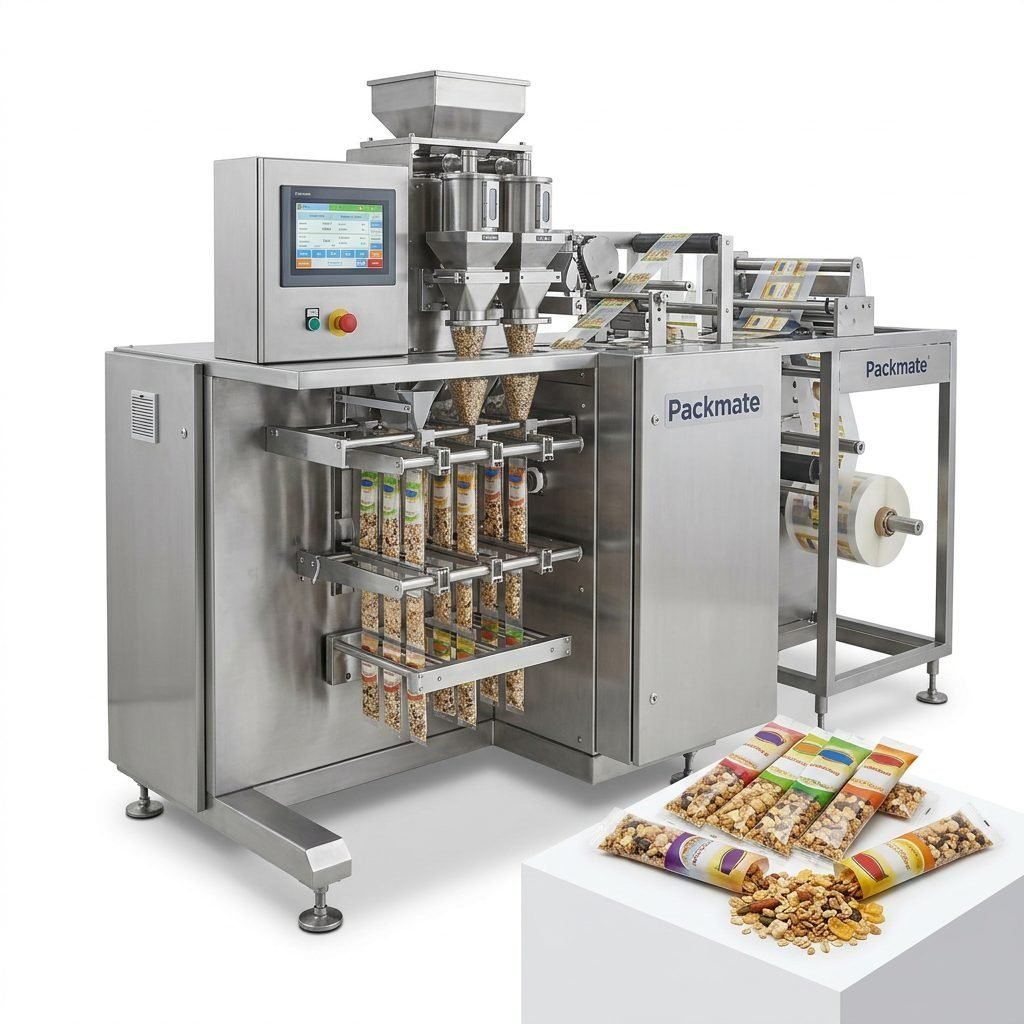
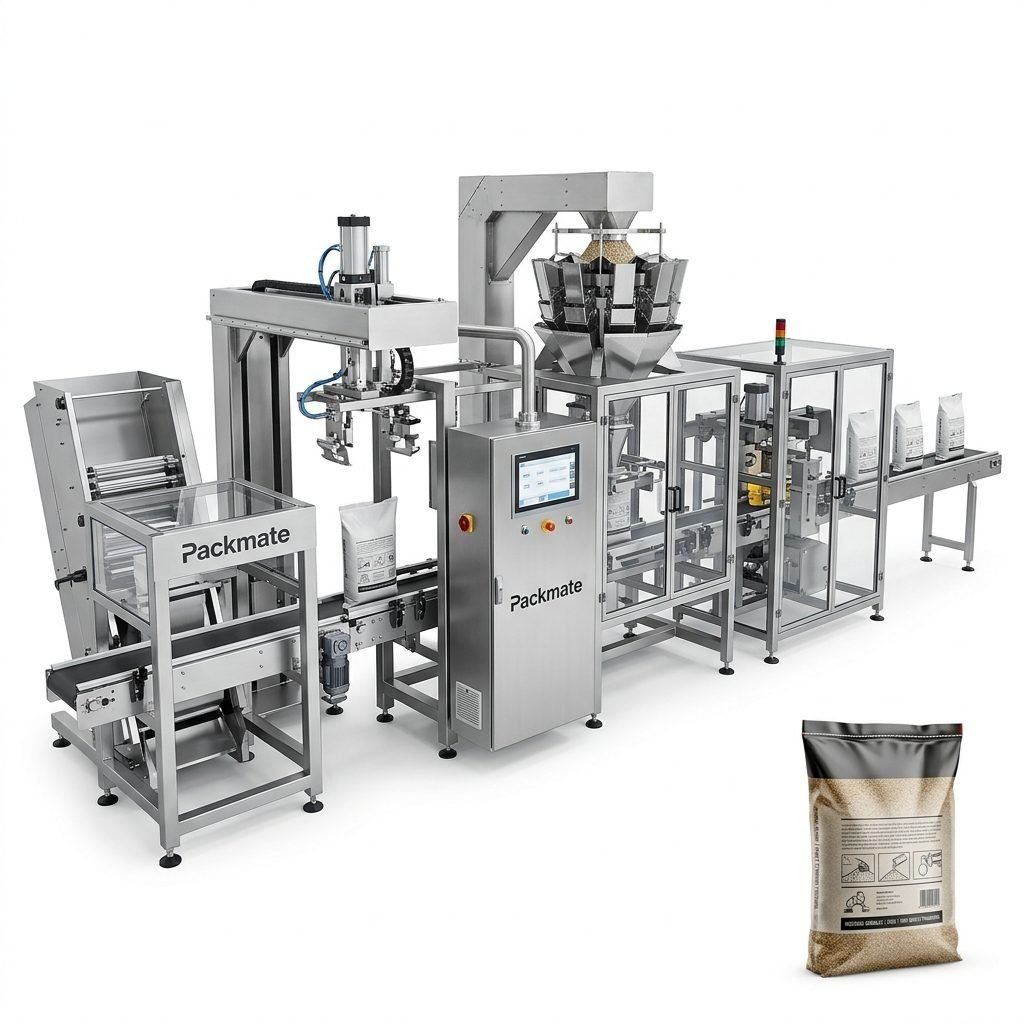
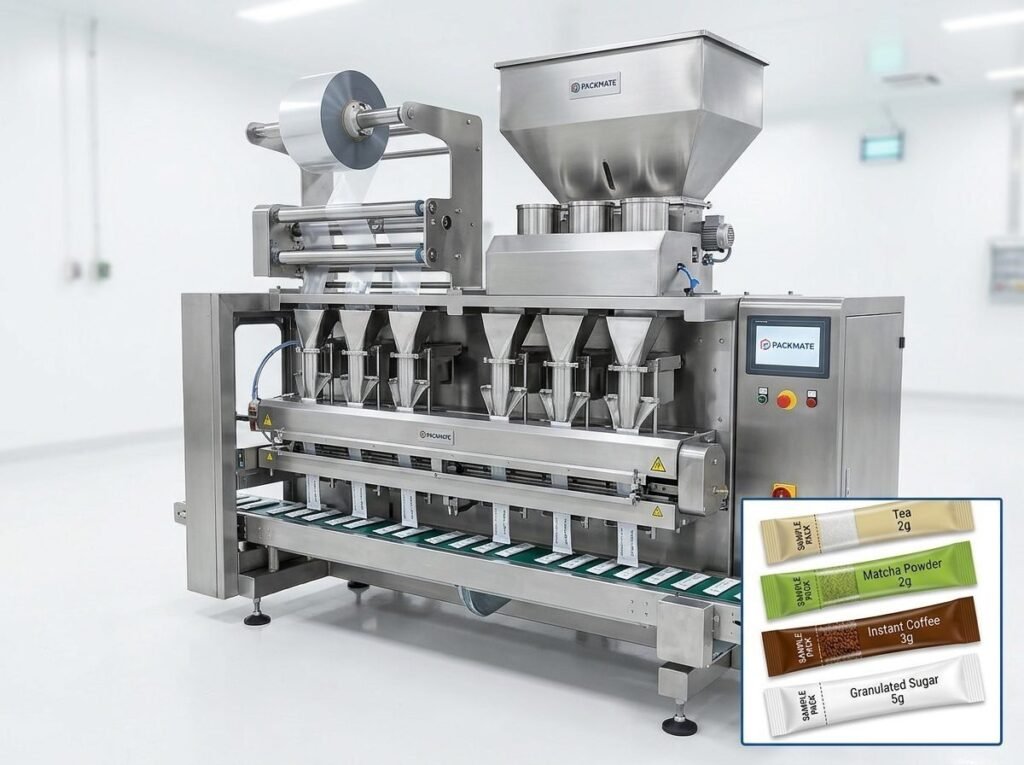
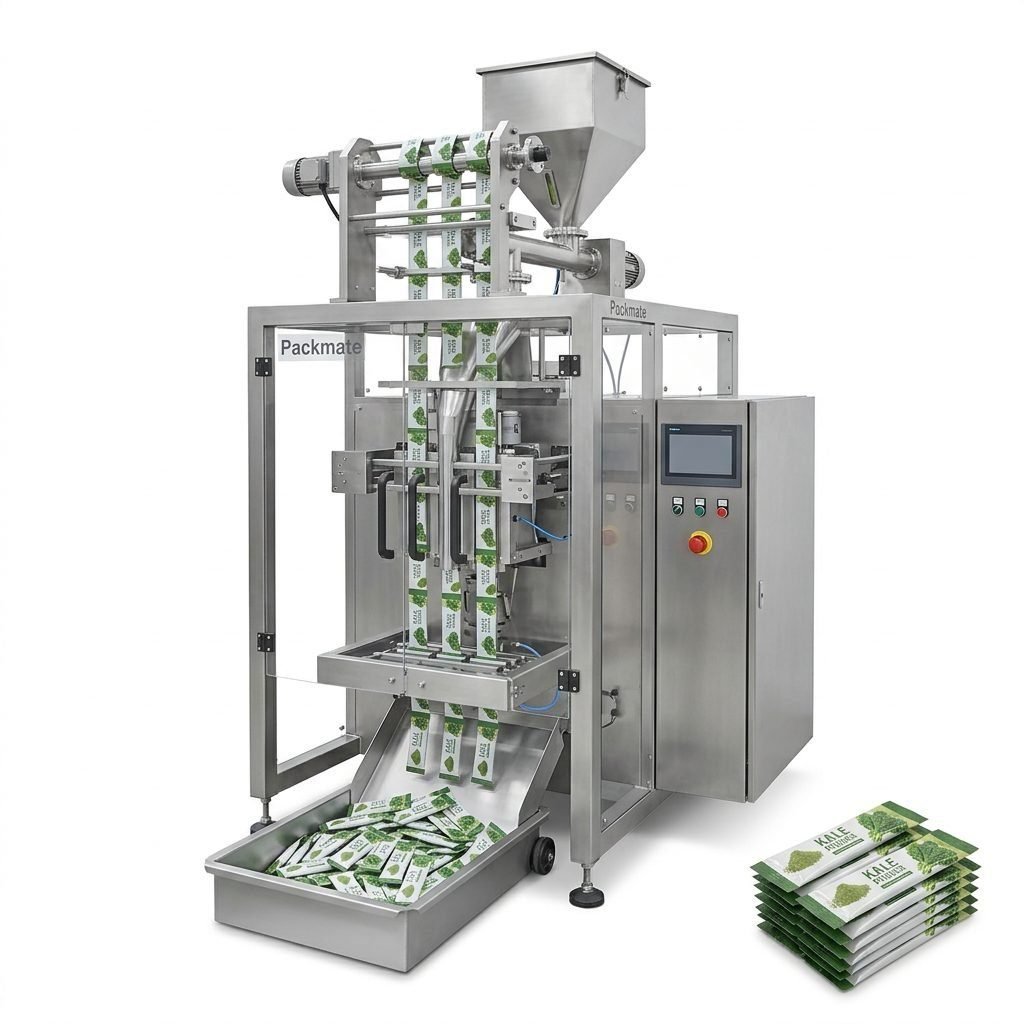
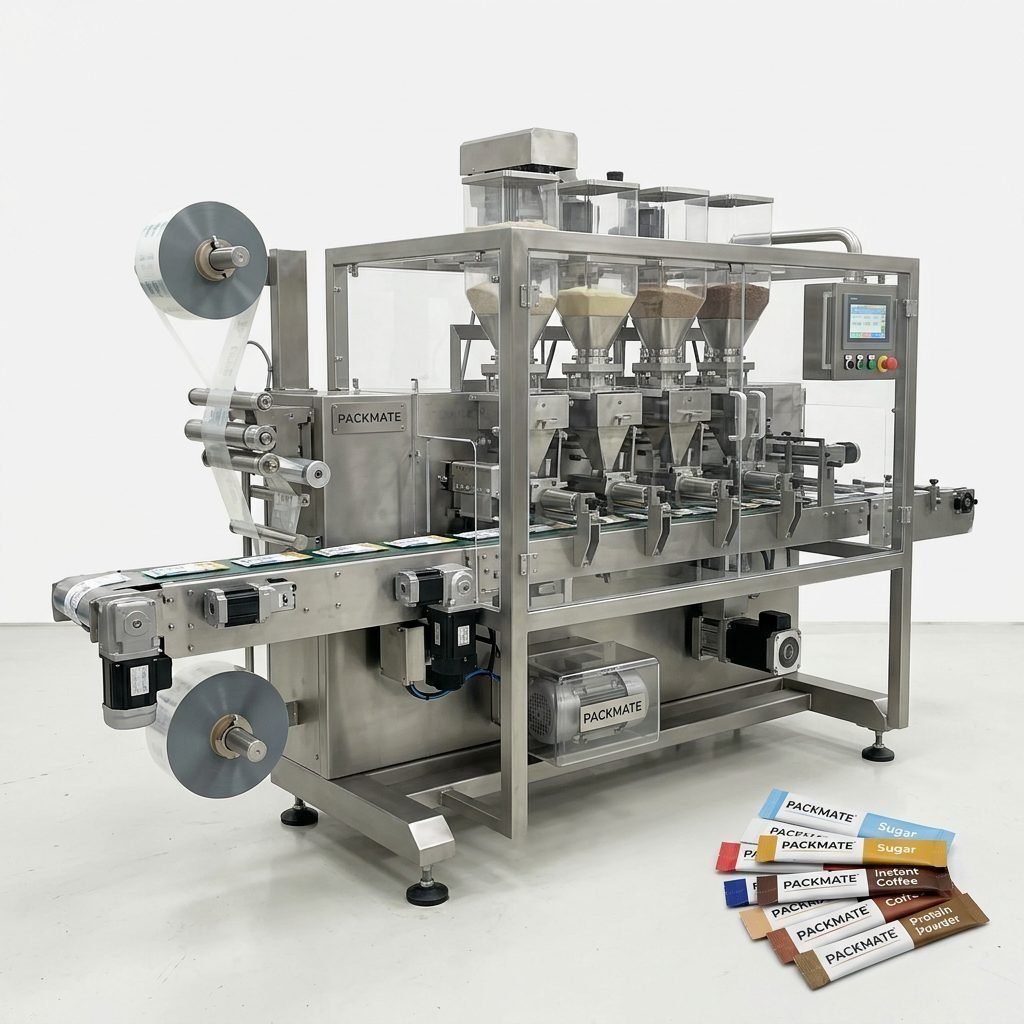
A: For granular products like coffee beans and spices, multi-lane stick pack or sachet machines are highly efficient for creating portion-controlled retail packs. For bulk export, automated vertical form-fill-seal (VFFS) machines for 500g to 1kg bags are common. The best choice depends on your target market (retail sachets vs. bulk bags) and required output speed.
Q2: How can I ensure the machine will work reliably with Haiti’s sometimes unstable power supply?
A: Discuss this explicitly with your supplier. Reputable manufacturers can integrate voltage stabilizers or recommend specific motor and drive configurations that are more tolerant of voltage fluctuations. This is a critical part of the customization process for any equipment destined for Haiti.
Q3: Is it better to buy a single machine or a complete turnkey packaging line?
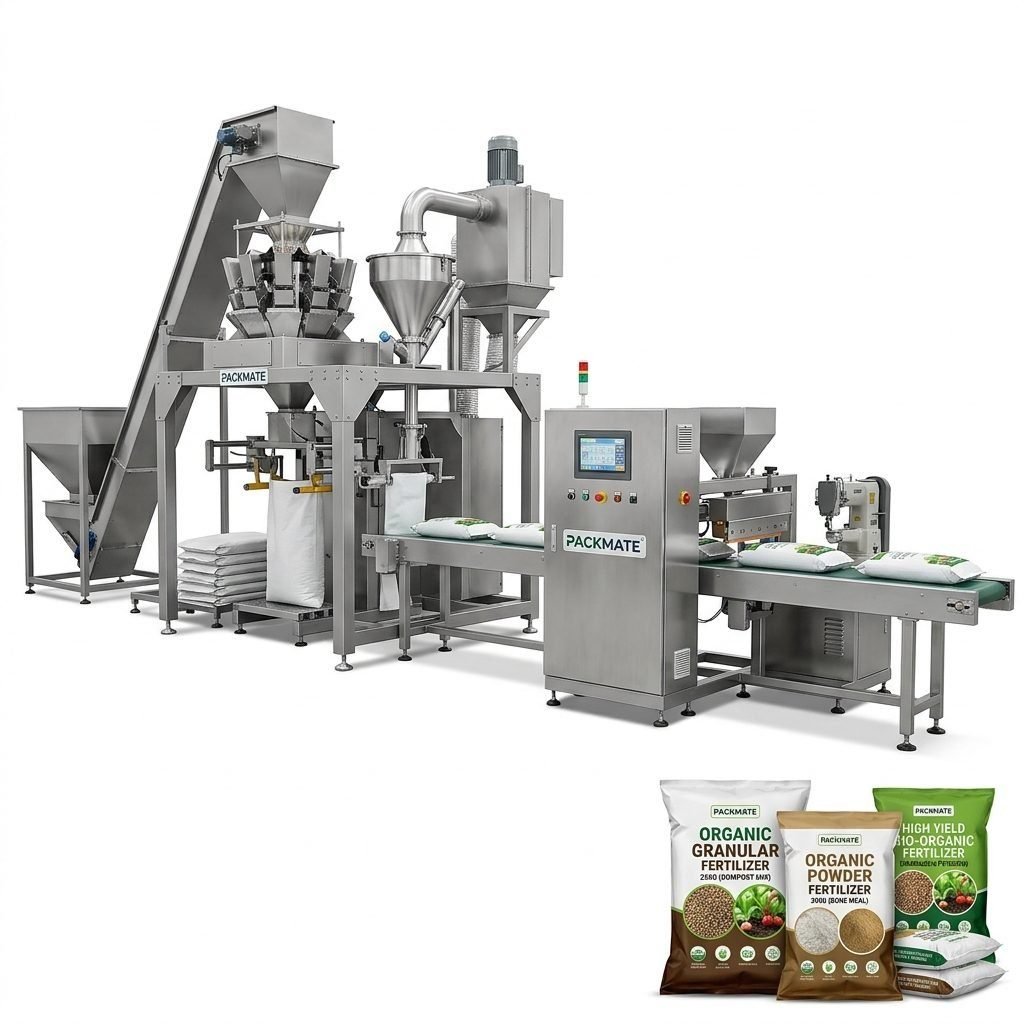
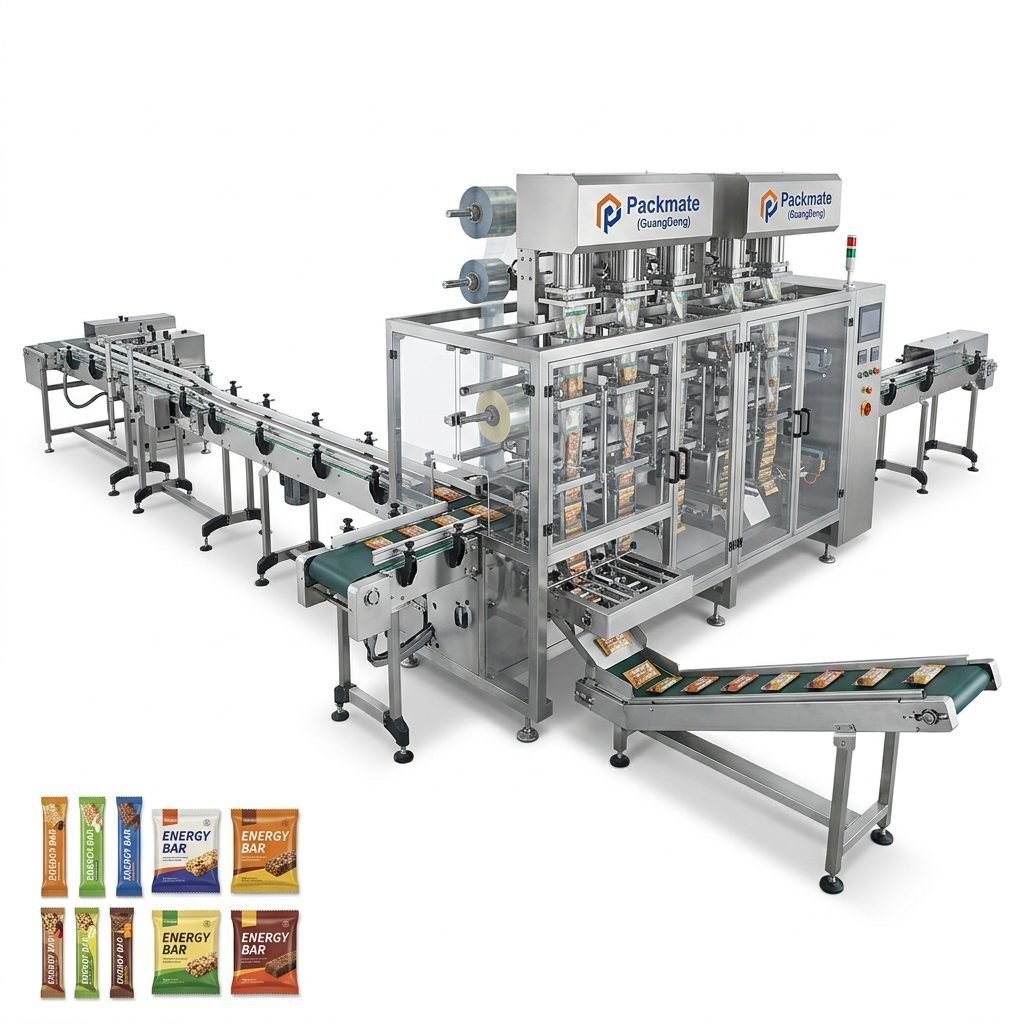
A: It depends on your scale and automation goals. A single machine (e.g., a sachet packer) is suitable for upgrading one step in your process. A turnkey line (integrating feeding, weighing, filling, sealing, and conveying) is ideal for new factories or major expansions seeking maximum automation, labor savings, and consistent throughput. Companies like PacklineOEM specialize in such integrated solutions.
Q4: What are the lead times for receiving a packaging machine in Haiti?
A: Lead times vary based on machine complexity and customization. A standard model might ship in 30-60 days after order confirmation, while a fully customized or turnkey line can take 90-120 days or more. Always factor in shipping time (approximately 4-8 weeks by sea from Asia) and customs clearance in Port-au-Prince.
Q5: How important is local agent or technical support availability?
A: Extremely important. While remote support via video call is common, having access to a local technician or a supplier with a strong network in the Caribbean/South America region can drastically reduce downtime if a major issue arises. Inquire about the supplier’s support structure for Haiti specifically during your negotiations.