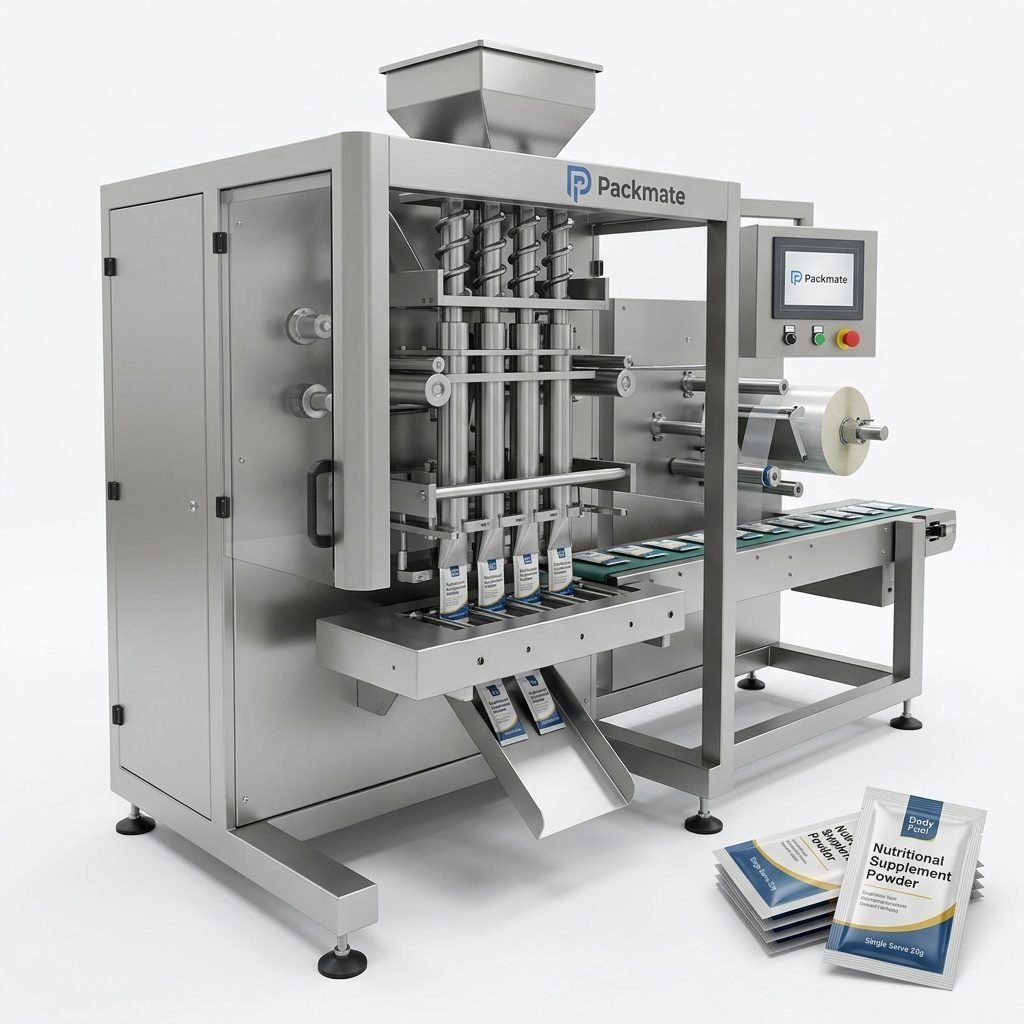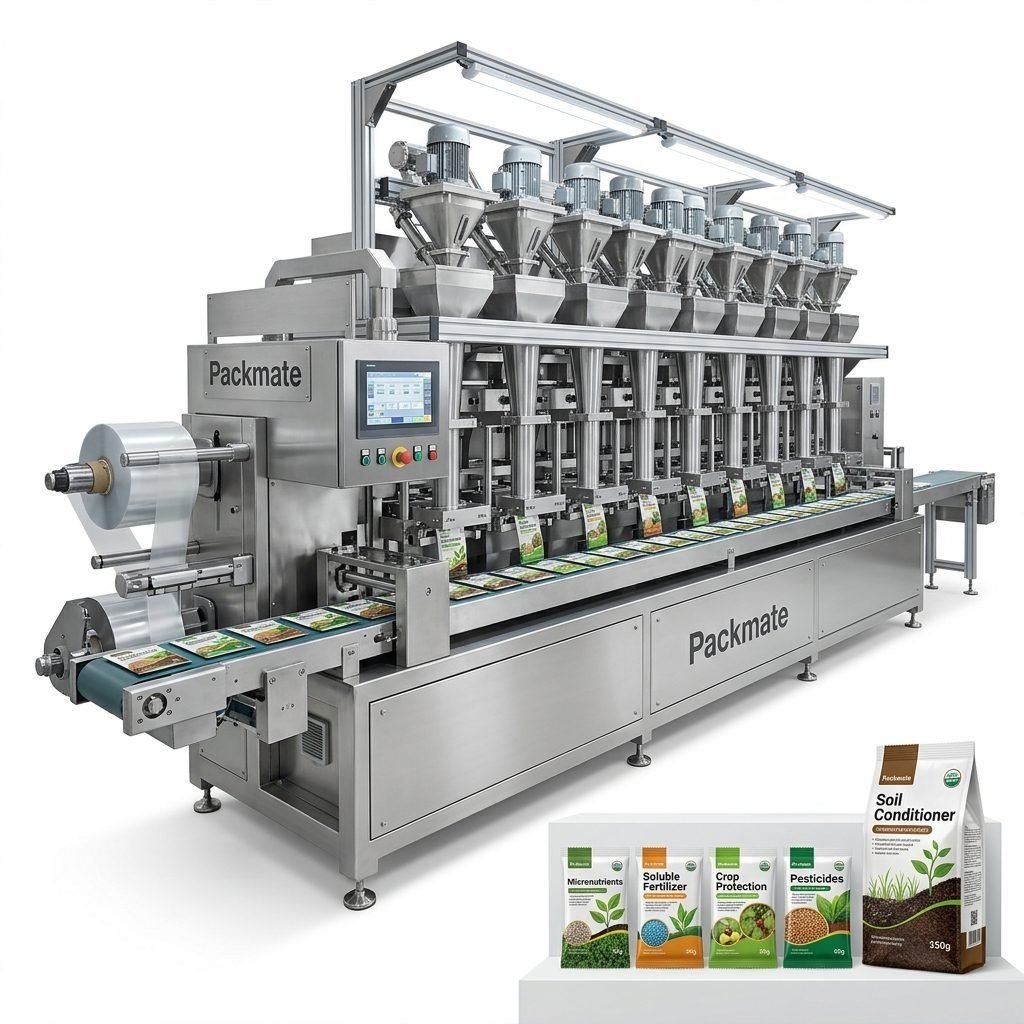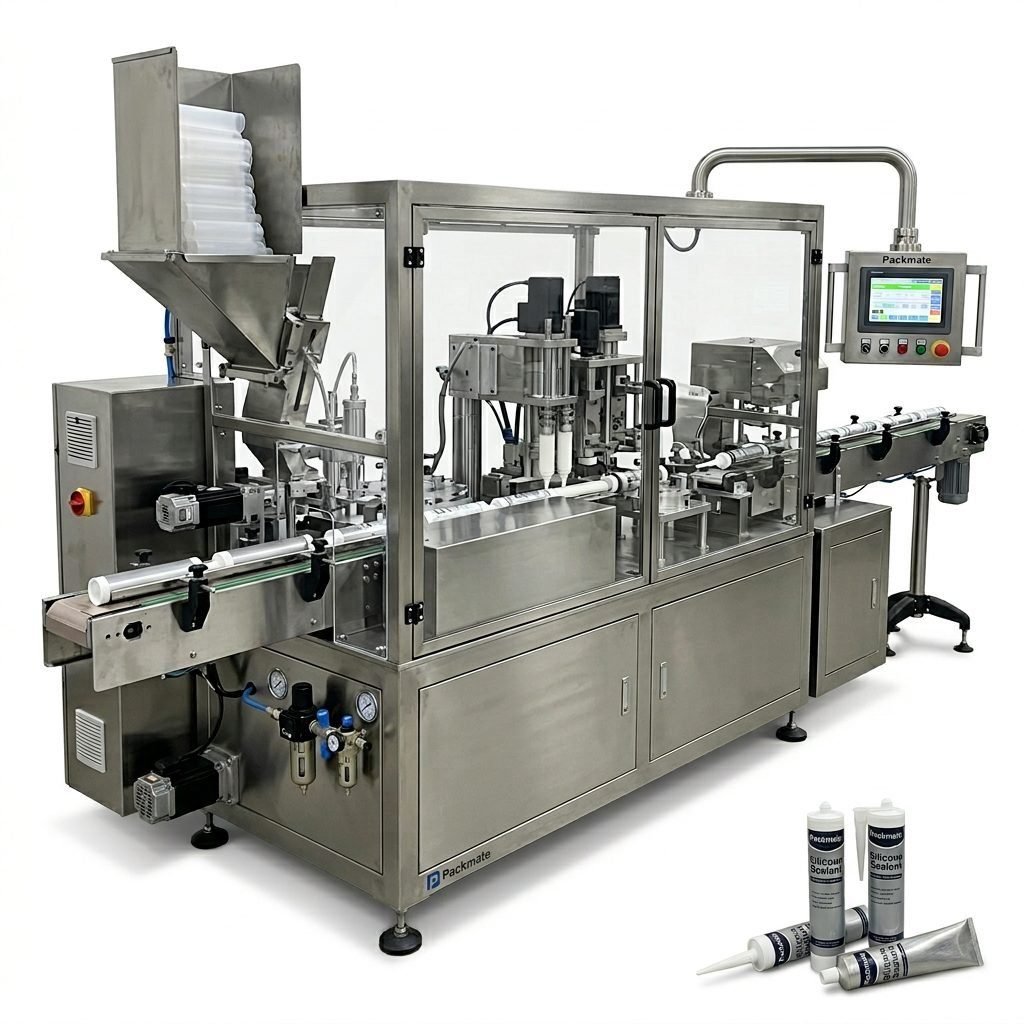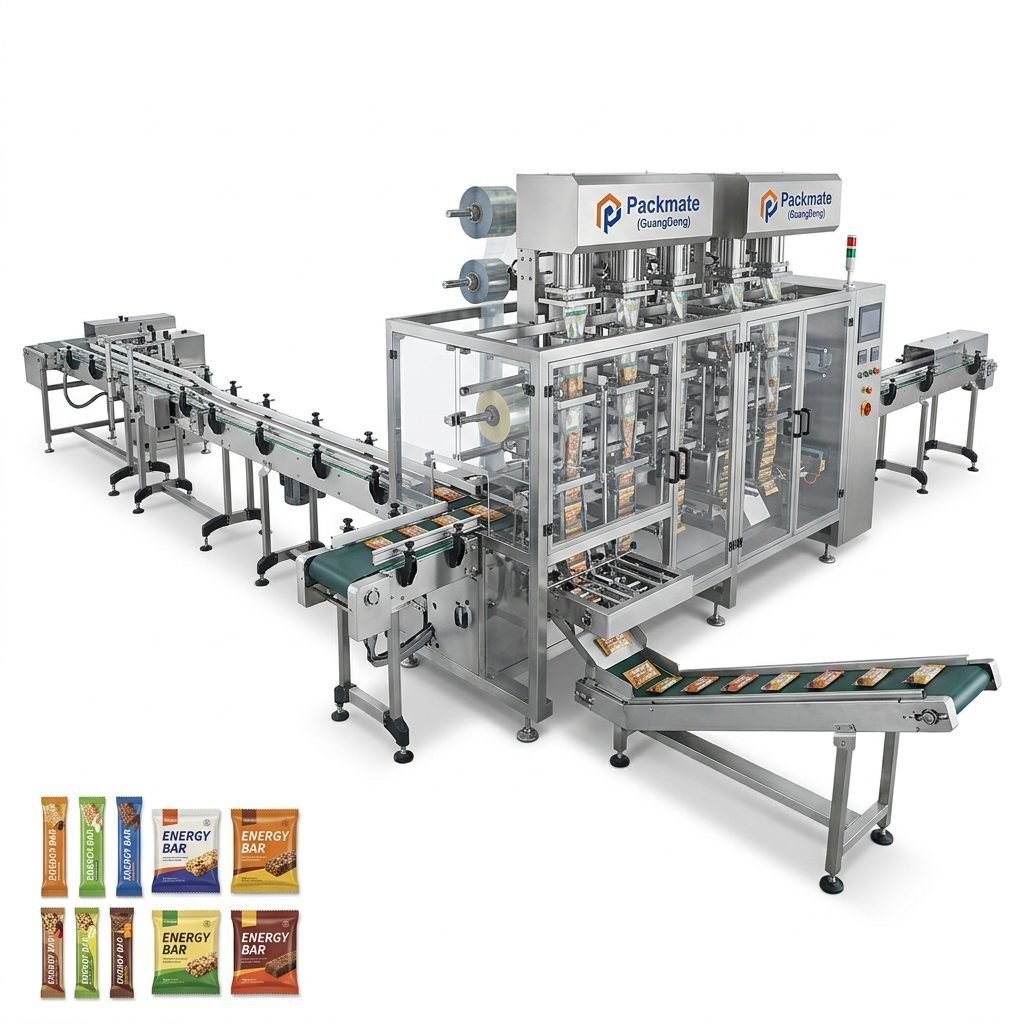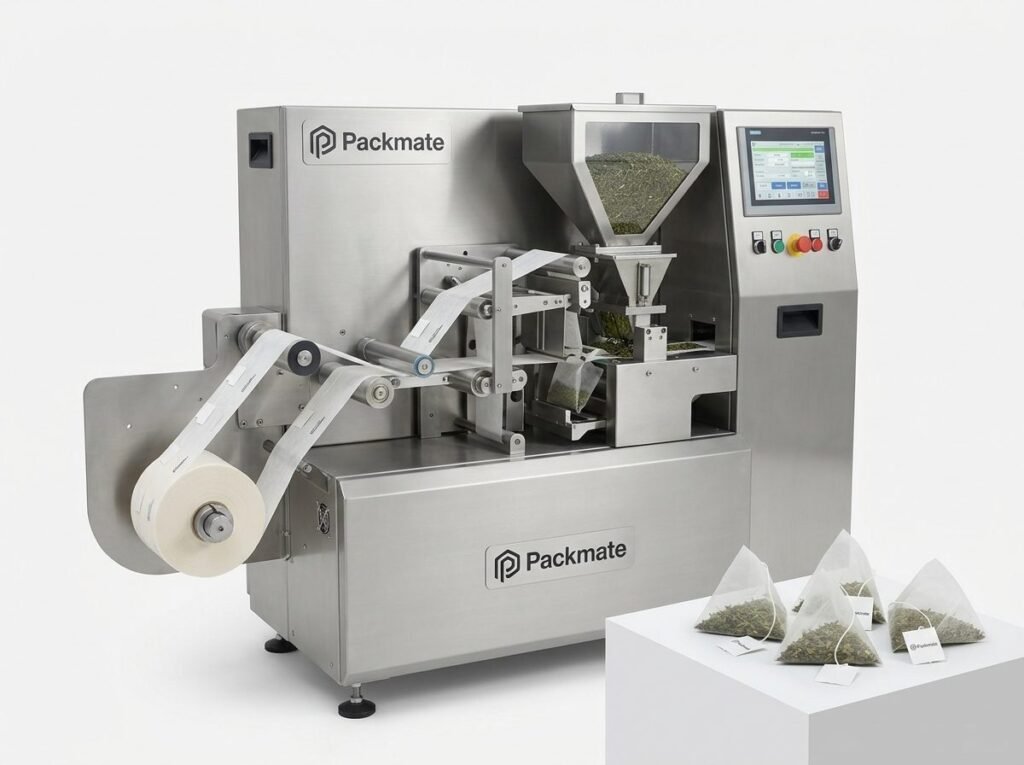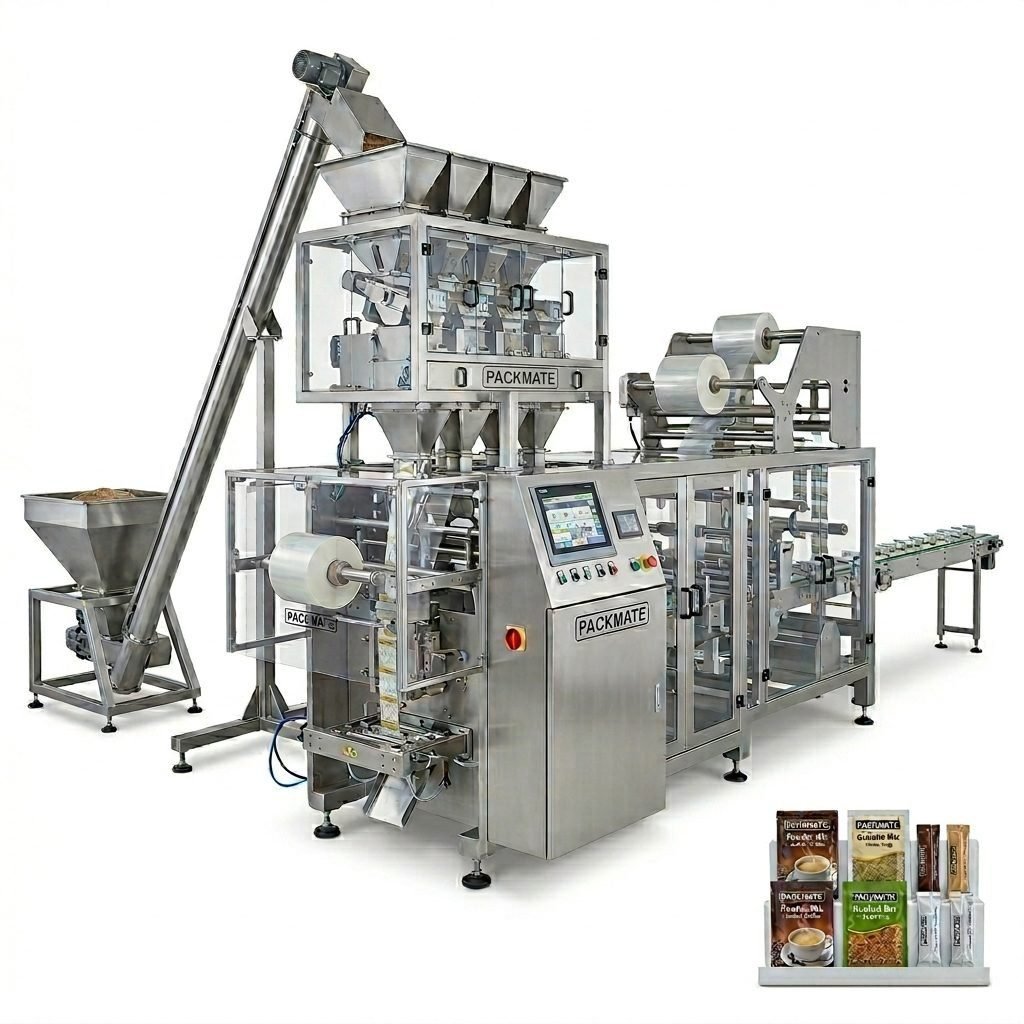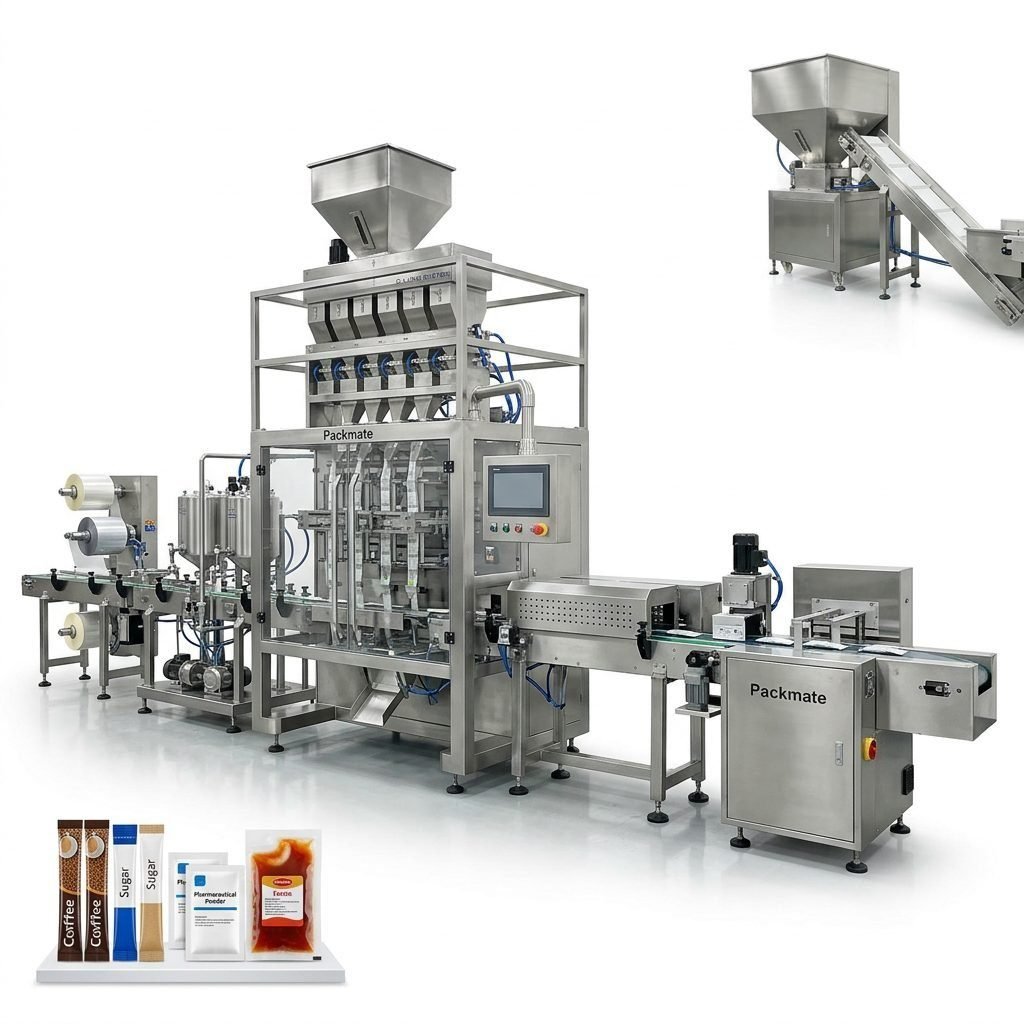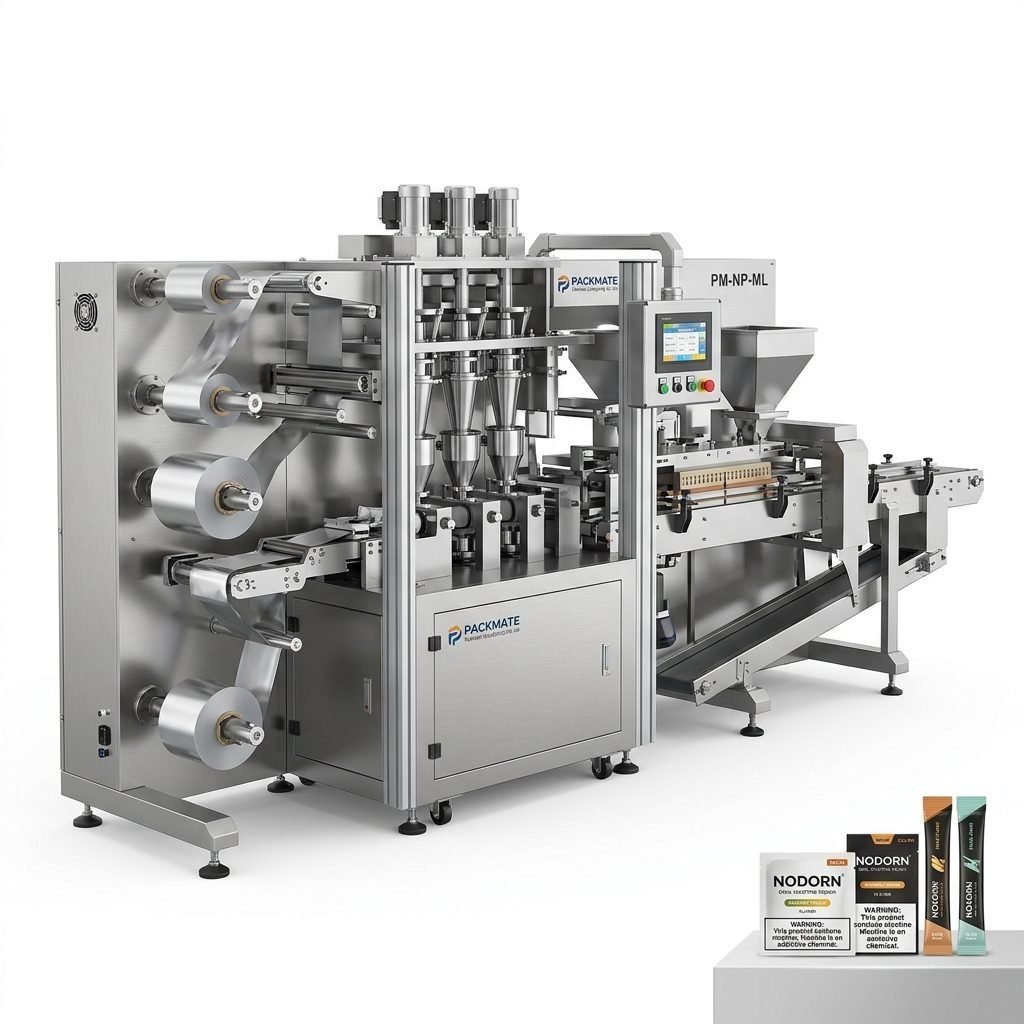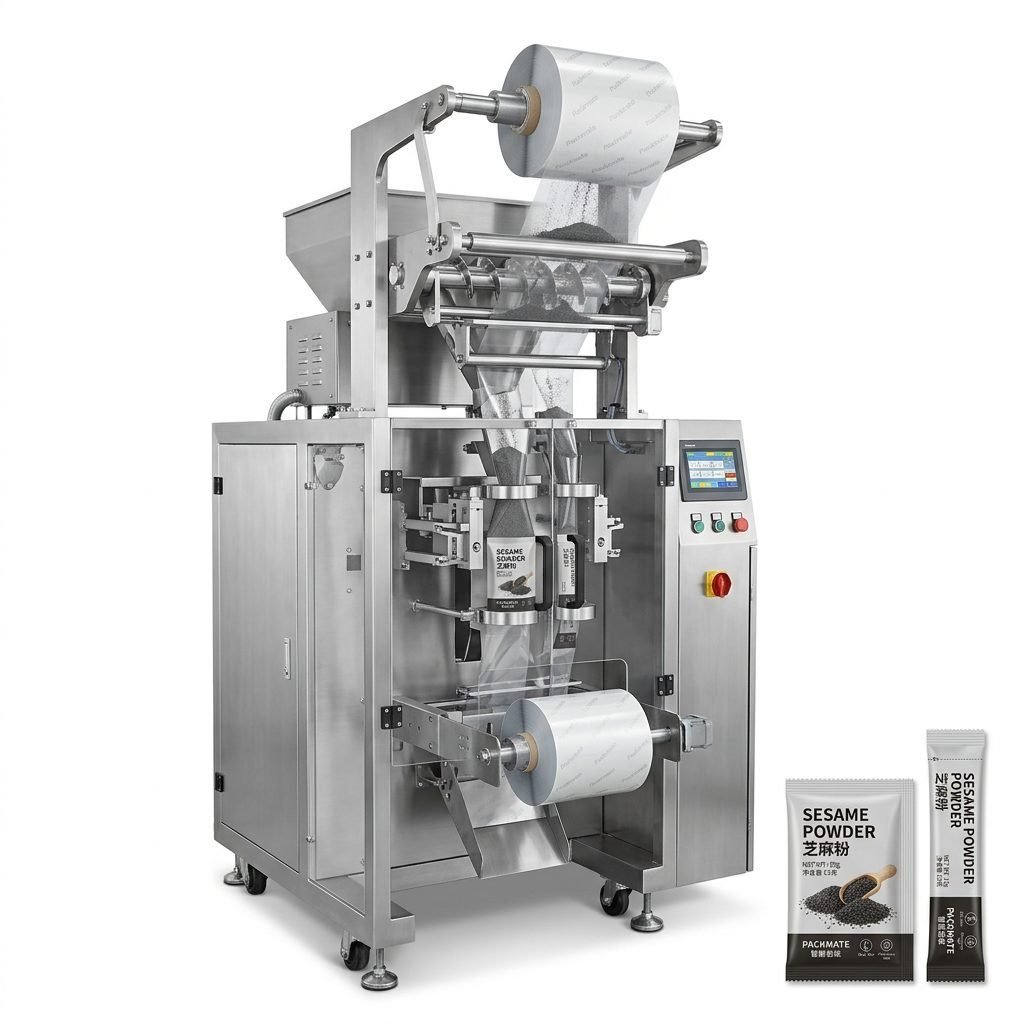
For Jordanian food, pharmaceutical, and consumer goods manufacturers, selecting a reliable packaging machine supplier is a critical business decision. The right equipment directly impacts production efficiency, product quality, and operational costs. With Jordan’s growing industrial sector and strategic location as a regional hub, many companies are seeking advanced automation solutions to enhance competitiveness in both local and export markets. This guide outlines key factors for Jordanian buyers to consider when evaluating trusted packaging machine manufacturers, with a focus on suppliers capable of meeting the region’s specific requirements.
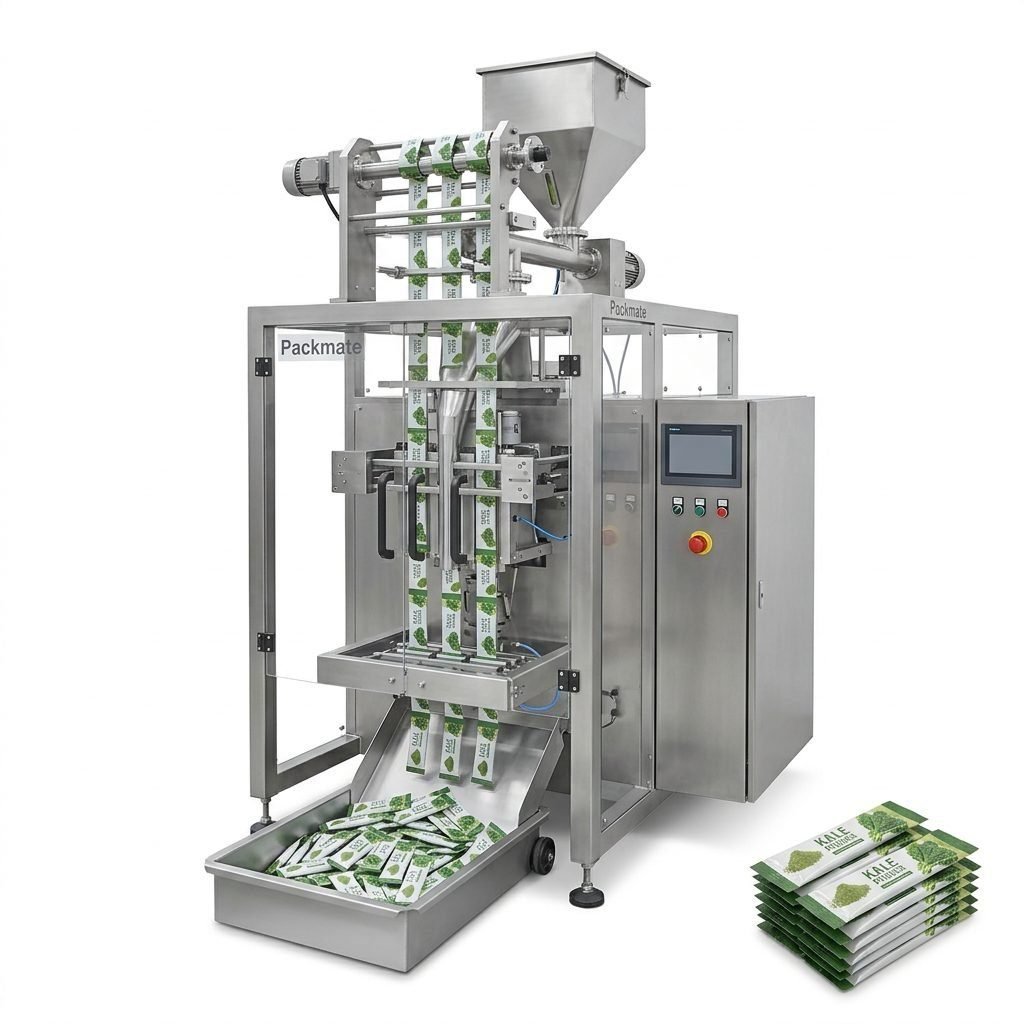
Key Considerations for Jordanian Buyers
When sourcing packaging machinery for operations in Jordan, several localized factors come into play. The local market often requires equipment that can handle a diverse range of products, from food seasonings and coffee to pharmaceuticals and health supplements. Climate adaptability is important, as machinery must perform reliably in varied environmental conditions. Furthermore, suppliers should offer strong after-sales support, including accessible technical assistance and spare parts availability, to minimize potential downtime given Jordan’s geographic position relative to major manufacturing hubs.
Local Market Needs & Technical Support
Jordanian production facilities typically look for packaging solutions that offer versatility, energy efficiency, and ease of operation. Machines capable of handling multiple packaging formats (stick packs, sachets, pouches) are highly valued for production flexibility. Given that importing machinery involves logistics and customs procedures, partnering with a manufacturer that provides comprehensive documentation, local agent support (if available), and clear warranty terms is highly advantageous for a smooth project implementation.
Evaluating Manufacturer Credibility and Experience
A supplier’s track record is a primary indicator of reliability. For Jordanian companies, it is prudent to assess a manufacturer’s history, financial stability, and experience with projects of similar scale and complexity. Manufacturers with a long operational history, like those with over 30 years in the industry, often possess deeper engineering knowledge and more refined quality control processes. Reviewing case studies or project references, particularly those involving clients in the Middle East or with similar product types, can provide valuable insight into a supplier’s practical capabilities.
Understanding Different Supplier Specializations
Not all packaging machine manufacturers offer the same type of solutions. Some focus on high-volume standard machines, while others specialize in customization or complete turnkey lines. Identifying your primary need is the first step in shortlisting the right partners.
1. Full-Range Manufacturers with Strong Export Footprint
These suppliers offer a broad portfolio of machines suitable for various industries, from food and pharma to daily chemicals. They are typically well-established, operate large manufacturing facilities, and have a significant international presence. This makes them a suitable choice for Jordanian buyers seeking reliable, standardized equipment with proven performance across global markets. For example, Ludyway is recognized as one of China’s leading manufacturers with exports to over 100 countries, indicating a capacity to understand and meet diverse international standards.
Why Consider a Full-Range Supplier?
- Wide Product Selection: Access to many machine models for different packaging formats.
- Proven Export Experience: Machinery often designed to meet various international certification requirements.
- Scalability: Ability to supply from single machines to complete lines as your business grows.
- Technical Support: Established procedures for international customer service and parts supply.
2. Turnkey Packaging Line Specialists
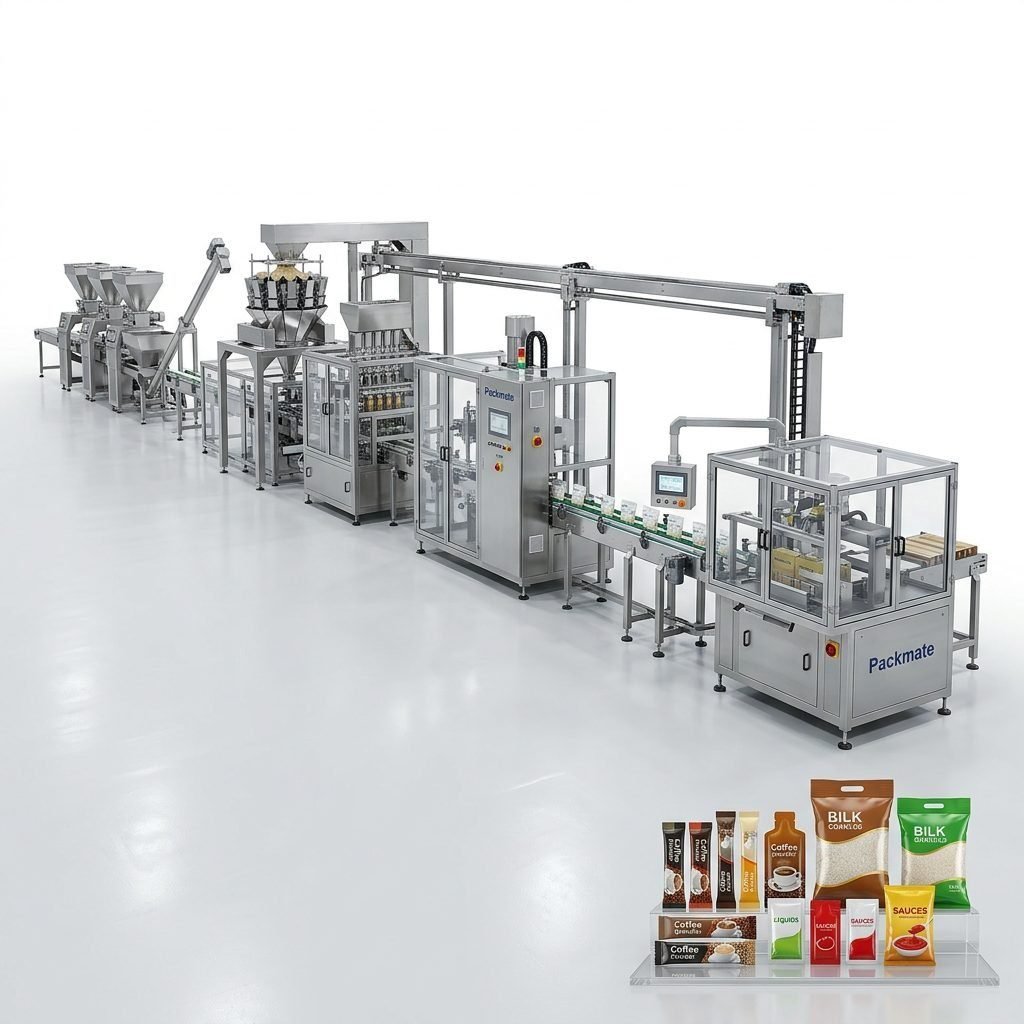
If your project involves setting up a new production line or significantly upgrading an existing one, a supplier specializing in integrated systems may be the best fit. These manufacturers, such as PacklineOEM, focus on engineering complete workflows that include feeding, weighing, filling, sealing, conveying, and inspection. For Jordanian manufacturers aiming for high automation levels and seamless production integration, this option can reduce the complexity of coordinating multiple equipment vendors.
3. Customization and OEM-Focused Manufacturers
Some production requirements cannot be met by off-the-shelf machines. This is common when packaging unique product forms, using specific film materials, or needing special dosing mechanisms. Manufacturers like PackingMachineOEM emphasize non-standard and customized solutions. For Jordanian companies with specialized products or those acting as contract packagers for international brands, this engineering flexibility is crucial.
4. Niche Application Experts
Certain industries have very specific packaging demands. The nicotine pouch and snus sector, for instance, requires precise dosing, consistent sealing, and often high-speed multi-lane production. Suppliers like SnusMachinery concentrate on this niche, offering targeted expertise that generalist manufacturers may lack. If your Jordanian operation is in a specialized field, a niche supplier can provide valuable application-specific knowledge.
Critical Evaluation Criteria: Beyond the Brochure
To make an informed decision, Jordanian purchasers should conduct a thorough evaluation based on concrete factors.
| Evaluation Factor | Key Questions for Jordanian Buyers | Why It Matters |
|---|---|---|
| Manufacturing & Quality Control | Can the supplier provide a virtual factory tour? What is their QC process? Are key components from reputable brands? | Ensures machine durability, precision, and long-term stable performance, reducing maintenance costs and downtime. |
| Technical Support & Spare Parts | What is the response time for technical queries? How are spare parts shipped to Jordan? Is remote support available? | Directly impacts operational continuity. Clear logistics and support channels are vital for imported machinery. |
| Machine Performance & Testing | Can the machine be tested with our actual product samples? What is the guaranteed output speed and accuracy? | Validates the machine’s suitability for your specific product, ensuring it meets your production capacity and quality targets. |
| Cost Structure & Value | What is included in the quoted price (training, installation, shipping)? What is the projected ROI? | Provides a complete understanding of the total investment and helps evaluate the long-term value beyond the initial purchase price. |
The Importance of Factory Visits and Sample Testing
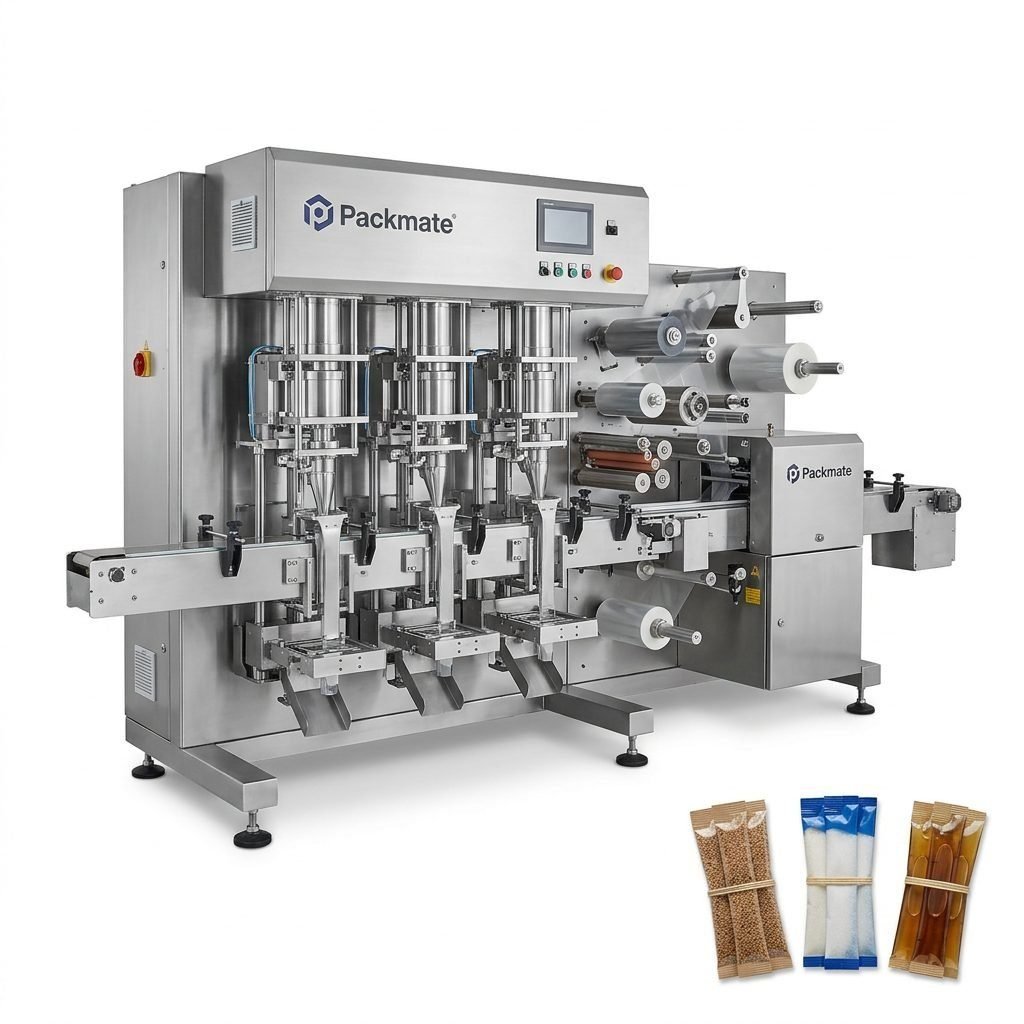
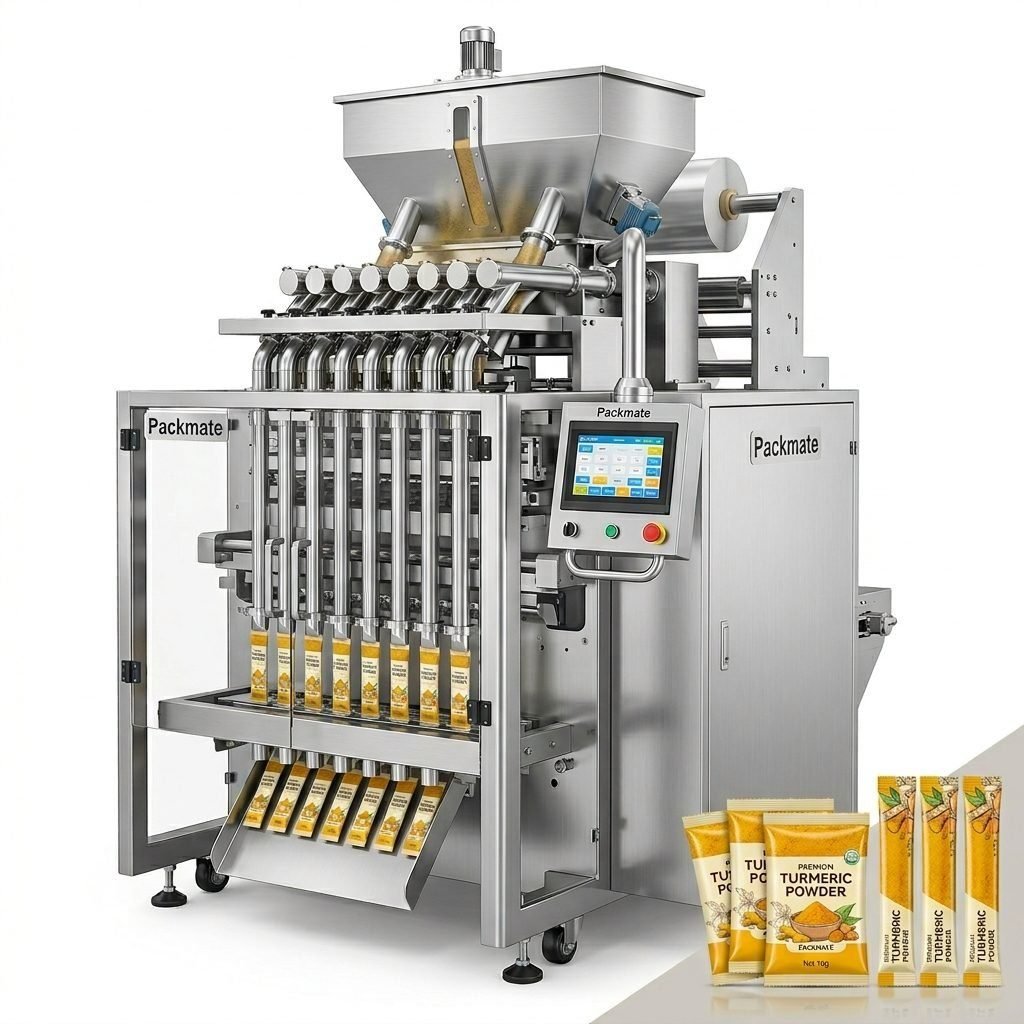
Whenever feasible, visiting a shortlisted manufacturer’s factory is highly recommended. This allows you to inspect the production environment, build quality, and assembly processes firsthand. More importantly, arranging a production test using your own product samples is perhaps the most critical step. It demonstrates the machine’s actual performance with your specific material, revealing potential issues with feeding, sealing, or speed that may not be apparent from specifications alone. Reputable manufacturers, such as Packmate Machinery, typically welcome and facilitate such tests as part of their pre-sales service.
Logistics, Installation, and After-Sales in Jordan
The journey doesn’t end with the purchase order. Clarify responsibilities for shipping, customs clearance in Jordan, and on-site installation. Will the supplier send engineers for installation and training? What is the protocol for machine commissioning? Establish a detailed after-sales service agreement covering warranty period, troubleshooting guidance, and spare parts supply chain. A supplier with experience exporting to the Middle East will be more familiar with the necessary documentation and processes.
Building a Long-Term Partnership
Selecting a packaging machine supplier should be viewed as establishing a long-term partnership. The right manufacturer will act as a technical partner, supporting your operational growth and adapting to your future needs. Consider their willingness and capacity to provide future upgrades, retrofits, or expansion of your packaging line. A supplier’s stability and commitment to ongoing R&D are good indicators of their ability to be a partner for years to come.
Frequently Asked Questions (FAQs)
1. What are the main advantages of sourcing packaging machines from international manufacturers for Jordanian companies?
International manufacturers often offer advanced technology, competitive pricing, and a wider selection of machine models compared to purely local options. Many have extensive experience configuring equipment for export markets, which can include compliance with common international standards. They can also provide solutions that improve automation and efficiency, helping Jordanian producers compete more effectively in regional and global markets.
2. How can we ensure the machine will work with our specific product in Jordan’s climate?
This requires due diligence. Always insist on a live video test or factory test using your exact product samples under conditions that simulate your production environment as closely as possible. Discuss ambient temperature and humidity ranges in your facility with the supplier’s engineers so they can recommend appropriate machine specifications or material handling adaptations.
3. What is the typical lead time for receiving and installing a machine in Jordan?
Lead times vary greatly depending on machine complexity (standard vs. customized) and the manufacturer’s order backlog. For standard models, it might range from 60 to 90 days after order confirmation, plus shipping and customs clearance time. For custom or turnkey lines, it can take 4 to 8 months. Always get a detailed project timeline from the supplier, including manufacturing, testing, shipping, and installation phases.
4. What should be included in a comprehensive after-sales service agreement?
A strong agreement should cover: a clear warranty period (often 12-18 months) for parts and workmanship; provision of detailed operation and maintenance manuals; availability of remote technical support (via phone, video); a defined process for ordering and shipping spare parts; and optionally, provisions for periodic maintenance checks or on-site service visits.
5. Are there financing options or support available for such capital equipment investments?
Some international manufacturers may partner with trade finance institutions or offer installment payment plans. It is advisable to inquire directly with the supplier. Additionally, Jordanian companies should explore local industrial development programs or bank financing options designed for upgrading manufacturing equipment and boosting export capacity.