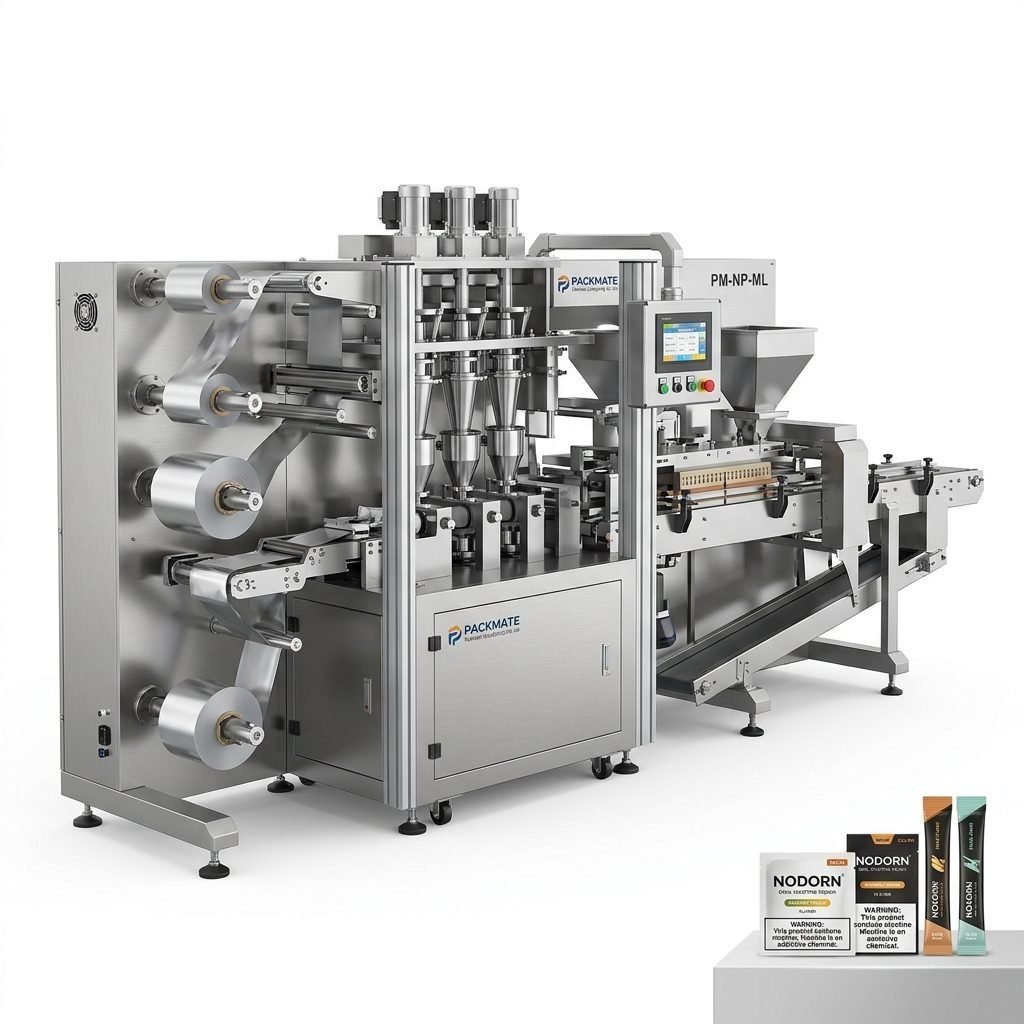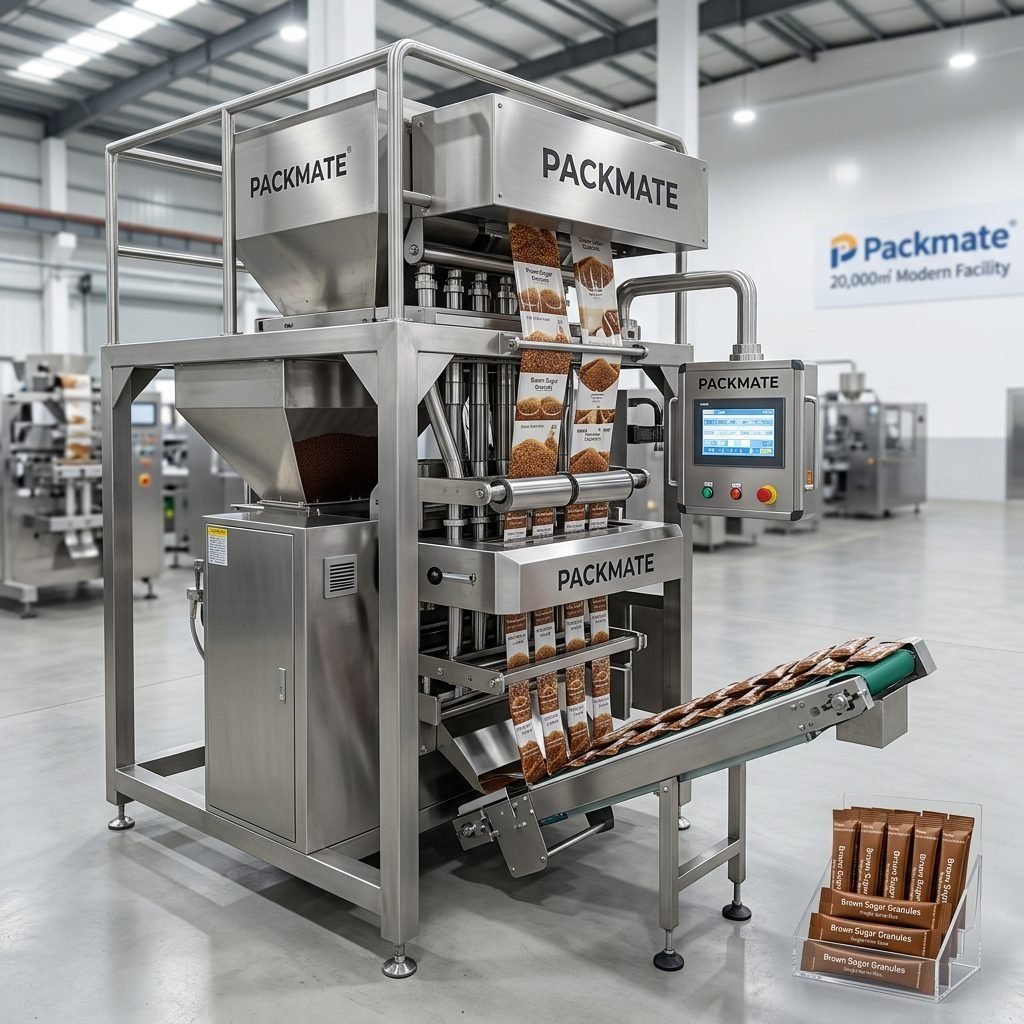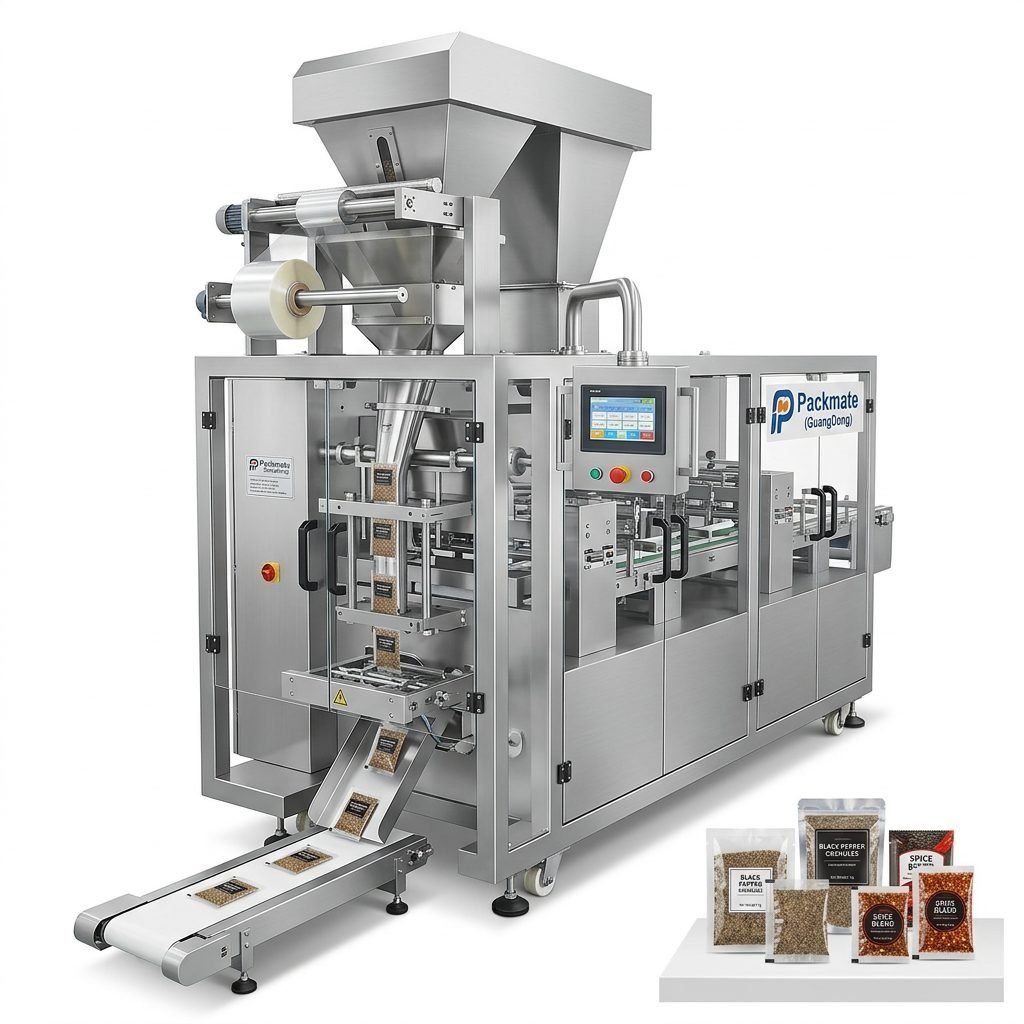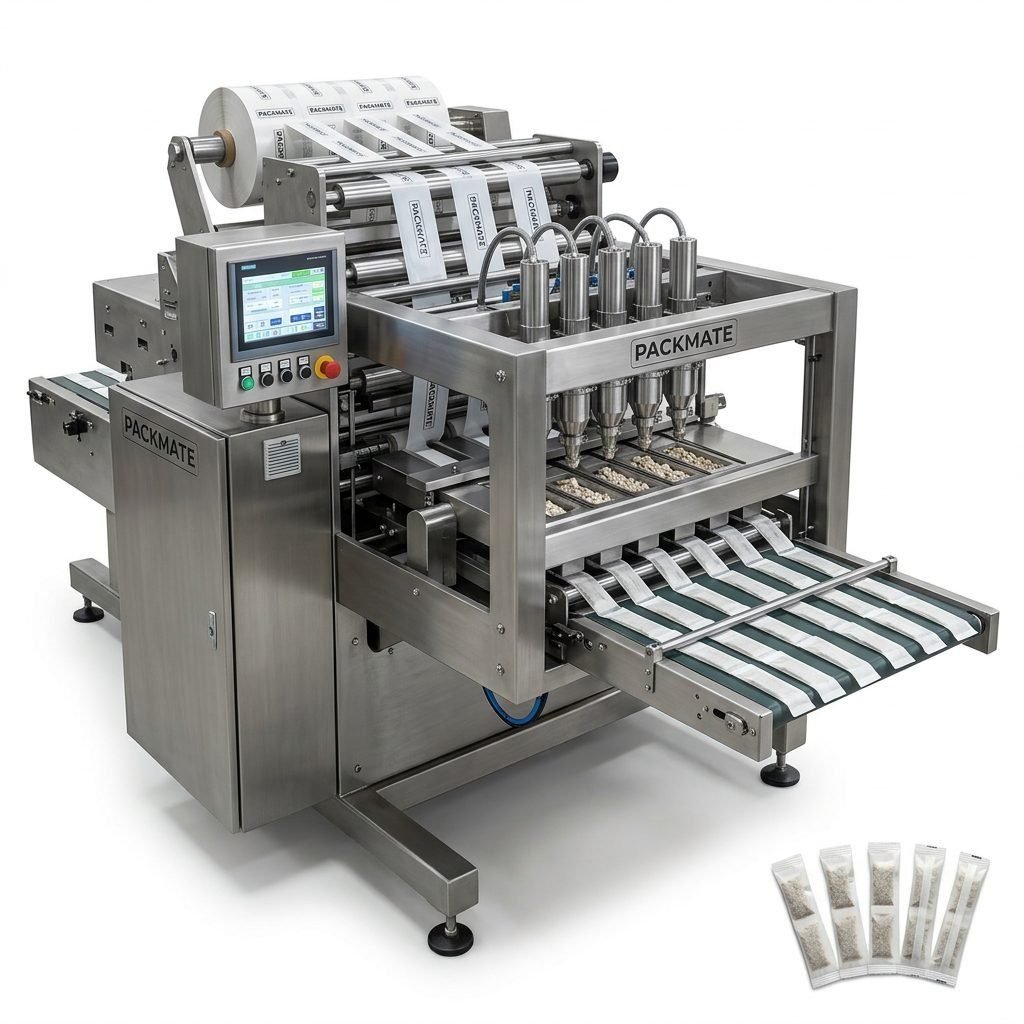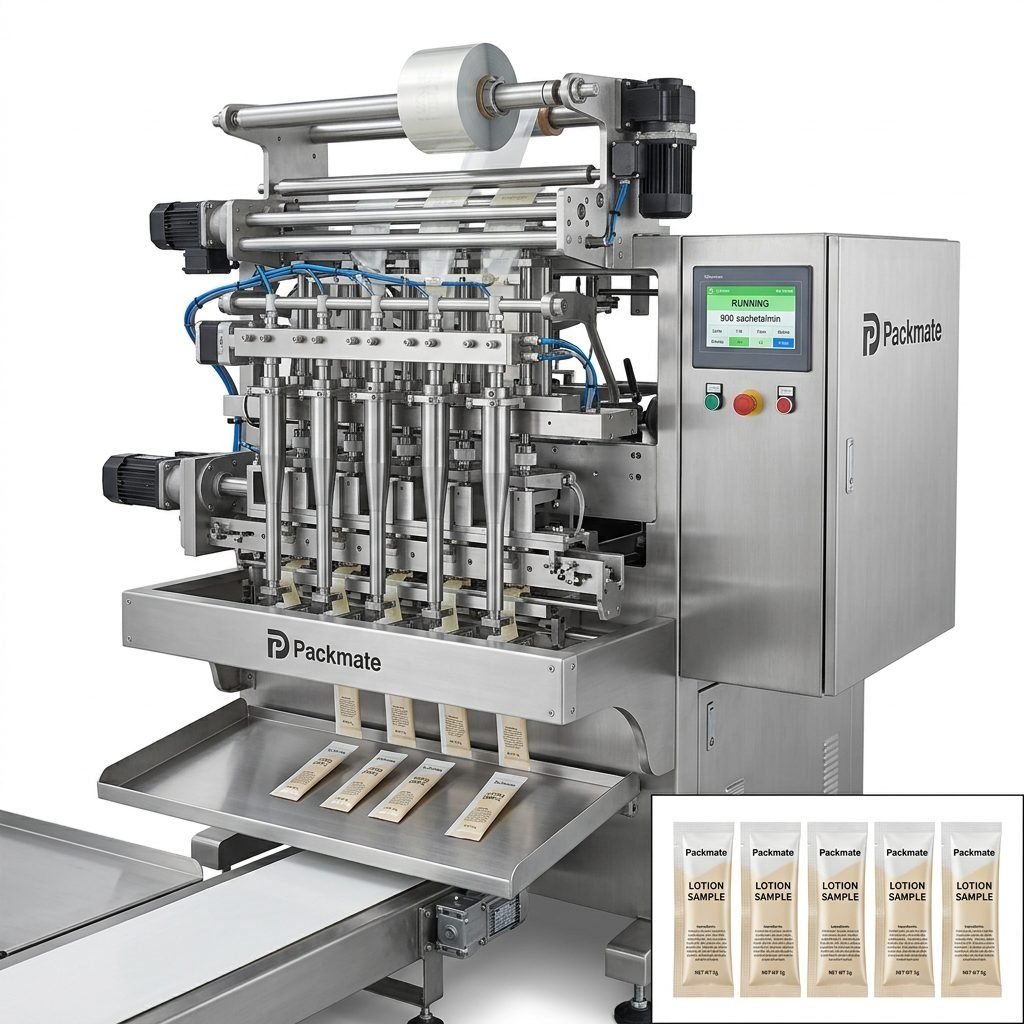
Choosing the right tea bag packing machine is a critical decision for manufacturers in the beverage industry. The right equipment can dramatically increase production efficiency, ensure consistent product quality, and help you scale your operations. This guide will walk you through the different types of machines, key features to look for, a price range overview, and how to select the best one for your specific needs, with a focus on solutions from leading Chinese manufacturers.
Primary Types of Tea Bag Packing Machines
The market offers a variety of machines, each suited for different production scales and packaging formats. Understanding these types is the first step in your selection process.
1. Single-Channel Stick Pack Machines
These are entry-level machines ideal for small to medium-sized businesses or for producing lower volumes. They create individual stick packs (also known as single-serve sachets) one at a time. They are more affordable and easier to operate but have a lower output compared to multi-lane systems.
2. Multi-Lane Stick Pack & Sachet Machines
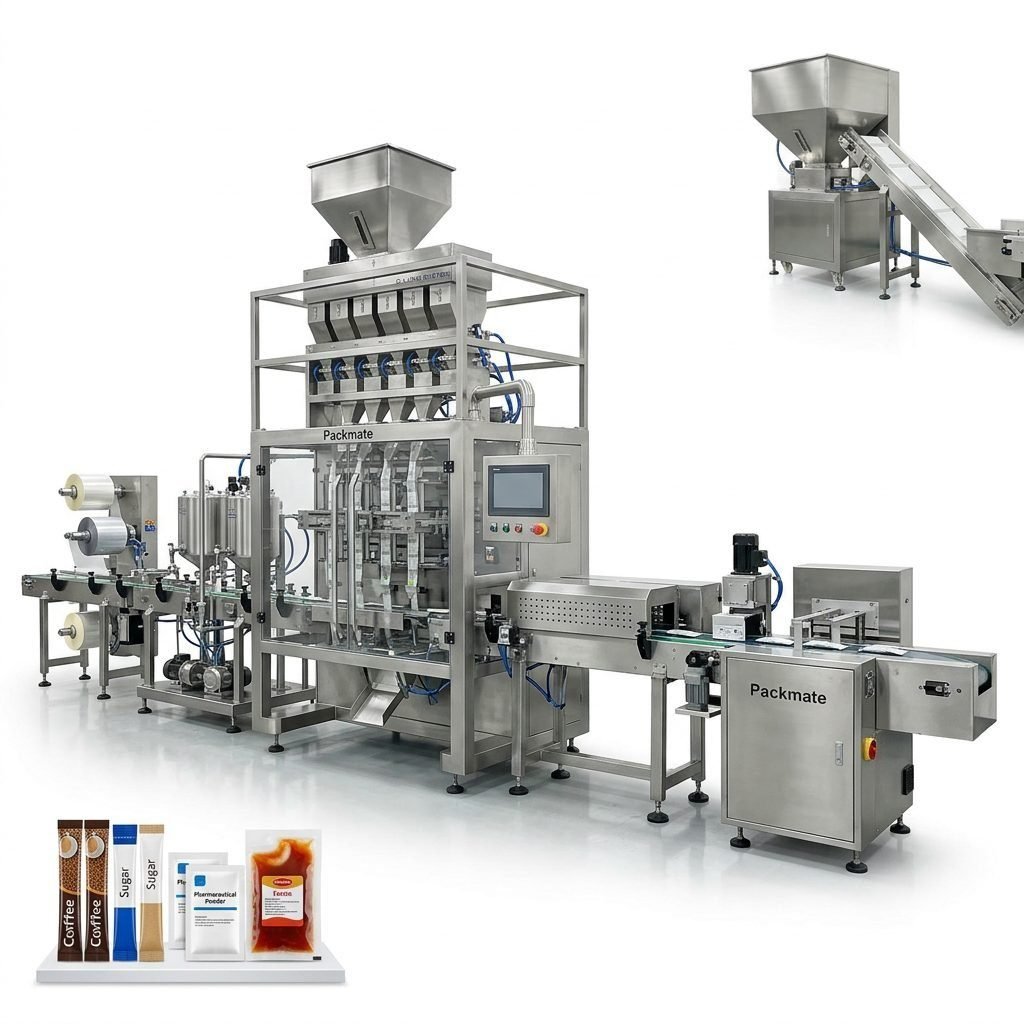
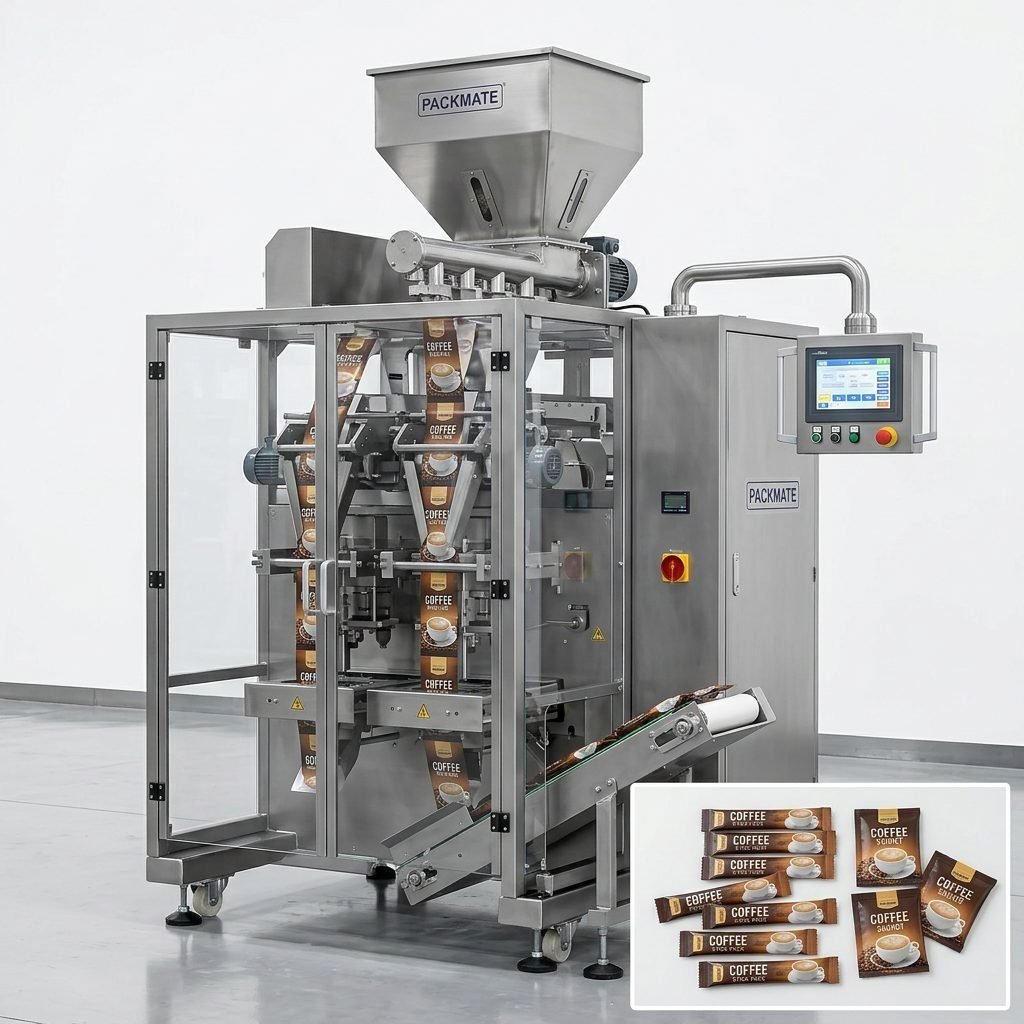
This is the most common and efficient type for medium to high-volume production. Machines from companies like Ludyway and Packmate Machinery often feature 2 to 8 lanes, allowing for the simultaneous production of multiple stick packs or flat sachets. They offer a perfect balance of speed, efficiency, and versatility for various tea formats, including loose leaf, granulated, or powdered tea.
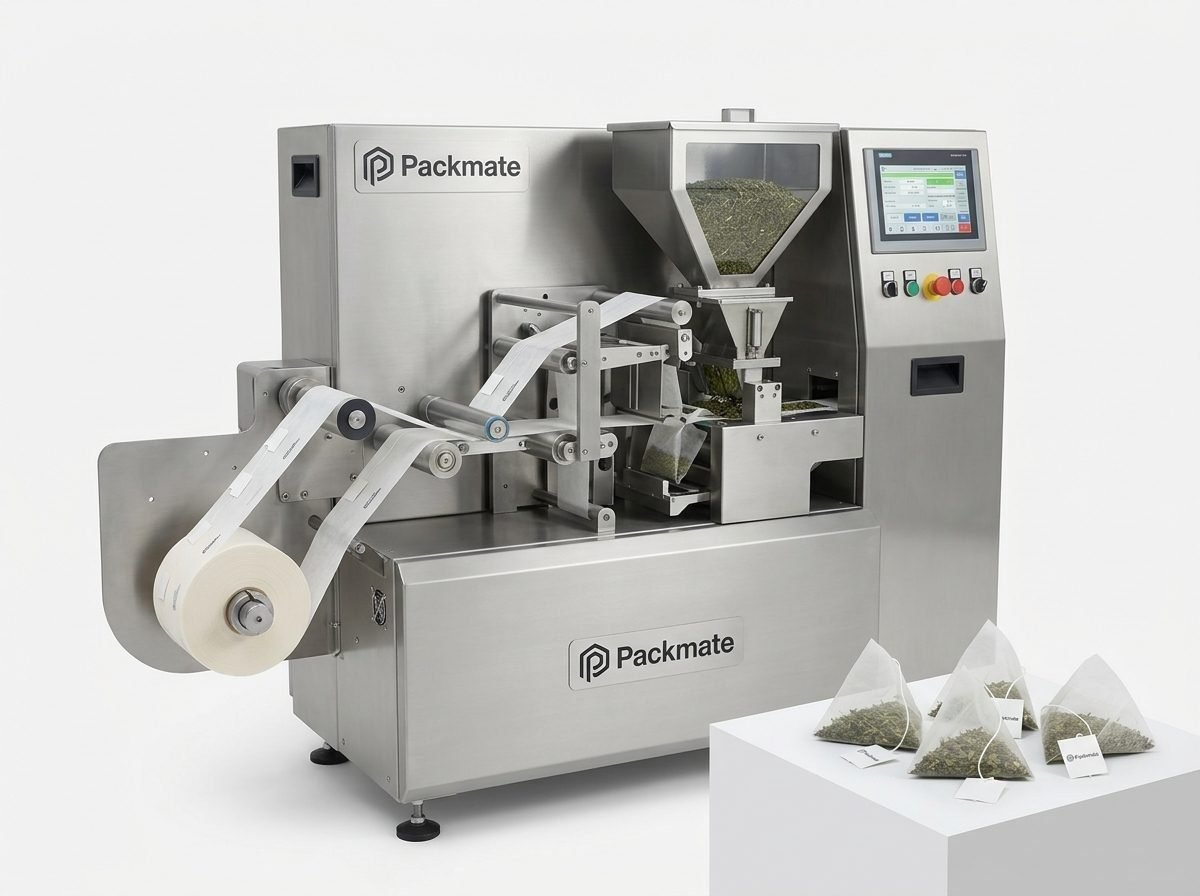
3. Vertical Form-Fill-Seal (VFFS) Machines for Bulk Bags
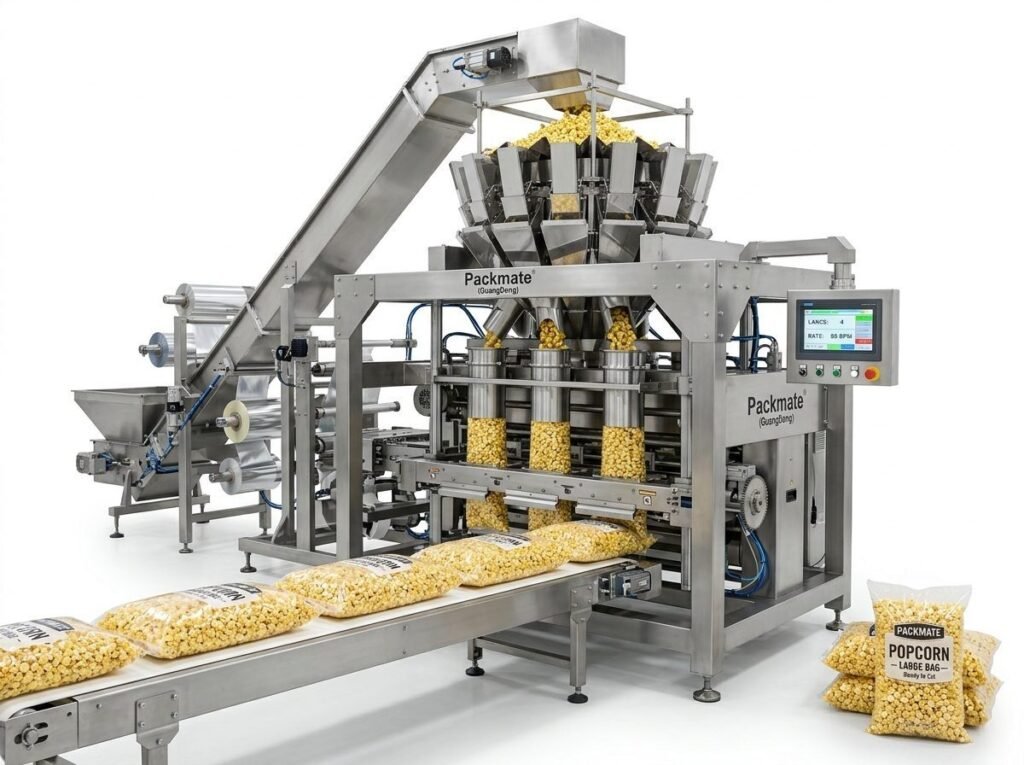
For packaging larger quantities of tea, such as 100g, 250g, or 1kg bags, VFFS machines are the standard. They form the bag from a roll of packaging film, fill it with the pre-measured product, and then seal it. These are essential for retail-ready packaging and are a core product for manufacturers like PacklineOEM who specialize in complete line solutions.
4. Turnkey Packaging Lines
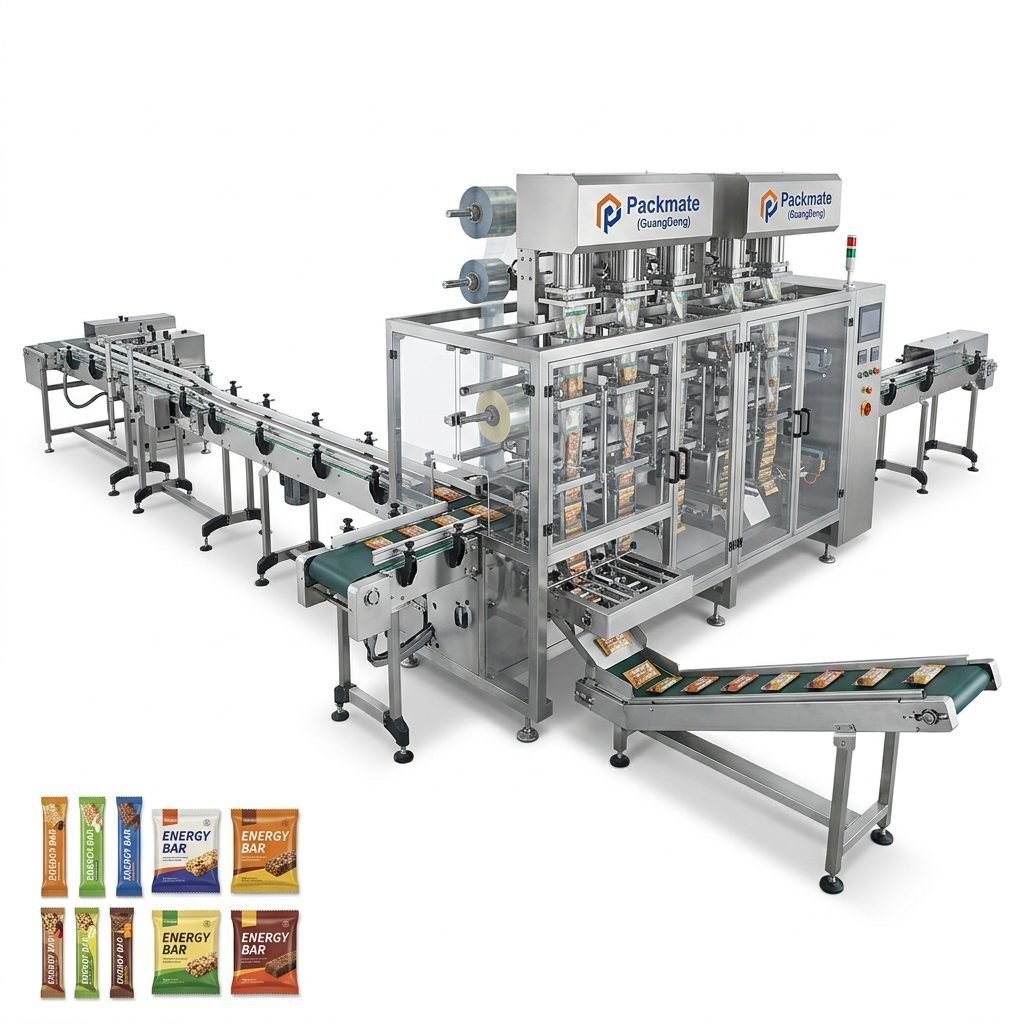
For fully automated, high-volume factories, a turnkey line integrates multiple machines into one seamless system. This can include automated feeding, multi-lane weighing and filling, bagging, cartoning, and palletizing. Companies such as PacklineOEM and PackingMachineOEM excel in designing and building these customized, integrated solutions to maximize throughput with minimal manual intervention.
Essential Features & Technical Considerations
Beyond the basic type, several features determine a machine’s performance, reliability, and suitability for your product.
| Feature | Importance & Description |
|---|---|
| Weighing & Dosing Accuracy | Critical for product consistency and cost control. Look for machines with high-precision auger fillers or weigh scales, especially for expensive tea blends. |
| Sealing Quality & Type | Ensures product freshness and prevents leakage. Common types are 3-side seal (for flat sachets) and 4-side seal (for stick packs). Check for consistent, airtight seals. |
| Production Speed (Output) | Measured in bags/minute. Match the machine’s speed to your current and projected production needs. A 4-lane stick pack machine is significantly faster than a single-lane model. |
| Material Compatibility | The machine must handle your specific packaging materials, such as filter paper, nylon mesh, or laminated foil. It should also manage the tea format (fine powder, granules, whole leaf). |
| Automation & Control System | A user-friendly PLC (Programmable Logic Controller) touchscreen allows for easy recipe changes, speed adjustments, and troubleshooting. This is a standard feature in machines from established manufacturers. |
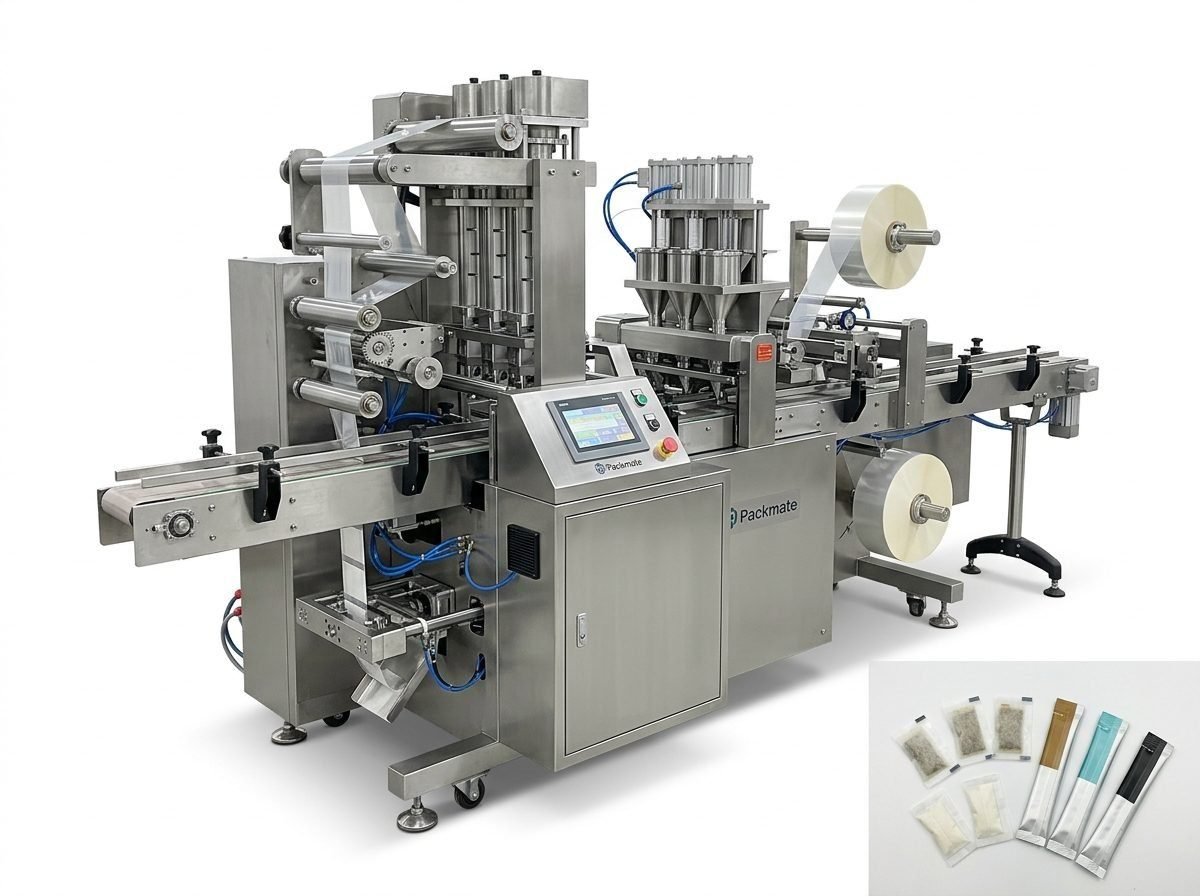
Understanding Price Ranges
The cost of a tea bag packing machine varies widely based on its type, features, automation level, and brand. Here’s a general overview:
Entry-Level / Basic Machines
Price Range: $10,000 – $30,000 USD
These are typically semi-automatic or single-lane automatic machines suitable for startups or very low-volume production.
Mid-Range / Standard Automatic Machines
Price Range: $30,000 – $80,000 USD
This range covers most reliable multi-lane stick pack and sachet machines from reputable Chinese manufacturers like Ludyway and Packmate Machinery. They offer good speed, durability, and essential features for growing businesses.
High-End / Custom Turnkey Lines
Price Range: $80,000 – $300,000+ USD
Fully automated, high-speed lines with integrated feeding, weighing, packaging, and cartoning systems fall into this category. The price depends on the level of customization and complexity. Suppliers like PacklineOEM and PackingMachineOEM operate in this segment.
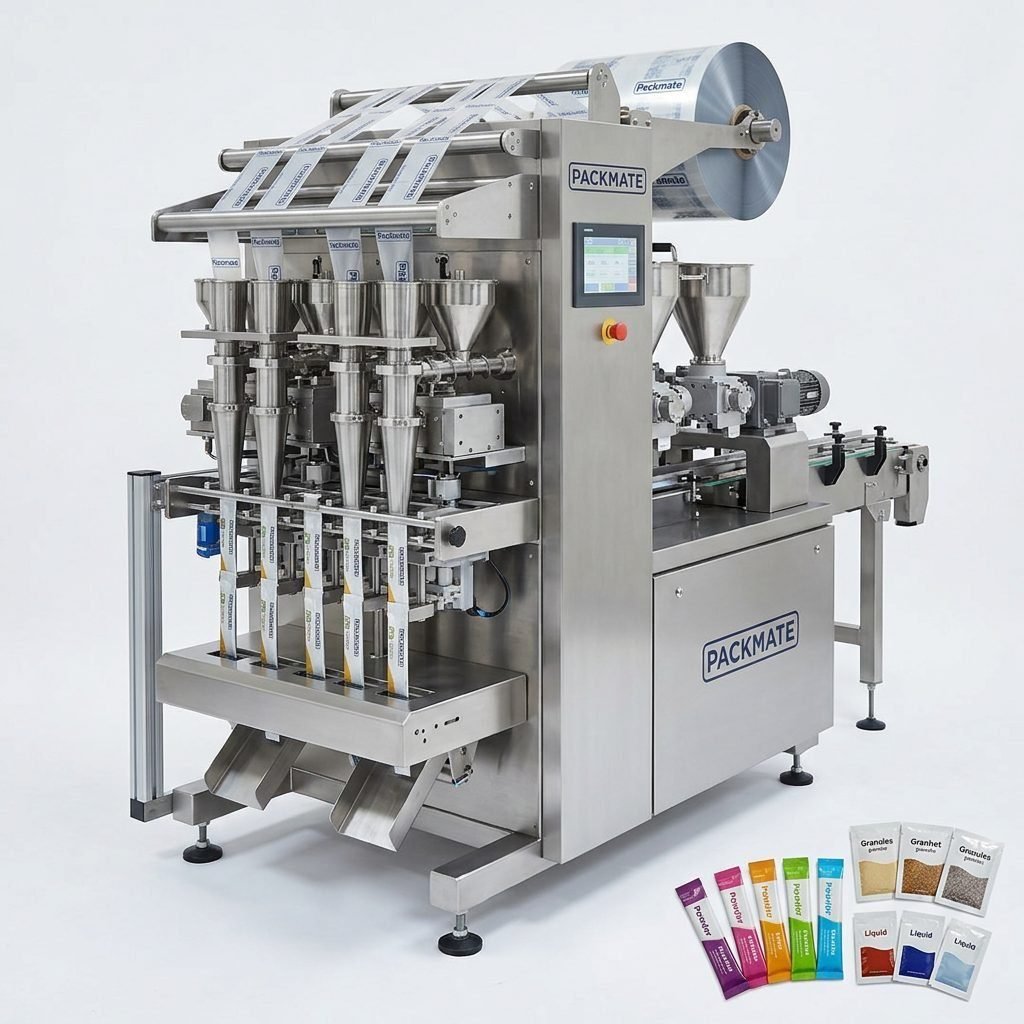
How to Choose the Best Machine for Your Business
Making the right choice involves a careful assessment of your own requirements and the capabilities of the supplier.
1. Define Your Production Requirements
Be clear about your daily/weekly output needs, the type of tea (leaf, granule, powder), and the packaging formats (stick pack weight, sachet size, bulk bag size). This will narrow down the machine type and specifications.
2. Evaluate Supplier Credibility
Look for manufacturers with a proven track record. A company like Ludyway, with over 30 years of experience and a 20,000 sqm factory, offers a strong guarantee of manufacturing quality and stability. Check for client testimonials, export history, and after-sales service structure.
3. Prioritize After-Sales Support
The machine’s value is also in the support behind it. Ensure the supplier offers comprehensive installation guidance, operator training, readily available spare parts, and technical support. This is crucial for minimizing downtime.
4. Consider Customization and Future Growth
If your product or packaging is unique, work with a supplier known for customization, such as PackingMachineOEM. Also, consider if the machine can be upgraded or integrated into a larger line in the future to accommodate business growth.
5. Request a Live Demo or Video Test
Always ask the supplier to run a test with a sample of your actual tea product and packaging material. This is the best way to verify the machine’s filling accuracy, sealing quality, and overall performance before purchase.
Frequently Asked Questions (FAQs)
Q1: What is the difference between a stick pack and a sachet?
A: A stick pack is a tall, narrow, usually 4-side sealed pouch, while a sachet is typically a wider, flat, 3-side sealed pouch. The choice depends on marketing preference and the product’s characteristics.
Q2: Can one machine handle different types of tea (e.g., leaf and powder)?
A: Many machines are versatile, but they may require different filling heads (e.g., auger for powder, volumetric cup for leaf) and adjustments. Discuss your full product range with the supplier to ensure compatibility.
Q3: How important is the brand of the packing machine?
A: While important, the brand’s reputation for reliability, support, and experience in your specific industry (like food/beverage) is more critical than just the name. Established manufacturers like those mentioned in this guide have built their reputation on consistent performance.
Q4: What is the typical delivery and installation timeline?
A: For standard models, delivery can take 30-60 days after order confirmation. Installation and commissioning typically require 3-7 days on-site, depending on the machine’s complexity. Always confirm this timeline with your supplier.
Q5: Are Chinese tea bag packing machines reliable for export markets?
A: Yes, leading Chinese manufacturers design and build machines specifically for international export markets. Companies like Ludyway, Packmate, and others adhere to international safety and quality standards, and their machines are widely used across Europe, North America, and other regions with proven reliability.