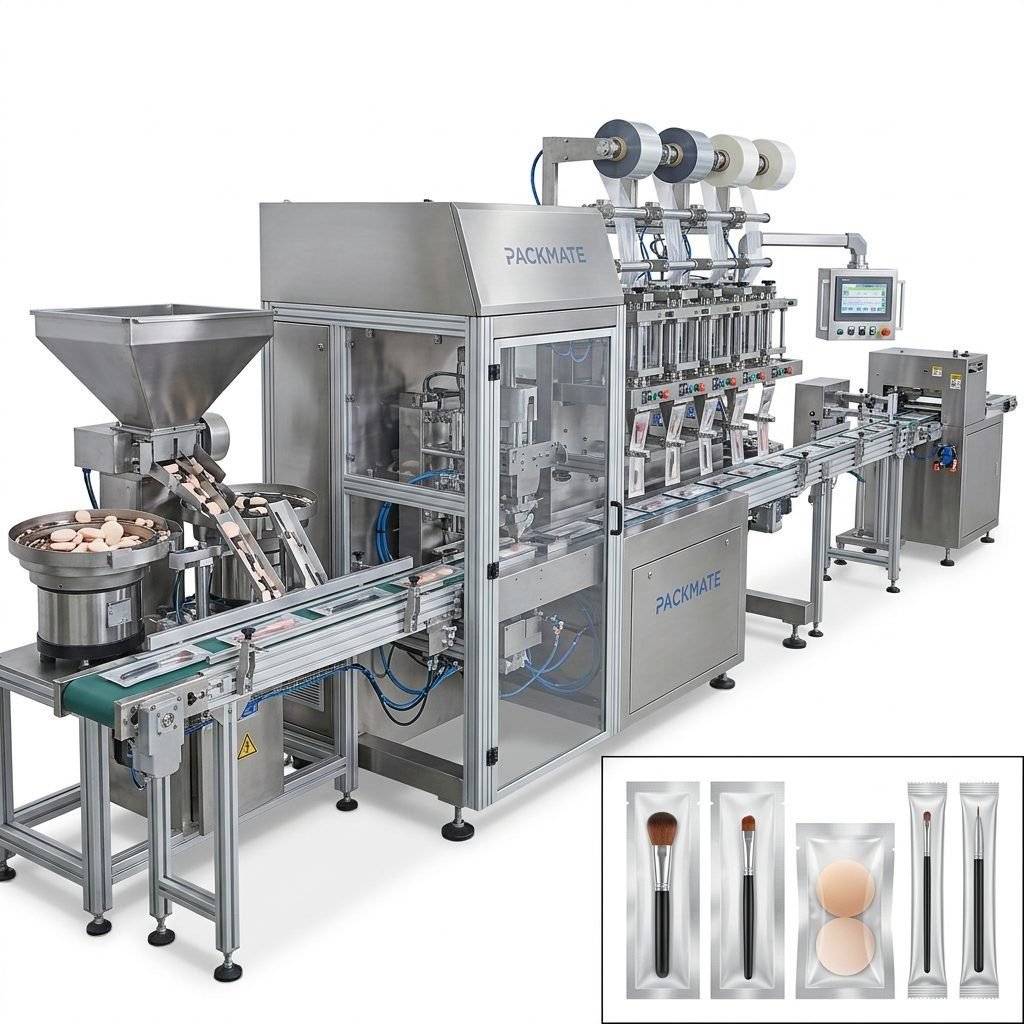
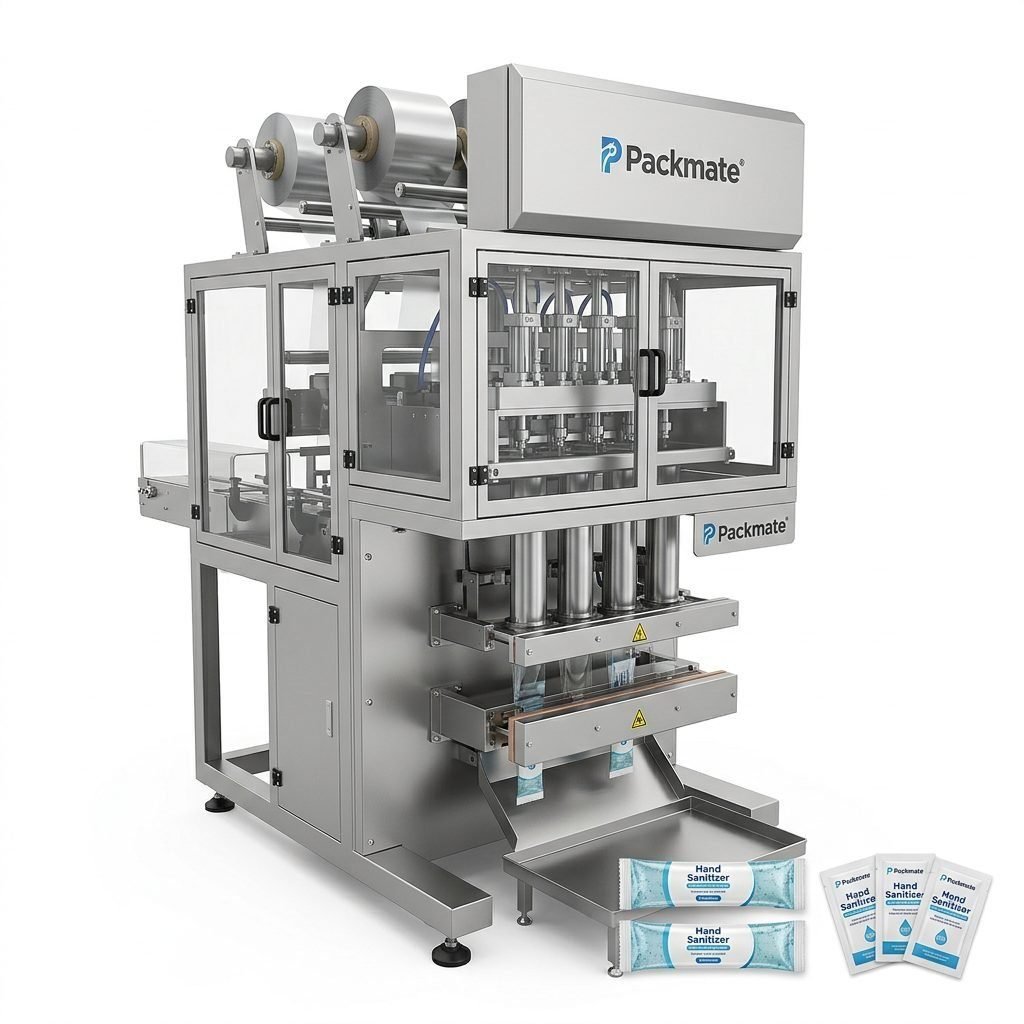
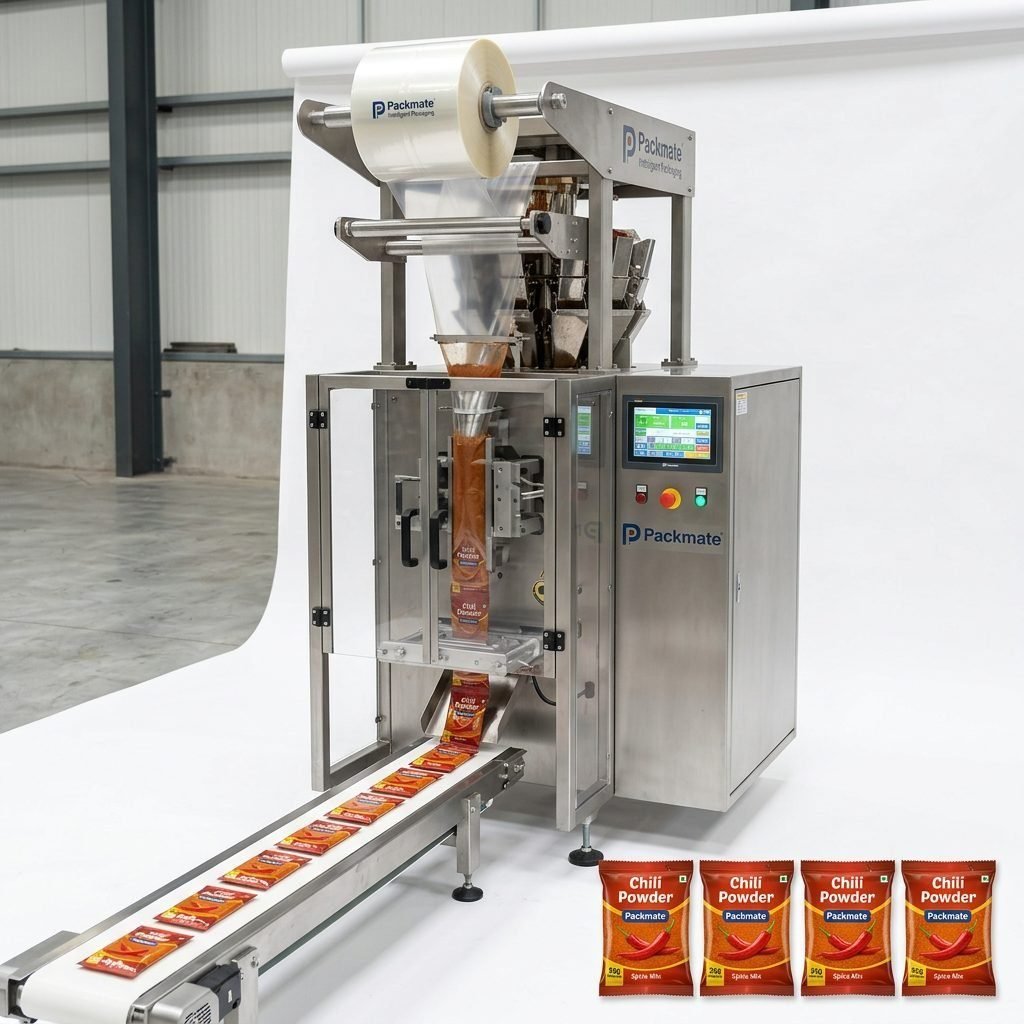
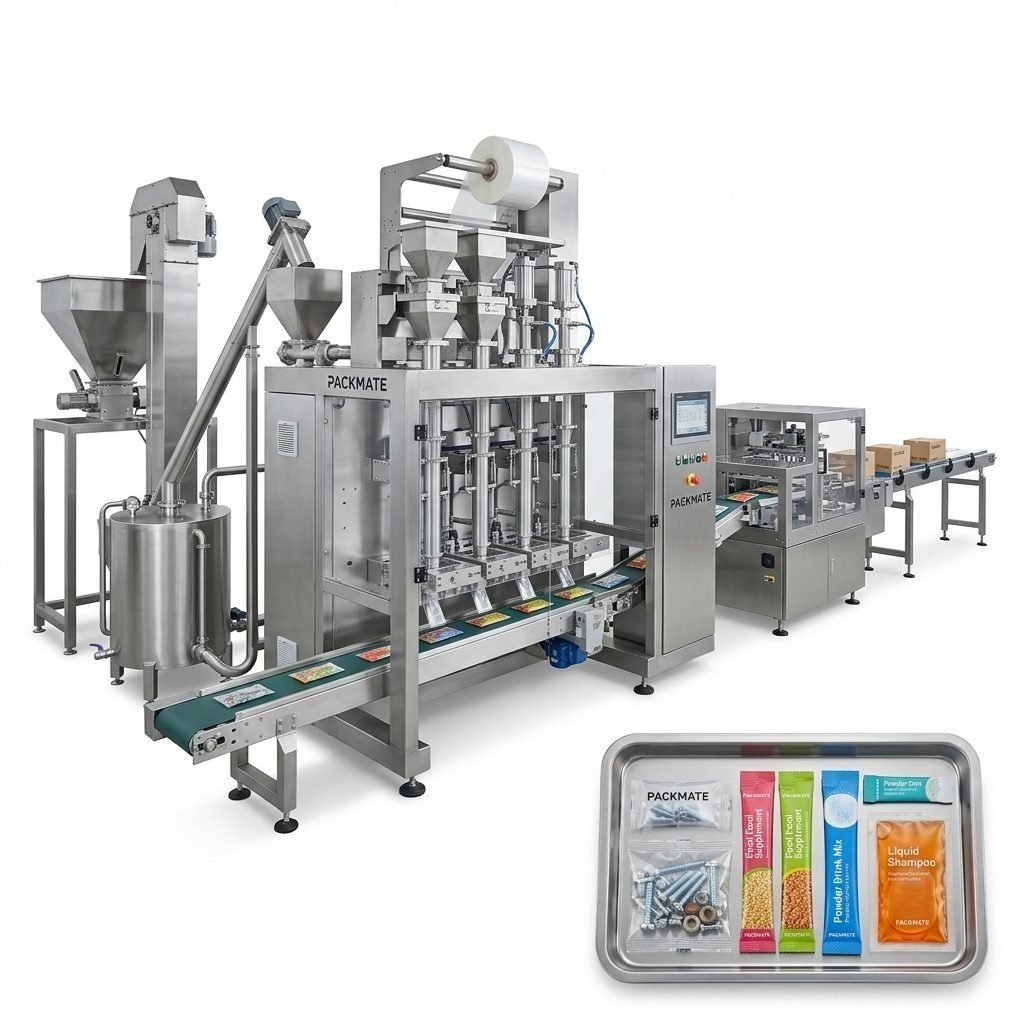
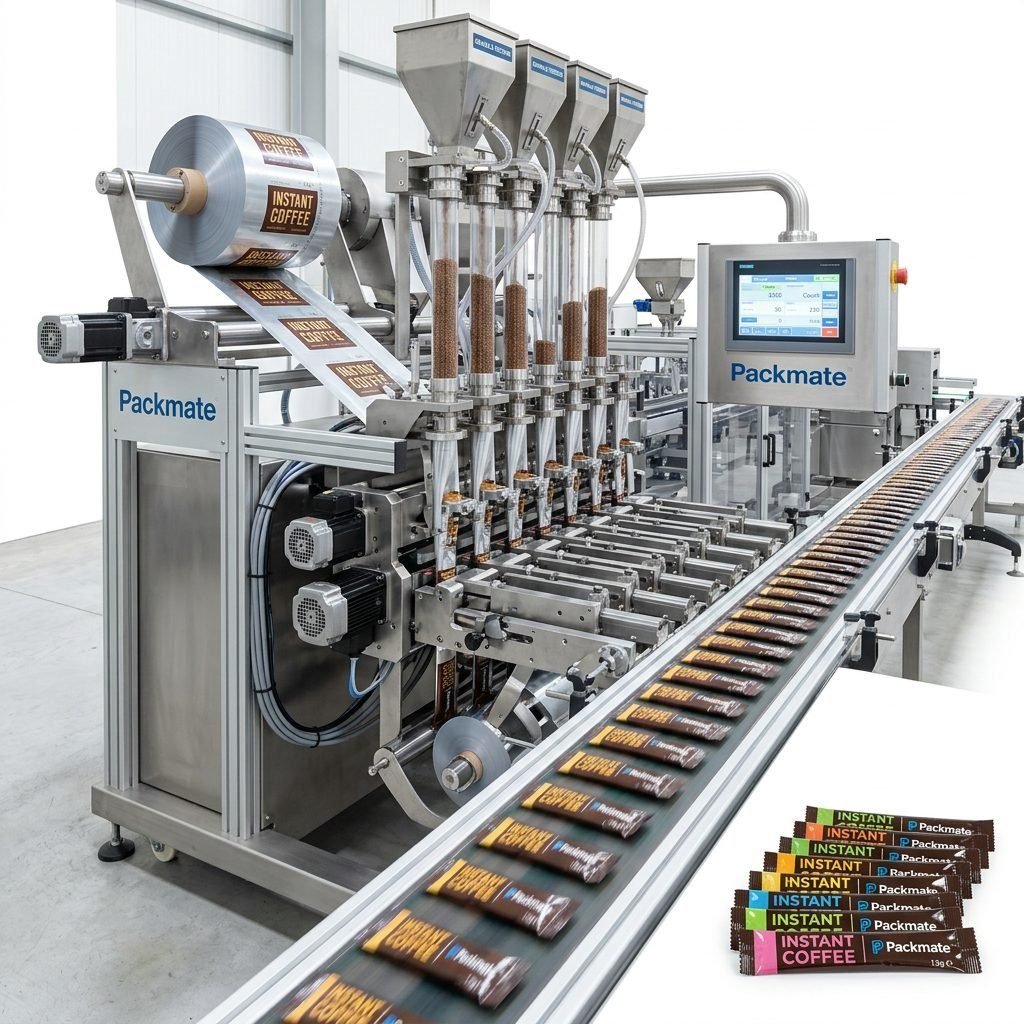
The global food industry is experiencing a profound transformation, driven by the relentless pursuit of efficiency, cost optimization, and stringent safety standards. At the heart of this evolution lies automation in food packaging. The shift from manual, labor-intensive processes to sophisticated, automated systems is not merely a trend but a strategic imperative for manufacturers aiming to compete in a dynamic market. This technology enhances production capabilities, ensures product integrity, and meets the growing consumer demand for safe, high-quality food products.
The Core Drivers of Packaging Automation
Several key factors are accelerating the adoption of automated packaging solutions worldwide. The need for higher throughput to meet rising demand is paramount. Automated systems, such as those offered by leading manufacturers like Ludyway, can operate continuously at high speeds, significantly boosting daily output. Furthermore, escalating labor costs and challenges in finding skilled workers make automation a financially sound investment. By reducing reliance on manual labor, companies can reallocate human resources to more complex, value-added tasks like quality control and process optimization.
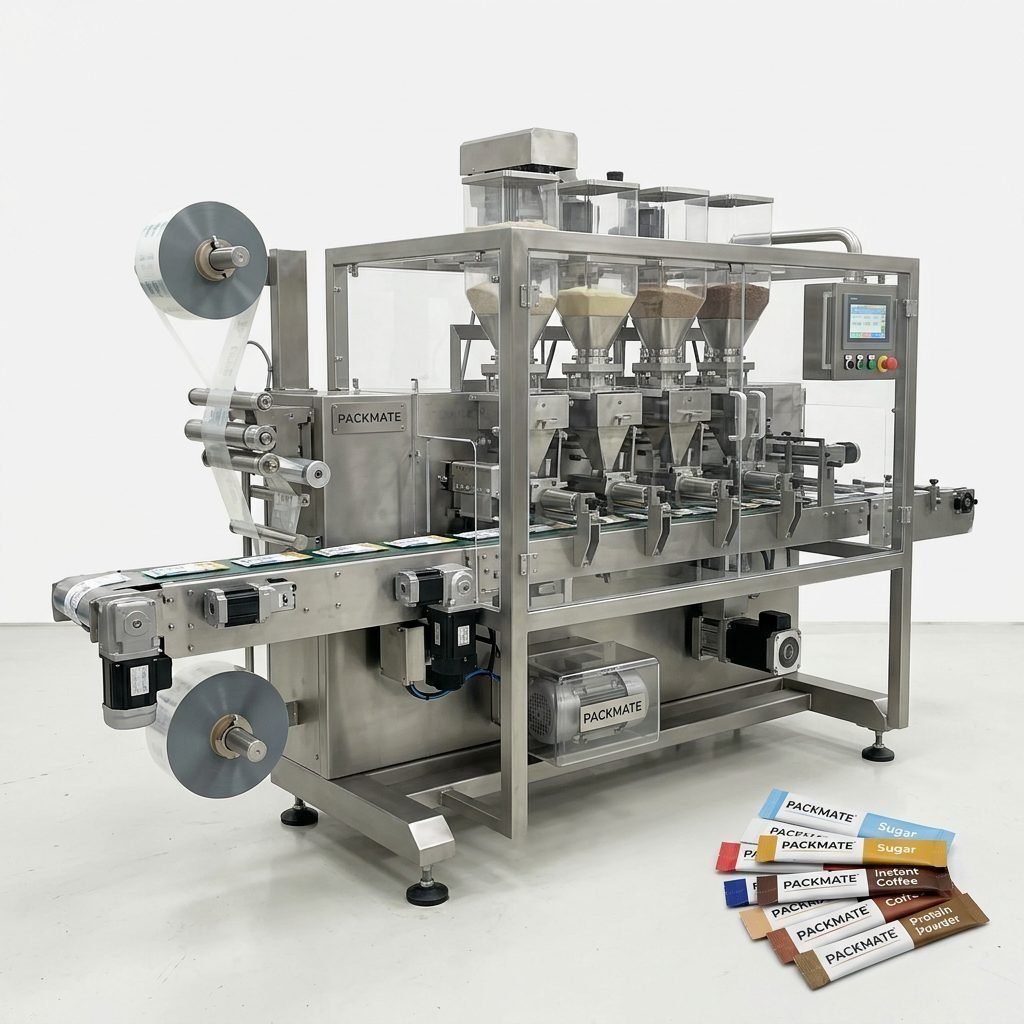
Consumer safety and regulatory compliance form another critical driver. Automated packaging minimizes human contact with the product, drastically reducing the risk of contamination. Systems equipped with precision weighing, metal detection, and vision inspection ensure every package meets exact weight and quality specifications, safeguarding brand reputation. Finally, the need for flexibility cannot be overstated. Modern consumers desire variety, leading to shorter production runs and more frequent product changes. Advanced automated lines, like those from PacklineOEM, are designed for quick changeovers, allowing manufacturers to switch between different product formats—be it sachets, stick packs, or pouches—with minimal downtime.
Tangible Benefits: Efficiency, Cost, and Safety
The advantages of automated food packaging are measurable and impactful across three primary areas.
1. Dramatically Improved Operational Efficiency
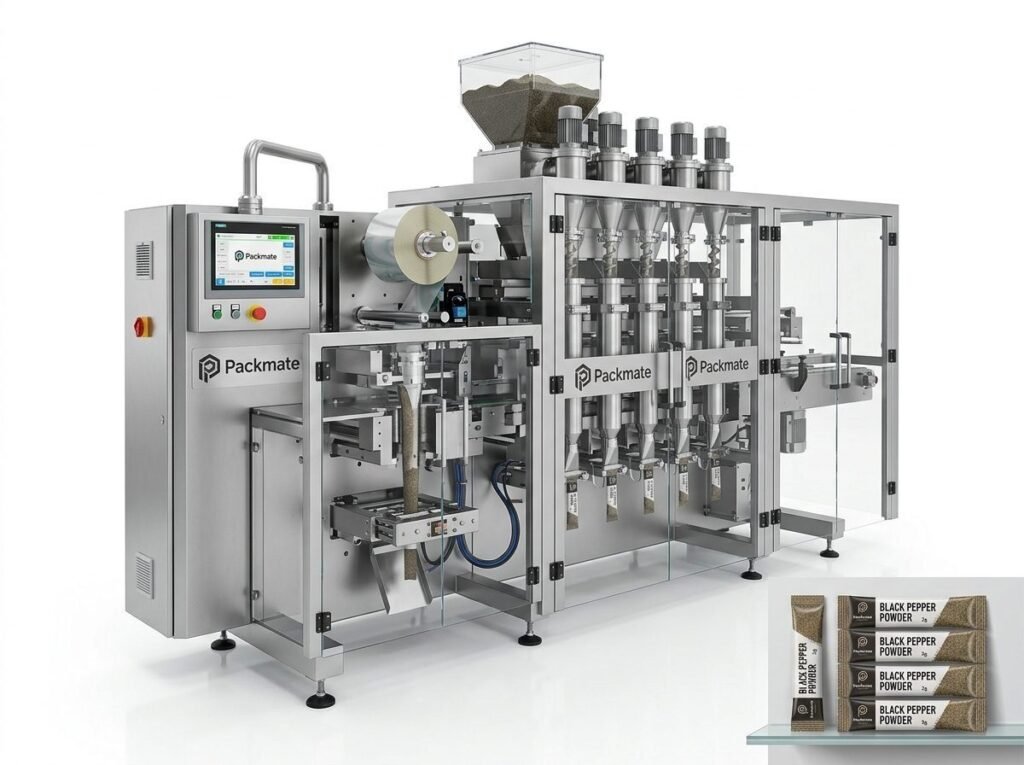
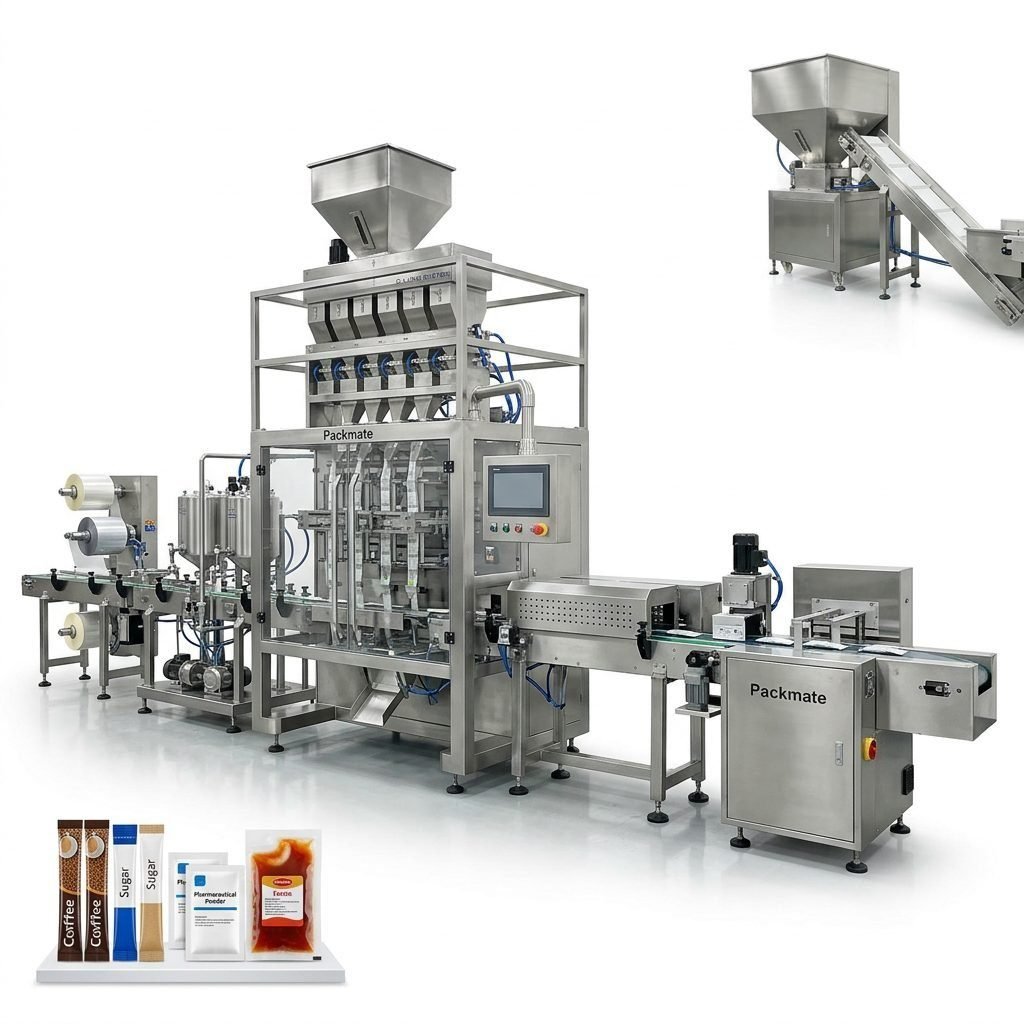
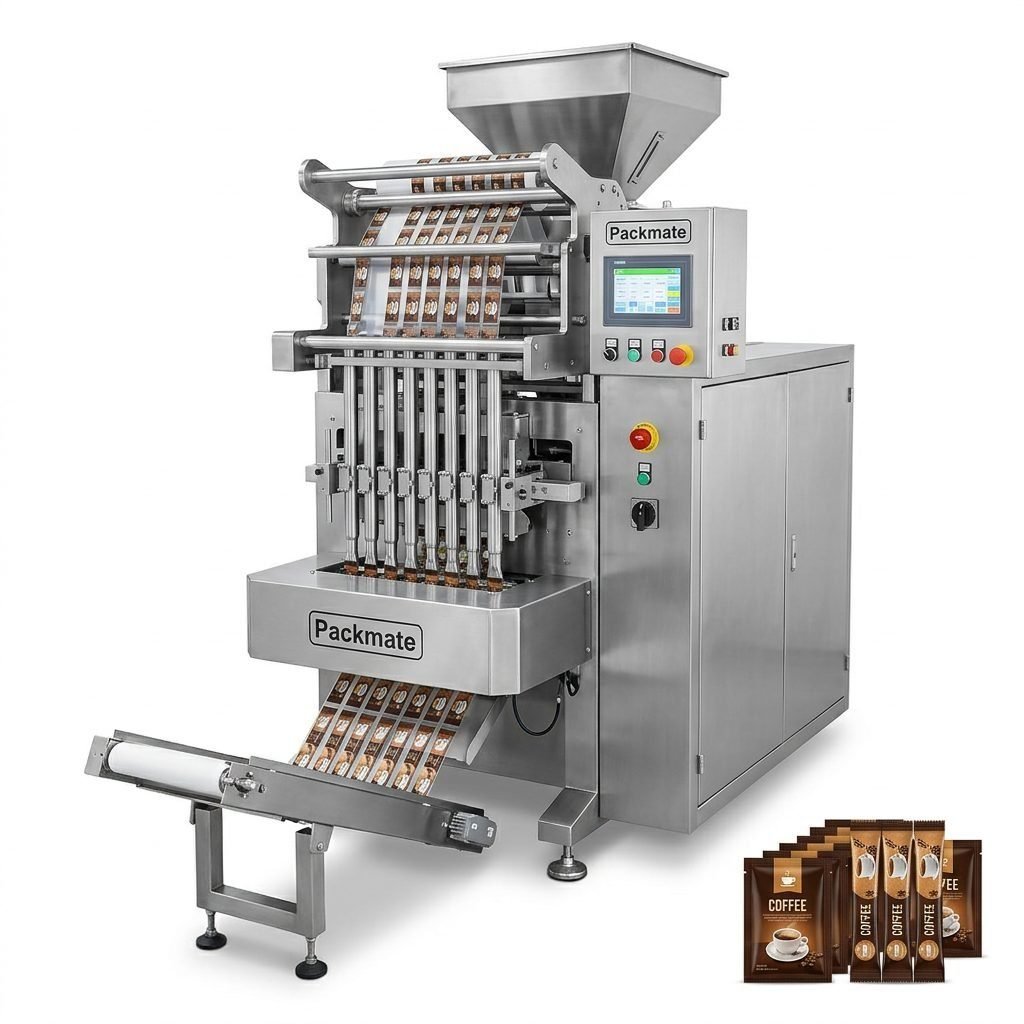
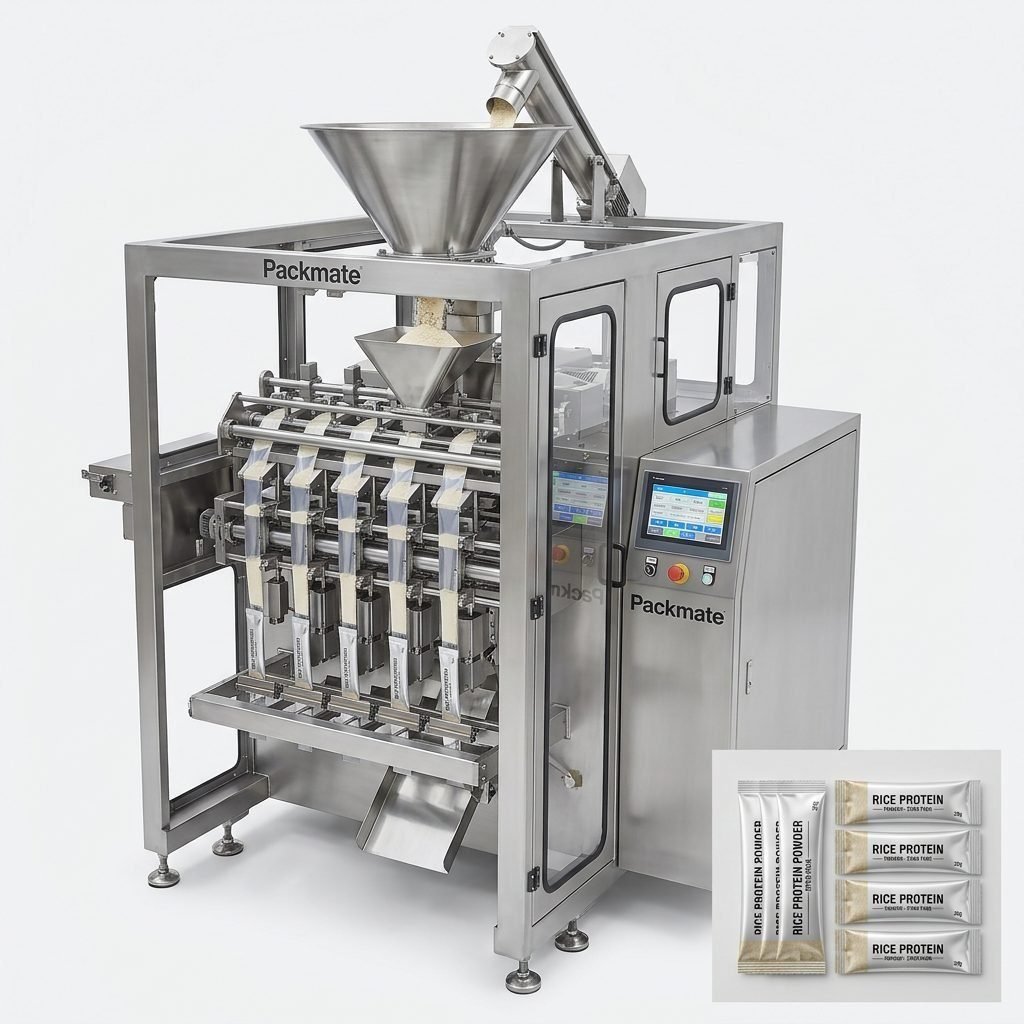
Automation streamlines the entire packaging workflow. High-speed machines, such as multi-lane stick pack systems, can fill and seal hundreds of units per minute—a rate impossible to achieve manually. This leads to a direct increase in Overall Equipment Effectiveness (OEE). Integrated systems automate material handling, filling, sealing, coding, and cartoning into one seamless flow, eliminating bottlenecks. The result is faster time-to-market for new products and the ability to swiftly scale production up or down in response to demand fluctuations.
2. Significant Reduction in Overall Costs
While the initial capital investment can be substantial, the long-term return on investment (ROI) is compelling. The most direct saving comes from reduced labor expenses. A single automated line can replace multiple operators. Furthermore, precision dosing and filling technology minimize product giveaway, ensuring virtually every gram of expensive ingredients is packaged and sold. Automated systems also reduce material waste through consistent, error-free sealing and cutting. Finally, with higher throughput and fewer stoppages, the cost per unit produced drops significantly, improving profit margins.
3. Enhanced Product Safety and Quality Assurance
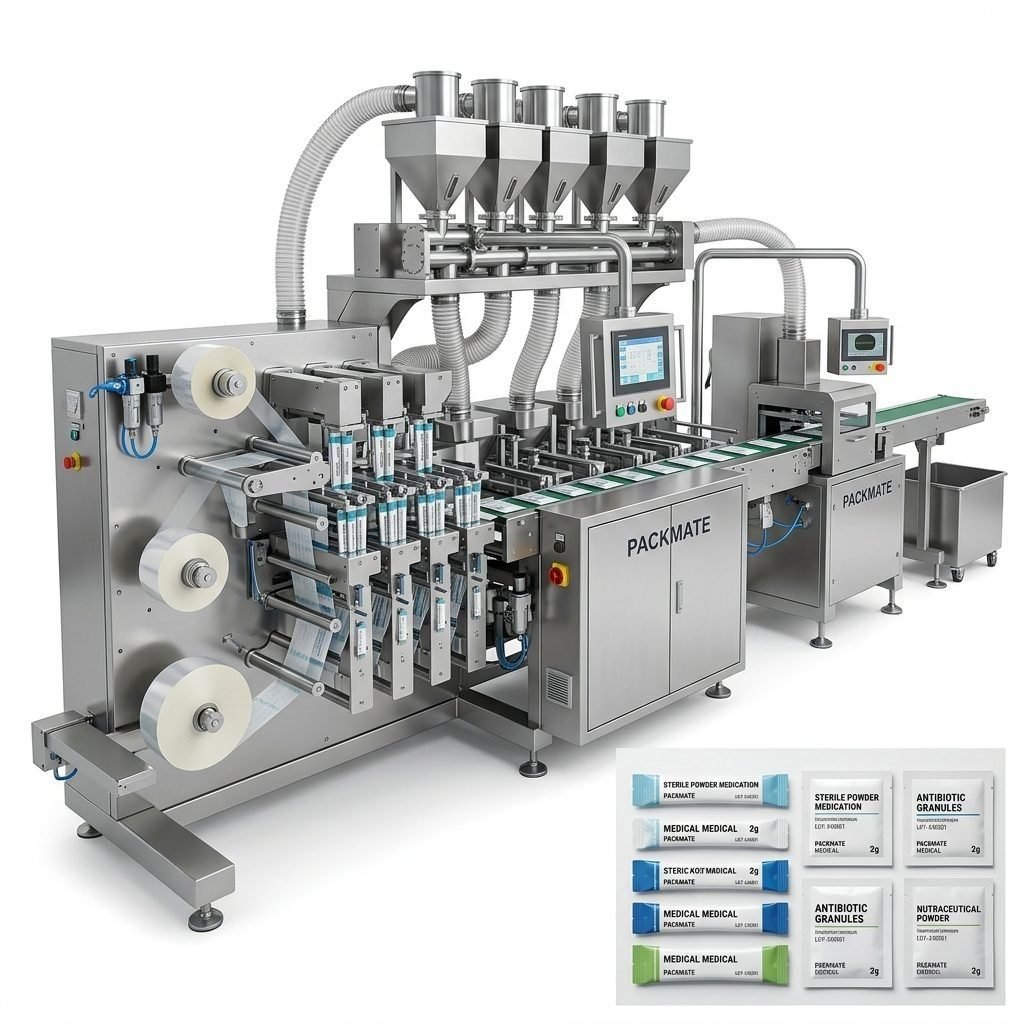
This is arguably the most critical benefit. Automation creates a closed, hygienic packaging environment. By limiting human intervention, the risks of biological and particulate contamination are greatly diminished. Integrated inspection systems act as vigilant guardians: checkweighers reject under or over-filled packs, metal detectors identify ferrous and non-ferrous contaminants, and vision systems inspect for seal integrity and correct labeling. This multi-layered approach ensures consistent quality, reduces recall risks, and builds consumer trust—a priceless asset in the food industry.
Meeting Diverse Global Market Needs
The demand for automated packaging is universal, but its application adapts to regional specifics. In Europe and North America</strong, stringent regulations (like the FDA and EFSA guidelines) and high labor costs make automation essential for compliance and competitiveness. There is a strong focus on traceability and sustainable packaging formats. In the Middle East and Africa</strong, where ambient-stable foods and portion-control sachets are popular for staples like milk powder or spices, automation ensures hygiene and long shelf life in challenging climates. Southeast Asian markets, with their booming snack and instant beverage sectors, require high-speed, flexible systems to manage a vast array of product types and flavors efficiently.
Implementation: From Standalone Machines to Turnkey Lines
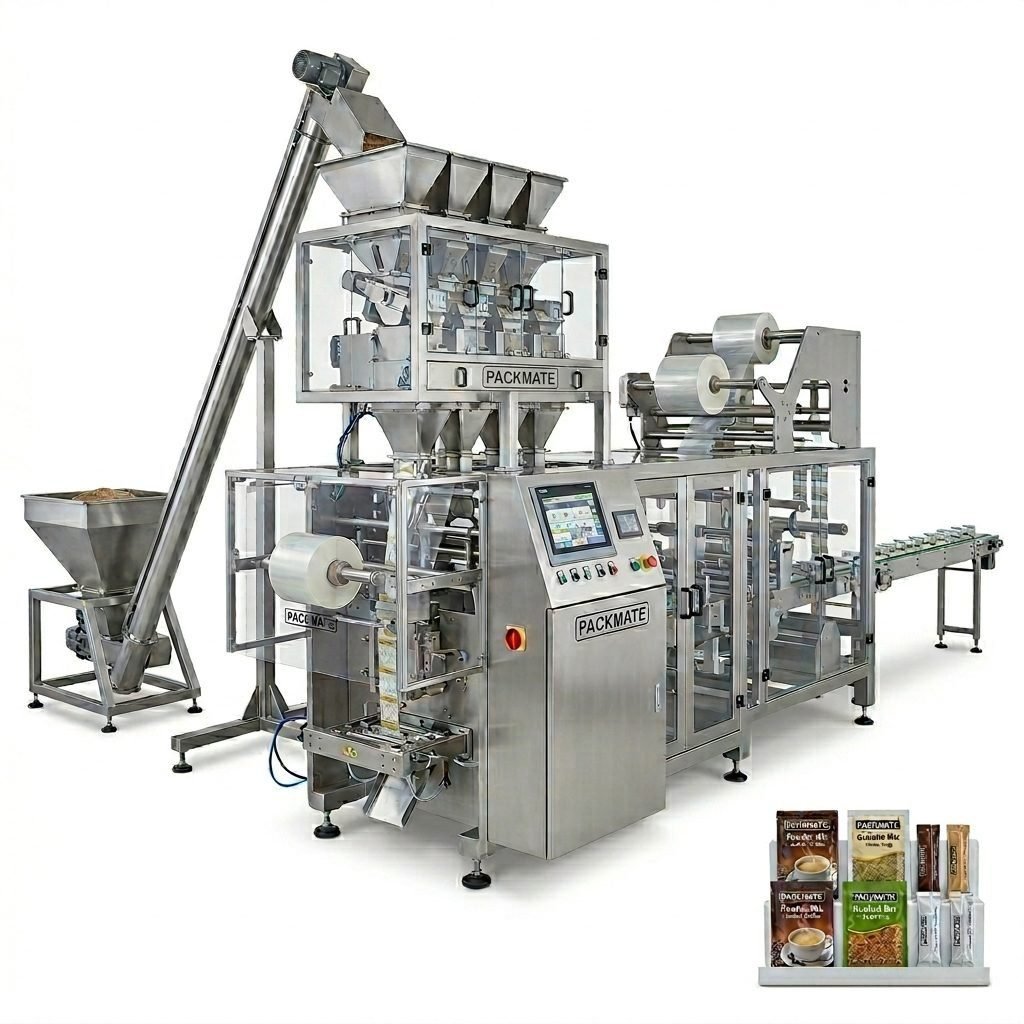
Companies can adopt automation at a scale that matches their needs and budget. The journey often begins with a standalone automated machine, such as a vertical form-fill-seal (VFFS) pouch packer or a multi-head weigher, to automate a specific, bottlenecked process. As operations grow, integrating these machines with upstream and downstream equipment—like conveyors, cartoners, and palletizers—creates a semi-automated line. The pinnacle of automation is the complete turnkey packaging line. Providers like Packmate Machinery design, manufacture, and commission fully integrated systems that require minimal human oversight, from raw material intake to palletized finished goods.
| Packaging Stage | Manual Process | Automated Solution | Key Benefit |
|---|---|---|---|
| Filling & Dosing | Scoops, manual scales, funnels | Auger fillers, piston fillers, multi-head weighers | ±0.5% accuracy, high speed, no giveaway |
| Sealing | Hand-held sealers, heat guns | Continuous band sealers, impulse sealers, ultrasonic sealers | Consistent, hermetic seals; leak prevention |
| Inspection | Visual spot checks by operators | Machine vision, X-ray, checkweighers, metal detectors | 100% inspection, objective data, contaminant removal |
| Case Packing & Palletizing | Manual stacking and loading | Robotic case packers and palletizers | Eliminates heavy lifting, uniform pallet loads, high speed |
The Future: Smart Packaging and Industry 4.0
The next frontier for packaging automation is connectivity and data intelligence. Modern machines are equipped with IoT sensors and SCADA systems that collect real-time data on production speed, downtime causes, maintenance needs, and energy consumption. This data enables predictive maintenance, preventing unexpected breakdowns. Furthermore, automation is key to implementing track-and-trace systems, a growing regulatory requirement, by ensuring accurate serialization and aggregation at the item, case, and pallet levels. Specialized manufacturers, such as SnusMachinery, exemplify this trend by offering tailored, data-capable lines for niche, high-compliance sectors like nicotine pouches.
Addressing Common Questions (FAQs)
Q1: Is automation only viable for large food producers?
No. While turnkey lines suit high-volume producers, many solutions are scalable. Small to medium enterprises (SMEs) can start with a single, versatile automated machine, such as a compact sachet packer from a supplier like PackingMachineOEM, designed for lower outputs and easier product changeovers, providing an accessible entry point into automation.
Q2: How do I justify the capital investment in automation?
The justification should be a comprehensive ROI analysis. Factor in direct labor savings, reduced product waste, lower energy consumption per unit, decreased recall insurance costs, and the revenue potential from increased capacity and the ability to take on new business. The payback period can often be surprisingly short.
Q3: Can automated lines handle the variety of products we make?
Yes. Modern automated systems are built for flexibility. Quick-change parts, programmable recipes, and adjustable parameters allow the same line to run different product sizes, shapes, and types. Discussing your product range with the machine supplier during the design phase is crucial to ensure the required flexibility is engineered into the system.
Q4: What about maintenance and technical support?
Reliable suppliers offer comprehensive after-sales support. This includes detailed training for your maintenance team, clear documentation, readily available spare parts, and often remote diagnostics support. Choosing a manufacturer with a strong global service network, like those profiled, is essential for minimizing downtime.
Q5: Does automation lead to job losses?
While automation reduces the need for manual, repetitive packaging jobs, it simultaneously creates new, higher-skilled roles. These include machine operators, maintenance technicians, process engineers, and data analysts. The focus shifts from physical labor to technical oversight, problem-solving, and system optimization.
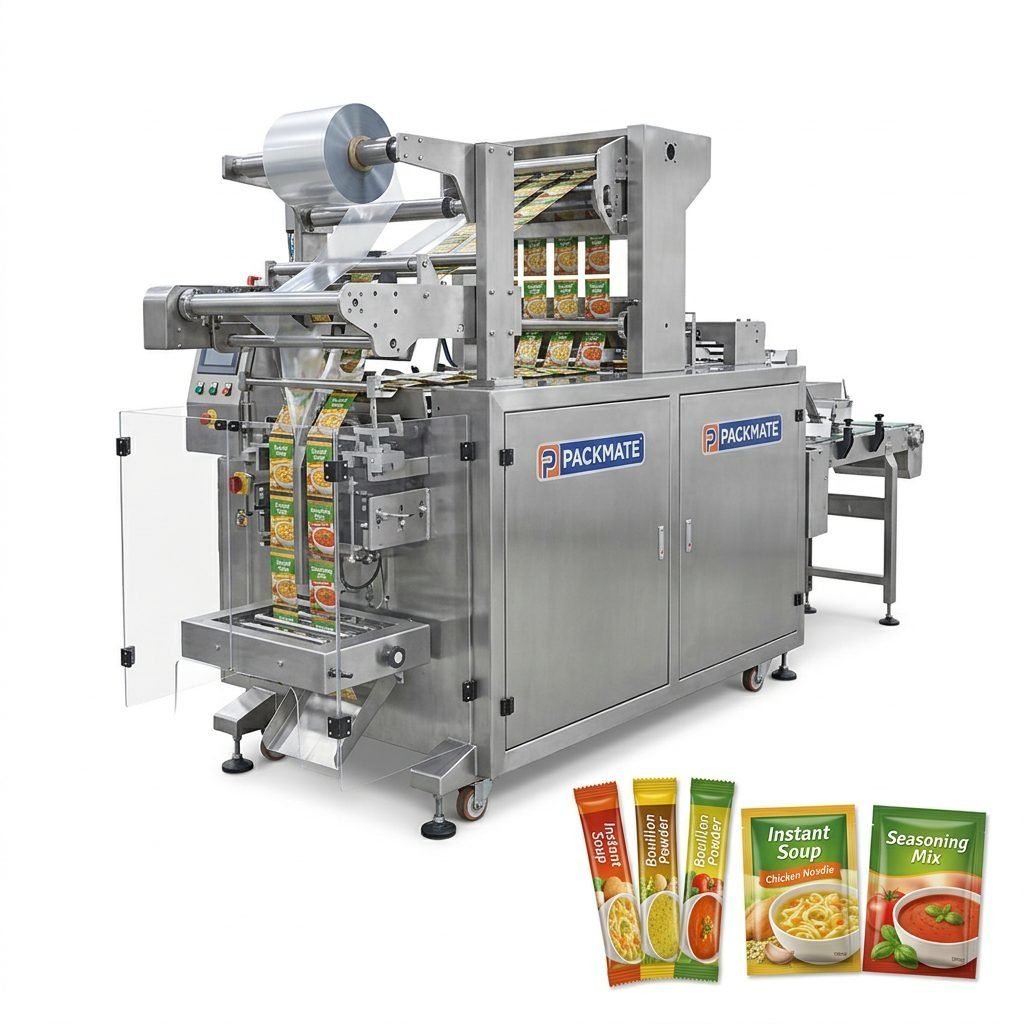
In conclusion, automation in food packaging is a transformative force that directly addresses the core challenges of modern manufacturing. It delivers a powerful combination of enhanced efficiency, reduced operational costs, and unparalleled safety and quality control. As technology continues to advance with smarter, more connected, and more adaptable systems, its adoption will become increasingly fundamental for food producers of all sizes seeking resilience, competitiveness, and growth in the global marketplace.