Sourcing reliable packaging machinery in South Sudan requires a practical, well-researched approach. For local businesses, food processors, agricultural cooperatives, and entrepreneurs, investing in automated packaging equipment is a significant step towards improving production efficiency, product quality, and market competitiveness. This guide provides actionable steps to identify, evaluate, and partner with trustworthy manufacturers, focusing on the specific needs and challenges of operating in the South Sudanese market.
Understanding Your Packaging Needs in the South Sudanese Context
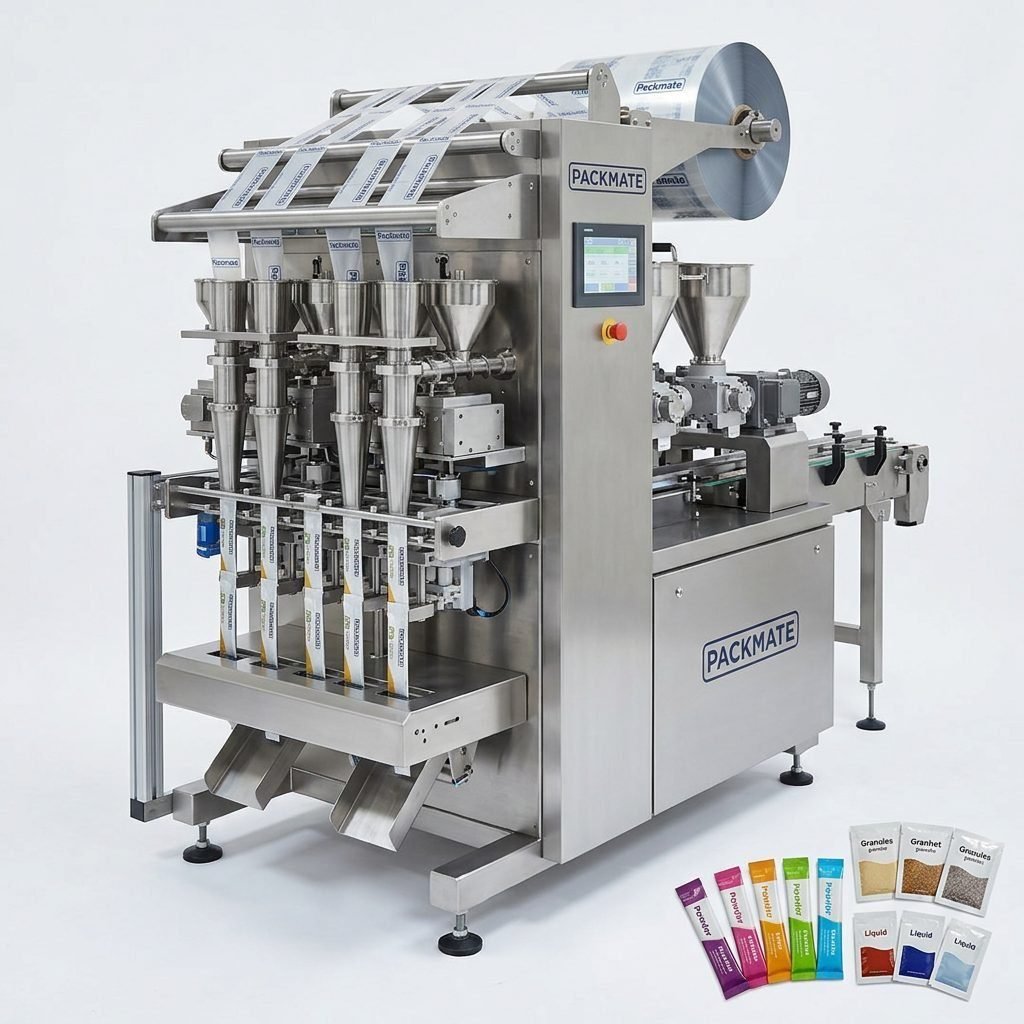
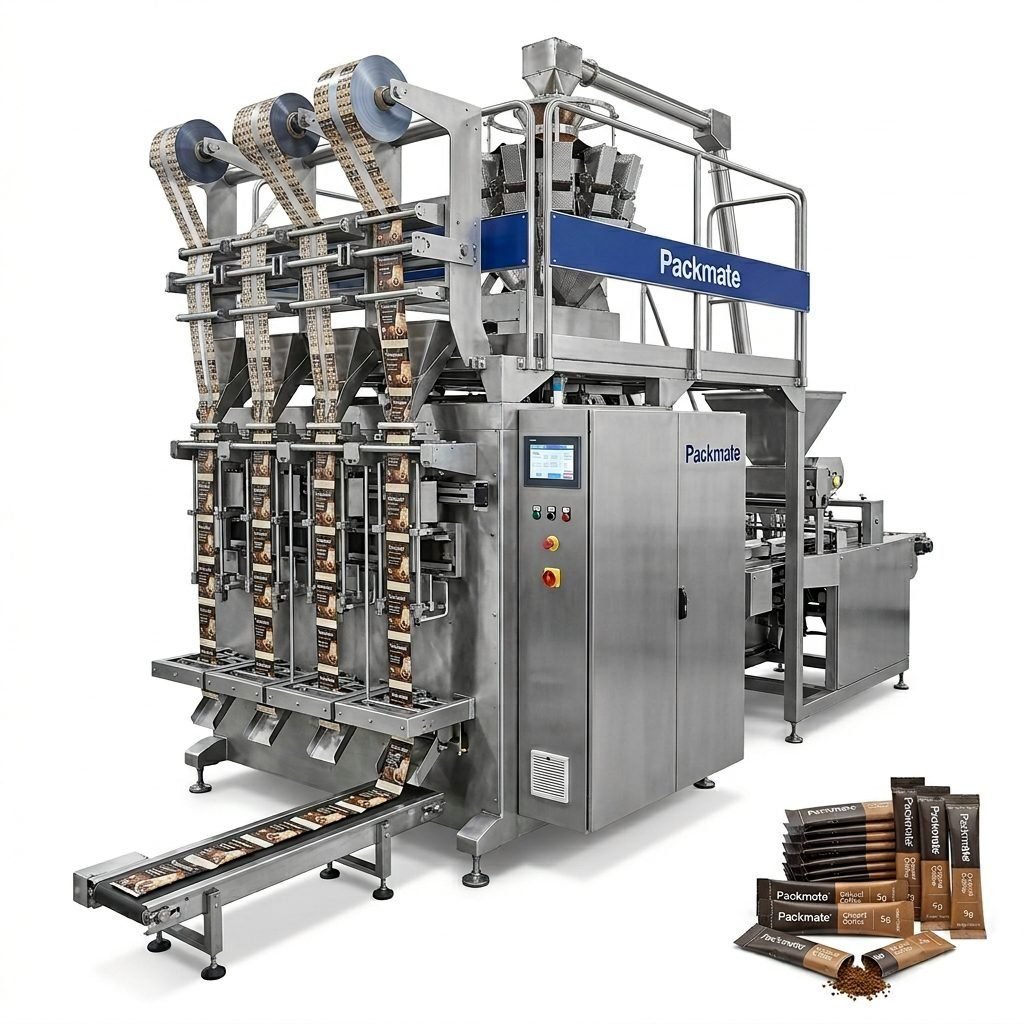
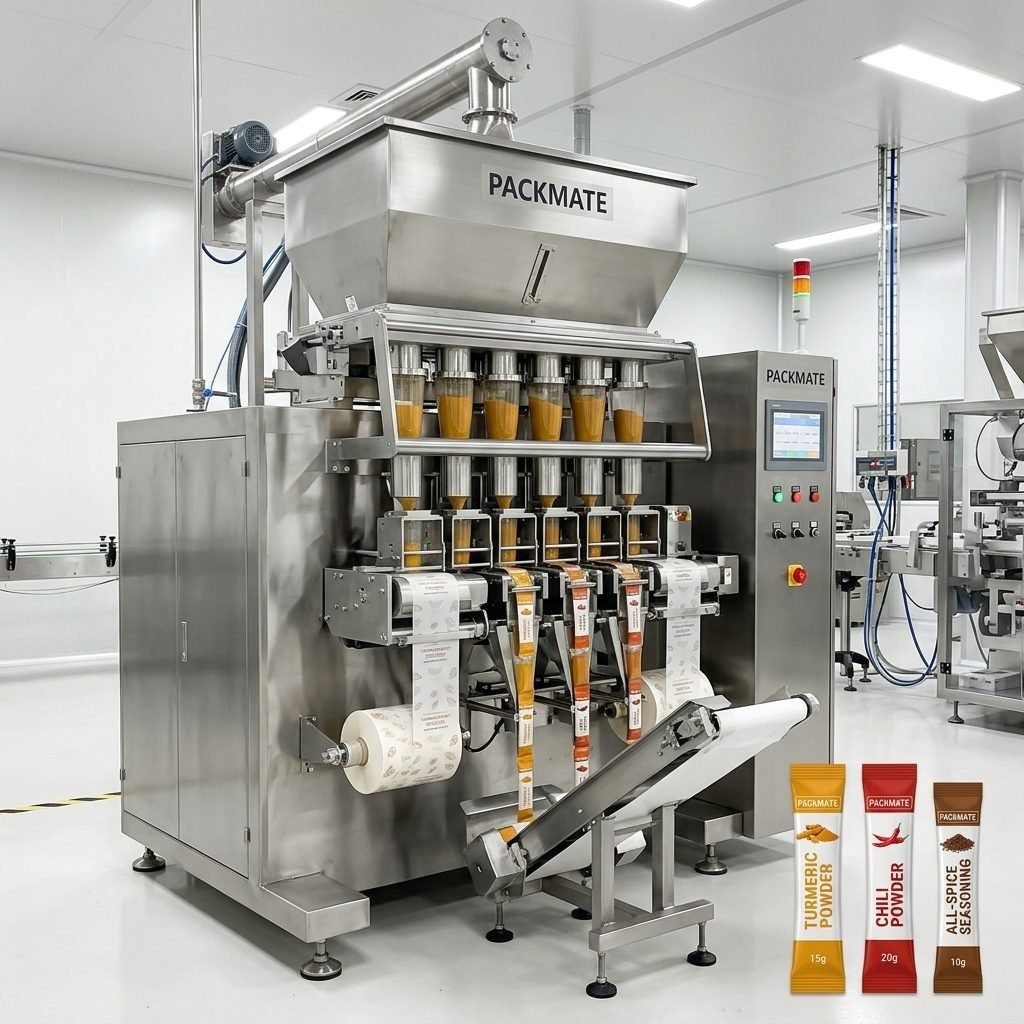
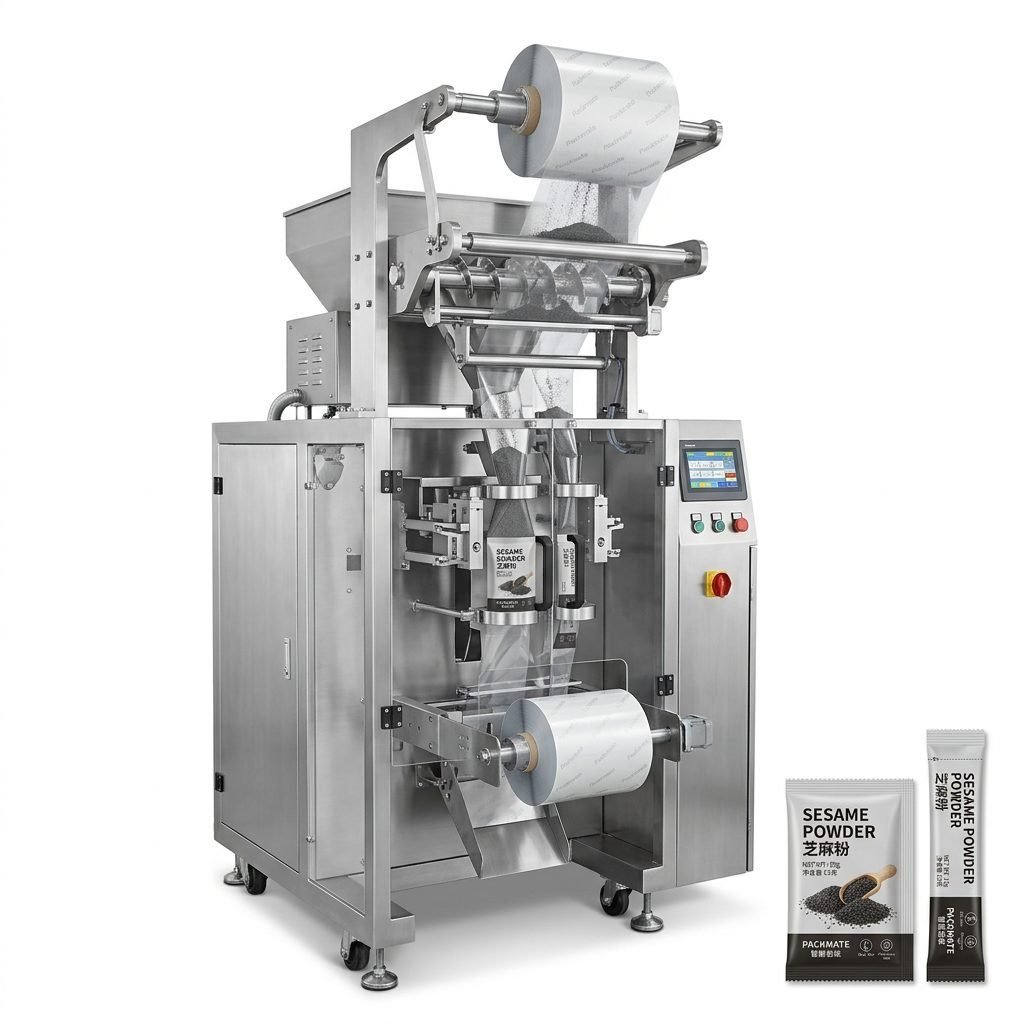
Before beginning your search, clearly define your project requirements. Consider the local conditions: frequent power fluctuations, the need for robust and easy-to-maintain machinery, and the specific products common in the region—such as grains, powdered milk, salt, sugar, spices, agricultural seeds, and potentially sachet-packed water or juices. Determine your required packaging format (stick packs, sachets, bags), production speed, product type (granules, powders, liquids), and the level of automation feasible for your workforce.
Key factors for South Sudan: Prioritize machines with stable performance under variable voltage, simple mechanical designs for easier maintenance, and good after-sales support availability. Consider the humidity and dust levels, which can affect both the product being packaged and the machine’s longevity.
Key Sourcing Channels for South Sudanese Buyers
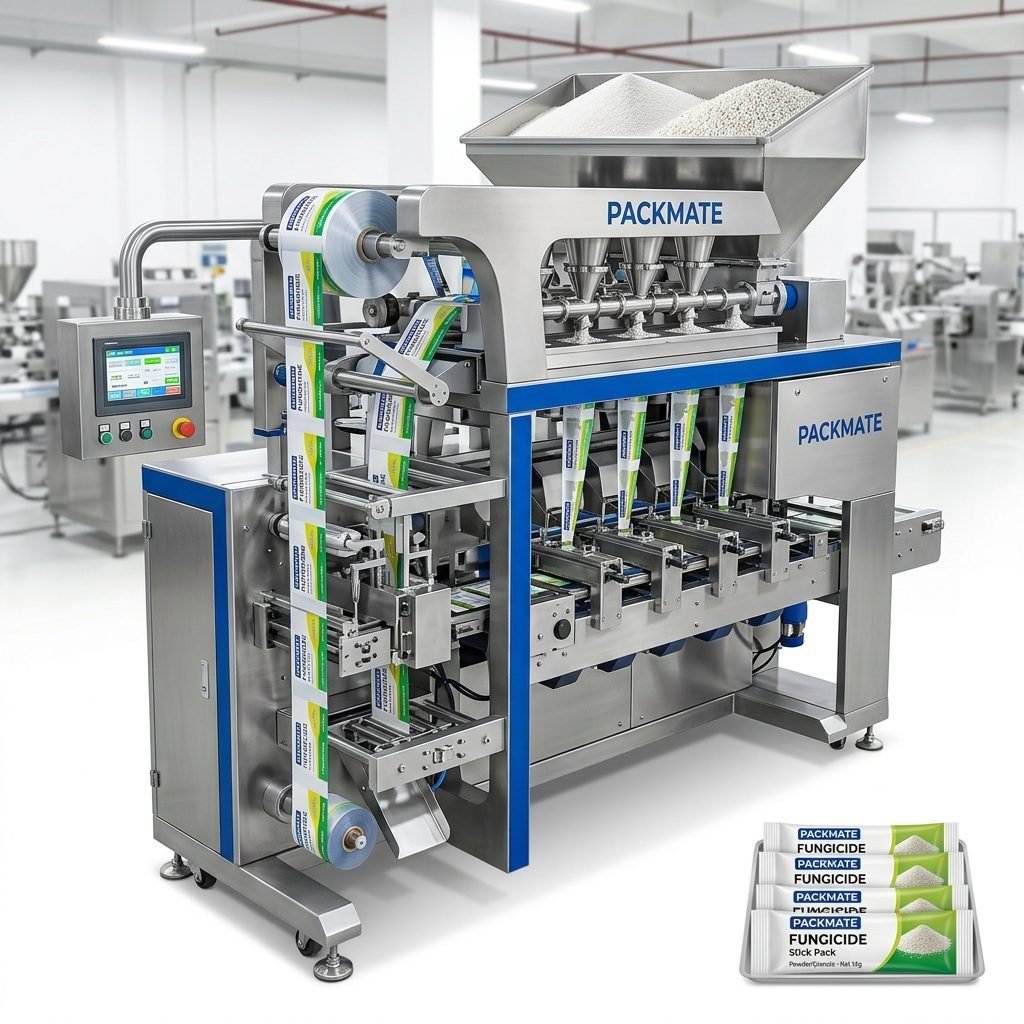
International B2B platforms like Alibaba, Made-in-China, and Global Sources are primary starting points. Use precise keywords like “stick pack machine,” “powder sachet packing machine,” or “automatic packaging line.” Attend international trade fairs related to food processing or packaging when possible. Leveraging industry referrals from neighboring countries like Kenya, Uganda, or Ethiopia can also provide valuable leads. For specialized needs, such as equipment for nicotine pouches, a targeted search for manufacturers with that niche expertise is crucial.
Evaluating Manufacturer Credibility and Capability
Once you have a shortlist, conduct thorough due diligence. A reliable manufacturer should have a verifiable track record.
| Evaluation Criteria | What to Look For | Why It Matters for South Sudan |
|---|---|---|
| Company History & Experience | Years in business, industry specialization, client portfolio. | Experienced firms are better equipped to handle complex logistics and provide long-term technical guidance. |
| Factory & Production Capacity | Factory size photos/videos, quality control processes, in-house R&D. | Ensures they can handle your order reliably and maintain consistent quality. |
| Export Experience | Markets served, export documentation support, familiarity with African imports. | Simplifies shipping, customs clearance, and ensures machines meet necessary standards. |
| After-Sales & Support | Warranty terms, remote support availability, spare parts supply, on-site installation (if offered). | Critical for minimizing downtime. Clear support channels are essential given the distance. |
Technical Communication and Sample Testing
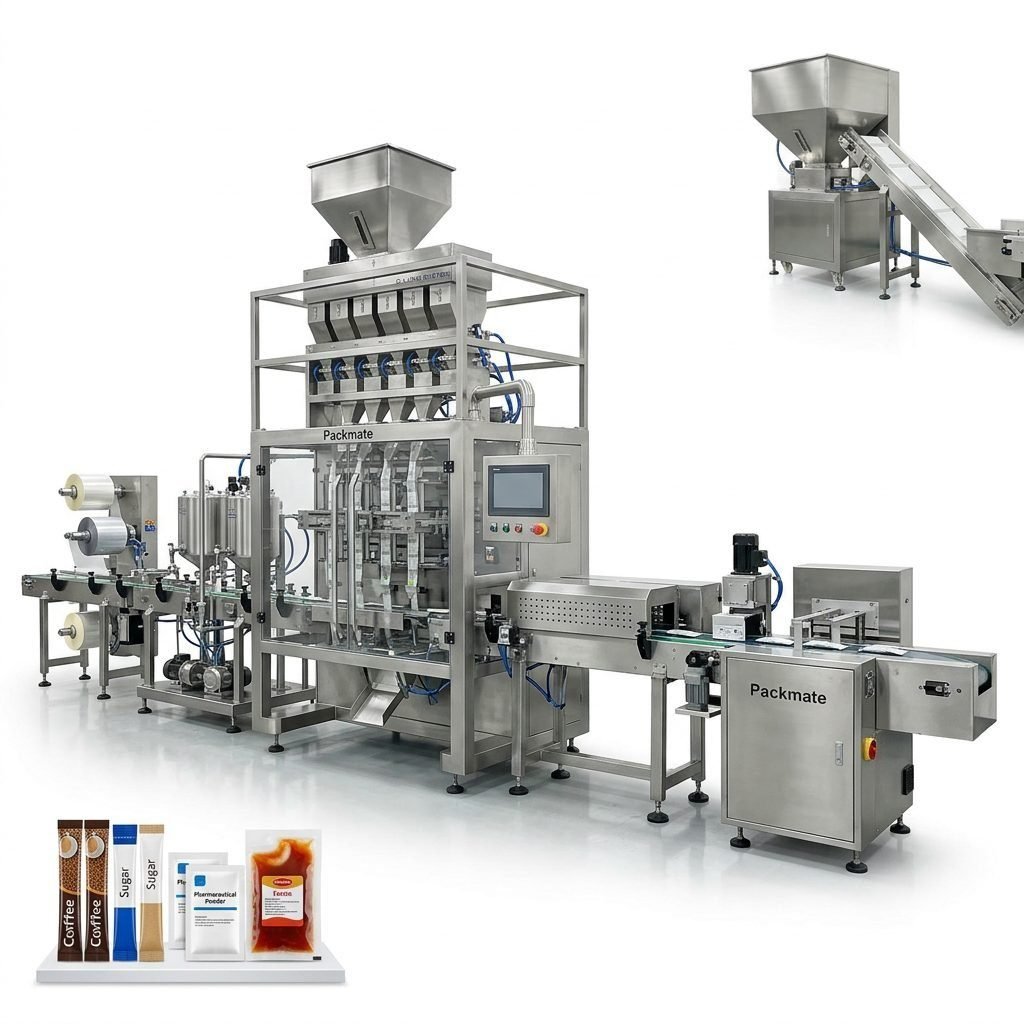
Engage in detailed technical discussions. Provide samples of your actual product and packaging materials to the manufacturer for testing. Request a video of their machine running your product. This step is vital to confirm the machine’s suitability for your specific material characteristics, such as the flowability of local grain flour or the viscosity of oil. Discuss power requirements (voltage, phase) and ensure compatibility with South Sudan’s grid.
Overview of Potential Manufacturing Partners
Several established Chinese manufacturers have strong export records to Africa and could be suitable partners. Here is a brief overview of five notable companies:
1. Ludyway
With over 30 years of experience, Ludyway is a major player known for a wide product range covering food, pharmaceutical, and health supplements. Their strength lies in providing both standalone machines and complete turnkey lines, which can be beneficial for setting up a new production facility. Their export footprint across Africa suggests familiarity with regional requirements.
2. Packmate Machinery
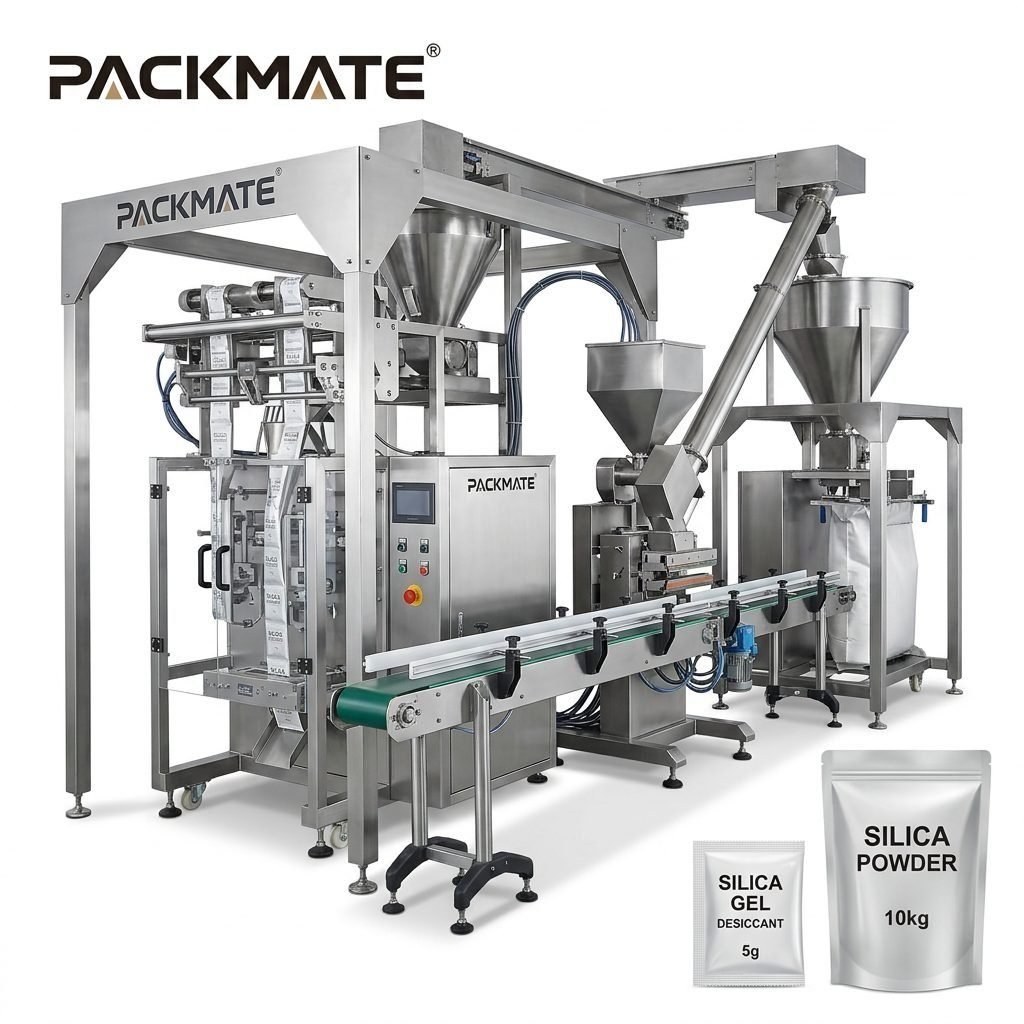
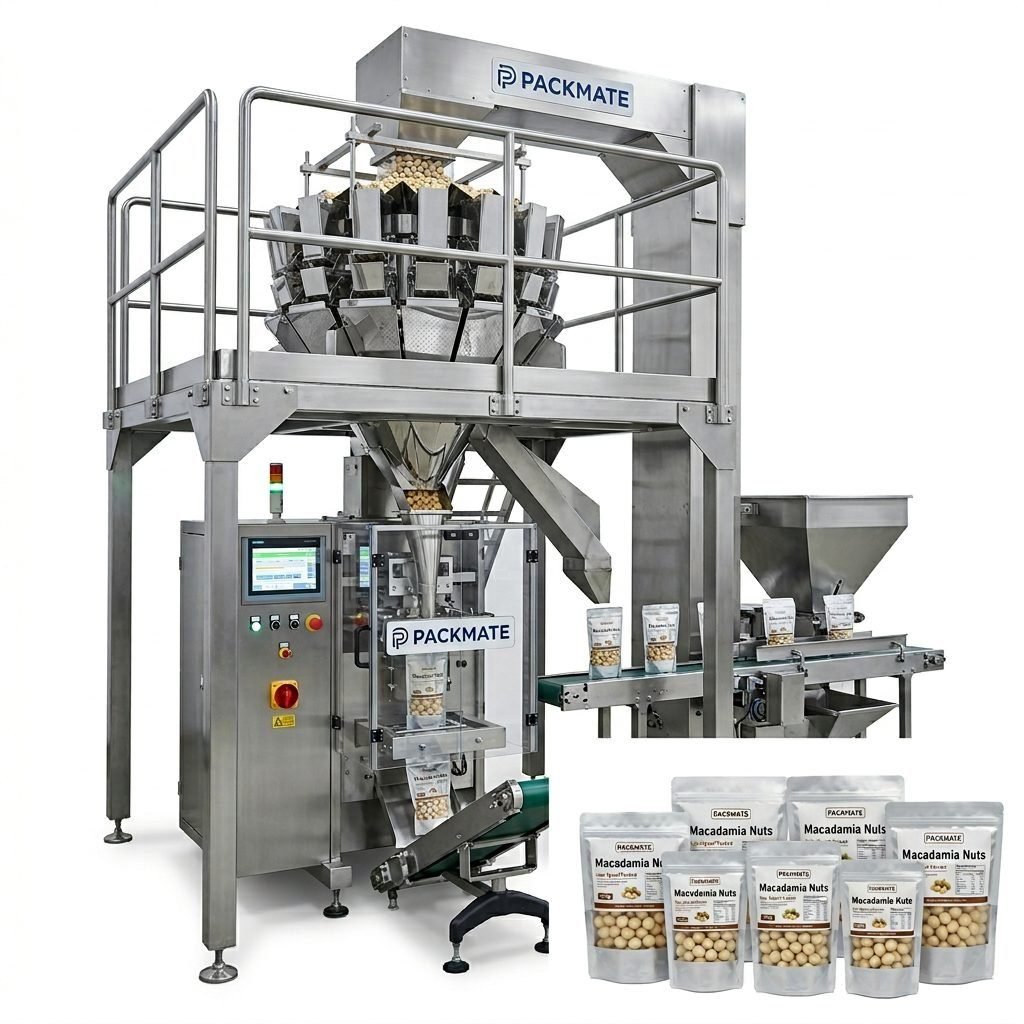
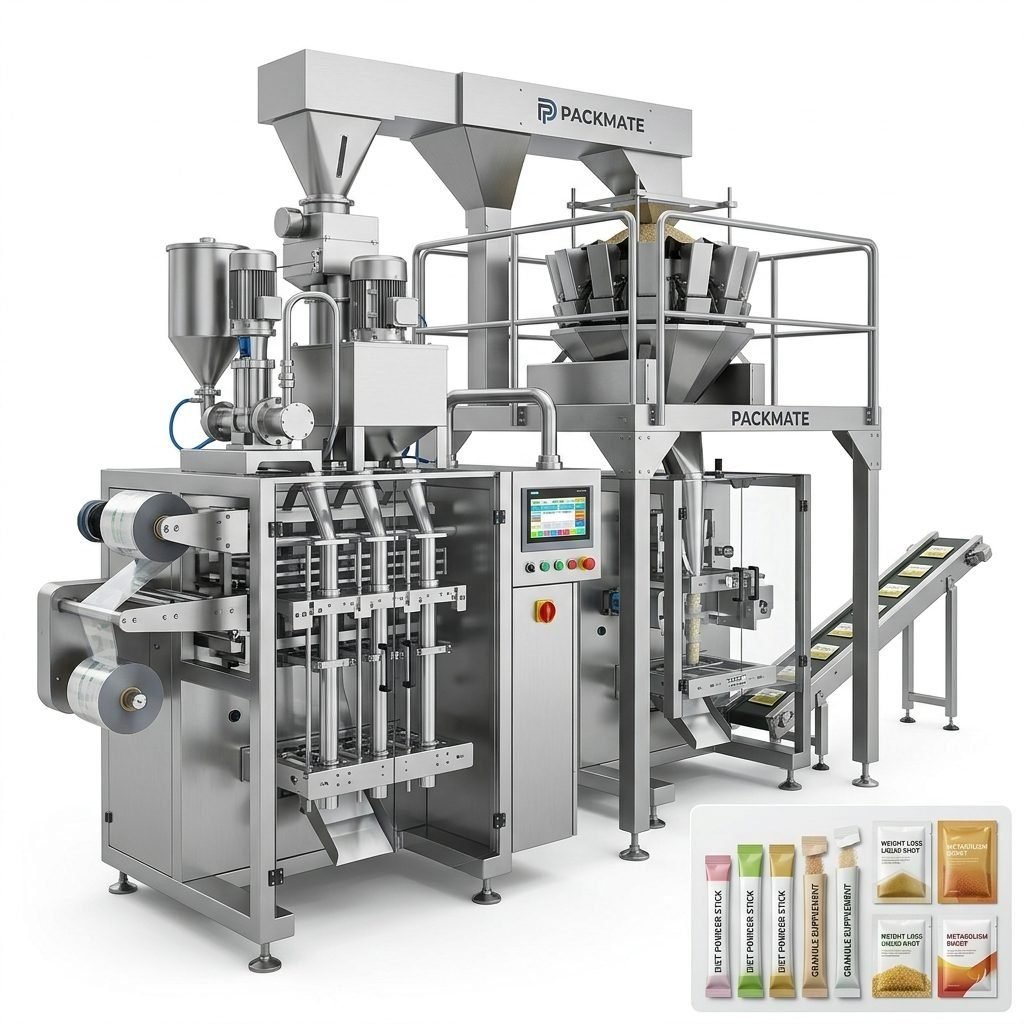
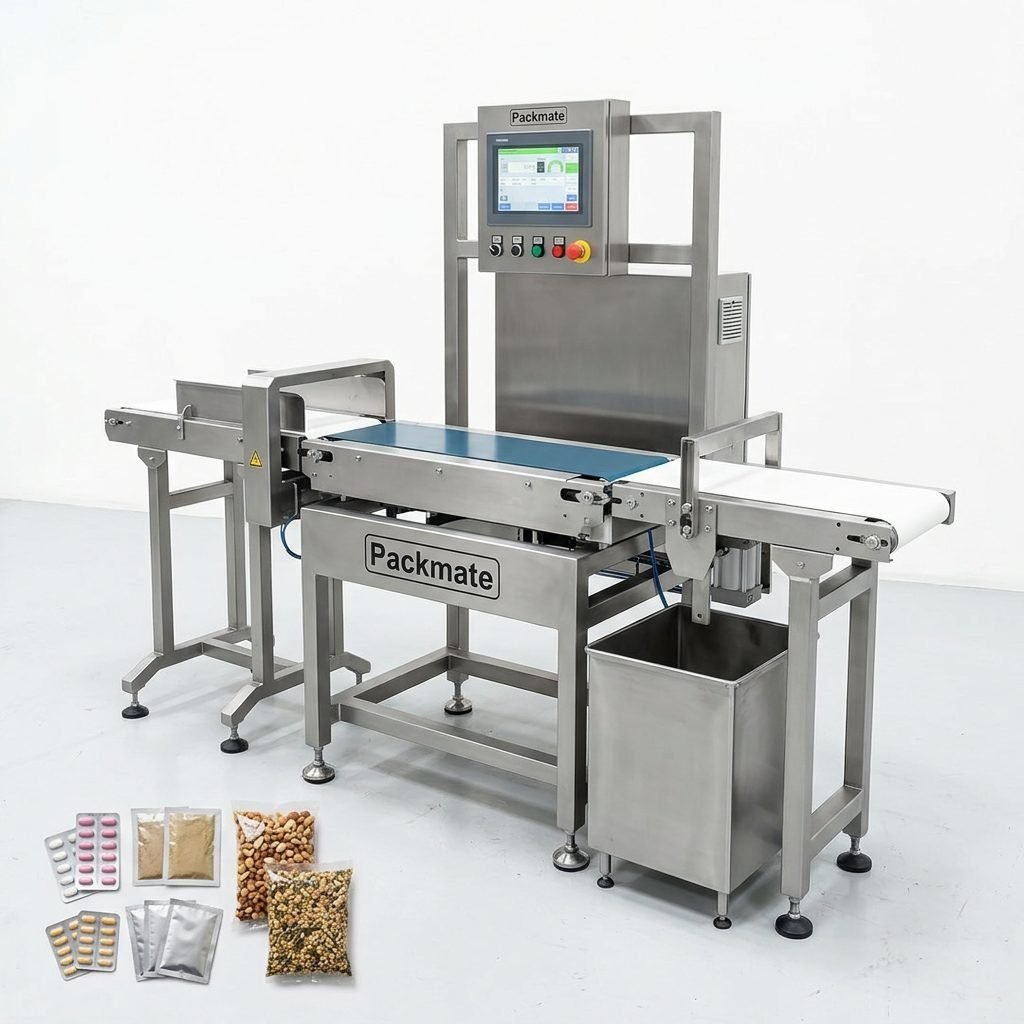
Packmate Machinery offers a balanced combination of technical reliability and cost efficiency, with over 80 machine models. Their focus on practical automation and stable performance makes them a candidate for businesses seeking reliable, mid-range solutions for powder and granule packaging, common in the local food industry.
3. PacklineOEM
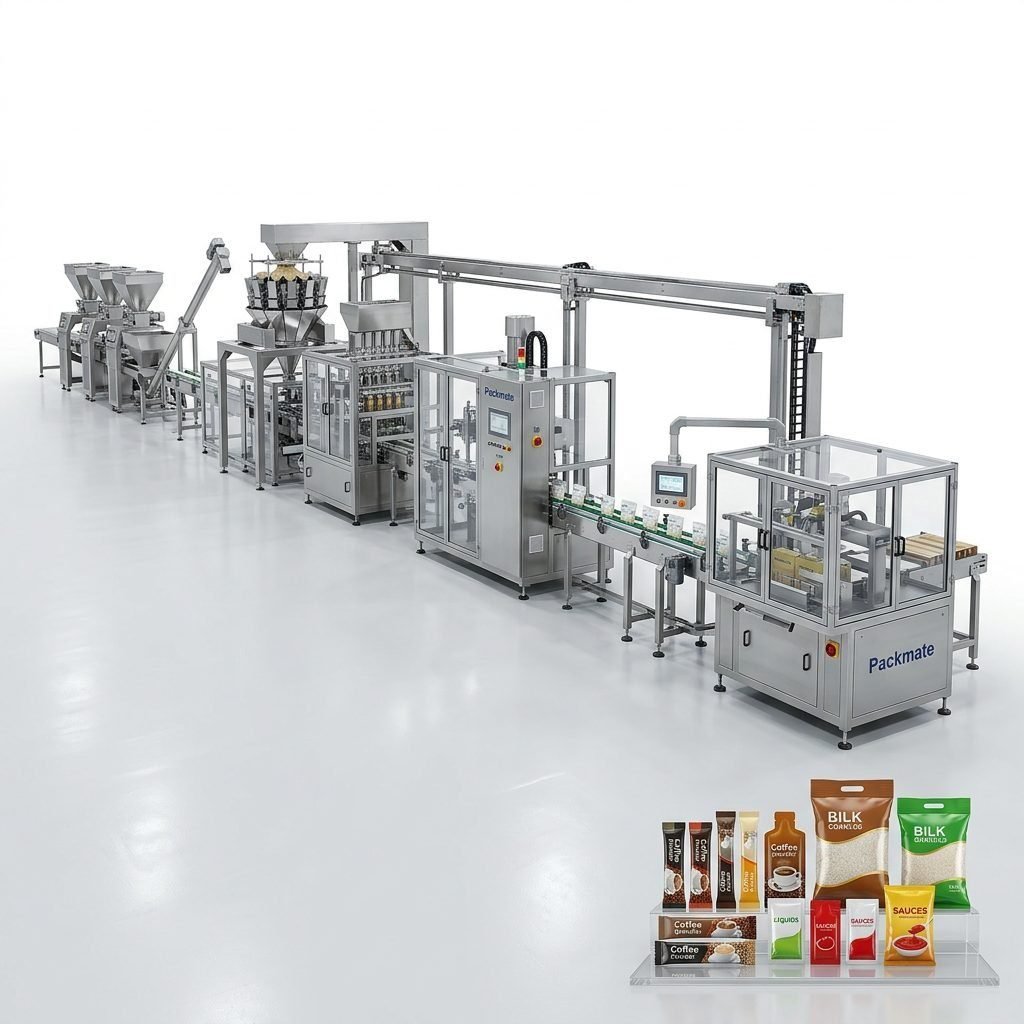
If your project requires a fully integrated production line rather than a single machine, PacklineOEM specializes in turnkey solutions. They handle feeding, weighing, filling, sealing, and conveying integration. This is suitable for larger-scale operations aiming for high automation levels.
4. PackingMachineOEM
For non-standard or highly customized requirements, PackingMachineOEM focuses on tailored solutions. If your product or packaging format is unique, their flexibility in engineering and OEM support can be a significant advantage, allowing adaptation to specific local market needs.
5. SnusMachinery
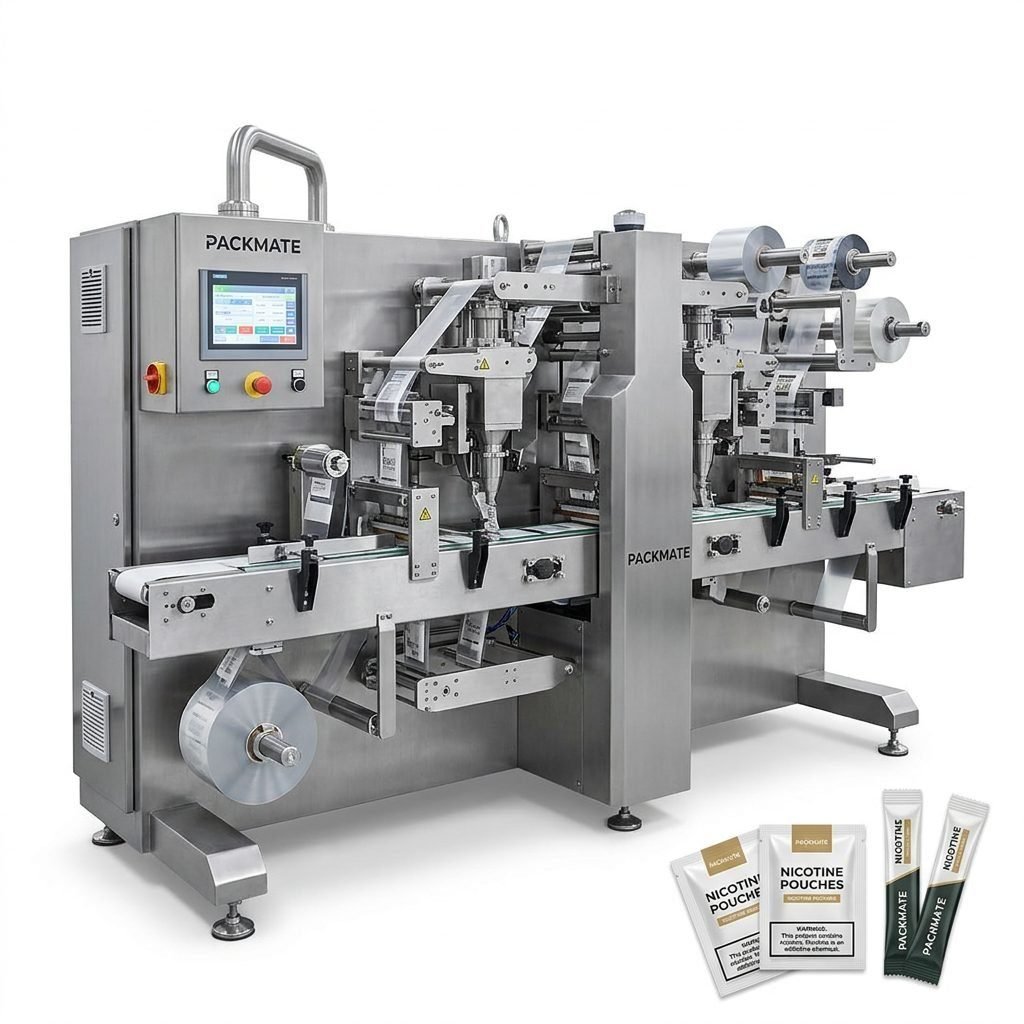
For businesses specifically in the nicotine pouch or specialized pouch packaging sector, SnusMachinery offers focused expertise. Their machines are designed for precise dosing and sealing of pouch products, representing a niche but potentially relevant option for certain ventures.
Logistics, Payment, and After-Sales Strategy
Negotiate clear Incoterms (like FOB or CIF Mombasa) and understand all costs: machine price, shipping, insurance, customs duties, and port clearance fees in South Sudan. Use secure payment methods, often a combination of deposit and balance against shipping documents. Prioritize the after-sales agreement. Ensure a comprehensive warranty, availability of operation manuals and spare parts lists, and confirm the supplier’s commitment to remote video support. Discuss the potential for future technician visits if necessary.
Pro Tip: Partner with a reliable freight forwarder experienced in shipping to East Africa. They can manage the complex journey from the Chinese port to final delivery in Juba or another South Sudanese city, handling transshipment and inland transportation.
Final Steps: Order Placement and Implementation
After finalizing all details, proceed with a formal contract covering all specifications, delivery timeline, payment terms, and support agreements. During manufacturing, request periodic updates or photos. Upon arrival, carefully inspect the machinery for any shipping damage. Plan for installation, which may involve the supplier’s remote guidance and local technicians.
Frequently Asked Questions (FAQs)
Q1: What is the most important factor when choosing a packaging machine supplier for South Sudan?
A: Reliable after-sales support and technical service. Given the geographical distance, having a supplier committed to prompt remote troubleshooting, clear documentation, and a steady supply of spare parts is crucial to ensure operational continuity and protect your investment.
Q2: How can I manage machine maintenance with limited local technical expertise?
A: Choose suppliers that offer comprehensive video manuals and online training. Opt for machines with simpler, more robust designs. During procurement, invest in a recommended set of critical spare parts to keep on hand. Building a relationship with a local mechanic and providing them with the supplier’s contact information is also a prudent step.
Q3: Are used or refurbished packaging machines a good option?
A: They can offer lower upfront cost but come with higher risk, especially in a market like South Sudan where specialist repair services are scarce. If considering this route, it is imperative to have the machine thoroughly inspected by an expert and to ensure spare parts are still available. For most buyers, a new machine with a full warranty is the more secure long-term choice.
Q4: How long does the entire sourcing and delivery process typically take?
A: From initial inquiry to machine installation, budget for approximately 3 to 6 months. This includes time for negotiation, sample testing, manufacturing (4-8 weeks for standard models), sea freight (4-6 weeks to East African ports), and customs clearance and inland transport within South Sudan.
Q5: Can these machines handle the packaging materials available locally?
A: This must be verified during the sample testing phase. Provide potential suppliers with samples of the exact laminate or film you plan to use locally. The machine’s sealing parameters (temperature, pressure, time) need to be compatible with your material to ensure strong, consistent seals and prevent product spoilage.