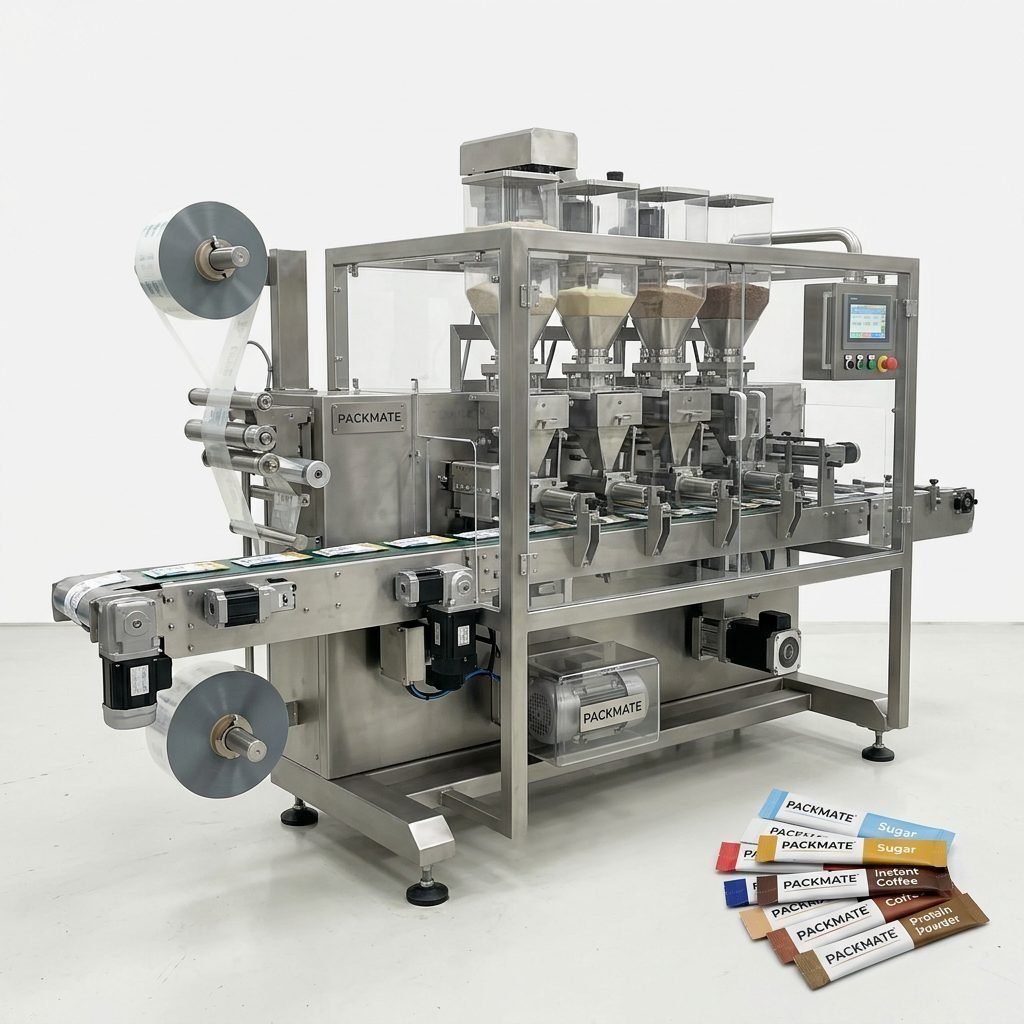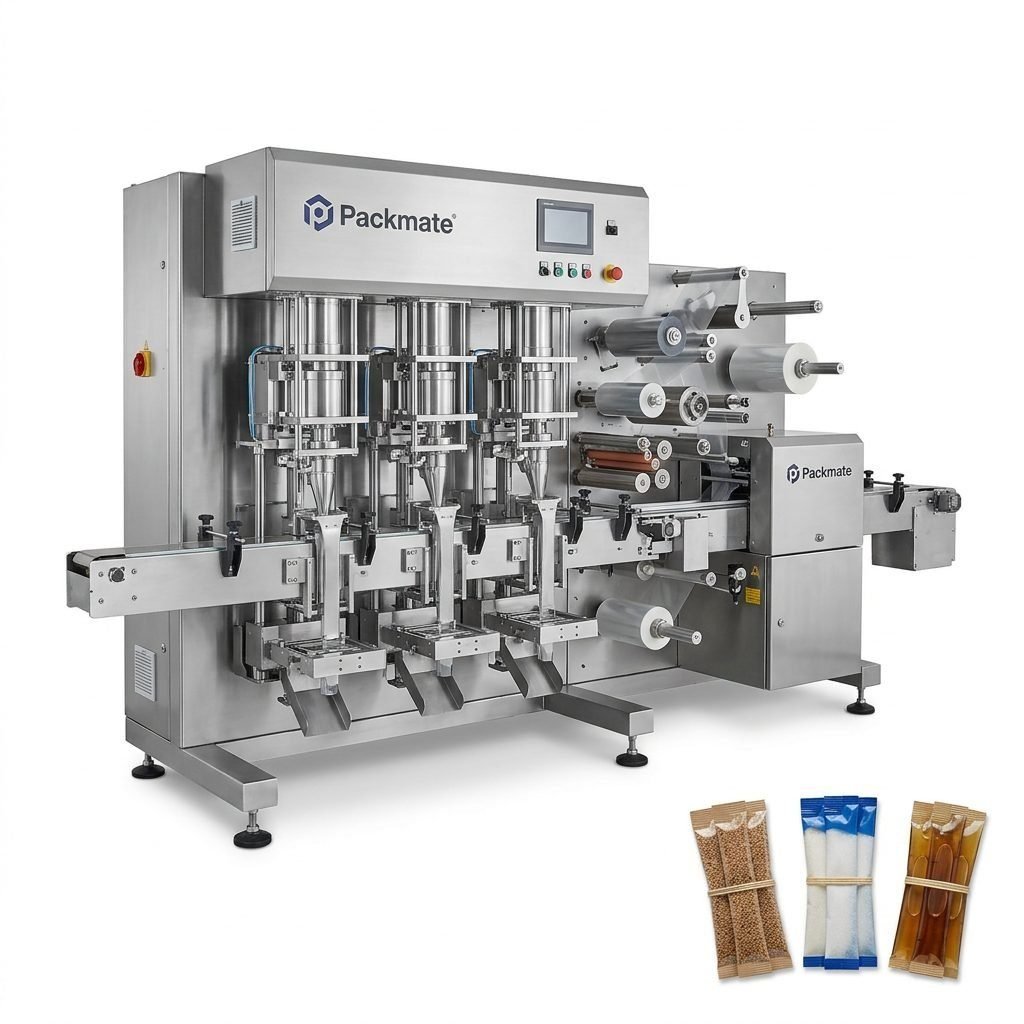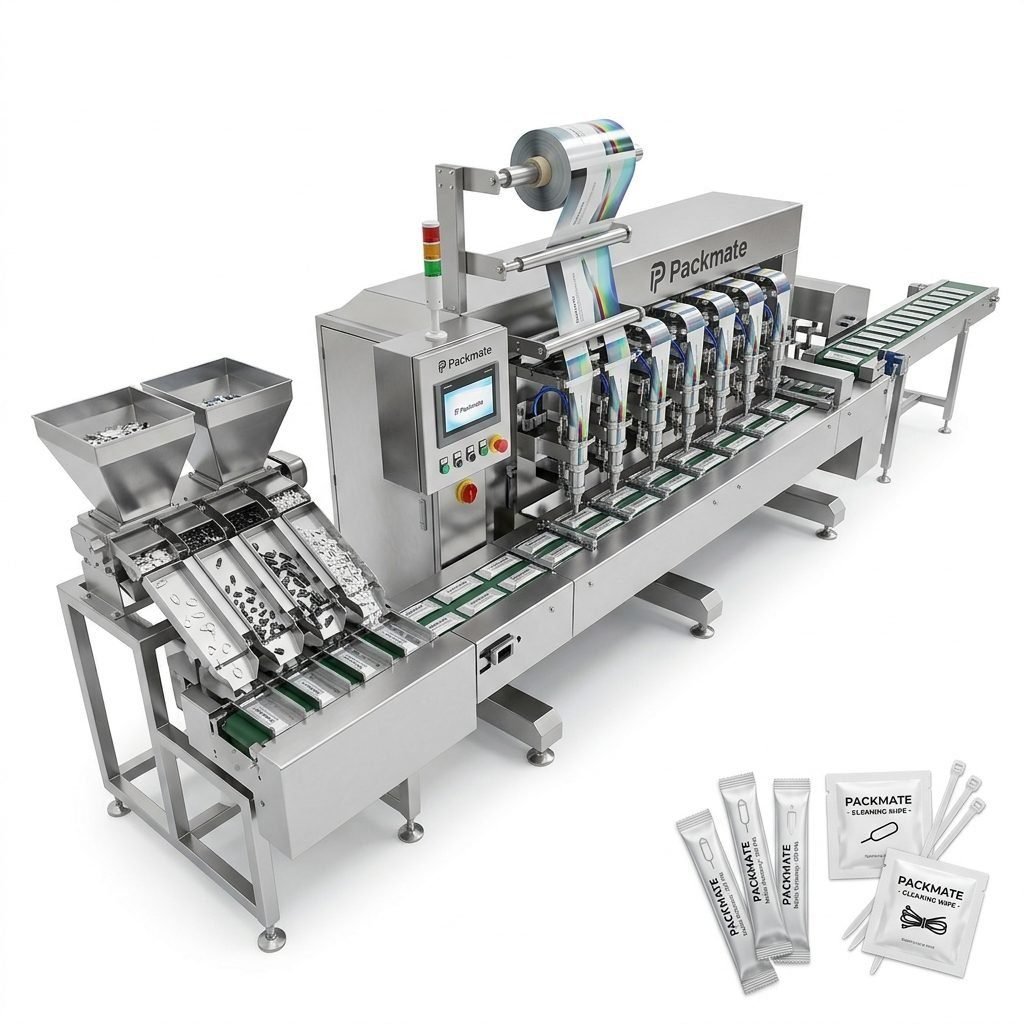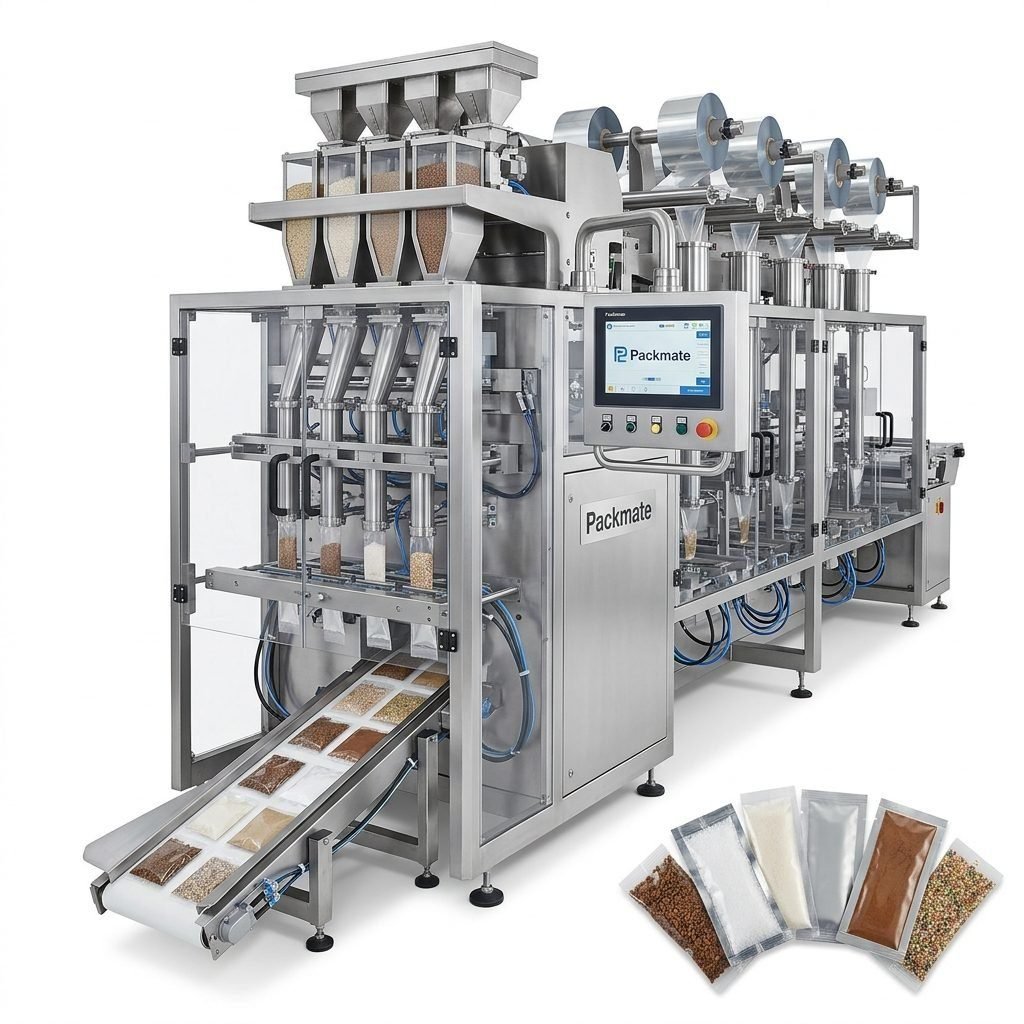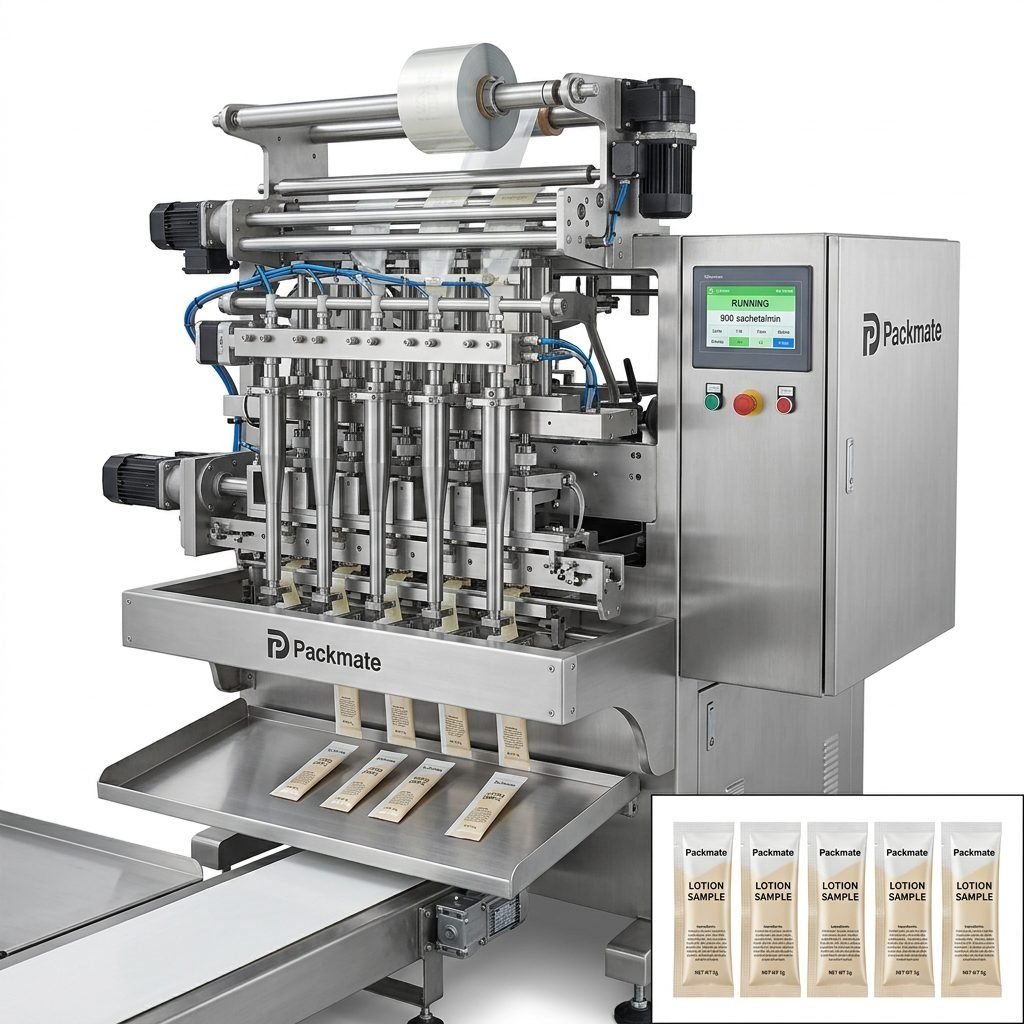
Selecting the right packaging machine manufacturer is a critical decision for any business in Austria. It’s an investment that impacts your production efficiency, product quality, operational costs, and ultimately, your bottom line. For Austrian companies, known for their high standards in engineering, precision, and quality across industries like food, pharmaceuticals, and high-value consumer goods, this choice requires careful consideration of both local needs and global manufacturing capabilities.
Understanding Your Specific Packaging Needs in Austria
Before you even begin your search, it’s essential to have a clear understanding of your own requirements. Austrian manufacturers often deal with products requiring high hygiene standards, precise dosing, and consistent quality. Consider the following:
Product Type: Are you packaging powders, granules, liquids, pastes, or solid items? The physical characteristics of your product (e.g., flowability, viscosity, hygroscopic nature) will dictate the type of machine needed (e.g., auger filler, liquid pump, volumetric cup filler).
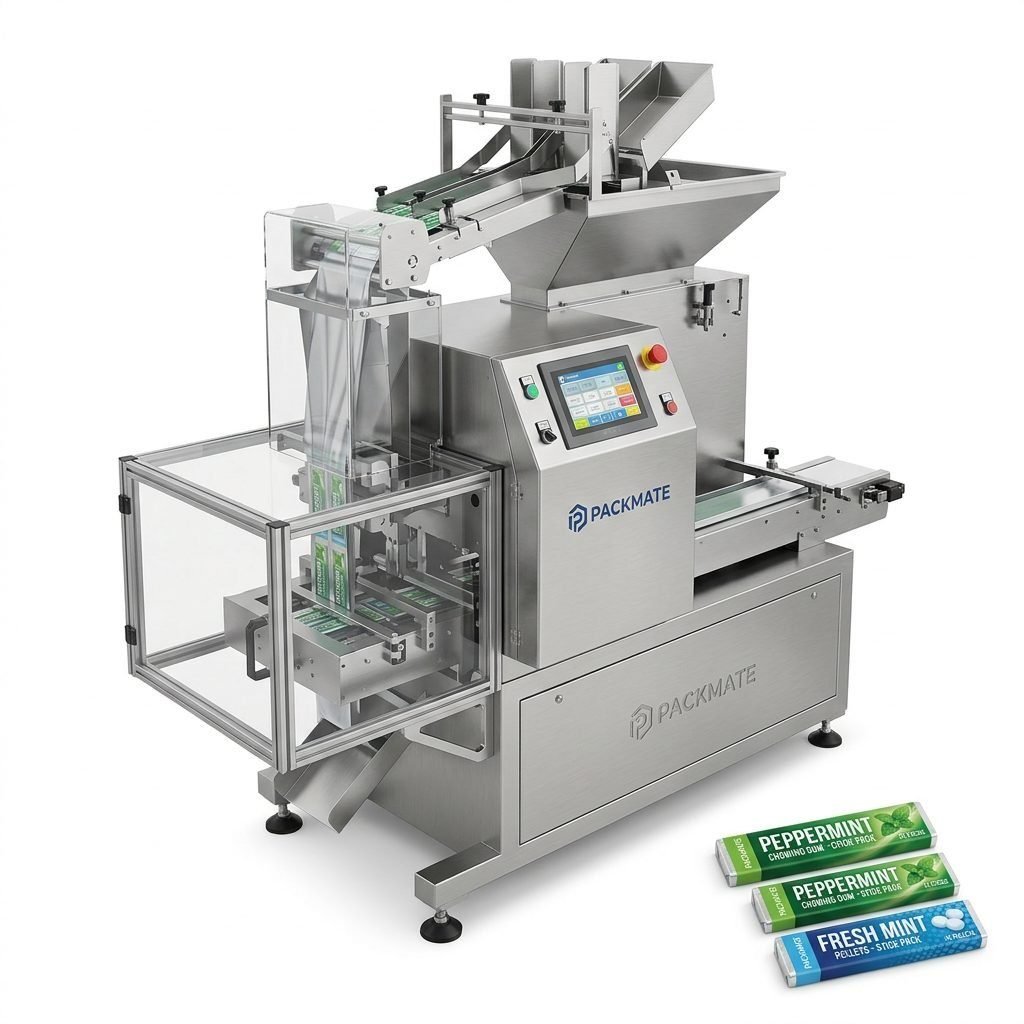
Packaging Format: Do you need sachets, stick packs, pouches, bottles, or blister packs? The desired final package form is a primary driver in machine selection.
Production Speed & Capacity: What is your required output in units per minute or hour? This will determine if you need a single-lane, multi-lane, or fully integrated high-speed line.
Level of Automation: Are you looking for a standalone machine, a semi-automatic system, or a fully automated turnkey line with integrated weighing, feeding, conveying, and quality control?
Regulatory Compliance: For industries like pharmaceuticals or food, adherence to Austrian and EU standards (e.g., EHEDG, GMP) is non-negotiable. The machine’s materials (e.g., food-grade stainless steel) and design must facilitate easy cleaning and validation.
Key Factors to Evaluate in a Manufacturer
Once you have defined your needs, you can start evaluating potential suppliers. Look beyond the initial price quote and consider these crucial factors:
1. Technical Expertise and Industry Experience
A manufacturer with a long history, particularly in your specific industry (food, pharma, chemicals), will understand the nuances of your application. They should have a proven track record of solving problems similar to yours. Ask for case studies or references from clients with comparable products. A company like Ludyway, with over 30 years of experience, has likely encountered and resolved a wide range of packaging challenges for global clients.
2. Manufacturing Capability and Quality Control
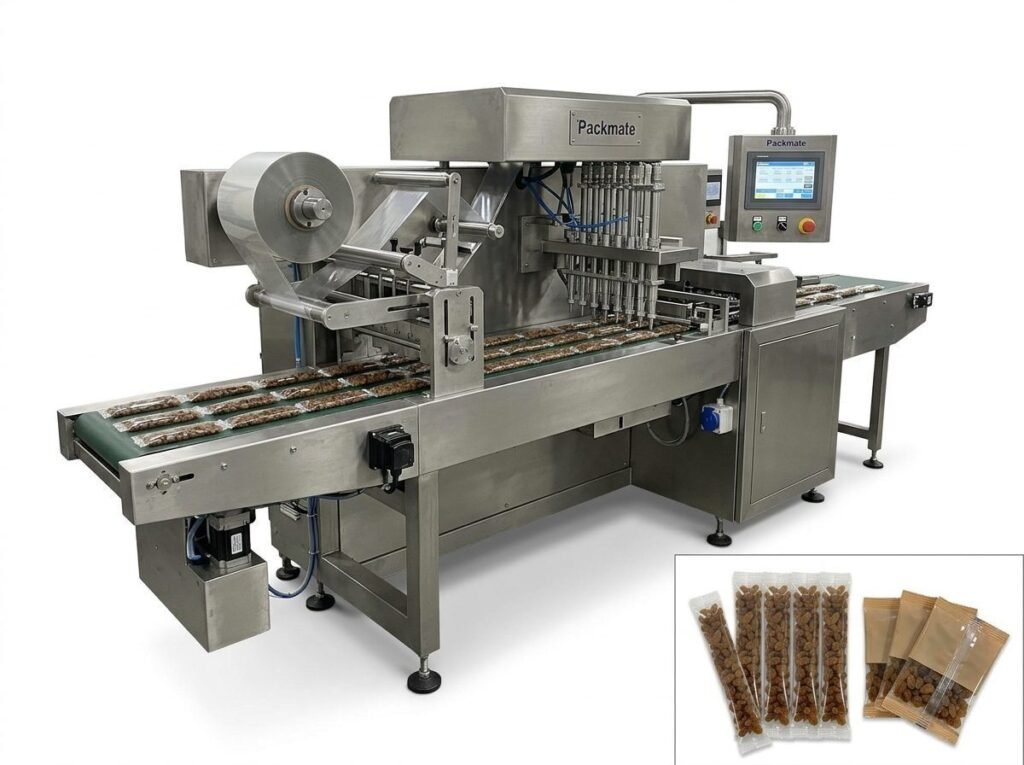
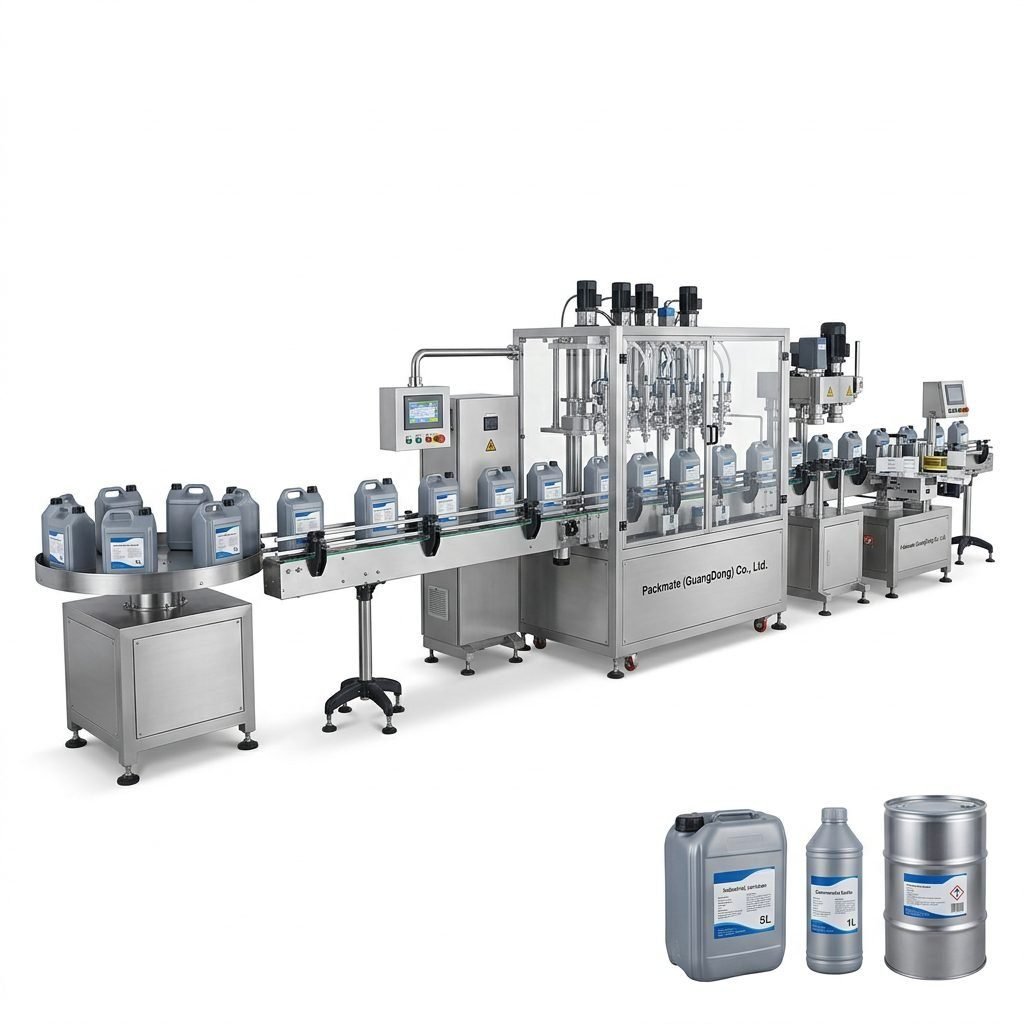
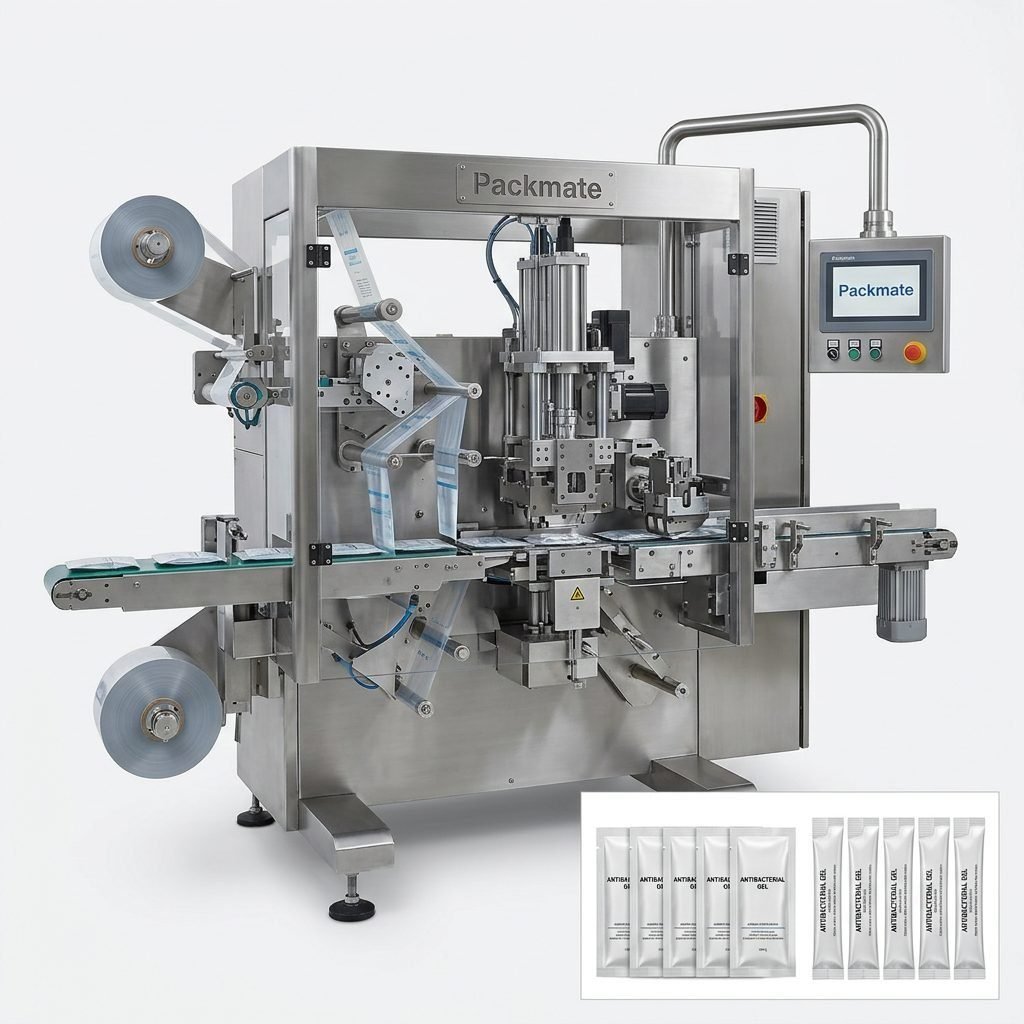
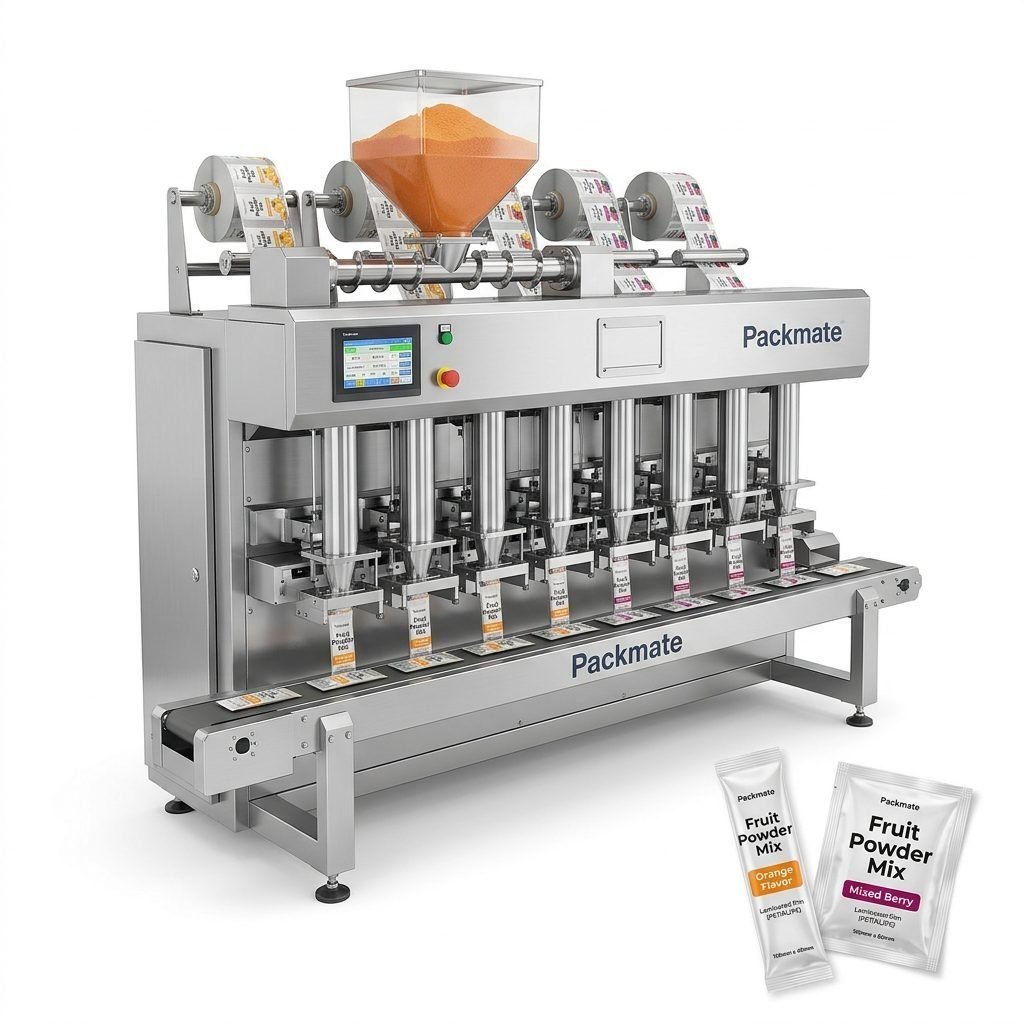
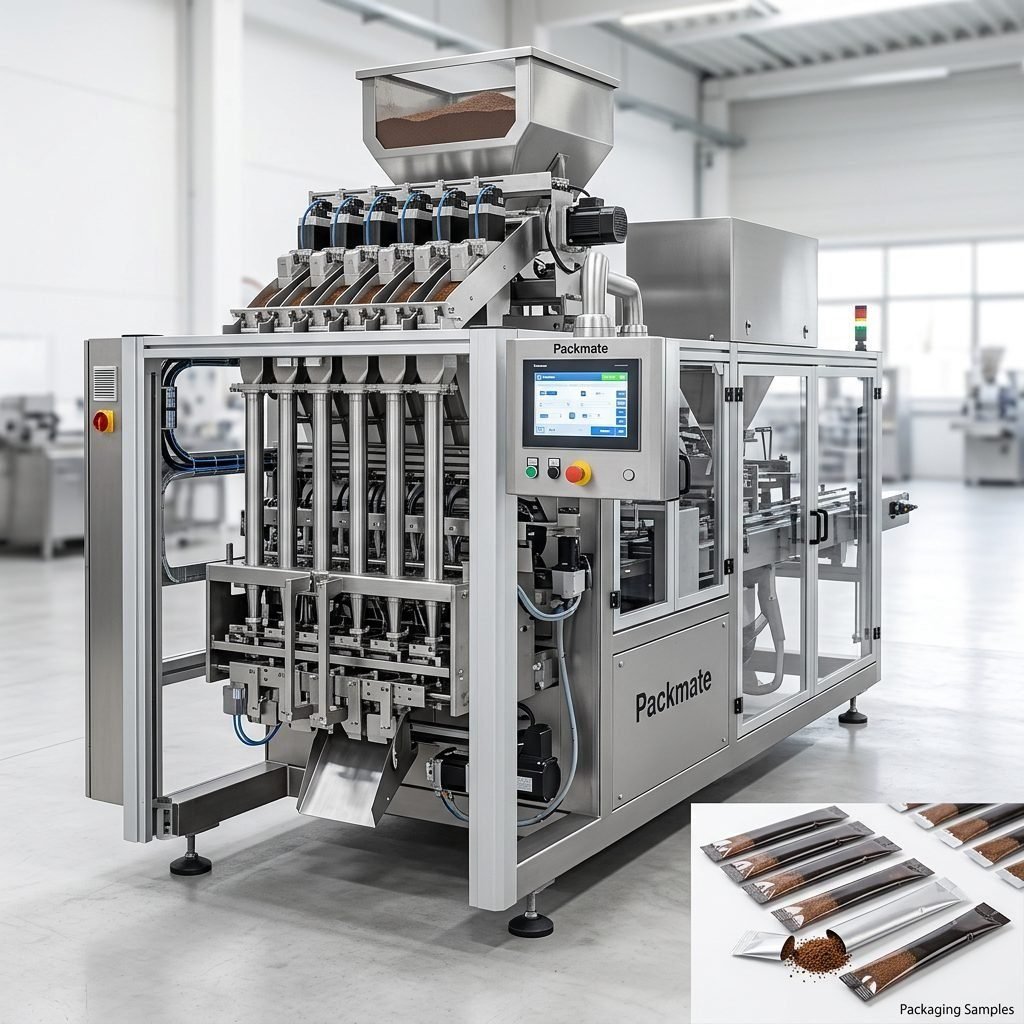
The quality of the machine is directly linked to the quality of its manufacturing. Inquire about the factory size, the machinery used for production (e.g., CNC machining centers), and the quality control processes in place. A modern facility with stringent QC protocols ensures machine reliability and longevity. Manufacturers like Packmate Machinery and others mentioned operate facilities around 20,000 square meters, indicating significant production capacity.
3. Product Range and Customization Ability
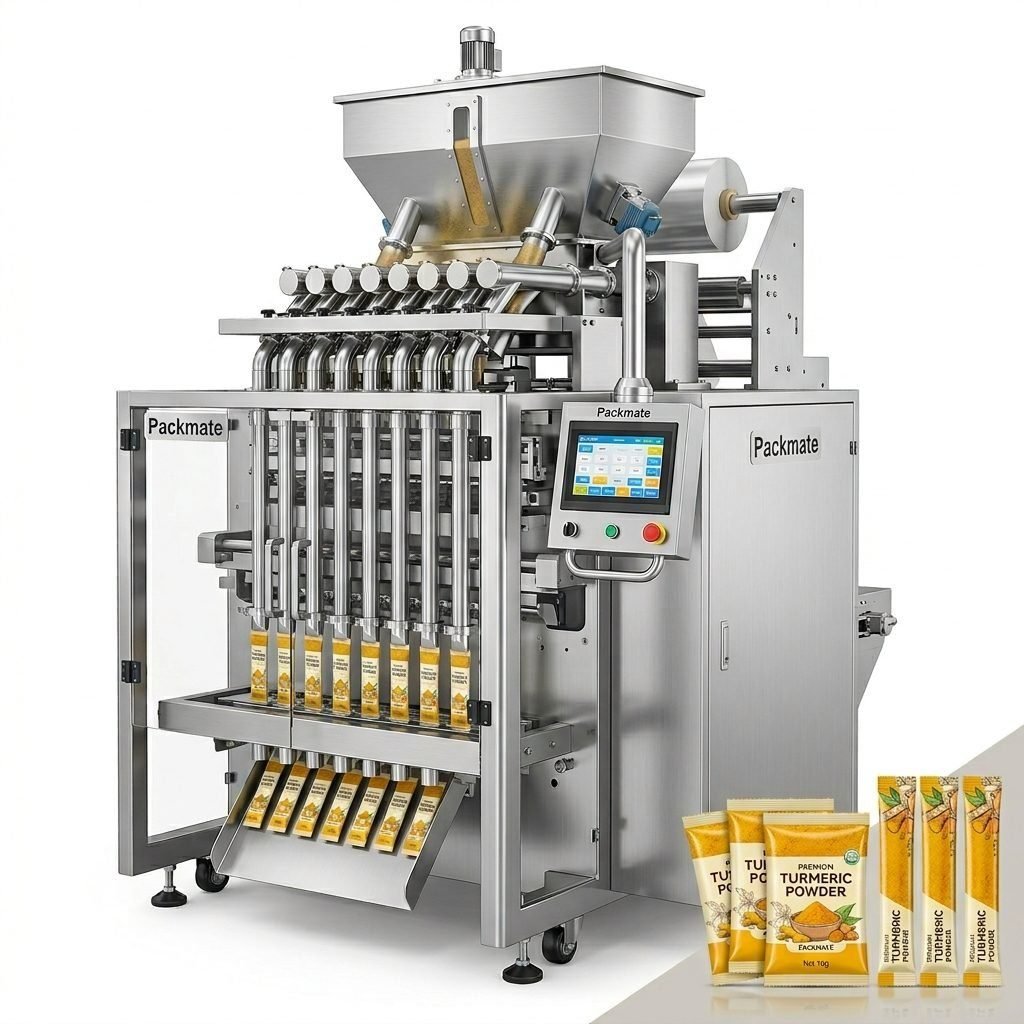
Does the manufacturer offer a standard machine that fits your needs, or will significant customization be required? Austrian businesses often have unique requirements. A supplier with a broad portfolio, from single machines to complete lines, offers more flexibility. More importantly, assess their engineering team’s willingness and ability to customize. Companies such as PackingMachineOEM specifically focus on non-standard and customized solutions, which can be ideal for specialized applications.
4. After-Sales Support and Service Network
This is arguably the most critical factor for long-term success. A machine breakdown can halt your entire production. Evaluate:
- Warranty Terms: What is covered and for how long?
- Technical Support: Is support available in English or German? What are the response times?
- Spare Parts: Are parts readily available? What is the typical delivery time to Austria?
- Training & Installation: Do they provide on-site installation, commissioning, and operator training?
- Local Presence: Do they have agents, service engineers, or a spare parts warehouse in Europe to ensure faster response?
5. Focus on Turnkey Solutions vs. Standalone Machines
Determine if you need just a machine or an entire packaging line. If your goal is to automate a complete process from product filling to cartoning, a manufacturer specializing in integrated systems is essential. PacklineOEM, for instance, positions itself as a turnkey line specialist, which can be a significant advantage for complex projects requiring seamless integration of multiple components.
Why Consider International Manufacturers (Like Those from China)?
While there are excellent European machine builders, many Austrian companies also successfully partner with international manufacturers, particularly from China, to achieve a better balance of cost, technology, and service. Key advantages include:
| Factor | Benefit for Austrian Businesses |
|---|---|
| Cost-Effectiveness | Significant capital investment savings without necessarily sacrificing core functionality or durability. |
| Broad Product Range | Access to a vast selection of machine types and configurations for various packaging formats. |
| Customization Flexibility | Many Chinese manufacturers are highly adaptable to specific, non-standard requirements, offering tailored engineering solutions. |
| Export Experience | Leading exporters are familiar with European standards, CE certification, and the documentation required for import into Austria. |
For example, a company with a strong export focus to Europe, like SnusMachinery, is already attuned to the regulatory and quality expectations of the Austrian and EU market, particularly in specialized niches like nicotine pouches.
The Selection Process: A Step-by-Step Guide
Follow a structured process to make an informed decision:
- Create a Detailed Specification Document: Outline all your technical, operational, and commercial requirements.
- Shortlist Potential Suppliers: Research online, attend trade fairs (like Interpack or FachPack), and seek recommendations. Focus on manufacturers with demonstrable experience in your sector.
- Request for Quotation (RFQ): Send your specs to multiple suppliers. A detailed RFQ will yield comparable quotes.
- Evaluate Proposals: Compare not just price, but machine specifications, warranty, delivery time, and terms of payment. Be wary of quotes that seem too good to be true.
- Conduct Due Diligence: Ask for client references, especially from other European companies. Request factory audit reports or certifications (ISO, CE).
- Factory Visit or Virtual Tour: If possible, visit the manufacturing facility or request a detailed video tour to assess their capabilities firsthand.
- Clarify Contract Terms: Ensure the contract clearly defines scope of supply, performance guarantees, payment schedule, delivery, installation, training, and after-sales support.
Common Questions (FAQs) When Choosing a Manufacturer
Q: Should I prioritize a local European manufacturer or an international one?
A: It depends on your budget and needs. European manufacturers offer proximity and potentially faster service but at a higher cost. Reputable international manufacturers offer competitive technology and pricing, with many now providing robust European-based service networks. The key is to vet the international supplier’s export and support capabilities thoroughly.
Q: How important is it that the machine is CE certified?
A> It is mandatory for machinery sold and operated within the European Union, including Austria. The CE mark indicates the machine meets EU health, safety, and environmental protection requirements. Never purchase a machine without valid CE certification.
Q: What is the typical lead time for a packaging machine?
A> Lead times vary greatly. For a standard machine, it could be 2-4 months. For a highly customized or turnkey line, it can extend to 6 months or more. Always confirm the timeline during the quotation process and include delivery milestones in the contract.
Q: Can I get a sample test run with my product?
A> Most reputable manufacturers offer factory acceptance tests (FAT) where you can send your product materials to be run on a similar machine. This is a highly recommended step to validate machine performance before purchase.
Q: Who is responsible for installation and training?
A> This should be clearly defined in your contract. Many manufacturers include supervised installation and basic operator training as part of the package. For complex lines, they may send engineers for commissioning. Ensure the scope and costs are agreed upon upfront.