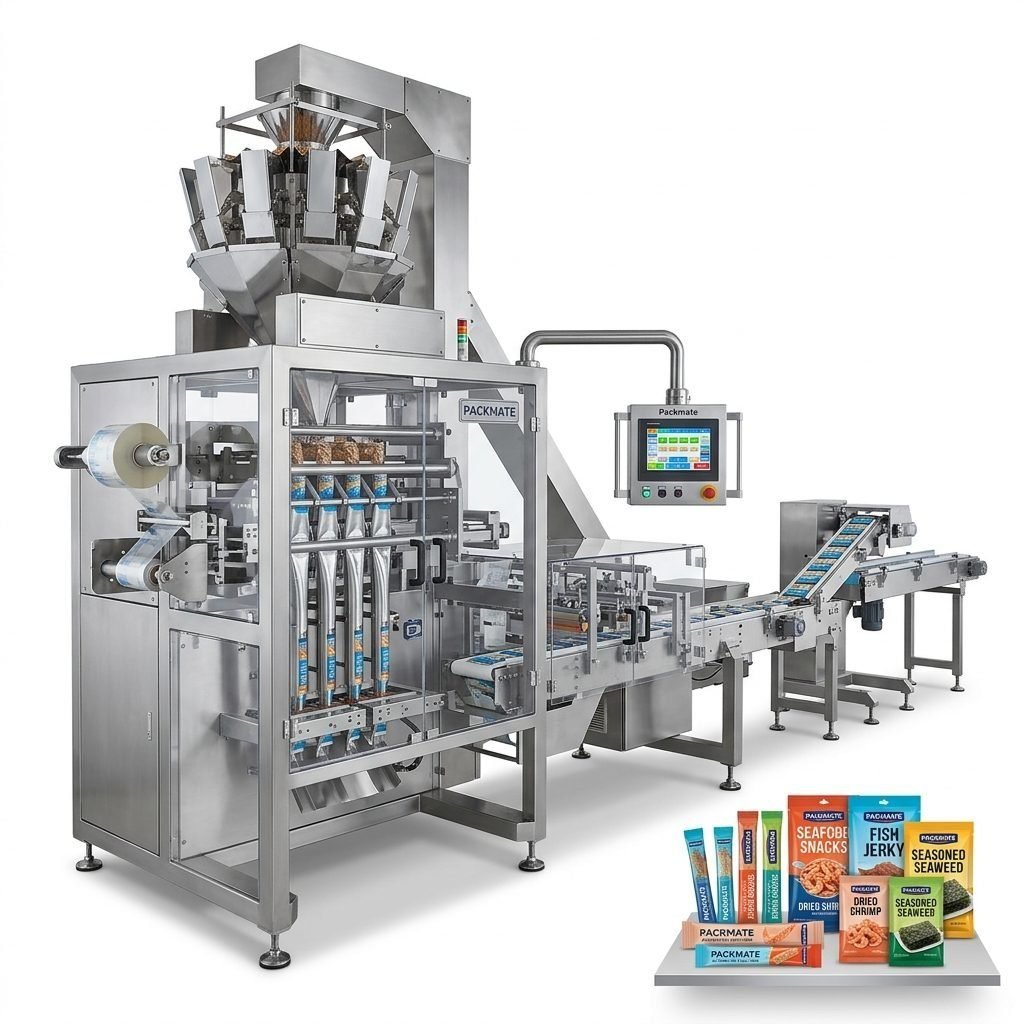
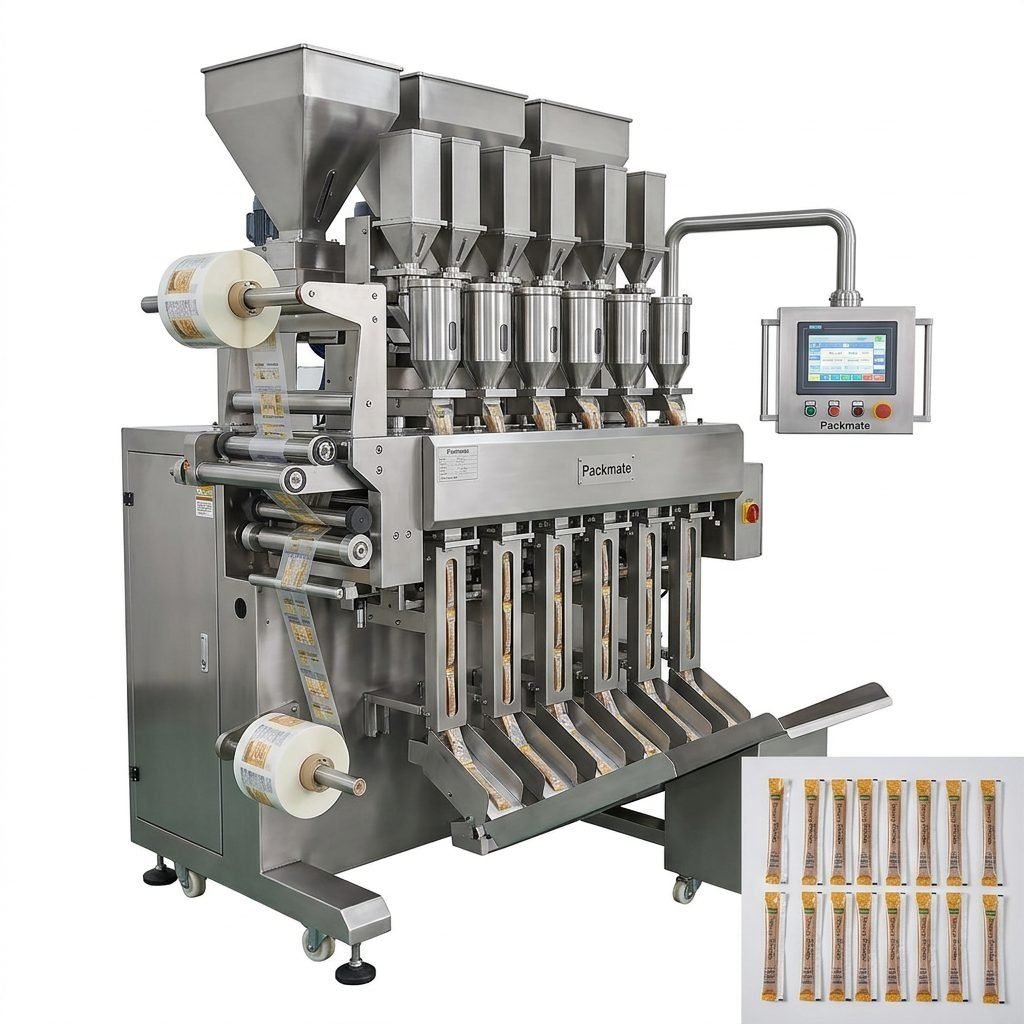
For Japanese manufacturers and businesses seeking to enhance their production efficiency, automated packaging solutions are a critical investment. The Japanese market, known for its high standards of precision, reliability, and technological innovation, demands packaging machinery that meets stringent quality and performance criteria. The country’s leading suppliers have built their reputations on decades of engineering excellence, offering robust and intelligent systems for food, pharmaceuticals, chemicals, and consumer goods. This article explores the top five packaging machine manufacturers in Japan, highlighting their key strengths and why they are trusted partners for automated packaging lines.
1. Toyo Jidoki Co., Ltd.
With a history spanning over 70 years, Toyo Jidoki is a cornerstone of the Japanese packaging machinery industry. The company is renowned for its vertical form-fill-seal (VFFS) machines, which are celebrated for their exceptional speed, precision, and durability. A key to their success in the Japanese market is their deep understanding of local production nuances, such as the need for compact footprints in space-constrained factories and machines capable of handling delicate traditional food items with care.
Why they stand out for Japanese buyers: Toyo Jidoki machines are engineered for longevity and minimal downtime, a crucial factor for Japan’s continuous production environments. Their focus on hygiene and easy cleaning aligns perfectly with the country’s rigorous food safety standards (e.g., JFS standards). Furthermore, their strong domestic service network ensures prompt technical support and maintenance.
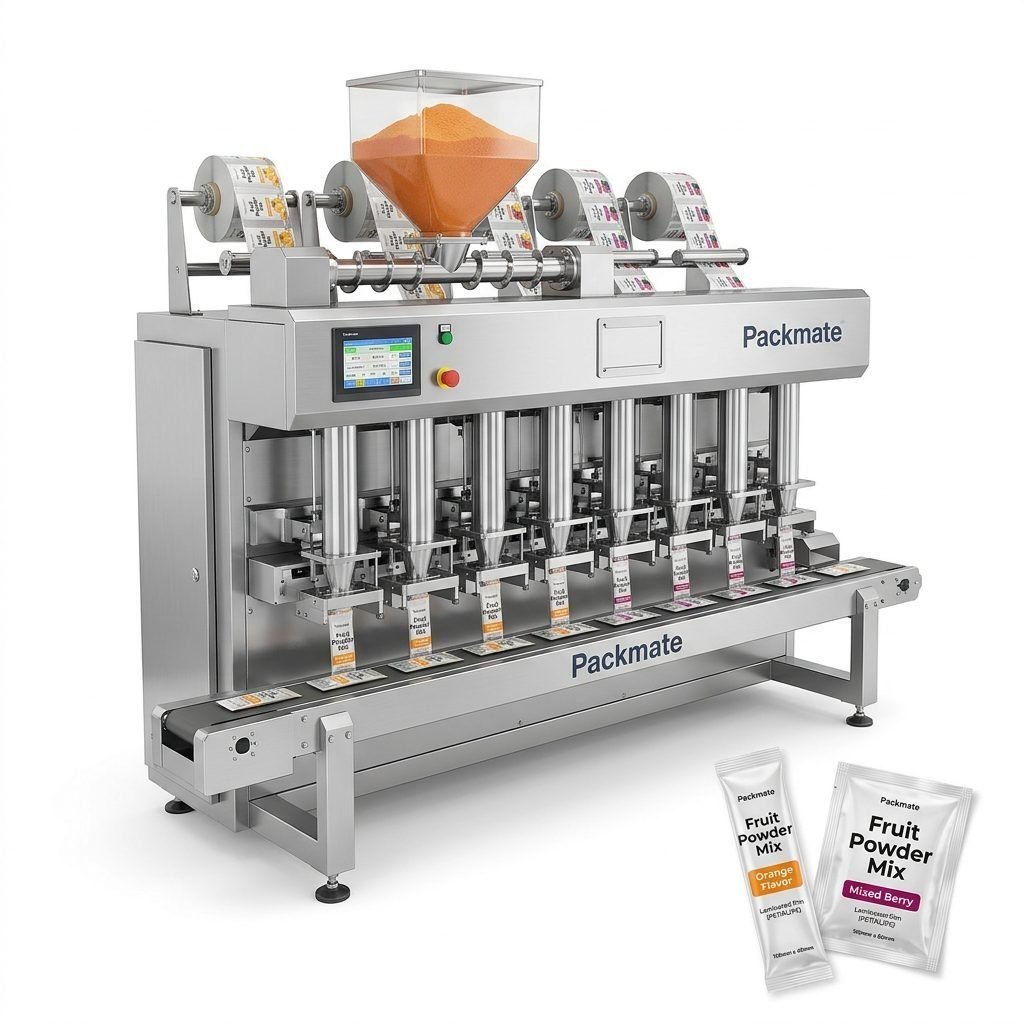
The company offers a wide range of machines, from single-tube pouchers to advanced multi-lane systems for stick packs and sachets. Their technology often incorporates sophisticated weighing systems and robotic integration, making them a preferred choice for manufacturers of snacks, frozen foods, detergents, and pharmaceuticals looking to automate with confidence and scale production efficiently.
2. Fuji Machinery Co., Ltd.
Fuji Machinery is another venerable name, specializing in horizontal form-fill-seal (HFFS) machines. Their wrappers and cartoners are integral to packaging lines across Japan, particularly for confectionery, baked goods, and boxed items. Japanese consumers have high expectations for product presentation, and Fuji’s machines deliver consistent, aesthetically perfect packaging that protects product integrity.
The company is known for its modular design philosophy, allowing for high customization. This is highly valued by Japanese manufacturers who often have unique product shapes or require specific packaging styles for different market segments. Fuji’s machines are also praised for their energy efficiency and quiet operation, important considerations in modern, environmentally-conscious Japanese plants.
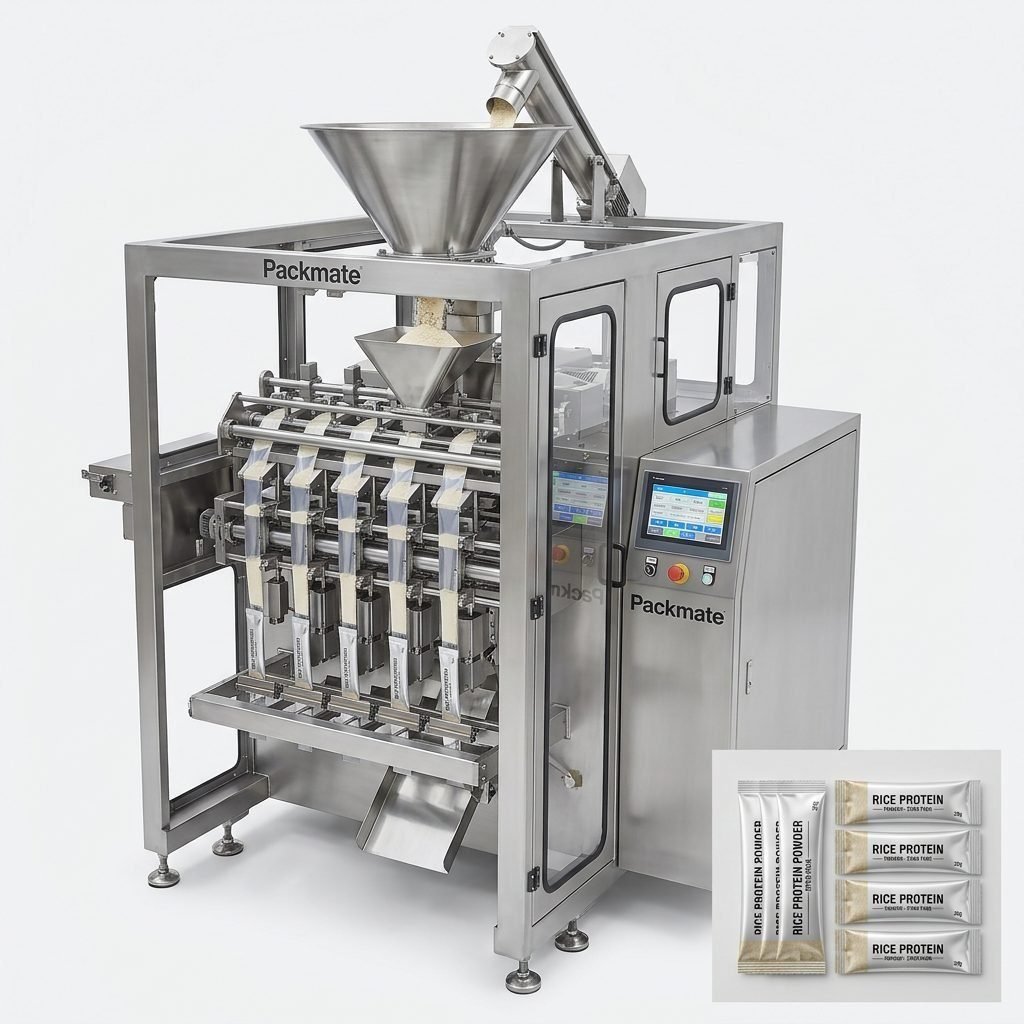
Key advantage: Fuji Machinery excels in providing complete line solutions. From primary wrapping to secondary cartoning and case packing, they can engineer a synchronized system that maximizes throughput and minimizes labor—a significant benefit in Japan’s aging workforce landscape.
3. Hayashi Filling & Packing Machine Co., Ltd.
Hayashi Filling focuses on precision liquid and paste filling technology. Their piston fillers, vacuum fillers, and cup fillers are essential in Japan’s vast cosmetics, personal care, and food sauce industries. Japanese brands are synonymous with quality, and Hayashi’s machines ensure exact fill volumes, preventing product giveaway and ensuring every package meets the promised weight, which is both a cost-saving and compliance imperative.
Their machines are designed with exceptional cleanliness in mind, featuring sanitary designs with minimal dead spaces to prevent cross-contamination. This makes them ideal for sensitive products like high-end skincare serums, pharmaceutical ointments, or ready-to-eat meal sauces. The intuitive touch-screen controls, often available in Japanese, simplify operation and changeovers for line workers.
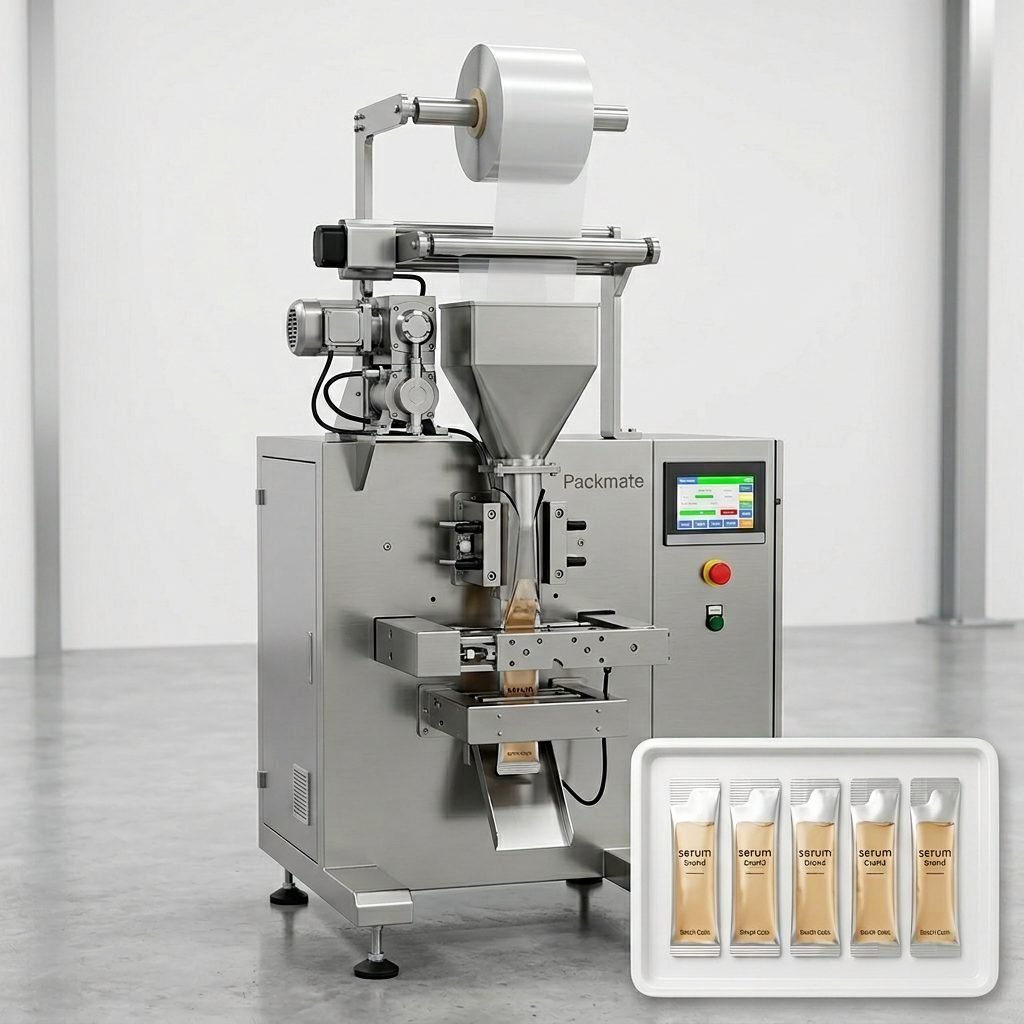
Specialization: For Japanese companies producing luxury or high-value liquids in bottles, tubes, or sachets, Hayashi provides the accuracy and gentle handling needed to maintain product quality and brand reputation. Their robust after-sales service is tailored to the Japanese “omotenashi” (hospitality) standard, ensuring long-term partnership satisfaction.
Comparative Overview of Key Japanese Manufacturers
| Manufacturer | Core Technology | Ideal For Japanese Sectors | Key Strength |
|---|---|---|---|
| Toyo Jidoki | Vertical Form-Fill-Seal (VFFS) | Snacks, Frozen Food, Detergents, Pharmaceuticals | High Speed, Durability, Hygiene Design |
| Fuji Machinery | Horizontal Form-Fill-Seal (HFFS) & Cartoning | Confectionery, Baked Goods, Boxed Items | Complete Line Integration, Customization |
| Hayashi Filling | Precision Liquid & Paste Filling | Cosmetics, Personal Care, Sauces, Pharmaceuticals | Exceptional Accuracy, Sanitary Design |
4. Nikkiso Co., Ltd. (Industrial Machinery Division)
Nikkiso is a diversified technology group, and its industrial machinery division offers advanced filling and packaging systems for beverages and chemicals. In Japan’s competitive beverage market—from teas and coffees to functional drinks—Nikkiso provides high-speed rotary filling lines for cans, PET bottles, and glass. Their technology ensures no spillage and precise carbonation control, which is vital for product consistency.
For chemical and agrochemical producers, Nikkiso offers robust and safe packaging solutions that handle corrosive or hazardous materials with utmost reliability, adhering to Japan’s strict industrial safety regulations. Their systems often include integrated rinsing, filling, capping, and labeling in a single line, maximizing efficiency for large-scale production.
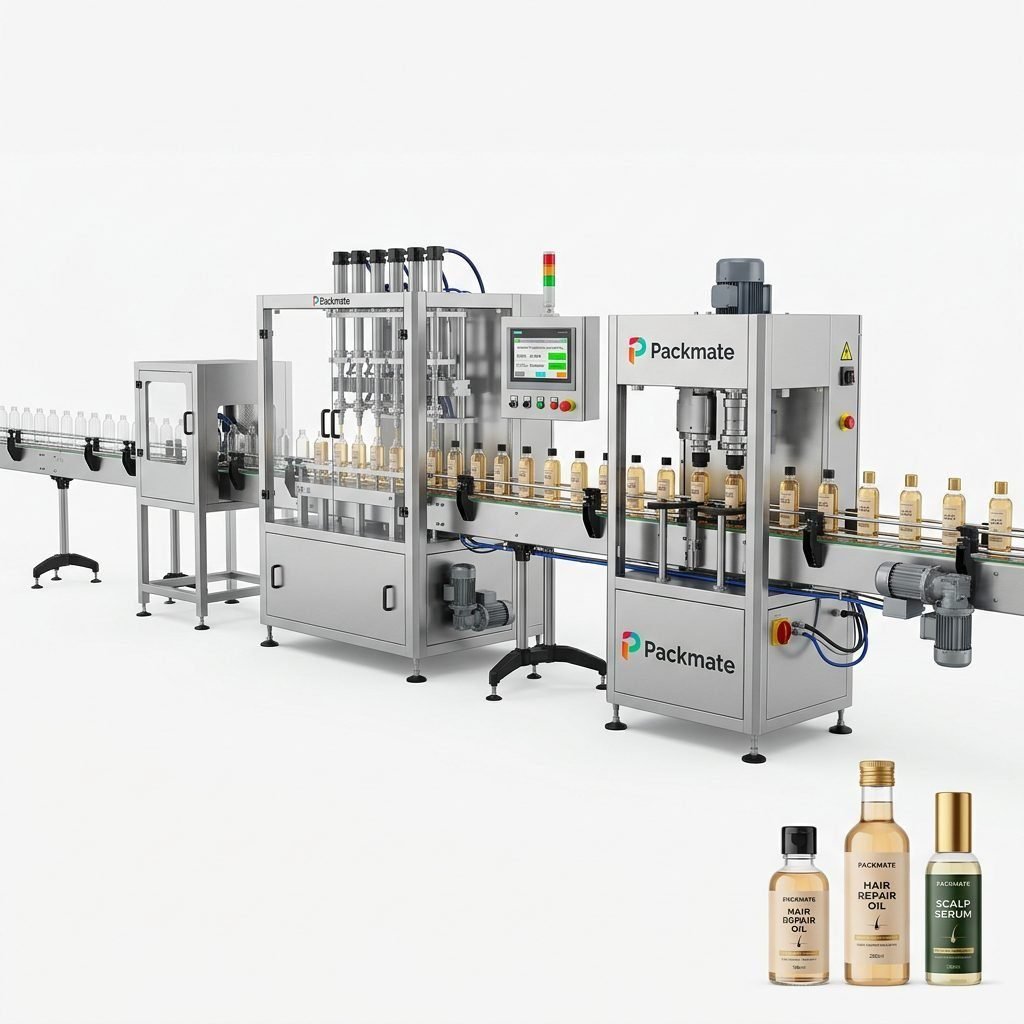
Technological edge: Nikkiso integrates sophisticated sensor technology and IoT capabilities for real-time monitoring and data collection. This supports Japanese manufacturers’ goals for Smart Factory and Industry 4.0 initiatives, enabling predictive maintenance and detailed production analytics.
5. Bosch Packaging Technology Japan K.K.
As the Japanese subsidiary of the global Bosch group, Bosch Packaging Technology Japan brings world-class engineering and a vast portfolio to the local market. They provide comprehensive solutions for the pharmaceutical and confectionery industries, which are major sectors in Japan. Their track-and-trace systems, blister packers, and barreling machines are designed to meet the highest international standards, which often exceed local requirements.
For Japanese pharmaceutical companies exporting globally, Bosch offers the compliance and documentation support needed for markets like the US and EU. Their machines are built for utmost precision and cleanliness, critical for sterile products. In confectionery, their chocolate moulding and wrapping lines are used by many premier Japanese brands to achieve high-quality, intricate packaging.
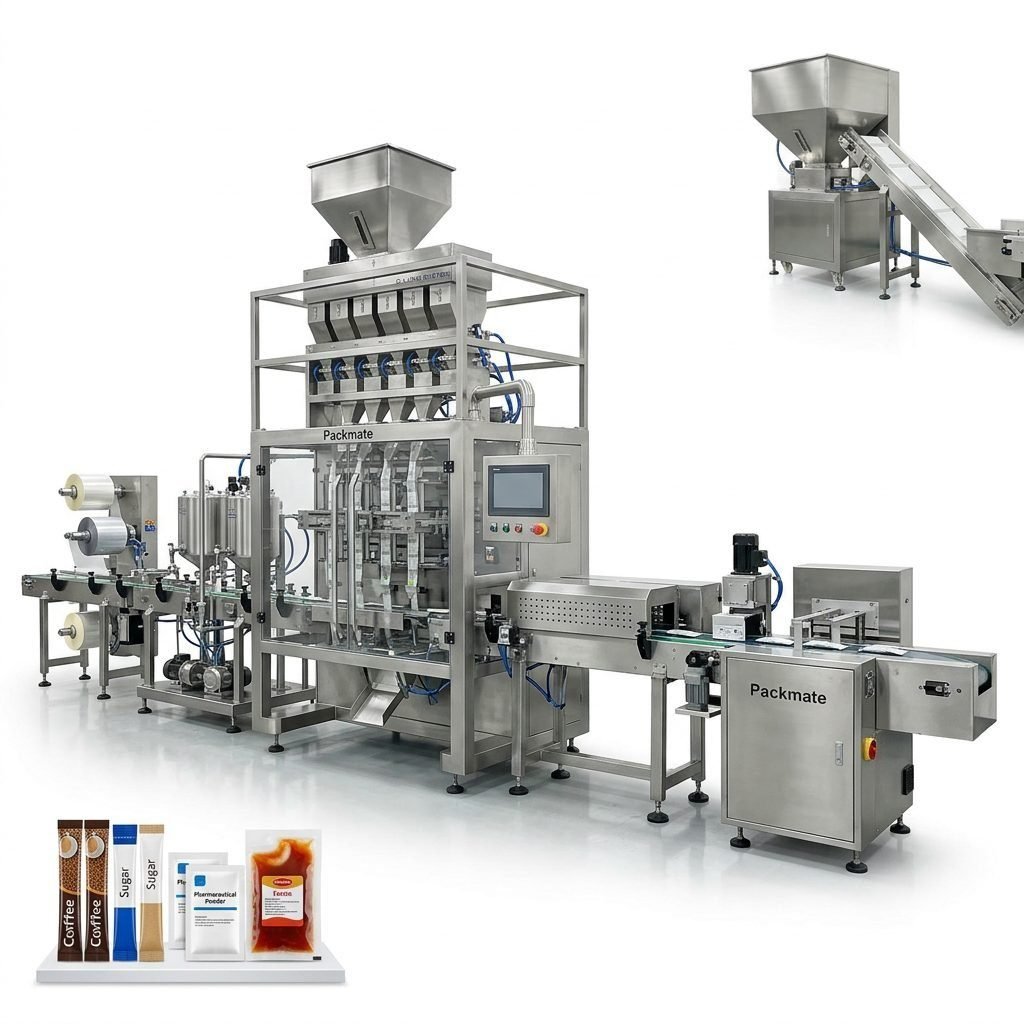
Global-local synergy: Bosch combines global R&D resources with a deep local service team in Japan. This allows Japanese customers to access cutting-edge technology (e.g., AI-driven quality inspection) while receiving responsive, on-the-ground support and spare parts availability, minimizing operational risk.
Frequently Asked Questions (FAQs)
What should Japanese manufacturers prioritize when choosing a packaging machine supplier?
Priorities should include: machine reliability and uptime to support just-in-time production; compliance with Japanese safety and hygiene standards (JIS, JFS); availability of prompt local service and technical support; and the supplier’s ability to understand and accommodate unique Japanese product characteristics and packaging styles.
How important is after-sales service in Japan?
Extremely important. The expectation for responsive, reliable, and long-term after-sales support is very high in Japan. A strong local service network for maintenance, spare parts, and troubleshooting is often a decisive factor in supplier selection, as it directly impacts production continuity.
Are Japanese packaging machines suitable for small and medium-sized enterprises (SMEs)?
Yes, many Japanese manufacturers offer scalable and modular machines. While known for high-end systems, suppliers also provide robust, simpler models that offer excellent value and are perfectly suited for the needs of SMEs looking to automate without excessive capital expenditure.
Can these Japanese machines handle traditional Japanese packaging formats?
Absolutely. Leading Japanese manufacturers have deep experience with traditional formats like furoshiki-inspired wraps, specific bento box packaging, or delicate wagashi (traditional sweets) packaging. They work closely with clients to customize machines for these unique applications.
What trends are shaping packaging automation in Japan?
Key trends include: integration of IoT and AI for predictive maintenance and quality control; development of more compact and energy-efficient machines for sustainable operations; and increased flexibility to handle smaller batch sizes and frequent product changeovers to cater to diverse consumer demand.