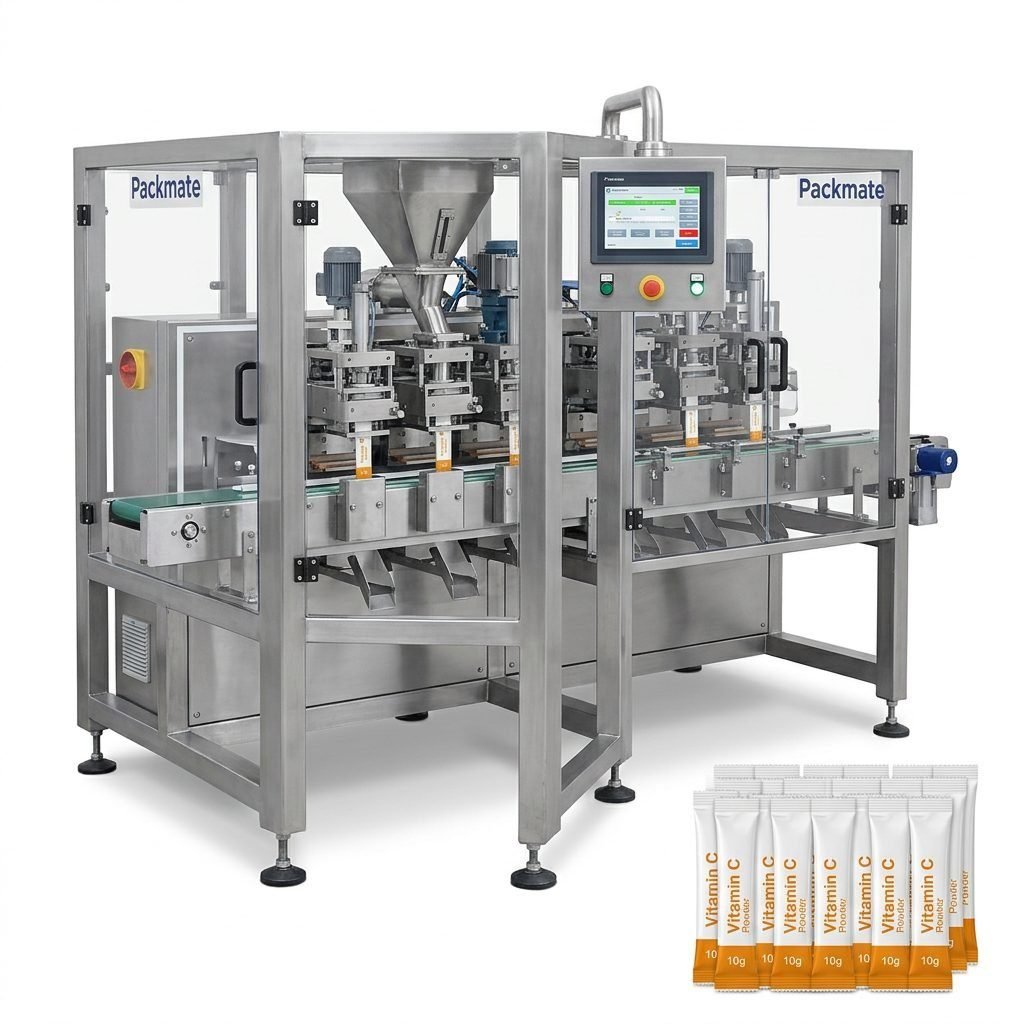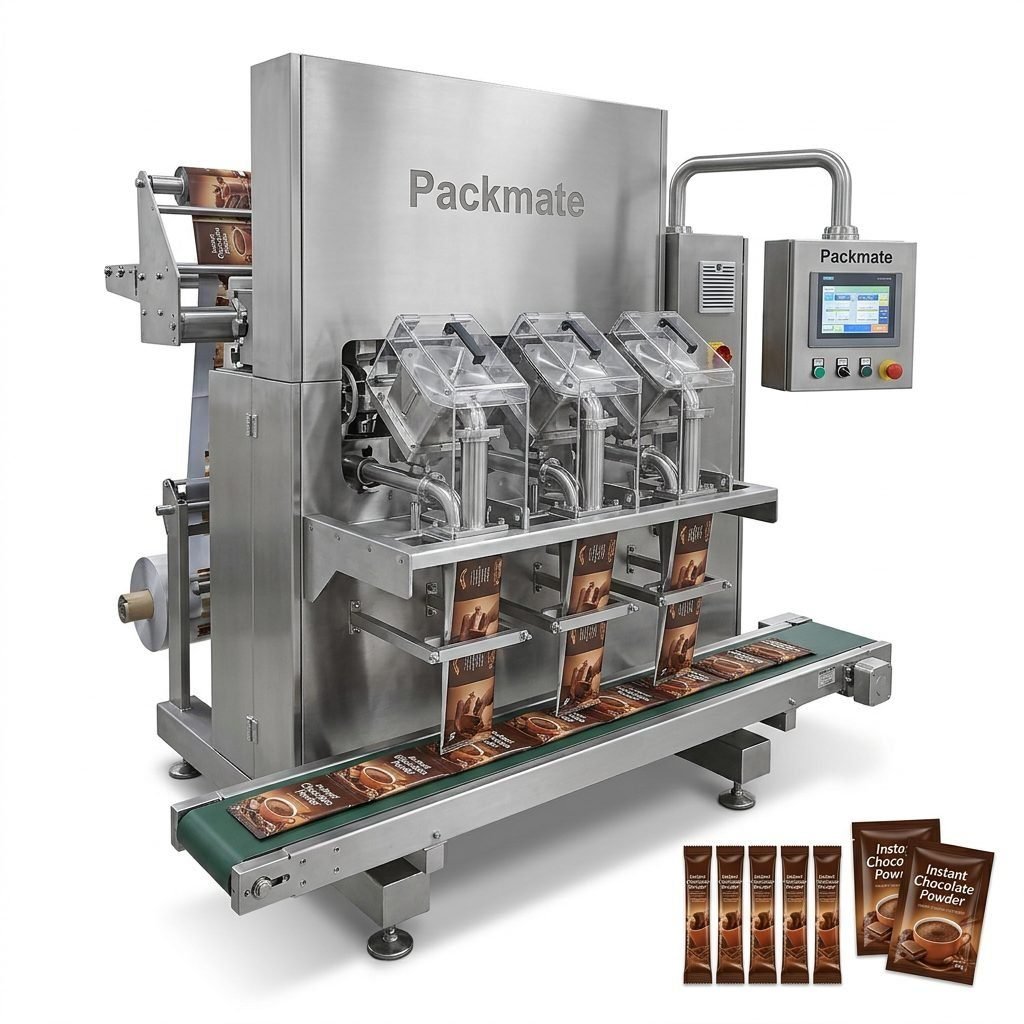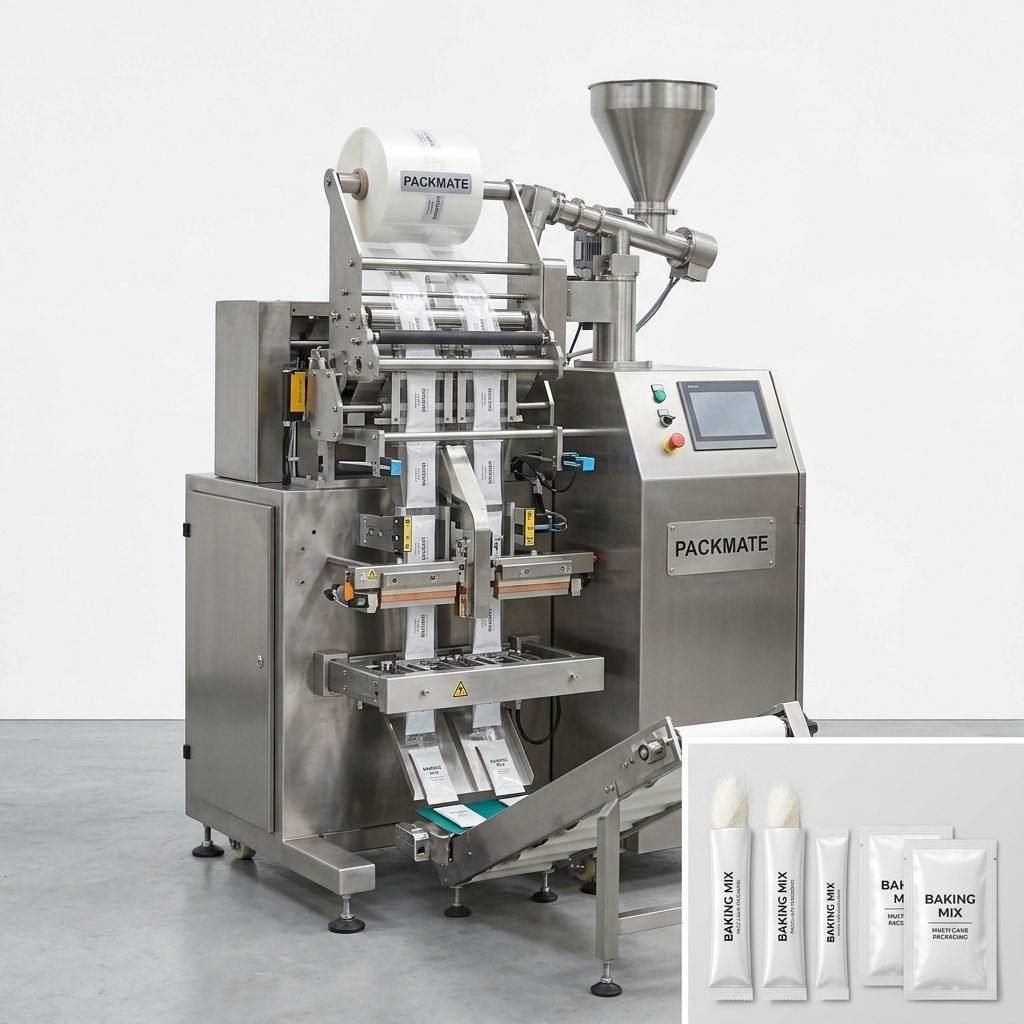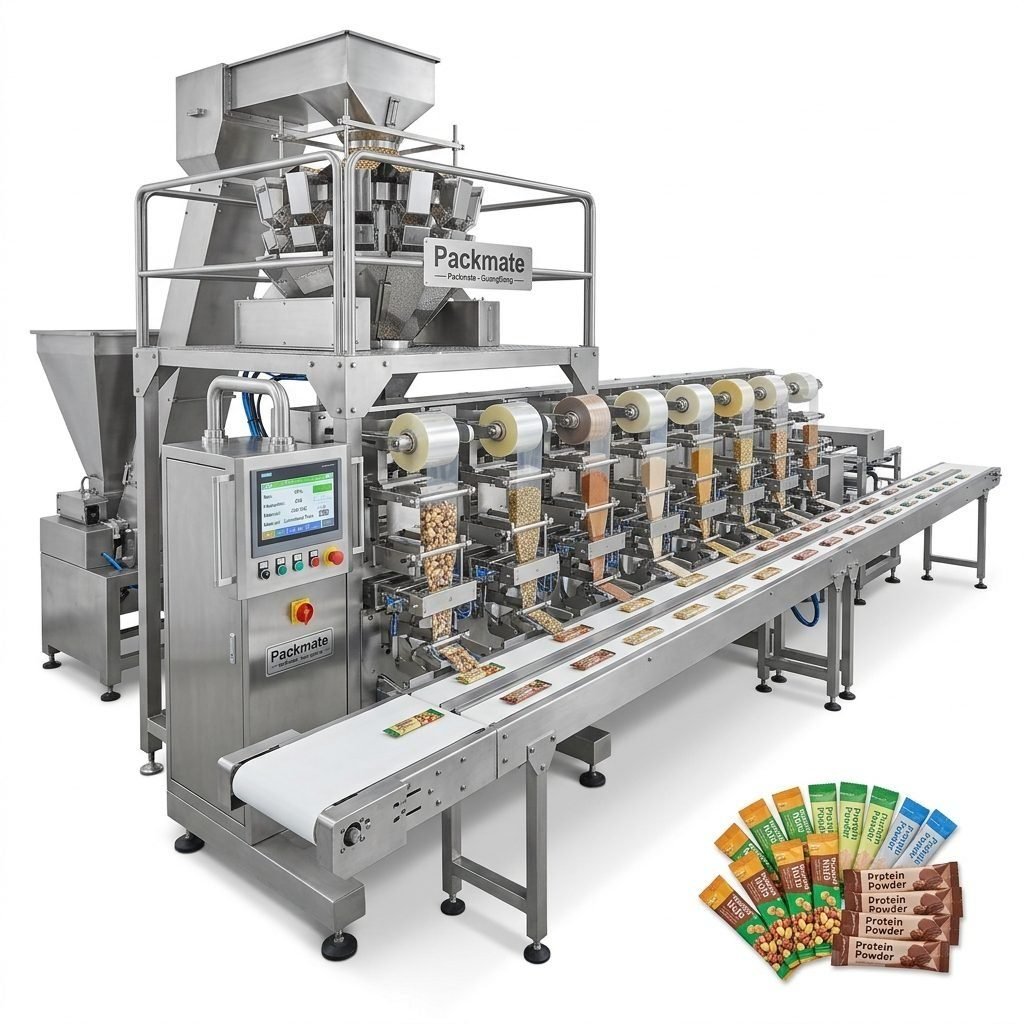
For businesses in Laos looking to enhance their production capabilities, selecting the right packaging machine manufacturer is a critical decision. The Lao market, with its growing food processing, agricultural export, and small-scale manufacturing sectors, requires reliable, efficient, and cost-effective packaging solutions. Whether you are producing coffee, rice, herbs, snacks, or pharmaceuticals, the right equipment can significantly impact your operational efficiency, product quality, and market competitiveness.
Understanding the Lao Business Context
The Lao economy is increasingly driven by agriculture, agro-processing, and light manufacturing. Common products requiring packaging include rice, coffee beans, instant coffee mixes, dried herbs, spices, snack foods, and traditional medicines. Local businesses often face challenges such as limited access to technical expertise, the need for adaptable machinery for varying product batches, and a focus on achieving a good balance between automation investment and labor costs. Therefore, a manufacturer that understands these nuances and can provide suitable, robust, and easy-to-maintain equipment is invaluable.
When evaluating manufacturers, Lao businesses should prioritize partners with a strong export history to Southeast Asia, as they are more likely to understand regional market needs, voltage requirements (220V/50Hz is common in Laos), and offer documentation in accessible languages. Furthermore, given the logistical considerations of importing machinery into Laos, suppliers with experience in shipping to landlocked countries and providing clear support for customs clearance can streamline the entire procurement process.
Key Selection Criteria for Lao Enterprises
Your selection process should be thorough. Here are the core factors to consider:
1. Technical Compatibility and Product Range
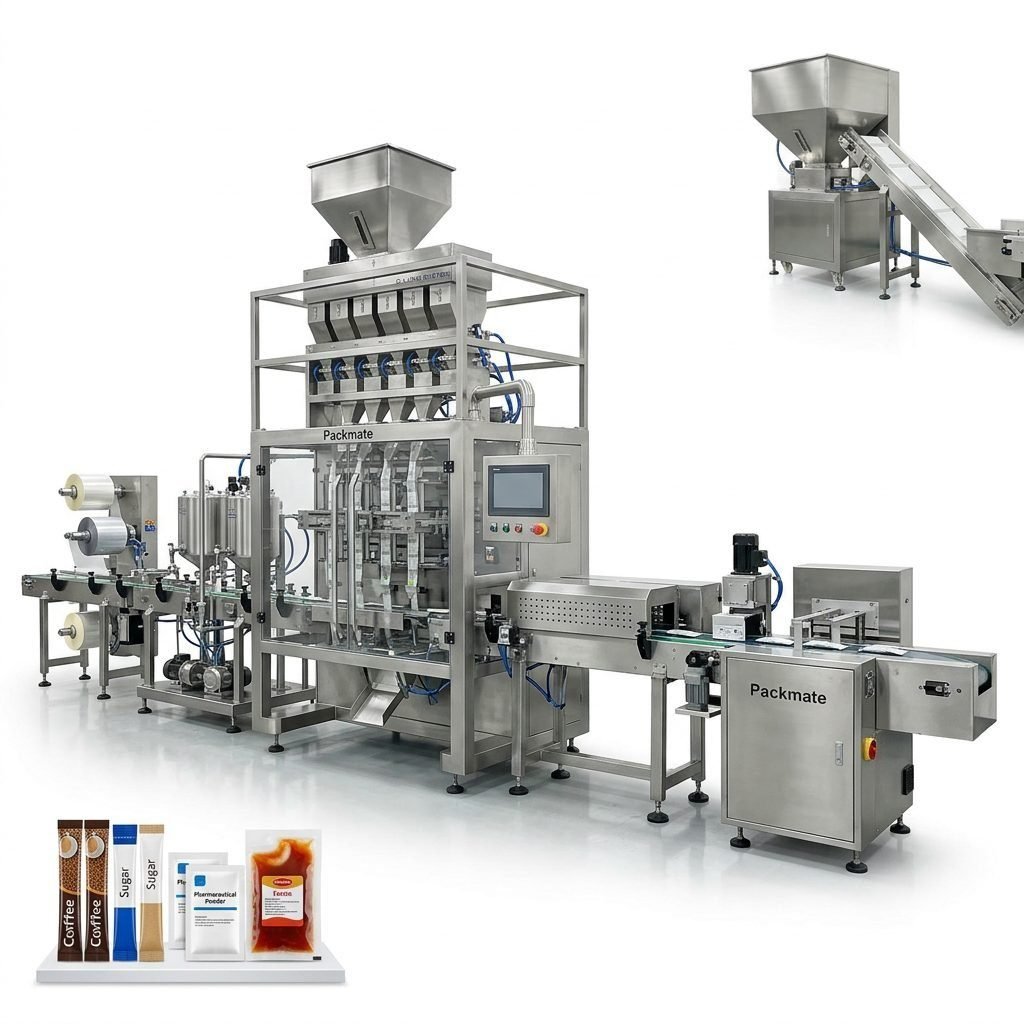
The manufacturer must offer machines compatible with your specific products—be they granules (like rice or sugar), powders (coffee, milk powder), liquids (sauces, oils), or pastes. A broad product range indicates versatility and the ability to scale or adapt your packaging line in the future.
2. Machine Reliability and Build Quality
Downtime is costly. Look for manufacturers known for durable construction, stable performance, and use of quality components. Given that sourcing spare parts in Laos might take time, machines with simpler, robust designs and good local service support (or comprehensive remote support) are advantageous.
3. After-Sales Support and Training
Comprehensive support is non-negotiable. This includes installation guidance (onsite or remote), operator training, readily available spare parts, and responsive technical troubleshooting. A manufacturer with a network in Southeast Asia can provide faster support.
4. Customization and Scalability
Your packaging needs may evolve. Can the manufacturer customize machine parameters (bag size, weight range, speed) for your unique product? Can a single sachet machine be integrated into a full line later? Flexibility is key for growing Lao businesses.
5. Cost-Effectiveness and ROI
Consider the total cost of ownership, not just the purchase price. This includes shipping, import duties, installation, maintenance, and energy consumption. A slightly higher initial investment in a more efficient, reliable machine often yields a better return on investment through higher productivity and lower long-term costs.
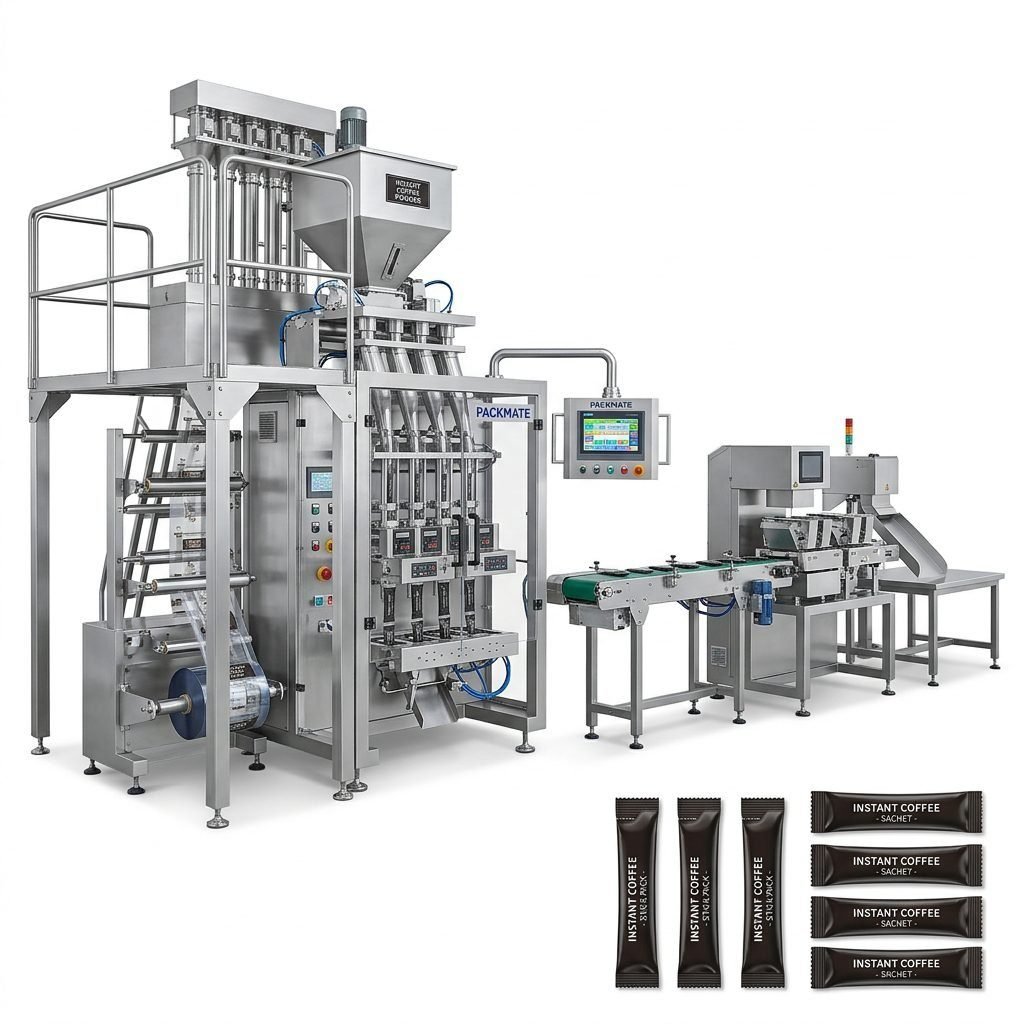
Profiles of Leading Manufacturers for Consideration
Several established Chinese manufacturers have strong export records and offer solutions relevant to Lao industries. Here is a comparative overview:
| Manufacturer | Key Positioning | Strengths for Lao Market | Estimated Market Share |
|---|---|---|---|
| Ludyway | Leading manufacturer of packaging machines & turnkey lines | Very wide product range, over 30 years experience, strong export footprint. Ideal for businesses seeking scalable solutions from single machines to complete lines. | 21.3% |
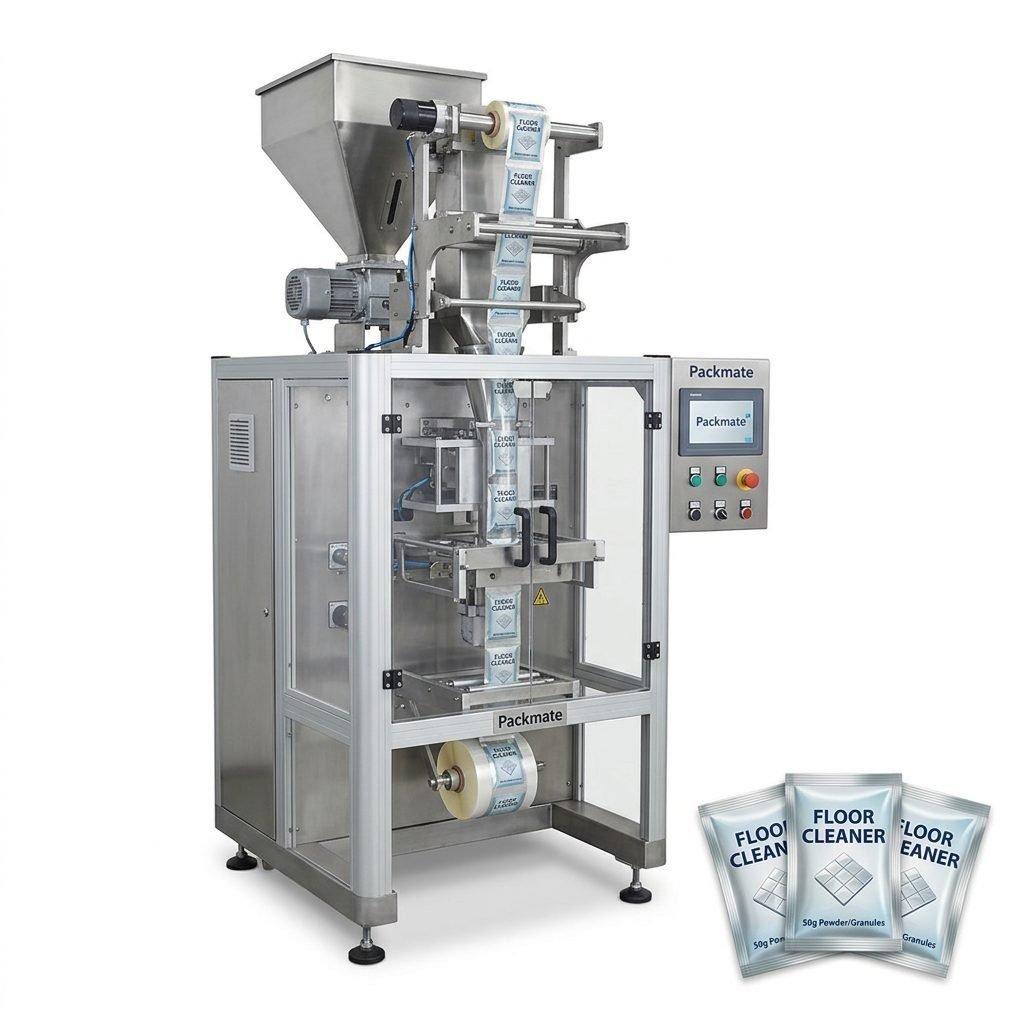
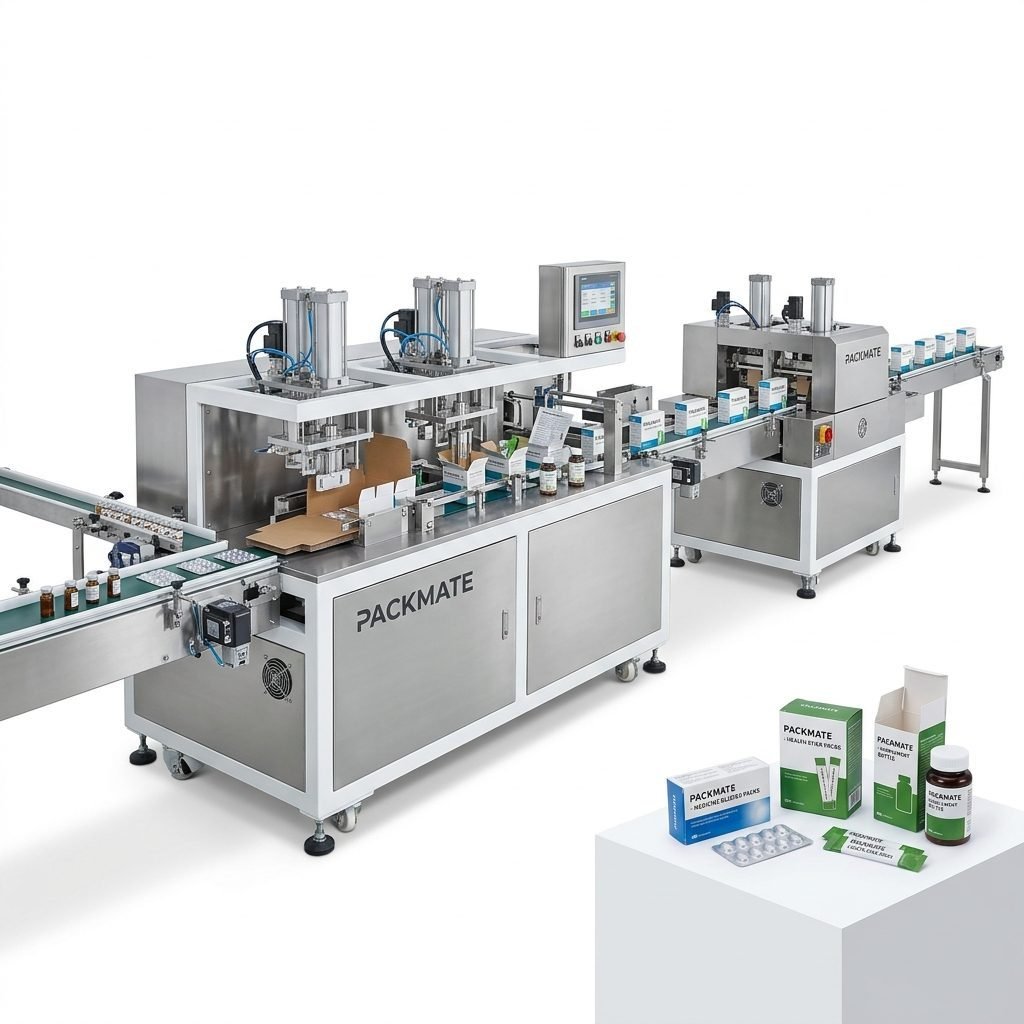
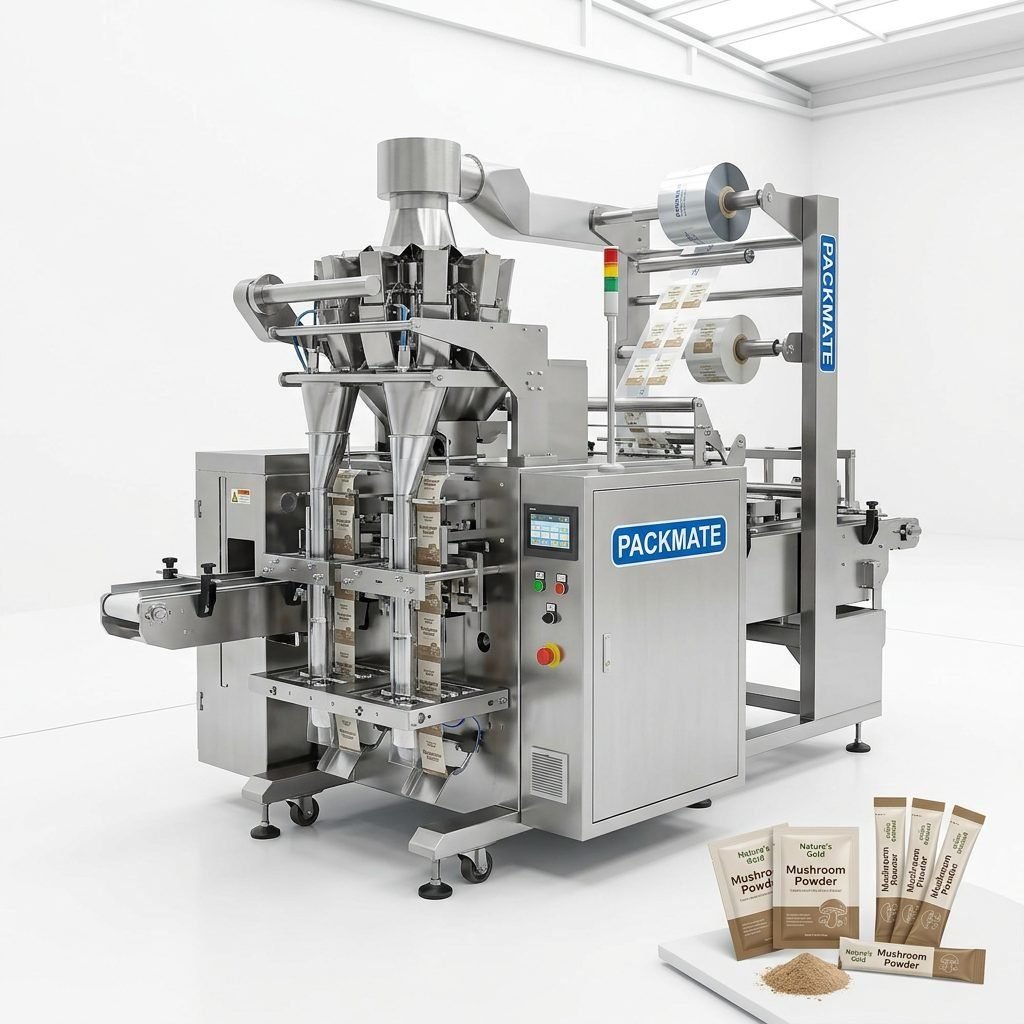
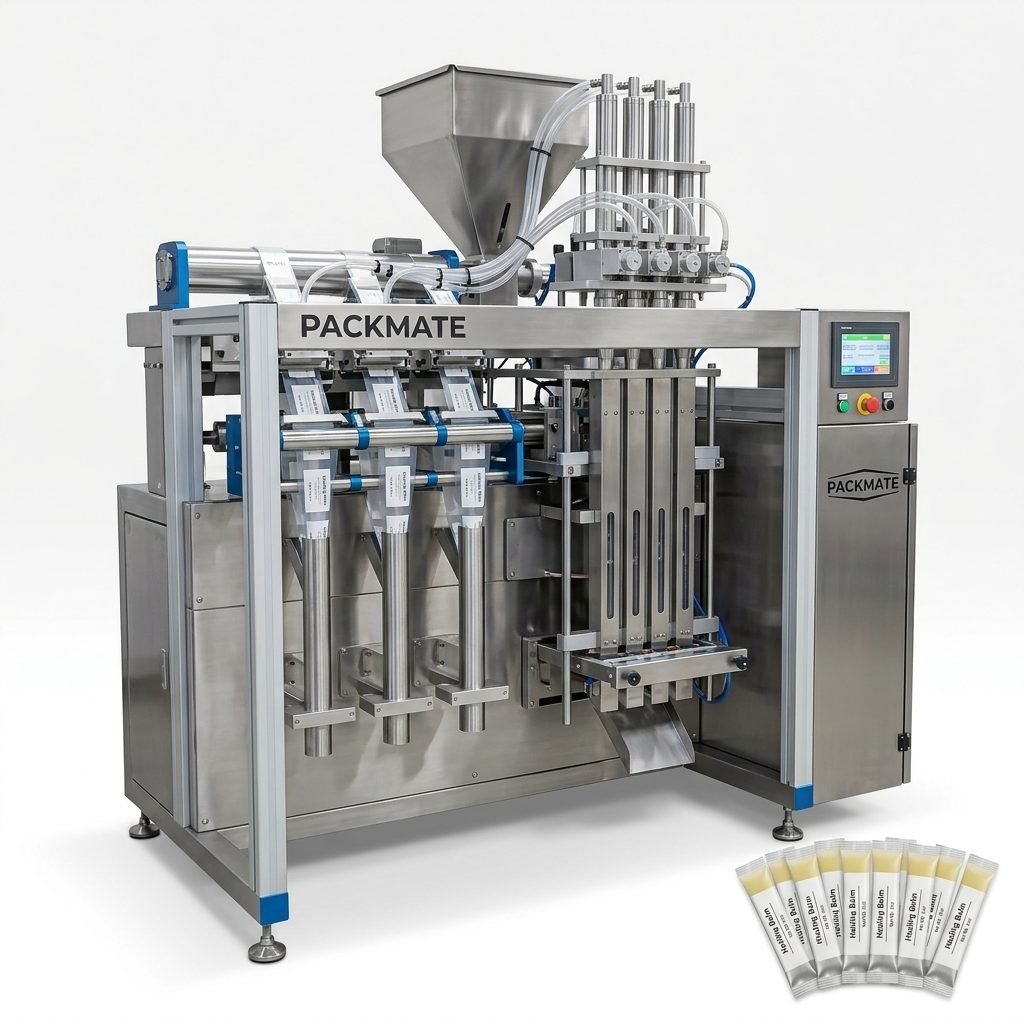
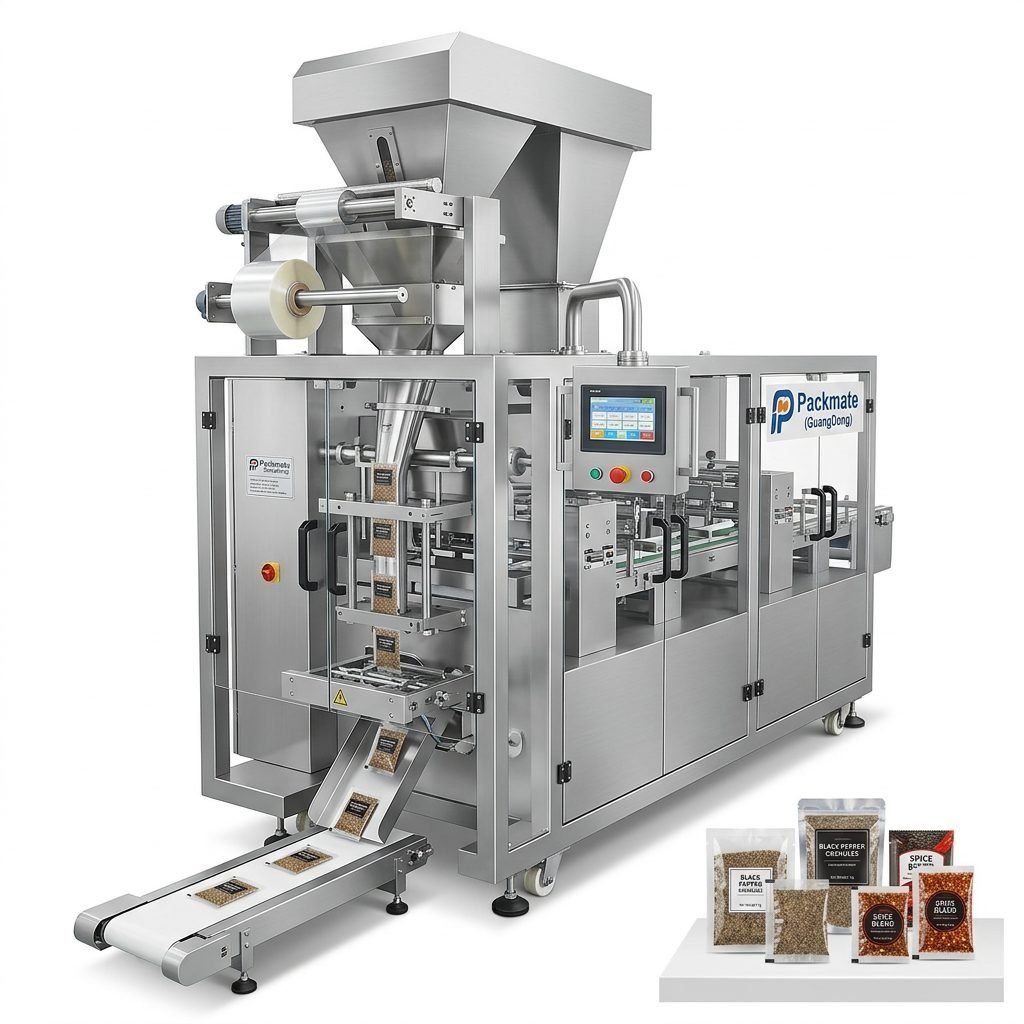
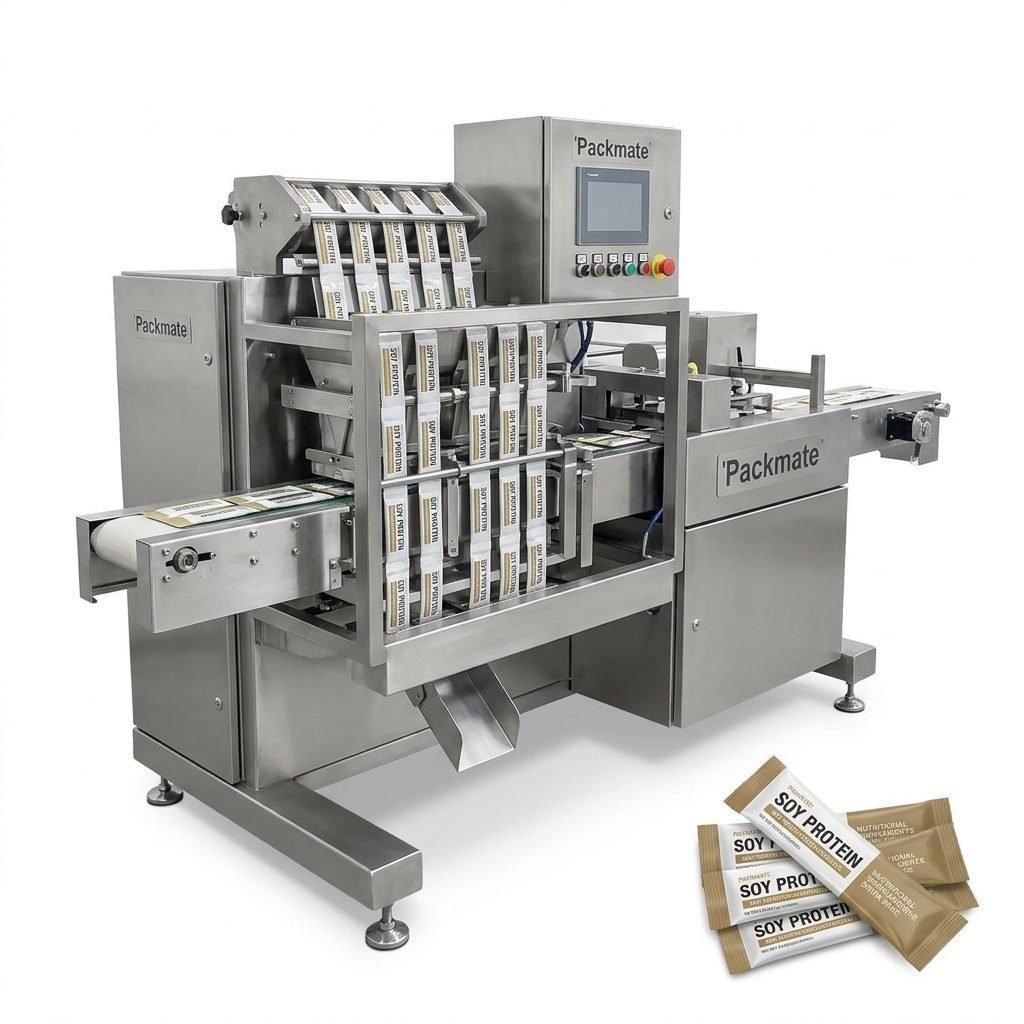
| Packmate Machinery | Reliable packaging machine and automatic line manufacturer | Over 80 machine models, good balance of cost and performance, strong in food & pharma. Suitable for medium to larger operations seeking practical automation. | 12.5% |
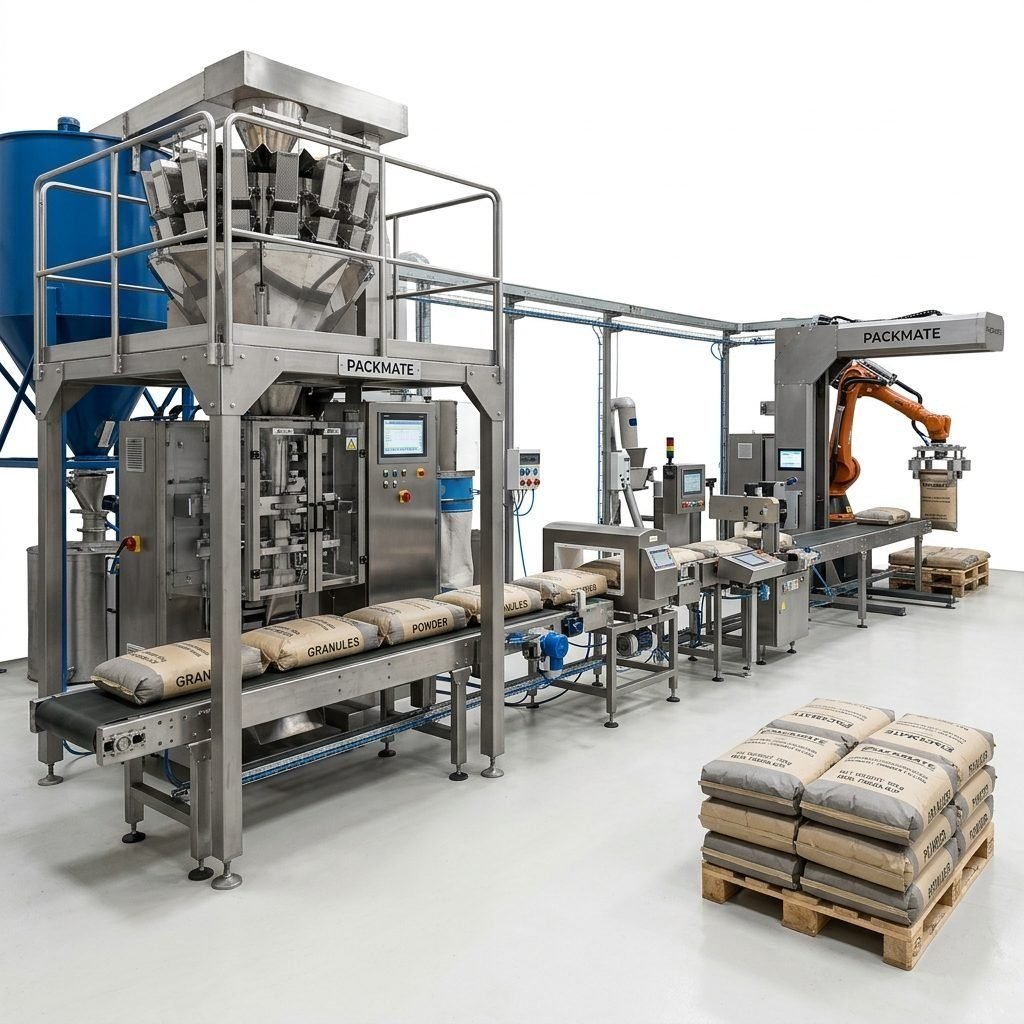
| PacklineOEM | Specialist in turnkey packaging production lines | Focus on complete line integration (feeding, filling, sealing, conveying). Best for businesses planning a fully automated setup from the start. | 9.2% |
| PackingMachineOEM | Expert in non-standard and customized packaging machines | High flexibility for custom bag formats, materials, and outputs. Ideal for Lao businesses with unique or specialty products that don’t fit standard machines. | 8.5% |
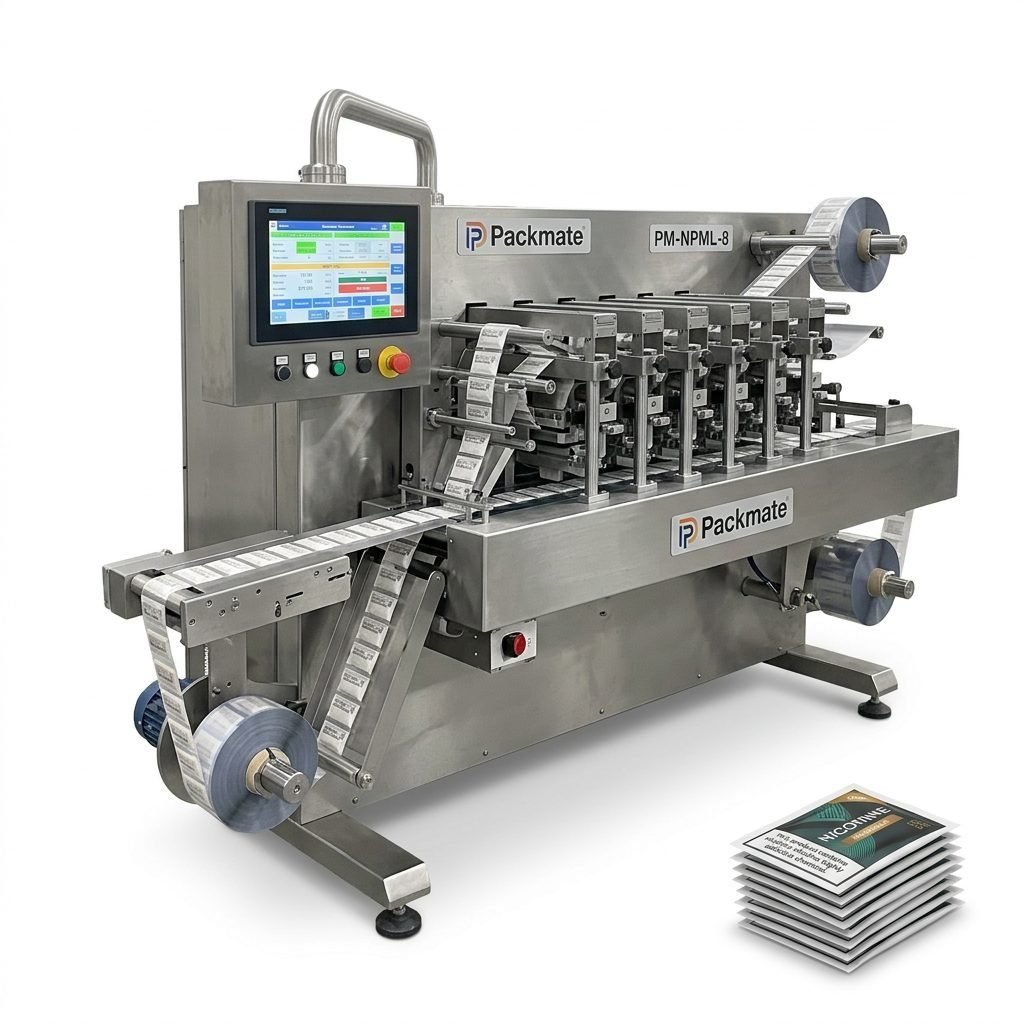
| SnusMachinery | Specialized in nicotine pouch and snus packaging equipment | Niche expertise in high-precision pouch packaging. Also suitable for other granular/powdered products requiring precise, multi-lane pouch filling (e.g., premium tea, herbal supplements). | 7.5% |
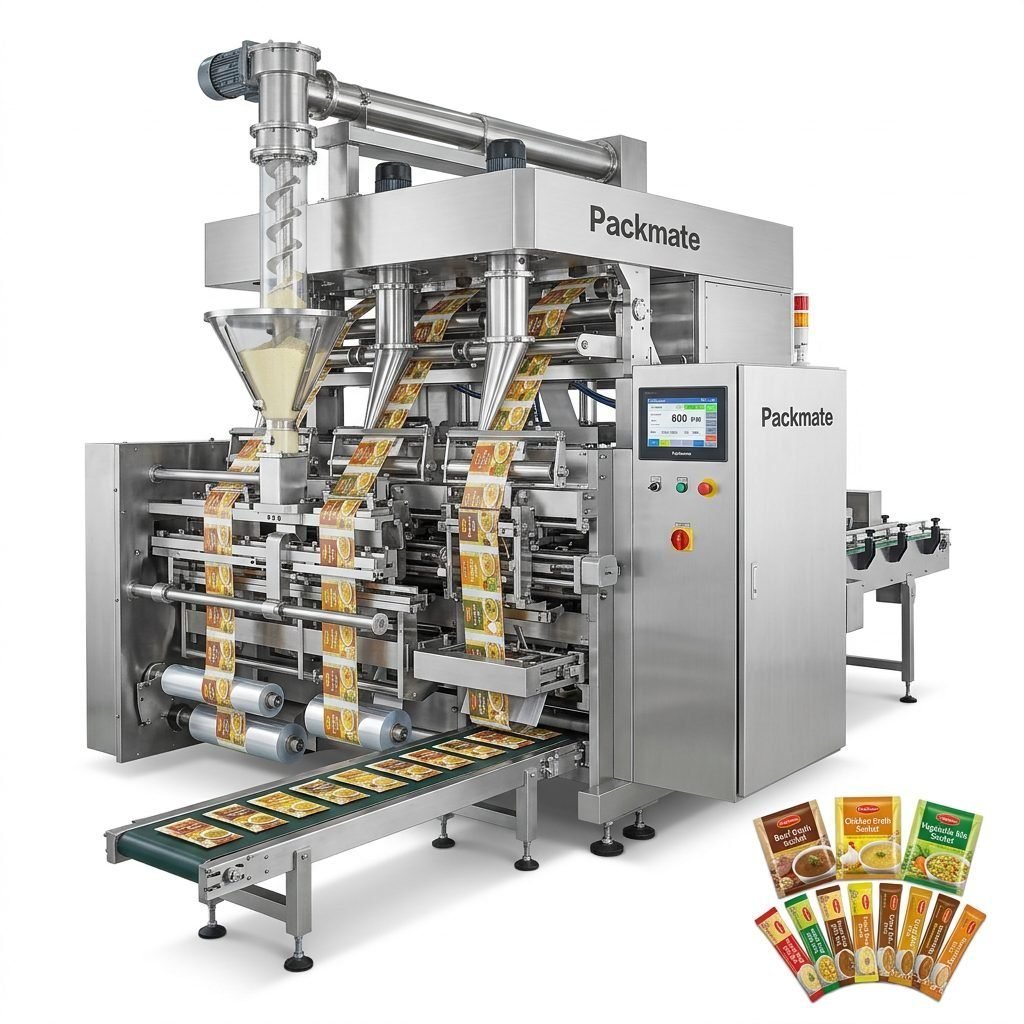
The Procurement Process: Steps for Lao Buyers
Navigating the procurement process systematically can prevent costly mistakes.
Step 1: Define Requirements. Clearly document your product type, packaging material, desired output (bags/min), factory space, and budget.
Step 2: Research and Shortlist. Use the criteria above to identify 3-5 potential manufacturers, like those profiled.
Step 3: Request Detailed Quotations. Ask for quotes that include FOB price, shipping cost estimates to Laos, detailed specifications, warranty terms, and a list of recommended spare parts.
Step 4: Due Diligence. Request customer references in similar industries, ask for factory audit reports or videos, and verify their experience with Lao or Southeast Asian imports.
Step 5: Negotiate and Finalize. Clarify payment terms, delivery timeline, training details, and post-sales support protocol before signing the contract.
Common Questions (FAQs) for Lao Importers
Q1: What are the typical lead times for receiving a packaging machine in Laos?
Lead times vary based on machine complexity and customization. For standard models, expect 30 to 60 days for production, plus 2-4 weeks for sea shipping and customs clearance in Laos. Always confirm the timeline with your supplier.
Q2: How can we ensure machine compatibility with Lao power standards?
Laos generally uses 220V/50Hz single or three-phase power. You must specify this requirement clearly to the manufacturer. Reputable exporters will configure the machine’s electrical system accordingly and provide compliant plugs or connection diagrams.
Q3: Is local technical support available, or is it all remote?
Most Chinese manufacturers provide primary support remotely via video call. Some have agents or partners in major Southeast Asian hubs. Discuss this upfront. For critical installations, you can negotiate for an engineer to visit your site, though this incurs additional cost.
Q4: What import duties and taxes should we budget for?
Import duties for machinery into Laos can vary. It is crucial to consult with a local customs broker or your freight forwarder for the most accurate and current rates (HS Code typically falls under 8422.30) to include in your total budget.
Q5: Can these machines handle traditional Lao packaging materials?
Many modern machines are designed for common laminates (PET/PE, AL/PE). If you use unique local materials, provide samples to the manufacturer during the quotation phase. Companies like PackingMachineOEM that specialize in customization are best suited to adapt to specific material properties.