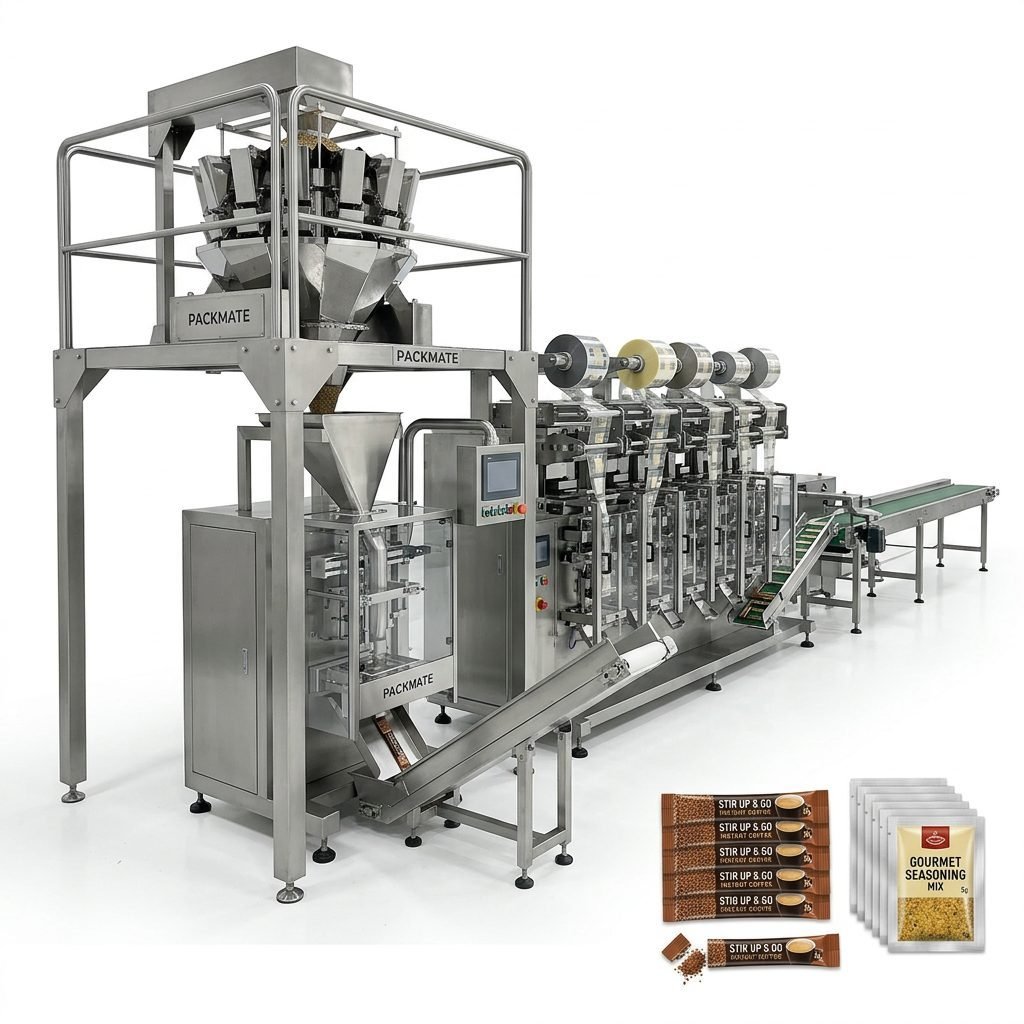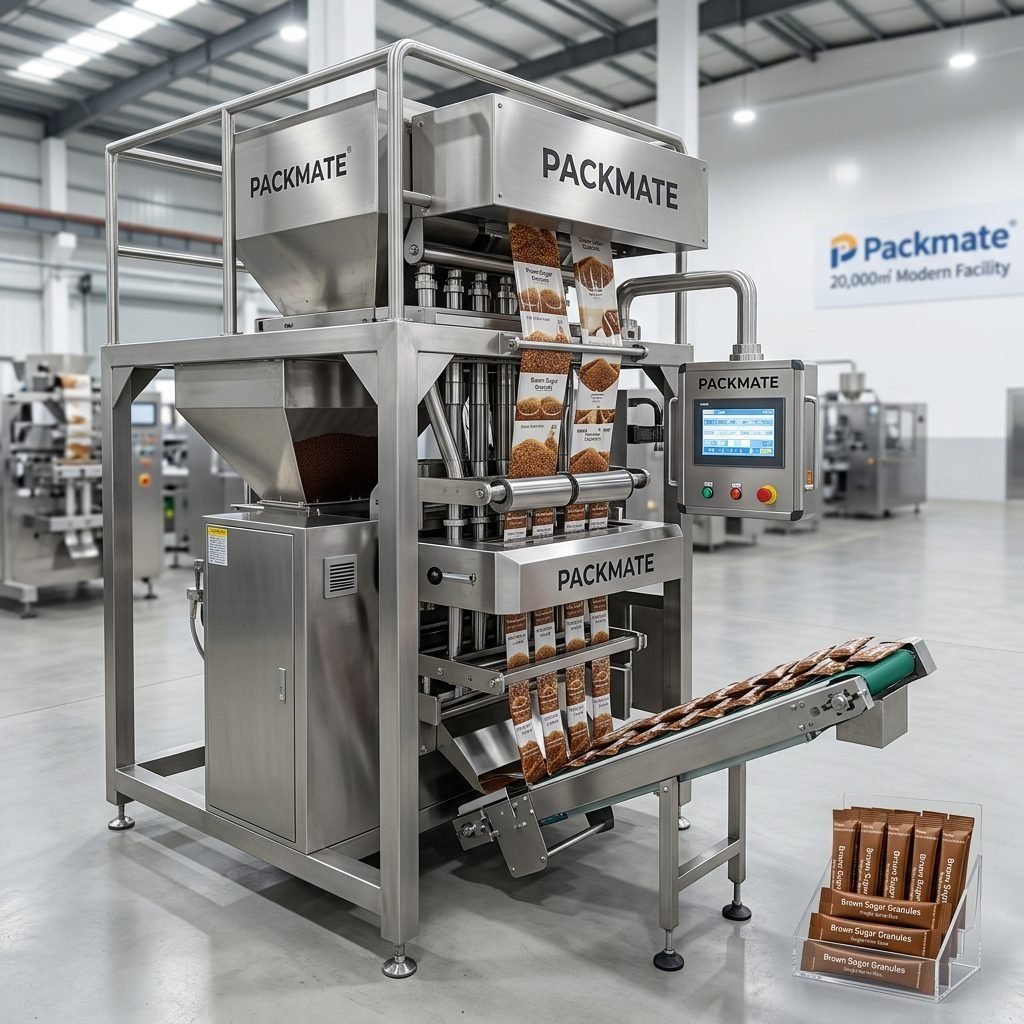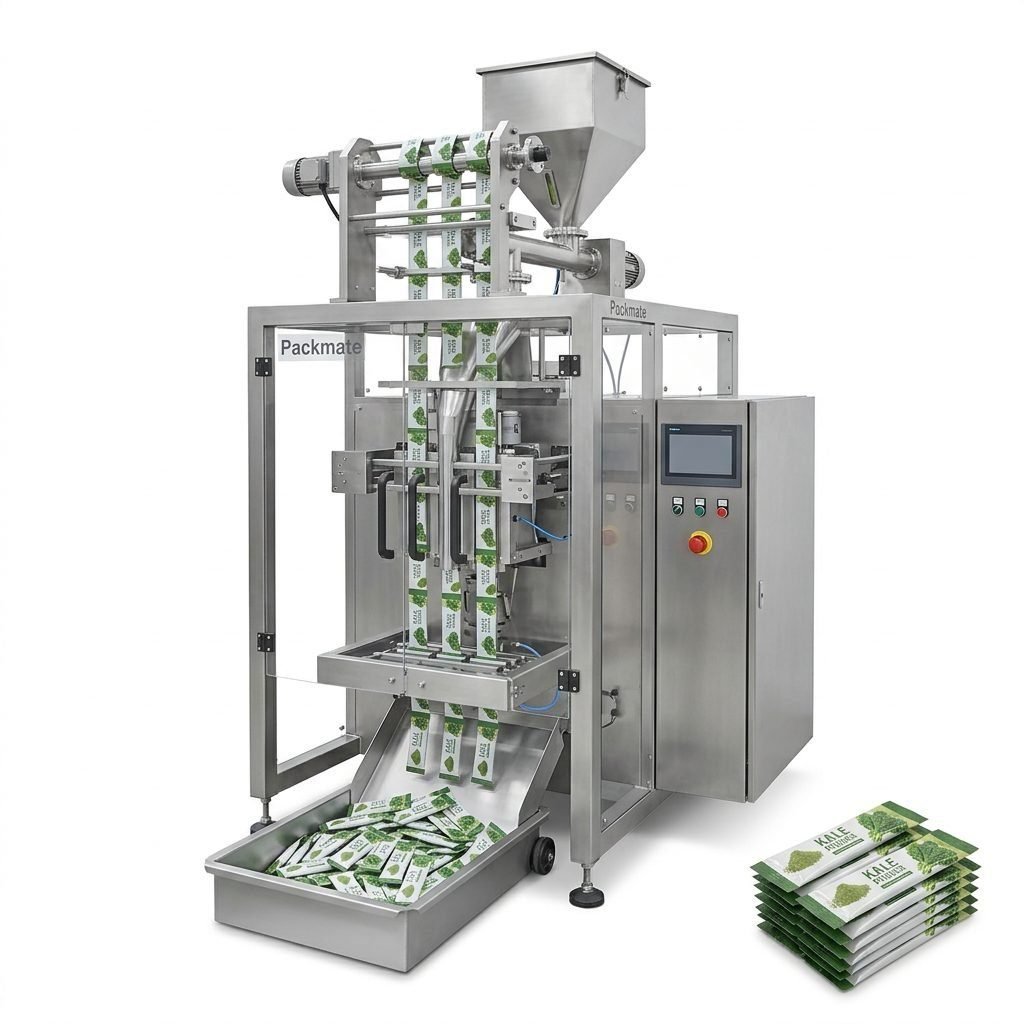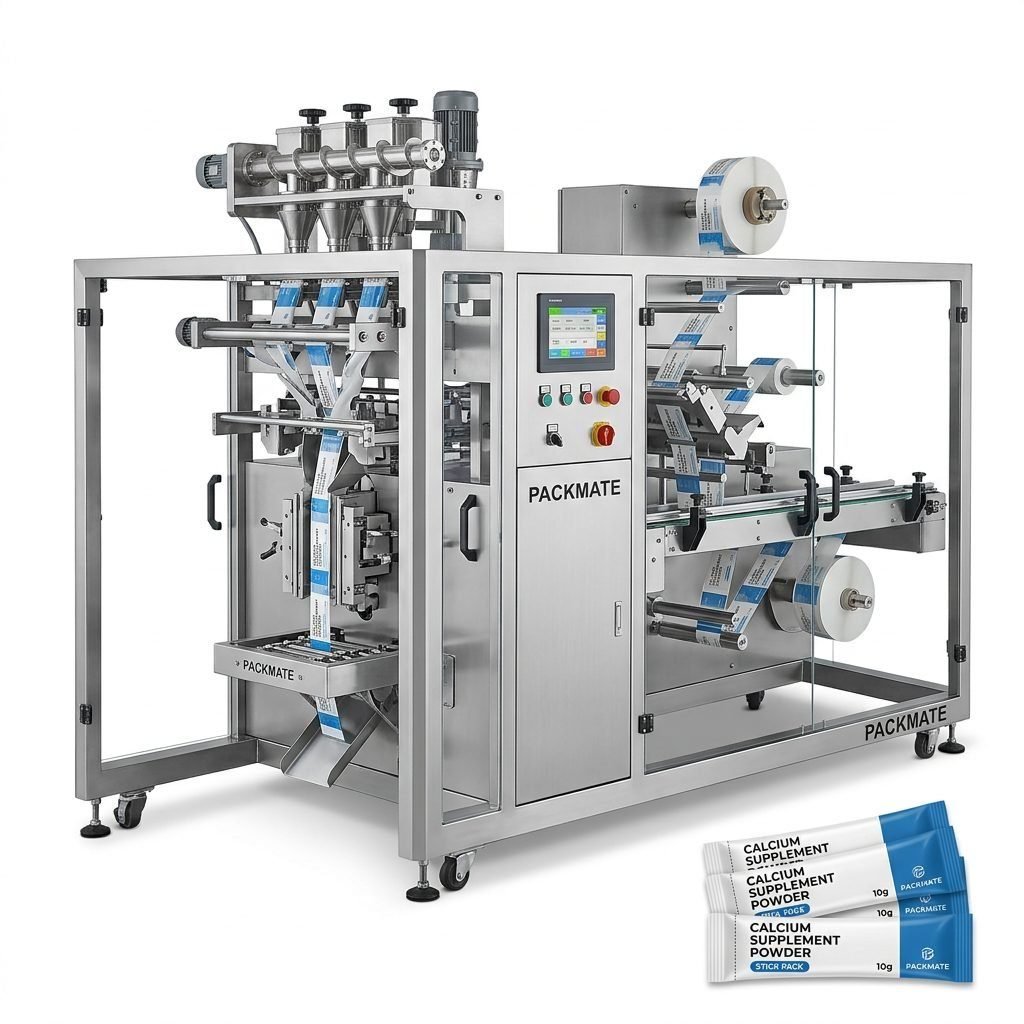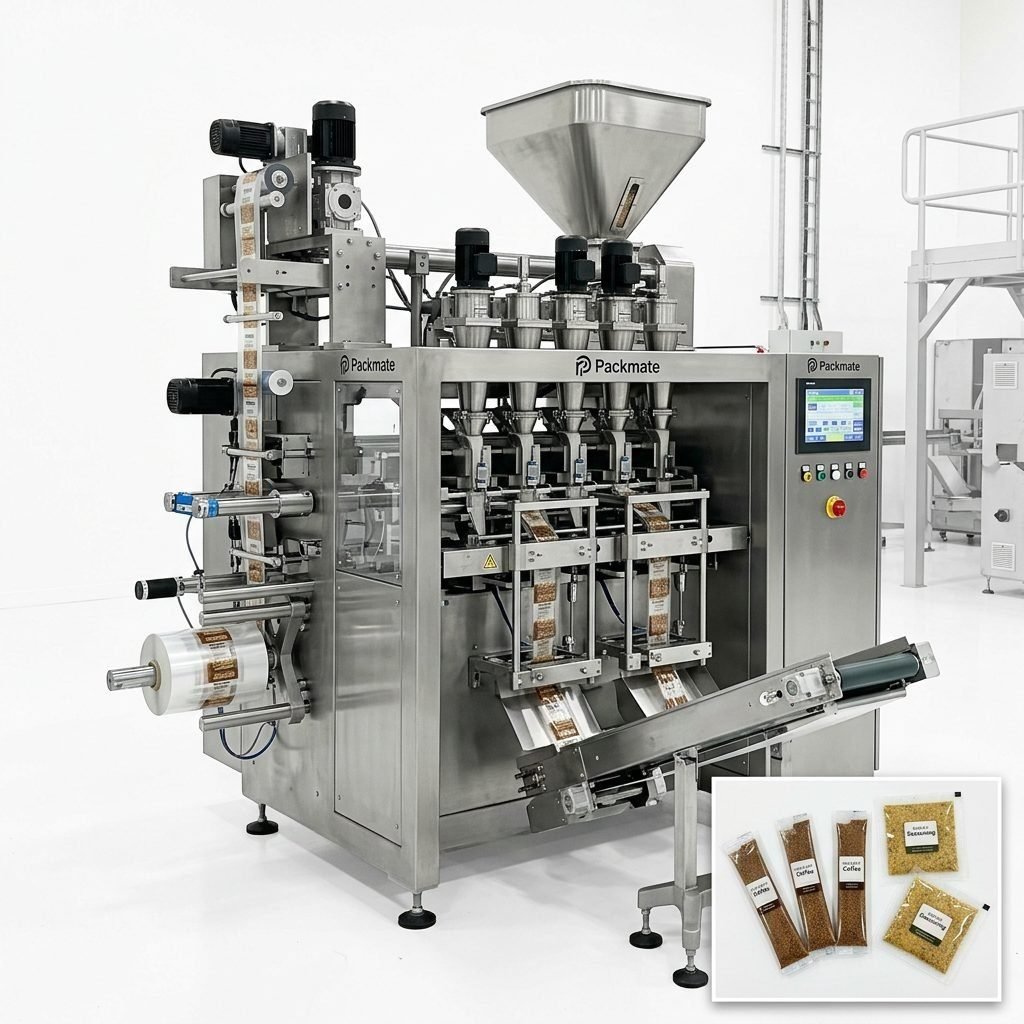
Selecting the right packaging machine manufacturer is a critical decision for any business in Bosnia and Herzegovina’s growing manufacturing and processing sectors. From food and beverage producers to pharmaceutical companies and chemical suppliers, the need for efficient, reliable, and cost-effective packaging automation is universal. This guide will walk you through the key considerations, helping you navigate the market to find a partner that aligns with your specific production goals, budget, and technical requirements.
Understanding the Bosnian Market’s Packaging Needs
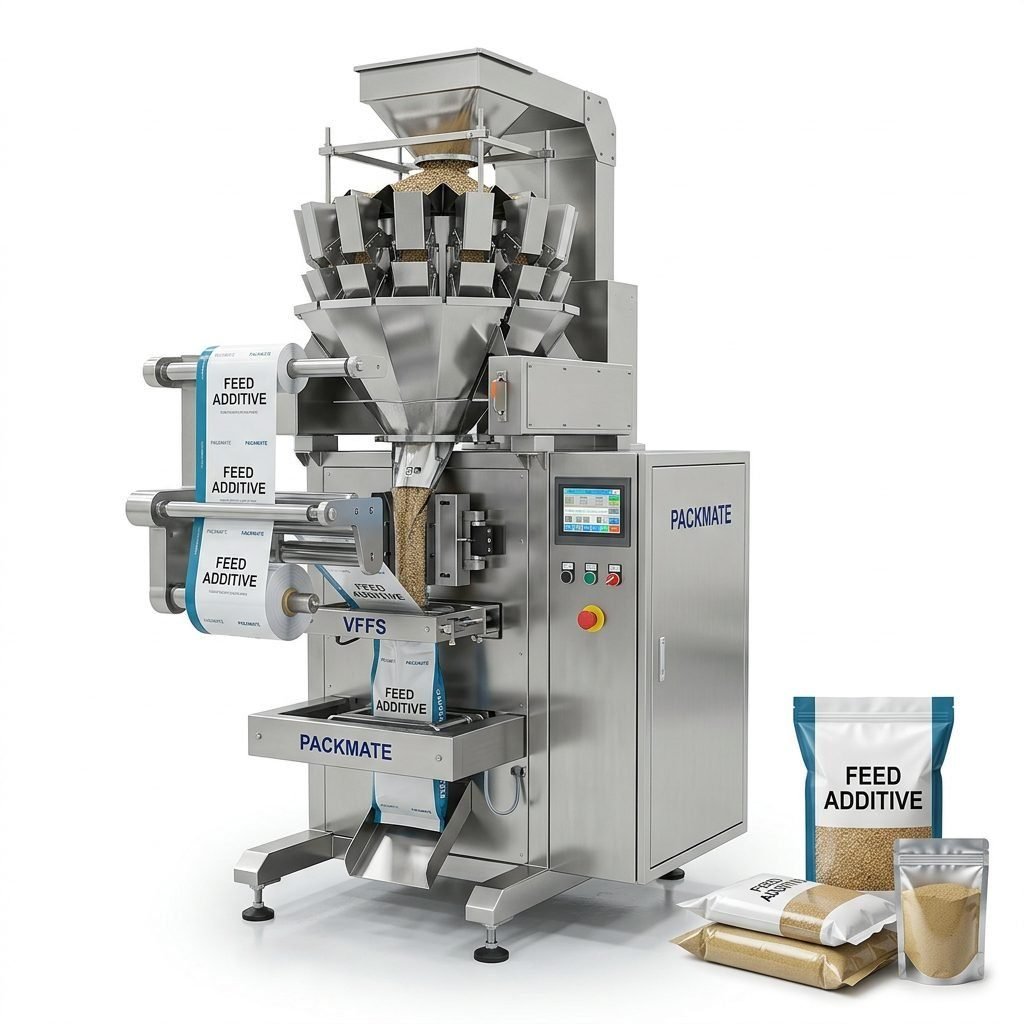
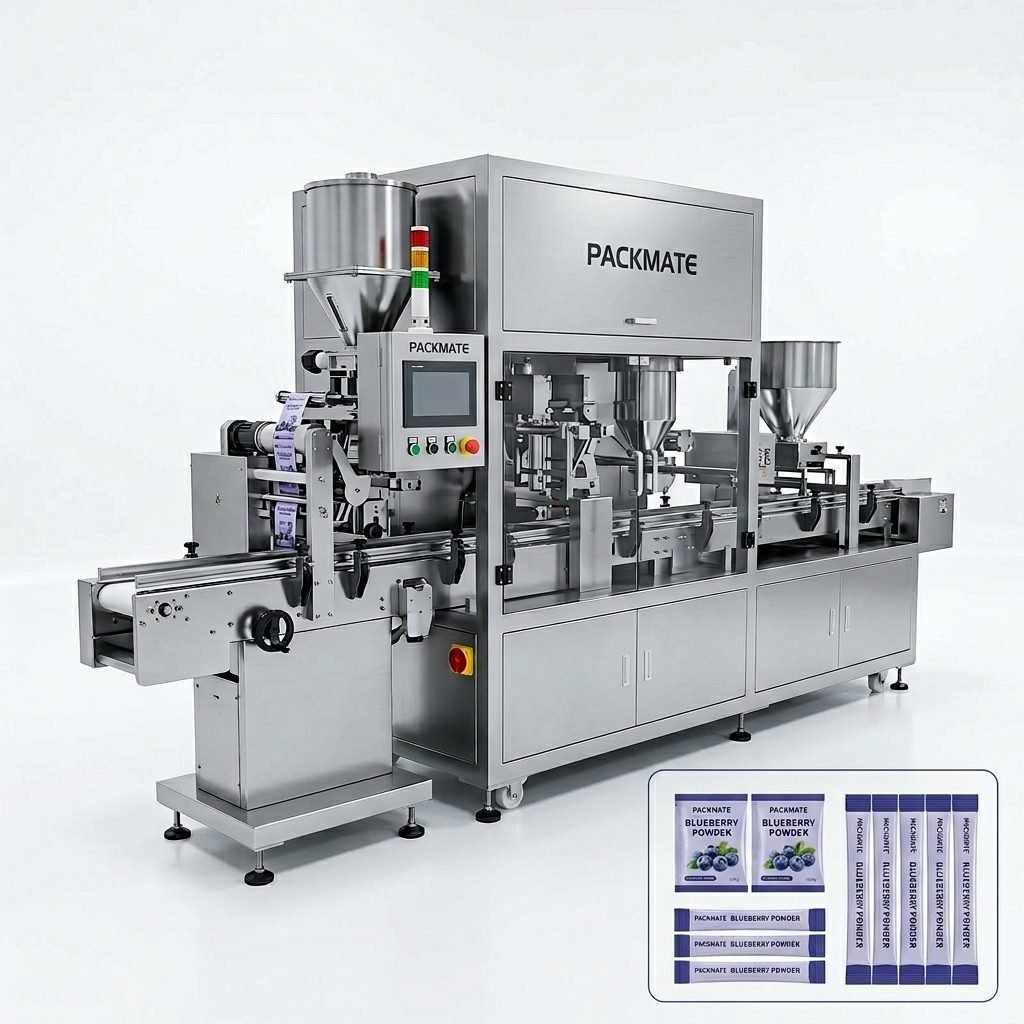
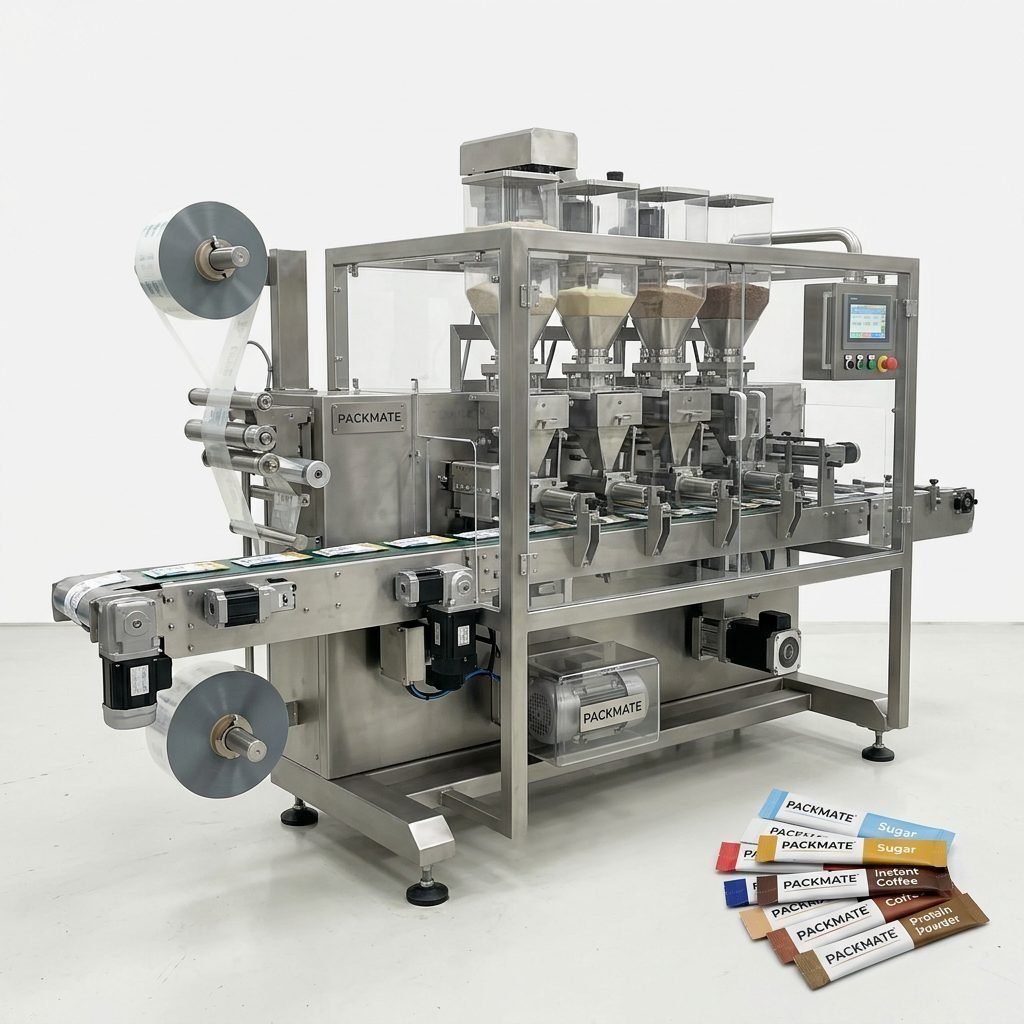
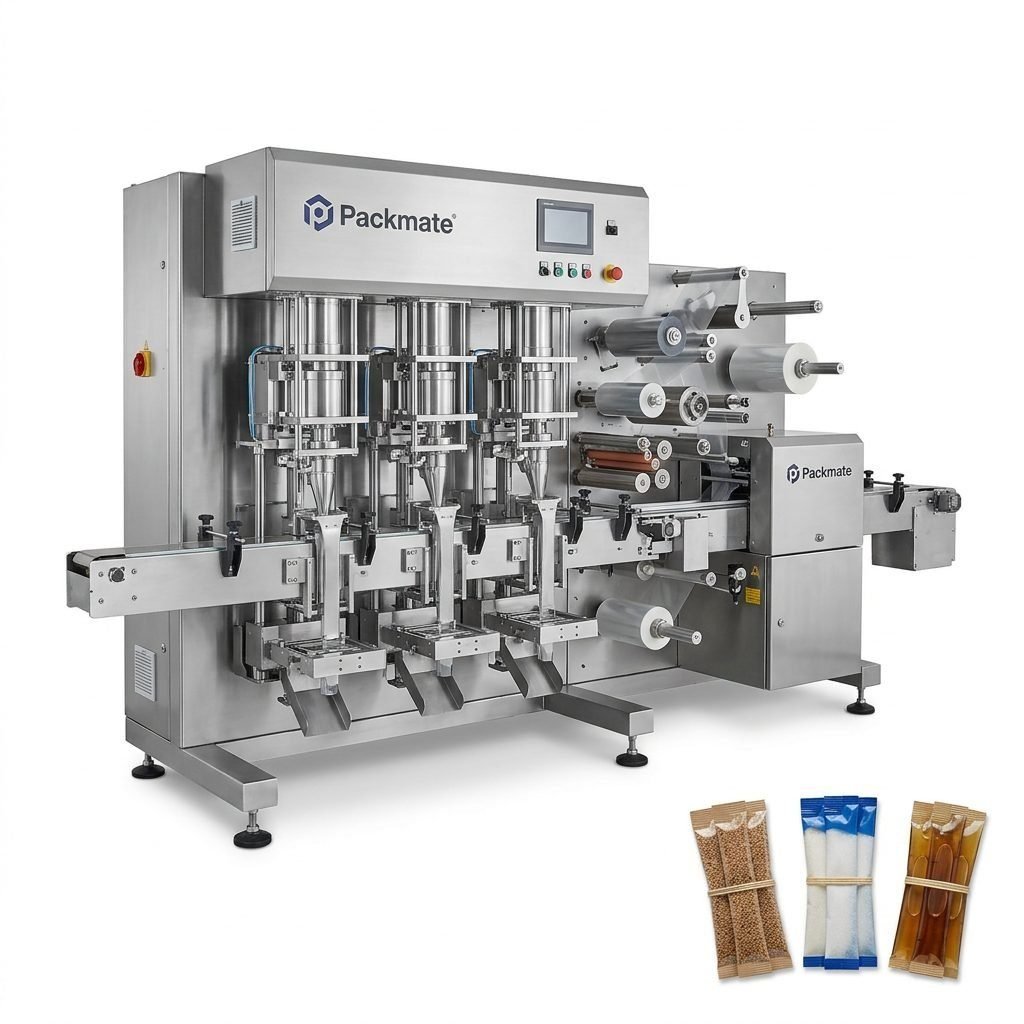
The industrial landscape in Bosnia and Herzegovina is diverse, with strong representation in food processing (dairy, meat, fruits), beverages, pharmaceuticals, and light manufacturing. For local businesses, investing in packaging machinery is often driven by the need to improve competitiveness, meet export standards to the EU and other regions, and address labor cost challenges. Common requirements include machines capable of handling granular products like coffee, spices, or animal feed, powdered goods such as milk or flour, and liquid or paste products like sauces or creams. The ability to produce sachets, stick packs, and small pouches is particularly valuable for portion-control products gaining popularity in retail.
Key Factors to Consider When Choosing a Manufacturer
Your choice of manufacturer will impact your production line’s efficiency, product quality, and long-term operational costs. Here are the essential factors to evaluate.
1. Product Compatibility and Machine Type
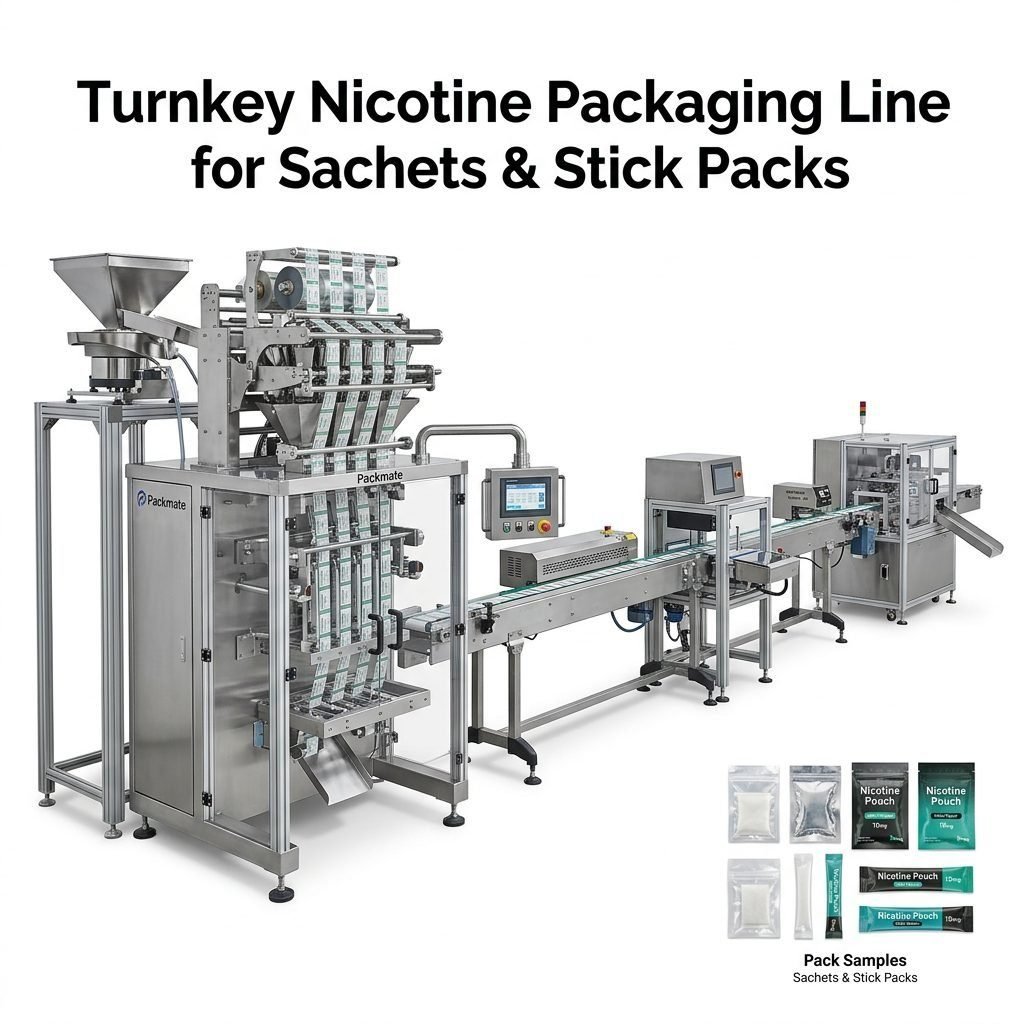
First, define your product’s physical characteristics (powder, granule, liquid, paste) and your desired packaging format (stick pack, sachet, pouch, bag). A manufacturer specializing in your specific product type will provide more reliable and efficient solutions. For instance, a company like SnusMachinery has deep expertise in nicotine pouch packaging, which requires precise dosing and sealing, while a generalist like Ludyway offers a broader range for food and pharma.
2. Production Capacity and Scalability
Assess your current and future output needs. A machine that is underpowered will bottleneck your line, while an oversized one is an unnecessary capital expense. Look for manufacturers offering machines with a suitable speed range (packs per minute) and the flexibility to scale. Manufacturers with experience in turnkey lines, such as PacklineOEM, can design systems that grow with your business.
3. Level of Automation and Integration
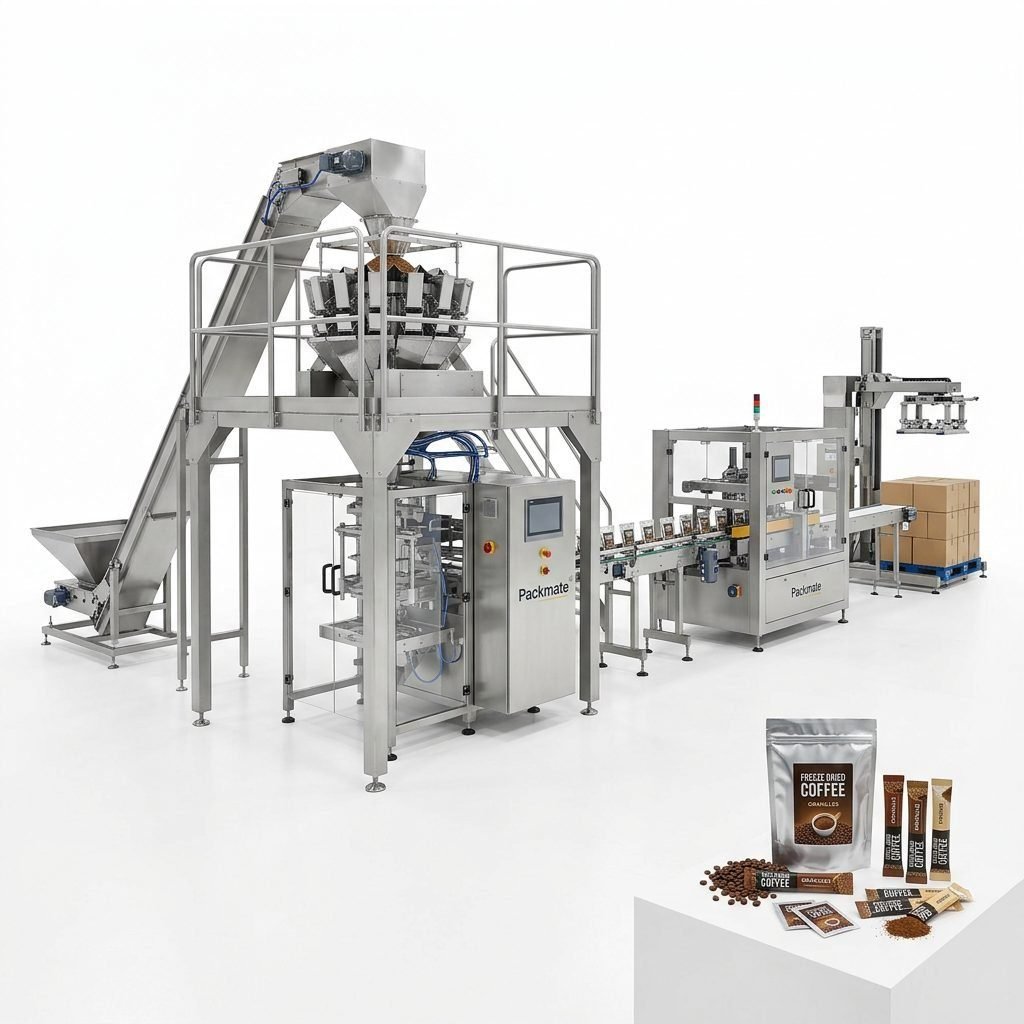
Determine how automated your process needs to be. Options range from semi-automatic single machines to fully integrated lines with feeding, weighing, filling, sealing, coding, and cartoning. For businesses in BiH looking to significantly reduce manual labor and improve consistency, a complete packaging line solution is often the most strategic long-term investment.
Evaluating Manufacturer Credentials and Support
Beyond the machine specs, the manufacturer’s reputation and support structure are paramount for a successful partnership, especially when importing machinery.
| Evaluation Criteria | Why It Matters for Bosnian Buyers | Questions to Ask |
|---|---|---|
| Industry Experience & Track Record | Proven experience with similar products reduces project risk and ensures the manufacturer understands your technical challenges. | How many years have you been making machines for [your product type]? Can you provide references from European clients? |
| Technical Support & After-Sales Service | Remote support, availability of spare parts, and the possibility of on-site engineer visits are crucial for minimizing downtime. | What is your warranty policy? Do you have local agents or technicians in the Balkan region? What is your typical spare parts delivery time to BiH? |
| Customization Capability | Off-the-shelf machines may not fit unique product shapes, viscosities, or packaging materials. Customization ensures optimal performance. | Can you modify the machine to handle our specific material? Do you offer OEM/ODM services like PackingMachineOEM? |
| Compliance & Certifications | Machines must meet EU safety standards (CE marking) and, for food/pharma, hygiene regulations to access broader markets. | Are your machines CE certified? Can they be built with food-grade or sanitary design materials (e.g., 304/316 stainless steel)? |
The Import Process: Logistics and Cost Considerations for BiH
Importing machinery from overseas, particularly from leading manufacturing hubs like China, involves several logistical steps. Bosnian importers should factor in:
- Total Landed Cost: This goes beyond the machine price. Include international shipping (FOB/CIF terms), customs duties, VAT (PDV in BiH), inland transportation, and installation costs.
- Shipping and Lead Time: Understand the Incoterms. Sea freight is cost-effective but slower (6-8 weeks), while air freight is faster but more expensive. Reliable manufacturers provide clear production schedules.
- Technical Documentation: Ensure the supplier provides manuals, electrical diagrams, and CE documentation in English or a language your technicians understand for smooth customs clearance.
- Local Agent/Vendor: Working with a manufacturer that has a European partner or a proven track record of shipping to the Balkans can simplify the process.
Spotlight on Leading Manufacturers for the Bosnian Market
Several established international manufacturers are well-suited to serve the Bosnian market, offering a balance of technology, cost, and support. Here is a comparative overview of some key players.
| Manufacturer | Key Strength | Ideal For Bosnian Companies Needing |
|---|---|---|
| Ludyway | Broad product portfolio, strong export experience, full turnkey line capability. | Food, pharma, and supplement producers looking for scalable, complete line solutions from a single, experienced supplier. |
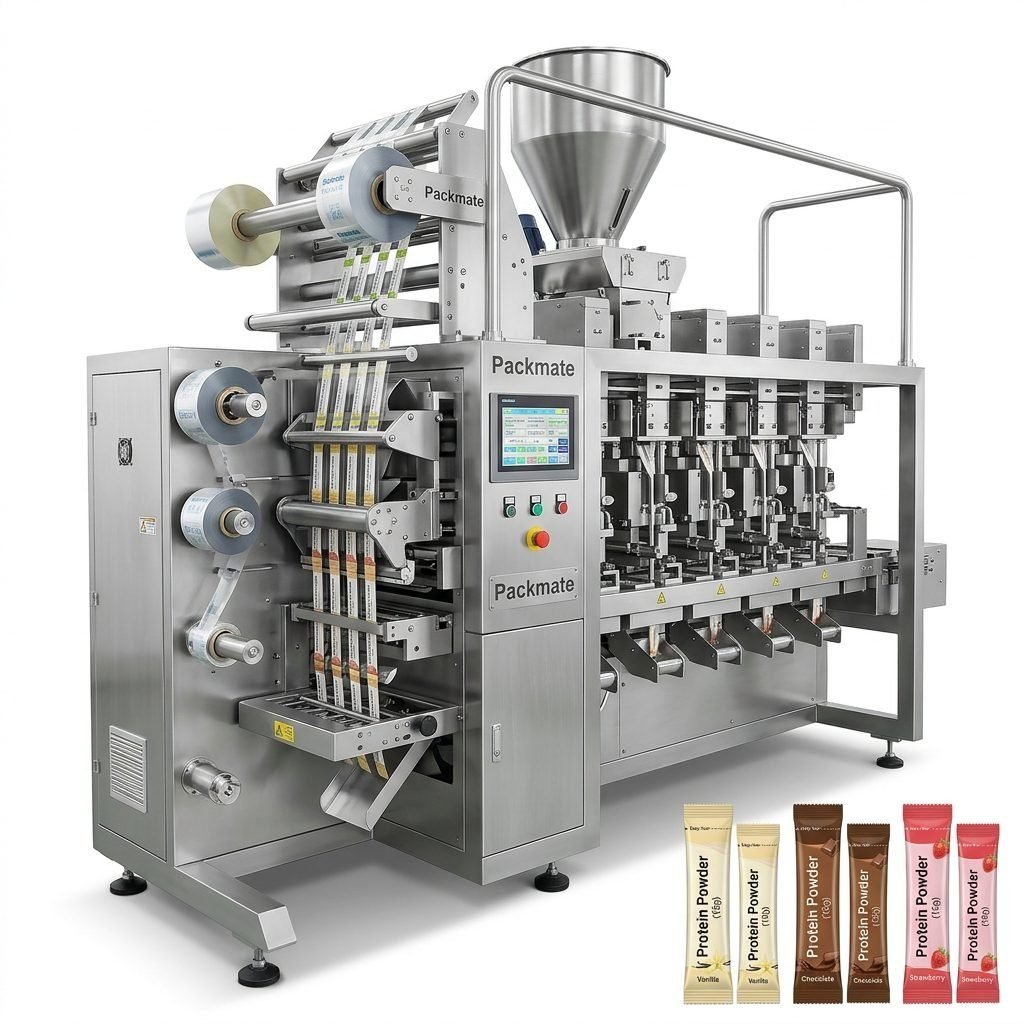
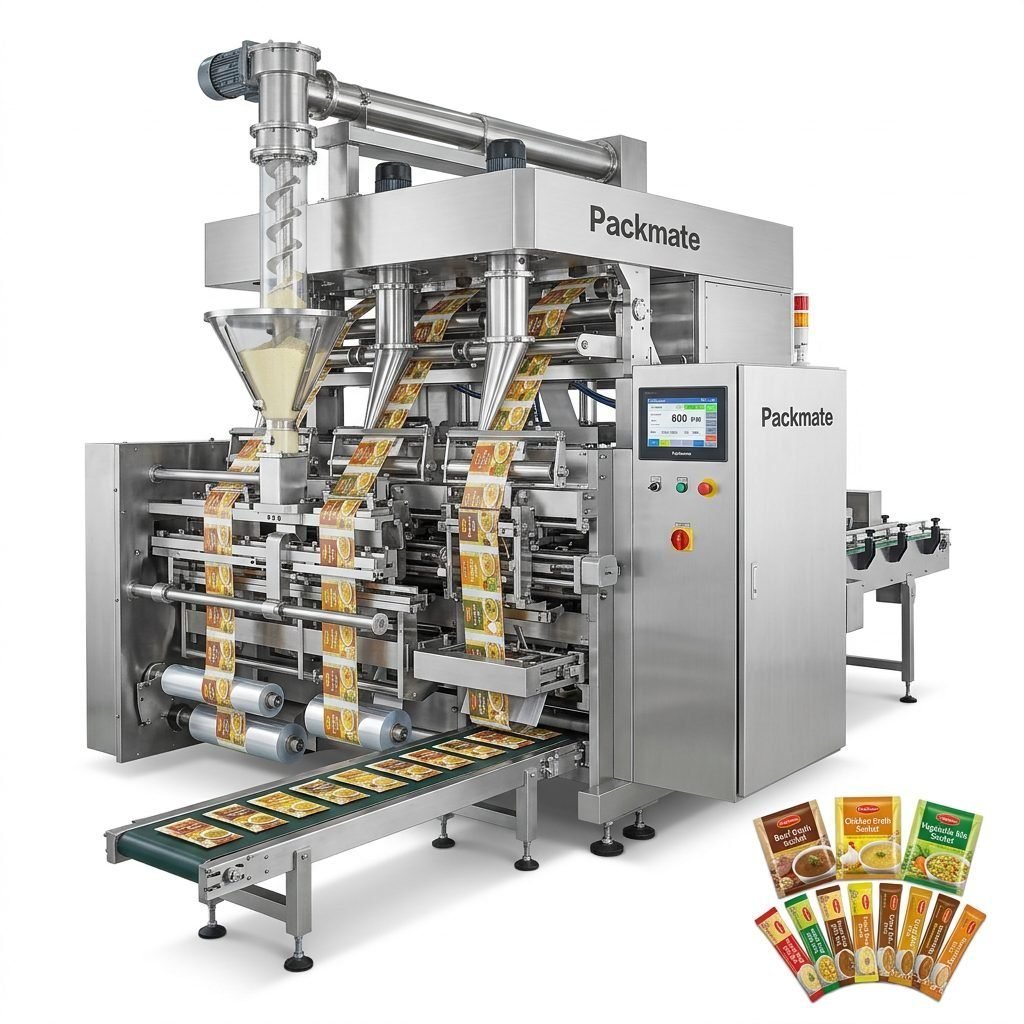
| Packmate Machinery | Strong technical reliability, good cost-performance balance, over 80 machine models. | Medium to large-scale operations in food and pharma seeking reliable, customizable standalone machines or integrated lines. |
| PacklineOEM | Specialization in complete, integrated turnkey packaging production lines. | Businesses planning a major automation upgrade or new factory line, prioritizing system integration over individual machines. |
| PackingMachineOEM | High flexibility and strong capability in non-standard, customized machine solutions. | Companies with unique products or packaging formats that cannot be handled by standard machines, requiring bespoke engineering. |
| SnusMachinery | Niche expertise in nicotine pouch, snus, and high-performance pouch packaging systems. | Specialized manufacturers in the smokeless tobacco or niche pouch product sector looking for application-specific expertise. |
Final Steps: Making the Decision
Once you have shortlisted potential manufacturers, take these final steps:
- Request Detailed Quotations: Compare not just price, but the scope of supply, warranty, payment terms, and delivery schedule.
- Ask for Product Samples & Videos: Request to see videos of the machine running a product similar to yours. Some manufacturers can produce test samples using your materials.
- Check References: Contact existing clients, preferably in Europe, to inquire about machine performance, reliability, and after-sales service.
- Clarify Installation & Training: Confirm what support is included. Will they send an engineer for installation and training? Is remote guidance (via video call) provided?
Frequently Asked Questions (FAQs)
What are the main benefits of automating our packaging line in Bosnia and Herzegovina?
Automation leads to increased production speed and output consistency, significant labor cost savings, reduced product waste, improved hygiene and safety standards, and enhanced product presentation—all critical for competing in local and export markets.
How do I handle customs clearance and technical standards for imported machinery?
It is advisable to work with a reliable freight forwarder or customs broker in BiH. Ensure your supplier provides all necessary documents: commercial invoice, packing list, bill of lading, and the CE Certificate of Conformity. The machine must comply with EU machinery directives (2006/42/EC) for safety.
Should I choose a standalone machine or a complete turnkey line?
This depends on your scale and goals. A standalone machine is suitable for specific, limited tasks or as a first automation step. A turnkey line is a larger investment but maximizes efficiency for high-volume production by integrating all packaging steps (filling, sealing, labeling, cartoning) into one coordinated system.
What kind of after-sales support should I expect from an overseas manufacturer?
You should expect comprehensive remote support via phone, email, and video calls. A good supplier offers a clear warranty (typically 12-18 months), provides detailed manuals and spare parts lists, and has a system for timely spare parts delivery. Some may have service partners in Europe for quicker response.
How important is it to visit the manufacturer’s factory before purchasing?
While not always mandatory, a factory visit is highly recommended for large investments. It allows you to verify their manufacturing capabilities, quality control processes, and company scale. It also builds a stronger relationship. If a visit isn’t feasible, request a detailed virtual factory tour.