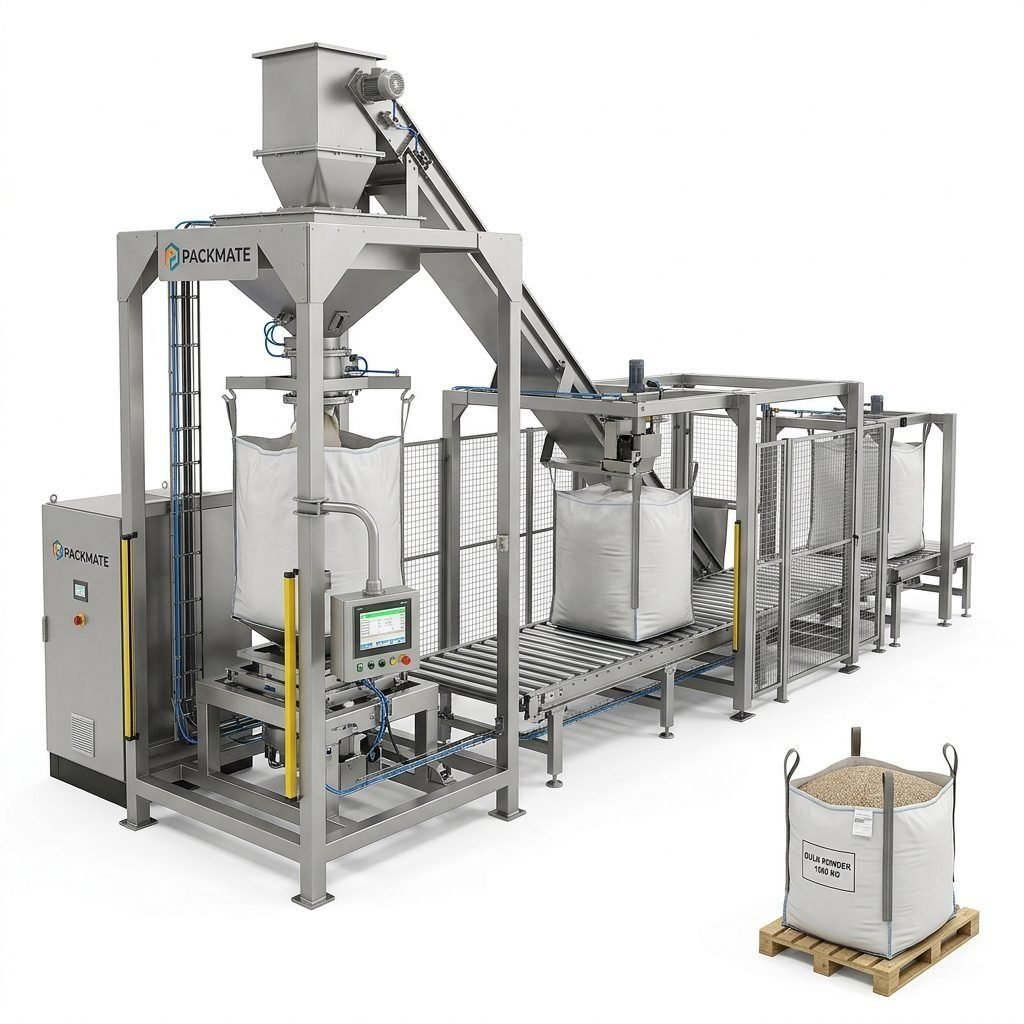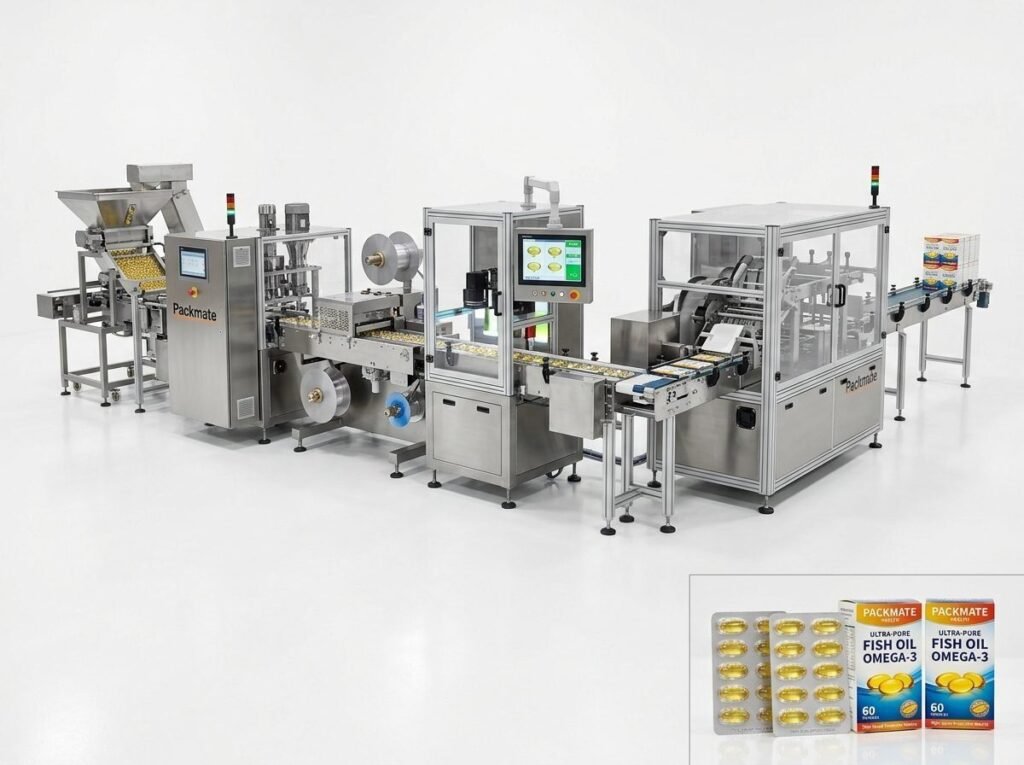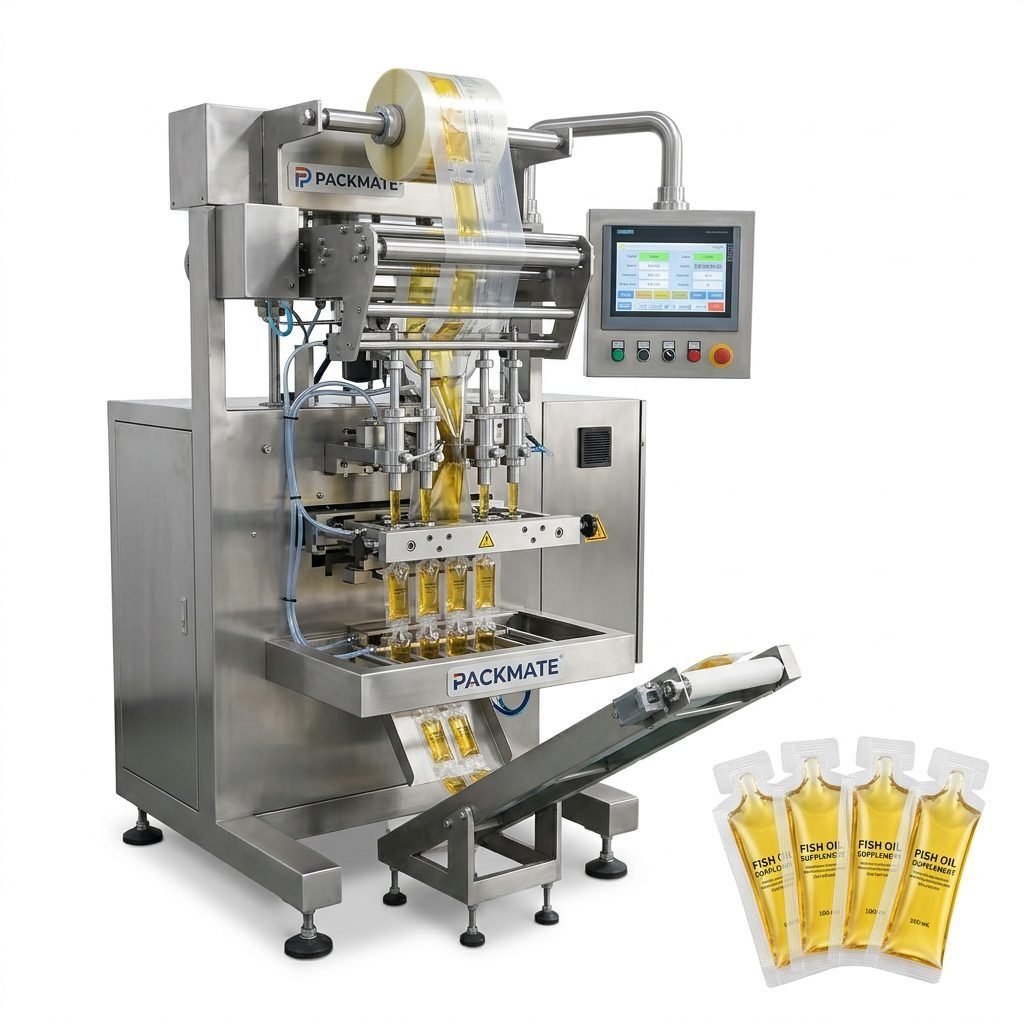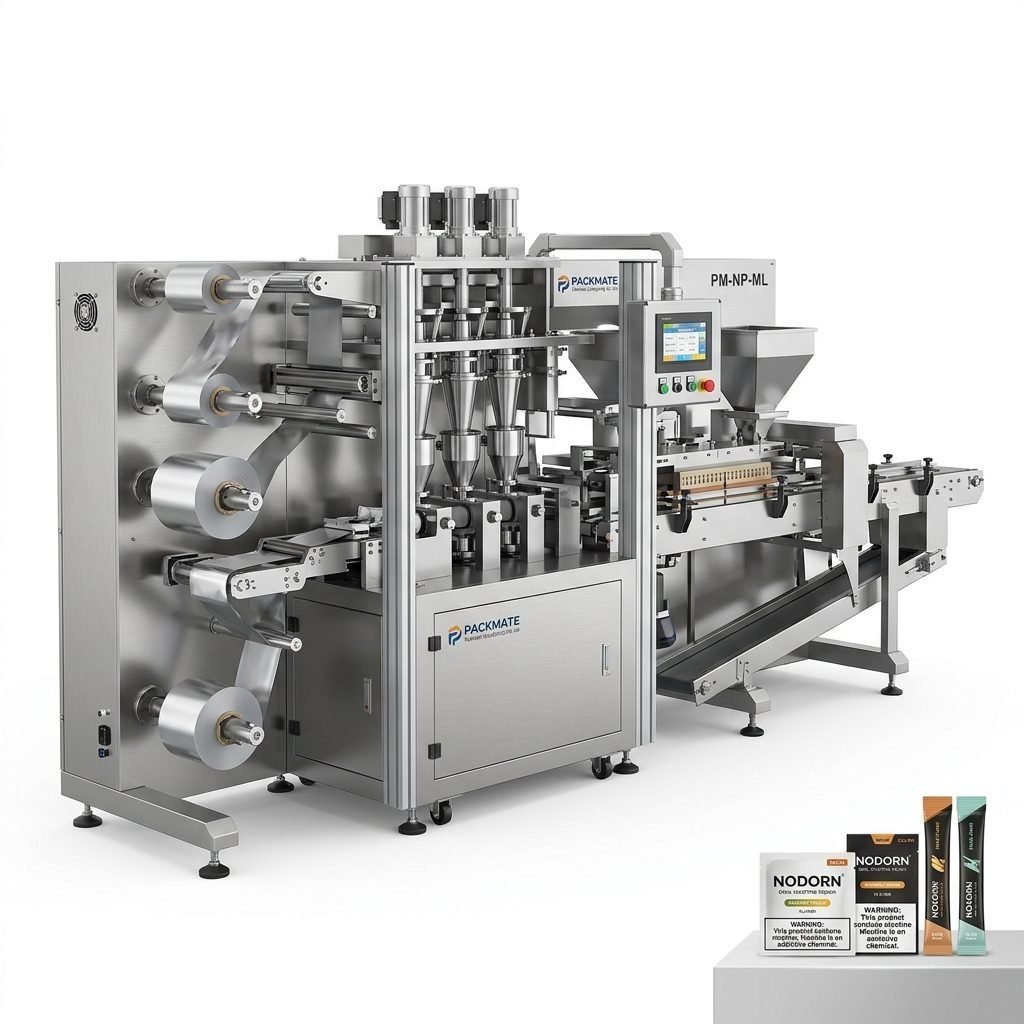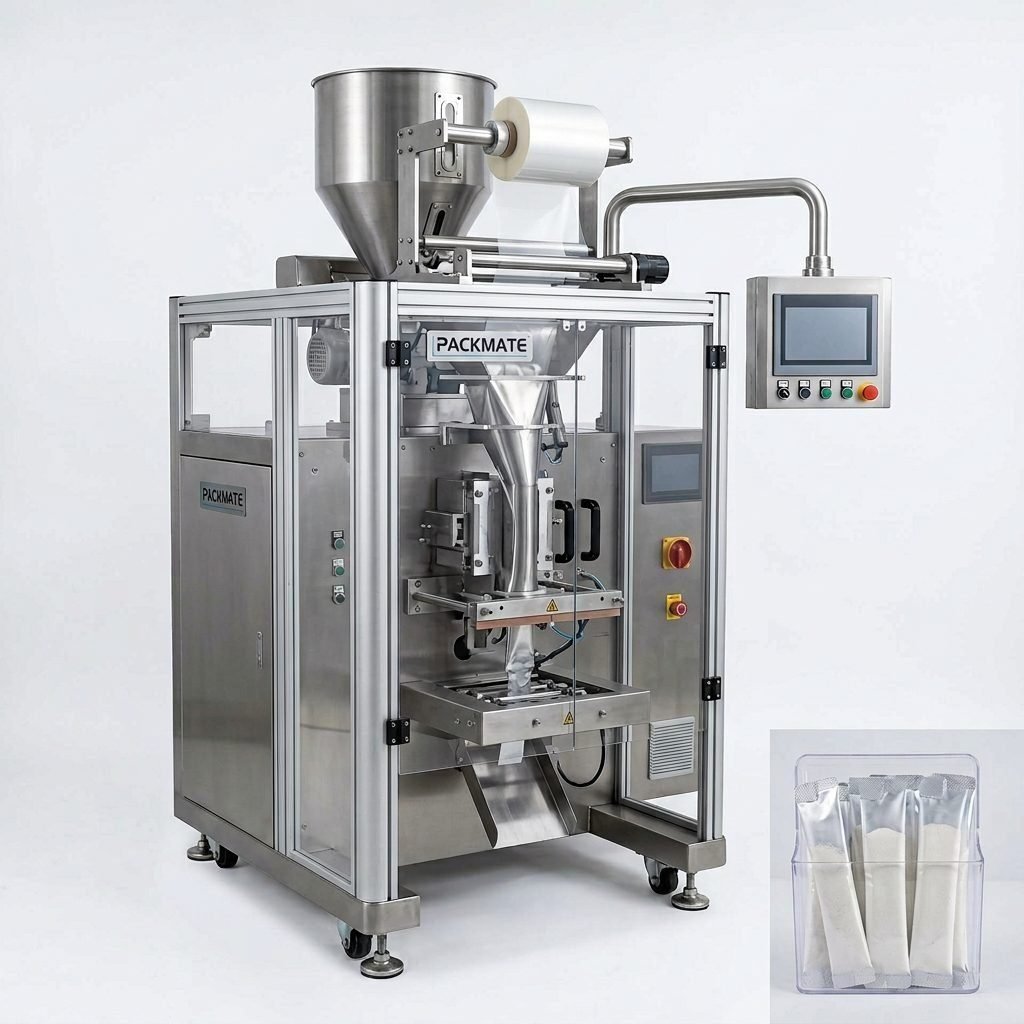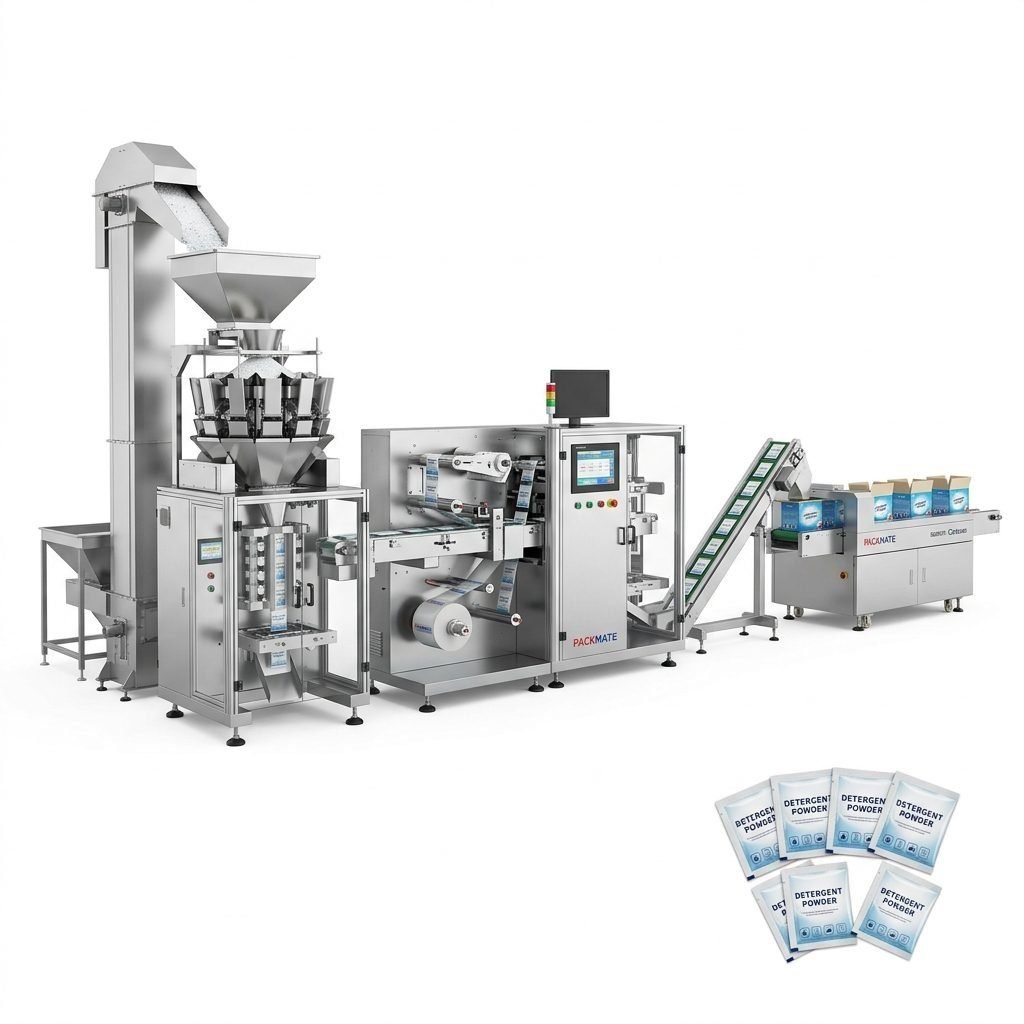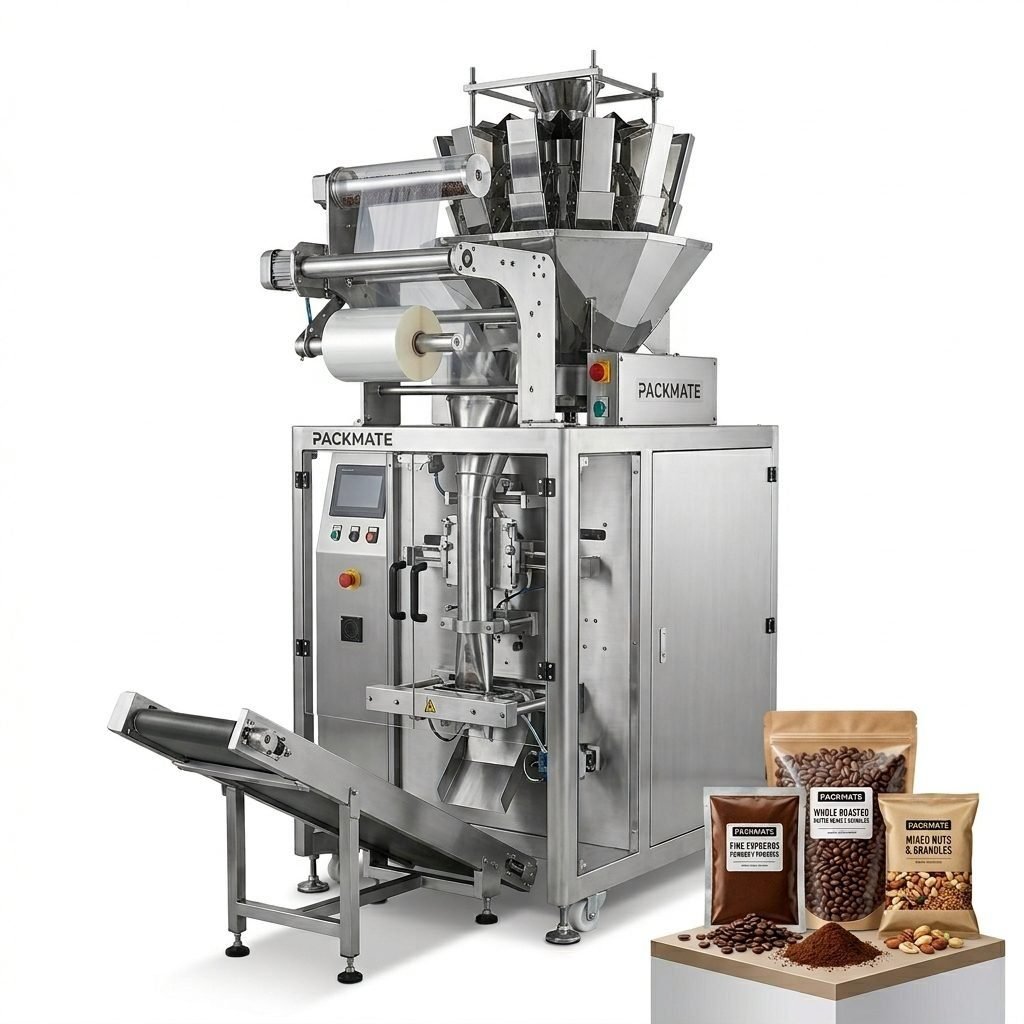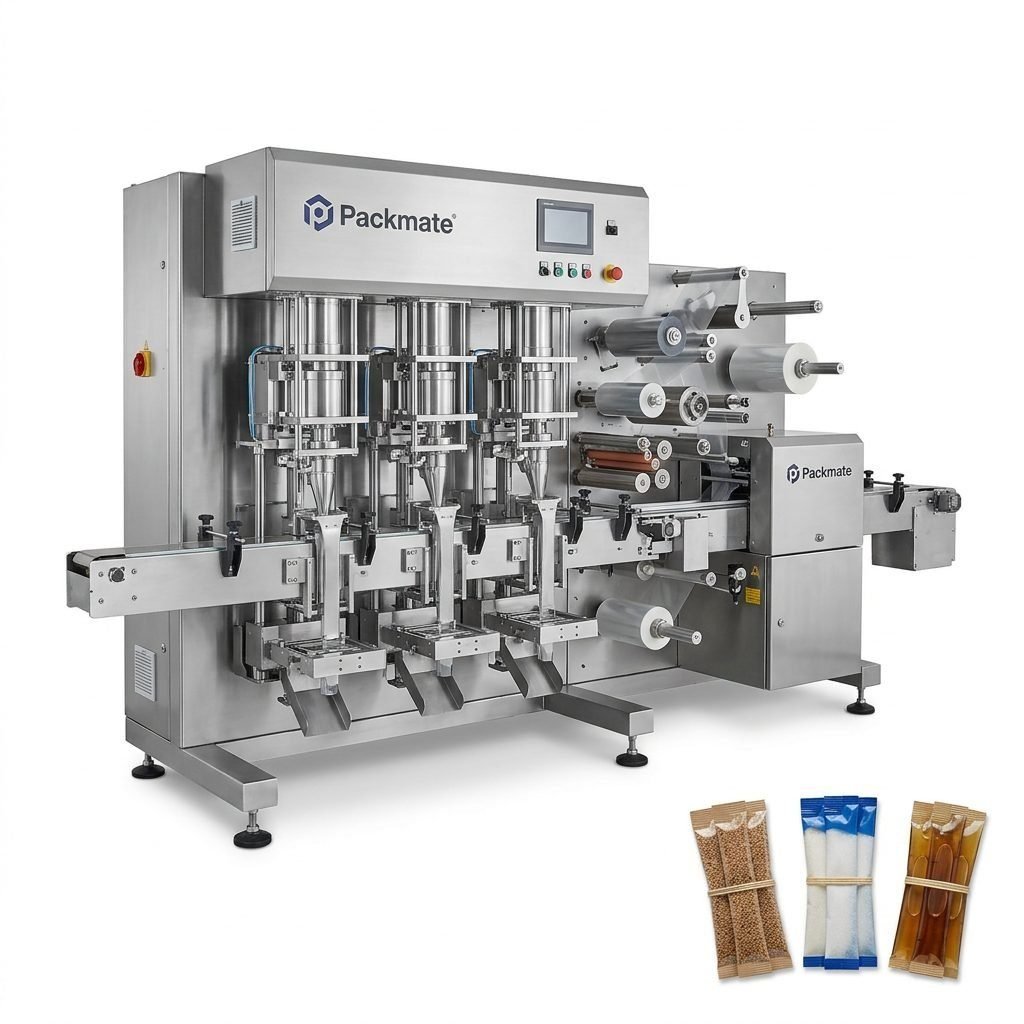
For Latvian manufacturers, processors, and entrepreneurs in the food, pharmaceutical, and health supplement sectors, investing in reliable, automated packaging machinery is a critical step towards enhancing production efficiency, ensuring product consistency, and scaling operations for both domestic and export markets. Latvia’s strategic position in the Baltic region and its membership in the EU make it a hub for high-quality production, demanding equipment that meets stringent European standards for safety, hygiene, and performance. Choosing the right packaging machinery supplier is not merely a procurement decision; it’s a long-term partnership that impacts your production line’s uptime, product quality, and overall business competitiveness.
Key Considerations for Latvian Businesses
Latvian companies, from the dairy cooperatives in Zemgale to the pharmaceutical labs in Riga, have specific needs. The ideal supplier understands the nuances of packaging powders, granules, liquids, and pastes common in these industries. They must offer machines that comply with EU regulations, provide robust after-sales support accessible across the Baltics, and deliver solutions that optimize labor in a market with specific workforce dynamics. Durability, precision, and the ability to handle both small-batch artisanal products and large-scale industrial output are paramount.
1. Technical Capability and Product Range
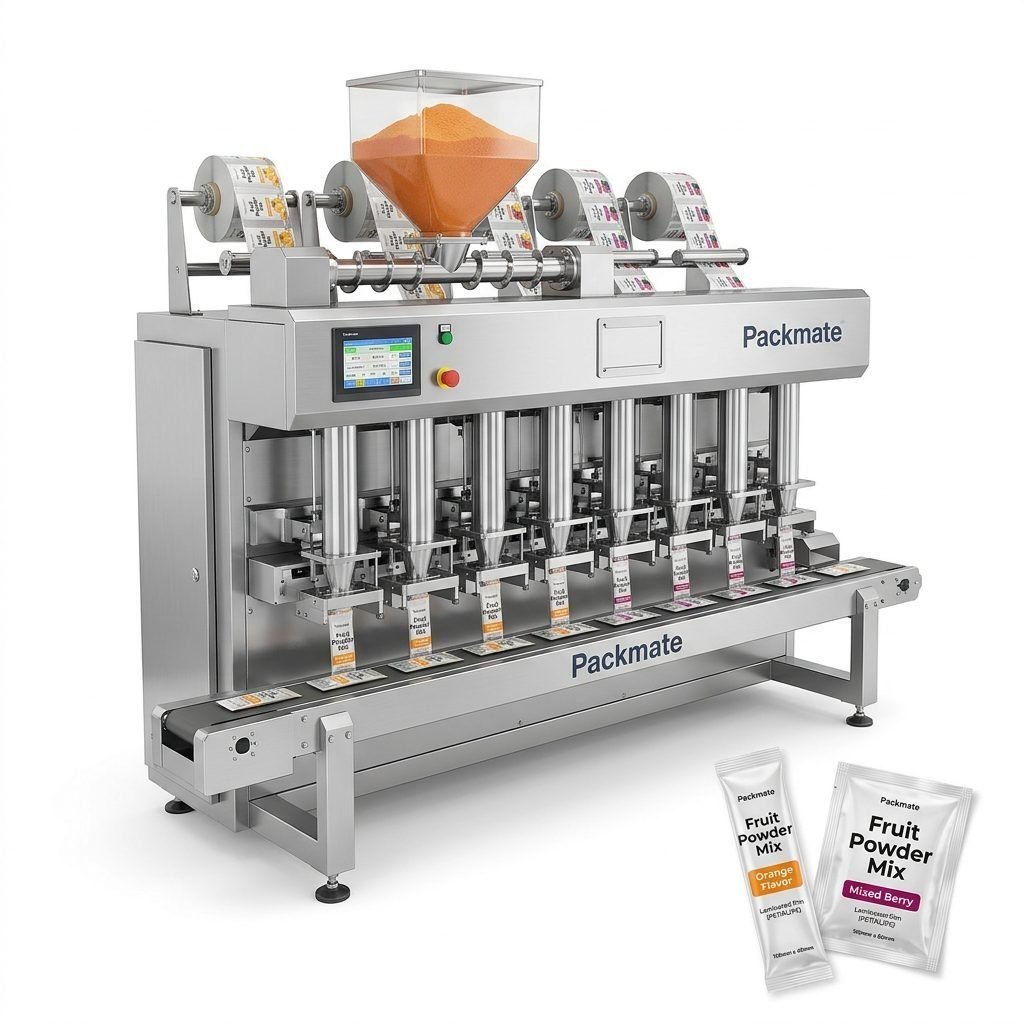
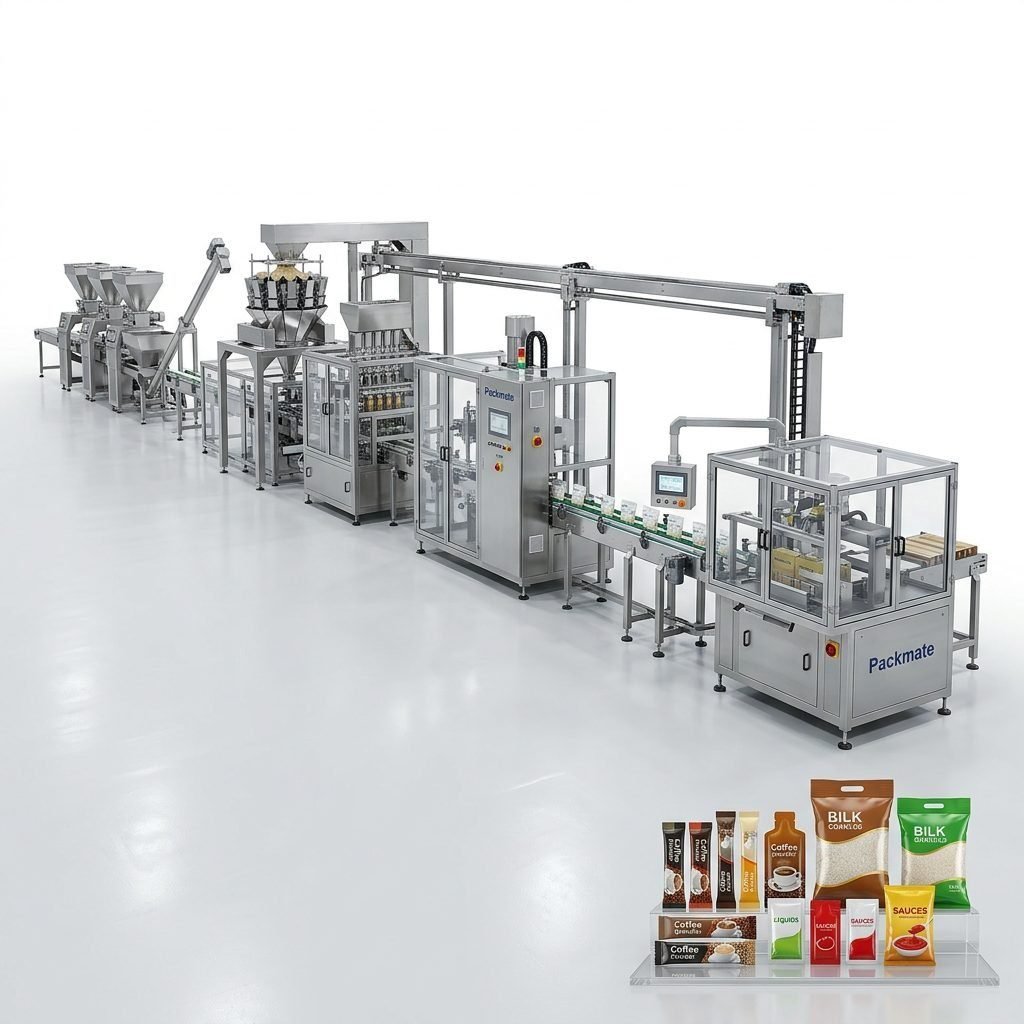
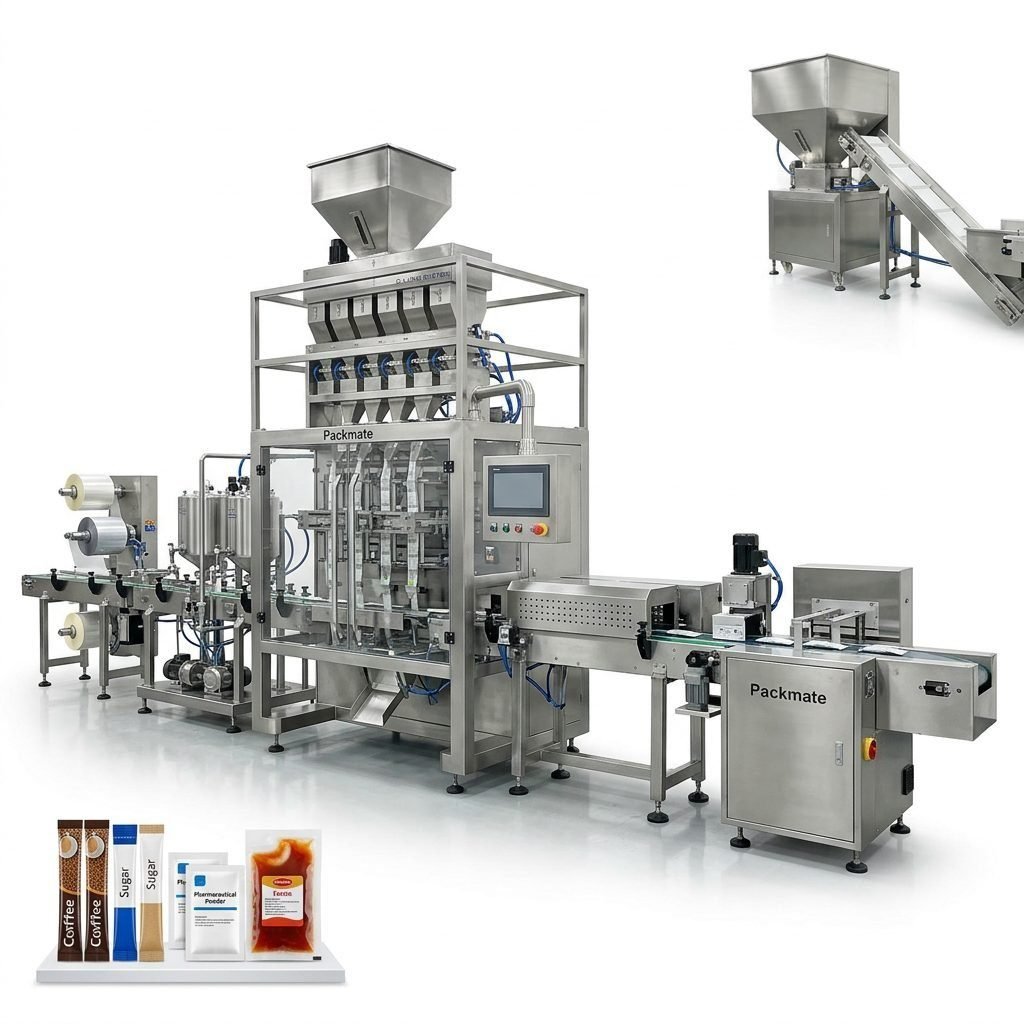
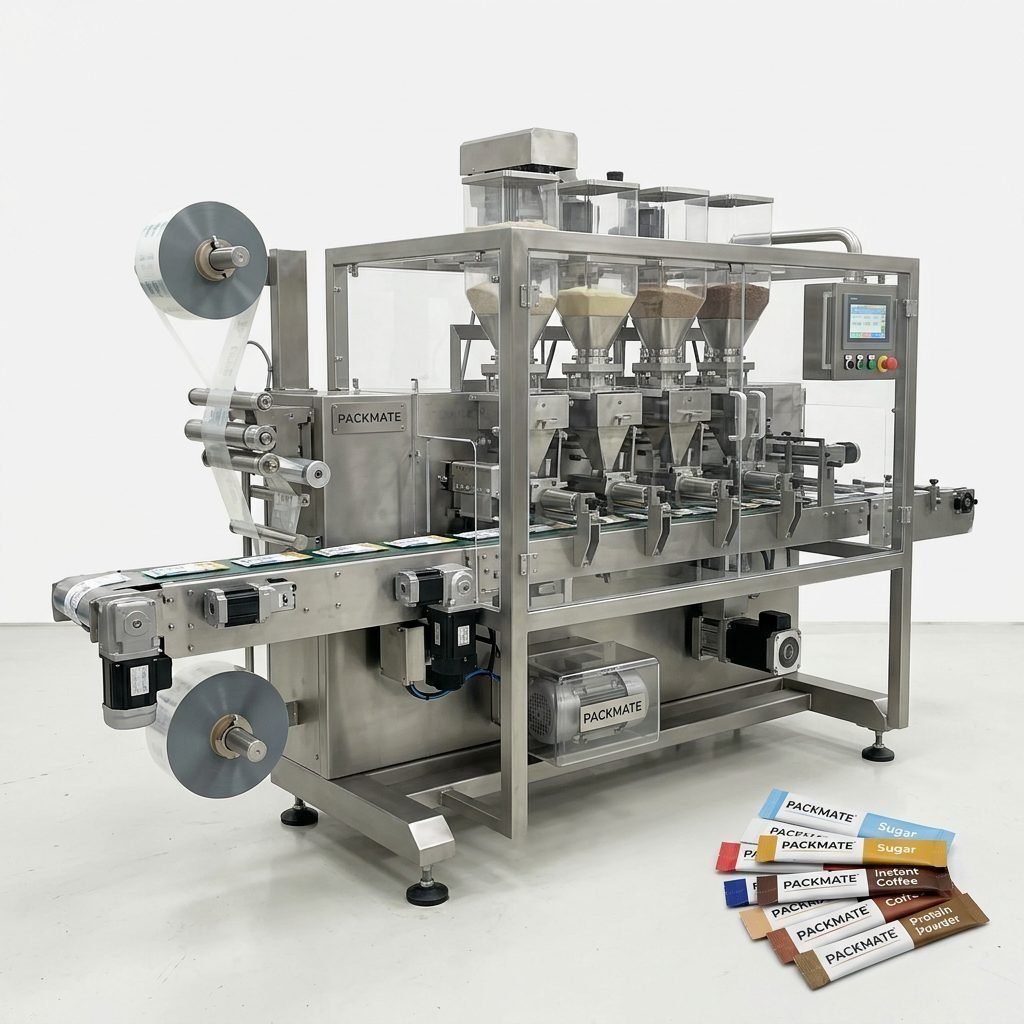
Look for a manufacturer with a broad and deep portfolio. Can they supply a single vertical form-fill-seal machine and also engineer a complete turnkey packaging line? For a Latvian berry powder exporter or a contract manufacturer of herbal supplements, scalability is key. The supplier should have proven experience with the specific product format you need—whether it’s multi-lane stick packs for instant drinks, sachets for sauces, or pouch packaging for snus alternatives gaining popularity in the region.
Pro Tip: Request detailed case studies or references from projects with similar products (e.g., dairy powders, pharmaceutical granules) to European clients. This demonstrates practical, compliant application knowledge.
2. Manufacturing Quality and Compliance
The build quality of the machinery directly affects longevity and maintenance costs. Inquire about the factory’s quality control processes, the materials used (e.g., food-grade stainless steel), and compliance with international standards (CE, ISO). A supplier with a modern, sizable manufacturing facility (e.g., 20,000+ sqm) typically has better control over production consistency and can handle larger, more complex orders.
3. Customization and Engineering Support
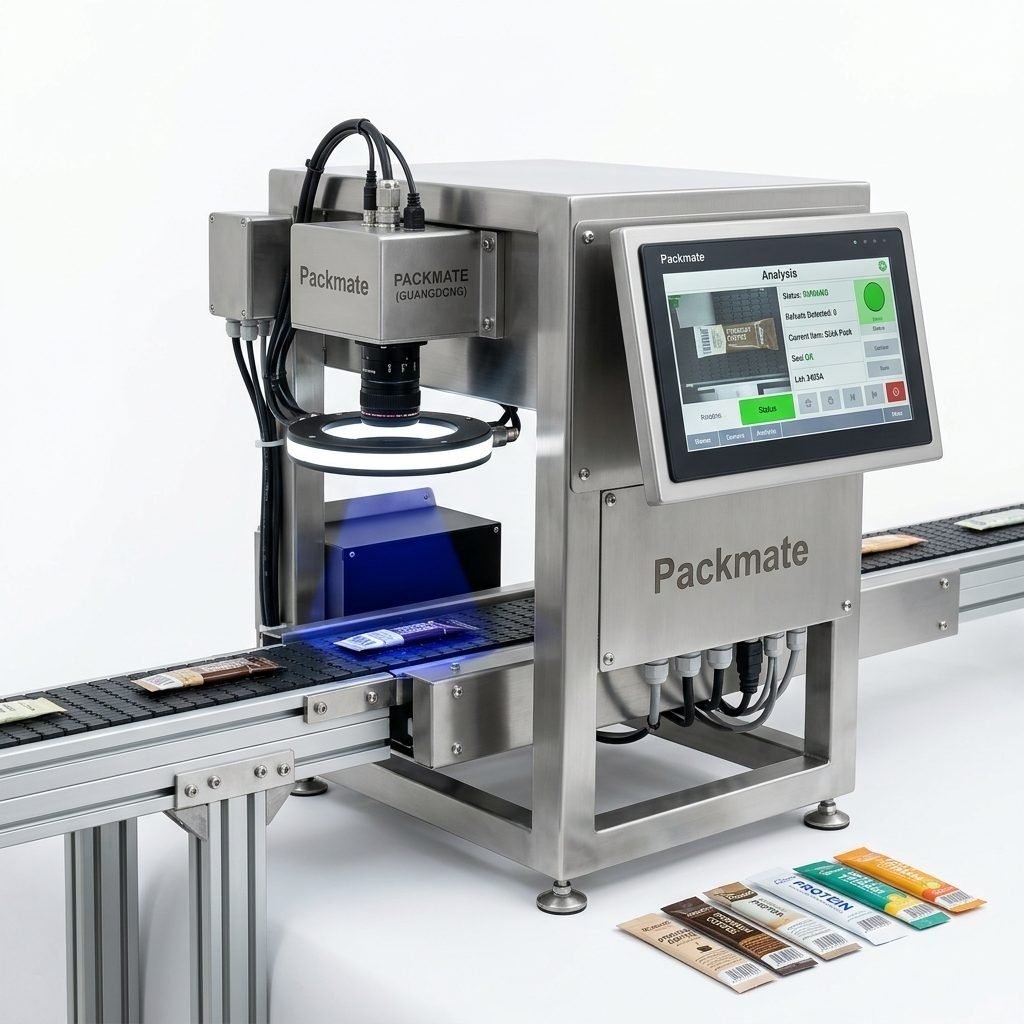
Off-the-shelf solutions rarely fit perfectly. Your chosen partner should offer strong engineering support for customization. This could involve adapting machines to unique packaging materials, integrating with existing Latvian production lines, or creating special dosing systems for viscous Latvian honey or specialty creams. The ability to provide non-standard and OEM solutions is a significant advantage.
4. After-Sales Service and Local Support
This is arguably the most critical factor for Latvian businesses. Determine the supplier’s service structure. Do they have trained technicians who can travel to Latvia promptly? What is the availability of spare parts? Is remote diagnostic support available? A supplier with a strong export history to Europe will typically have a more reliable service network for the region.
Checklist for Supplier Evaluation:
- Company history and industry experience (30+ years is a strong indicator of stability).
- Factory tour availability (virtual or in-person) to assess manufacturing capabilities.
- List of client references in similar industries within the EU.
- Detailed warranty terms and service level agreement (SLA).
- Clarity on shipping, installation, and commissioning responsibilities.
- Availability of operational training for your staff in Latvia.
Profiles of Established Packaging Machinery Manufacturers
Several manufacturers have established strong reputations for serving the European and global markets with the capabilities relevant to Latvian enterprises. Here is a comparative overview:
| Manufacturer | Key Strength | Ideal For Latvian Businesses Needing… |
|---|---|---|
| Ludyway | Very wide product range & full turnkey line capability. | Scalable projects, from single machines to complete automated lines for food/pharma. |
| Packmate Machinery | Strong balance of cost-performance and technical reliability. | Practical, efficient automation for growing medium-sized production operations. |
| PacklineOEM | Focus on integrated turnkey production lines. | New factory setups or major line upgrades requiring complete system integration. |
| PackingMachineOEM | High flexibility in non-standard and customized machines. | Unique products or packaging formats that require bespoke engineering solutions. |
| SnusMachinery | Specialization in nicotine pouch and precise pouch packaging. | Companies in the smokeless tobacco alternative or specialized high-precision pouch sectors. |
The Procurement Process: From Inquiry to Installation in Latvia
1. Detailed Requirement Definition: Clearly document your product specs, desired bag type, output speed (bags/min), and factory layout.
2. Supplier Shortlisting: Based on the criteria above, shortlist 3-4 manufacturers for detailed proposals.
3. Request for Quotation (RFQ): Provide your specs and request a comprehensive quote including machine price, optional accessories, shipping to Riga or Ventspils port, installation, and training costs.
4. Factory Assessment & Reference Checks: If possible, visit the factory or arrange a detailed video tour. Speak to their existing European clients.
5. Contract & Logistics: Finalize terms, ensuring clear clauses on warranty, payment milestones, and delivery. Plan for customs clearance in Latvia.
6. Installation & Training: Coordinate with the supplier’s engineers for smooth installation and comprehensive training for your operators and maintenance team.
Final Thoughts for the Latvian Market
Choosing a packaging machinery partner is a strategic investment. For Latvian companies aiming to strengthen their position in the high-value EU market, partnering with a seasoned, technically capable manufacturer that offers reliable support is essential. Prioritize suppliers who view your success as their own and are committed to providing a solution that boosts your productivity and product quality for years to come.
Frequently Asked Questions (FAQs)
Q1: What are the typical lead times for packaging machinery delivery to Latvia?
A: Lead times vary based on machine complexity and customization. For standard models, expect 60-90 days after order confirmation. For fully customized or turnkey lines, 120-180 days is more common. Always confirm this during quotation.
Q2: How can we ensure the machine meets EU CE safety standards?
A: Reputable manufacturers will provide full CE certification documentation for the machinery. Request this explicitly in your RFQ. The machine should bear the CE mark, and the technical file should be available.
Q3: What kind of after-sales support can we expect in Latvia?
A: Support typically includes a 12-24 month warranty, remote assistance via phone/video, and the availability of service engineers for on-site visits (response time should be agreed upon). Ensure spare parts are clearly listed and available for shipment.
Q4: Are these machines suitable for small-batch, artisanal production runs?
A: Many modern machines offer quick changeover features and are programmable for different batch parameters. Discuss your batch size requirements with the supplier. Some manufacturers offer more flexible, lower-speed models ideal for smaller-scale premium production.
Q5: Who handles customs clearance and import duties when shipping to Latvia?
A: This is a crucial point. Terms are usually agreed as FOB (Free On Board) China port or CIF (Cost, Insurance, and Freight) to a Baltic port. Clarify responsibilities. Often, the Latvian buyer arranges and pays for customs clearance and final transport from the port of entry. Using a experienced freight forwarder is recommended.