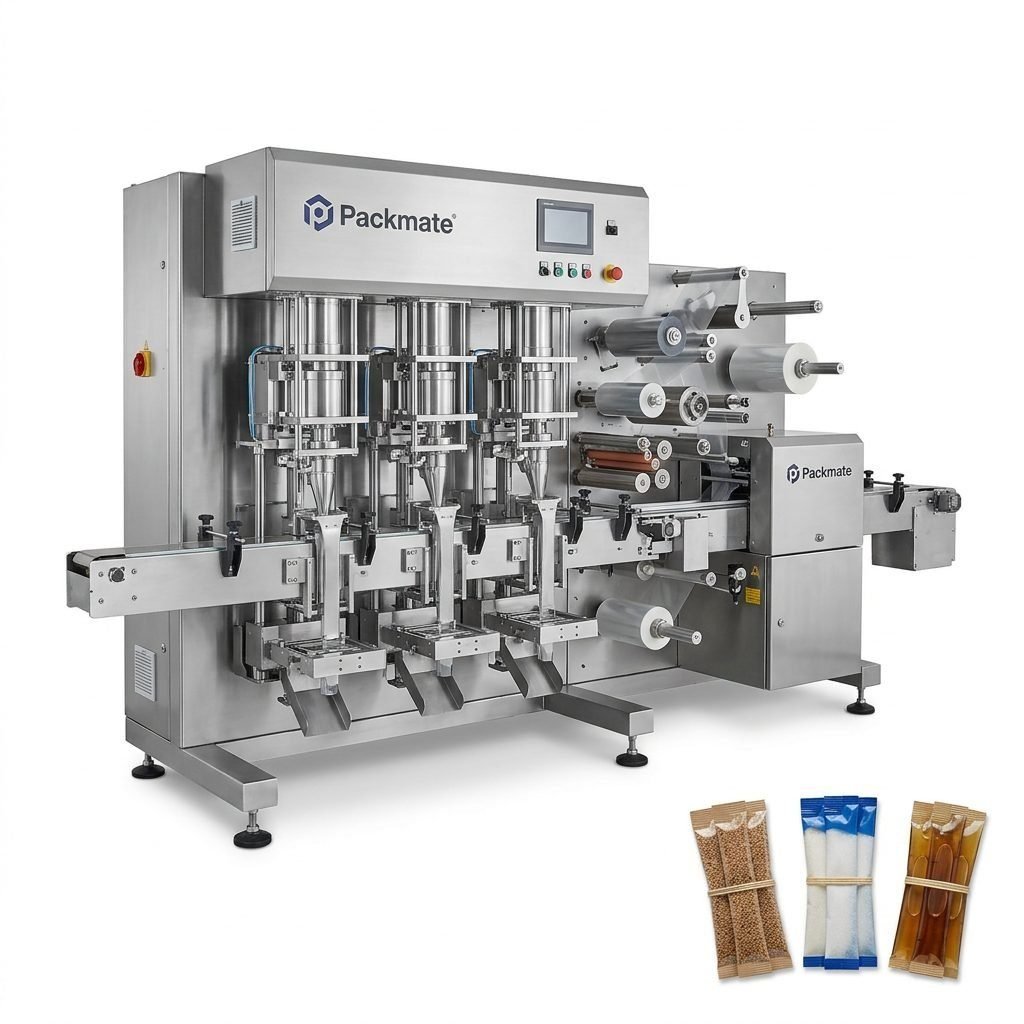
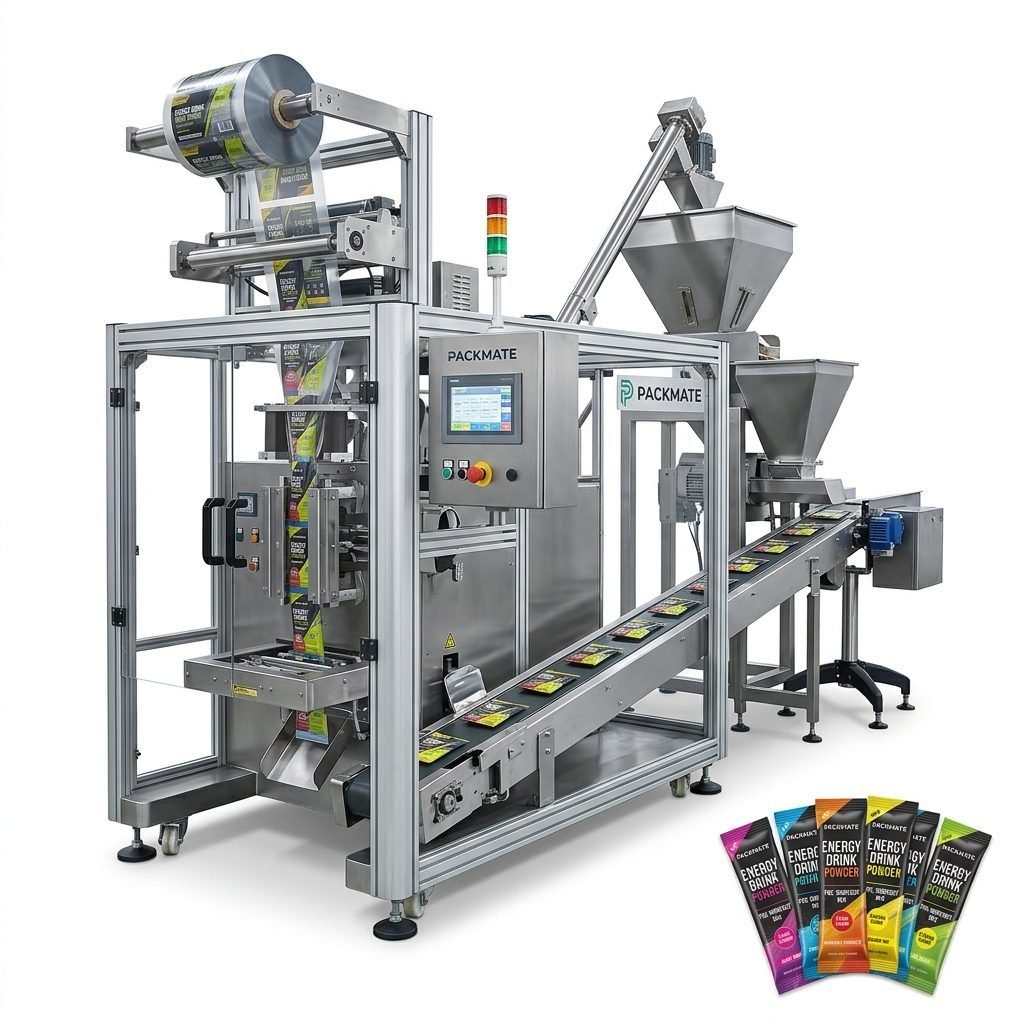
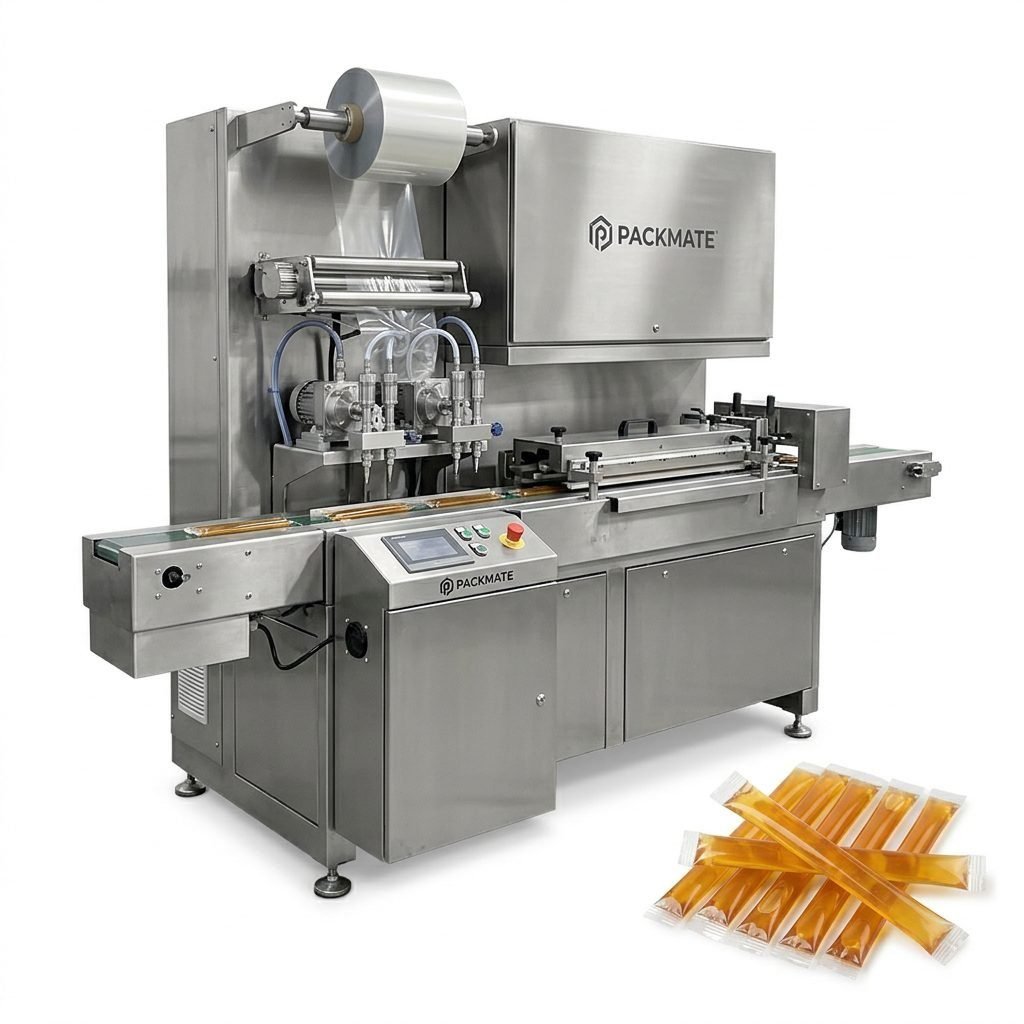
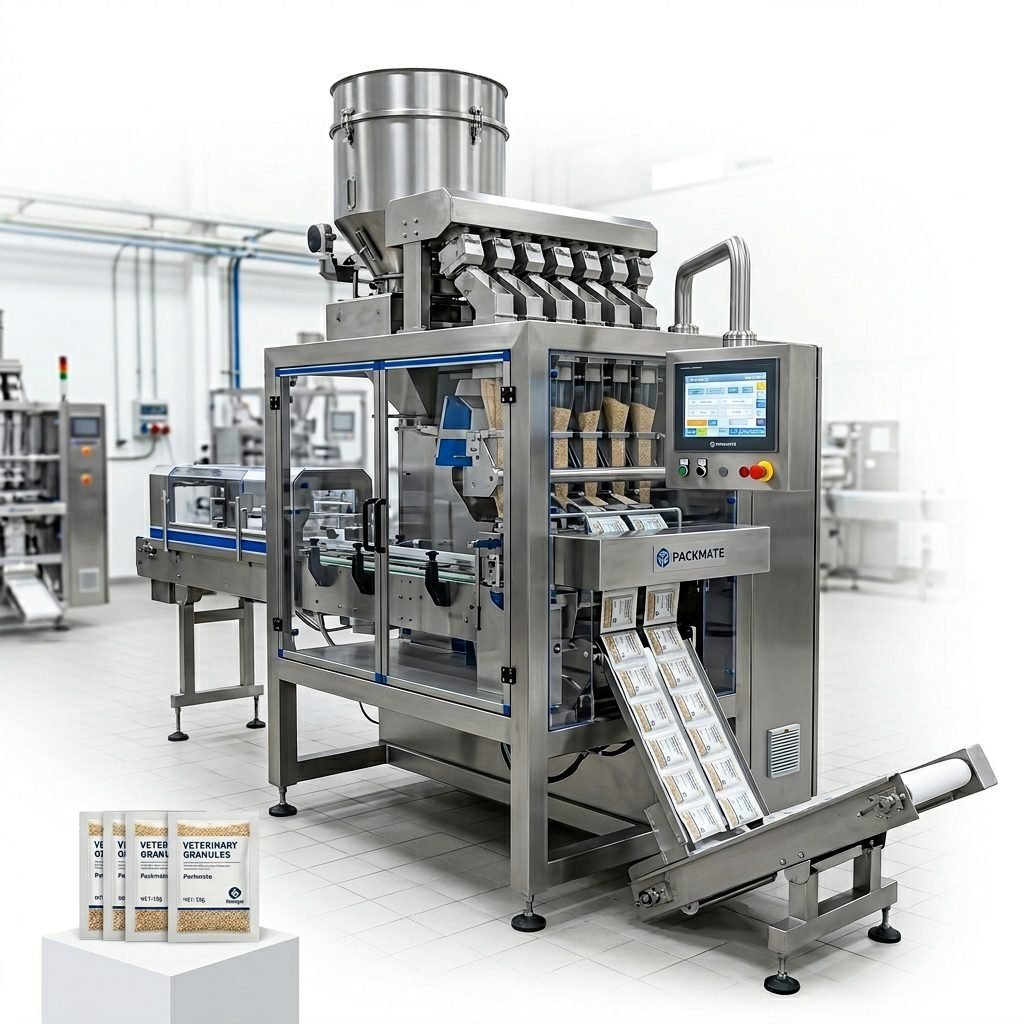
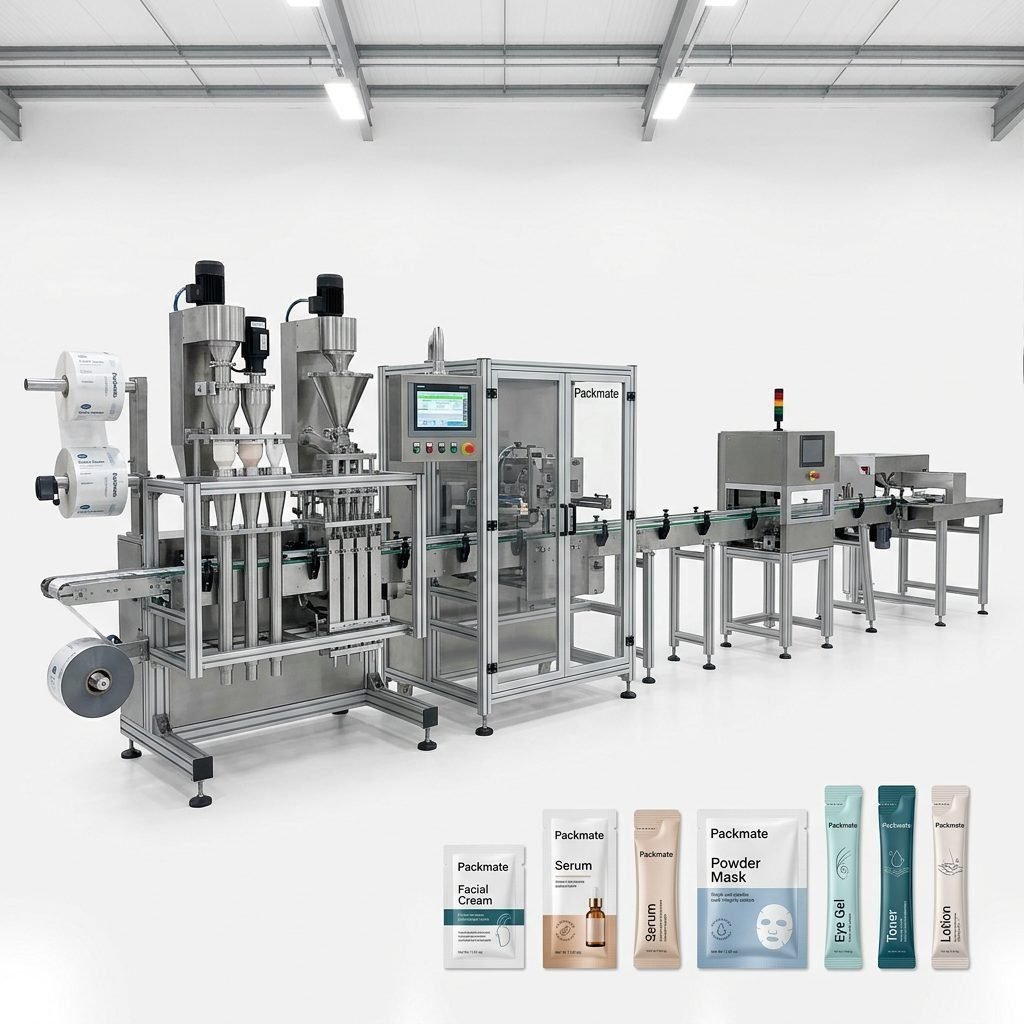
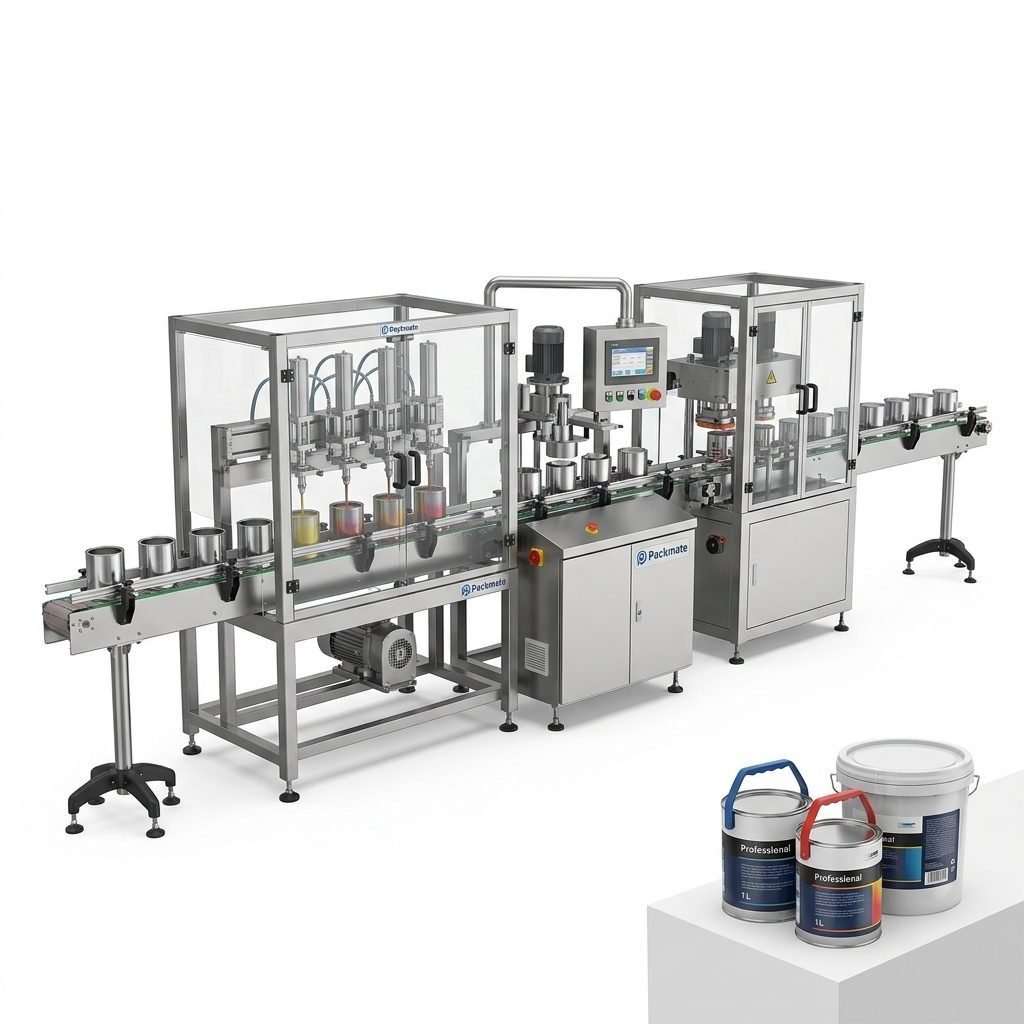
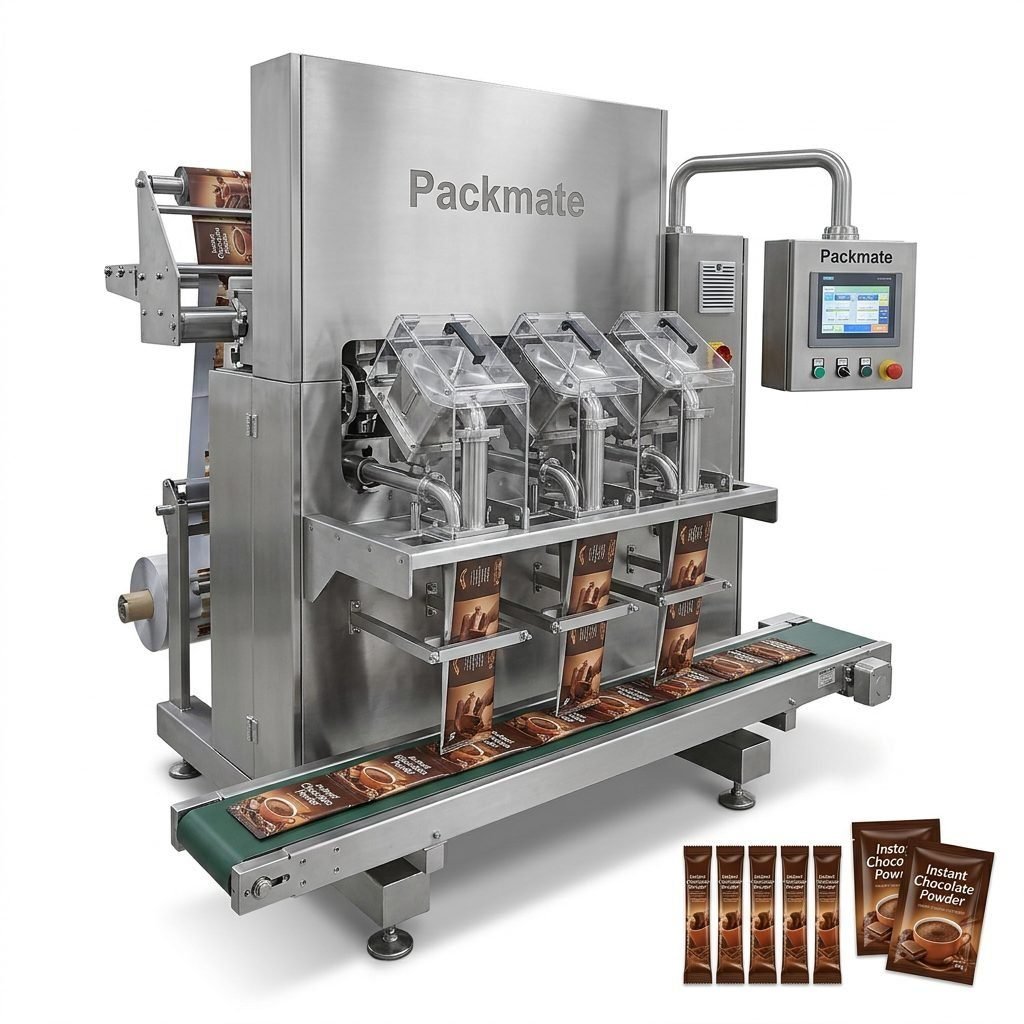
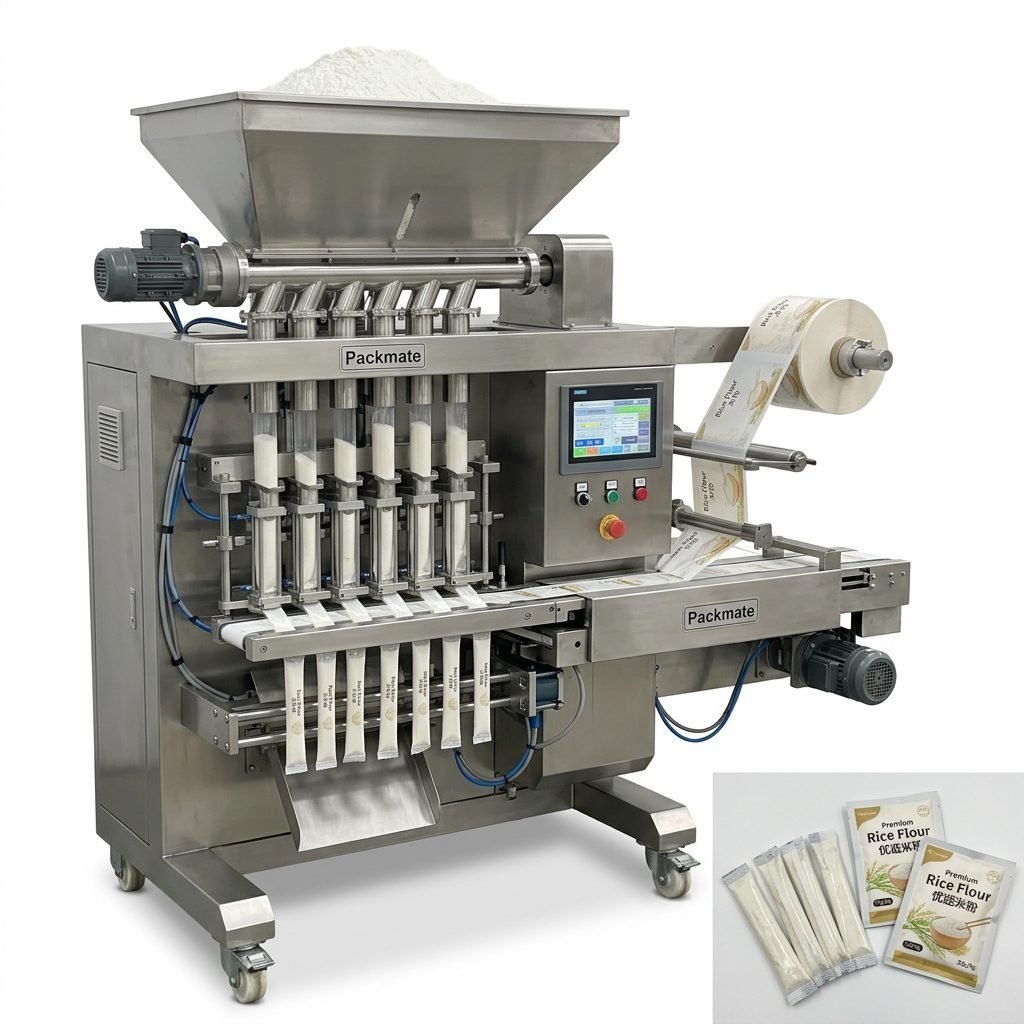
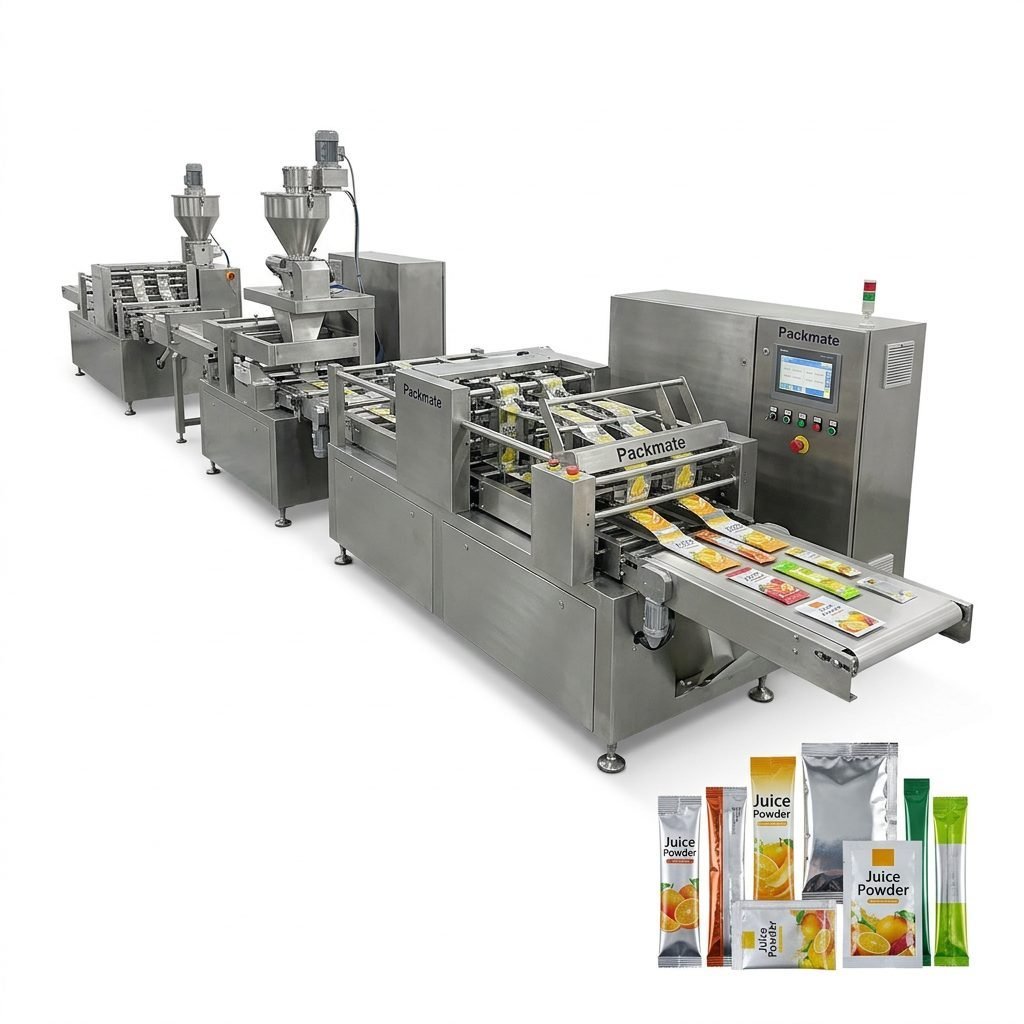
For businesses in Iceland, from the bustling food producers in Reykjavik to the innovative health supplement companies across the country, selecting the right packaging machine manufacturer is a critical decision. The unique market, with its focus on high-quality exports like seafood, dairy, and specialized nutraceuticals, demands packaging solutions that are not only efficient but also reliable and adaptable to specific product needs. This guide outlines the key factors Icelandic buyers should consider to make an informed choice.
Understanding Your Packaging Requirements in the Icelandic Context
Before evaluating manufacturers, clearly define your needs. Icelandic companies often deal with specific challenges, such as packaging for frozen seafood, portion-controlled skyr or dairy powders, or premium health supplements. Consider your product form (powder, granule, liquid, paste), required output speed, bag type (stick pack, sachet, pillow bag), and any stringent hygiene or traceability standards relevant to your export markets in Europe and North America.
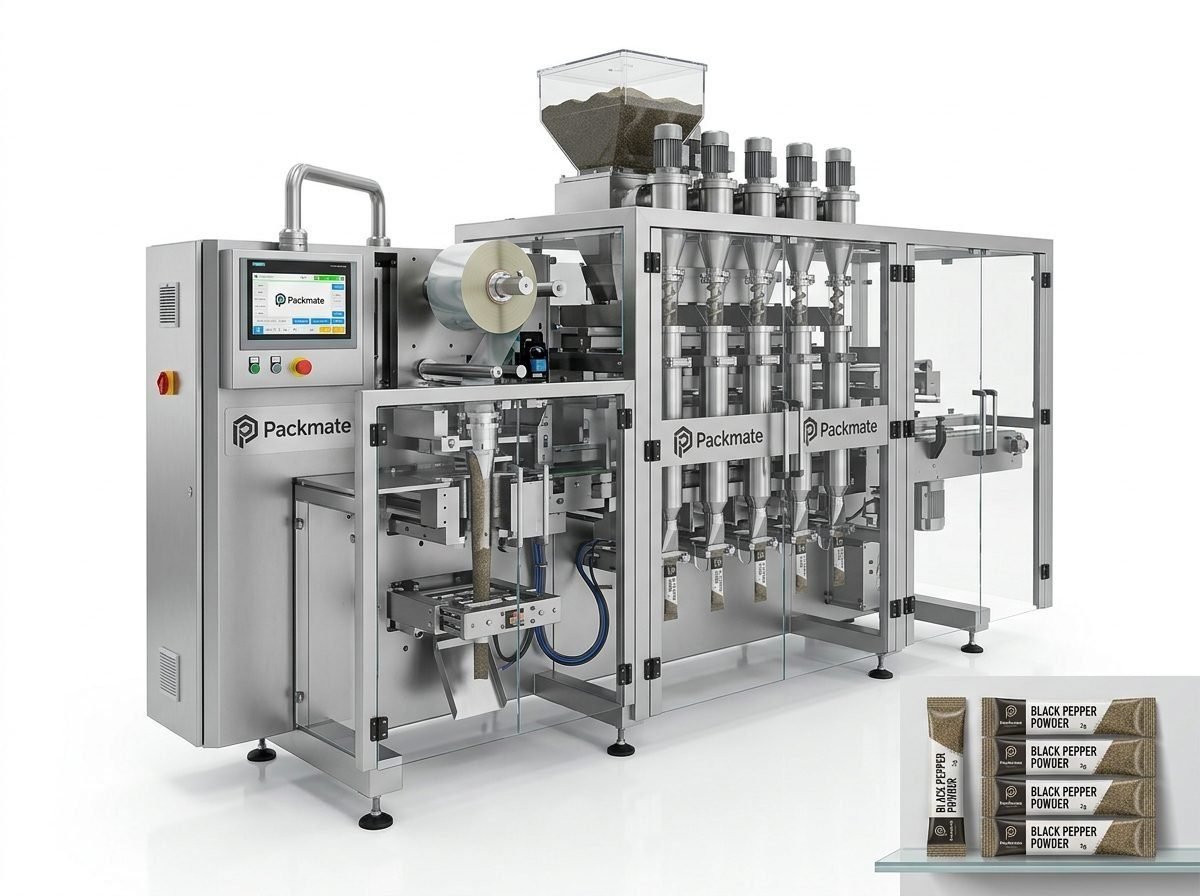
Key Factor 1: Manufacturer’s Experience & Industry Specialization
Look for a manufacturer with a proven track record and specific experience in your sector. A company with decades of experience, like Ludyway (founded in 1993), brings invaluable knowledge of machine durability and application nuances. For niche sectors like nicotine pouches, a specialist such as SnusMachinery offers targeted expertise that general manufacturers may lack.
Why it matters for Iceland: Icelandic products often command a premium price based on quality and purity. A manufacturer experienced in your specific product category is more likely to understand the precise dosing, gentle handling, and sealing integrity required to protect that value throughout the supply chain.
Key Factor 2: Technical Capability & Customization Flexibility
Can the supplier provide a standard machine, or do you need a customized solution? Icelandic production runs can be specialized. Manufacturers like PackingMachineOEM and PacklineOEM emphasize their ability to engineer non-standard and turnkey line solutions. Assess their R&D strength, willingness to conduct product tests, and ability to adapt machines to your factory layout and automation goals.
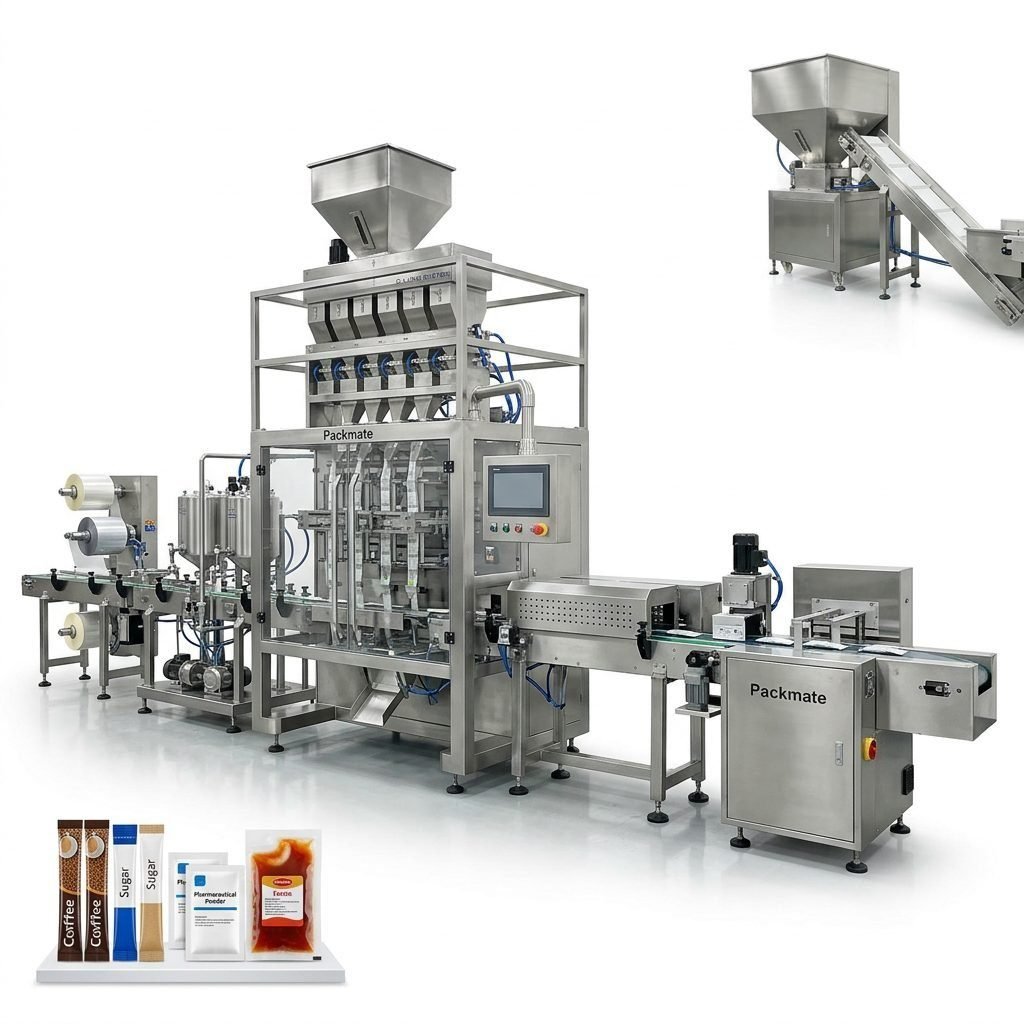
Key Factor 3: Production Scale & Quality Assurance
The size and modernity of a manufacturer’s factory often correlate with production stability and quality control. A facility of 20,000+ square meters, common among leading Chinese exporters like Packmate Machinery, indicates substantial manufacturing capacity. Inquire about their quality control processes, component sourcing, and machine testing protocols before shipment.
Icelandic Buyer Tip: Given the distance from major manufacturing hubs, machine reliability is paramount to avoid costly downtime. Prioritize manufacturers with a reputation for robust build quality and comprehensive factory testing.
Key Factor 4: After-Sales Support & Local Service Network
This is arguably the most critical factor for Icelandic importers. Determine the level of technical support offered: installation supervision (onsite or remote), operator training, warranty terms, and spare parts availability. Ask about their experience supporting clients in the Nordic region and their average response time for technical inquiries.
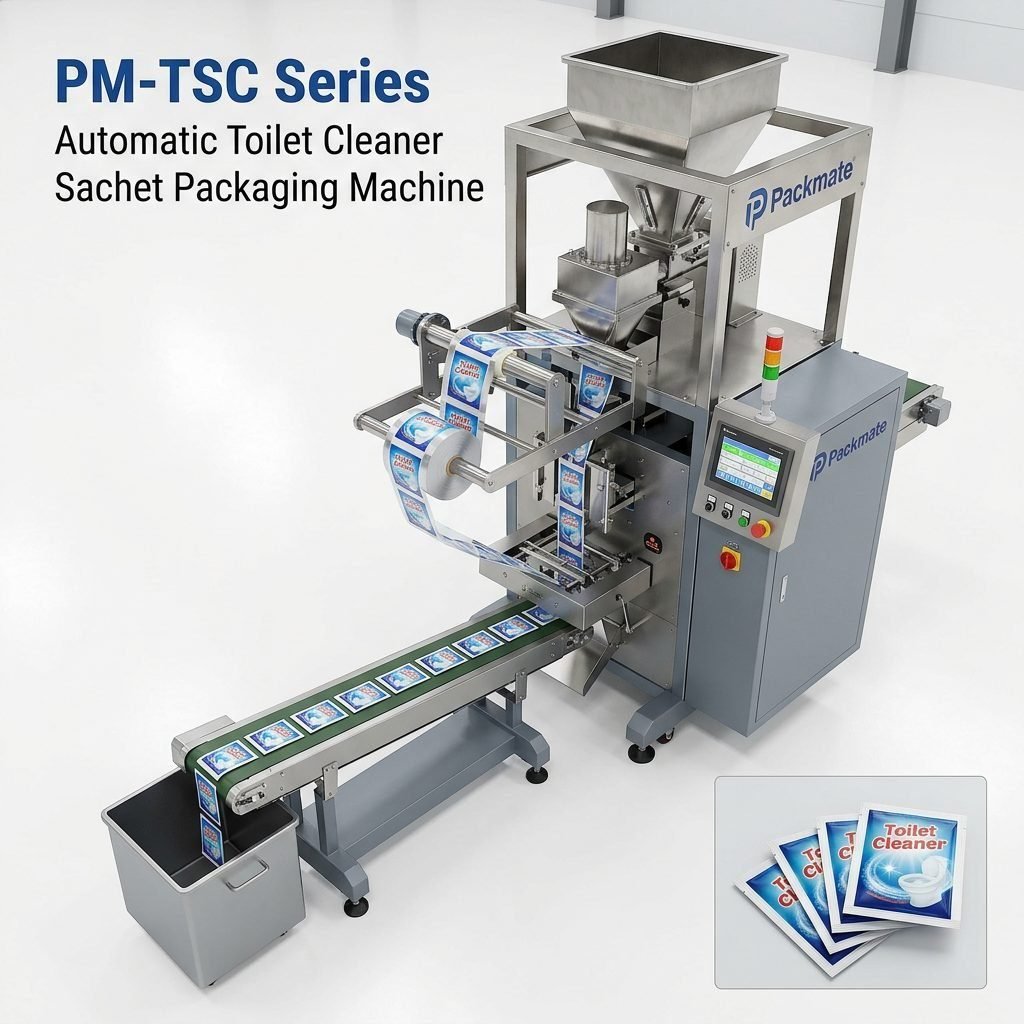
Key Factor 5: Cost-Effectiveness & Total Value
While initial price is important, consider the total cost of ownership. This includes energy efficiency, maintenance costs, expected lifespan, and the potential for future upgrades. A slightly higher upfront investment in a more reliable and efficient machine from an established supplier like Ludyway can lead to significant long-term savings in operational costs and production consistency.
Evaluating Potential Suppliers: A Practical Checklist
| Aspect to Evaluate | Questions to Ask |
|---|---|
| Company Credentials | Years in business? Factory certifications (CE, etc.)? Client references in similar industries? |
| Technical Proposal | Is it based on a sample test? How detailed are the specifications and layout drawings? |
| Communication | Is communication clear and professional? Do they have English-speaking project managers? |
| Logistics & Payment | What are the shipping terms (FOB, CIF)? What is the estimated delivery time to Iceland? |
Frequently Asked Questions (FAQs) for Icelandic Importers
1. How do we handle machine installation and training from afar?
Reputable manufacturers typically offer detailed installation manuals, video guides, and remote video support. For complex lines, onsite installation supervision can be arranged. Ensure training materials are comprehensive and available in English.
2. What about spare parts availability and delivery to Iceland?
Discuss the spare parts policy upfront. Leading exporters maintain a stock of common wear parts and offer express shipping. Inquire about their recommended local agent or service partner in the EU/Nordic region for faster support.
3. Are the machines compliant with EU safety and hygiene standards?
Most serious exporters design machines to meet CE standards and use food-grade materials in contact parts. Always request and verify the CE certification documentation and material declarations for your specific machine.
4. Can we get a sample test run with our actual product?
Yes, this is a highly recommended step. Many top manufacturers, including those profiled, offer sample testing services at their facility. This allows you to verify machine performance, bag quality, and output speed before purchase.
5. How do we compare quotes from different manufacturers effectively?
Ensure you are comparing like-for-like specifications. Look beyond the price at the machine’s construction (e.g., brand of servos, PLC, stainless steel grade), included accessories, warranty length, and the comprehensiveness of after-sales support. The cheapest option often carries hidden long-term costs.