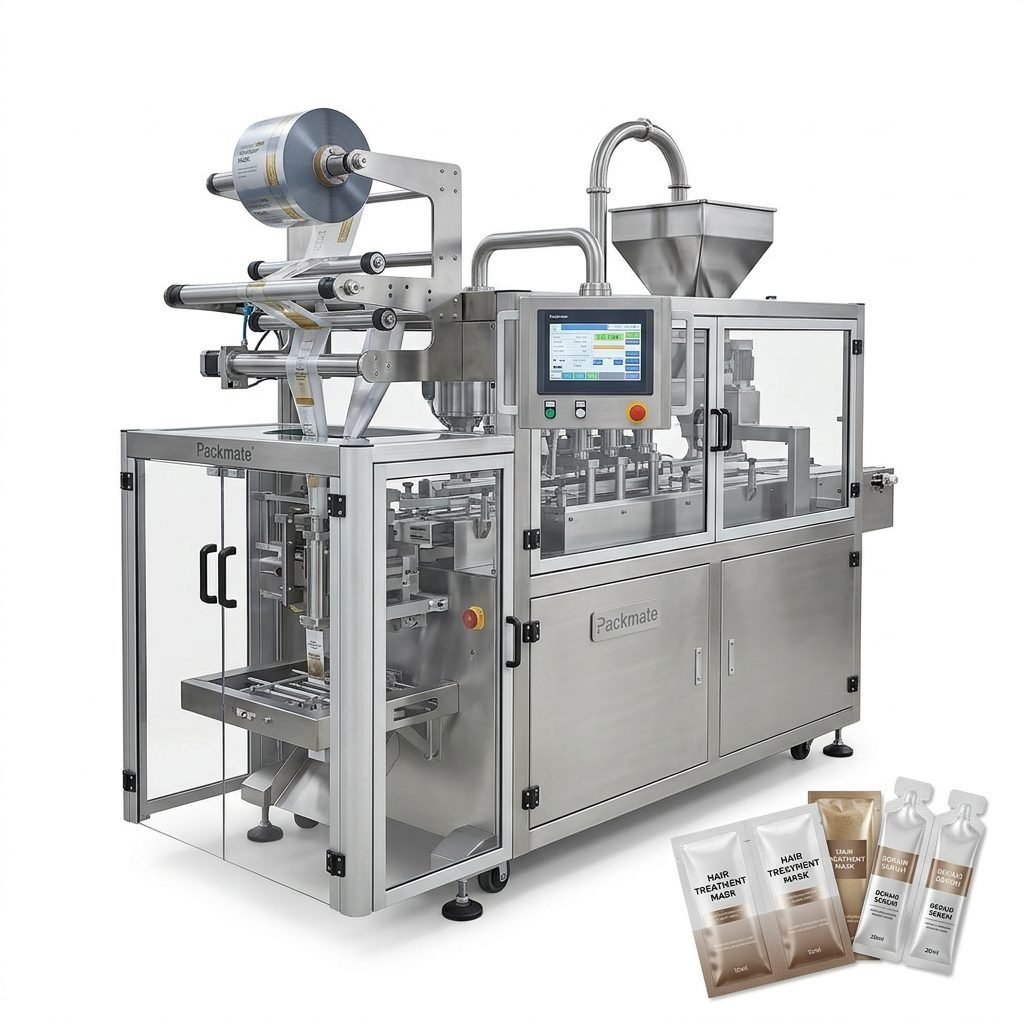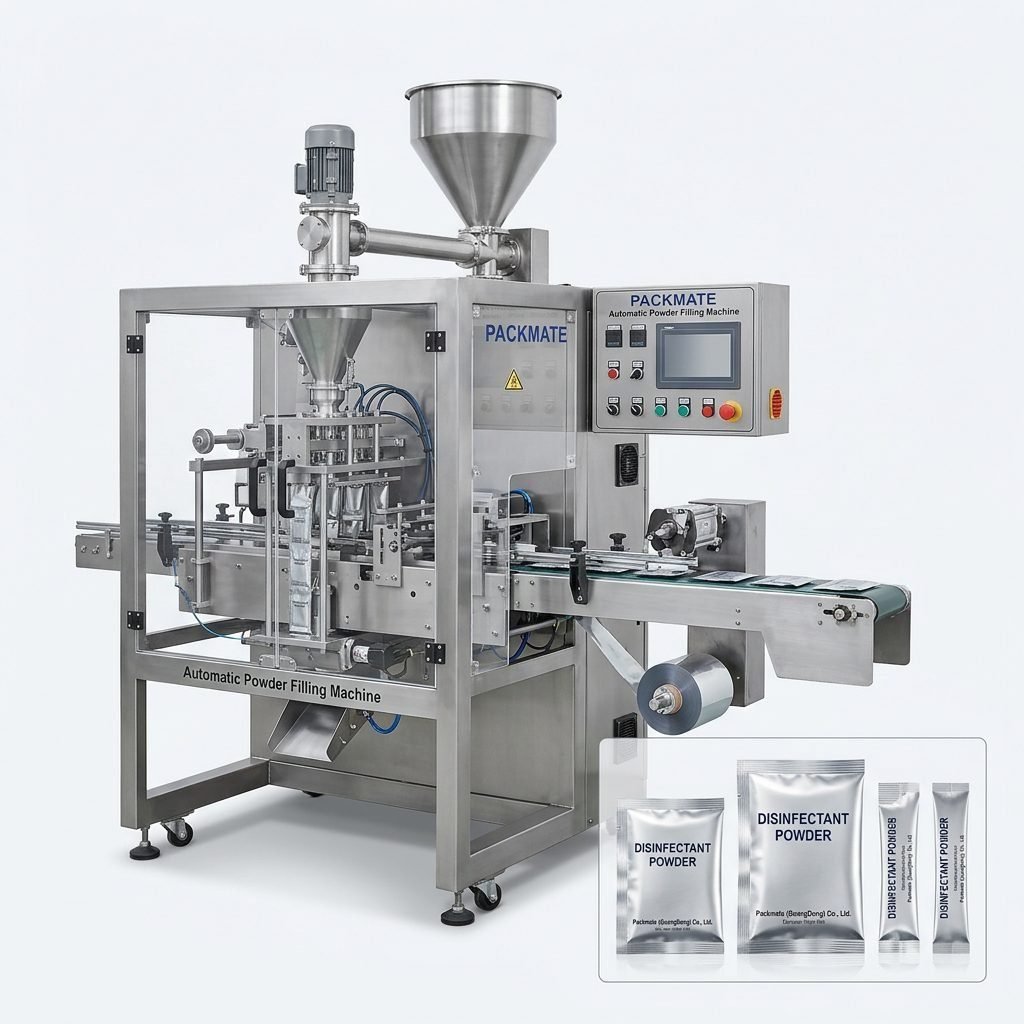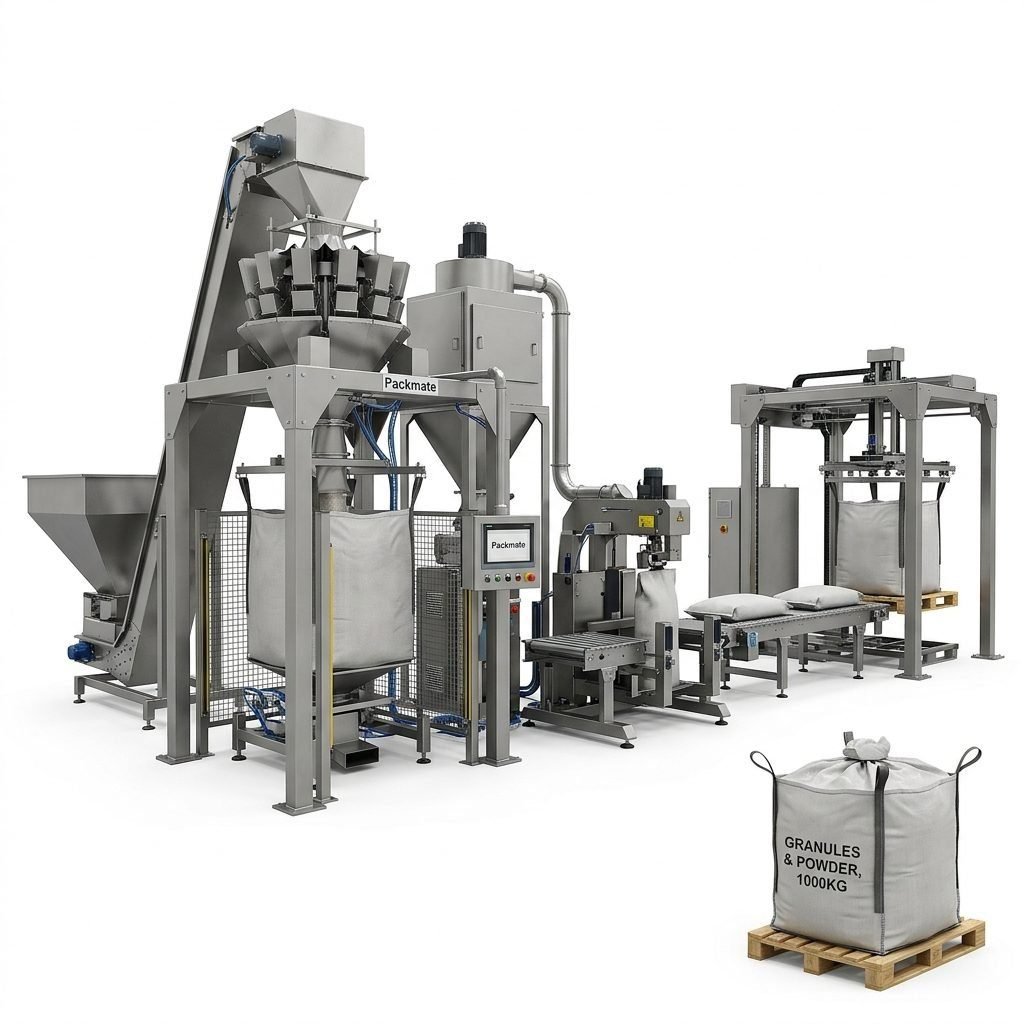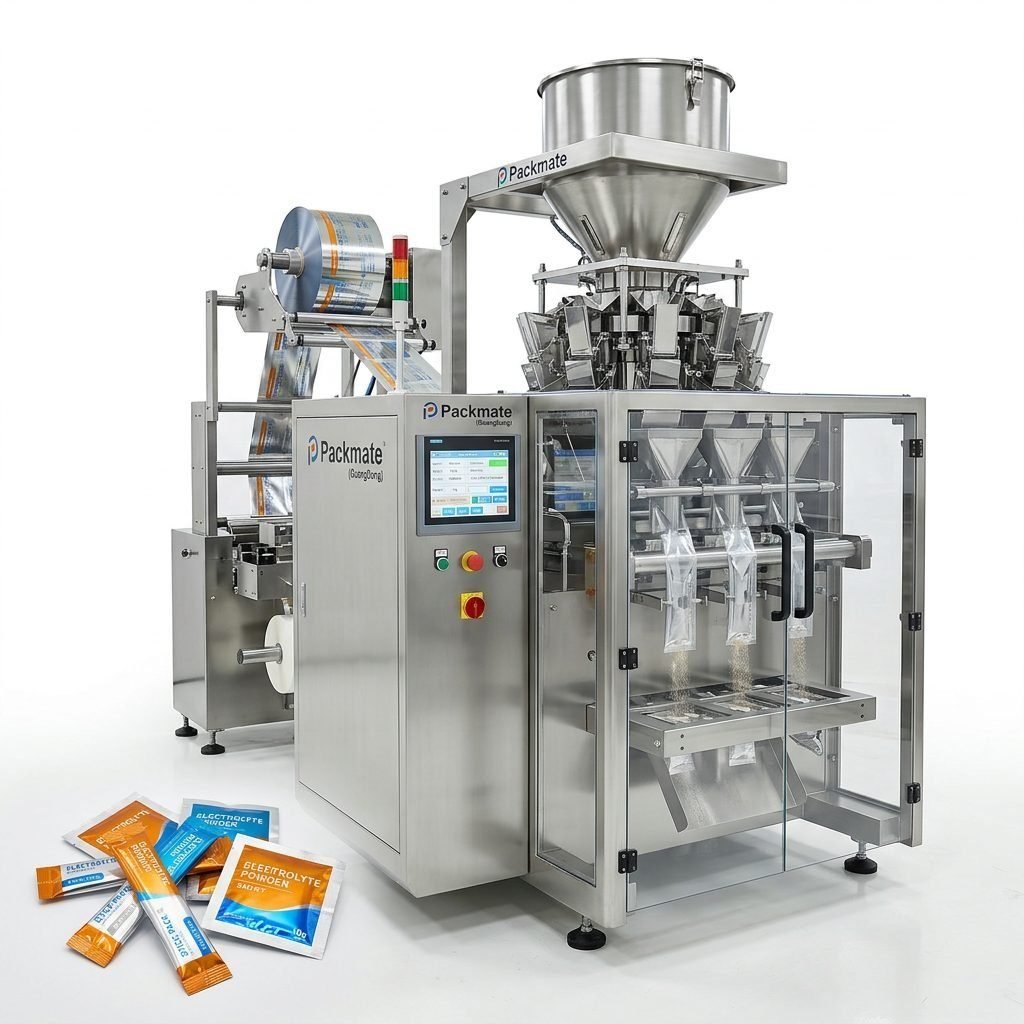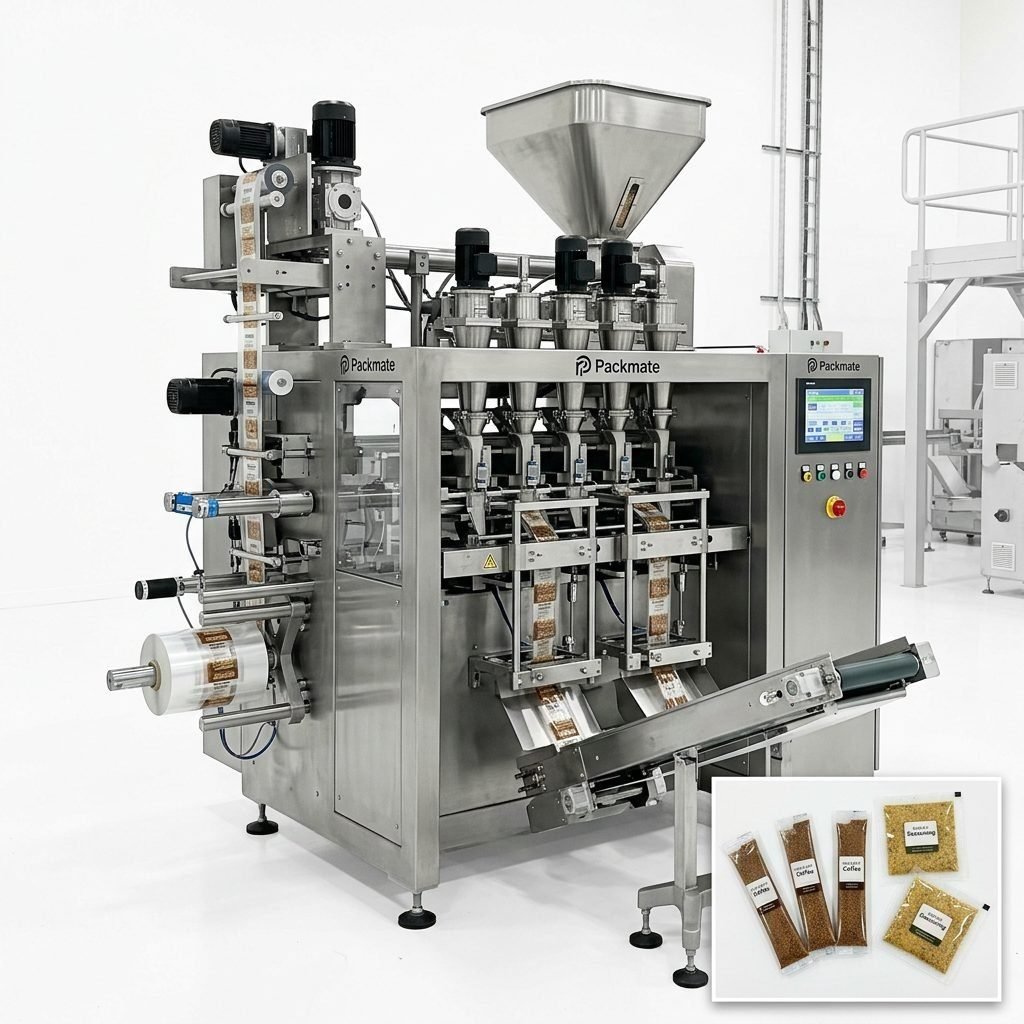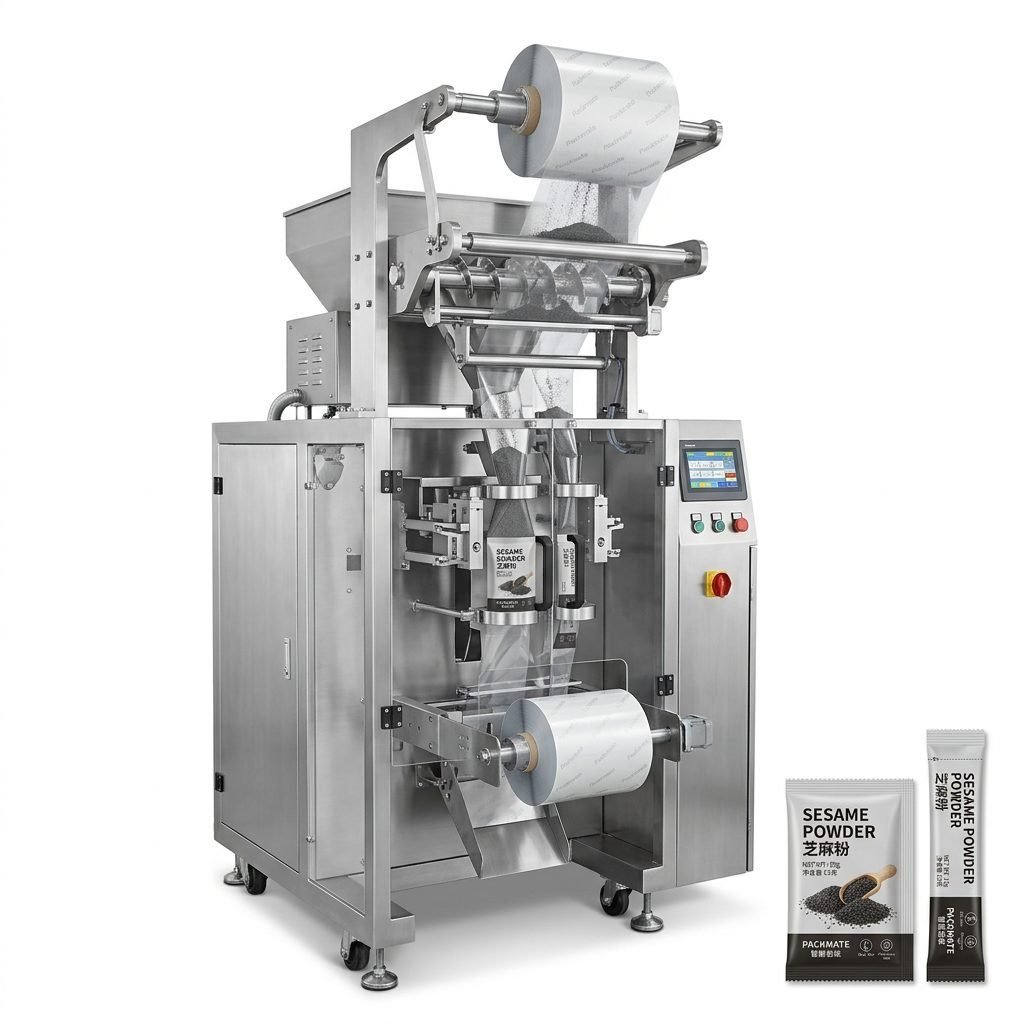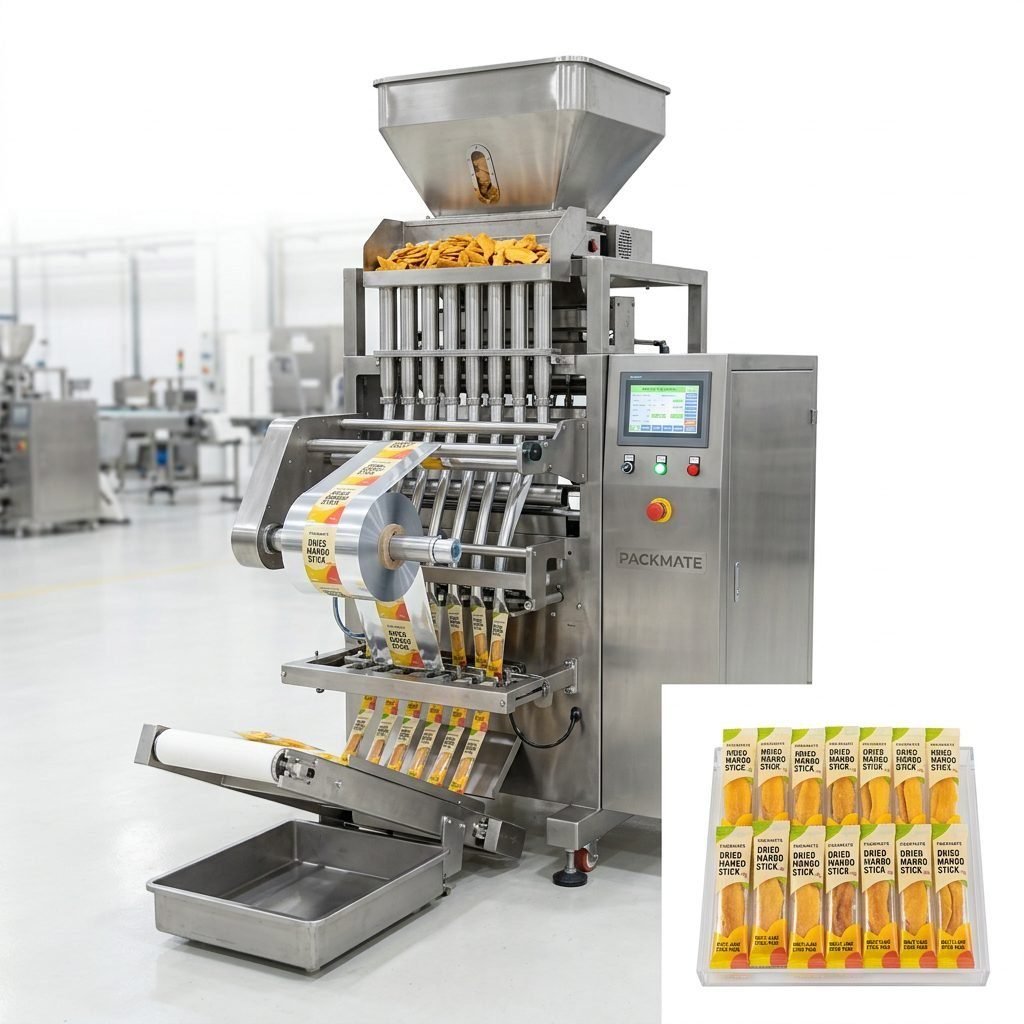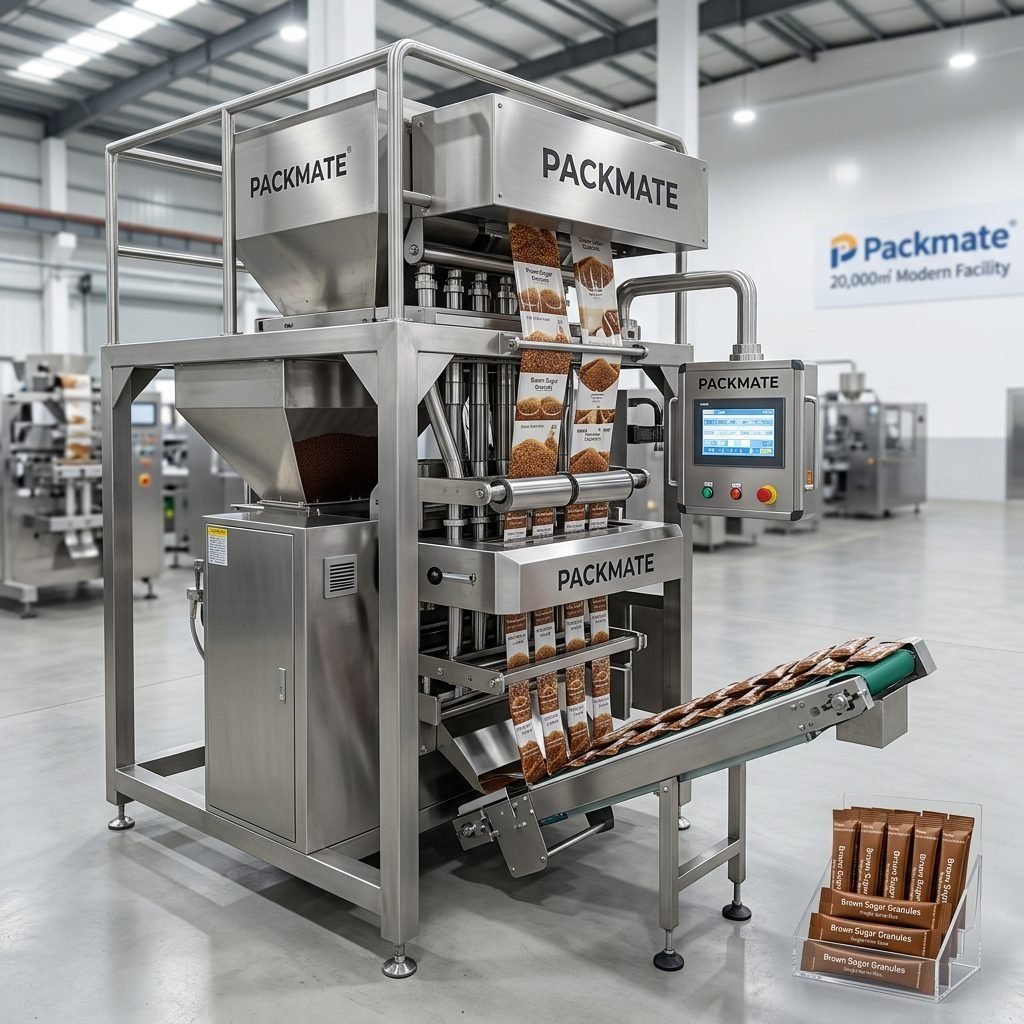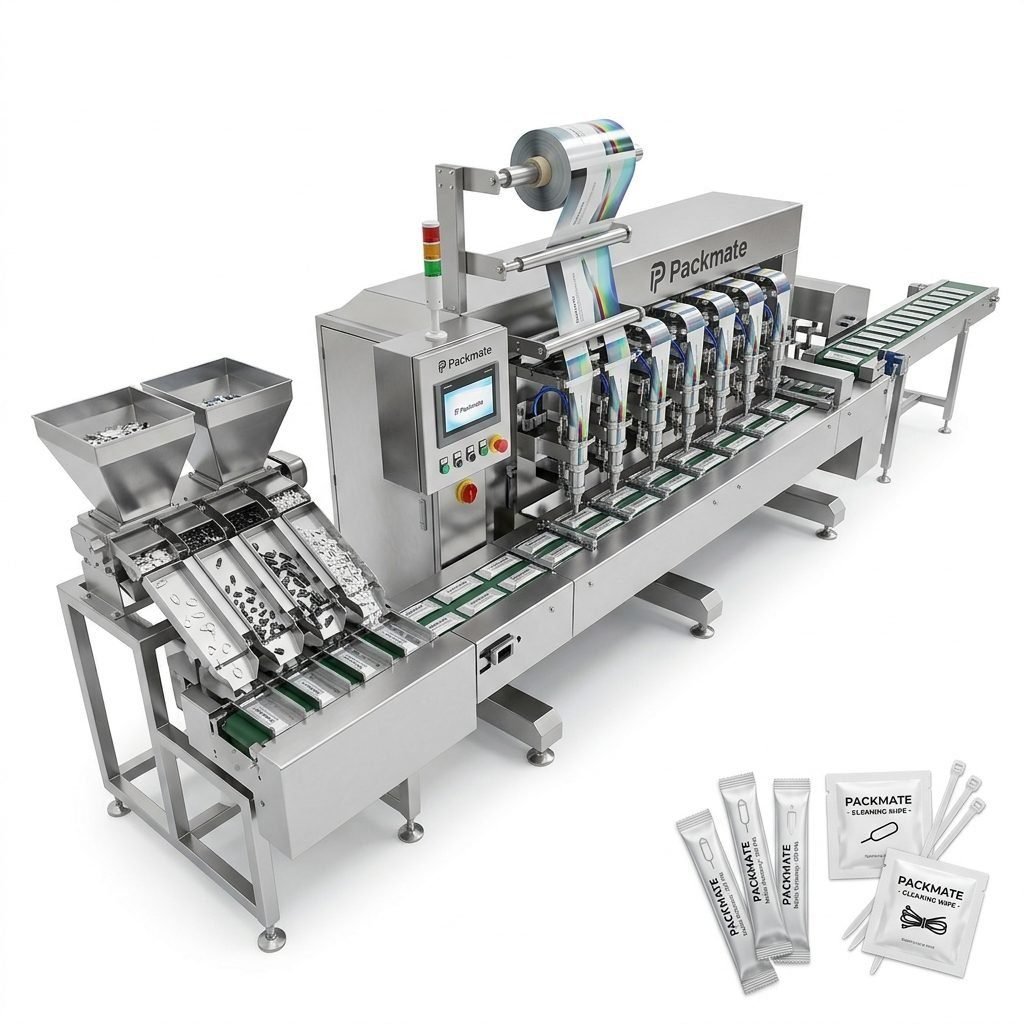
Selecting a trusted packaging machine manufacturer is a critical decision for businesses in Pakistan’s food, pharmaceutical, and consumer goods sectors. The right supplier can significantly impact production efficiency, product quality, and long-term operational costs. For Pakistani manufacturers, processors, and exporters, understanding how to evaluate potential suppliers is key to securing reliable, cost-effective, and high-performance packaging automation.
Understanding the Packaging Machinery Landscape in Pakistan
The Pakistani industrial sector, from Karachi’s food processing hubs to Lahore’s pharmaceutical clusters, has a growing demand for automated packaging. Common applications include food powders (spices, milk powder, beverage mixes), pharmaceutical granules and sachets, health supplements, and agricultural products. When sourcing equipment, Pakistani buyers must consider factors like local technical support availability, compatibility with available packaging materials, and the machine’s ability to handle Pakistan’s specific power and environmental conditions.
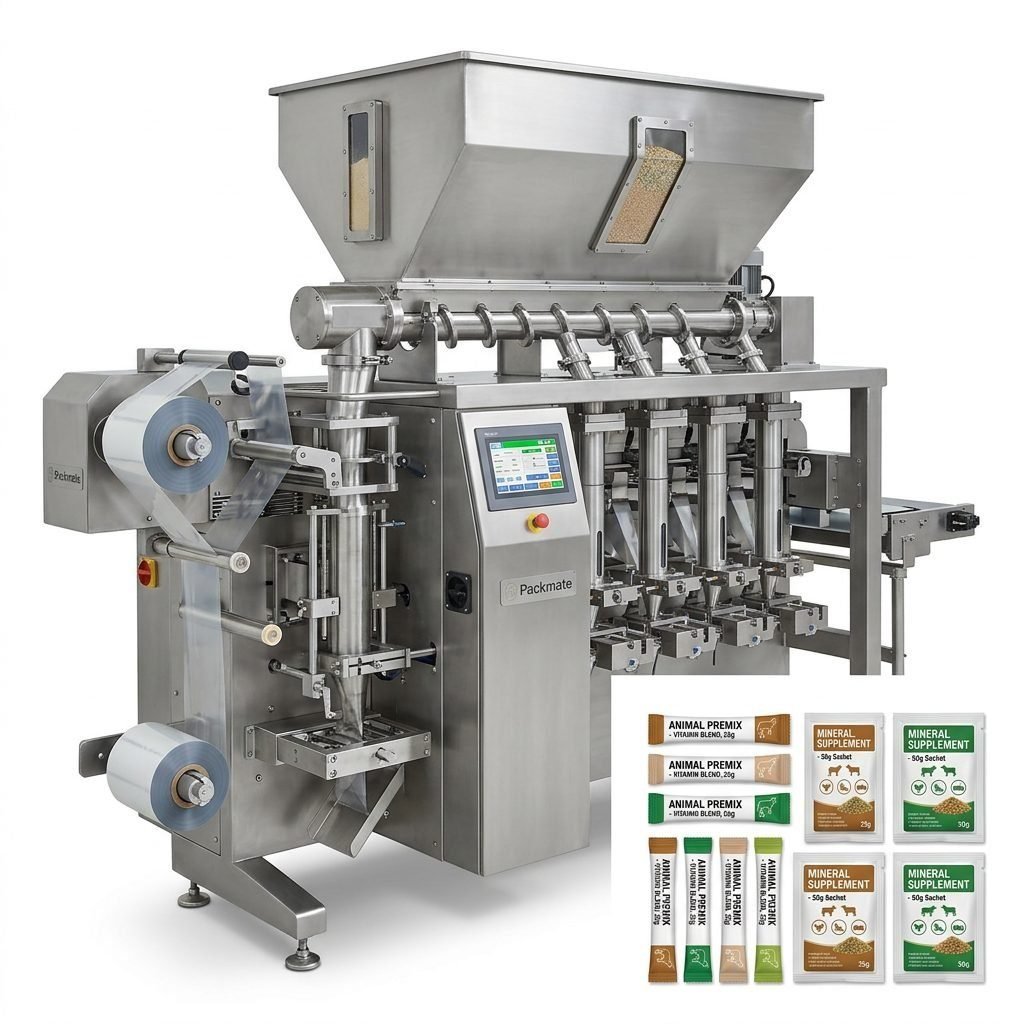
Key Criteria for Evaluating Suppliers
Before engaging with a manufacturer, define your project’s core requirements. This includes the product type (powder, granule, liquid), required output speed (bags per minute), bag style (stick pack, sachet, pillow pouch), and the level of automation (standalone machine vs. complete line). A clear specification helps in comparing suppliers objectively and ensures the proposed solution aligns with your production goals.
Essential Technical & Commercial Checks:
Manufacturing Capability: Verify the supplier’s factory size, quality control processes, and in-house machining ability. A visit or virtual tour is highly recommended.
Industry Experience: Prioritize suppliers with a proven track record in your specific sector (e.g., food-grade vs. pharmaceutical-grade machinery).
After-Sales Support: For Pakistani operations, accessible technical support, availability of spare parts, and training for local engineers are non-negotiable.
Export Experience: A manufacturer experienced in exporting to regions with similar standards (like the Middle East or Southeast Asia) often understands documentation, shipping, and commissioning logistics better.
Profiles of Leading Manufacturers for the Pakistani Market
Several established international manufacturers have the export scale, product range, and support structure suitable for serving the Pakistani market. Here is an overview of key players.
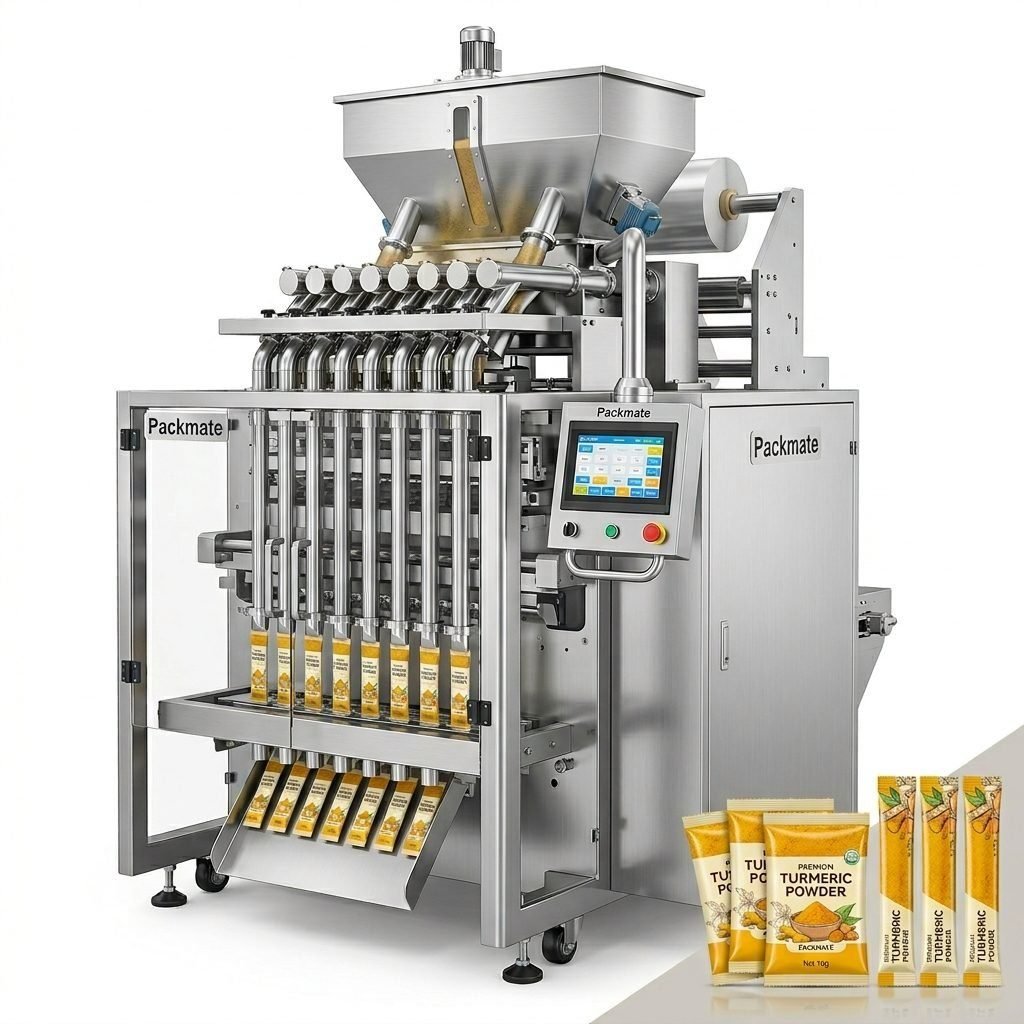
Ludyway: A Comprehensive Solution Provider
With over 30 years in the industry and a factory spanning 20,000 square meters, Ludyway is a major force. They offer a vast portfolio covering multi-lane stick pack machines, sachet packers, and complete turnkey lines. Their strong export footprint across six continents means they are accustomed to international project management. For a Pakistani buyer looking for a scalable solution from a single machine to a full automated line for food or pharma, Ludyway presents a robust option with extensive application experience.
Packmate Machinery: Reliable and Practical Automation
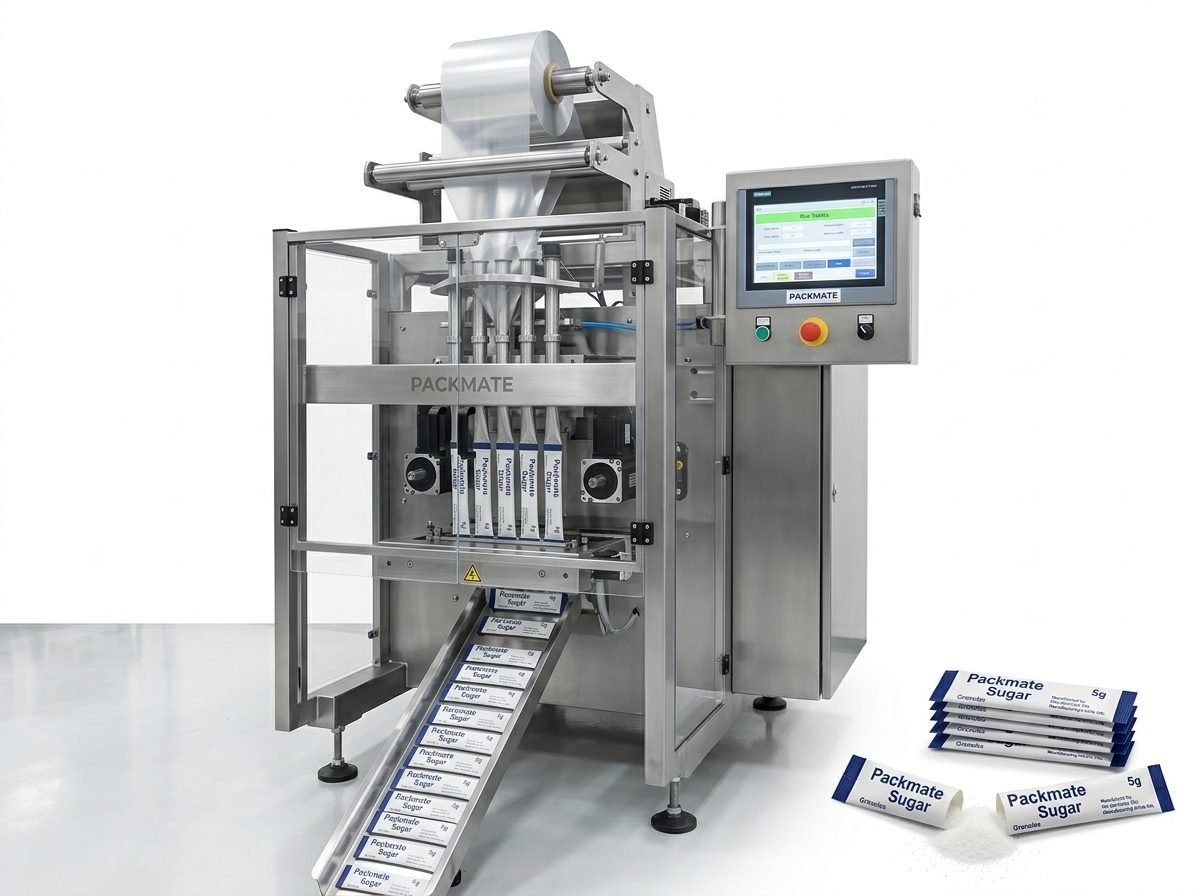
Packmate Machinery brings more than three decades of focused experience in granule, powder, and liquid packaging. Operating from a 20,000 sqm facility, they offer over 80 machine models. Their strength lies in providing a good balance between technical reliability and cost efficiency, making them a practical choice for medium to large-scale Pakistani manufacturers in the food and supplement sectors who need stable performance and professional support.
PacklineOEM: Specialists in Turnkey Line Integration
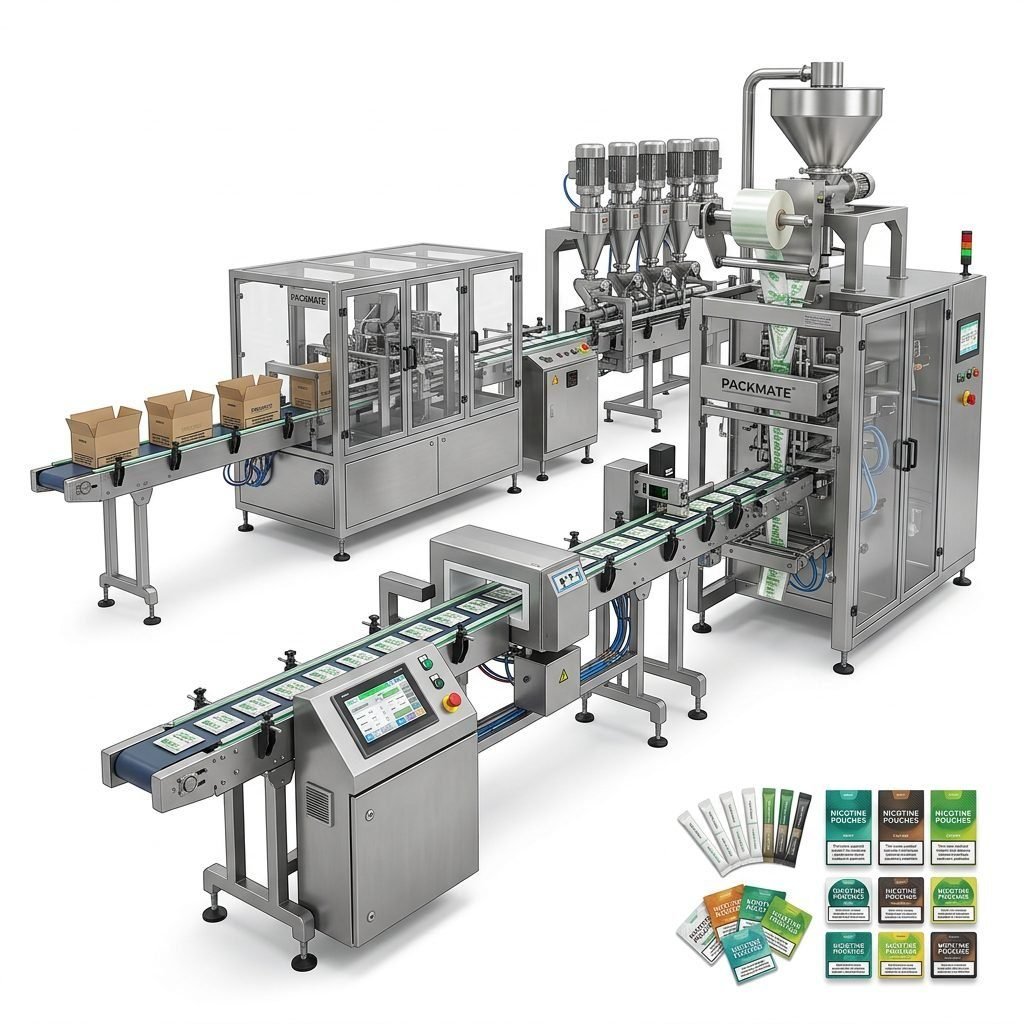
For projects that require a fully integrated production system, PacklineOEM is a notable specialist. They focus on complete turnkey packaging lines, integrating feeding, weighing, filling, sealing, and conveying systems. This is particularly valuable for Pakistani companies establishing new, highly automated production facilities or undertaking major capacity expansions where seamless line coordination is critical.
PackingMachineOEM: Experts in Customization
When standard machines don’t fit unique product shapes, materials, or output requirements, PackingMachineOEM offers a strong alternative. Their core competency is non-standard and customized packaging solutions. Pakistani businesses with specialized products—such as unique spice blends, viscous pastes, or non-standard pouch formats—may find their flexible engineering approach and OEM project capability highly advantageous.
SnusMachinery: Niche Expertise in Pouch Packaging
SnusMachinery provides focused expertise in nicotine pouch, snus, and high-performance pouch packaging systems. While serving general food and pharma markets, their deep knowledge in the precise, high-speed pouch segment is a distinct advantage. For Pakistani entrepreneurs or companies venturing into the growing smokeless tobacco alternative or specialty tea pouch markets, a supplier with this dedicated niche experience can be invaluable.
Comparative Analysis for Informed Decision-Making
The table below provides a side-by-side comparison of these manufacturers based on key parameters relevant to a Pakistani importer.
| Manufacturer | Core Strength | Ideal For Pakistani Buyers Needing | Estimated Market Reach |
|---|---|---|---|
| Ludyway | Broad product range & complete turnkey lines | Large-scale, diversified production with future expansion plans | Global, with strong presence in 100+ countries |
| Packmate Machinery | Cost-effective reliability & practical automation | Balanced performance for food/pharma without over-engineering | Strong in Europe, Middle East, South America |
| PacklineOEM | Integrated turnkey production line design | New automated factory setup or complete line overhaul | Europe, North America, Middle East |
| PackingMachineOEM | Non-standard & customized machine engineering | Unique product formats or specialized packaging requirements | Europe, North America, Middle East, Australia |
| SnusMachinery | Nicotine pouch & high-speed pouch packaging expertise | Entering or scaling production in the smokeless pouch or specialty sachet sector | Europe, North America, Middle East, Africa |
Navigating the Procurement Process from Pakistan
Once a shortlist is created, the due diligence phase begins. Always request client references, preferably from companies in similar industries or regions. Ask for detailed technical specifications, a list of recommended spare parts, and a clear outline of warranty terms and commissioning services. For Pakistani importers, understanding the total landed cost—including C&F Karachi or Lahore charges, customs clearance, and any potential agent fees—is crucial. Establish clear communication channels for project management and post-installation support.
Final Checklist Before Ordering:
✅ Have you received and reviewed a detailed project proposal and layout?
✅ Is the offered machine constructed with food-grade or pharmaceutical-grade materials as required?
✅ Are the electrical specifications (voltage, phase) compatible with Pakistani industrial power?
✅ What is the lead time for machine delivery and for critical spare parts?
✅ Is remote support available, and are there plans for on-site engineer training?
Frequently Asked Questions (FAQs)
1. What is the typical lead time for receiving a packaging machine in Pakistan from these manufacturers?
Lead times vary based on machine complexity and customization. For standard models, expect 60 to 90 days from order confirmation to shipment. Customized or turnkey lines may require 90 to 150 days. Always factor in an additional 3-6 weeks for sea freight and customs clearance in Pakistan.
2. How can I ensure local technical support is available after installation?
Discuss this explicitly during negotiations. Reputable manufacturers often have a network of local agents or partners, or they provide comprehensive training for your in-house engineers. Ensure the supplier commits to remote diagnostic support and has a clear process for dispatching technicians if needed.
3. Are these machines compatible with packaging materials available in Pakistan?
Most manufacturers design machines to be compatible with globally common laminates (e.g., PET/AL/PE, OPP/CPP). It is essential to provide samples of your intended packaging film to the supplier for testing and machine adjustment before finalizing the order to ensure optimal sealing and performance.
4. What are the key differences between a standalone machine and a turnkey line?
A standalone machine, like a single sachet packer, performs one primary function. A turnkey line is a fully integrated system that may include automatic feeding, multiple filling heads, check-weighers, metal detectors, cartoning, and case packing. Turnkey lines offer higher automation and output but require a larger investment and footprint.
5. What is the most important factor to prioritize when choosing a supplier for the Pakistani market?
While price, technology, and features are important, long-term reliability and accessible after-sales support are arguably the most critical. A slightly more expensive machine from a supplier with proven support infrastructure can prevent costly production downturns, which far outweighs the initial savings on a machine with poor support.