For businesses in Micronesia, selecting the right packaging machine manufacturer is a critical decision that impacts operational efficiency, product quality, and long-term profitability. The unique market conditions, including logistical challenges, specific industry needs, and a focus on sustainable growth, require a strategic approach to sourcing equipment. This guide outlines the key factors to consider when choosing a manufacturer, tailored for Micronesian entrepreneurs and production managers.
Understanding Your Specific Packaging Needs in Micronesia
Before beginning your search, clearly define your requirements. Micronesia’s businesses often operate in sectors like tourism-related goods, local food processing (e.g., tuna, coconut products), handicrafts, and agriculture. Consider the following:
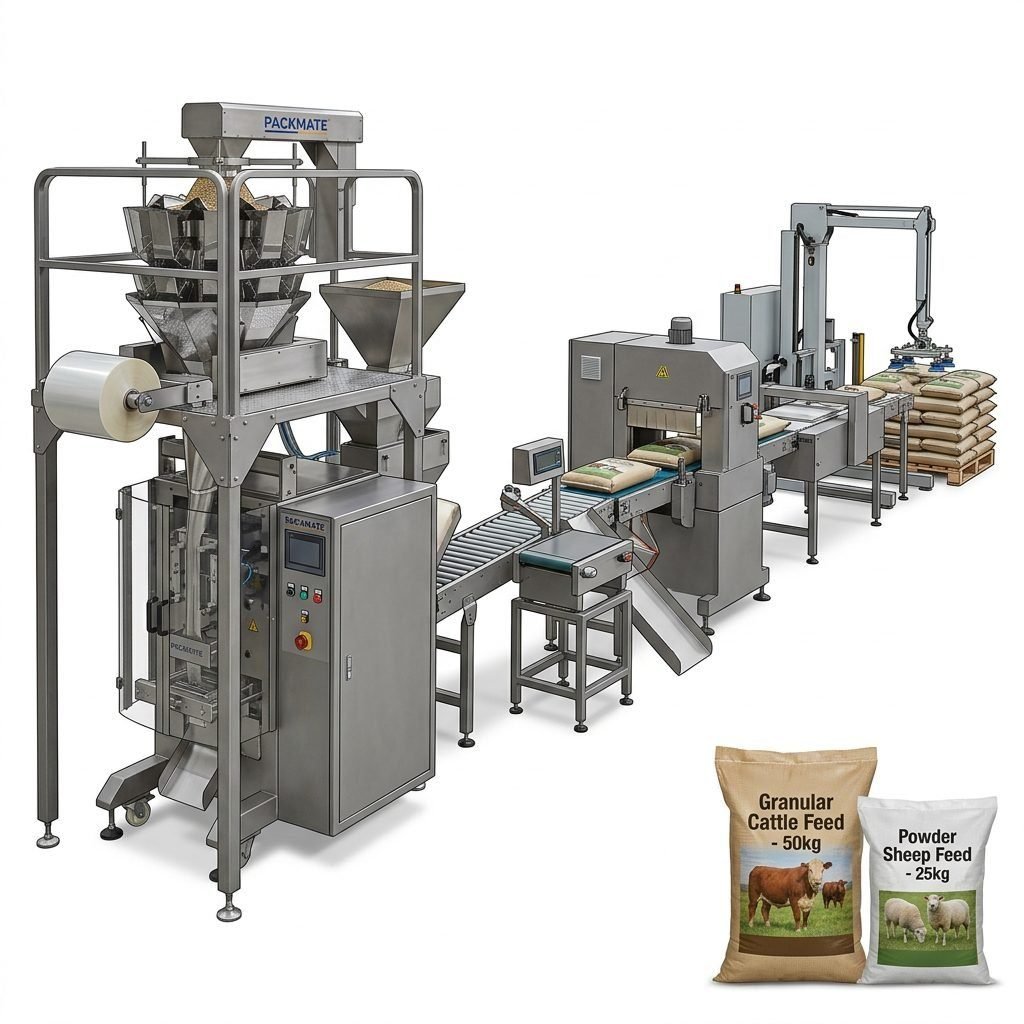
Product Type: Are you packaging powders (spices, flour), granules (coffee, rice), liquids (sauces, oils), or solid items? The machine must handle your product’s specific characteristics like flowability and density.
Production Volume: Assess your current output and projected growth. A small bakery in Pohnpei will have vastly different needs than a larger tuna processing plant for export.
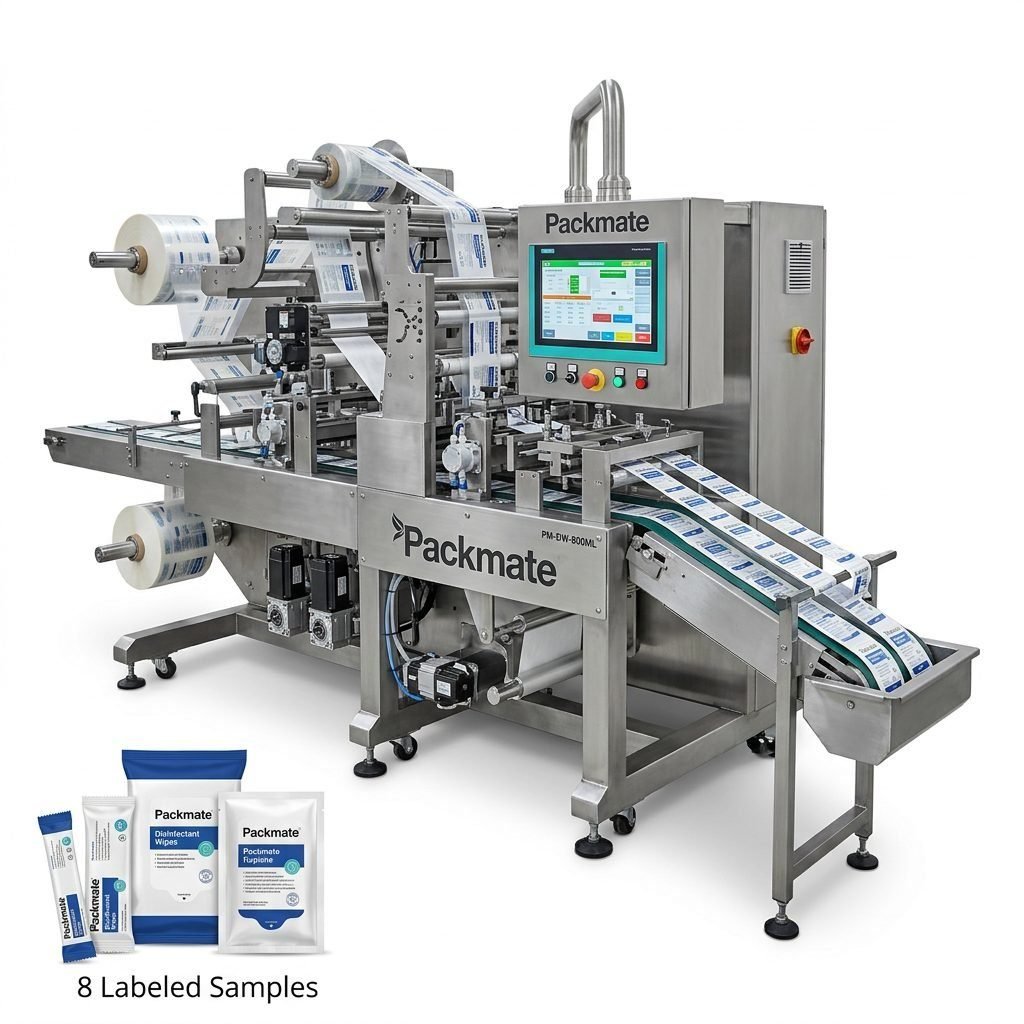
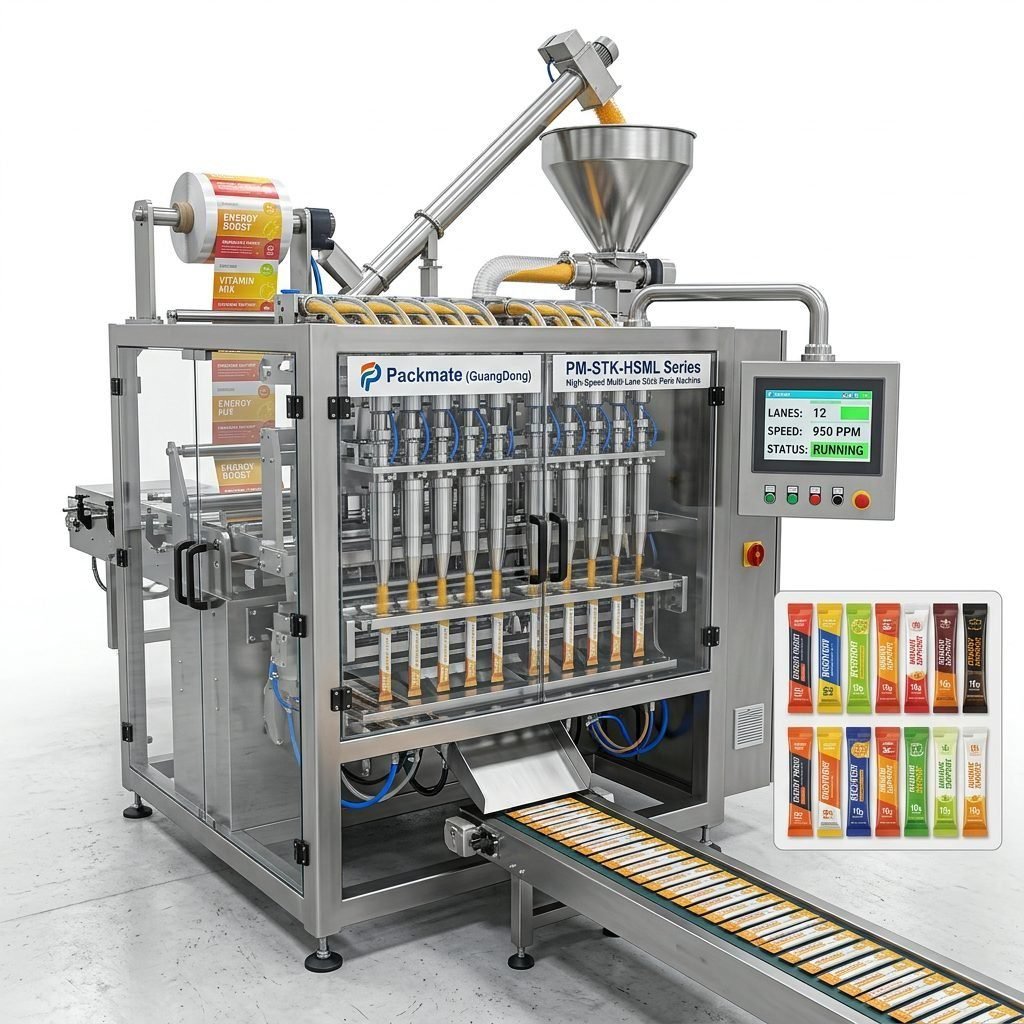
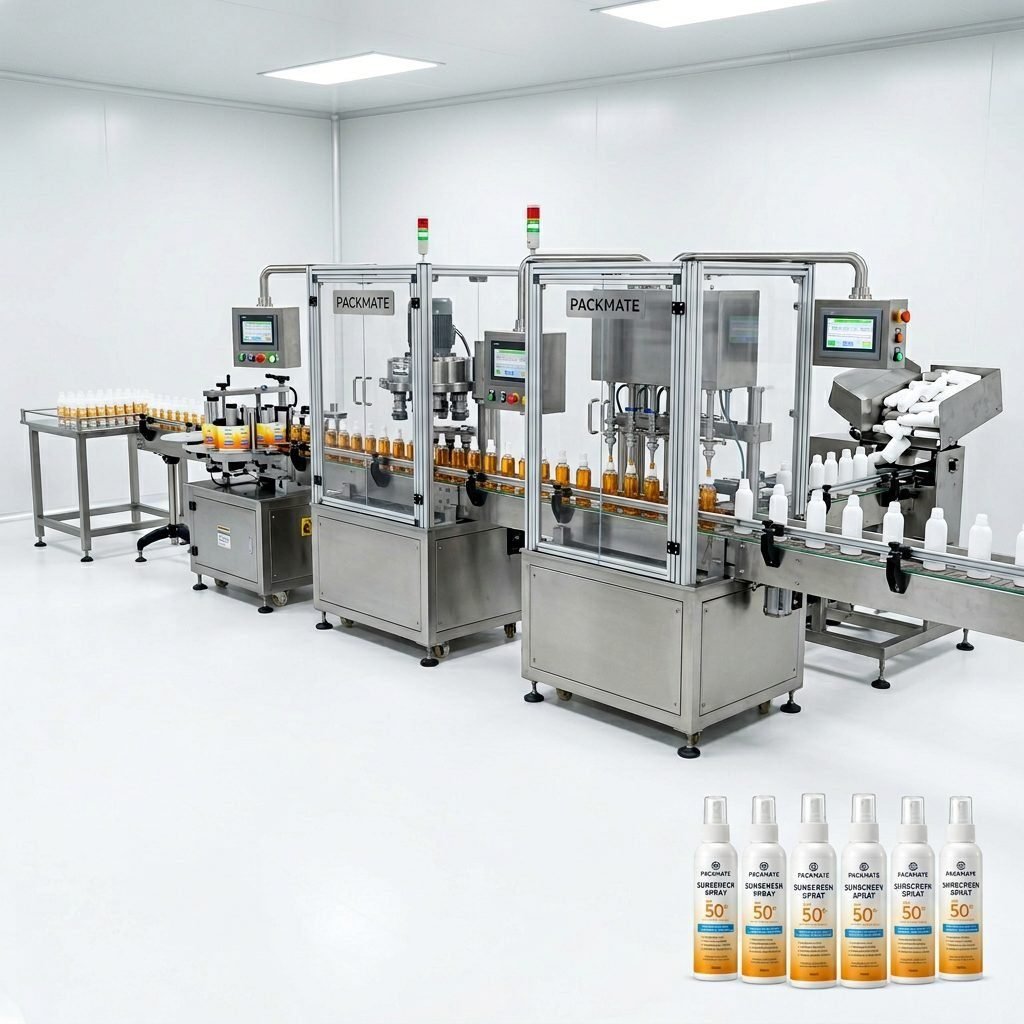
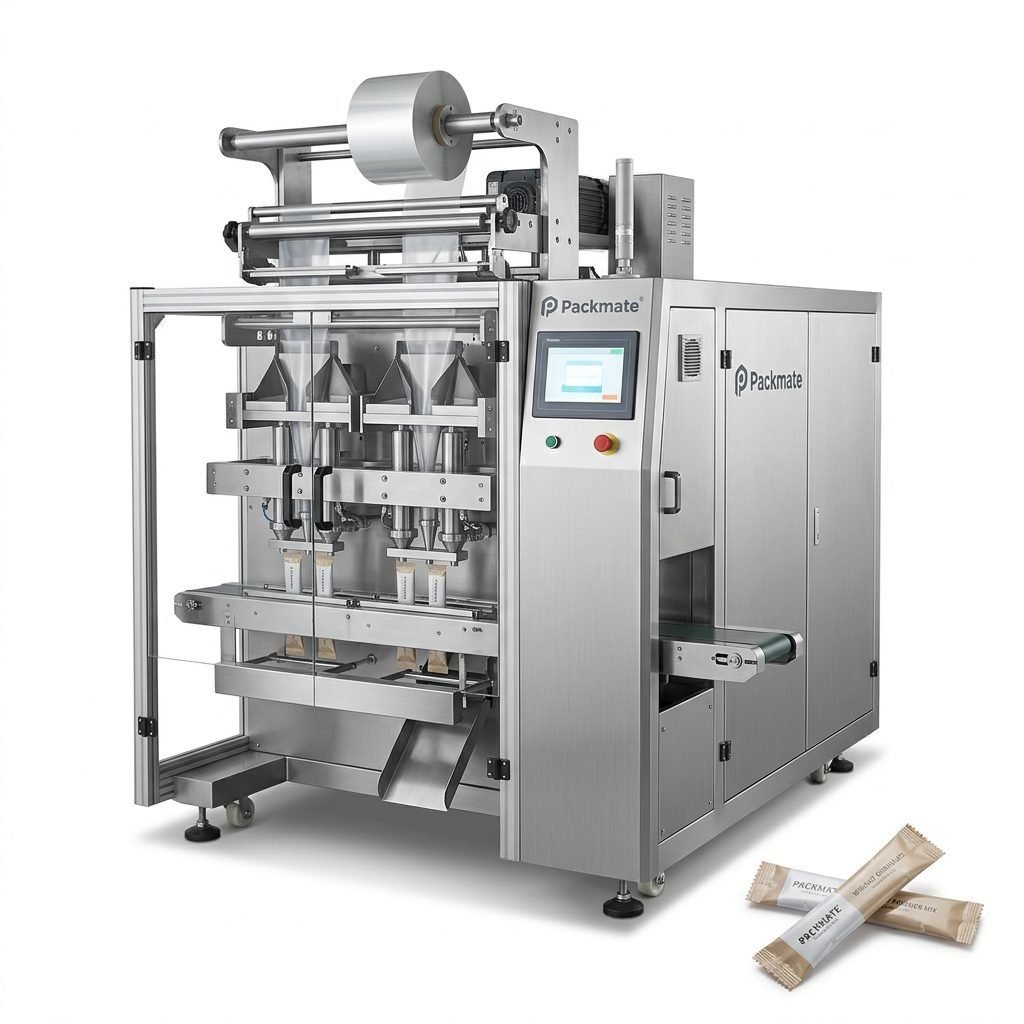
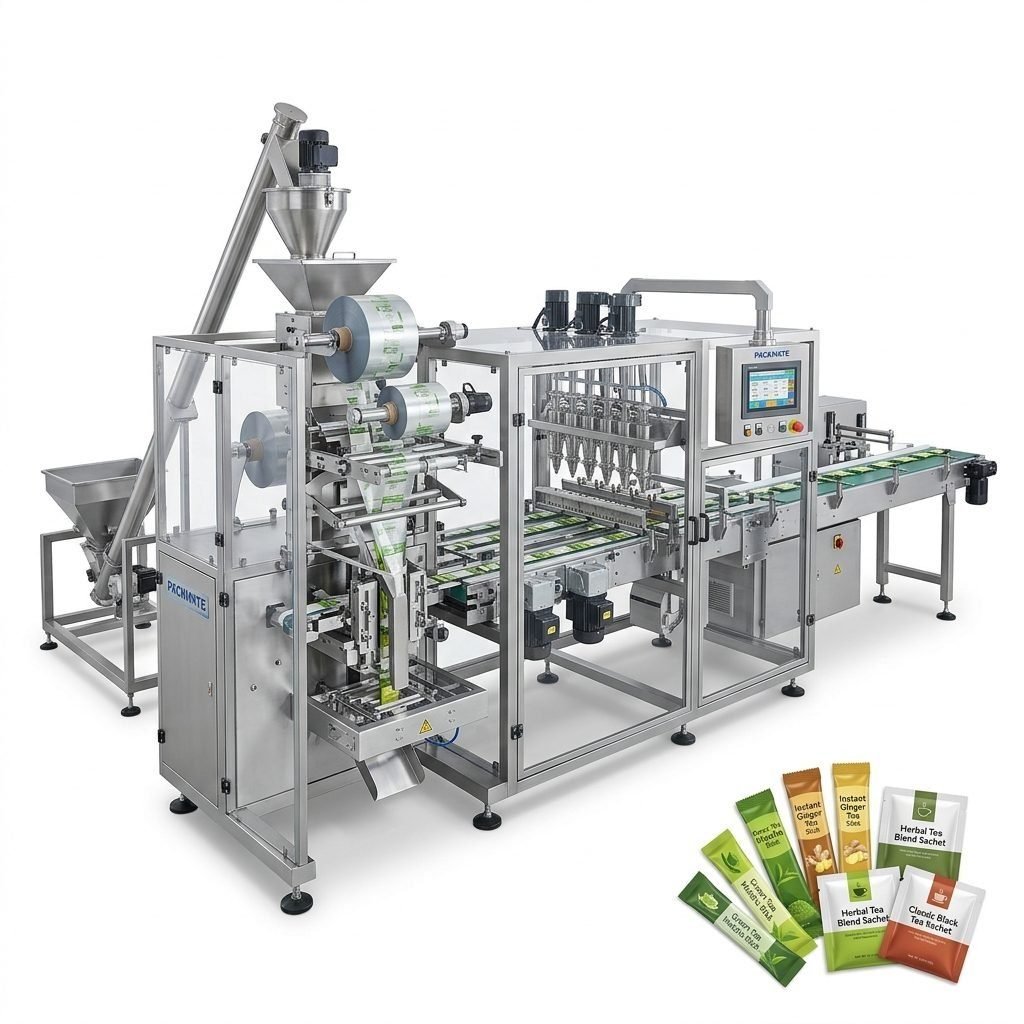
Packaging Format: Do you need stick packs, sachets, pouches, or bottles? The desired format dictates the type of machine required.
Local Support & Infrastructure: Consider the availability of technical expertise for maintenance and the reliability of power supply, which can vary across the islands.
Key Criteria for Evaluating Manufacturers
Once your needs are clear, evaluate potential partners against these essential criteria.
1. Technical Capability and Product Range
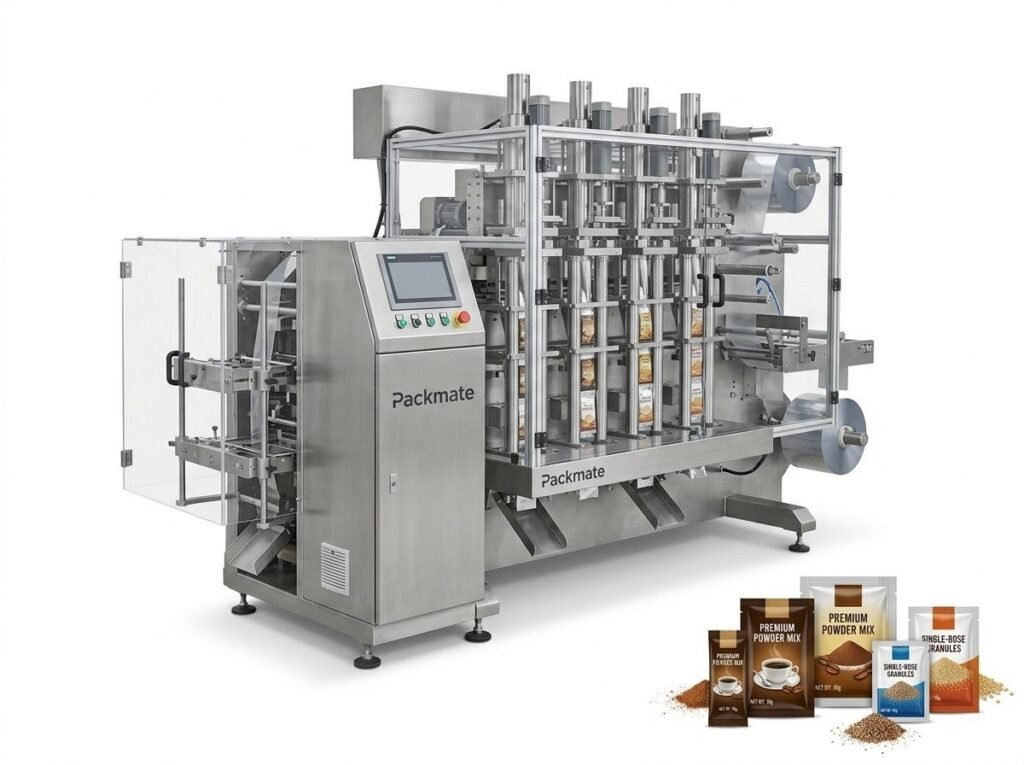
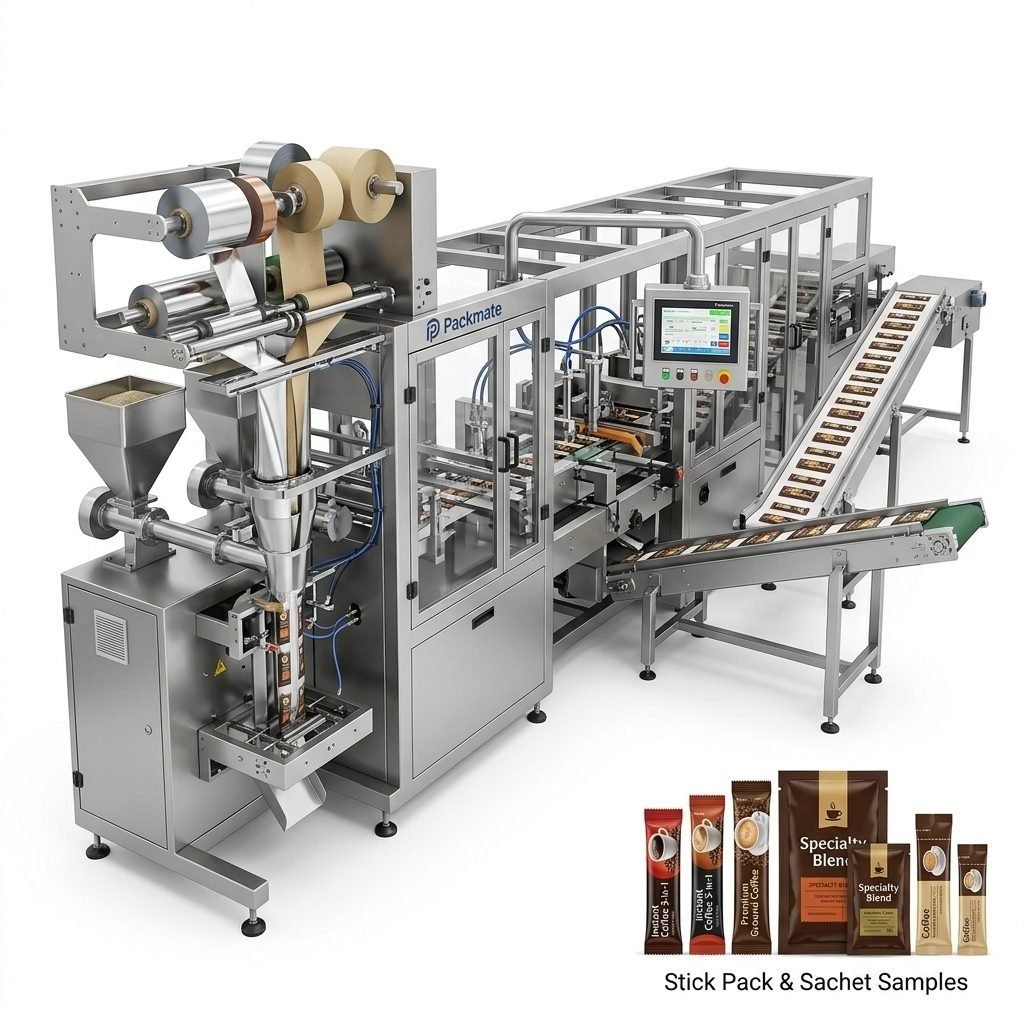
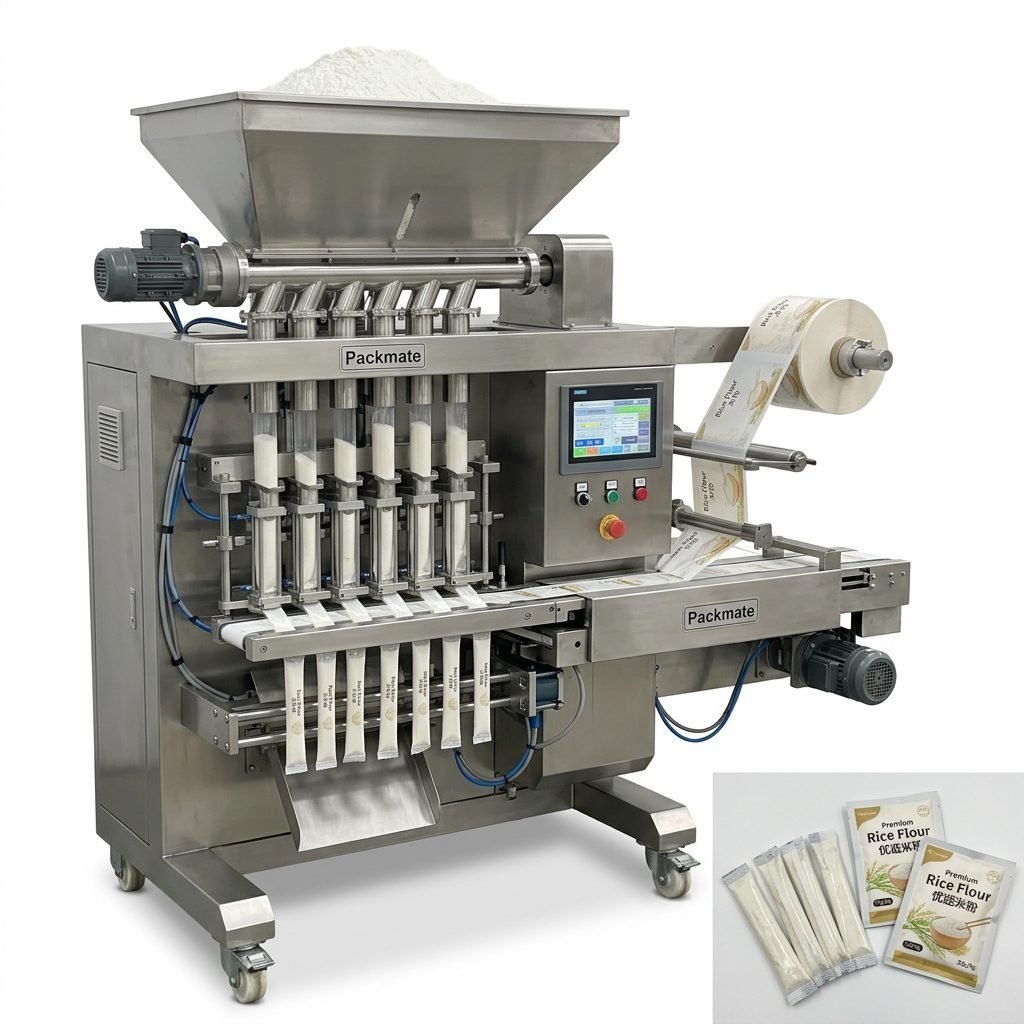
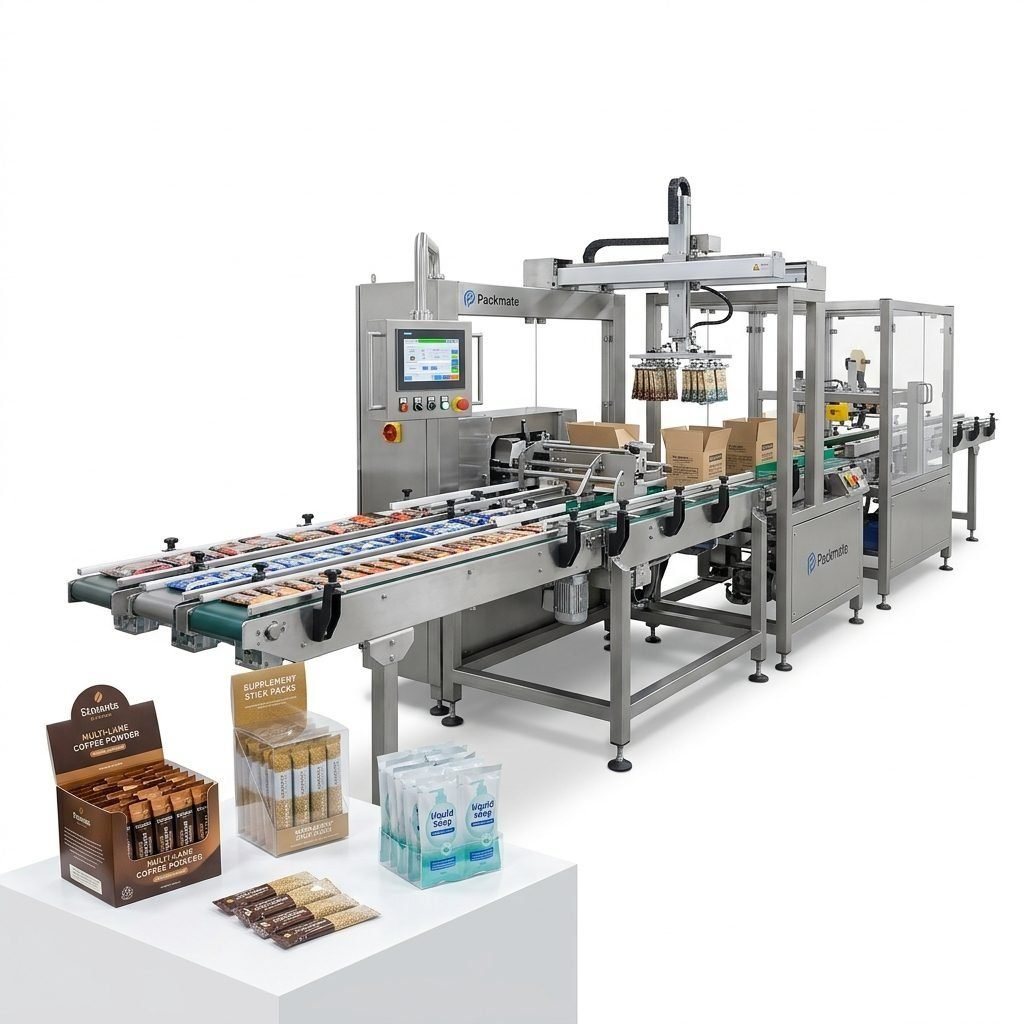
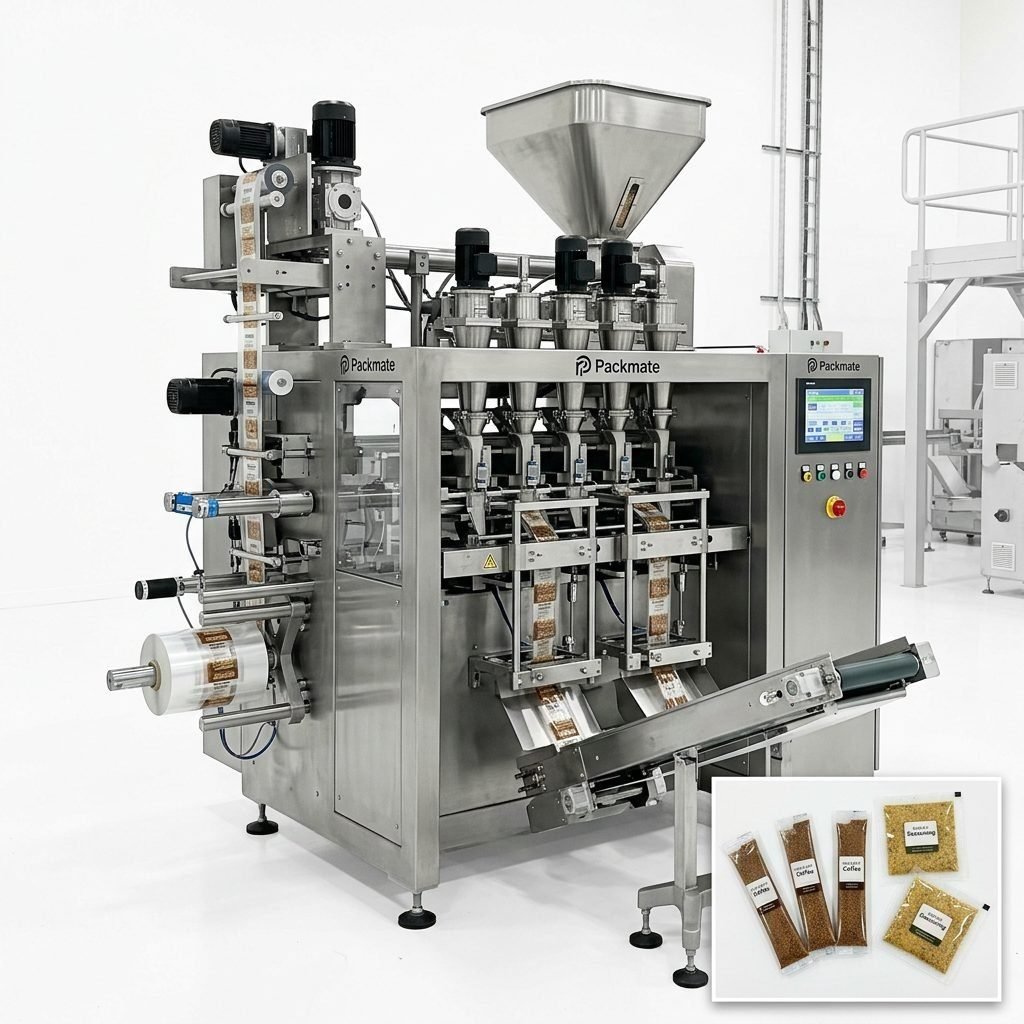
The manufacturer should offer machinery that precisely matches your product type and output goals. Look for a company with a broad portfolio, indicating versatility and depth of experience. For instance, if you produce single-serve coffee sticks or powdered supplements, a manufacturer specializing in multi-lane stick pack and sachet machines would be ideal.
2. Experience with International Export and Logistics
Given Micronesia’s island geography, logistics are paramount. Partner with a manufacturer experienced in exporting to remote or island nations. They should understand international shipping, customs documentation, and have a proven track record of delivering machinery safely to the Pacific region. Reliable after-sales support that can be accessed remotely is also crucial.
3. Customization and Scalability
Your business will evolve. A good manufacturer doesn’t just sell a standard machine; they offer solutions. Can they customize the machine for your unique package size or product consistency? More importantly, can their systems scale as your production grows? Choosing a partner that offers modular or upgradable equipment can protect your investment for the future.
4. Reliability, Durability, and Ease of Maintenance
Downtime is costly, especially in regions where spare parts and technicians may not be readily available. Prioritize manufacturers known for building robust, durable machines with simple maintenance protocols. Inquire about the availability of comprehensive manuals, online troubleshooting guides, and video support.
5. Total Cost of Ownership (TCO)
Look beyond the initial purchase price. Consider the Total Cost of Ownership, which includes:
- Machine price and shipping costs to Micronesia.
- Installation and commissioning support (can they provide remote guidance or send an engineer?).
- Energy consumption and material waste rates.
- Cost and lead time for spare parts.
- Availability and cost of training for your local operators.

Profiles of Leading Manufacturers for Consideration
Several established manufacturers have strong export programs that could serve the Micronesian market effectively. Here is a comparative overview:
| Manufacturer | Key Strength | Ideal For Micronesian Businesses That Need… |
|---|---|---|
| Ludyway | Broad product range & turnkey line expertise | Comprehensive, scalable solutions for food processing (fish, coconut) with plans for significant automation. |
| Packmate Machinery | Balanced cost-performance & reliability | Reliable, practical automation for medium-sized operations like local spice or coffee producers. |
| PacklineOEM | Complete turnkey production line integration | A fully integrated packaging line from start to finish, minimizing the need to coordinate multiple suppliers. |
| PackingMachineOEM | High level of customization for non-standard needs | Custom packaging for unique local products (e.g., specialty handicrafts, non-standard food items). |
| SnusMachinery | Specialization in pouch packaging (e.g., nicotine, specialty goods) | Businesses focusing on high-precision, small-format pouch packaging for niche markets. |
The Procurement Process: Steps for Micronesian Buyers
Navigating the procurement process from a distant location requires careful planning.
- Initial Inquiry & Needs Assessment: Provide detailed information about your product, desired output, and factory conditions to shortlisted manufacturers like Ludyway or Packmate Machinery.
- Request for Quotation (RFQ): Obtain detailed quotes outlining machine specs, pricing, delivery terms (CIF/FOB), warranty, and support terms.
- Factory Audit & Reference Checks (Virtual): Request virtual factory tours and ask for customer references in similar regions or industries.
- Technical Agreement: Ensure all specifications, performance guarantees, and acceptance criteria are documented in a contract.
- Logistics & Customs: Work closely with the manufacturer and a reliable freight forwarder experienced in shipping to Micronesia. Understand all import duties and regulations.
- Installation & Training: Plan for remote installation support via video call. Insist on comprehensive digital training materials and operator manuals.
Common Questions (FAQs) for Micronesian Importers
Q: How do we handle machine maintenance and repairs on a remote island?
A: Choose a manufacturer with a strong remote support system. They should provide detailed manuals, video libraries, and offer real-time online troubleshooting. Establish a local stock of critical spare parts as recommended by the supplier.
Q: Are the machines compatible with our local power supply and voltage?
A: Reputable exporters like those listed will typically configure machines to your specified voltage (e.g., 110V/60Hz or 220V/50Hz). Always confirm this during the quotation stage.
Q: What is the typical lead time for delivery to Micronesia?
A: Lead times vary but typically range from 60 to 120 days after order confirmation, depending on machine customization and shipping schedules. Sea freight is the most common method.
Q: Can the manufacturer provide training for our operators?
A: Yes, most offer training. This can be conducted at their factory (pre-shipment), via comprehensive video courses, or through live online sessions during commissioning. Clarify the training scope in your agreement.
Q: Is local agent support available in the Pacific region?
A: While direct agents in Micronesia are rare, many manufacturers have distributors or service partners in larger regional hubs like Australia, New Zealand, or the Philippines. Inquire about their regional support network for faster part dispatch if needed.