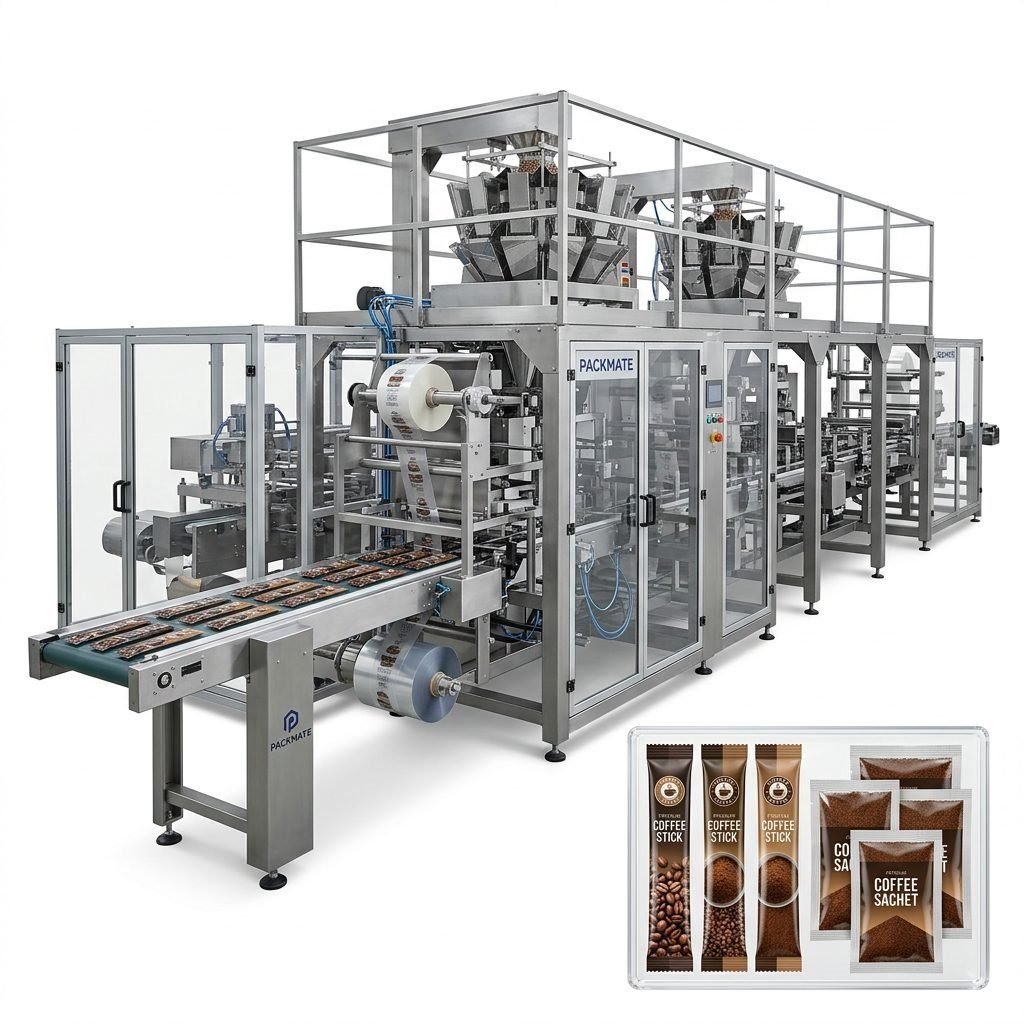
Choosing the right packaging machine manufacturer is a critical decision for any Bulgarian business looking to modernize its production, improve efficiency, and ensure product quality. For companies in Bulgaria, this decision involves navigating a global market, balancing technical requirements with budget considerations, and finding a partner who understands both international standards and the specific needs of the local and regional market. This guide outlines the key factors to consider, helping you make an informed choice that aligns with your operational goals and growth strategy.
Understanding Your Packaging Needs in the Bulgarian Context
Before evaluating manufacturers, it’s essential to have a clear understanding of your specific packaging requirements. Bulgaria has a diverse industrial base, including strong sectors in food processing, pharmaceuticals, cosmetics, and agricultural products. Each sector has unique demands.
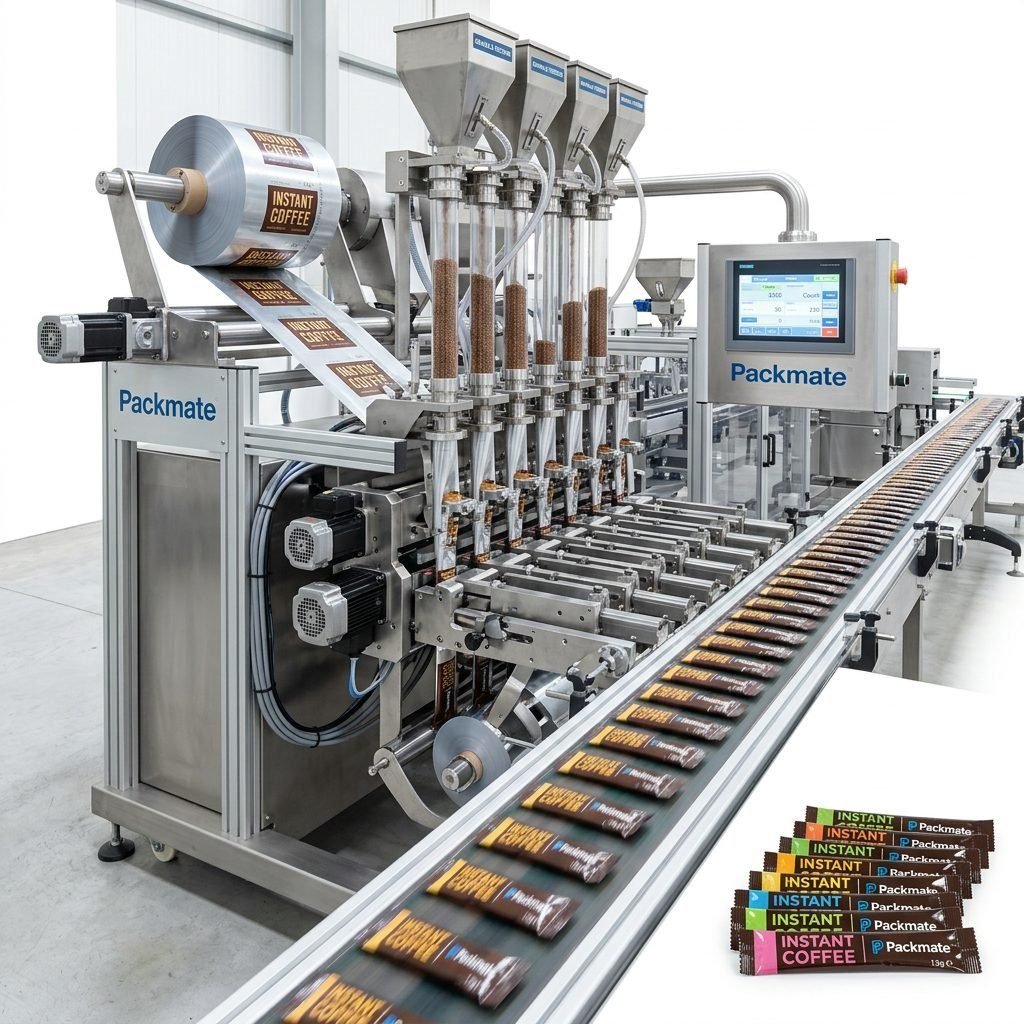
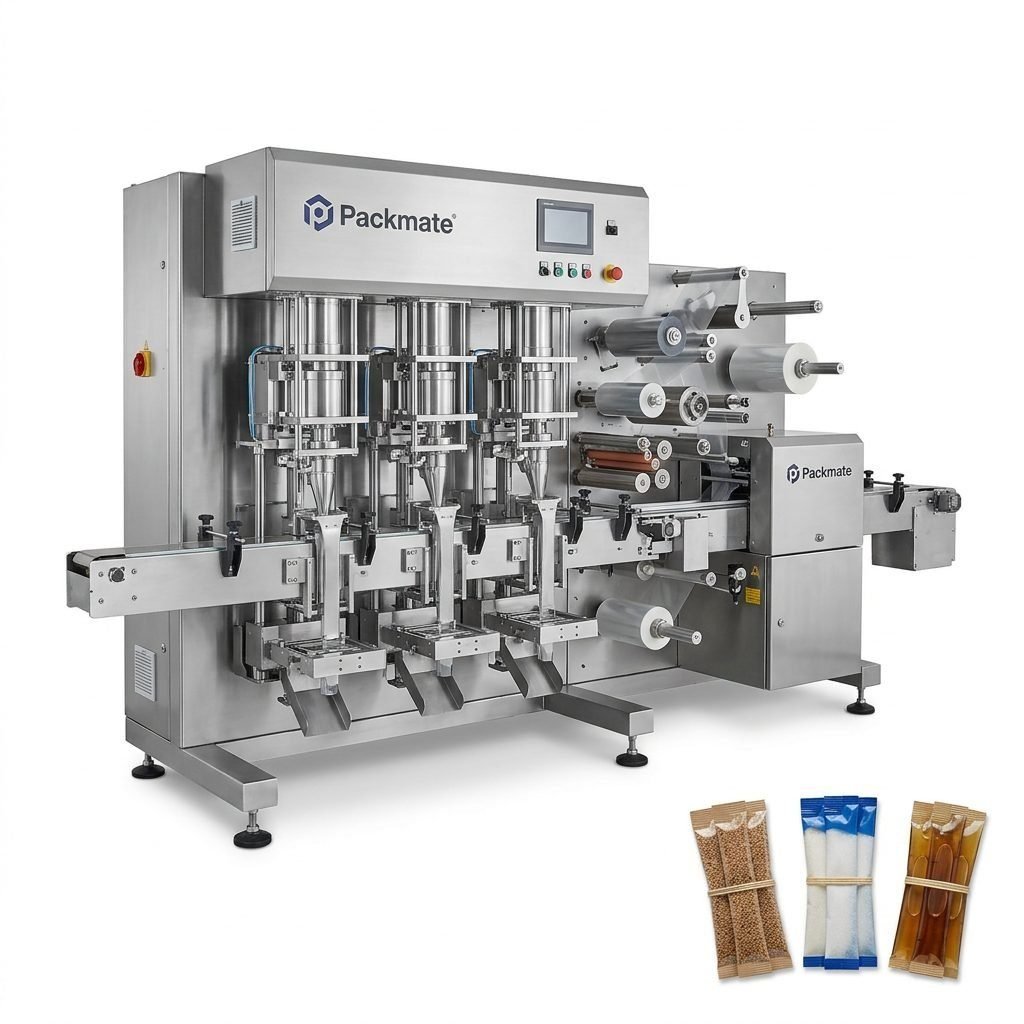
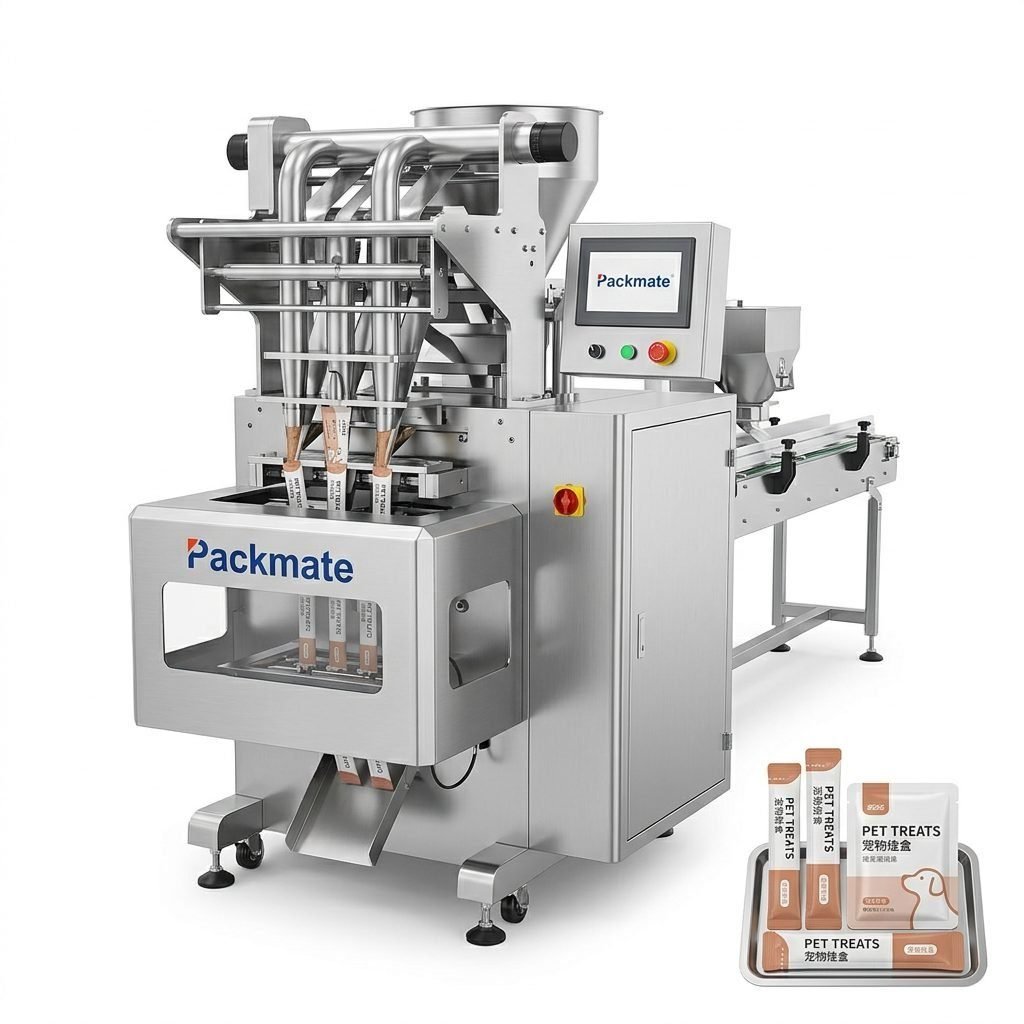
Key questions for Bulgarian businesses: What is your primary product form (powder, granule, liquid, paste)? What are your required output speed and daily/weekly production volume? What packaging format (stick pack, sachet, pouch, bottle) do you need? Are there specific industry regulations (e.g., EU food safety, pharmaceutical GMP) that your equipment must comply with? Do you need a single machine or a complete, integrated turnkey packaging line?
Defining these parameters will create a clear technical specification, which is the first step in shortlisting potential manufacturers. It also helps in communicating effectively with suppliers, whether they are local distributors or international factories.
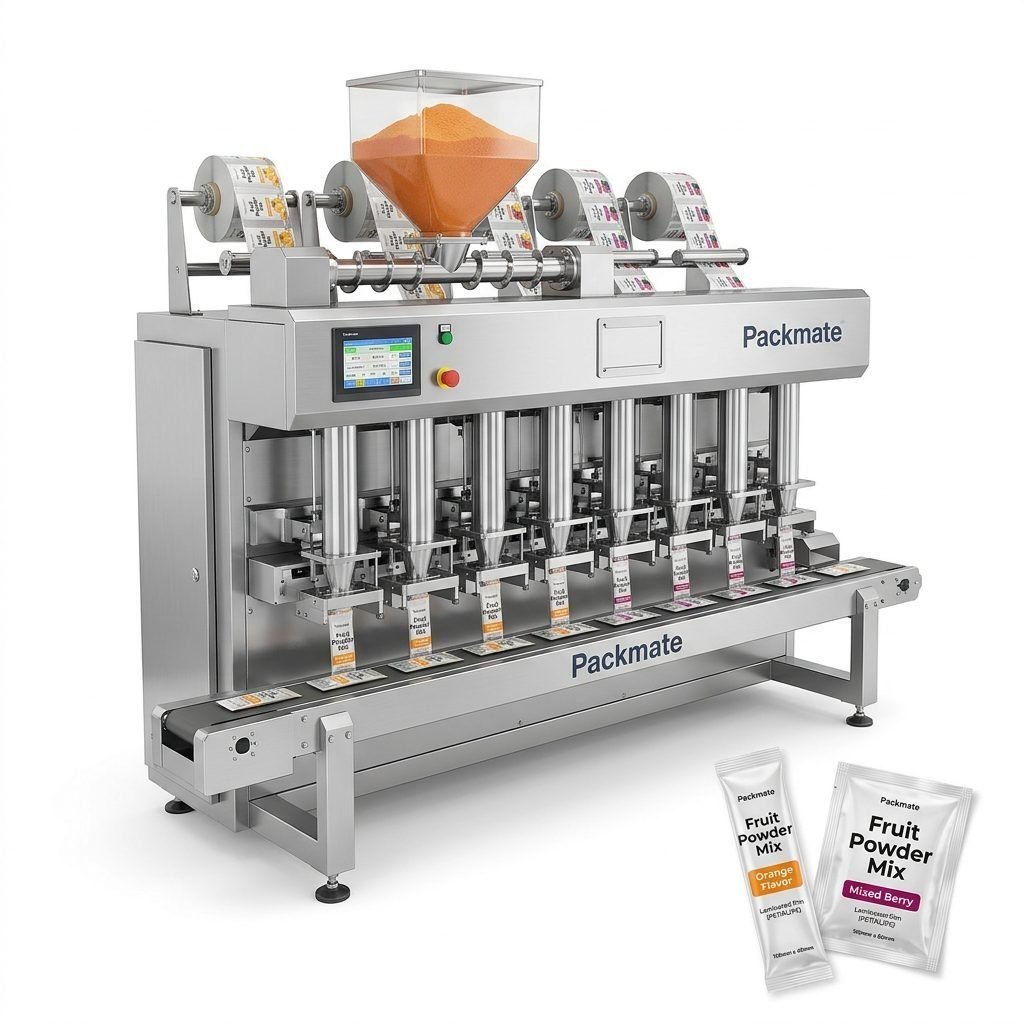
Evaluating Manufacturer Credentials and Experience
Once you have your specifications, the next step is to assess the credibility and capability of potential manufacturers. For Bulgarian importers and end-users, partnering with an experienced manufacturer is crucial for long-term reliability and support.
Consider the following credentials:
- Company History & Stability: Look for manufacturers with a proven track record. A company with 20-30 years of experience, like Ludyway (founded 1993), has likely navigated various market cycles and technological shifts, indicating stability.
- Industry-Specific Expertise: Does the manufacturer have a portfolio in your specific sector? For example, a food processor in Plovdiv would benefit from a supplier with extensive food-grade machine experience.
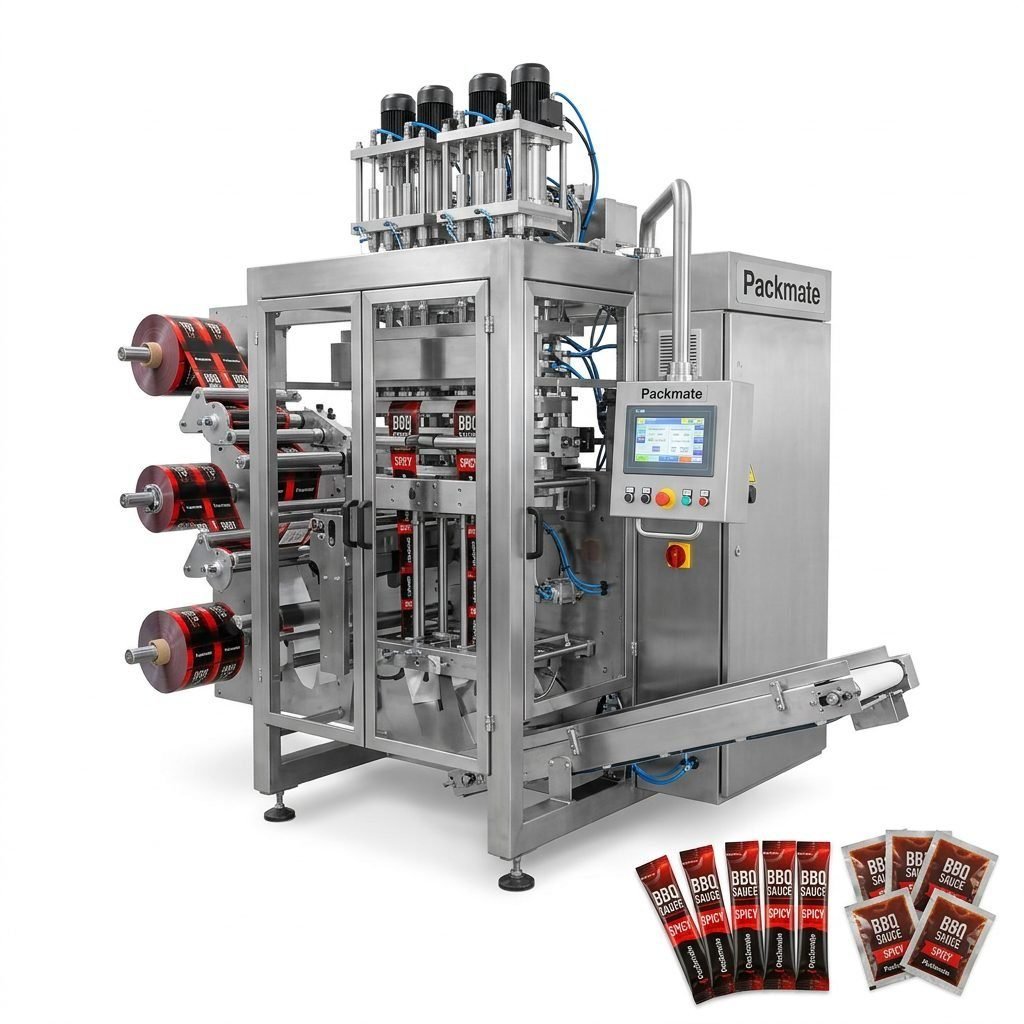
- Factory & Production Capability: The size and modernity of a factory can indicate production capacity and quality control. Manufacturers like Packmate Machinery and PacklineOEM operate facilities around 20,000 square meters, which supports larger production runs and structured assembly processes.
- International Export Experience: A manufacturer with a strong export footprint, particularly in Europe, is familiar with CE certification, international shipping, documentation, and providing remote support—all vital for a Bulgarian business.
Technical Support, Training, and After-Sales Service
The relationship with your manufacturer doesn’t end at delivery. Reliable after-sales support is arguably the most critical factor for ensuring minimal downtime and long machine life. For Bulgarian companies, geographic distance from the manufacturer’s headquarters makes this even more important.
Key service aspects to clarify include:
- Warranty Period & Terms: Standard warranties typically range from 12 to 24 months. Understand what is covered (parts, labor, shipping).
- Spare Parts Availability: How quickly can critical spare parts be delivered to Bulgaria? Do they stock common wear parts?
- Technical Support Channels: Is support available via email, phone, or video call? What are the typical response times?
- Installation & Training: Does the price include on-site installation and operator training by factory engineers, or is it optional? For complex turnkey lines from suppliers like PacklineOEM, on-site commissioning is often essential.
- Local Representation: Some international manufacturers have agents or service partners in Europe or even in neighboring countries, which can significantly reduce response time for service calls.
Pro Tip for Bulgarian Buyers: Always request and contact references from other European clients. Speaking directly to a company in Poland, Romania, or Greece about their experience with the manufacturer’s support can provide invaluable, real-world insights.
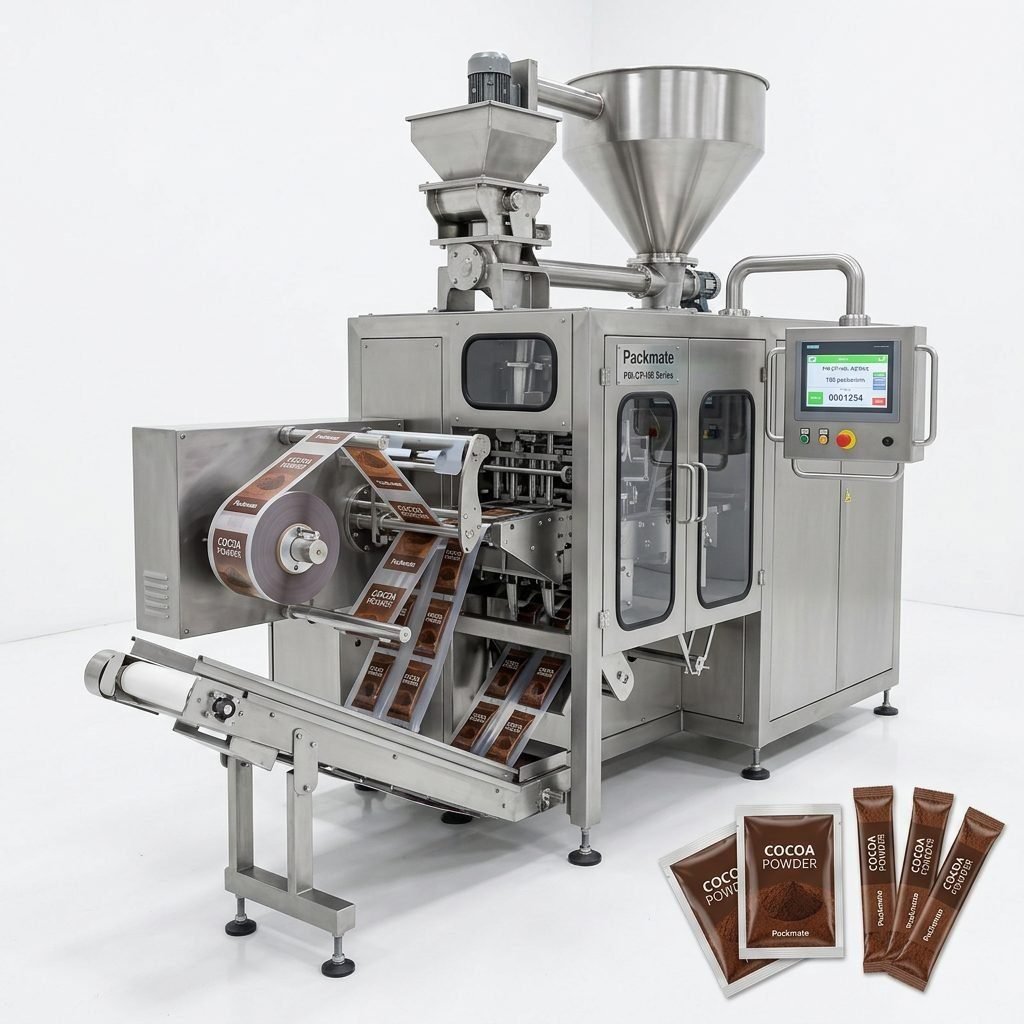
Customization and Scalability for Future Growth
Your packaging needs may evolve. You might introduce new product lines, change packaging materials, or need to increase output. Choosing a manufacturer that offers customization and scalable solutions can protect your investment.
Consider these points:
- Standard vs. Custom Machines: Can the manufacturer modify a standard model to fit your unique product characteristics or factory layout? Companies like PackingMachineOEM specialize in non-standard and customized solutions.
- Modular Design: Some machines are built with modularity, allowing you to add functions (e.g., extra filling heads, check-weighers, coding systems) later.
- From Machine to Line: If you start with a single machine, can the same manufacturer later supply upstream and downstream equipment to create a full automated line? Manufacturers with a broad product range, such as Ludyway, are well-positioned for this.
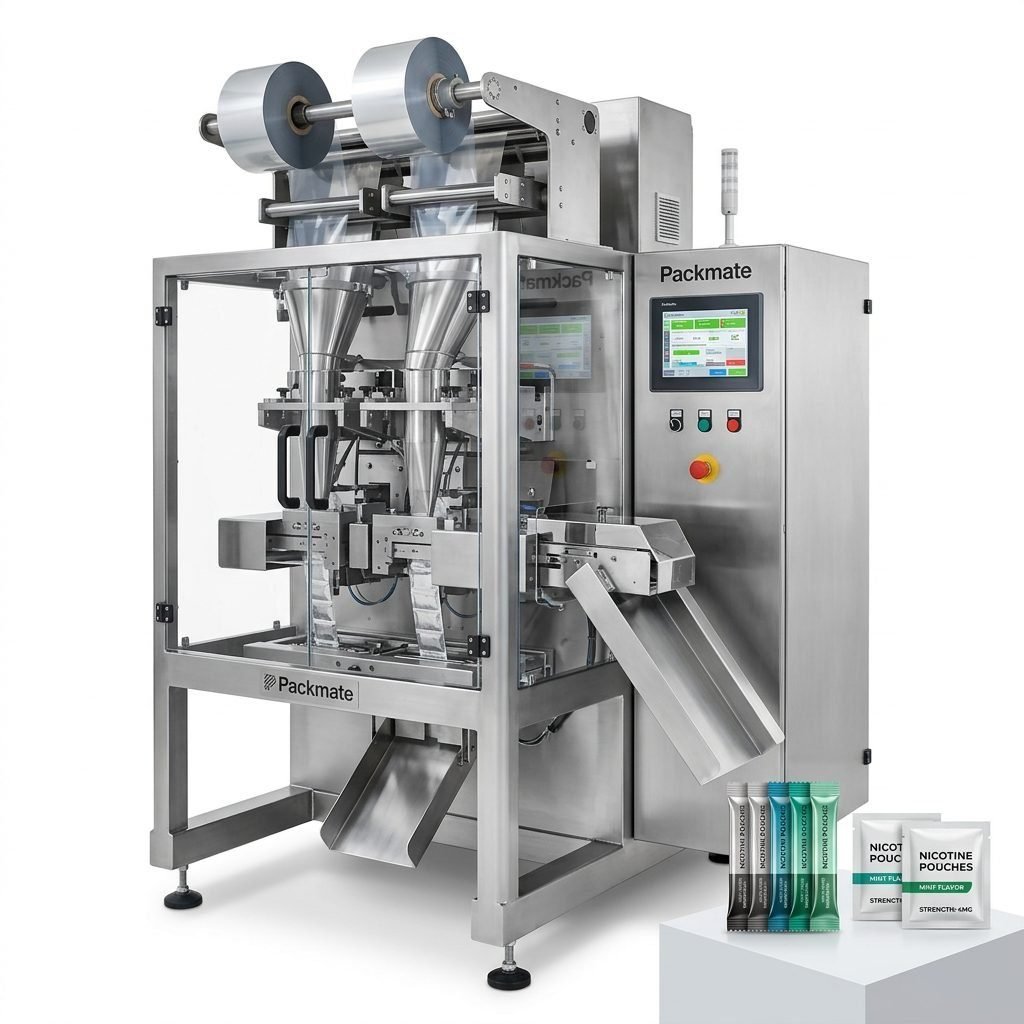
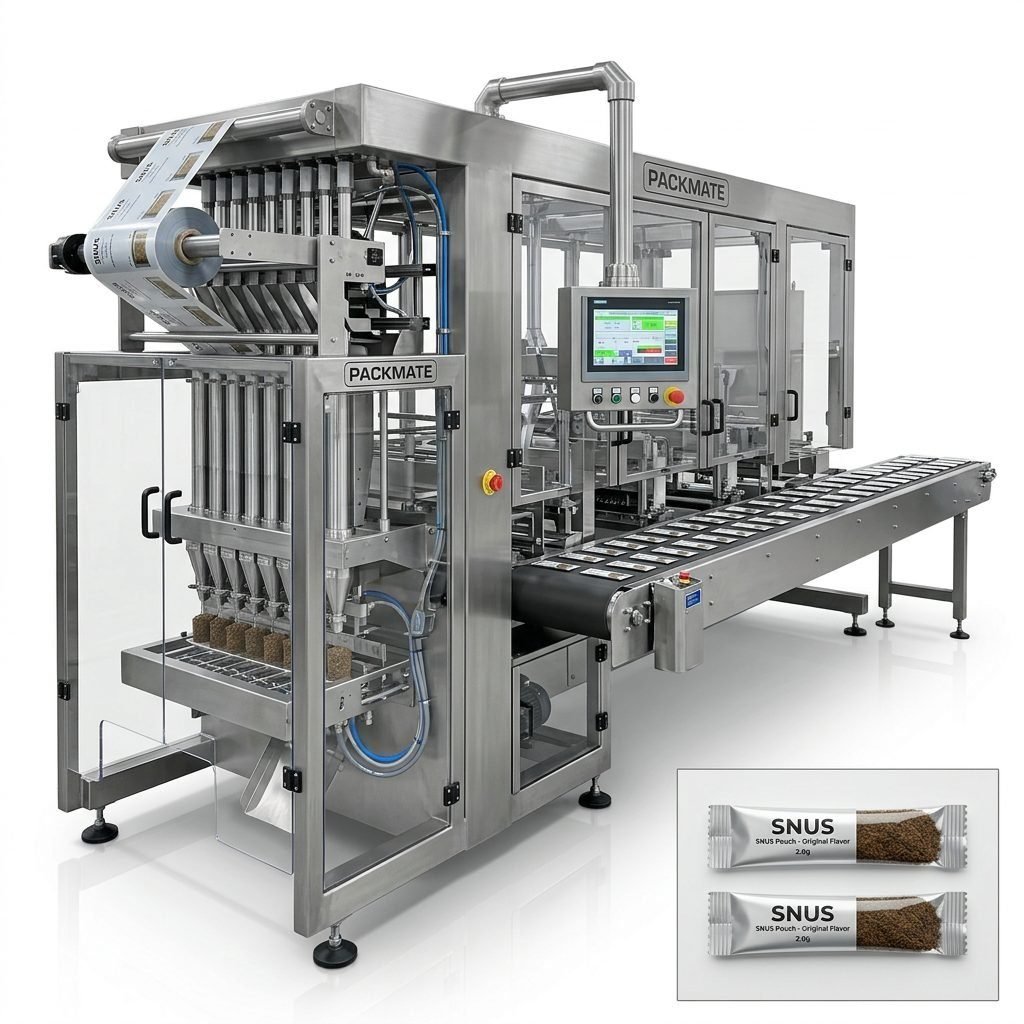
- Niche Expertise: For specialized products like nicotine pouches, a manufacturer with focused expertise, such as SnusMachinery, can offer tailored engineering that generalist suppliers cannot.
Discuss your 3-5 year business plan with potential suppliers. Their ability to understand and support your growth trajectory is a sign of a valuable long-term partner.
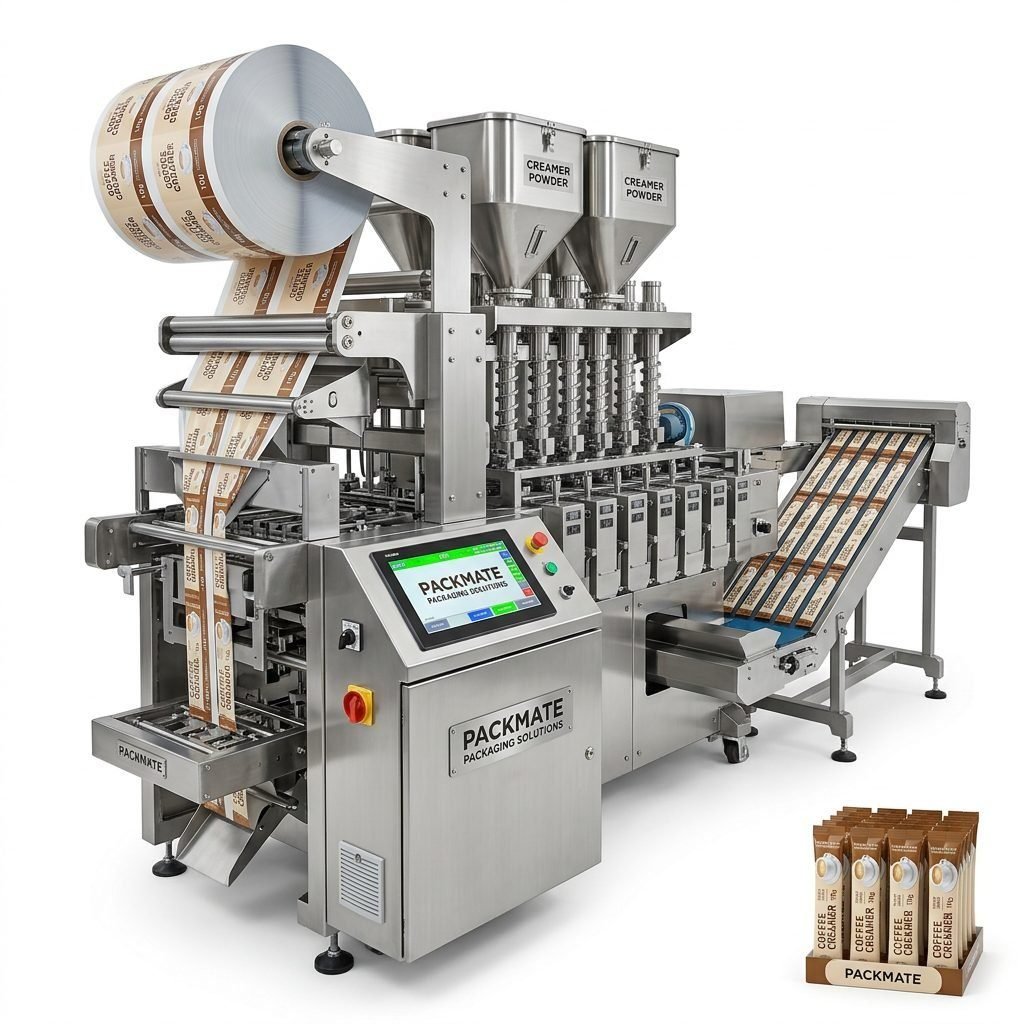
Cost Analysis: Beyond the Initial Purchase Price
While budget is always a consideration, the total cost of ownership (TCO) is a more accurate measure. A lower-priced machine with poor efficiency, high maintenance costs, and frequent downtime can be far more expensive in the long run.
Create a TCO analysis that includes:
| Cost Component | Description | Considerations for Bulgarian Importers |
|---|---|---|
| Machine Price | FOB or CIF price of the equipment. | Compare specifications carefully. Ensure quotes are for identical configurations. |
| Shipping & Logistics | Cost of sea/air freight, insurance, and customs clearance to Bulgaria. | Factor in port charges (e.g., Burgas, Varna) and inland transportation to your factory. |
| Installation & Training | Costs for sending engineers or for local technician services. | Clarify if this is included. Budget for travel, accommodation, and per diems if not. |
| Operating Costs | Energy consumption, compressed air usage, and packaging material waste rate. | A more efficient machine may have a higher price but lower daily operating costs. |
| Maintenance & Spare Parts | Cost of routine maintenance and predicted wear parts over 5 years. | Request a recommended spare parts list with pricing to forecast this expense. |
| Potential Downtime Cost | Lost production revenue due to machine failures. | This is heavily influenced by machine reliability and quality of after-sales support. |
Present your TCO expectations to manufacturers. A reputable supplier will be transparent about these ongoing costs and help you optimize for efficiency, not just the initial price.
Frequently Asked Questions (FAQs)
1. Should I buy directly from the manufacturer or through a local agent in Bulgaria?
This depends on your internal technical capability. Buying direct often yields a better price and direct communication with the engineering team. However, a reliable local agent or distributor can provide faster on-ground service, handle import logistics, and offer immediate spare parts. Evaluate the reputation and technical strength of any local agent carefully.
2. How important is CE certification for machinery imported into Bulgaria?
It is mandatory. As a member of the European Union, Bulgaria requires all machinery placed on the market to carry CE marking, demonstrating compliance with EU health, safety, and environmental protection legislation. Always request and verify the EC Declaration of Conformity from the manufacturer.
3. What is the typical lead time for receiving a packaging machine from Asia?
Lead times vary significantly. A standard machine might take 30-60 days for production, plus 30-45 days for sea shipping to a Bulgarian port. Customized or complex turnkey lines can take 90-120 days or more. Always confirm production and shipping schedules in your contract.
4. Can I get a sample of my product packaged on the machine before purchase?
Most reputable manufacturers offer a factory acceptance test (FAT) or sample testing service. You can send your product materials to their factory, and they will run tests, providing video evidence and sample packs. For critical projects, visiting the factory for a live test is highly recommended.
5. What are the key differences between a standalone machine and a turnkey line?
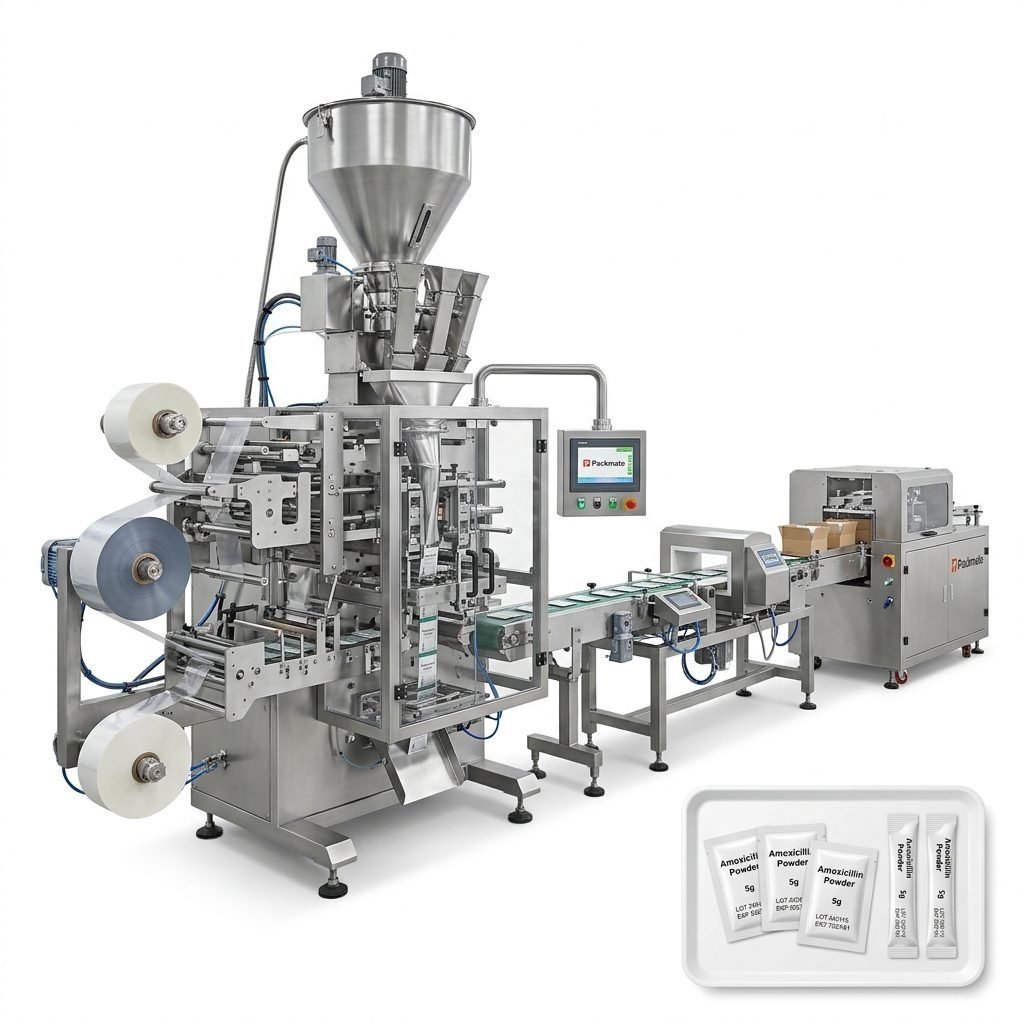
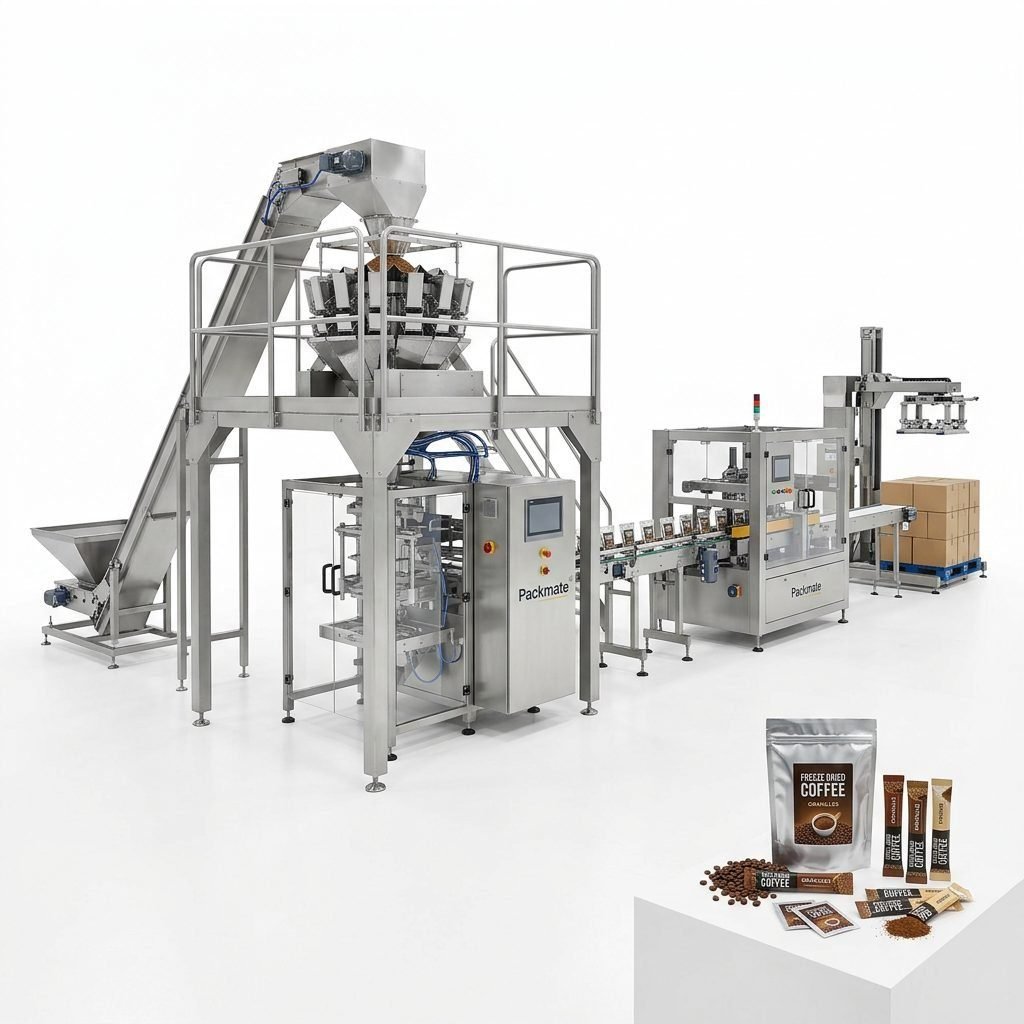
A standalone machine (e.g., a single sachet packer) performs one core function. A turnkey line is a fully integrated system that may include feeding, weighing, filling, sealing, conveying, inspection, and secondary packaging. Turnkey lines, like those from PacklineOEM, offer higher automation and throughput but require a larger investment and more complex planning.