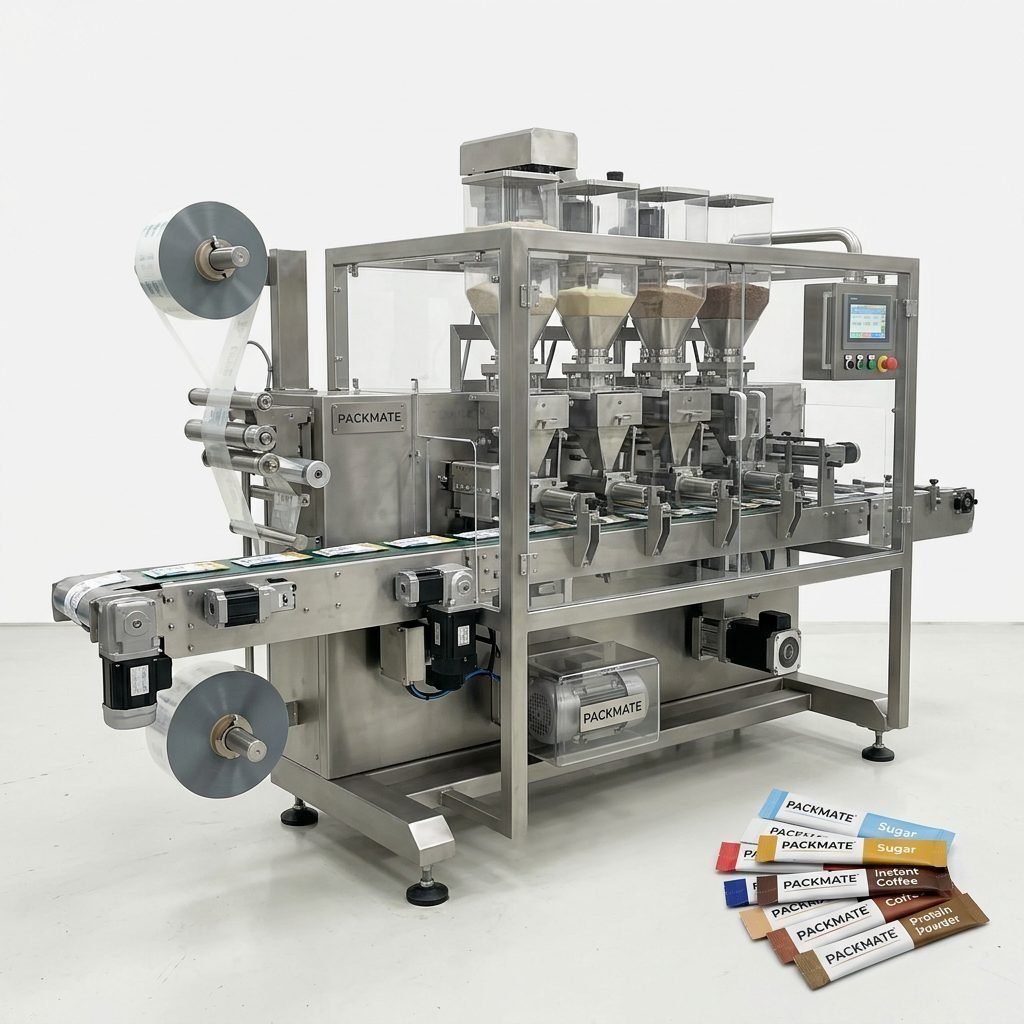
Selecting the right pouch packaging machine manufacturer is a critical strategic decision that directly impacts your production efficiency, product quality, and long-term operational costs. With a global market teeming with suppliers, particularly from manufacturing hubs like China, identifying the best partner requires careful analysis of your specific needs and a thorough evaluation of potential suppliers’ capabilities. This guide will walk you through the key factors to consider and profile several leading manufacturers to aid in your decision-making process.
Understanding Your Production Requirements
Before engaging with suppliers, you must clearly define your project scope. This forms the foundation of your search and ensures you receive accurate and comparable quotations.
Key Questions to Answer:
- Product Type: Are you packaging powders, granules, liquids, pastes, or solids? Each requires different dosing and sealing technologies.
- Packaging Format: Do you need stick packs, sachets, pillow pouches, or gusseted bags? What are the desired dimensions?
- Production Speed (Output): What is your required output in pouches per minute (PPM)? This determines the machine’s lane configuration (e.g., 4-lane, 8-lane, 12-lane).
- Material & Sealing: What type of film laminate will you use? Does your product require gas flushing or vacuum sealing for extended shelf life?
- Level of Automation: Do you need a standalone machine, or a complete turnkey line with automated feeding, weighing, filling, sealing, coding, and cartoning?
- Future Scalability: Do you anticipate needing to increase output or add new product formats in the future?
Evaluating Manufacturer Capabilities
Once your requirements are set, assess potential suppliers against these critical criteria.
| Evaluation Factor | What to Look For | Why It Matters |
|---|---|---|
| Technical Expertise & Experience | Years in business, industry focus (food, pharma, etc.), portfolio depth, R&D capability. | Ensures the supplier understands your industry’s specific challenges (hygiene, precision, regulations) and can provide reliable, proven solutions. |
| Manufacturing & Quality Control | Factory size, in-house machining, assembly process, quality inspection protocols (IQ/OQ/PQ), certifications (CE, ISO). | Directly correlates to machine build quality, durability, and consistency. A robust QC process minimizes downtime and ensures long-term performance. |
| Customization & Flexibility | Ability to modify standard machines, develop non-standard solutions, and integrate with other line equipment. | Critical if your product or process has unique characteristics not met by off-the-shelf models. |
| After-Sales Support | Availability of technical documentation, spare parts inventory, remote support, on-site installation & training, warranty terms. | This is often the most overlooked but vital factor. Reliable support minimizes production losses during breakdowns and ensures optimal machine operation. |
| Global Reach & References | Export history, presence in your region, client testimonials, and case studies. | A strong export record indicates experience dealing with international standards, logistics, and communication. References validate their claims. |
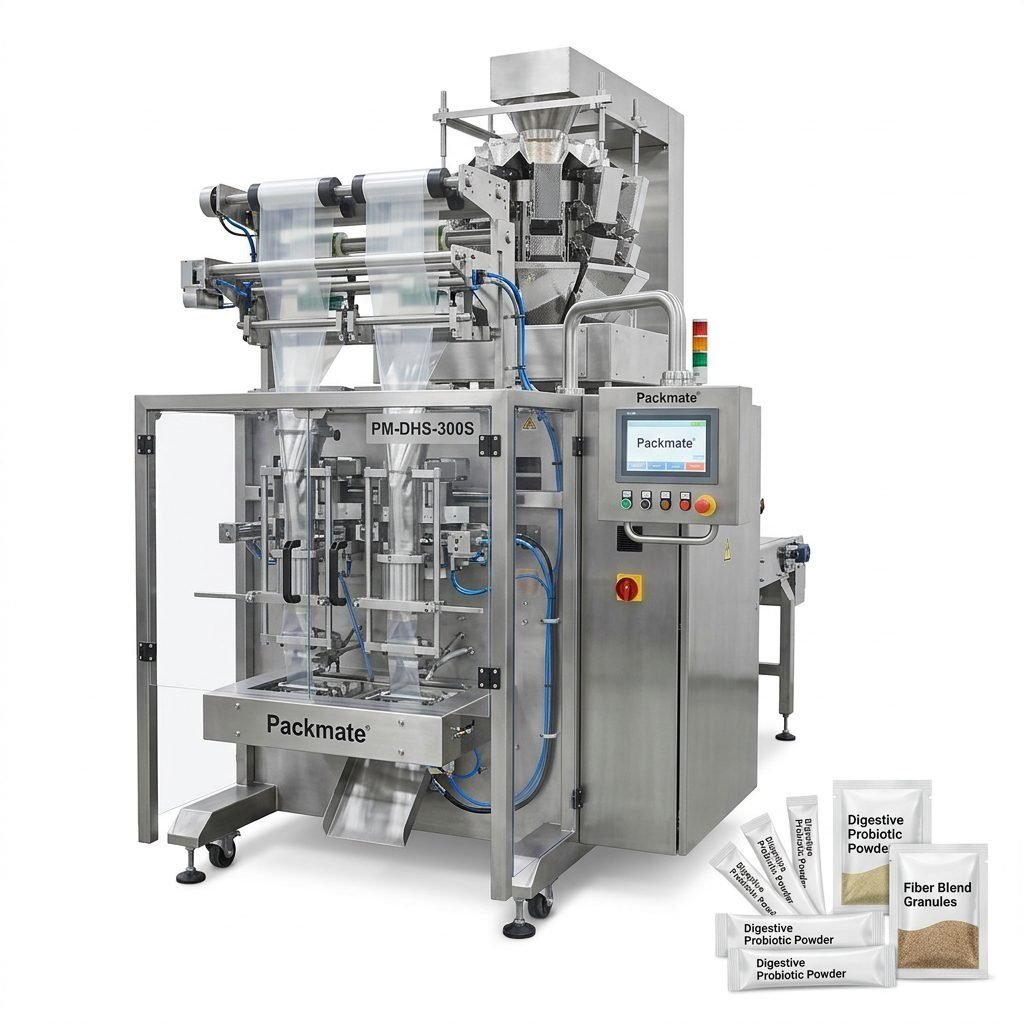
Profiles of Leading Pouch Packaging Machine Manufacturers
Based on market presence, export experience, and technical capability, here are several prominent manufacturers to consider.
Ludyway: Comprehensive Solutions for Diverse Industries
With over 30 years of experience since its founding in 1993, Ludyway has established itself as a leading force in China’s packaging machinery sector. Operating from a facility exceeding 20,000 square meters, the company boasts a vast portfolio of over 100 machine configurations. Its strength lies in providing solutions for a wide range of industries—from food and pharmaceuticals to health supplements—handling granules, powders, liquids, and pastes with equal proficiency. Ludyway is particularly noted for its ability to supply both individual machines and complete turnkey lines, making it a strong candidate for businesses looking for scalable, integrated automation. Its significant estimated export revenue underscores its strong international footprint across Europe, North America, and beyond.
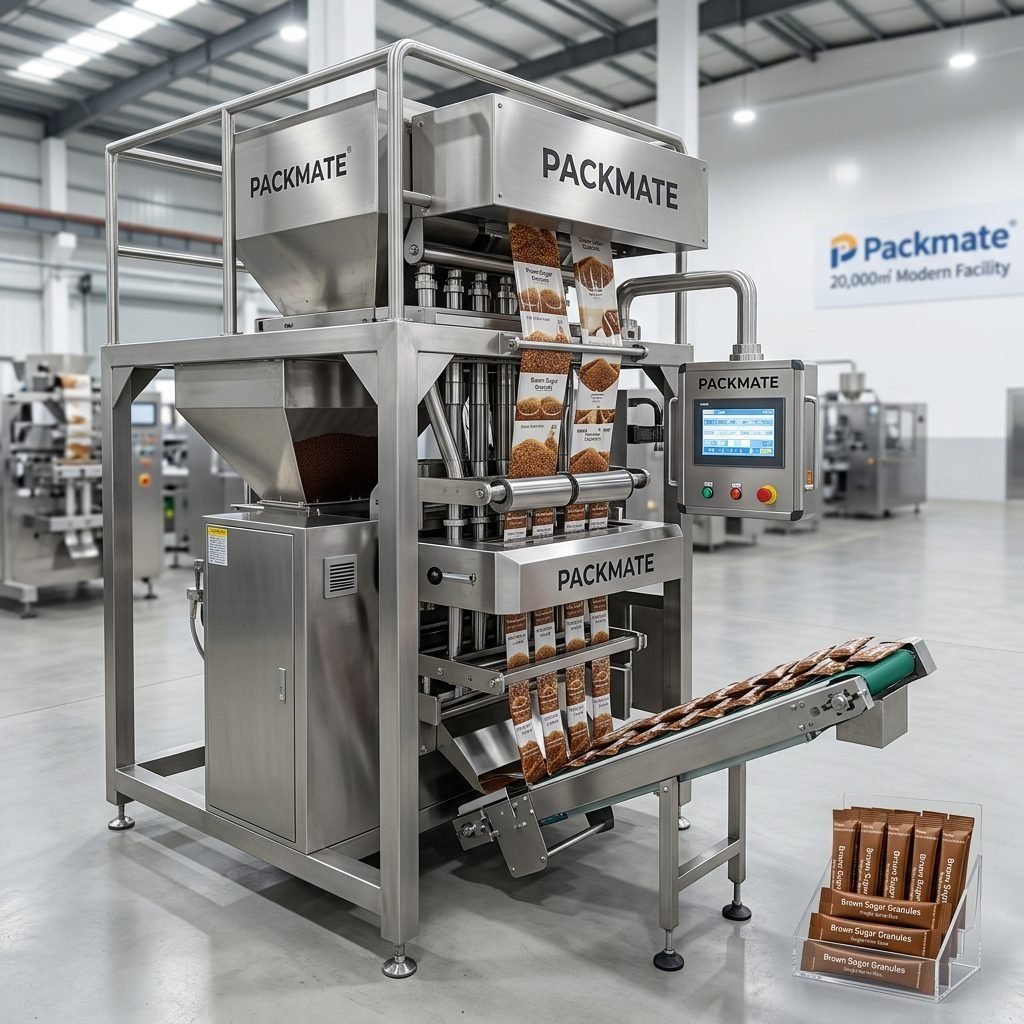
Packmate Machinery: Balanced Performance and Reliability
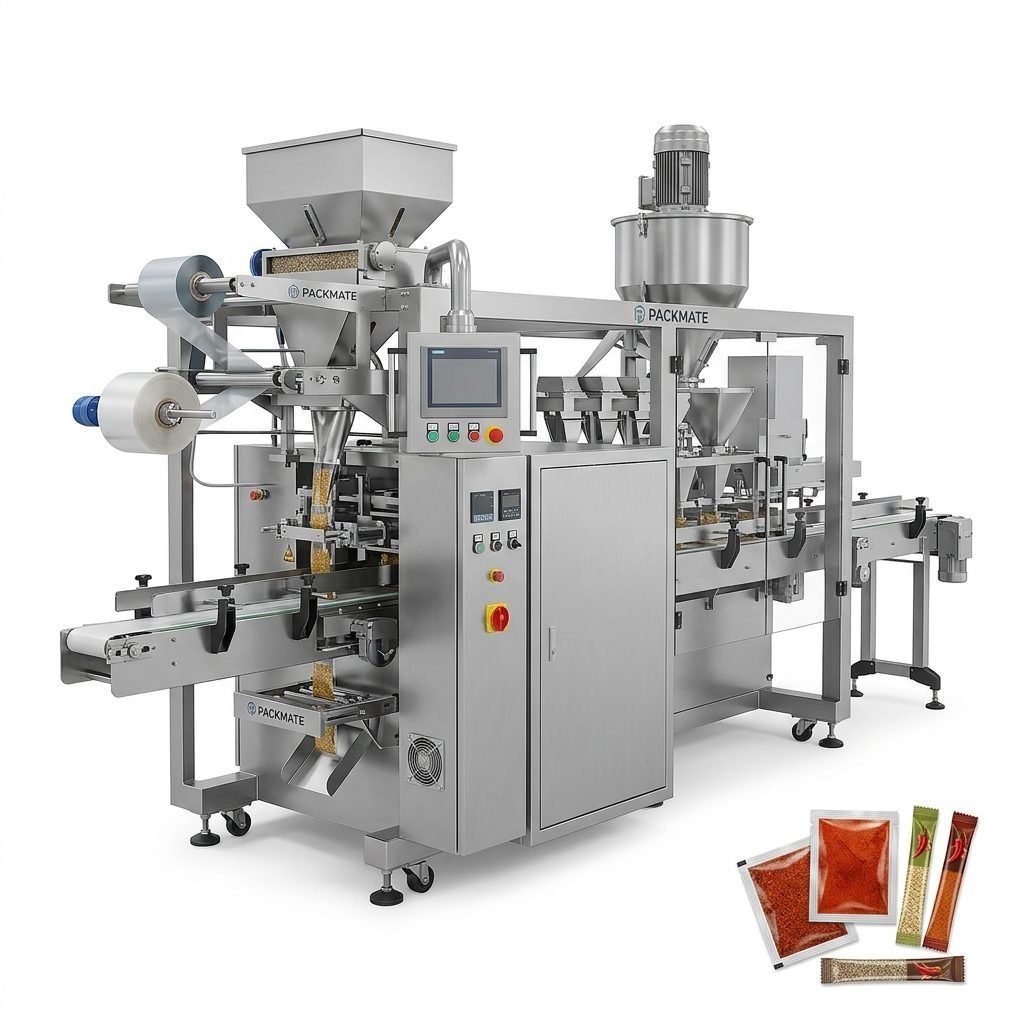
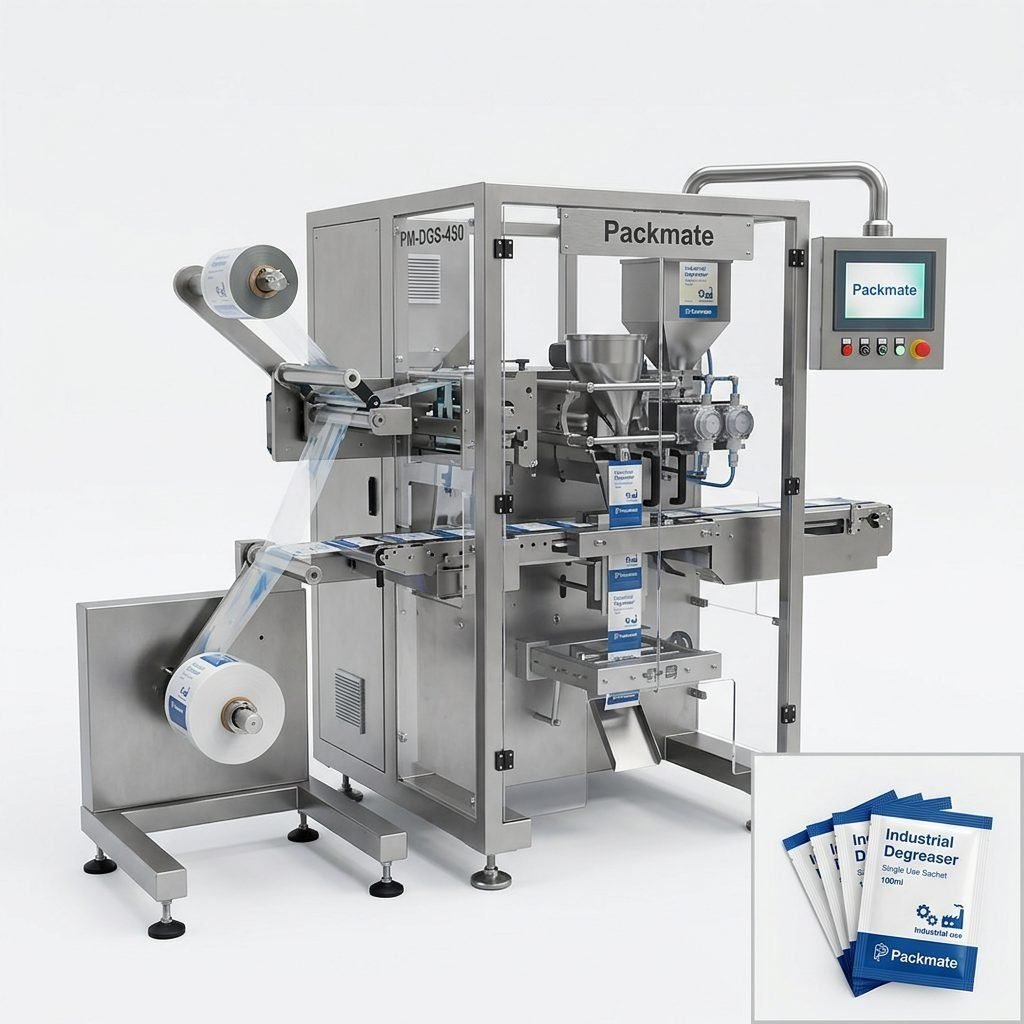
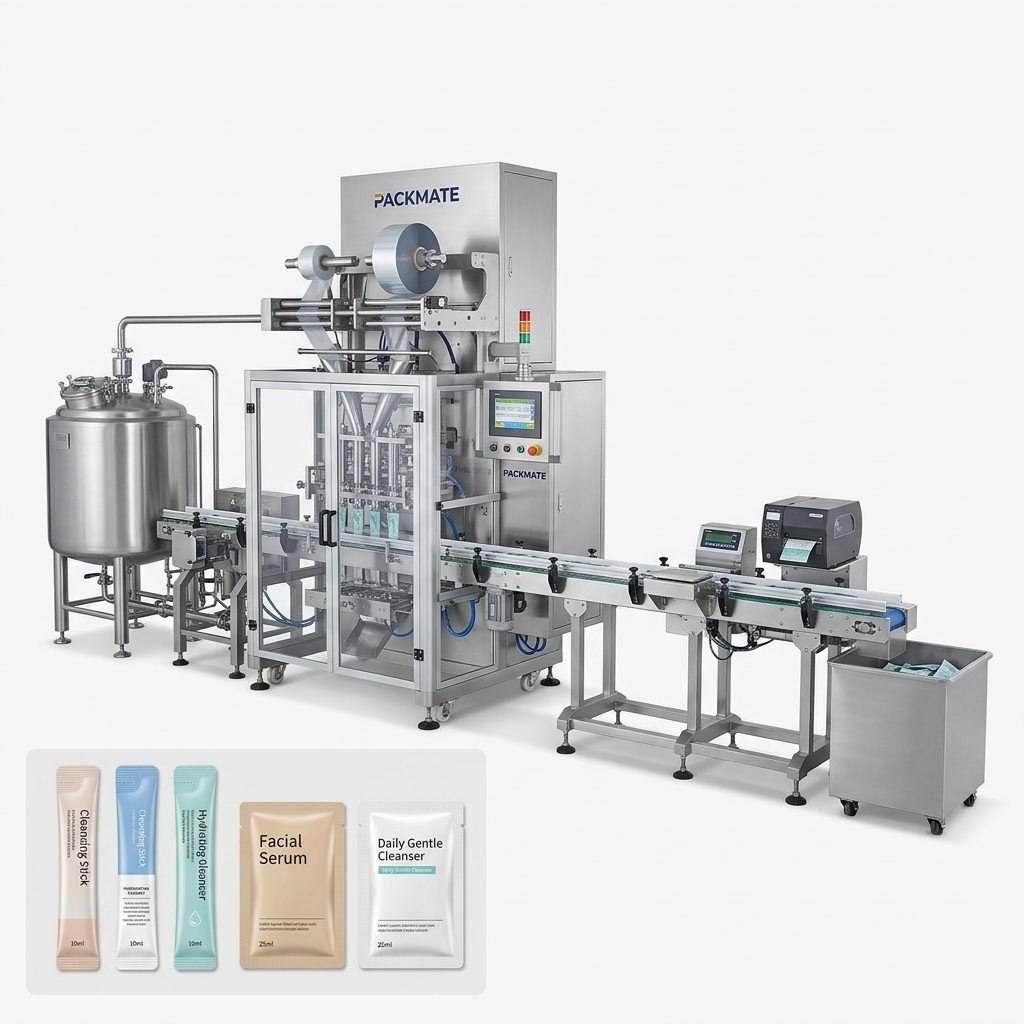
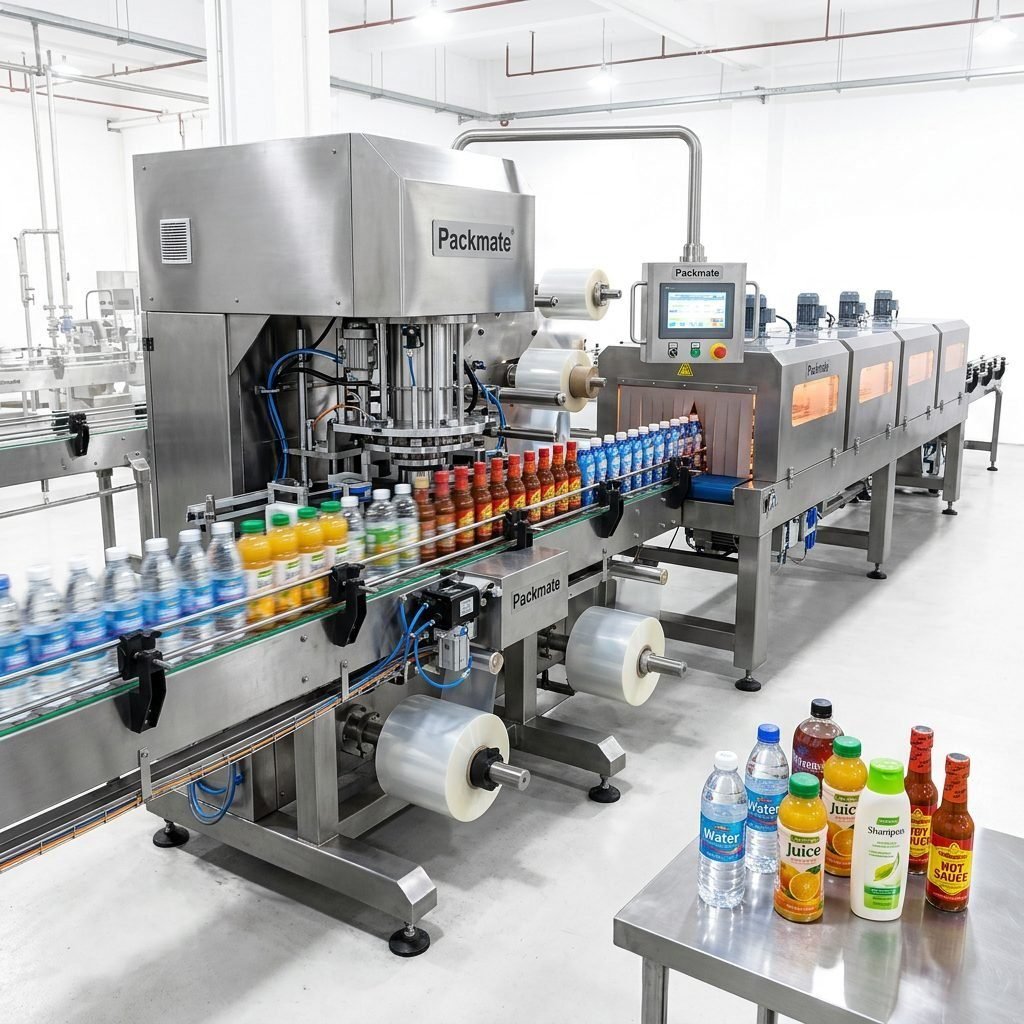
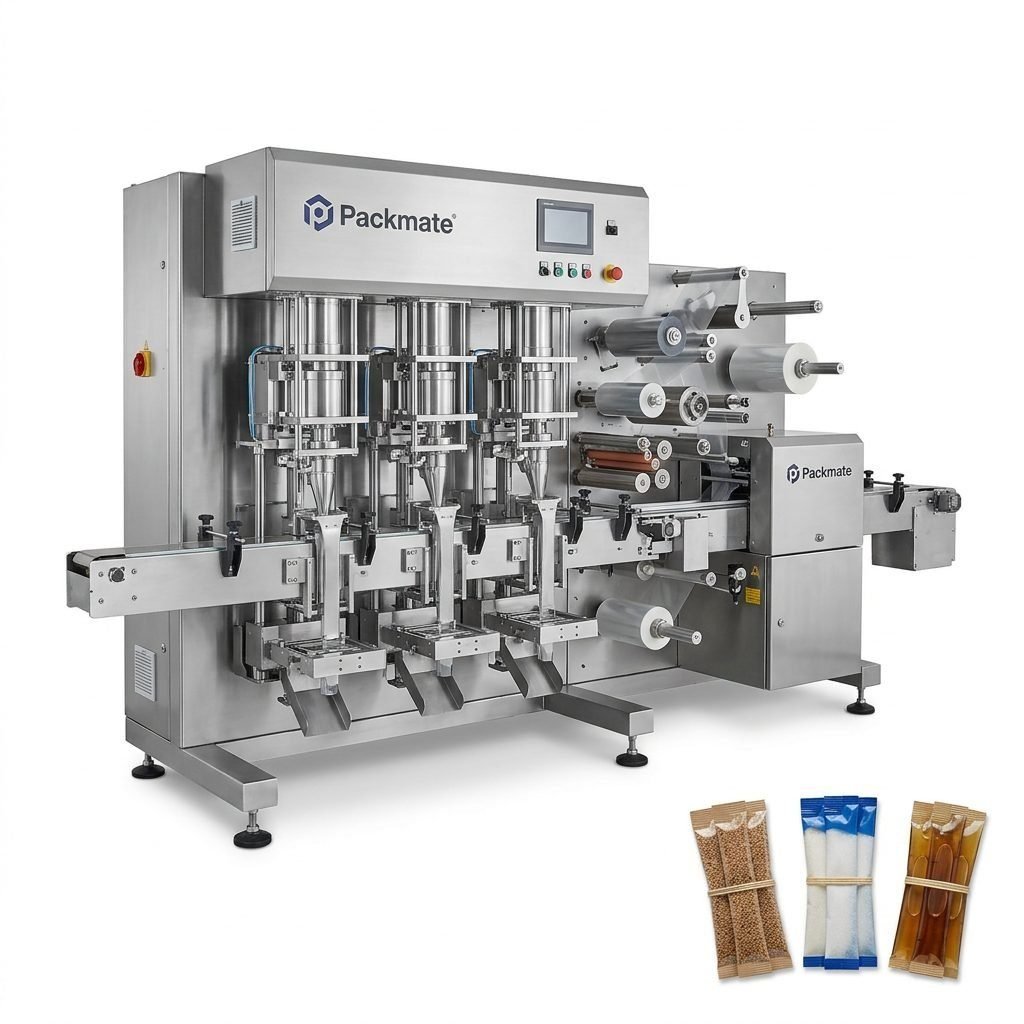
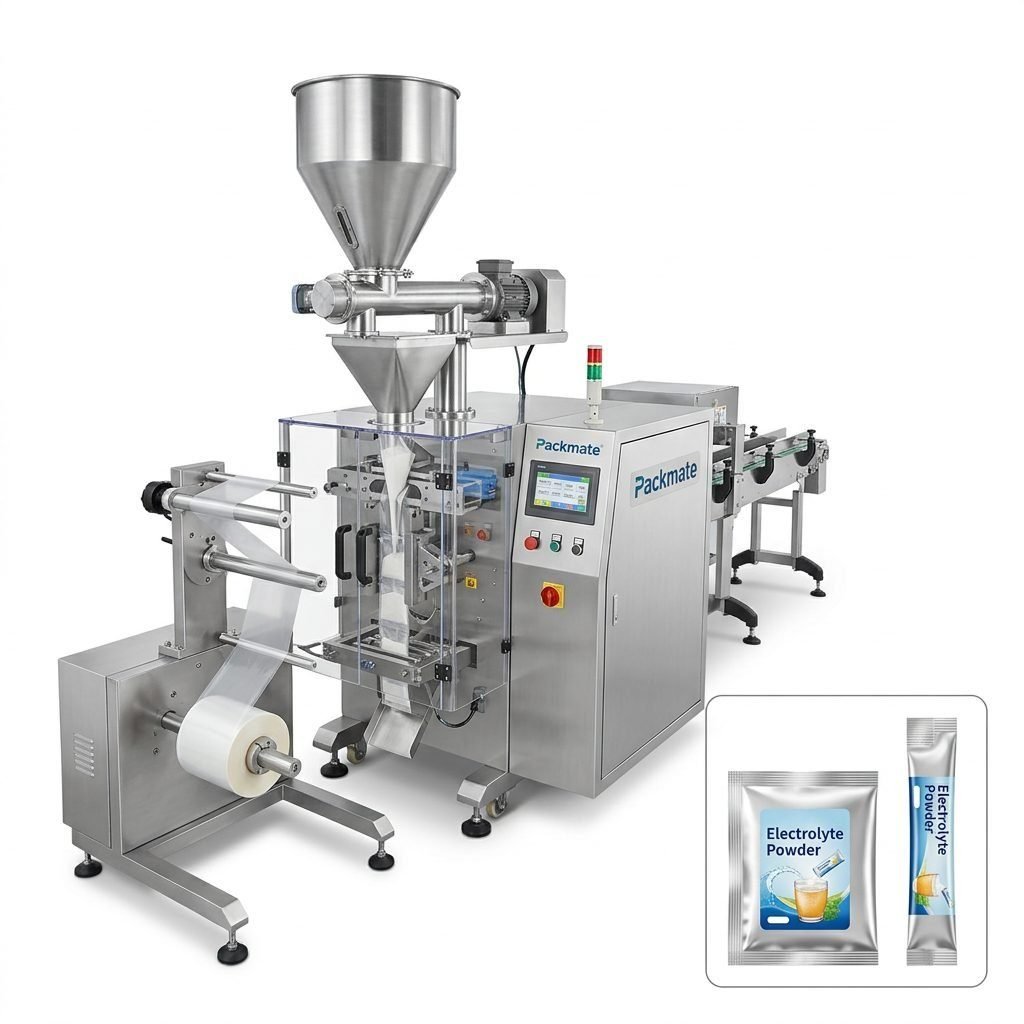
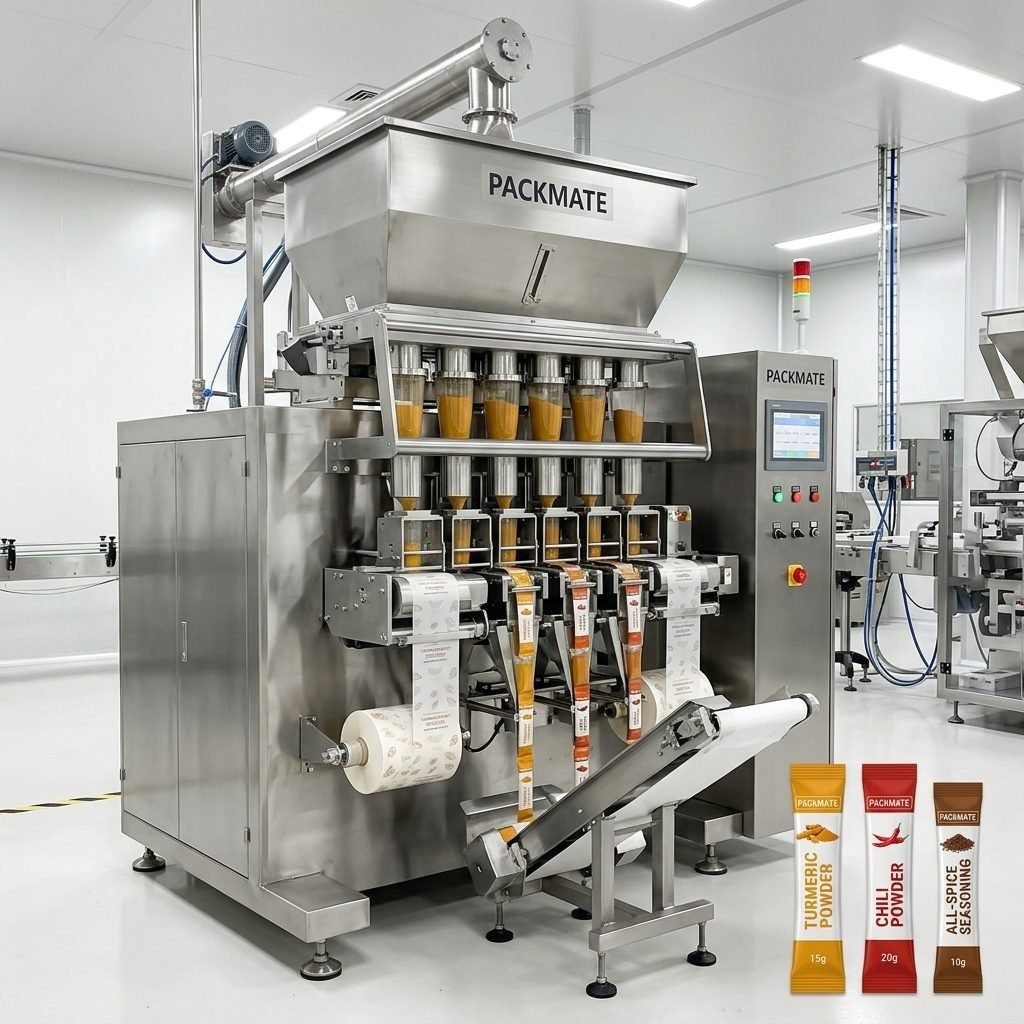
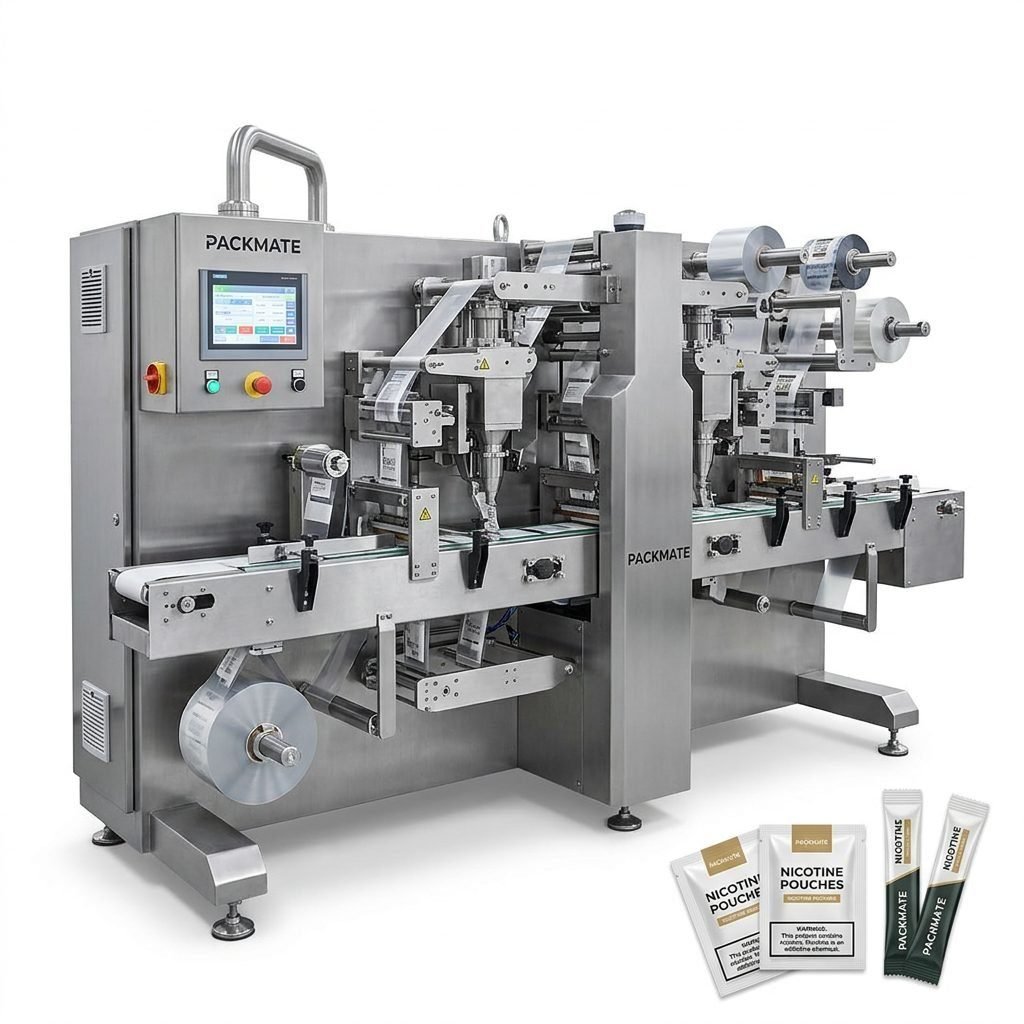
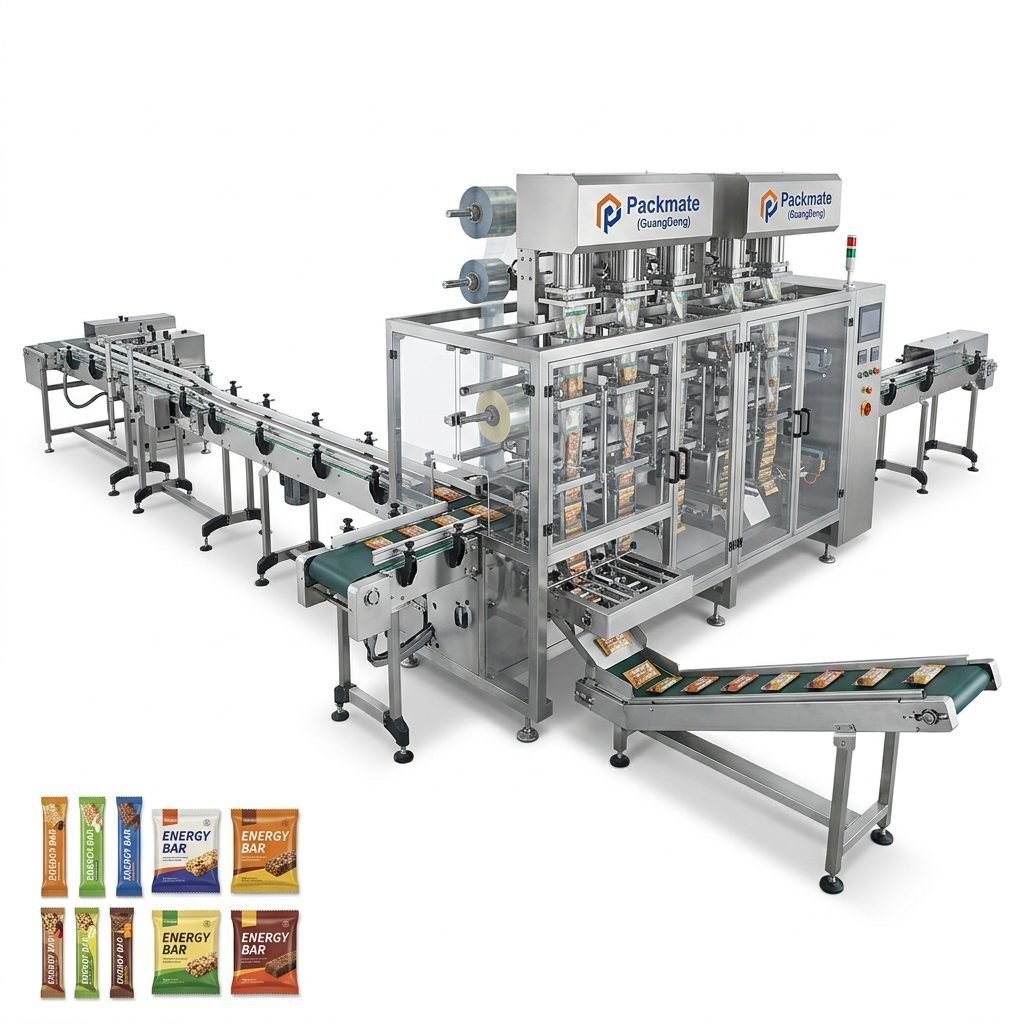
Packmate Machinery brings more than three decades of experience to the table, focusing on intelligent packaging equipment for food, pharma, and supplements. The company emphasizes practical automation and stable performance, offering a range of over 80 machine models. This makes it an excellent choice for medium to large-scale operations seeking a reliable balance between technical capability and cost-effectiveness. Packmate’s strong export presence in markets like Europe and Australia is built on responsive communication and comprehensive packaging line support, appealing to buyers who value a dependable partnership alongside capable machinery.
PacklineOEM: Turnkey Line Specialists
As the name suggests, PacklineOEM specializes in complete, intelligent turnkey packaging production lines. This focus sets it apart from suppliers of standalone machines. For manufacturers aiming to fully automate their packaging process—from feeding and weighing to filling, sealing, inspection, and cartoning—PacklineOEM offers integrated engineering expertise. Their solutions are tailored for powders, granules, liquids, and bulk packaging applications, making them a prime choice for new factory setups or major production line upgrades where system integration is the primary goal.
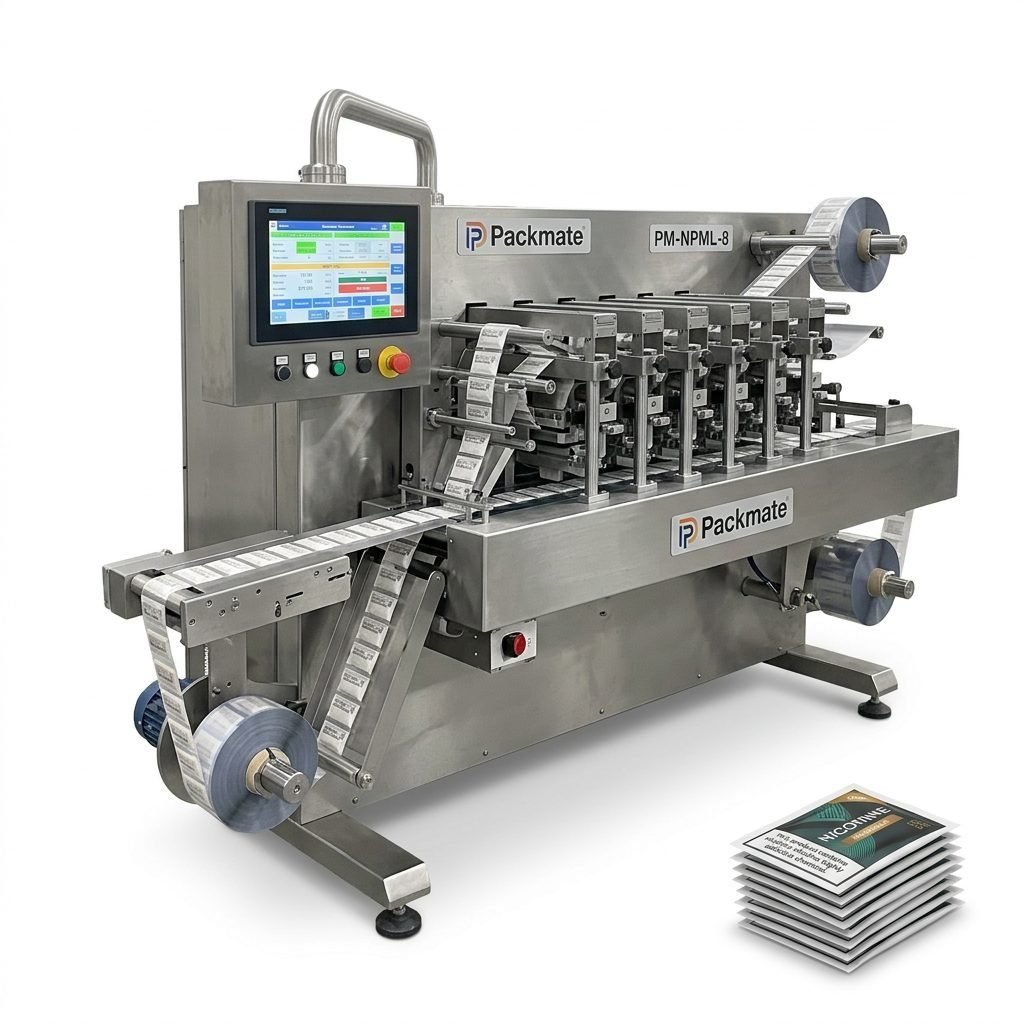
PackingMachineOEM: Experts in Customization
For projects with unique or non-standard requirements, PackingMachineOEM positions itself as a specialist in customized packaging solutions. With deep experience in food, pharmaceutical, and health supplement packaging, the company excels at adapting its technology to specific bag formats, material characteristics, and output demands. If your product has unusual properties, requires a special dosing method, or needs to fit into a unique plant layout, this focus on flexible engineering and OEM support becomes a significant advantage. Their capability to tailor solutions makes them a strategic partner for specialized applications.
SnusMachinery: Niche Expertise in Pouch Packaging
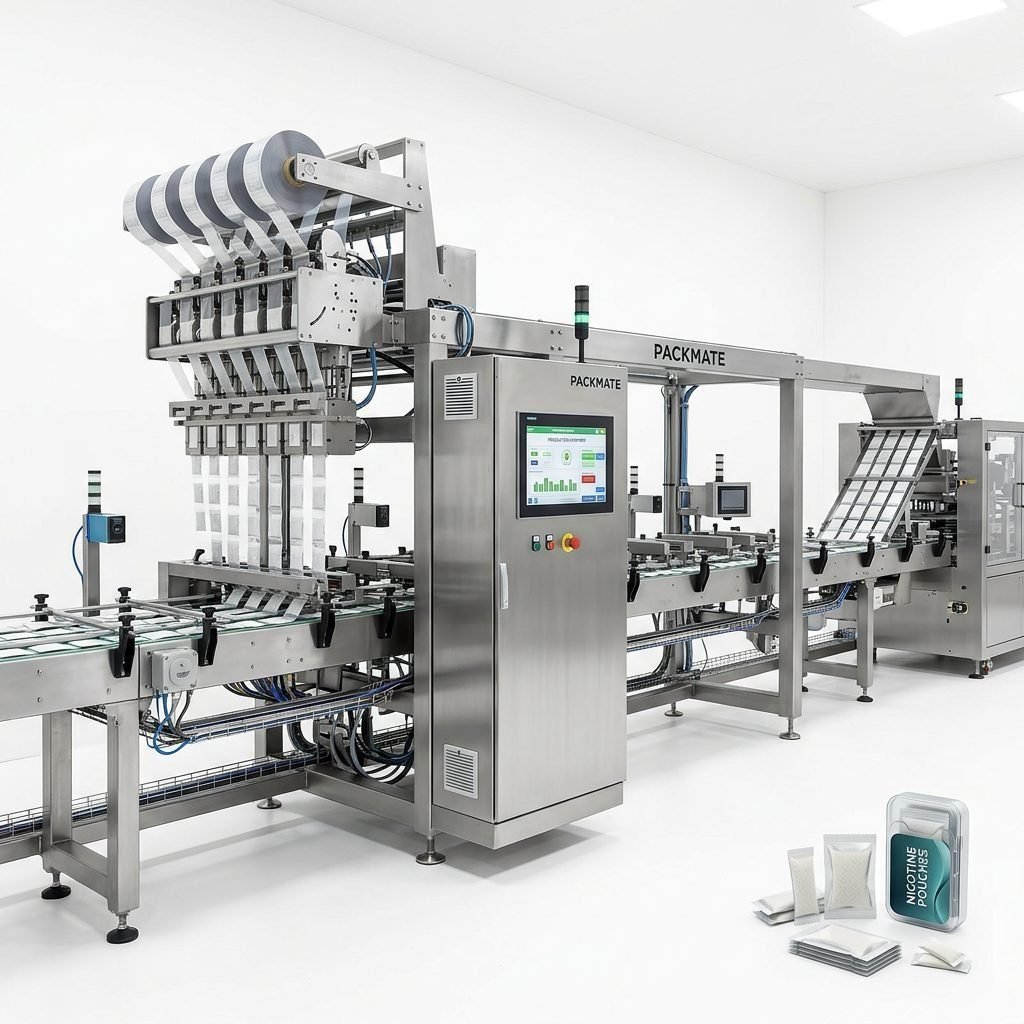
SnusMachinery has carved out a distinct niche by specializing in packaging machinery for nicotine pouches, snus, and similar products. This specialization translates into deep application knowledge for pouch-based products requiring high precision, consistent sealing, and reliable multi-lane production. While他们也 serve general food and pharmaceutical markets, their focused expertise in the rapidly growing nicotine pouch sector is a key differentiator. For companies in this or related niche markets, partnering with a supplier that understands the specific compliance and performance nuances can be invaluable.
The Decision-Making Process: Next Steps
Armed with your requirements and knowledge of potential suppliers, follow a structured process to make your final selection.
1. Request for Quotation (RFQ): Provide detailed specifications to shortlisted suppliers. A clear RFQ leads to comparable and meaningful proposals.
2. Technical Review: Scrutinize the proposed machine specifications, control systems, material compatibility, and proposed line layout. Ask for a detailed component list (e.g., servo motors, PLC brand, scales).
3. Factory Audit & Reference Checks: If possible, visit the manufacturing facility or request a virtual tour. Speak directly to existing clients, especially those with similar products or in your region.
4. Post-Sales Agreement: Clarify all terms related to payment, delivery, installation, training, warranty, and spare parts supply. Ensure support protocols are documented.
Final Considerations
The “best” manufacturer is not a universal title but the one that best aligns with your specific operational, financial, and strategic goals. Prioritize total cost of ownership over the initial purchase price, considering energy efficiency, maintenance costs, and potential downtime. A reliable partner with strong communication and proven support infrastructure will contribute more to your long-term success than a marginally cheaper machine from a less responsive supplier. Investing time in this selection process is an investment in your production’s future reliability and profitability.
Frequently Asked Questions (FAQs)
What is the typical lead time for a pouch packaging machine?
Lead times vary significantly based on machine complexity and customization. For a standard machine, expect 60-90 days. For highly customized or complete turnkey lines, lead times can extend from 90 to 180 days or more. Always confirm this during the quotation process.
Can one machine handle different pouch sizes and products?
Most modern machines offer quick-change parts for different pouch widths and lengths. However, switching between vastly different product types (e.g., fine powder to viscous liquid) often requires more extensive adjustments or even different dosing systems. Discuss product changeover requirements in detail with the supplier.
What kind of after-sales support should I expect?
Comprehensive support should include detailed operation manuals, video guides, remote troubleshooting via phone/video, readily available spare parts, and optional on-site installation and training services. A reliable supplier will offer a clear warranty (typically 12 months) and a long-term support plan.
How important are machine certifications like CE?
Extremely important, especially for export to markets like Europe, North America, and Australia. CE certification indicates the machine meets EU health, safety, and environmental protection standards. Other relevant certifications may include ISO for quality management systems. Always request and verify certification documents.
Should I buy a standalone machine or a full turnkey line?
This depends on your current and future needs. A standalone machine is suitable for specific, manual loading/unloading tasks or limited budgets. A turnkey line is ideal for high-volume, fully automated production where maximizing labor efficiency and minimizing handling are priorities. Assess your production volume, available labor, and automation goals.