For businesses in Australia looking to upgrade or establish their packaging operations, finding the right machinery manufacturer is a critical step. The Australian market, with its strong focus on food exports, pharmaceuticals, and health supplements, demands reliable, efficient, and often automated packaging solutions. Local buyers, from large-scale processors in regional areas to innovative health brands in urban centres, need partners who understand their specific production challenges, regulatory environment, and the need for robust after-sales support, given the geographical distance from many major manufacturing hubs.
Key Factors for Australian Buyers to Consider
When sourcing packaging machinery in Australia, several unique factors come into play. The local industry is characterised by high-quality standards, a need for flexibility to handle diverse product ranges (from fine powders to viscous liquids), and an increasing drive towards automation to offset labour costs. Compliance with Australian Standards for food safety and electrical equipment is non-negotiable. Furthermore, the logistical reality of being an island continent makes the reliability of equipment and the availability of spare parts and technical support paramount considerations.
Defining Your Packaging Requirements
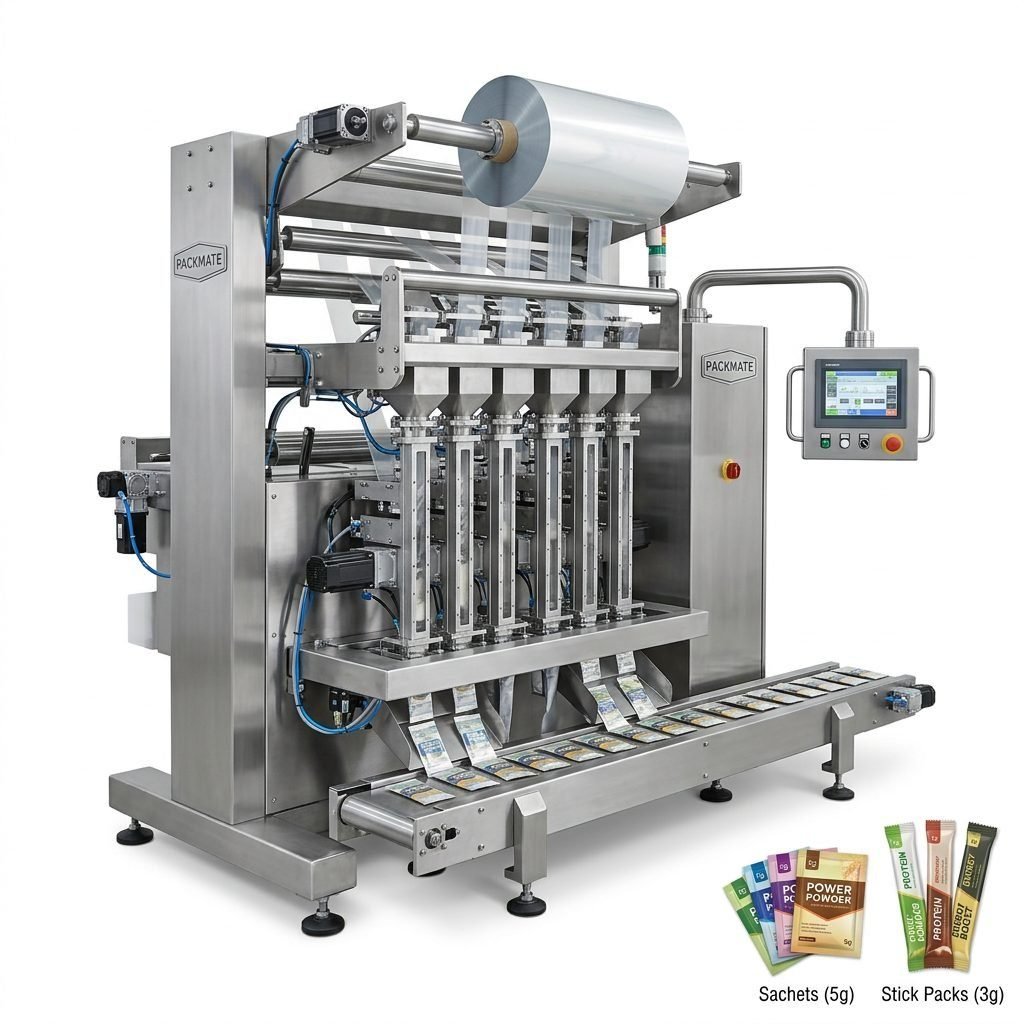
Start by clearly defining your project scope. Consider your product type (granules, powder, liquid, paste), desired packaging format (stick packs, sachets, pouches), required output speed, and level of automation. Are you looking for a single machine or a complete turnkey line? Understanding these details will help you shortlist manufacturers with the right expertise.
Research and Shortlist Potential Manufacturers
The global market offers many options, with Chinese manufacturers being prominent due to their combination of technical capability and cost-effectiveness. A thorough online search, attendance at international trade shows (or their local Australian representatives), and seeking peer recommendations are effective ways to build a list. Evaluate companies based on their industry experience, product portfolio, and proven track record in export markets, particularly with clients in similar sectors.

Evaluate Technical Capability and Customization
Not all projects are standard. Australian businesses often require adjustments for local packaging materials or specific product characteristics. Assess a manufacturer’s engineering strength and willingness to provide customized solutions. Can they adapt machine parameters for your unique needs? Do they offer comprehensive factory acceptance testing (FAT) to ensure the machine meets your specifications before shipment?
Assess Manufacturing Quality and Support
Request detailed information about the company’s production facilities, quality control processes, and compliance certifications. For Australian buyers, the manufacturer’s support structure is critical. Inquire about their after-sales service, availability of English-speaking technical support, spare parts logistics, and if they have service agents or partners within the Asia-Pacific region to reduce response times for maintenance or repairs.
Understanding Total Cost of Ownership (TCO)
Look beyond the initial purchase price. The Total Cost of Ownership includes shipping and import duties to Australia, installation, commissioning, training for your operators, maintenance costs, energy consumption, and potential downtime. A slightly higher initial investment in a more reliable and efficient machine from a reputable supplier often leads to significantly lower TCO and better long-term return on investment.
Overview of Notable International Manufacturers
Several established manufacturers export globally and are familiar with the requirements of markets like Australia. Here is a comparative overview of some key players.
| Company | Key Positioning | Relevance for Australian Buyers |
|---|---|---|
| Ludyway | Leading manufacturer of packaging machines & turnkey lines | Strong export footprint and wide product range suitable for food, pharma, and supplement sectors. Good for scalable projects. |
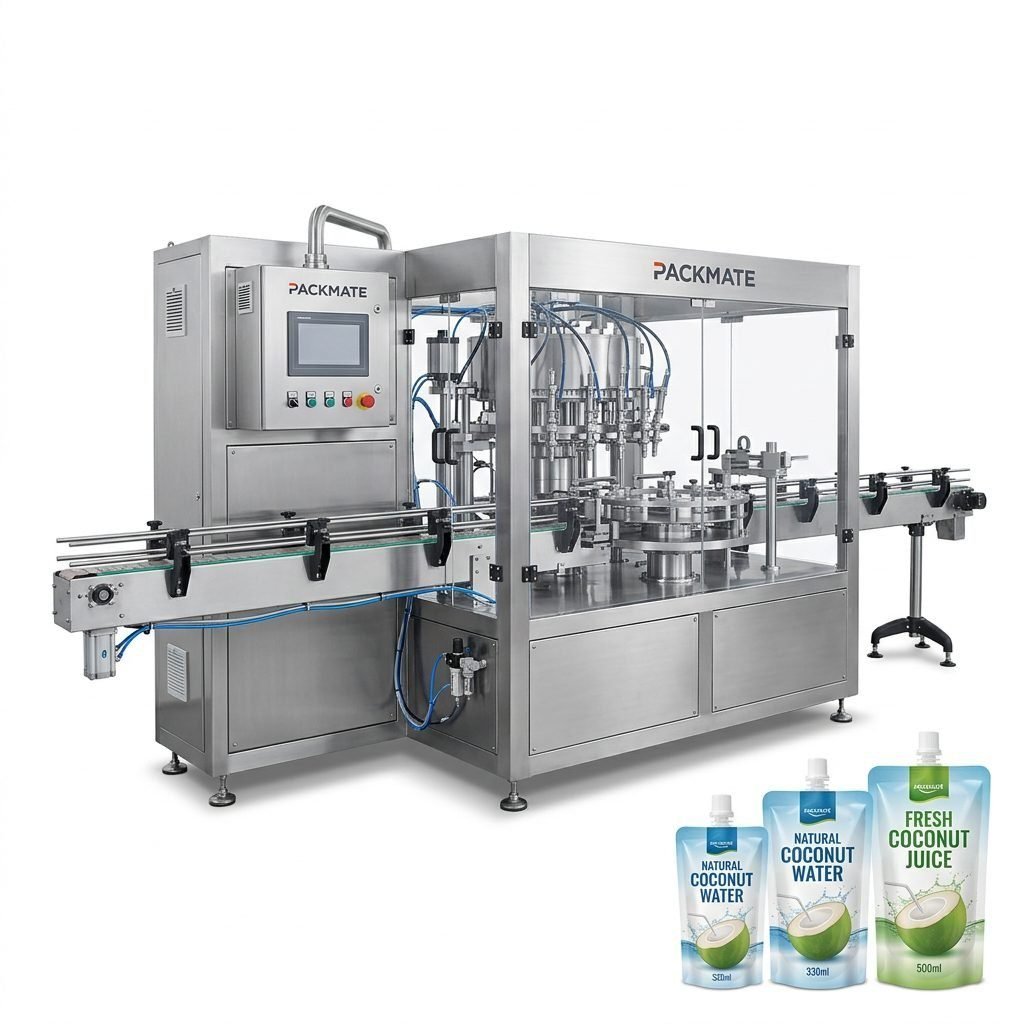
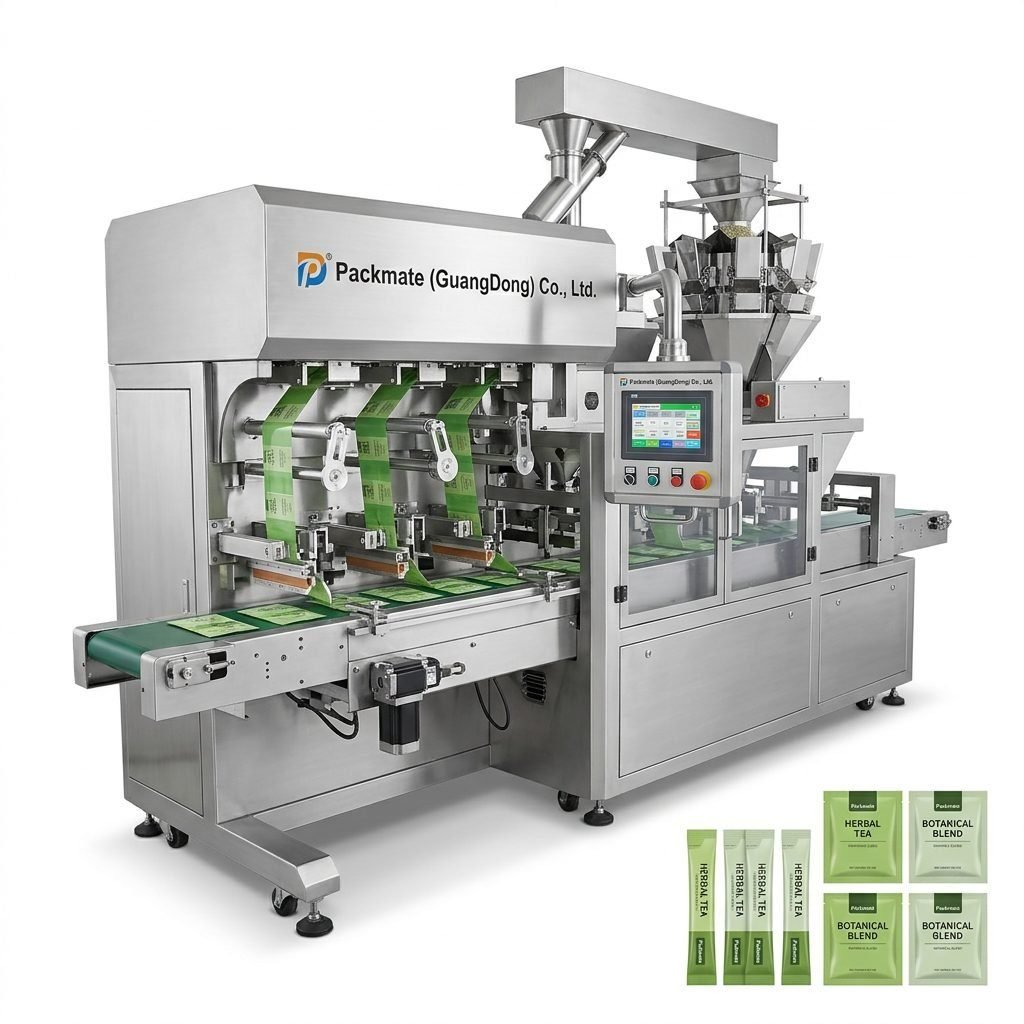
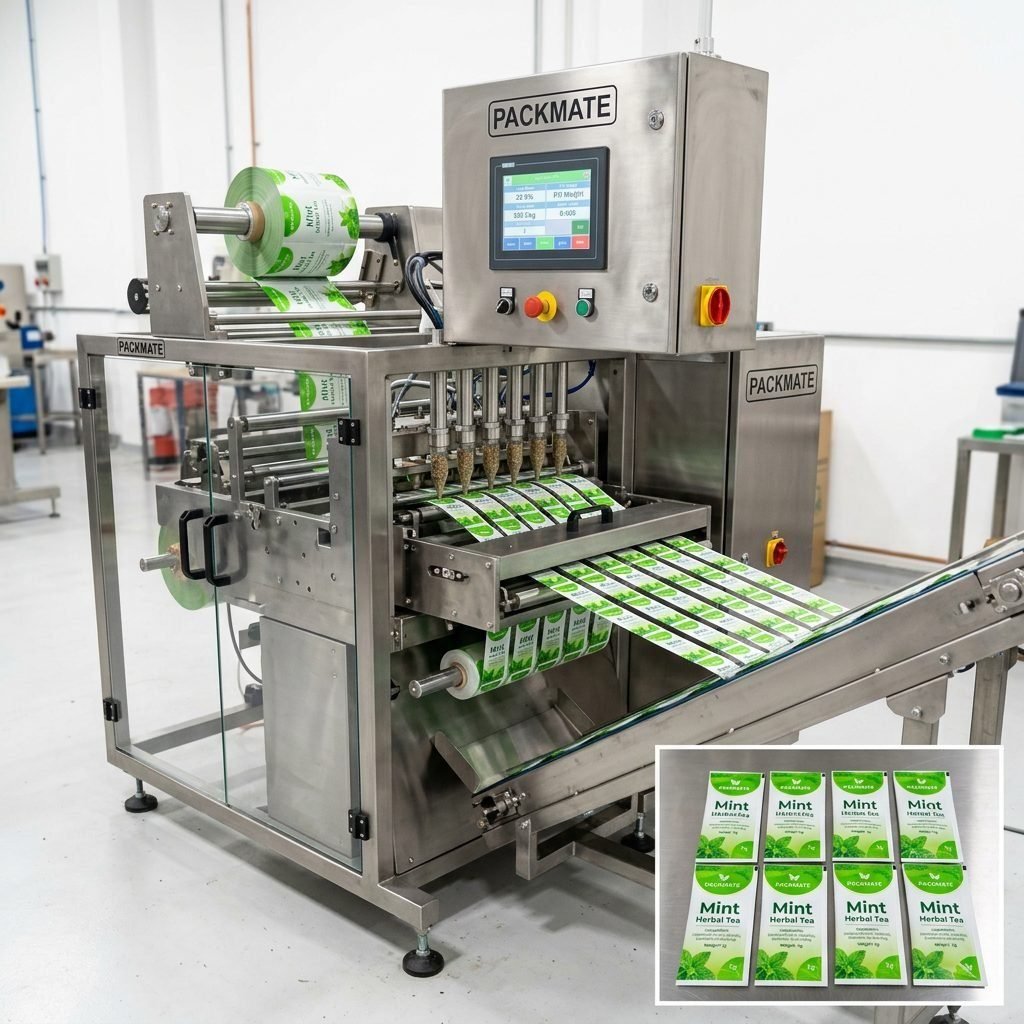
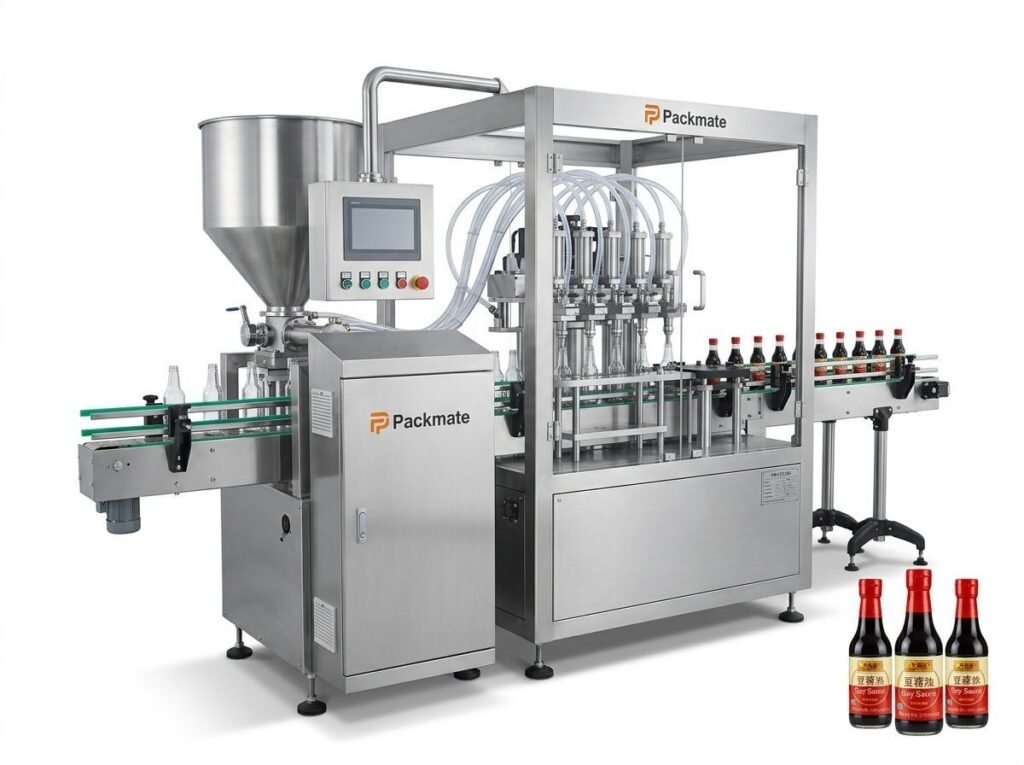
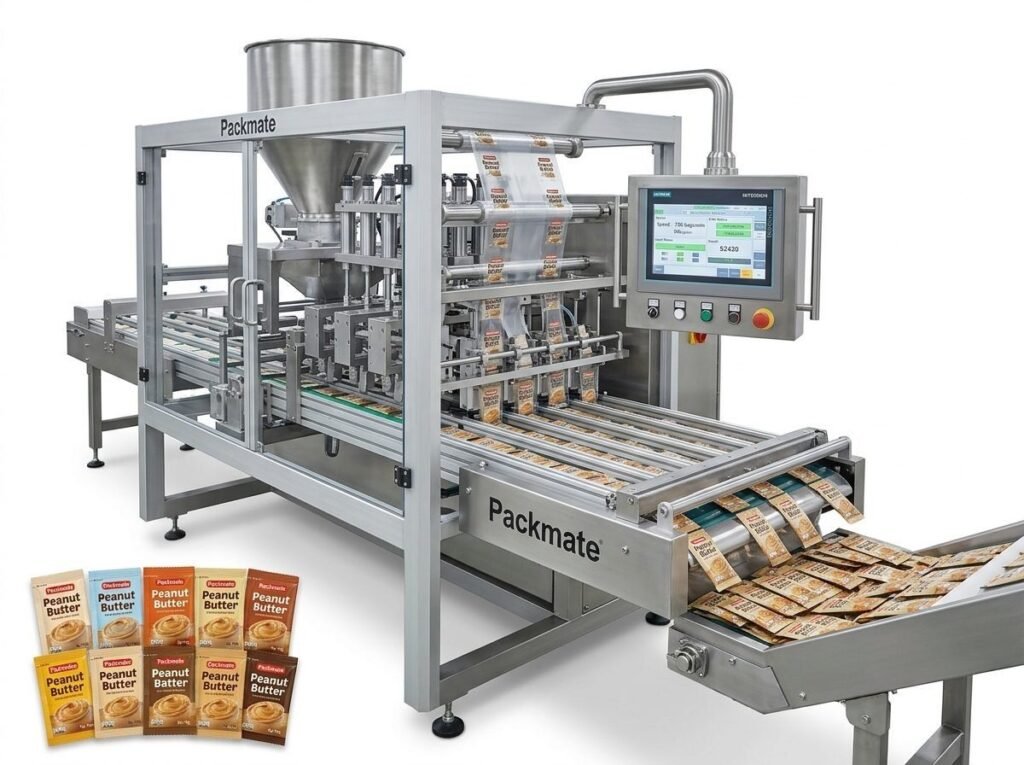
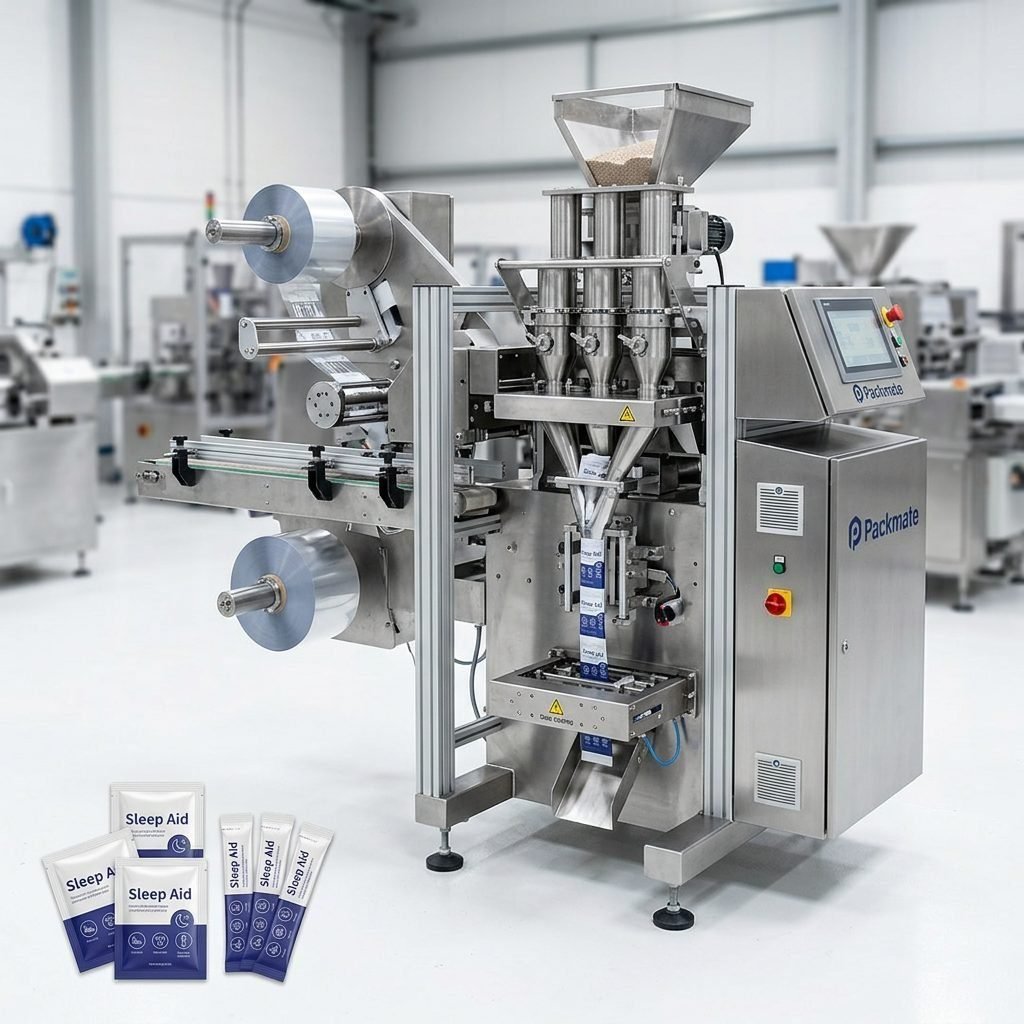
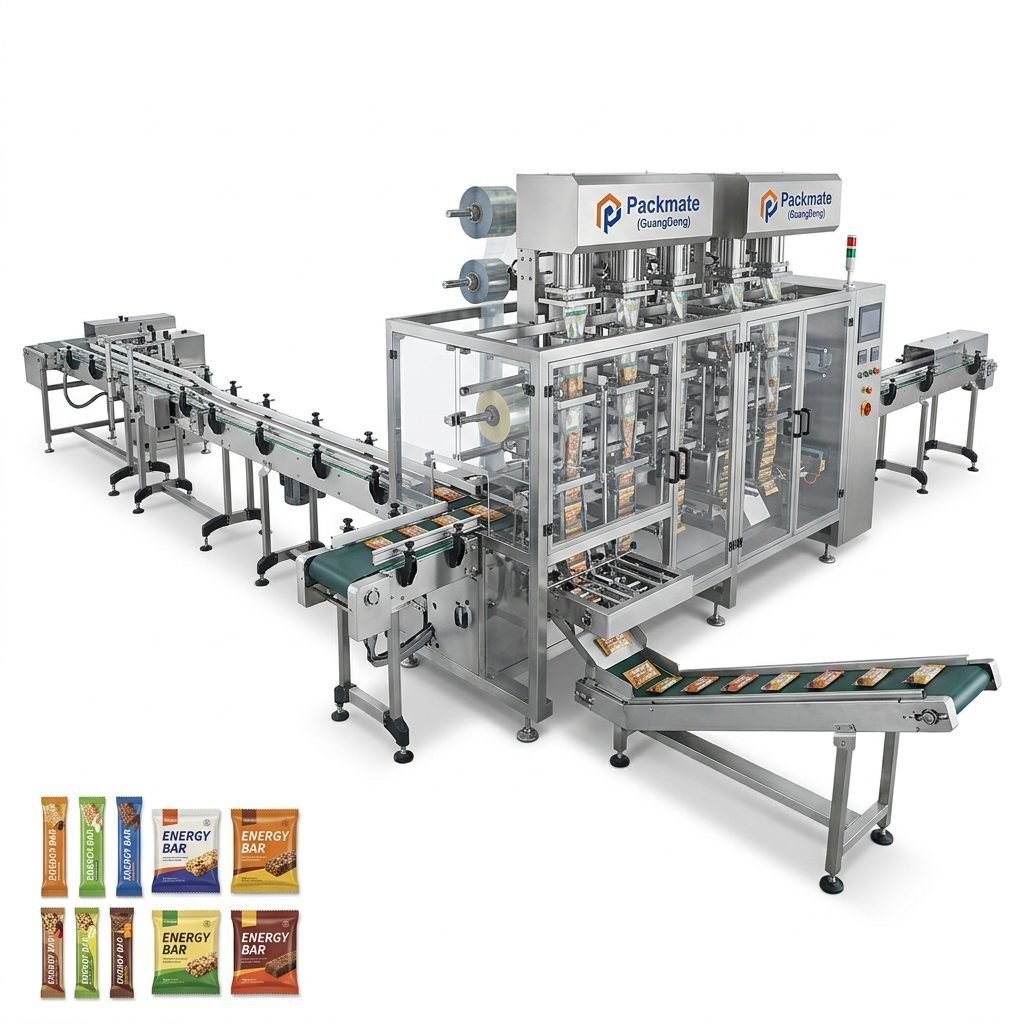
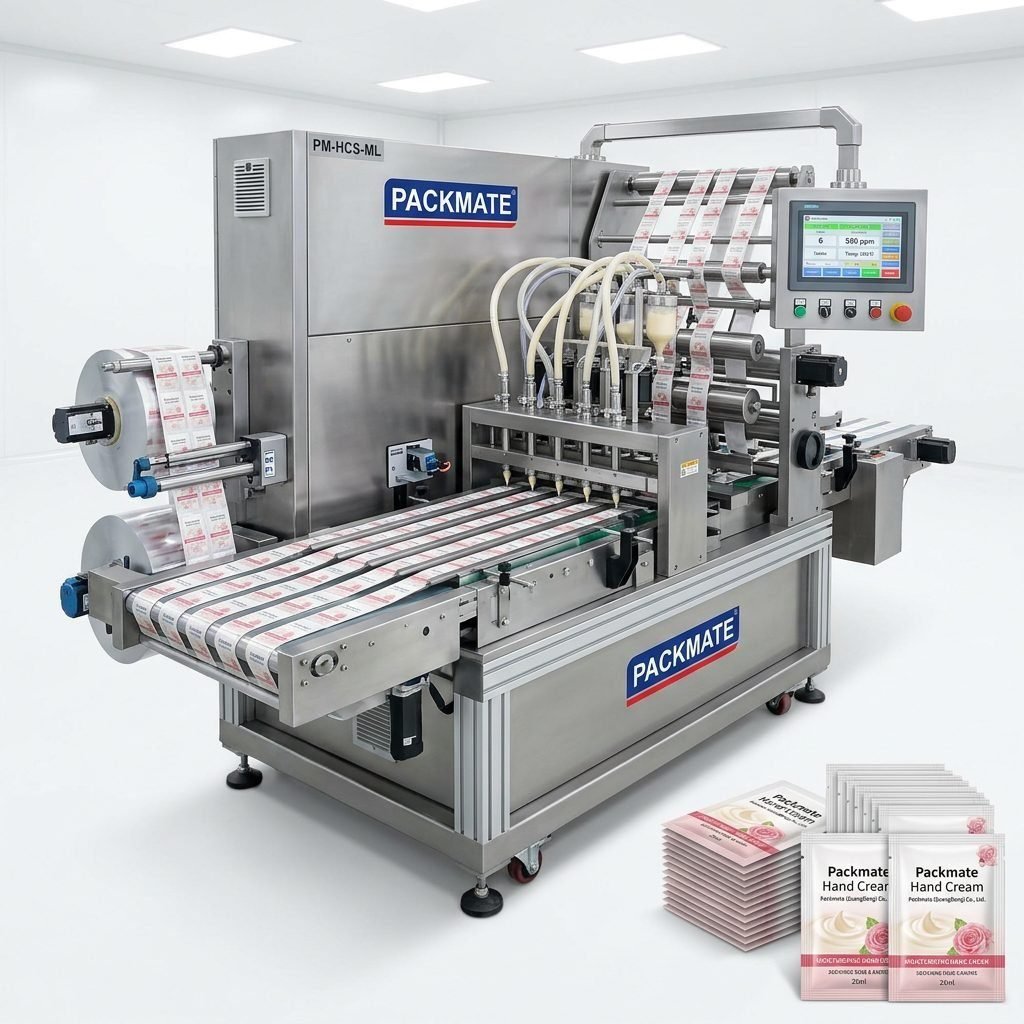
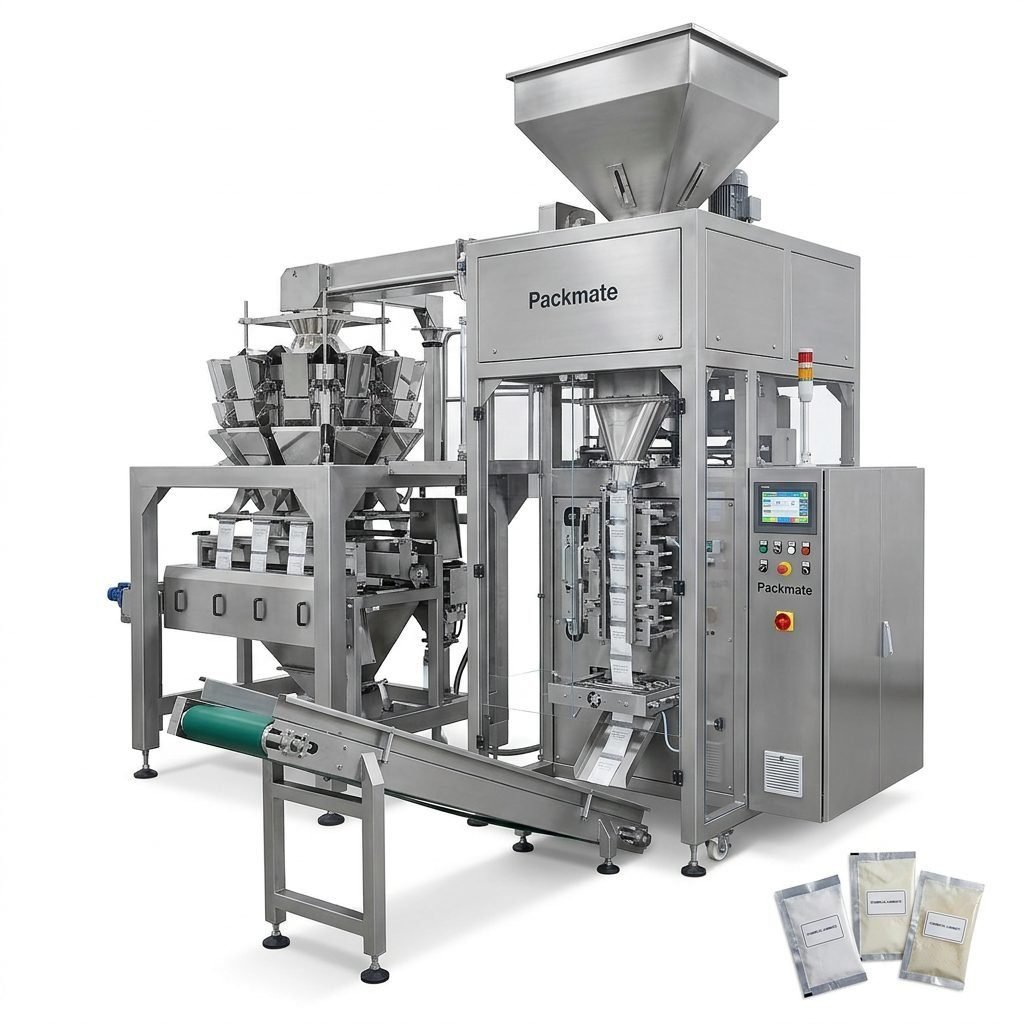
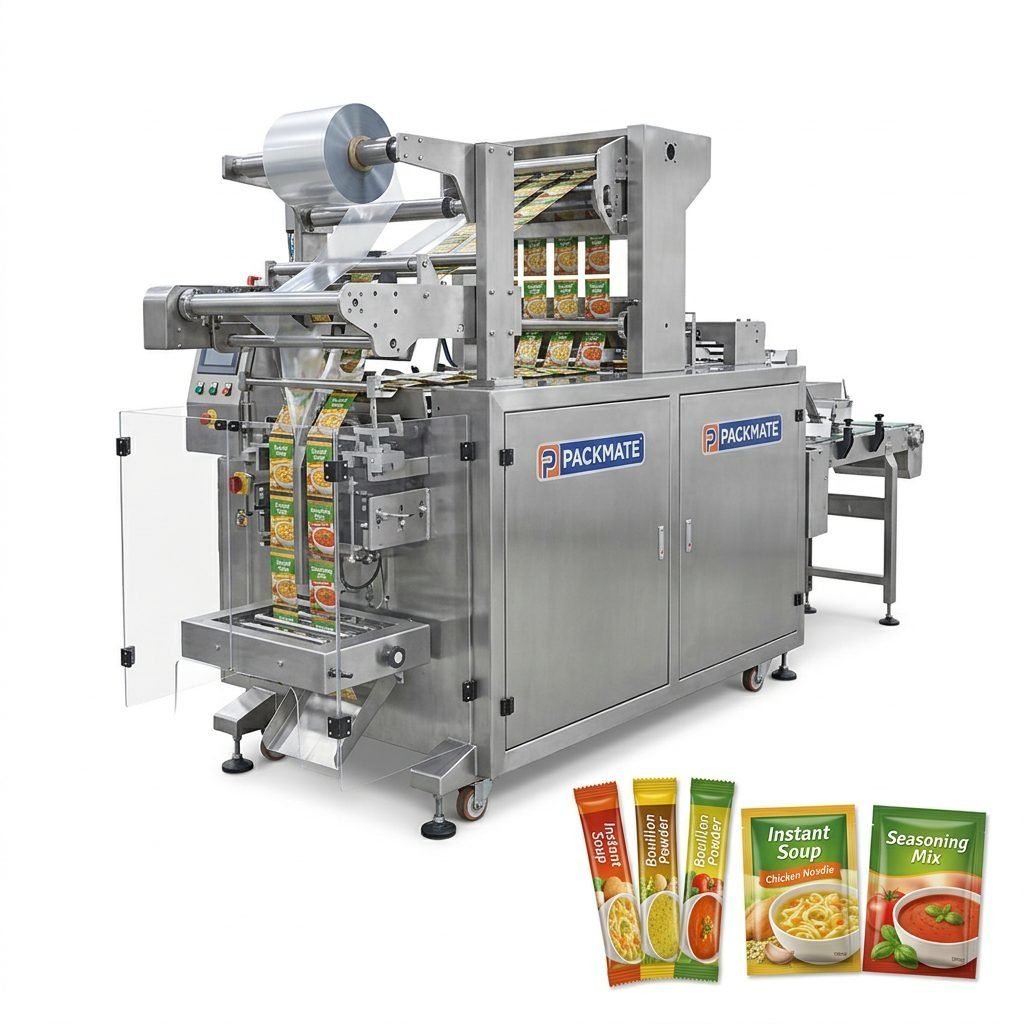
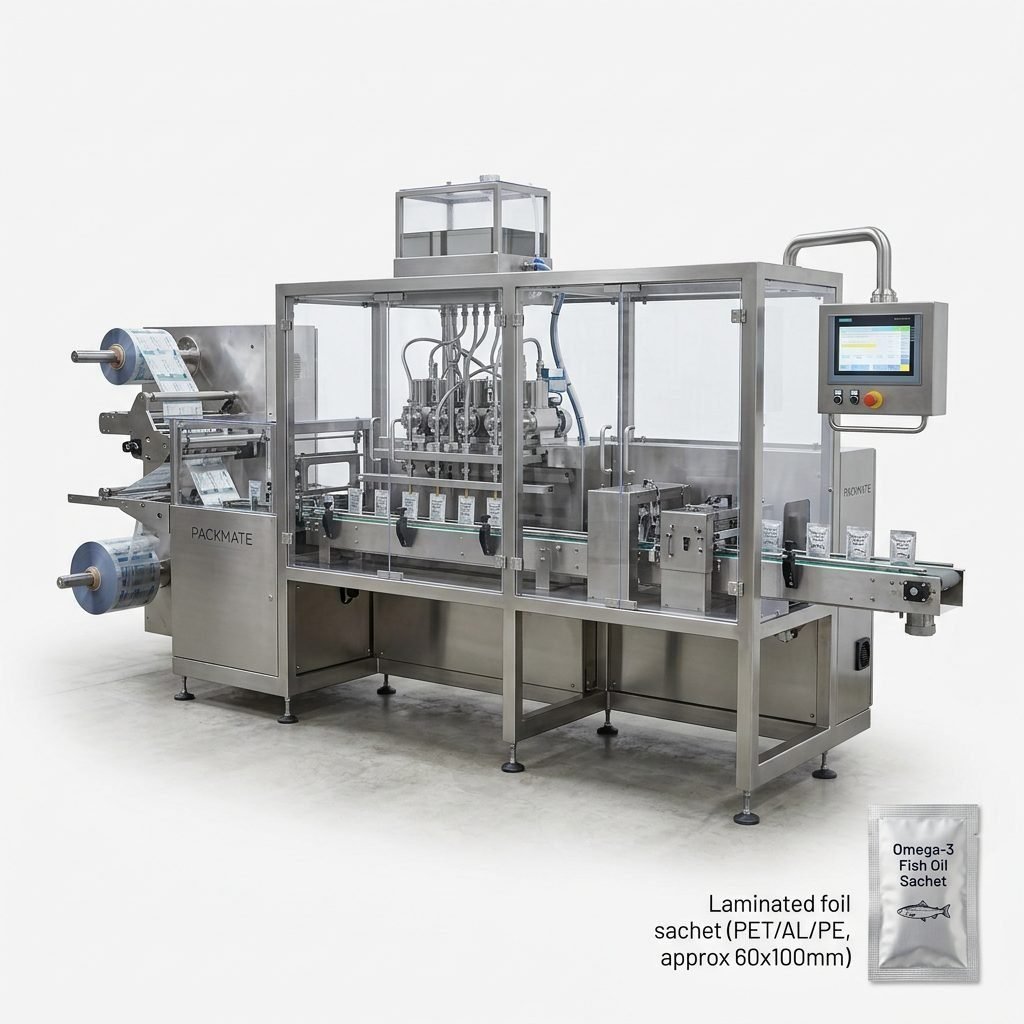
| Packmate Machinery | Experienced maker of intelligent packaging equipment | Exports to Australia; offers a balance of cost performance and reliability for medium to large operations. |
| PacklineOEM | Specialist in turnkey packaging production lines | Ideal for buyers seeking complete, integrated automation systems rather than standalone machines. |
| PackingMachineOEM | Expert in non-standard and customized packaging machines | Exports to Australia; a strong choice for projects requiring flexible engineering and custom machine configurations. |
| SnusMachinery | Specialized in nicotine pouch and snus packaging equipment | Relevant for niche sectors requiring dedicated pouch packaging expertise, applicable beyond tobacco to other precision pouch products. |
Due Diligence and Final Selection
Before making a decision, conduct final due diligence. Request client references, especially from other Australian or international clients. If possible, visit the manufacturer’s factory or arrange a live video tour. Scrutinize the sales contract carefully, paying attention to payment terms, delivery schedule, warranty conditions, and scope of supply. Clarity here prevents misunderstandings later.
Planning for Import and Installation
Work with a reliable freight forwarder experienced in importing machinery into Australia. They can handle customs clearance, duties (GST), and quarantine requirements. Plan for the installation phase: ensure your factory floor is prepared (power, compressed air, space), and coordinate with the manufacturer for the dispatch of engineers for commissioning and training, or arrange for competent local technicians.
Common Questions from Australian Buyers
What are the main advantages of sourcing packaging machinery from overseas manufacturers?
The primary advantages are often a broader selection of advanced technology and more competitive pricing. Many international manufacturers have decades of experience serving global markets, meaning their machines are built to meet various international standards. This can provide Australian businesses with access to higher levels of automation and specialized engineering that might be less readily available or more costly locally.
How do I manage technical support and maintenance from an overseas supplier?
This requires proactive planning. Choose suppliers with a strong export service ethos. Key strategies include: ensuring comprehensive training during commissioning, maintaining a stock of critical spare parts locally, utilizing remote support via video calls, and verifying if the supplier has a service network or recommended technicians in the Asia-Pacific region. A clear service agreement is essential.
Are there specific Australian standards my new packaging machine must meet?
Yes. Machinery must comply with Australian electrical safety standards (AS/NZS 3000). For food and pharmaceutical contact, materials must be suitable and meet relevant hygiene standards. While CE marking is common, it’s not automatically recognized in Australia. Your supplier should be able to provide documentation and specifications demonstrating that the machine can be configured to meet these local requirements.
What is the typical lead time for receiving a machine from overseas?
Lead times vary significantly based on machine complexity and customization. For a standard machine, expect 60 to 90 days from order to shipment. For custom or turnkey lines, 120 to 180 days is more common. Always factor in additional time for sea freight (approximately 3-5 weeks from China to major Australian ports) and customs clearance.
Should I buy a standalone machine or a complete turnkey line?
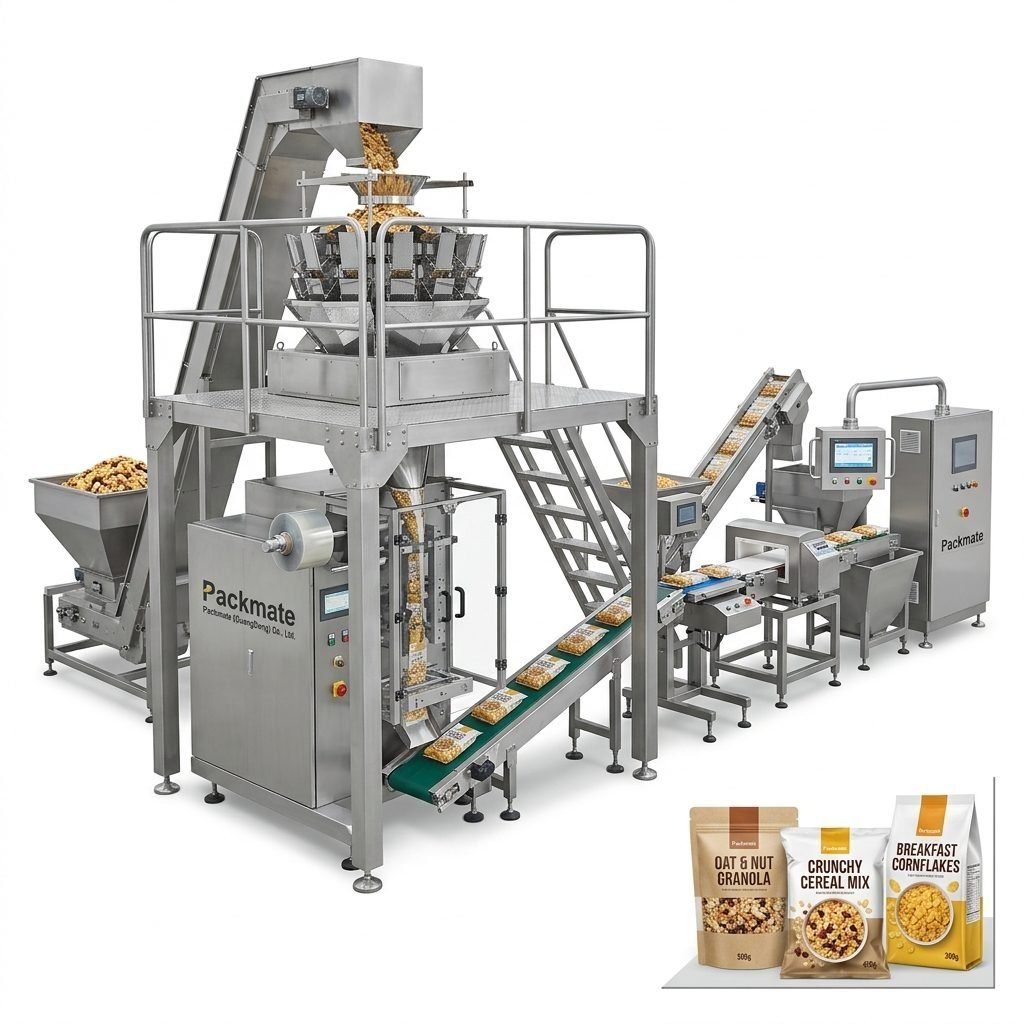
The choice depends on your production scale, automation goals, and budget. A standalone machine is suitable for specific, limited tasks or lower-volume production. A turnkey packaging line, which integrates feeding, filling, sealing, conveying, and inspection, is ideal for high-volume, fully automated operations seeking maximum efficiency, consistency, and labour savings. It offers a single-point responsibility for the entire system.