The beverage industry is a dynamic and fast-paced sector where efficiency, hygiene, and presentation are paramount. For producers of liquid drinks—from water and juices to dairy, soft drinks, and functional beverages—the packaging process is a critical link between production and the consumer. Modern beverage packaging machine solutions encompass a sophisticated range of automatic filling, sealing, and bottling equipment designed to meet these rigorous demands. These systems are engineered not just for speed, but for precision, reliability, and adaptability to various product types and market trends.
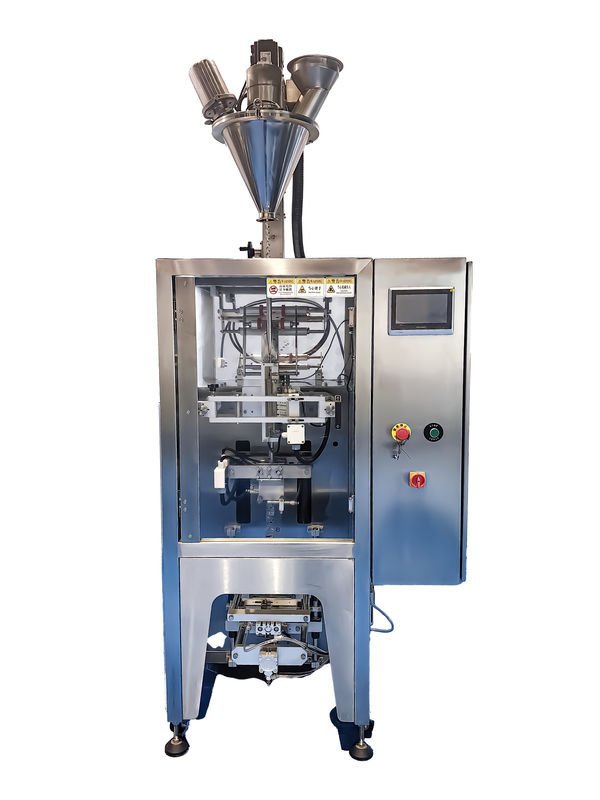
The Core of Modern Beverage Lines: Automated Filling Systems
At the heart of any liquid packaging operation lies the filling machine. This is where product meets container, and accuracy is non-negotiable. Modern automatic fillers are marvels of engineering, capable of handling a vast array of viscosities—from thin, watery liquids to thick, pulpy juices or viscous syrups. The technology behind them ensures each bottle, pouch, or carton receives the exact pre-set volume, minimizing product giveaway and maximizing cost-efficiency.
Key Technologies Include:
• Volumetric Filling: Utilizes pistons or pumps to dispense a precise volume, ideal for consistent, non-foaming products.
• Gravity Filling: Relies on product’s own weight, perfect for free-flowing, non-carbonated beverages.
• Pressure Filling: Essential for carbonated drinks, it counters pressure to prevent fizz loss during filling.
• Net Weight Filling: The gold standard for accuracy, it fills by weight, compensating for product density variations.
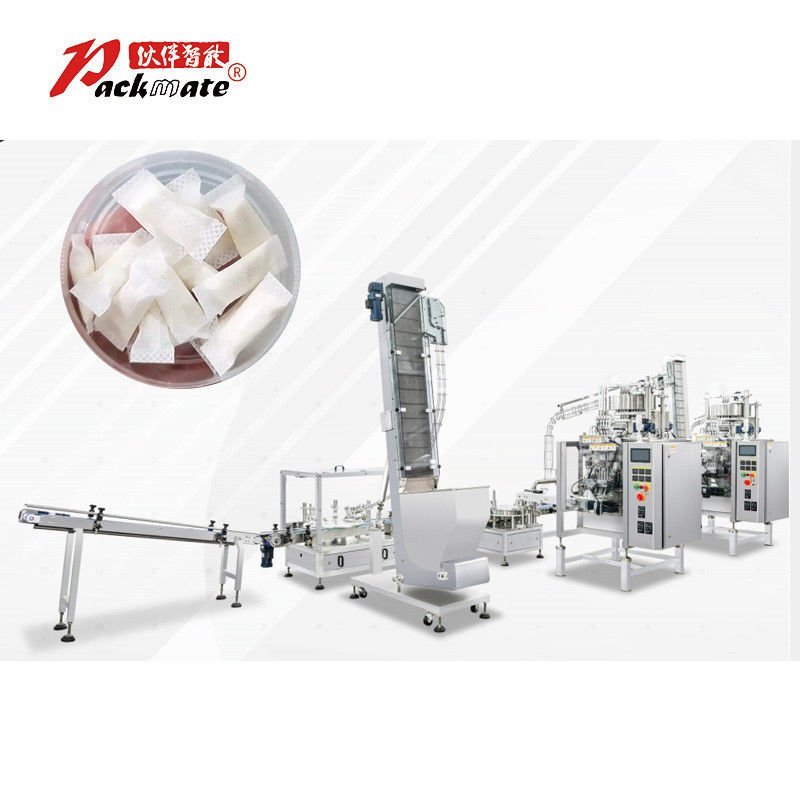
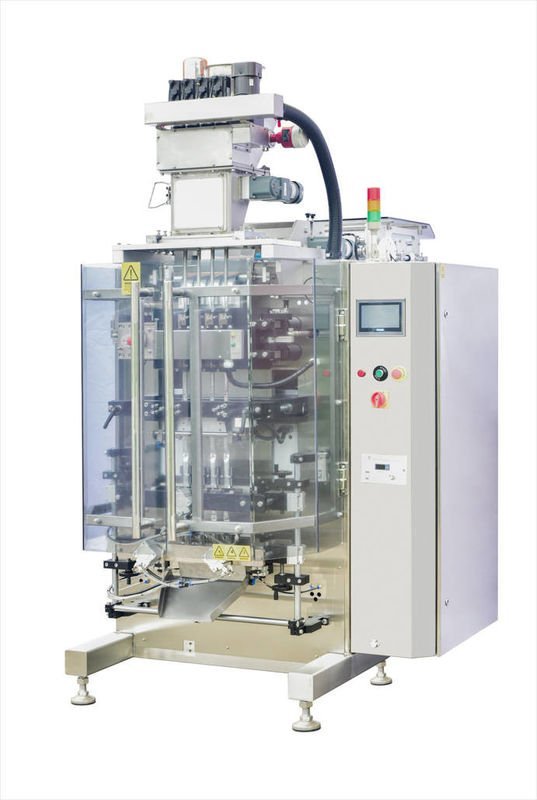
Integrating these fillers into a complete Filling & Packaging Line creates a seamless flow from an empty container to a sealed product, ready for labeling and palletizing.
Sealing Integrity: The Guardian of Freshness and Safety
Once filled, the container must be sealed securely to preserve the beverage’s quality, prevent contamination, and ensure shelf life. The sealing technology varies dramatically based on the packaging format.
- Bottle Capping: Automatic cappers apply screw caps, snap-on lids, or sports caps with consistent torque, ensuring a leak-proof seal every time.
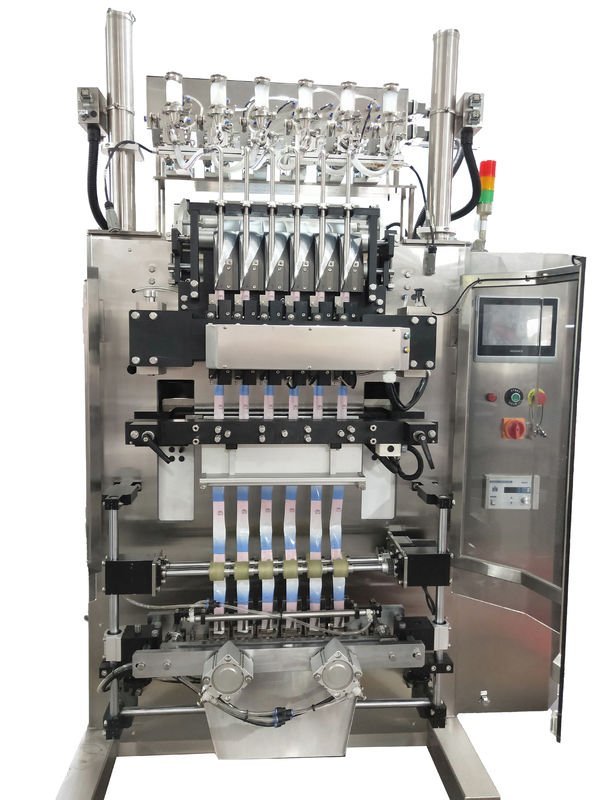
- Pouch Sealing: For flexible packaging, heat sealers use precisely controlled temperature and pressure to create strong, hermetic seals along the pouch edges.
- Aseptic Sealing: In sterile filling environments, sealing occurs in a controlled, sterile zone to allow products to be stored without refrigeration.
This stage is crucial for brand reputation, as a faulty seal can lead to product spoilage and consumer safety issues. Reliable Auxiliary Packaging Equipment like cap sorters and seal integrity checkers often support this process.
Bottling Equipment: Speed, Flexibility, and Precision
“Bottling” often serves as a catch-all term for the entire container-handling process. A high-speed bottling line is a symphony of coordinated machines. It starts with an unscrambler that orients empty containers, moves them through a cleaner (if needed), into the filler, onto the sealer/capper, then possibly to a labeler, and finally to a case packer. The latest equipment offers incredible flexibility, allowing quick changeovers between different bottle sizes, shapes, and materials (PET, glass, HDPE) to accommodate short production runs and diverse product portfolios, much like the versatility seen in Sachet & Stick Pack Machines for dry goods.
Driving Forces Behind Automation in Beverage Packaging
The shift towards fully automated solutions is driven by several compelling factors that directly impact a producer’s bottom line and market competitiveness.
1. Unmatched Efficiency & Throughput
Automatic machines can fill and seal hundreds, even thousands, of containers per minute. This high-speed operation is essential to meet large-scale demand, reduce labor costs per unit, and maximize factory output.
2. Superior Hygiene & Contamination Control
Automated systems minimize human contact with the product and containers. Constructed from food-grade stainless steel with CIP (Clean-in-Place) capabilities, they uphold the strictest hygiene standards required in food and beverage production.
3. Remarkable Consistency & Accuracy
Machines eliminate human error in filling volumes and sealing quality. Every single unit meets the same high standard, ensuring brand consistency, regulatory compliance, and customer trust.
Choosing the Right Partner for Your Packaging Solutions
Selecting the right equipment and supplier is a strategic decision. It requires a partner who understands your specific product challenges, production goals, and growth plans. A reputable manufacturer will not just sell a machine but provide a comprehensive Solution. This includes in-depth consultation, custom-engineered solutions for unique products, robust after-sales support, and readily available spare parts.
Companies with a proven track record, like Packmate (GuangDong) Co., Ltd., bring decades of experience in building reliable automated packaging systems. Their expertise, often showcased at Global Exhibitions, ensures that the technology is not only advanced but also practical and durable for 24/7 industrial environments.
Future Trends: Smart and Sustainable Packaging
The future of beverage packaging machinery is intelligent and eco-conscious. Industry 4.0 integration allows for real-time monitoring of production data, predictive maintenance alerts, and seamless connectivity with factory ERP systems. Simultaneously, there is a strong push towards sustainability. Modern machines are being designed to handle lightweight, recycled PET bottles and mono-material flexible pouches that are easier to recycle. They also excel in efficiency, reducing water and energy consumption during the packaging process itself.
Frequently Asked Questions (FAQ)
1. What types of beverages can be packaged with automatic filling machines?
Virtually all liquid drinks can be handled, including water, juices, dairy products, soft drinks, energy drinks, ready-to-drink teas, liquid condiments, edible oils, and alcoholic beverages. The machine configuration (filling technology, materials of construction) is tailored to the product’s specific properties like viscosity, carbonation, acidity, and particulate content.
2. How do I determine the right filling accuracy for my product?
Required accuracy depends on product value and regulations. High-value products or those sold by strict volume mandate (e.g., pharmaceuticals, spirits) need net weight filling (±0.1% accuracy). For most commercial beverages, volumetric filling at ±0.5% to ±1.0% is cost-effective and compliant. A professional supplier can perform product tests to recommend the optimal method.
3. Can one packaging line handle different bottle sizes and shapes?
Yes, modern lines are designed for flexibility. Quick-change parts like filling nozzles, cap chucks, and container guides allow changeovers between different sizes in minutes. For drastically different shapes, some mechanical adjustments may be needed. Discuss your full product range with your equipment provider during the planning stage.
4. What is the importance of CIP (Clean-in-Place) in beverage fillers?
CIP is critical for hygiene and operational efficiency. It allows the internal product contact parts of the filler to be cleaned and sanitized automatically without major disassembly. This reduces downtime between production runs, ensures consistent cleaning results, and maintains the highest food safety standards, especially when switching products or for daily sanitation.
5. What should I look for in a machinery supplier’s after-sales service?
Prioritize suppliers who offer comprehensive support: detailed installation and training on-site, readily available technical support (remote and on-site), a clear warranty policy, and a reliable supply of genuine spare parts. Check their service network’s global reach if you have international operations. Good service minimizes costly production stoppages.