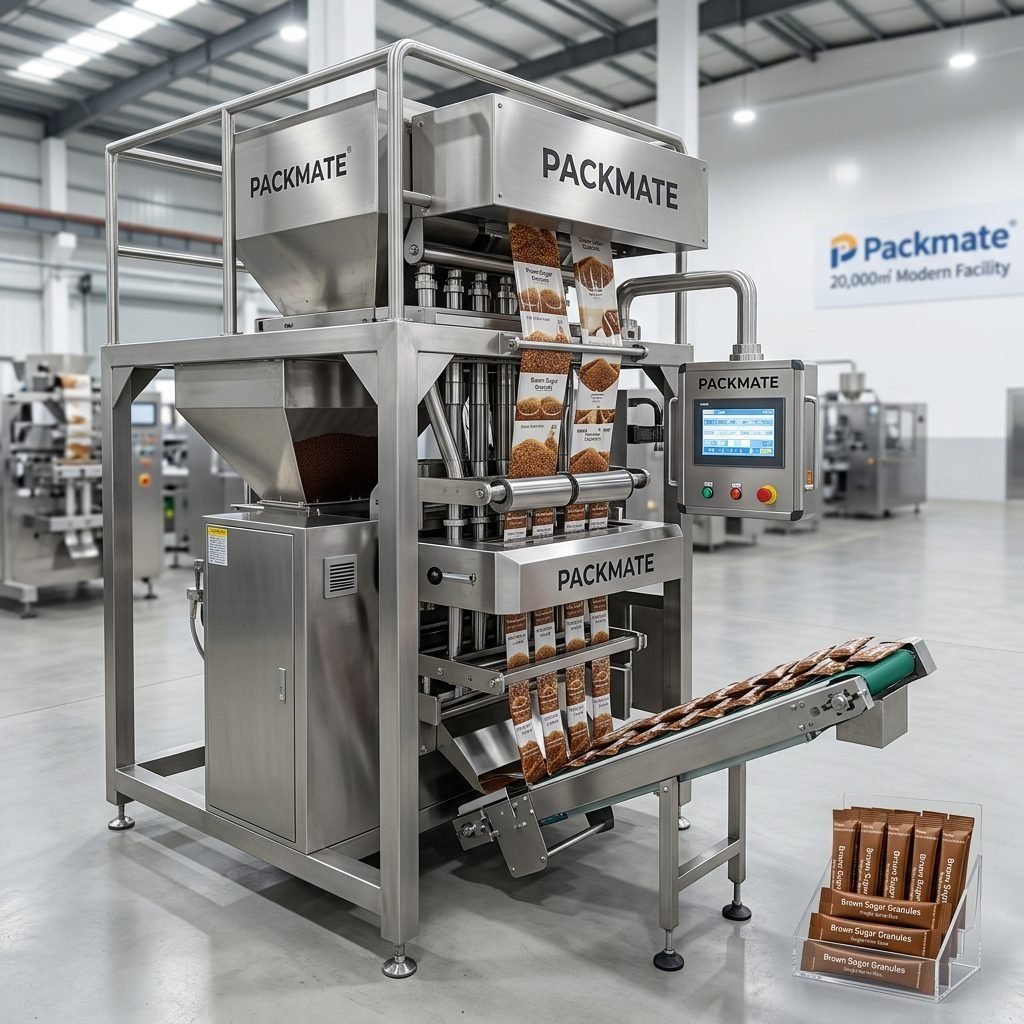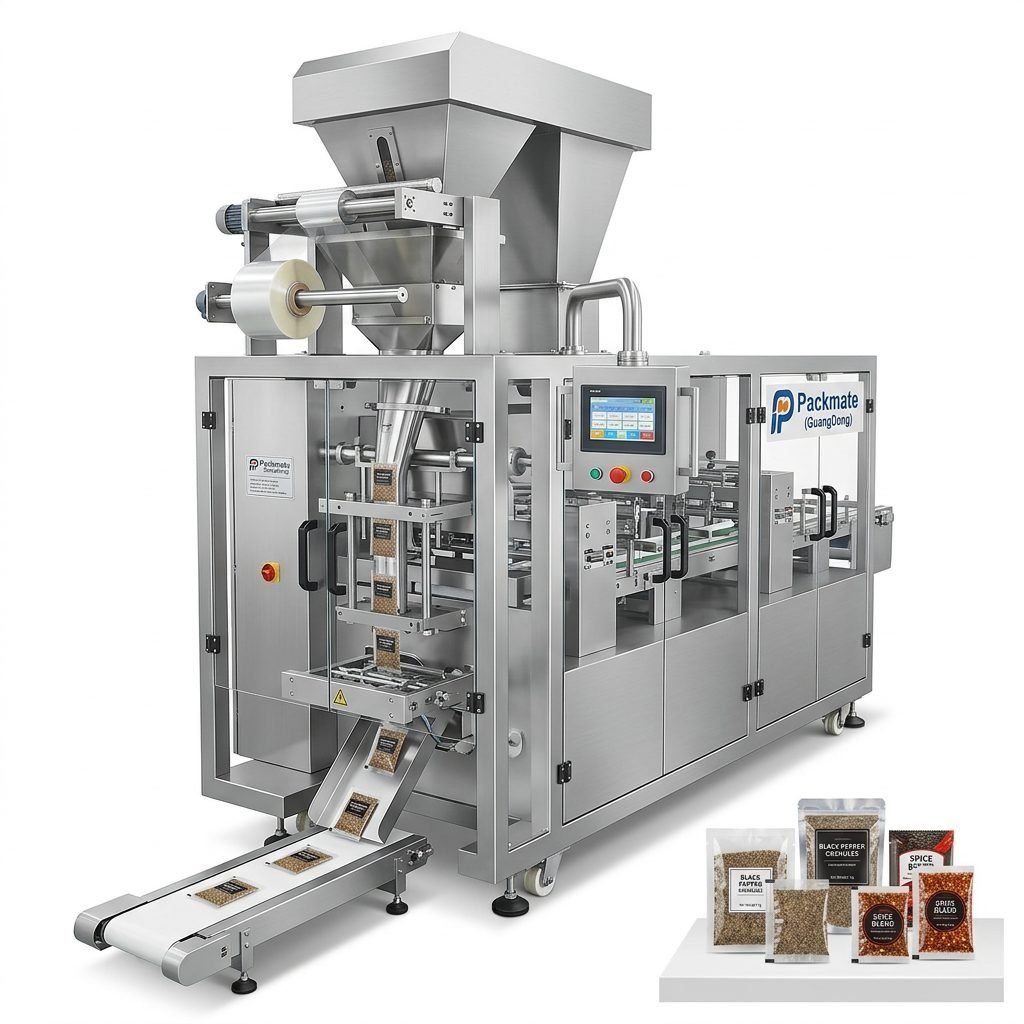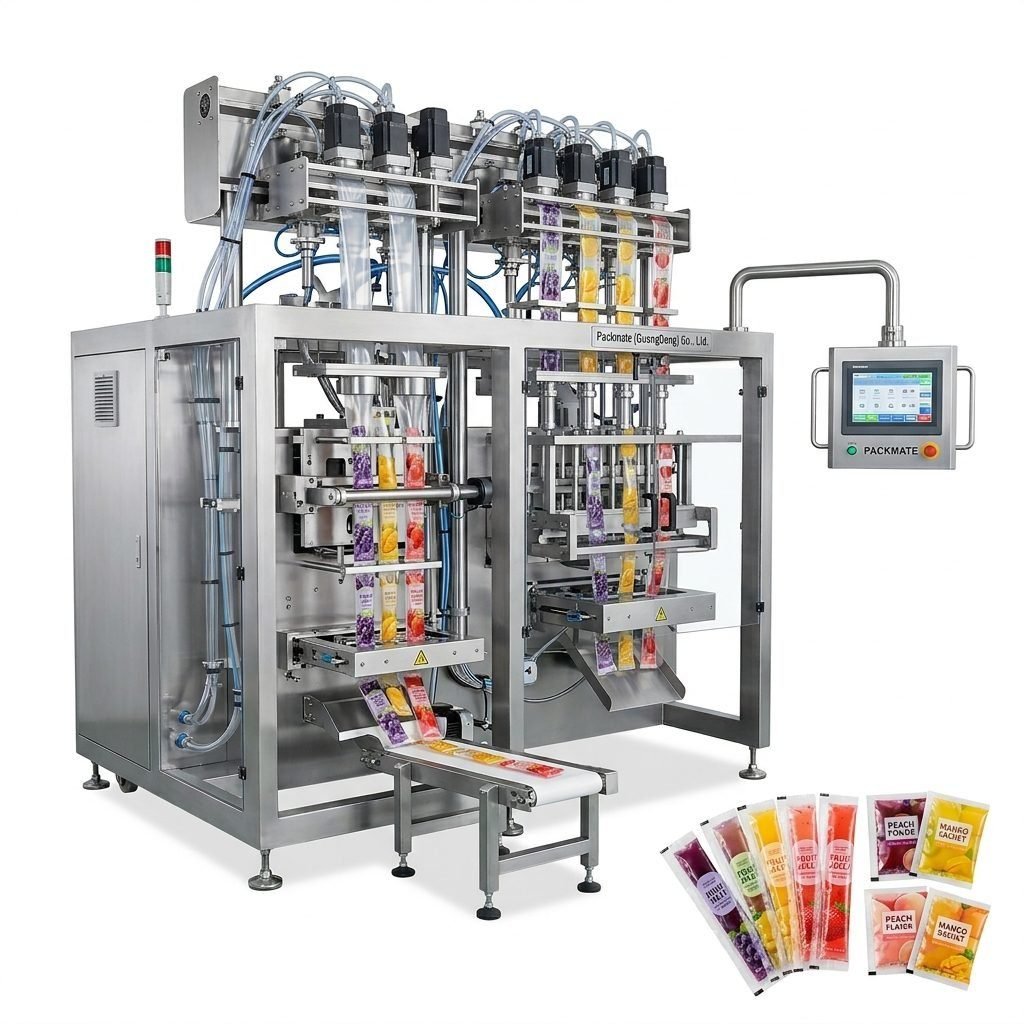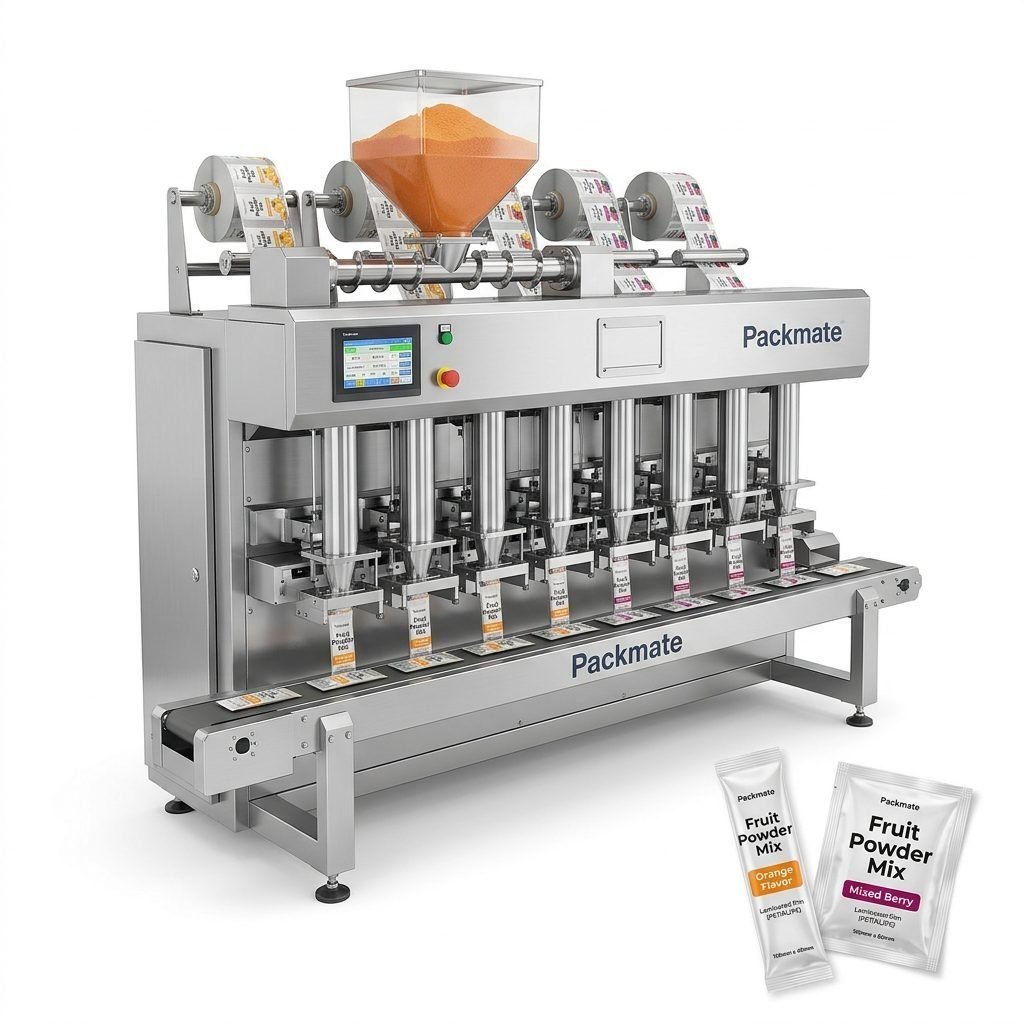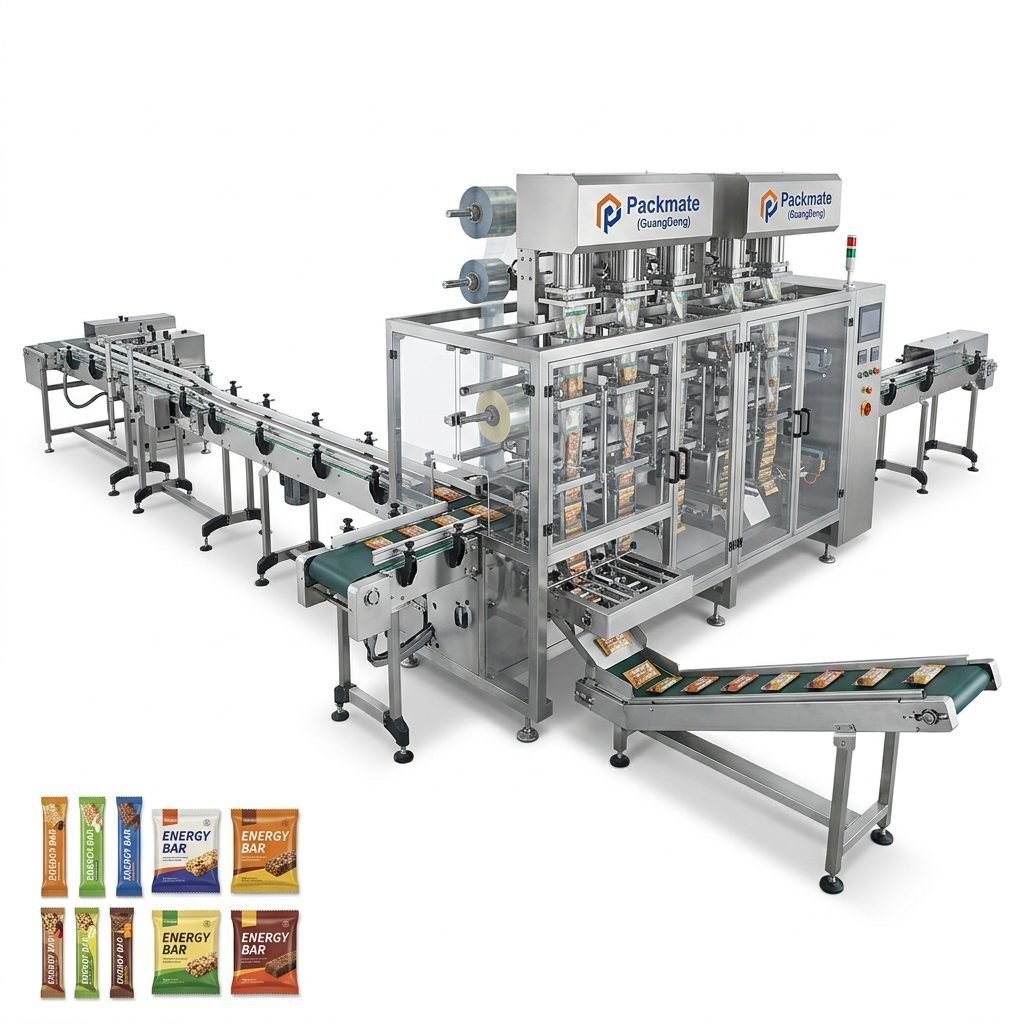
Finding reliable packaging machine manufacturers in Sri Lanka requires a strategic approach, especially for local food processors, spice exporters, pharmaceutical producers, and agricultural product packagers. The island’s manufacturing sector, with its strong focus on tea, spices, coconut products, and ready-to-eat foods, demands robust and adaptable packaging solutions. This guide provides practical steps and key considerations for Sri Lankan buyers to identify and partner with trustworthy manufacturers, ensuring a successful investment in automation.
Understanding Your Local Packaging Needs
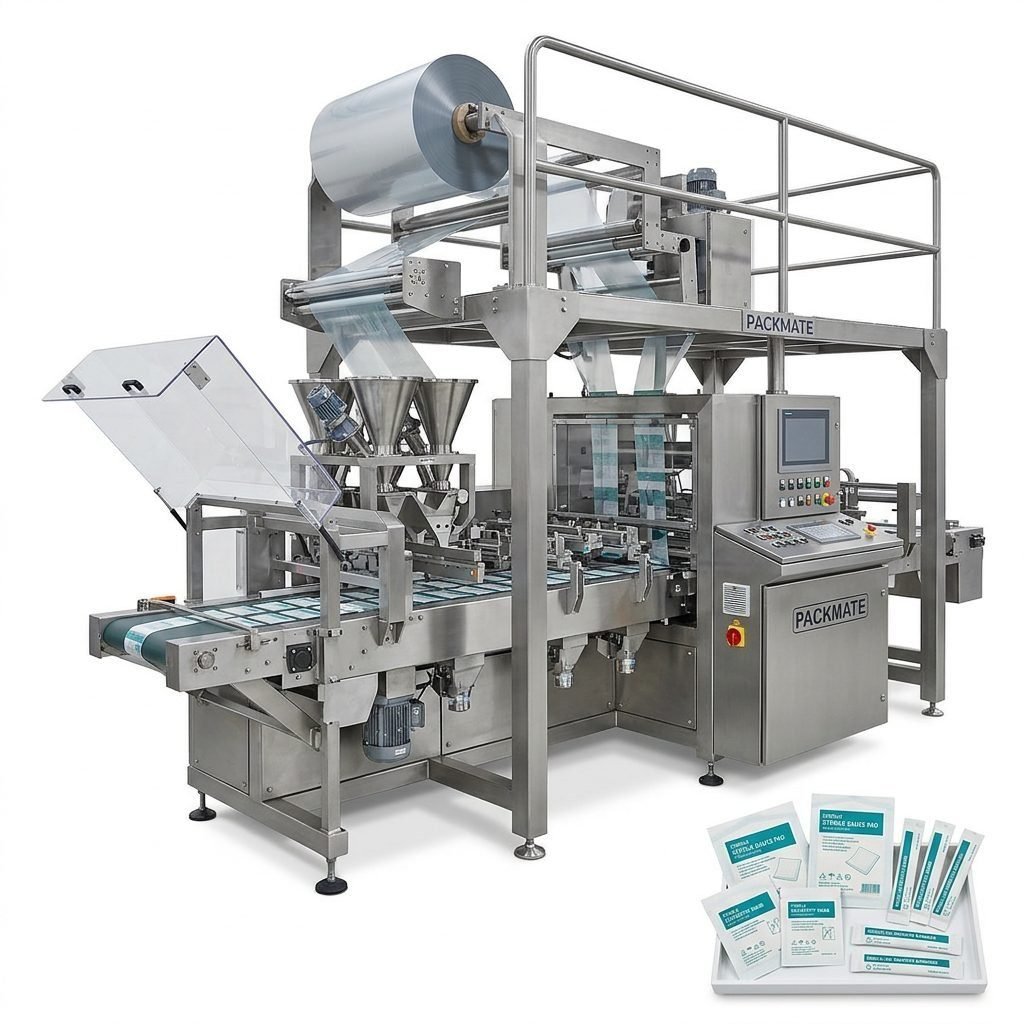
The first step is a thorough analysis of your specific requirements. Sri Lanka’s diverse export and domestic markets mean packaging needs vary significantly. A tea exporter in Nuwara Eliya might need high-speed, moisture-proof sachet packaging for loose-leaf or powdered tea. A spice processor in Colombo may require precision powder filling equipment for chili, turmeric, or curry powder blends. Pharmaceutical companies in the Biyagama Export Processing Zone need sterile, reliable sachet or stick pack lines for oral rehydration salts or medicinal powders.
Consider your product format (granules, powders, liquids, pastes), required output speed, bag type (stick pack, sachet, pillow bag), and any specific compliance standards for your target market, such as the EU or the Middle East. Defining these parameters clearly will narrow your search to manufacturers with relevant expertise.
Key Research Channels for Manufacturers
Leverage both online and offline channels to create a shortlist of potential suppliers. Industry-specific B2B platforms like Alibaba.com or Made-in-China.com are common starting points, but it’s crucial to dig deeper. Look for manufacturers who explicitly list Sri Lanka as a served market or have case studies in similar industries like food or pharma. Attending regional trade fairs, such as those in Colombo or even in major manufacturing hubs like China, can provide direct, hands-on evaluation of machine quality and company professionalism.
Furthermore, networking with local industry associations, such as the Sri Lanka Food Processors Association or the Export Development Board, can yield valuable referrals. They often have insights into which international manufacturers have a proven track record of successful installations and support within the country.
Verifying Manufacturer Credentials
Once you have a list, due diligence is critical. Verify the company’s business license and years in operation. A long history often indicates stability and accumulated technical experience. Check their factory size and production capacity; a facility over 20,000 square meters suggests substantial manufacturing capability. Most importantly, request and contact references from clients in similar industries or, ideally, from within South Asia. Speaking directly to an existing customer in India or Bangladesh about their experience with after-sales support can be more telling than any brochure.
Evaluating Technical Capability and Customization
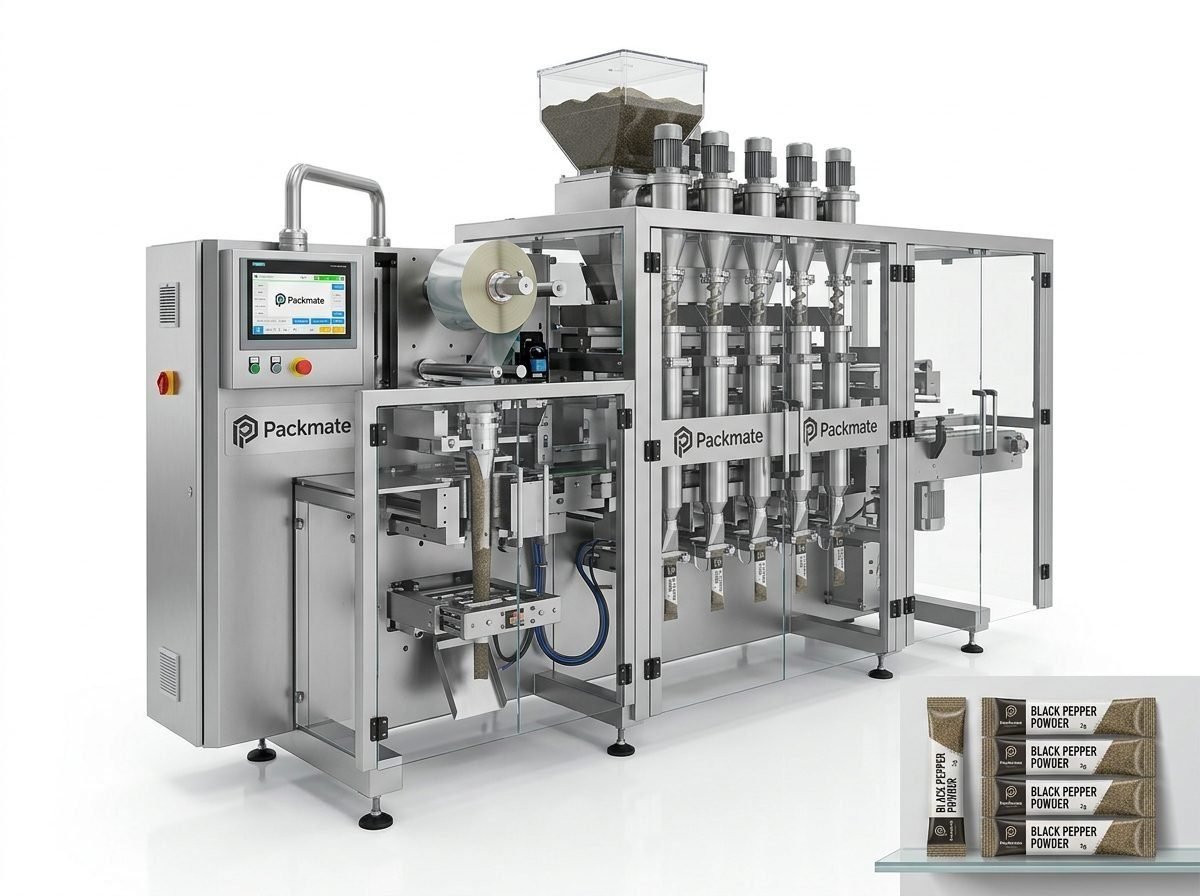
Sri Lankan products can be unique. For instance, packaging fine cinnamon powder or viscous coconut milk powder requires specific engineering to prevent clogging and ensure accurate dosing. Evaluate if the manufacturer offers standard machines or can provide customized solutions. Discuss your specific material characteristics, desired bag size, and production floor layout. A capable manufacturer’s engineering team should be able to propose modifications or tailor a solution.
Ask detailed questions about the machine’s core components: the type of servo motors, PLC system, weighing system (volumetric or auger filler), and sealing technology. Reliable manufacturers use branded, internationally recognized parts which ensure longevity and easier maintenance. For example, a company like Ludyway, with over 30 years of experience, typically offers a wide range of configurations to handle different product viscosities and speeds.
Assessing After-Sales Support and Logistics
This is arguably the most crucial factor for Sri Lankan importers. A machine breakdown can halt production lines, leading to significant losses. Clarify the warranty terms, availability of spare parts, and the structure of technical support. Does the manufacturer have local agents or technicians in Sri Lanka or the region? What is their typical response time for remote troubleshooting? Ensure they provide comprehensive documentation, including manuals in English and training for your operators, either at their factory or on-site in Sri Lanka.
Logistics and import procedures are also key. Reliable manufacturers will have experience shipping to Sri Lankan ports like Colombo and can assist with necessary documentation, helping you navigate customs clearance smoothly.
Comparing Quotes and Making a Decision
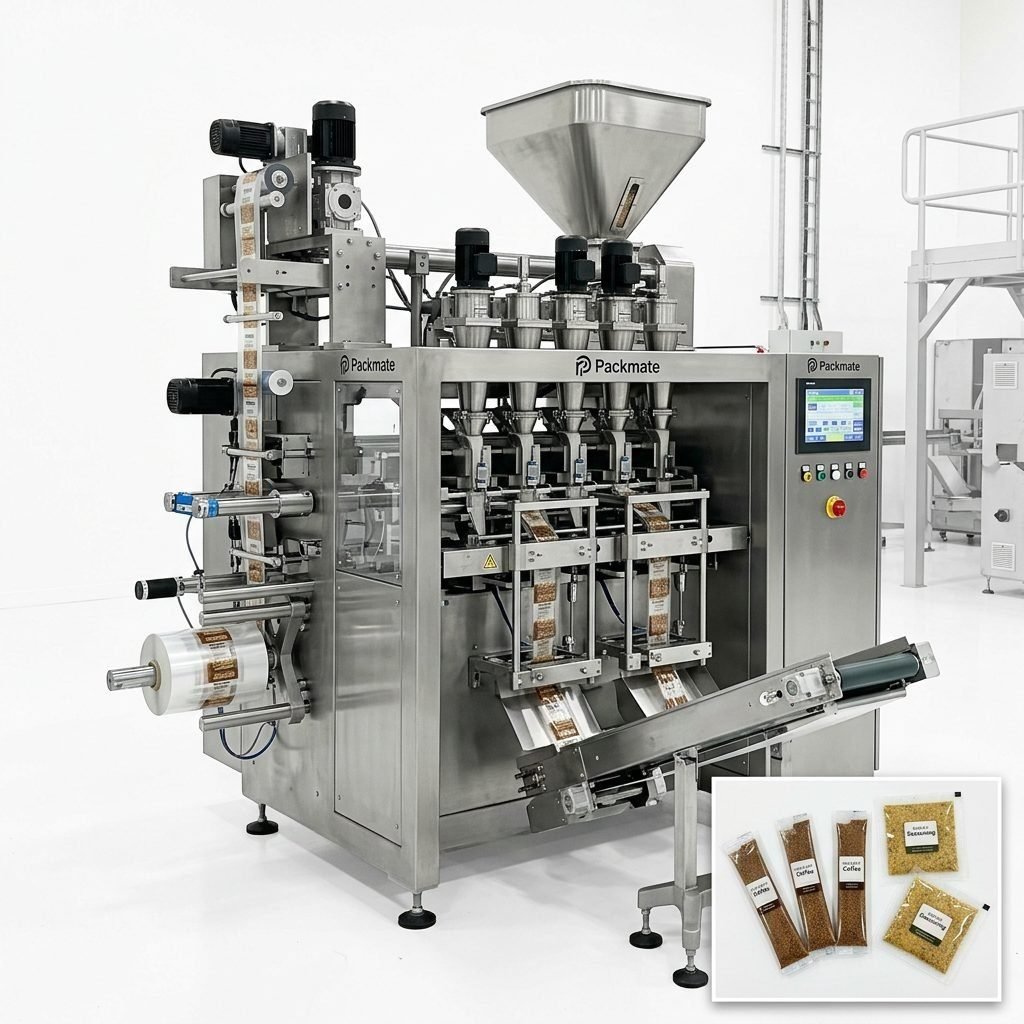
Obtain detailed quotations from at least three to five shortlisted manufacturers. The quote should be itemized, covering the machine price, optional accessories, spare parts kit, shipping costs (CIF Colombo), insurance, and any installation/commissioning fees. Never choose based on price alone. A slightly higher initial investment in a machine from an established manufacturer like Packmate Machinery or PacklineOEM can pay off through higher reliability, better efficiency, and longer machine life, reducing your total cost of ownership.
Analyze the value proposition: technical support, machine durability, energy consumption, and potential for future upgrades. A manufacturer that offers scalable solutions, allowing you to add lanes or integrate with other line equipment later, provides long-term flexibility for your growing business.
Spotlight on Specialized Manufacturers
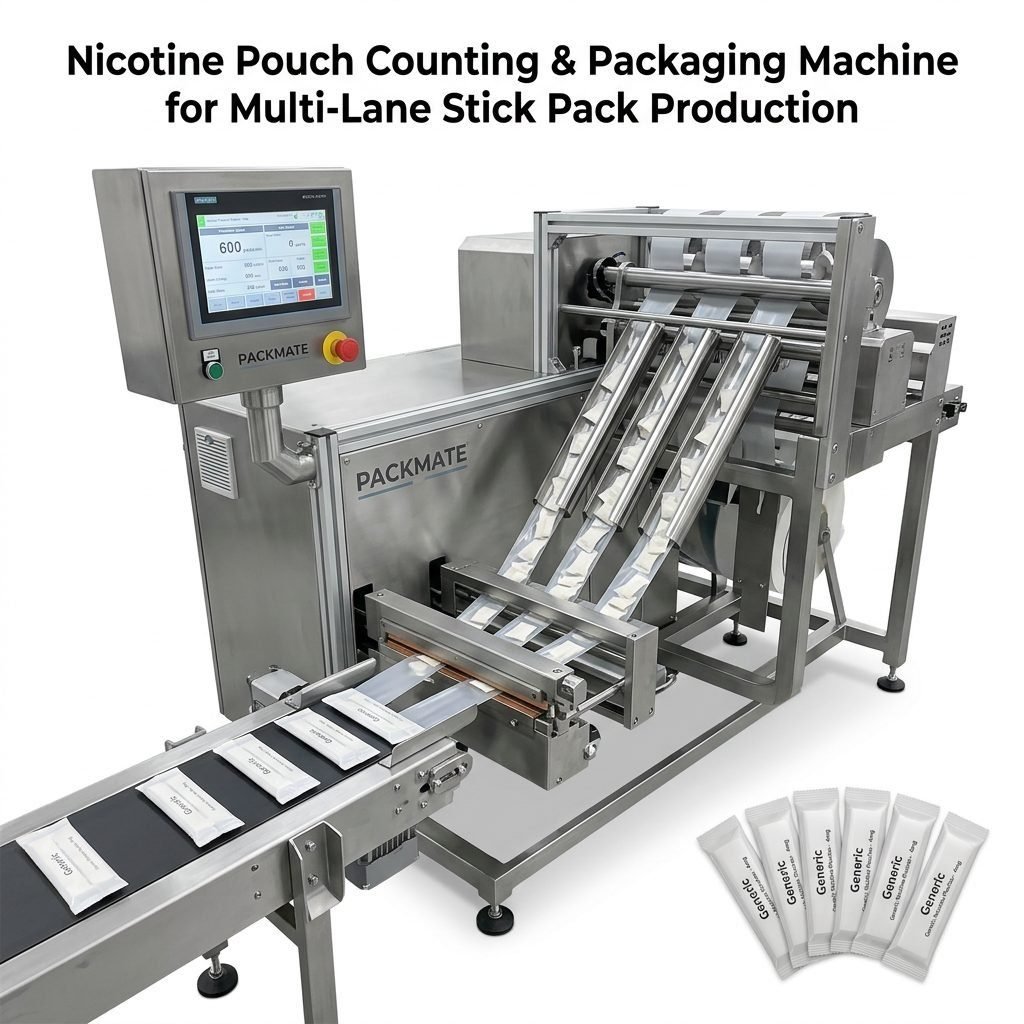
For niche applications, consider manufacturers with focused expertise. For instance, if you are venturing into the growing market of nicotine pouches or specialized herbal sachets, a supplier like SnusMachinery brings dedicated knowledge of precise dosing and sealing for pouch products. Similarly, if your project requires a completely bespoke, non-standard machine, a manufacturer specializing in customization, such as PackingMachineOEM, may be the ideal partner to develop a tailored solution from the ground up.
Final Steps: Factory Visit and Contract
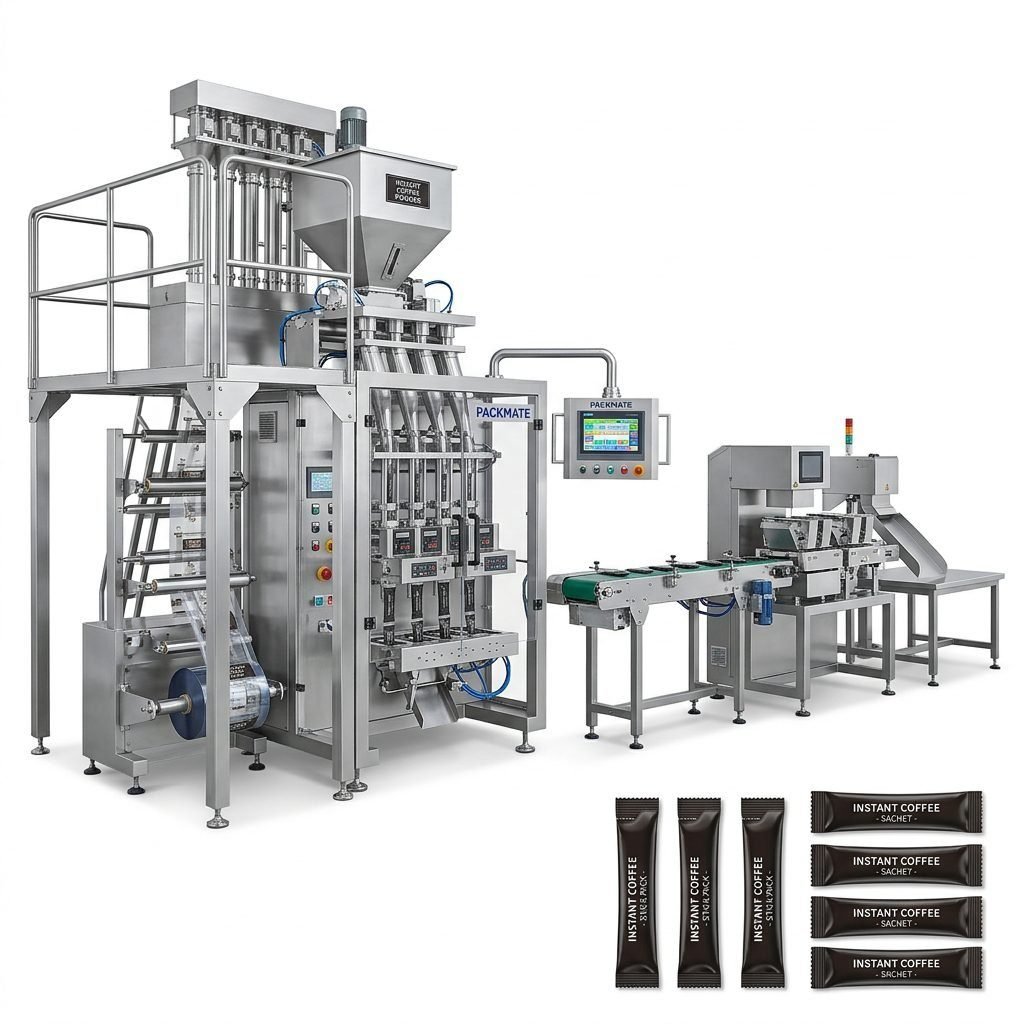
If feasible, arrange a visit to the manufacturer’s factory. This allows you to inspect build quality, assembly processes, and quality control firsthand. You can also see machines running under conditions similar to yours. During the visit, meet the engineering and project management teams who will handle your order.
The purchase contract must be clear and detailed. It should specify machine specifications, performance guarantees (e.g., speed, accuracy), delivery timeline, payment terms, warranty conditions, and responsibilities for installation and commissioning. Having a legally sound contract protects both parties and sets clear expectations for the project.
Frequently Asked Questions (FAQs)
What type of packaging machine is most common for Sri Lankan spice powders?
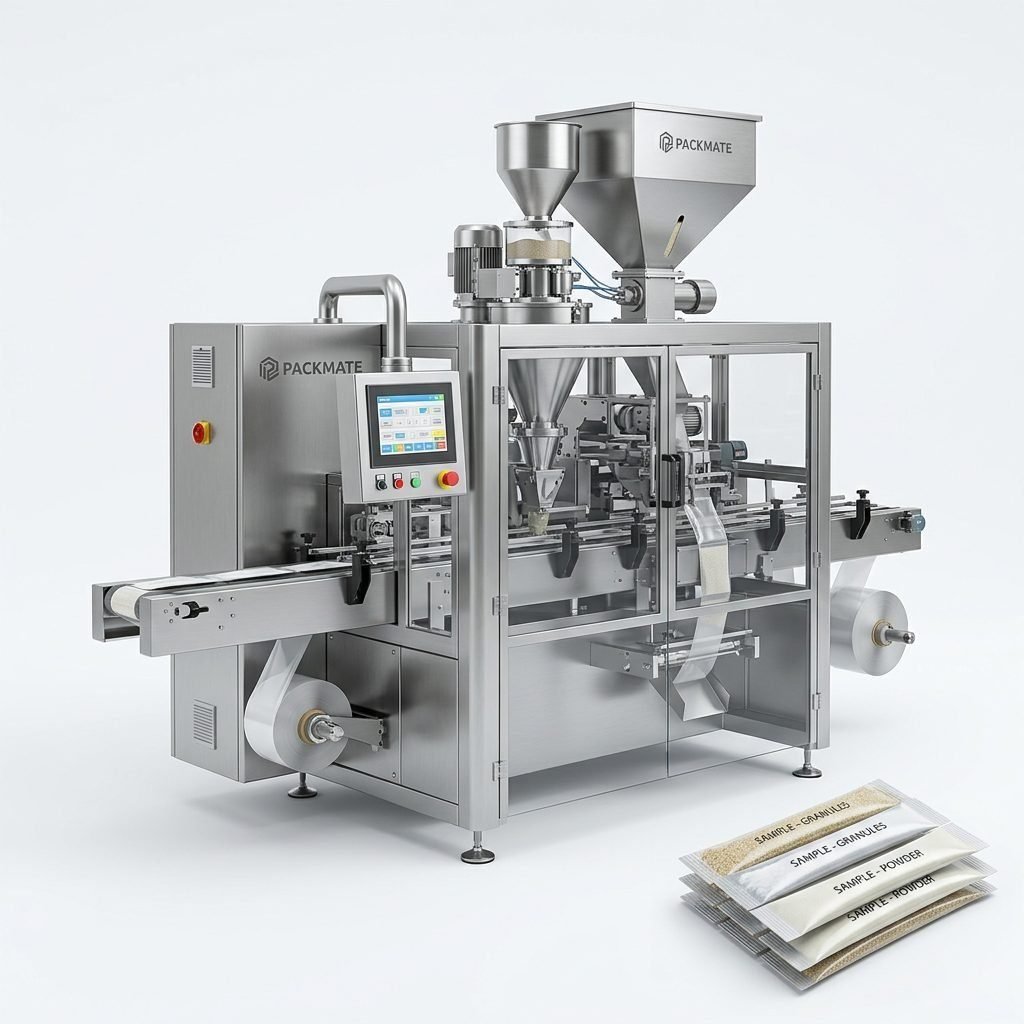
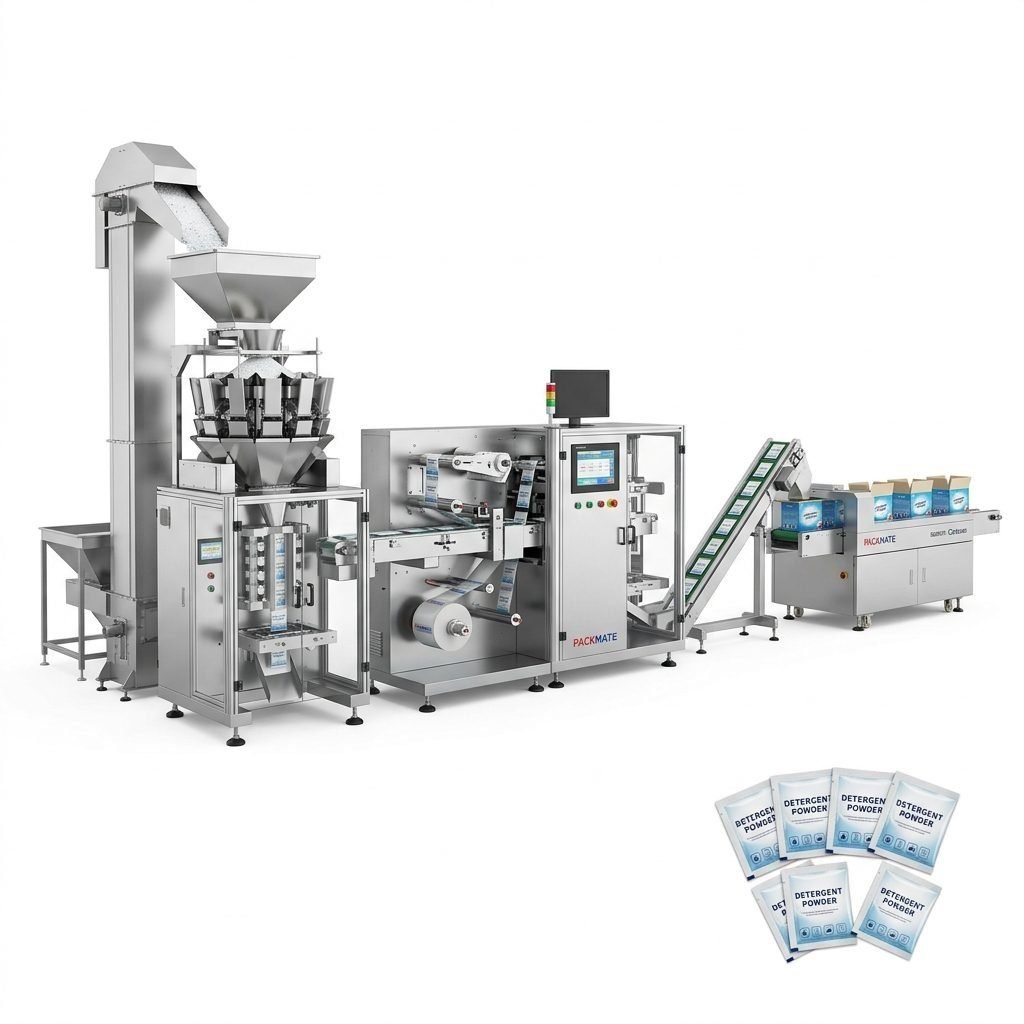
Multi-lane vertical form-fill-seal (VFFS) sachet or stick pack machines are highly common. They offer high speed and are excellent for packaging free-flowing and semi-cohesive powders like chili, curry powder, and turmeric. The choice between auger filler (for precision) and volumetric cup filler (for speed) depends on your required accuracy and budget.
How can I ensure the machine will handle Sri Lanka’s humid climate?
Discuss environmental specifications with the manufacturer. Request machines with components like servo motors and PLCs that have appropriate IP (Ingress Protection) ratings for dust and moisture. Using desiccant bags within the machine’s electrical panels and ensuring proper ventilation in your packaging room are also essential preventive measures.
Are there reliable local agents for international packaging machine brands in Sri Lanka?
Yes, several local engineering and trading companies act as agents or distributors for international brands. However, it is vital to verify their technical competency, spare parts inventory, and direct support channel to the original factory. Working with a manufacturer that has a direct export department can sometimes offer more streamlined communication and support.
What are the key import duties and taxes for bringing a packaging machine into Sri Lanka?
Import duties, VAT, and other levies apply. The exact rates can depend on the machine’s HS code and any applicable trade agreements. It is highly recommended to consult with a Sri Lankan customs broker or freight forwarder early in the procurement process to get a precise calculation of all landing costs.
Can I get a machine that packages both liquid sachets (e.g., coconut oil) and powder sachets?
Some advanced multi-purpose machines can handle both with changeover parts. However, for optimal performance and hygiene, especially when switching between vastly different products like oil and powder, dedicated machines are often recommended. Manufacturers like Ludyway offer models in both liquid and powder filling configurations, and their engineering team can advise on the best solution for a mixed-product line.