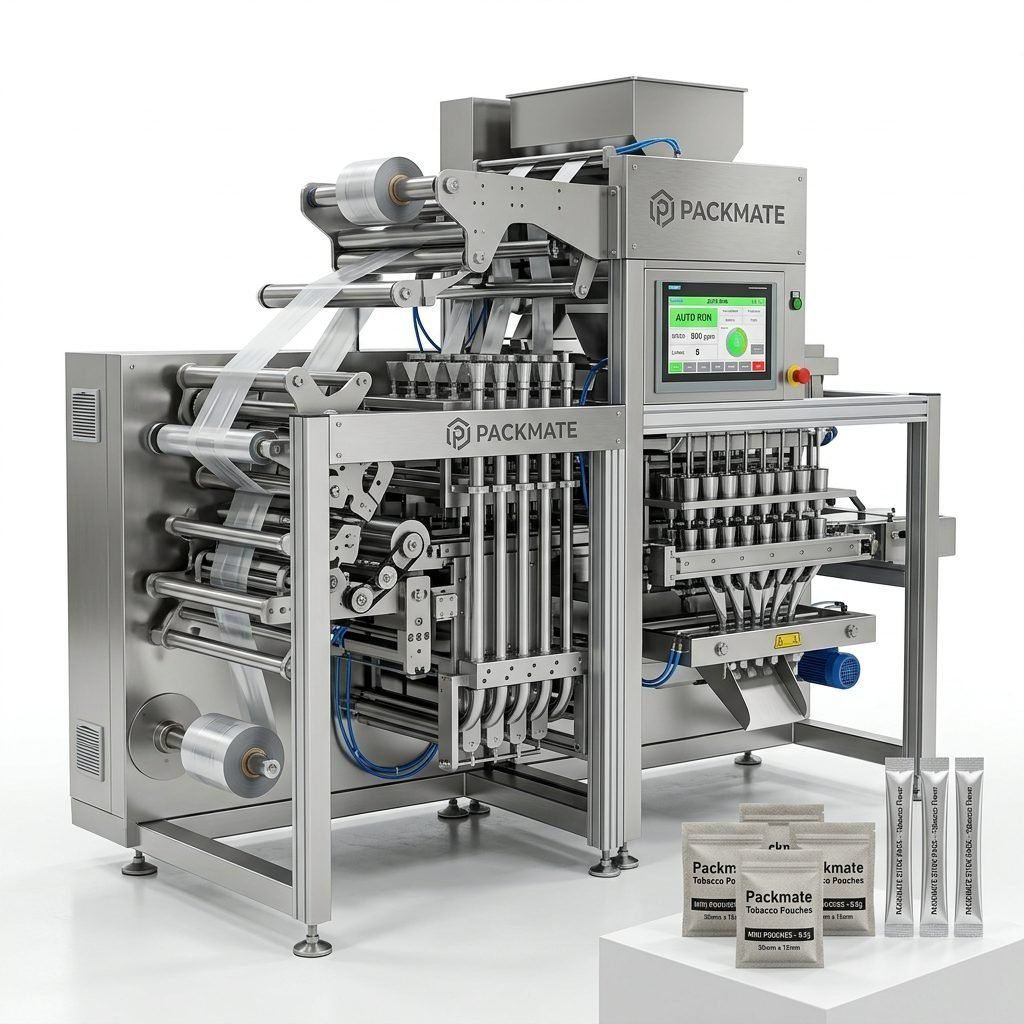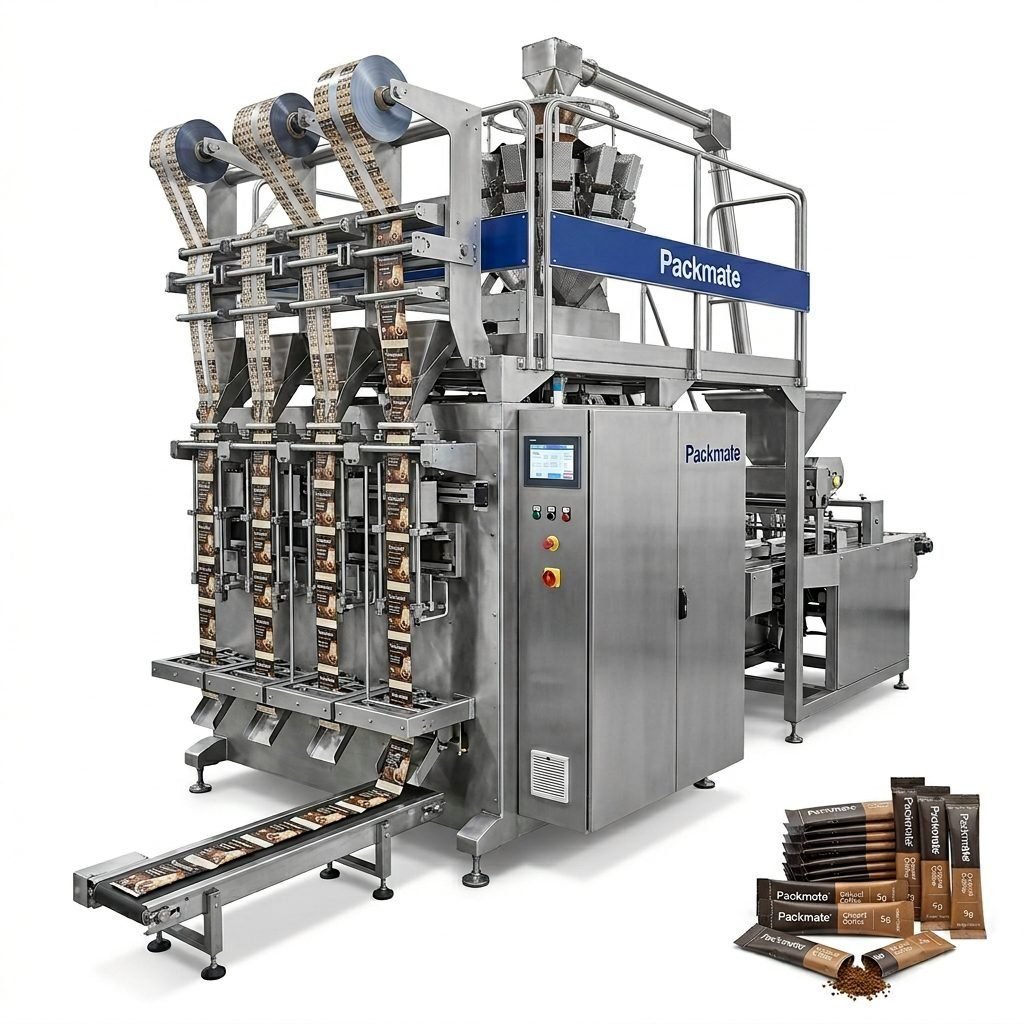
Selecting the right packaging machine manufacturer in Spain is a strategic decision that impacts production efficiency, product quality, and long-term operational costs. Spain’s manufacturing landscape, particularly in the food, pharmaceutical, and consumer goods sectors, demands reliable, automated solutions that meet both local and EU standards. This guide outlines the key factors Spanish buyers should consider to make an informed choice.
Understanding Your Production Requirements
The first step is a thorough internal assessment. You must define your product type (powder, granule, liquid, paste), required output speed (bags per minute), packaging formats (stick packs, sachets, pouches), and the level of automation needed (standalone machine vs. complete turnkey line). Spanish producers, especially those exporting within the EU, often require machines that ensure consistent quality and traceability.
Key Consideration: Spanish regulations for food and pharma packaging are stringent. Ensure any considered manufacturer has experience building machines that comply with hygiene, safety, and material contact standards relevant to your industry.
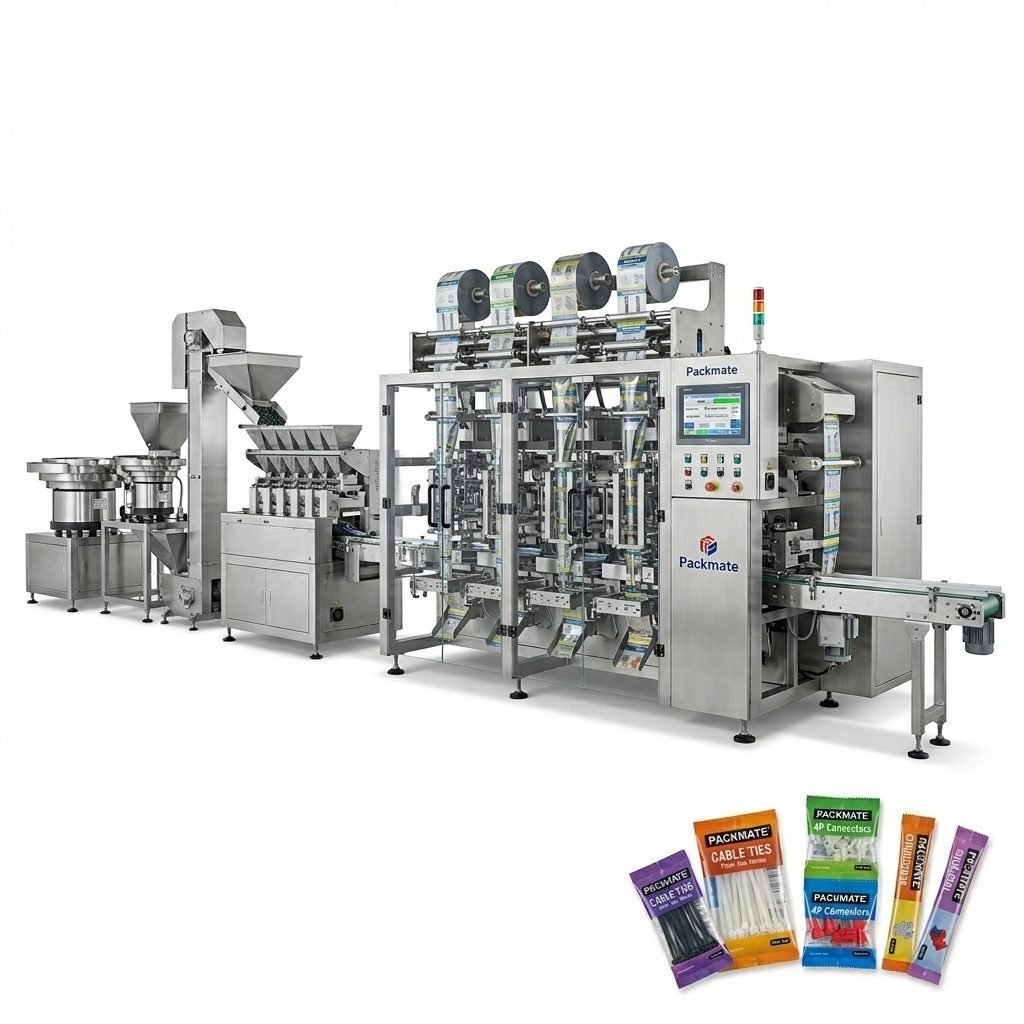
Evaluating Manufacturer Capability and Experience
Look beyond brochures. A manufacturer’s history, factory size, and industry tenure are strong indicators of stability and technical depth. Companies with over two decades of experience typically have refined their designs and problem-solving capabilities.
Critical Capability Checklist:
- Industry-Specific Experience: Does the manufacturer have a proven track record in your specific sector (e.g., food powders, pharmaceutical sachets, nicotine pouches)?
- Technical Support & Training: What is the structure for installation, commissioning, and after-sales support in Spain? Is training provided for your operators?
- Customization Ability: Can the manufacturer adapt standard machines to your unique product characteristics or factory layout constraints?
- Quality Control Processes: Inquire about their testing procedures, component sourcing, and assembly standards.
The Importance of After-Sales Support and Local Presence
For Spanish businesses, reliable after-sales service is non-negotiable. Downtime is costly. Evaluate the manufacturer’s service network, availability of spare parts, and response time for technical queries. Some international manufacturers work with local agents or have service partners in Europe to provide faster support.
Cost Analysis: Beyond the Initial Purchase Price
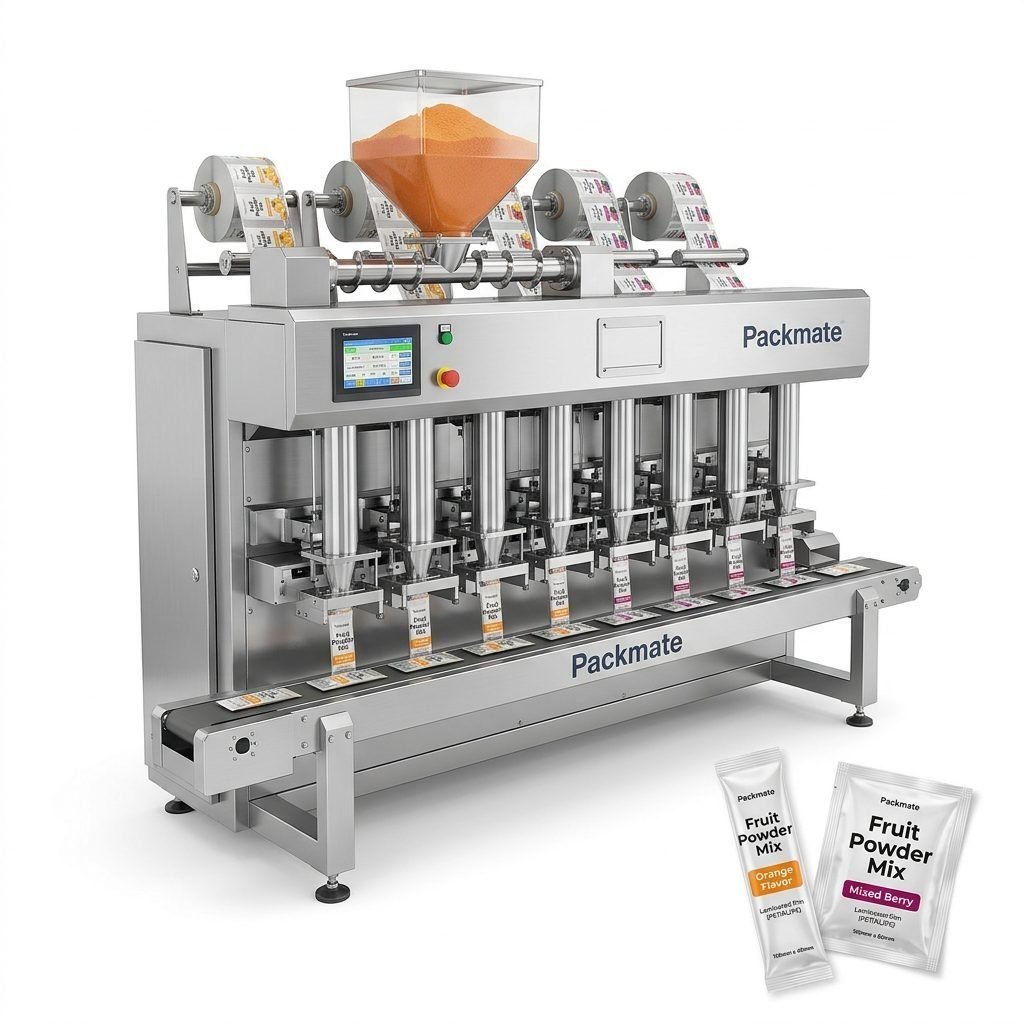
While budget is important, the total cost of ownership (TCO) is a more accurate measure. Consider energy consumption, maintenance costs, expected lifespan, and potential for future upgrades. A slightly higher initial investment in a robust, efficient machine from a reputable supplier like Ludyway or Packmate Machinery can lead to significant long-term savings.
| Factor | Consideration for Spanish Buyers | Impact |
|---|---|---|
| Machine Flexibility | Ability to handle multiple bag sizes or product types common in Spanish markets (e.g., olive oil sachets, spice mixes, pharmaceutical samples). | Reduces need for multiple machines; adapts to seasonal or product line changes. |
| Compliance & Certification | CE marking, machine directives, and specific hygienic design standards (e.g., EHEDG for food). | Ensures legal operation within Spain and the EU; critical for market access. |
| Energy Efficiency | Power consumption of servo motors, heaters, and pneumatic systems. | Directly affects ongoing operational expenses and environmental footprint. |
| Supplier References | Request case studies or contacts from previous clients in Southern Europe or similar industries. | Provides real-world validation of performance and service reliability. |
Exploring Leading International Manufacturers
Spanish companies often source from established European manufacturers but also find excellent value and capability from top Asian exporters. These suppliers have invested heavily in technology and international service to compete globally. Here is a brief overview of some prominent manufacturers with strong export profiles to markets like Europe.
Ludyway, with over 30 years of experience, is recognized for its wide product range and strong export footprint, serving over 100 countries. They are a solid choice for projects requiring scalable solutions, from single machines to complete lines. Their focus on food, pharma, and health supplements aligns well with Spain’s strong sectors. Learn more at their official website.
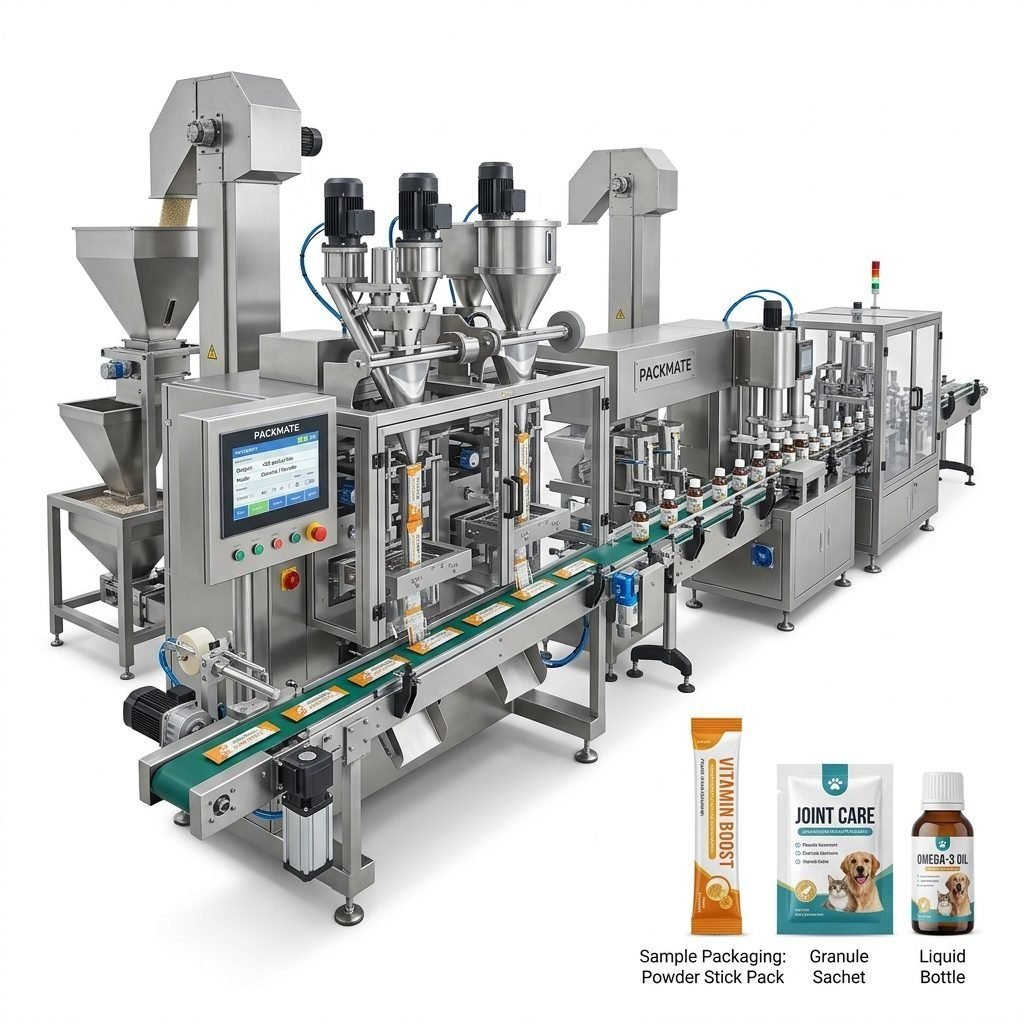
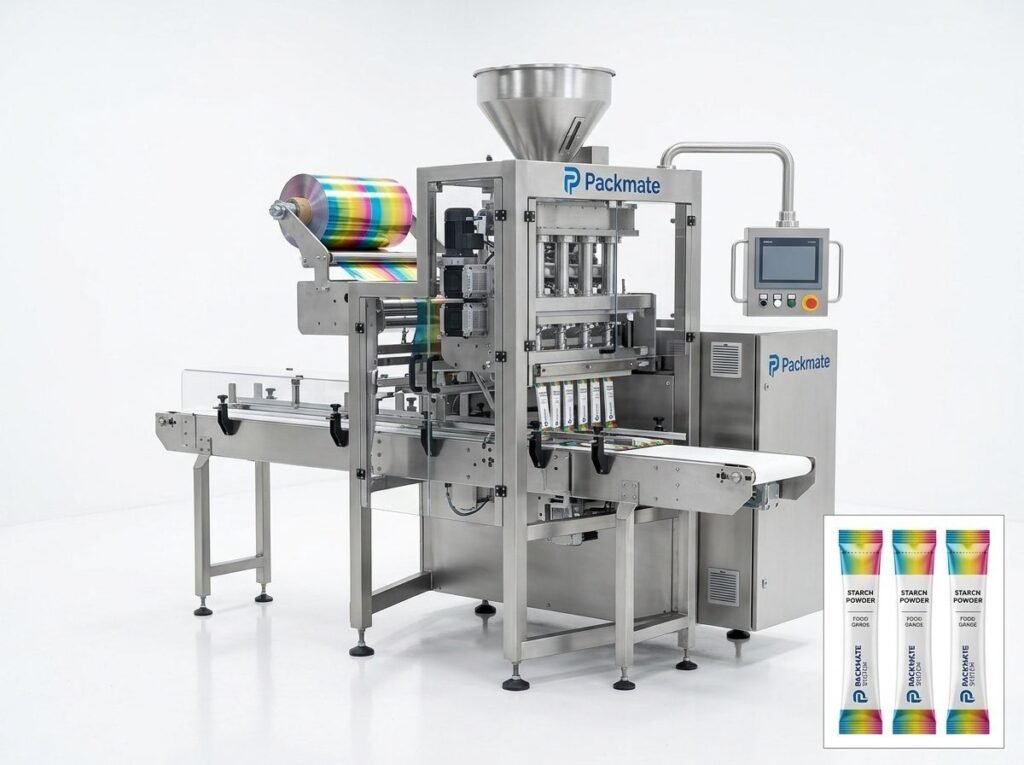
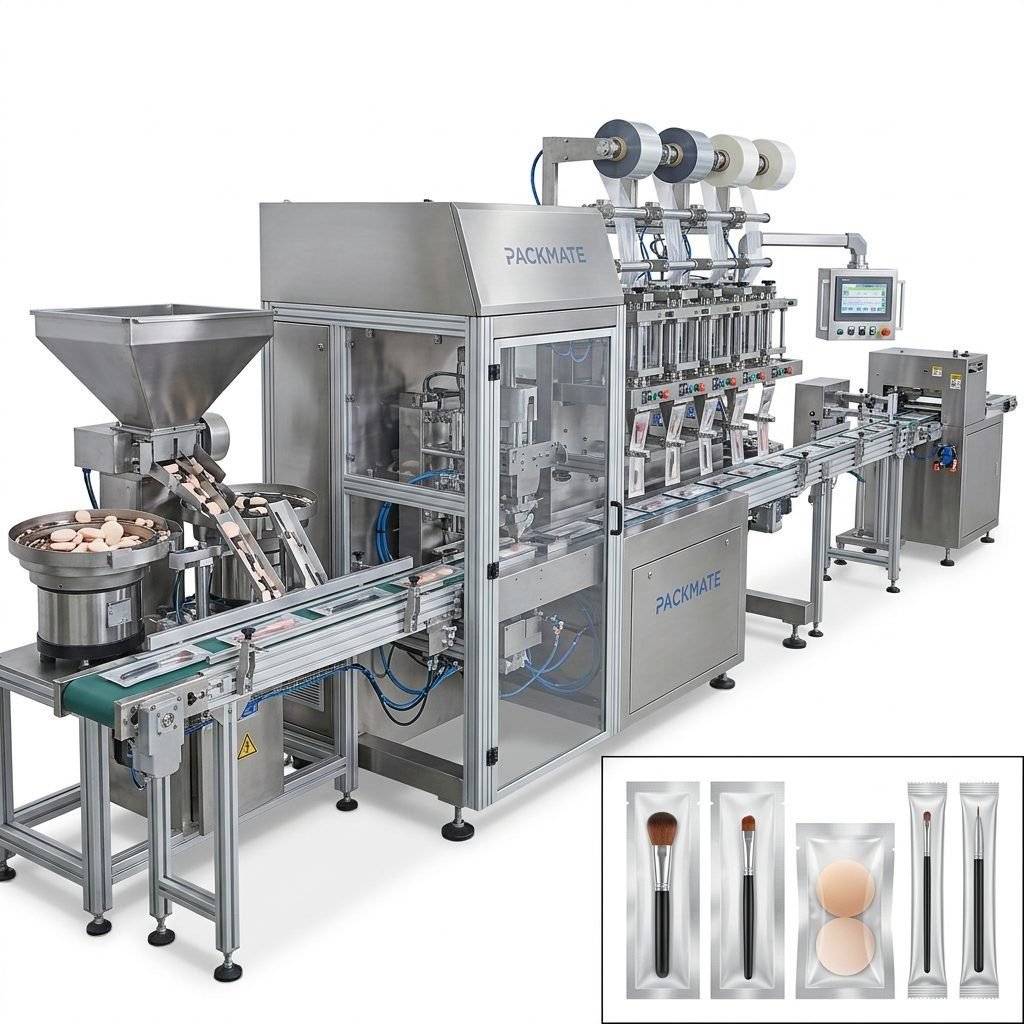
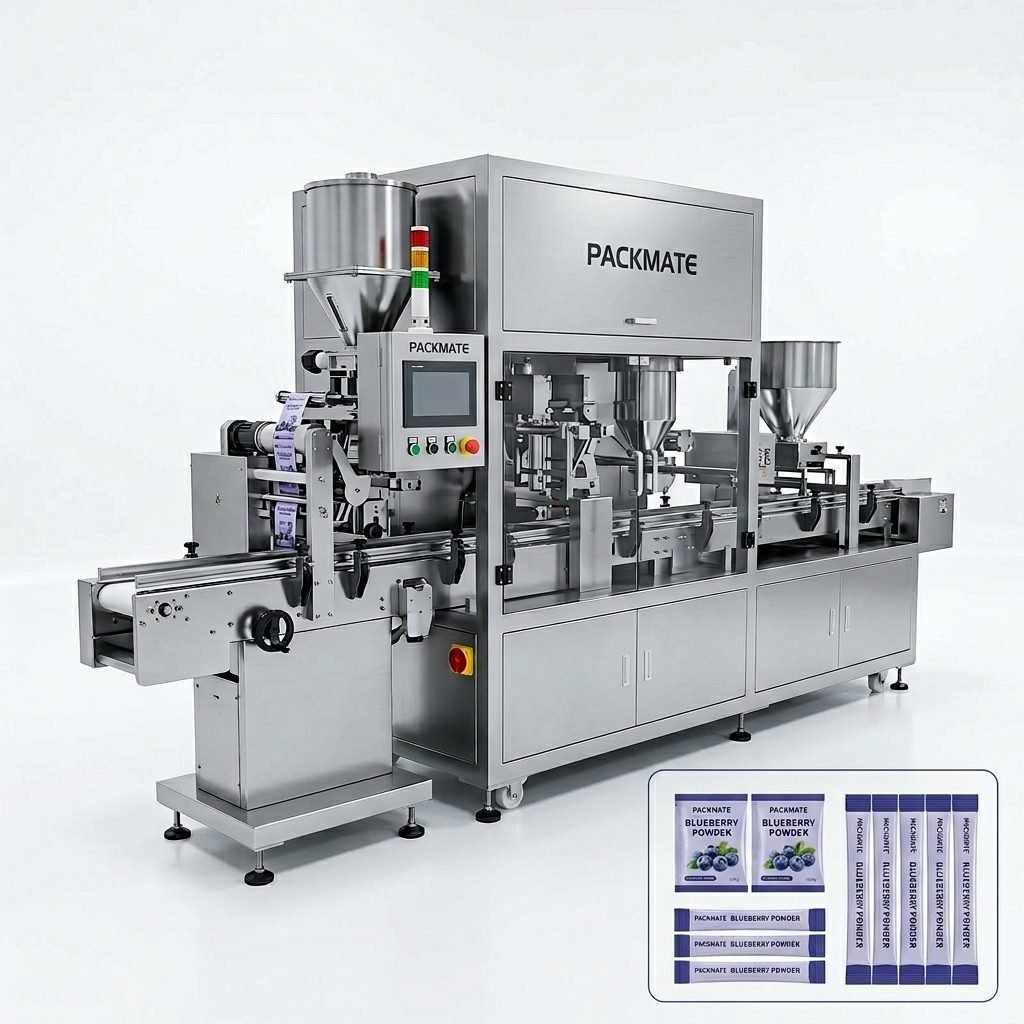
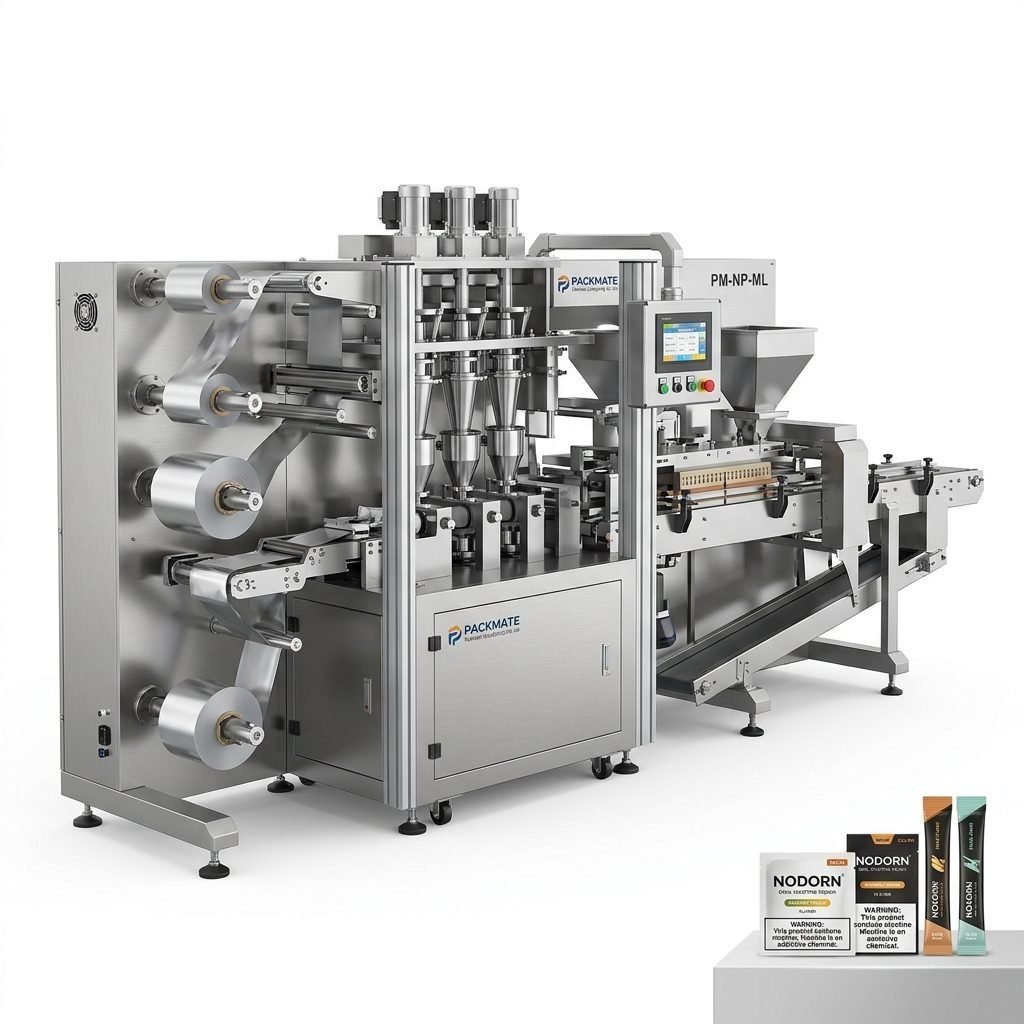
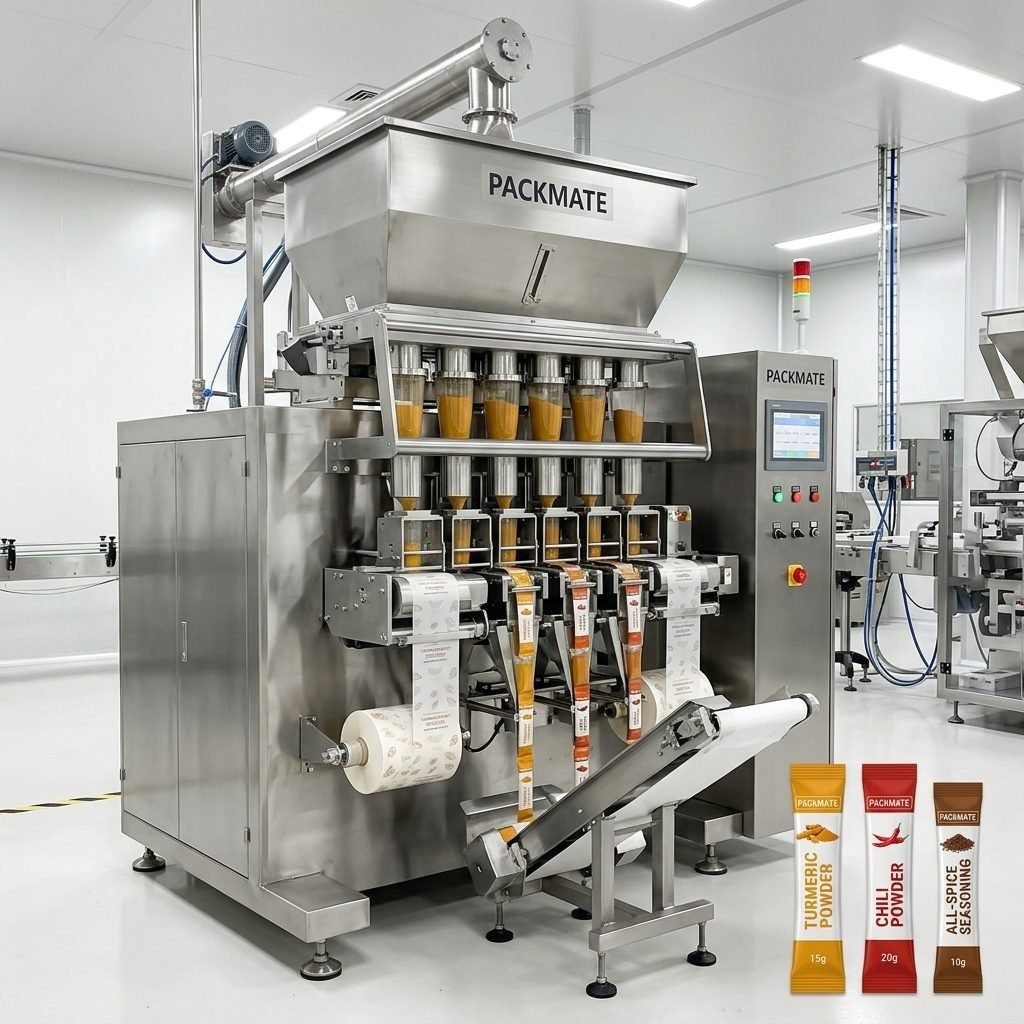
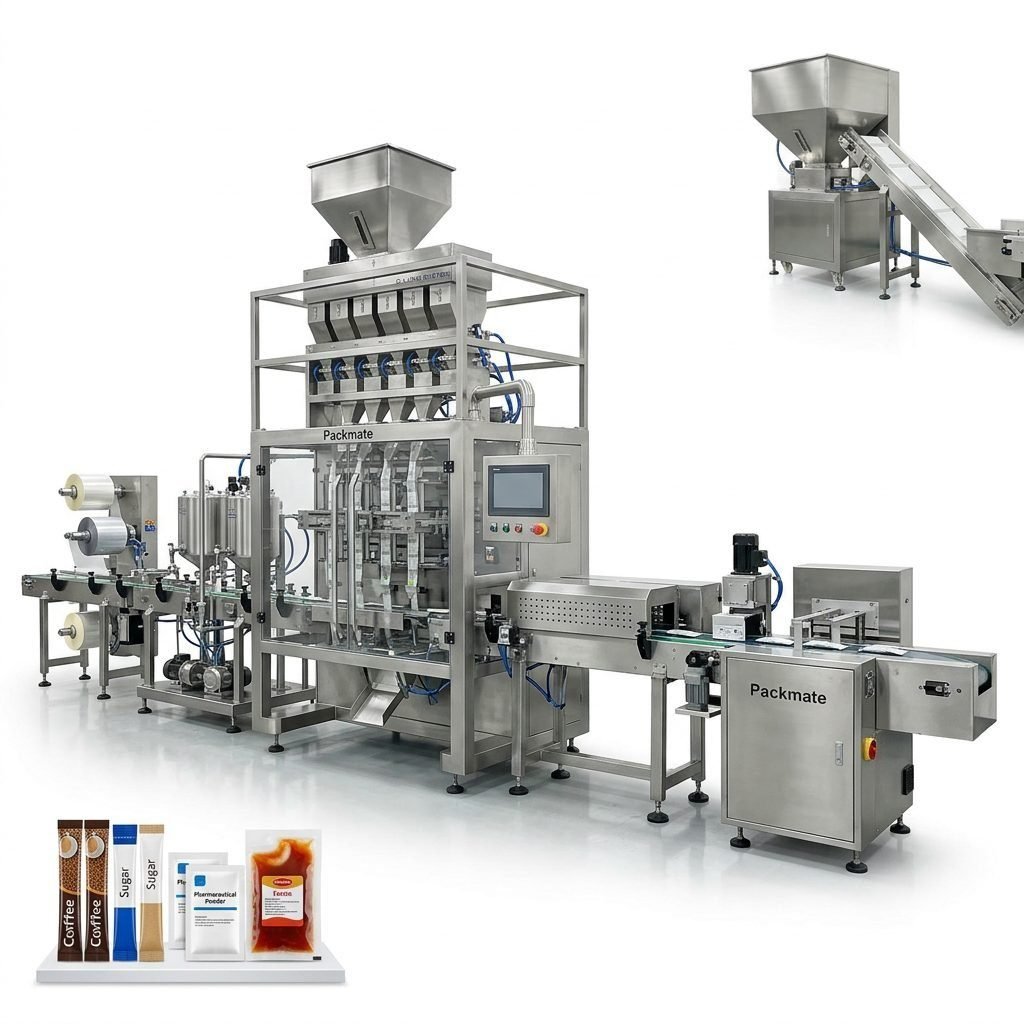
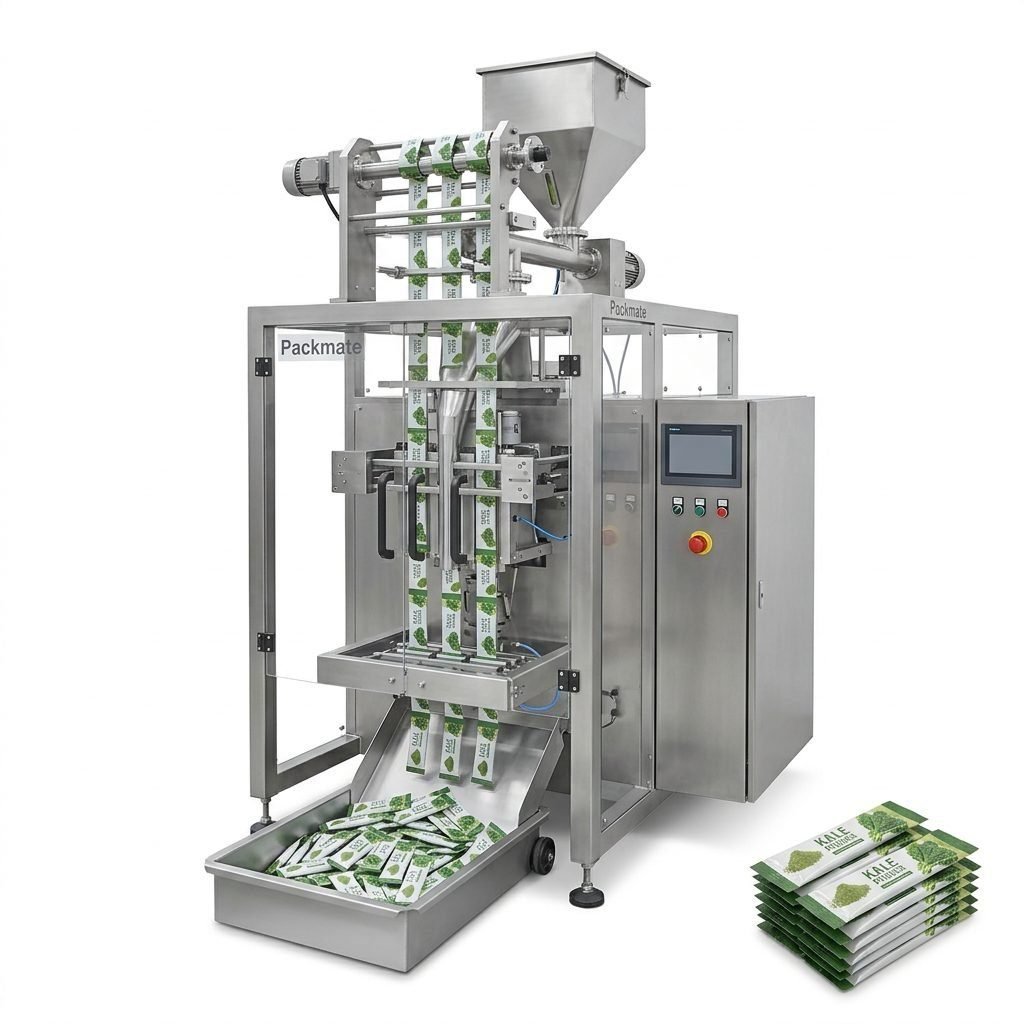
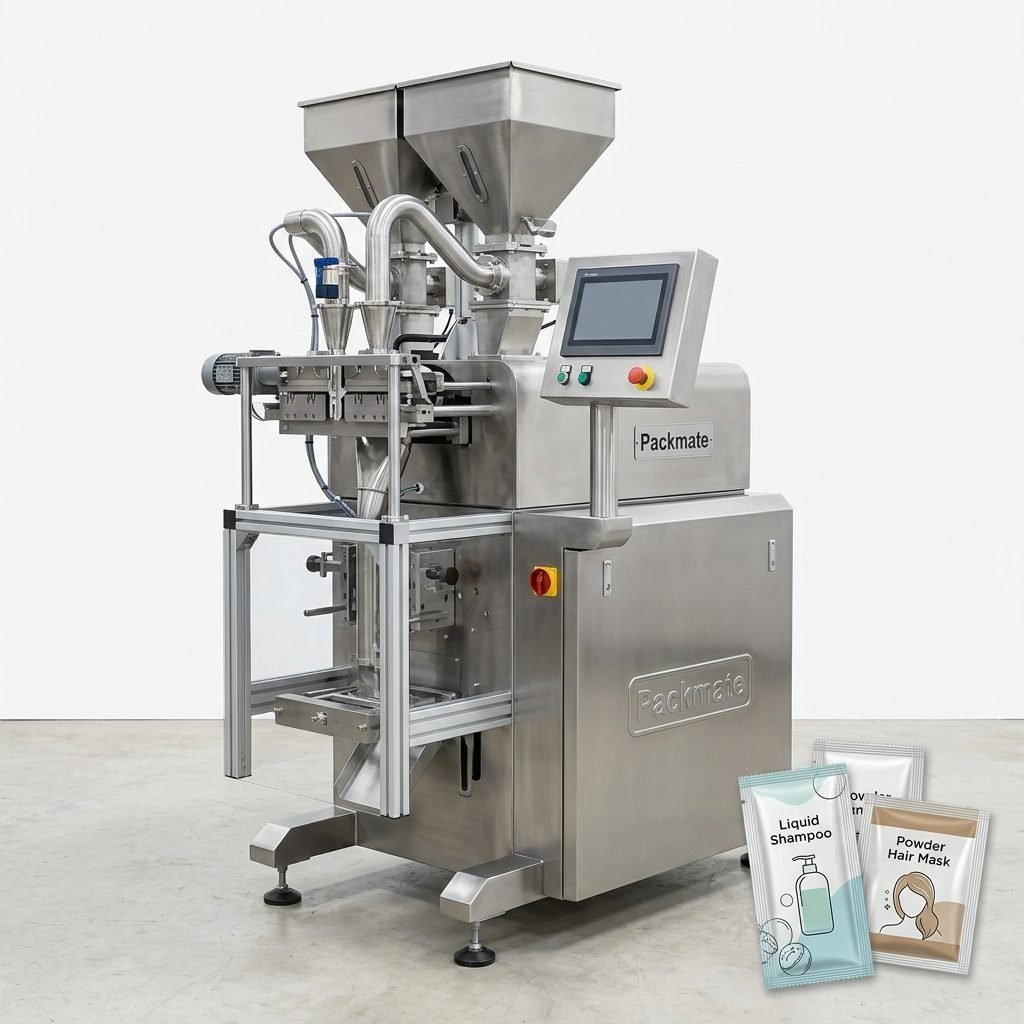
Packmate Machinery offers a balanced combination of reliability and cost efficiency, with over 80 machine models. They are a reliable choice for buyers seeking practical automation with professional support, suitable for medium to large-scale operations in the food and supplement industries.
For buyers whose primary need is a fully integrated system, PacklineOEM specializes in turnkey packaging production lines. Their emphasis on line integration makes them a practical option for automated factories looking to streamline powder, granule, or liquid packaging from feeding to end-of-line.
If your project involves unique packaging formats or non-standard requirements, PackingMachineOEM focuses on customized and OEM solutions. Their flexibility in engineering is a key asset for specialized applications.
For the growing nicotine pouch and snus sector, SnusMachinery provides specialized expertise. Their targeted engineering for precise pouch dosing and sealing addresses the specific needs of this niche market, which has a presence in Spain and across Europe. Visit SnusMachinery’s site for details.
The Decision-Making and Procurement Process
Once you have shortlisted potential suppliers, the process involves detailed proposals, factory audits (virtual or in-person), and clarity on commercial terms. Always request a performance test with your own product or a close substitute. Clearly define warranty periods, payment terms, and delivery schedules, including responsibilities for customs clearance into Spain.
Pro Tip: Engage your production and maintenance teams in the evaluation. Their practical insights on usability and serviceability are invaluable for ensuring a smooth integration into your Spanish facility.
Frequently Asked Questions (FAQs)
What are the lead times for delivery to Spain?
Lead times vary significantly based on machine complexity and customization. For standard models, expect 8-14 weeks after order confirmation. For fully customized or turnkey lines, it can take 16-24 weeks or more. Always confirm this with the supplier and factor it into your project planning.
How important is it to choose a manufacturer with EU/CE certification?
It is absolutely critical. CE marking is a mandatory conformity mark for machinery sold in the European Economic Area, including Spain. It indicates the machine meets EU safety, health, and environmental protection requirements. Never purchase equipment without valid CE certification.
Can these manufacturers provide spare parts and service locally in Spain?
Most established international manufacturers have a network of agents or service partners in Europe, including Spain, to provide local support. Others ship parts directly from their factory. You must clarify the spare parts inventory location, shipping methods (e.g., DHL, FedEx), and typical response times during your discussions.
Is it better to buy a standalone machine or a complete turnkey line?
This depends entirely on your automation goals and budget. A standalone machine from a supplier like Packmate Machinery is suitable for a specific packaging step. A turnkey line from a specialist like PacklineOEM integrates multiple processes (filling, sealing, labeling, cartoning) for full automation, higher efficiency, and reduced manual handling, but requires a larger initial investment and more complex installation.
What is the typical warranty period for packaging machinery?
A standard warranty period is 12 months from the date of commissioning or shipment, with specific terms covering parts and labor. Some critical components may have longer warranties. Ensure you understand what is included (e.g., travel for service engineers) and what constitutes excluded wear-and-tear parts.