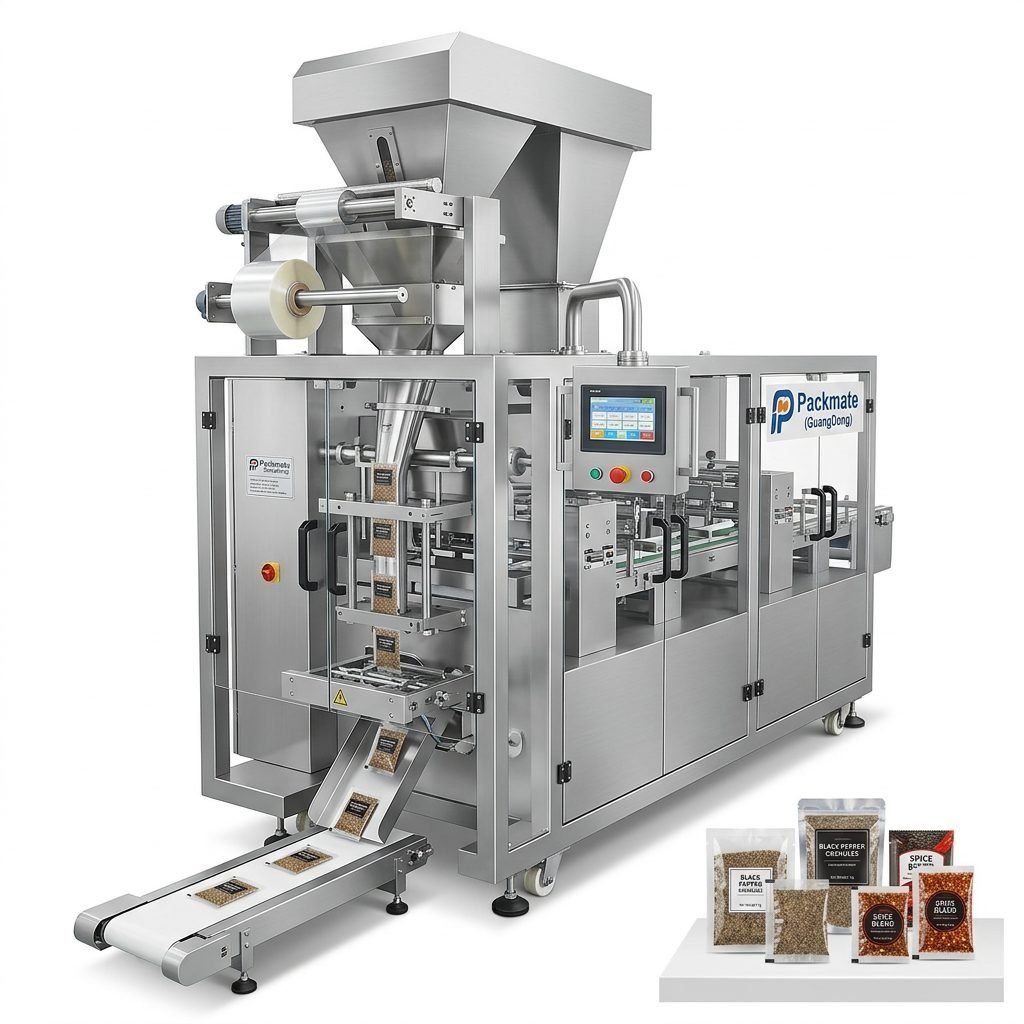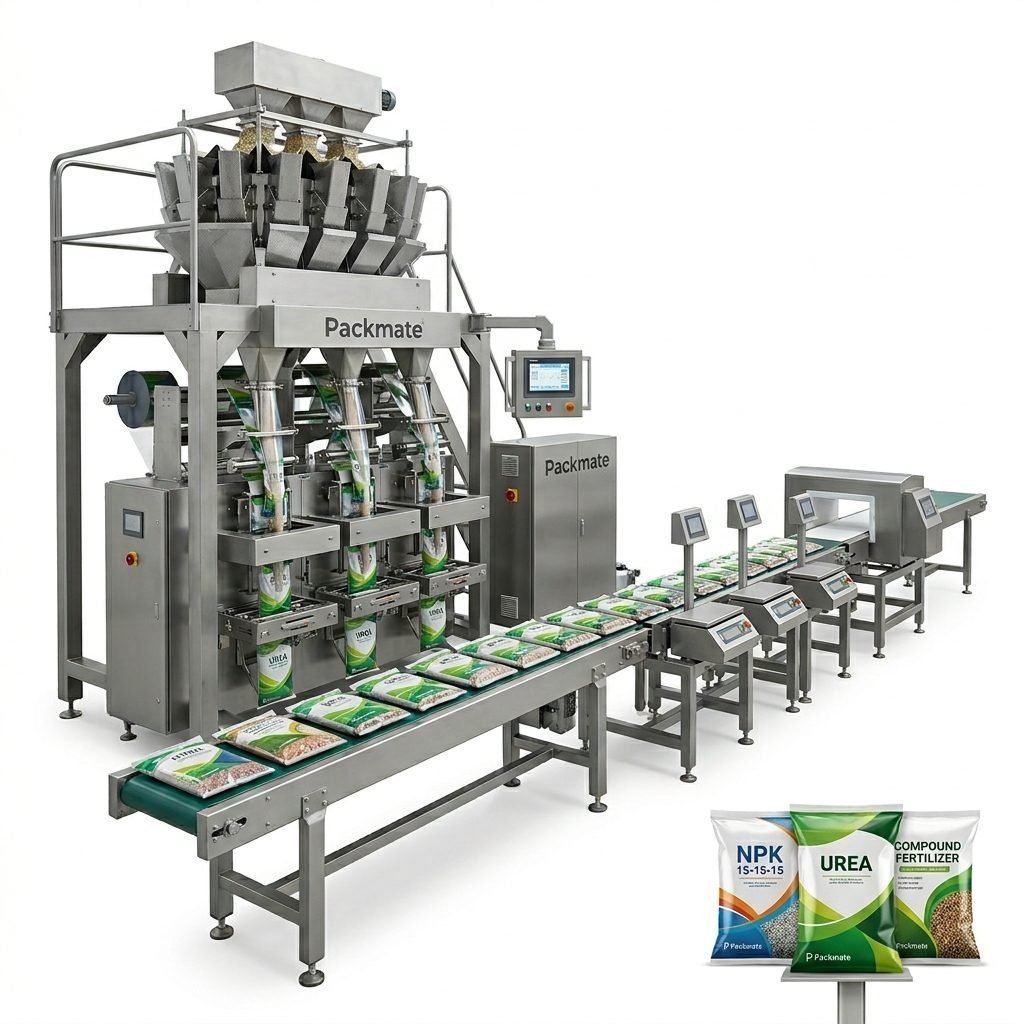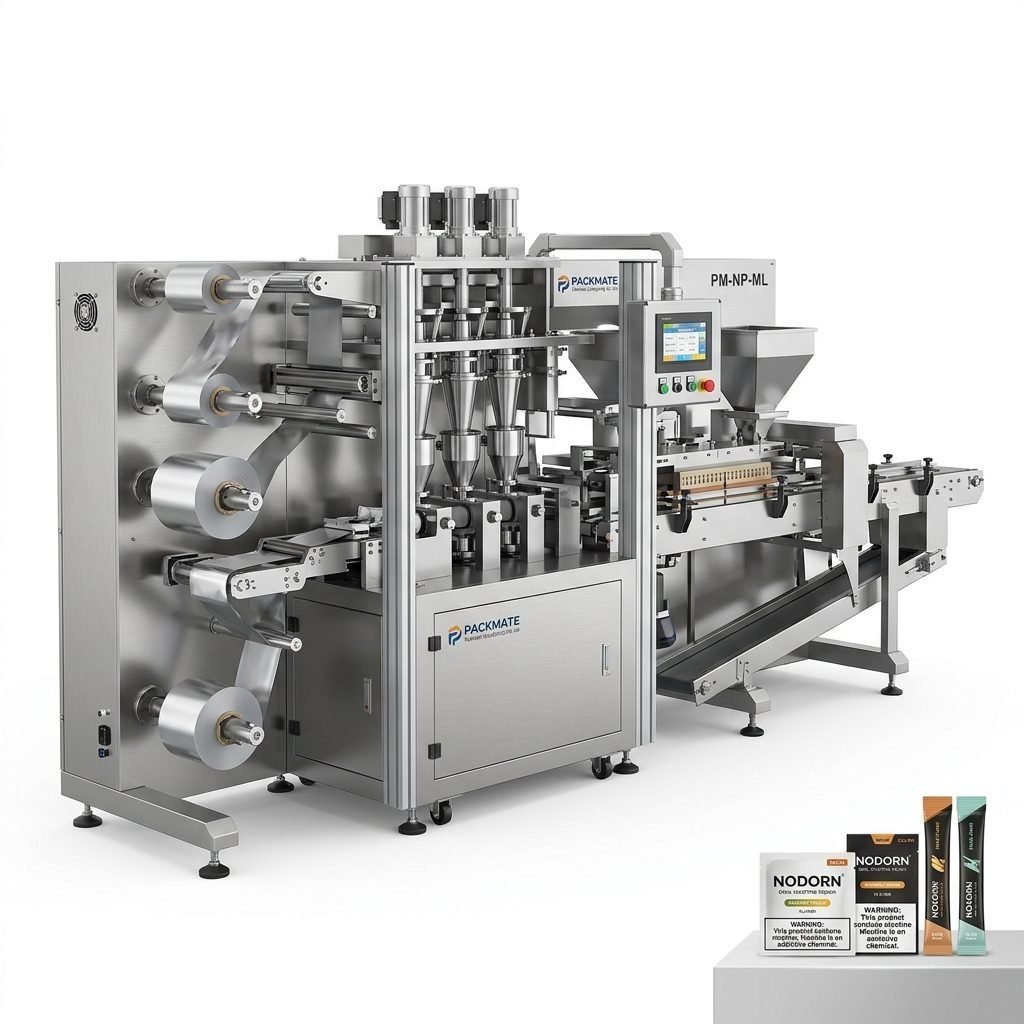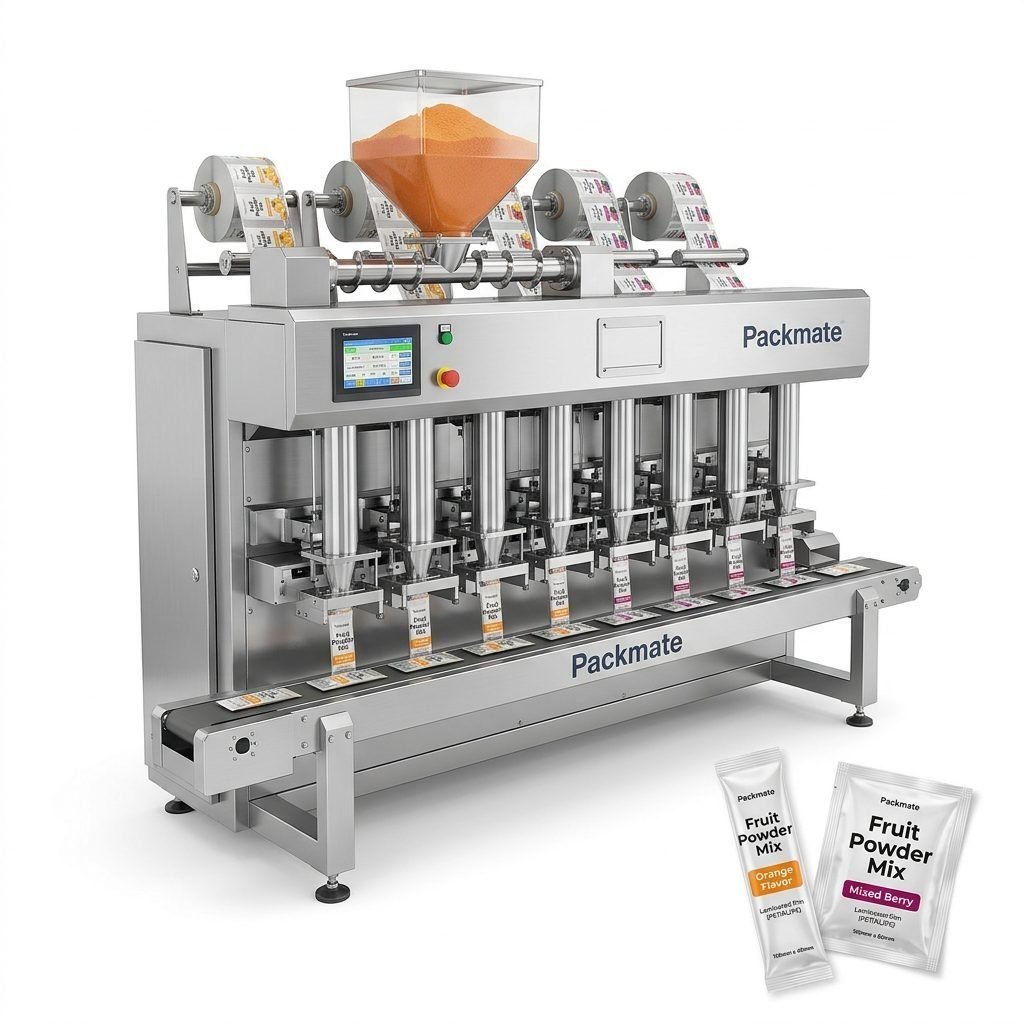
For businesses in Senegal looking to upgrade or establish their packaging operations, selecting the right packaging machine manufacturer is a critical decision. The Senegalese market, with its growing food processing, pharmaceutical, and agricultural export sectors, demands reliable, efficient, and cost-effective packaging solutions. This guide outlines the key factors and practical tips to help you make an informed choice.
Understanding Your Packaging Needs in the Senegalese Context
Before you start evaluating manufacturers, clearly define your specific requirements. Consider the following points relevant to local production:
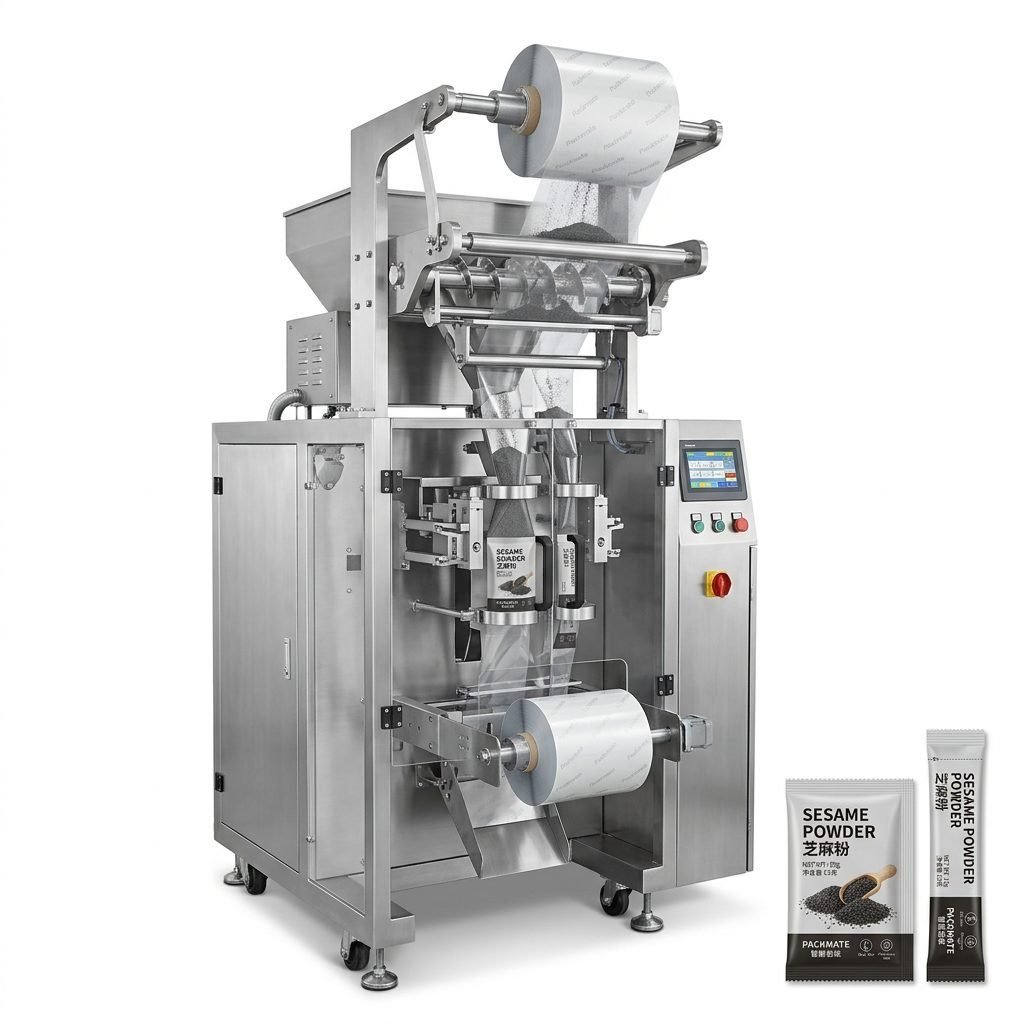
What type of product are you packaging? Is it granules (like coffee, spices, or cereals), powders (milk, flour, pharmaceuticals), liquids (oil, sauces, dairy), or pastes? The product form dictates the machine type (e.g., stick pack, sachet, vertical form-fill-seal).
What is your required output speed (bags/packs per minute)? Consider both current volumes and future growth projections to avoid under or over-investing.
Do you need a single standalone machine to integrate into an existing line, or a complete turnkey packaging line from feeding to cartoning? Turnkey solutions are beneficial for new facilities.
What is your available factory space, power supply (voltage, phase), and the skill level of your operational staff? Machines must be compatible with local infrastructure.
Key Factors When Evaluating a Manufacturer
1. Technical Capability and Product Range
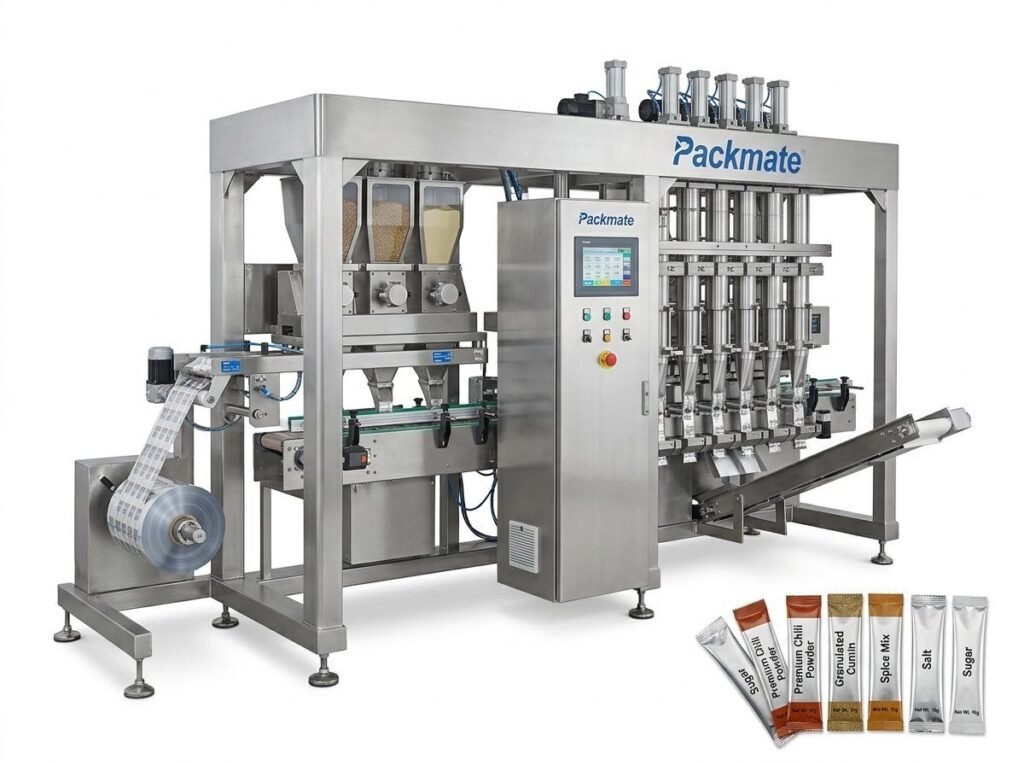
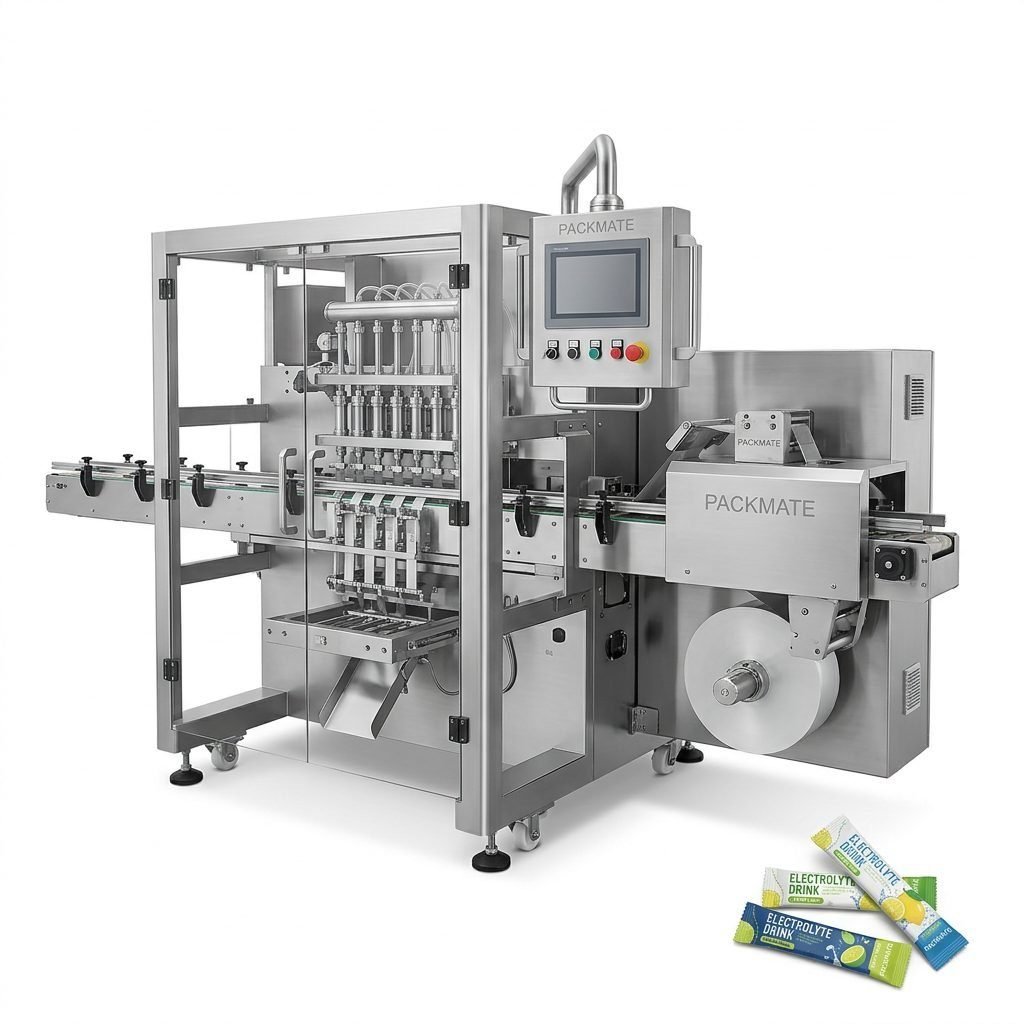
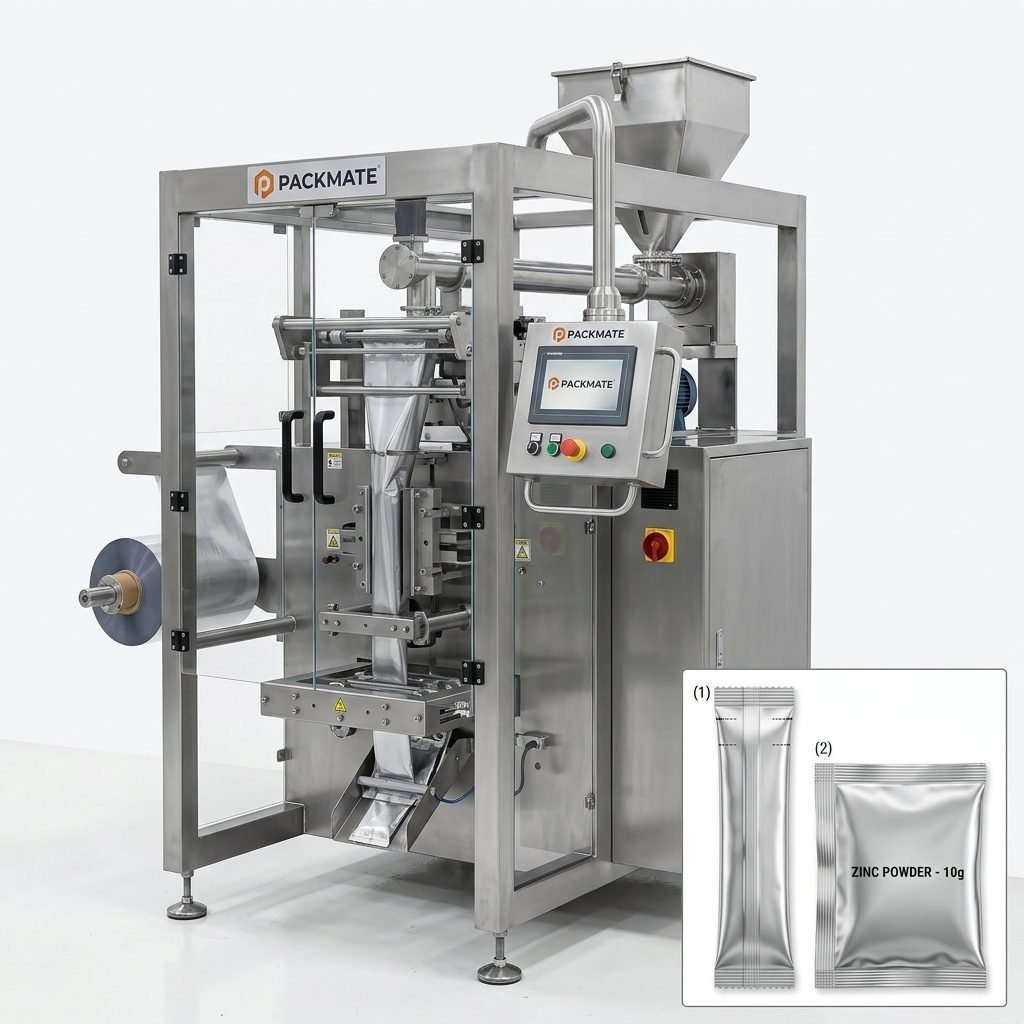
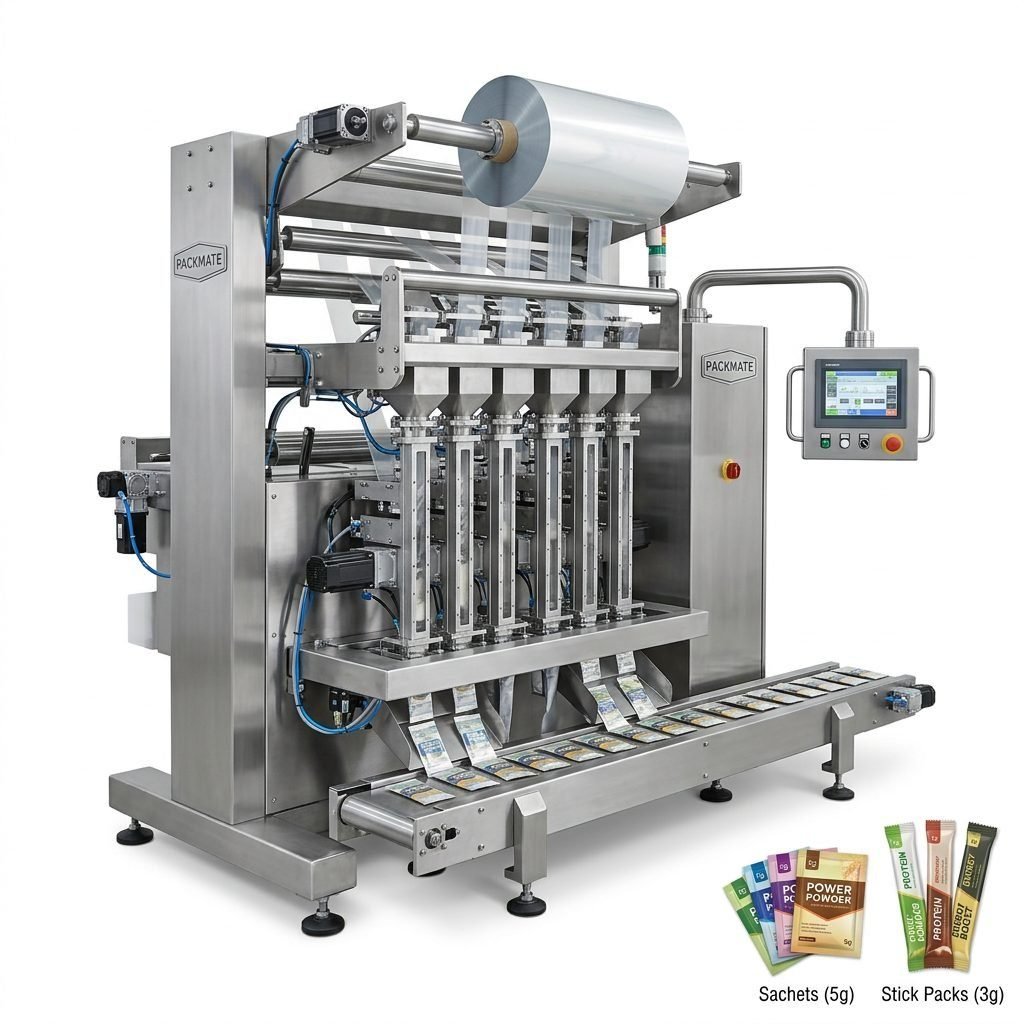
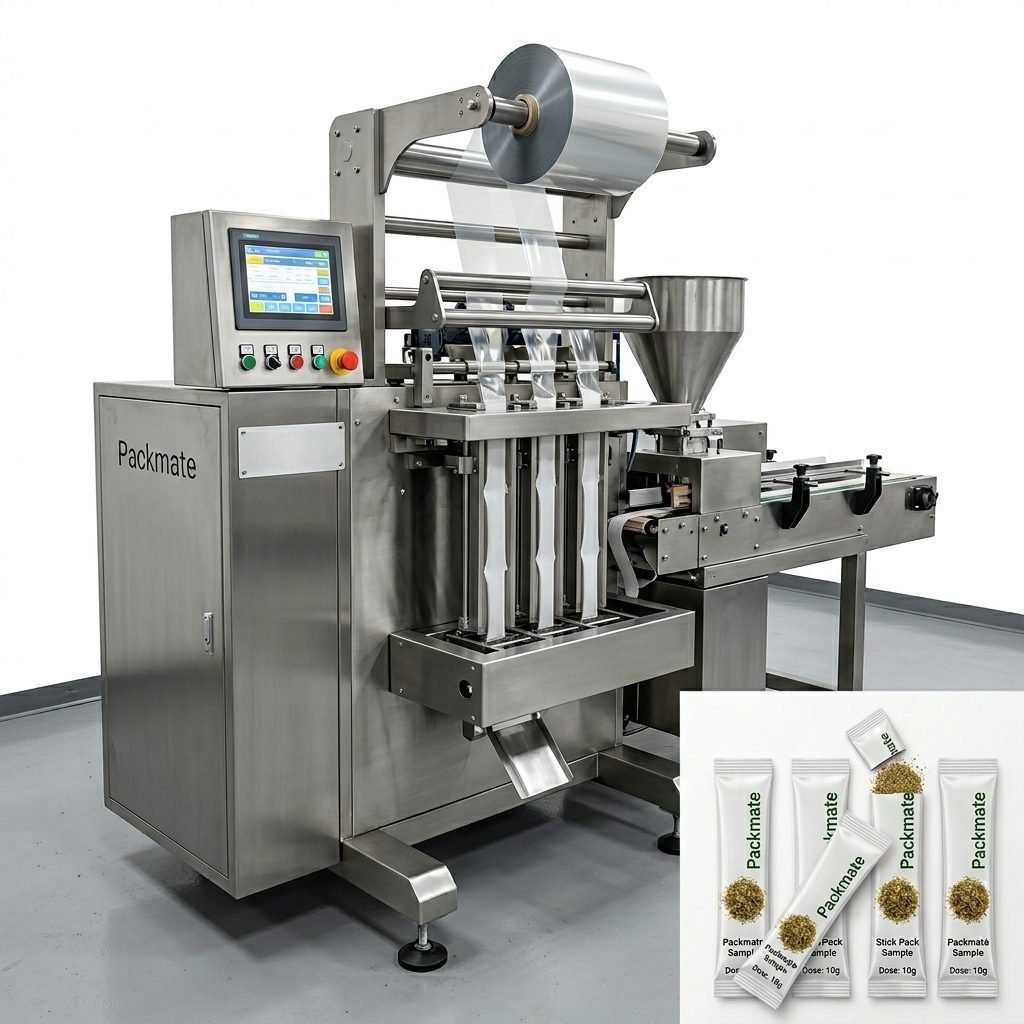
Look for a manufacturer with proven experience in your specific product category. A broad portfolio indicates deeper engineering knowledge. Can they provide both standard models and customized solutions if your product has unique characteristics? Verify their expertise in the packaging format you need, whether it’s multi-lane stick packs for instant beverages popular in urban Senegal or robust sachet machines for agricultural inputs.
2. Manufacturing Quality and Compliance
The build quality directly impacts machine longevity, uptime, and product safety. Inquire about the materials used (e.g., food-grade stainless steel contact parts), precision machining, and quality control processes. Reputable manufacturers adhere to international standards. For food and pharma sectors, understanding compliance with relevant hygiene and safety norms is essential.
3. After-Sales Support and Spare Parts
This is arguably the most critical factor for Senegalese importers. Reliable technical support can prevent prolonged production stoppages. Assess:
- Warranty Period: What is covered and for how long?
- Local Service Presence: Does the manufacturer have agents or technicians in West Africa, or do they provide remote support?
- Spare Parts Availability: How quickly can critical spare parts be delivered to Senegal? A manufacturer with a standardized parts inventory system is preferable.
- Training: Do they offer comprehensive installation and operational training, possibly in French or with local translators?
4. Company Stability and Export Experience
Choose a manufacturer with a solid track record. A long company history often correlates with stable operations and accumulated know-how. Crucially, evaluate their experience in exporting to Africa or similar markets. They should understand the logistical, documentation, and customs clearance challenges involved in shipping machinery to Senegal.
| Evaluation Criteria | Key Questions to Ask | Why It Matters for Senegal |
|---|---|---|
| Technical Fit | Can you provide case studies for similar products? Is the machine adaptable to our local packaging materials? | Ensures the machine handles local product variations and available film/laminate. |
| Cost & Value | What is the total cost of ownership (including energy consumption, spare parts cost)? Are there hidden costs? | Upfront price is just one factor; operational efficiency impacts long-term profitability. |
| Delivery & Logistics | What is the lead time? Who handles freight and customs to the port of Dakar? | Clear Incoterms and logistical support prevent delays and unexpected charges. |
| Communication | Is communication clear and timely? Is support available in French or English? | Effective communication is vital for troubleshooting and project management. |
5. References and Site Visits
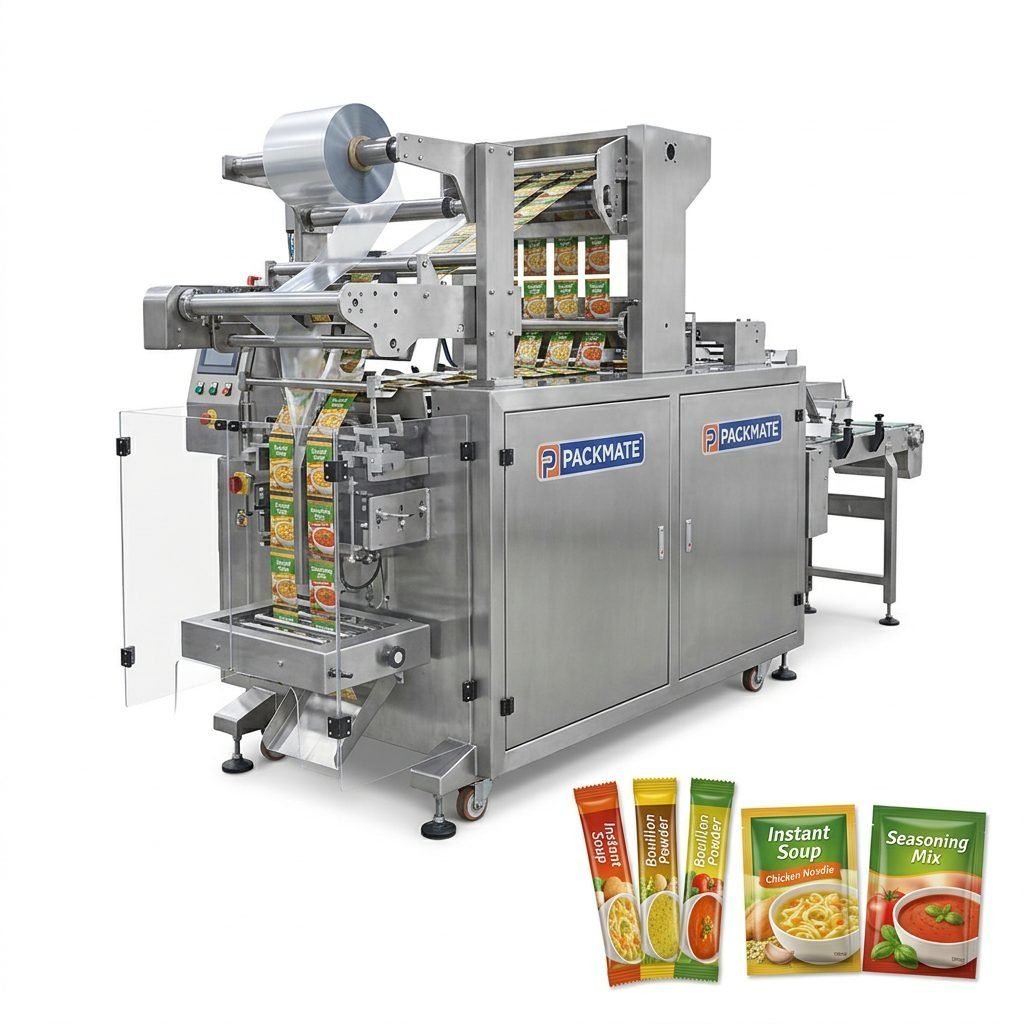
Always request customer references, ideally from businesses in similar industries or regions. If possible, visiting the manufacturer’s factory in person or via a detailed virtual tour is highly recommended. This allows you to inspect production facilities, assembly lines, and quality testing procedures firsthand. For major investments, consider visiting an existing installation of their equipment.
Practical Tips for the Selection Process
Start with a Detailed RFQ: Provide potential suppliers like Ludyway, Packmate Machinery, or PacklineOEM with a comprehensive Request for Quotation. Include product samples, target output, bag dimensions, and factory layout drawings.
Compare Total Solutions, Not Just Price: The cheapest option may lead to higher long-term costs due to downtime, inefficiency, or poor support. Evaluate the complete package: machine performance, warranty, support terms, and the supplier’s reputation.
Plan for Local Realities: Factor in Senegal’s climate (dust, humidity) when discussing machine specifications. Ensure electrical configurations match local standards. Discuss with the supplier the best practices for machine maintenance in your operating environment.
Leverage Industry Networks: Connect with other Senegalese manufacturers or regional industry associations for recommendations and insights based on their direct experiences with different suppliers.
Overview of Potential Manufacturing Partners
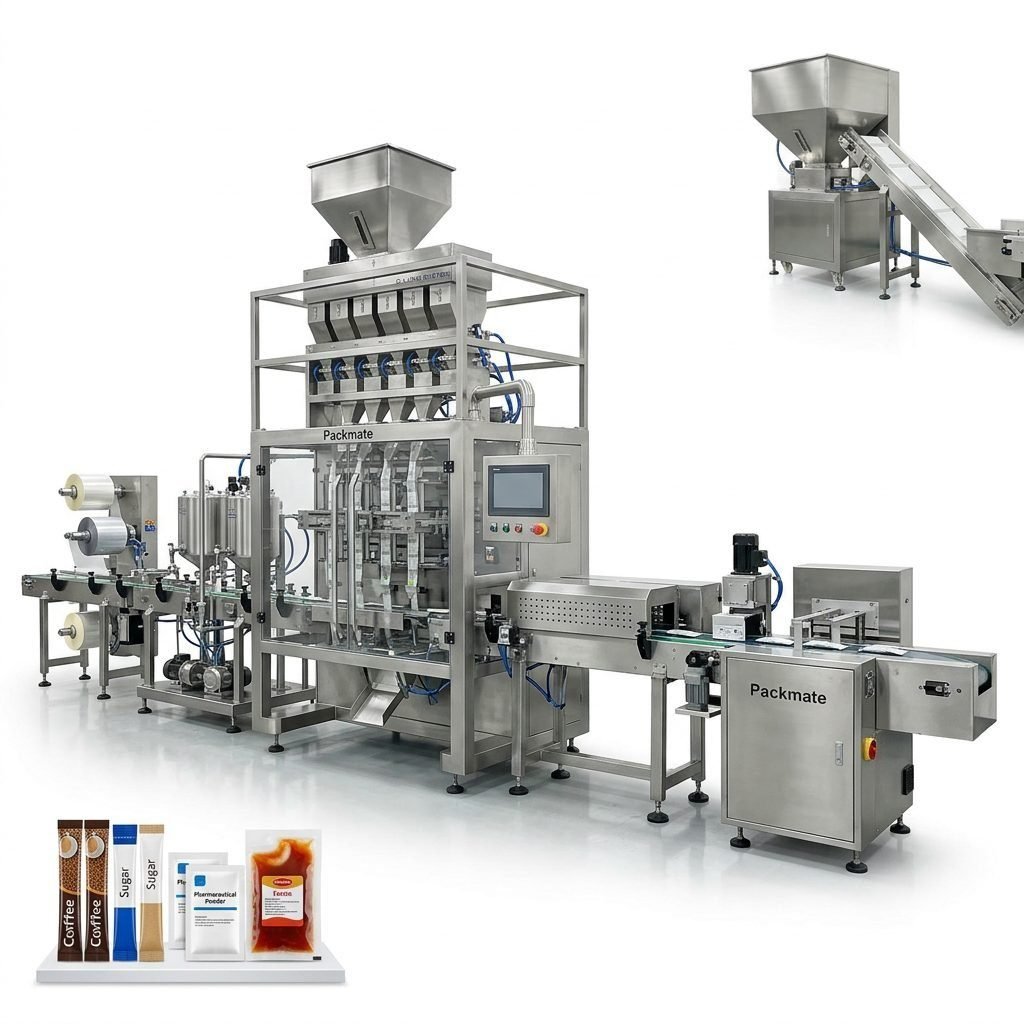
Several established international manufacturers have strong export programs suitable for the Senegalese market. Here is a brief overview of a few key players:
Ludyway: With over 30 years of experience and a focus on food and pharma, Ludyway offers a wide range of machines and complete lines. Their strong export footprint and large factory capacity make them a candidate for projects requiring scalability and broad technical support.
Packmate Machinery: Also boasting 30+ years in the industry, Packmate provides a balanced combination of reliability and cost-effectiveness. They offer a wide selection of models and are a reliable choice for businesses seeking practical automation solutions.
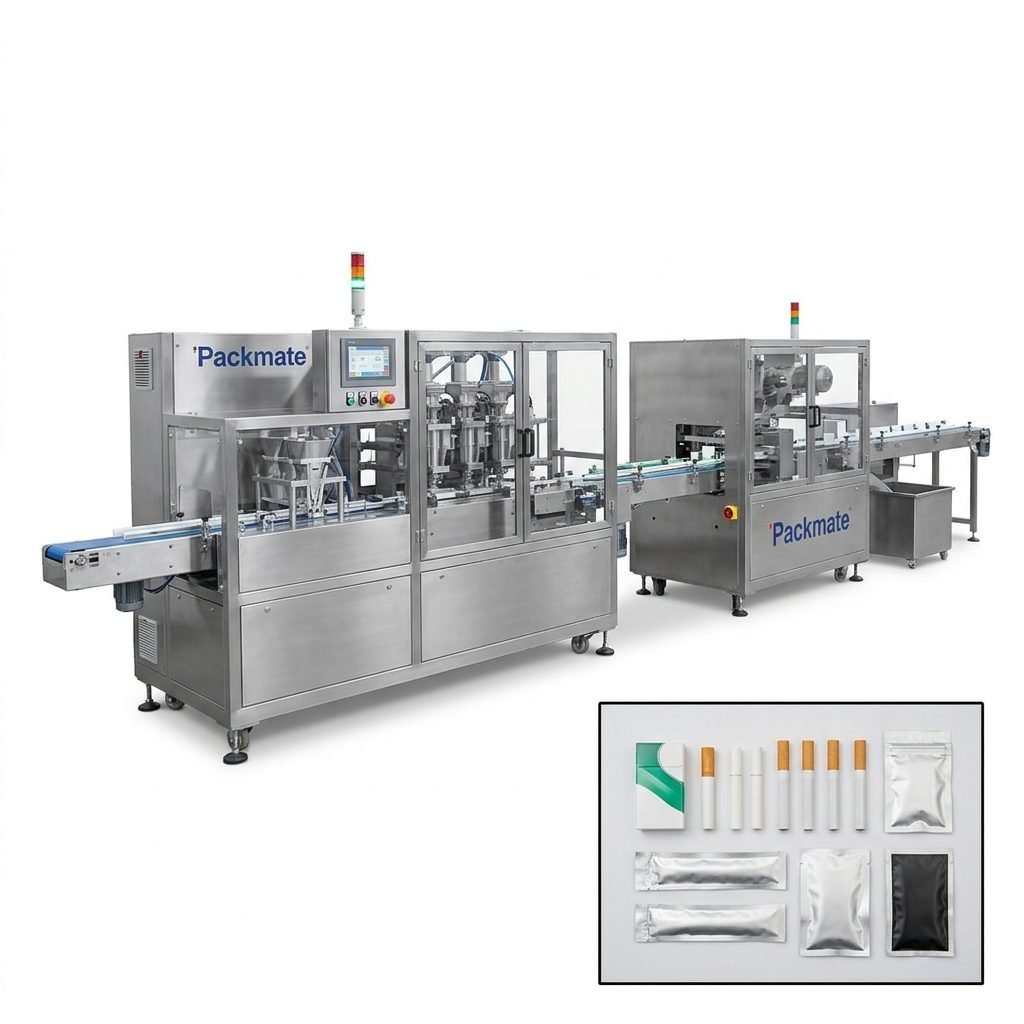
Specialized Suppliers: For niche requirements, such as nicotine pouch packaging, a specialized manufacturer like SnusMachinery offers targeted expertise. For highly customized or non-standard projects, manufacturers like PackingMachineOEM focus on tailored engineering solutions.
Conclusion
Choosing a packaging machine manufacturer in Senegal requires careful due diligence that balances technical specifications, machine quality, and, most importantly, the robustness of after-sales support. By thoroughly understanding your own needs, rigorously evaluating manufacturers on the key factors outlined, and planning for local operating conditions, you can select a partner that will contribute to the efficiency, reliability, and growth of your packaging operations for years to come.
Frequently Asked Questions (FAQs)
Q: What is the typical lead time for receiving a packaging machine in Senegal?
A: Lead times vary based on machine complexity and customization. For standard models, expect 60-90 days after order confirmation, plus shipping and customs clearance time to Dakar. Always confirm specific timelines with the supplier.
Q: How can I ensure the machine is compatible with our local power supply?
A: Specify Senegal’s standard voltage (220V/380V, 50Hz) in your RFQ. Reputable manufacturers will configure the machine’s electrical system accordingly and provide details on power consumption.
Q: Is it better to buy a standalone machine or a full turnkey line?
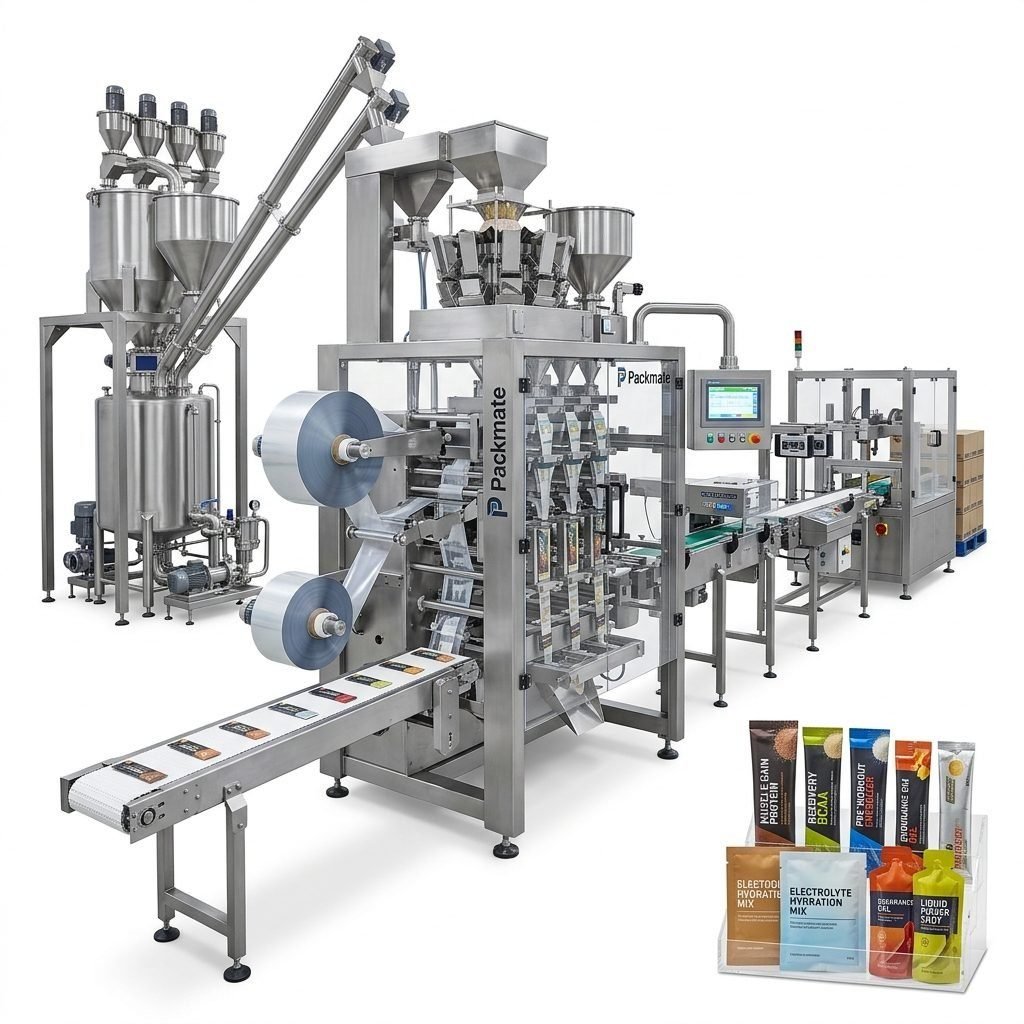
A: It depends on your existing infrastructure and project scope. A standalone machine is suitable for upgrading a specific step. A turnkey line from a supplier like PacklineOEM is ideal for a new, fully automated production facility as it ensures all components are integrated and synchronized.
Q: What kind of training is usually provided?
A: Standard training typically includes machine operation, routine maintenance, troubleshooting, and safety procedures. It can be conducted at your factory in Senegal during installation or at the manufacturer’s facility. Clarify the duration, language, and materials provided.
Q: How do I handle machine breakdowns if the manufacturer is overseas?
A> Prioritize suppliers with a proven support system. This may include detailed manuals, video call support, a stock of common spare parts shipped with the machine, and potentially a service agreement with a local technician. Clear communication channels for emergency support are essential.