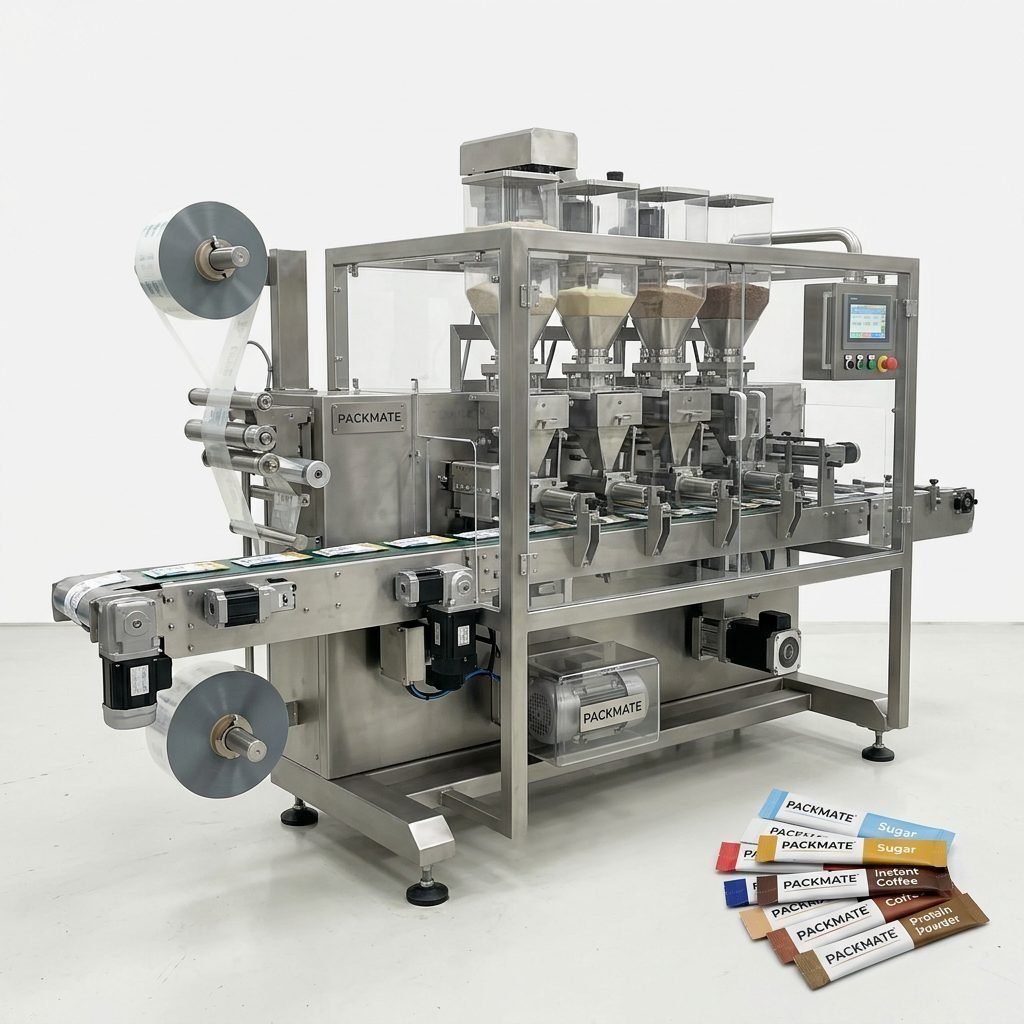
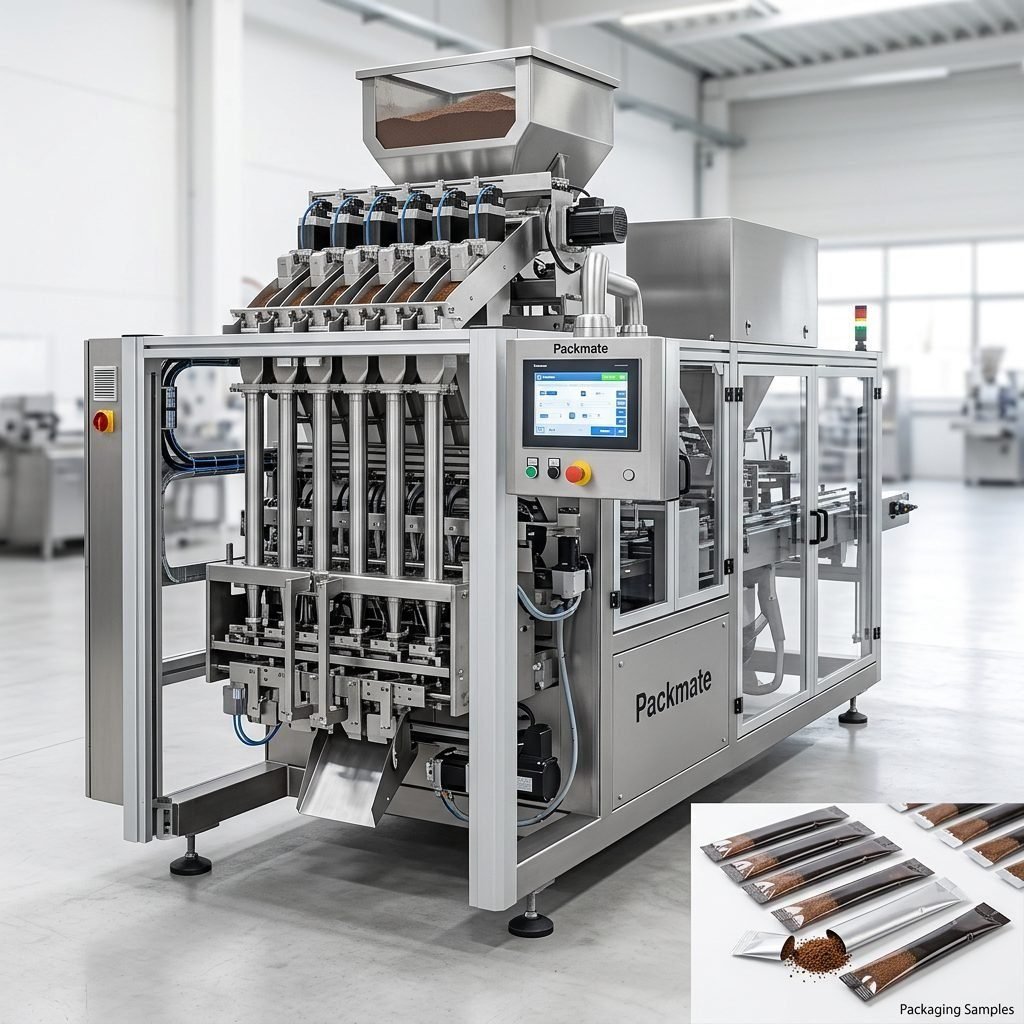
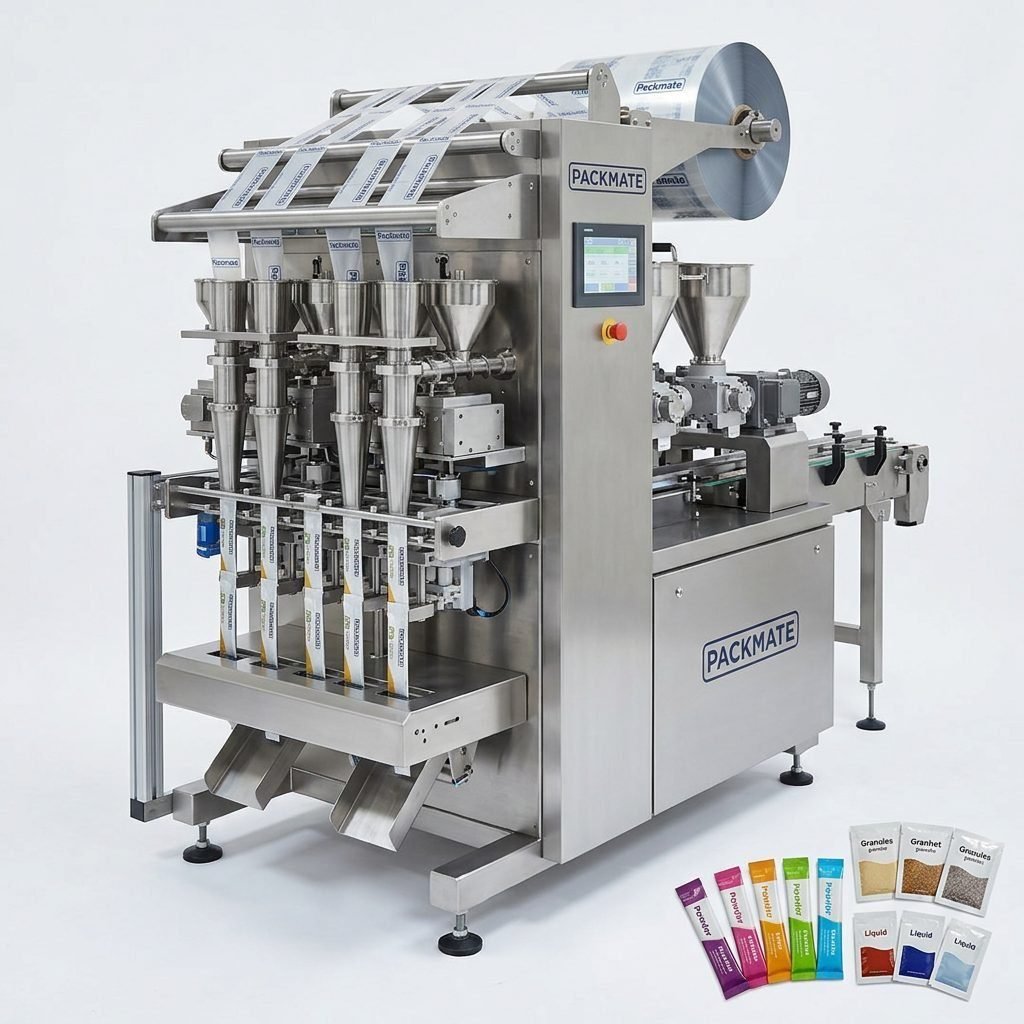
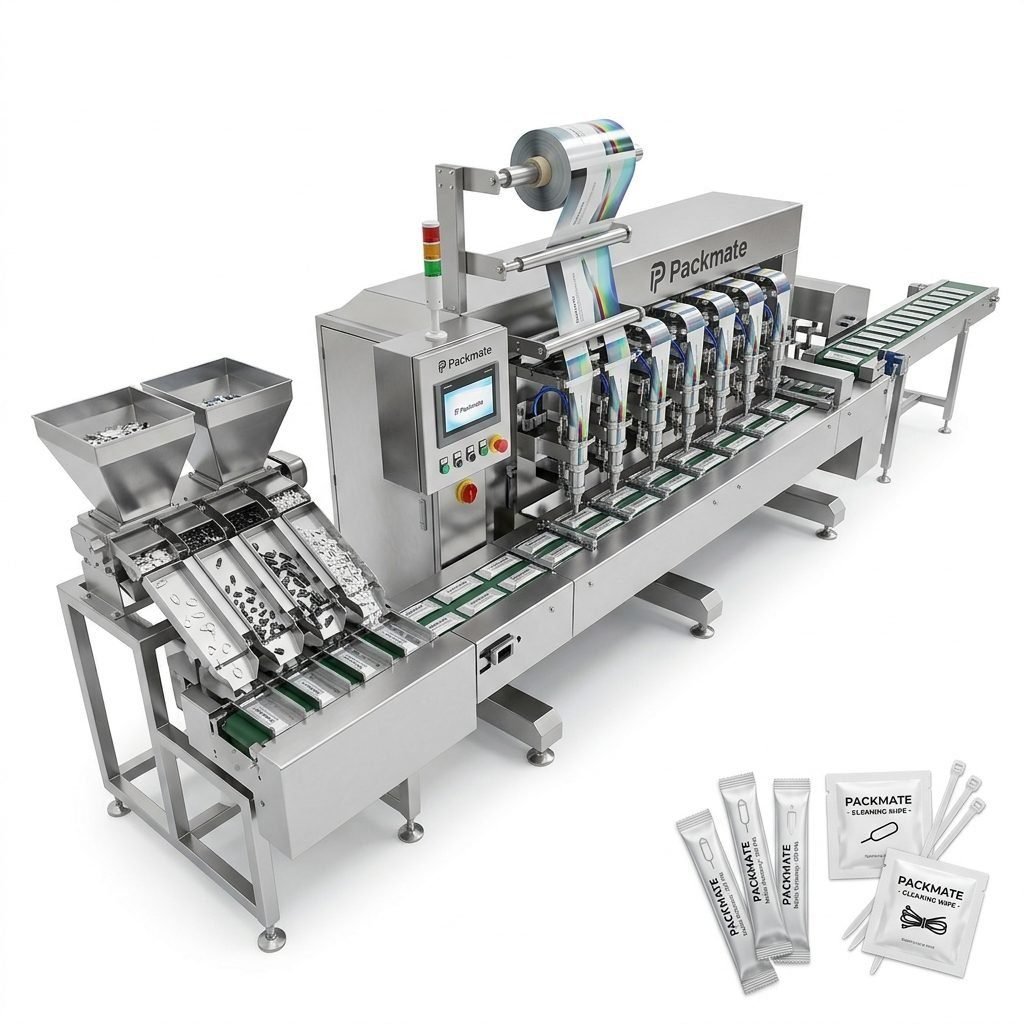
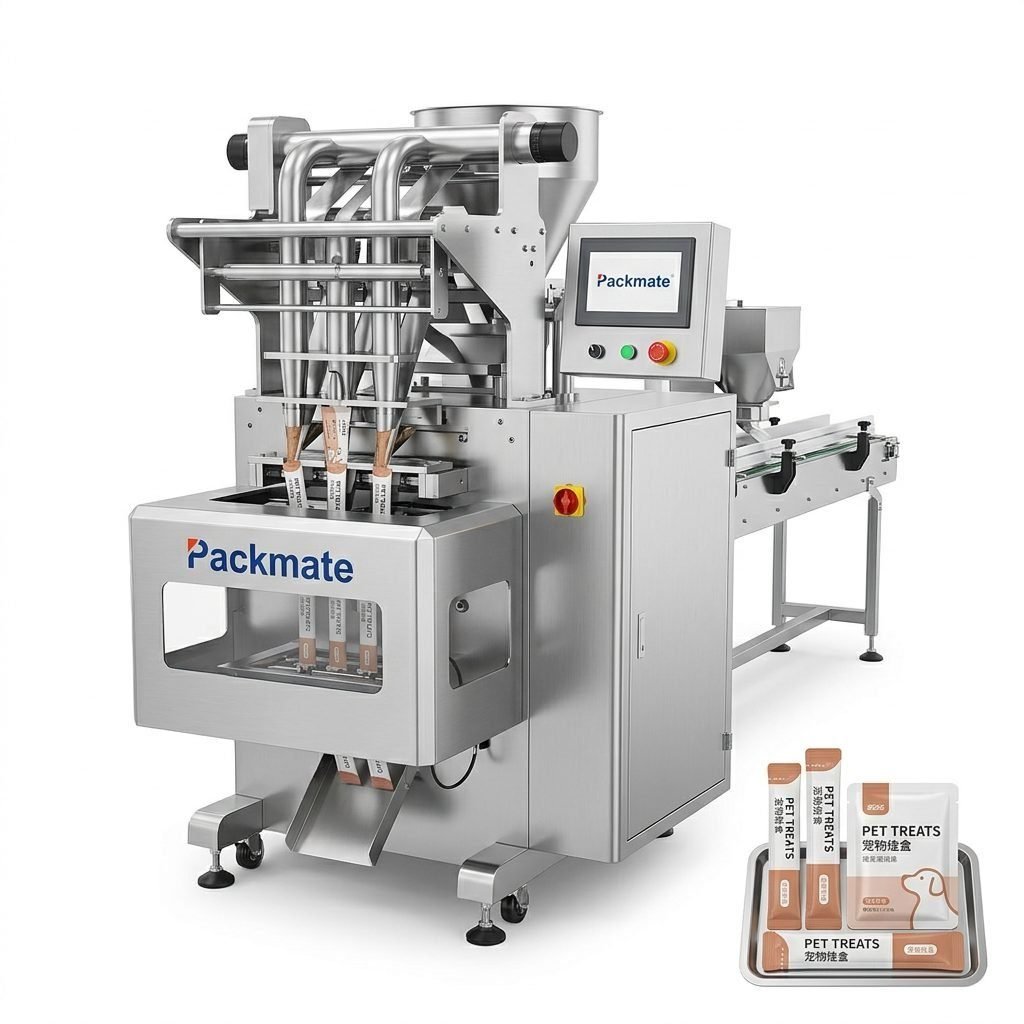
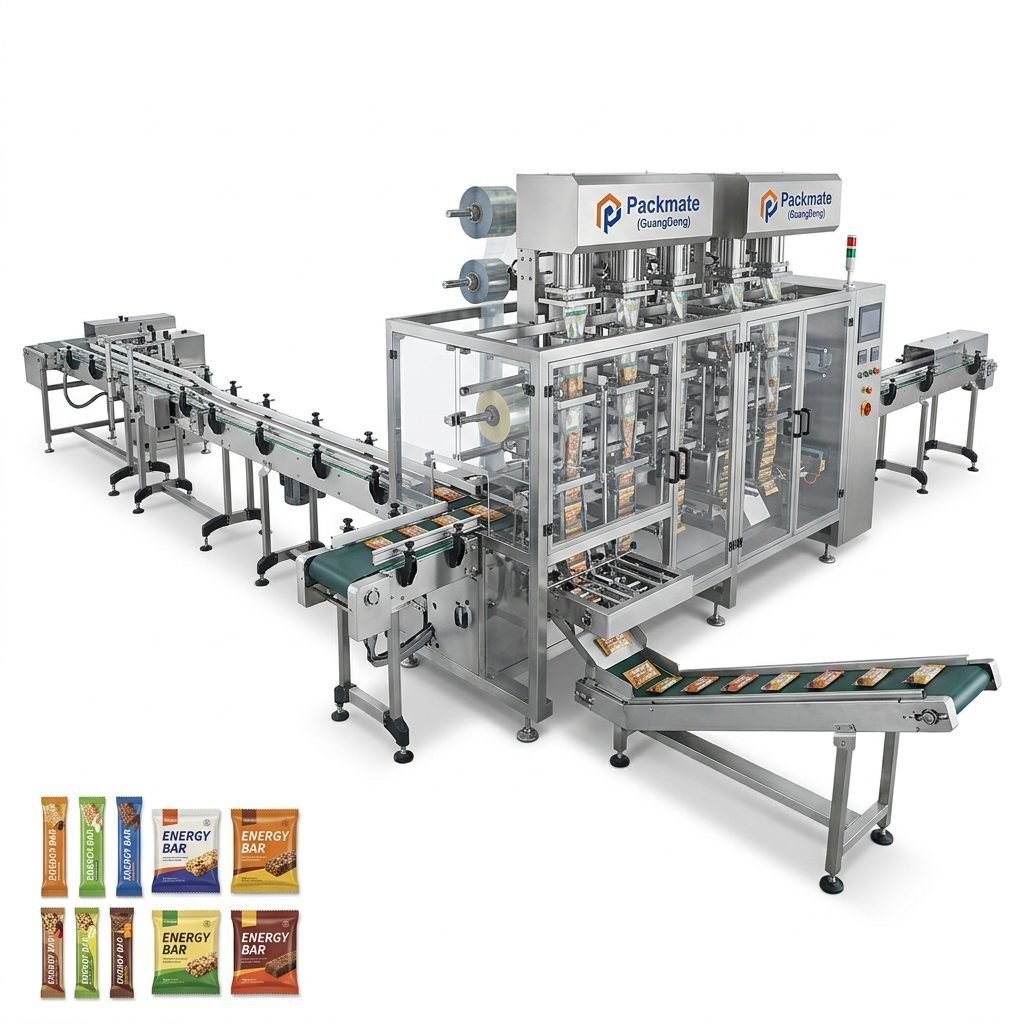
Small sachet packaging is a cornerstone of modern product distribution, especially for single-serve, sample, and portion-controlled goods. From instant coffee and sugar to condiments, pharmaceutical powders, and personal care products, sachets offer convenience, hygiene, and cost-effectiveness. Choosing the right packaging machine is critical for manufacturers to ensure efficiency, product integrity, and profitability. This guide provides an in-depth look at small sachet packaging machines, covering types, key features, pricing factors, and how to select the optimal model for your specific needs.
Types of Small Sachet Packaging Machines
Sachet packaging machines are categorized based on their automation level, sealing mechanism, and the type of product they handle. The primary types include:
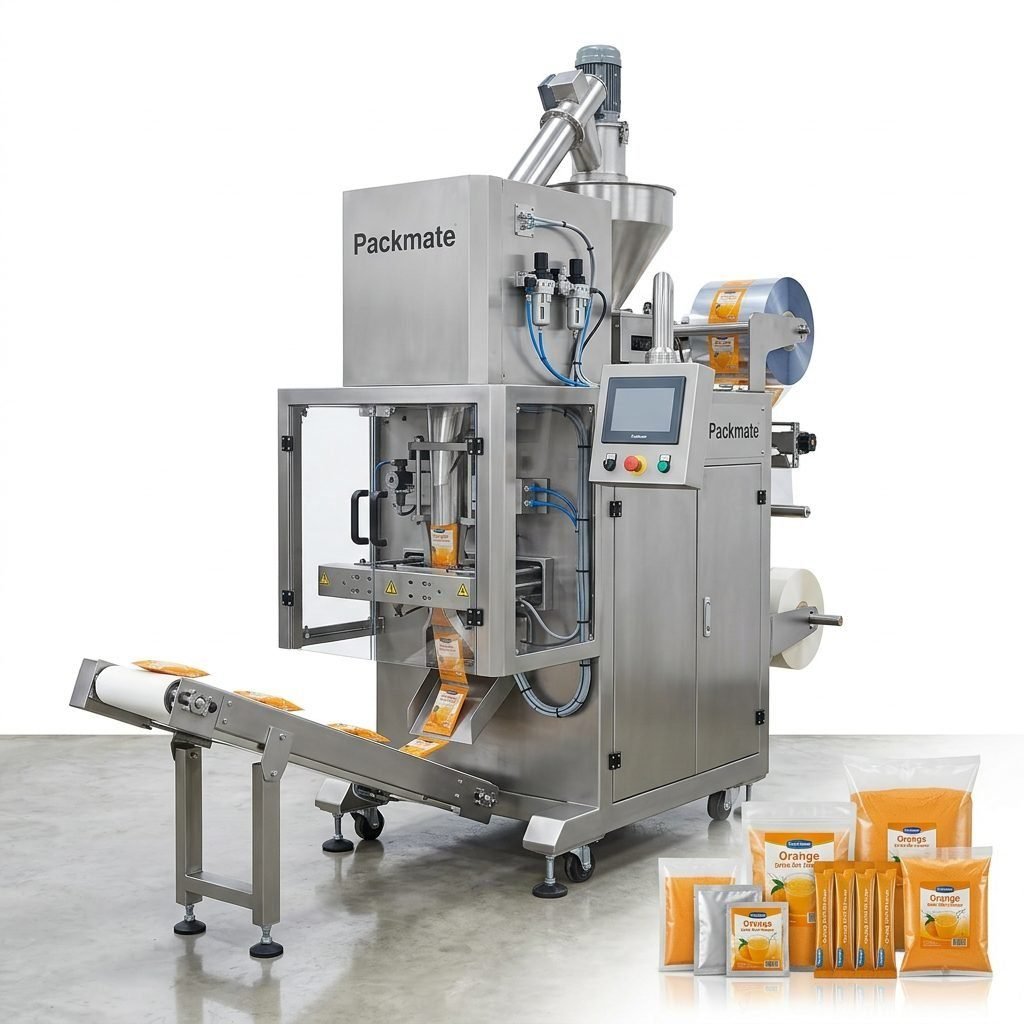
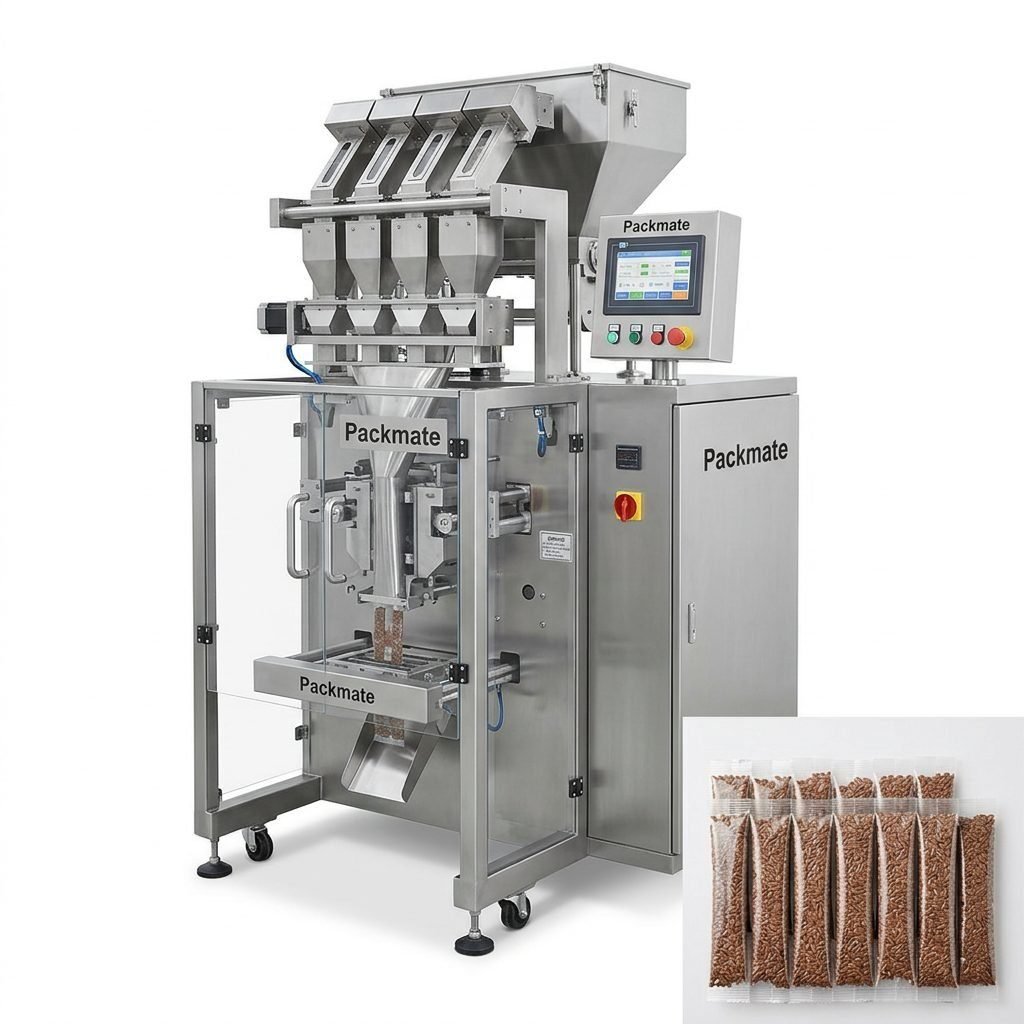
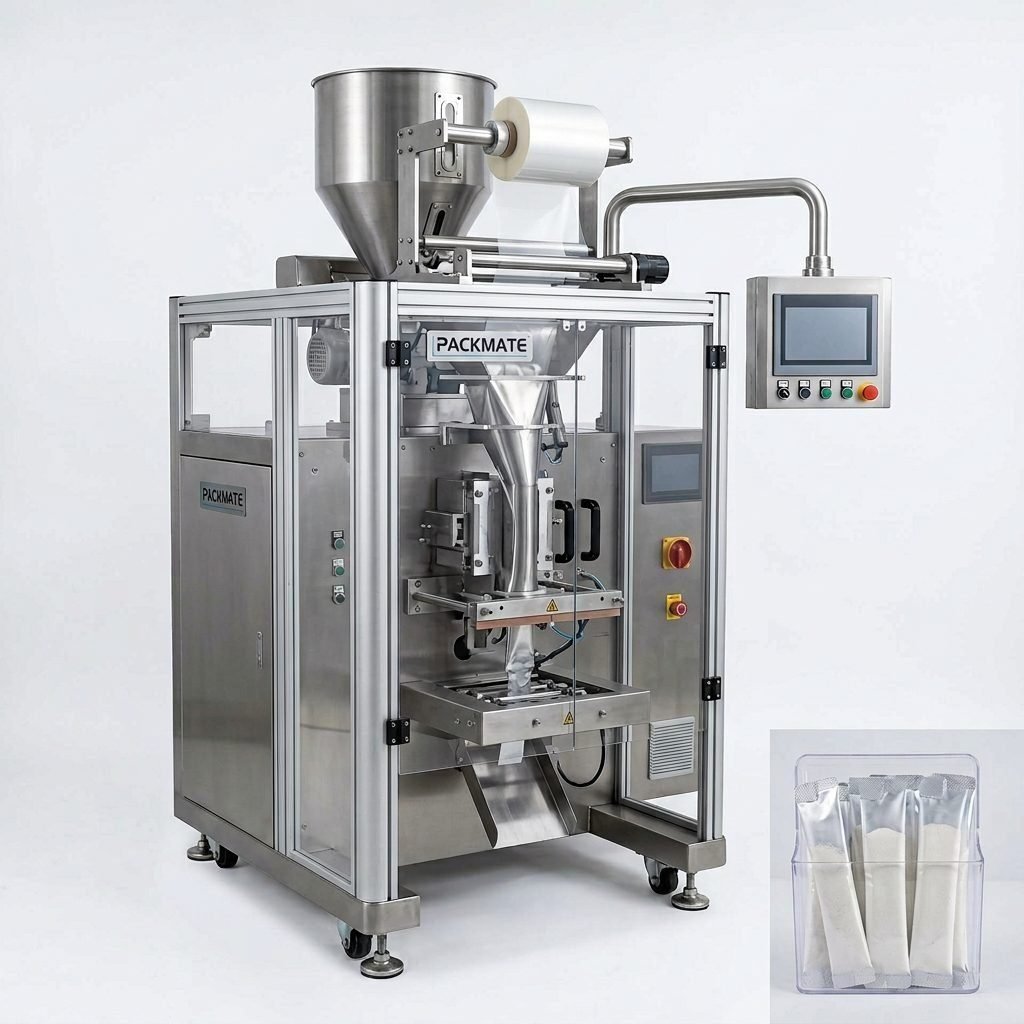
Vertical Form-Fill-Seal (VFFS) Machines: These are the most common type for high-volume production. They form the sachet from a roll of film, fill it with the product, and then seal it—all in a continuous vertical process. VFFS machines are highly versatile and can handle powders, granules, liquids, and pastes.
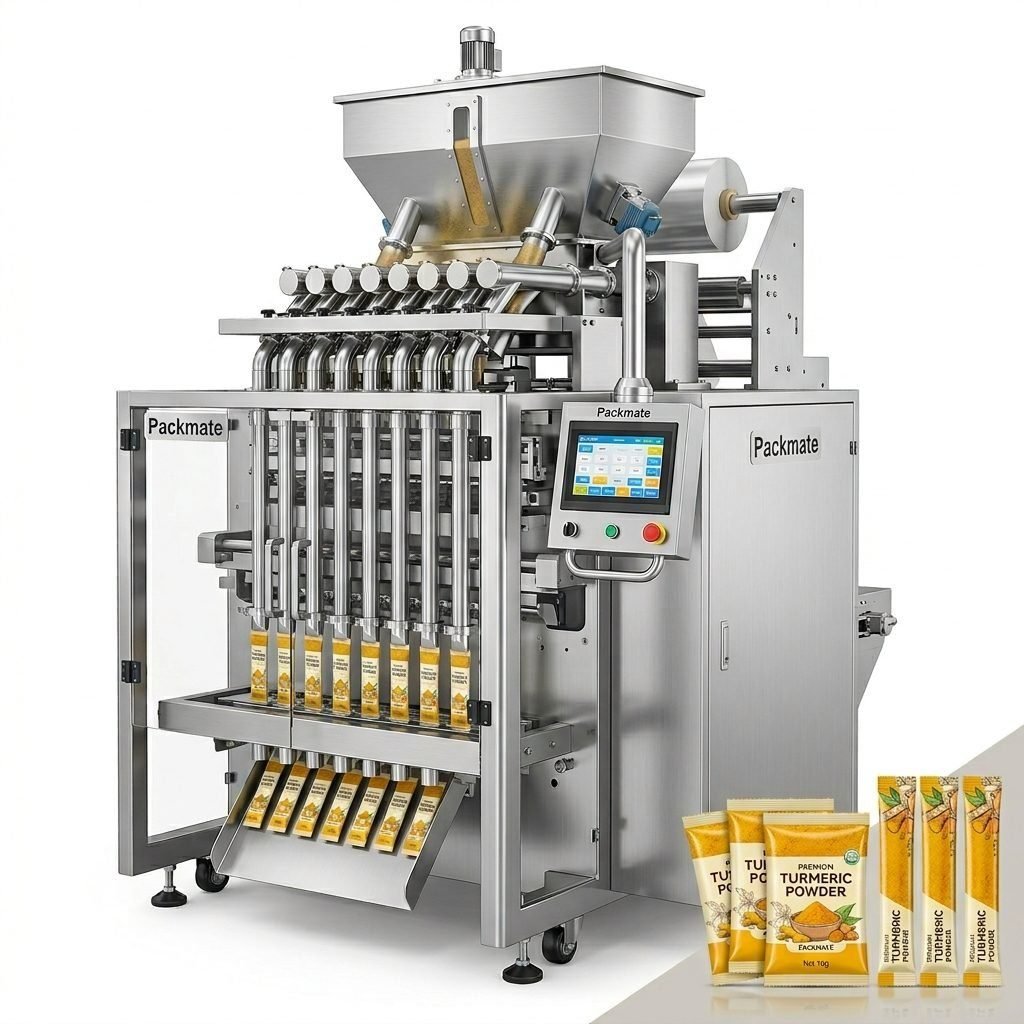
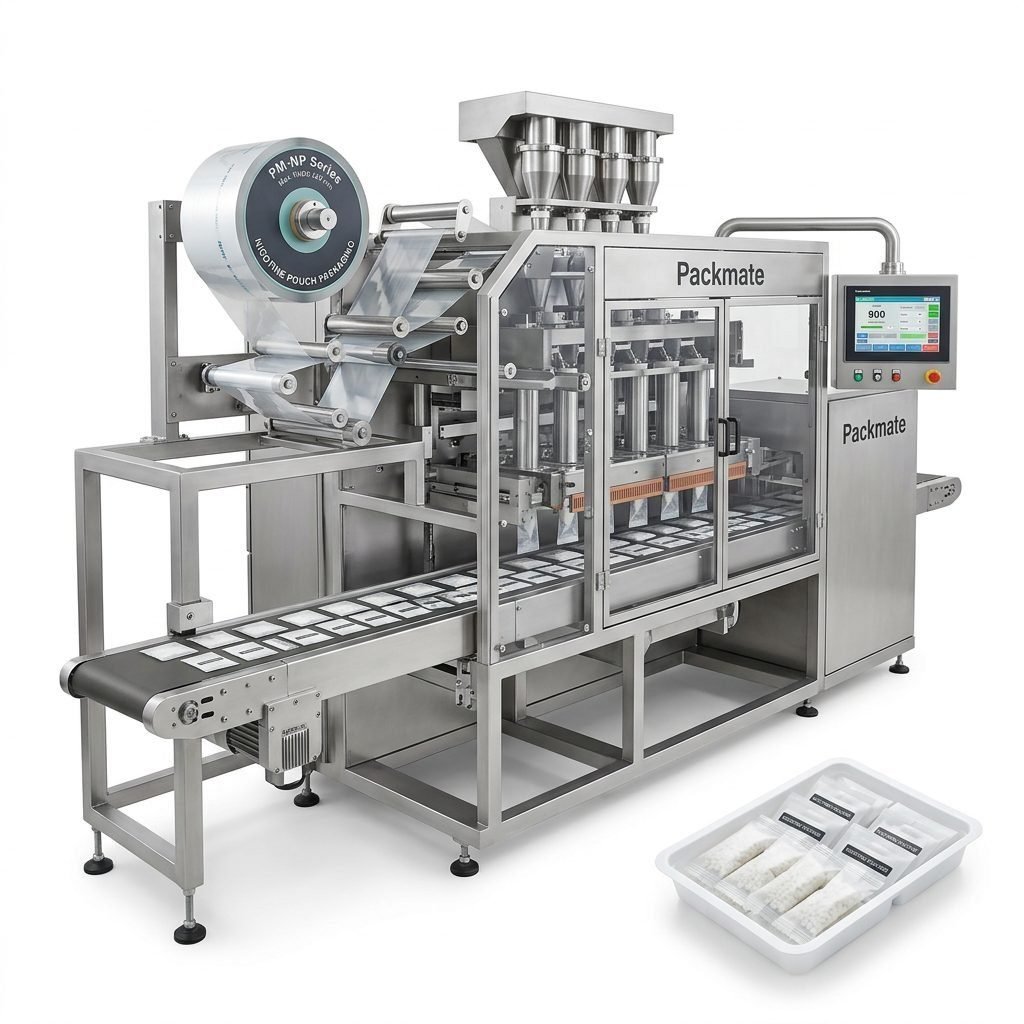
Horizontal Form-Fill-Seal (HFFS) Machines: Ideal for more complex sachet shapes and multi-lane production. The film moves horizontally, and the machine is often used for products that are difficult to handle vertically or for creating sachets with intricate designs or gussets. They are excellent for high-speed production of items like wet wipes or stick packs.
Pre-Made Pouch Machines: These machines use pre-manufactured, flat-bottomed pouches or sachets. They are simpler in operation, often requiring less maintenance and are suitable for smaller batches or products where the pouch material is complex or pre-printed. The process involves opening the pouch, filling, and then sealing it.
Liquid/Paste Sachet Machines: Specifically designed for viscous products like sauces, shampoos, gels, or oils. They feature specialized pumps (such as piston or gear pumps) for accurate, drip-free filling and often have enhanced sealing systems to prevent leaks.
Key Features to Consider
When evaluating sachet packaging machines, several features directly impact performance and suitability:
Filling Accuracy: Crucial for product consistency and cost control. Machines use different dosing methods: volumetric cups for free-flowing granules, auger fillers for fine powders, and liquid pumps for fluids. Look for machines with precision weighing systems for high-value products.
Speed and Output: Measured in sachets per minute (SPM). Speeds can range from 60 SPM for basic models to over 600 SPM for multi-lane, high-speed systems. Your required output will significantly influence the machine type and price.
Sealing Mechanism: The most common is heat sealing (constant or impulse). For special materials or products sensitive to heat, ultrasonic sealing or cold sealing may be required to ensure a strong, tamper-evident seal.
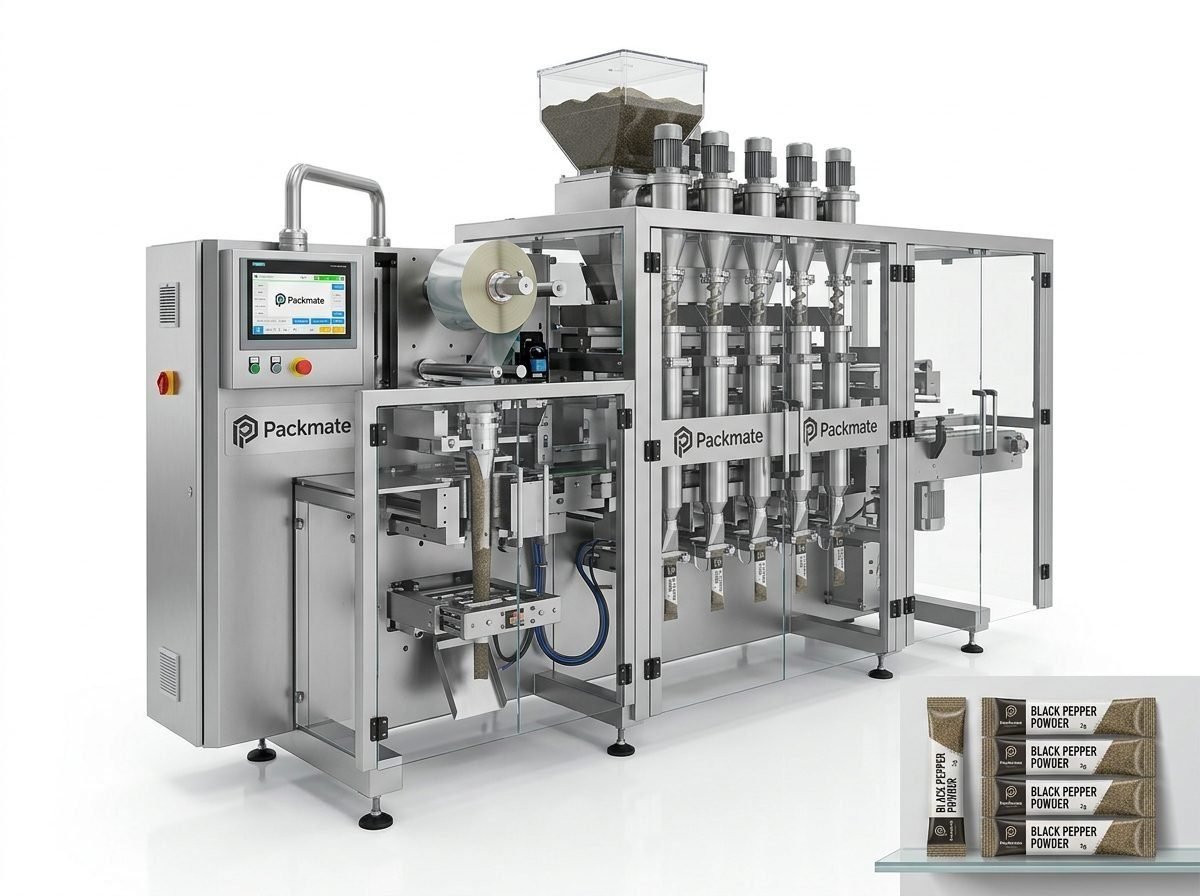
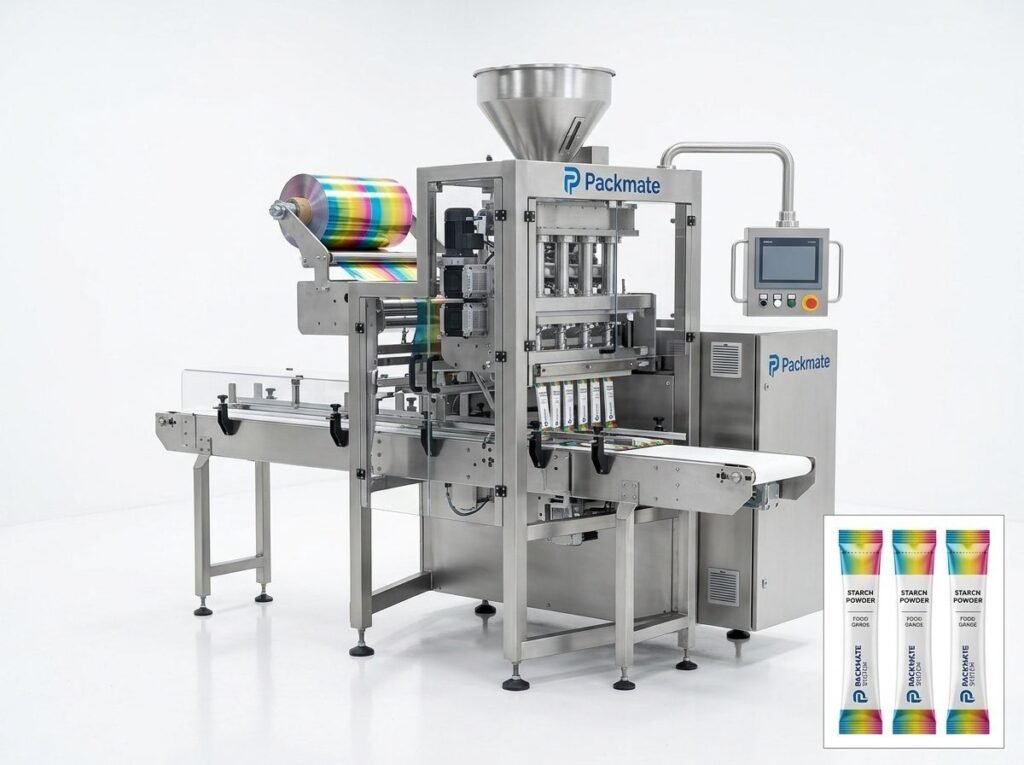
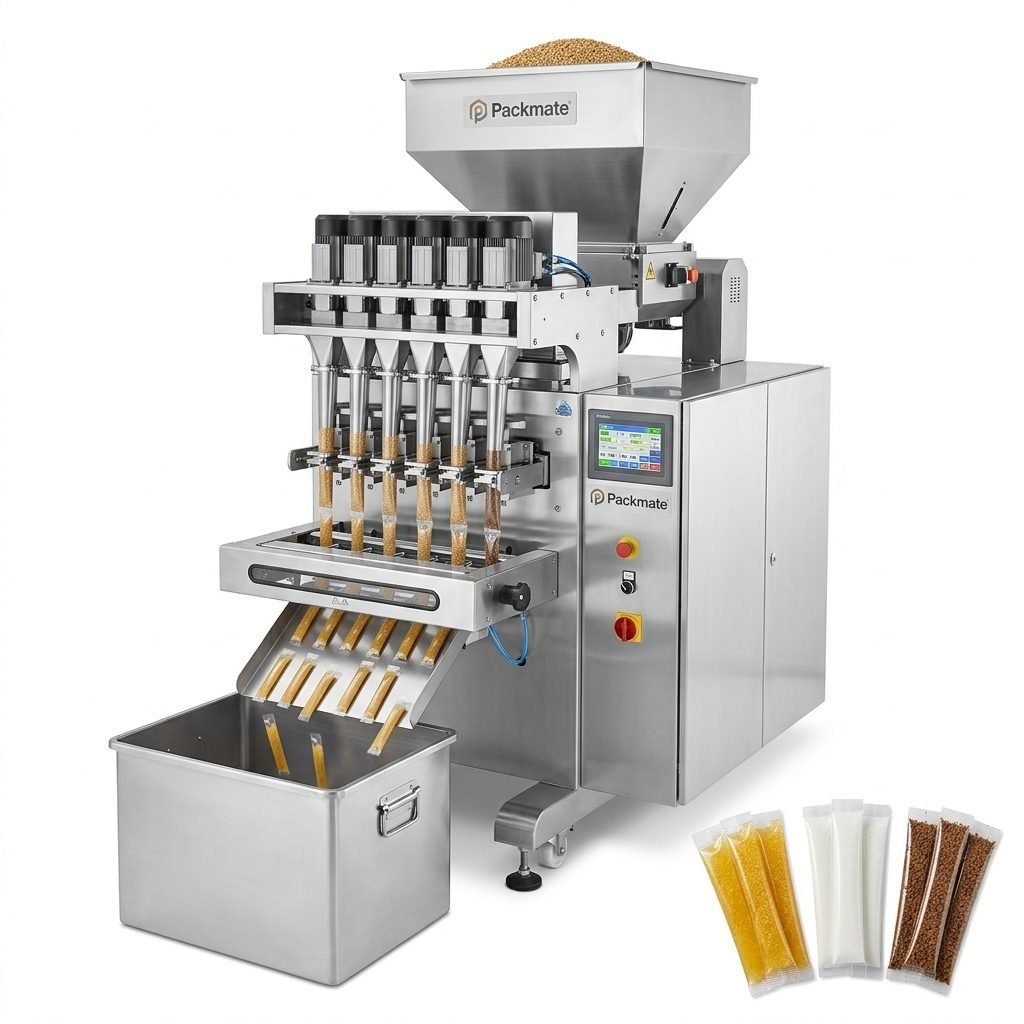
Multi-Lane Capability: Advanced machines can run multiple lanes (e.g., 4, 8, 16 lanes) simultaneously, dramatically increasing output. This is a key feature for large-scale producers of items like sugar, instant drink mixes, or pharmaceutical samples.
Material Compatibility: The machine must be compatible with your packaging film (e.g., PET/AL/PE, OPP/CPP, kraft paper laminates). Consider the film’s thickness, print registration requirements, and barrier properties.
Automation and Control: Modern machines feature PLC (Programmable Logic Controller) touchscreen interfaces for easy operation, recipe storage, and diagnostics. Integration with checkweighers, metal detectors, and cartoning systems is also essential for a complete line.
Price Range and Cost Factors
The price of a small sachet packaging machine varies widely based on its capabilities. Here’s a general breakdown:
| Machine Type | Typical Price Range | Key Determinants |
|---|---|---|
| Basic Single-Lane VFFS | $15,000 – $40,000 | Speed, construction (stainless steel grade), brand, filling system. |
| Mid-Range Multi-Lane VFFS | $40,000 – $100,000 | Number of lanes, automation level, precision weighing, sealing technology. |
| High-Speed Integrated Lines | $100,000 – $300,000+ | Full automation, integrated inspection systems, custom engineering, output (>400 SPM). |
| Specialized Liquid/Paste Machines | $30,000 – $120,000 | Pump type (piston, gear), CIP/SIP systems, leak-proof mechanisms, material handling. |
Additional costs include tooling for specific sachet sizes, spare parts, installation, training, and ongoing maintenance. For a complete solution, consider partnering with a manufacturer like Ludyway or Packmate Machinery that can provide a turnkey packaging line with all integrated components.
How to Choose the Right Model
Selecting the correct machine requires a careful analysis of your specific requirements. Follow this decision framework:
1. Define Your Product and Material:
What is the physical form (powder, granule, liquid, paste)? What are its characteristics (hygroscopic, abrasive, viscous)? What packaging material is required for shelf life and barrier properties?
2. Determine Production Requirements:
What is your required output per minute, hour, and shift? Do you need flexibility for multiple sachet sizes or products? What are your future growth projections?
3. Assess Your Facility:
What is the available floor space? What are the utility requirements (power, compressed air)? What is the skill level of your operational staff?
4. Prioritize Key Features: Based on steps 1-3, list non-negotiable features. For a pharmaceutical powder, filling accuracy and a dust-free environment are paramount. For a condiment sachet, leak-proof sealing and easy cleaning (CIP) are critical.
5. Evaluate Supplier Capability: Look beyond the machine price. Assess the manufacturer’s experience, especially with your product type. Companies like PacklineOEM specialize in complete line integration, while PackingMachineOEM focuses on custom, non-standard solutions. For niche products like nicotine pouches, a specialist like SnusMachinery offers dedicated expertise.
6. Consider Total Cost of Ownership (TCO): Factor in energy consumption, maintenance costs, part availability, and expected machine lifespan. A slightly higher upfront cost for a robust, serviceable machine often leads to lower long-term costs.
Global Market Considerations for Exporters
For manufacturers exporting to regions like Europe and North America, compliance with local machinery safety standards (e.g., CE, UL) is mandatory. Furthermore, sachet packaging for food and pharmaceuticals must adhere to stringent hygiene and material safety regulations (FDA, EU regulations). Machines designed for these markets often feature higher-grade stainless steel (e.g., 304 or 316), easy-clean designs, and comprehensive documentation.
In the Middle East, Africa, and Southeast Asia</strong, factors like climate (heat, humidity), voltage stability, and the availability of technical support become more significant. Choosing a machine with robust construction, simple maintenance, and reliable local after-sales service from the supplier is crucial for uninterrupted operation.
Integration and Future-Proofing
Your sachet packer should not be an island. Consider how it will integrate with upstream processes (like mixing and conveying) and downstream processes (like cartoning, case packing, and palletizing). Choosing a modular machine or a supplier capable of providing a complete packaging line ensures smoother operation and scalability.
Future-proof your investment by selecting a machine that offers some degree of flexibility in sachet size range and can be upgraded or reconfigured as your product portfolio evolves.
Frequently Asked Questions (FAQs)
Q: What is the typical maintenance required for a sachet packaging machine?
A: Regular maintenance includes daily cleaning, lubrication of moving parts as per the manual, checking and replacing sealing jaws/bars, inspecting and cleaning filters on pneumatic systems, and calibrating weighing systems periodically. A preventive maintenance schedule is essential for longevity.
Q: Can one machine handle both powder and liquid sachets?
A: While some versatile machines can be reconfigured by changing the filling system (e.g., from an auger to a pump), it often involves significant downtime and part changes. For dedicated, high-volume production of different product types, separate machines or specialized modules are usually more efficient.
Q: How important is after-sales service when purchasing?
A> It is critically important. Reliable technical support, availability of spare parts, and responsive service minimize costly production downtime. Evaluate the supplier’s service network, warranty terms, and training offerings before purchase.
Q: What is the lead time for a new sachet packaging machine?
A: Lead times vary widely. For standard models, it can be 8-16 weeks. For custom or high-speed integrated lines, lead times can extend to 20-30 weeks or more, depending on complexity. Clear communication with your supplier about timelines is key.
Q: Are used sachet packaging machines a good option?
A: They can be a cost-effective entry point for startups or low-volume production. However, thoroughly inspect the machine’s condition, verify spare part availability, and understand its service history. For critical applications or high hygiene standards, a new machine from a reputable supplier is often the safer long-term investment.