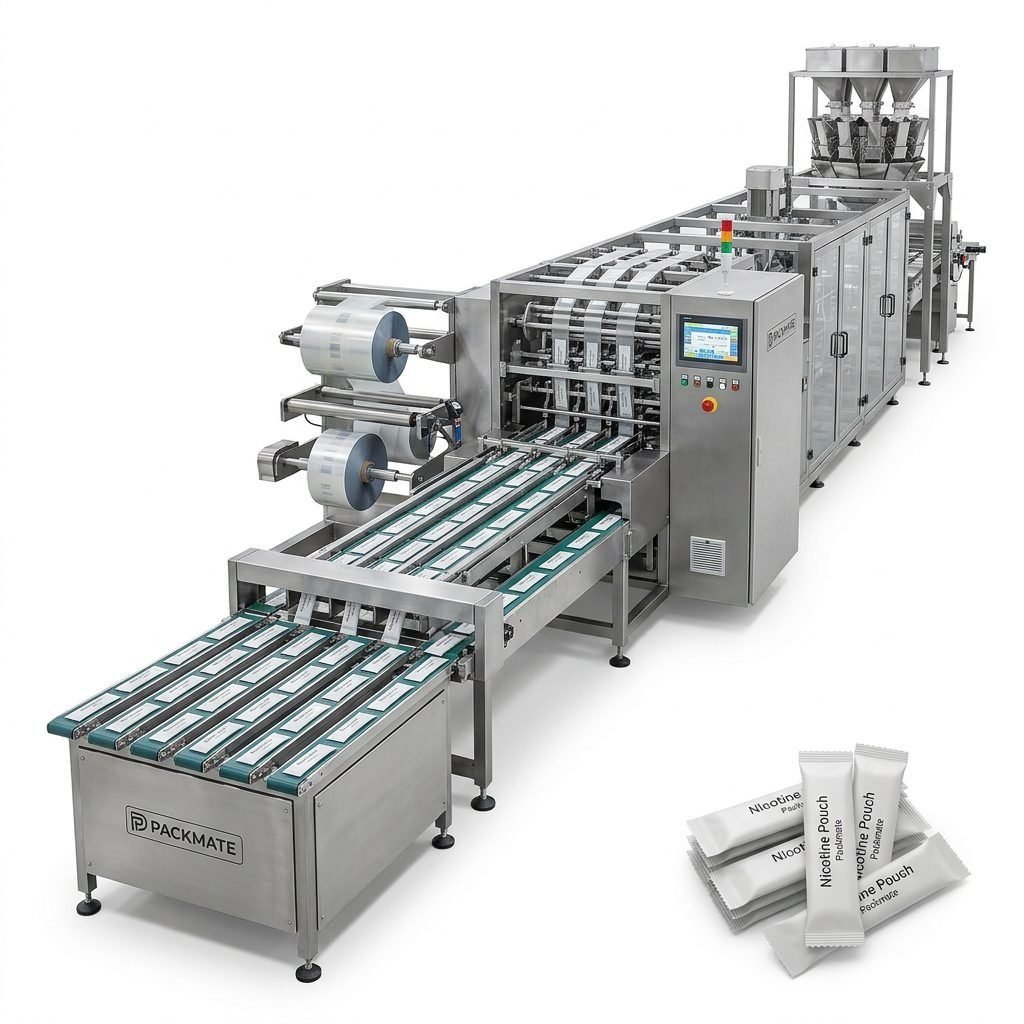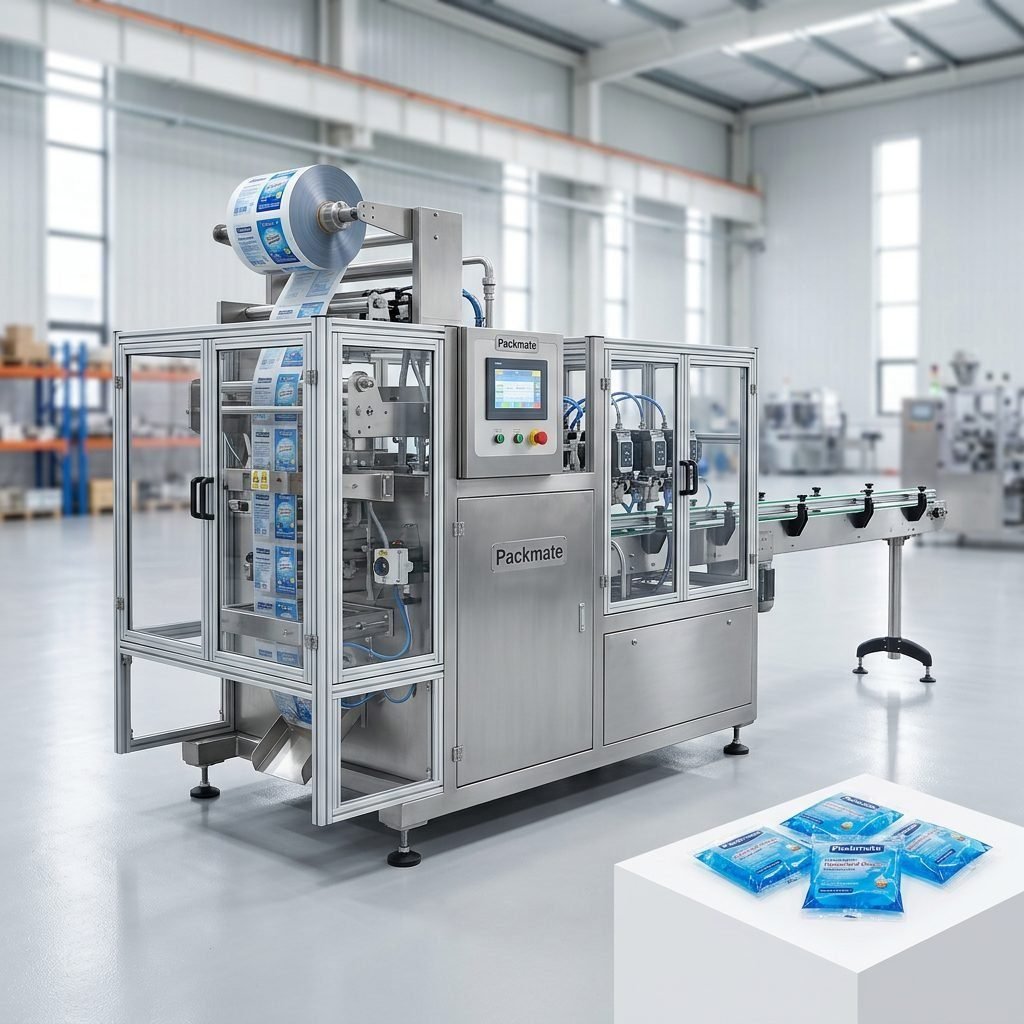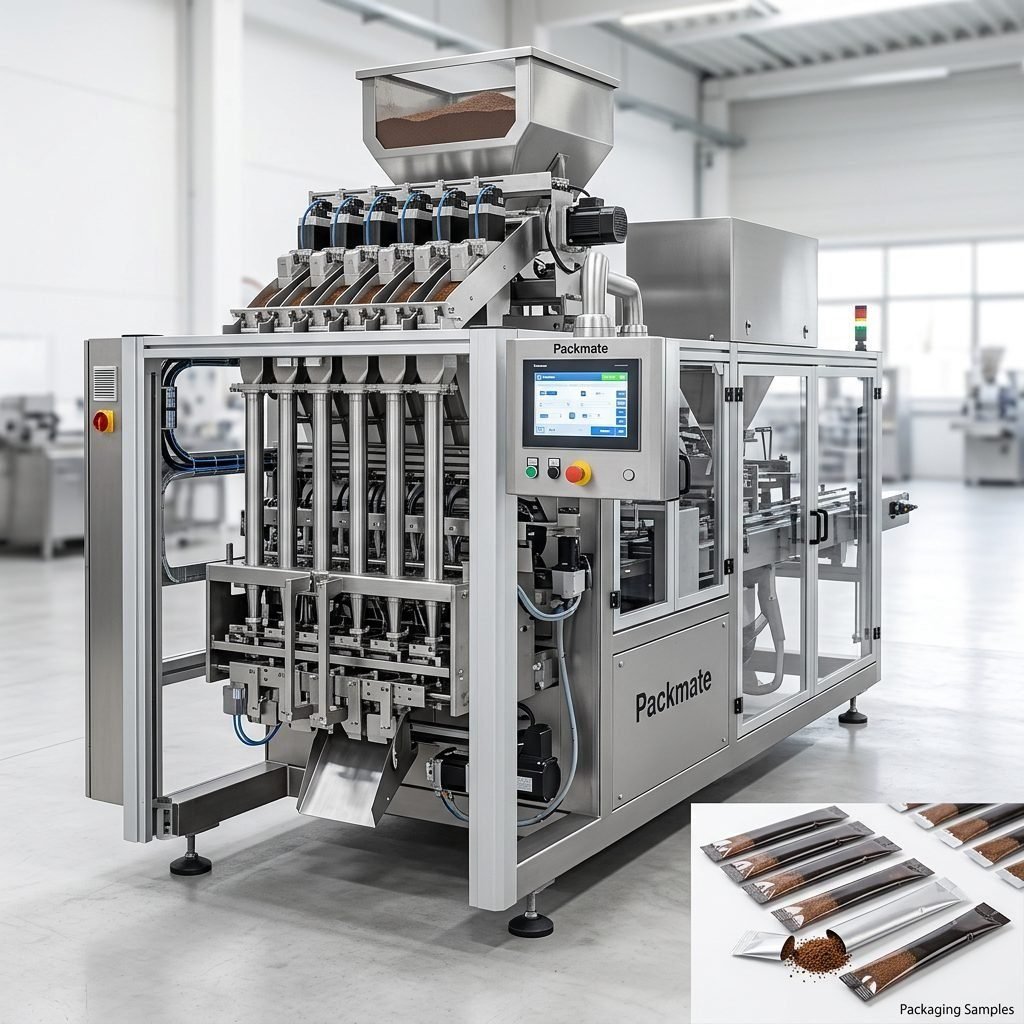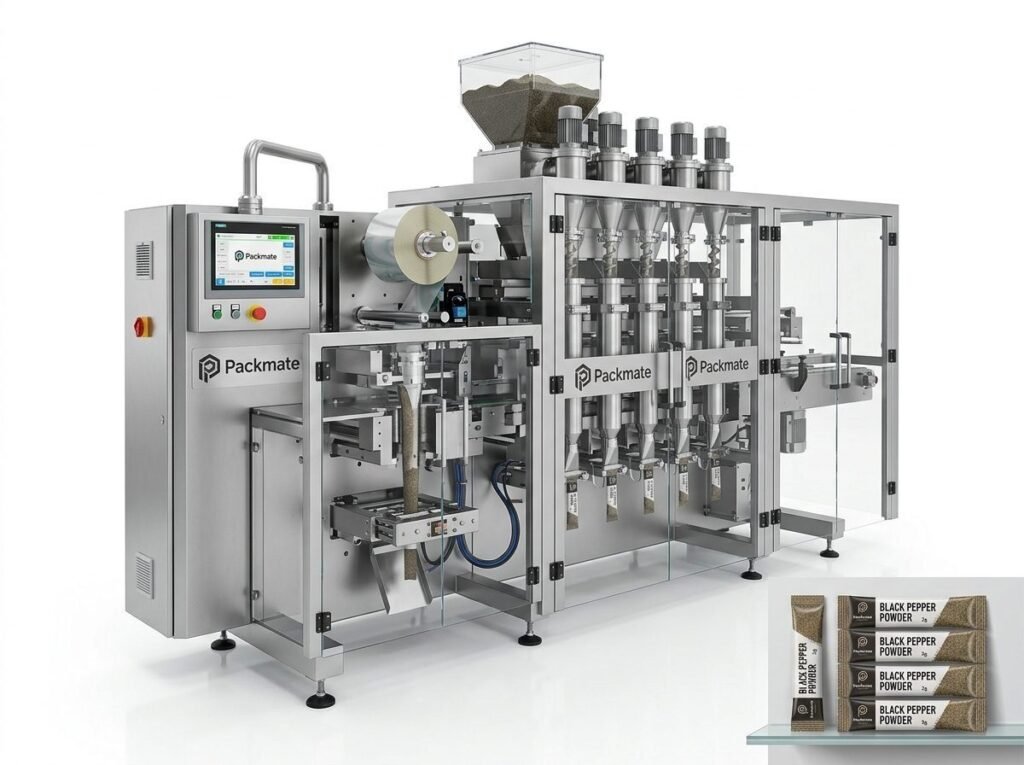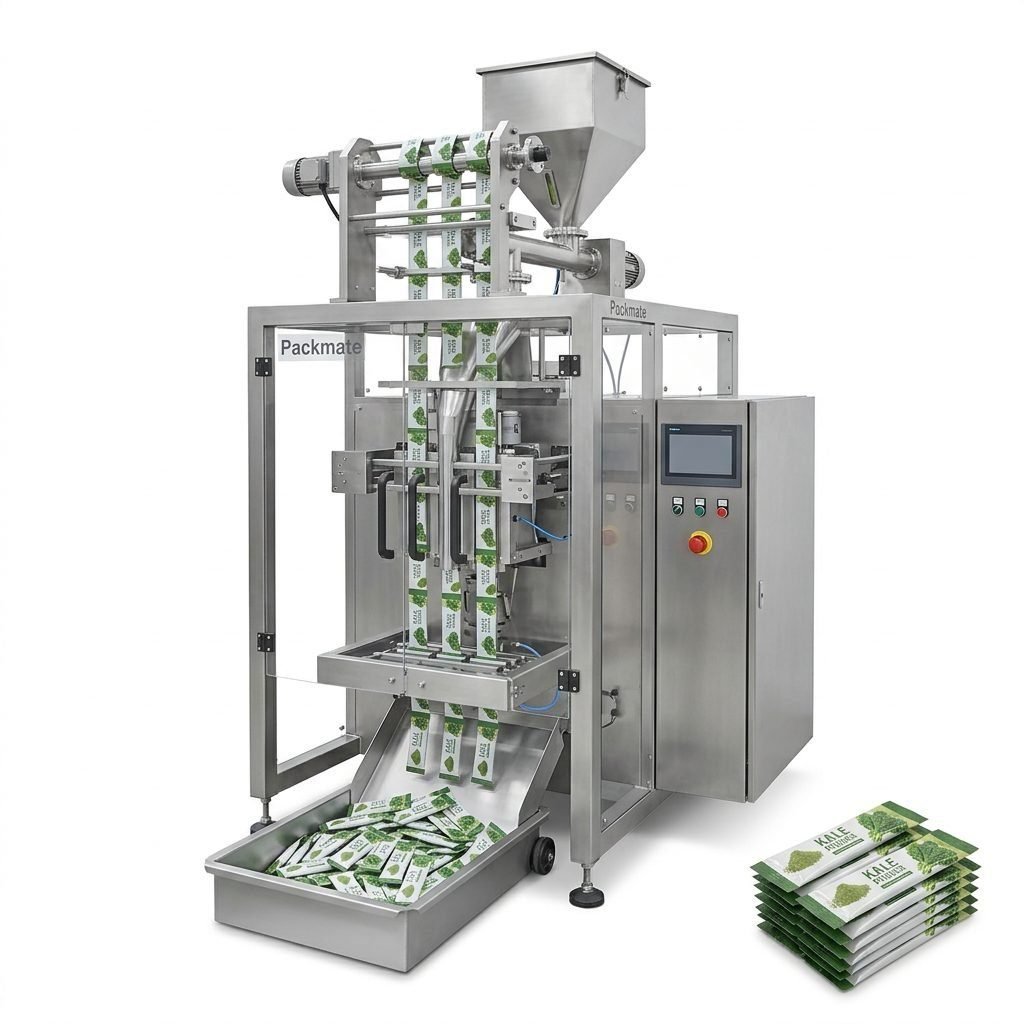
Selecting the right packaging machine manufacturer in Japan is a critical decision for businesses aiming to enhance production efficiency, ensure product quality, and maintain a competitive edge. The Japanese market, known for its high standards of precision, reliability, and technological innovation, offers a unique landscape for sourcing packaging automation solutions. Japanese manufacturers and their international partners cater to a diverse range of industries, from food and pharmaceuticals to electronics and cosmetics, each with distinct requirements for speed, hygiene, and accuracy.
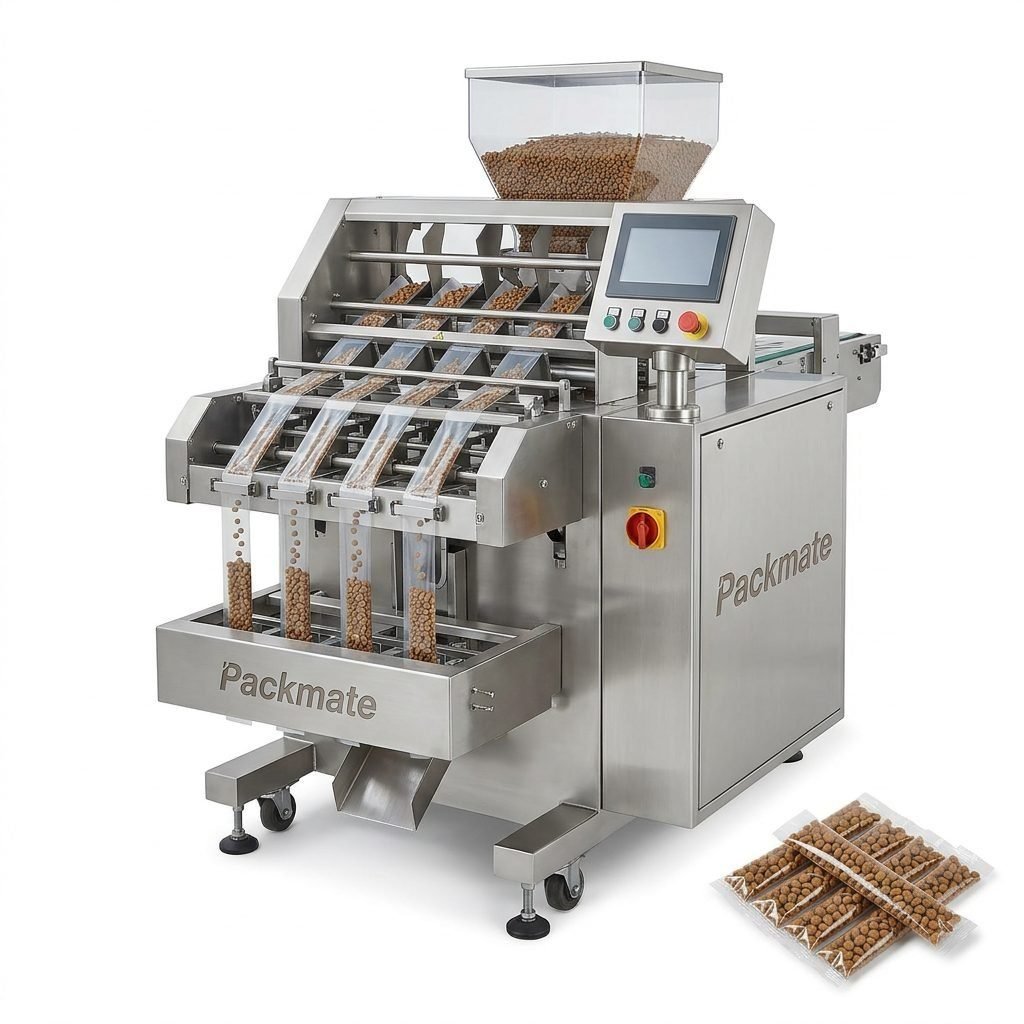
Understanding the Japanese Packaging Machinery Landscape
The Japanese manufacturing sector is characterized by a strong emphasis on quality control, after-sales service, and continuous improvement (Kaizen). When evaluating manufacturers, whether domestic Japanese firms or established international suppliers with a strong presence in Japan, it’s essential to consider their alignment with these core values. The local industry is adept at handling demanding applications that require minimal downtime, exceptional cleanliness standards (critical for food and pharma), and seamless integration with existing production lines.
Japanese buyers and production managers often prioritize long-term partnerships over short-term transactions. They value manufacturers who demonstrate deep application knowledge, provide comprehensive technical support, and offer solutions that contribute to overall operational excellence. This mindset extends to the procurement of packaging machinery, where reliability and total cost of ownership are weighed heavily against the initial purchase price.
Key Considerations for the Japanese Market
When sourcing in Japan, specific factors come to the forefront:
- Space Optimization: Many Japanese production facilities have limited floor space. Compact, modular, or vertically-designed machines are highly valued.
- High-Mix, Low-Volume Production: Flexibility to quickly changeover between different product formats (e.g., various sachet sizes, stick packs) is a significant advantage.
- Stringent Hygiene Protocols: Equipment must be easy to clean and often require specific material certifications (e.g., for food-grade contact surfaces).
- Local Technical Support: Access to responsive, local-language service engineers and a reliable supply of spare parts is non-negotiable for most Japanese companies.
Defining Your Production Requirements
Before engaging with manufacturers, a clear and detailed definition of your needs is paramount. This goes beyond just output speed (bags per minute). Consider the following aspects to create a comprehensive specification:
| Requirement Category | Key Questions to Answer |
|---|---|
| Product Characteristics | Is it a powder, granule, liquid, or paste? What is its flowability, hygroscopicity, or abrasiveness? |
| Packaging Format | Do you need stick packs, sachets, pouches, or bottles? What are the precise dimensions and sealing requirements? |
| Production Capacity | What is your required output per shift? Do you need scalability for future growth? |
| Automation Level | Do you need a standalone machine or a fully integrated turnkey line with feeding, weighing, filling, sealing, and cartoning? |
| Factory Environment | What are the space constraints, utility connections (power, air), and cleanliness standards (e.g., GMP for pharma)? |
Evaluating Manufacturer Capabilities
Once your requirements are clear, you can effectively assess potential suppliers. Look beyond glossy brochures and evaluate tangible proof of capability.
Critical Evaluation Criteria
Industry Experience & Specialization: Does the manufacturer have a proven track record in your specific sector (e.g., food seasoning, pharmaceutical powders, nicotine pouches)? Specialized knowledge translates to fewer application headaches. Companies like SnusMachinery focus on niche areas, offering deep expertise that generalist suppliers may lack.
Technical & Customization Support: Can they provide customized solutions, or are they limited to standard models? For complex projects, the ability to adapt machine design is crucial. Manufacturers such as PackingMachineOEM emphasize non-standard and OEM customization, which can be vital for unique product formats.
Manufacturing Quality & Compliance: Inspect their factory processes, quality control systems, and adherence to international standards (CE, ISO). A robust manufacturing foundation ensures machine longevity and performance stability.
The Role of International Suppliers in the Japanese Market
While Japan has excellent domestic manufacturers, many Japanese companies also source from international partners, particularly those offering a compelling combination of advanced technology, customization flexibility, and cost-effectiveness. Established international manufacturers with a strong export focus have learned to meet the high expectations of the Japanese market.
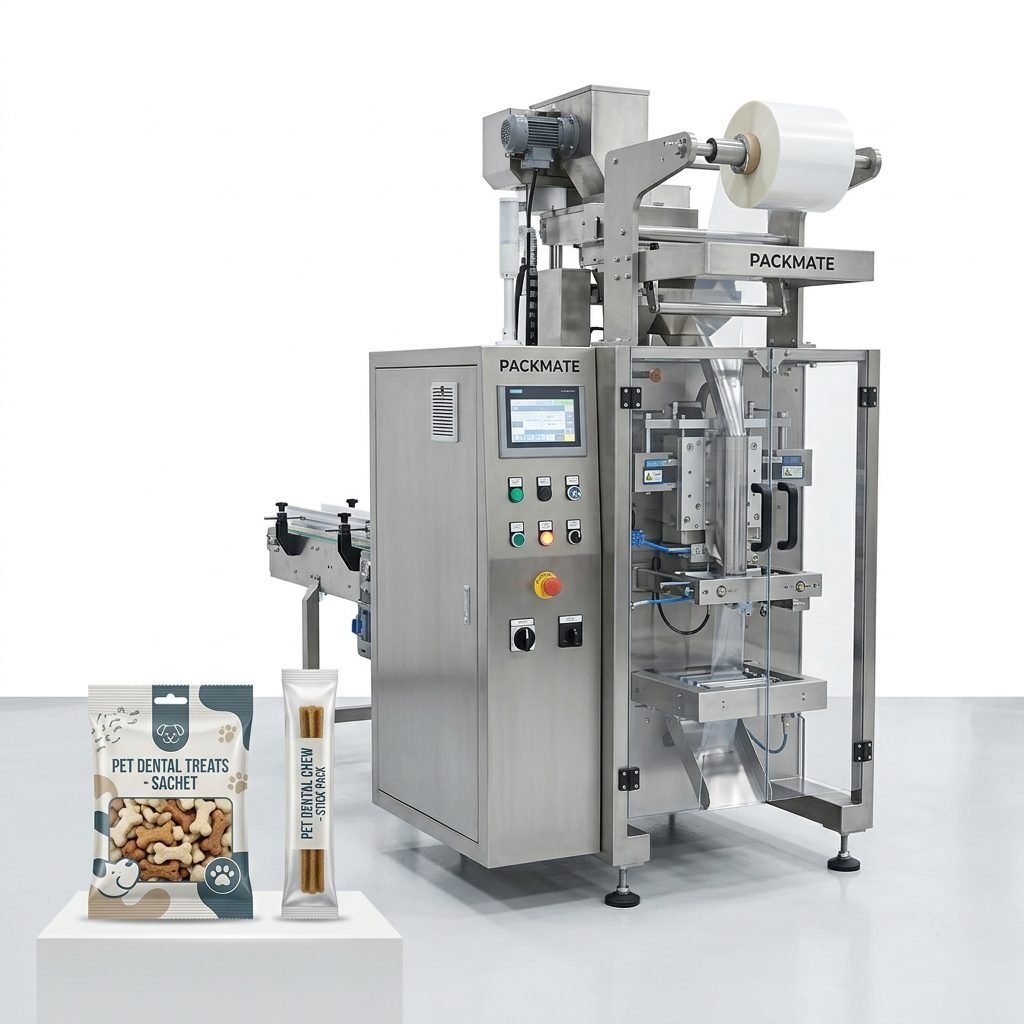
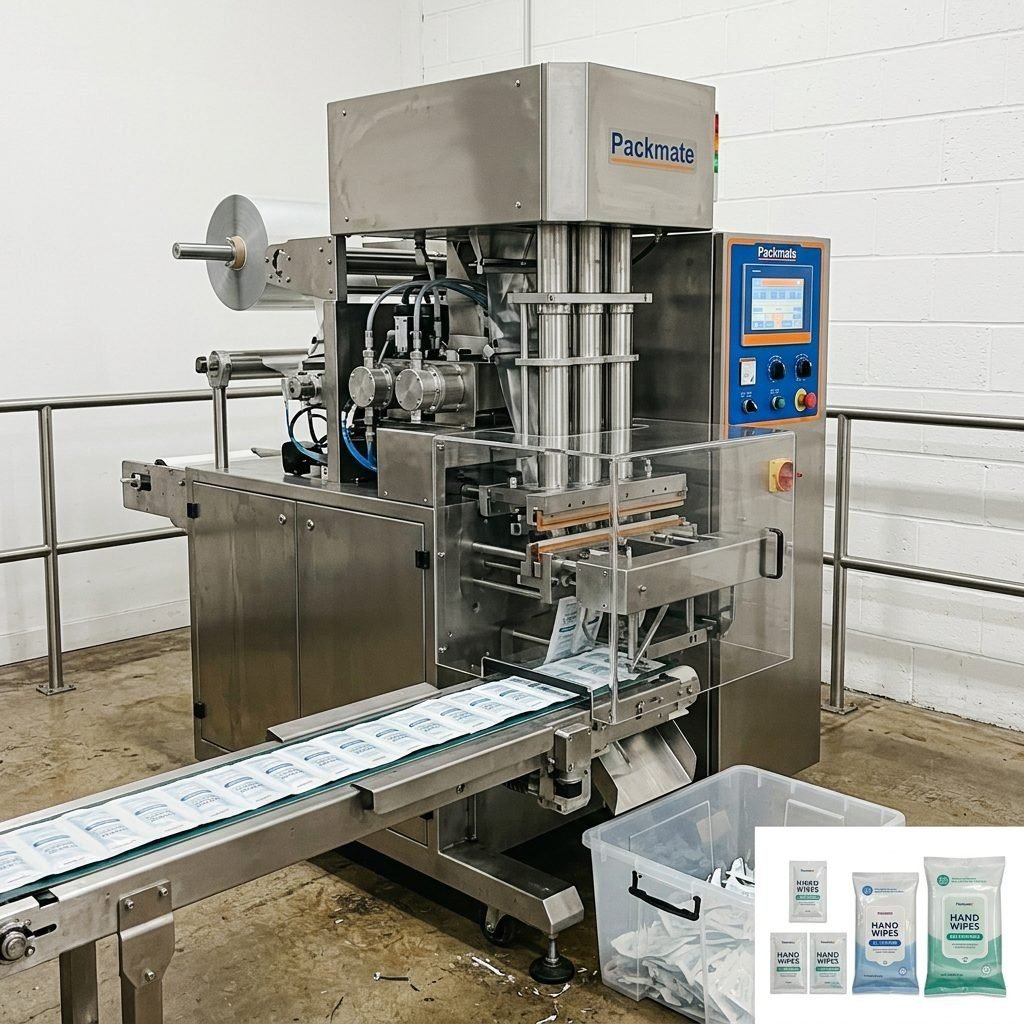
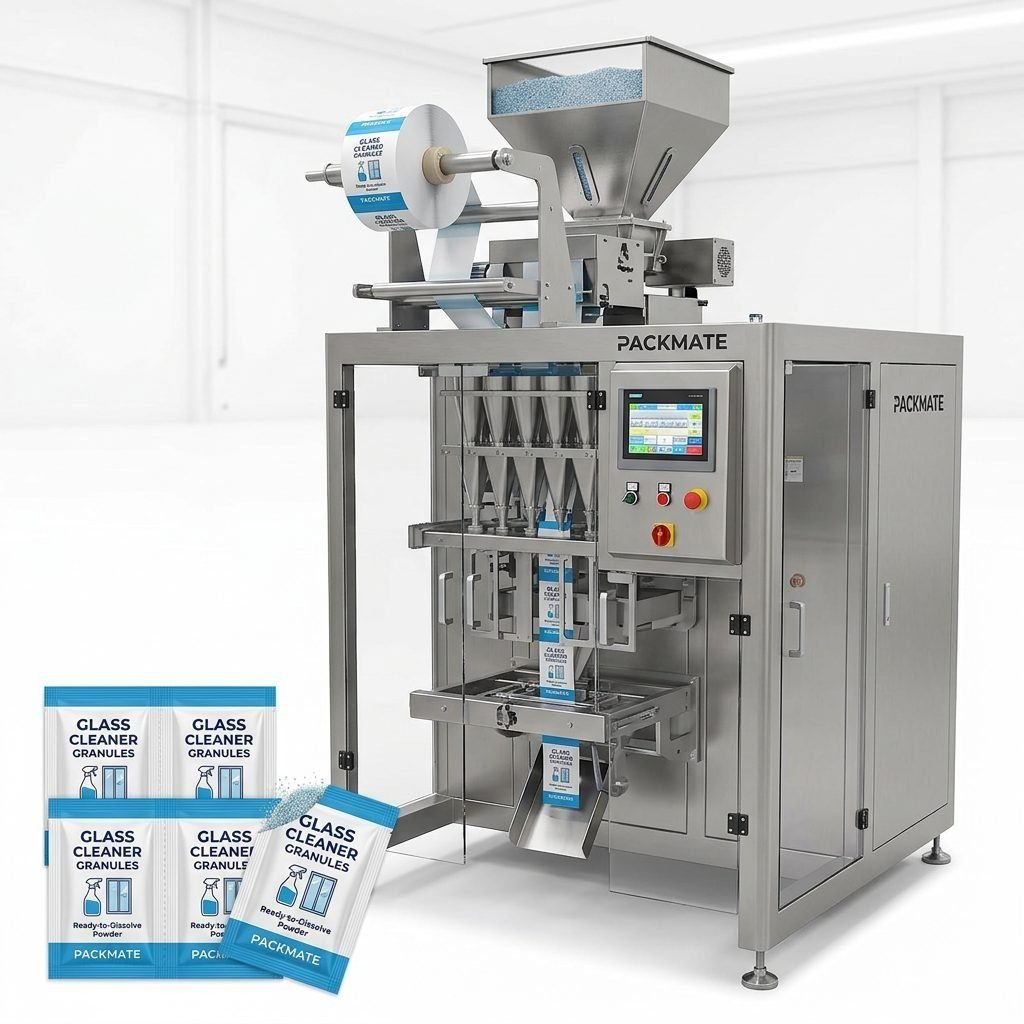
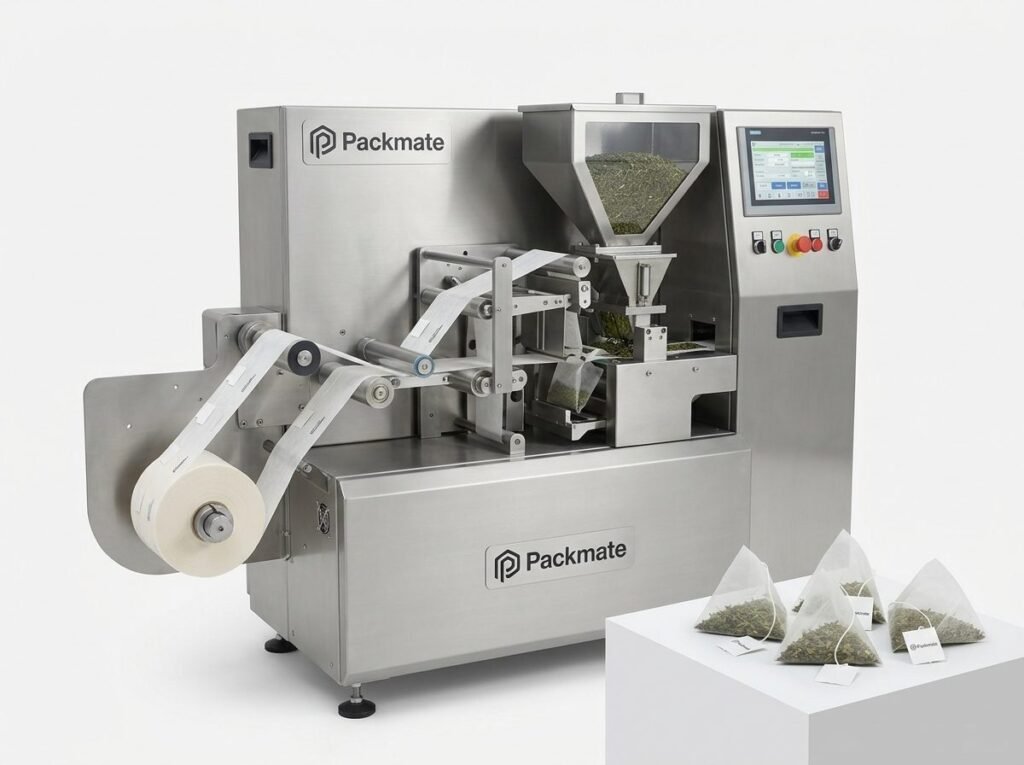
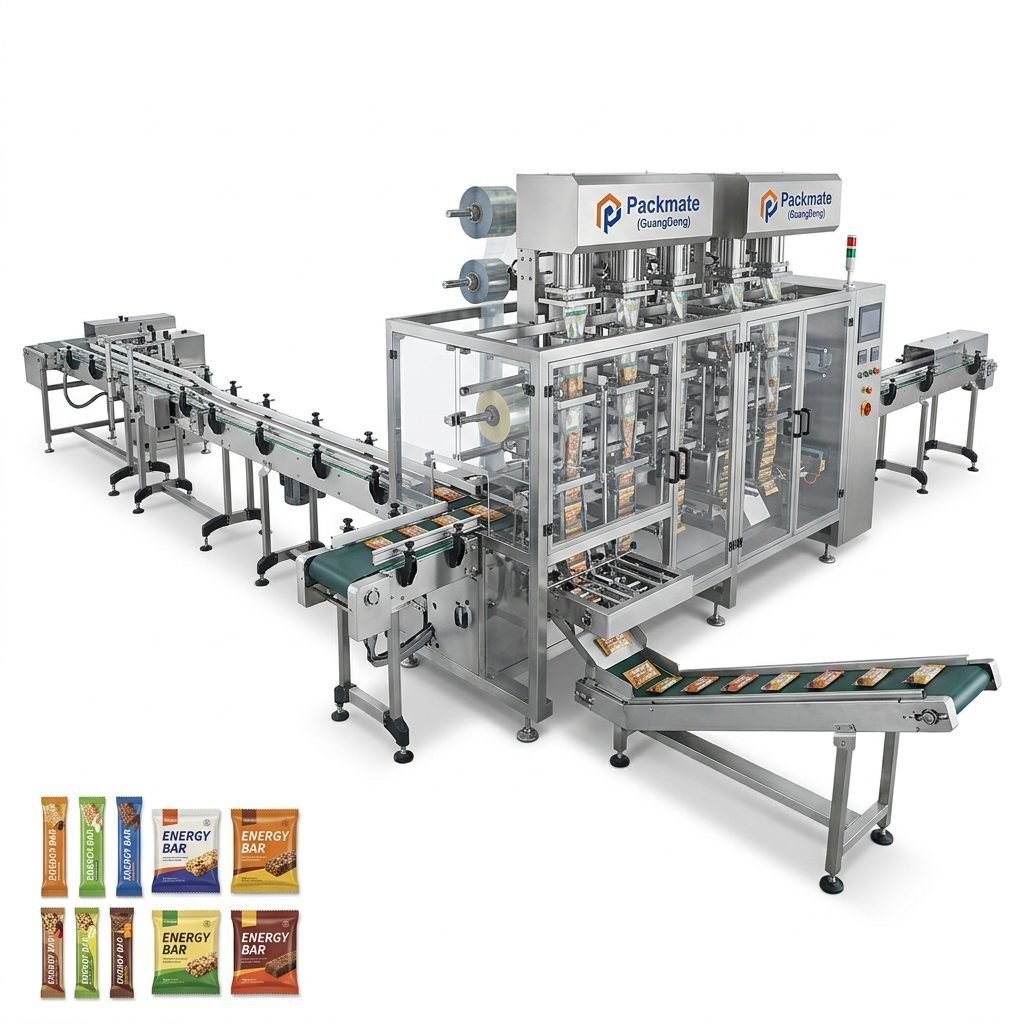
For example, Chinese manufacturers with decades of experience, like Ludyway and Packmate Machinery, have successfully penetrated global markets by building strong engineering teams, modern manufacturing facilities, and extensive product portfolios. They offer everything from individual sachet machines to complete turnkey lines, which can be an attractive proposition for Japanese businesses looking for scalable and integrated solutions. Their ability to serve diverse international markets, including Europe and North America, often indicates a capacity to meet varied and stringent quality requirements.
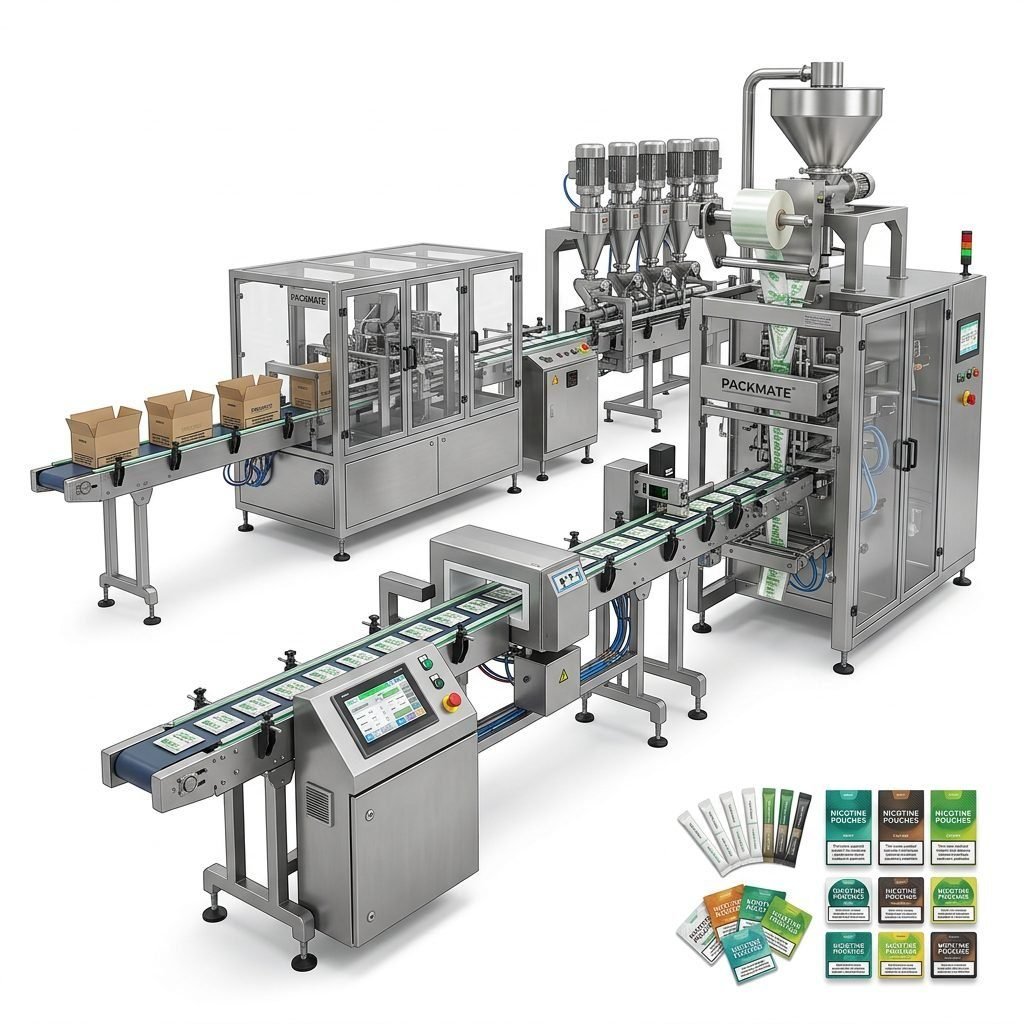
Assessing After-Sales Service and Local Presence
The relationship with a manufacturer begins after the machine is installed. For Japanese operations, reliable after-sales support is not an added benefit—it’s a fundamental requirement.
- Local Agent or Office: Does the supplier have a dedicated representative, service center, or warehouse in Japan? This drastically reduces response time for technical issues and spare parts delivery.
- Training and Documentation: Are comprehensive training programs (on-site or at the factory) and clear, Japanese-language operation manuals provided?
- Spare Parts Policy: What is the availability and delivery time for critical spare parts? A transparent and efficient parts supply chain is essential for minimizing production downtime.
Making the Final Decision: Beyond the Specification Sheet
The final selection should be based on a holistic view. Conduct factory audits (virtual or in-person) to witness the build quality and management system. Request references from existing clients, preferably those with similar applications in Japan or adjacent markets. Analyze the total cost of ownership, which includes not just the machine price, but also installation, maintenance, energy consumption, and potential cost of downtime.
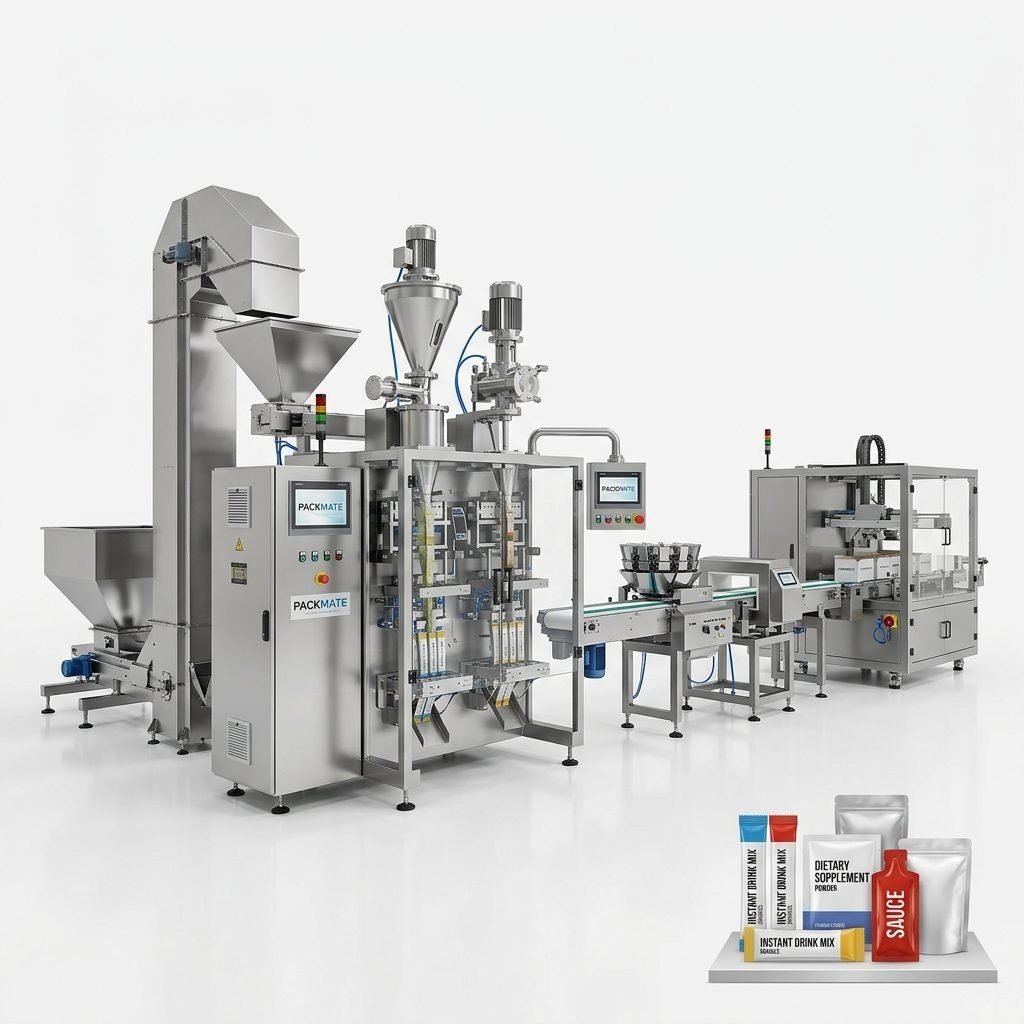
For projects requiring full-line automation, consider suppliers like PacklineOEM, whose core competency is integrating various machines into a seamless turnkey system. Their focus on line design and project management can be invaluable for complex greenfield or expansion projects.
Due Diligence Checklist
- Request and review detailed client case studies.
- Ask for performance data (e.g., actual output speeds, accuracy rates) from similar installations.
- Clarify warranty terms, scope, and the process for claiming support.
- Discuss future upgrade paths and the manufacturer’s roadmap for technological updates.
- Evaluate the communication process: Is it clear, professional, and timely?
Frequently Asked Questions (FAQs)
Q1: Why should I consider an international manufacturer instead of a domestic Japanese supplier for packaging machinery?
International manufacturers often offer a wider range of customization options and can provide significant value in terms of cost-performance ratio, especially for turnkey lines or specialized applications. Many have decades of export experience and have adapted their business models, including providing local technical support, to serve demanding markets like Japan effectively.
Q2: How important is it for the manufacturer to have prior experience with my specific product type?
Extremely important. Product characteristics (e.g., stickiness of a powder, viscosity of a liquid) directly influence machine design elements like the feeding system, dosing mechanism, and sealing parameters. An experienced manufacturer will have pre-optimized solutions and can anticipate potential challenges, leading to a smoother commissioning process and more stable long-term operation.
Q3: What are the most common pitfalls when choosing a packaging machine manufacturer?
Common pitfalls include: focusing solely on the lowest upfront price while ignoring long-term operating costs; underestimating the importance of after-sales service and spare parts availability; and failing to provide the manufacturer with complete and accurate product samples and production data during the quotation phase, which can lead to machines that don’t perform as expected.
Q4: For a new production line, should I buy individual machines from different specialists or a complete line from one supplier?
There are pros and cons to both. Sourcing individual machines may allow you to select the “best-in-class” for each step, but it places the burden of system integration, synchronization, and single-point accountability on you. Opting for a single turnkey supplier, especially one with strong integration capabilities, simplifies project management, ensures compatibility between components, and provides one point of contact for service and support.
Q5: How can I verify a manufacturer’s claims about their machine’s performance and quality?
Always insist on a factory acceptance test (FAT) using your actual product or a very close simulant. Witness the machine running under defined conditions and verify that it meets the agreed-upon specifications for speed, accuracy, and seal integrity. Additionally, visiting their factory, checking their quality control processes, and speaking directly to their existing customers are invaluable verification steps.