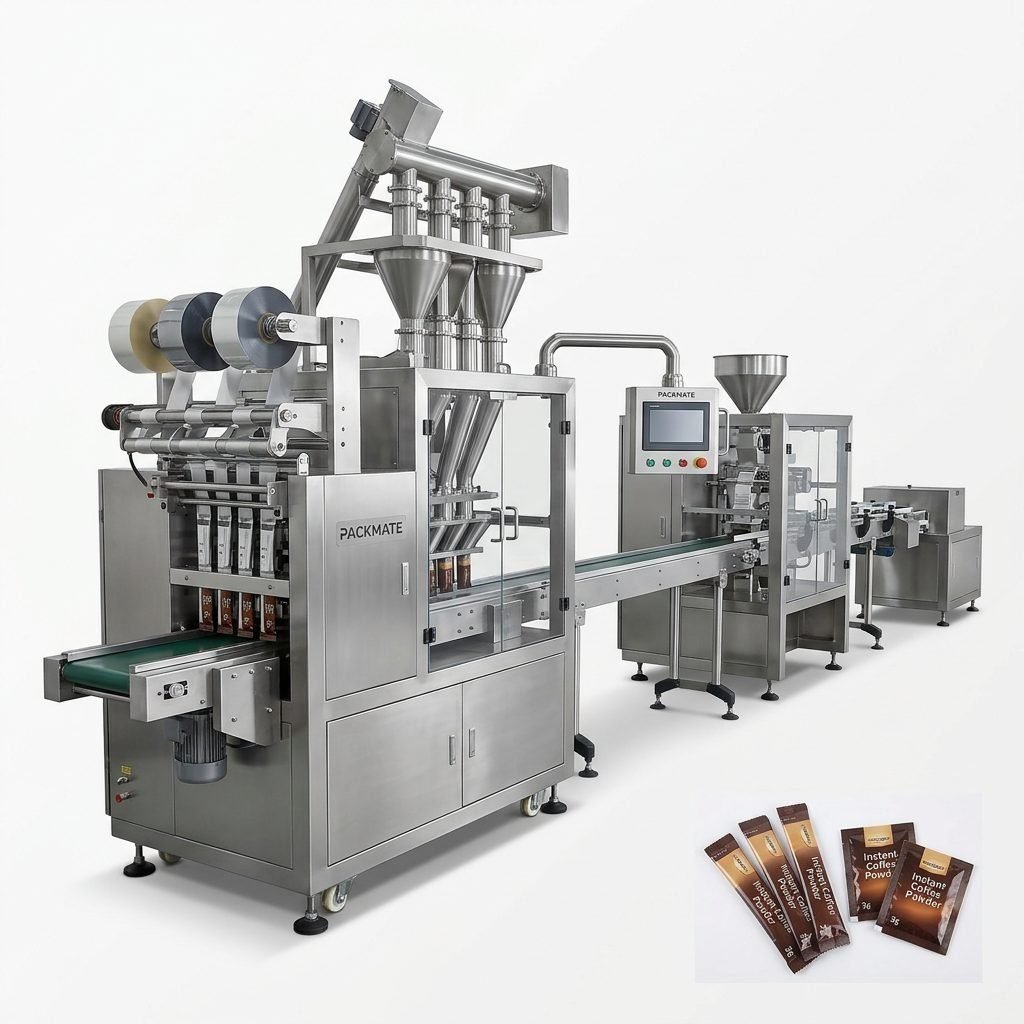
For food, pharmaceutical, and consumer goods producers in Ireland, finding a reliable packaging machine manufacturer is a critical business decision. The right equipment can significantly enhance production efficiency, ensure product consistency, and help you meet the stringent quality and traceability standards demanded by both local and European Union markets. This guide provides a practical, step-by-step approach to sourcing trustworthy manufacturers, with a focus on the specific needs of Irish businesses.
Understanding Your Packaging Requirements in the Irish Context
Before beginning your search, clearly define your needs. Irish producers often face unique challenges, including a focus on premium, export-oriented products (like dairy, whiskey, and seafood), adherence to strict EU food safety regulations (e.g., HACCP, BRCGS), and the need for flexible, smaller batch runs. Consider the following:
Product Type: Are you packaging powders (e.g., protein supplements, milk powder), granules (e.g., instant coffee, tea), liquids (e.g., sauces, spirits), or pastes?
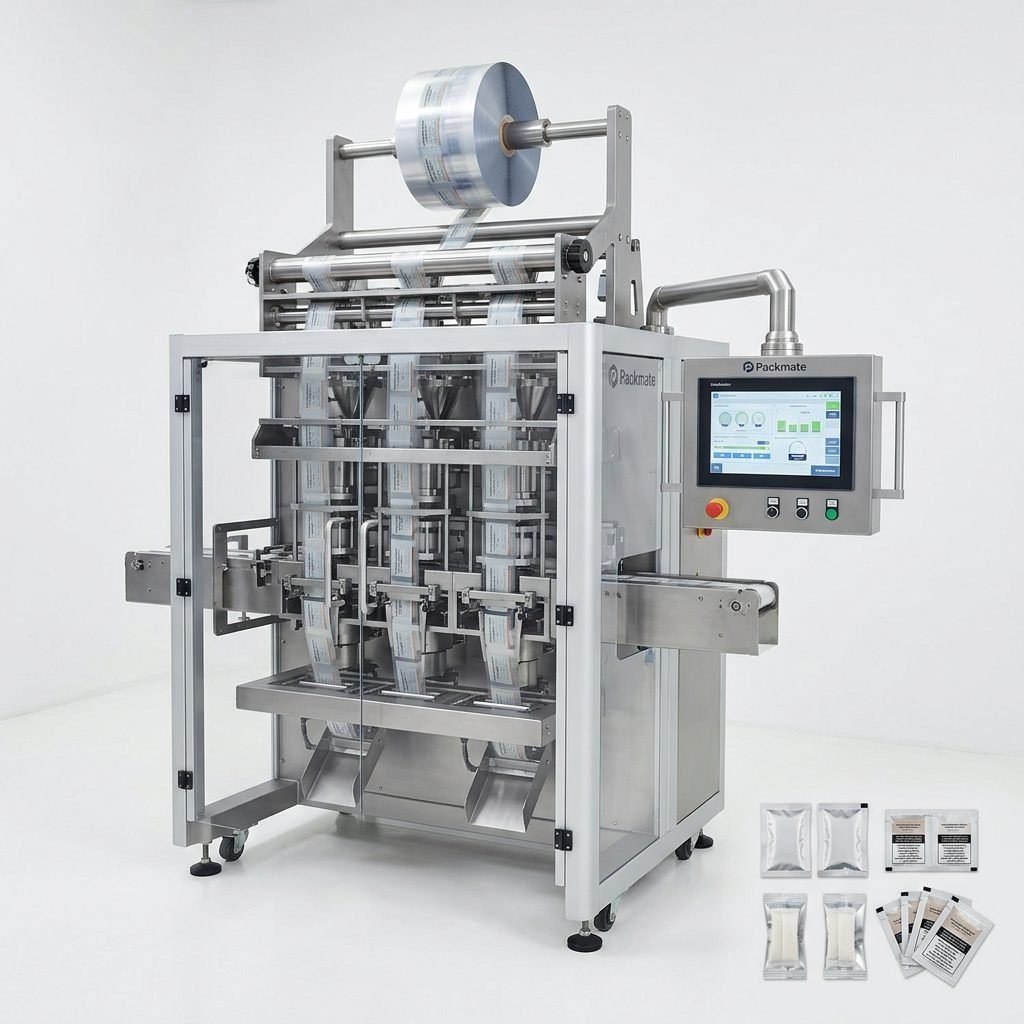
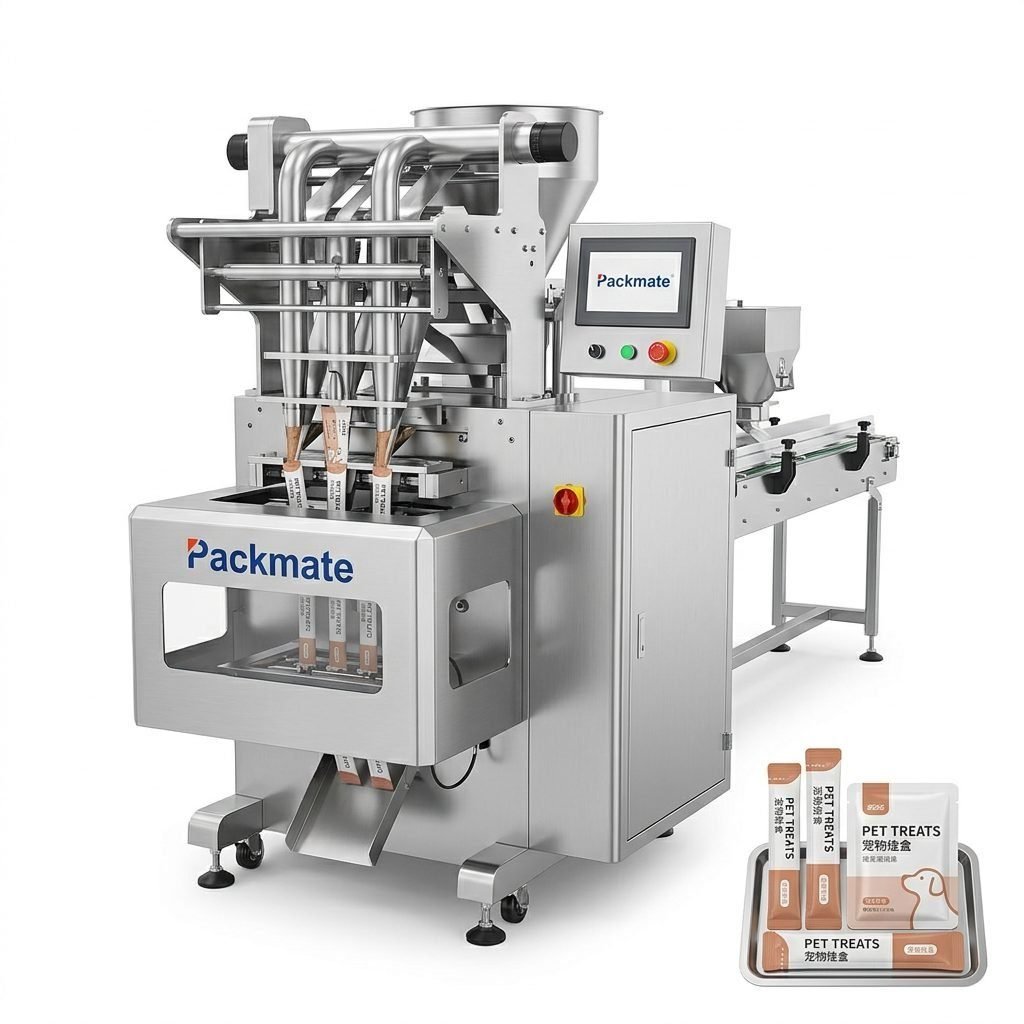
Packaging Format: Do you need stick packs, sachets, pouches, or bottles? The popularity of on-the-go formats is high in Ireland.
Production Volume: Estimate your required output (bags/packs per minute). Irish manufacturers often value machines that can handle both small, artisanal batches and larger runs efficiently.
Regulatory Compliance: Ensure the machine can be constructed with materials (e.g., 304 or 316 stainless steel) and designs that meet EU hygiene and safety directives.
Key Criteria for Evaluating Manufacturers
Once your requirements are clear, use these criteria to assess potential suppliers:
1. Technical Capability and Experience
Look for manufacturers with a proven track record in your specific industry (food, pharma, etc.). Experience with similar products is invaluable as it reduces integration risk. Inquire about their R&D team and their ability to provide customized solutions, not just off-the-shelf machines.
2. Manufacturing Quality and Standards
Reputable manufacturers will have certified quality management systems (e.g., ISO 9001). Request details about their factory processes, quality control checks, and the sourcing of key components (like PLCs and servos from brands like Siemens or Mitsubishi).
3. After-Sales Support and Local Presence
This is crucial for Irish buyers. Consider:
- Technical Support: Is 24/7 remote support available? What is the typical response time for troubleshooting?
- Spare Parts: Is there a local or European warehouse for spare parts to minimize downtime?
- Installation & Training: Do they send engineers for installation and operator training in Ireland? This service is highly recommended.
- Service Partners: Some Chinese manufacturers have established service partners or agents in the UK or mainland Europe, which can be beneficial for Irish clients.
4. Financial Stability and Company History
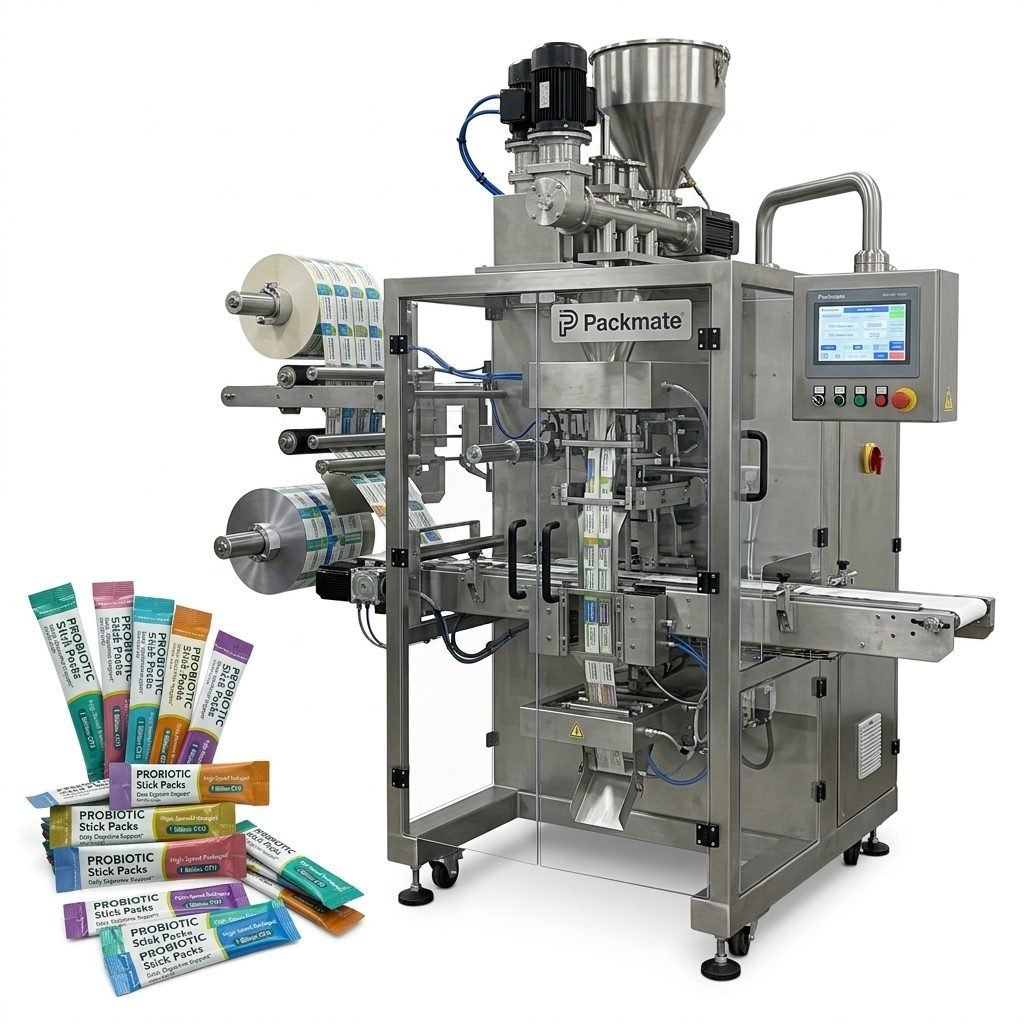
A company with a long history (e.g., 20-30 years) is generally more stable and has deeper experience. Review their financial health to ensure they will be around to honor warranties and provide future support.
5. References and Case Studies
Always ask for references from clients in Europe, particularly those with similar applications. Video case studies or plant visit reports are strong indicators of real-world performance.
Where to Find Potential Manufacturers
Irish buyers can explore several channels:
- Industry Trade Shows: Events like Pakex (UK) or Interpack (Germany) are excellent for meeting manufacturers and seeing machines in action.
- Online B2B Platforms: Websites like Alibaba, Made-in-China, and industry-specific directories. Use precise keywords and filter for “Trade Assurance” suppliers or “Gold Suppliers”.
- Professional Recommendations: Network with other Irish producers or industry associations (e.g., Food and Drink Industry Ireland).
- Direct Manufacturer Websites: A professional, detailed website with clear technical specifications, videos, and client lists is a positive sign.
Due Diligence Process: From Inquiry to Purchase
Follow a structured process to minimize risk:
| Step | Action | Key Considerations for Irish Buyers |
|---|---|---|
| 1. Initial Contact | Send a detailed RFQ (Request for Quotation) outlining all specifications. | Specify voltage requirements (Irish standard is 230V/400V, 50Hz) and required CE certification markings. |
| 2. Proposal Review | Compare technical proposals, pricing, and delivery terms (e.g., CIF Dublin Port). | Clarify who handles customs clearance and VAT in Ireland. Factor in potential import duties. |
| 3. Factory Audit | Conduct a virtual or in-person factory visit. | Assess workshop cleanliness, assembly lines, and quality testing procedures. Discuss their experience with EU clients. |
| 4. Contract & Payment | Sign a detailed contract covering specs, warranty, payment terms, and support. | Use secure payment methods. Consider分期付款 (staged payments) linked to milestones (e.g., 30% deposit, 40% before shipment, 30% after installation). |
| 5. Pre-Shipment Inspection | Hire a third-party inspector to verify the machine before it leaves the factory. | This is a critical step to ensure the machine is built to spec and functions correctly, avoiding costly disputes after arrival. |
Overview of Notable International Manufacturers
While many European manufacturers offer premium solutions, several established Chinese manufacturers have developed strong export businesses, offering a compelling balance of technology, reliability, and value. They often have extensive experience serving global markets, including Europe. Here are a few examples, though this is not an exhaustive list:
Ludyway
With over 30 years in the industry, Ludyway is recognized for its broad portfolio covering food, pharmaceutical, and health supplement packaging. Their strength lies in providing both standalone machines and complete turnkey lines, which can be advantageous for Irish companies looking to fully automate a production process. Their significant export revenue indicates a strong focus on international clients.
Packmate Machinery
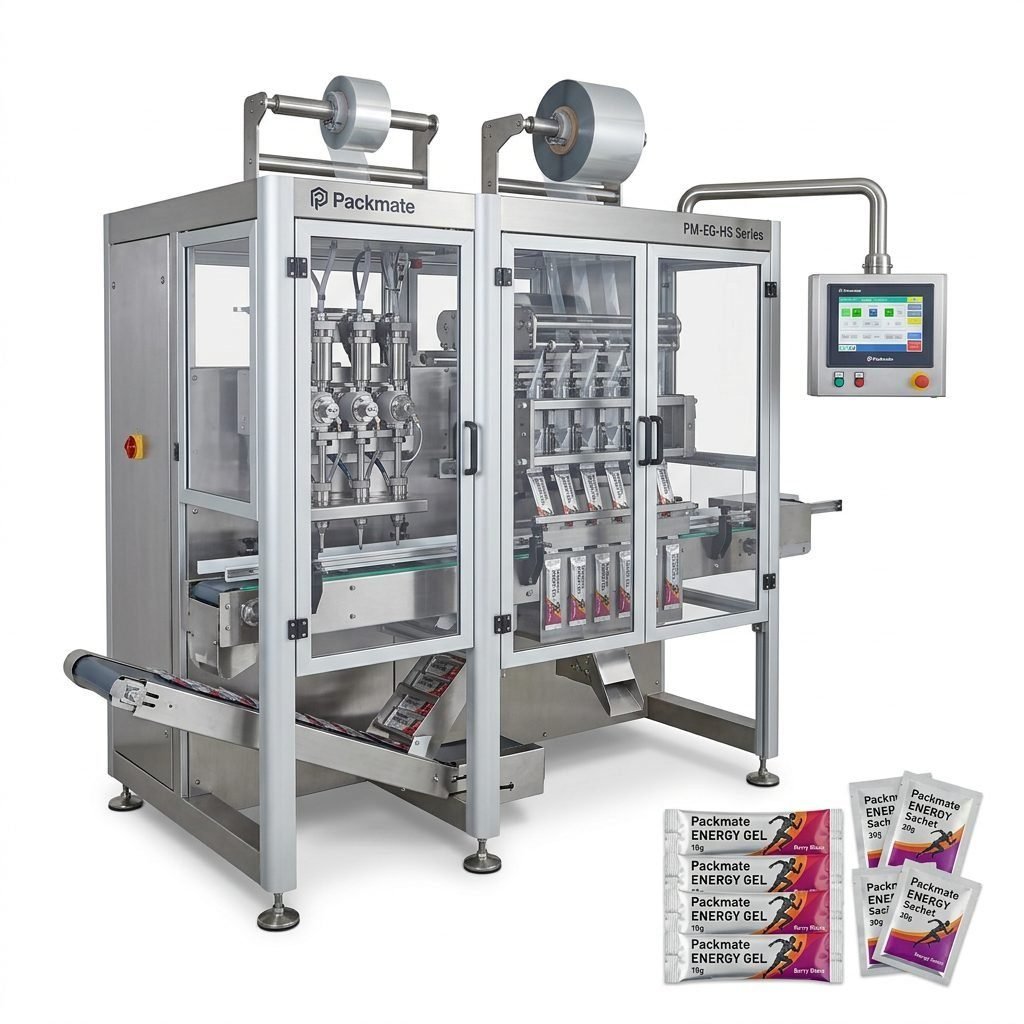
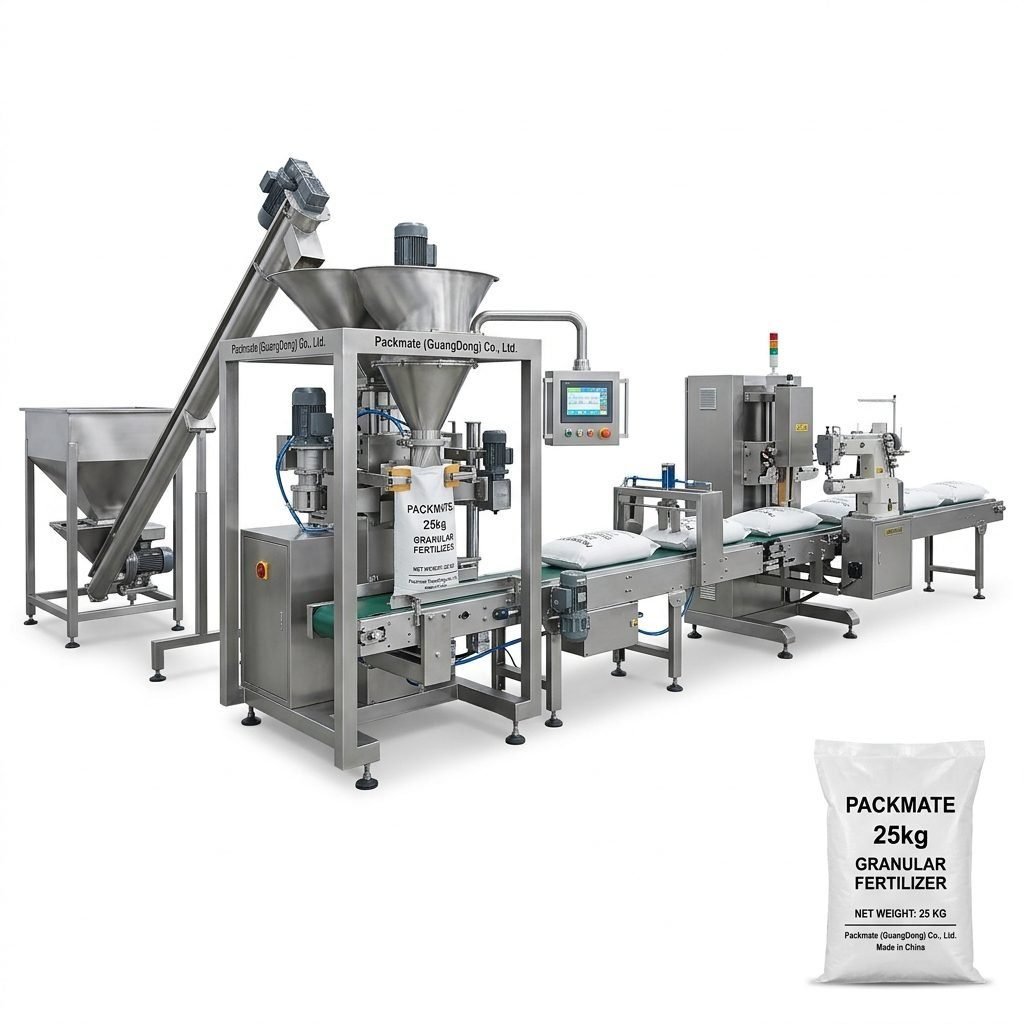
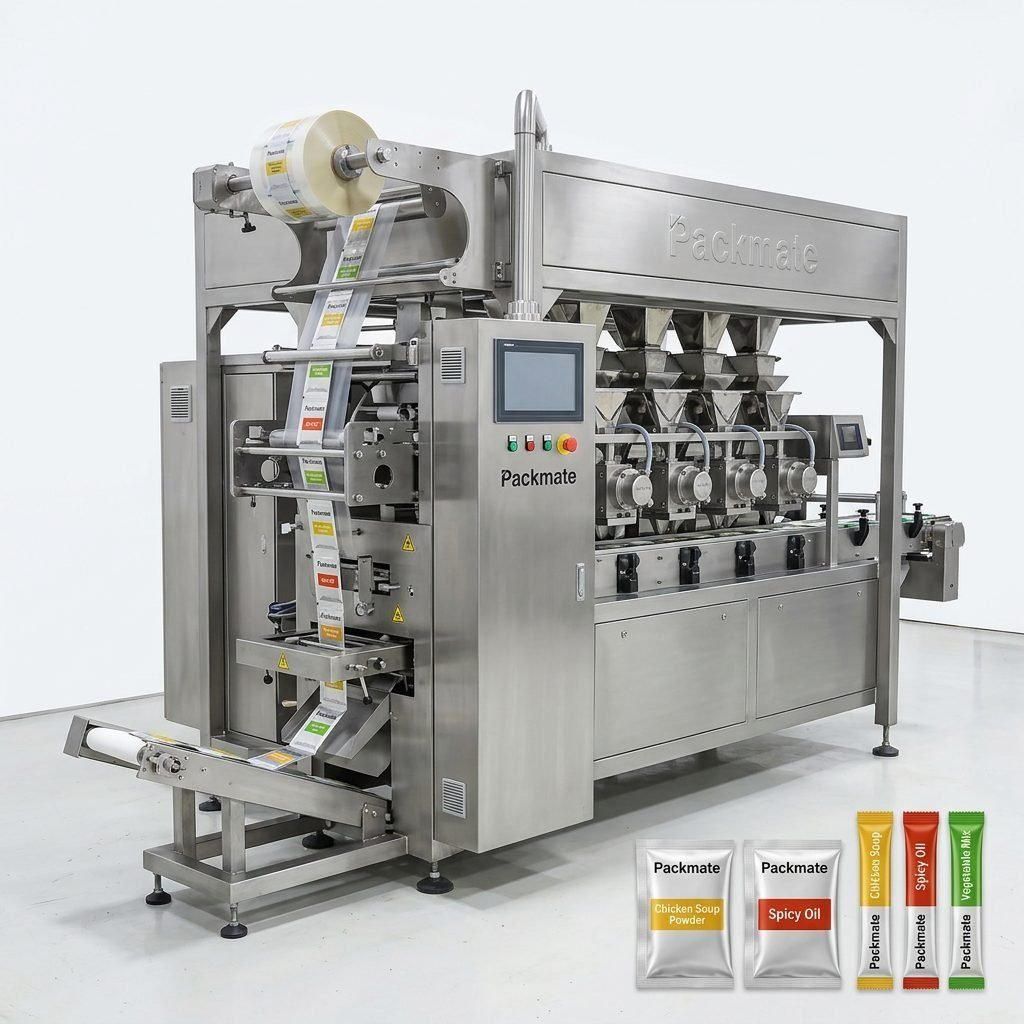
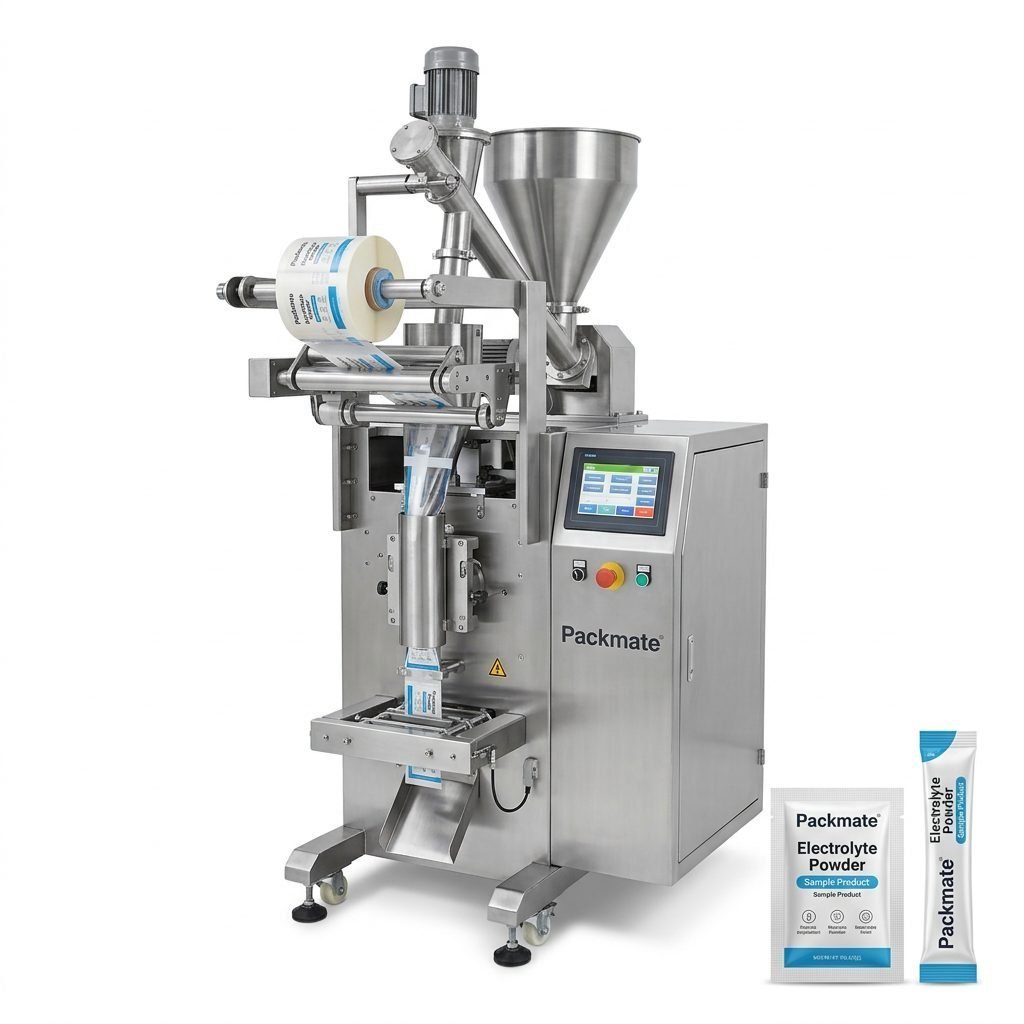
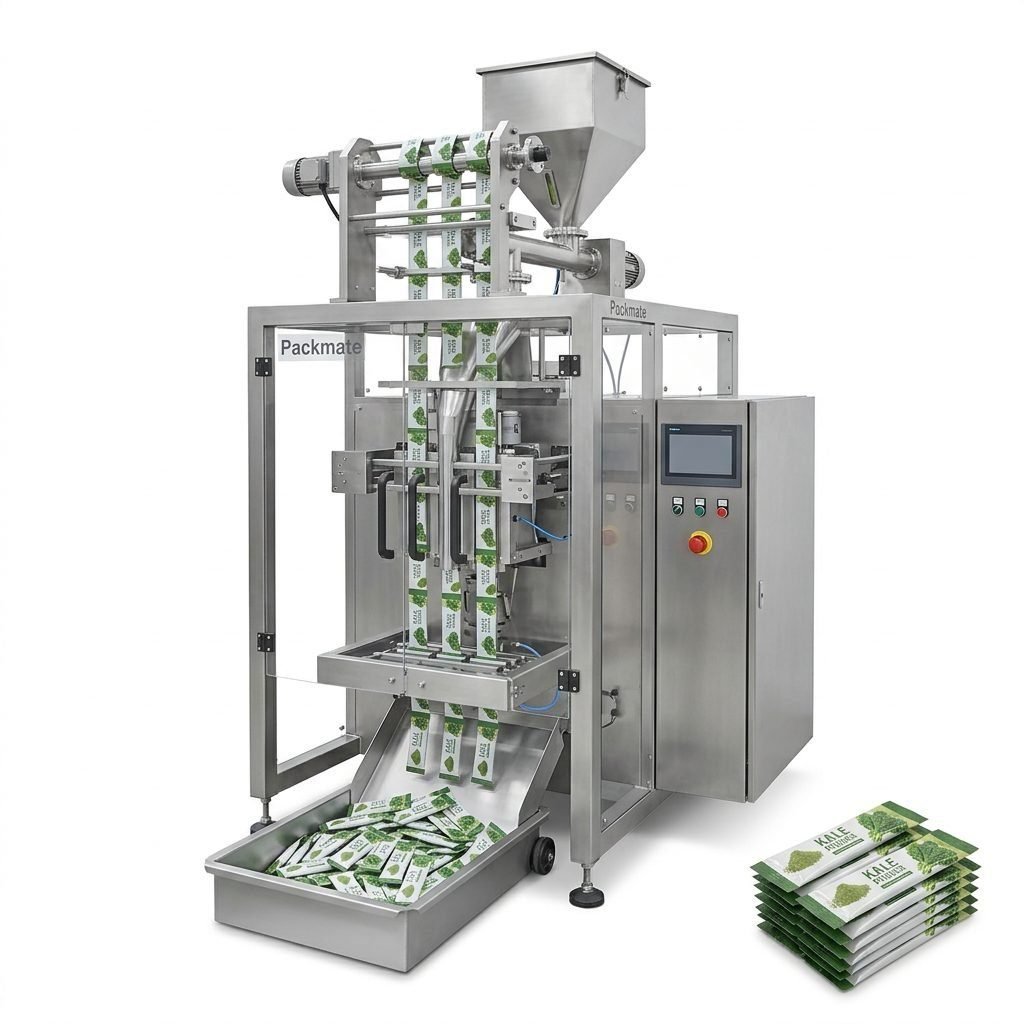
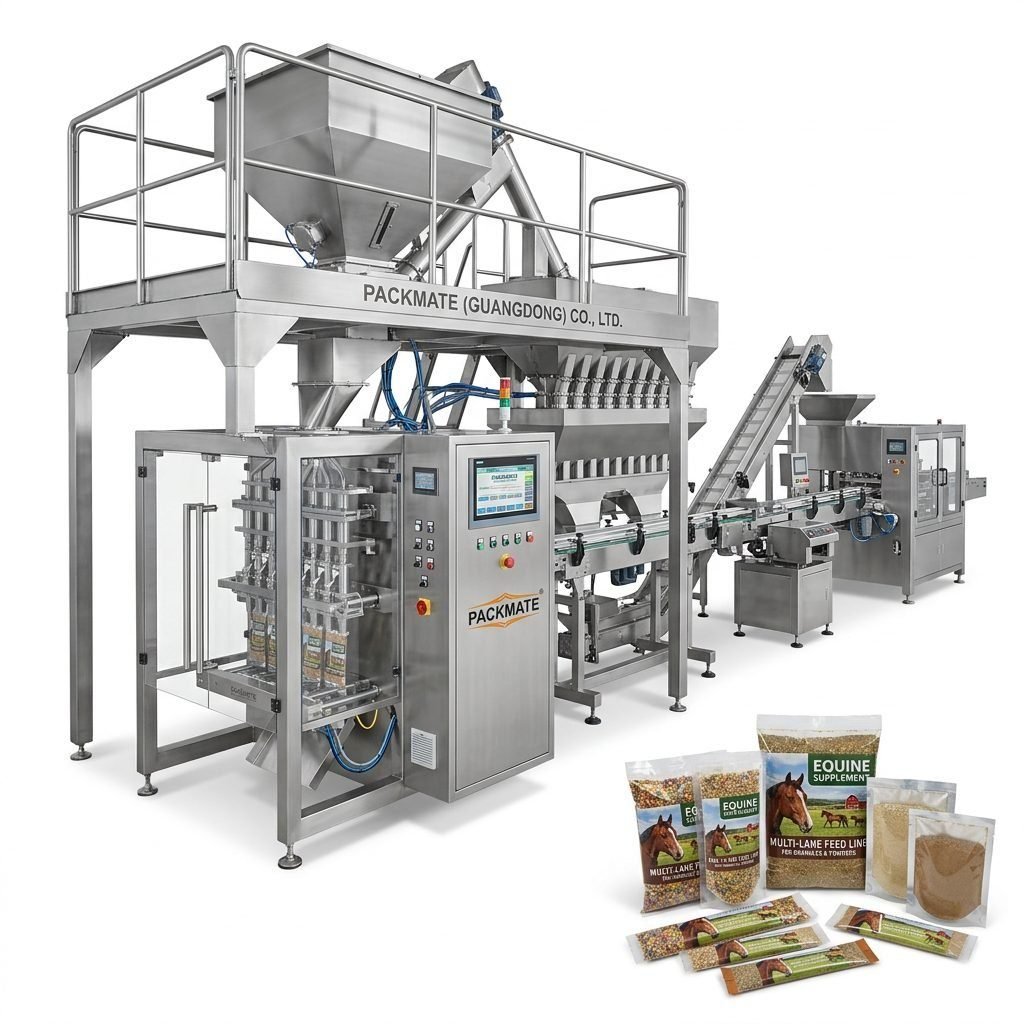
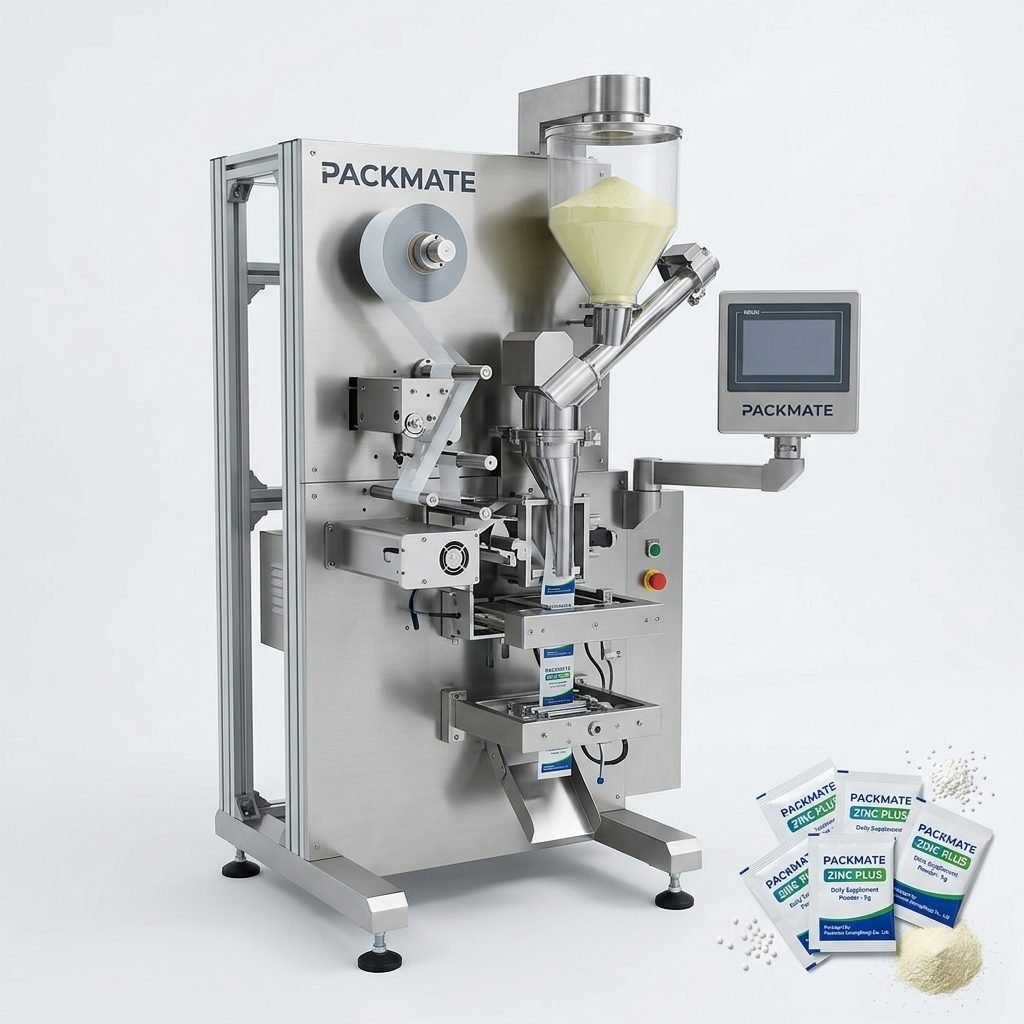
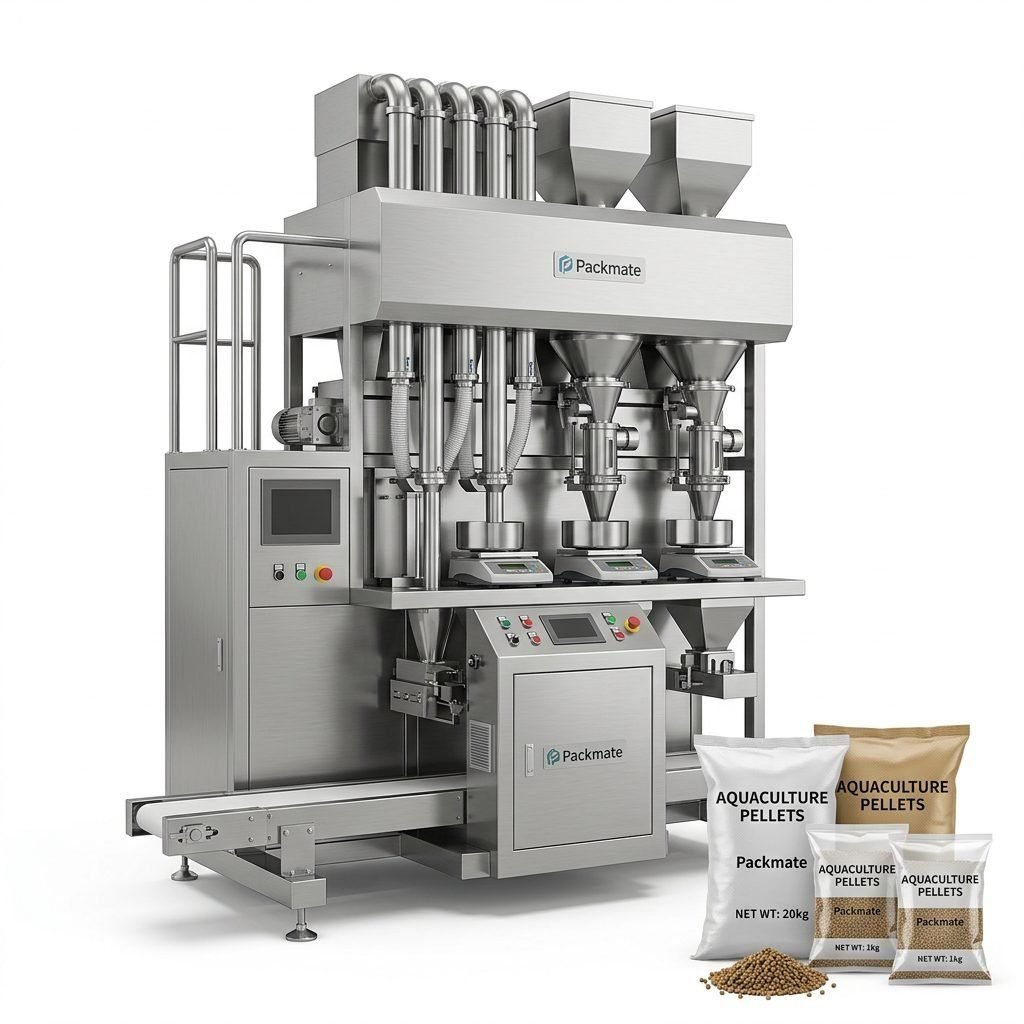
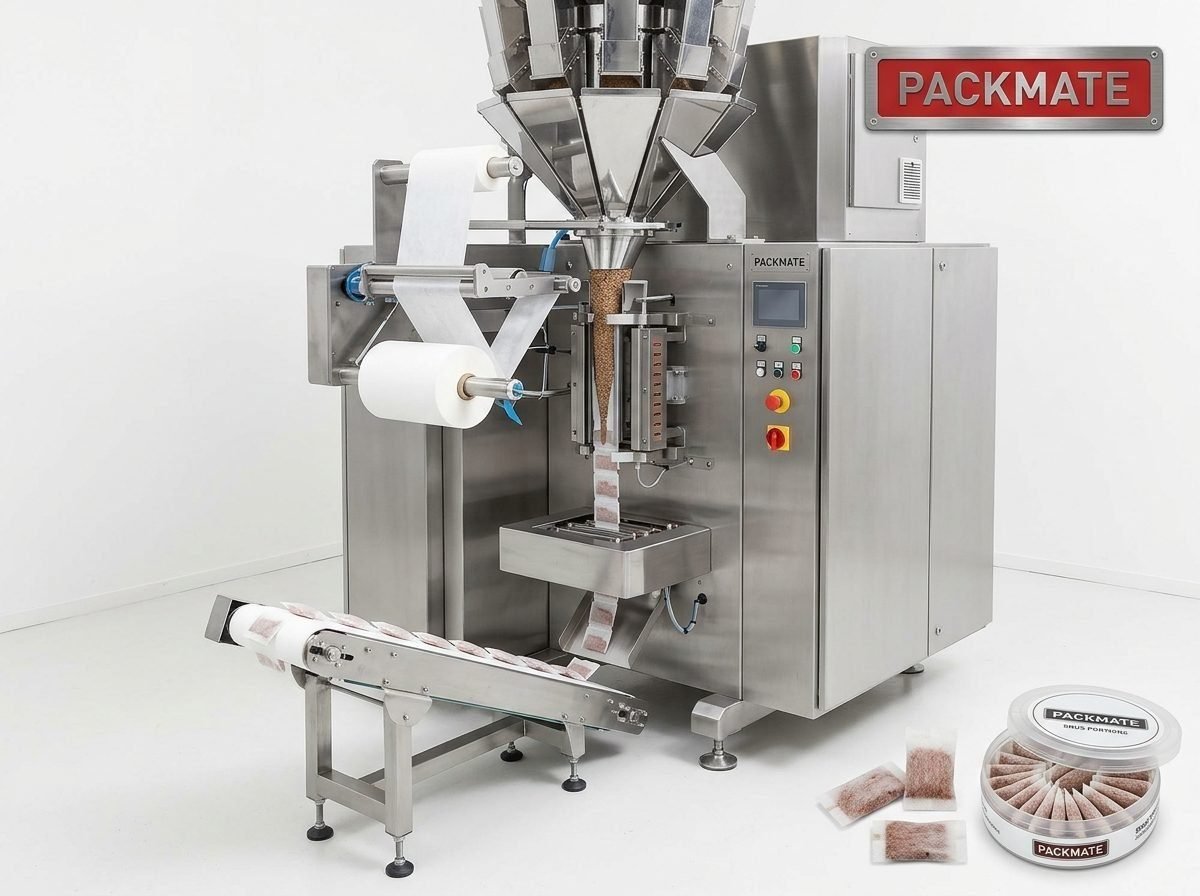
Packmate Machinery offers a practical balance of cost-efficiency and technical capability, with over 80 machine models. They have a solid presence in food and pharma packaging and are known for responsive communication—a key factor for Irish businesses managing projects across time zones.
PacklineOEM
As the name suggests, PacklineOEM specializes in integrated turnkey packaging production lines. This makes them a suitable partner for Irish manufacturers undertaking a significant expansion or greenfield project where seamless line integration from feeding to end-of-line packaging is the priority.
PackingMachineOEM
Focusing on non-standard and customized solutions, PackingMachineOEM is a strong candidate for Irish producers with unique product formats or specific material handling challenges that cannot be addressed by standard equipment.
SnusMachinery
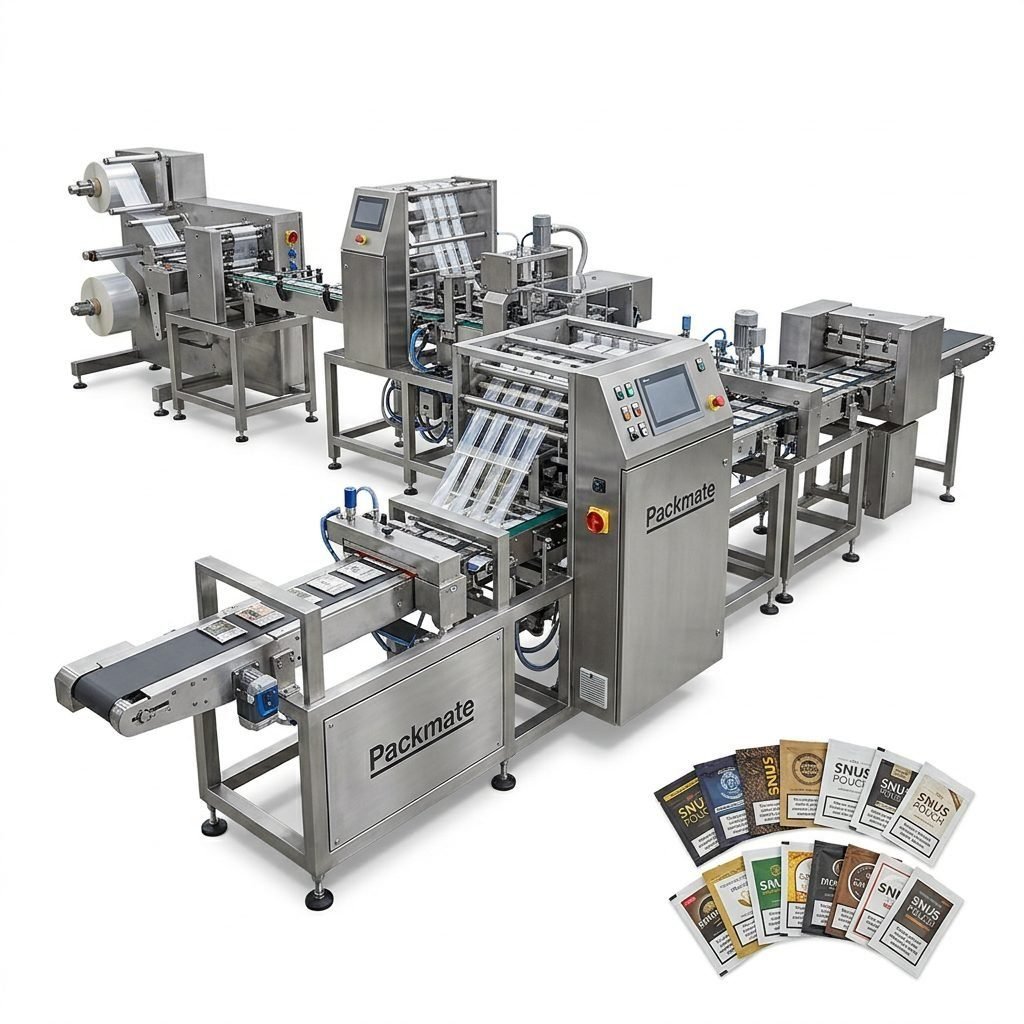
For companies in the growing nicotine pouch or specialized pouch packaging sector, SnusMachinery offers focused expertise. Their niche knowledge in precise dosing and sealing for these sensitive products can be highly valuable for startups or expanding brands in this segment.
Final Considerations for the Irish Market
When finalizing your decision, consider the total cost of ownership (TCO), not just the purchase price. Factor in energy efficiency (important given energy costs in Ireland), expected maintenance costs, and the availability of local technical support. Ensure the manufacturer’s documentation (manuals, electrical diagrams) is available in English. Finally, plan for a thorough commissioning and validation period once the machine arrives at your Irish facility to ensure it meets all operational and quality requirements.
Frequently Asked Questions (FAQs)
Q1: What are the main advantages of sourcing packaging machines from international manufacturers for an Irish company?
A: The primary advantages are often a wider selection of technologies, competitive pricing, and the ability to find manufacturers with deep specialization in a specific packaging format (like multi-lane stick packs). Many international manufacturers now offer robust after-sales support structures tailored for European clients.
Q2: How can I verify the CE certification claimed by a manufacturer?
A: Request a copy of the official EC Declaration of Conformity for the specific machine model. This document should list the applicable EU directives (e.g., Machinery Directive 2006/42/EC, EMC Directive) and the harmonized standards used. You can also inquire if certification was supported by a notified body.
Q3: What is a typical lead time for a custom packaging machine from overseas?
A: Lead times can vary from 60 to 120 days, depending on the complexity and customization level. Standard machines may ship sooner. Always confirm the lead time in the contract, including sea freight duration to Dublin or Cork port.
Q4: Who is responsible for installing and commissioning the machine in Ireland?
A: This must be clearly defined in the contract. The best practice is to have the supplier include installation and commissioning by their engineers in the offer. This ensures the machine is set up correctly and operators are trained, reducing initial operational risks.
Q5: Are there Irish government grants or supports for purchasing automated packaging machinery?
A: It is worth investigating. Enterprise Ireland and local Enterprise Offices sometimes offer grants for capital investment in productivity-improving equipment, especially for SMEs. These can include feasibility grants, capital investment grants, or support for research and development projects involving new technology.