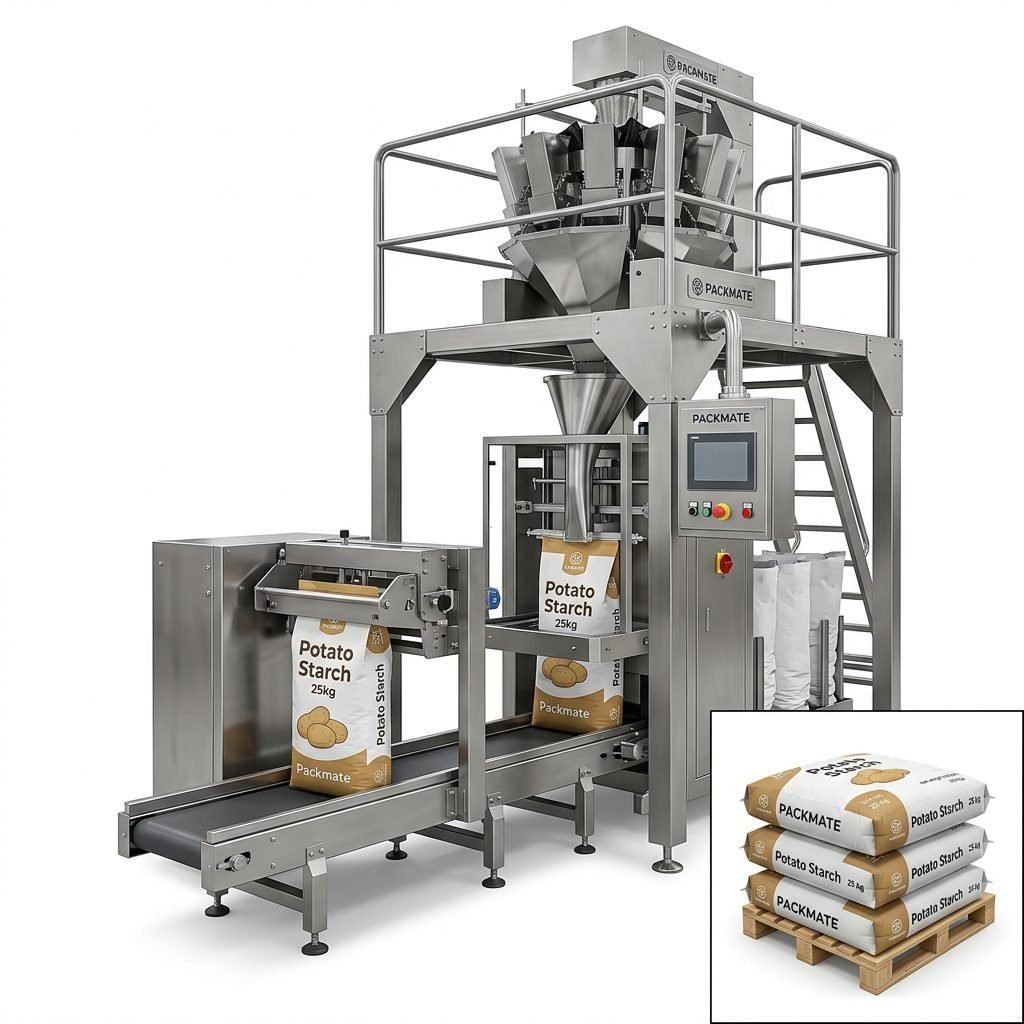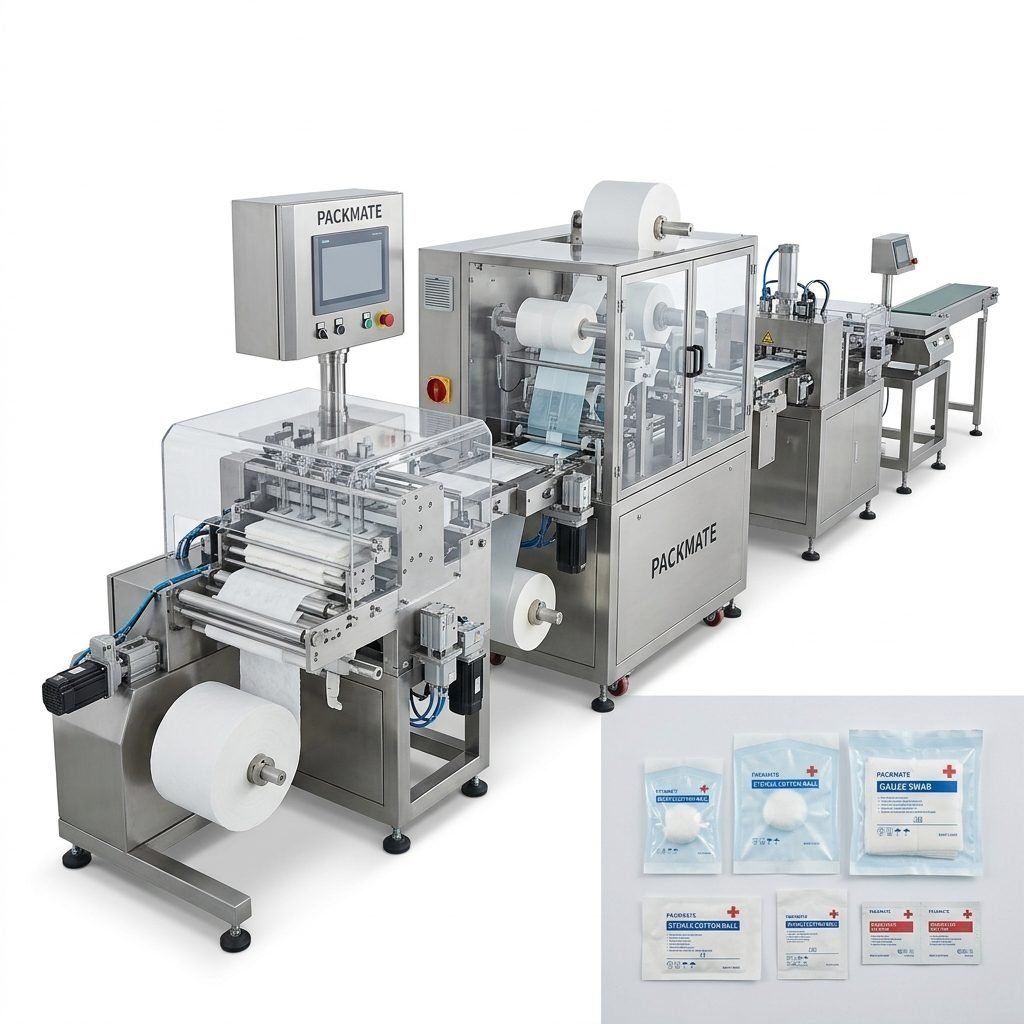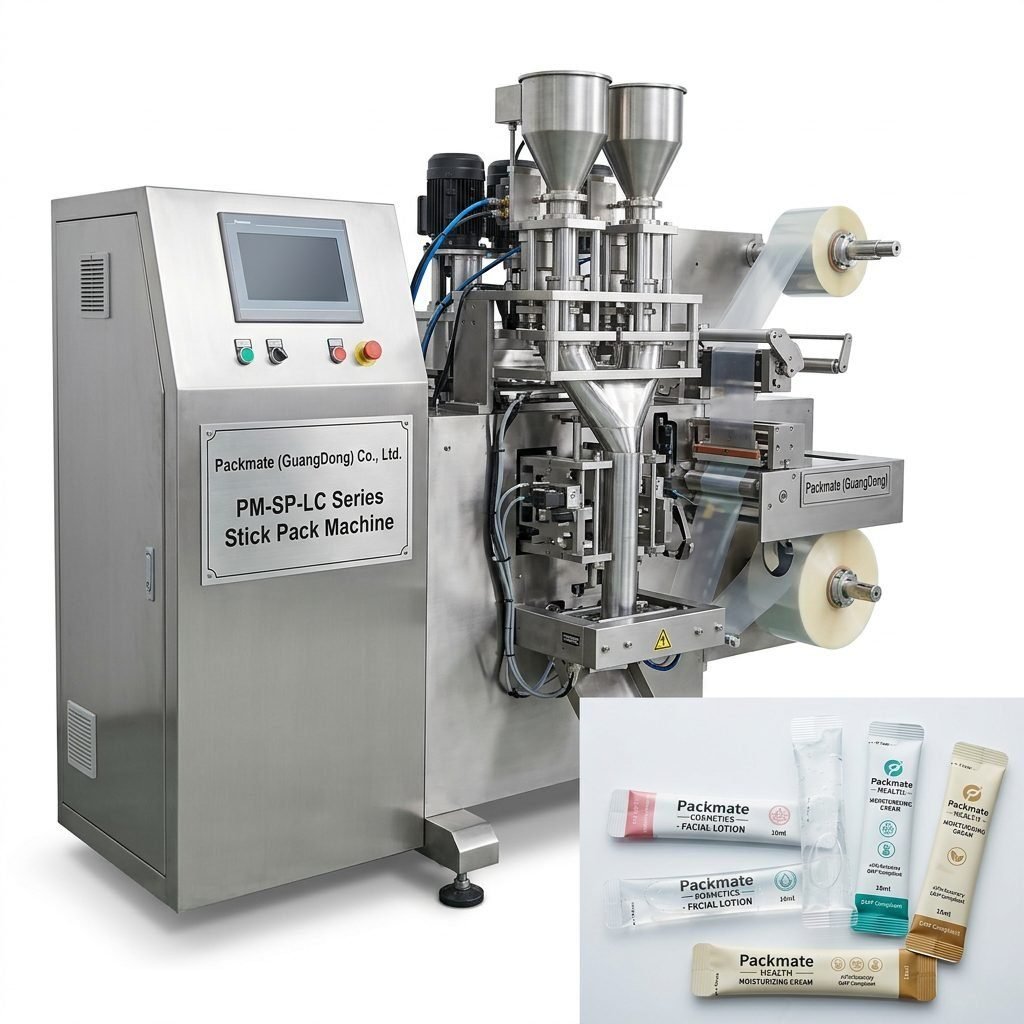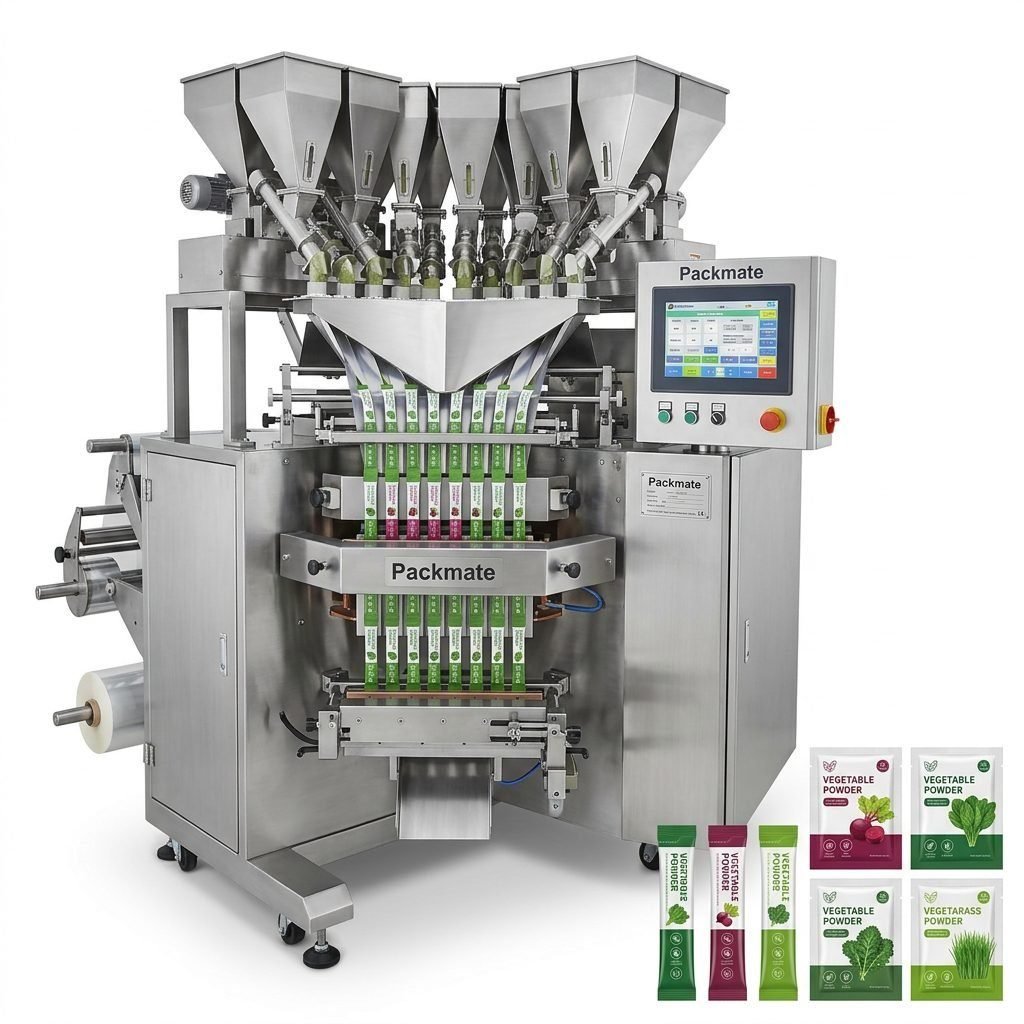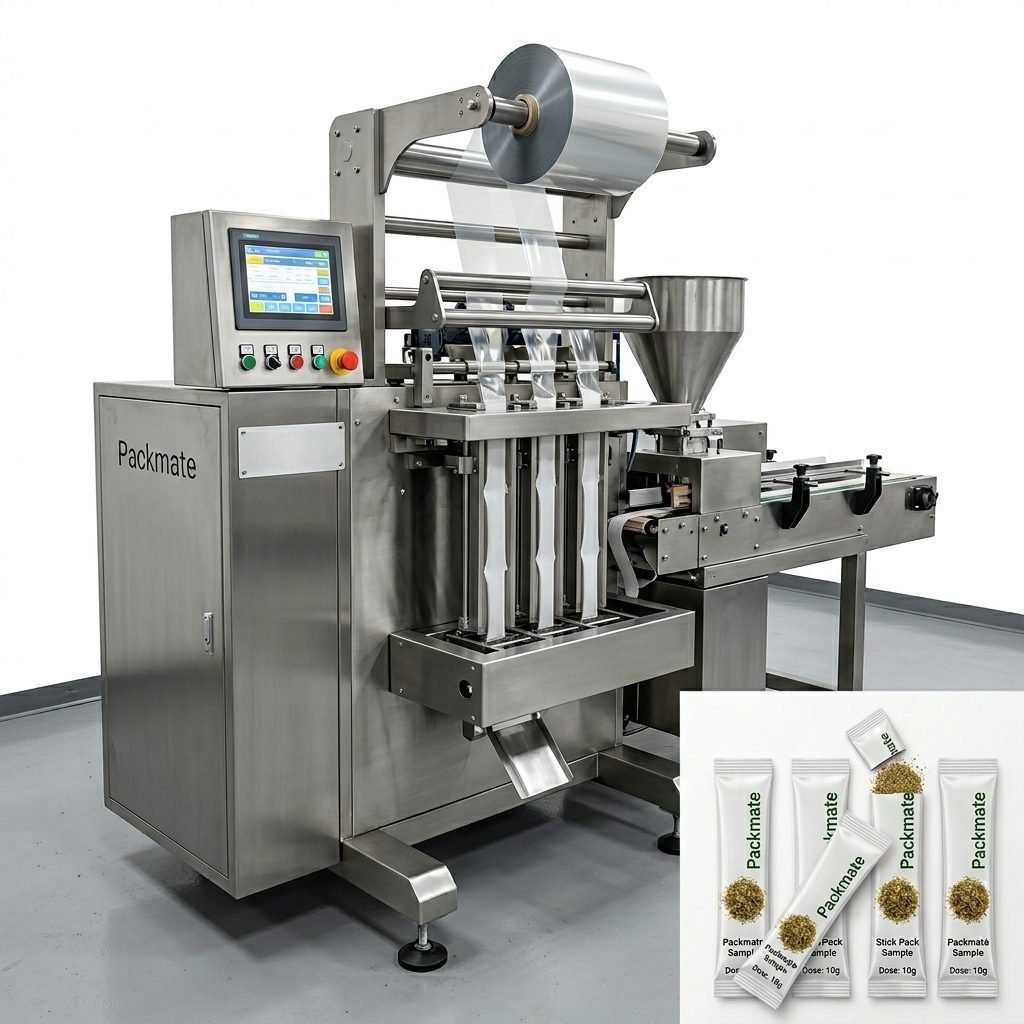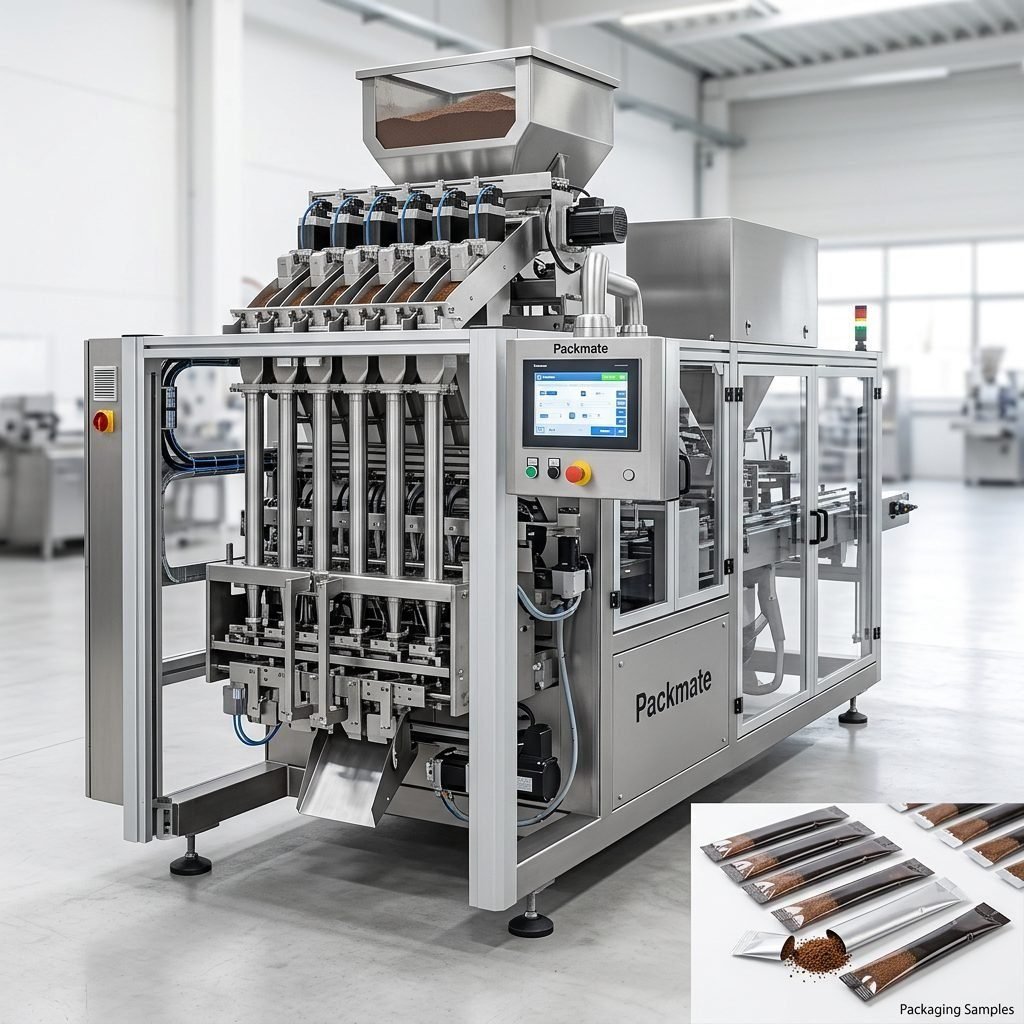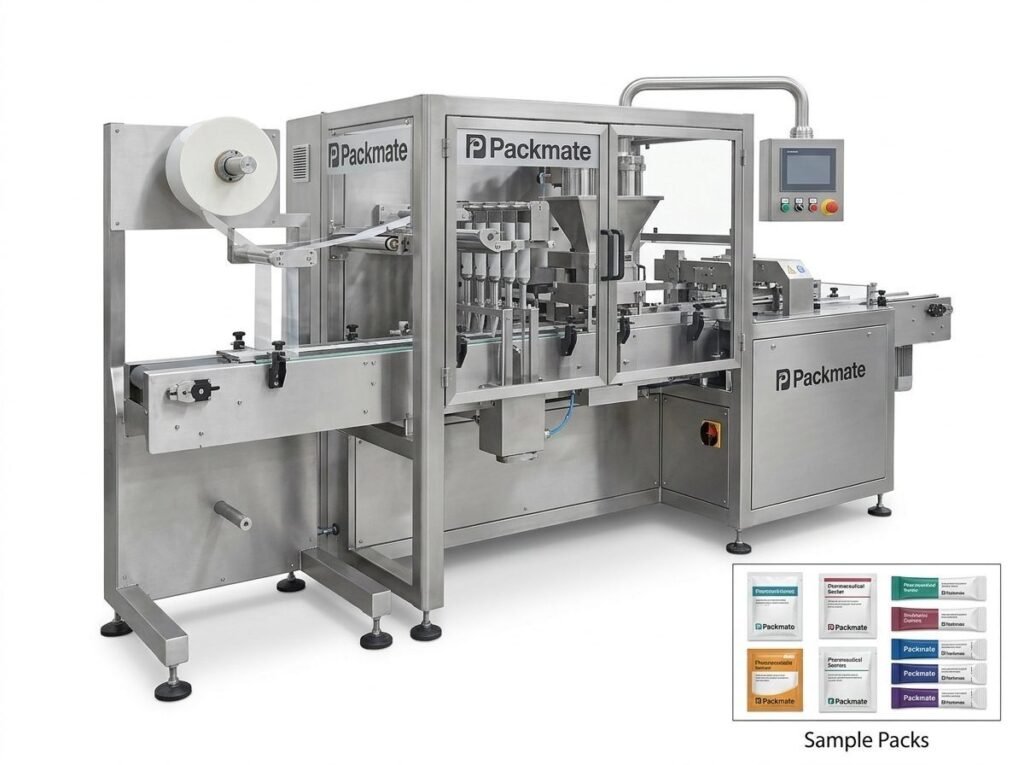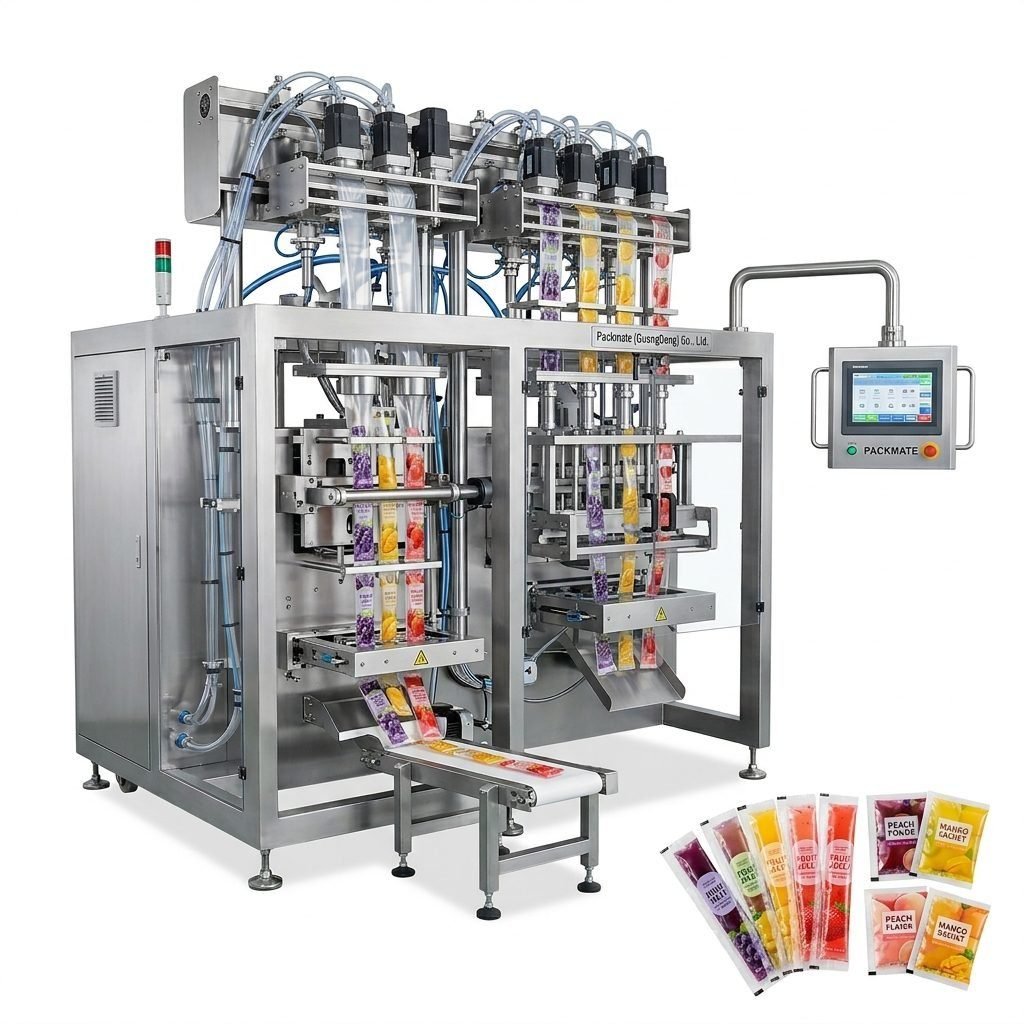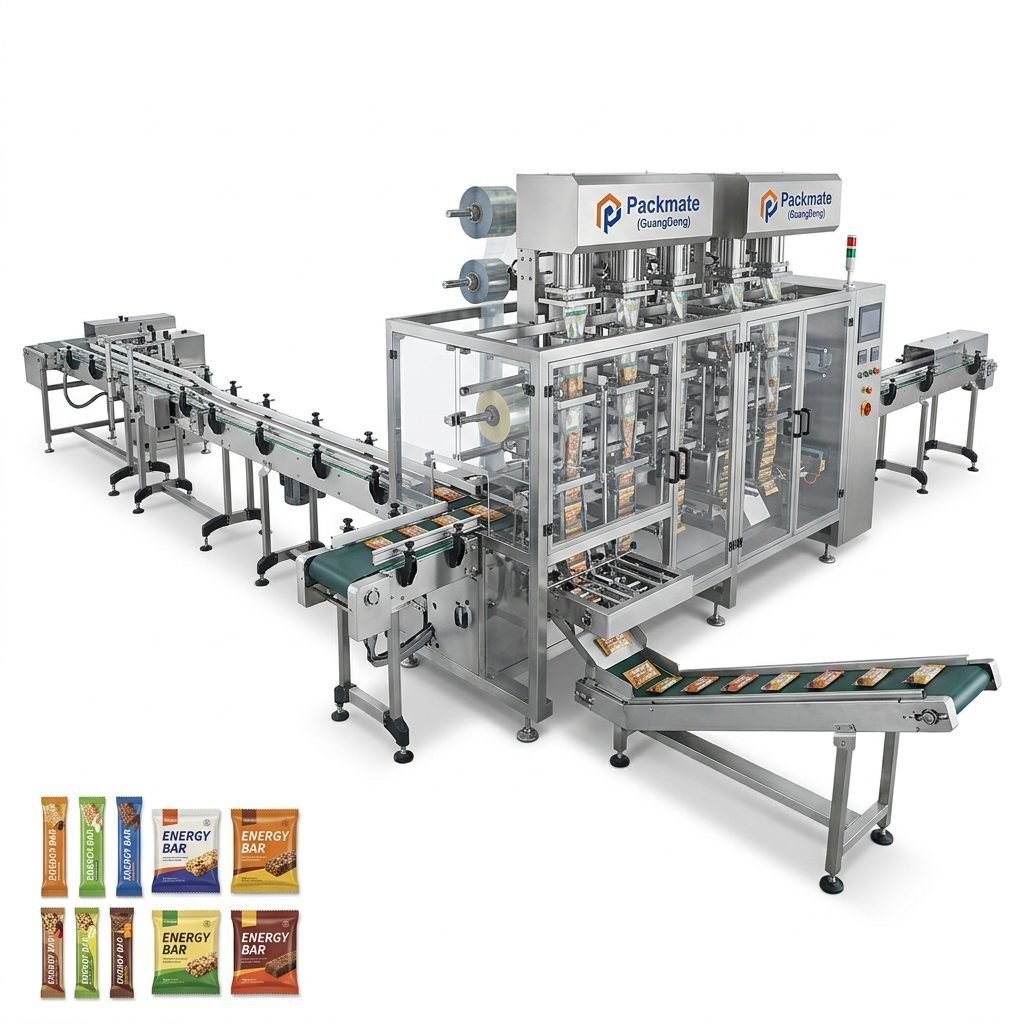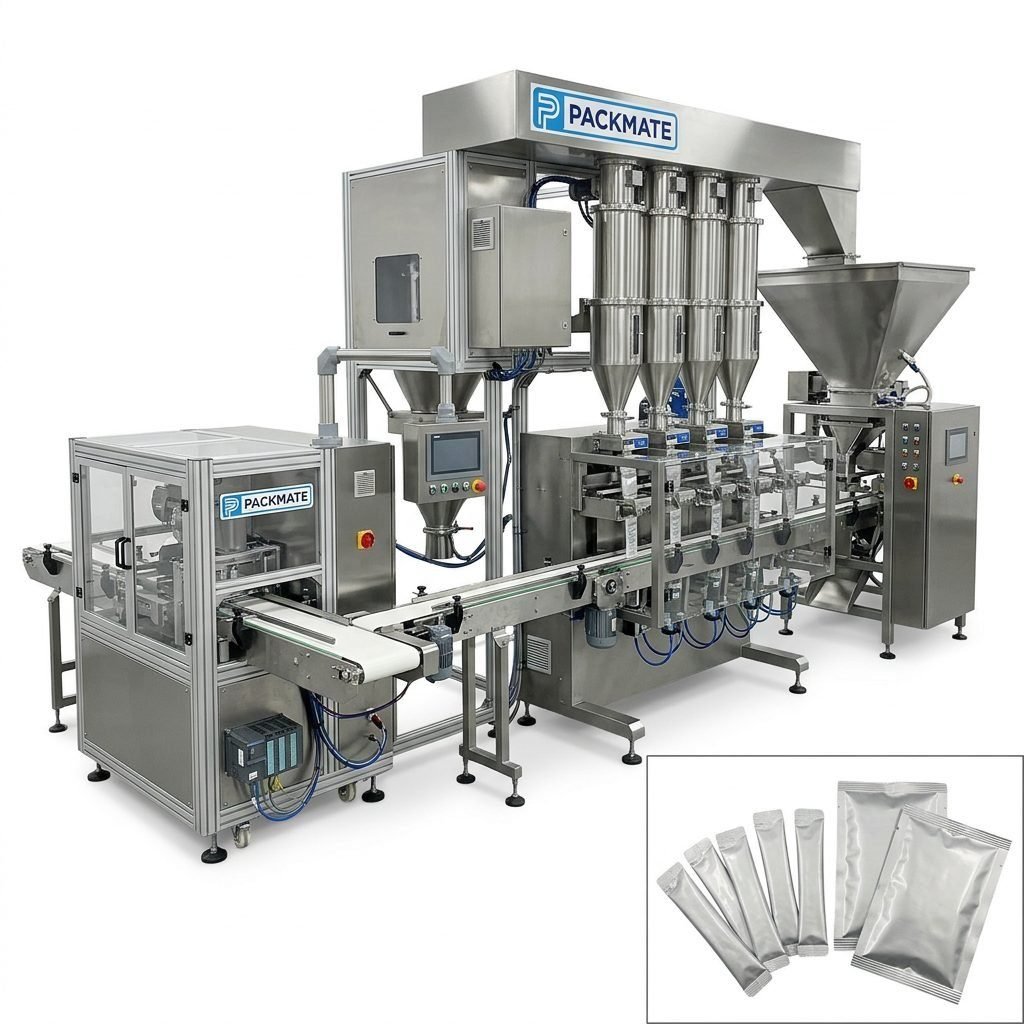
Selecting the right packaging machine manufacturer in Egypt is a critical decision for food producers, pharmaceutical companies, and fast-moving consumer goods (FMCG) manufacturers. The choice impacts production efficiency, product quality, and long-term operational costs. For Egyptian businesses, factors such as local technical support, adaptation to regional product types, and import logistics are particularly important.
Key Factors for Egyptian Buyers to Consider
Egypt’s manufacturing landscape is diverse, with a strong focus on food products like spices, tea, nuts, dairy, and confectionery, alongside a growing pharmaceutical sector. Packaging needs often include sachets, stick packs, and pouches for powders, granules, and liquids. When evaluating manufacturers, consider these core aspects:
1. Technical Compatibility and Product Range
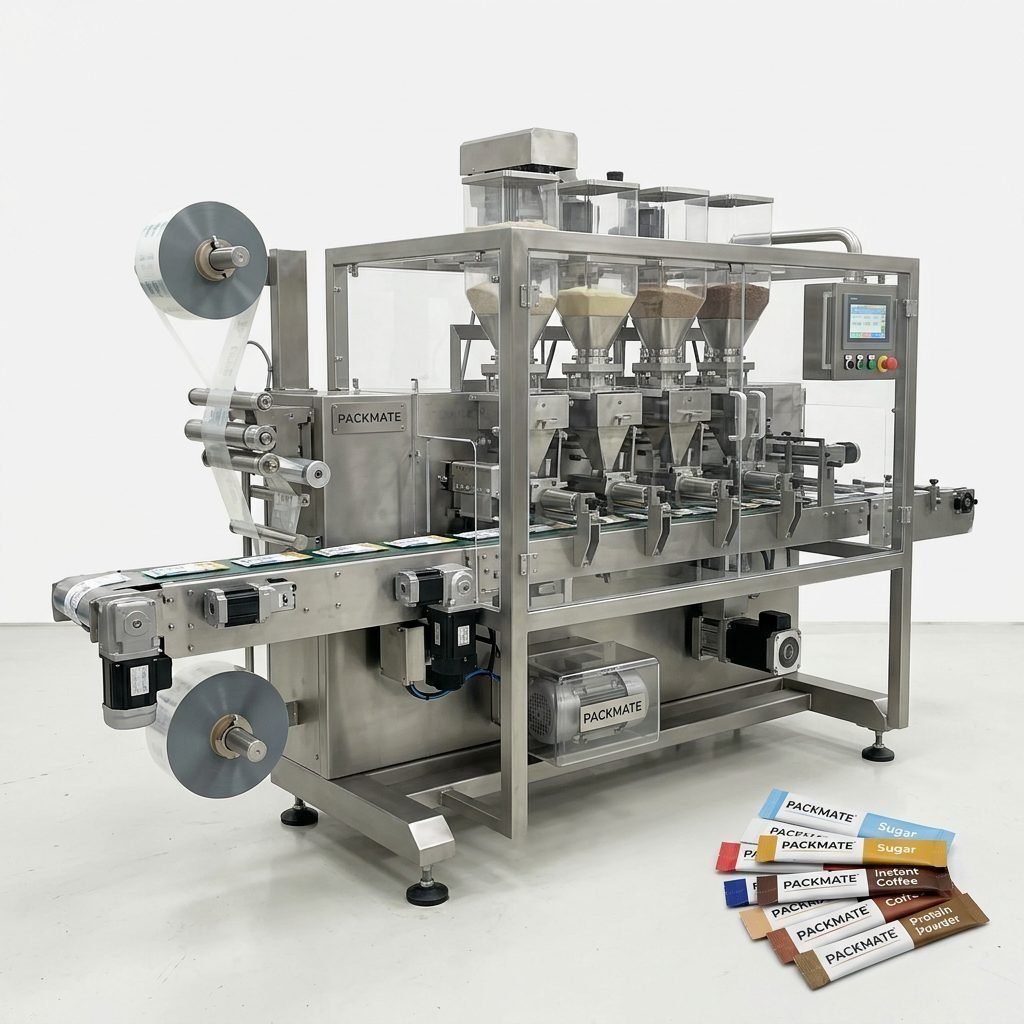
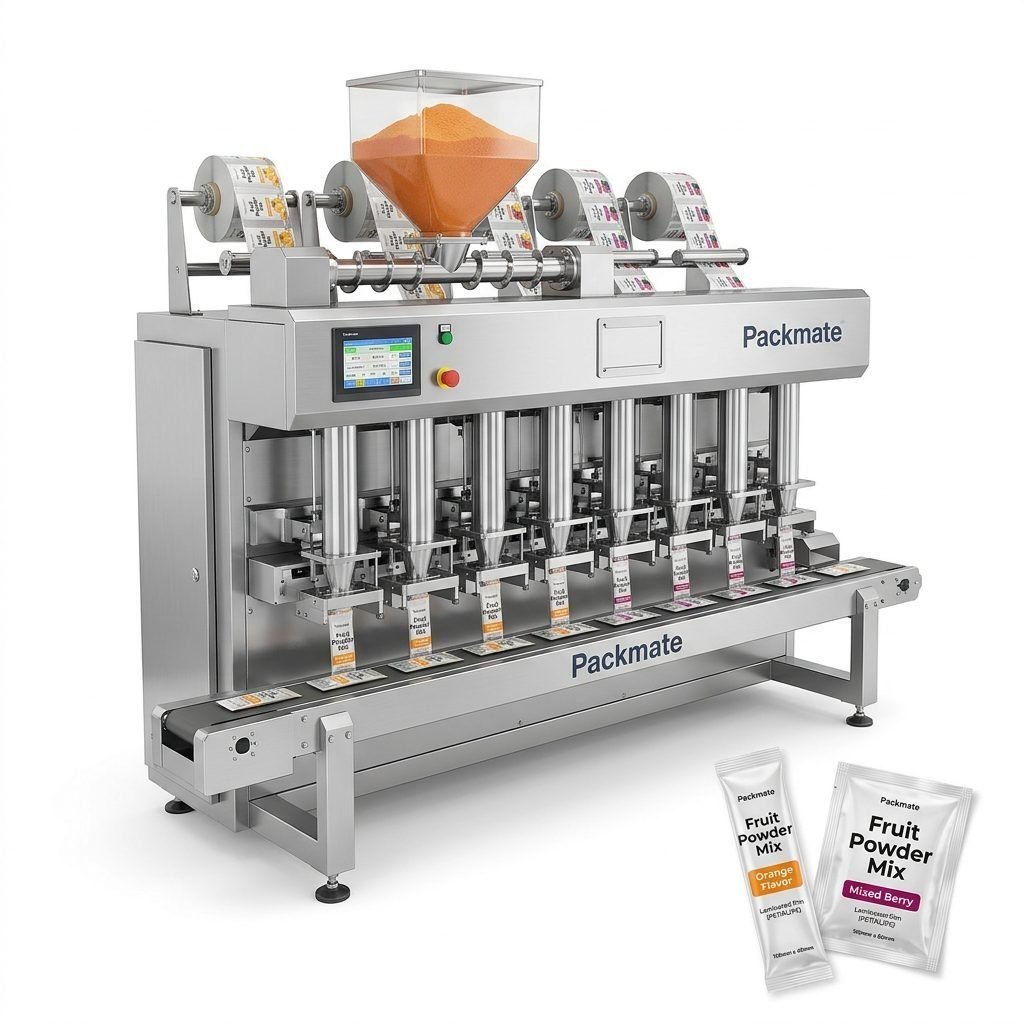
The manufacturer must offer machines that handle your specific product format (powder, granule, liquid, paste) and desired packaging type (stick pack, sachet, pouch). Ensure their standard machine configurations align with your production speed (output per minute) and accuracy requirements.
2. Manufacturing Experience and Quality Assurance
A supplier’s history in the industry is a strong indicator of reliability. Look for manufacturers with decades of experience and a proven track record in building durable equipment. Inquire about their factory quality control processes, the materials used for critical parts, and the availability of test reports or certifications relevant to your industry.
3. Local Support and Service in Egypt
This is crucial for minimizing downtime. Does the manufacturer have a local agent, distributor, or service partner in Egypt or the wider MENA region? Check the availability of spare parts, the responsiveness of their technical support team, and whether they offer installation supervision, commissioning, and operator training.
Evaluating Manufacturer Capabilities
Beyond basic specifications, a deeper evaluation of a manufacturer’s capabilities can prevent future operational headaches. Focus on their engineering strength and customization potential.
Customization and Engineering Support
Many Egyptian production lines require adjustments for local packaging materials, climate conditions (like humidity affecting powder flow), or unique product characteristics. A manufacturer with strong R&D and customization capabilities, such as PackingMachineOEM, can adapt machines to your specific needs, which is often more cost-effective than trying to modify a standard machine locally.
Turnkey Line Integration
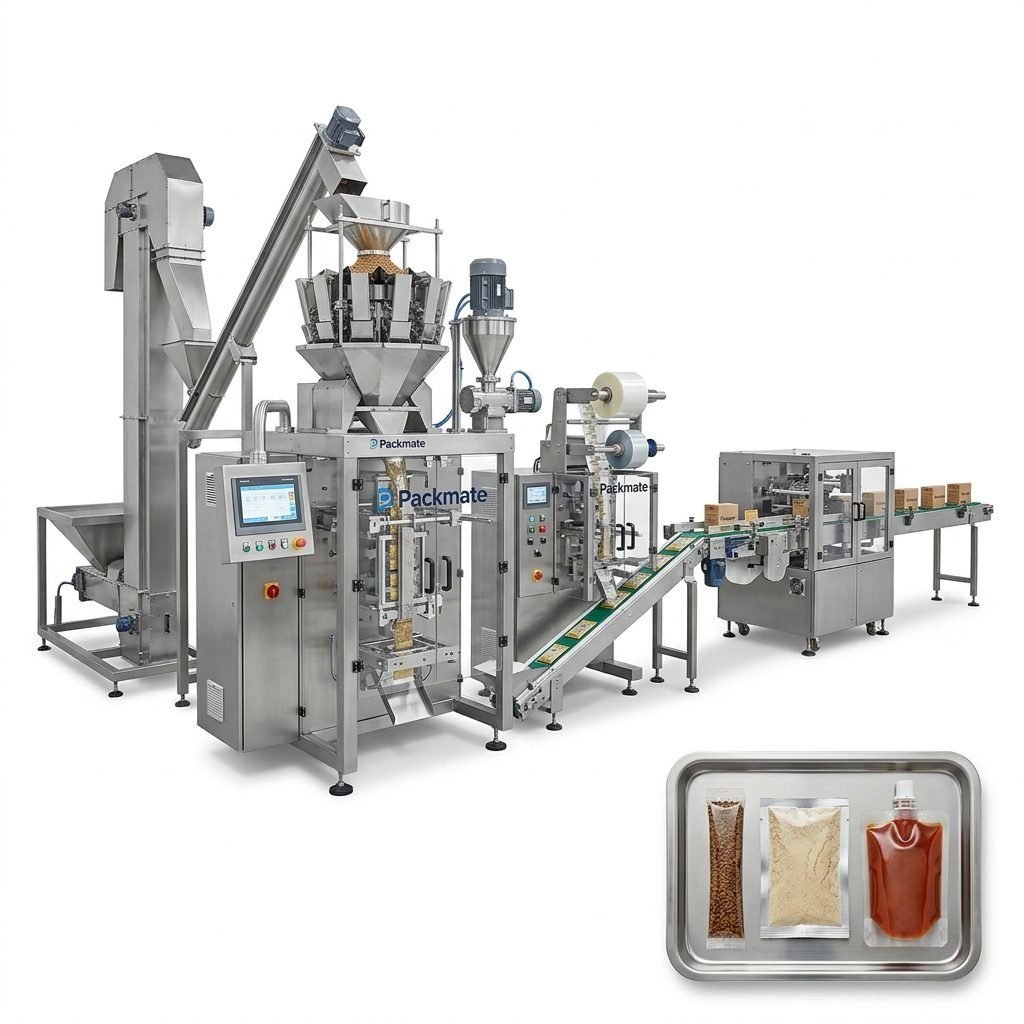
For larger projects or new factory setups, a supplier that can provide a complete, integrated packaging line is invaluable. Companies like PacklineOEM specialize in this, handling everything from feeding and filling to sealing, coding, and cartoning. This single-source responsibility simplifies project management and ensures better compatibility between line components.
Logistics and Commercial Considerations
Importing machinery into Egypt involves navigating customs, shipping, and payment terms. A seasoned export manufacturer will guide you through this process.
| Factor | Key Questions for the Supplier |
|---|---|
| Shipping & Delivery | What are the standard Incoterms (FOB, CIF)? Estimated lead time? Experience shipping to Port Said or Alexandria? |
| Payment Terms | What deposit is required? Are letters of credit (L/C) accepted? Is there flexibility for milestone payments? |
| Warranty & Spare Parts | What is the warranty period and what does it cover? How quickly can critical spare parts be delivered to Egypt? |
| After-Sales Service | Is remote support (video call) available? Can they provide English/Arabic manuals? Do they offer annual maintenance contracts? |
Spotlight on Established Manufacturers
Several Chinese manufacturers have a strong export history to markets similar to Egypt. Their experience can be beneficial. For instance, Ludyway, with over 30 years in business and a wide product range, is known for serving over 100 countries, indicating adaptability to various market requirements. Similarly, Packmate Machinery offers a balanced approach with reliable machines for food and pharma applications.
For niche sectors, a specialized supplier can offer critical expertise. A company like SnusMachinery, which focuses on nicotine pouch and snus packaging, brings dedicated knowledge of precise dosing and sealing for hygroscopic products, which can be relevant for certain food or pharmaceutical applications in Egypt.
Final Steps in the Selection Process
Before making a final decision, take these actionable steps:
- Request Product Samples: Send your actual product (e.g., chili powder, instant coffee, pharmaceutical granules) to the shortlisted manufacturers for a free packing test. Evaluate the sample bags for seal integrity, filling accuracy, and appearance.
- Ask for Client References: Request contact information for existing clients in the Middle East or Africa. Speak directly to them about machine performance, support, and overall satisfaction.
- Review the Contract Thoroughly: Ensure all specifications, delivery timelines, payment terms, warranty details, and responsibilities for installation are clearly documented.
Frequently Asked Questions (FAQs)
Q1: What are the main advantages of sourcing packaging machines from China for the Egyptian market?
The primary advantages are cost-effectiveness and a wide selection. Chinese manufacturers often provide advanced technology at a lower capital investment compared to European brands. They also offer extensive customization options to suit specific Egyptian products and production environments.
Q2: How can I ensure the machine will work with locally available packaging films in Egypt?
This is a critical point. During the evaluation phase, provide samples of your intended local film (laminate) to the manufacturer. They should test it on their machine to confirm sealing parameters (temperature, pressure, time) and ensure consistent film feeding and tracking.
Q3: What is the typical lead time for receiving a machine in Egypt?
Lead times vary based on machine complexity and customization. For a standard model, expect 60 to 90 days from order confirmation to delivery at an Egyptian port. Customized or complete turnkey lines may require 90 to 120 days or more. Always confirm this in writing.
Q4: Is operator training included?
Reputable manufacturers typically include basic operator and maintenance training during machine commissioning at your factory. This is often part of the purchase. Ensure the training is conducted in a language your technicians understand, and that comprehensive manuals are provided.
Q5: How do I handle machine breakdowns or the need for spare parts?
Choose a supplier with a clear spare parts supply chain and remote support capability. Before purchase, identify the most common wear parts and consider ordering a starter kit. Establish a communication protocol (e.g., dedicated WhatsApp group with engineers) for quick troubleshooting via video call to resolve many issues without waiting for a technician to travel.