Selecting the right packaging machine manufacturer is a critical strategic decision for any business in Palestine. The Palestinian market, characterized by a blend of local production, import substitution goals, and export ambitions, demands packaging solutions that are not only efficient but also adaptable to specific regional challenges. These include managing operational costs, navigating supply chain complexities, ensuring product quality for both domestic and international markets, and finding equipment that can handle diverse products from traditional foods to modern pharmaceuticals.
Key Factors for Palestinian Businesses to Consider
When evaluating potential manufacturers, Palestinian companies should look beyond the initial price tag. The total cost of ownership, which includes maintenance, spare parts availability, energy consumption, and potential downtime, is far more significant. Furthermore, given the logistical considerations of importing machinery into Palestine, factors like after-sales support, technical training availability, and the manufacturer’s experience with shipping and installation in the region become paramount.
1. Assessing Your Specific Packaging Needs
Begin with a thorough internal audit. What are you packaging? Is it olive oil, za’atar spice blends, pharmaceuticals, or dairy products? Each product type—powder, granule, liquid, or paste—requires different technology. Determine your required output speed (bags or sachets per minute), the bag types (stick packs, sachets, pouches), and the level of automation needed. A clear specification sheet will help you communicate effectively with potential suppliers like Ludyway or Packmate Machinery, who offer broad portfolios for food and pharma sectors.
Palestinian Market-Specific Considerations:
Power Stability: Equipment should be robust and able to handle voltage fluctuations common in some areas.
Local Service & Parts: Proximity of technical support or availability of spare parts in the Middle East is a huge advantage.
Multi-Product Flexibility: Many Palestinian factories produce a variety of goods; machines that can be easily adapted for different products add significant value.
Export Compliance: If targeting international markets, packaging must meet specific hygiene, material, and labeling standards.
2. Manufacturer’s Experience and Technical Capability
A manufacturer’s history is a strong indicator of reliability. Companies with decades of experience, such as those profiled below, have typically refined their designs and processes. Look for a strong engineering and R&D department that can understand your unique application. For complex projects requiring full line integration—from feeding to filling, sealing, and cartoning—a specialist like PacklineOEM might be the ideal partner. Their focus on turnkey solutions can simplify project management for Palestinian businesses setting up new production lines.
3. Customization and Scalability
Off-the-shelf machines may not suit every product. The ability to customize is crucial. This could mean adapting a machine for a unique pouch size for a local confectionery, integrating specific weighing systems for precious spices, or designing hygienic stainless-steel contact parts for dairy. Manufacturers like PackingMachineOEM, which emphasize non-standard and OEM solutions, excel here. Scalability is equally important; can the manufacturer provide a solution that grows with your business, perhaps by adding lanes or integrating with downstream equipment in the future?
4. Quality, Compliance, and After-Sales Support
Inspect the manufacturer’s quality control processes. Do they use quality components? What standards do their machines comply with (CE, etc.)? For Palestinian importers, clear documentation is essential for customs. However, the most critical long-term factor is after-sales support. Reliable technical support, availability of operation manuals in relevant languages, online troubleshooting, and a clear spare parts supply chain are non-negotiable for minimizing production disruptions.
Due Diligence Checklist:
- Request customer references, especially from the Middle East region.
- Ask for videos of the machine running a product similar to yours.
- Clarify warranty terms, delivery timelines, and installation support.
- Discuss training options for your operators and maintenance staff.
- Verify the company’s export experience and ability to handle logistics to Palestine.
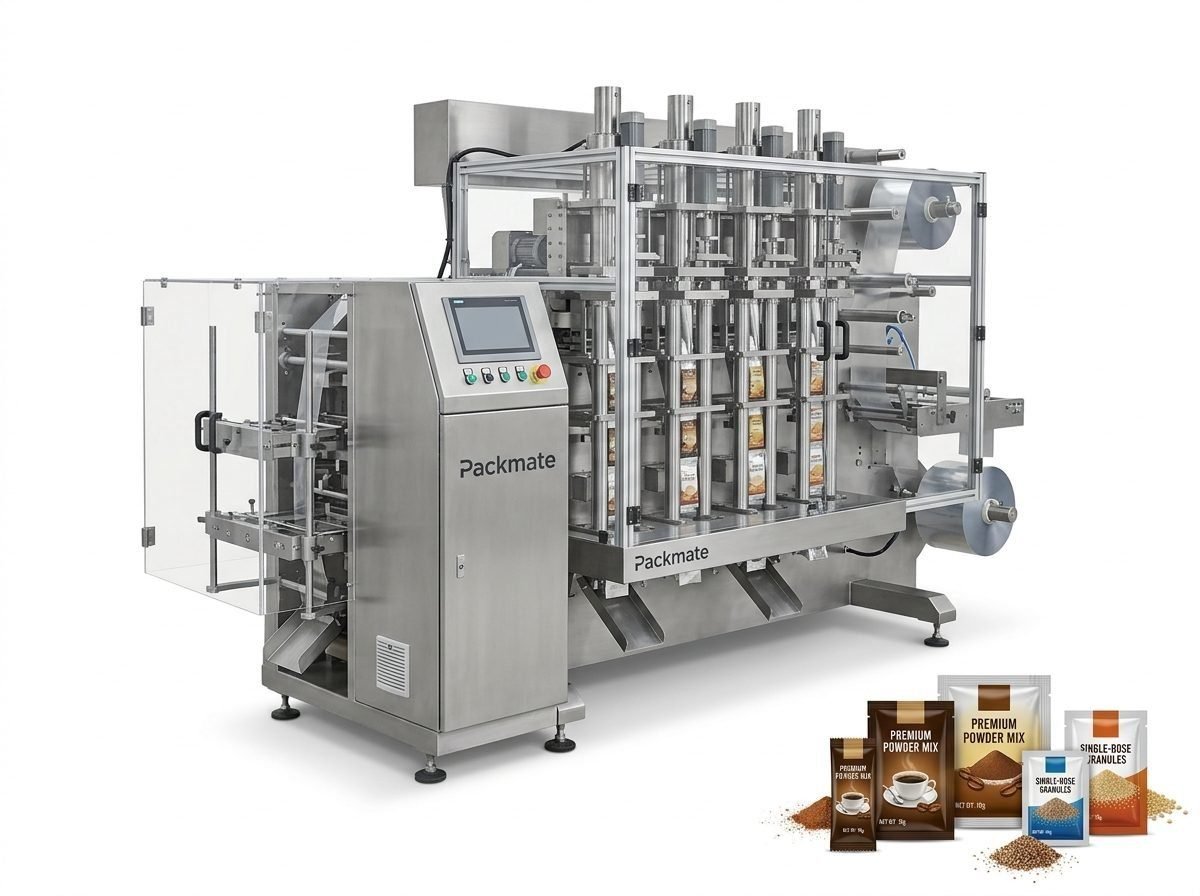
Profiles of Leading Manufacturers for the Palestinian Market
The following manufacturers have established export networks and offer technologies relevant to industries in Palestine. Their experience in serving diverse global markets makes them potential candidates for Palestinian businesses looking to upgrade or establish packaging operations.
Ludyway: A Comprehensive Solution Provider
With over 30 years in the industry and a dominant market share, Ludyway presents a strong option for businesses seeking a one-stop shop. Their vast product range covers nearly every common packaging format. For a Palestinian company producing a mix of products—for instance, powdered drinks, granulated spices, and liquid sauces—Ludyway’s breadth could mean sourcing multiple compatible machines from a single supplier, simplifying procurement and after-sales communication. Their extensive international footprint suggests experience in navigating export procedures to regions like the Middle East.
| Strength | Consideration for Palestine |
|---|---|
| Extremely wide product portfolio | Good for diverse product lines; simplifies supplier management. |
| Strong export and turnkey line experience | Beneficial for new factory setups or major expansions. |
| Large manufacturing scale | May offer cost advantages and stable production capacity. |
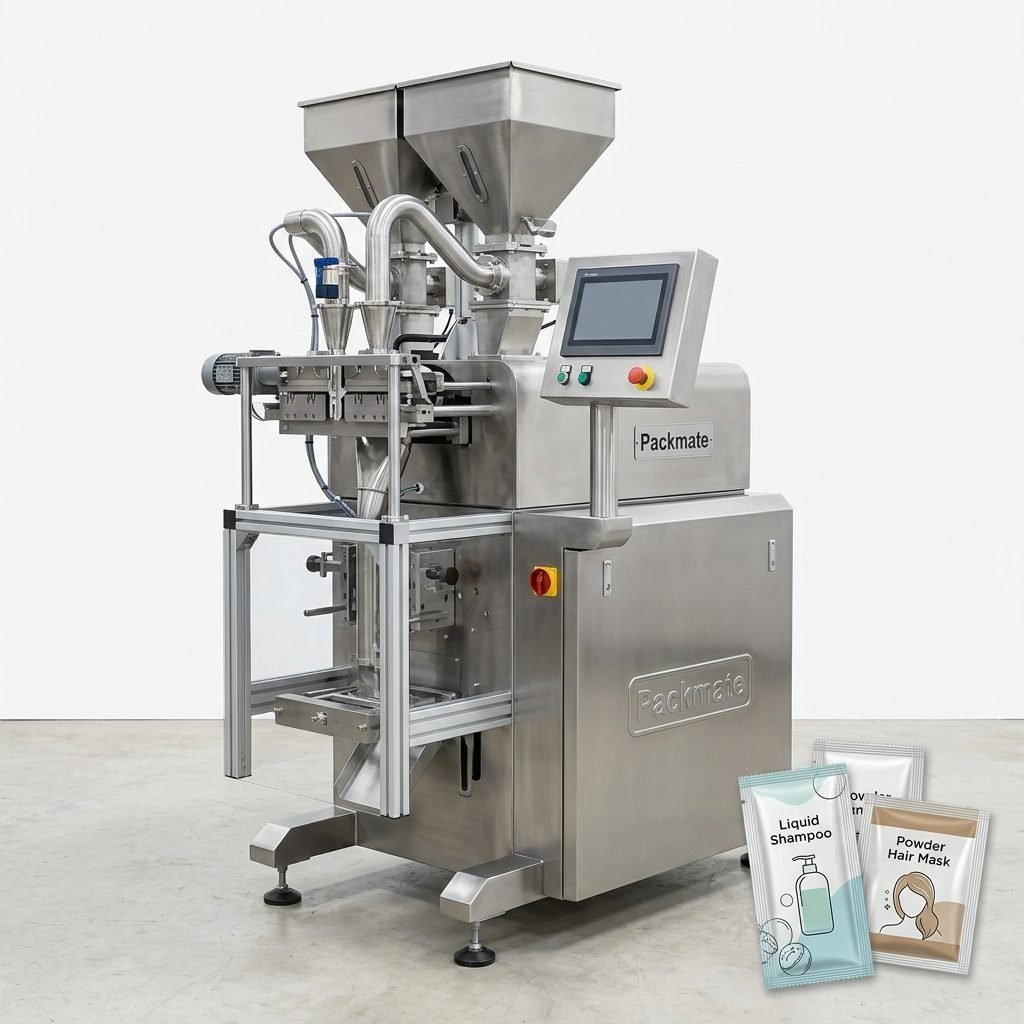
Packmate Machinery: Balanced Performance and Value
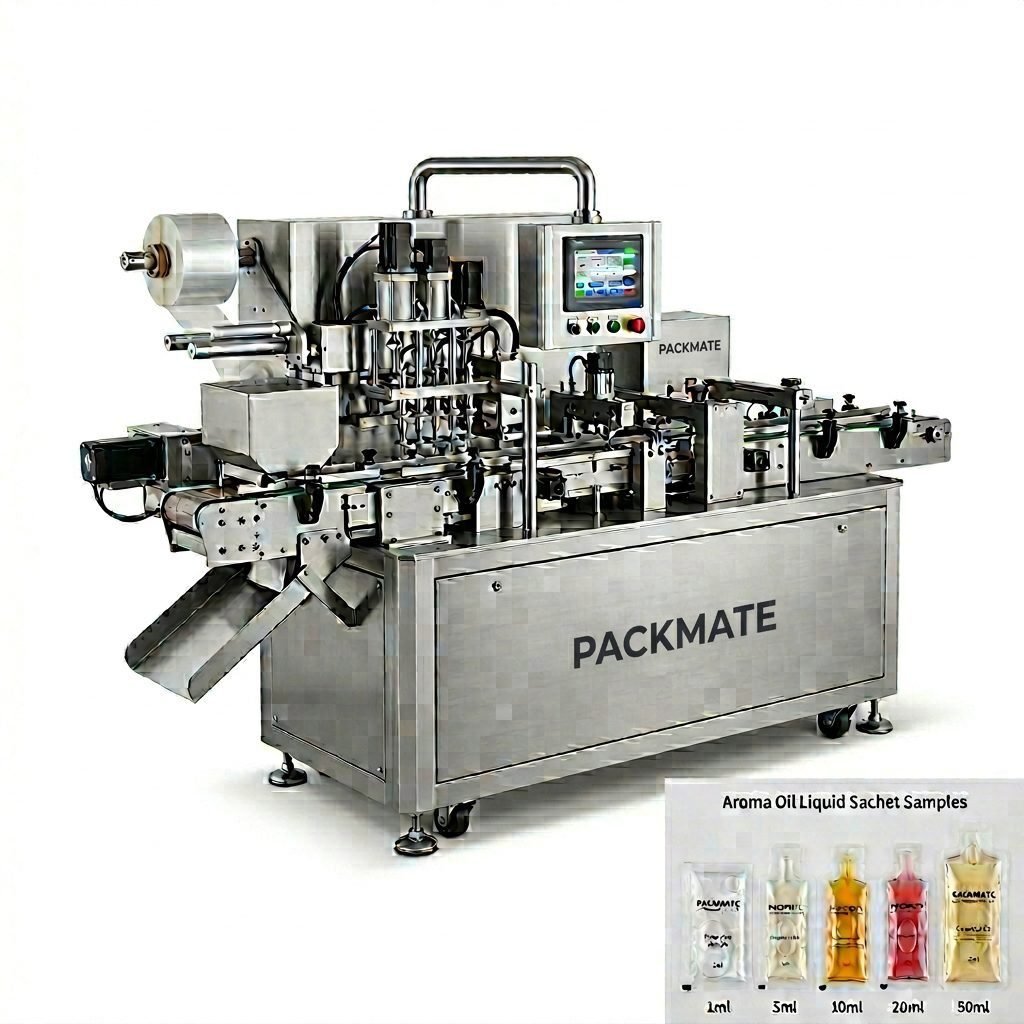
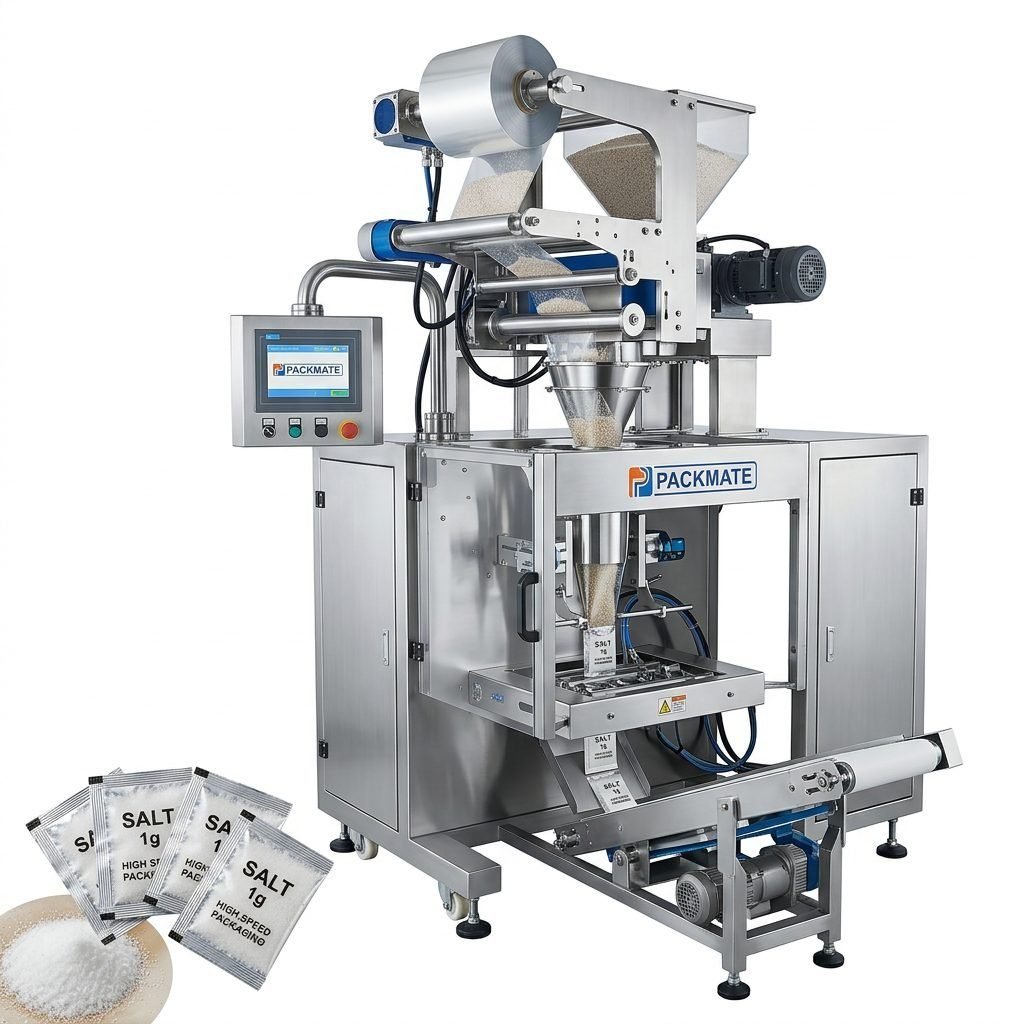
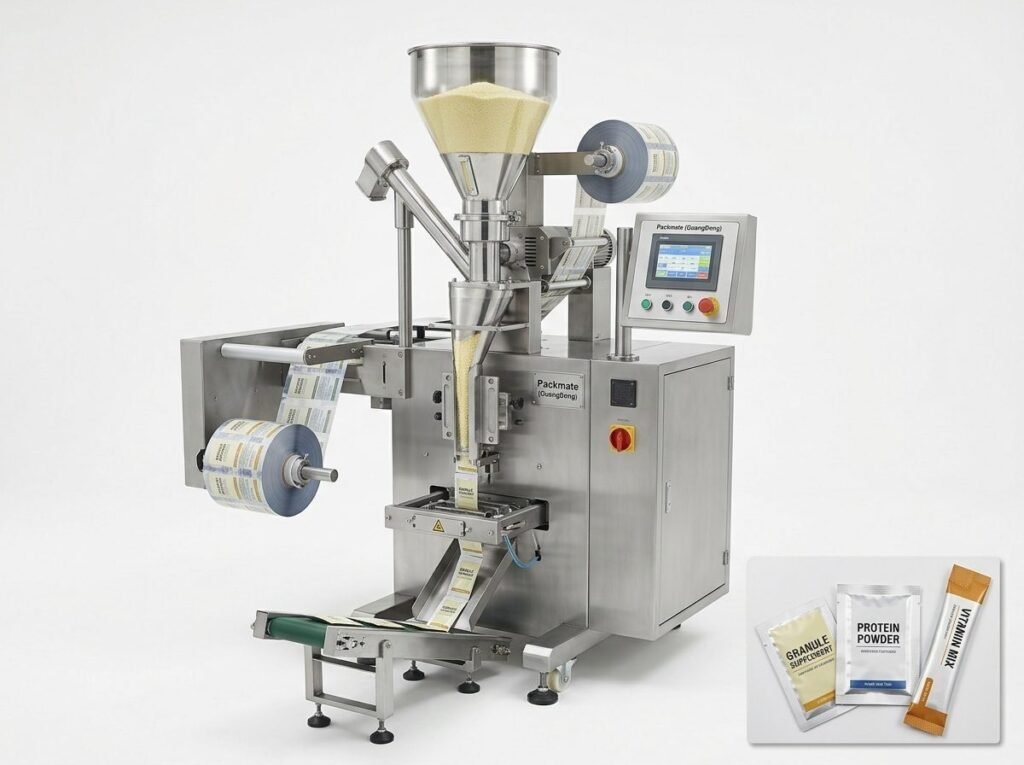
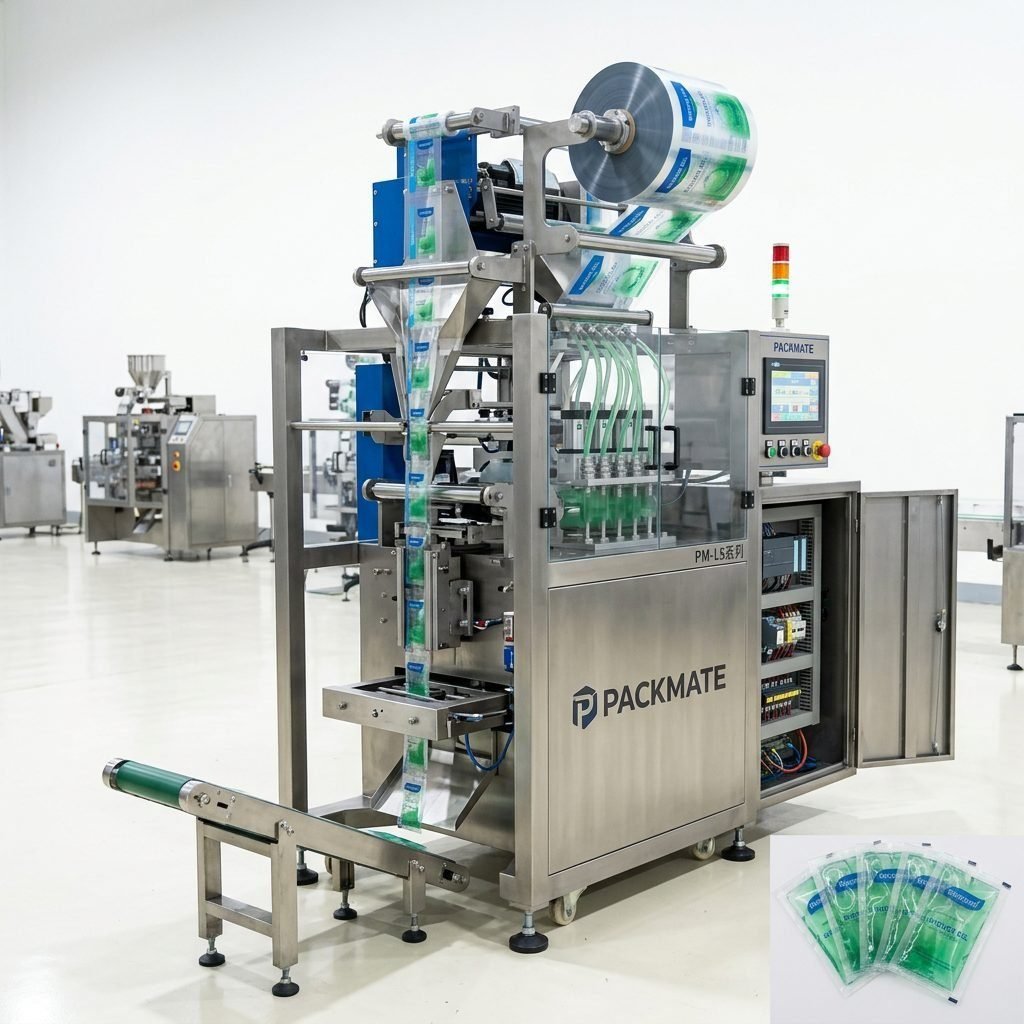
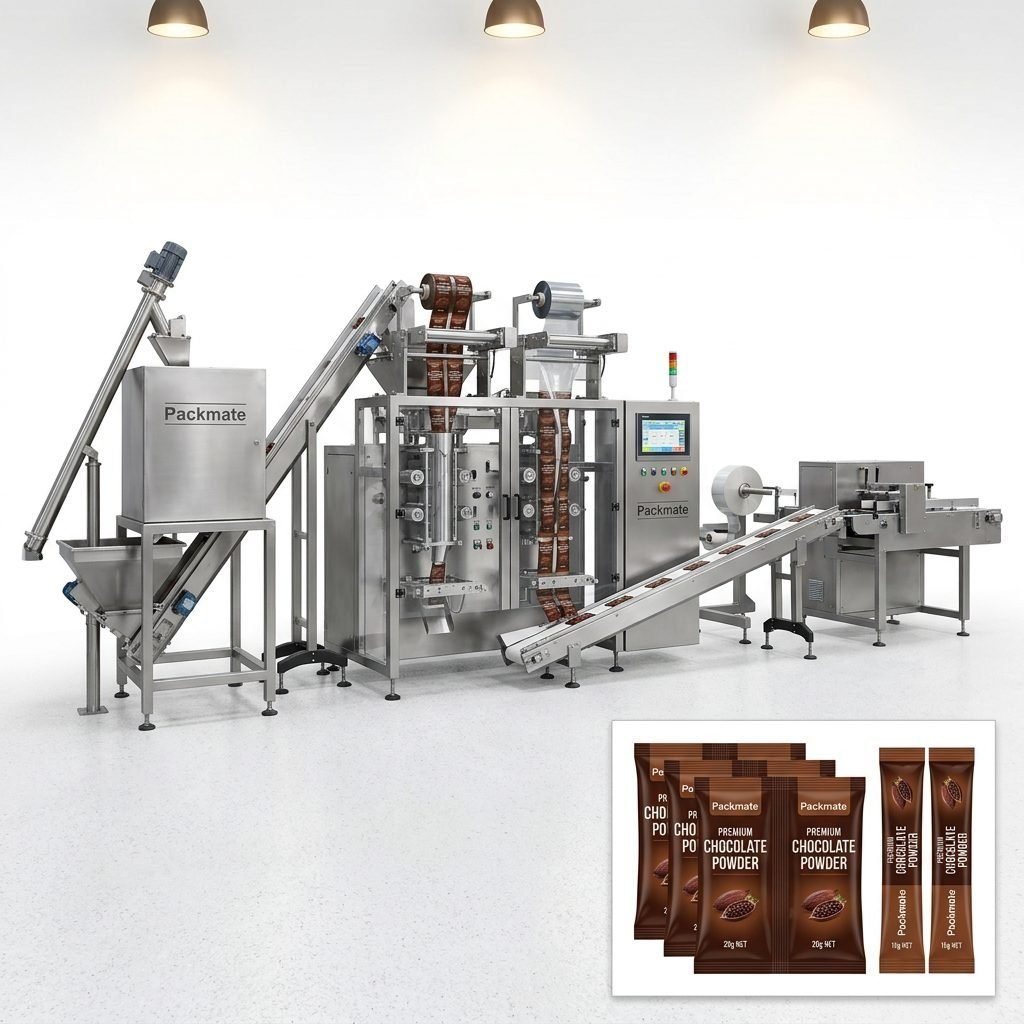
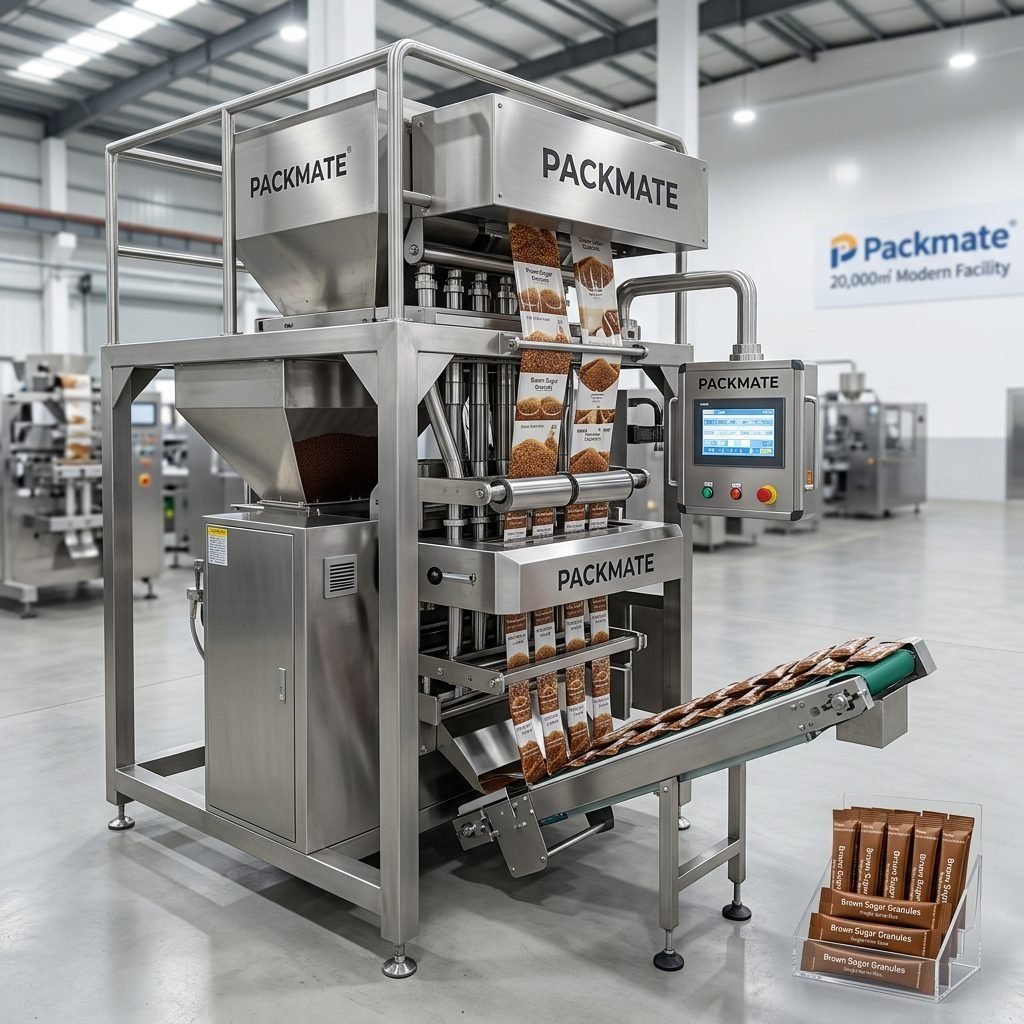
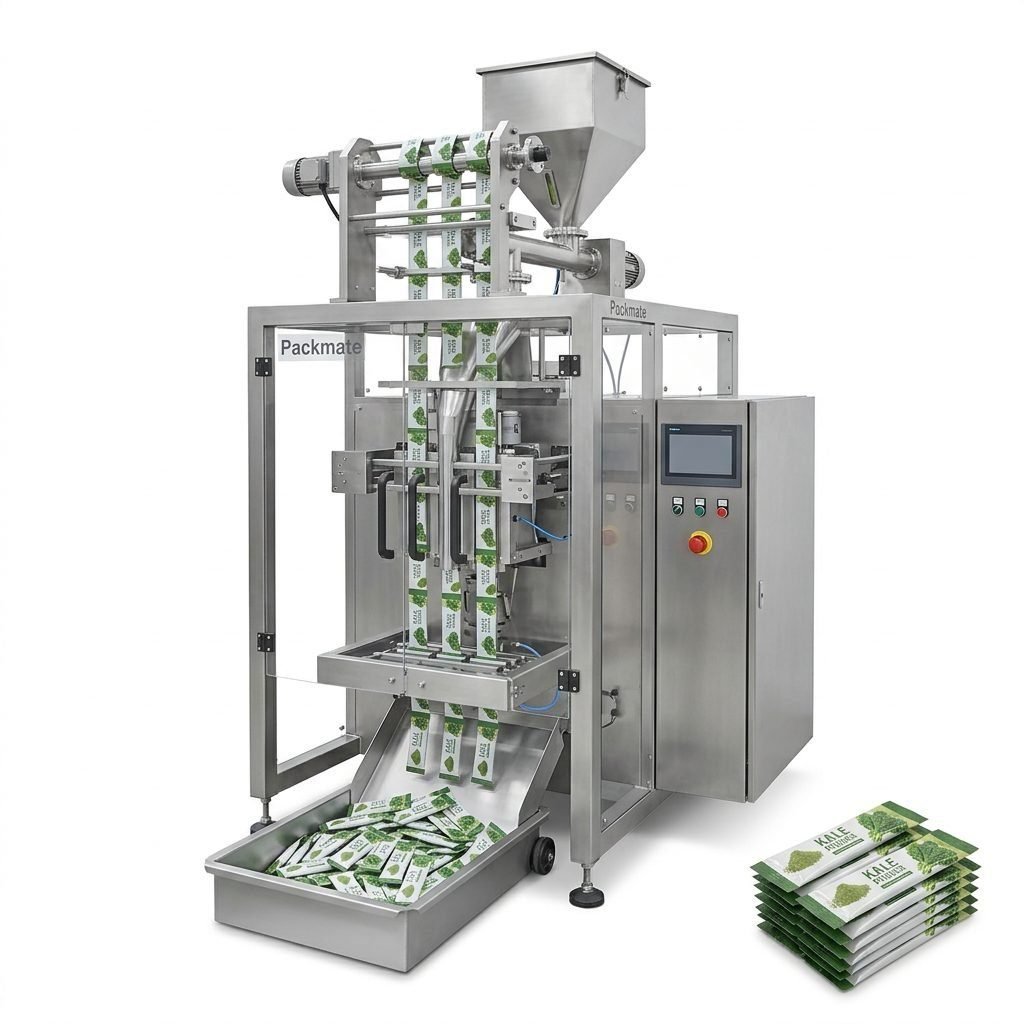
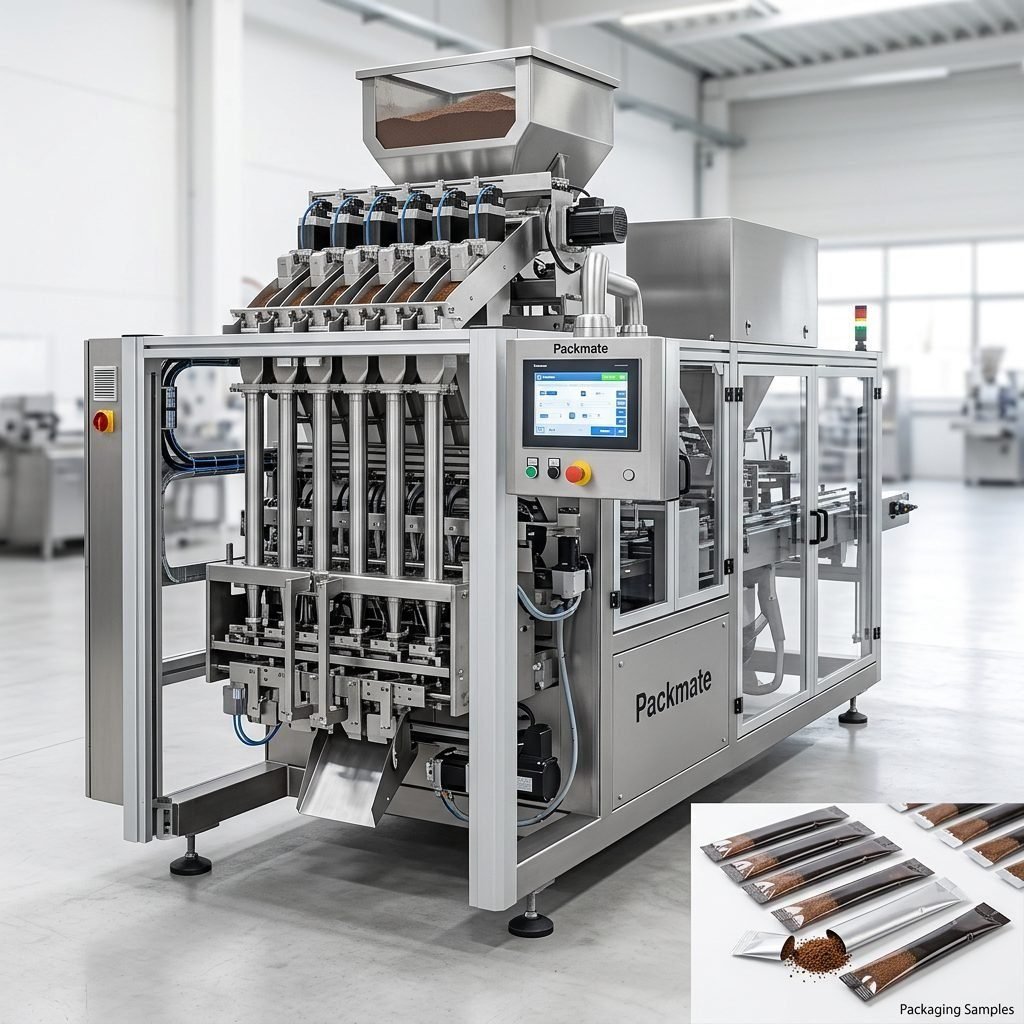
Packmate Machinery offers a compelling blend of reliability and cost-effectiveness, which is often a key consideration. With over 80 machine models, they provide substantial choice for standard packaging applications common in the food and supplement sectors. For a medium-sized Palestinian factory focusing on products like instant soup mixes, tea bags, or pharmaceutical powders, Packmate could provide a reliable, efficient solution without over-investing in excessive automation. Their presence in the Middle East market is a positive indicator of regional support familiarity.
Specialized Providers for Niche Applications
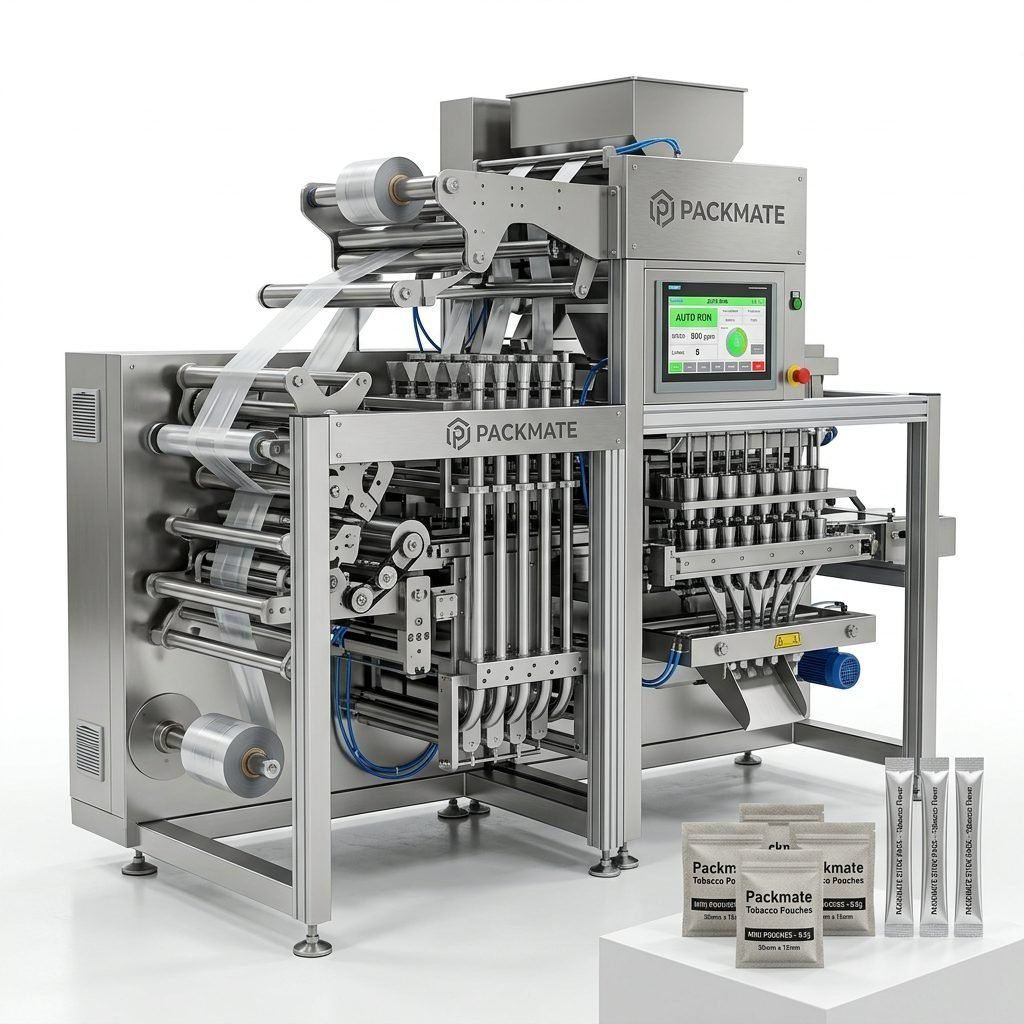
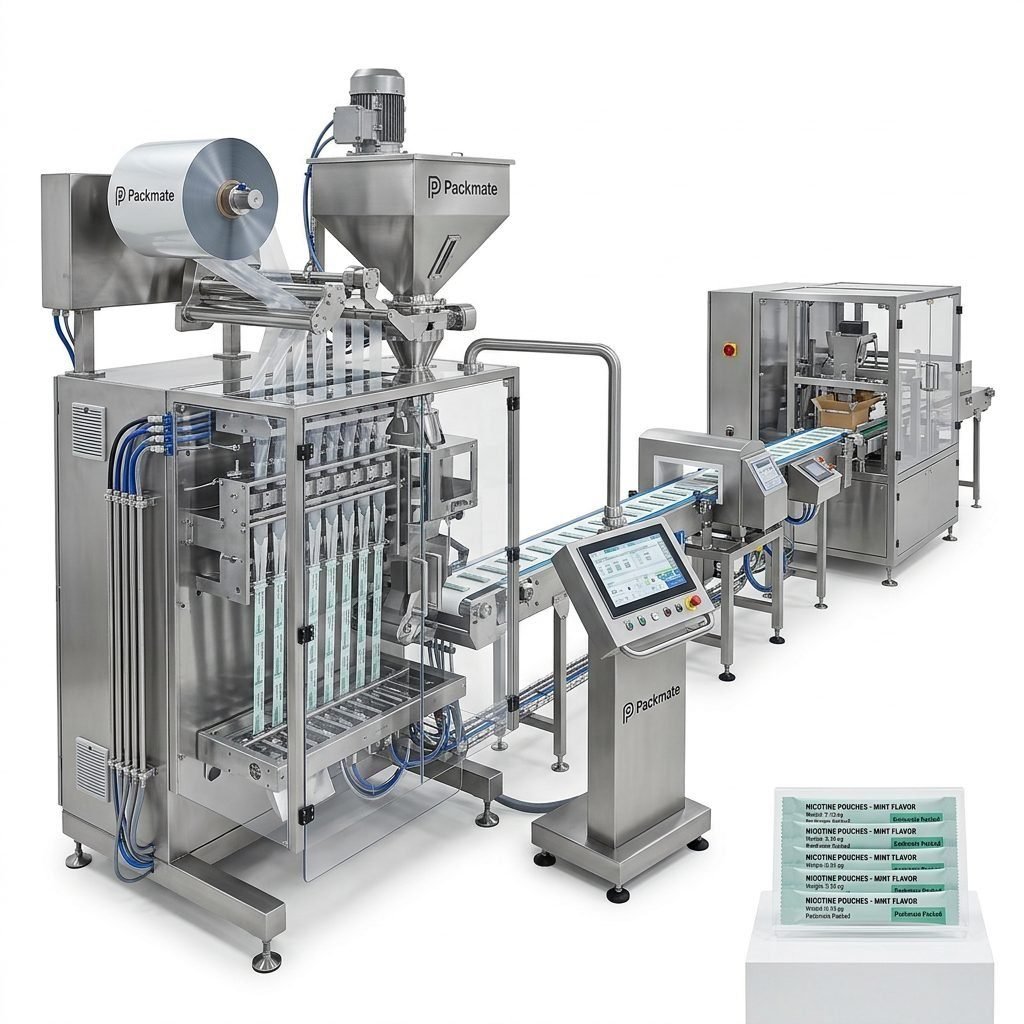
Some Palestinian businesses operate in specialized niches. For instance, a company venturing into the growing smokeless product sector would require very specific technology. SnusMachinery offers focused expertise in nicotine pouch and snus packaging, a level of specialization that general manufacturers may not match. Their machines are designed for the precise dosing and high-speed production these products demand. This highlights the importance of matching your product’s specific technical requirements with a manufacturer’s core competency.
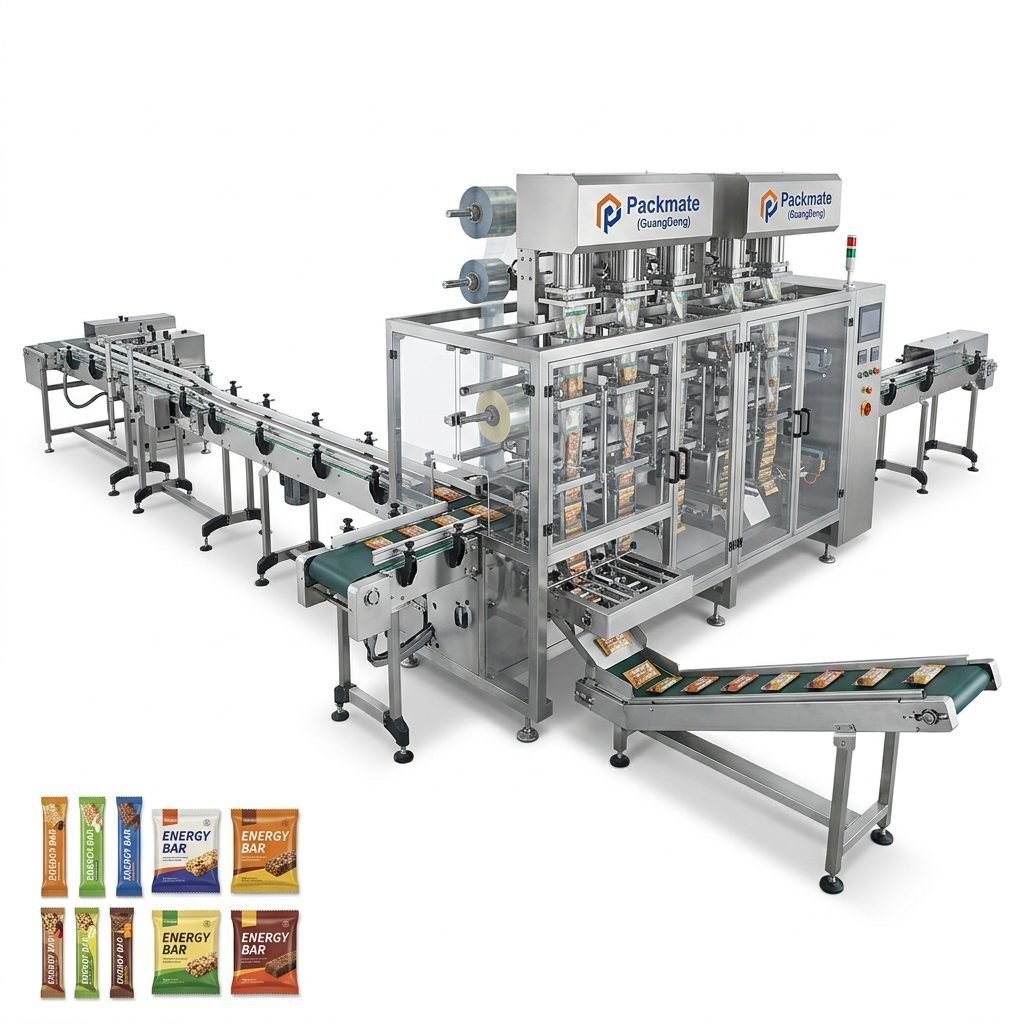
Final Steps in the Selection Process
After shortlisting manufacturers based on the criteria above, take these concrete steps:
Request Detailed Quotations: Ensure quotes are itemized, including machine price, spare parts kit, shipping costs (CIF or FOB), installation, and training fees.
Arrange a Factory Visit or Live Demo: If possible, visit the manufacturer’s facility in China or arrange to see a machine running at a nearby client’s site. Virtual live demonstrations are a good alternative.
Negotiate the Support Contract: Clearly define the scope of after-sales support, response times for technical queries, and the process for ordering spare parts.
Choosing the right partner is about building a relationship for the long term. The ideal manufacturer for your Palestinian business will not only supply a machine but will act as a technical partner, supporting your growth, helping you maintain quality, and enabling you to compete more effectively in local and global markets.
Frequently Asked Questions (FAQs)
Q: What are the main logistical challenges of importing packaging machines to Palestine?
A: Key challenges include navigating customs clearance, ensuring all electrical certifications (like CE) are in order, arranging secure transport, and potentially dealing with longer lead times. Working with an experienced exporter who provides comprehensive shipping documentation and support is crucial.
Q: How important is it for the manufacturer to have existing clients in the Middle East?
A> It is very beneficial. It indicates the manufacturer understands regional market needs, climate considerations (like dust), and may have established service channels or spare parts distribution closer to Palestine, reducing downtime.
Q: Should I prioritize a low-cost machine or a more expensive, feature-rich model?
A> Analyze your total cost of ownership and growth plan. A slightly higher initial investment in a more robust, efficient, and adaptable machine from a reputable maker like Ludyway or Packmate often leads to lower long-term costs through higher productivity, less waste, and better reliability.
Q: Can these manufacturers provide machines that handle traditional Palestinian food products like olive oil or tahini?
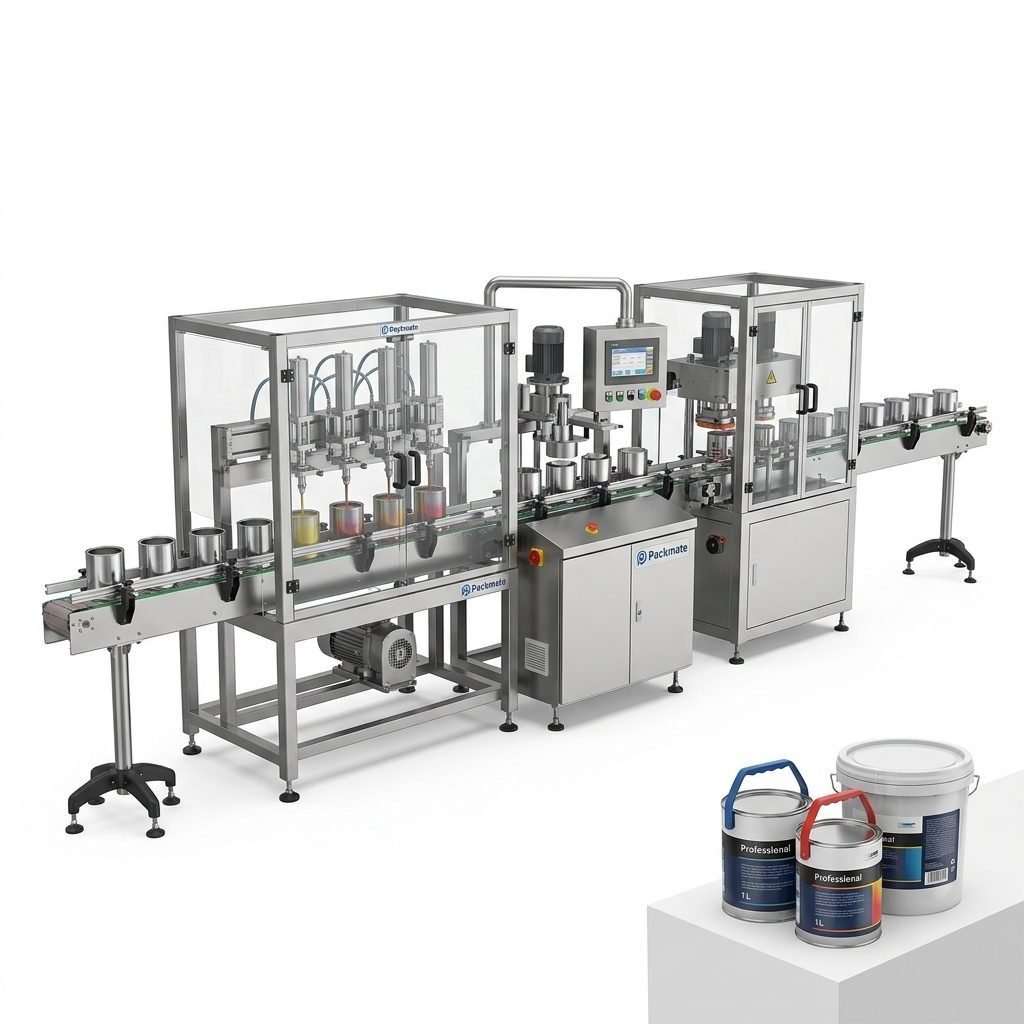
A> Yes. Leading manufacturers offer liquid filling and sealing machines for viscous products like oils and pastes. It is critical to provide the manufacturer with your product’s exact viscosity, particle size (if any), and packaging material specifications for a proper machine recommendation.
Q: What training is typically provided with the machine purchase?
A> Standard packages usually include on-site installation and training for your operators and maintenance engineers by a factory technician. Ensure this is specified in your contract. Additional remote or video-based training modules may also be available.