For Algerian buyers in the food processing, pharmaceutical, and consumer goods sectors, finding a reliable packaging machine manufacturer is a critical step toward enhancing production efficiency, ensuring product quality, and scaling operations. The Algerian market, with its growing industrial base and increasing demand for packaged goods, requires equipment that is not only high-performing but also adaptable to local conditions, support structures, and long-term operational needs. This guide provides a practical framework to identify, evaluate, and select trustworthy manufacturers, helping you make an informed investment that aligns with your business goals in Algeria.
Understanding Your Packaging Requirements in the Algerian Context
Before starting your search, clearly define your project specifics. Algerian manufacturers often deal with a diverse range of products—from spices, semolina, and couscous to pharmaceuticals and personal care items. Consider your product form (powder, granule, liquid, paste), required output speed, bag type (stick pack, sachet, pouch), and the level of automation needed. Also, factor in local challenges such as power supply stability, availability of technical support, and the need for robust machines that can handle varied raw material characteristics common in the region. A well-defined requirement list will streamline your discussions with potential suppliers.
Key Evaluation Criteria for Manufacturers
When assessing potential partners, focus on these core areas:
Manufacturing Capability & Experience: Prioritize companies with a proven track record. Look for a substantial factory size, modern production facilities, and a long history in the industry. Experience in your specific product sector (e.g., food-grade, pharmaceutical) is crucial for understanding hygiene standards and technical nuances.
Technical Support & After-Sales Service: For Algerian buyers, reliable after-sales support is non-negotiable. Evaluate the manufacturer’s service network, availability of spare parts, training programs, and their responsiveness to technical queries. A supplier with experience exporting to Africa will typically have a better understanding of logistical and support challenges in the region.
Customization & Flexibility: Your production line may need adjustments for local packaging materials or unique product formats. A manufacturer’s willingness and ability to provide customized or non-standard solutions is a significant advantage, ensuring the machine fits your exact needs rather than forcing you to adapt your process.
Researching and Shortlisting Potential Suppliers
Begin your search through industry-specific B2B platforms, trade shows (both international and regional), and professional referrals. Pay close attention to manufacturers that explicitly mention exports to Africa or the Middle East/North Africa region, as they are more likely to be familiar with shipping, documentation, and technical support protocols relevant to Algeria. Review their online presence, product catalogs, and case studies. Shortlist 3-5 companies that appear to align with your capacity, technology, and support requirements.
Deep Dive: Verifying Manufacturer Credentials
Due diligence is essential. Request and verify business licenses, quality management certifications (like ISO), and patents for key technologies. Ask for a list of reference clients, particularly those in similar industries or geographic regions. Contact these references to inquire about machine performance, reliability, and the quality of after-sales service. Furthermore, if possible, request a live video tour of their production facility and assembly lines. This virtual visit can provide invaluable insights into their manufacturing standards, workshop organization, and quality control processes.
The Importance of Factory Audits and Sample Testing
For a significant investment, a factory audit—either in-person or via a trusted third-party—is highly recommended. This verifies their claimed capabilities, workforce expertise, and quality assurance systems. Additionally, before finalizing an order, insist on a factory acceptance test (FAT). This involves running your actual or similar product on the machine at the manufacturer’s facility to verify speed, accuracy, sealing quality, and overall performance against the agreed specifications. It is the most effective way to mitigate performance risk before shipment.
Negotiating Contracts and Logistics for Algeria
A clear, detailed contract protects both parties. Ensure it covers:
- Exact technical specifications and performance guarantees.
- Delivery terms (Incoterms like FOB or CIF).
- Payment schedule linked to milestones (e.g., deposit, pre-shipment inspection, delivery).
- Warranty period, scope, and terms for spare parts.
- Installation, commissioning, and training provisions.
- Responsibilities for import customs clearance in Algeria, taxes, and duties.
Engage a reliable freight forwarder experienced in shipping heavy machinery to Algeria to handle complex logistics, port clearance, and inland transportation to your factory.
Overview of Established Packaging Machine Manufacturers
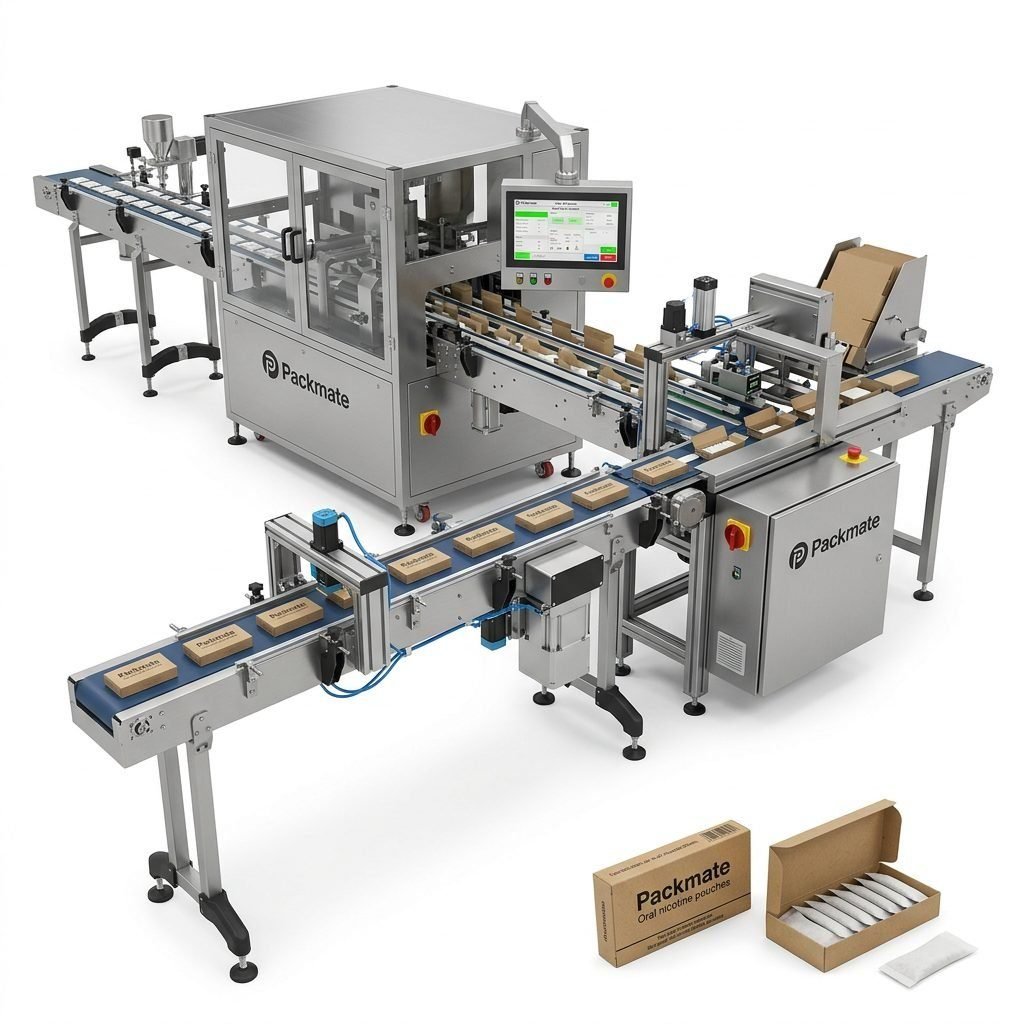
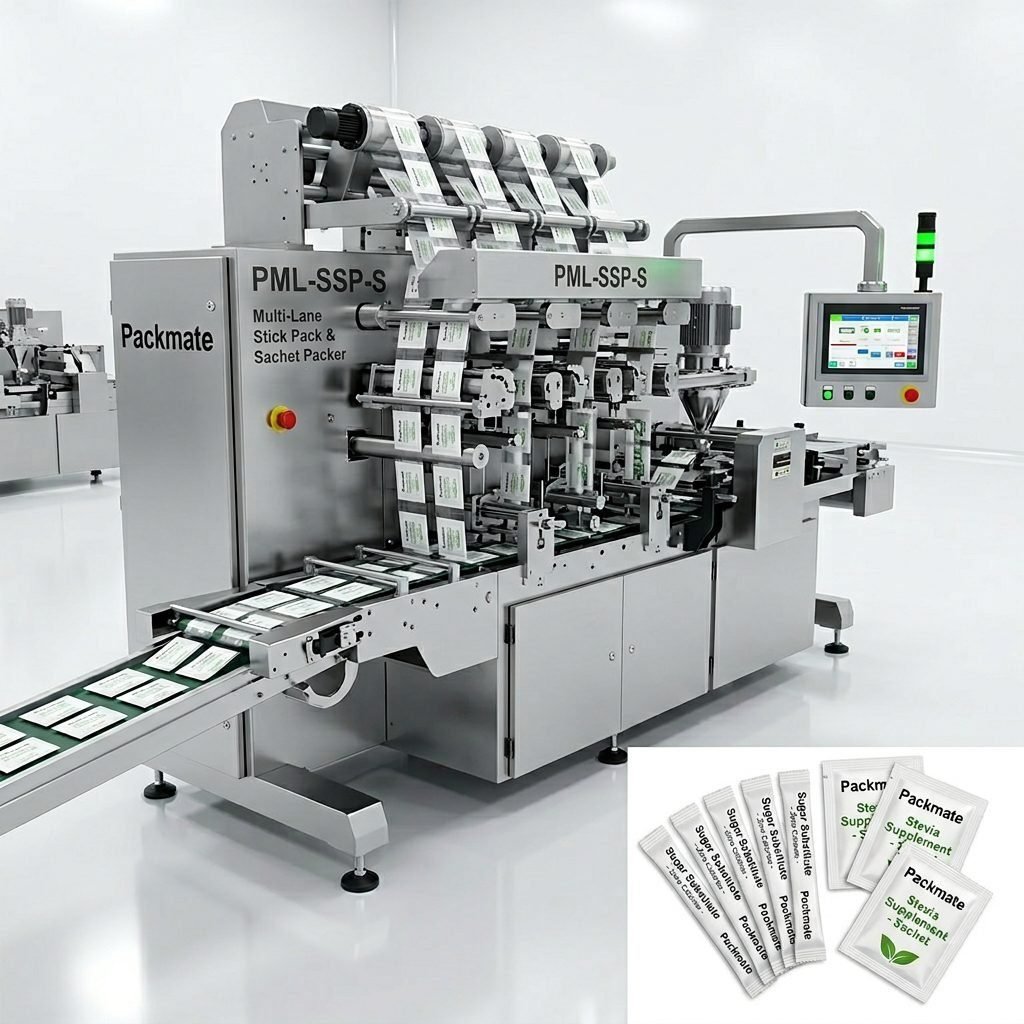
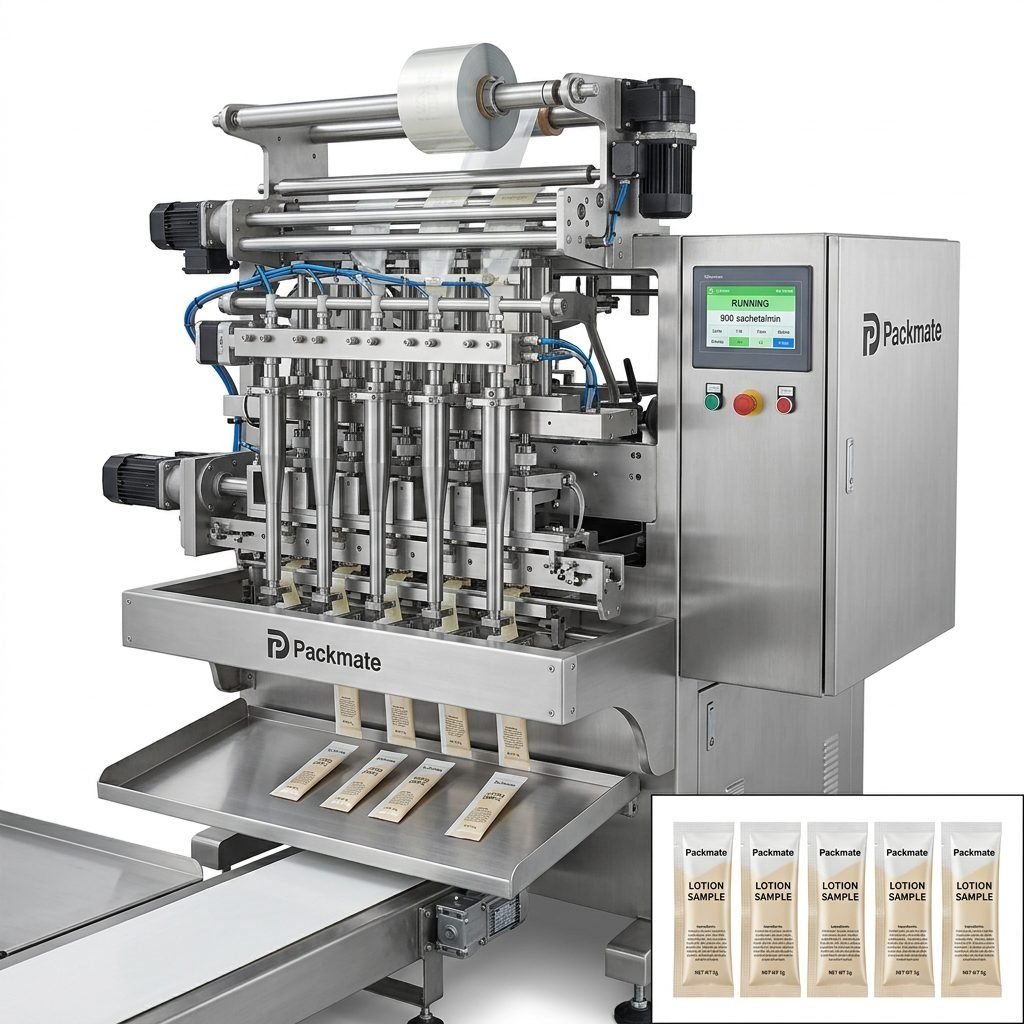
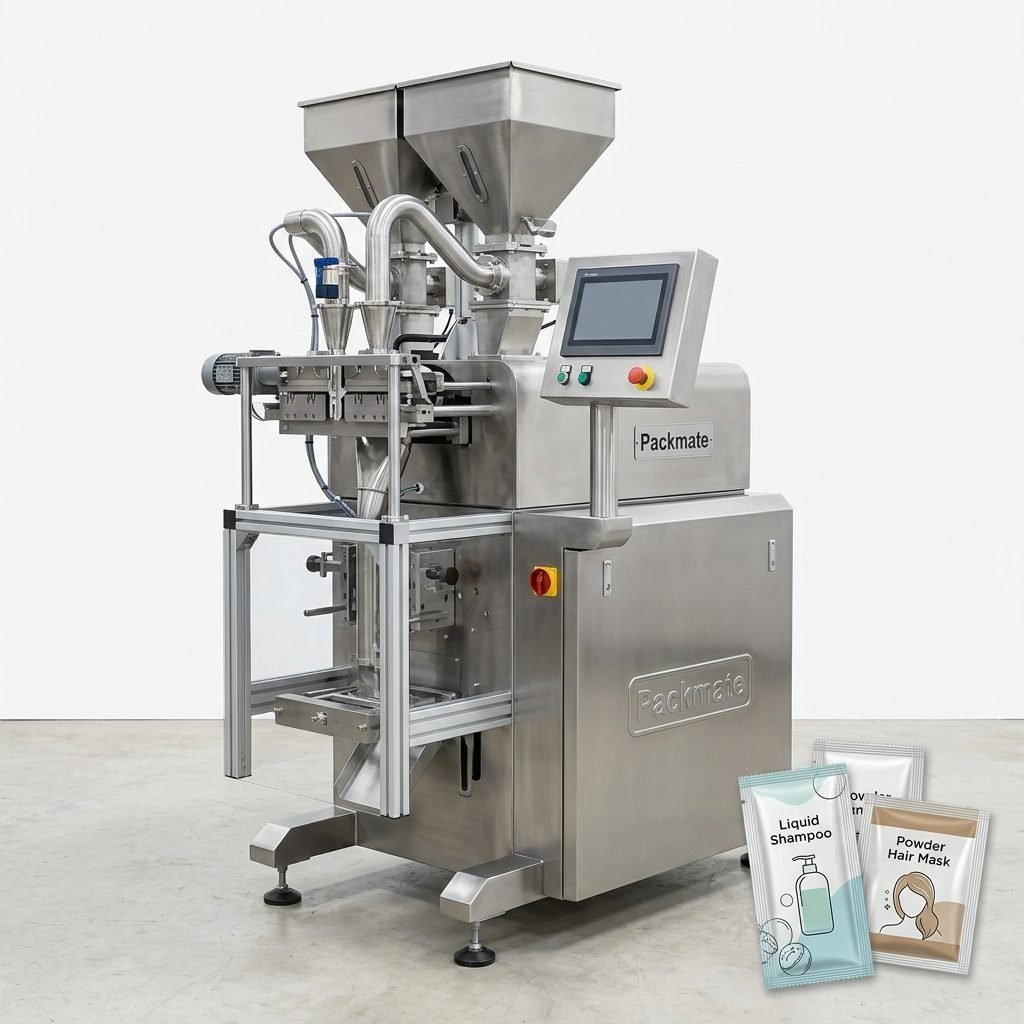
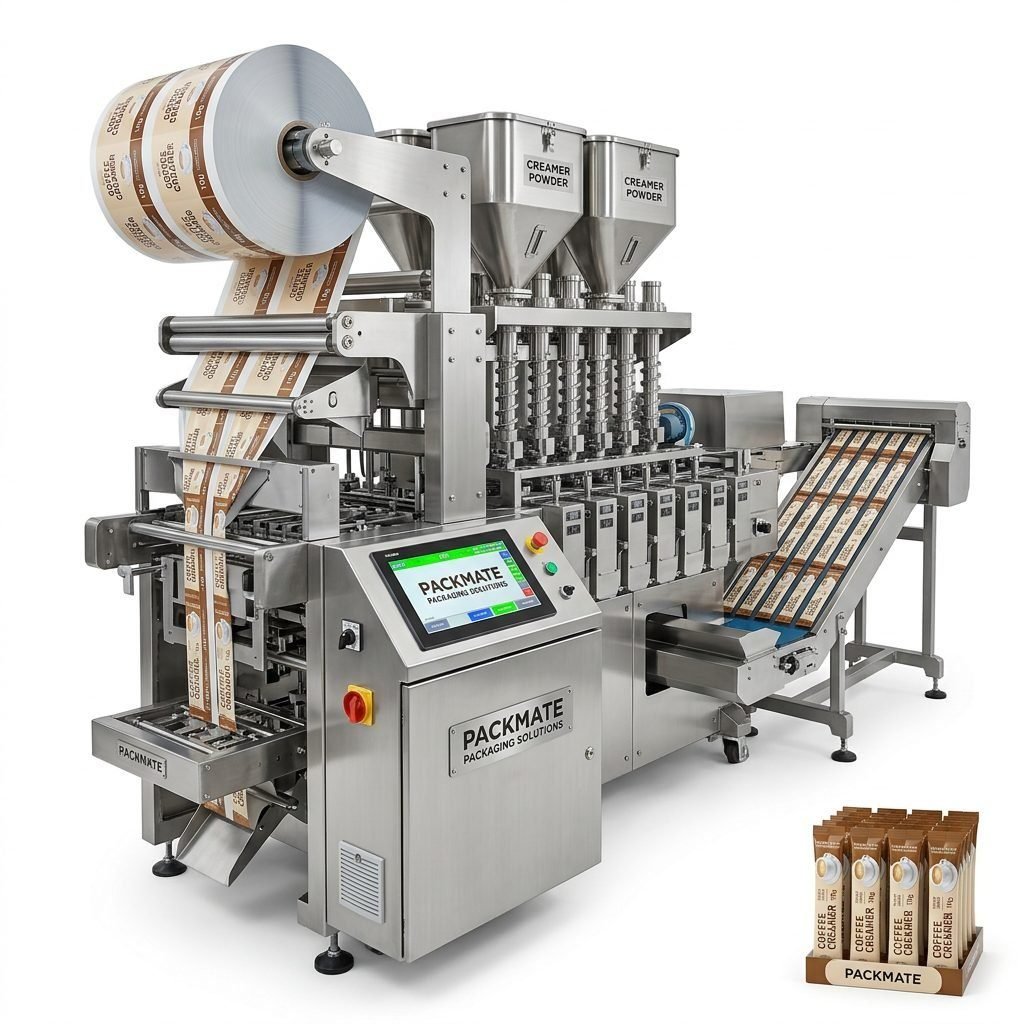
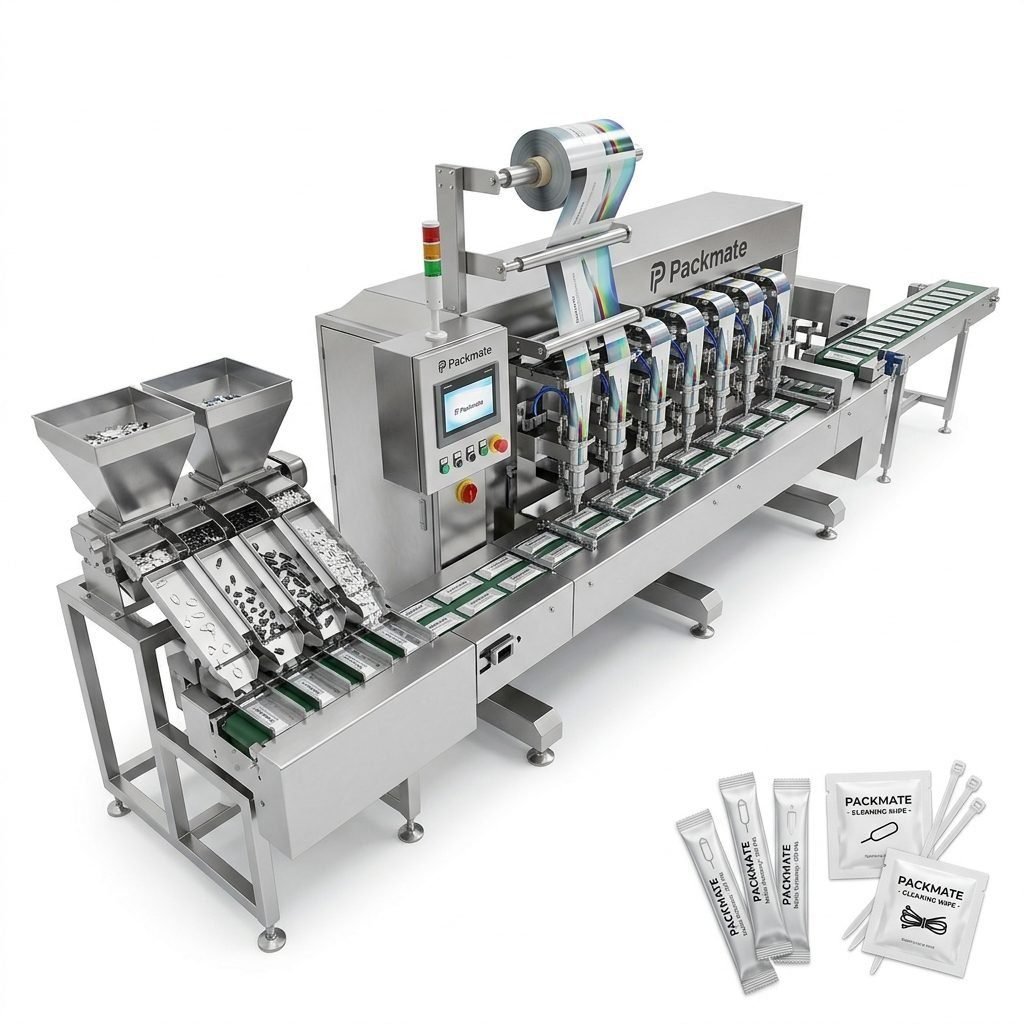
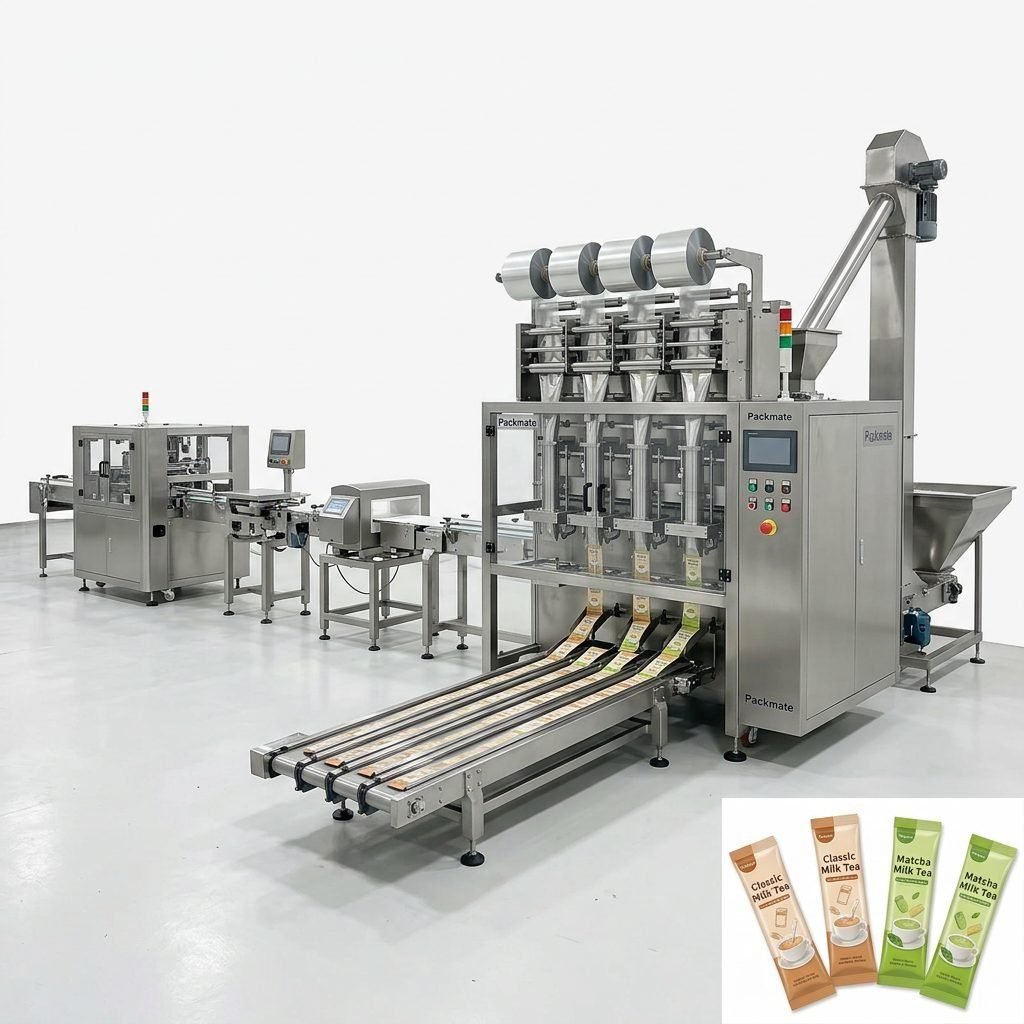
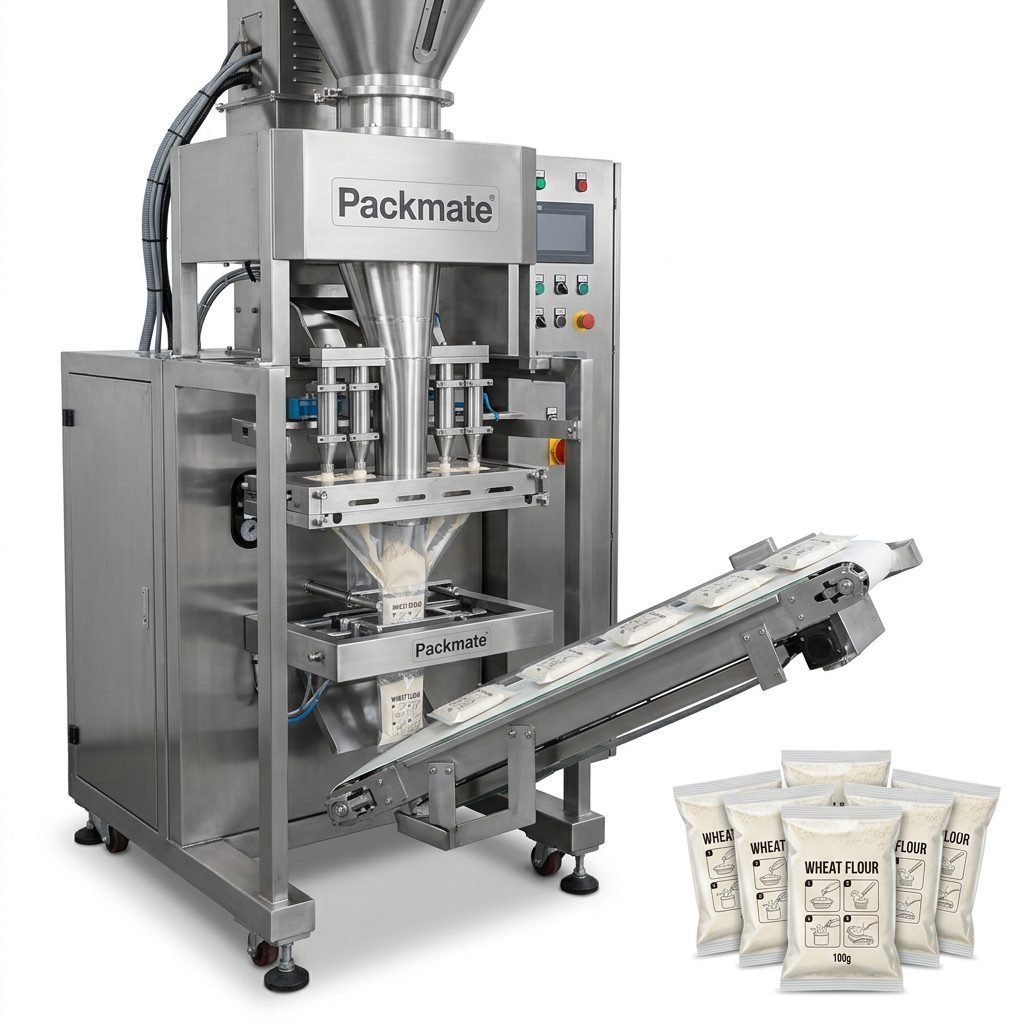
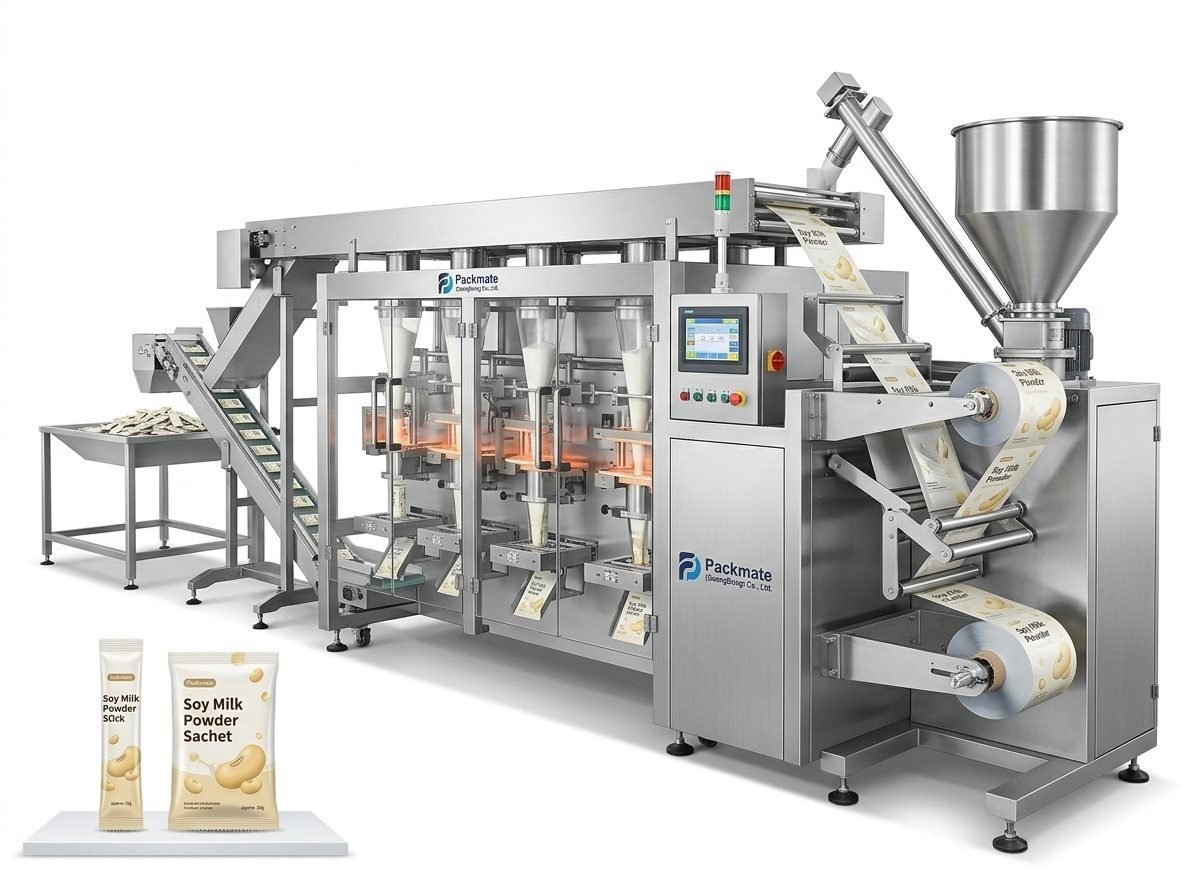
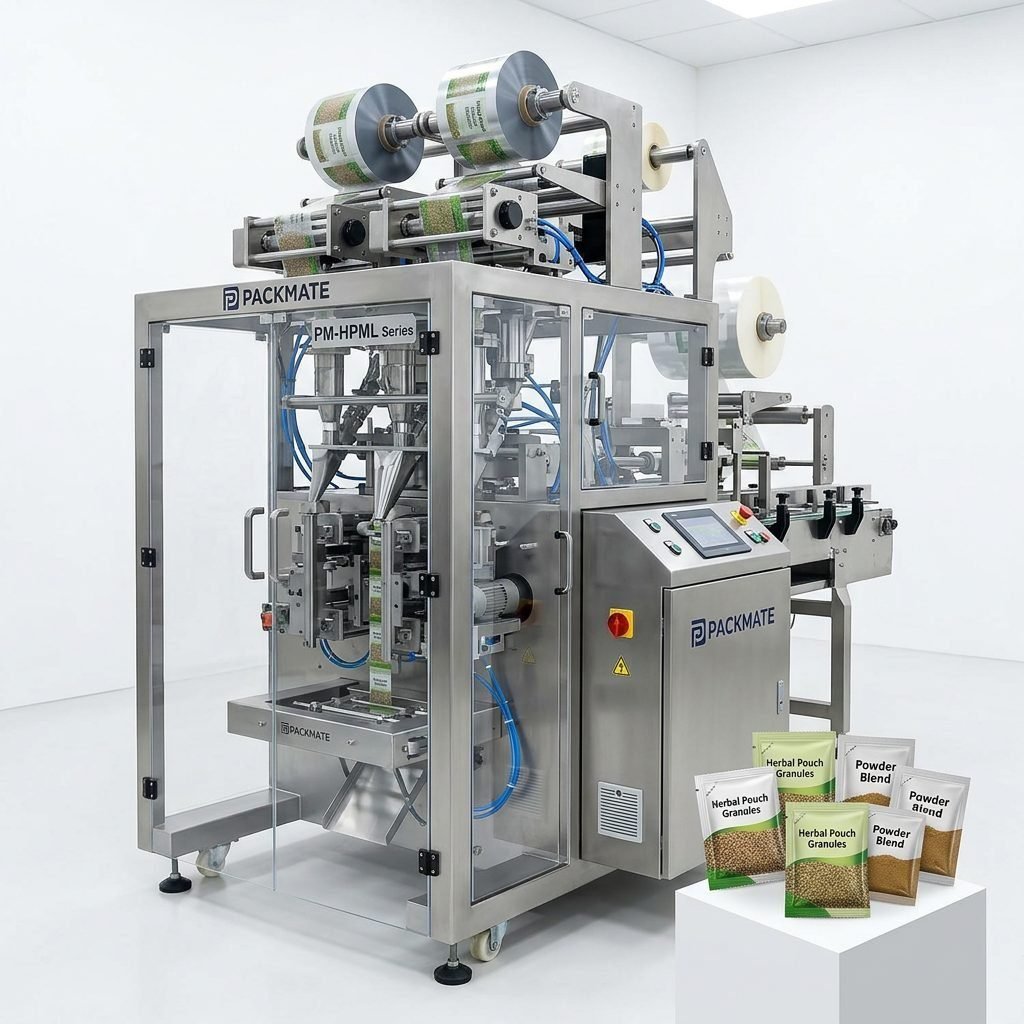
The global market features several reputable manufacturers with strong export portfolios. Companies like Ludyway, with over 30 years of experience and a 20,000+ sqm factory, offer a wide range of solutions for food and pharma, making them a versatile choice for buyers needing both standalone machines and complete lines. Similarly, Packmate Machinery provides a balanced combination of reliability and cost-effectiveness, with a strong focus on granule and powder packaging.
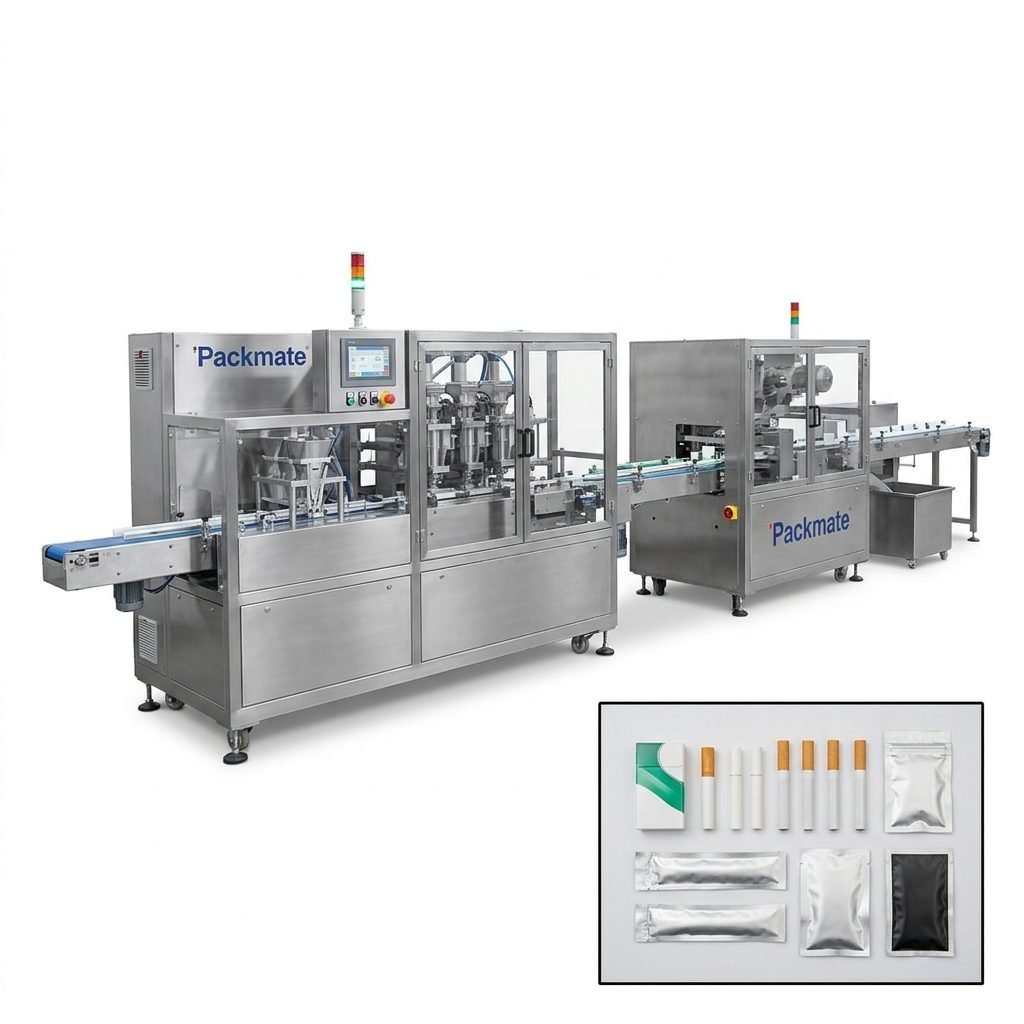
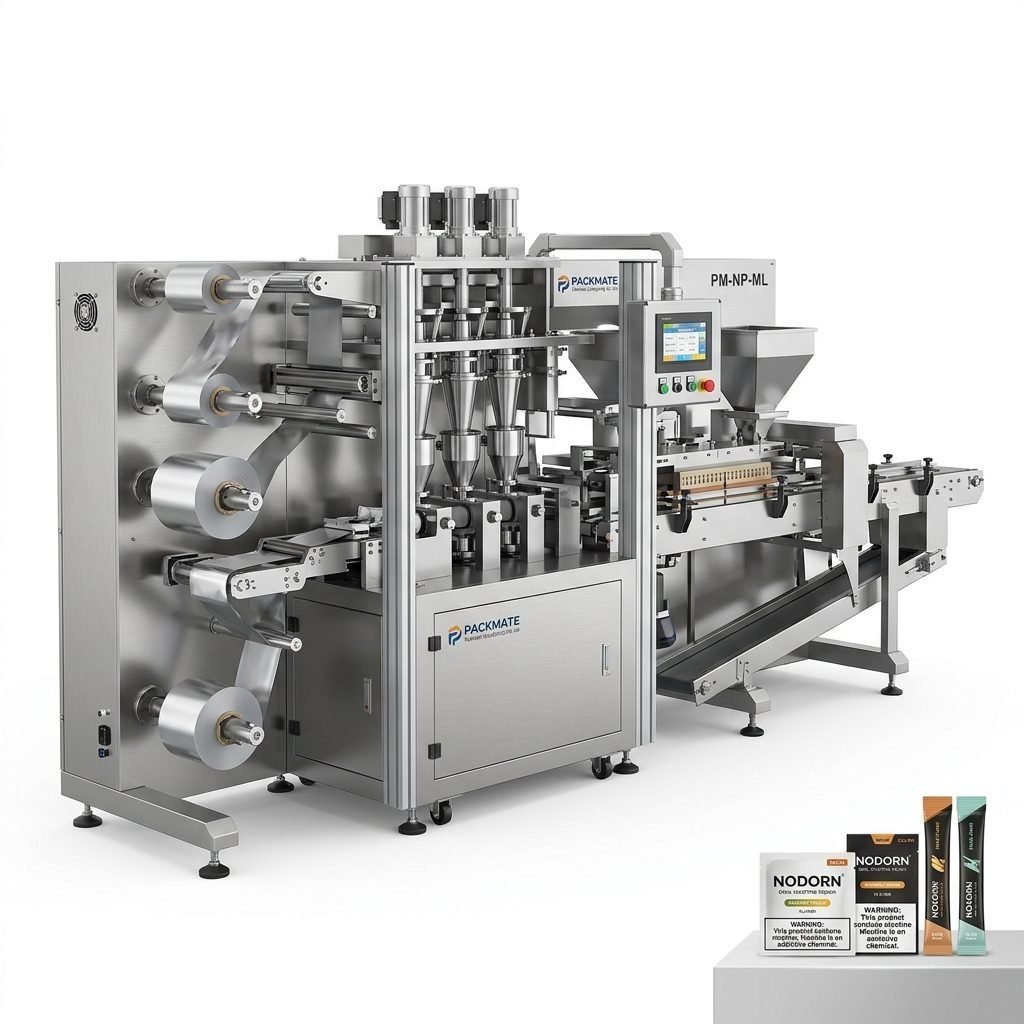
For projects requiring complete system integration, PacklineOEM specializes in turnkey packaging production lines, which can be ideal for setting up a new, fully automated facility. When your needs are highly specific, PackingMachineOEM focuses on non-standard and customized machine solutions. For niche applications such as nicotine pouch production, specialized manufacturers like SnusMachinery offer targeted expertise that general suppliers may lack.
| Focus Area | Key Consideration for Algerian Buyers |
|---|---|
| Machine Robustness & Uptime | Choose machines built with durable components to ensure high uptime and minimize costly production stoppages. |
| Spare Parts Availability | Confirm the supplier’s policy and lead times for critical spare parts to avoid prolonged downtime. |
| Local Agent or Support | A manufacturer with a local agent or strong regional support network in North Africa can drastically improve service response times. |
Planning for Installation and Long-Term Success
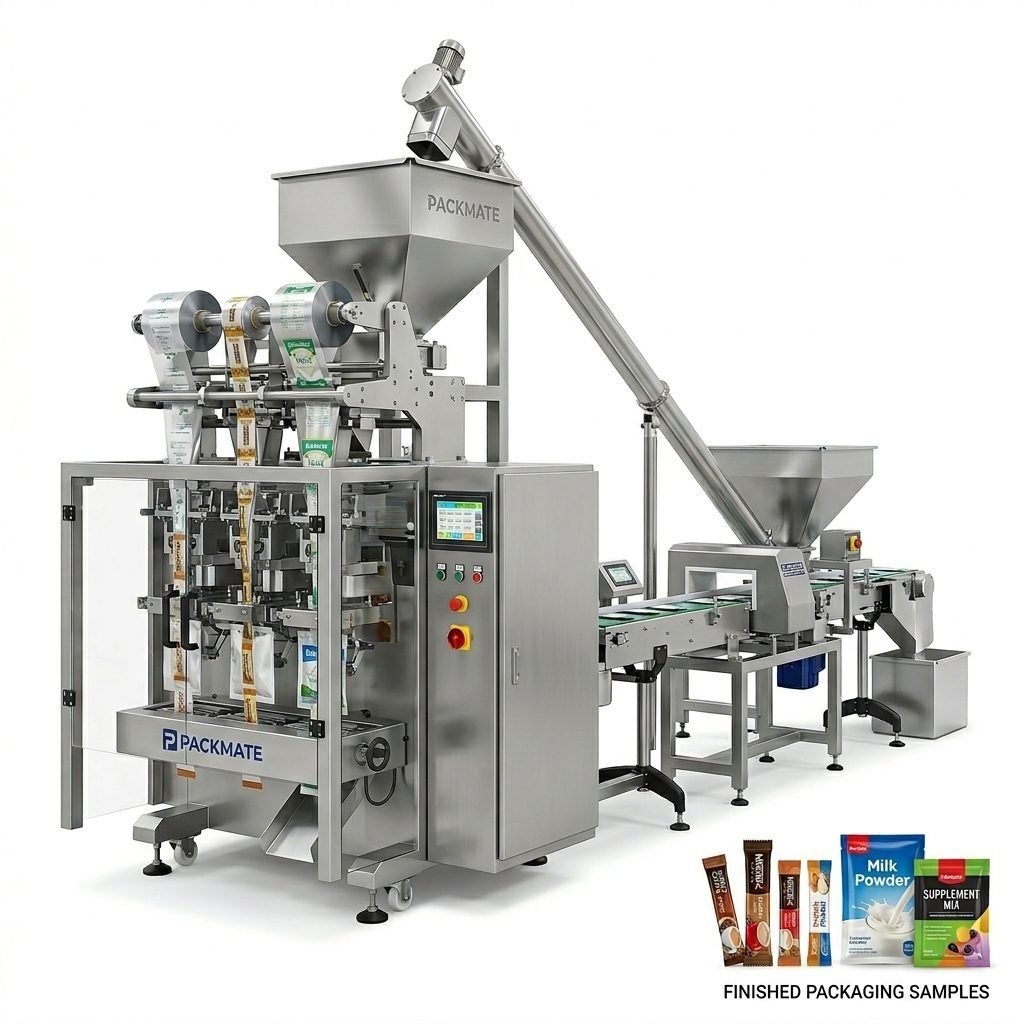
Successful implementation extends beyond the purchase. Coordinate the installation and commissioning plan with the supplier. Ensure their engineers can travel to Algeria if needed, or that comprehensive remote guidance is available. Invest in thorough operator and maintenance technician training. Finally, establish a clear communication channel with the supplier for ongoing technical support, periodic maintenance advice, and future upgrade inquiries. Building a strong, collaborative relationship with your manufacturer is key to maximizing the return on your packaging equipment investment over its entire lifecycle.
Frequently Asked Questions (FAQs)
What are the typical lead times for packaging machines shipped to Algeria?
Lead times vary significantly based on machine complexity and customization. For standard models, expect 30-60 days after order confirmation. For customized or complete turnkey lines, lead times can range from 90 to 150 days. Always factor in additional time for sea freight and Algerian customs clearance.
How can I ensure the machine complies with Algerian standards and regulations?
While Algeria may not have specific packaging machine standards, the product packaged (especially food and pharmaceuticals) must meet local regulations. Discuss this with your supplier to ensure the machine is constructed with appropriate food-grade or pharmaceutical-grade materials (e.g., SS304, SS316) and can achieve the required hygiene and sealing standards.
What is the best way to handle payment to minimize risk?
A structured payment plan is standard and recommended. A common schedule is: 30% deposit with order, 40% payment before shipment (after pre-shipment inspection photos/videos are approved), and 30% balance upon receipt of the shipment or after successful installation. Always use secure bank transfer methods and ensure all terms are detailed in the proforma invoice and contract.
Can I get local technical support for the machine in Algeria?
This depends on the manufacturer. Some large international suppliers have local agents or distributors in North Africa. Others provide support directly from their headquarters via online communication. During your evaluation, explicitly ask about their support structure for Algeria, including the availability of local technicians, spare parts stocking, and emergency response protocols.
What are the hidden costs I should budget for?
Beyond the machine price, budget for: international shipping and insurance, Algerian import duties and taxes (VAT), customs clearance agent fees, inland transportation to your factory, potential site preparation (electrical, pneumatic connections), and costs for the supplier’s engineers to travel for installation (if not included). Also, consider initial spare parts inventory and training costs.