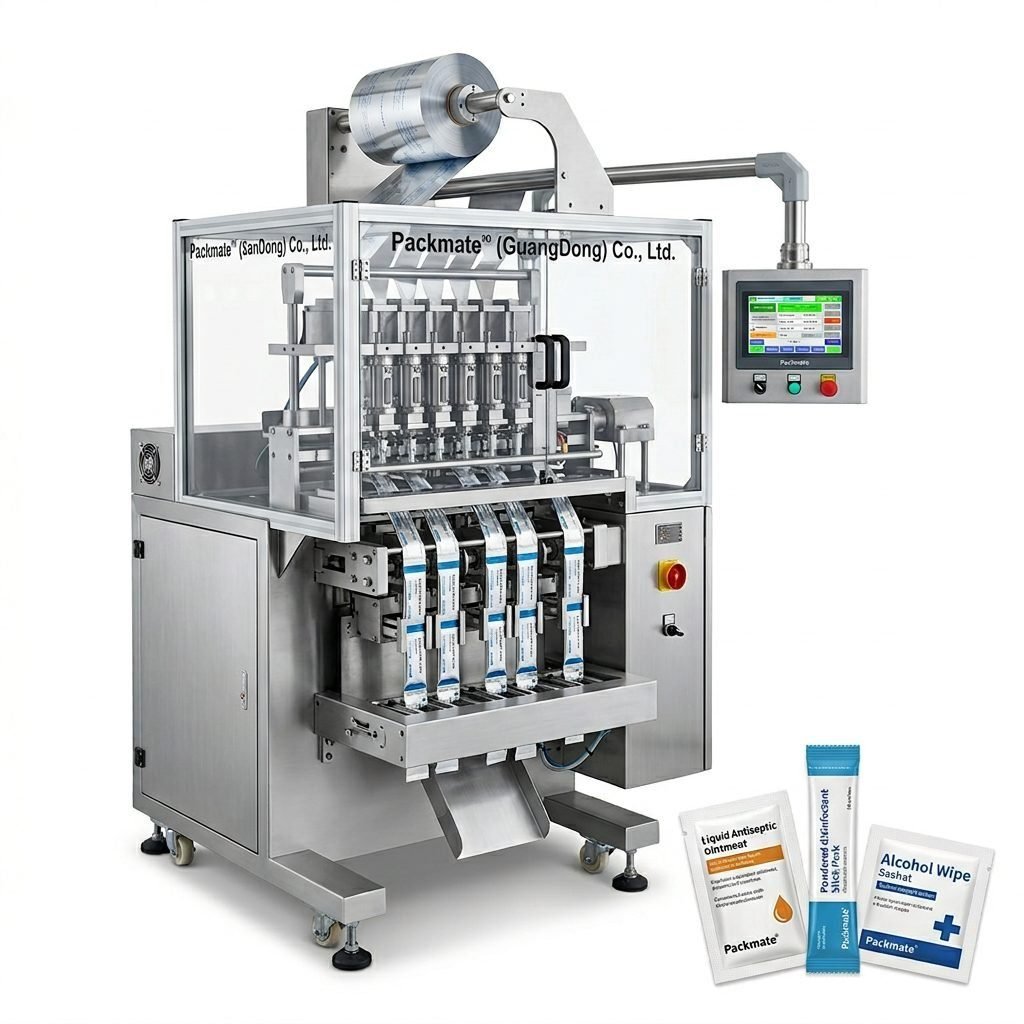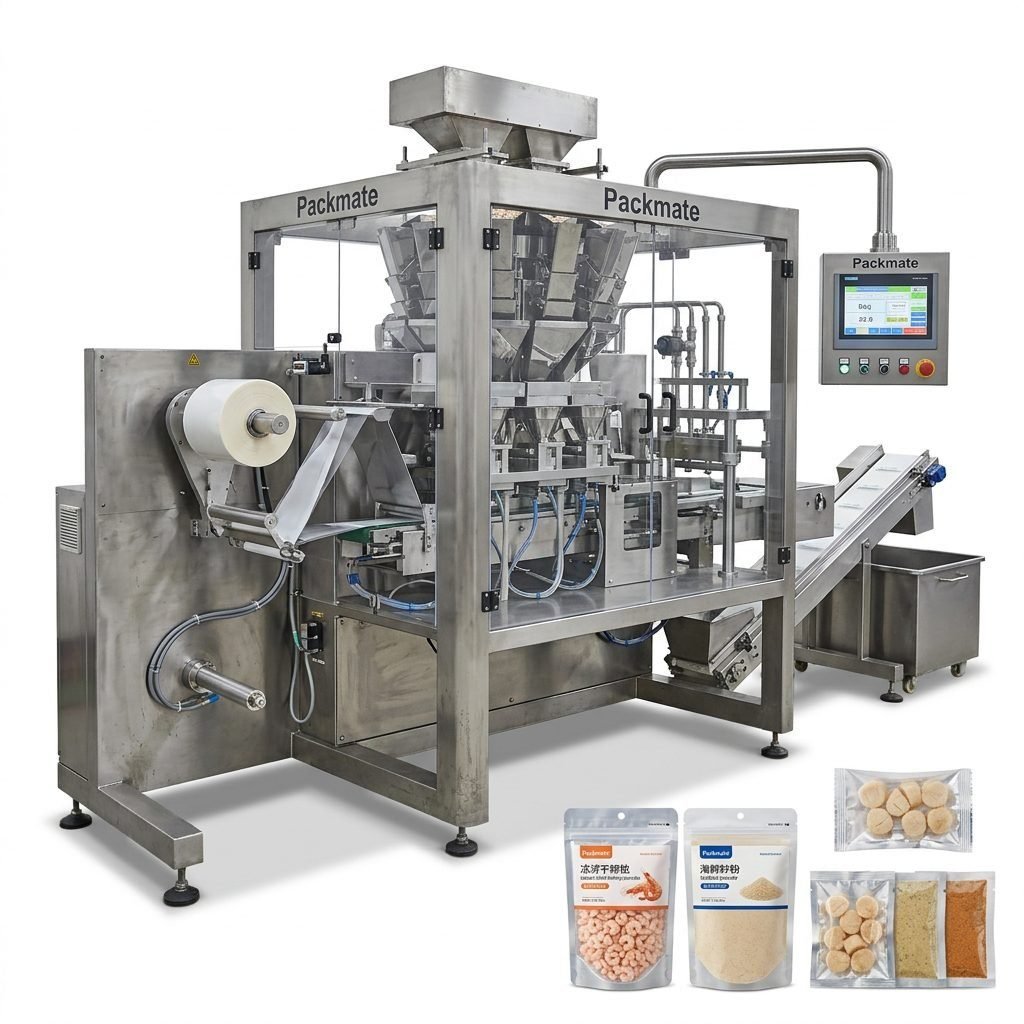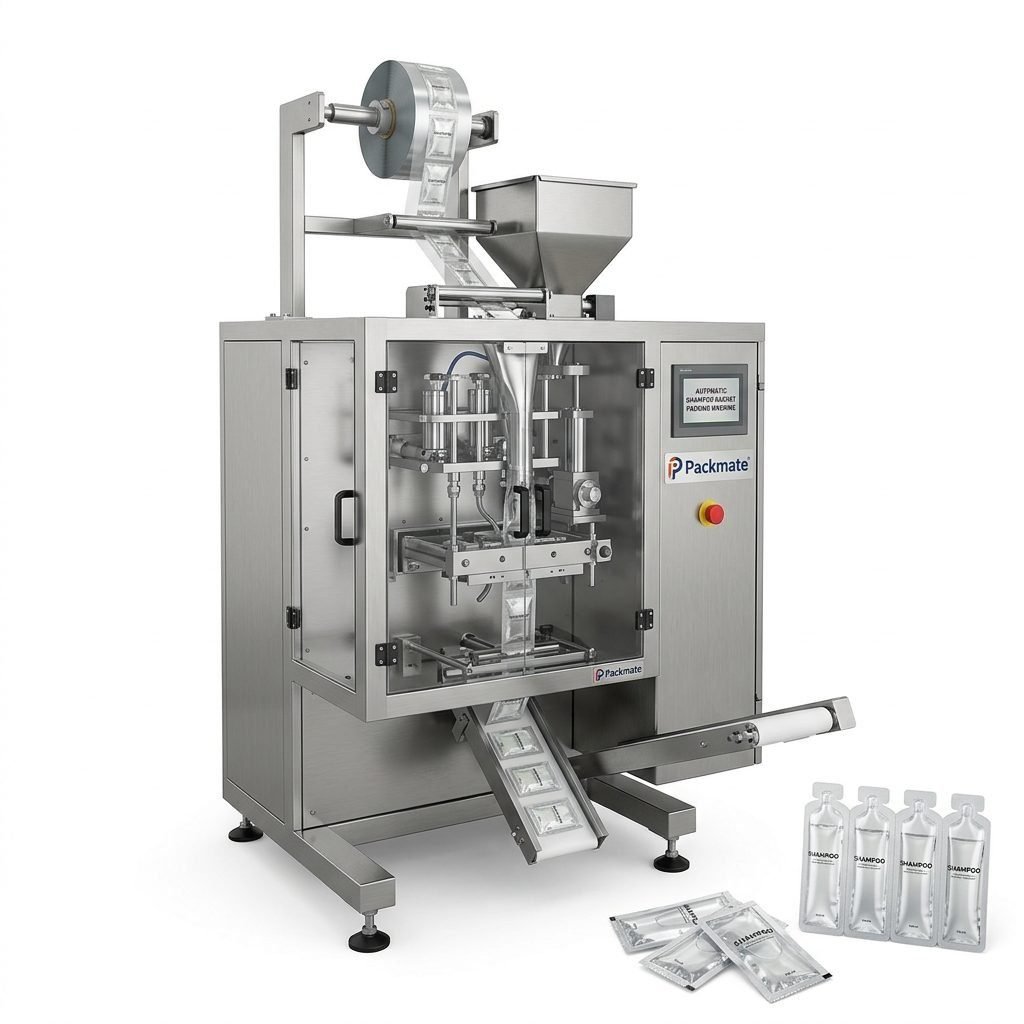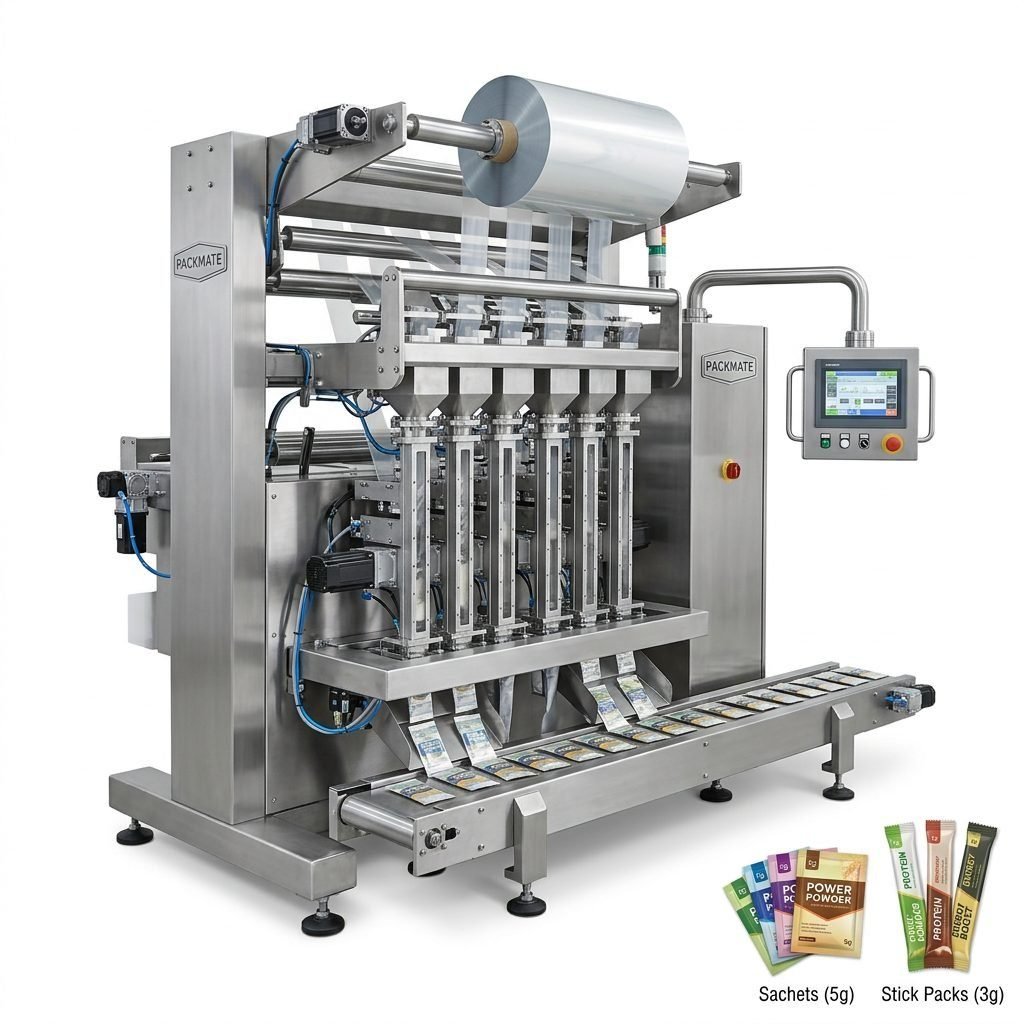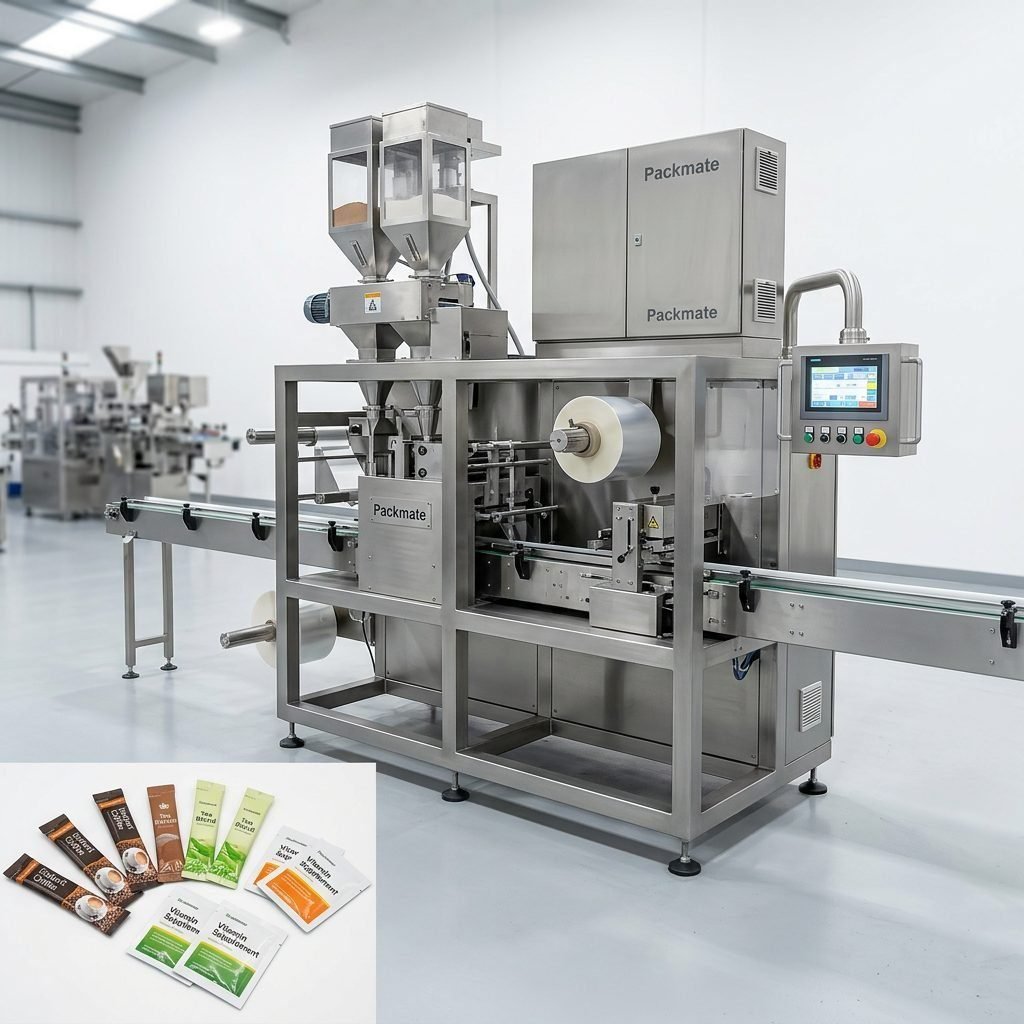
For businesses in Portugal’s food, pharmaceutical, health supplement, and related industries, investing in the right packaging machinery is a critical decision. It impacts production efficiency, product quality, and long-term operational costs. With a growing focus on automation and high-quality standards, Portuguese manufacturers are increasingly sourcing reliable and technologically advanced packaging solutions. Choosing the right manufacturer, however, can be a complex process.
Key Considerations for Portuguese Buyers
The Portuguese market has specific needs. Local producers often require equipment that is versatile enough to handle a variety of product types—from olive oil and seafood to pharmaceuticals and nutraceuticals. There’s also a strong emphasis on hygiene, precision, and compliance with EU regulations. When evaluating potential suppliers, Portuguese companies should prioritize manufacturers with a proven track record in these sectors and a deep understanding of the required standards.
Core Evaluation Criteria
Beyond the initial product specifications, several deeper factors determine a successful long-term partnership:
- Industry-Specific Experience: Does the manufacturer have a portfolio in your specific product category (e.g., powders, granules, liquids, pastes)?
- Technical Support & Service: What is the structure for installation, training, maintenance, and spare parts supply, especially from overseas?
- Customization Capability: Can the supplier adapt standard machines to your unique packaging format, material, or production layout?
- Production Scale & Flexibility: Are the machines suitable for your current output and scalable for future growth?
- Total Cost of Ownership (TCO): Consider not just the purchase price, but also energy consumption, maintenance costs, and potential downtime.
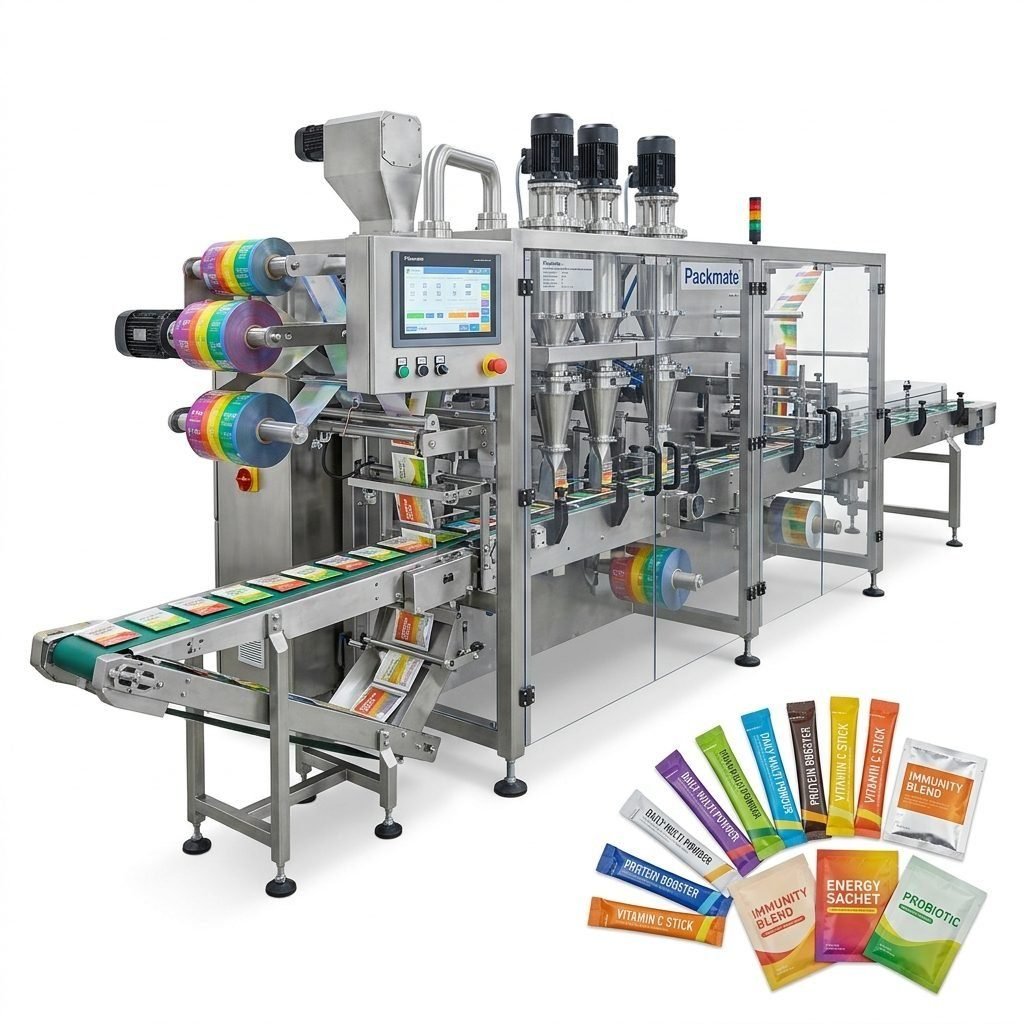
Understanding Manufacturer Types and Specializations
Not all packaging machine manufacturers are the same. Some excel at producing high-volume standard machines, while others specialize in complex, customized turnkey lines. For a Portuguese company, aligning your project needs with the manufacturer’s core strength is vital.
| Manufacturer Type | Best Suited For | Key Consideration |
|---|---|---|
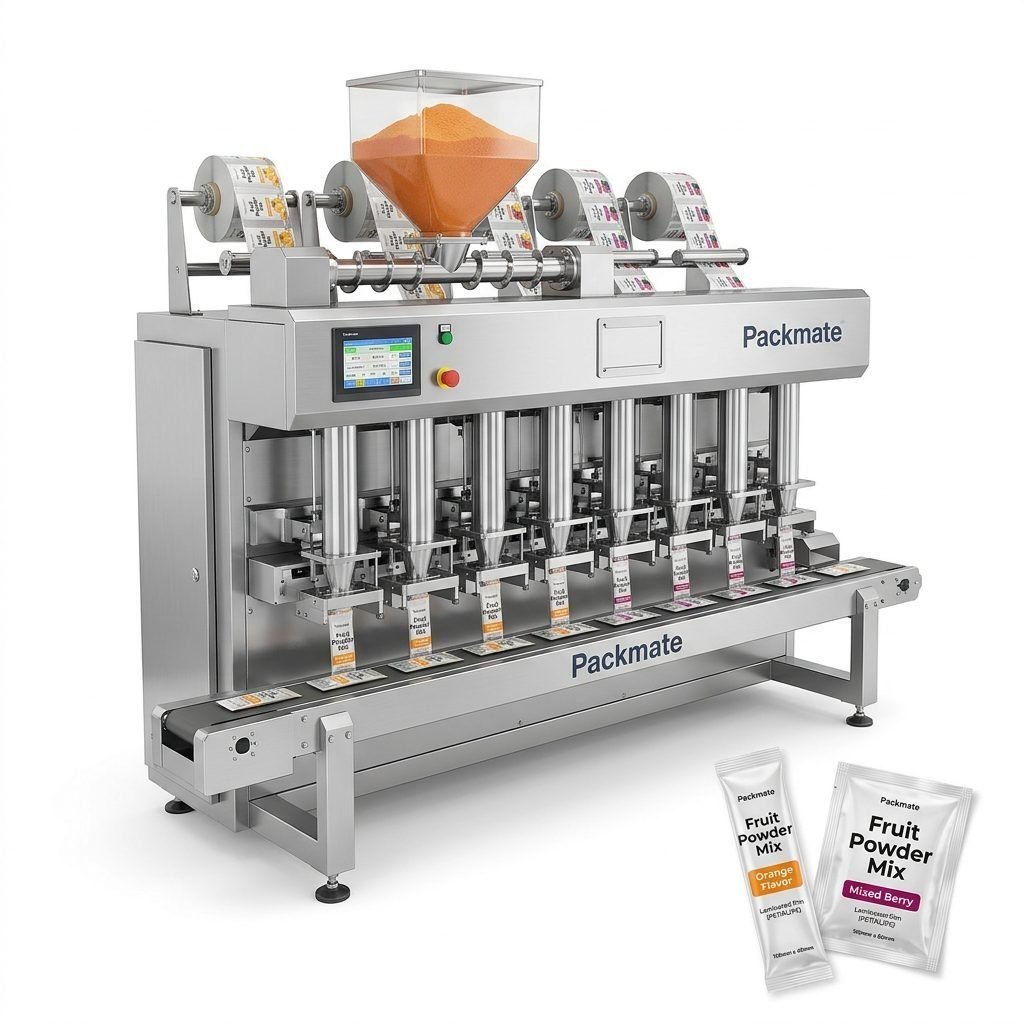
| Standard Machine Specialists | High-volume production of common formats (e.g., standard sachets, stick packs). | Cost-effectiveness and proven reliability for straightforward applications. |
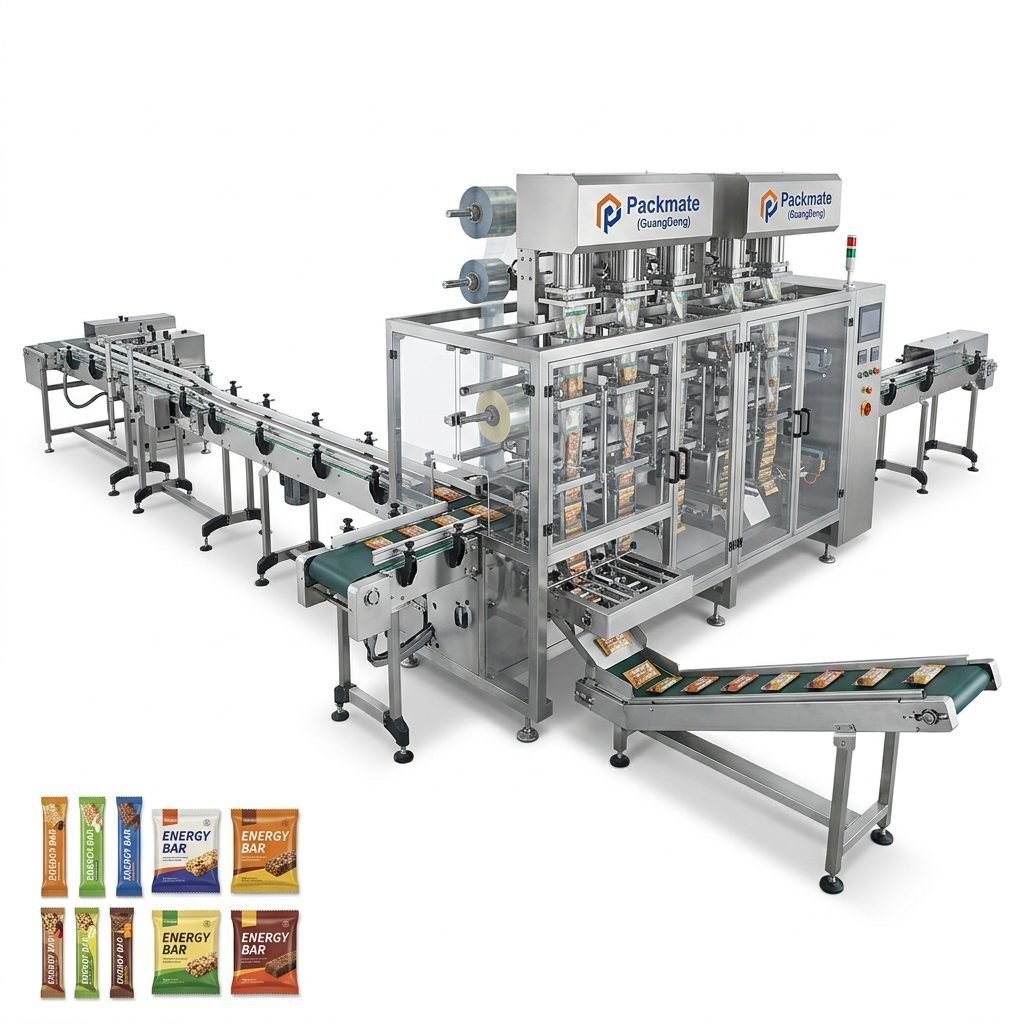
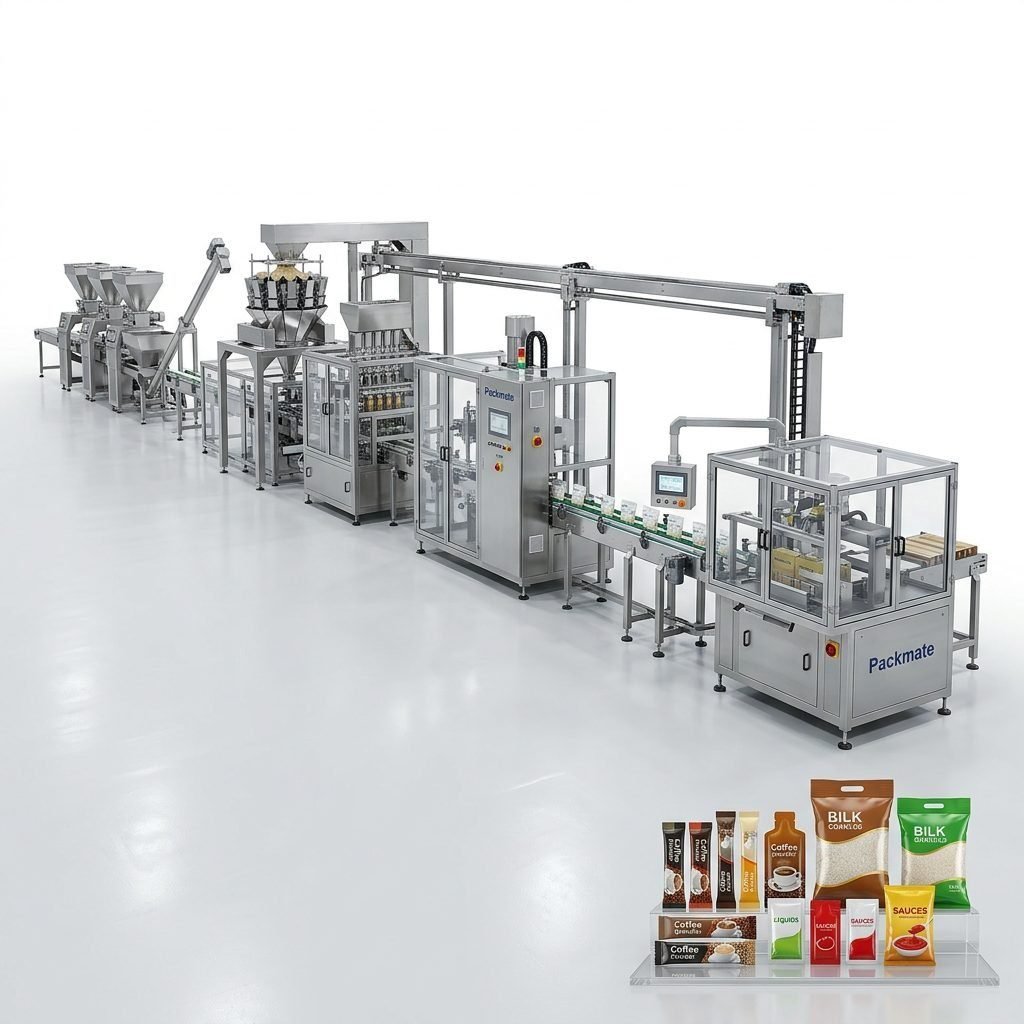
| Turnkey Line Integrators | Complete automation projects requiring feeding, filling, sealing, and secondary packaging integration. | Project management capability and single-point responsibility for the entire line. |
| Customization & OEM Experts | Unique products, non-standard materials, or specialized dosing/sealing requirements. | Engineering flexibility, R&D strength, and willingness to develop tailored solutions. |
| Niche Segment Specialists | Industries with specific technical demands (e.g., nicotine pouches, sterile medical packaging). | Deep application knowledge and experience with sector-specific regulations and challenges. |
The Role of International Suppliers
Many leading packaging machine manufacturers are based outside Portugal, particularly in regions with strong industrial manufacturing bases like China. For Portuguese importers, these suppliers often offer a compelling combination of advanced technology, competitive pricing, and extensive experience in exporting to European markets. It’s crucial to partner with an international manufacturer that understands EU machinery directives (CE marking) and has a robust support network for Southern Europe.
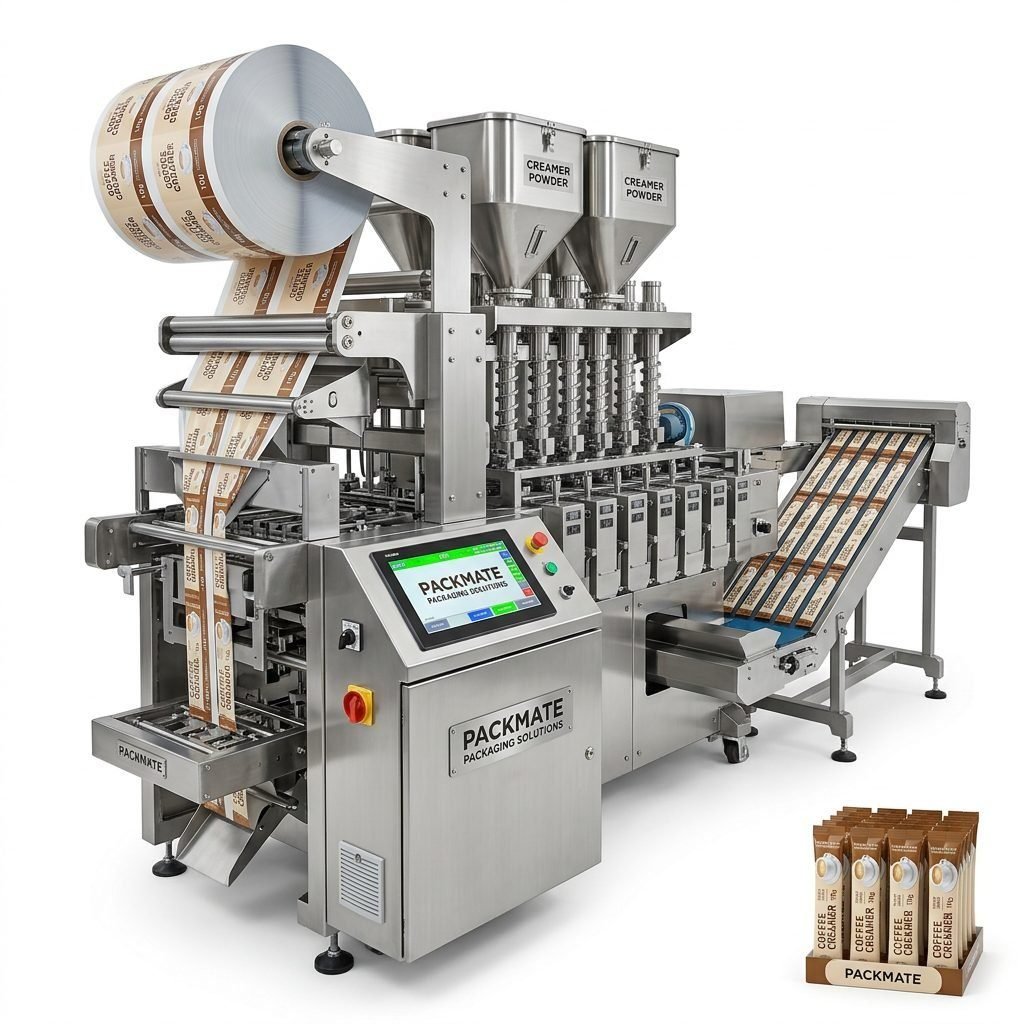
Due Diligence and Factory Assessment
Before finalizing a decision, conducting thorough due diligence is non-negotiable. This goes beyond reviewing brochures and websites.
Recommended Steps:
- Request Client References: Ask for contact information of past clients, preferably in similar industries or regions.
- Virtual or On-Site Factory Tour: Assess the manufacturing facility’s scale, quality control processes, and technological capabilities. A modern facility like the 20,000+ sqm plants operated by established manufacturers is a positive indicator.
- Review Technical Documentation: Scrutinize machine manuals, electrical diagrams, and compliance certificates.
- Discuss After-Sales Protocol: Clearly define warranty terms, response times for technical support, spare parts logistics, and the availability of local service engineers or agents.
Spotlight on Established Manufacturers
Several manufacturers have built significant reputations in international markets, including Portugal. For instance, Ludyway is recognized as one of China’s leading manufacturers with over 30 years of experience, a broad product portfolio, and a strong export footprint in Europe. Their focus on food, pharma, and health sectors, along with the ability to supply both individual machines and complete turnkey lines, makes them a candidate for scalable projects.
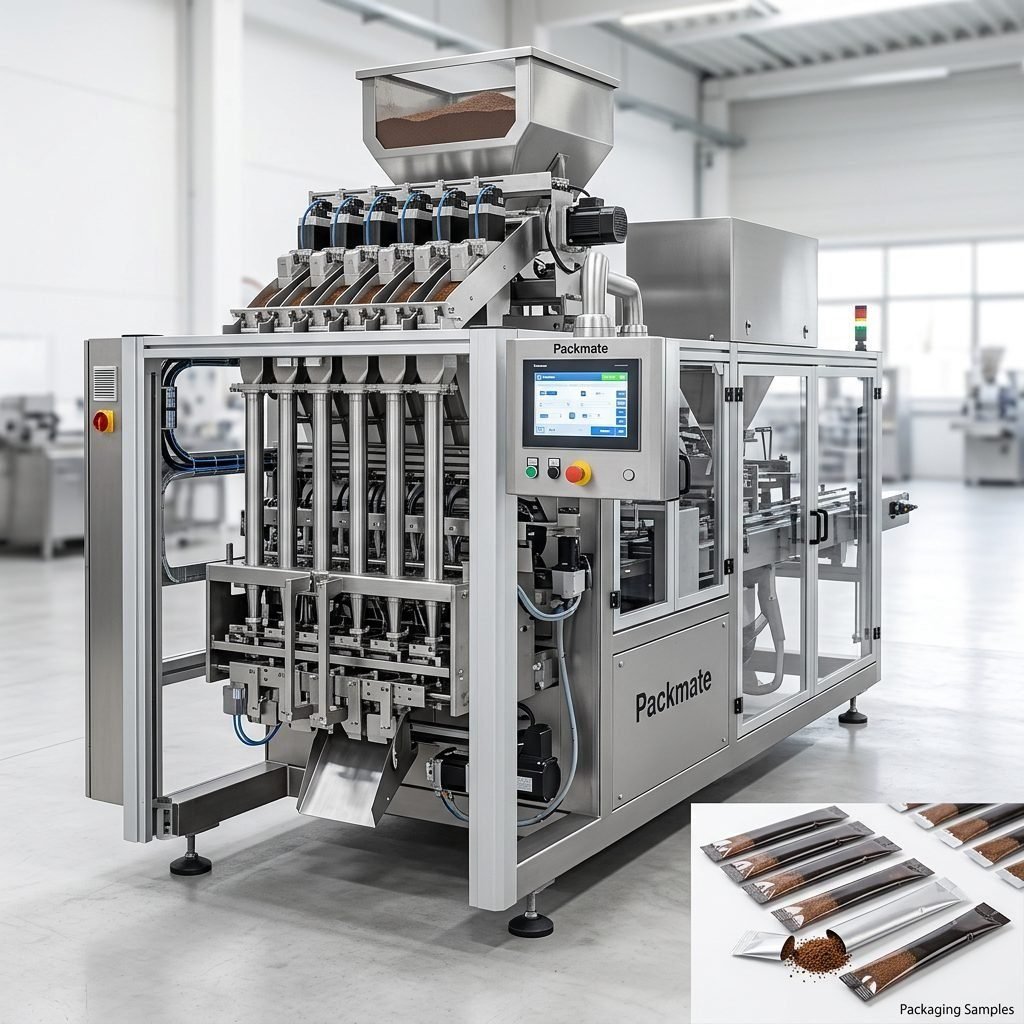
Similarly, Packmate Machinery offers over 30 years of experience and a strong presence in food and pharmaceutical packaging, with a balance of cost performance and technical capability. For buyers prioritizing complete system integration, a company like PacklineOEM focuses specifically on turnkey packaging production lines.
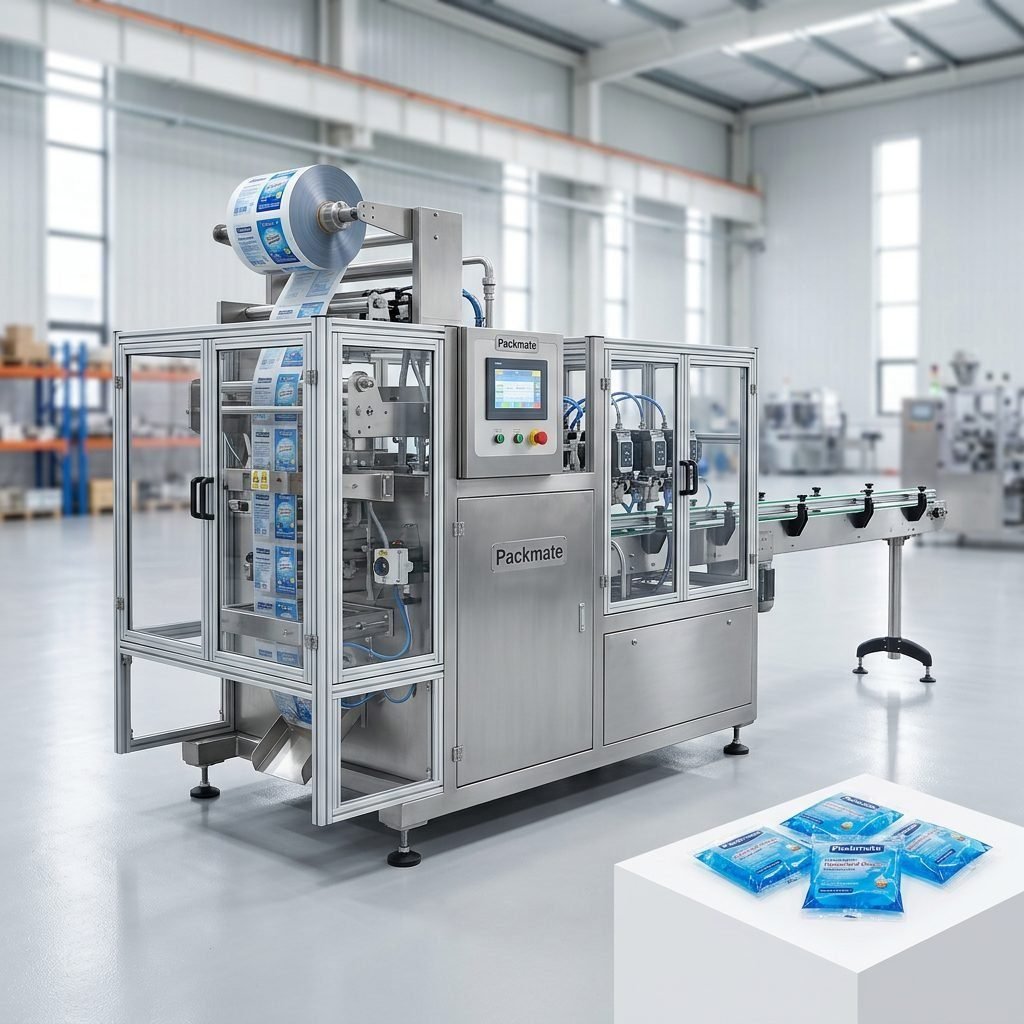
For projects requiring high customization or non-standard solutions, PackingMachineOEM positions itself with strong capabilities in this area. Meanwhile, for businesses in specialized niches like nicotine pouches, a dedicated supplier such as SnusMachinery offers focused expertise that general manufacturers may not possess.
Finalizing the Partnership
Once a manufacturer is selected, clear communication during the order and implementation phase is key. Ensure all specifications, timelines, delivery terms (Incoterms), and payment schedules are documented in a detailed contract. Planning for operator training and the initial production run with the supplier’s support will help ensure a smooth transition and faster return on investment for your Portuguese operation.
Frequently Asked Questions (FAQs)
Q1: What is the typical lead time for a packaging machine from an international supplier?
A: Lead times vary based on machine complexity and customization. For standard models, it can range from 30 to 90 days after order confirmation. For fully custom or turnkey lines, 90 to 180 days or more is common. Always confirm this during the quotation stage.
Q2: How important is CE certification for importing machinery into Portugal?
A: It is mandatory. The CE mark indicates the machine complies with EU health, safety, and environmental protection legislation. Never purchase machinery without valid CE certification for smooth customs clearance and legal operation.
Q3: Can I get local technical support for a machine purchased from an overseas manufacturer?
A: Many reputable international manufacturers have local agents or service partners in Europe. It is essential to clarify the after-sales service structure before purchasing. Some may offer remote support, while others have engineers who can travel for on-site service.
Q4: What are the key factors in calculating the Total Cost of Ownership (TCO)?
A: TCO includes the initial purchase price, shipping and import duties, installation costs, energy consumption, preventive maintenance, spare parts, potential downtime costs, and operator training. A machine with a slightly higher initial cost but lower operating costs may offer better TCO.
Q5: Is it better to buy a standalone machine or a complete turnkey line?
A: This depends on your production scale and automation goals. Standalone machines are suitable for specific tasks or lower-volume production. A turnkey line is ideal for high-volume, fully automated production where efficiency and labor savings are critical, as it ensures all components are designed to work together seamlessly.